
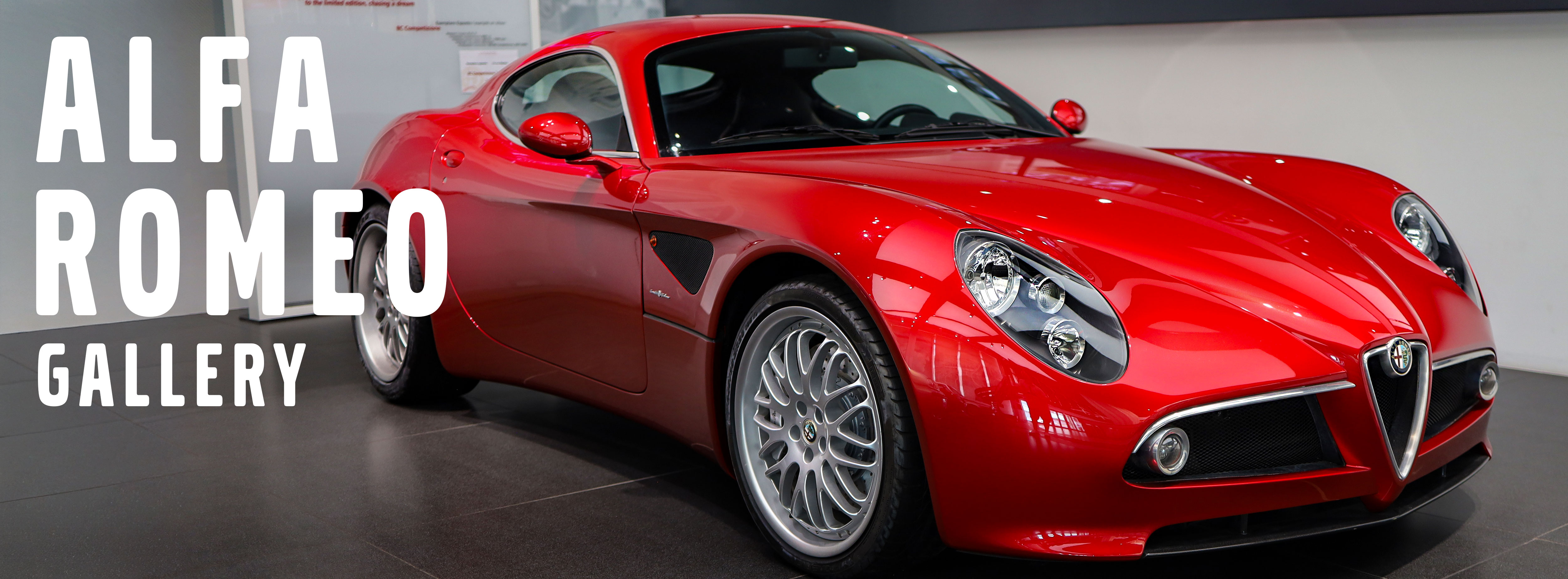
Alfa Romeo blends Italian design, thrilling performance, and rich motorsport heritage to create unforgettable cars. With a focus on innovation and passion, the brand continues to excite enthusiasts while maintaining its legacy of automotive excellence.
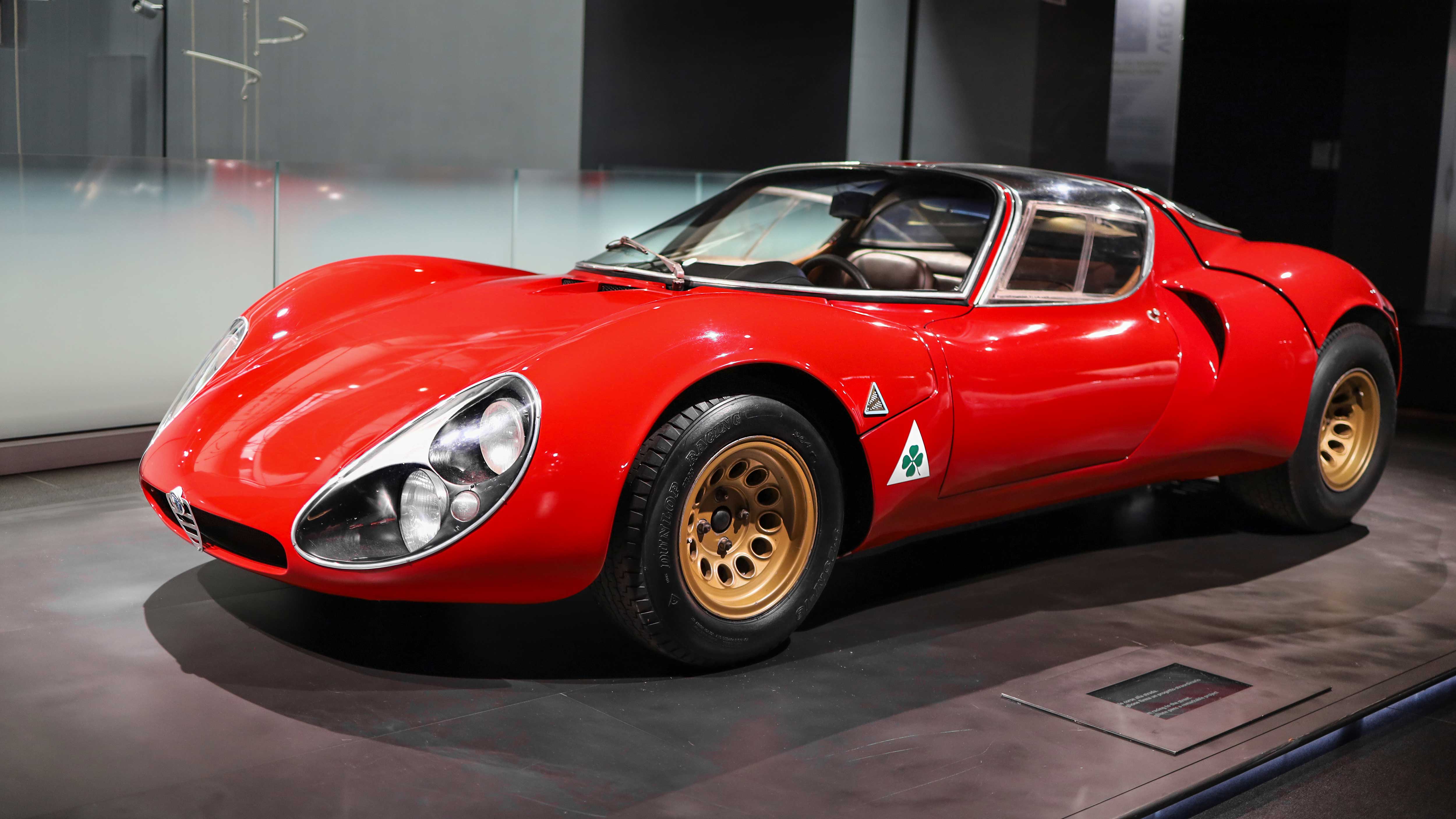
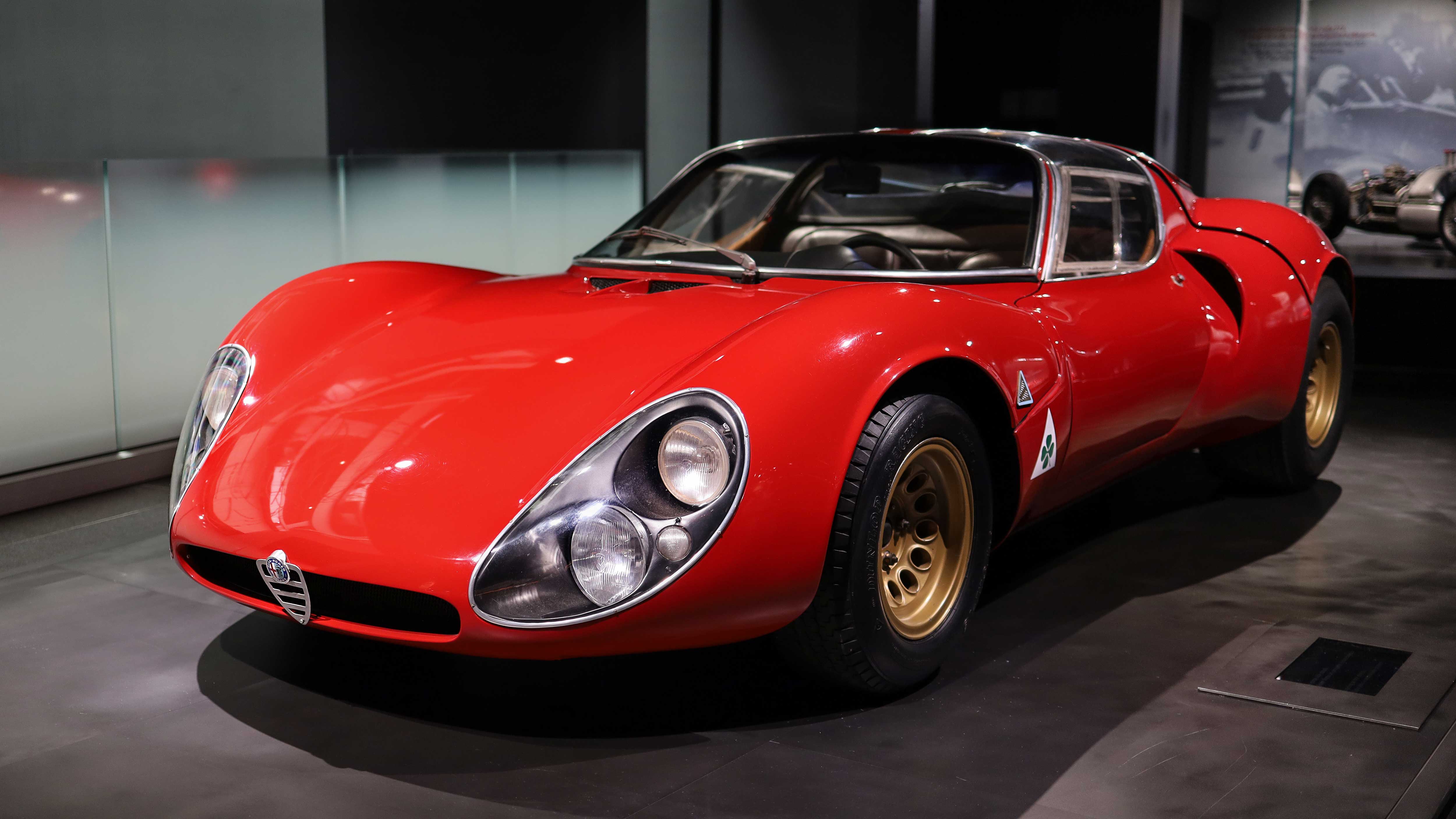
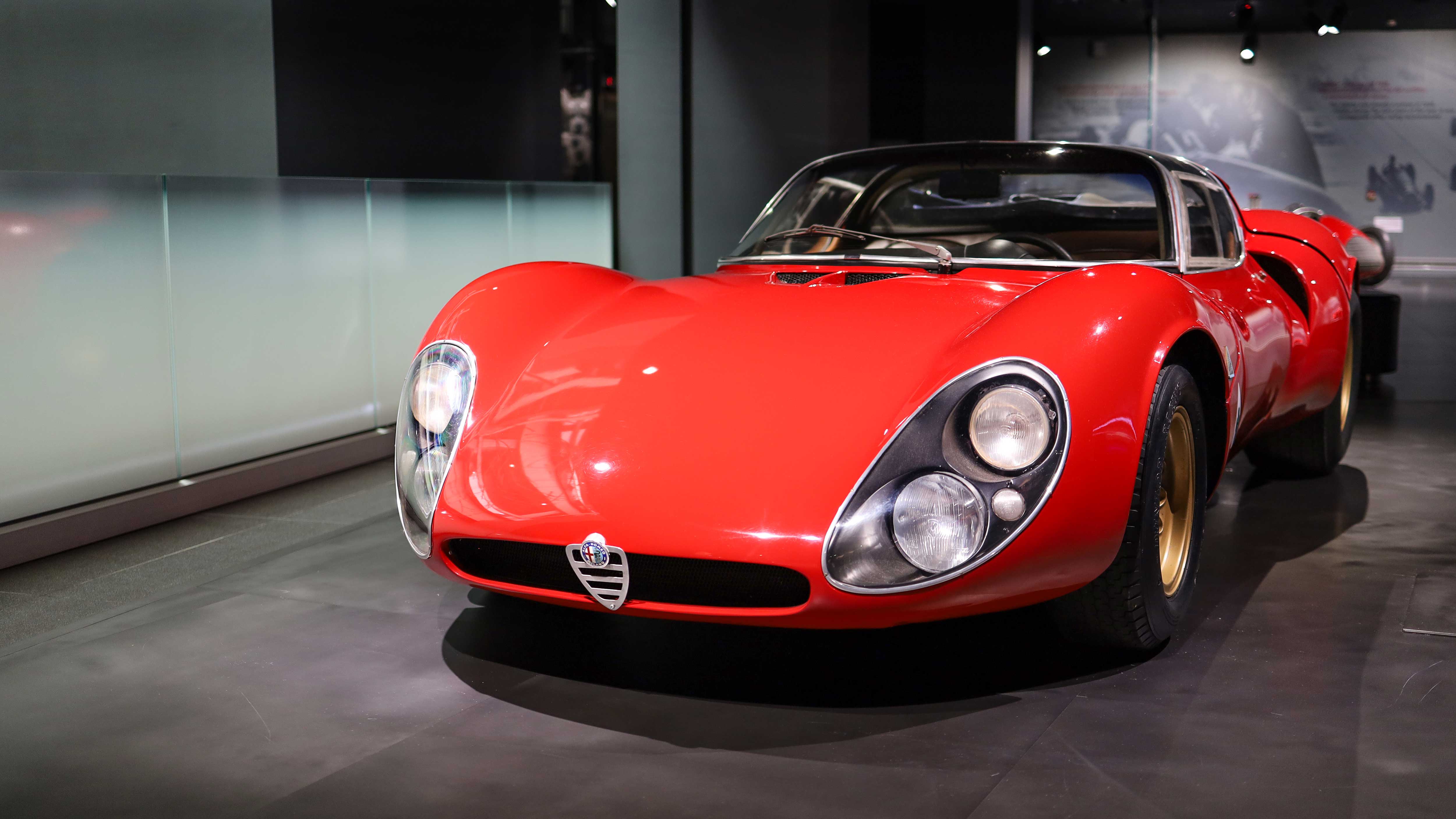
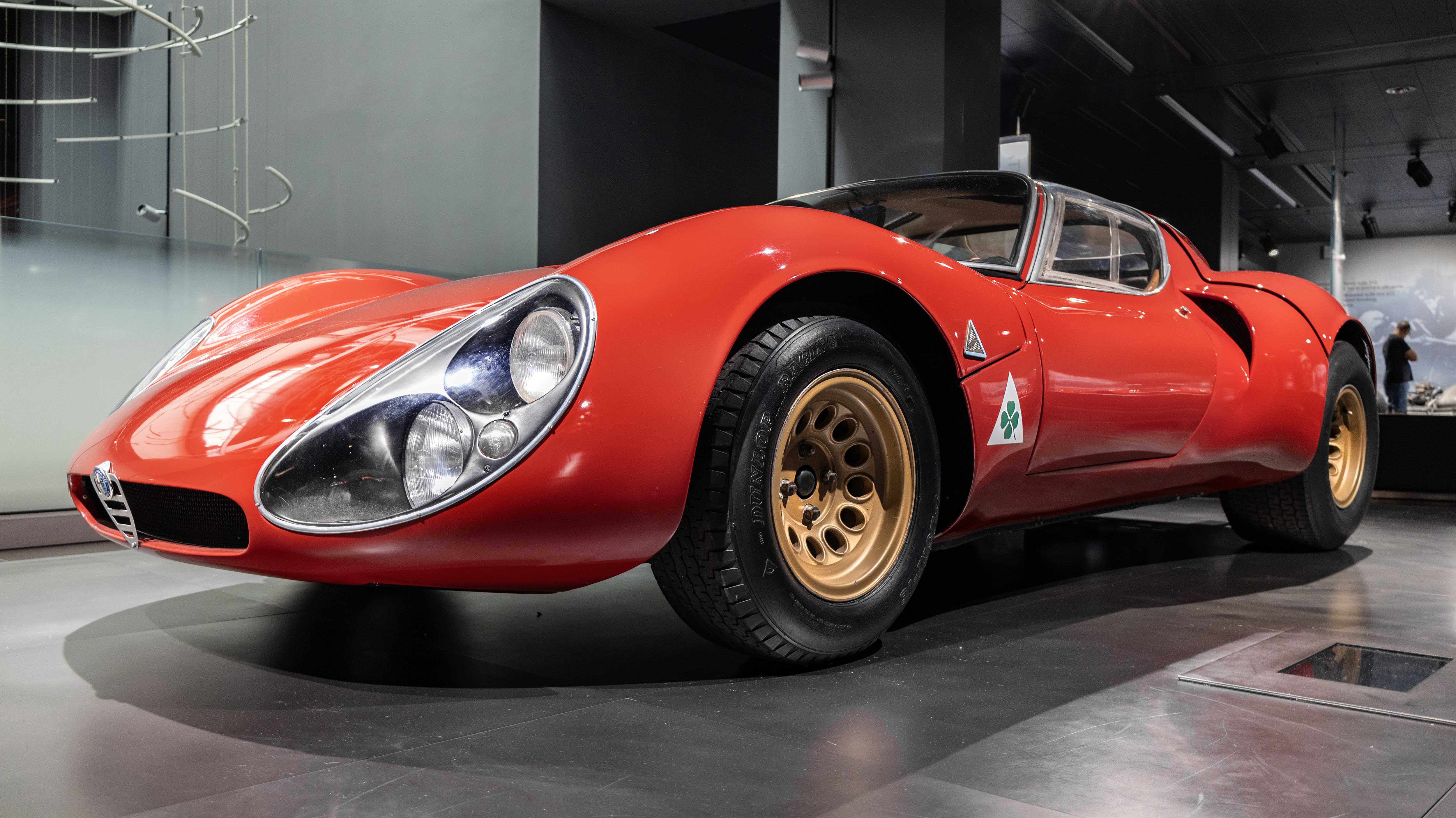
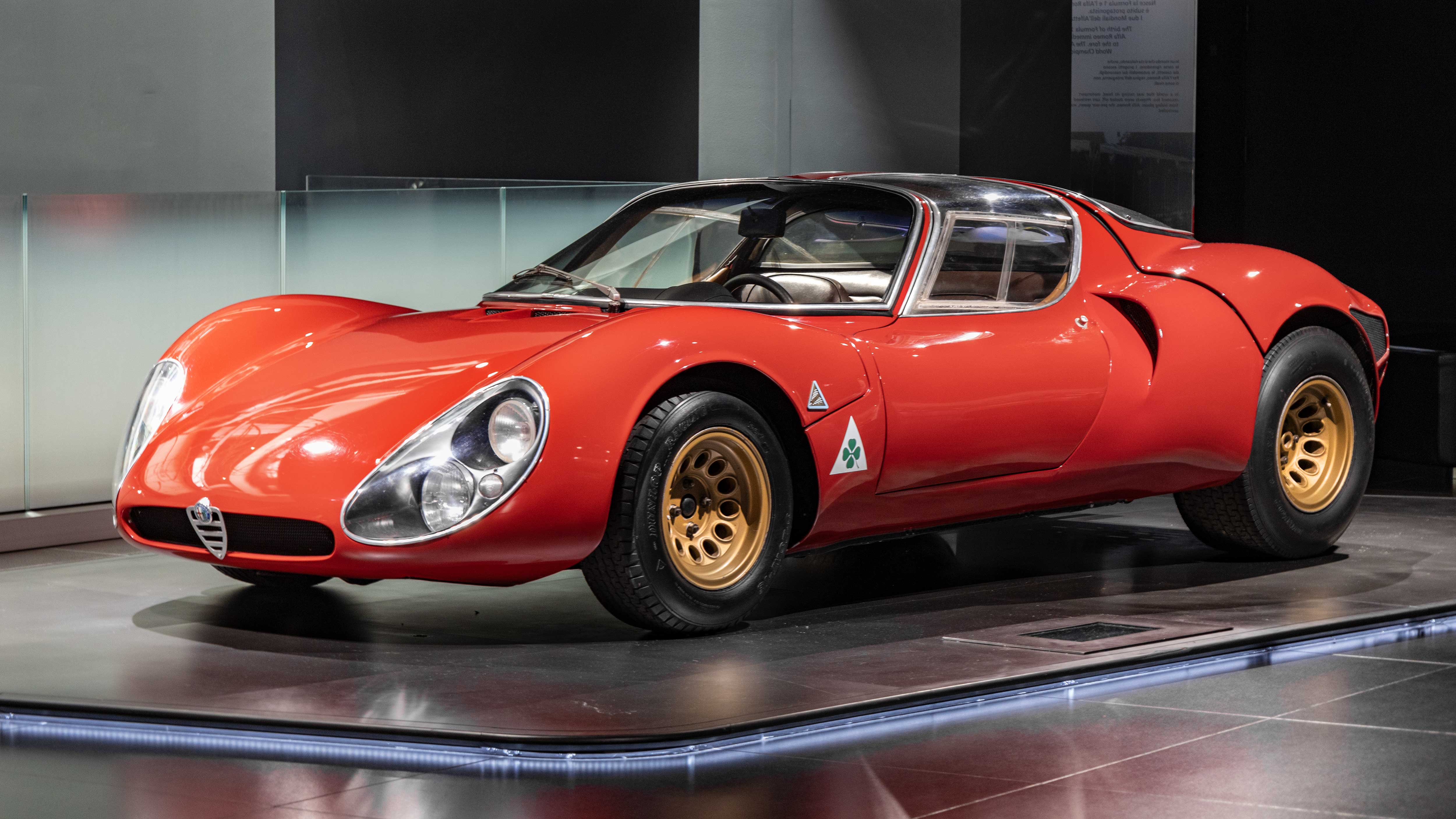
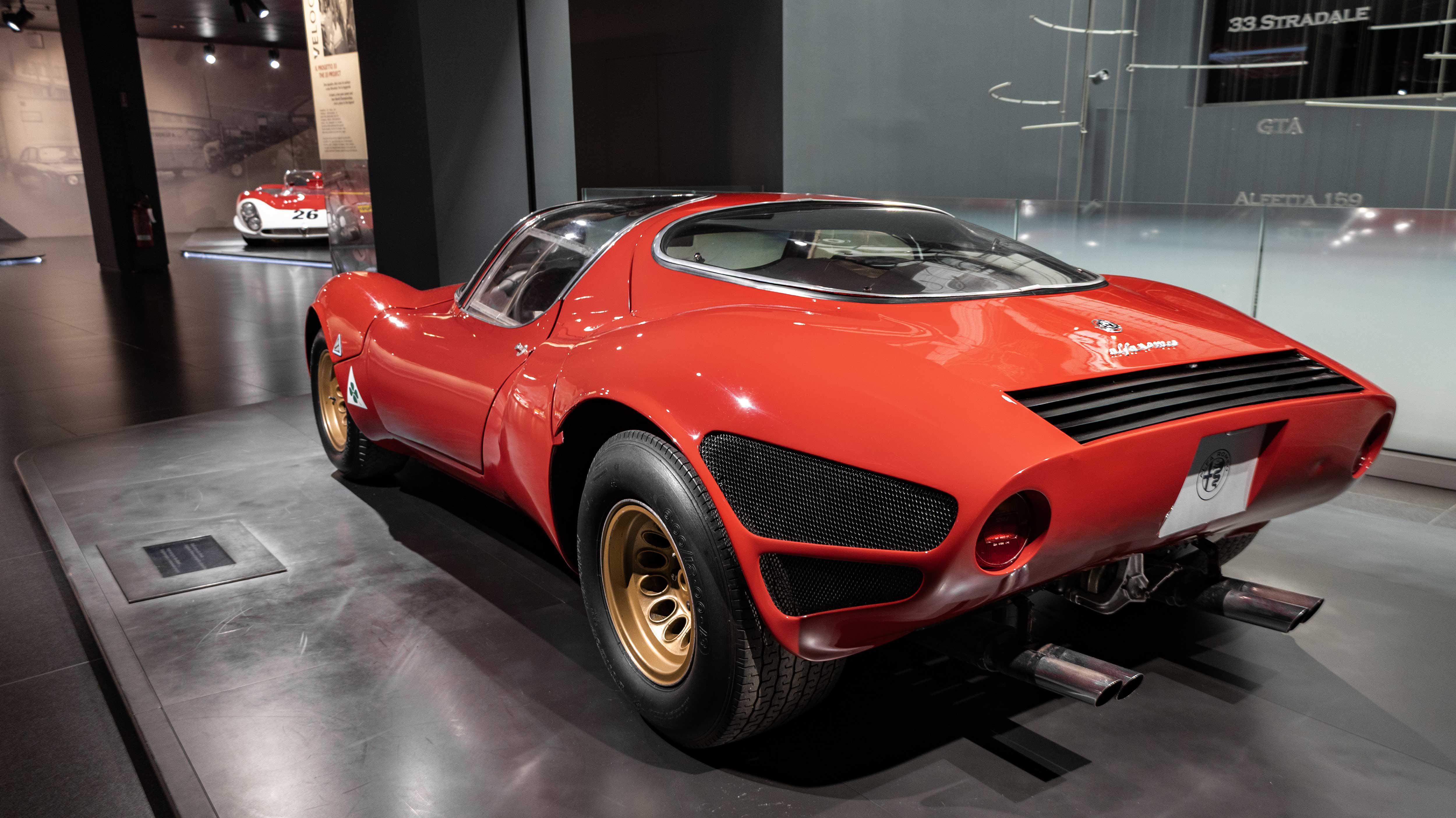
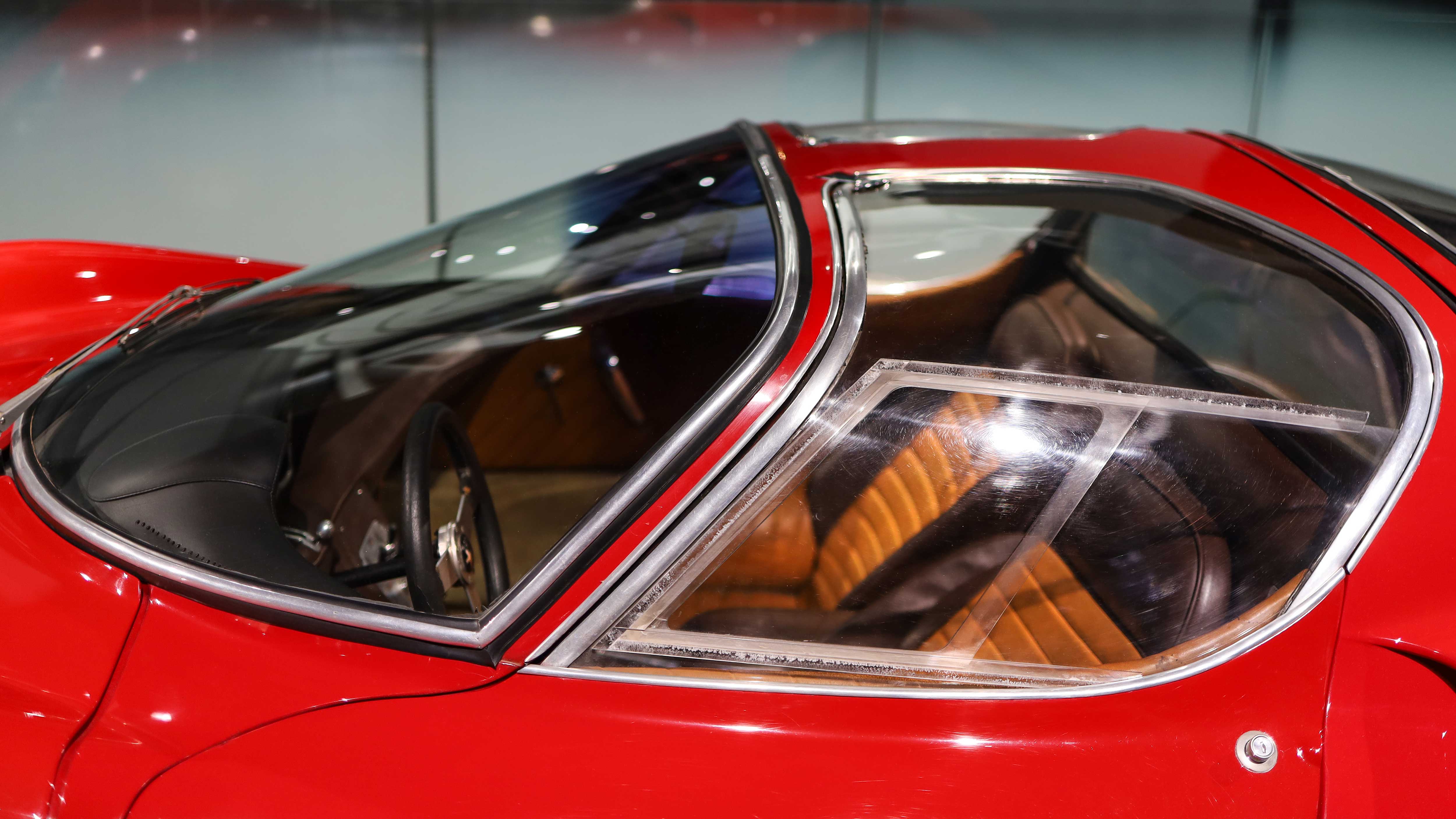
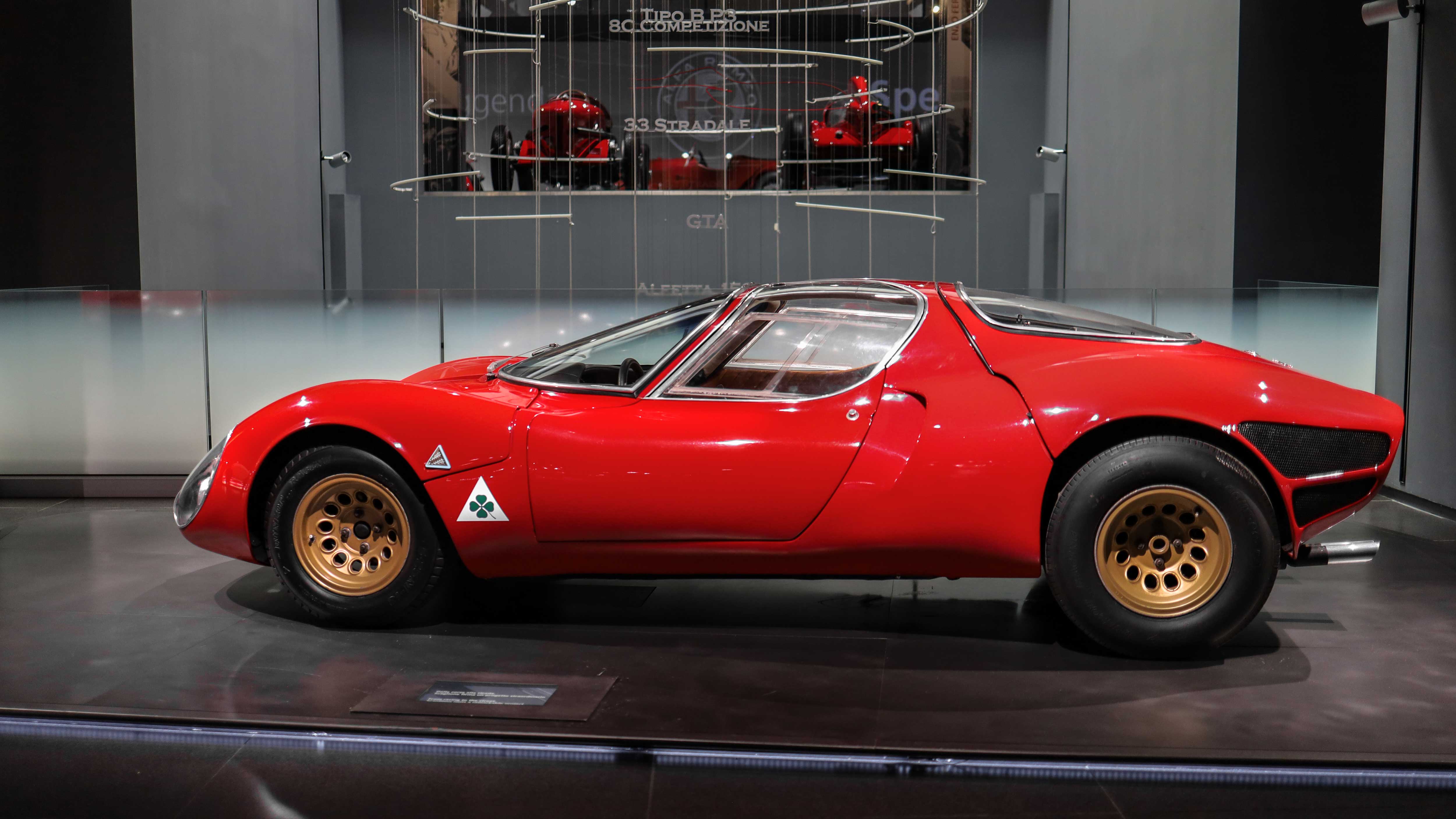
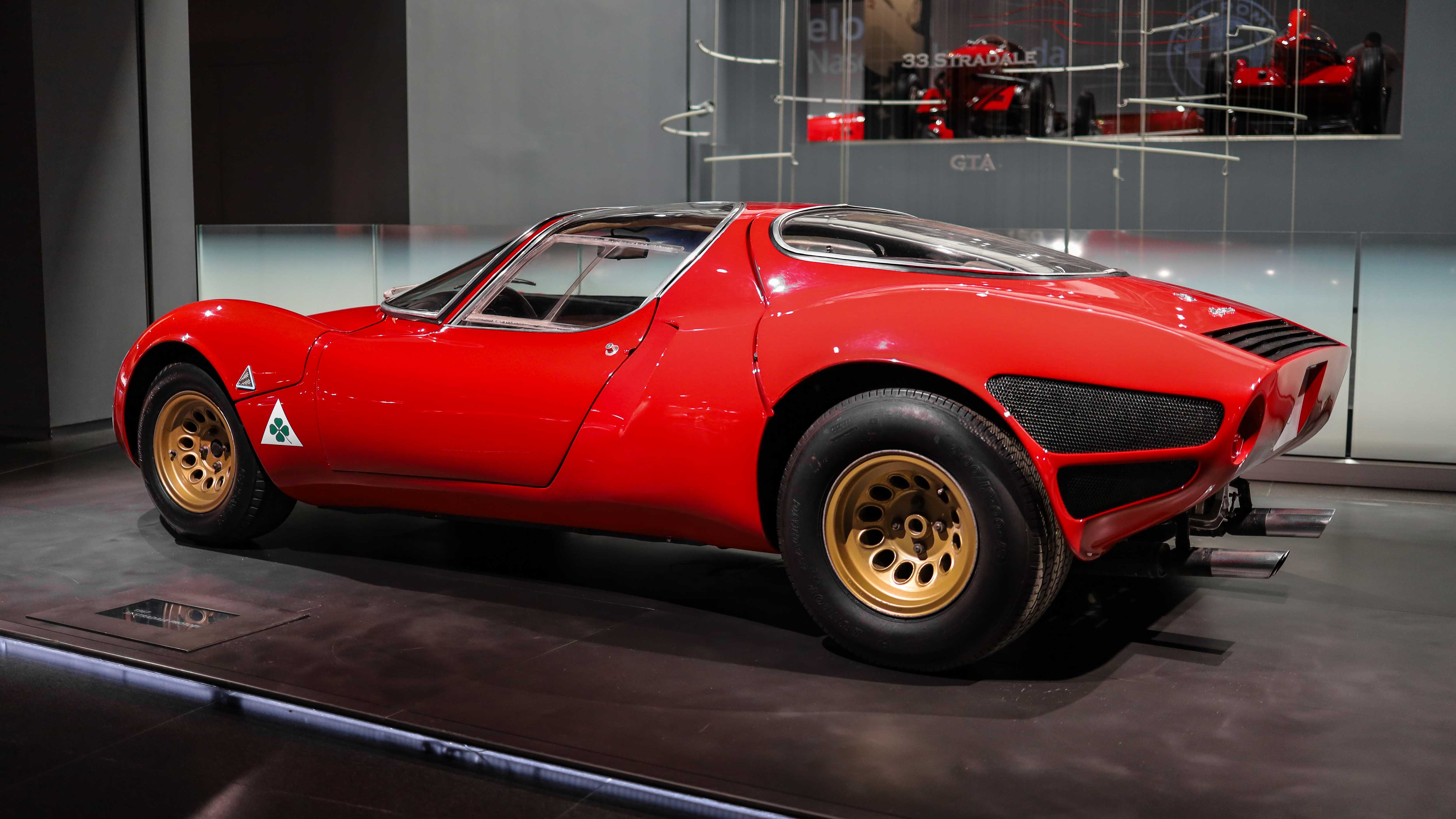
33 Stradale Prototype
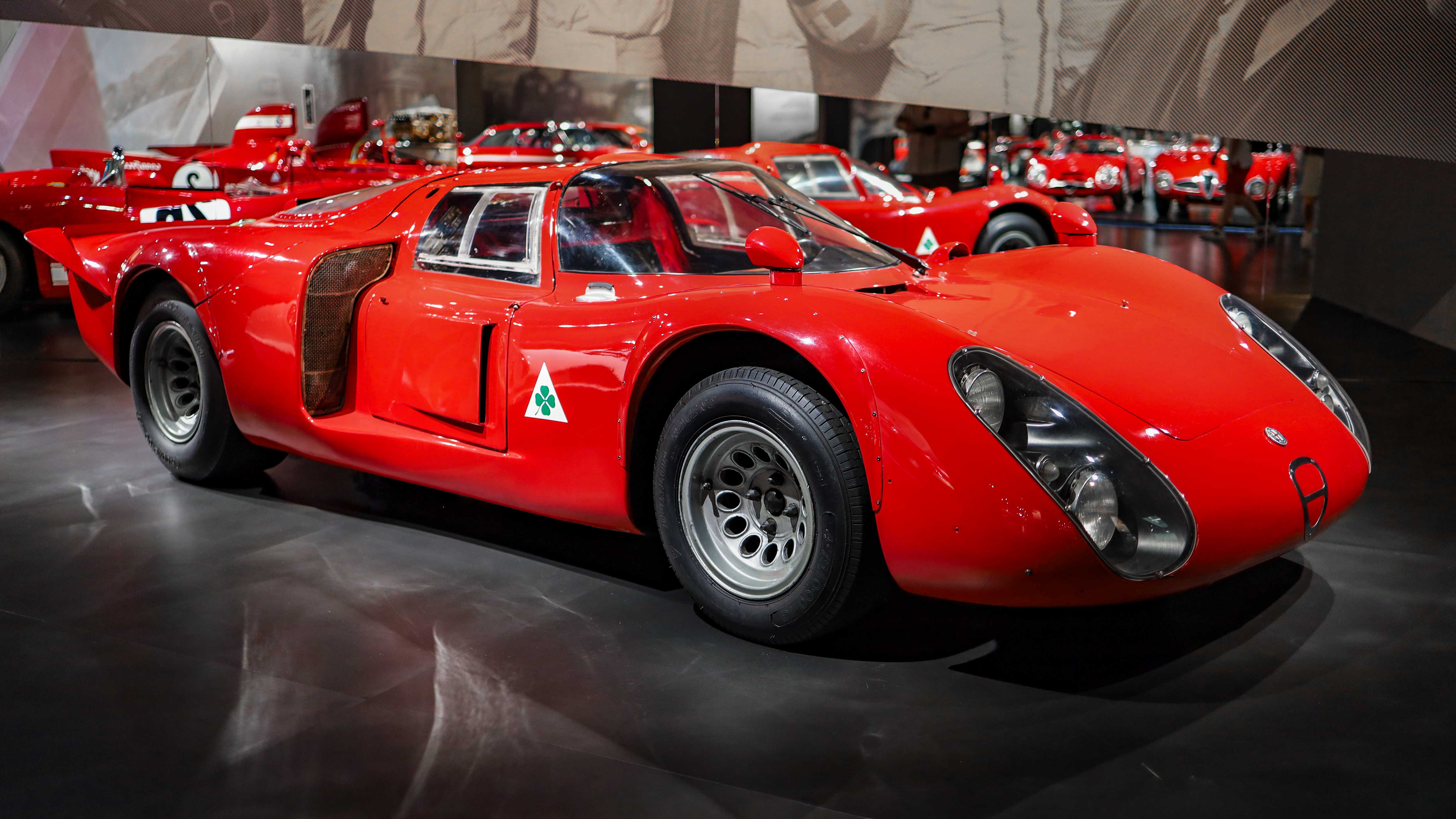
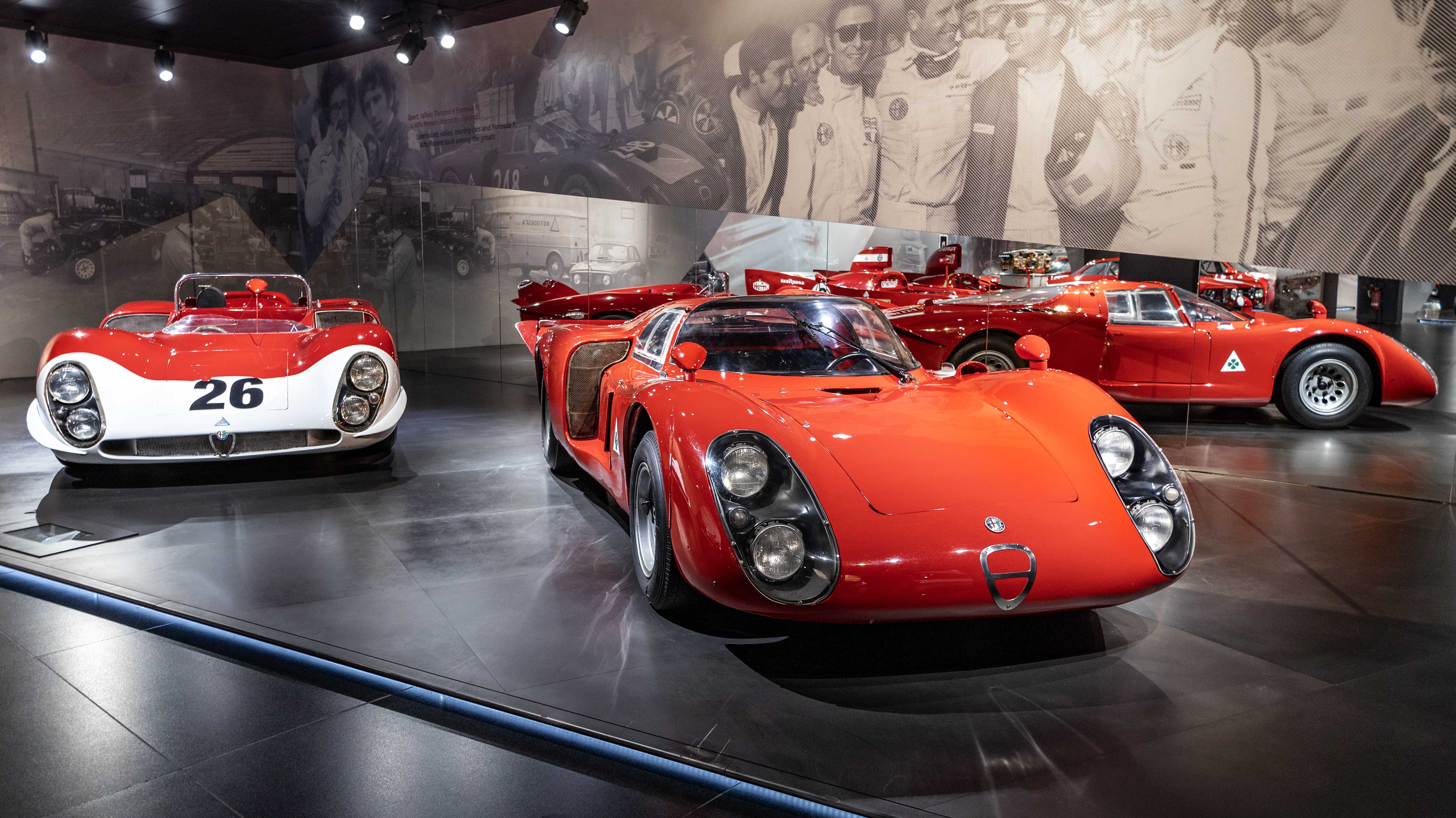
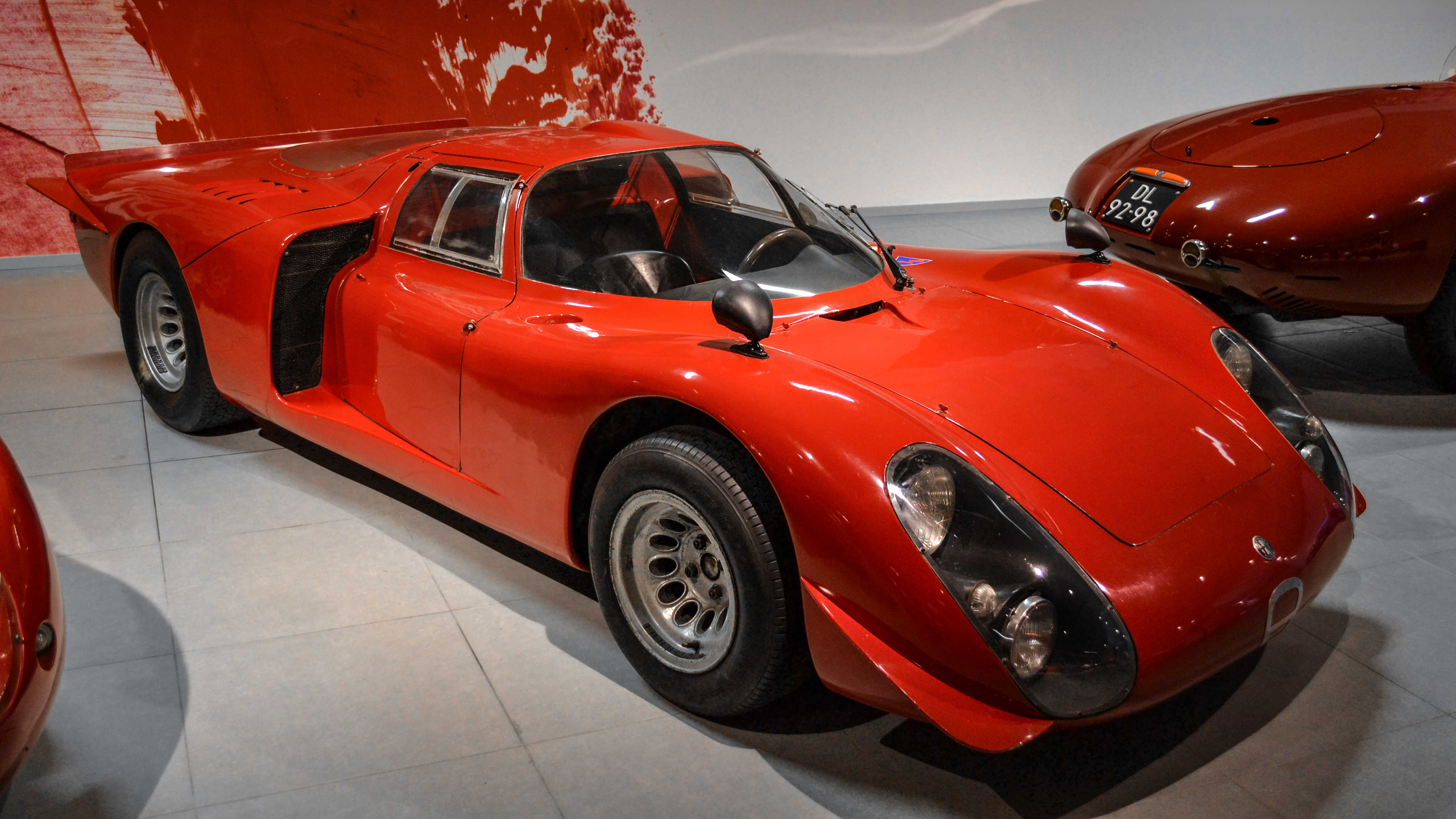
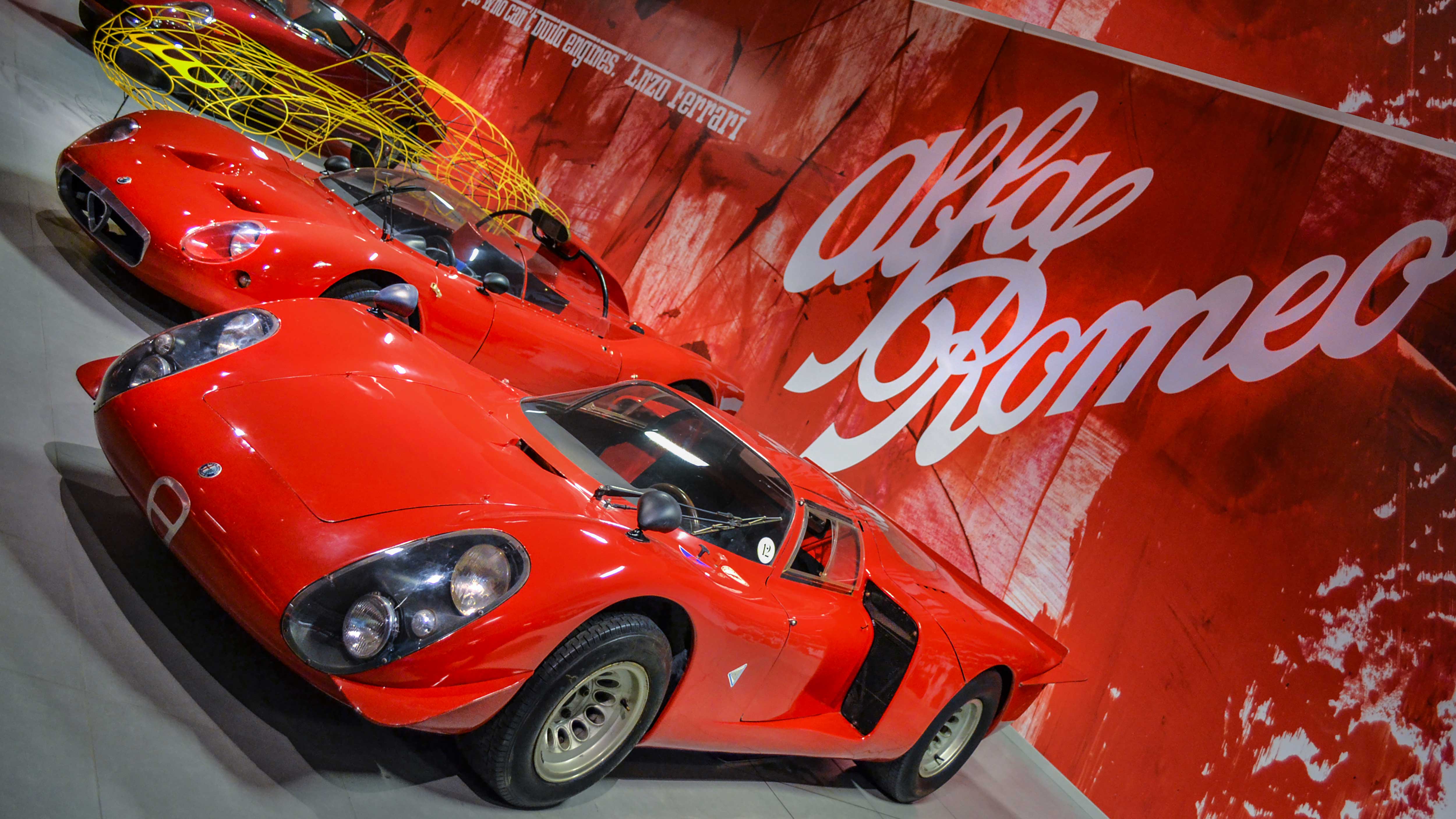
The 33 Stradale prototype (1967) served as the road-going base for one of the most exclusive sports cars ever built. It used a mid-mounted 2.0-liter V8 with around 230 hp, combining race-car engineering, ultra-low weight, and advanced aerodynamics.
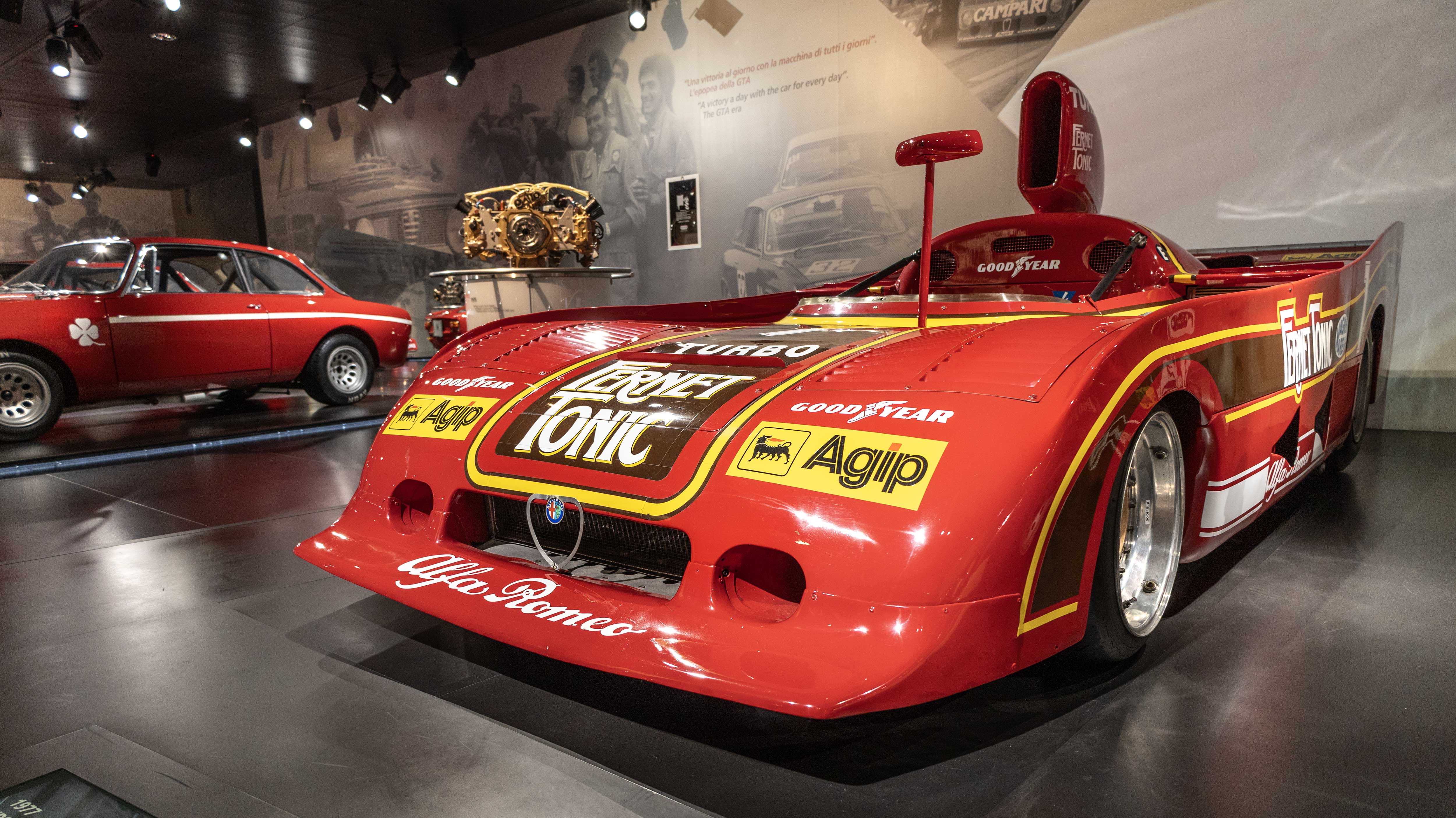
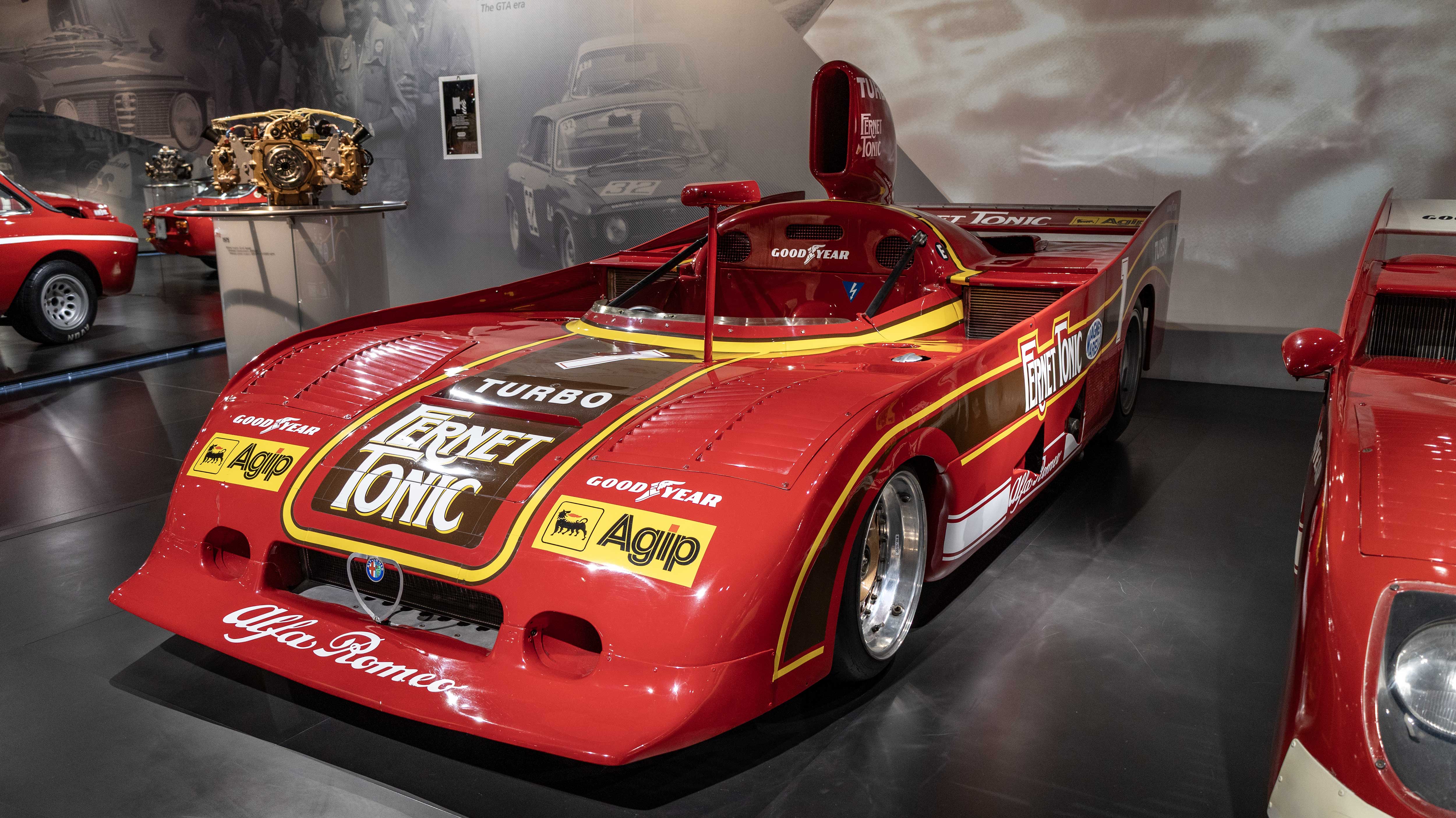
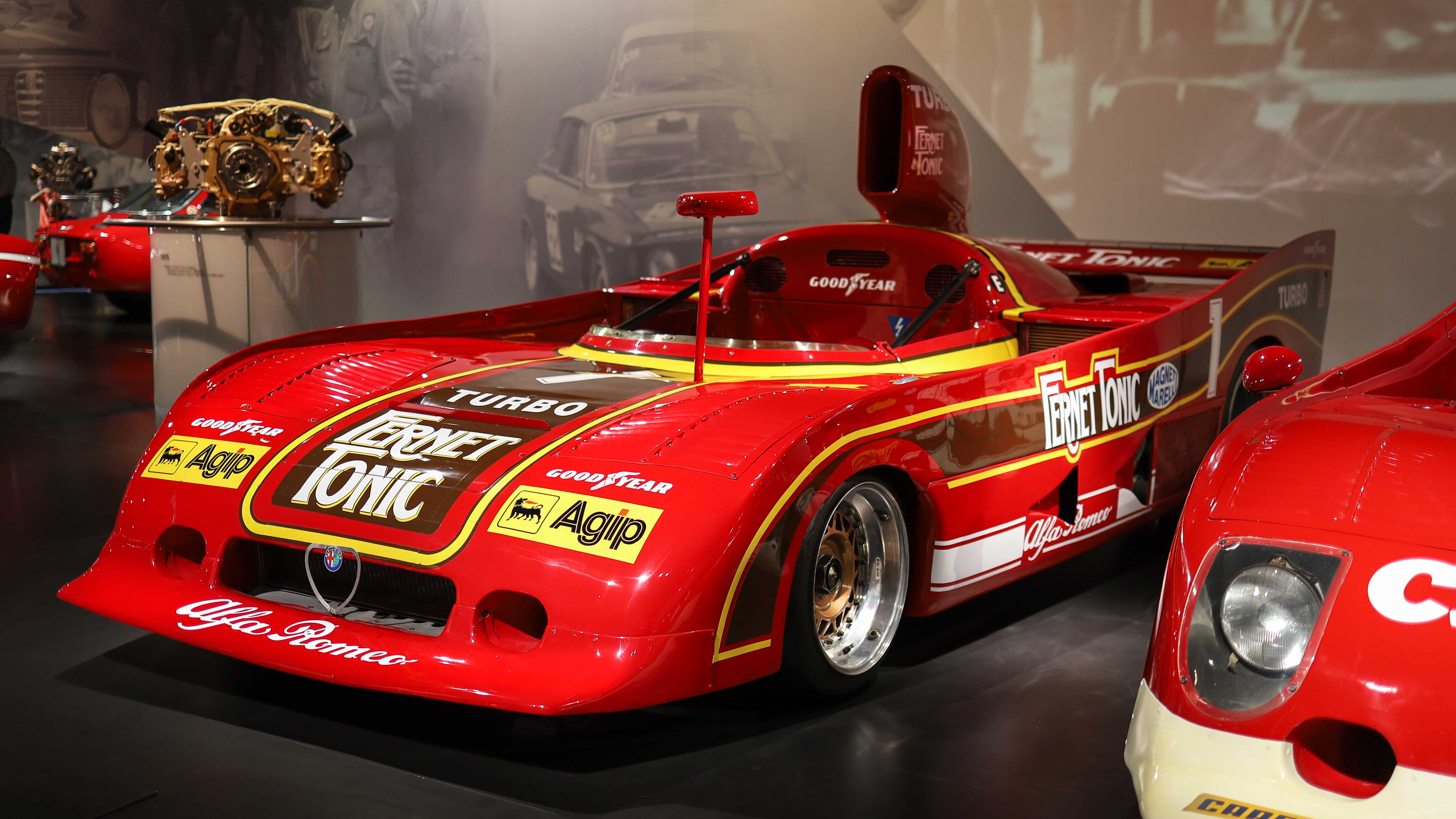
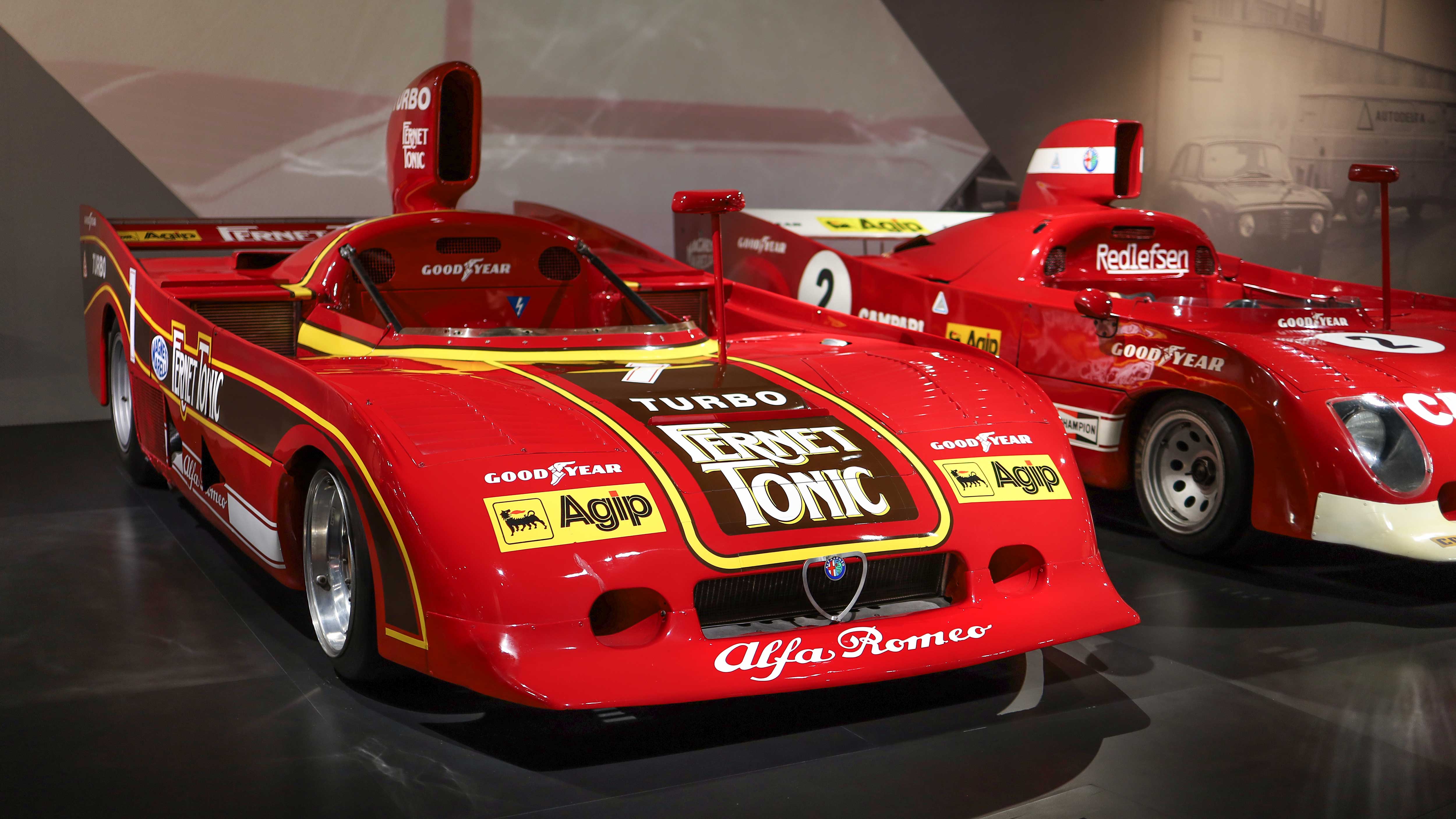
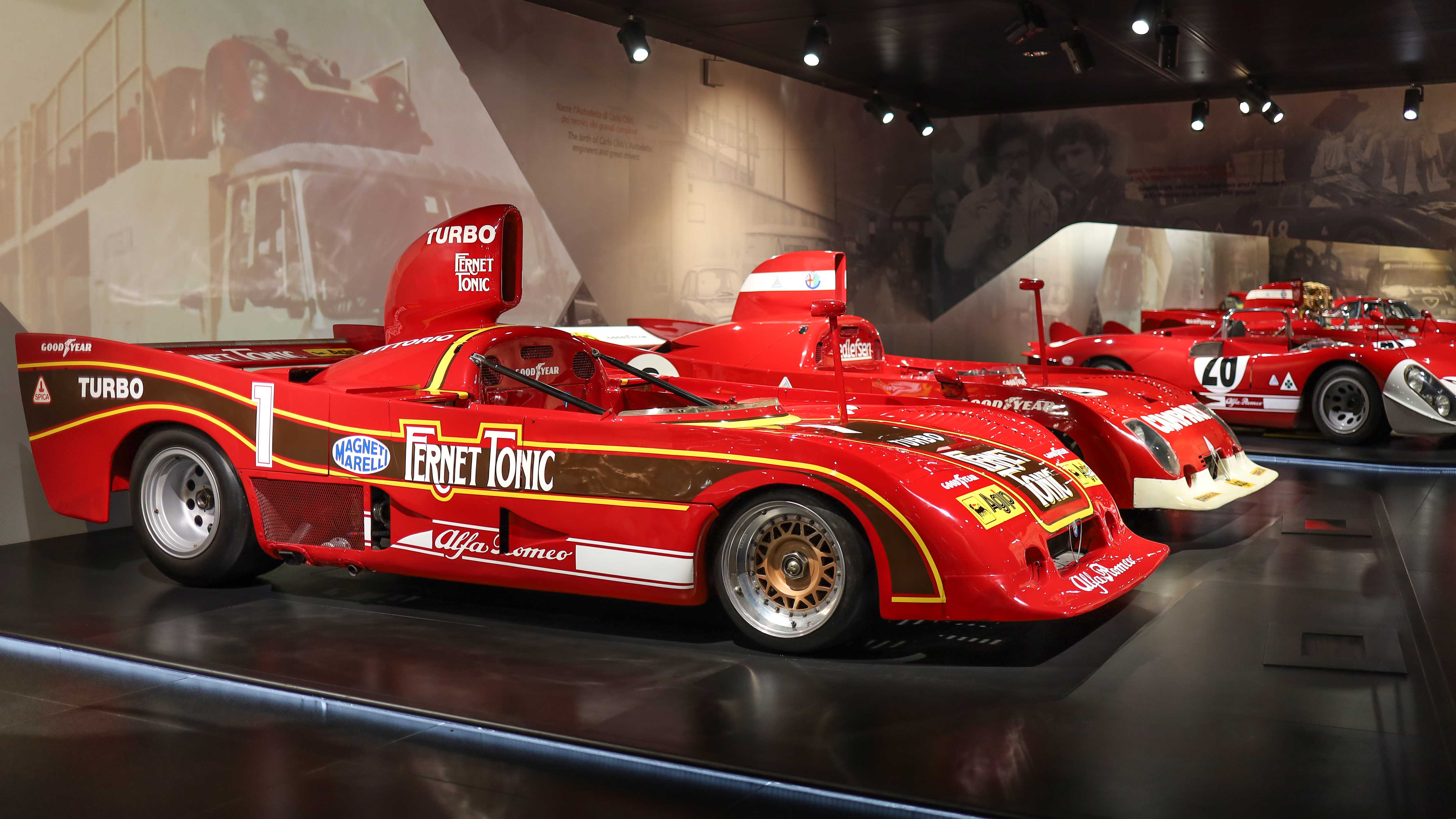
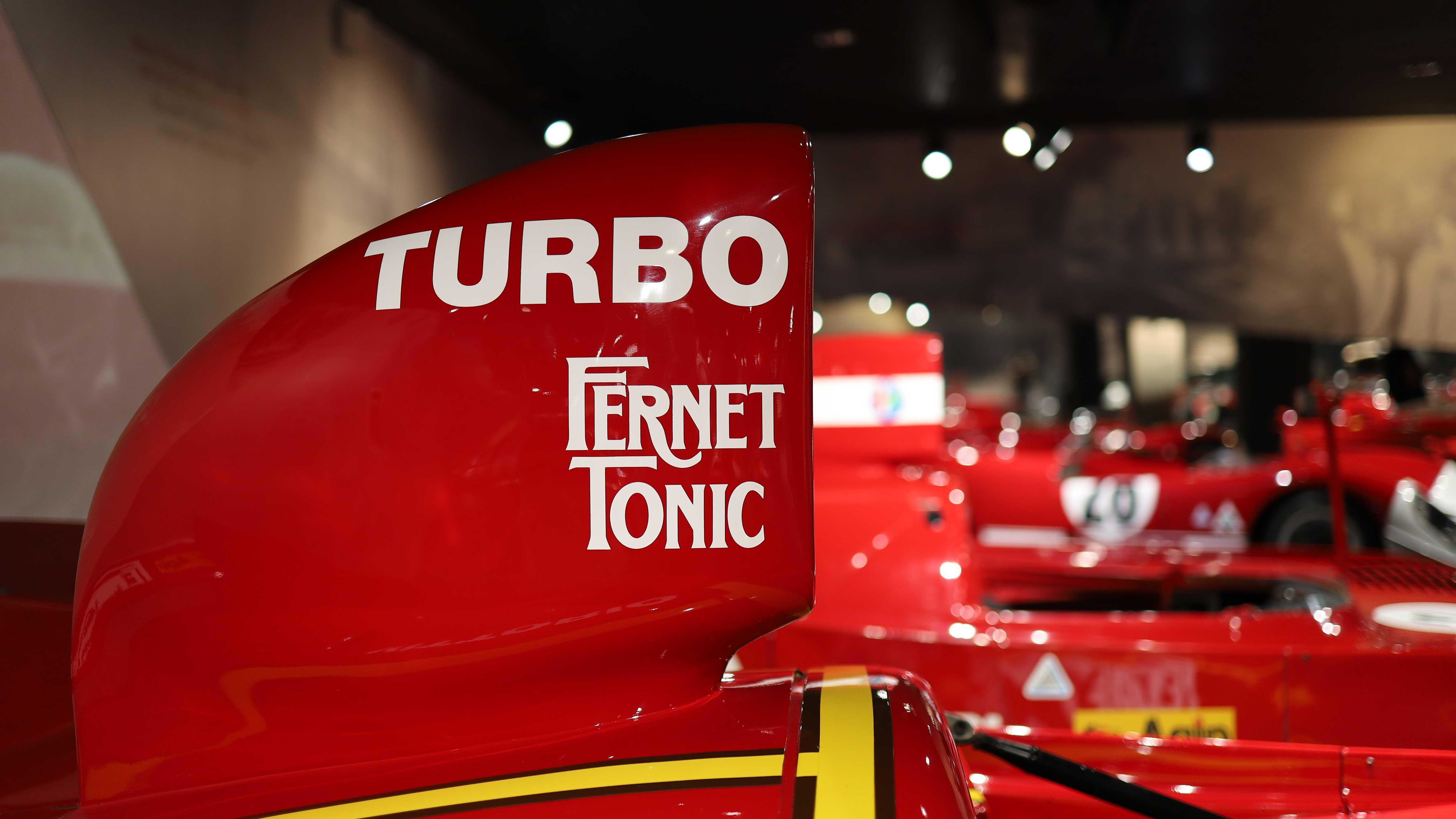
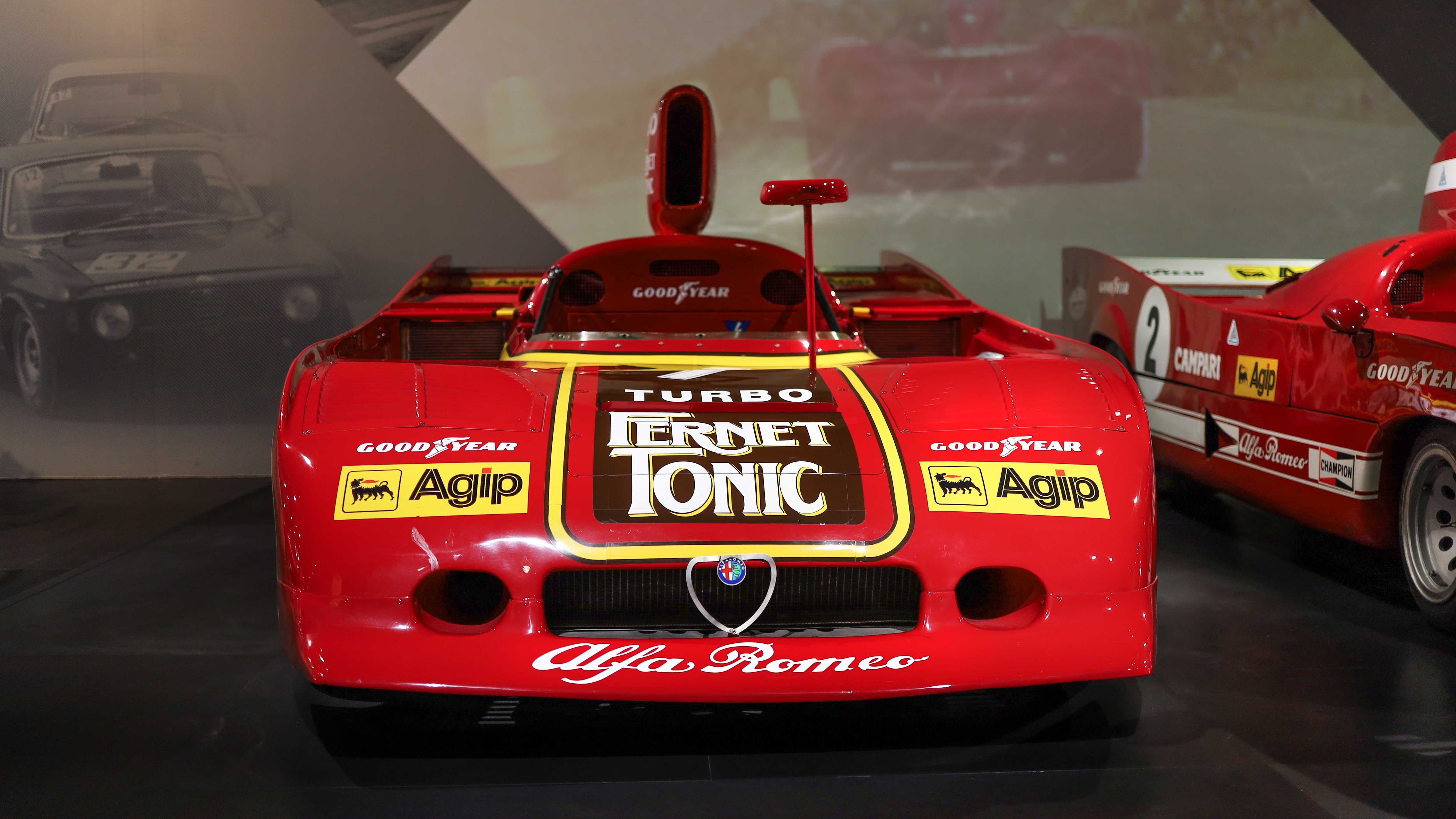
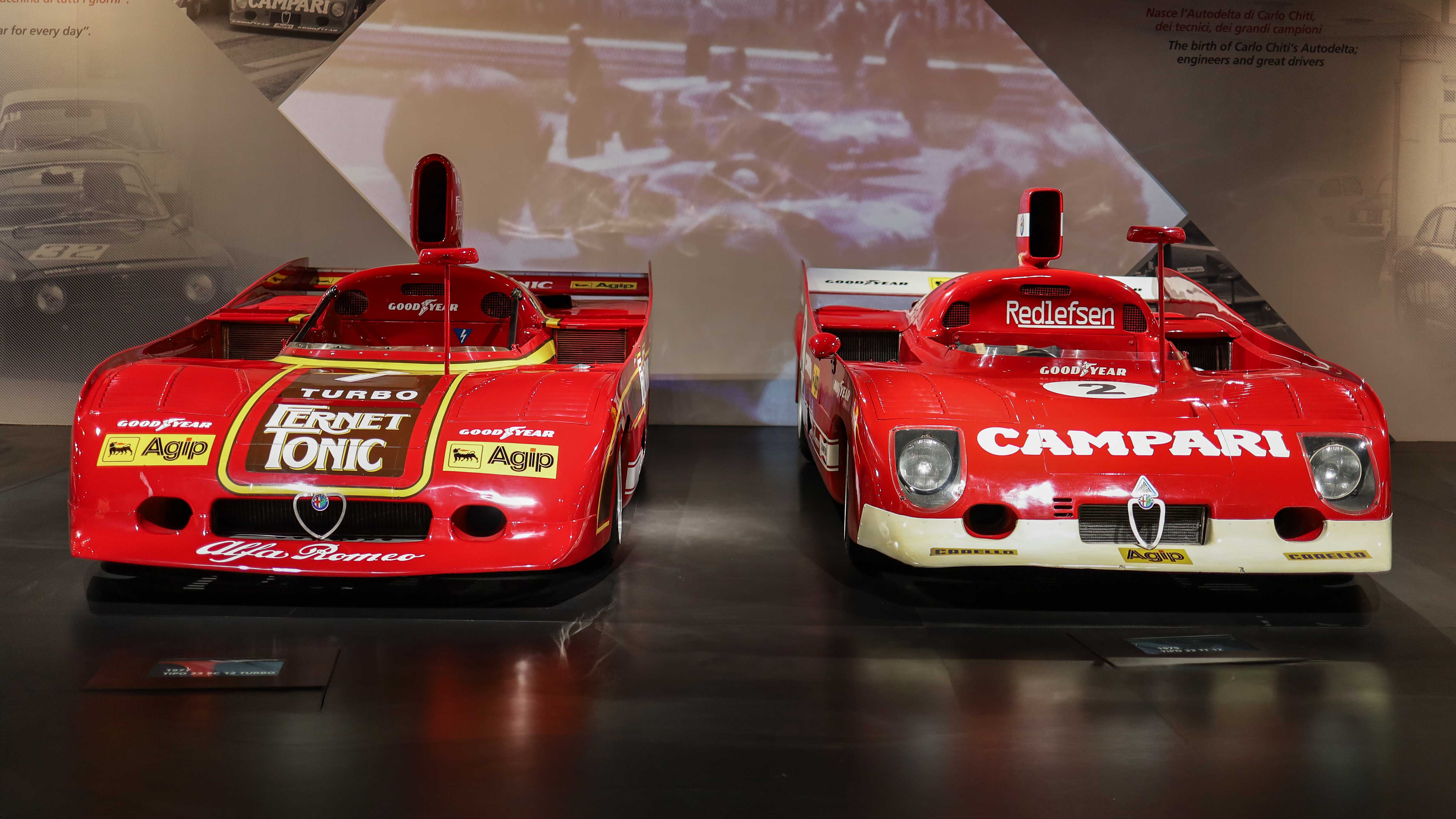
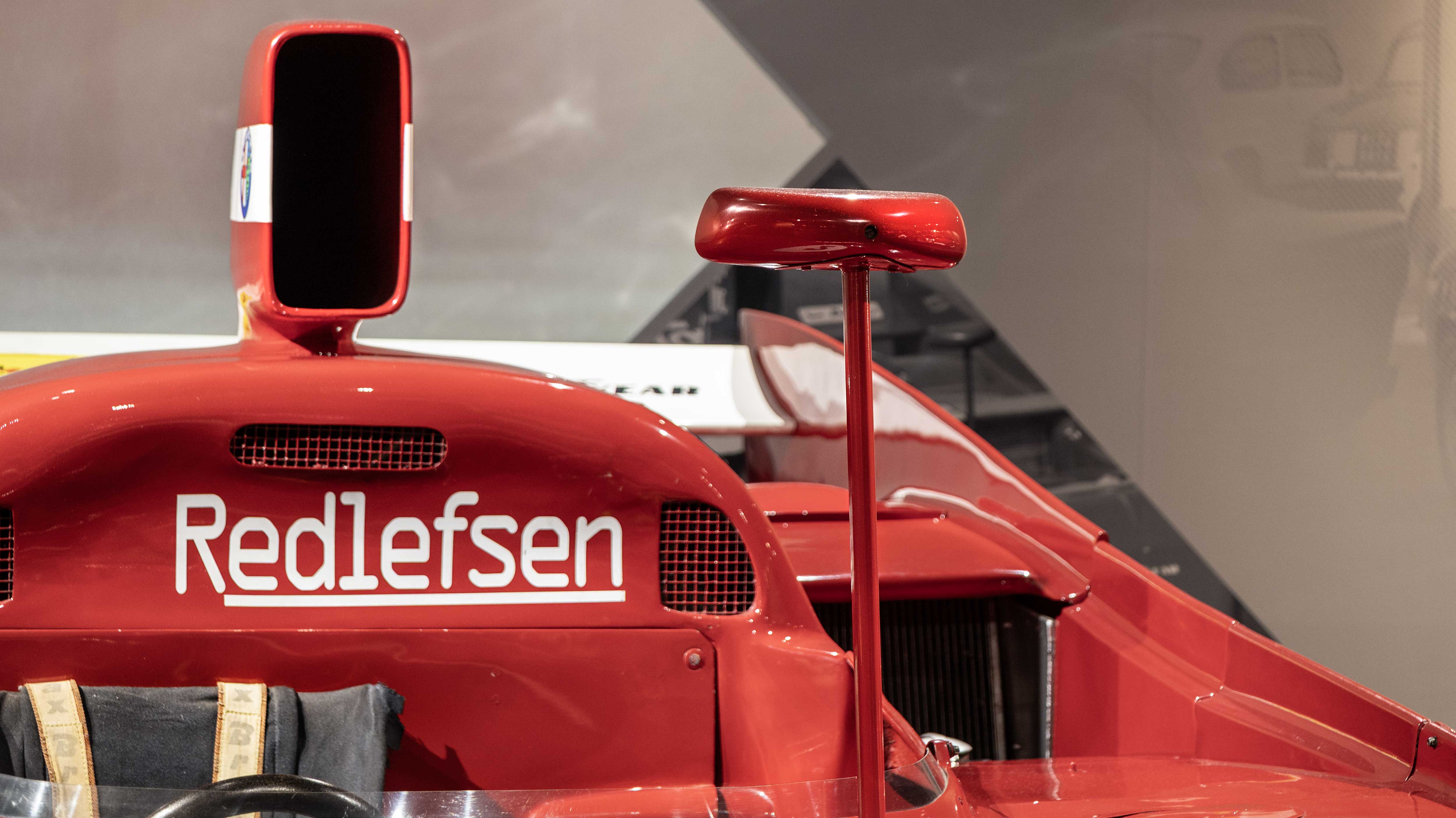
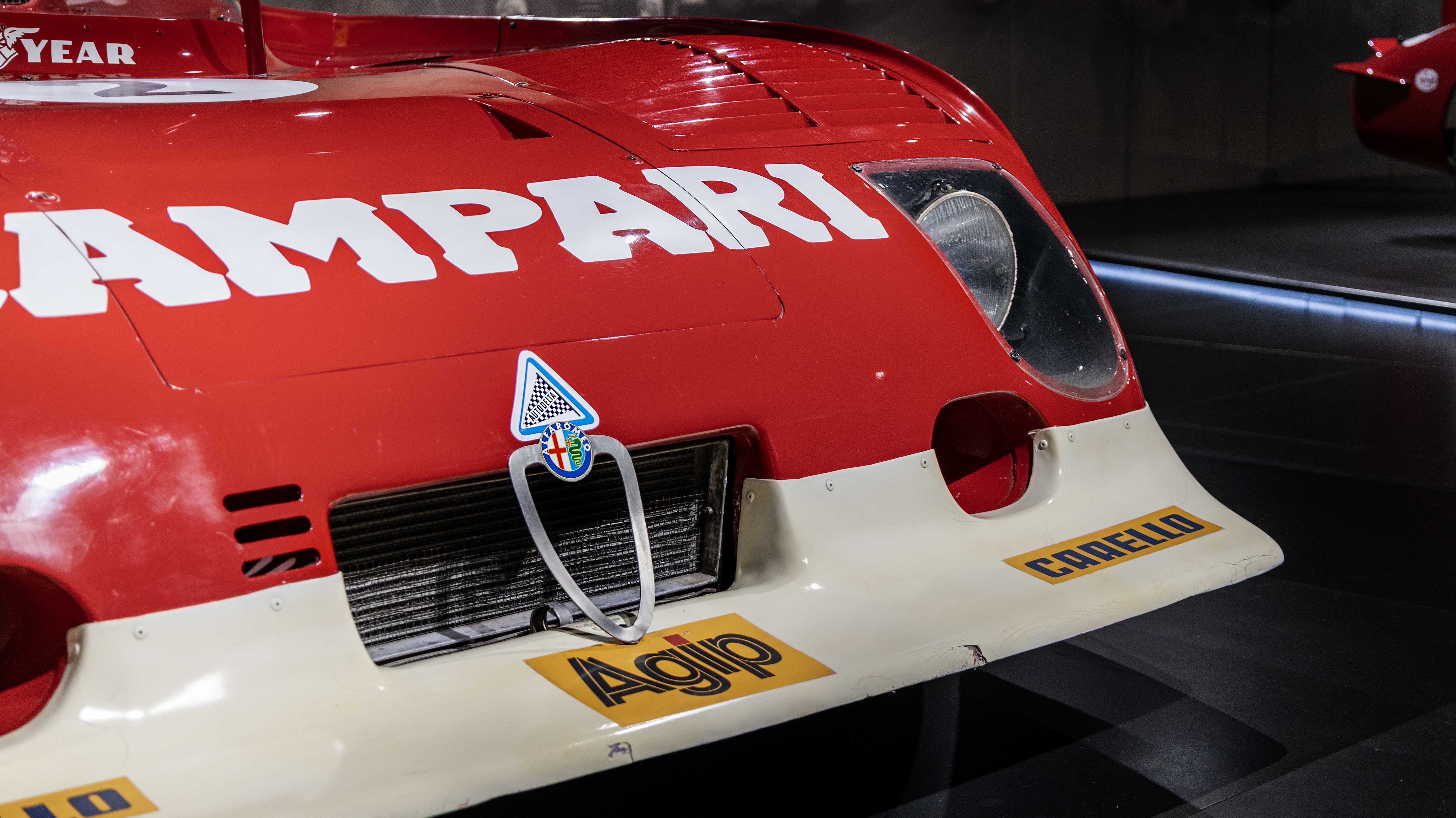
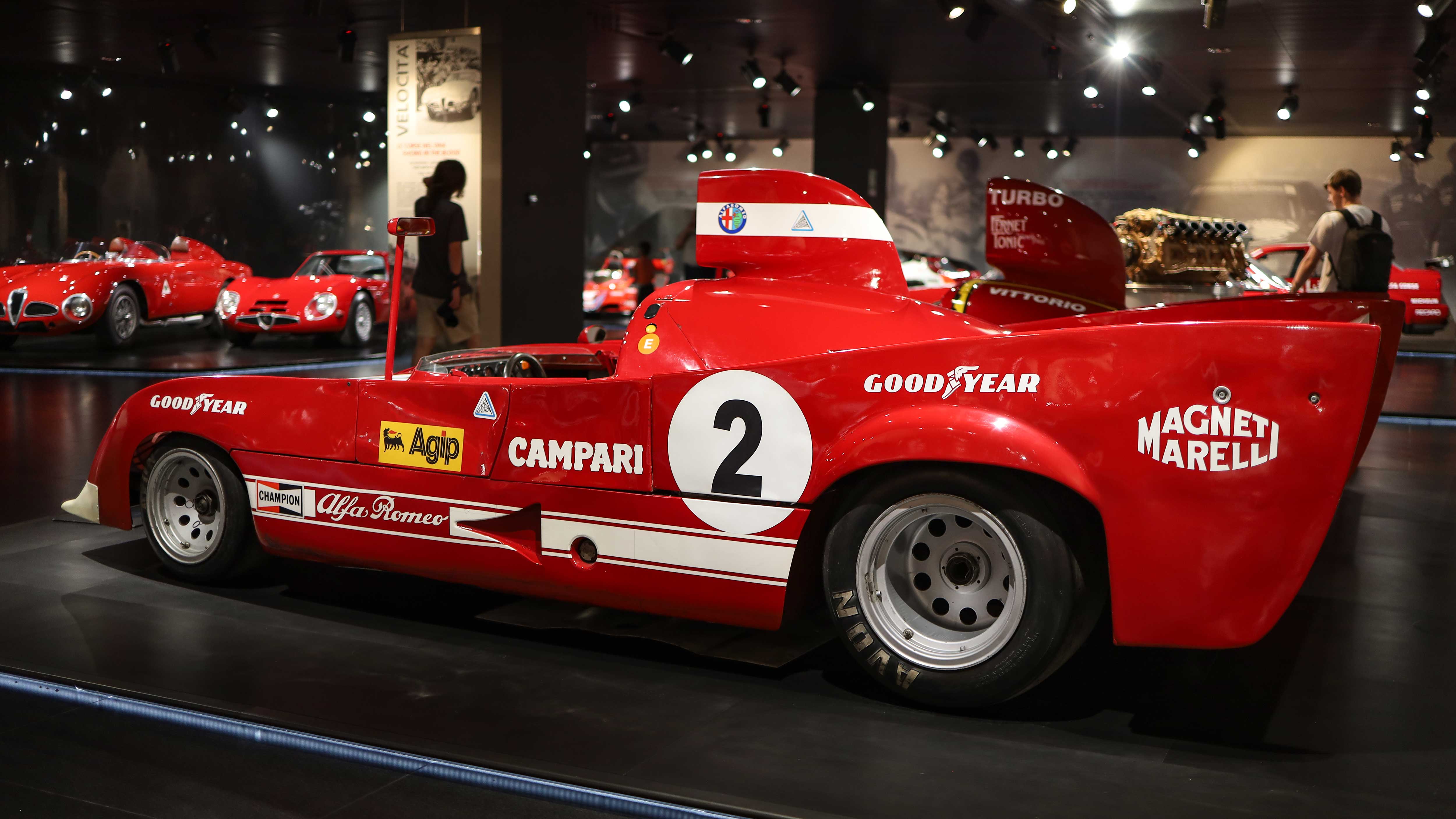
Tipo 33 SC 12 Turbo
The Tipo 33 SC 12 Turbo (1977–1978) marked Alfa Romeo’s peak in prototype racing. At the same time, its turbocharged 3.0 flat-12 produced about 640 hp and dominated the World Sportscar Championship.
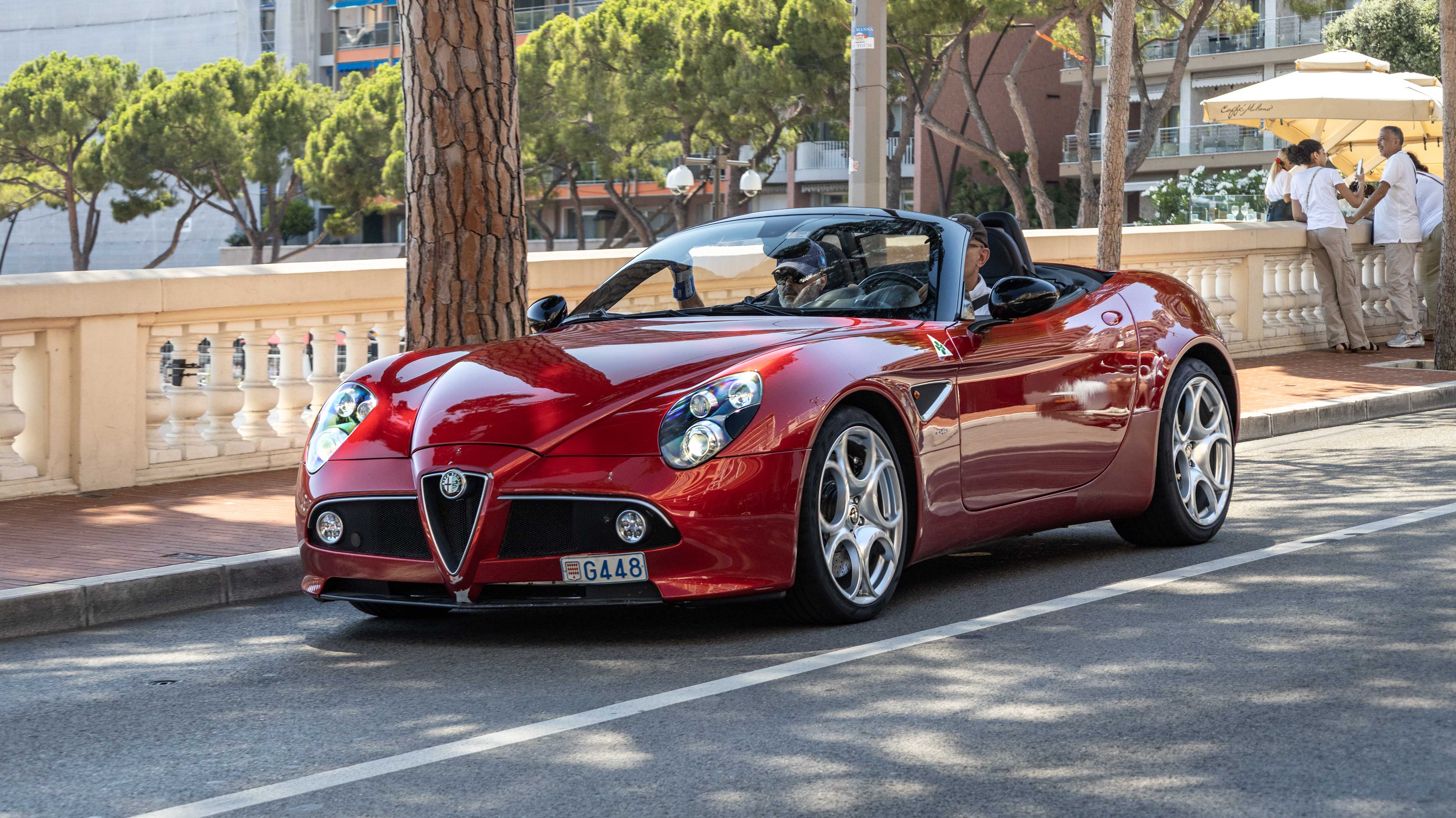
8C Competizione Spider
The 8C Competizione Spider (2009–2010) brought open-top form to Alfa Romeo’s modern supercar. As a result, its 4.7-liter V8 delivered about 450 hp, pairing rear-wheel drive with carbon-fiber construction and classic Italian design.
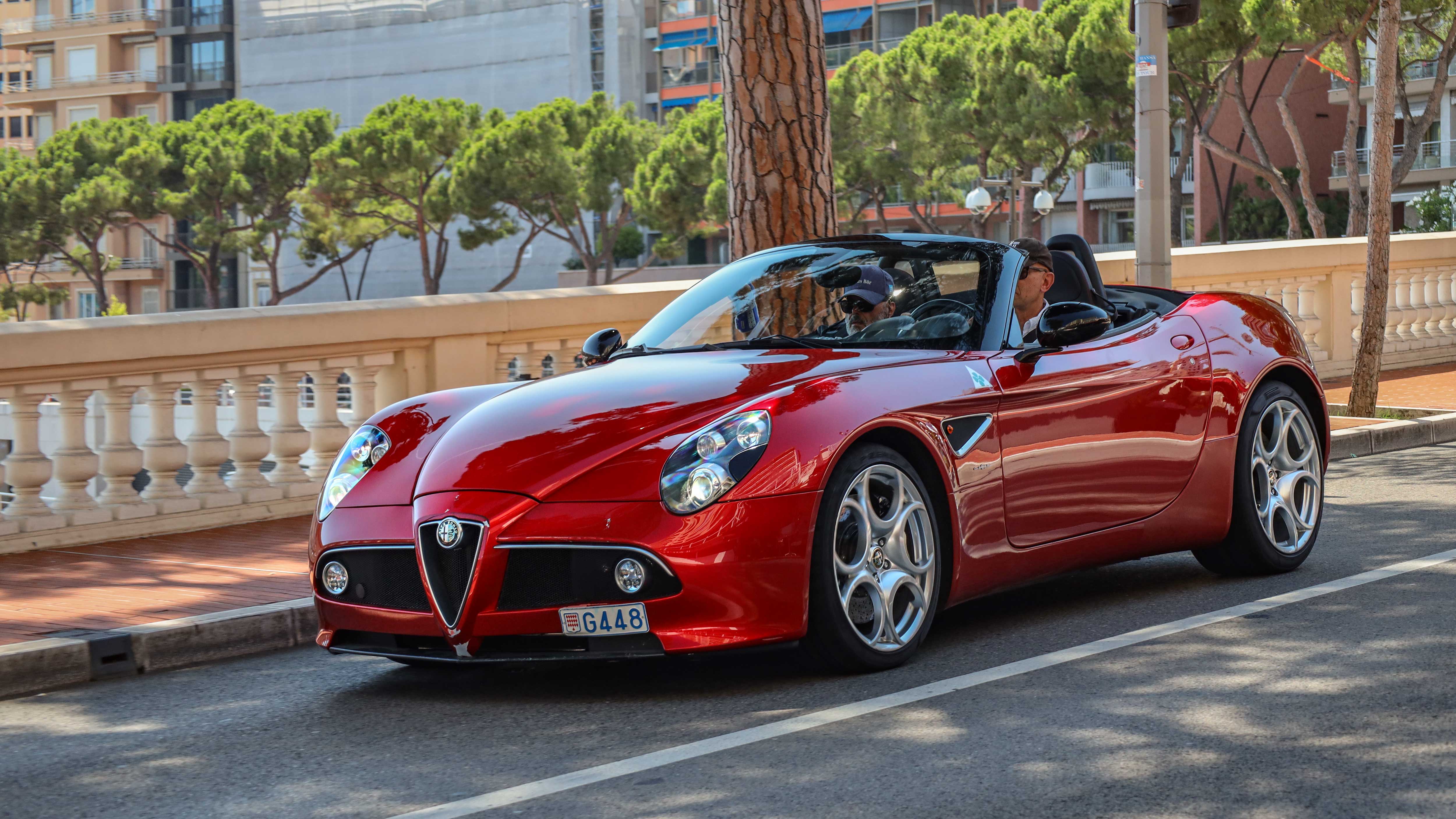
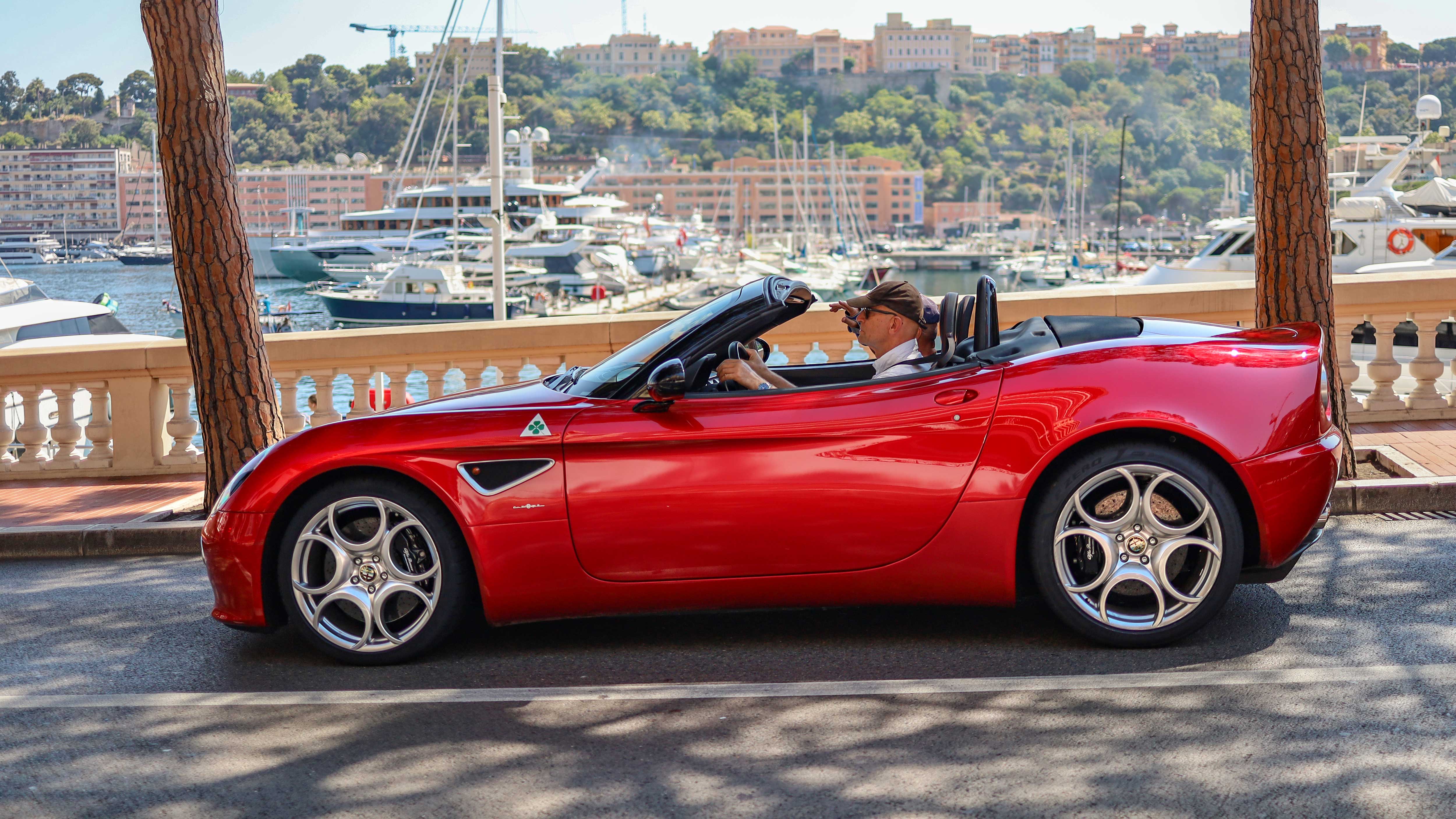
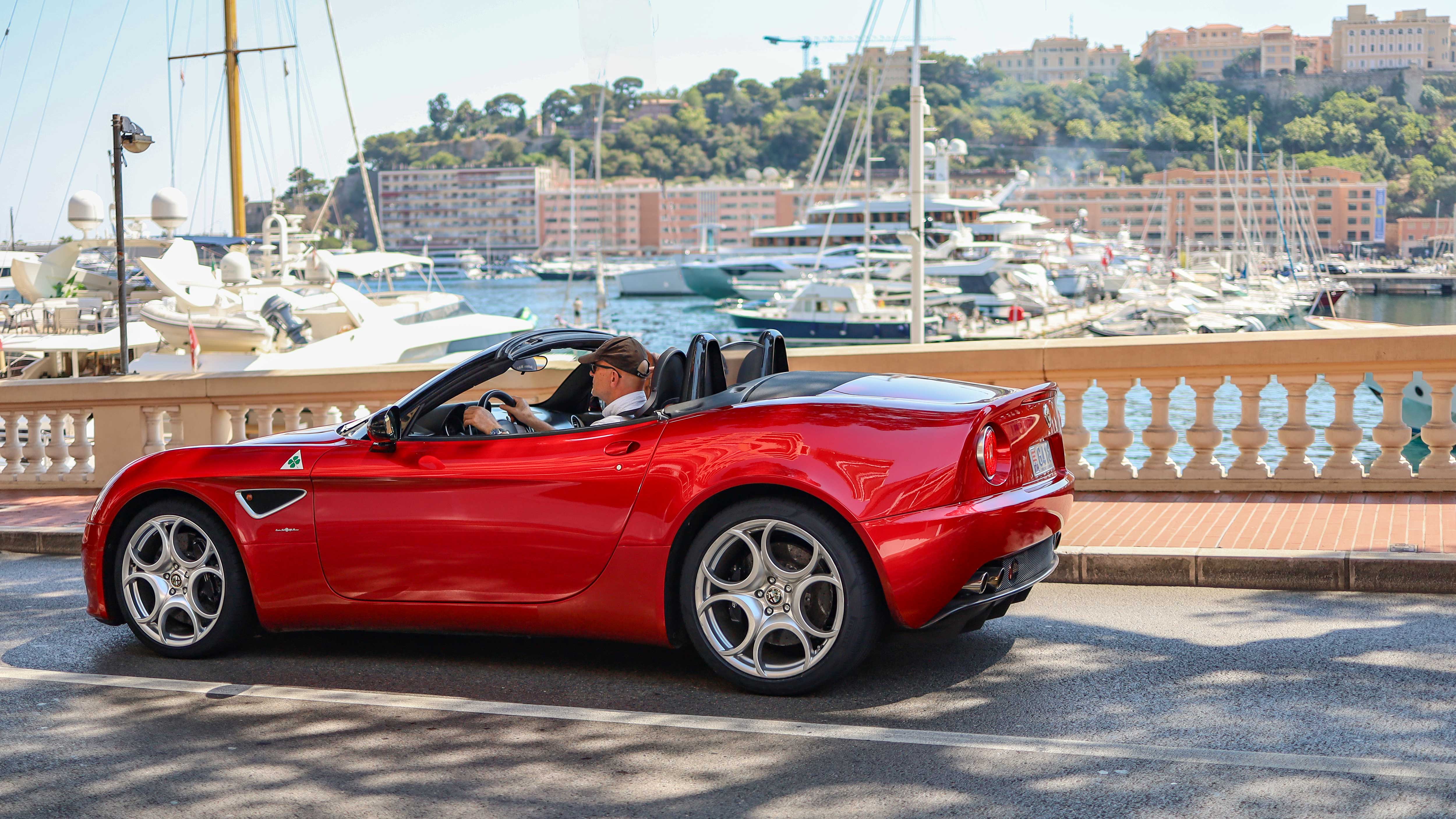
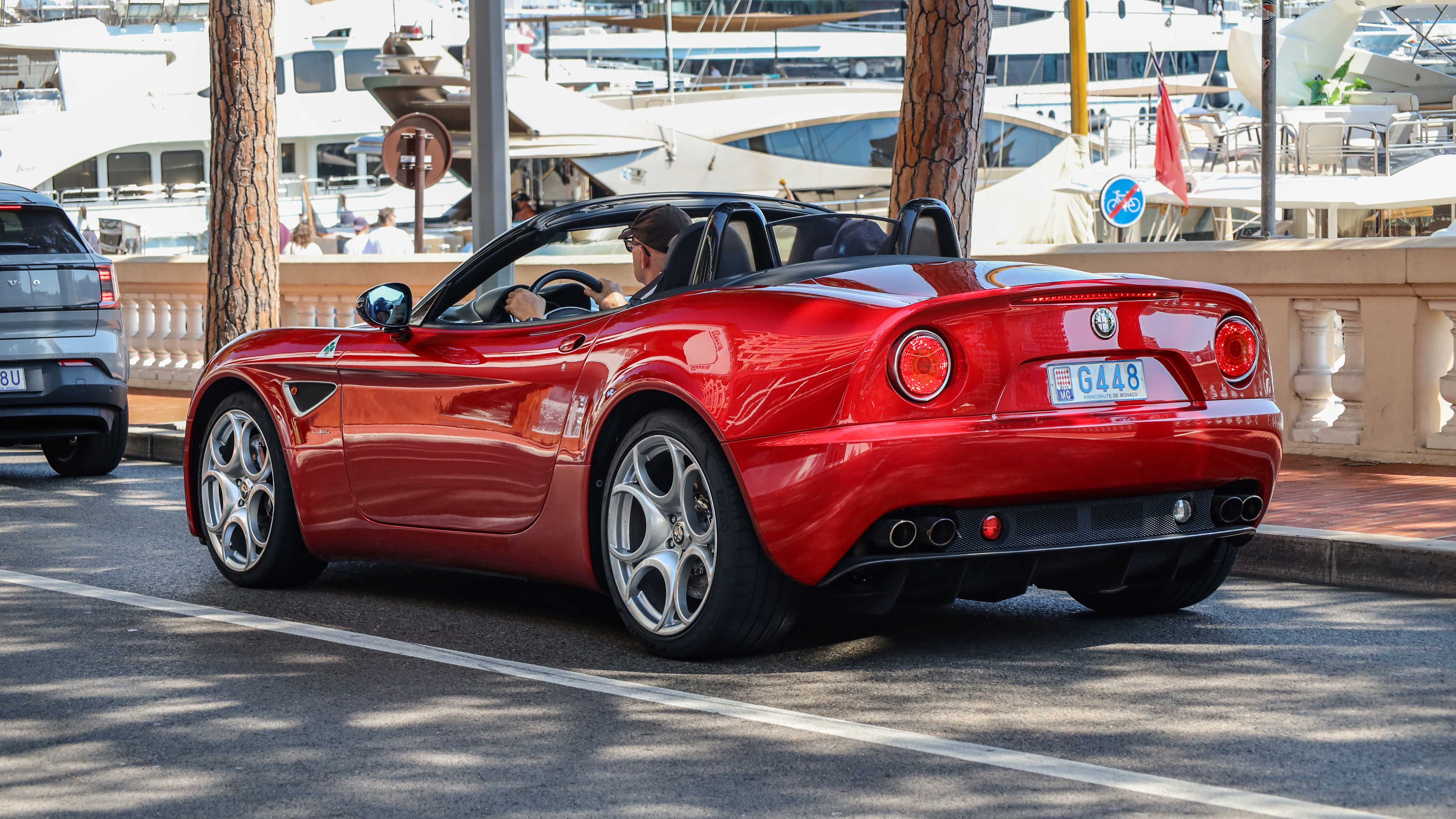
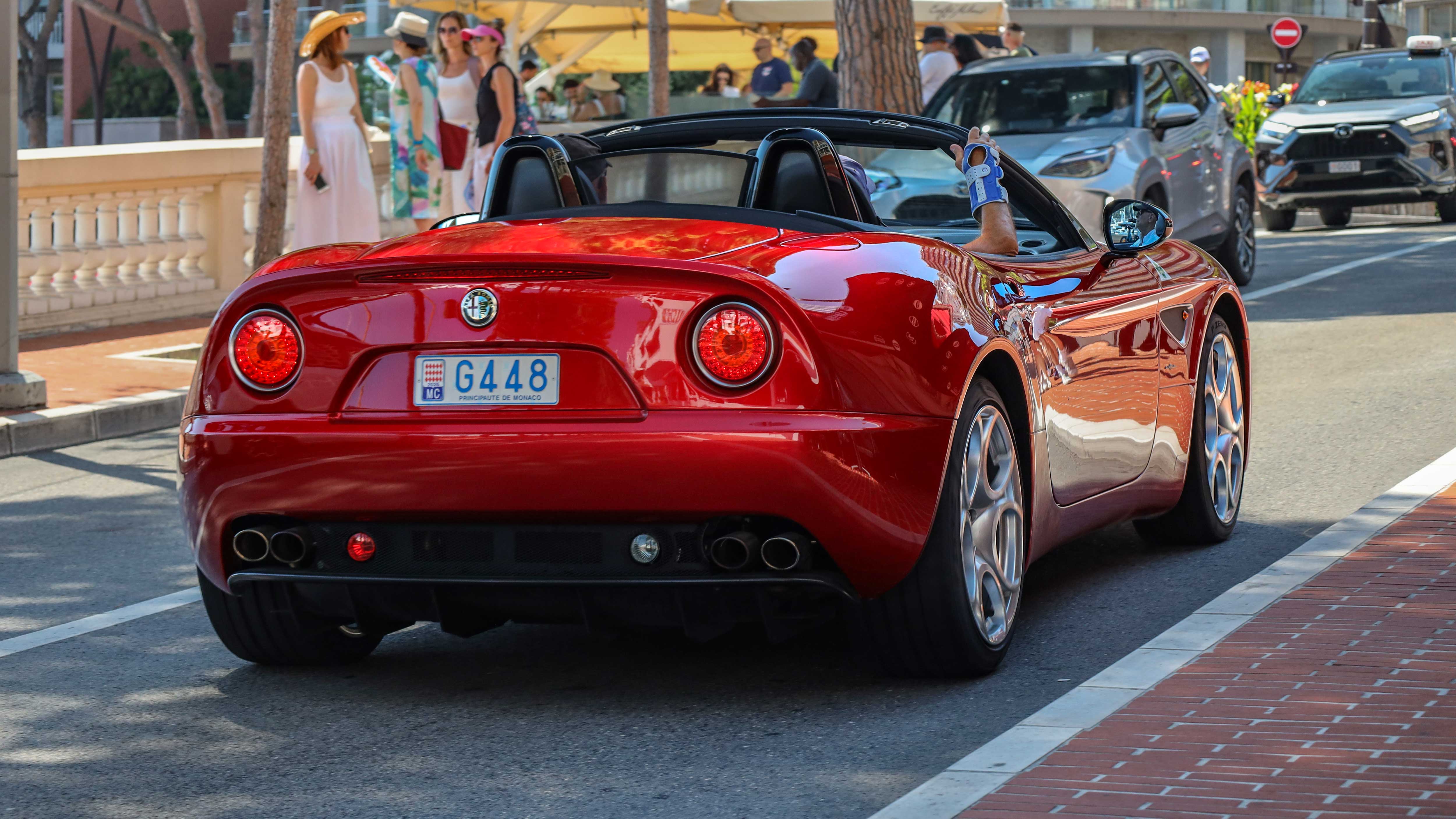
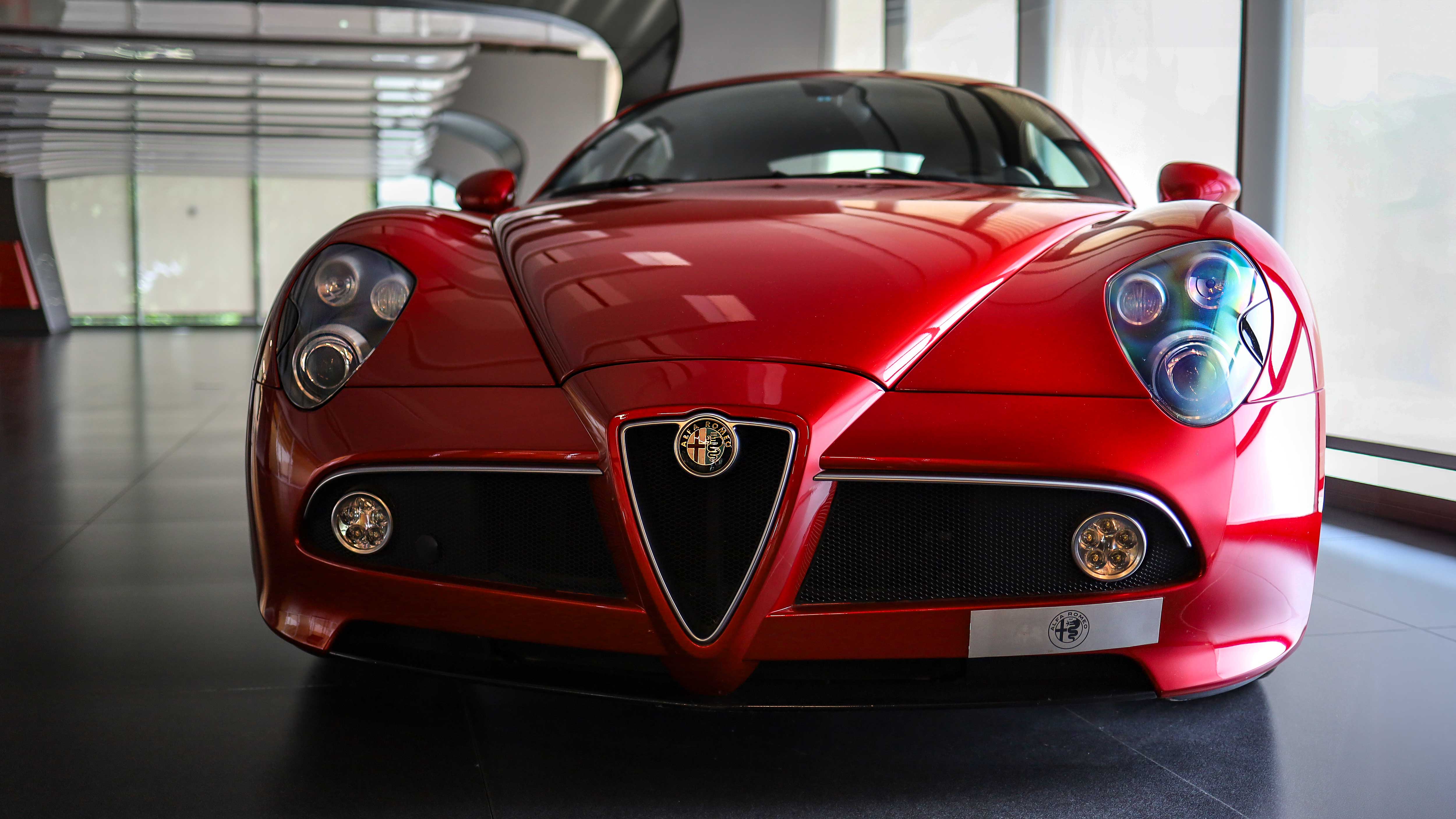
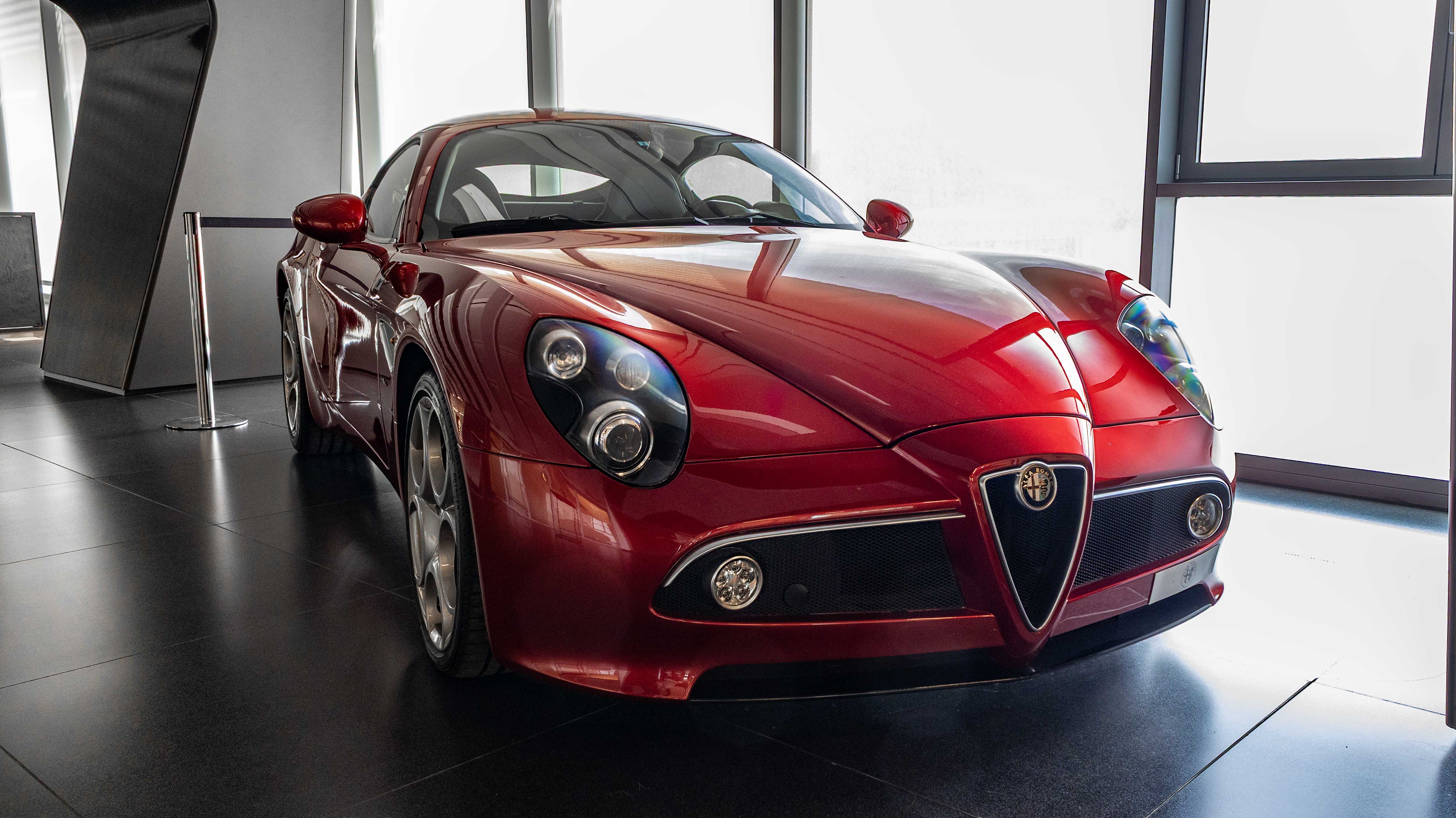
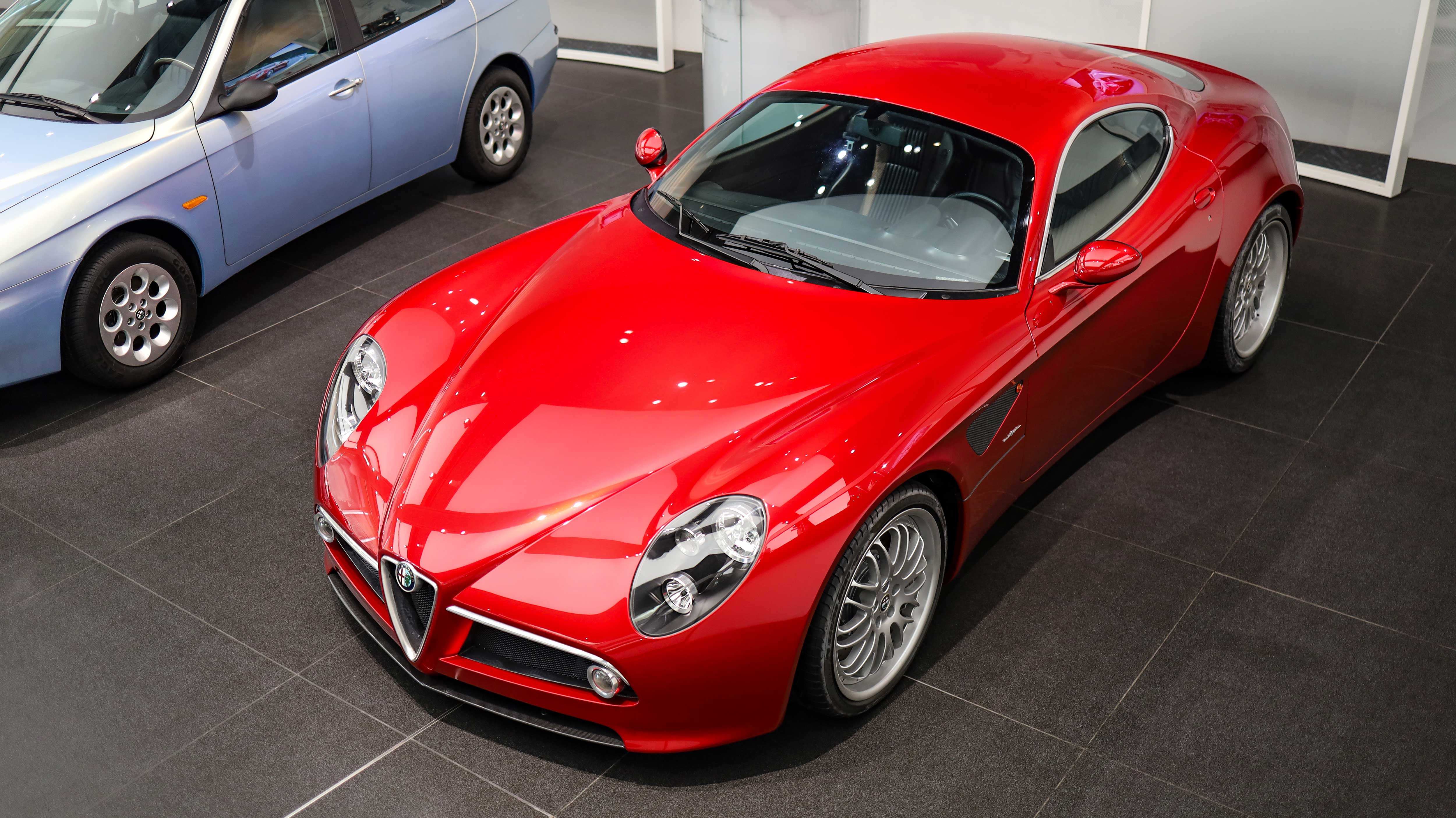
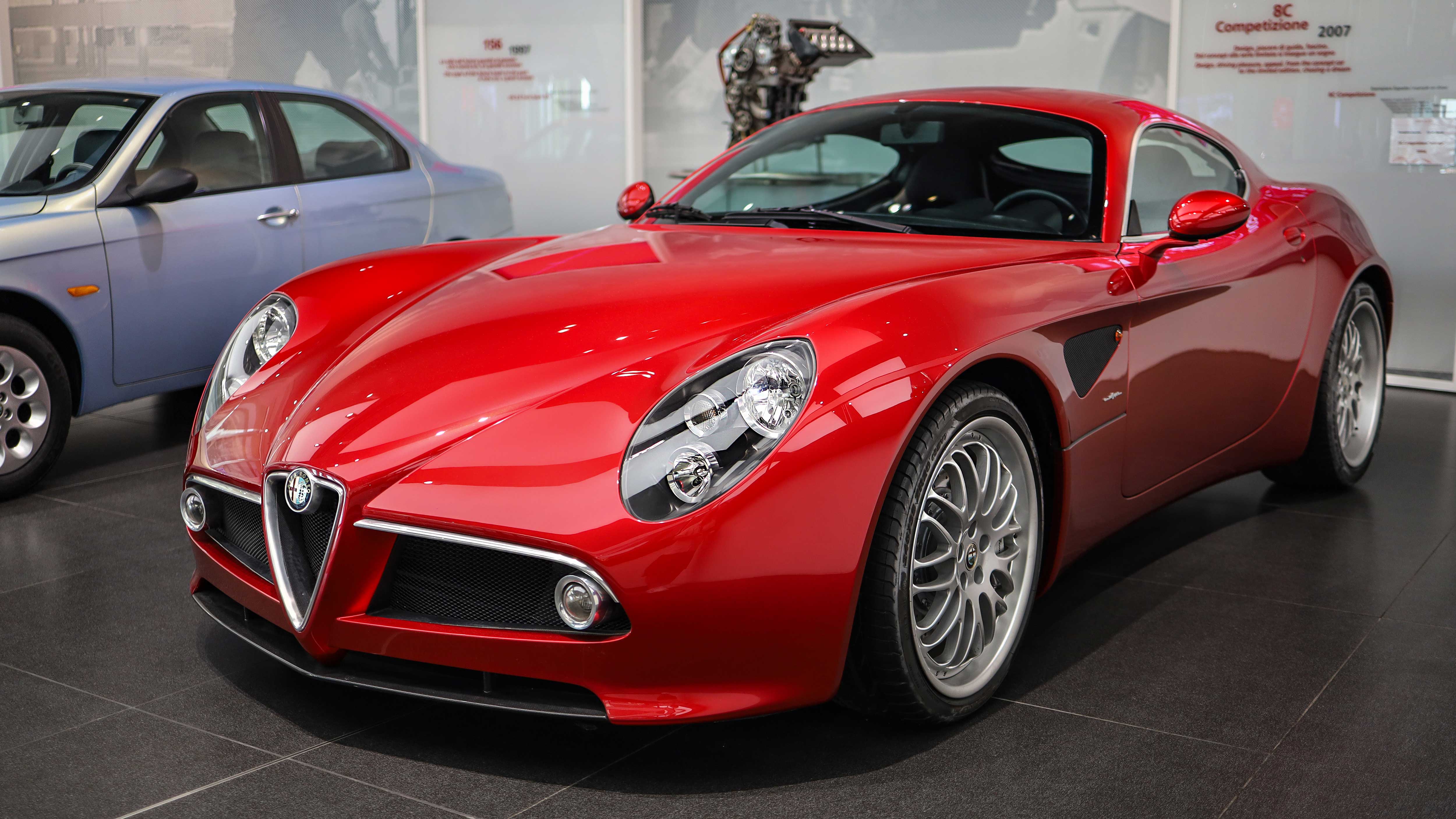
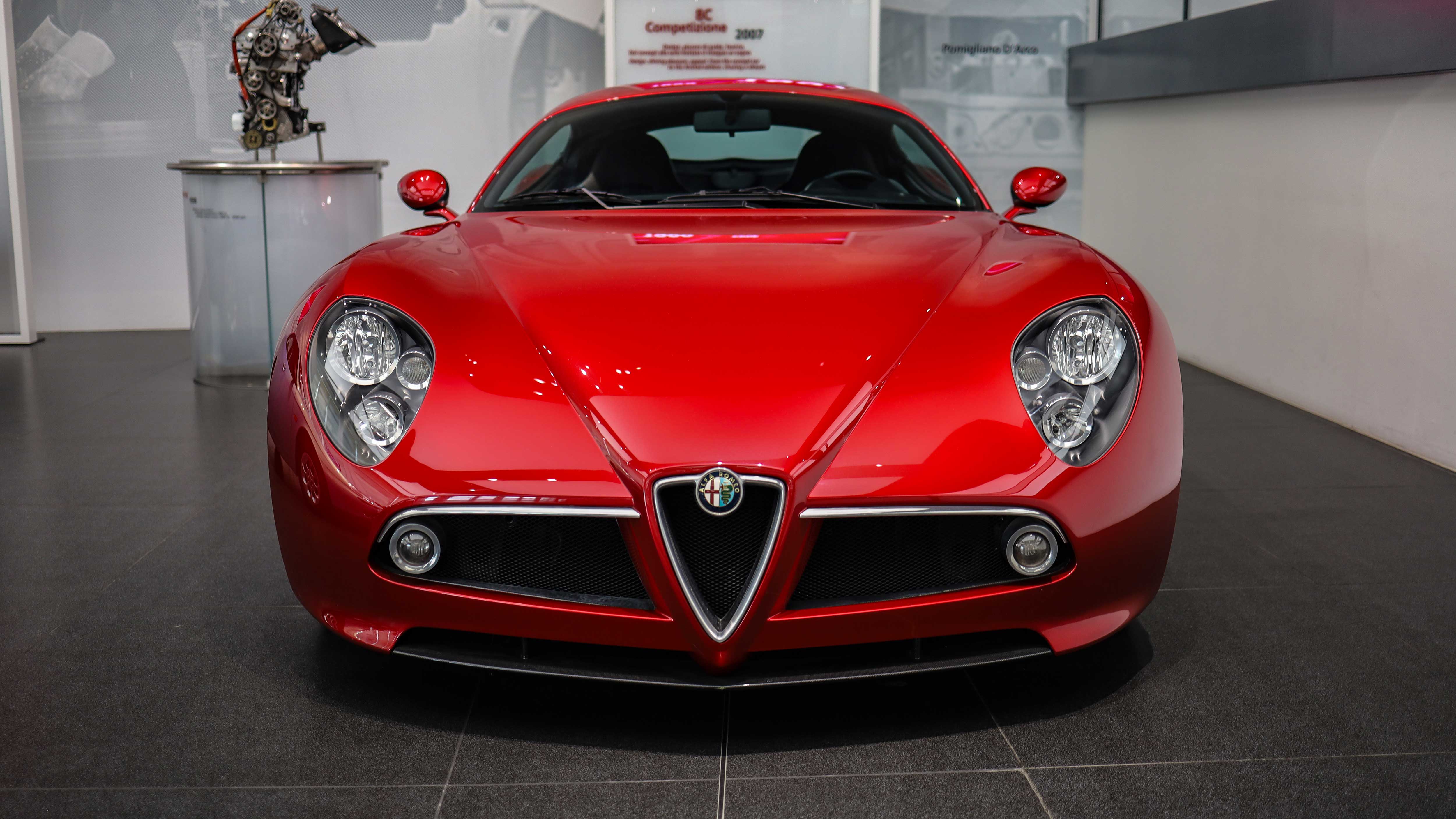
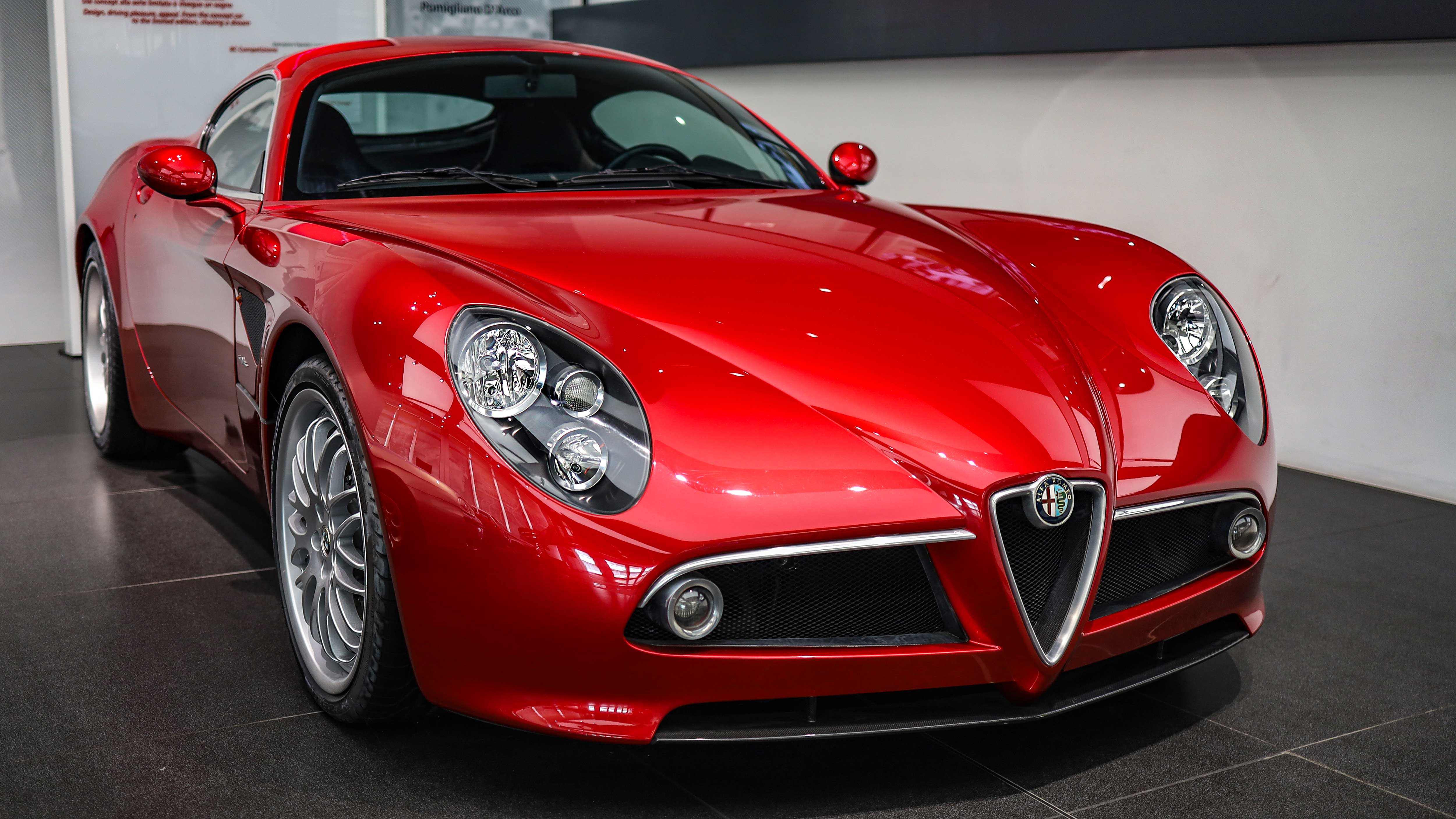
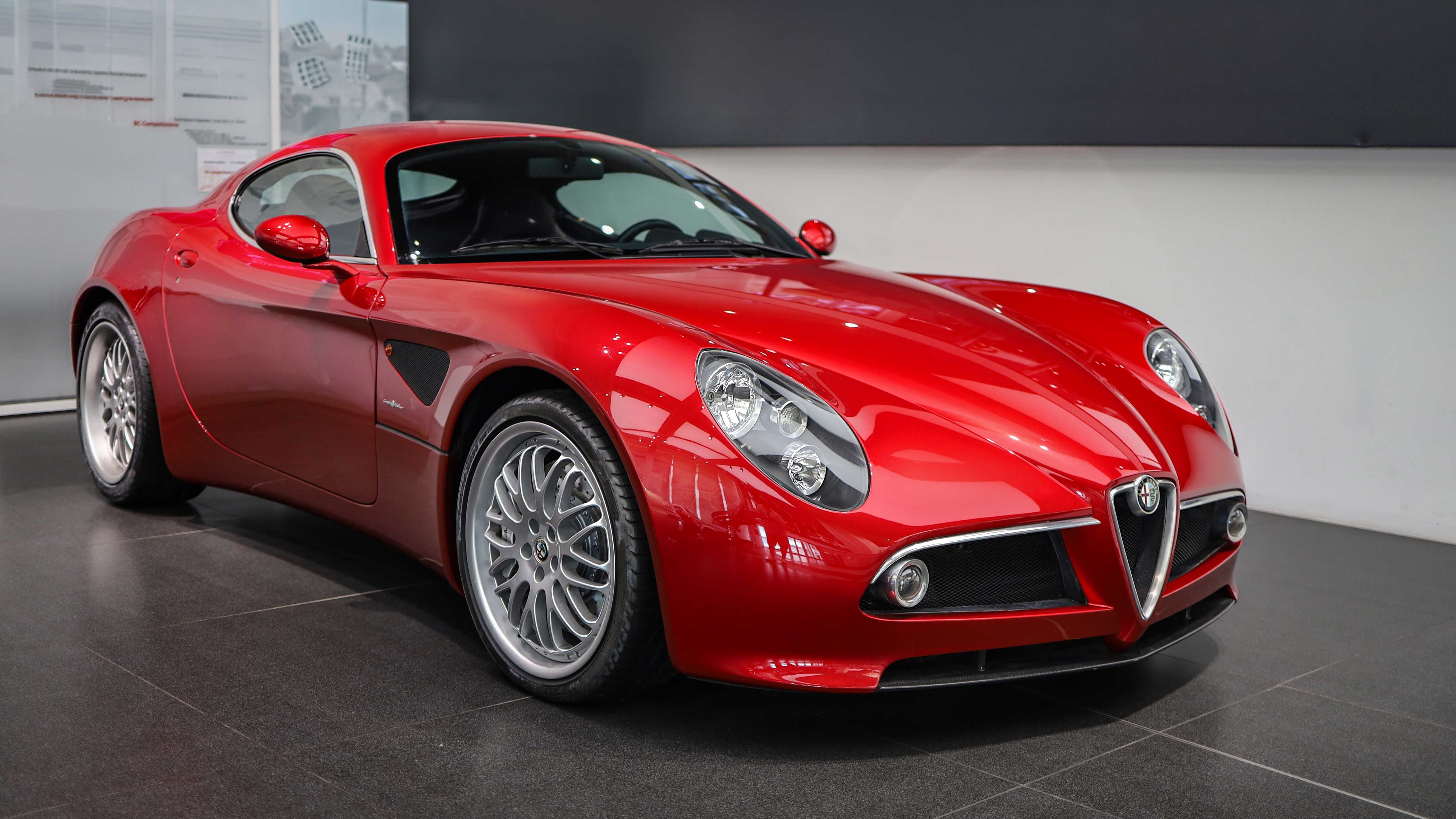
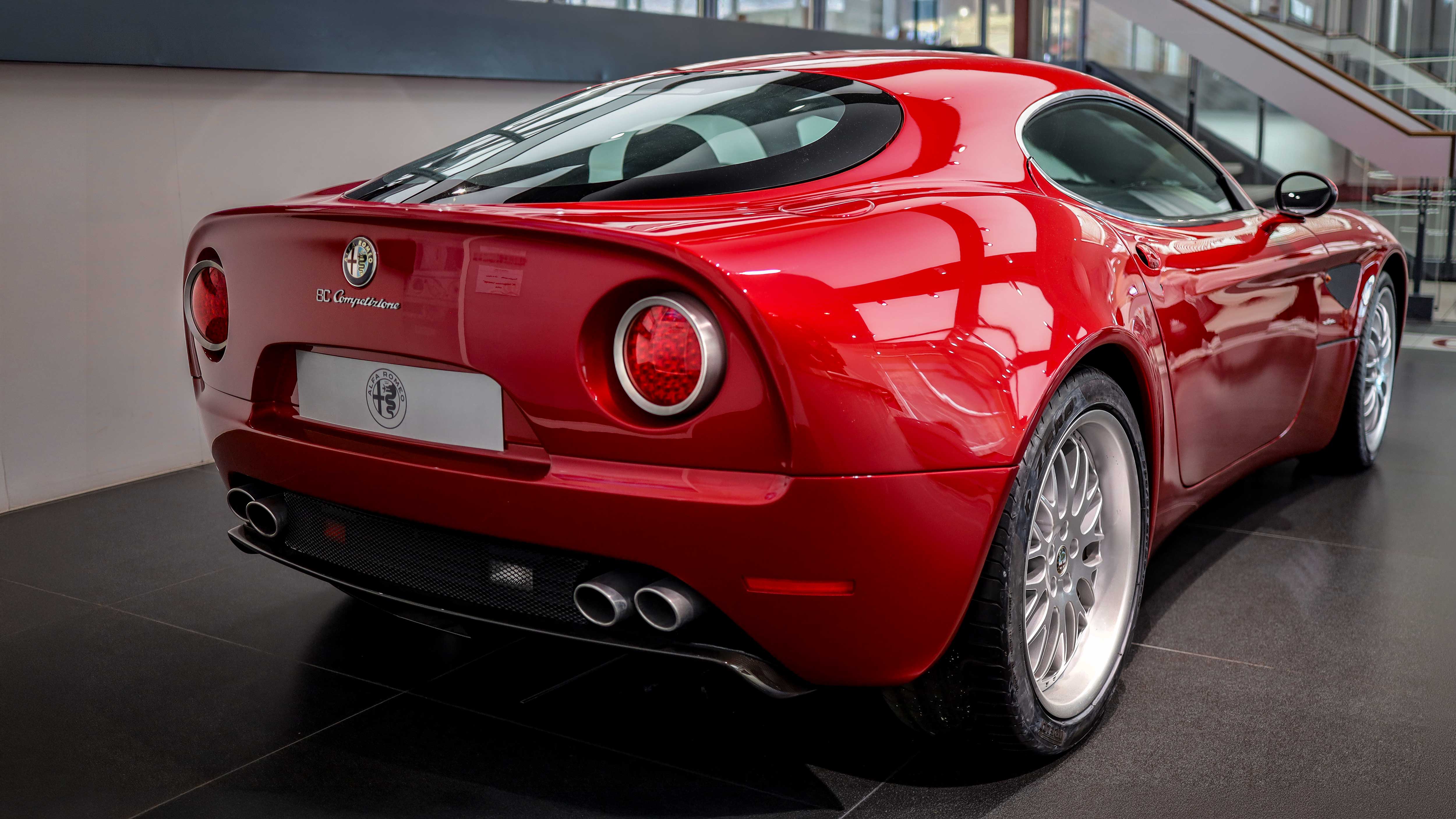
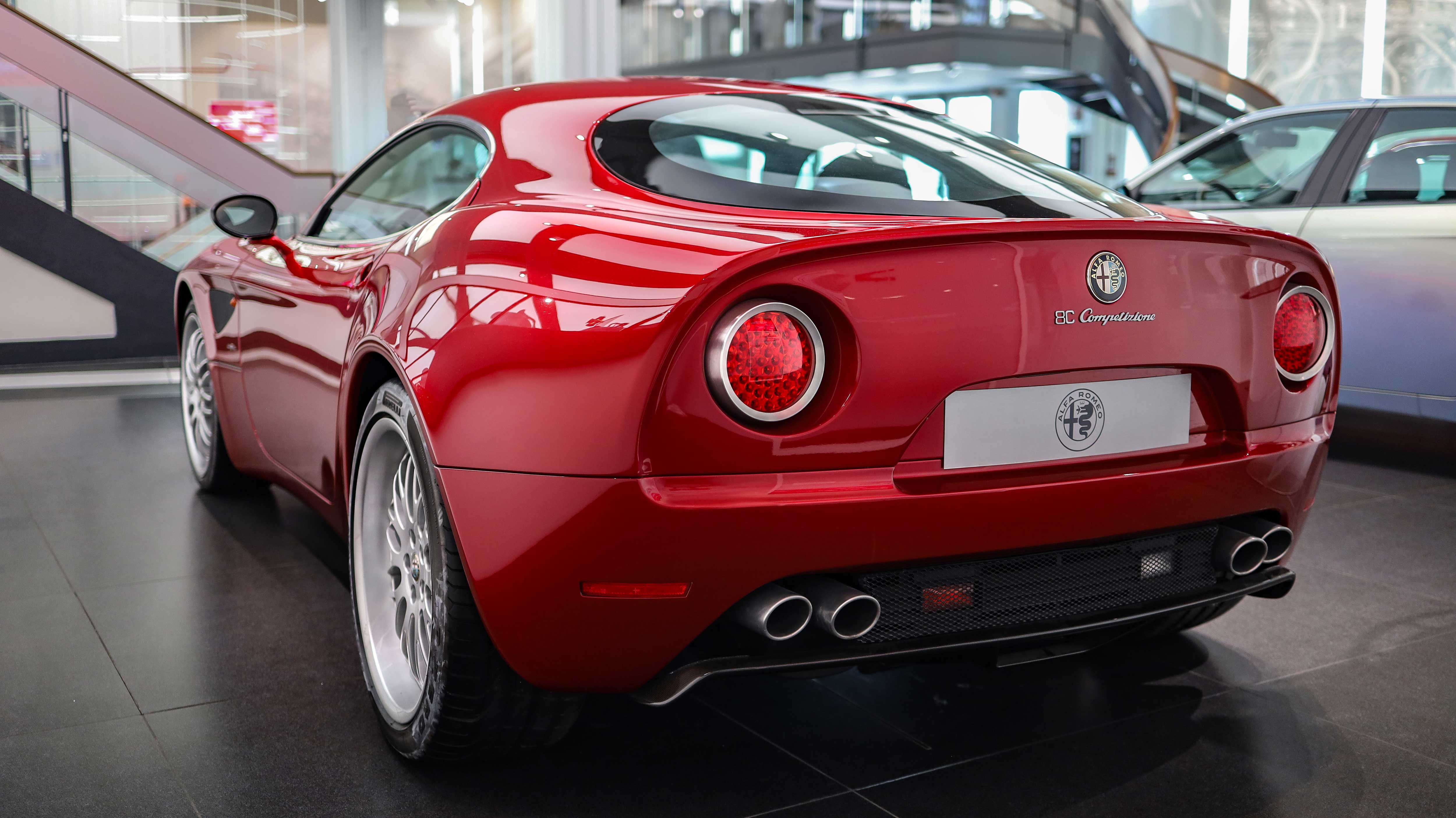
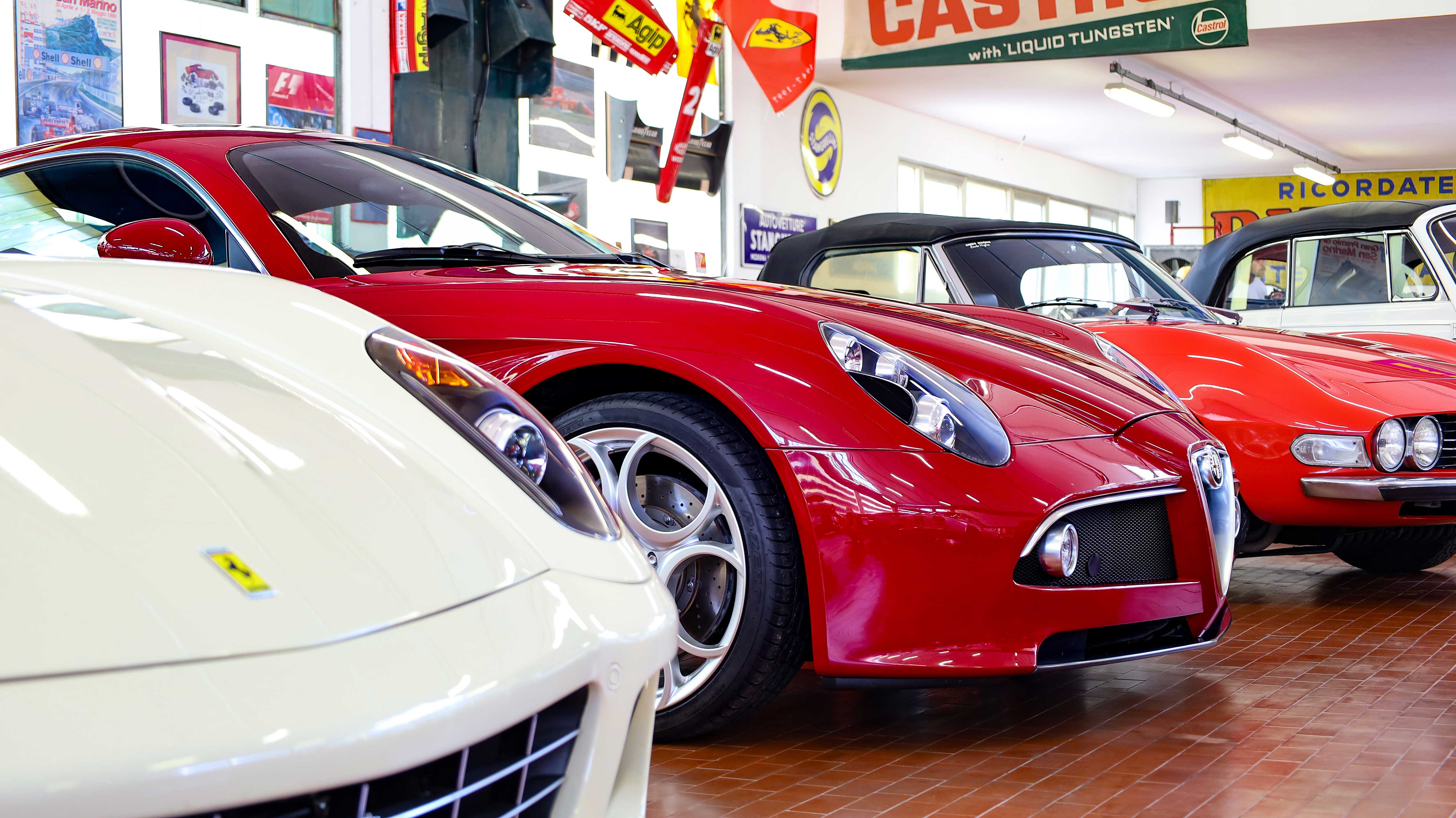
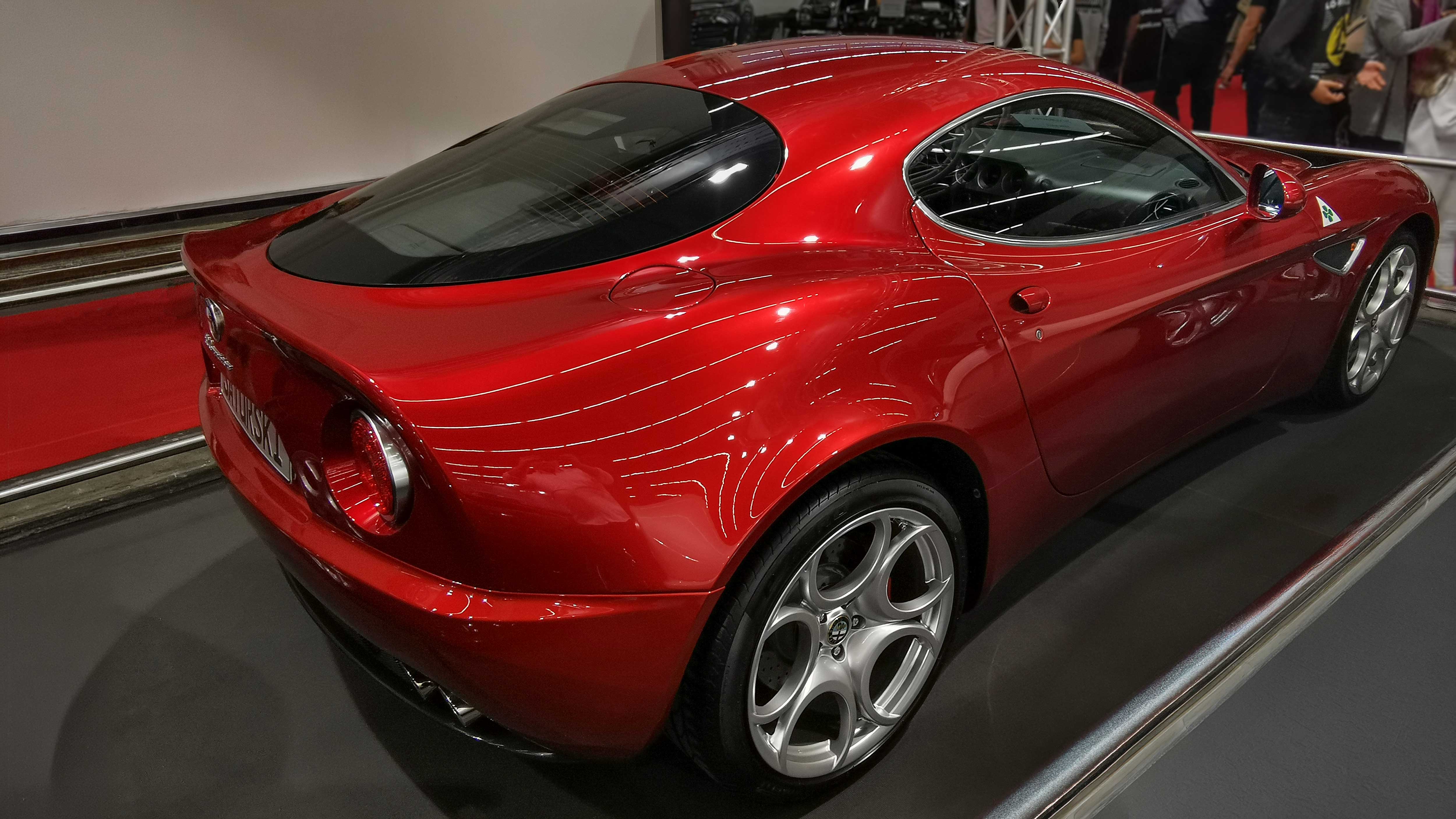
8C Competizione
The Alfa 8C Competizione is a stunning sports car, known for its Italian design, powerful V8 engine, and thrilling performance. A true icon of automotive excellence.




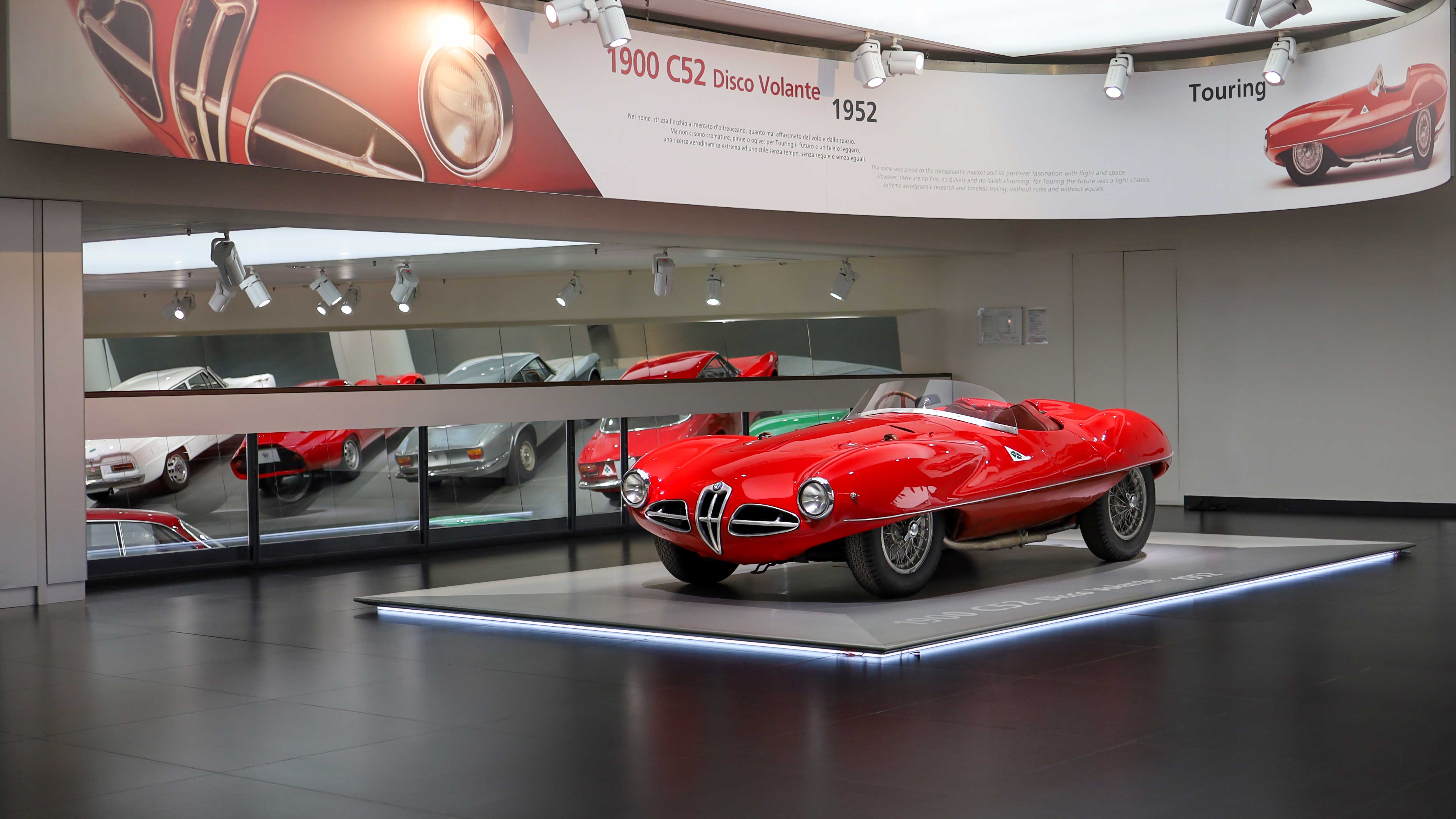
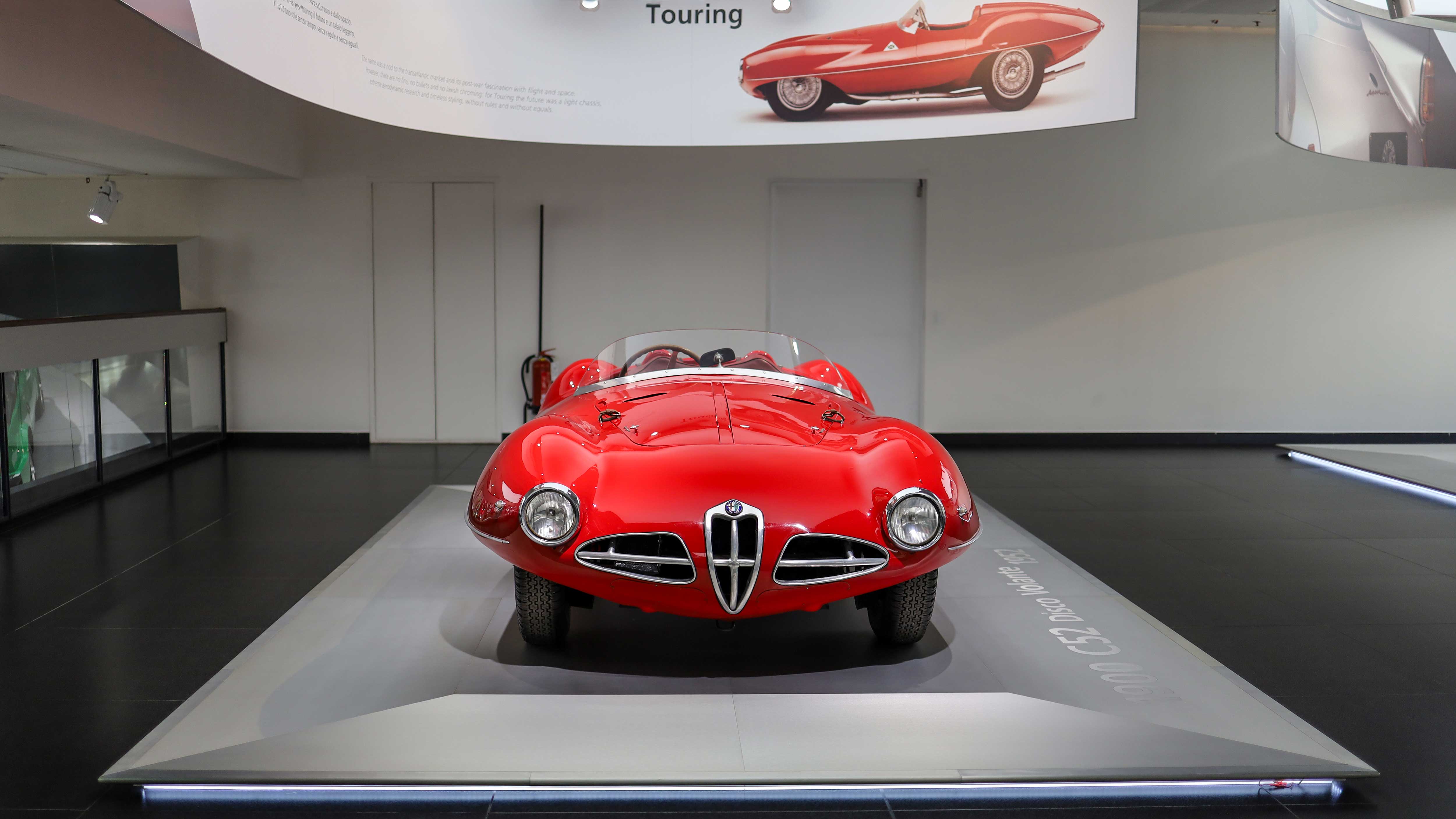
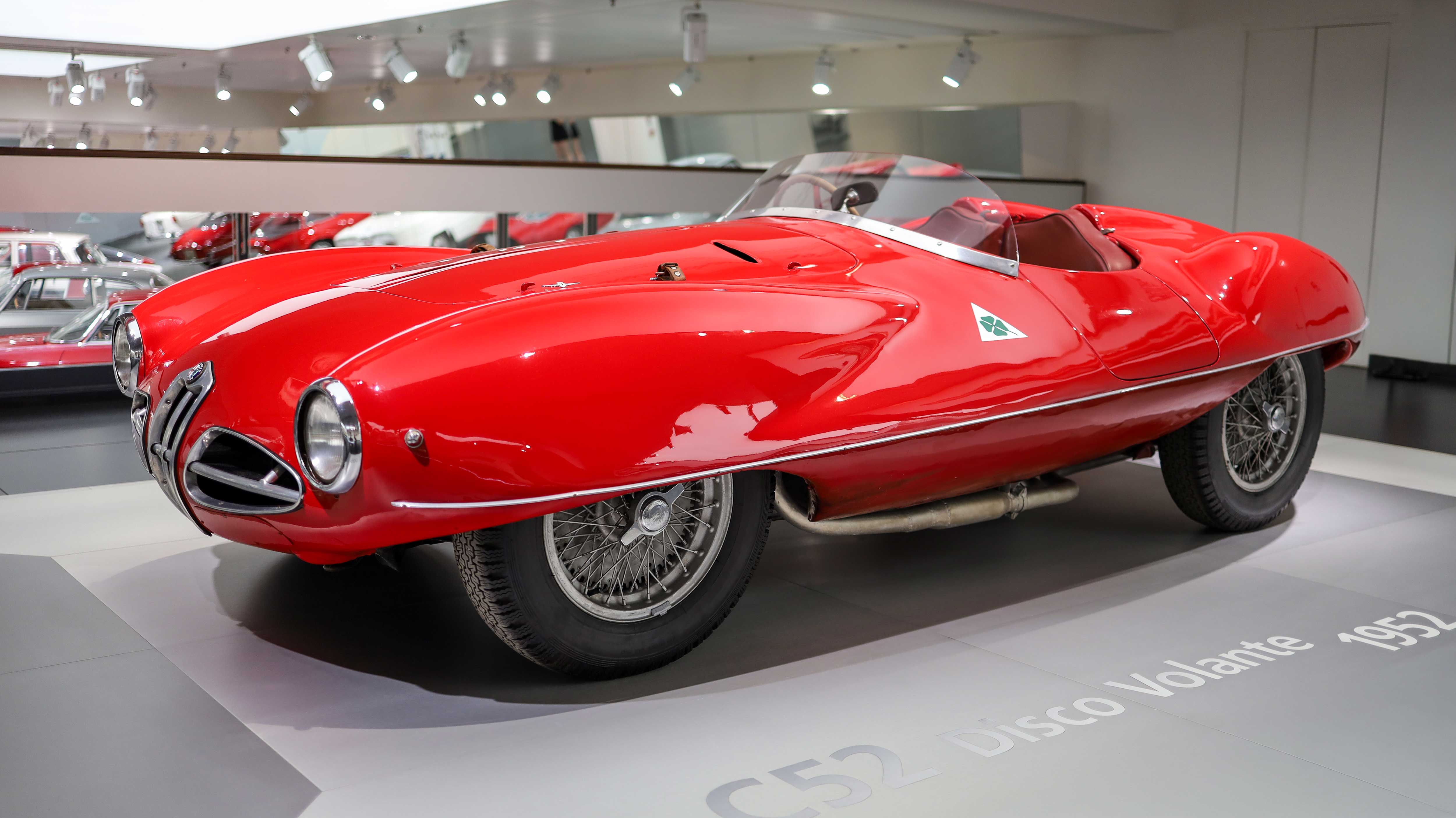
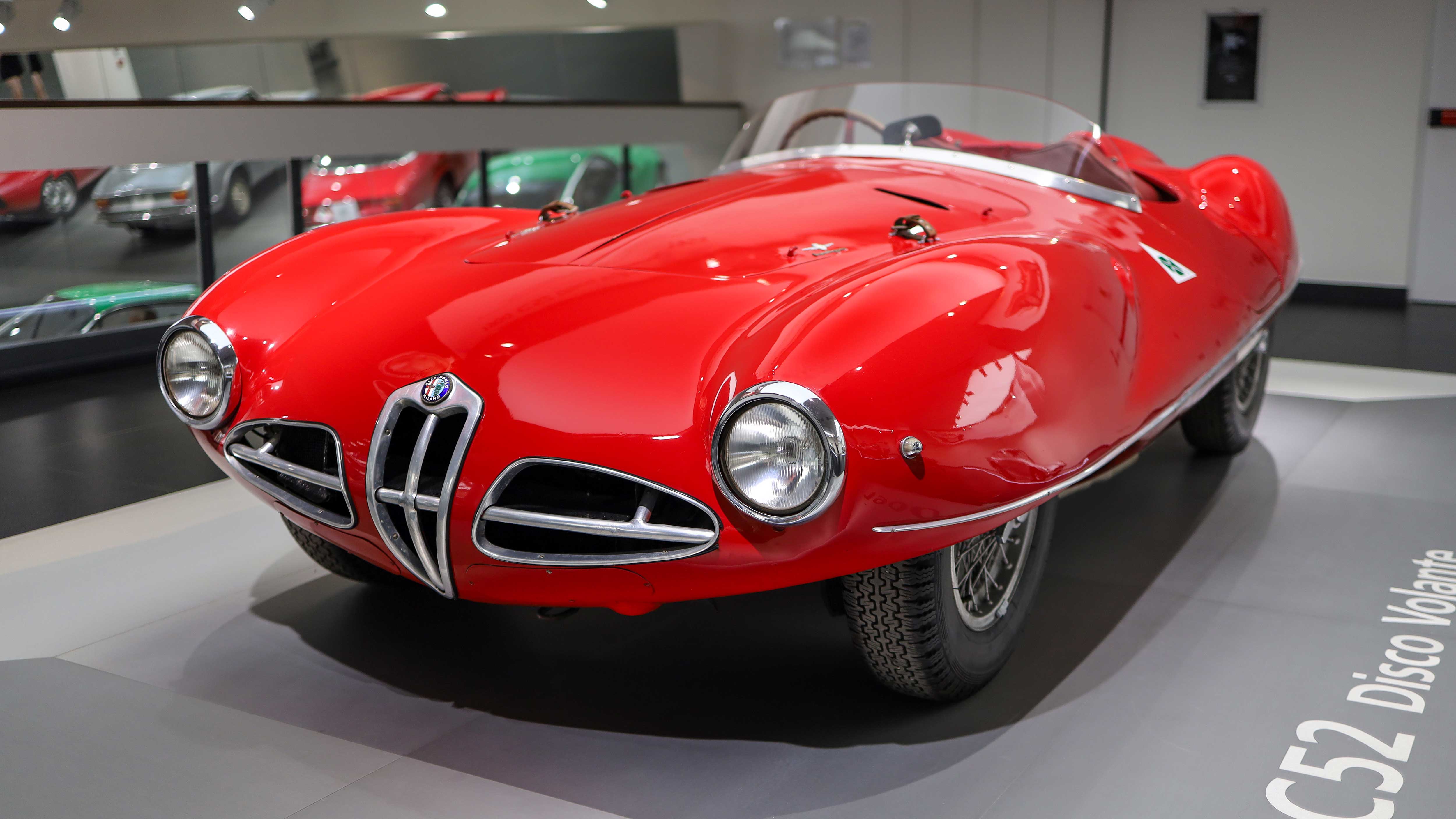
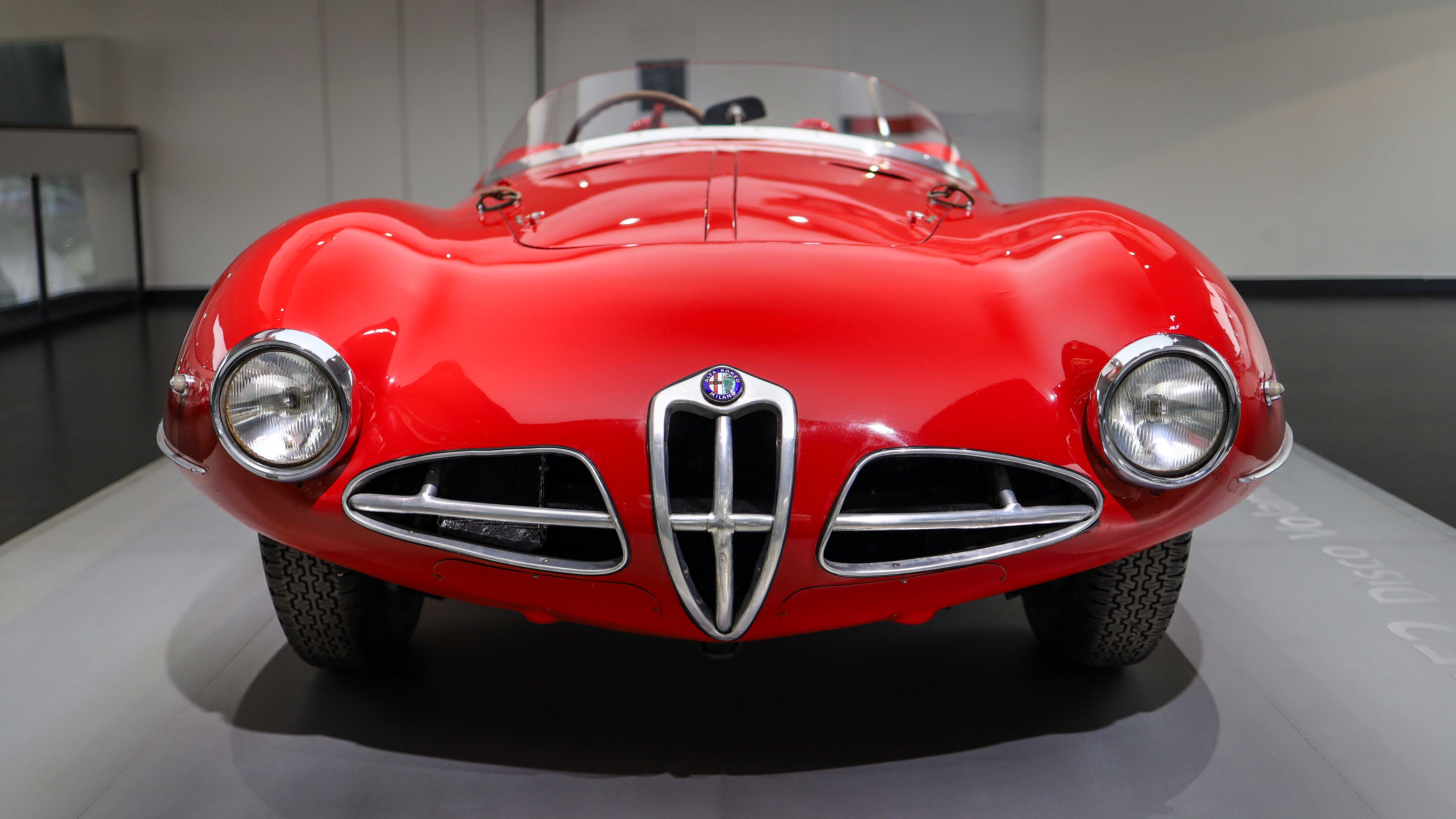
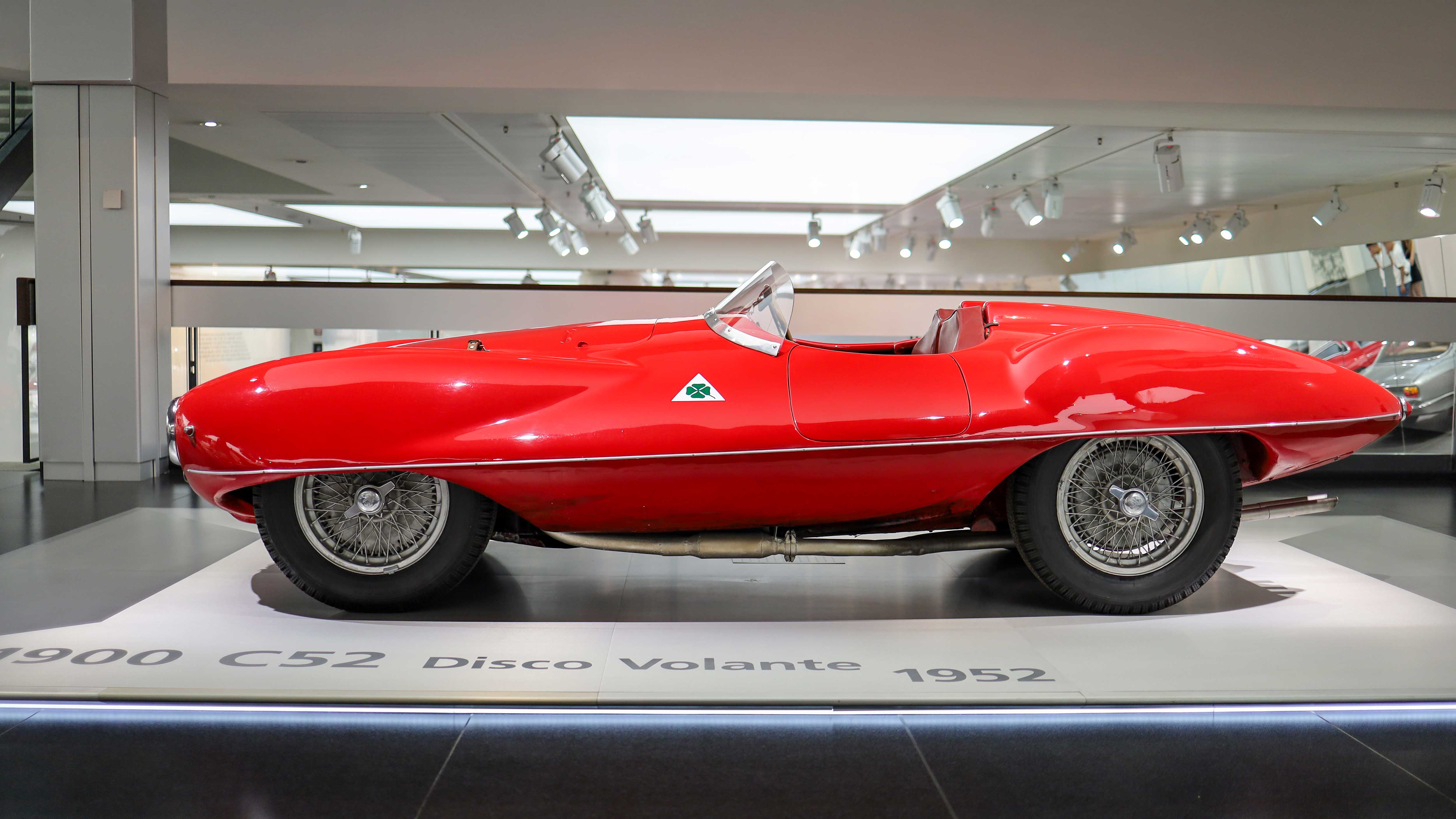
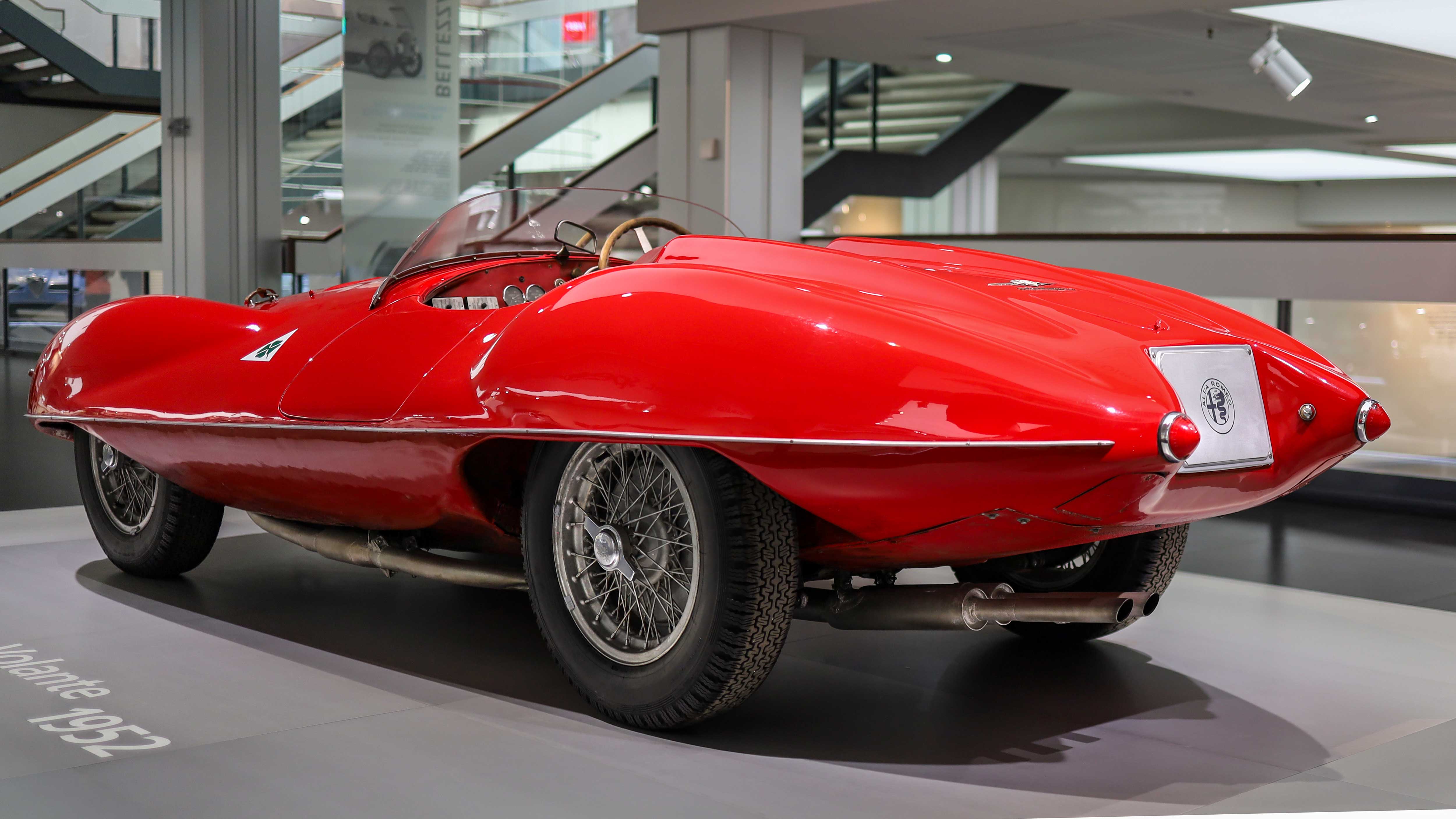
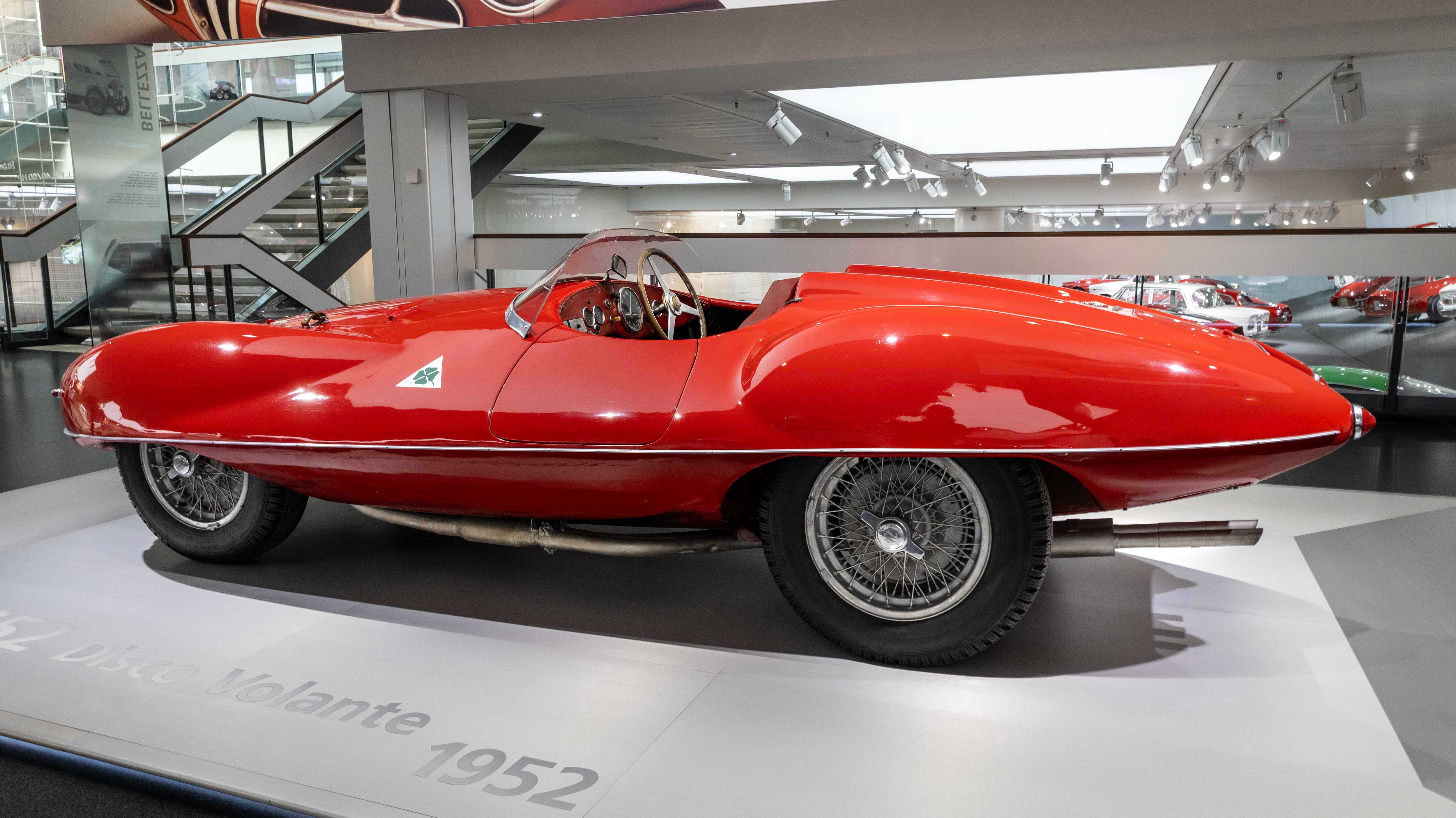
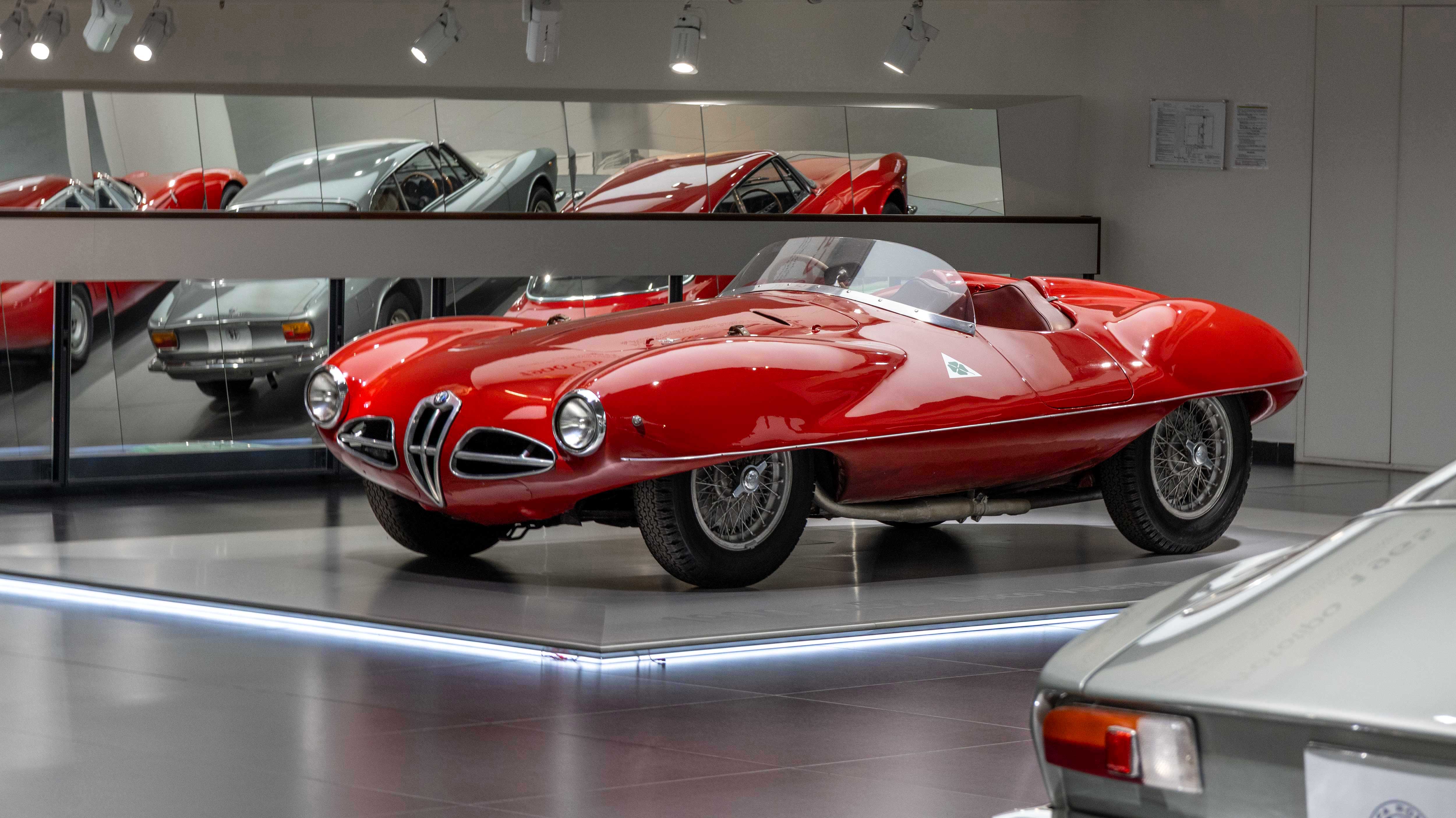
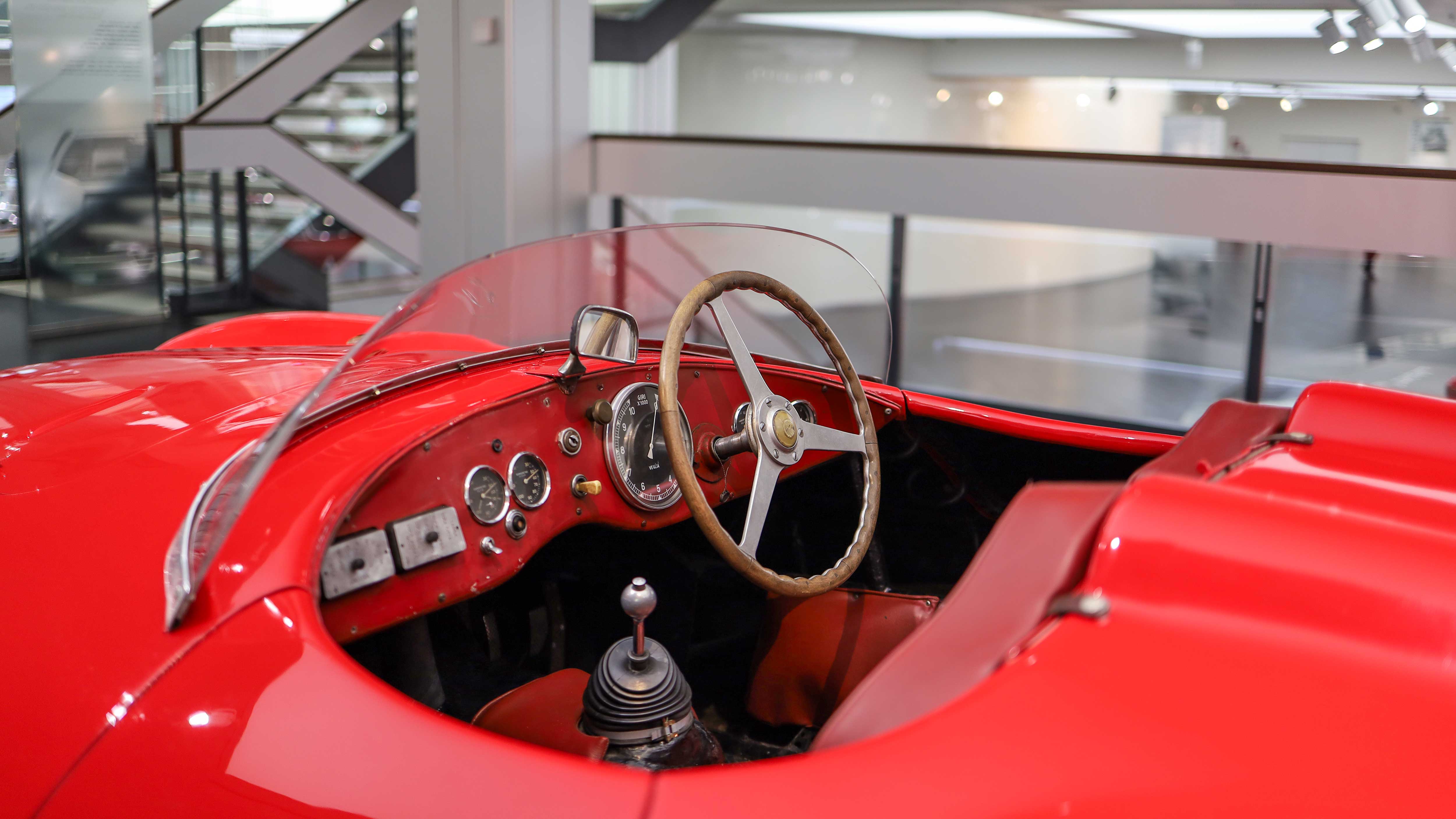
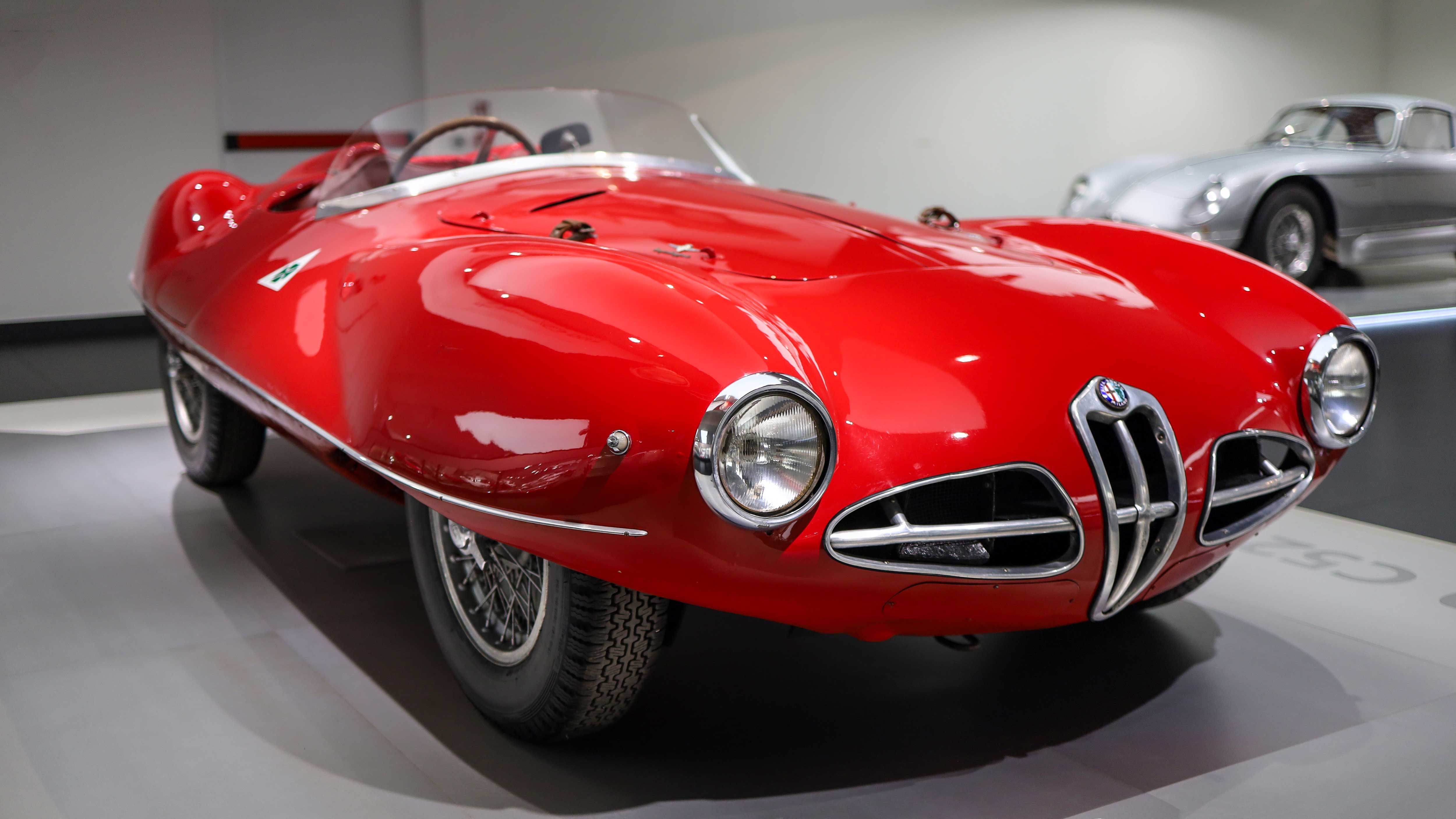
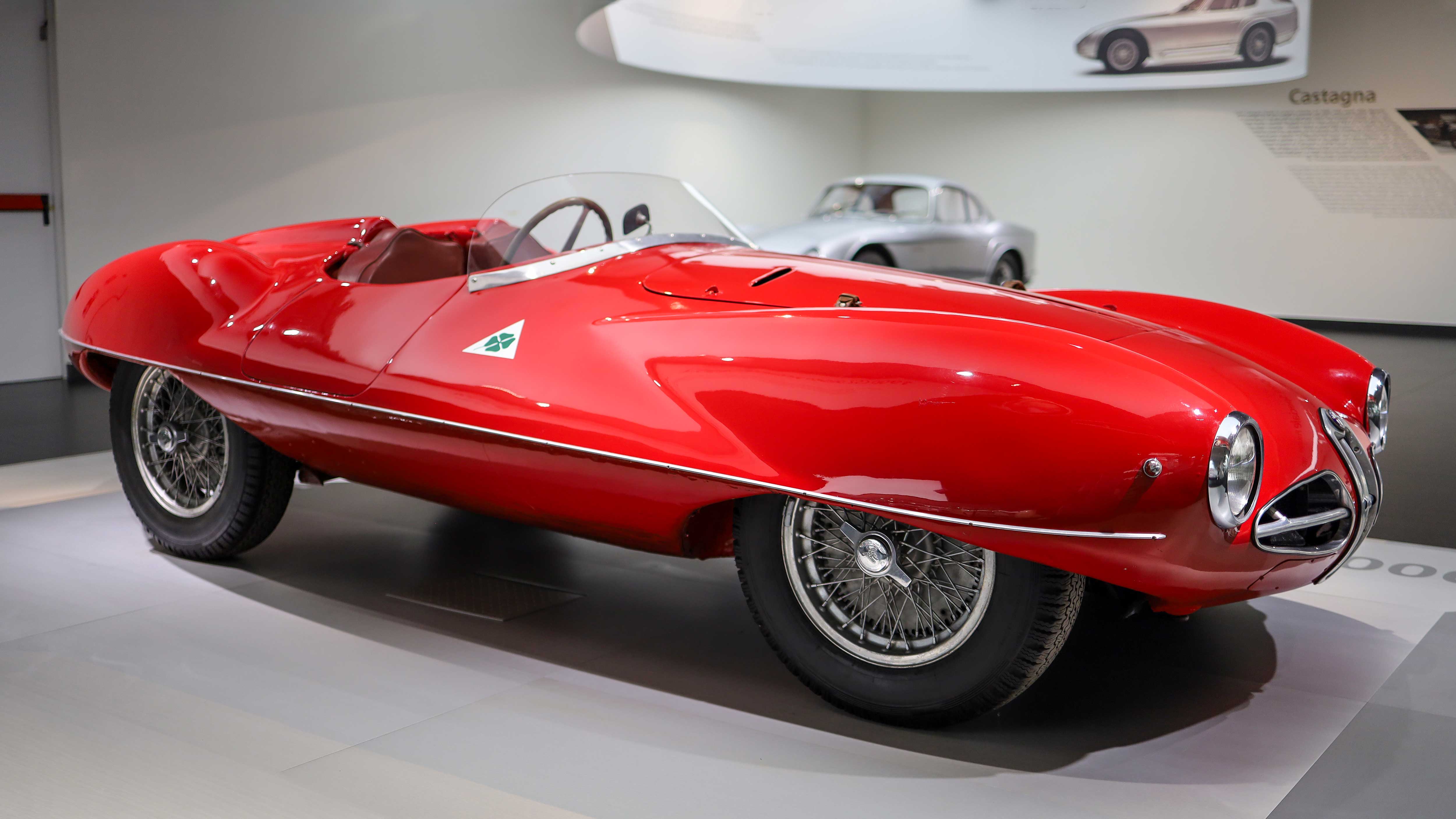
1900 C52 Disco Volante
The 1900 C52 Disco Volante (1952–1953) was an experimental sports racer with extreme aerodynamics. Its 2.0 inline-four produced about 158 hp, pairing low weight, tubular chassis, and a unique “flying saucer” body.
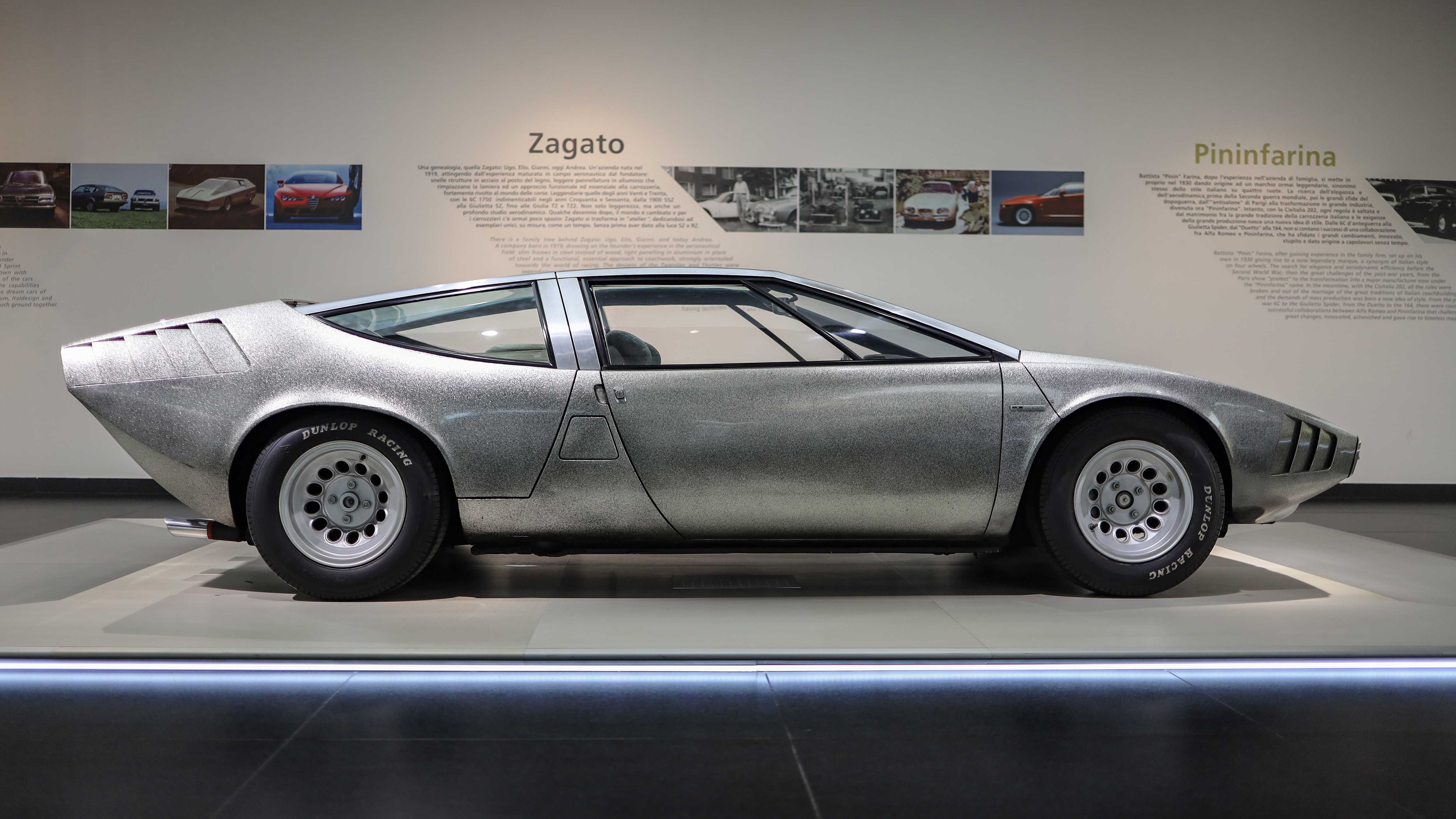
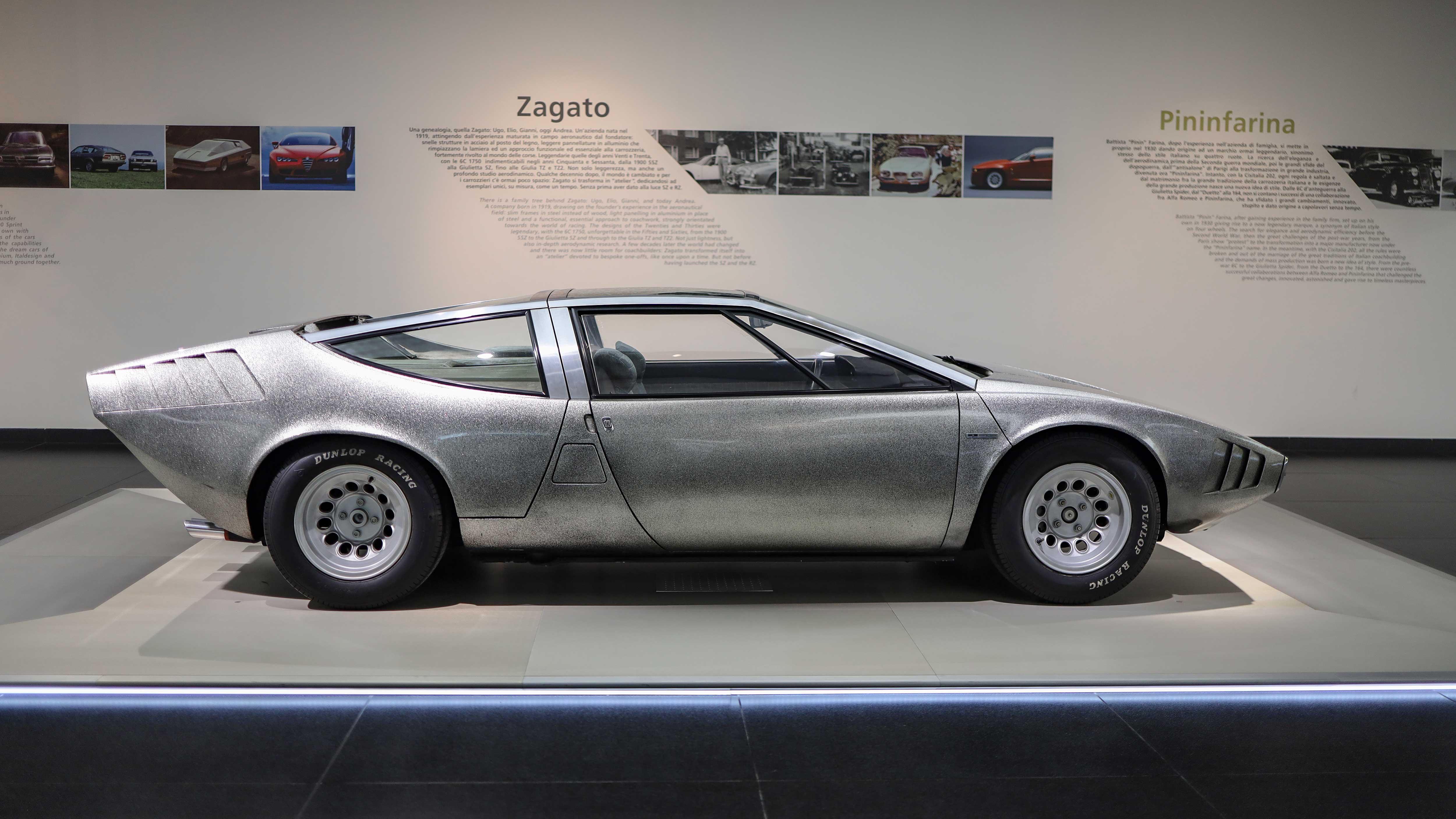
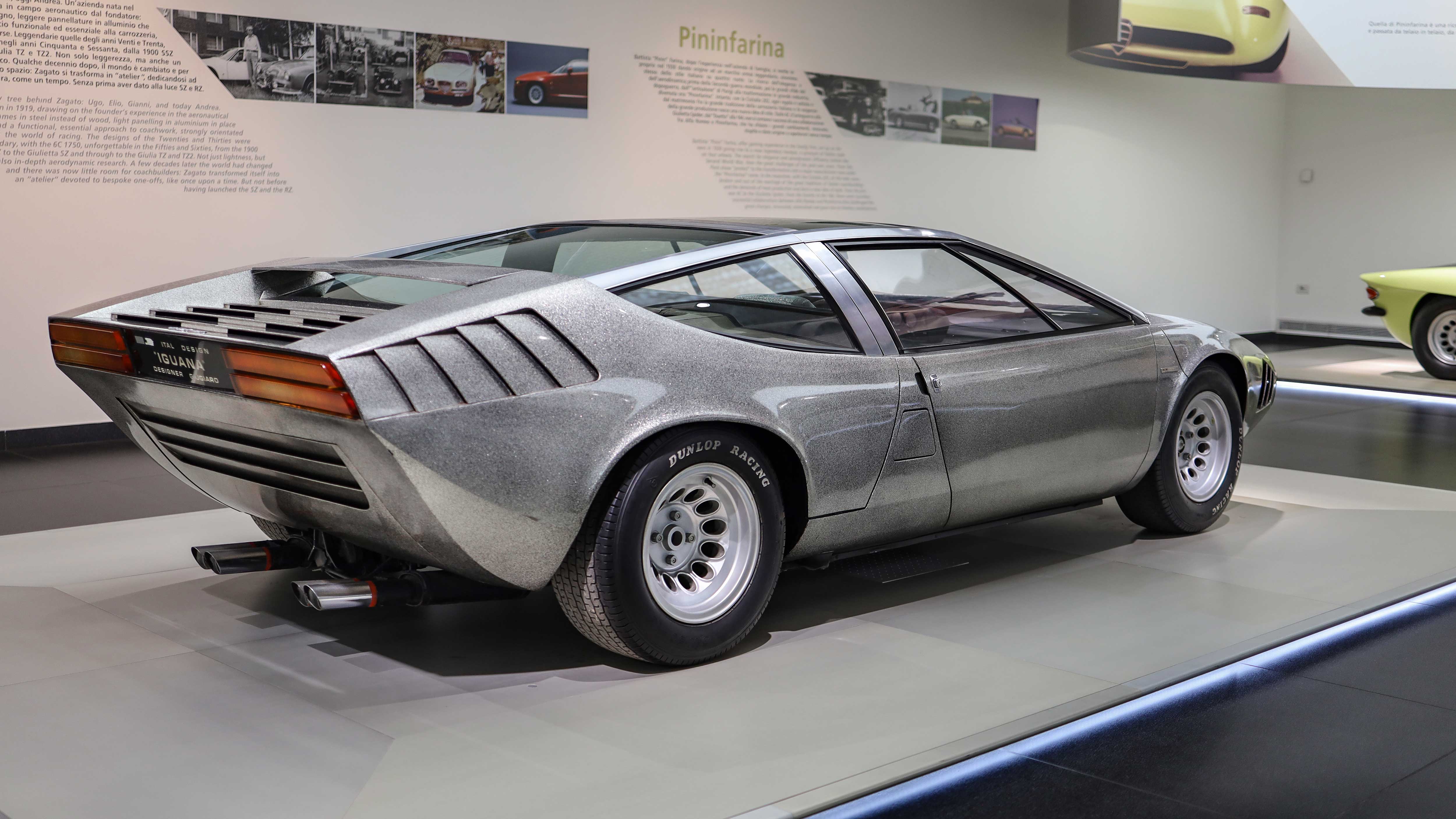
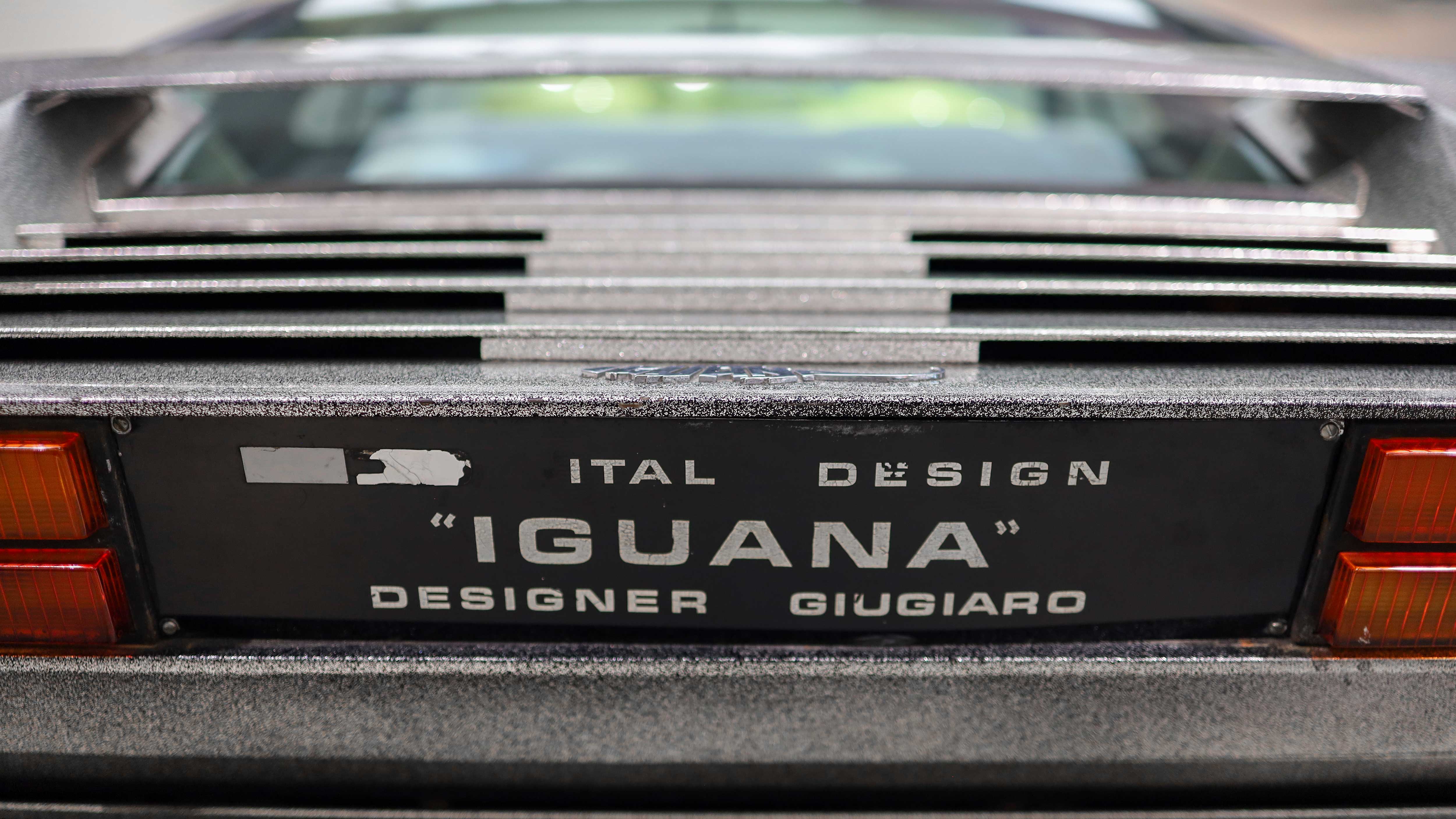
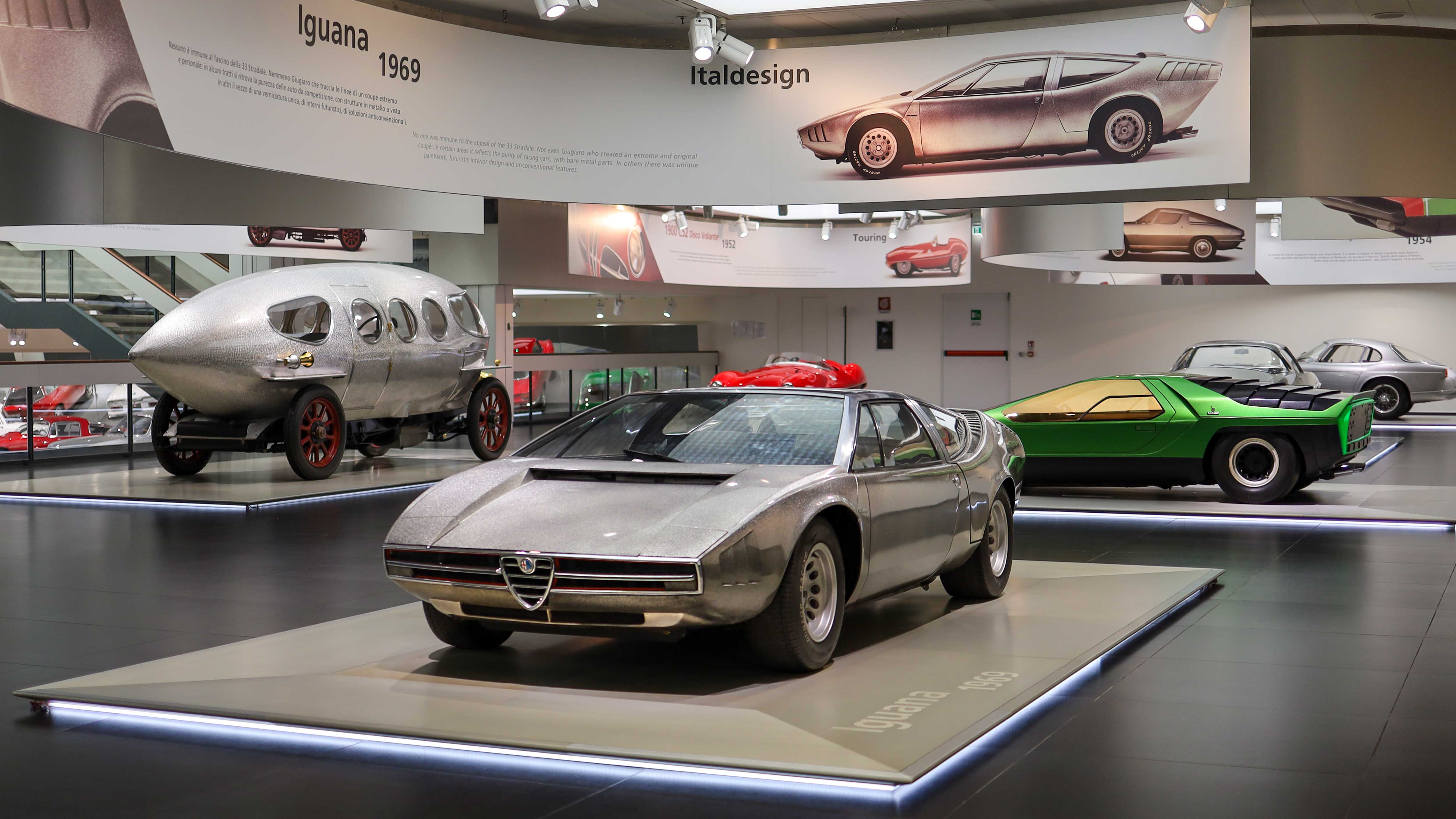
Iguana
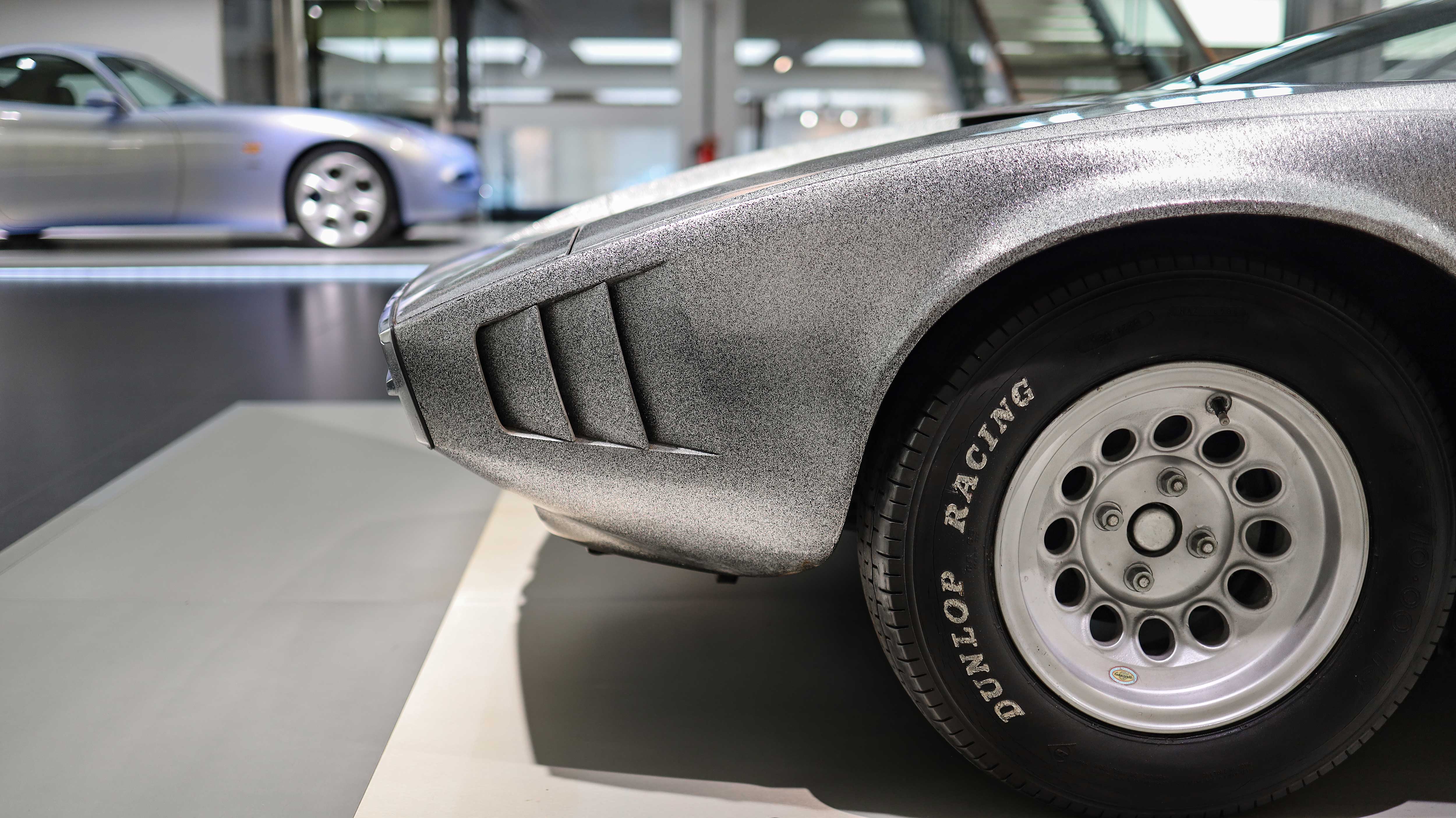
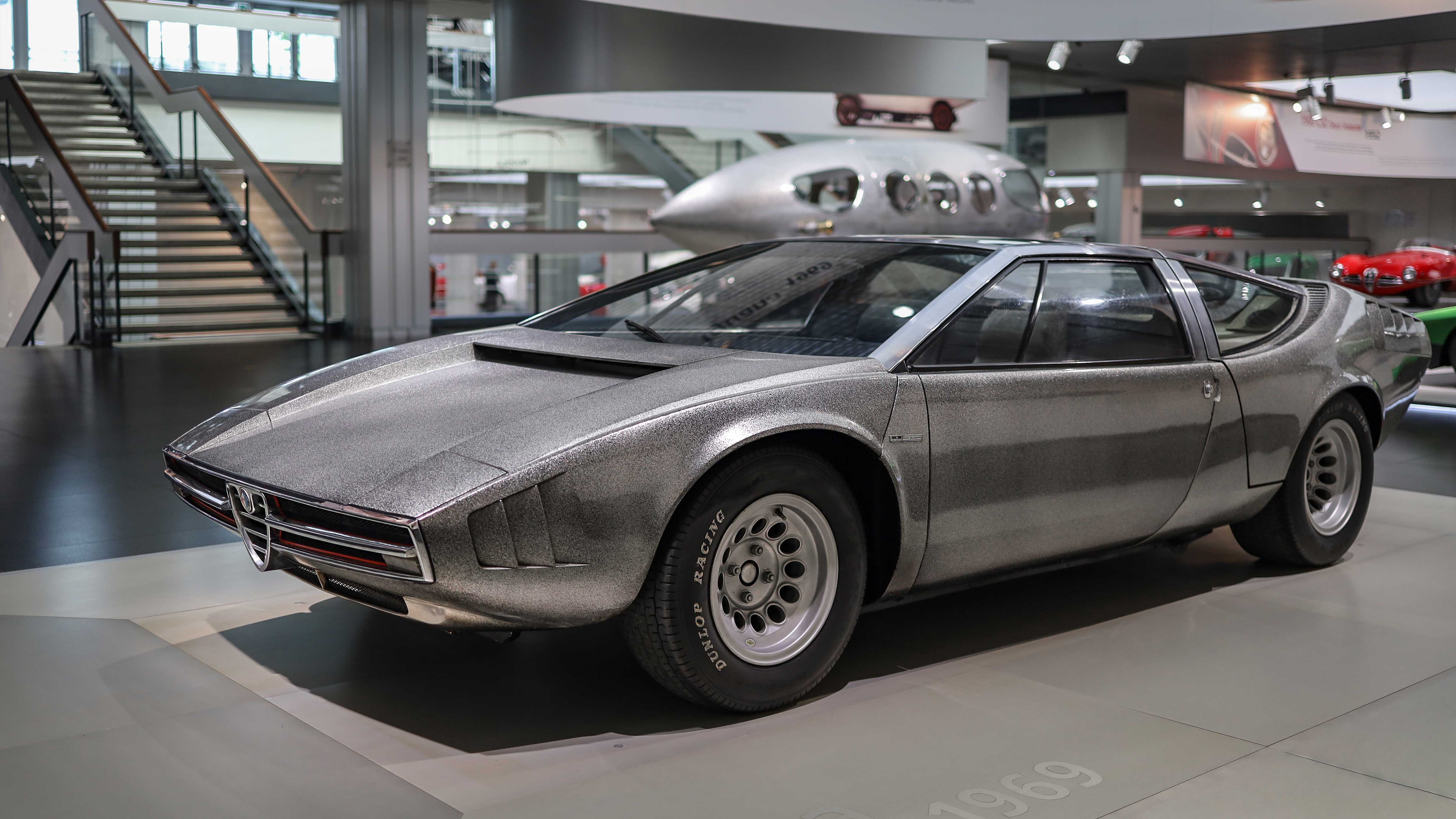
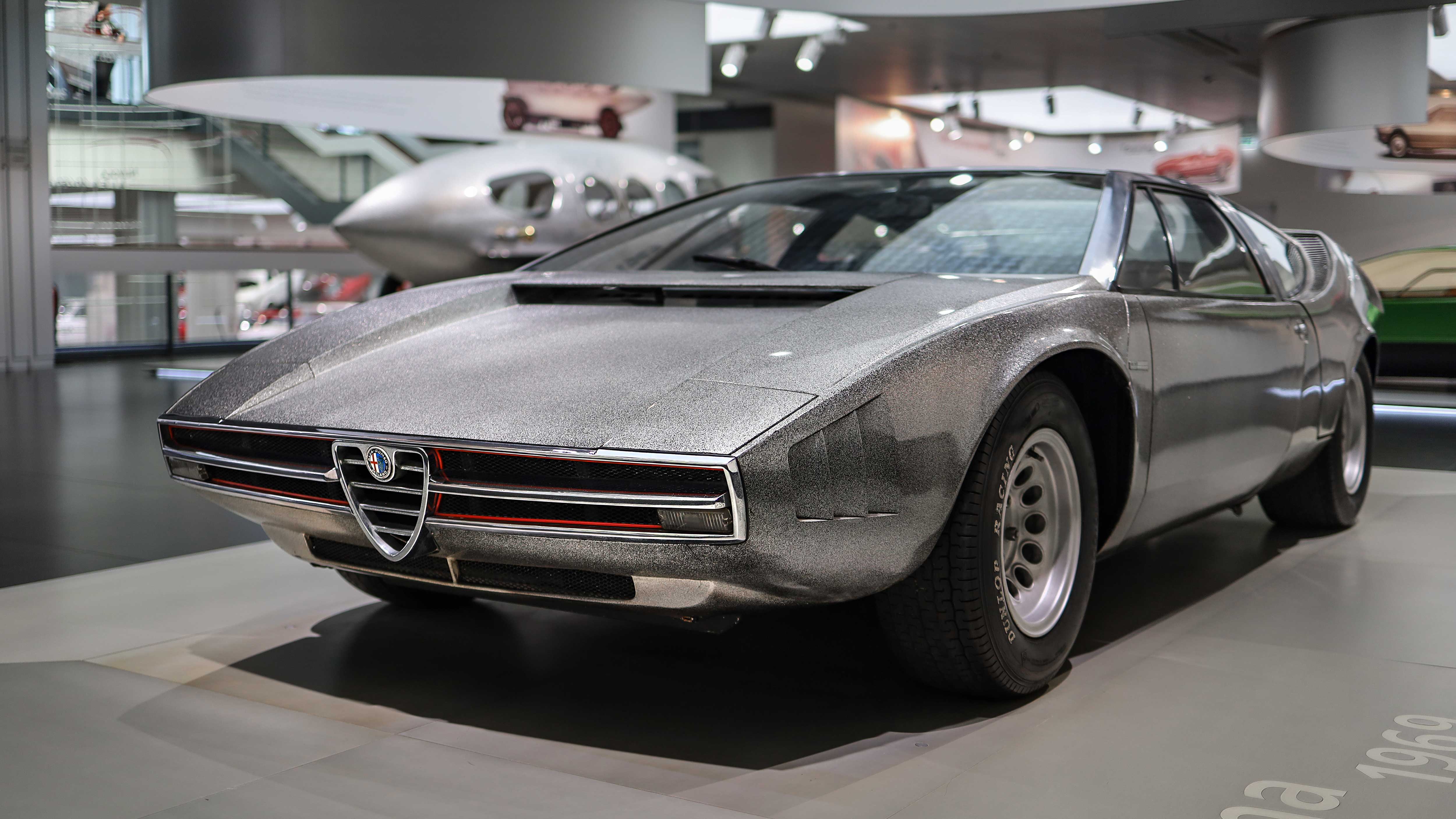
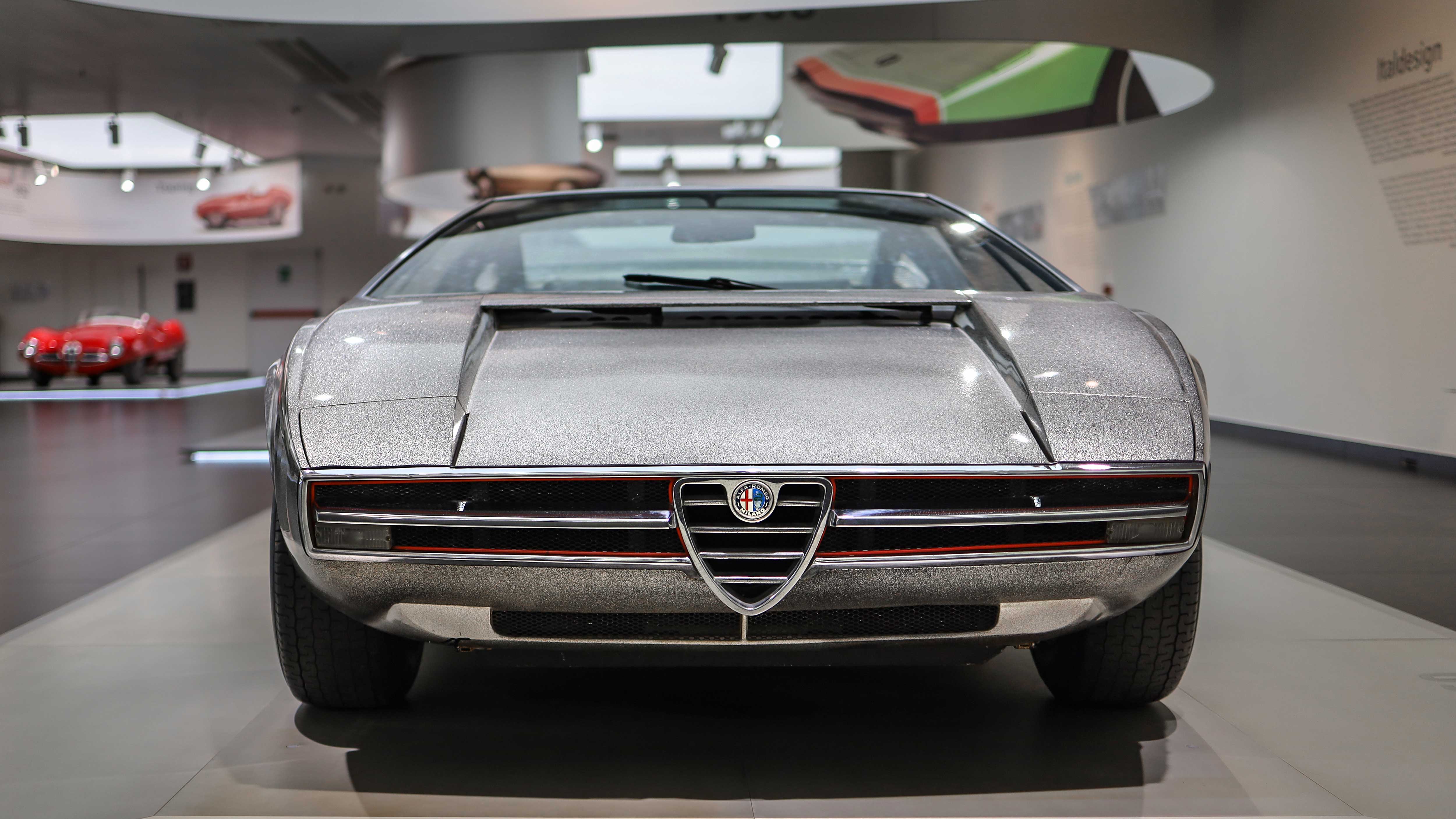
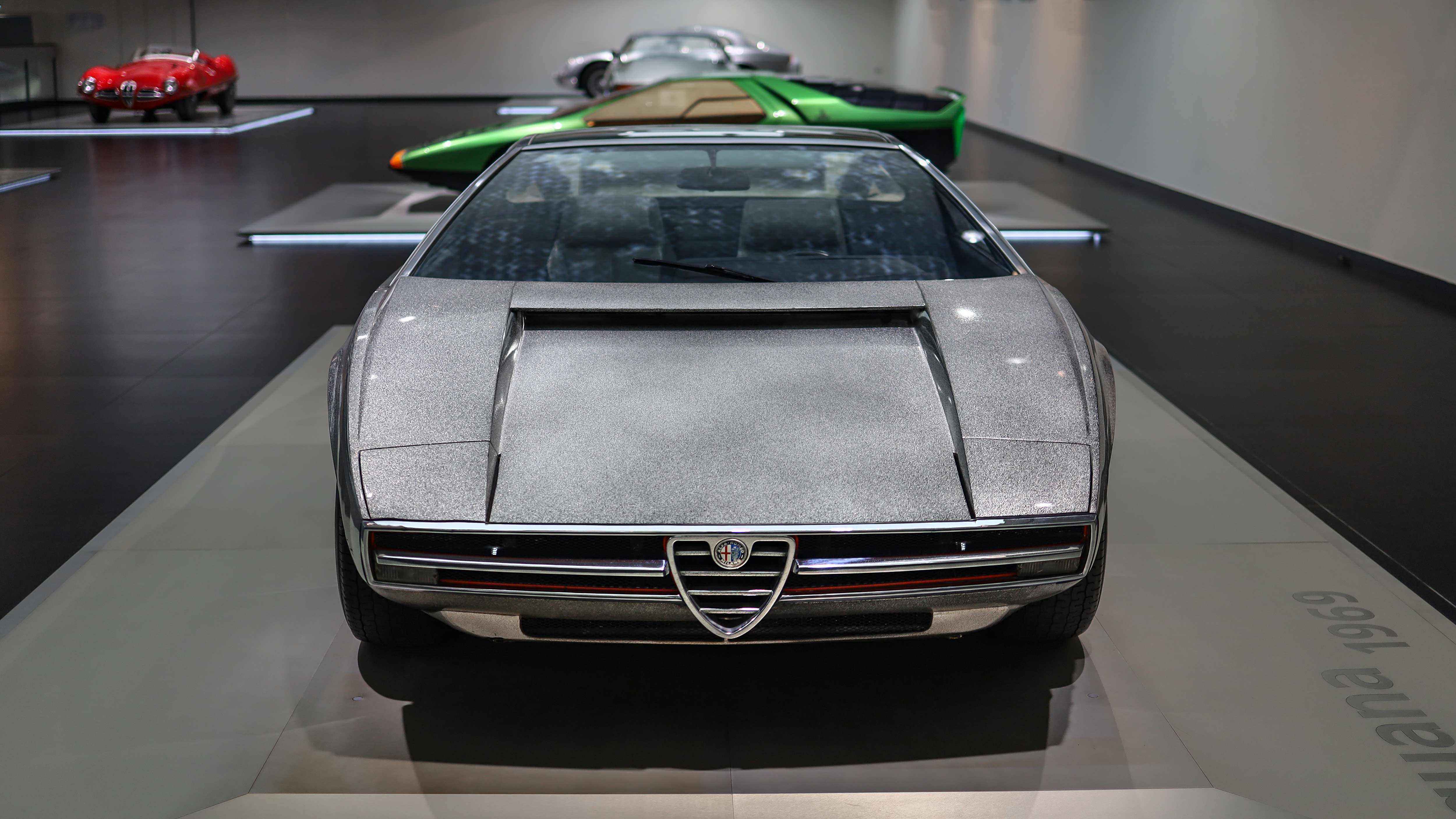
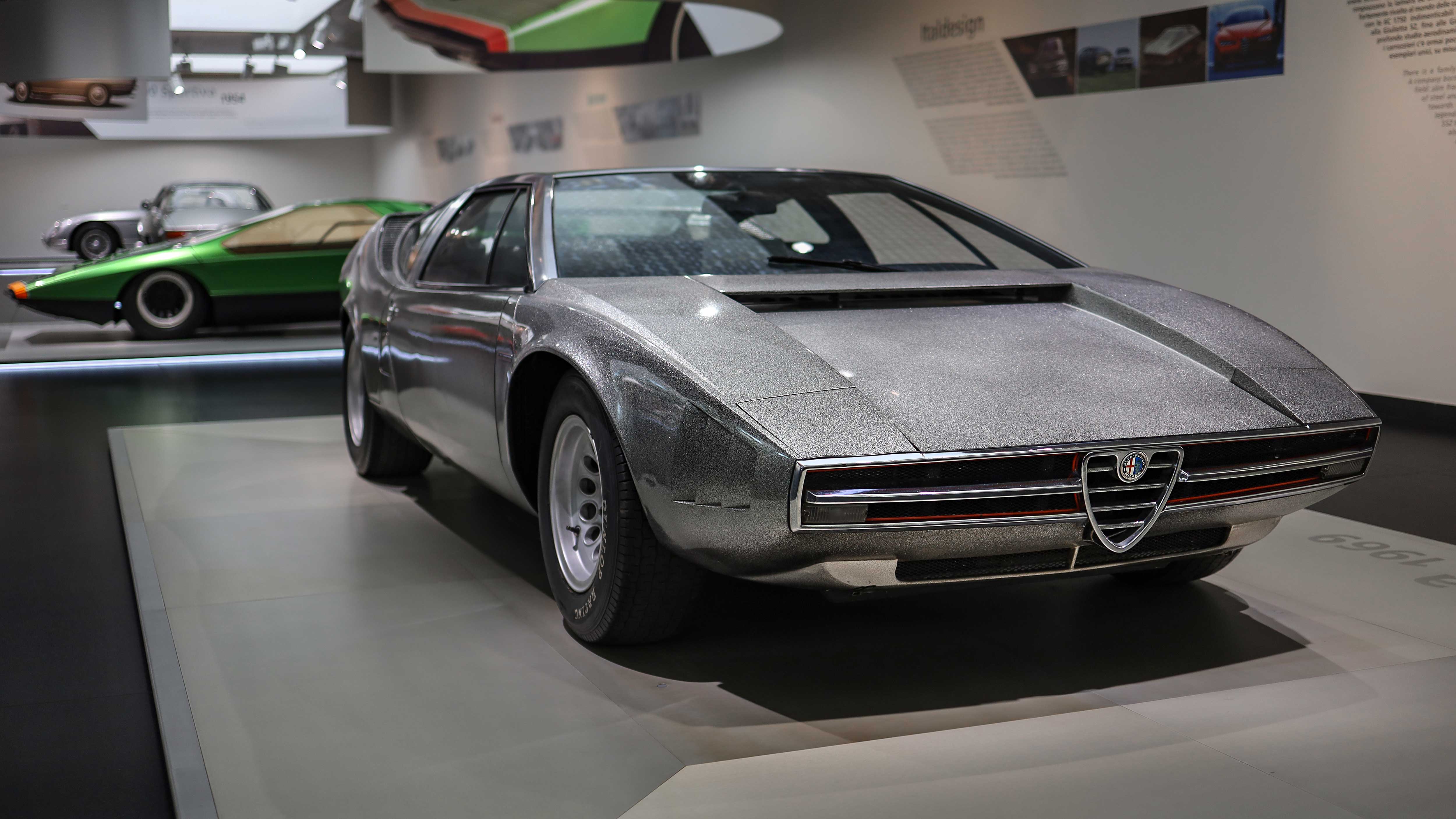
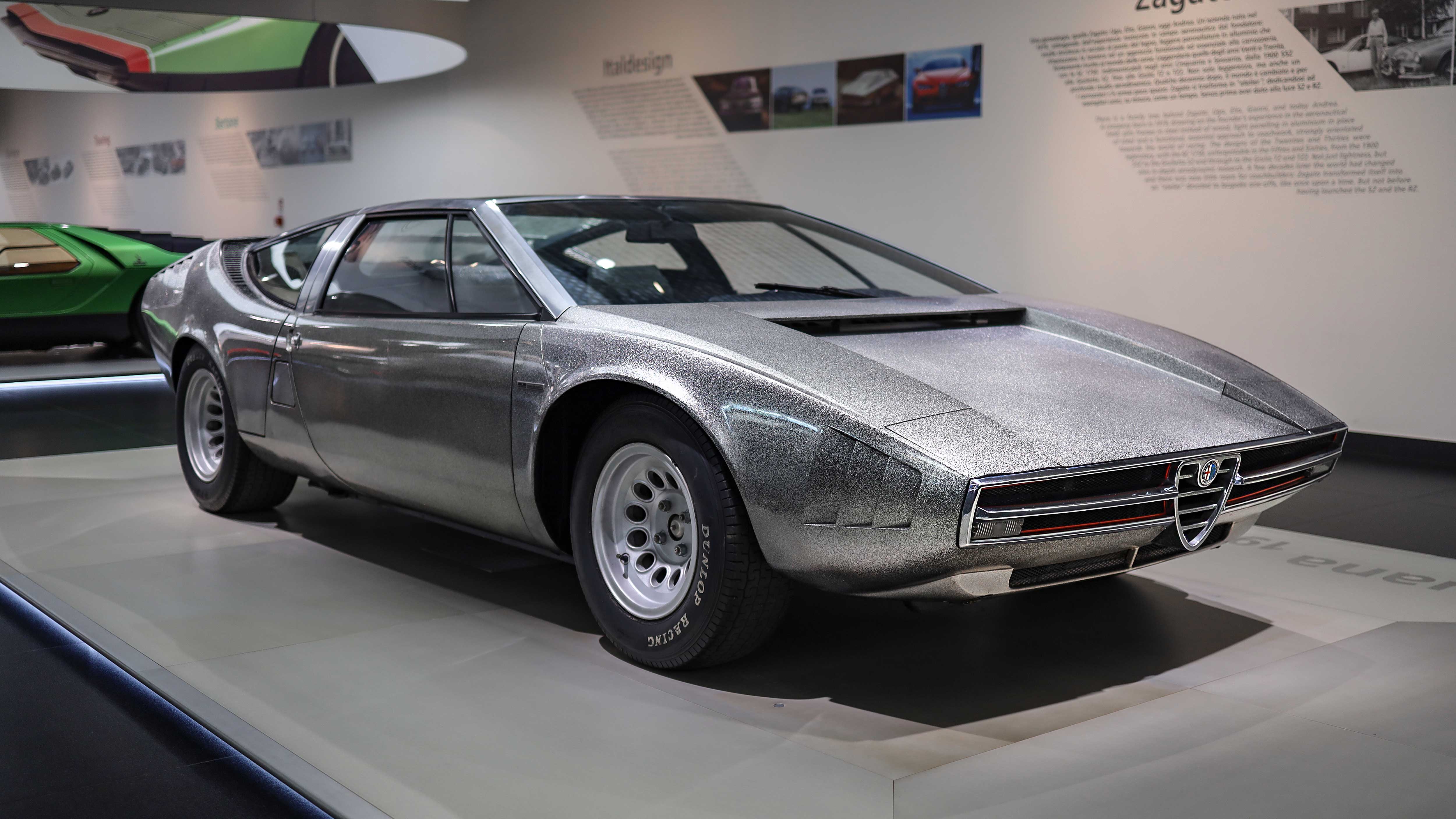
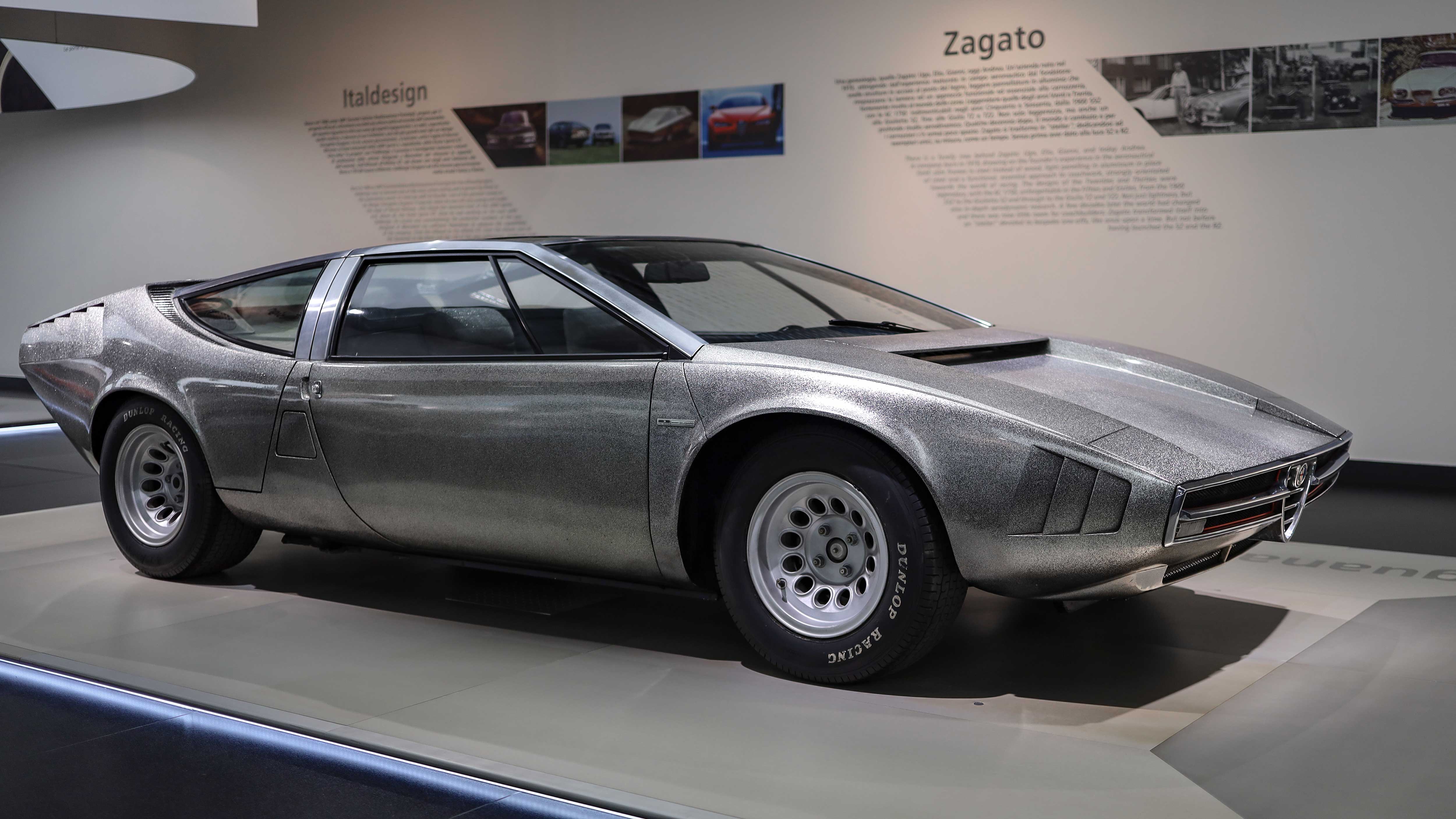
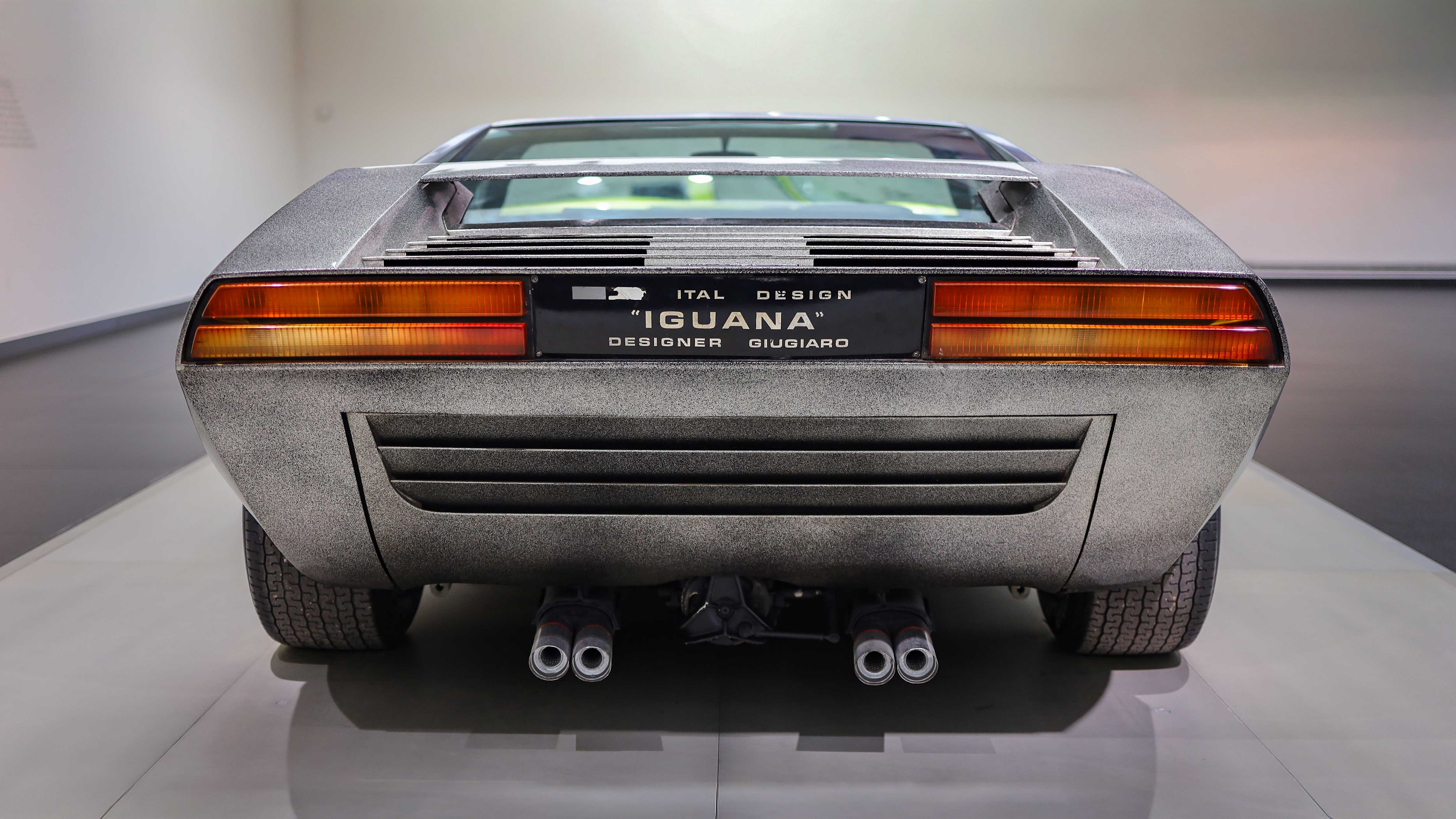
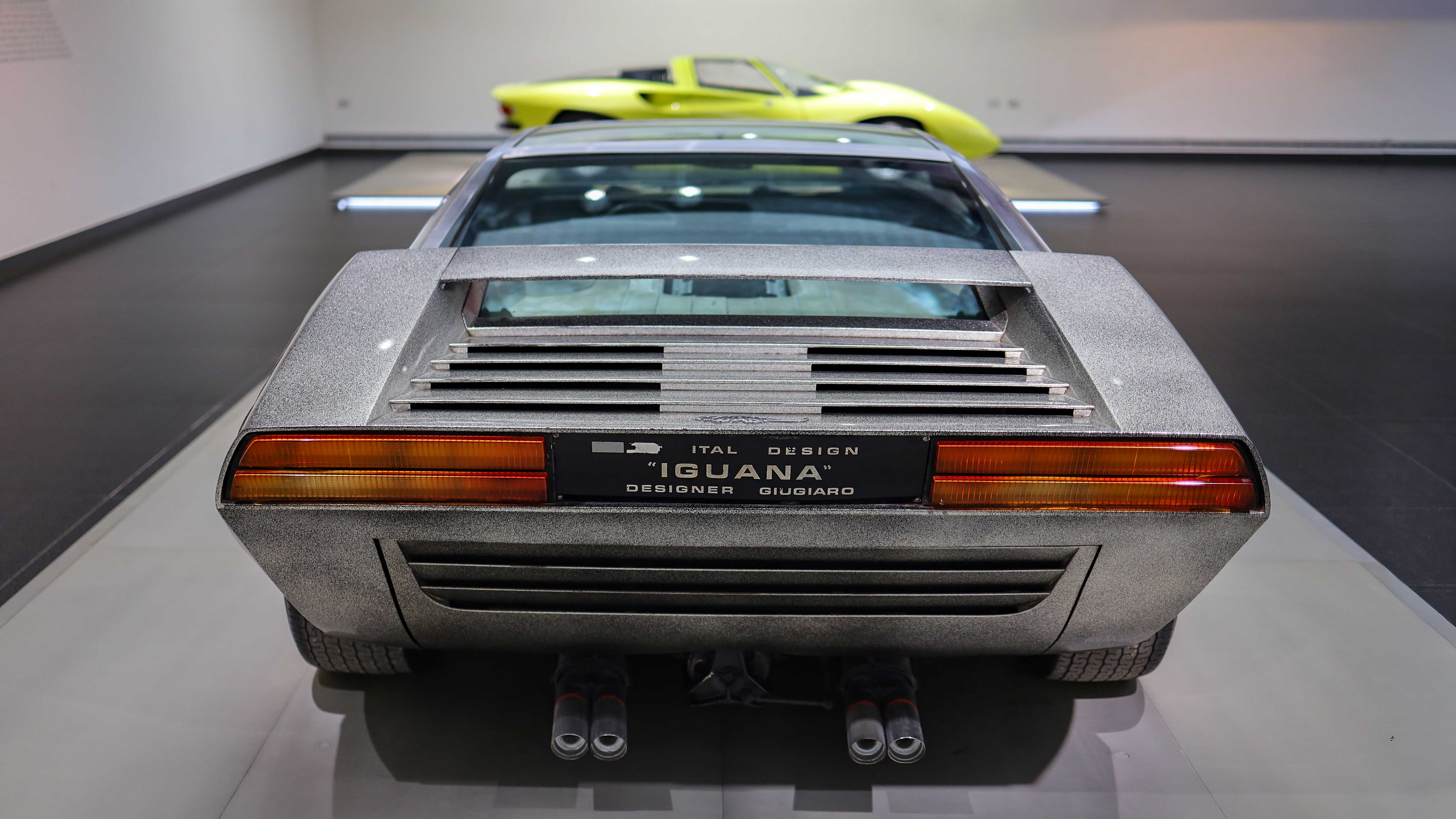
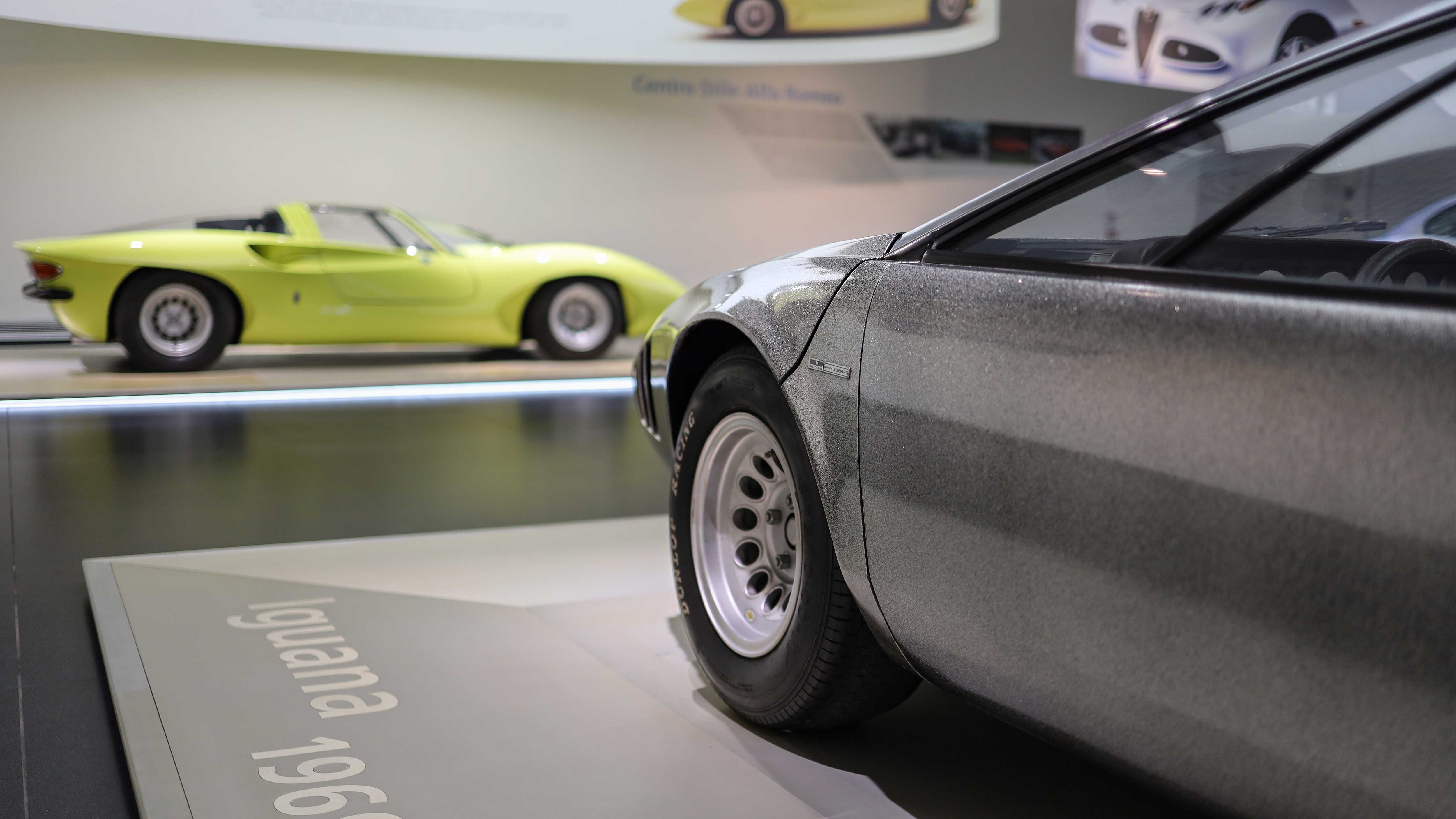
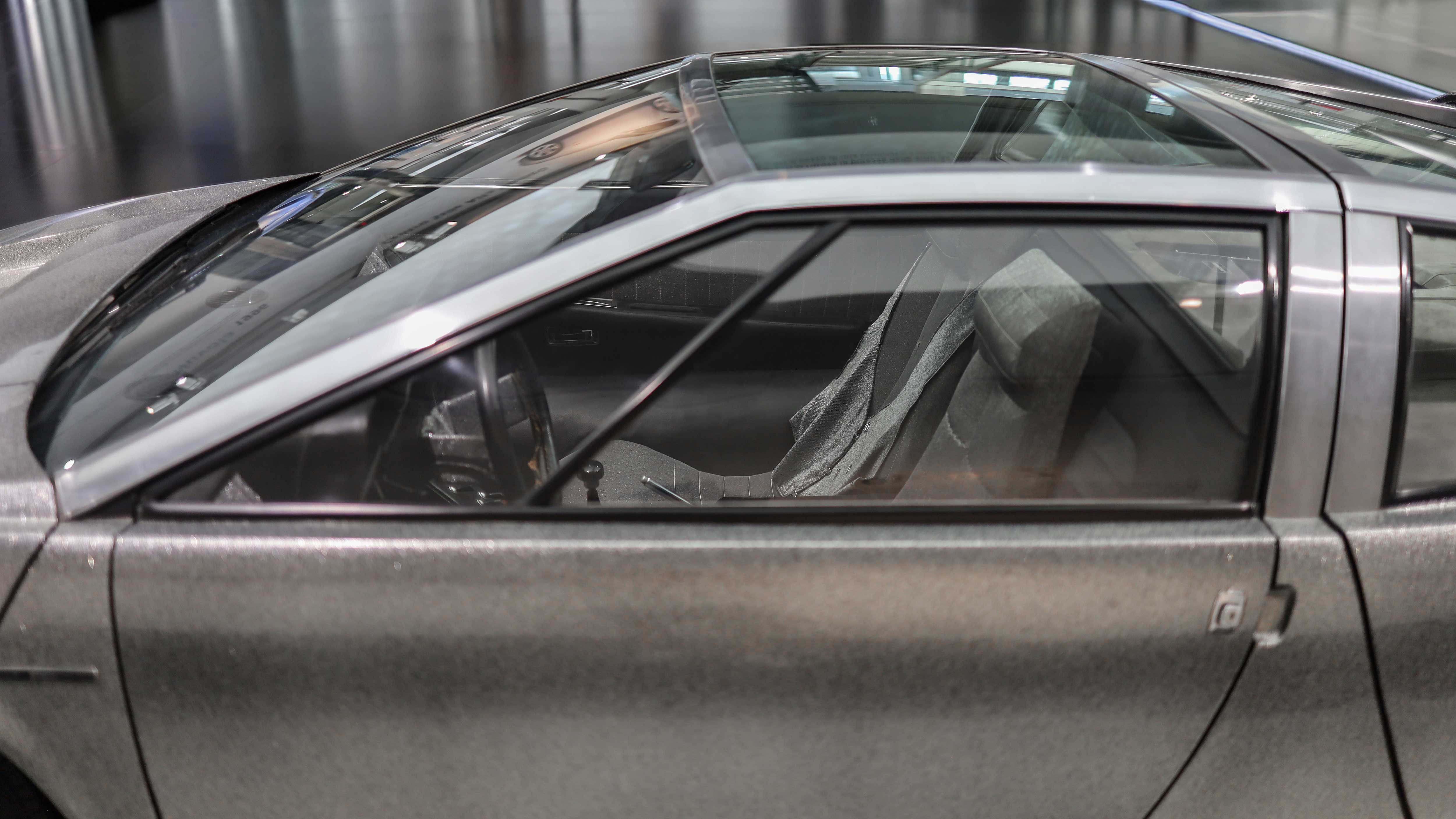
The Iguana (1969) was a one-off concept by Giorgetto Giugiaro at Italdesign. Based on the Tipo 33/2, it used a mid-mounted 2.0-liter V8 with about 230 hp, showcasing sharp wedge styling and advanced materials.
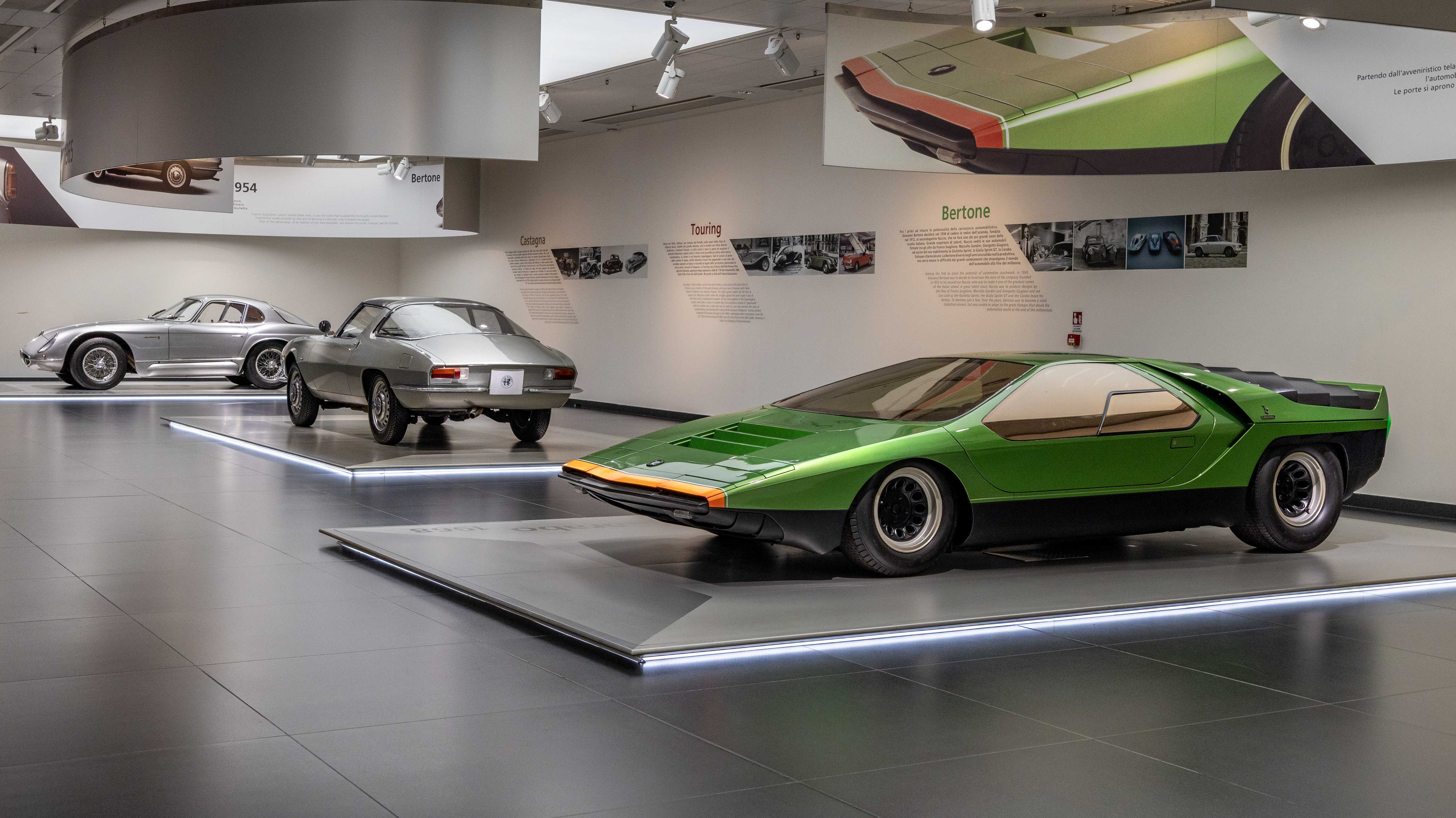
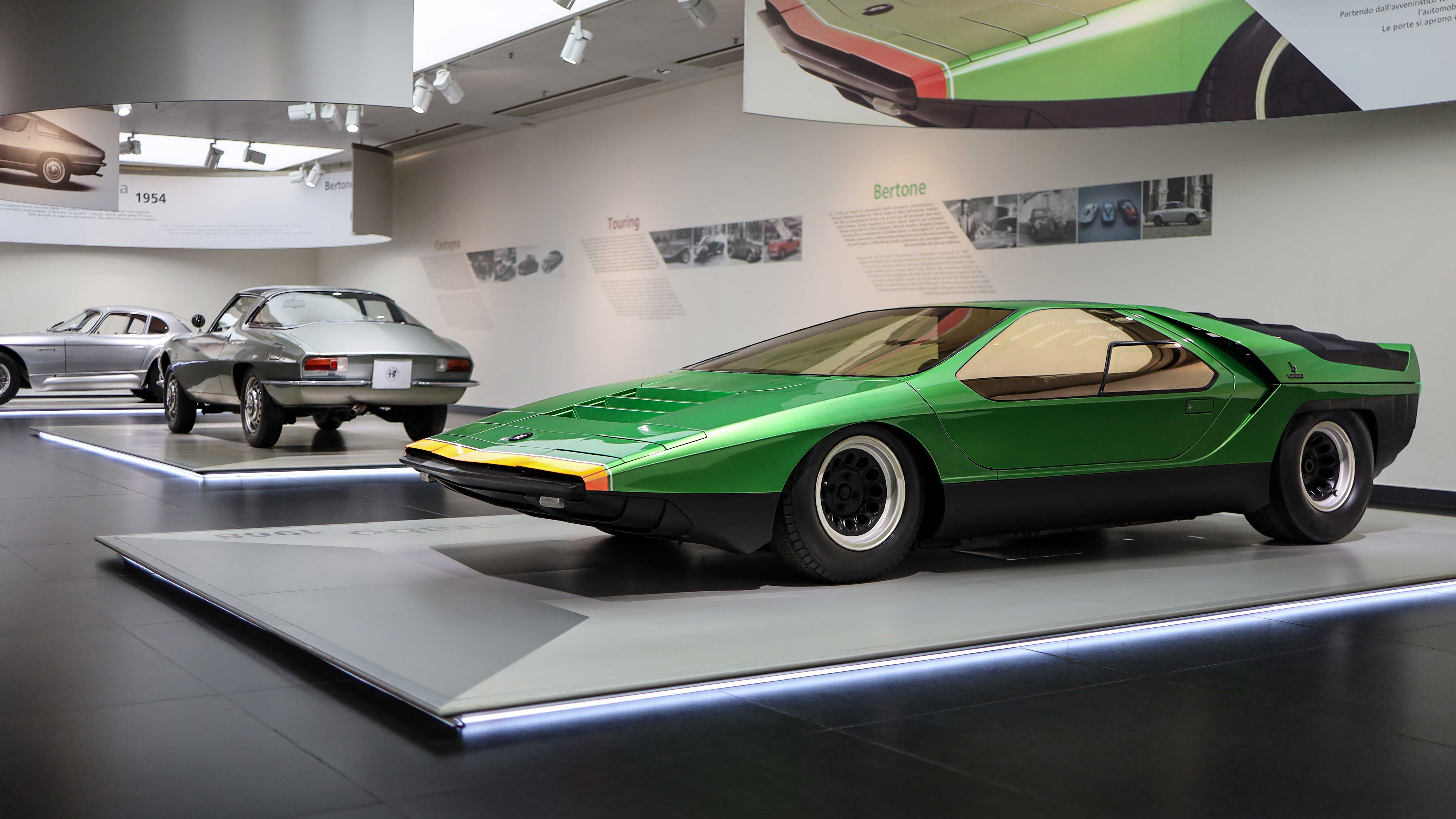
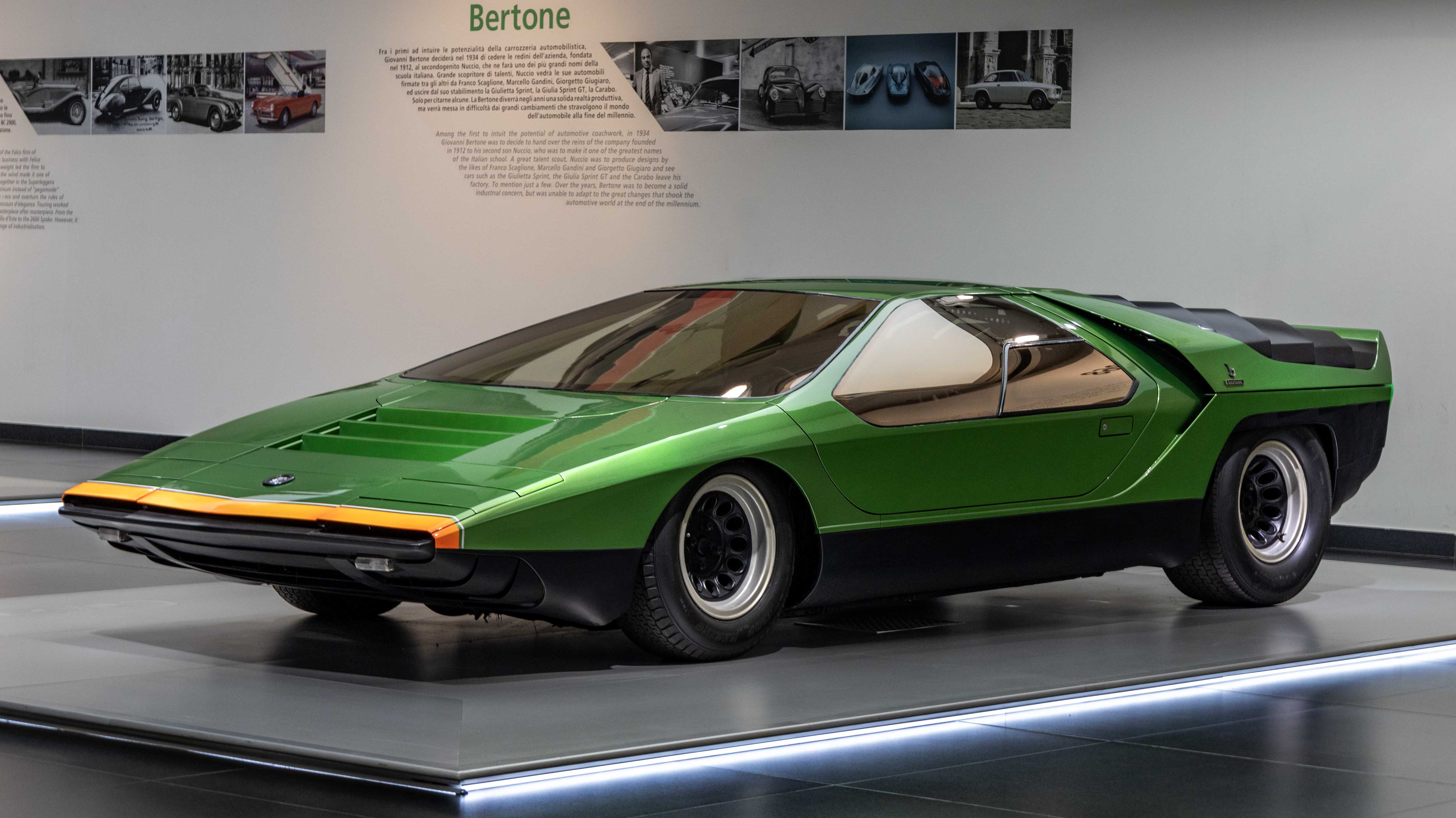
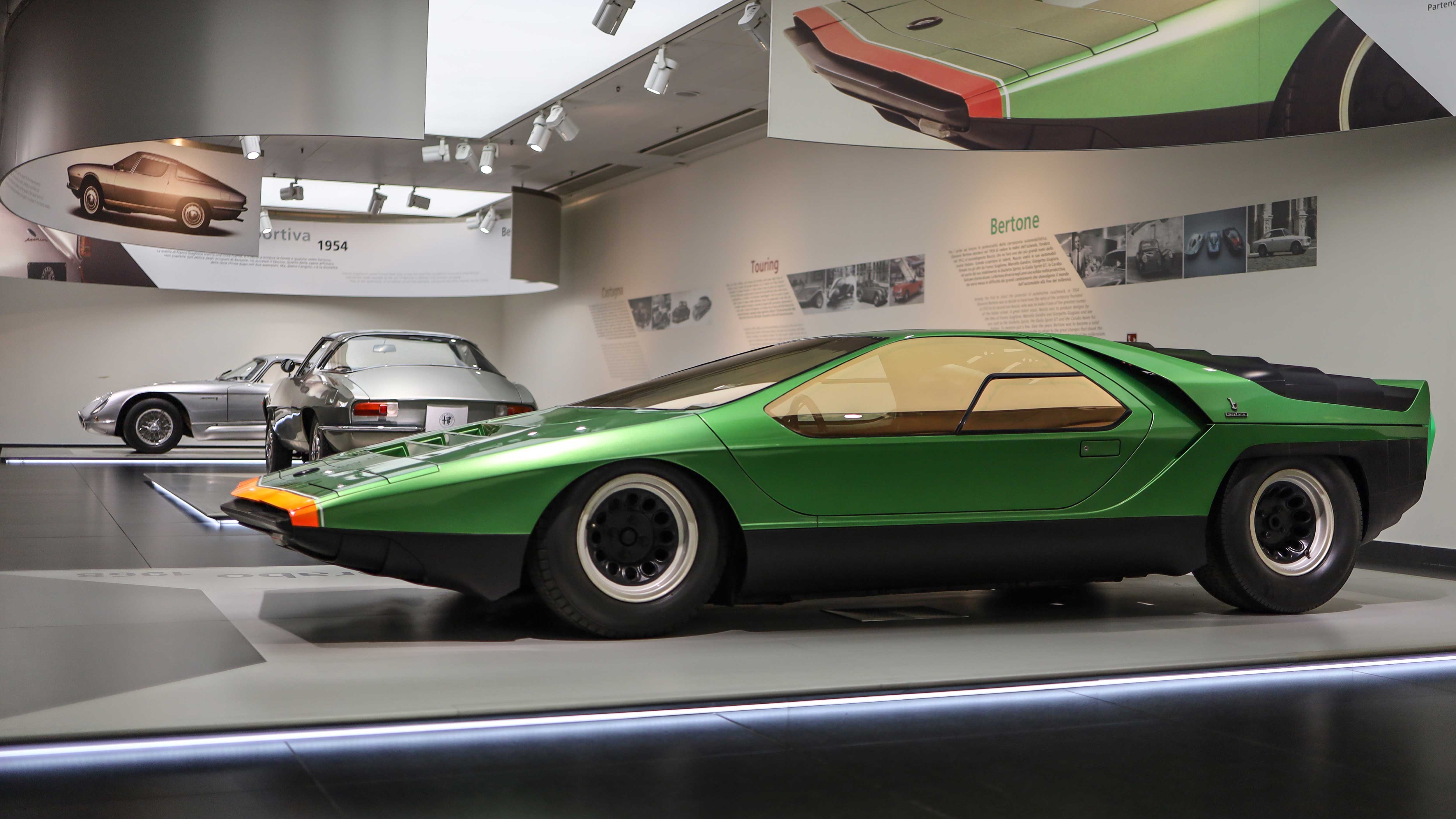
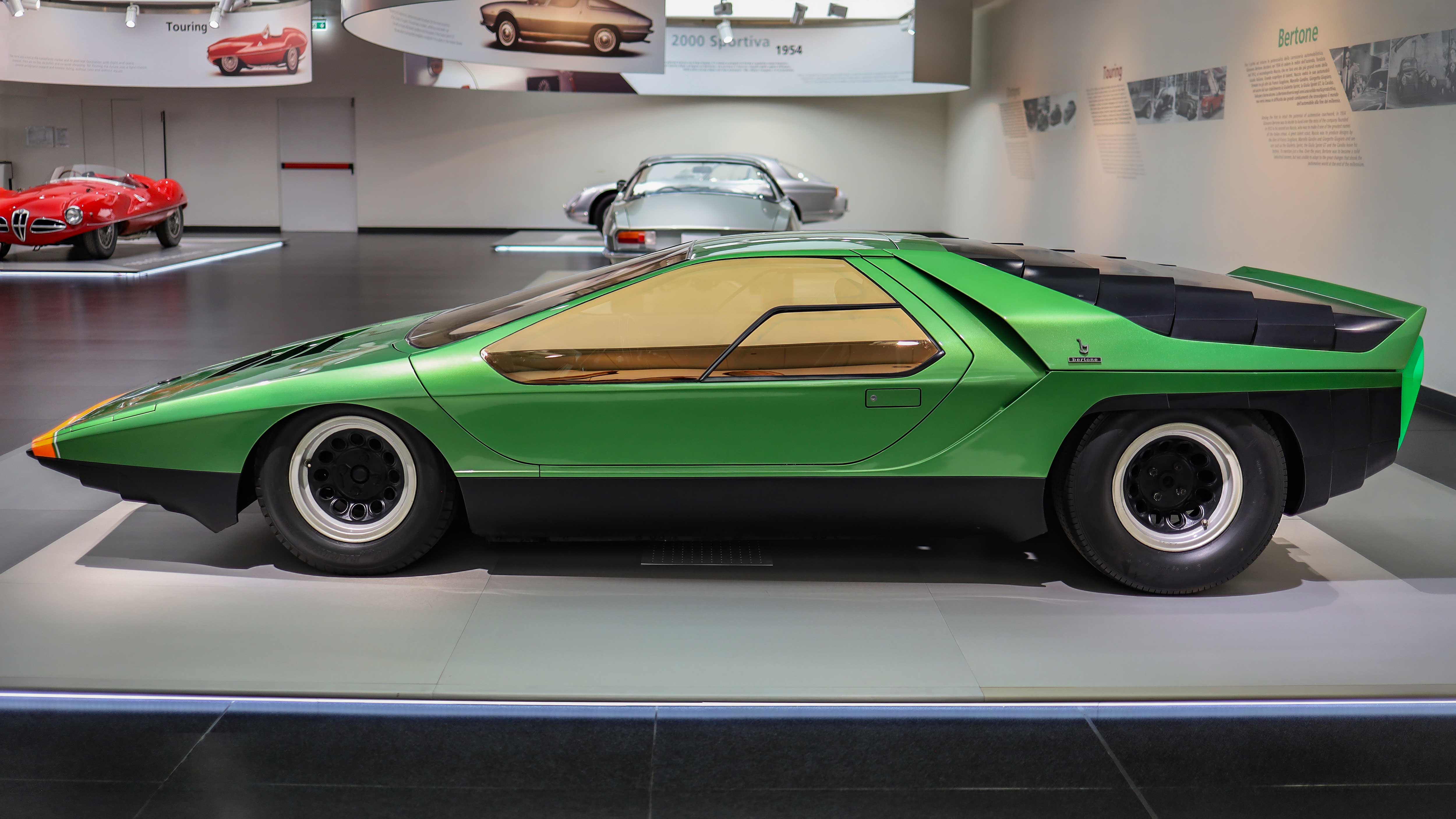
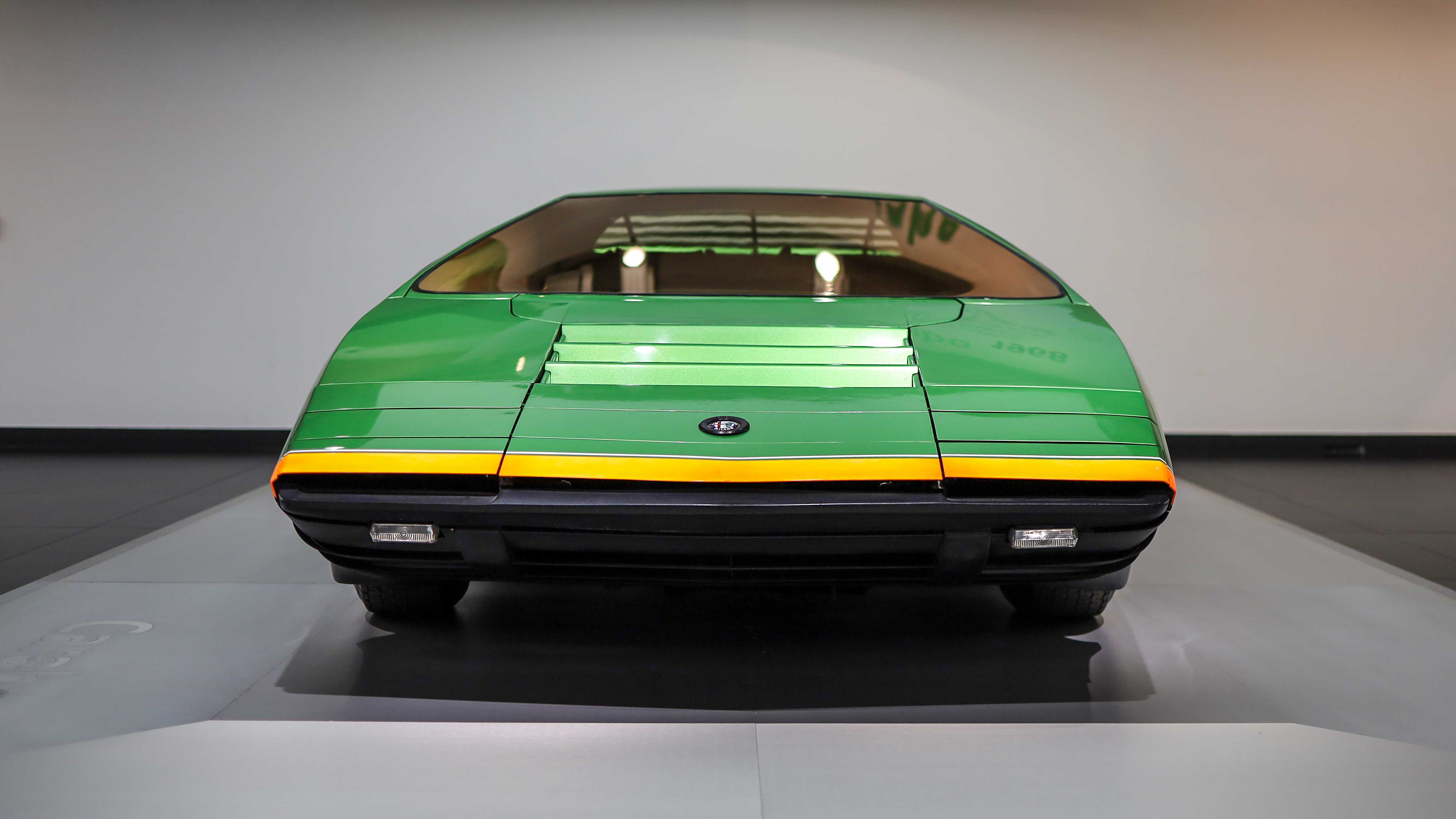
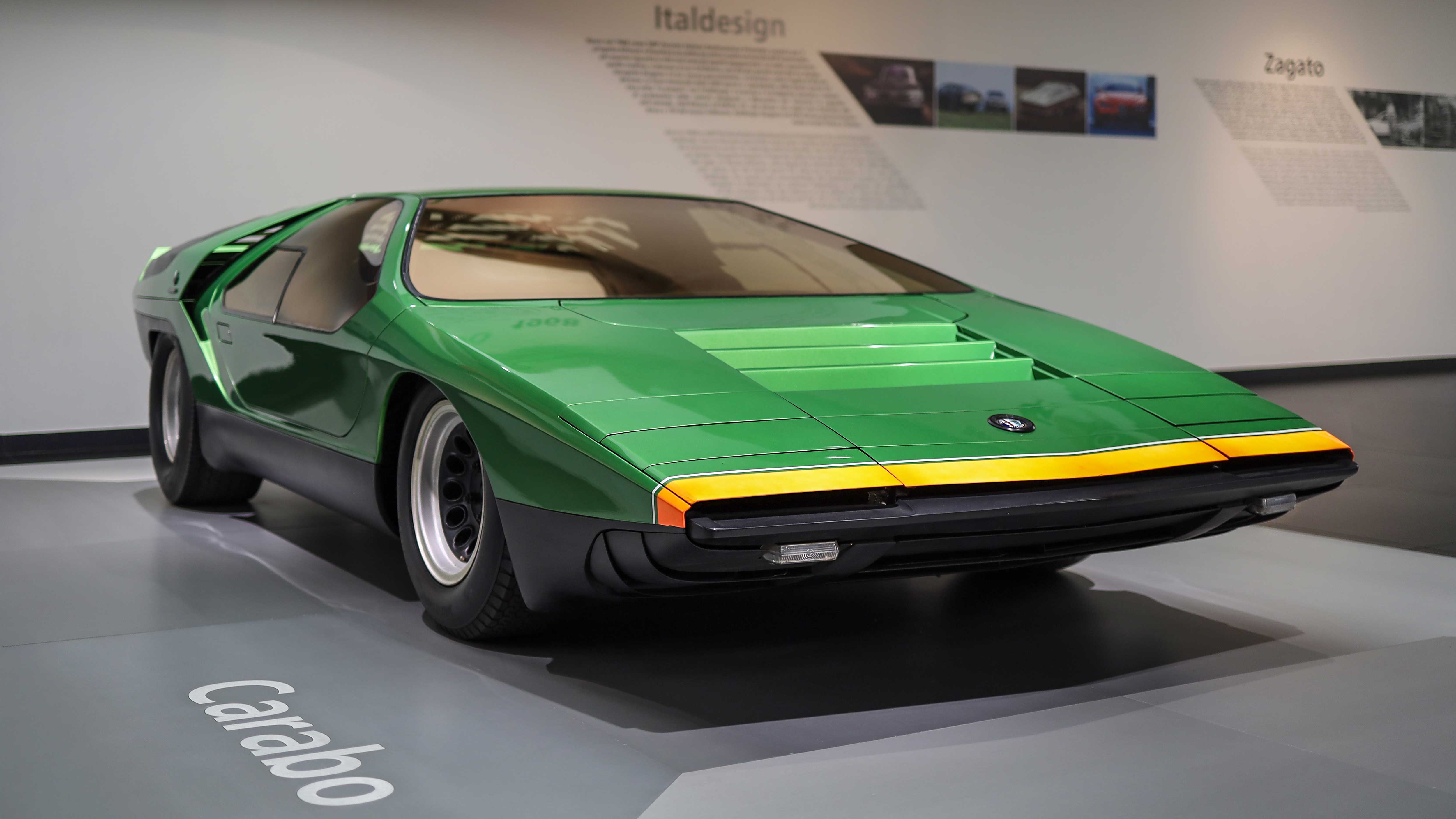
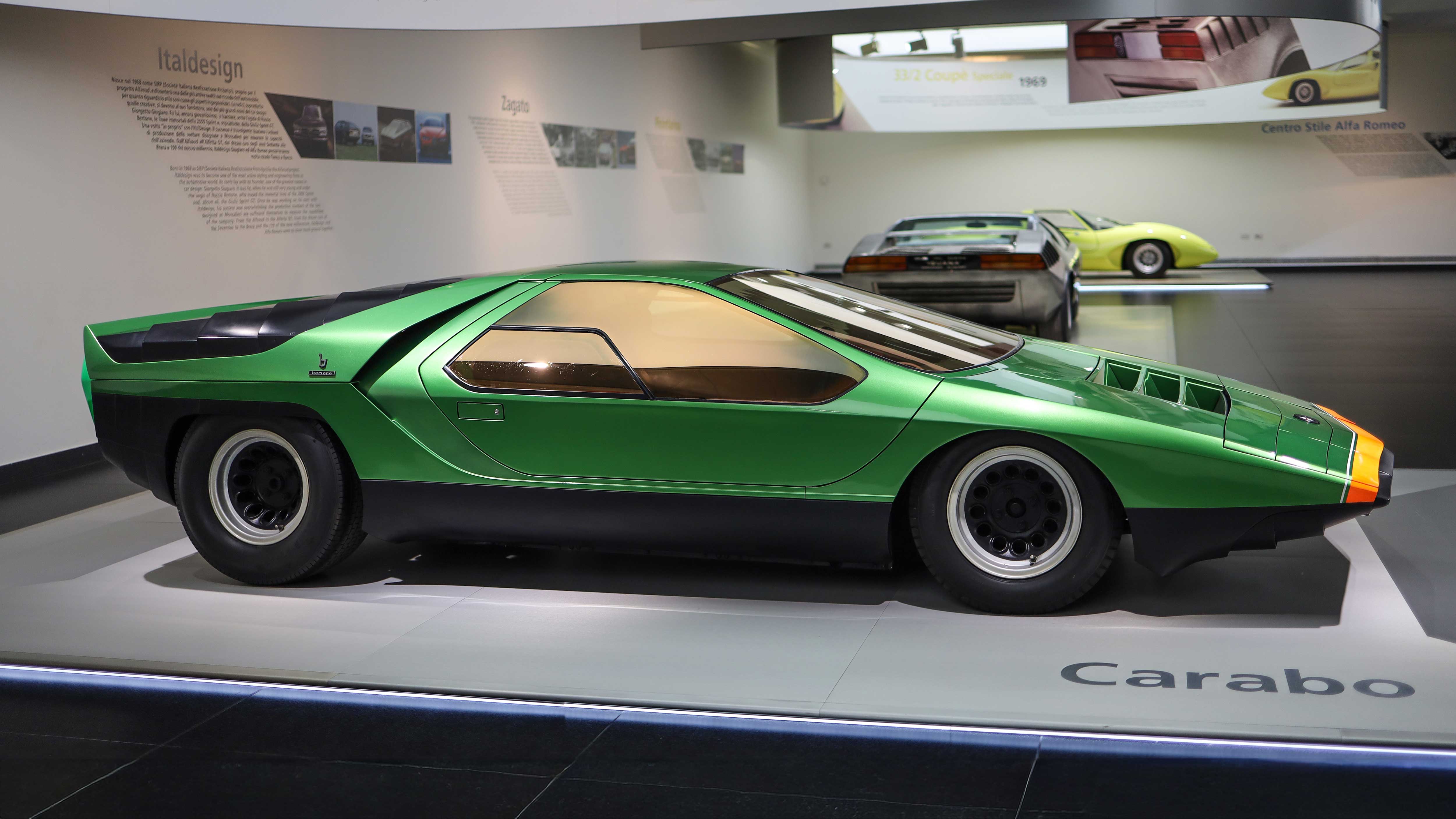
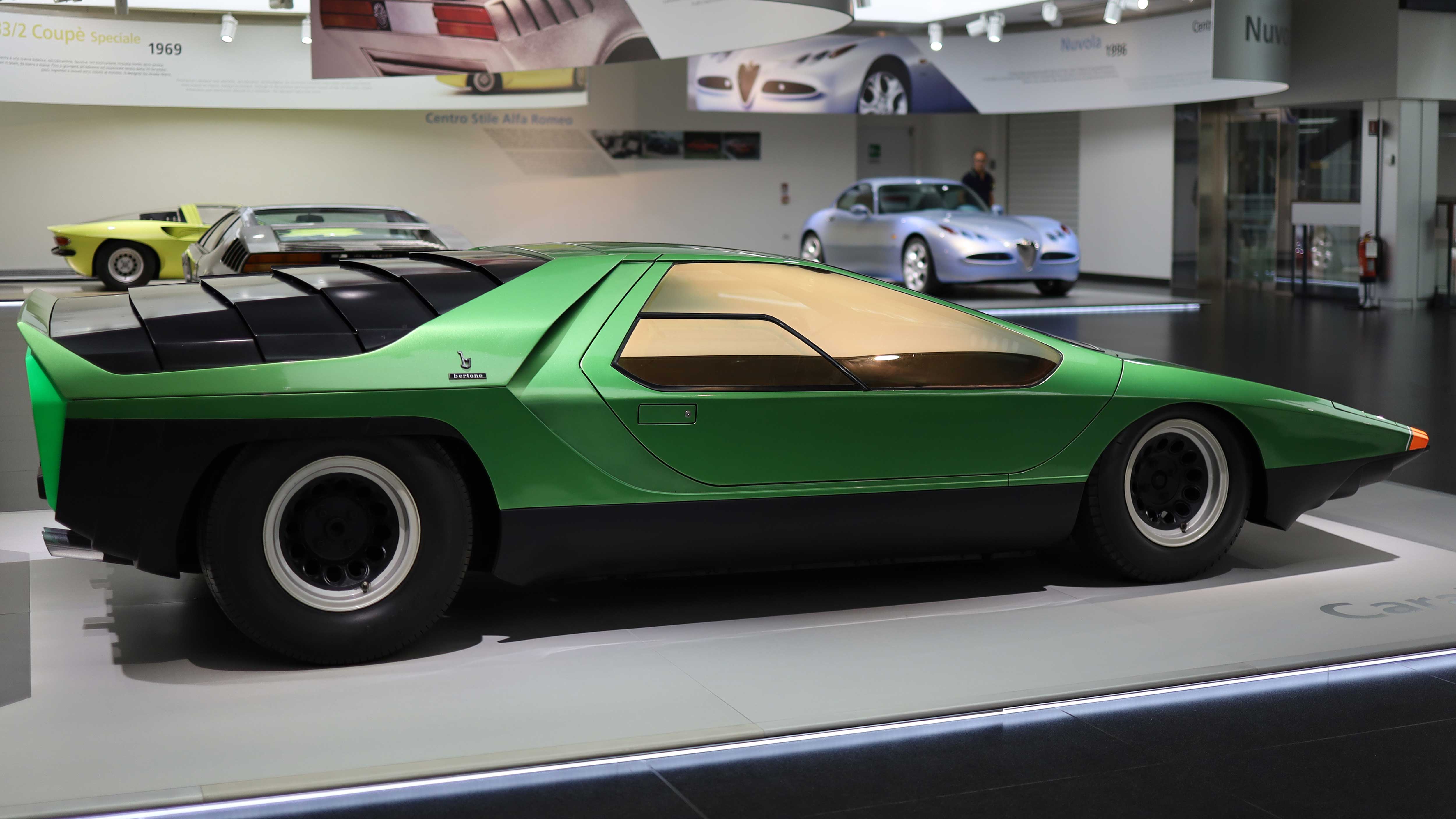
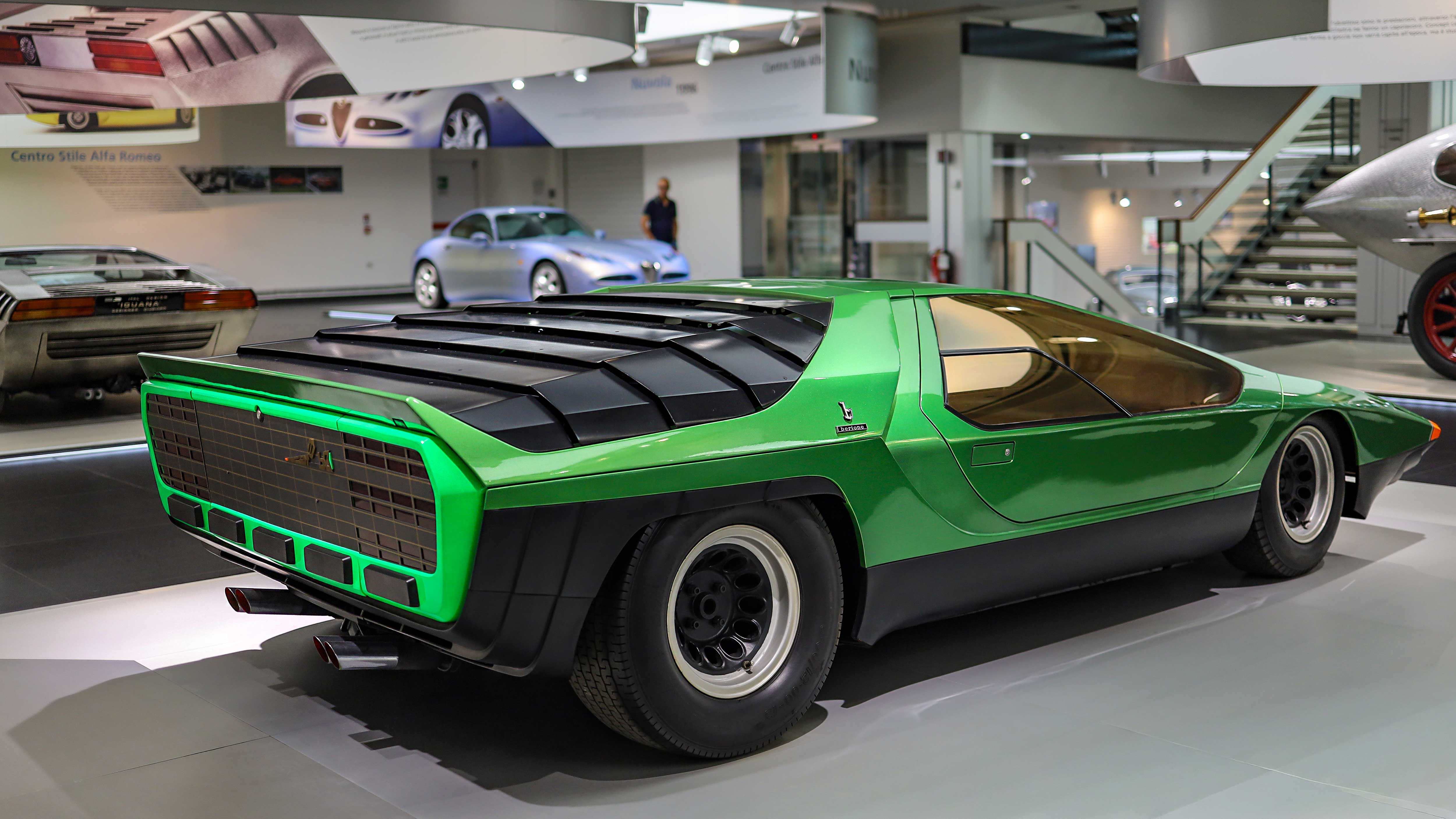
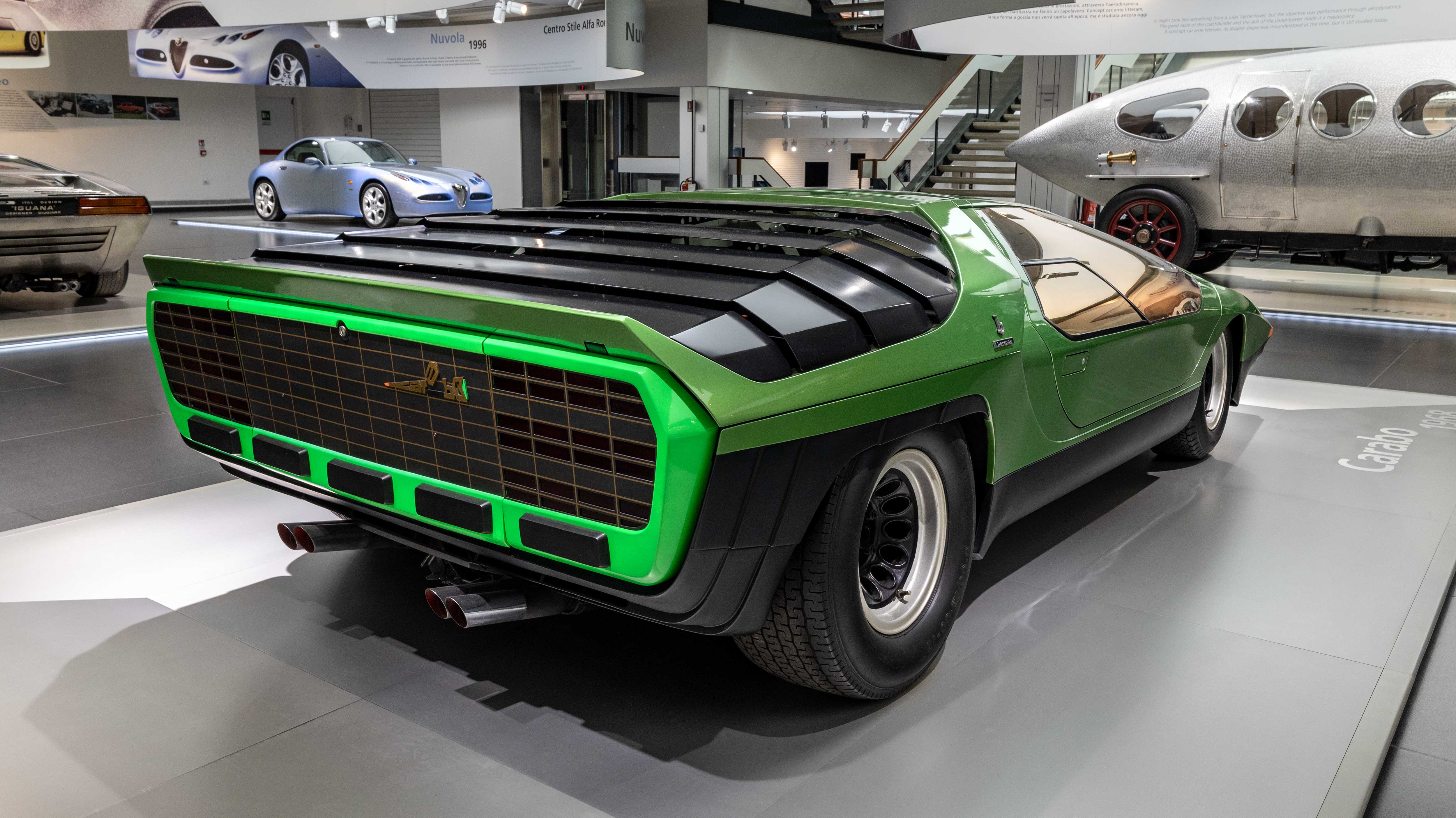
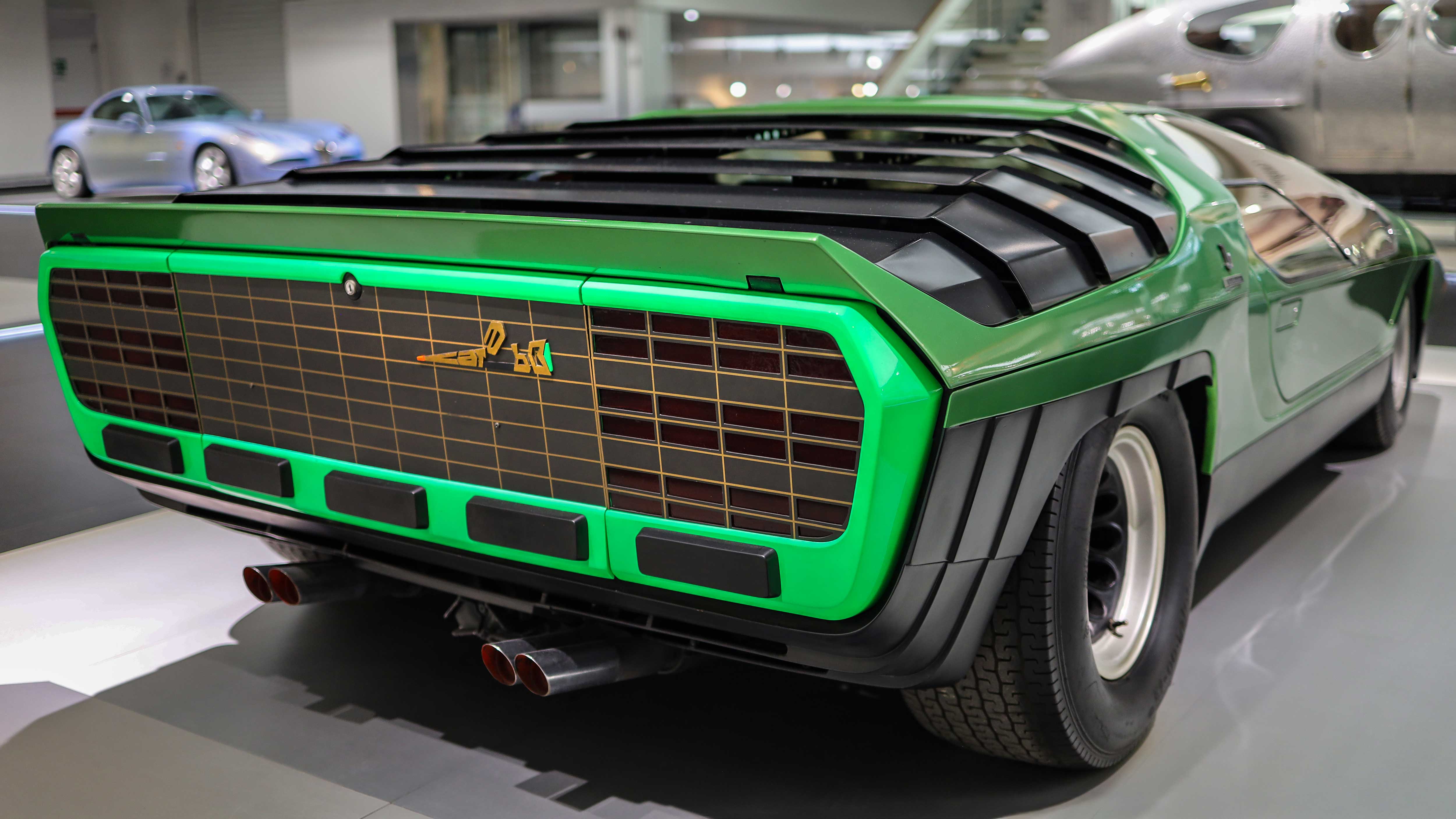
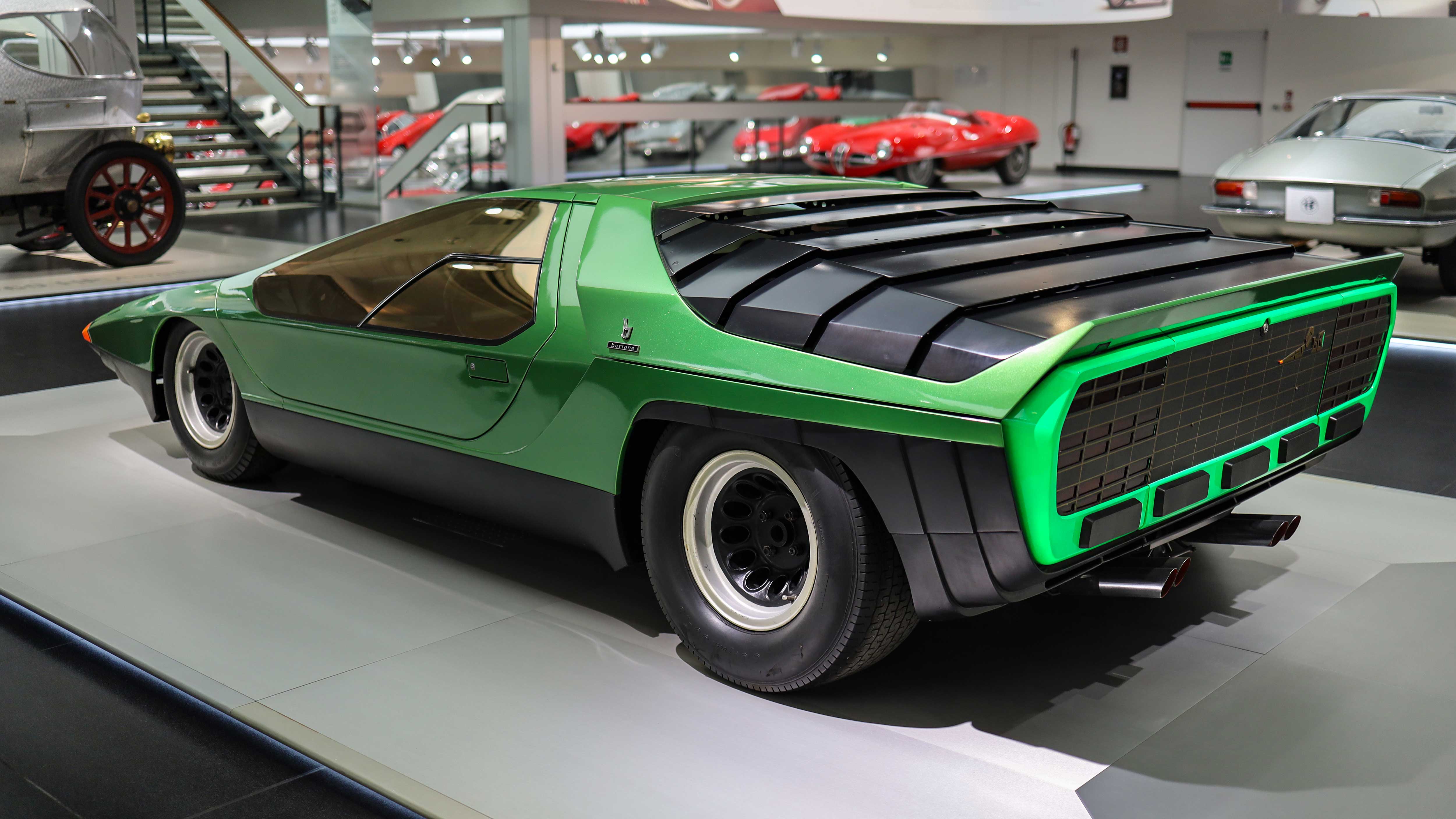
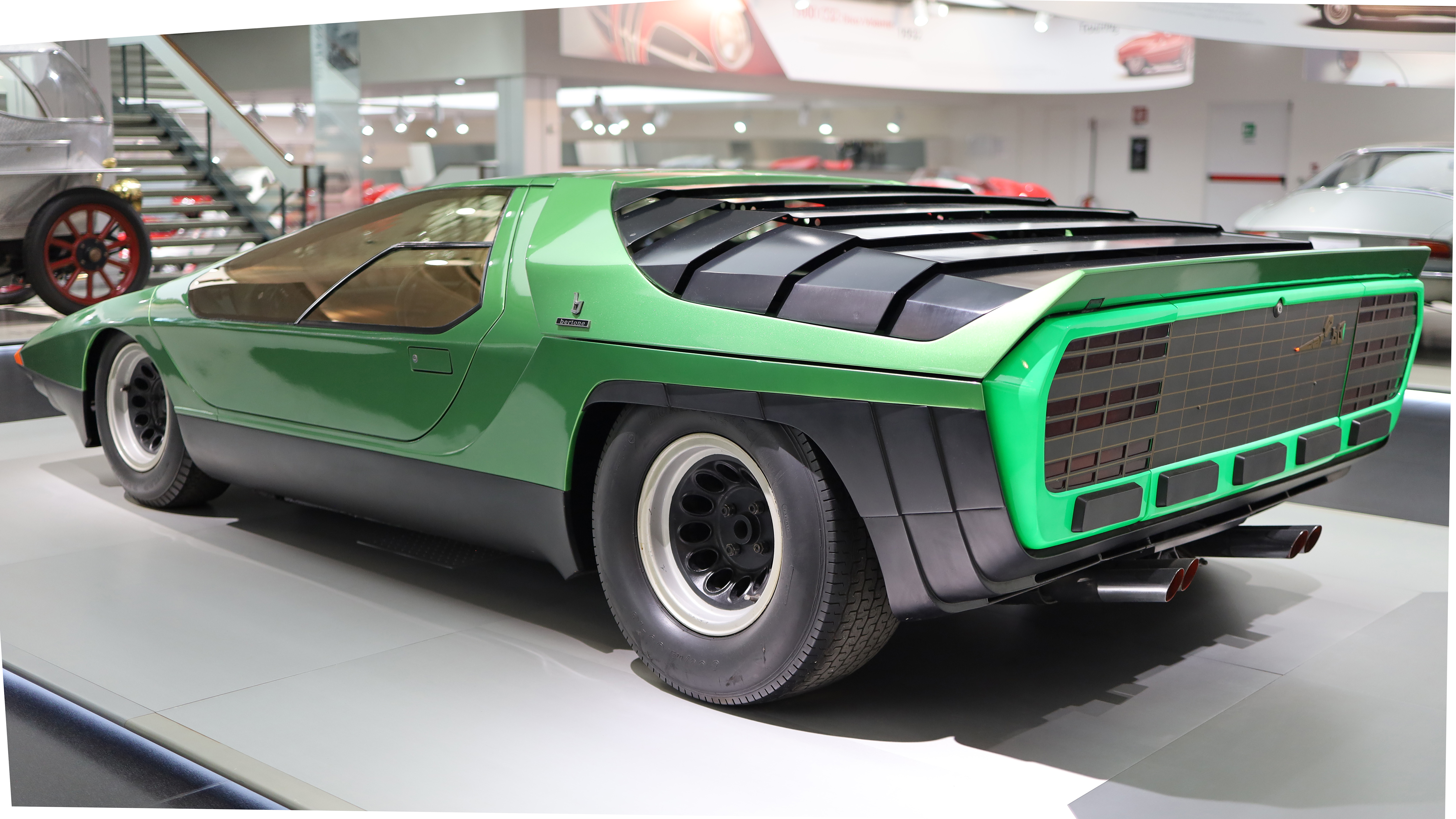
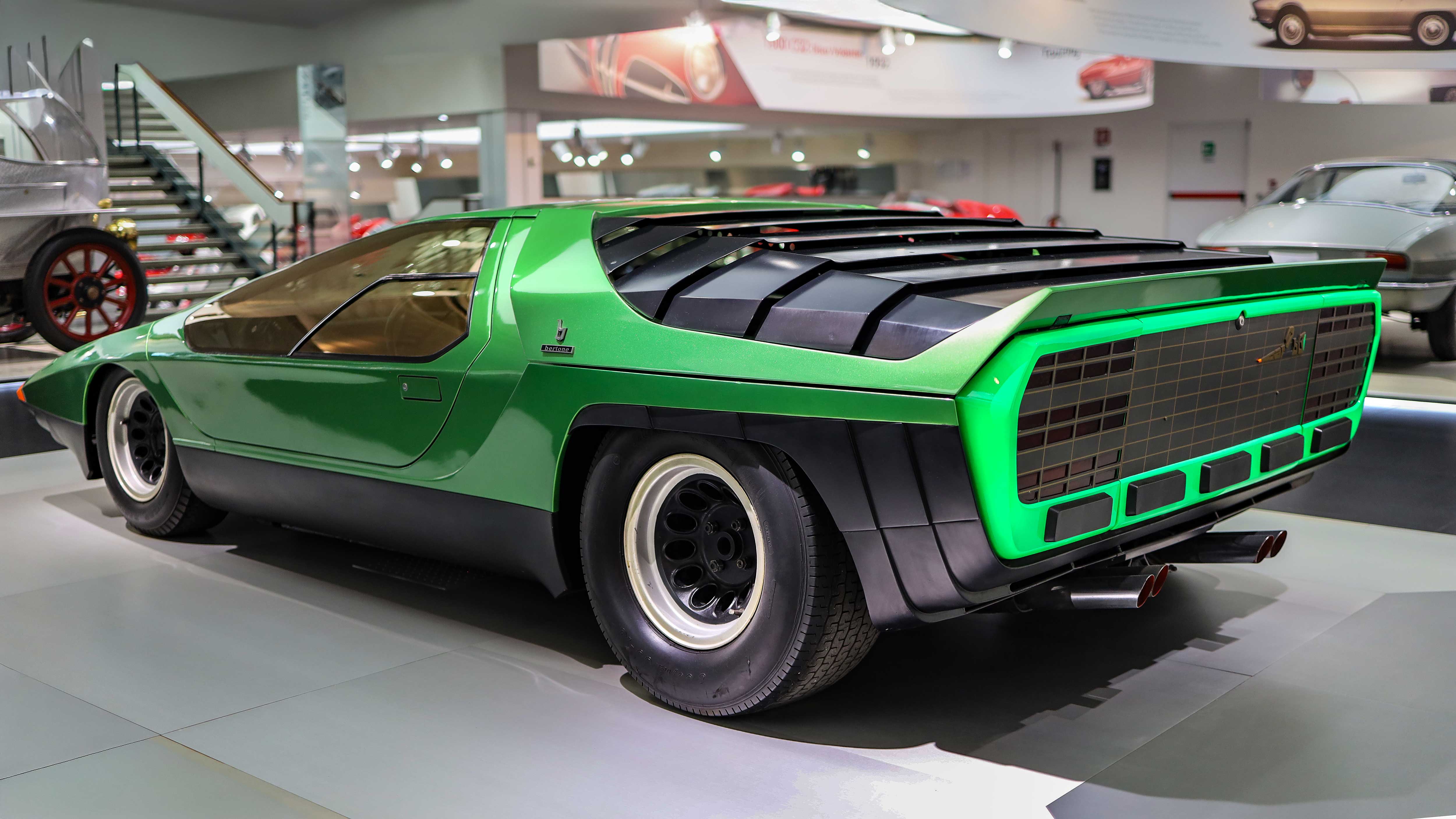
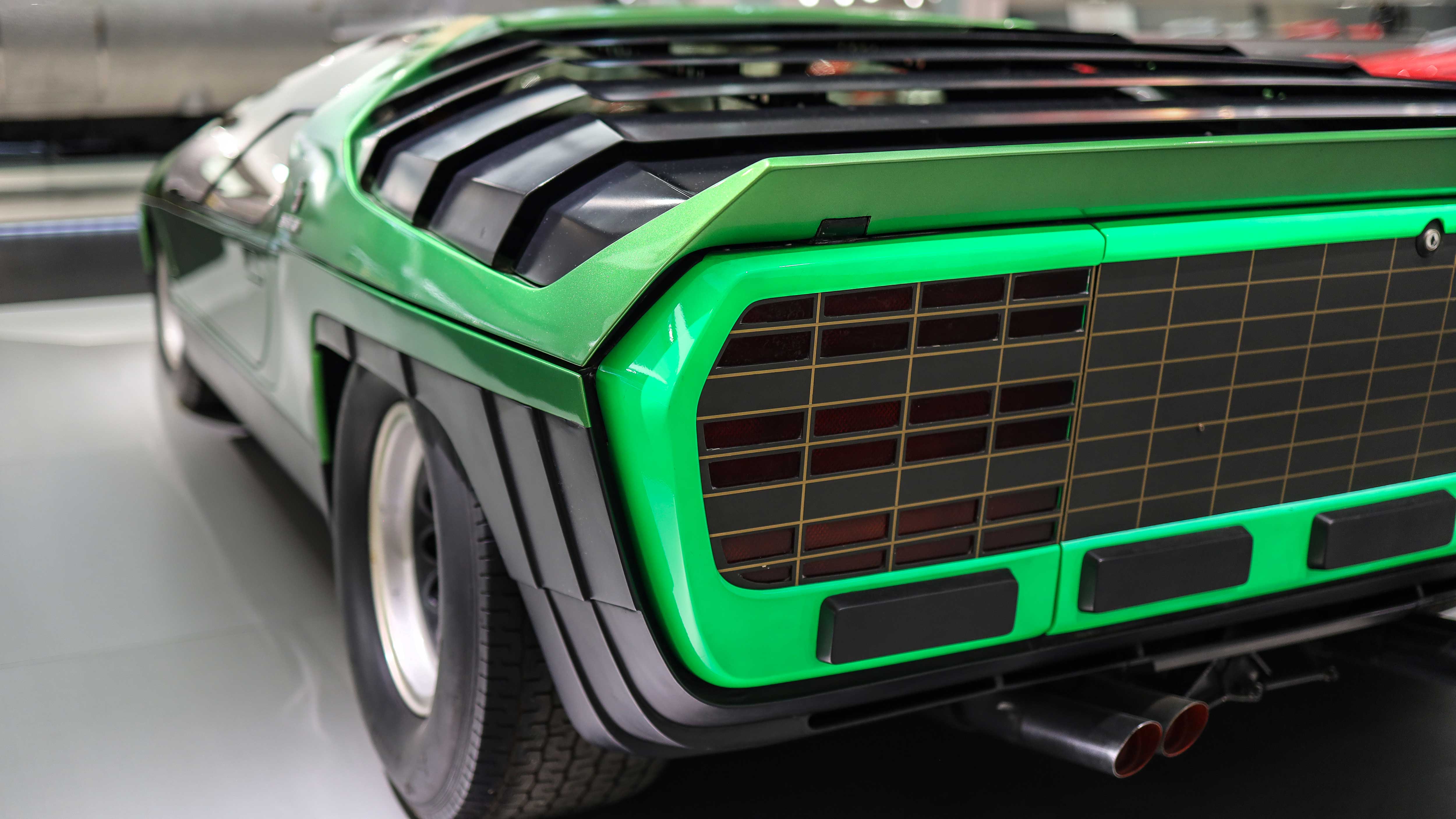
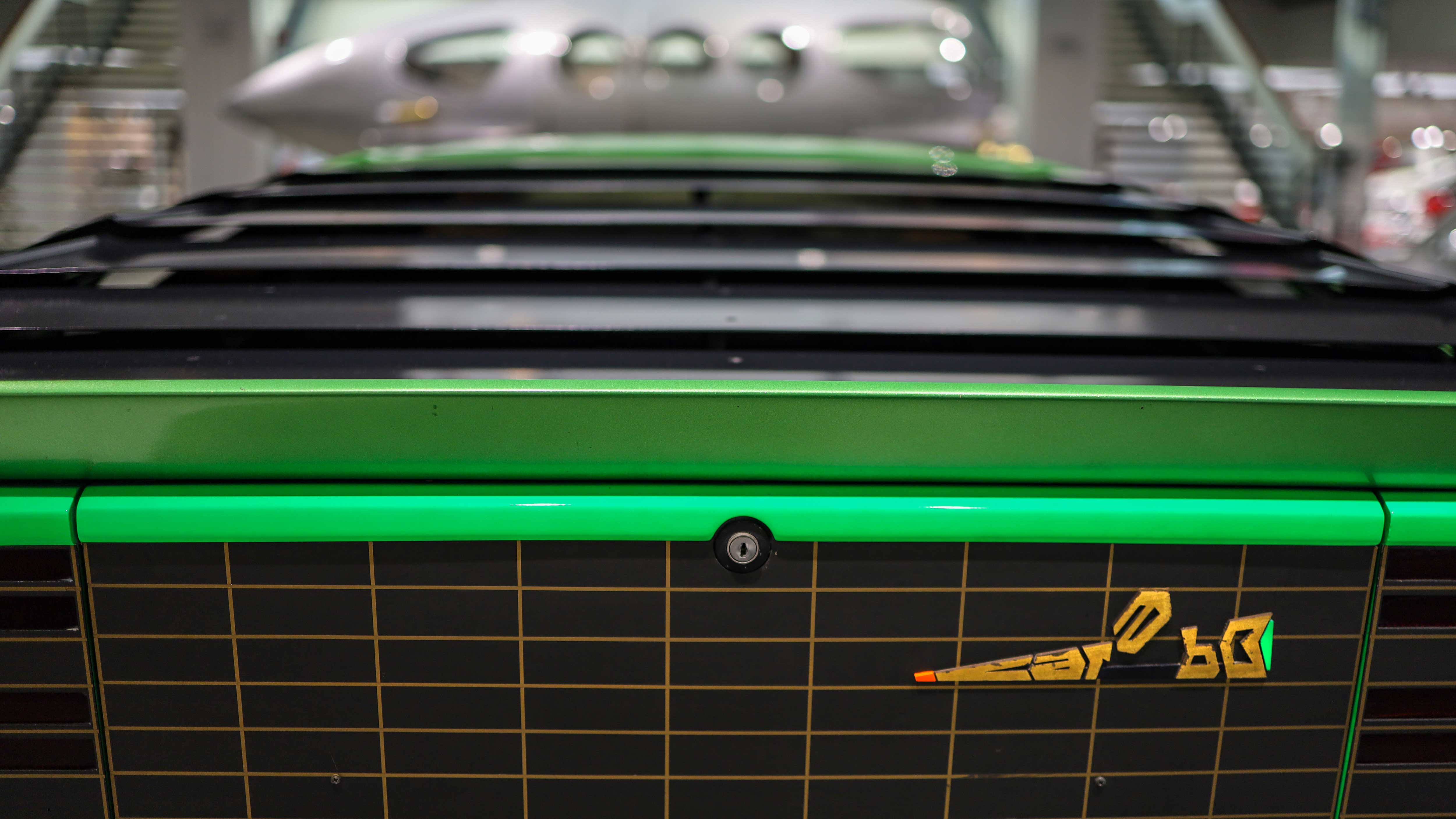
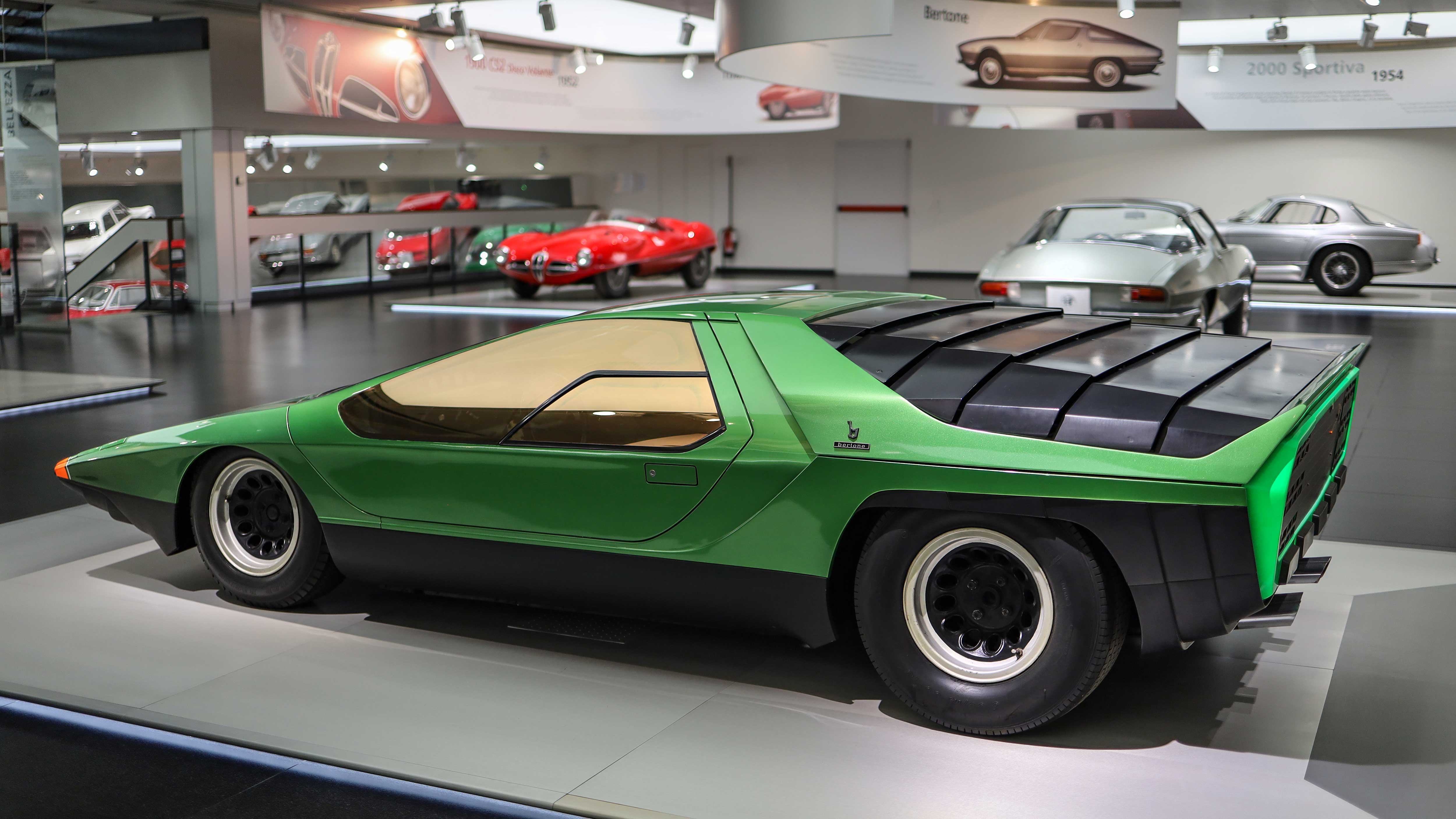
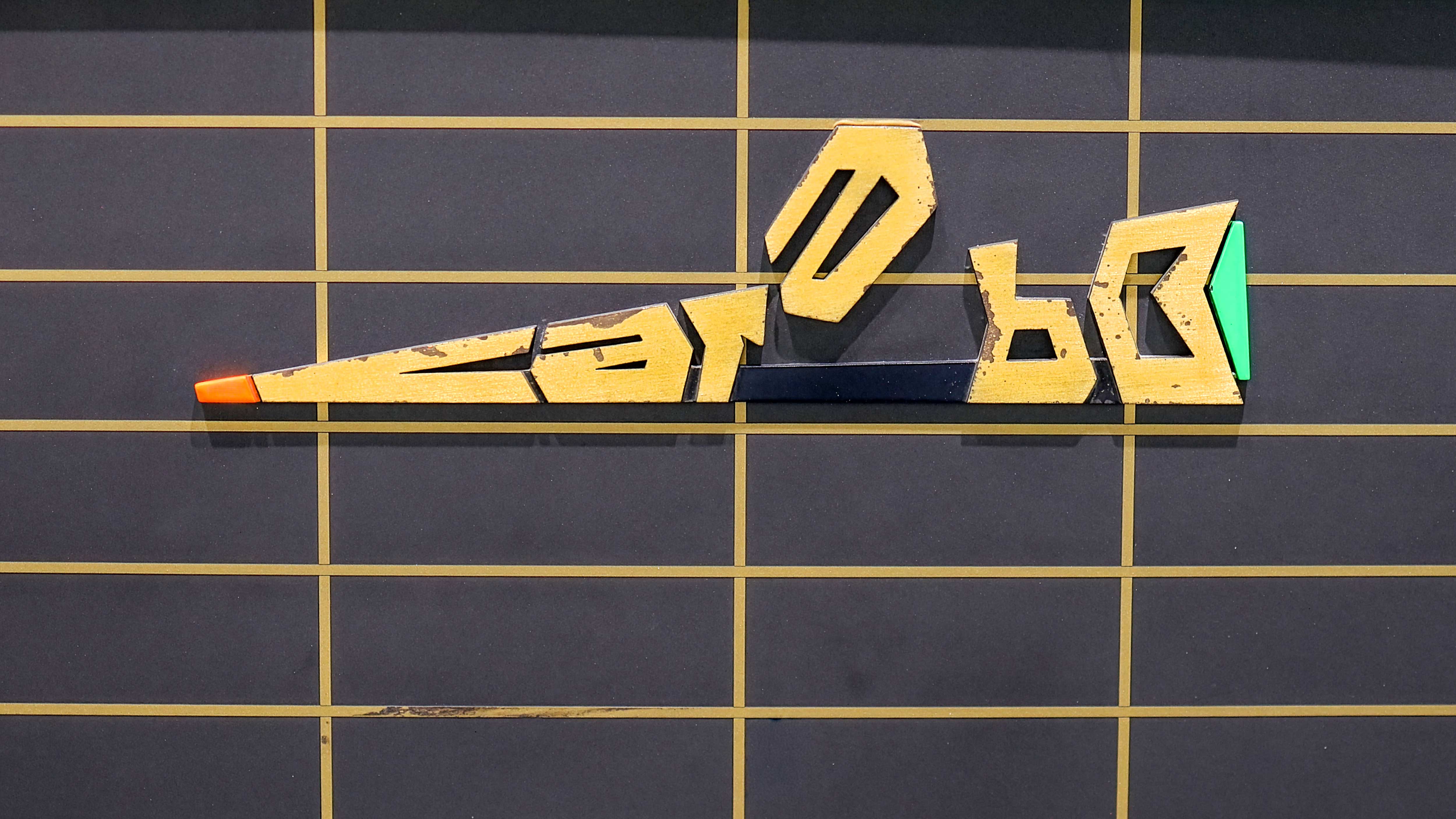
Carabo
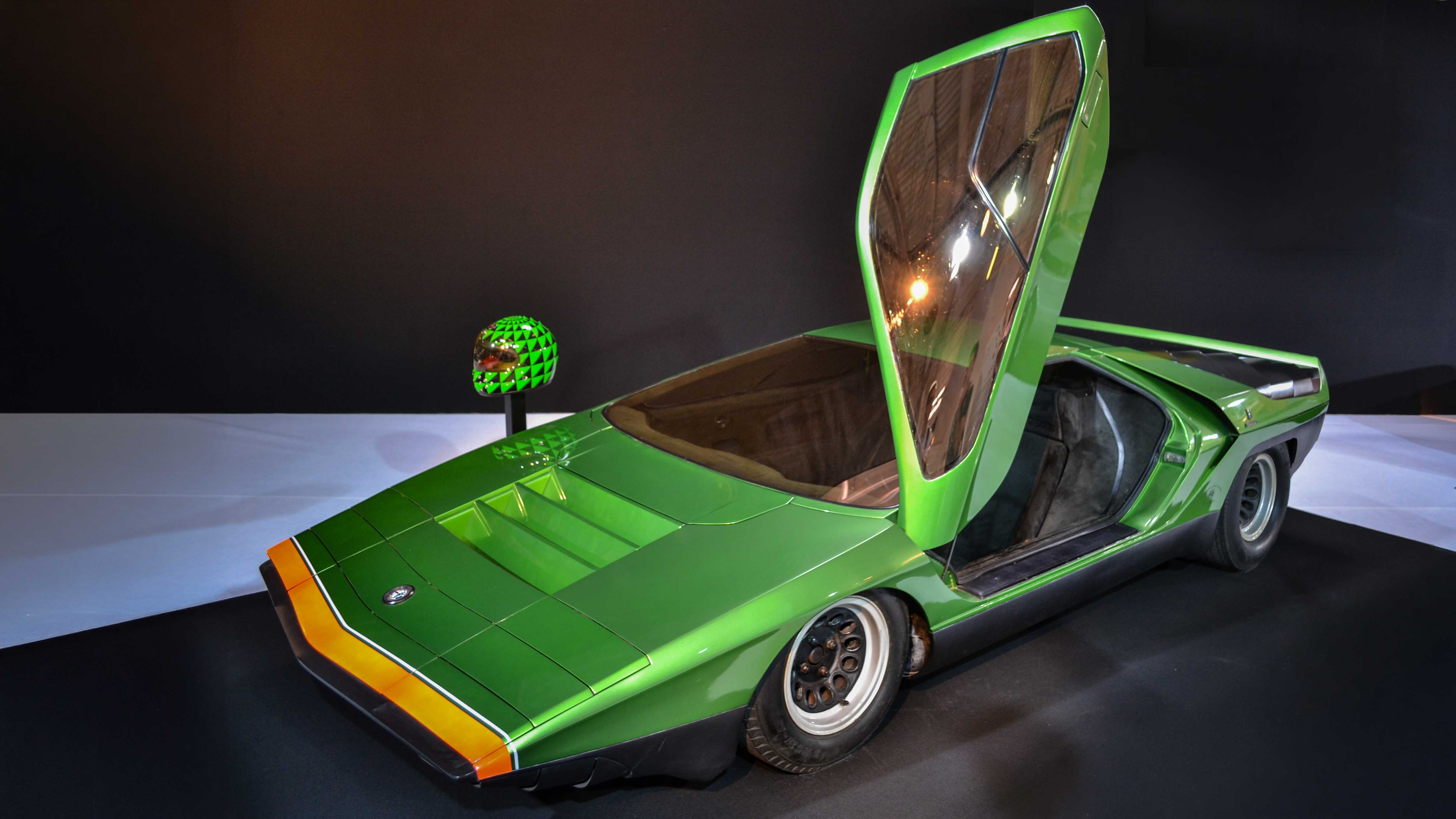
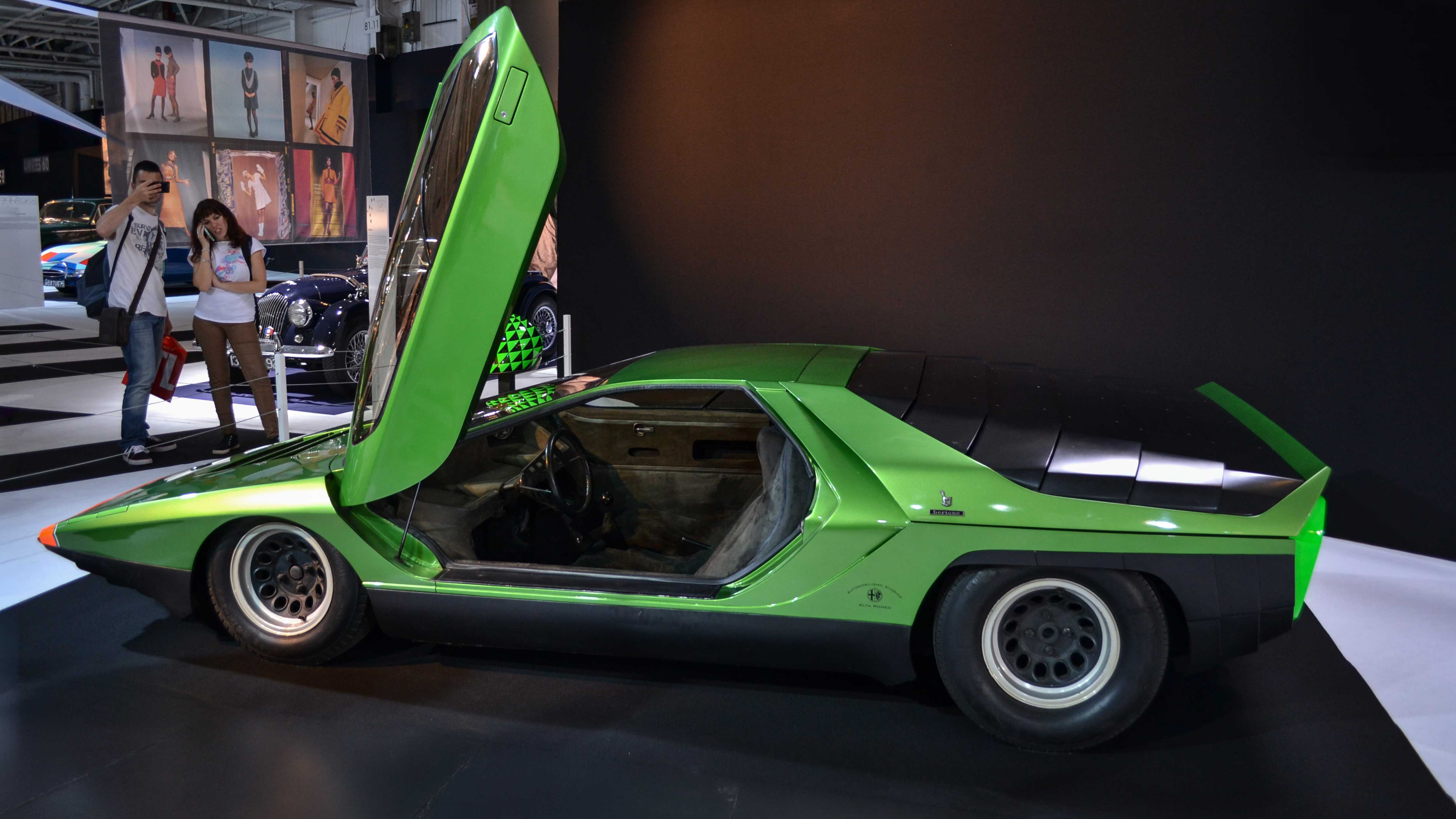
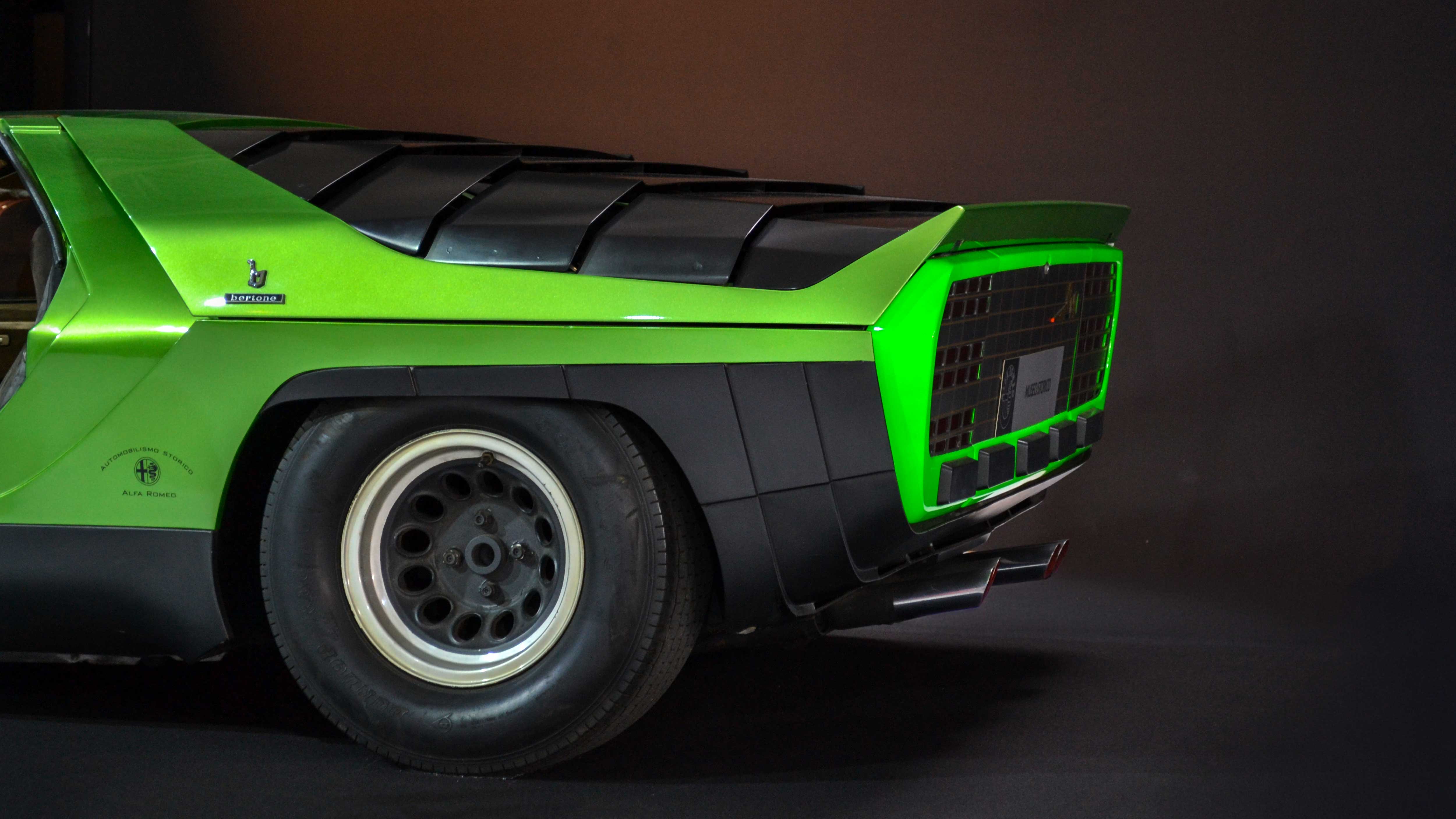
The Carabo (1968) was a radical concept by Bertone based on the Tipo 33 Stradale. At the same time, it used a mid-mounted 2.0-liter V8 with about 230 hp and introduced sharp wedge styling with scissor doors.
Tipo 33/3
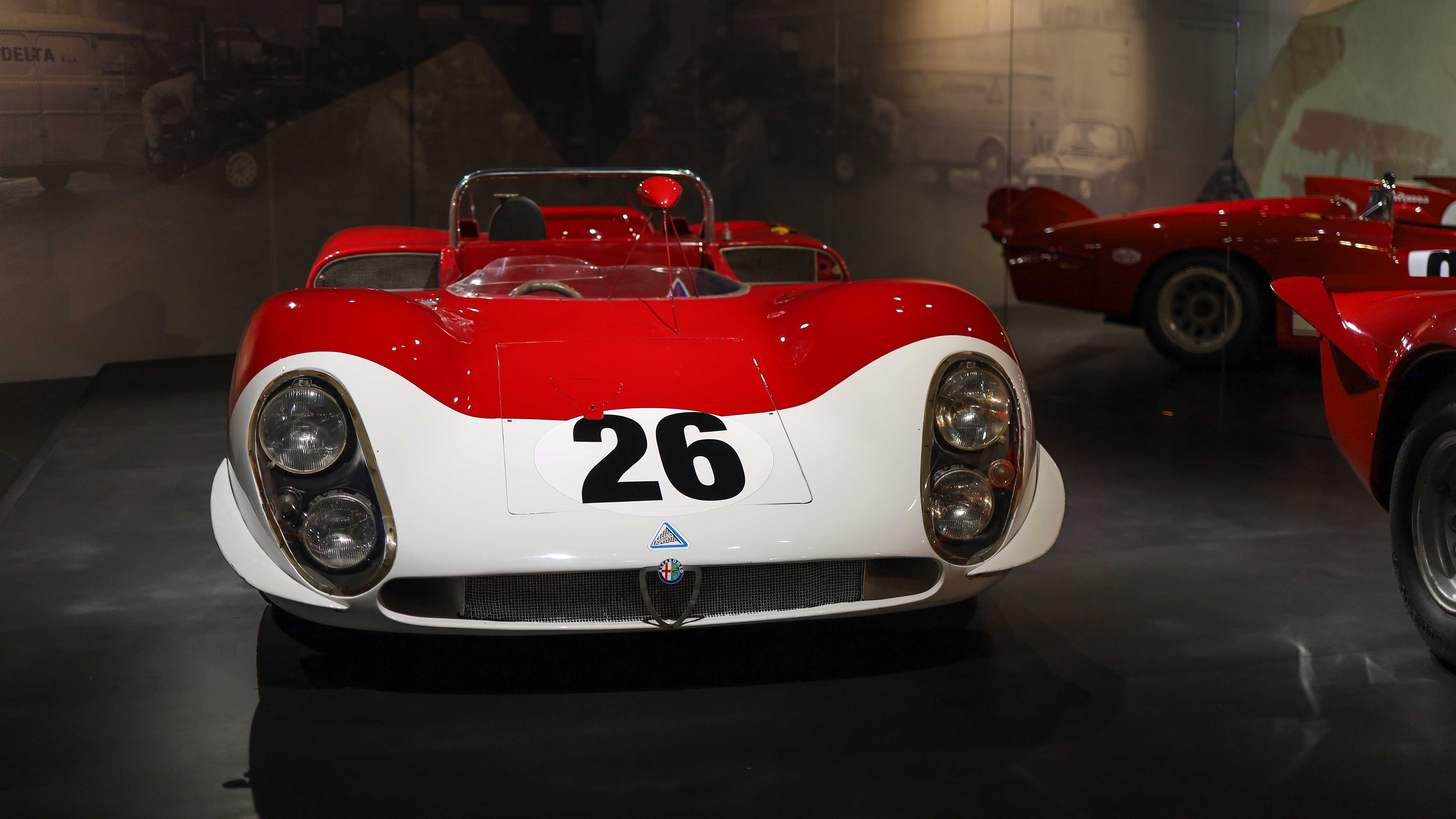
The Tipo 33/3 (1969–1971) was a pure sports prototype built for endurance racing. Its 3.0-liter V8 produced about 400 hp, giving high-rev performance, low weight, and strong results in World Sportscar Championship events.
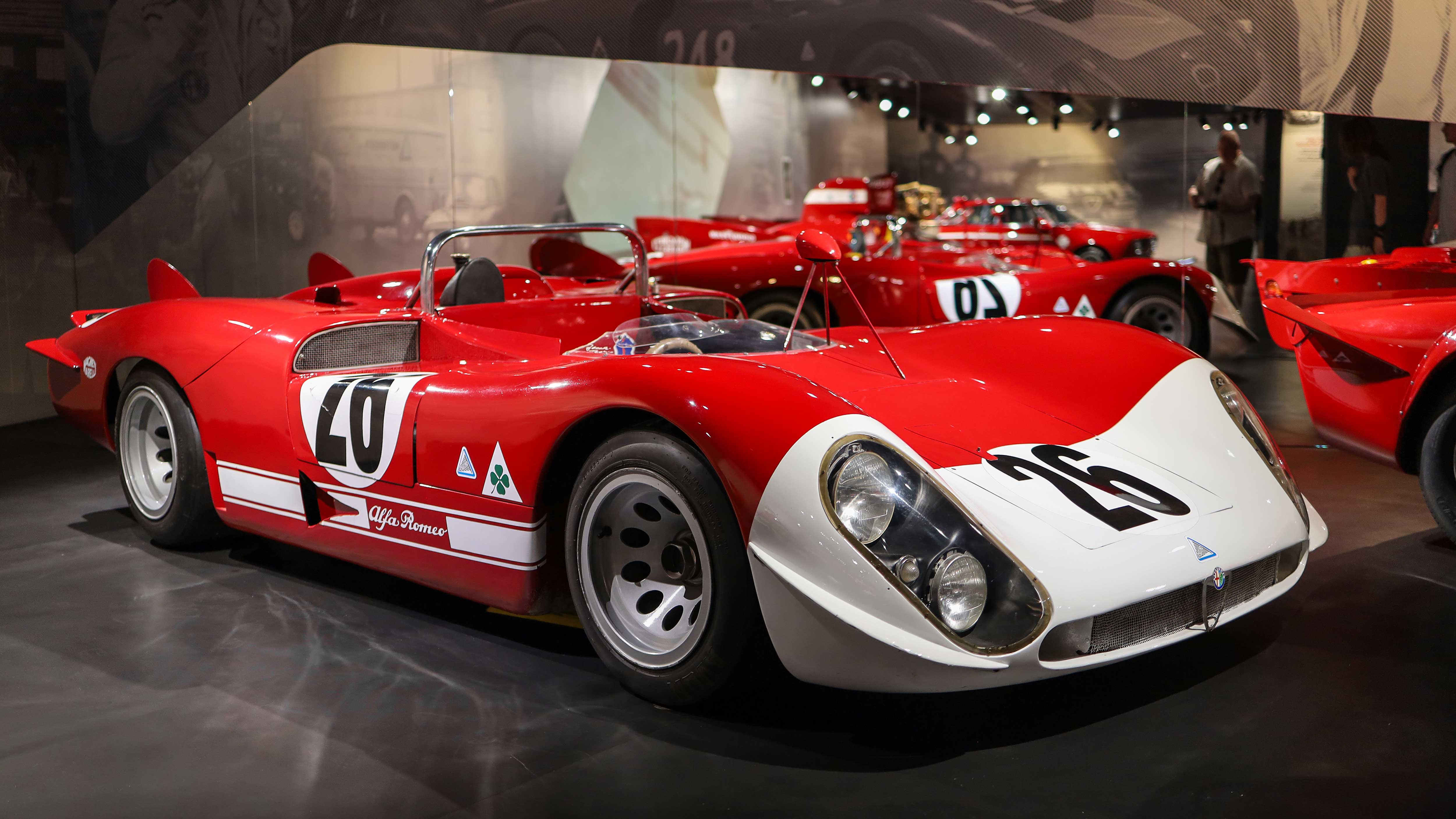
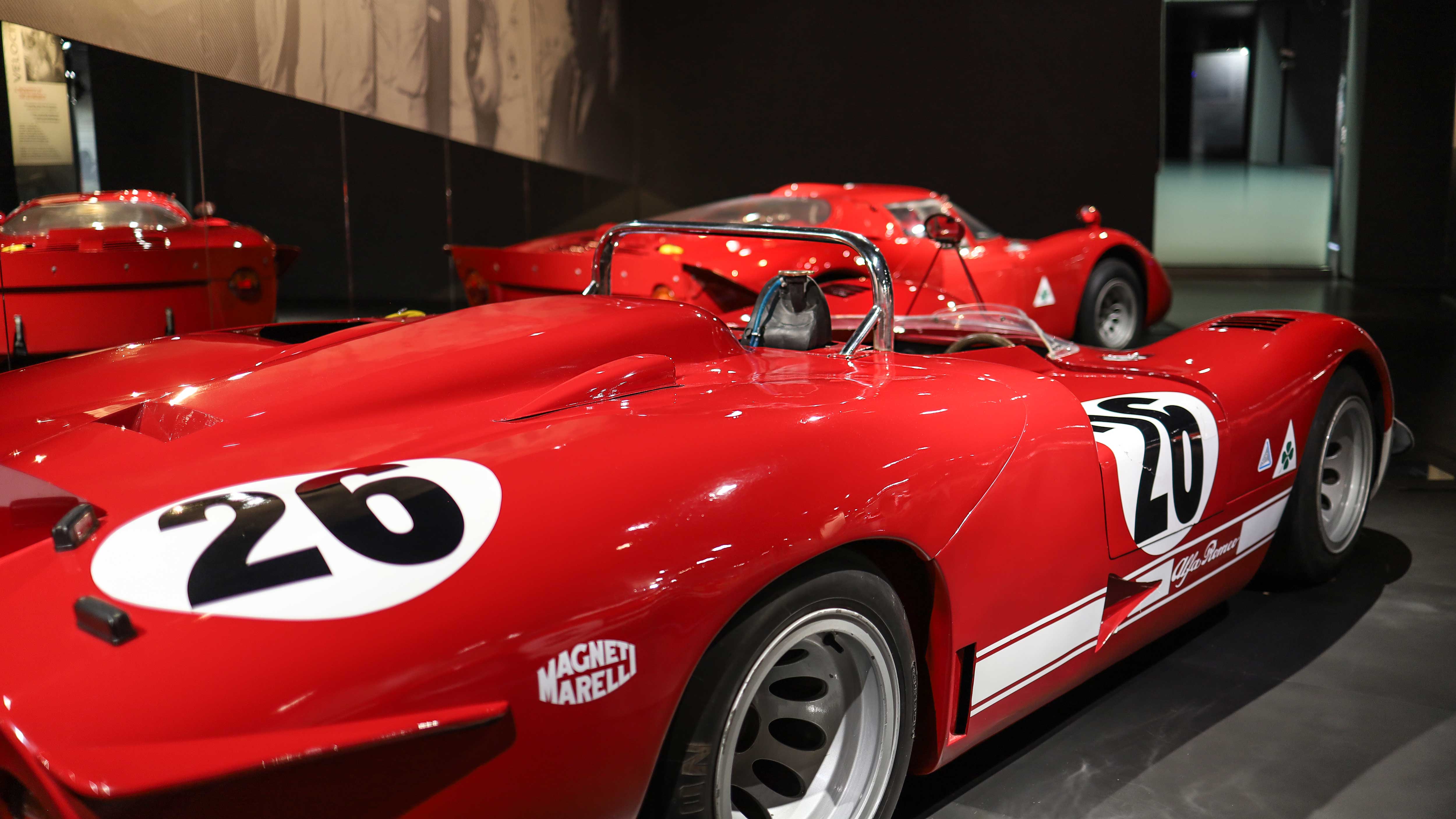
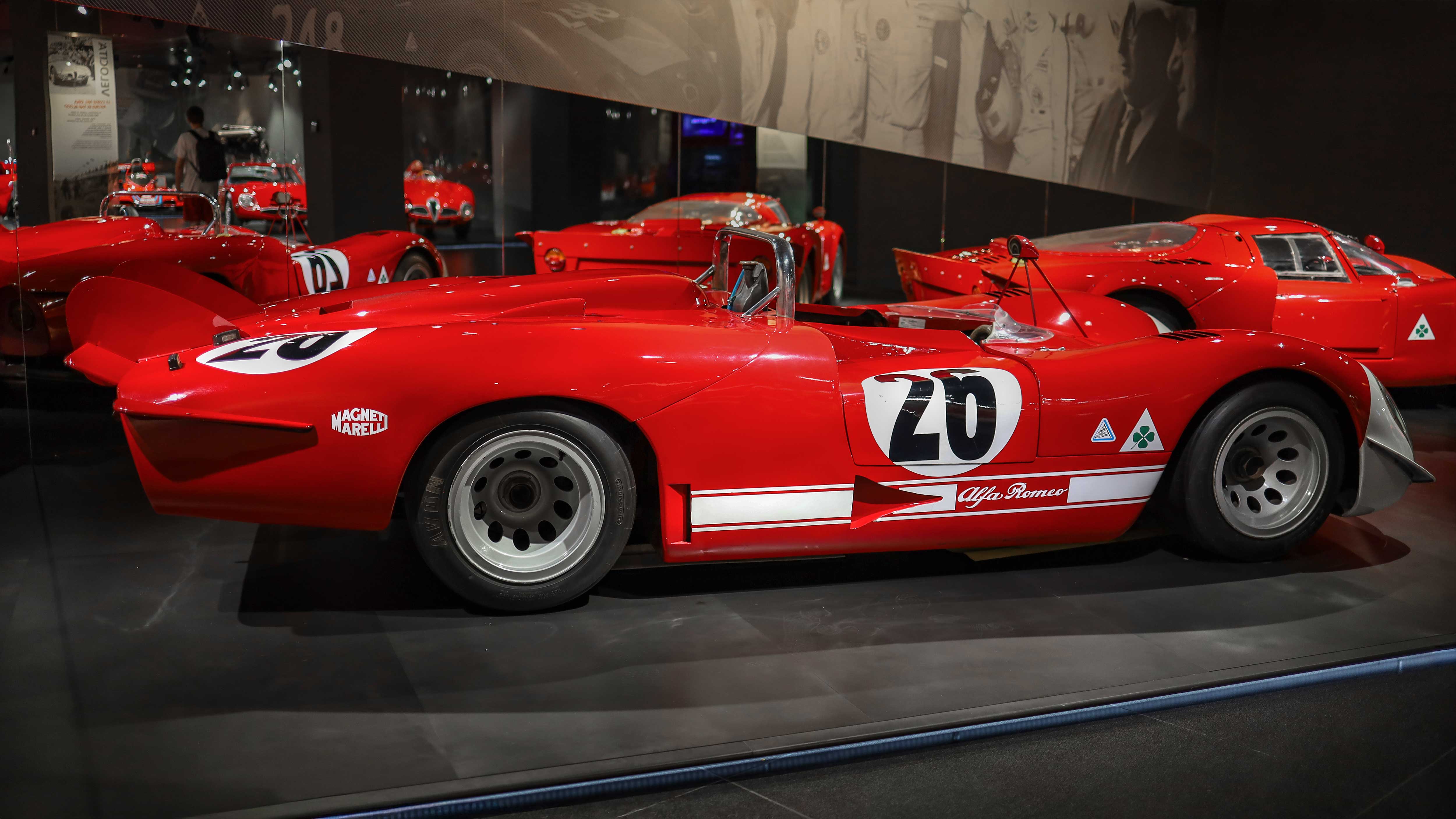
Tipo 33/2 Daytona
The Tipo 33/2 Daytona (1968) earned its name after dominating the 24 Hours of Daytona. Its 2.0-liter V8 produced about 270 hp, combining low weight, high-rev power, and race-proven reliability in endurance competition.
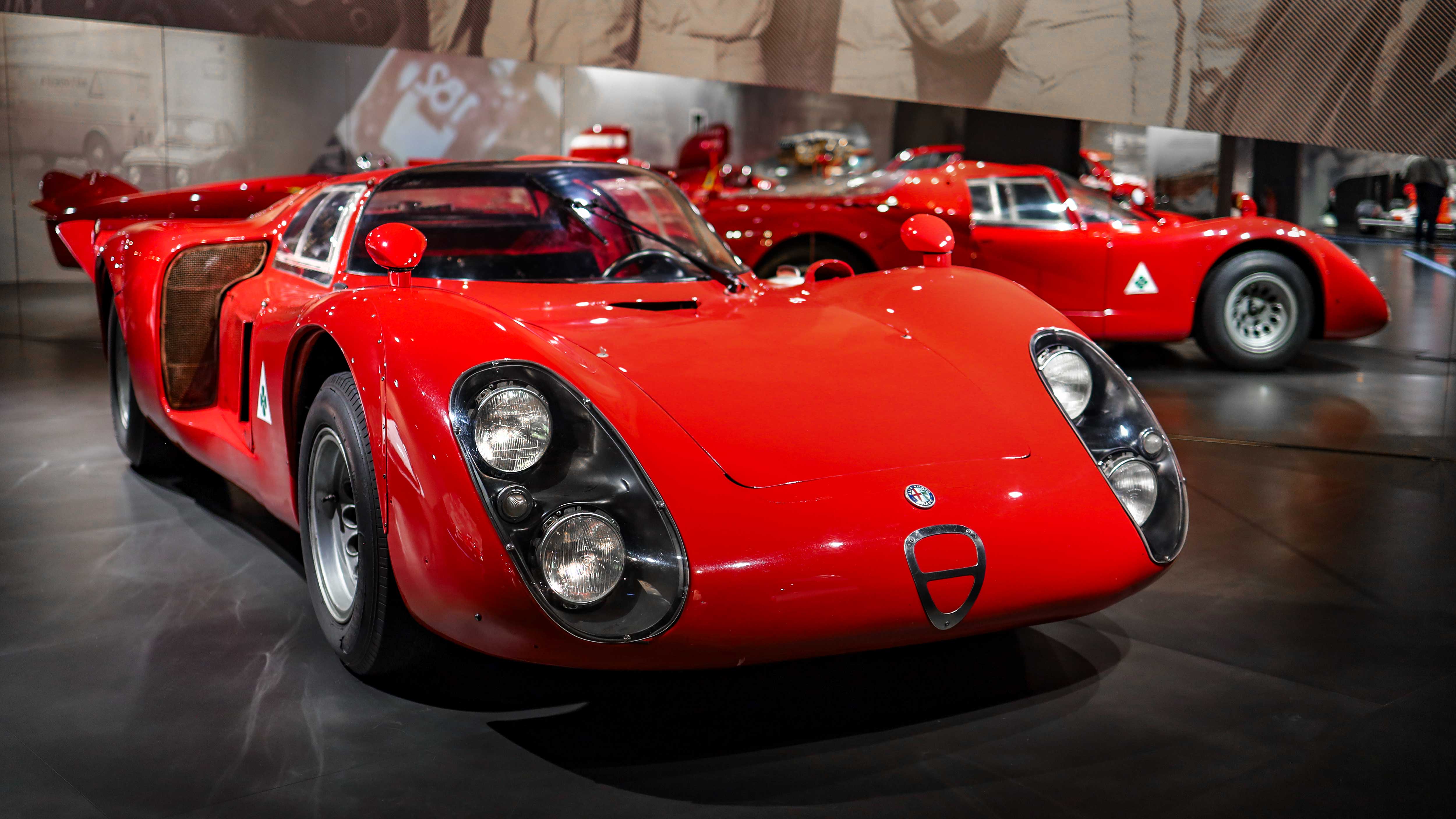
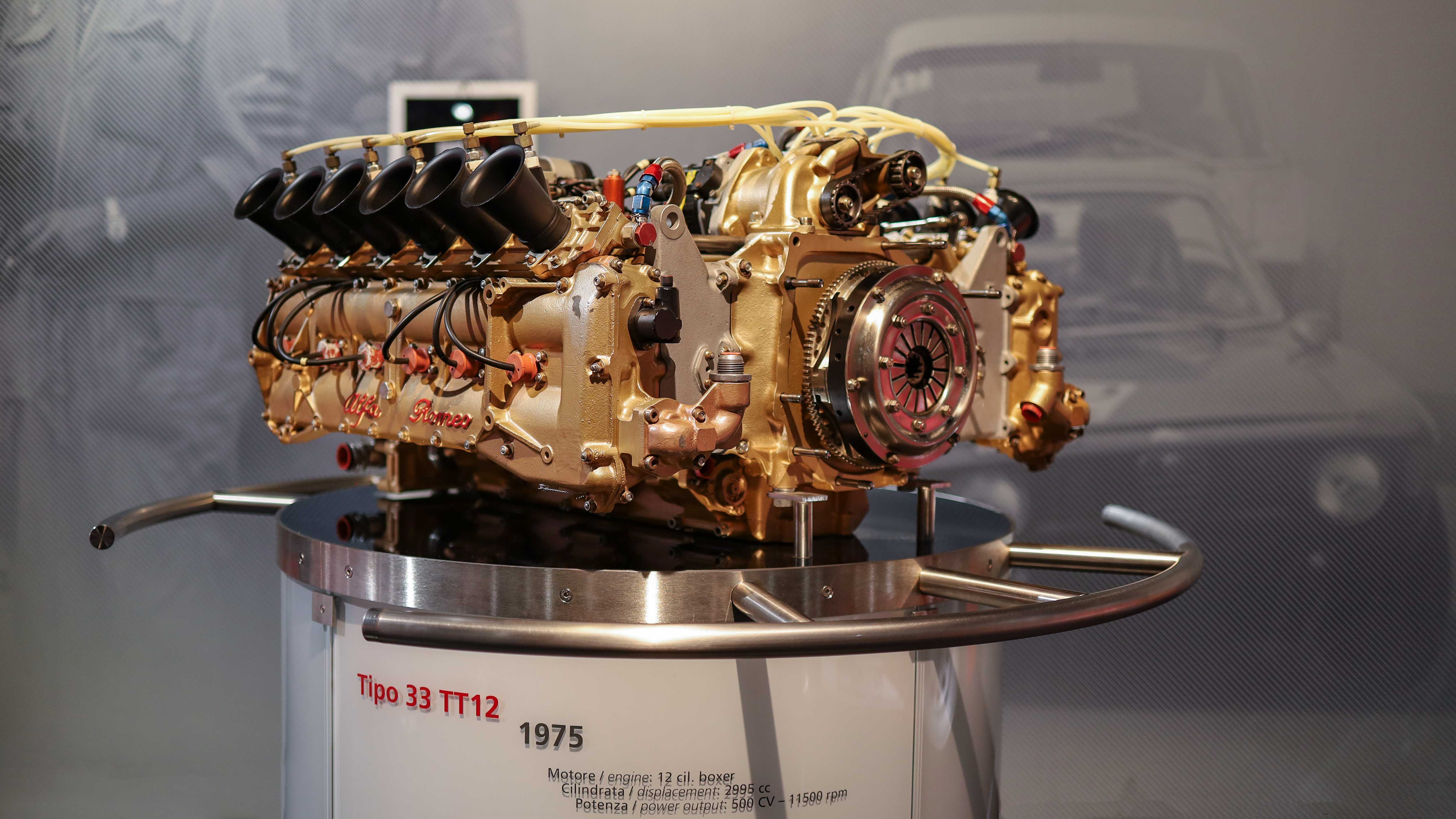
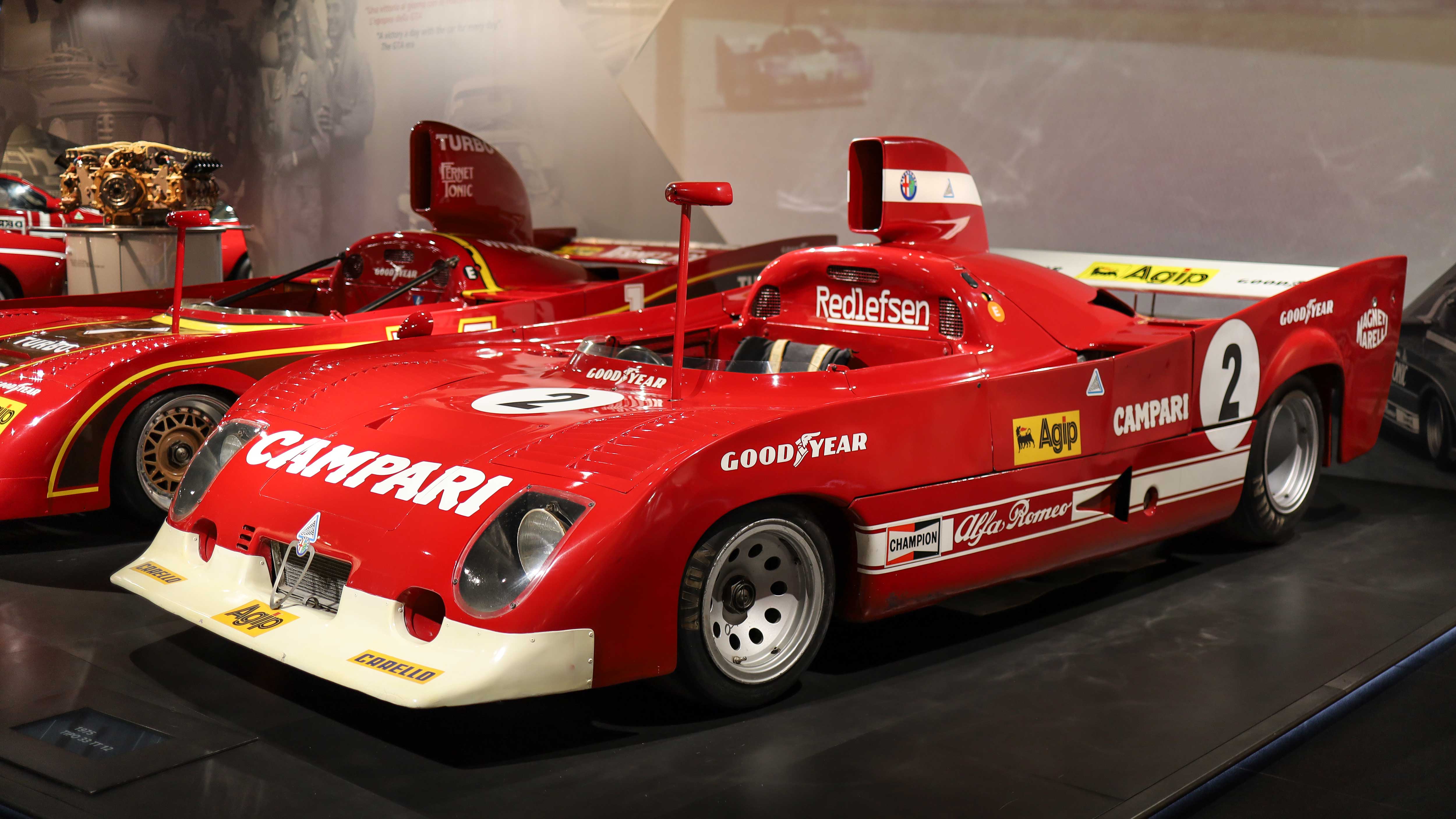
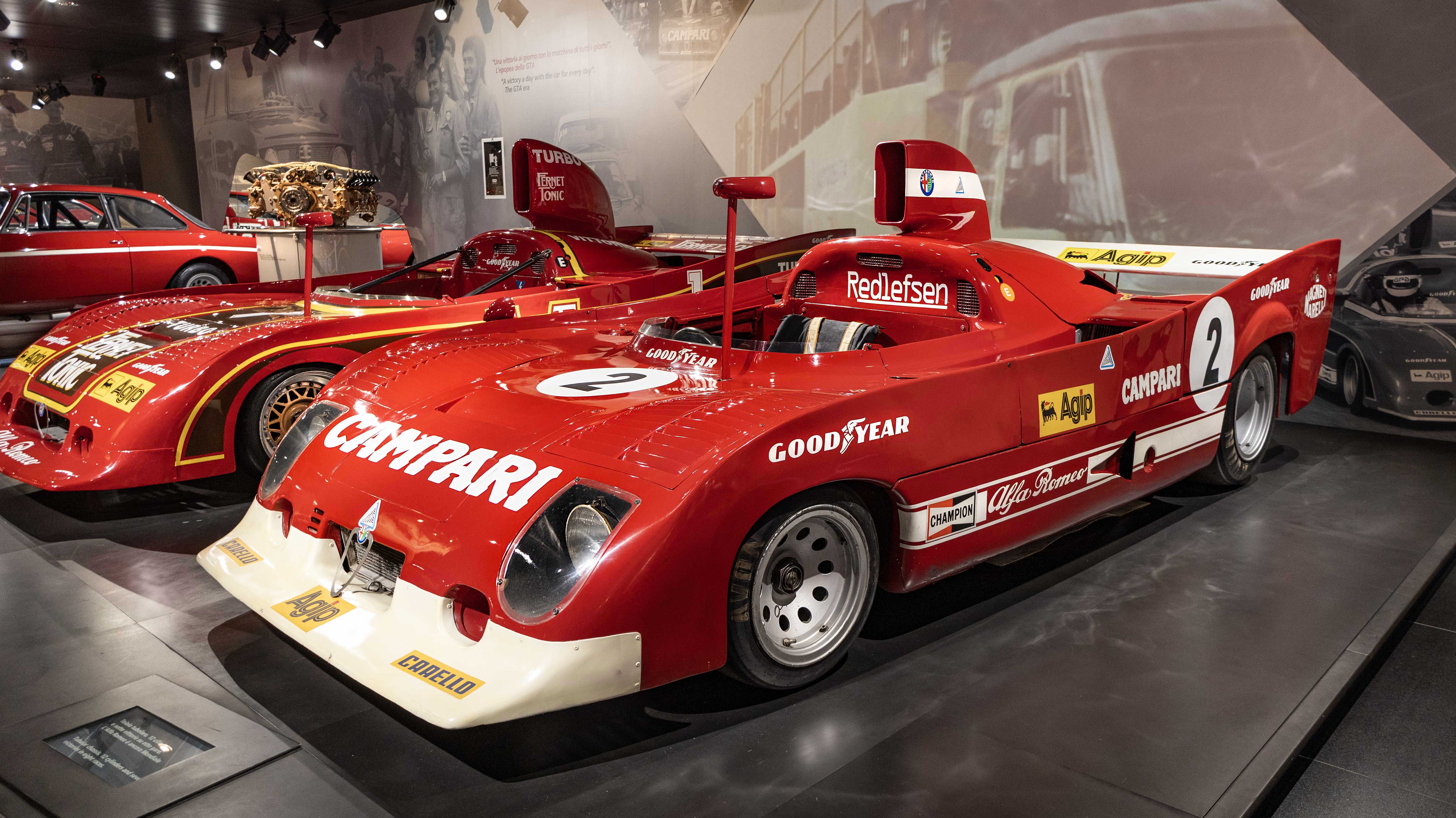
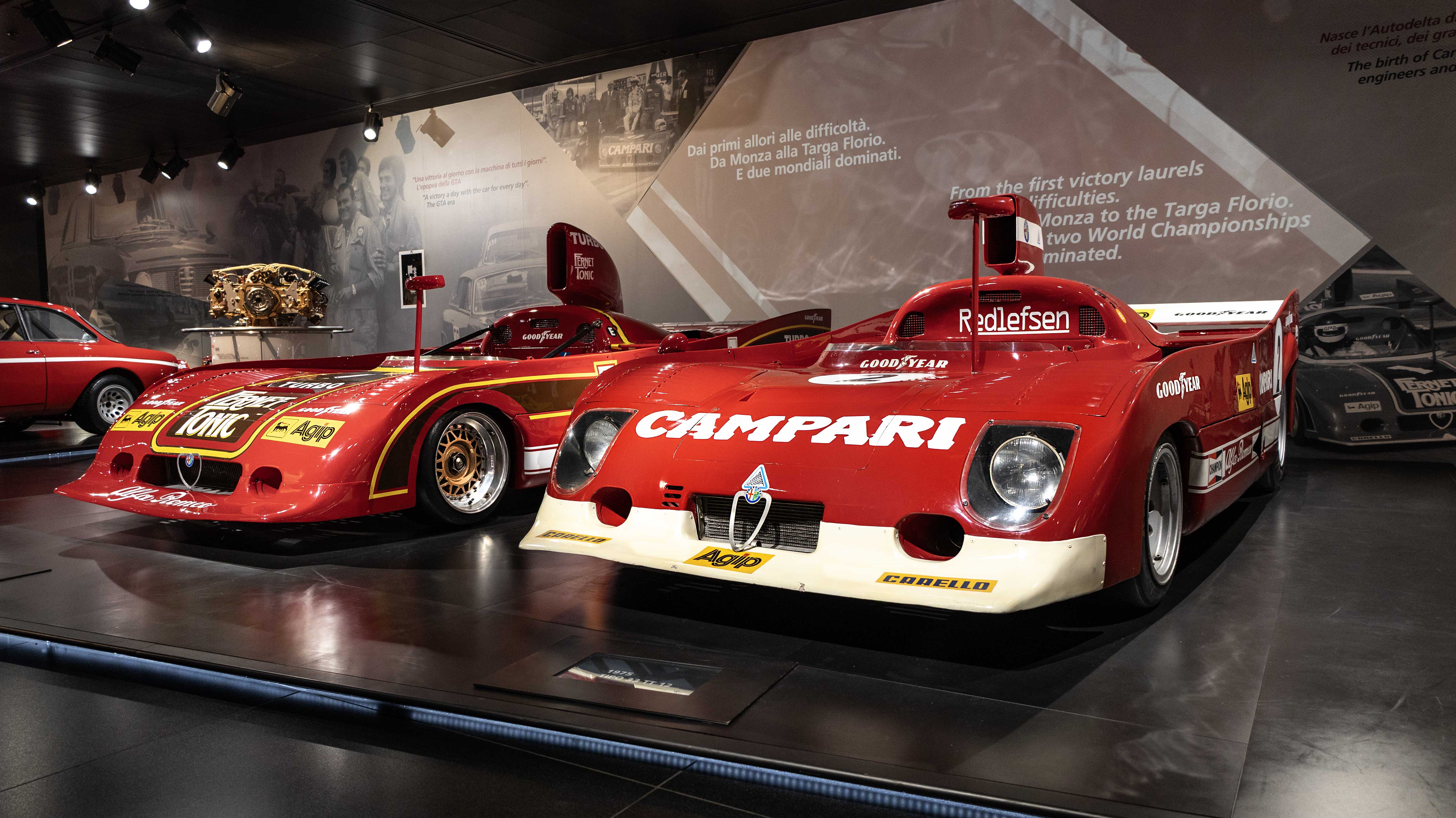
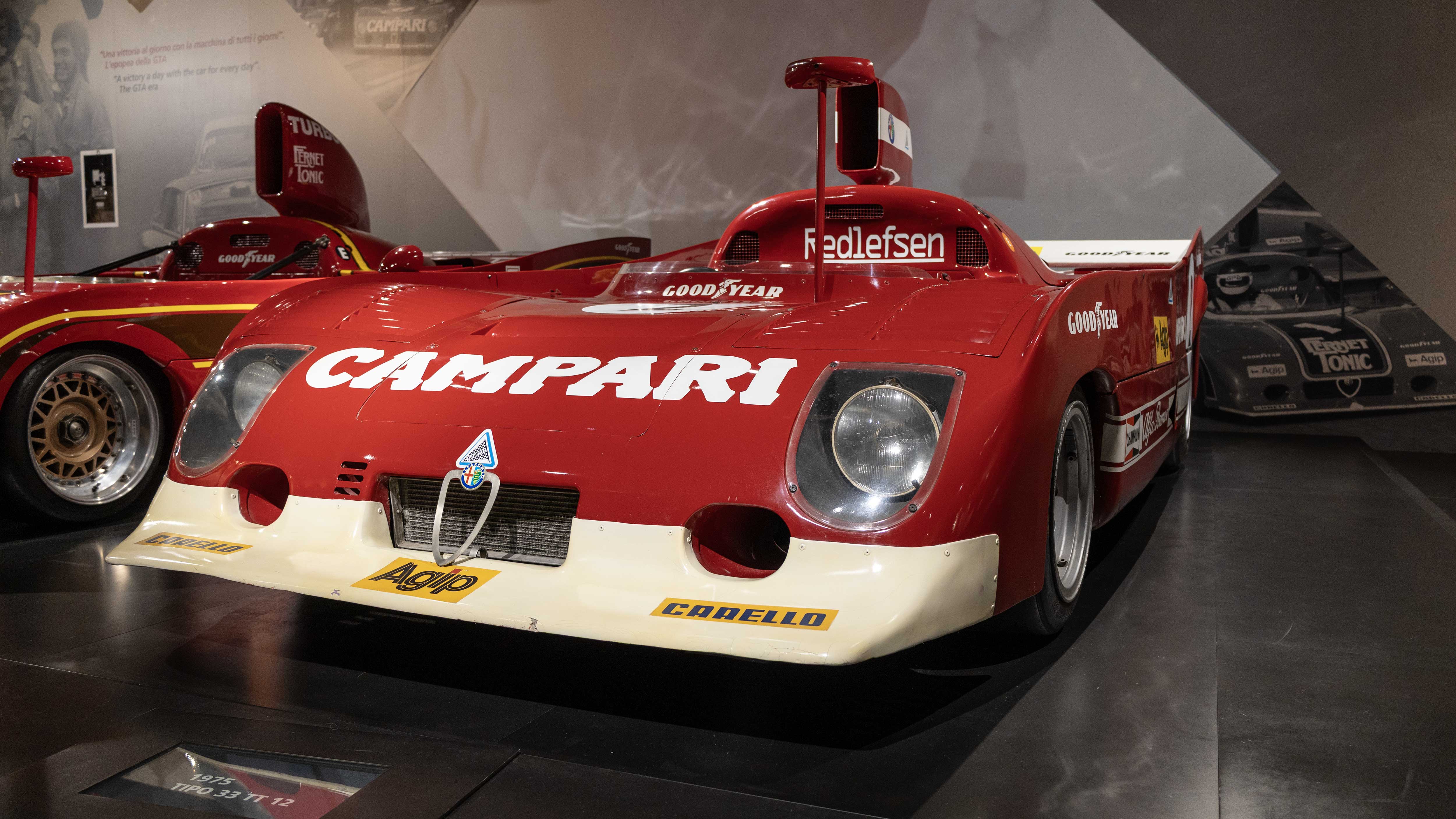
Tipo 33 TT 12
The Tipo 33 TT 12 (1973–1975) marked Alfa Romeo’s return to top-level prototype racing. Its 3.0 flat-12 delivered about 500 hp, using a tubular chassis, low weight, and strong reliability to win the 1975 World Sportscar Championship.
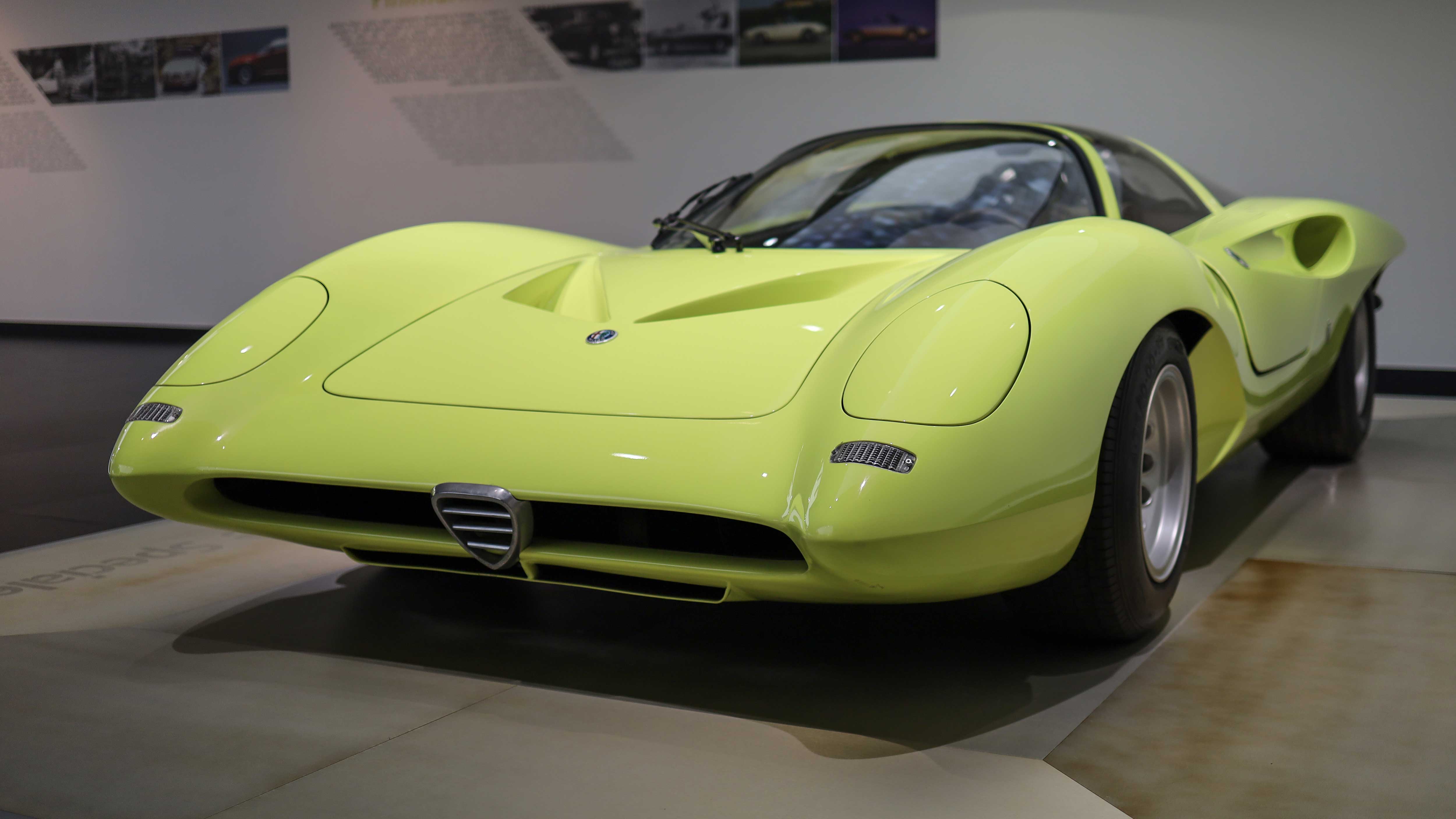
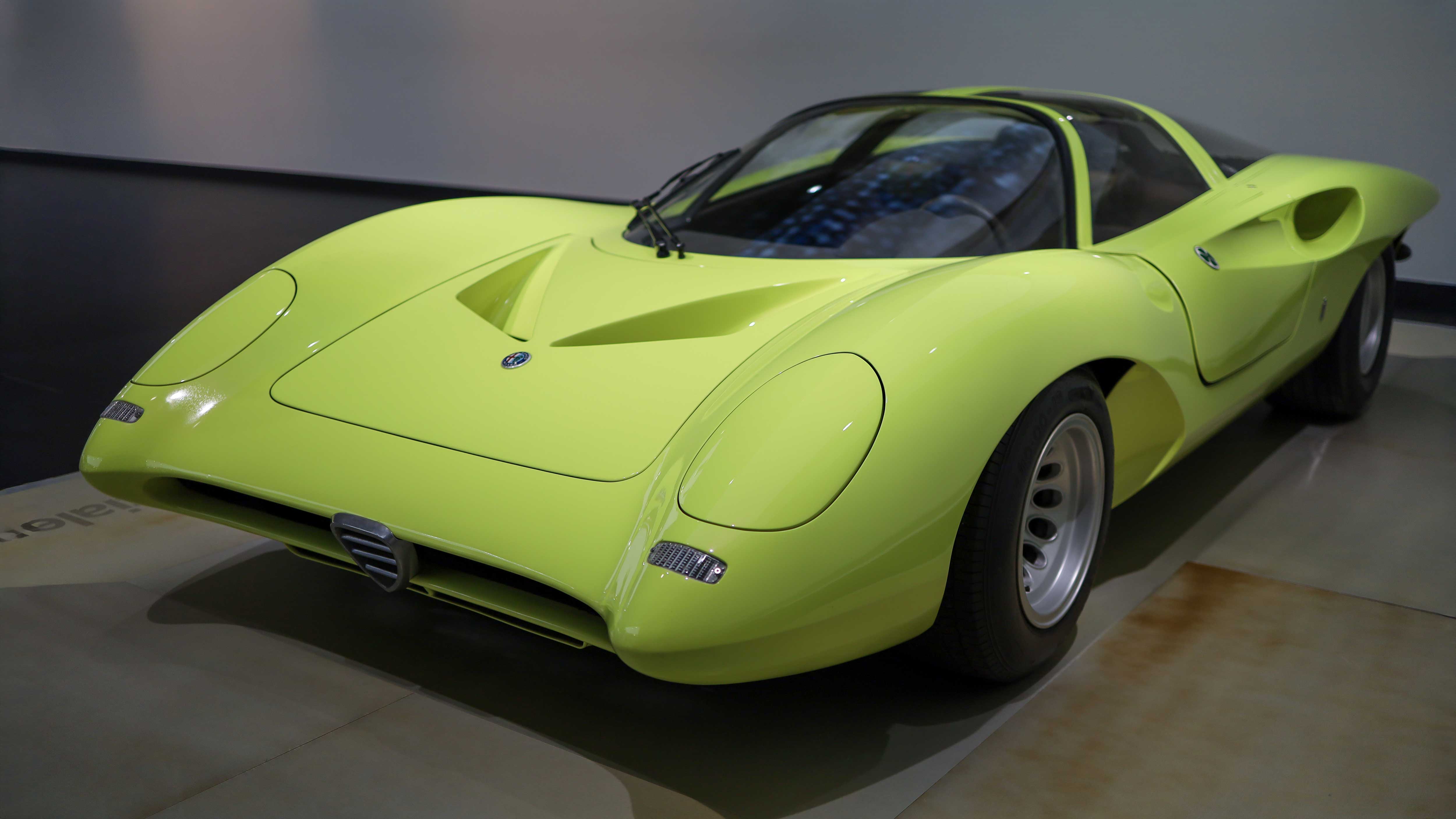
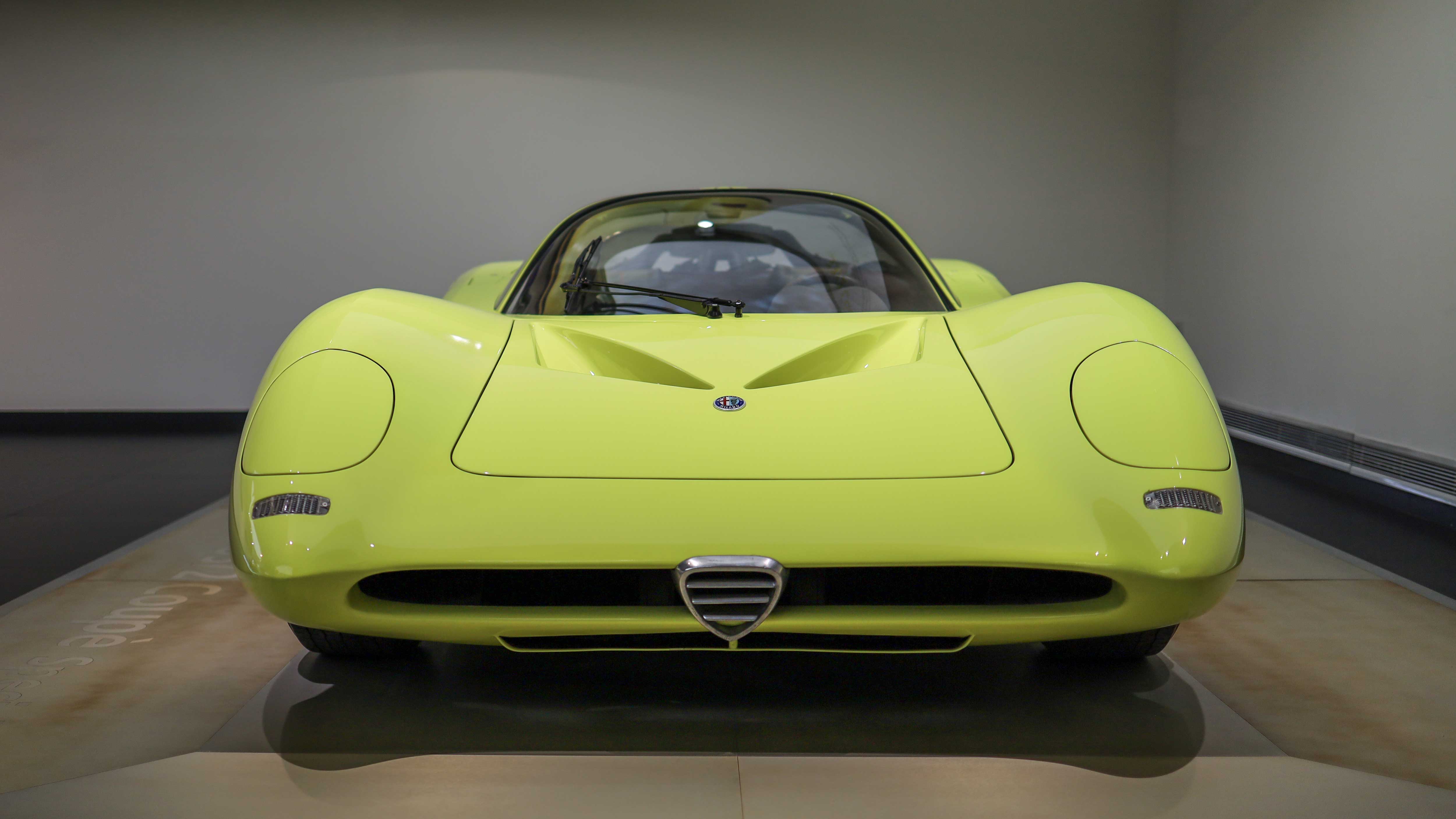
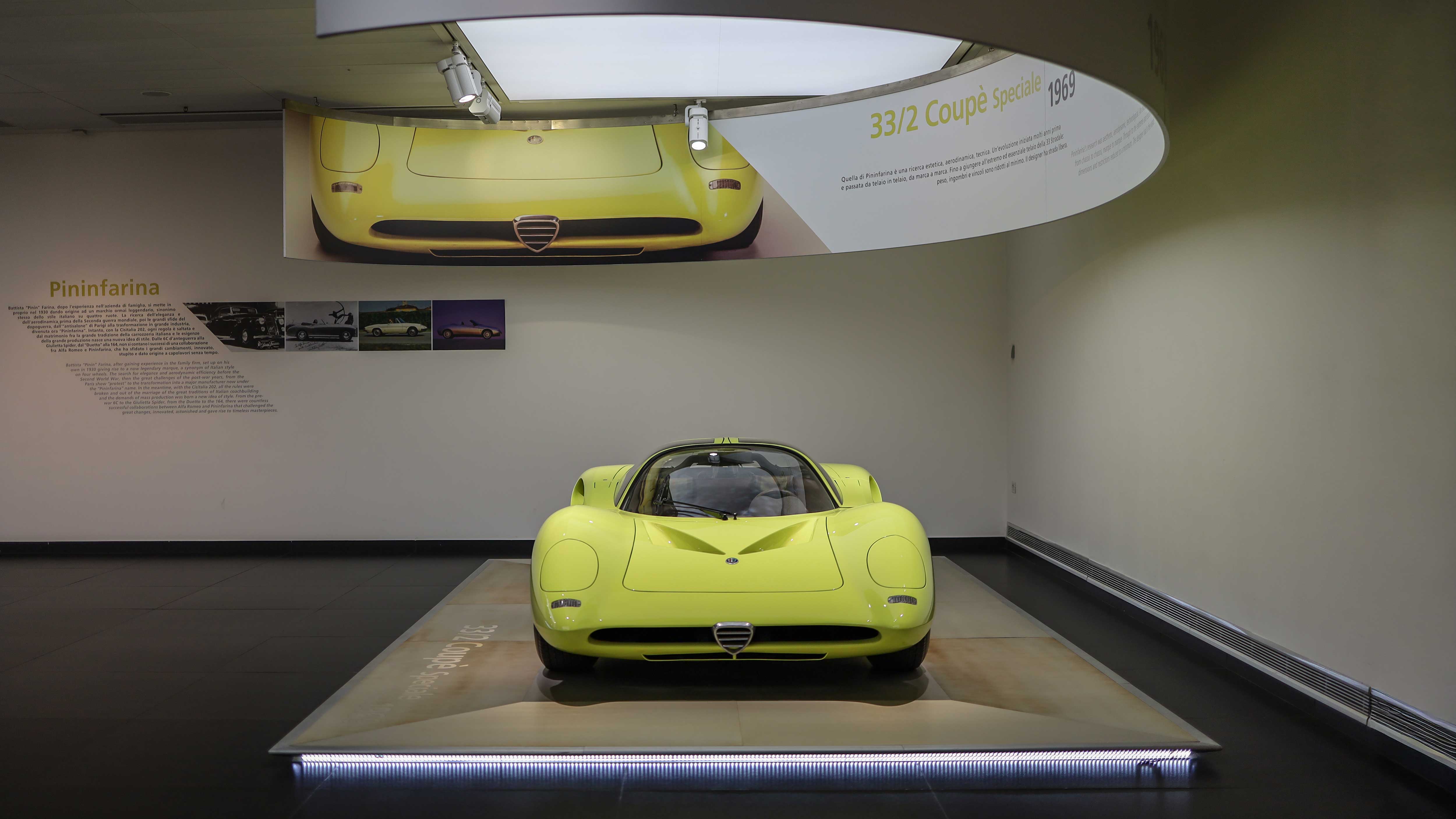
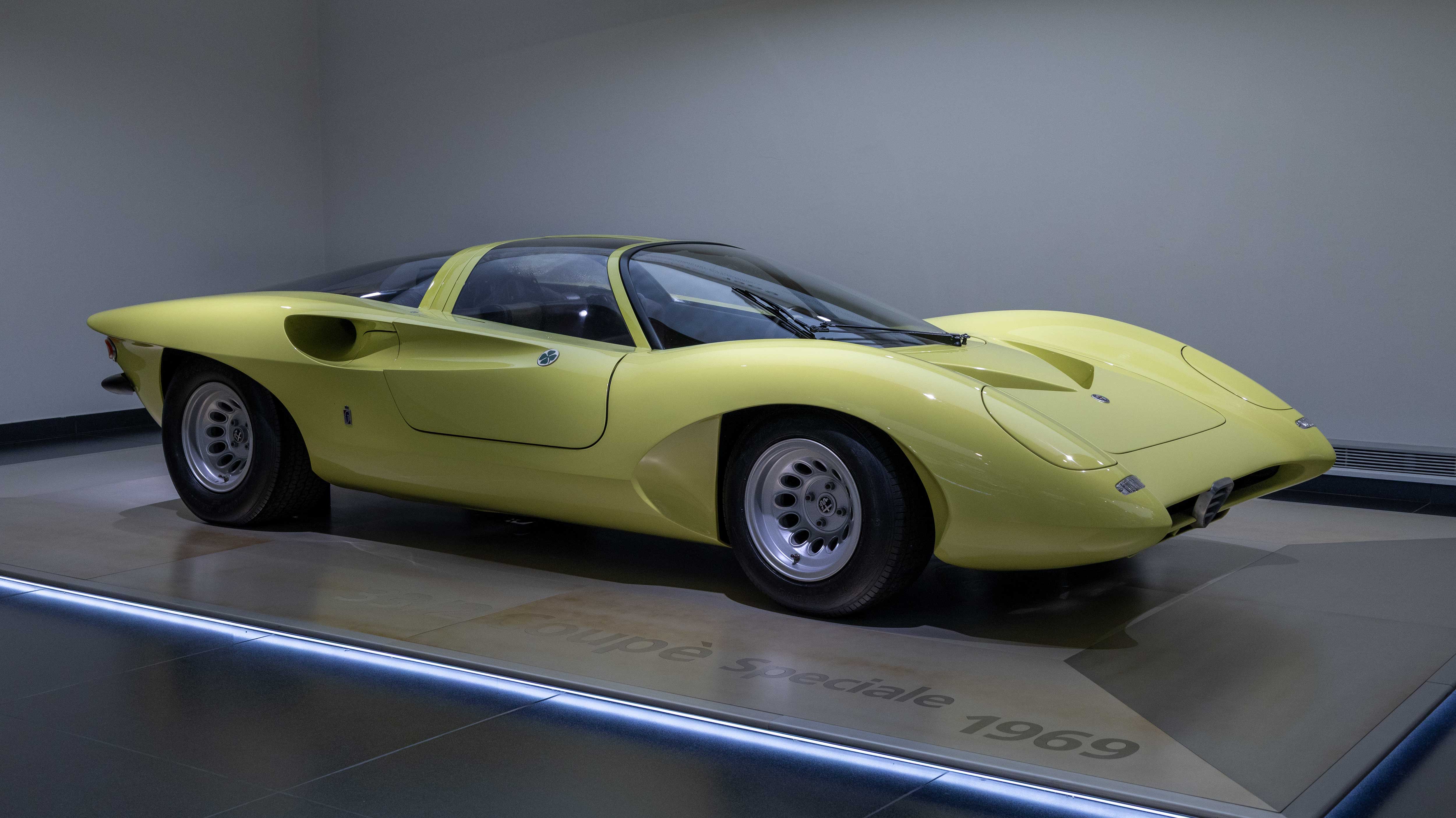
33/2 Speciale
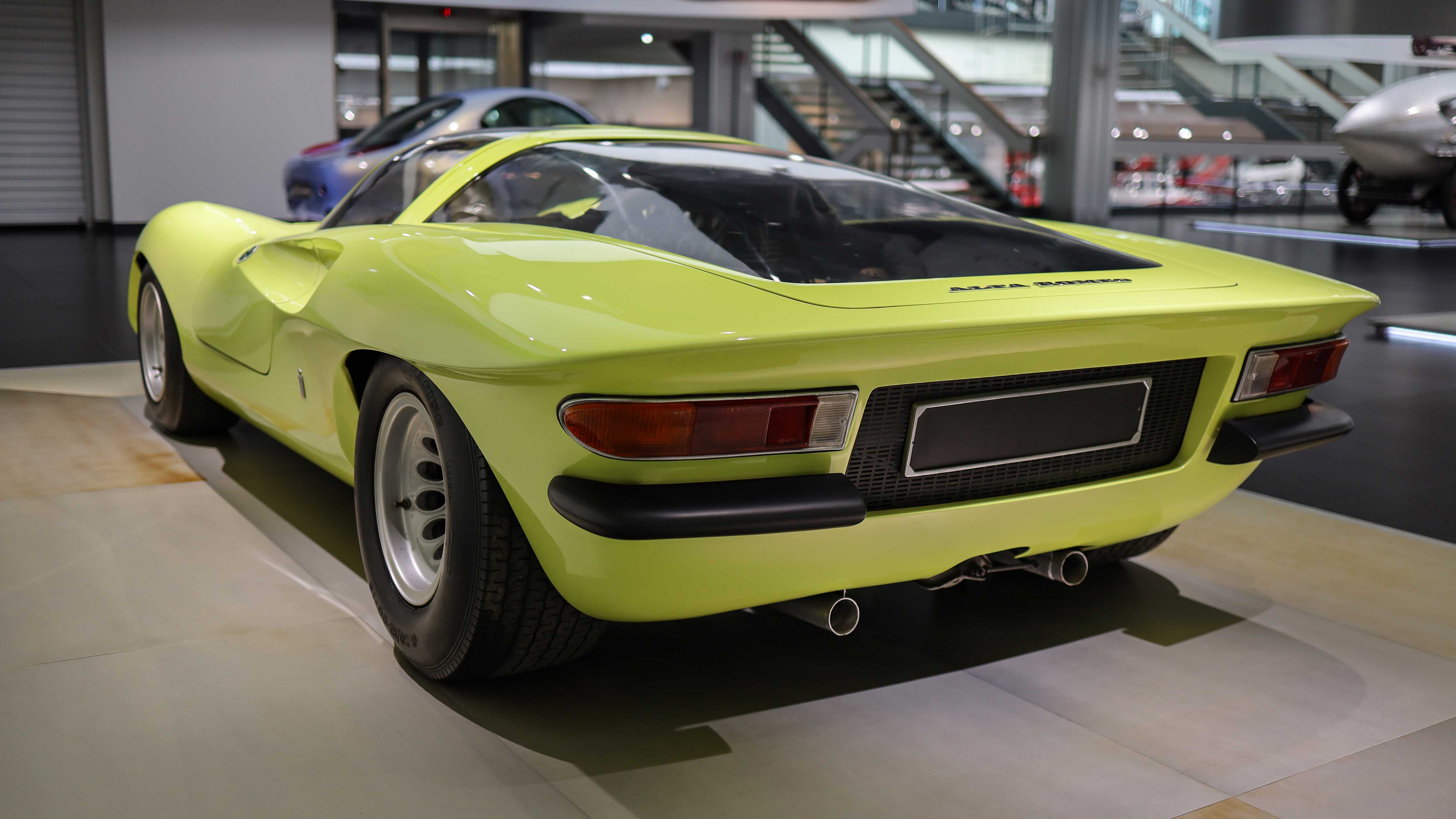
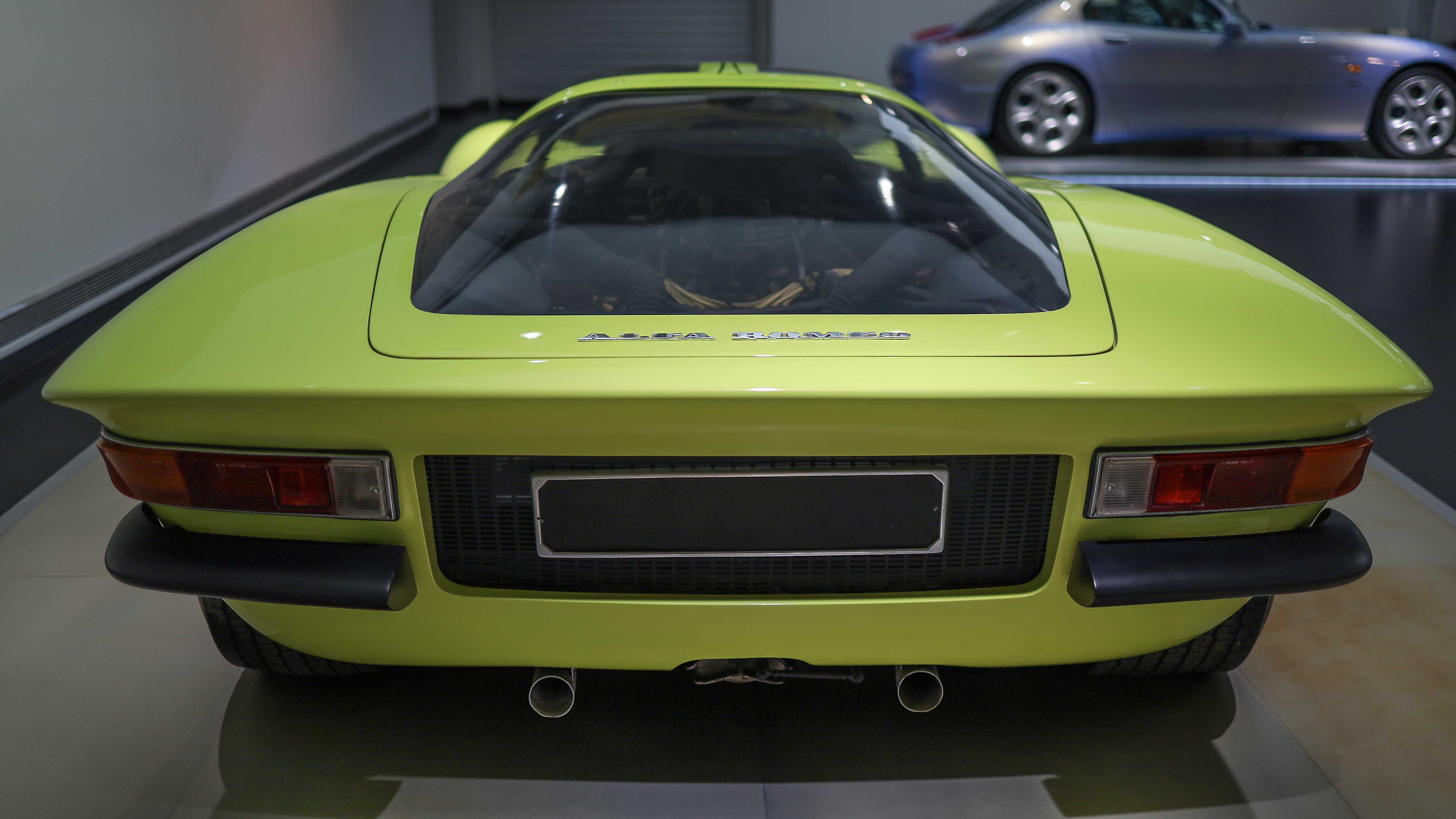
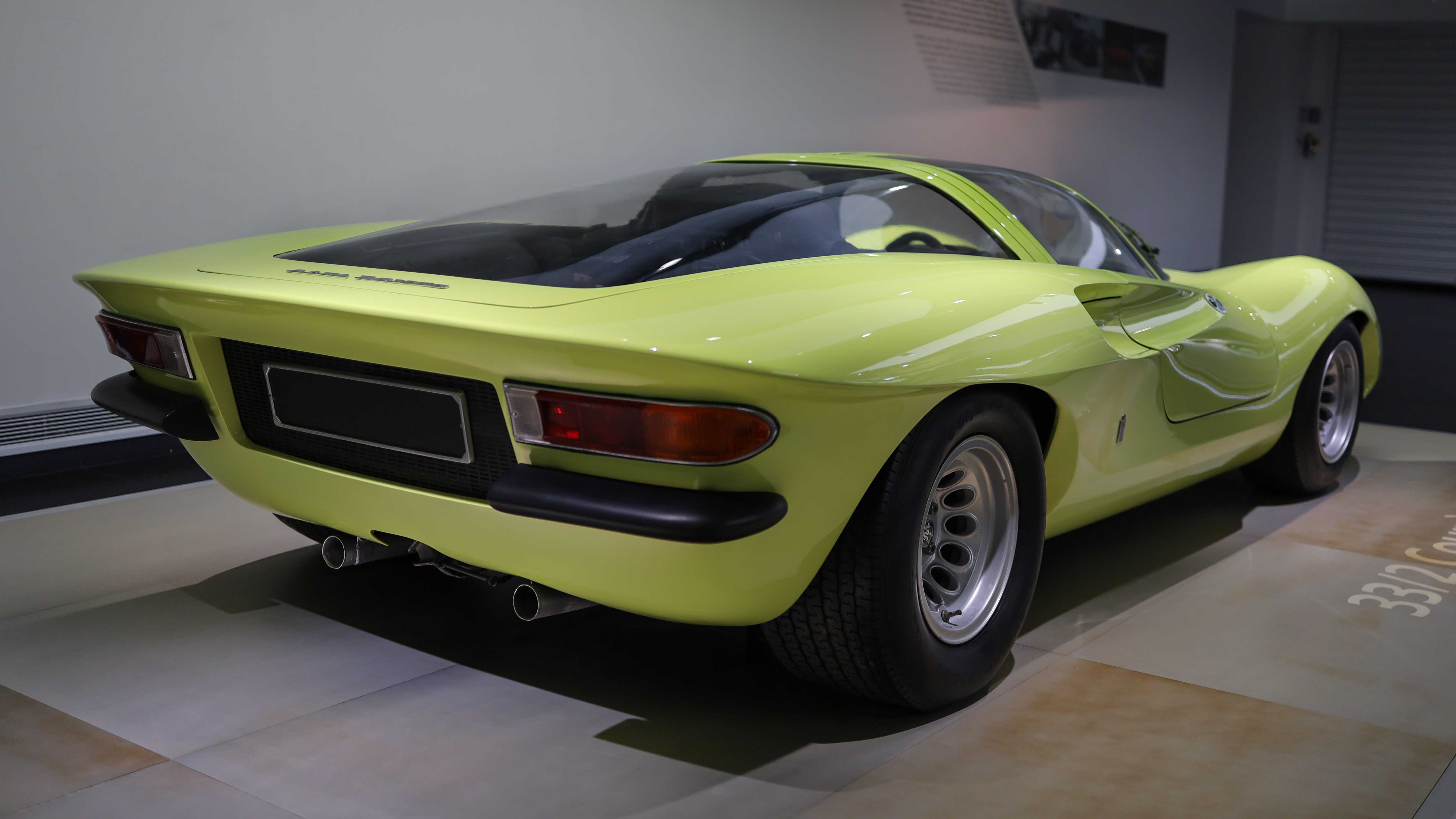
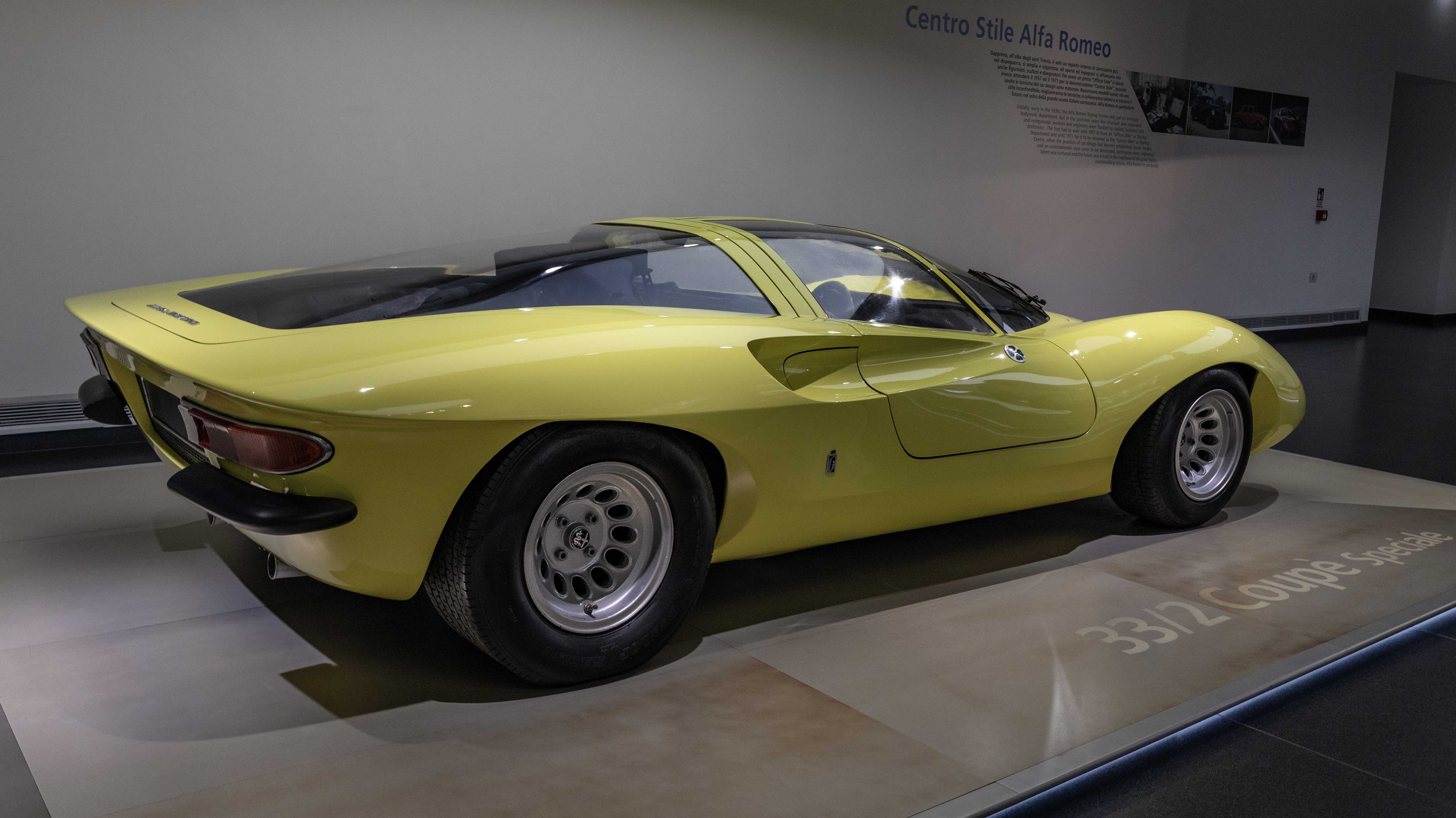
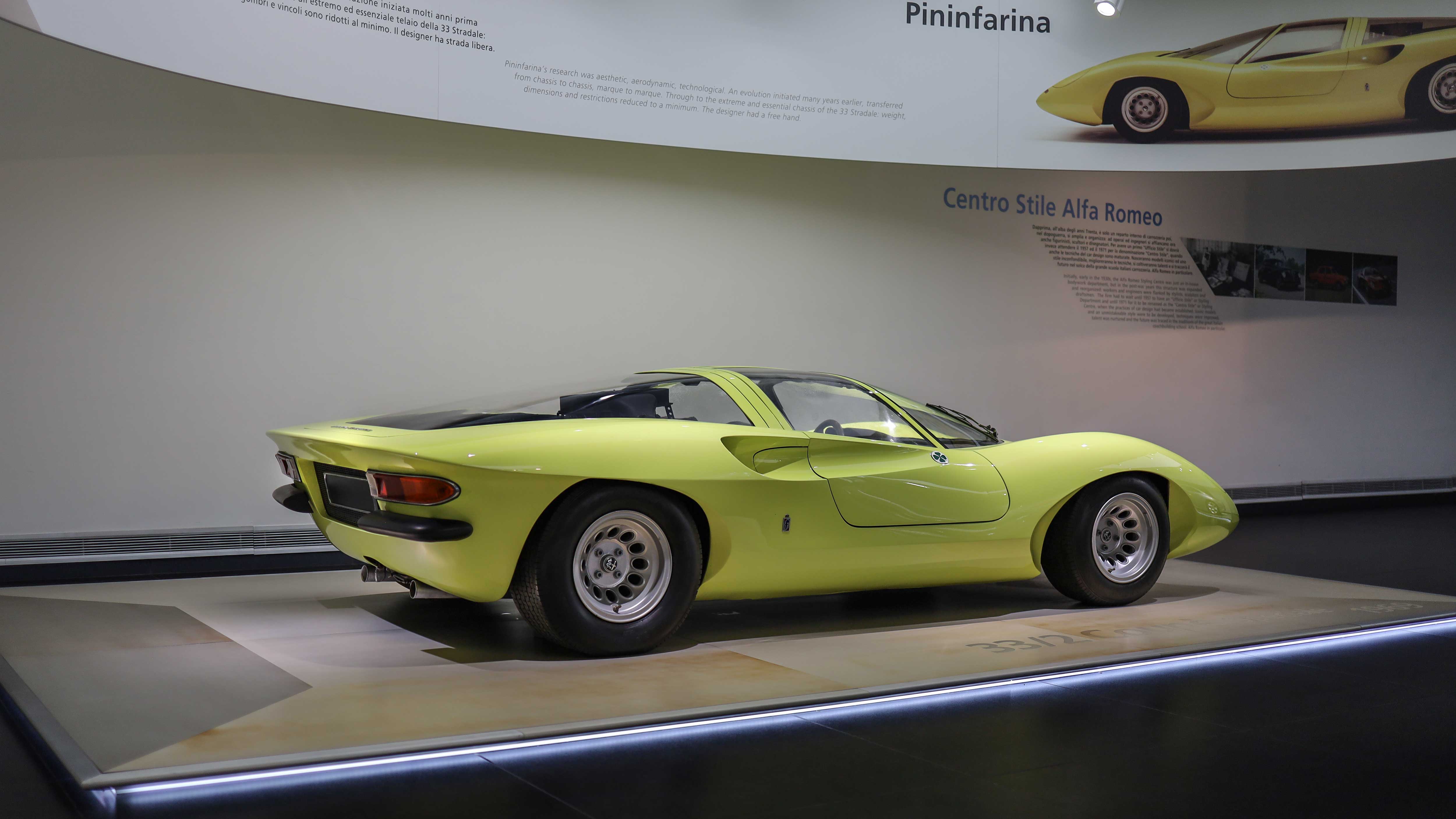
The 33/2 Coupé Speciale (1969) was a one-off concept based on the Tipo 33 race car. Its 2.0 V8 produced about 230 hp, pairing low weight, mid-engine layout, and advanced aerodynamics with Pininfarina design.
Giulia Quadrifoglio Racing Edition
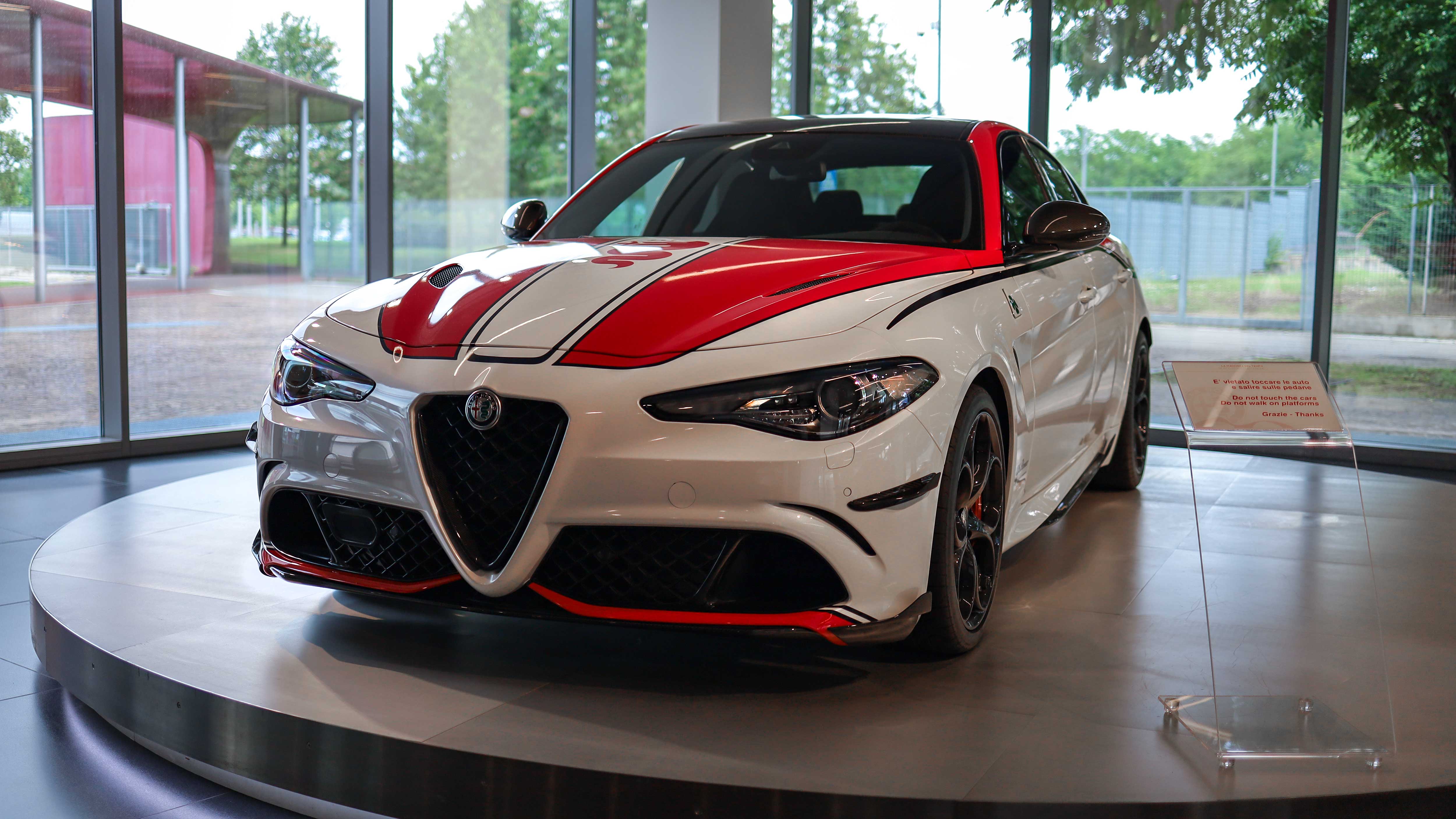
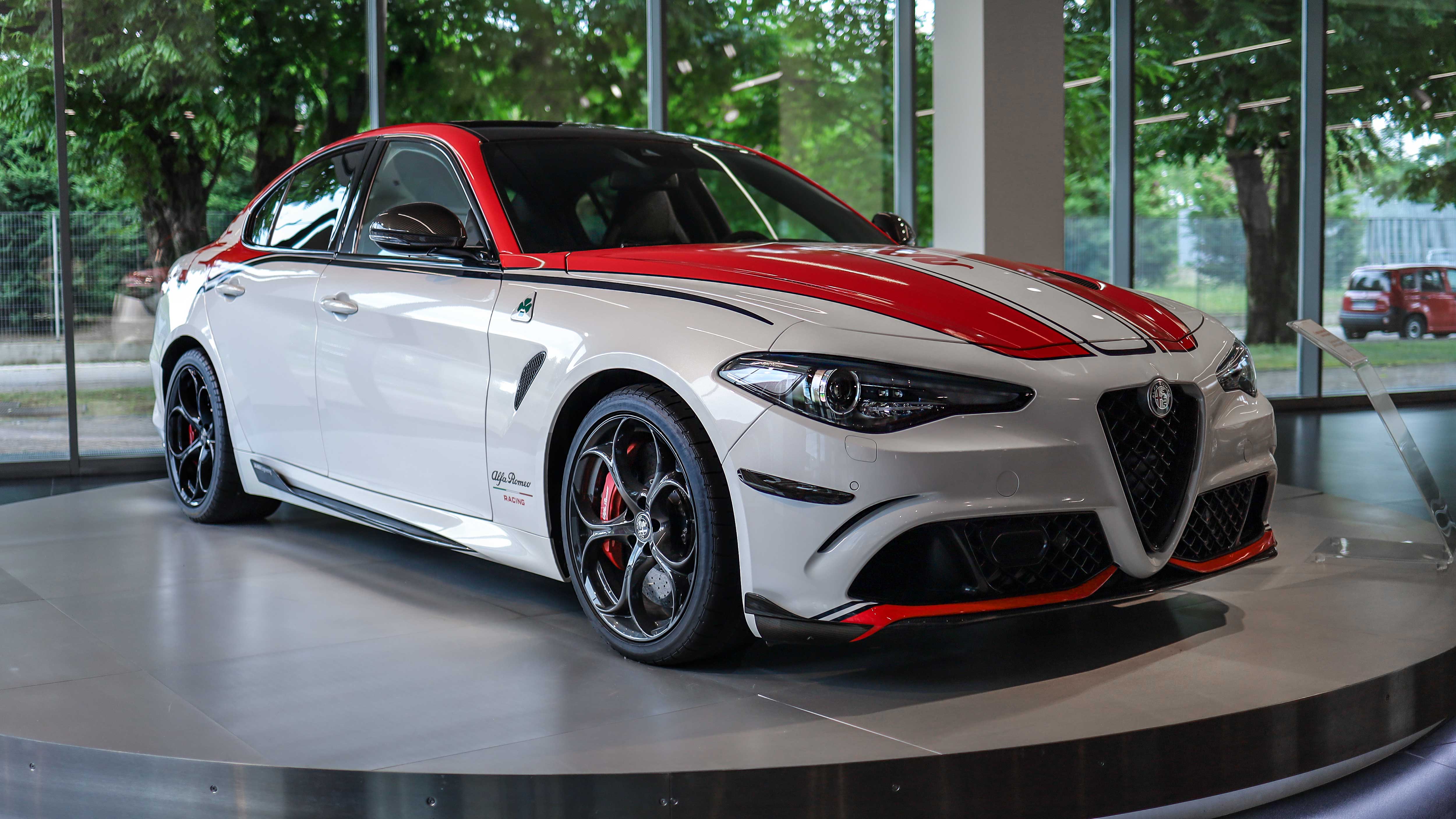
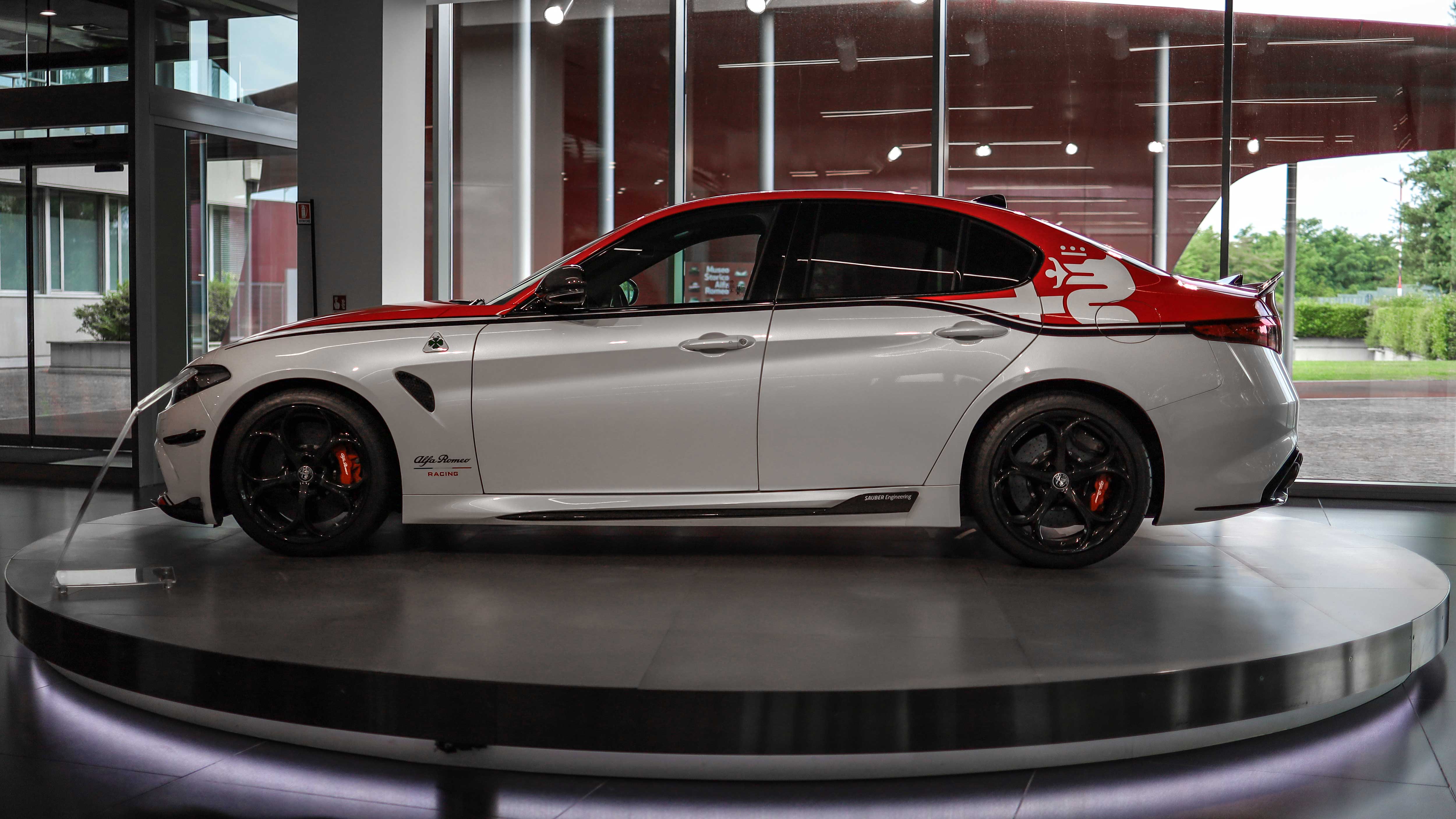
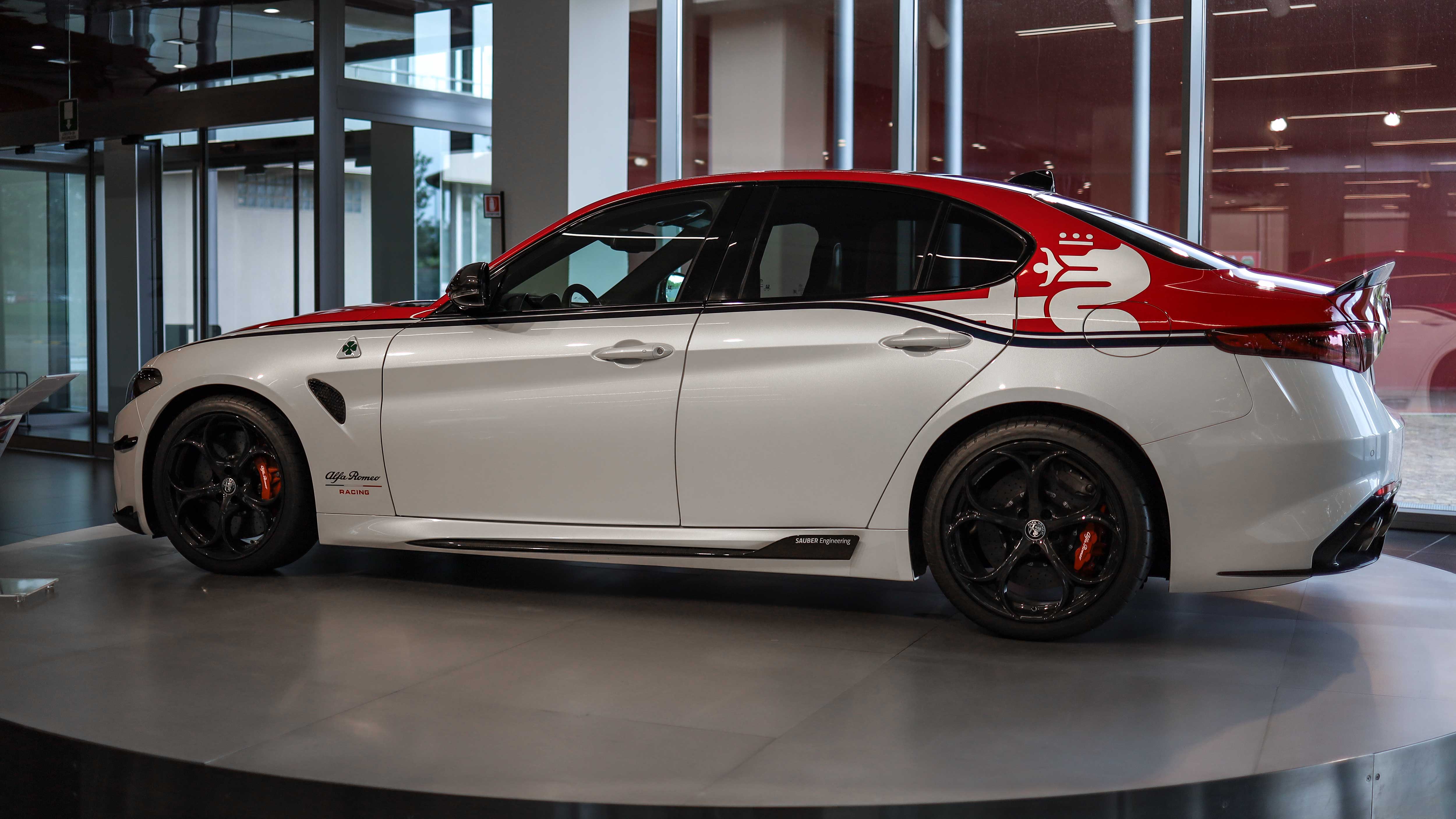
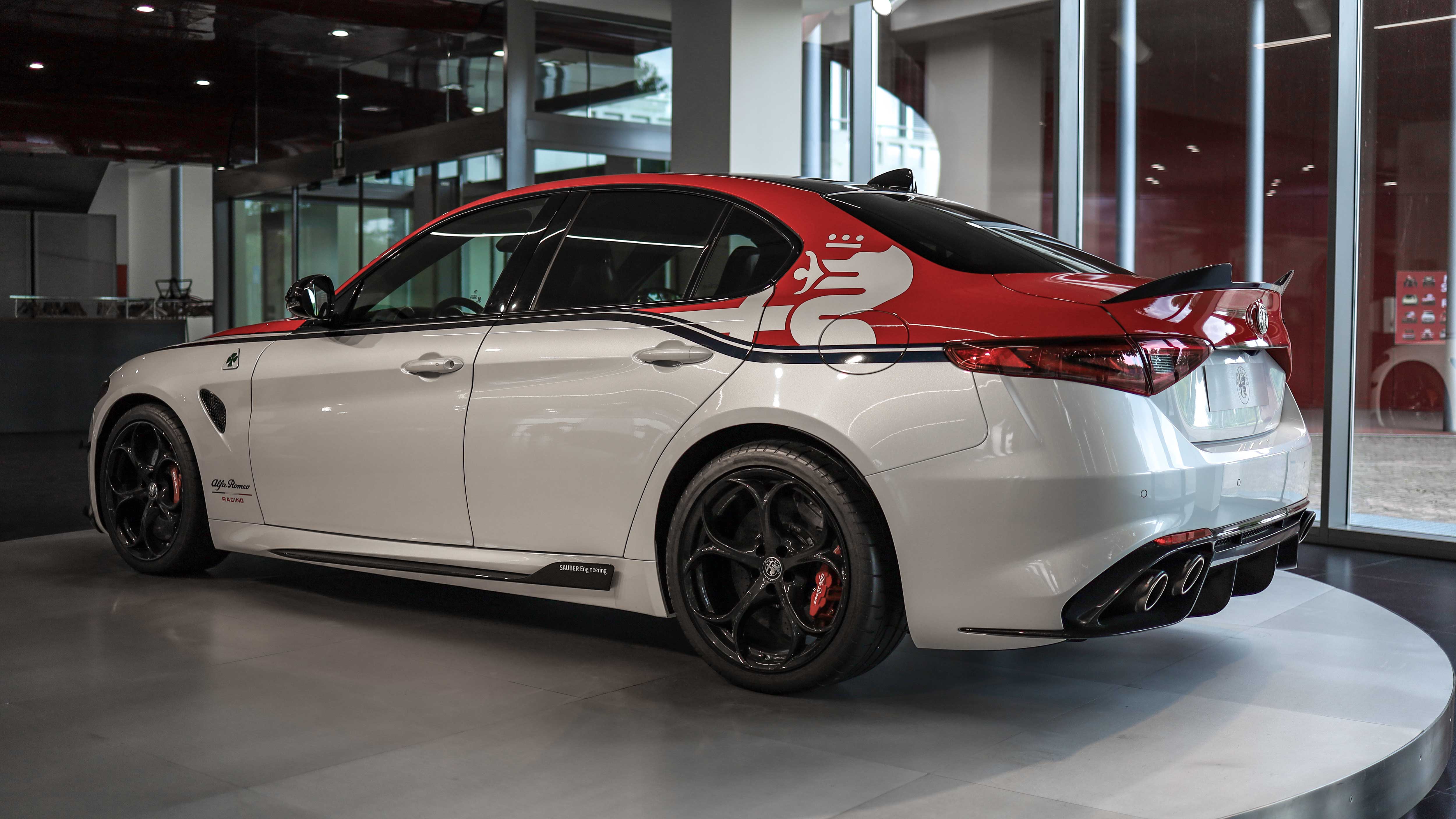
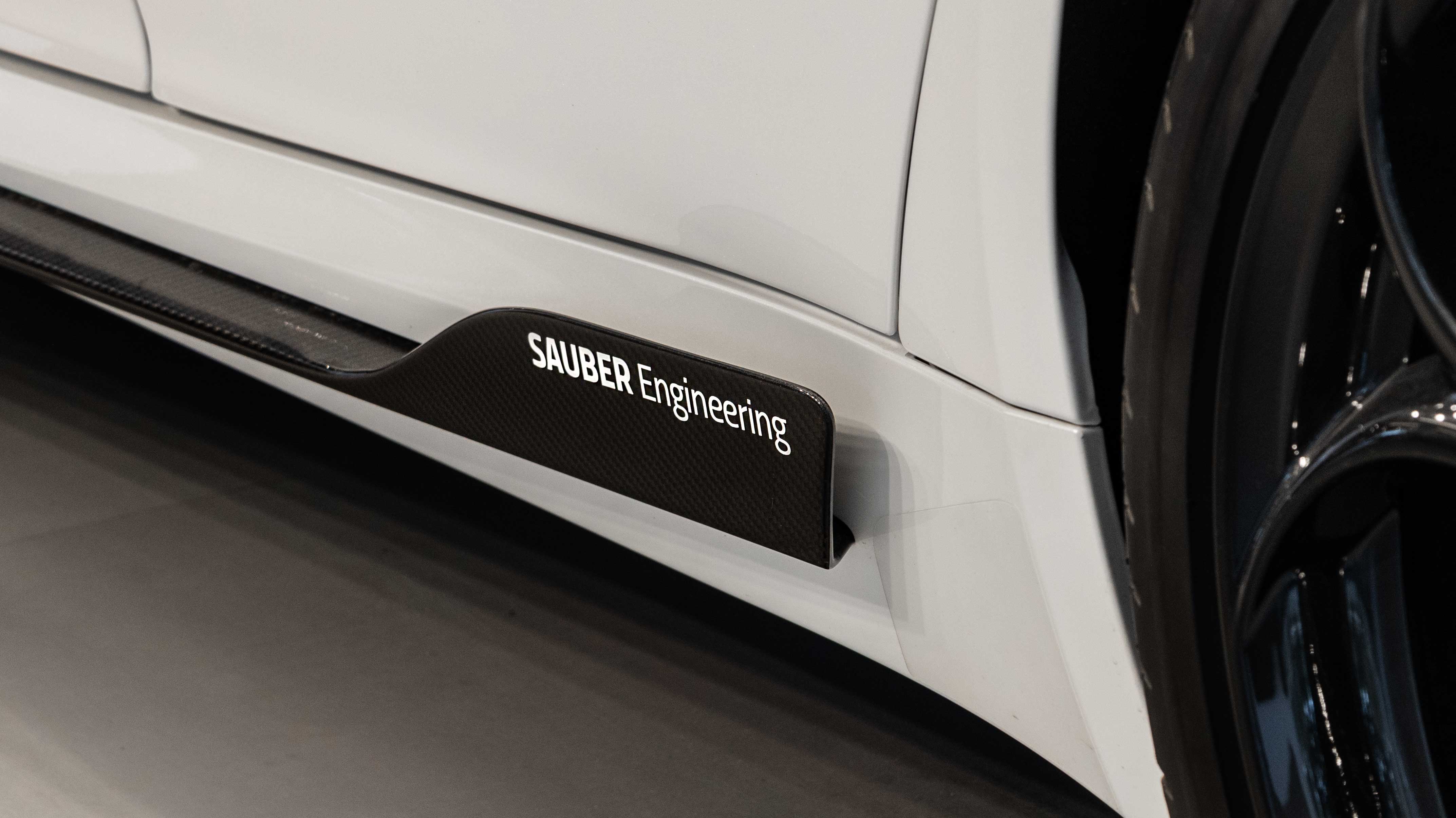
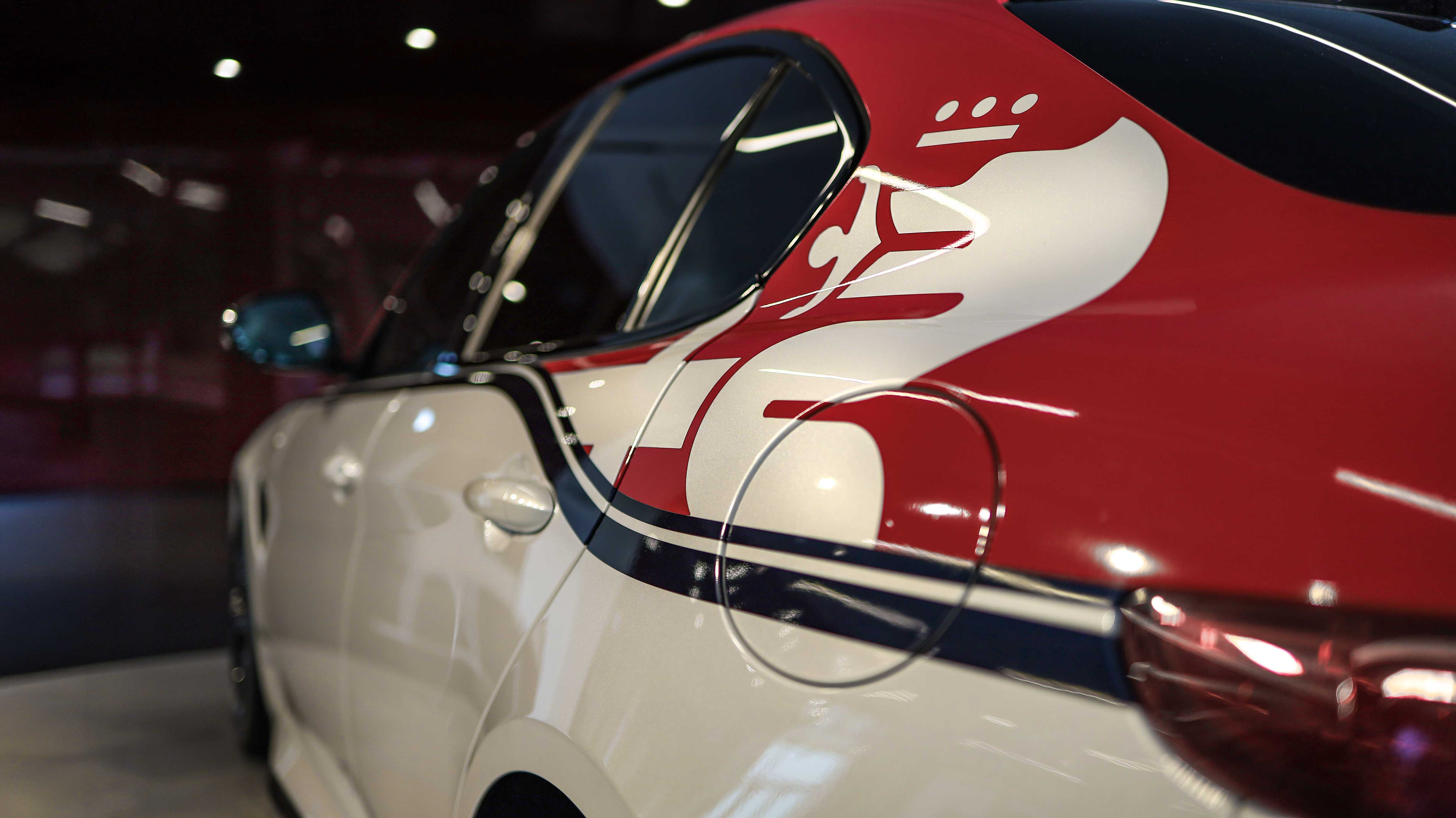
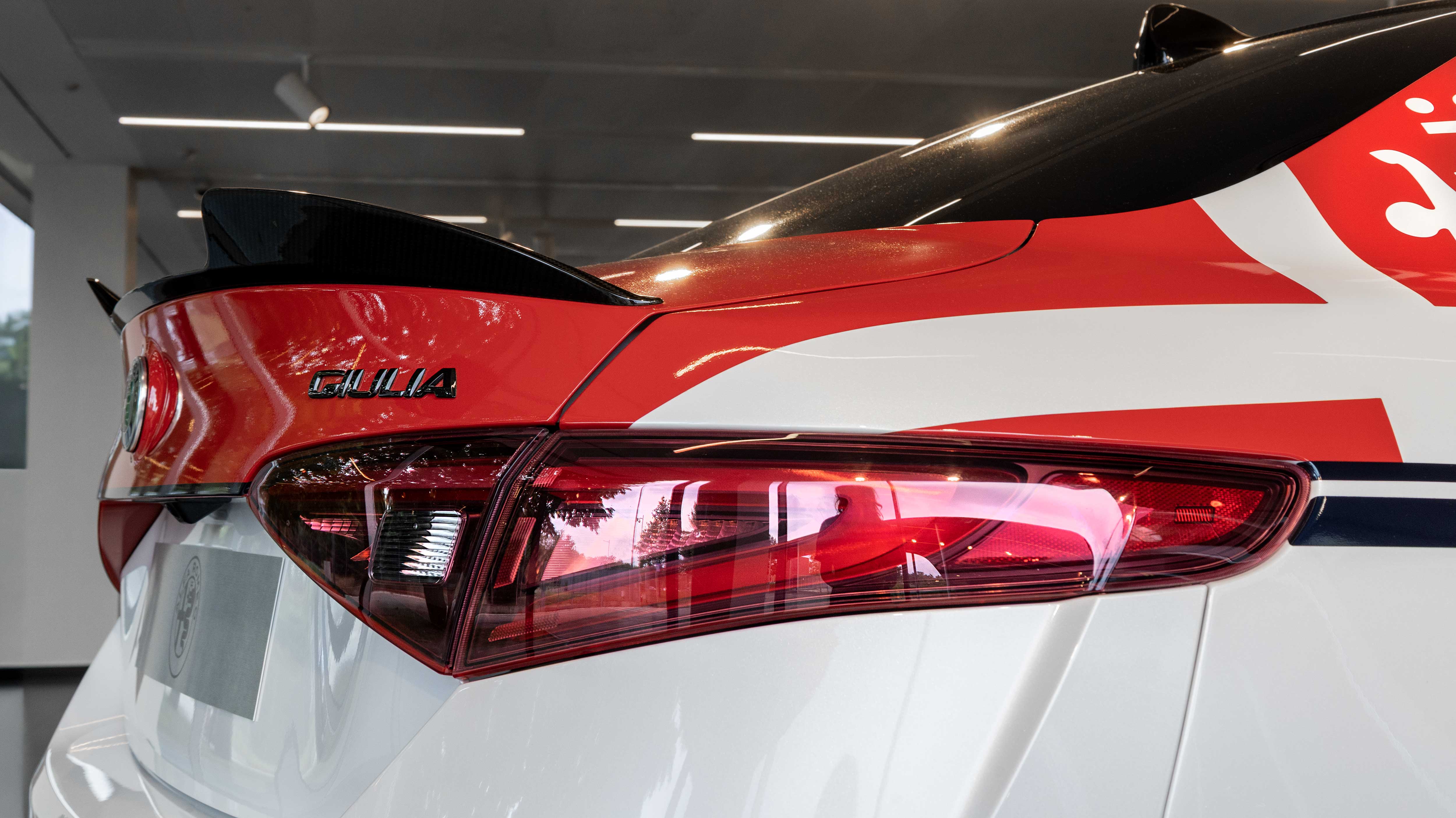
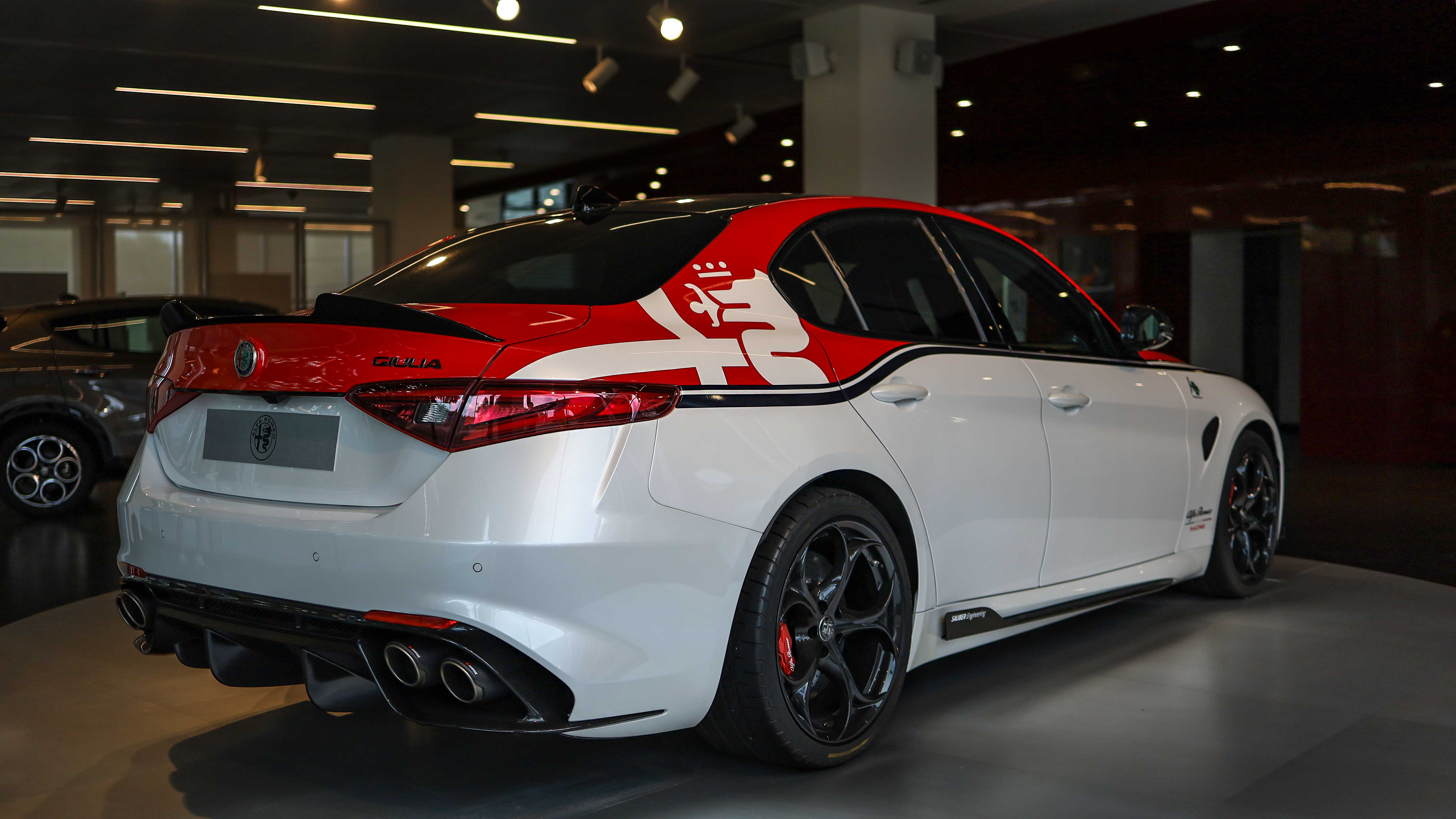
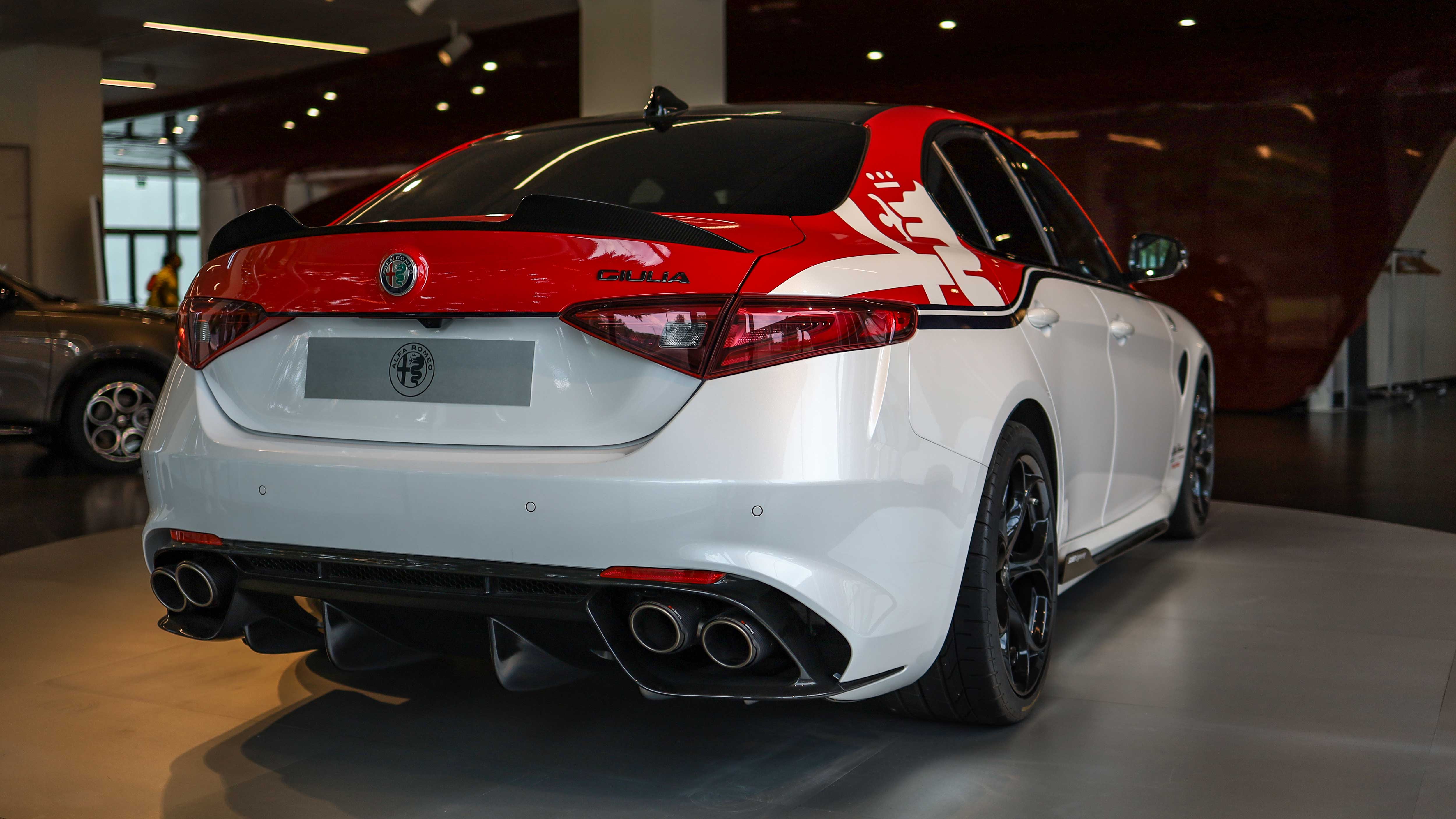
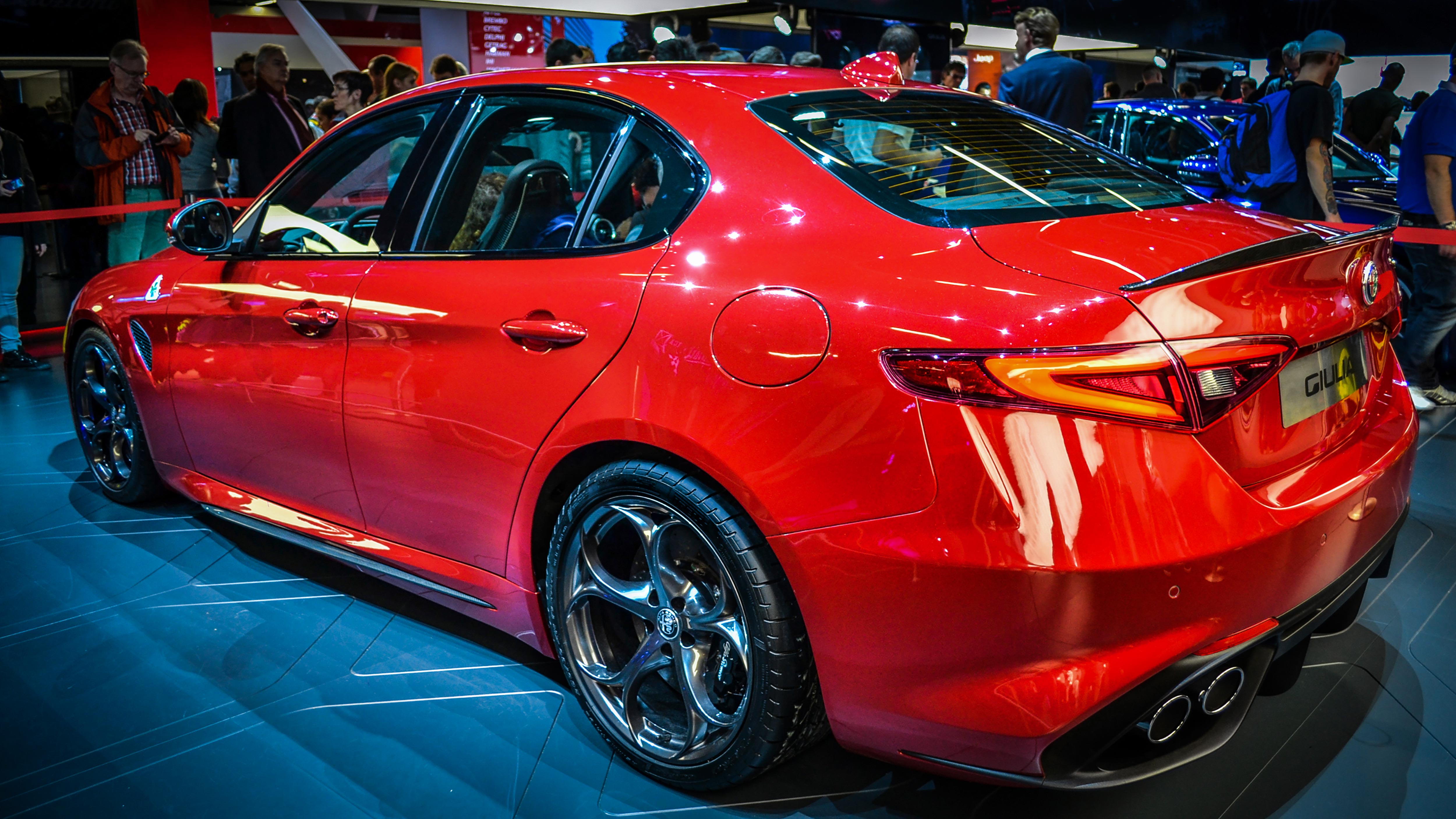
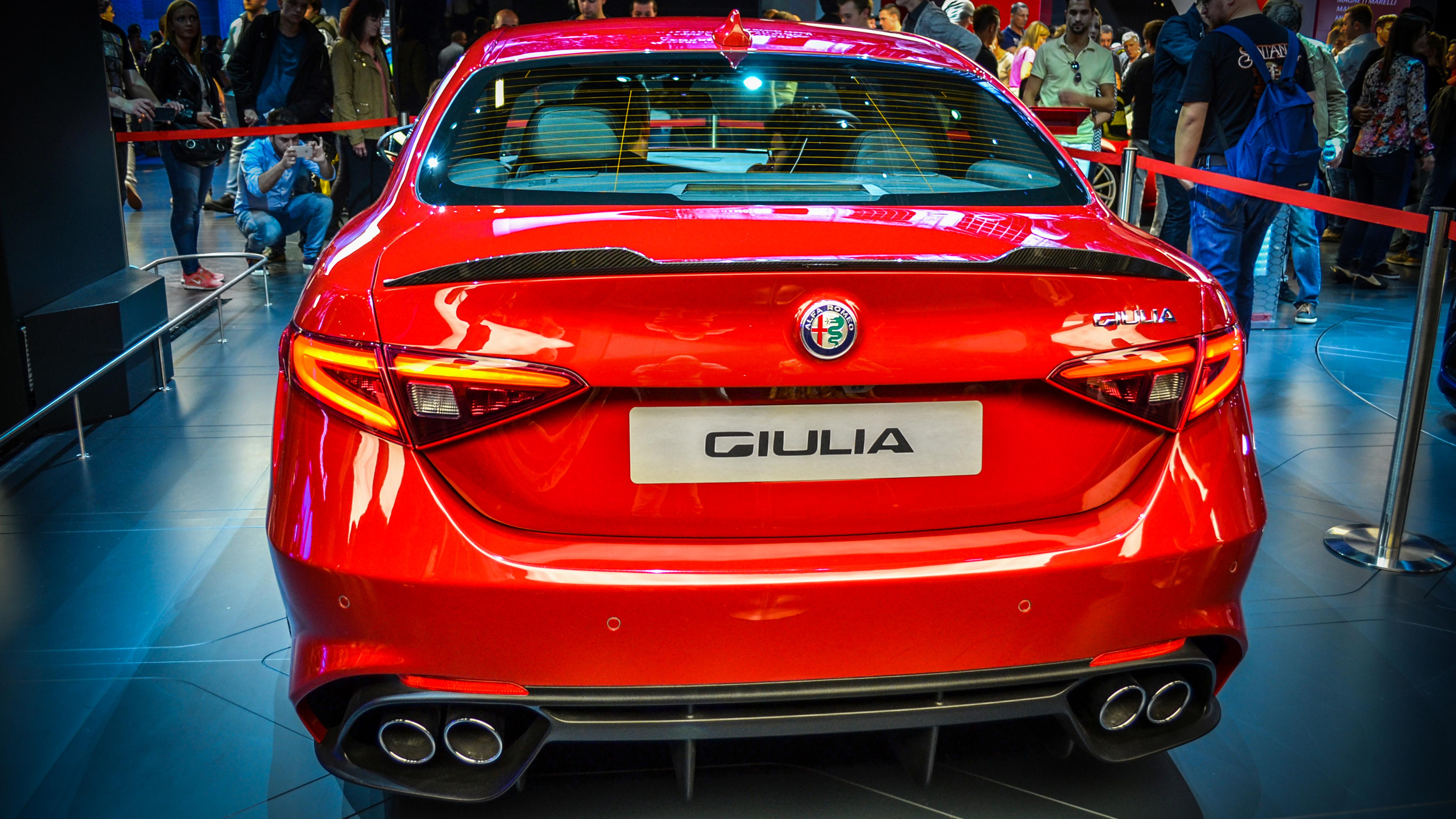
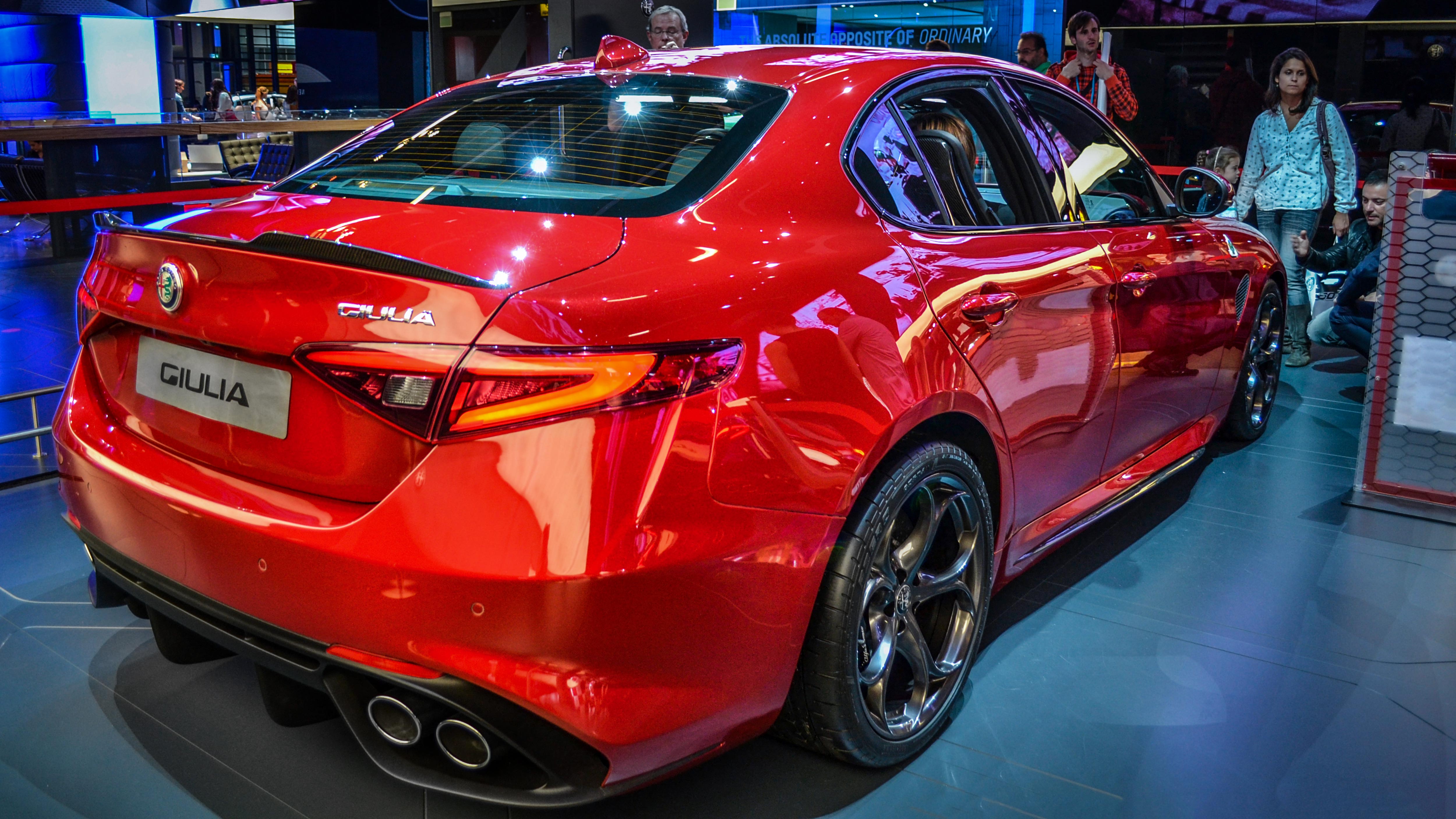
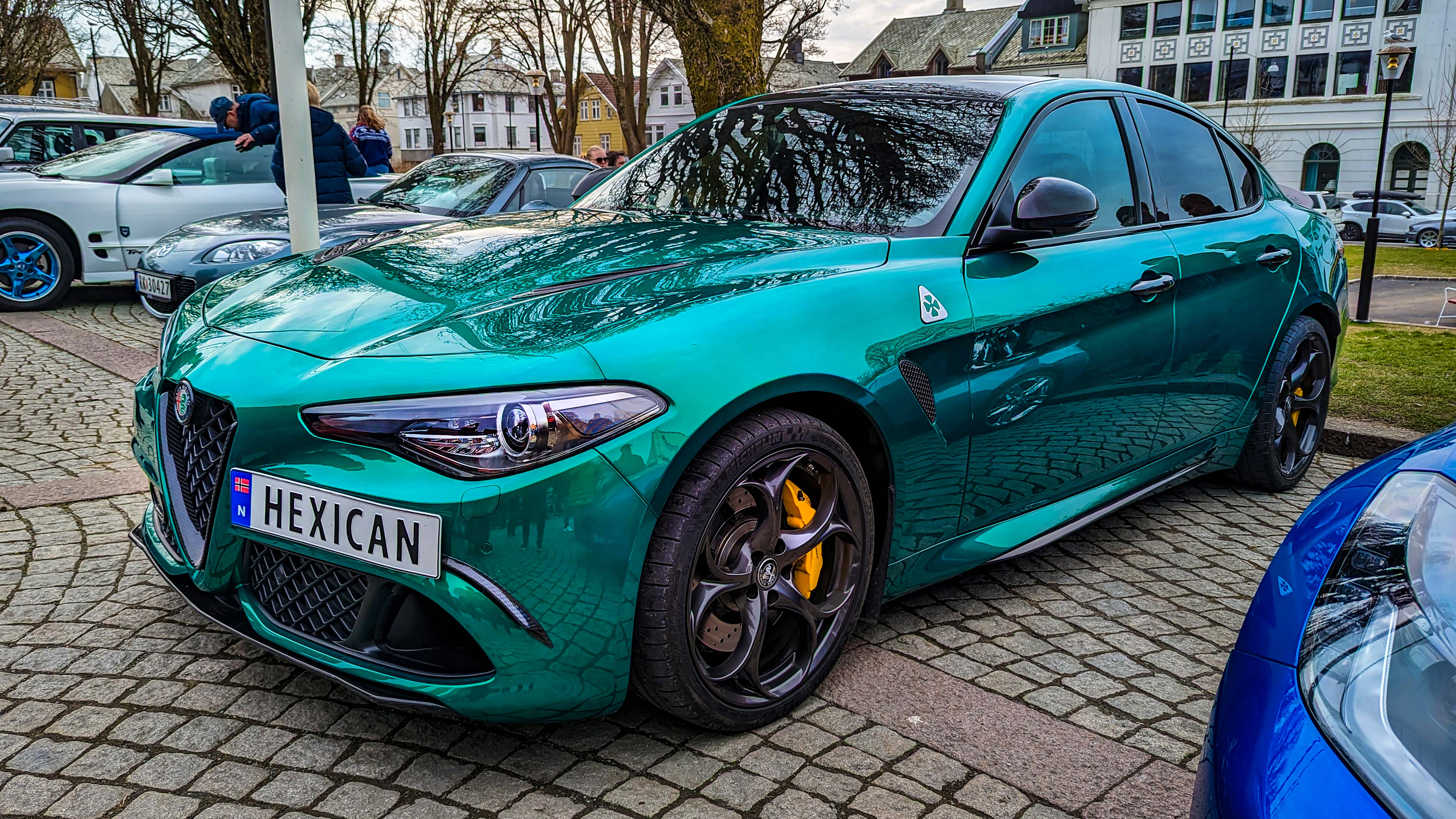
The Giulia Quadrifoglio Racing Edition (2018) celebrated Alfa Romeo’s return to top-level motorsport. As a result, its 2.9 twin-turbo V6 delivered 510 hp, while carbon-fiber details and reduced weight added a clear track-focused character.
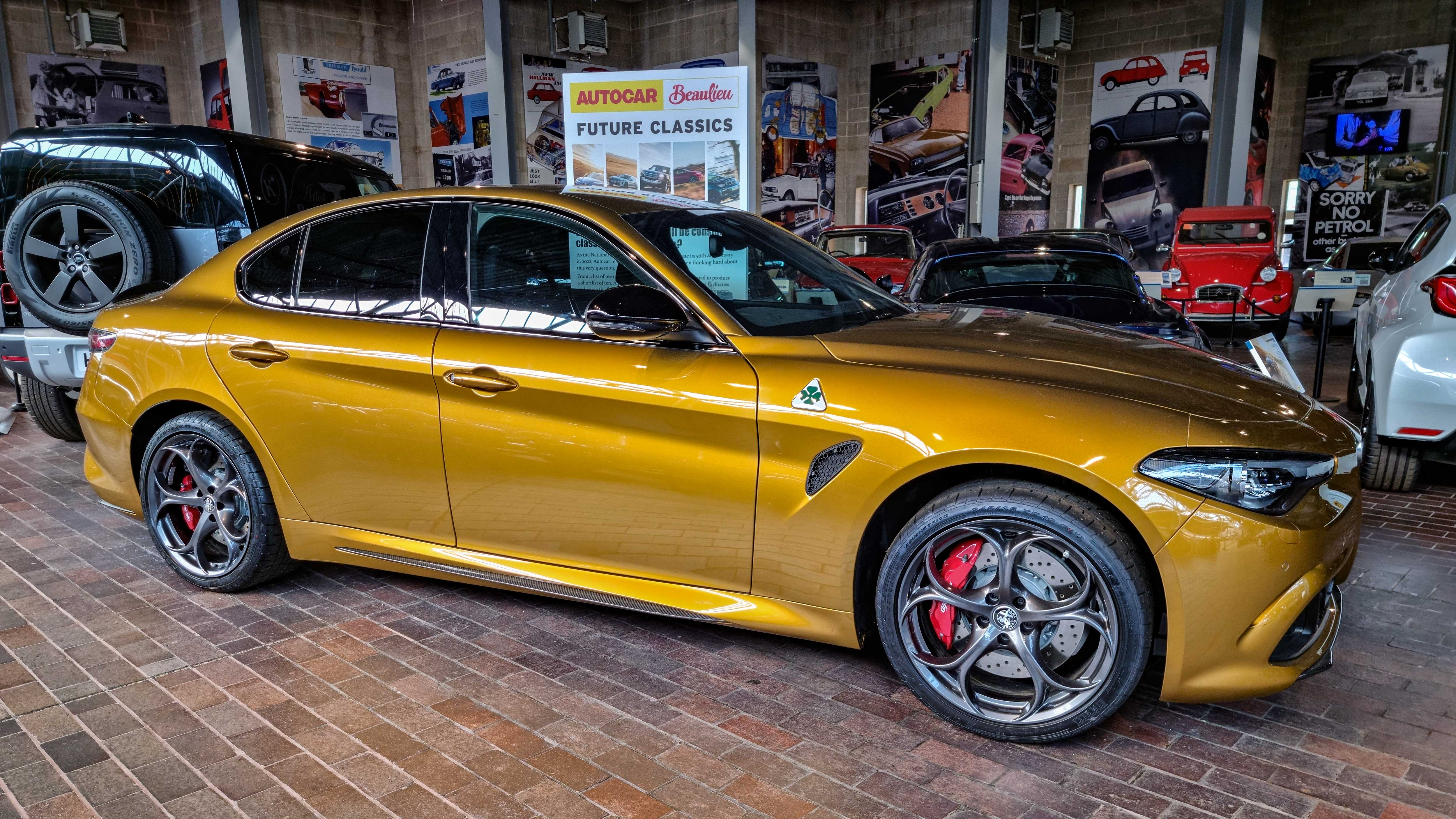
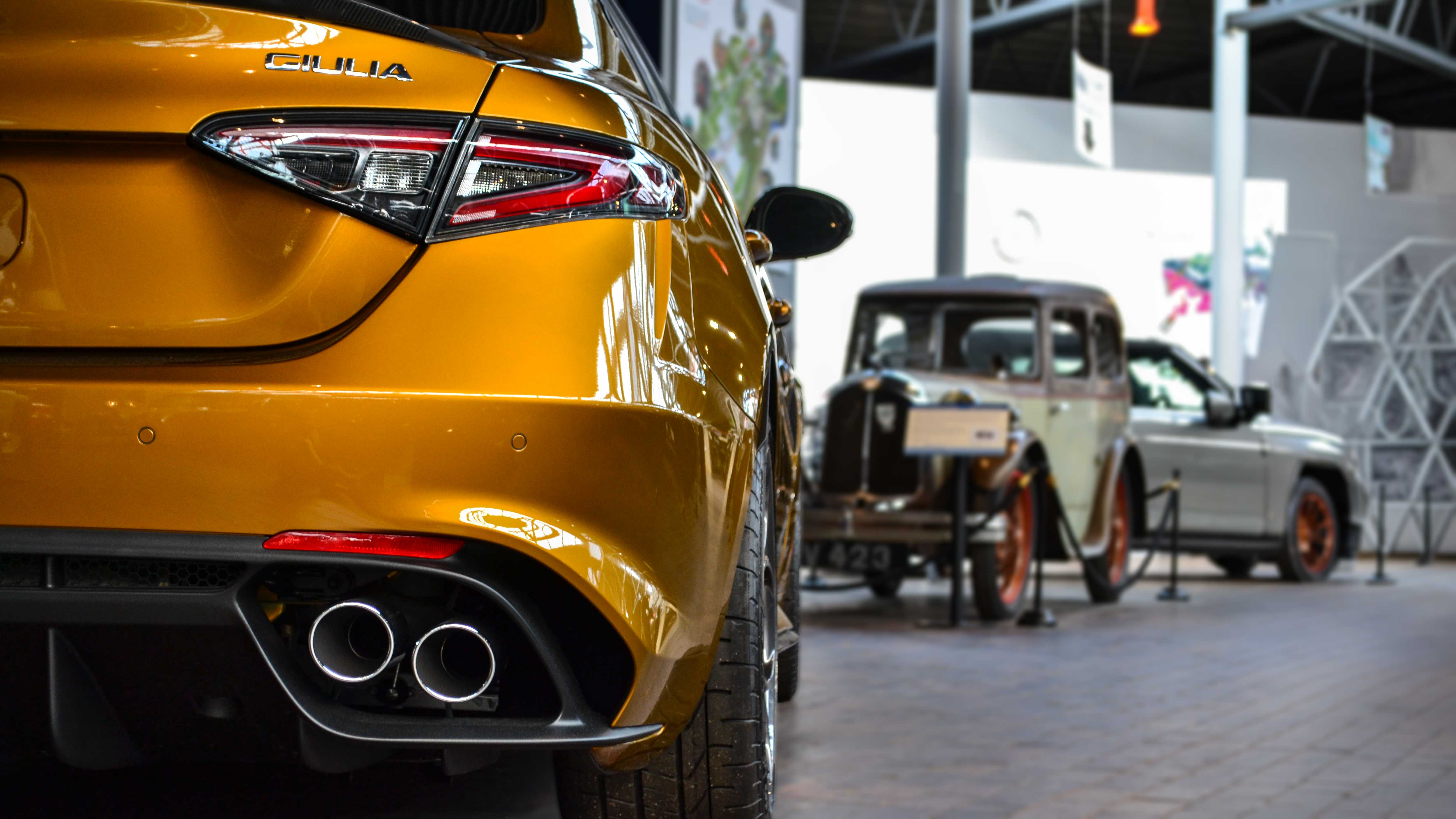
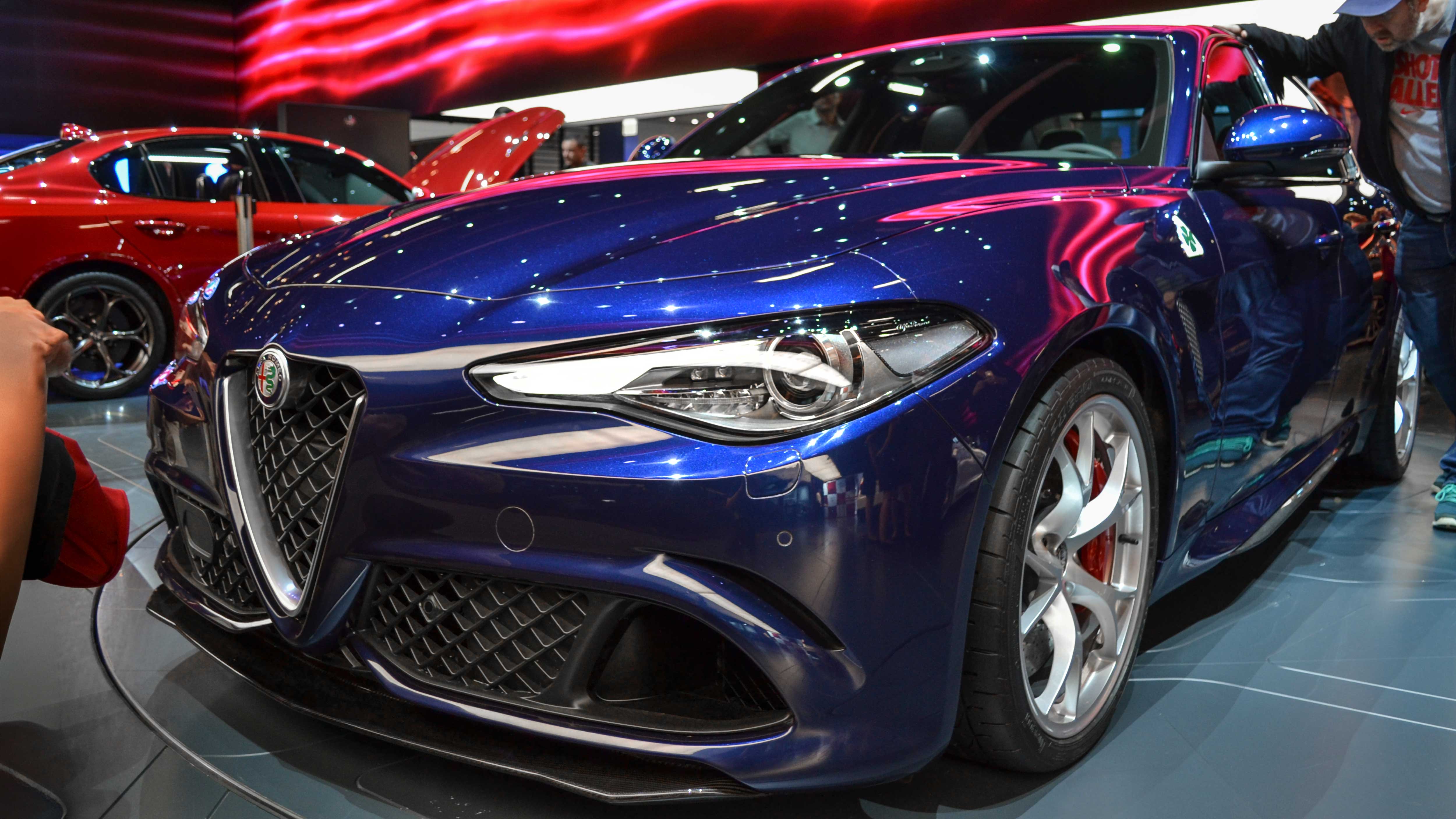
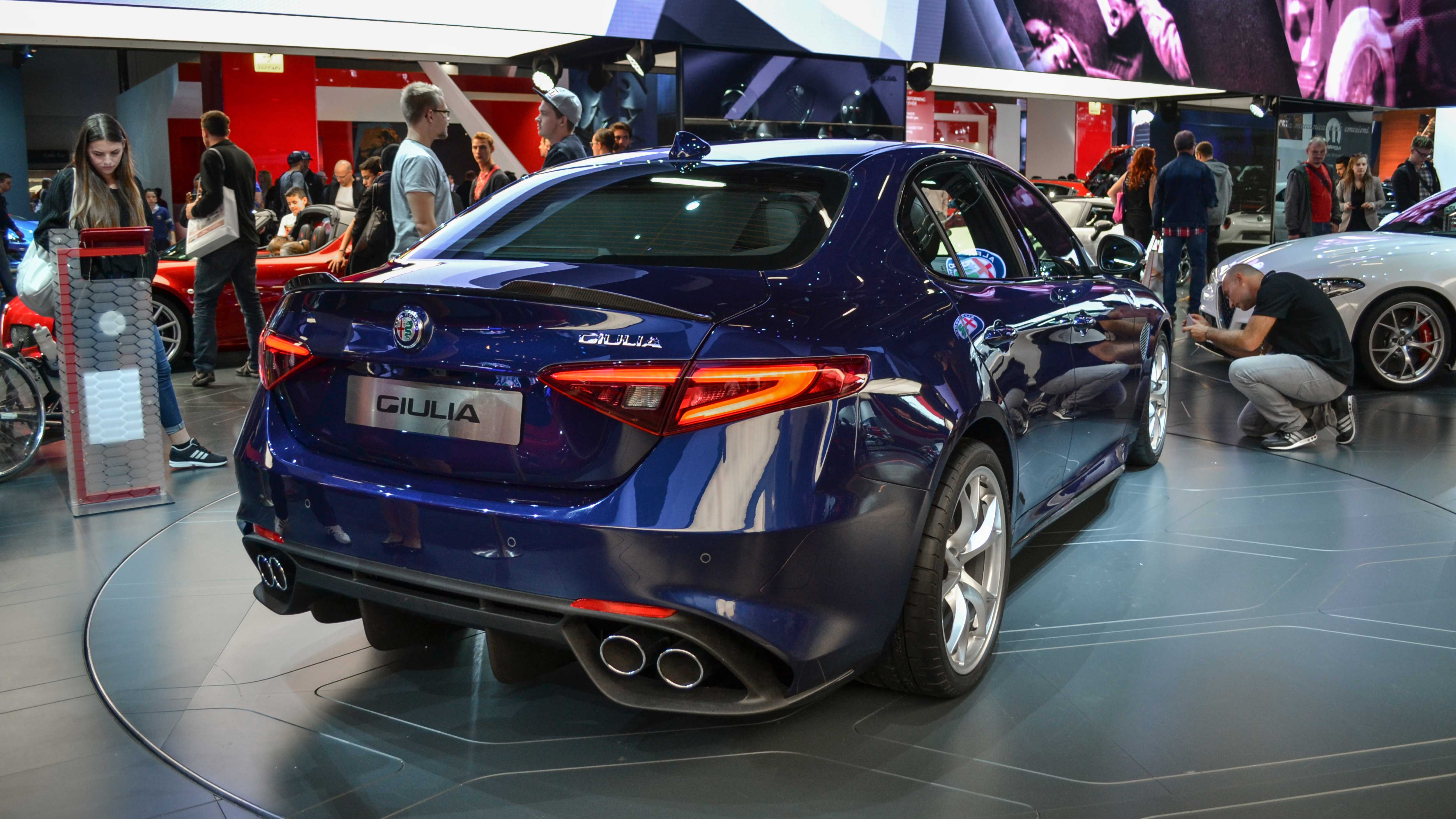
Giulia Quadrifoglio
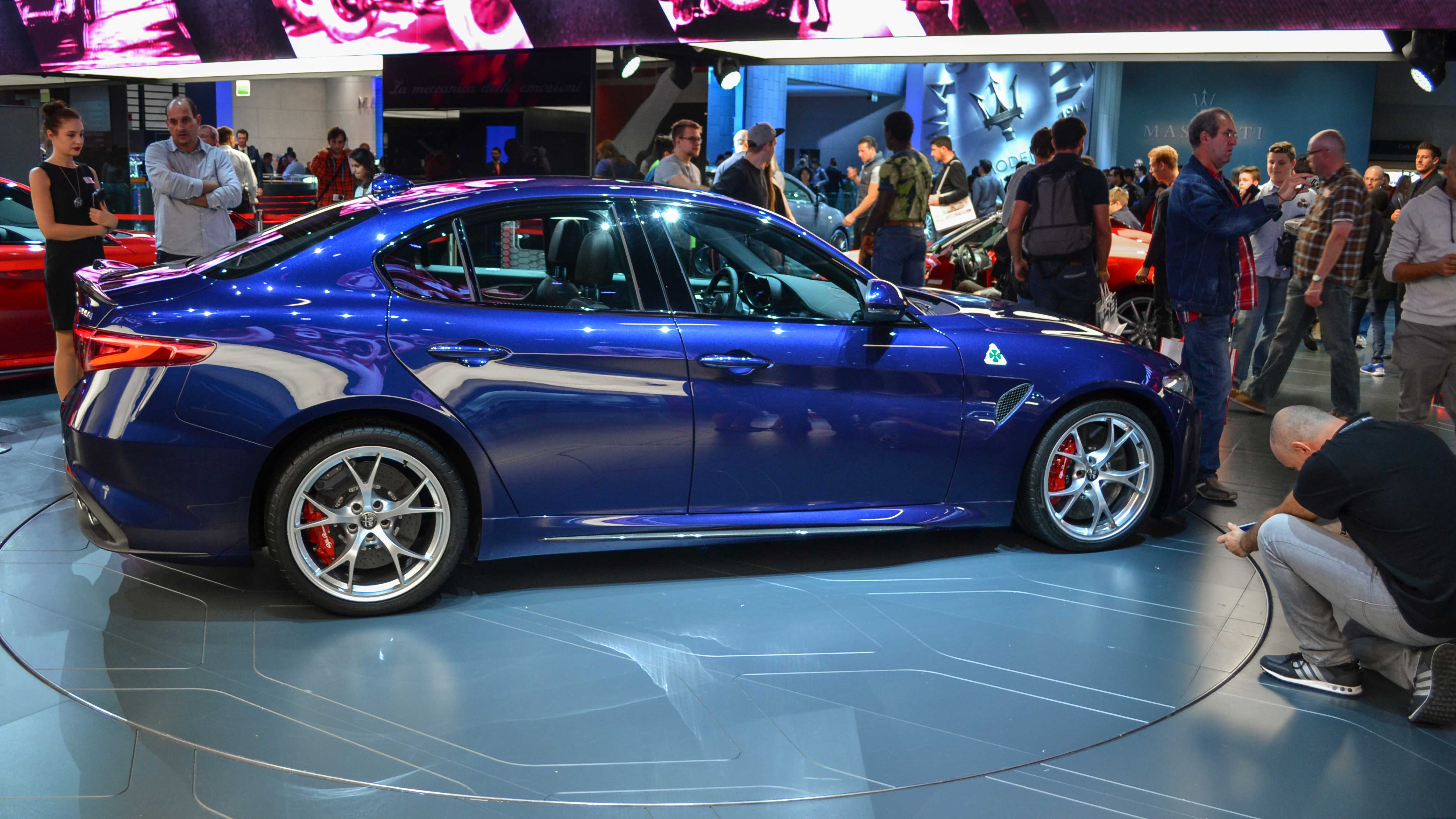
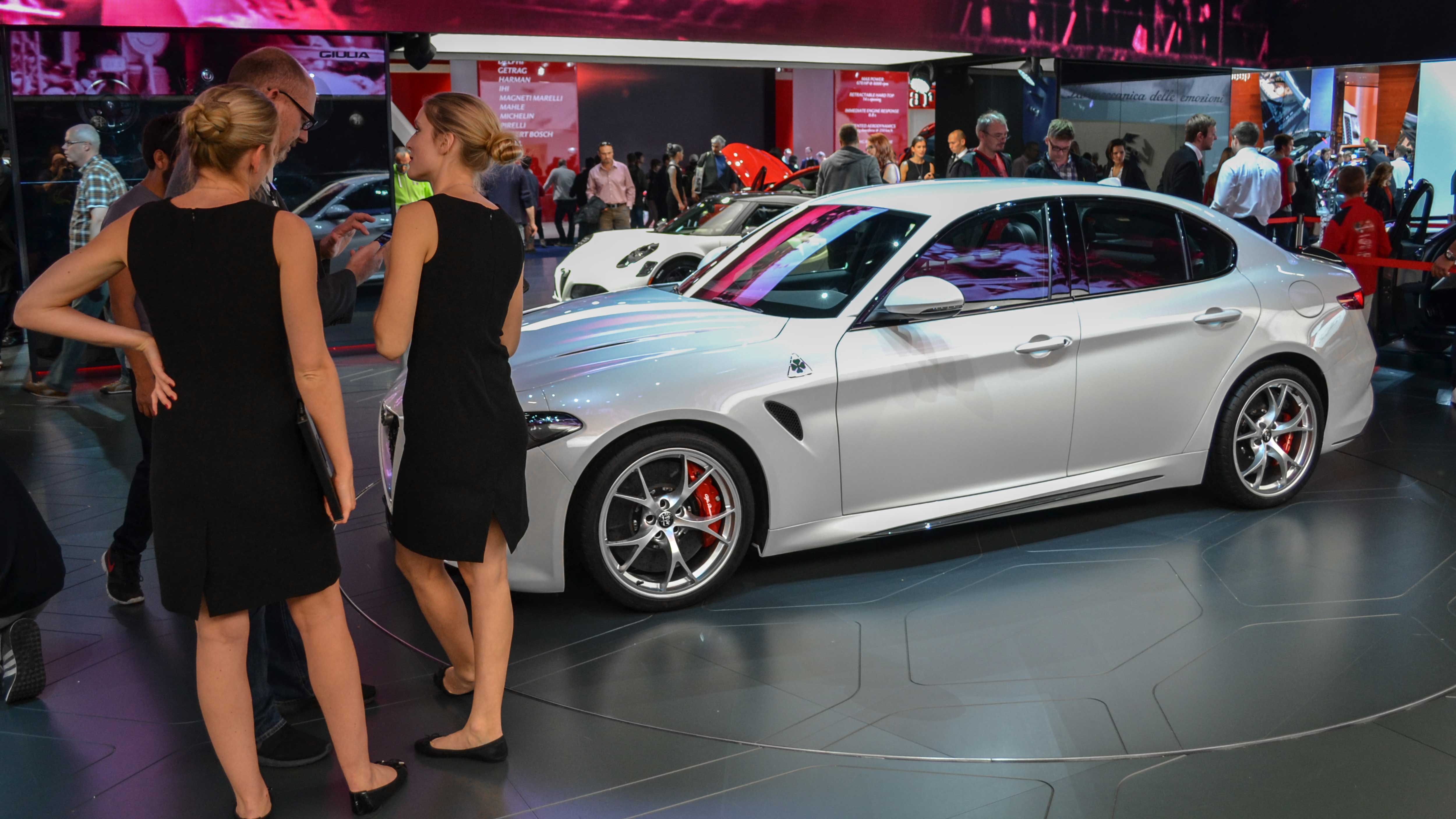
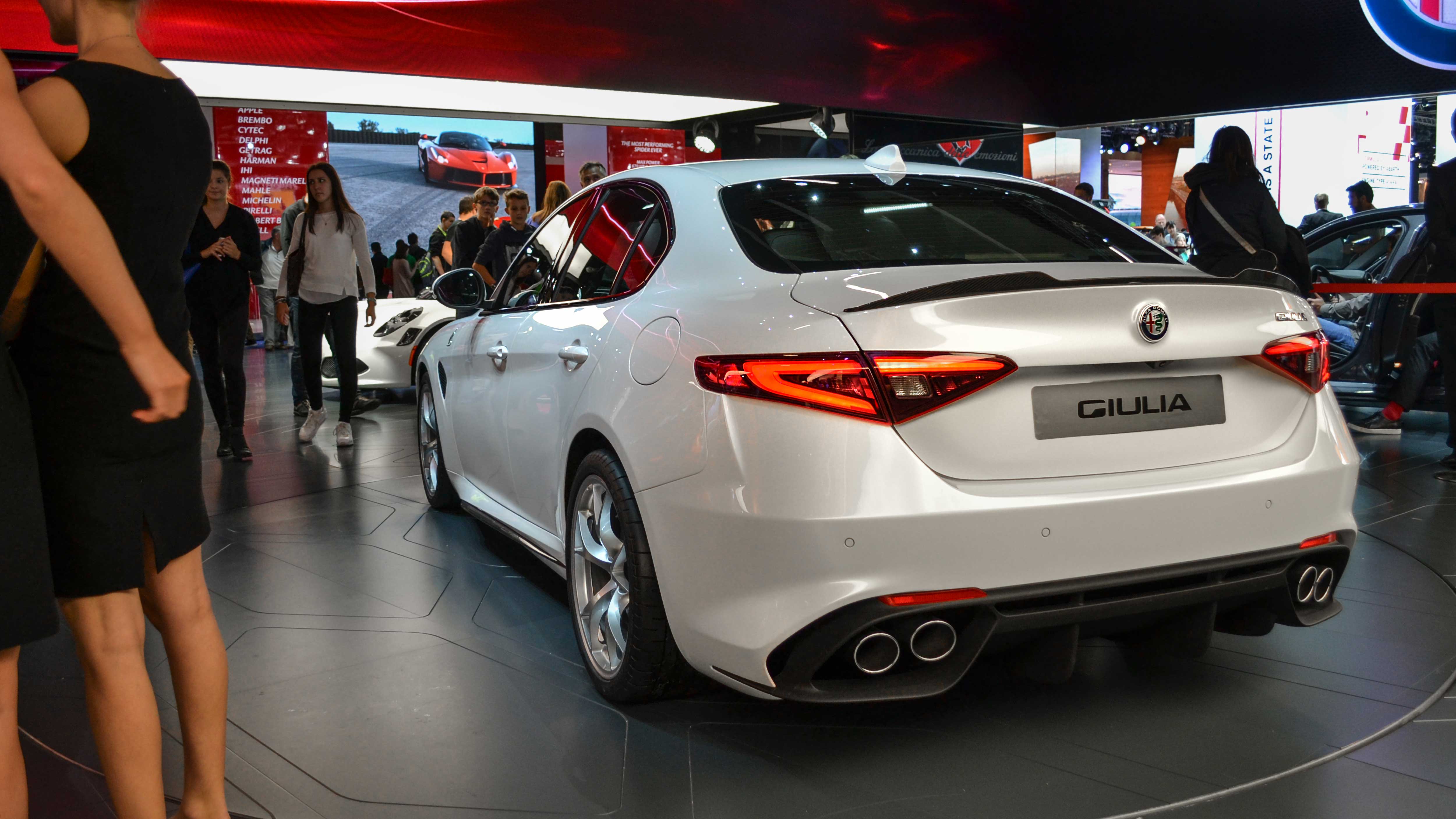
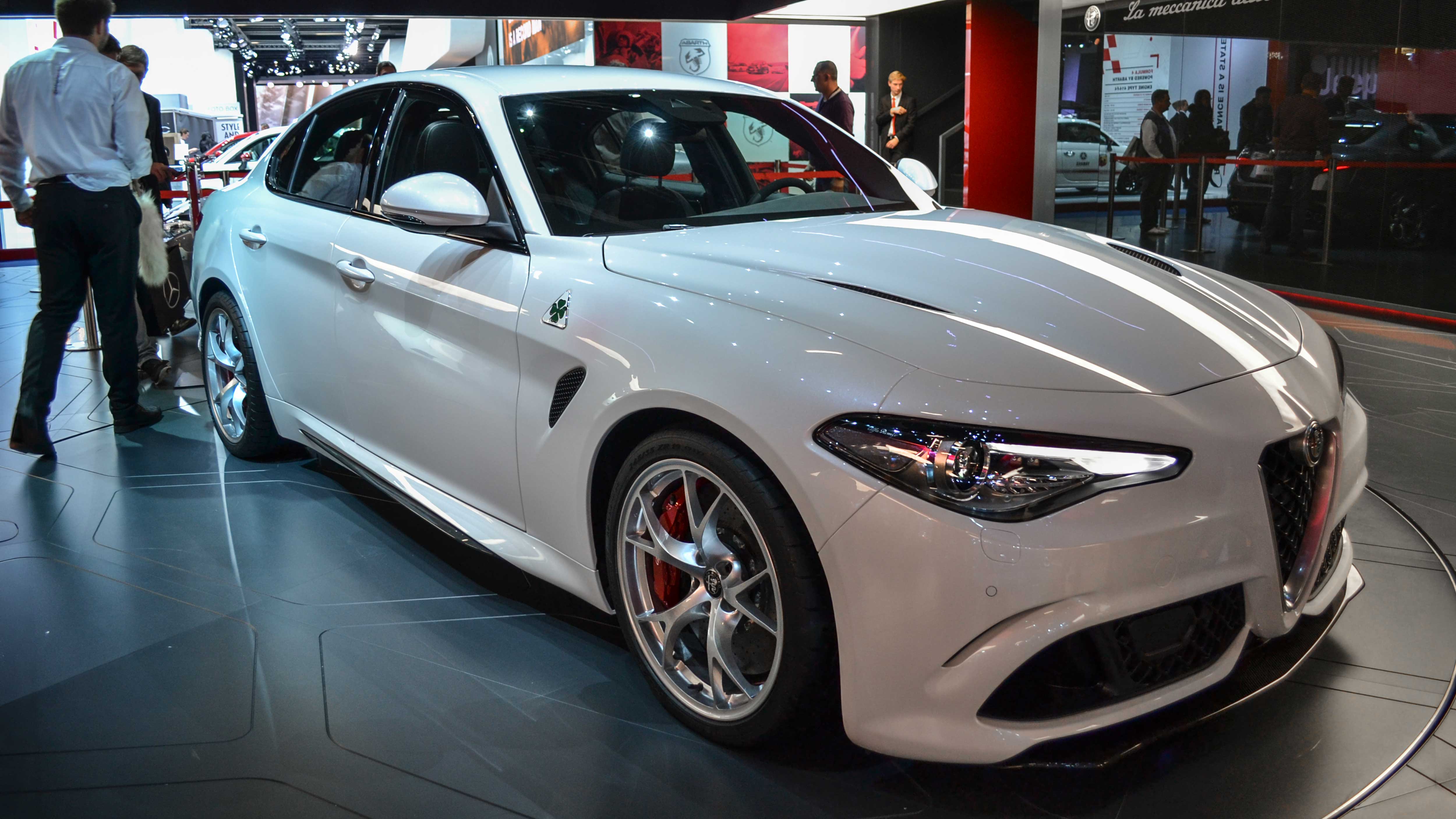
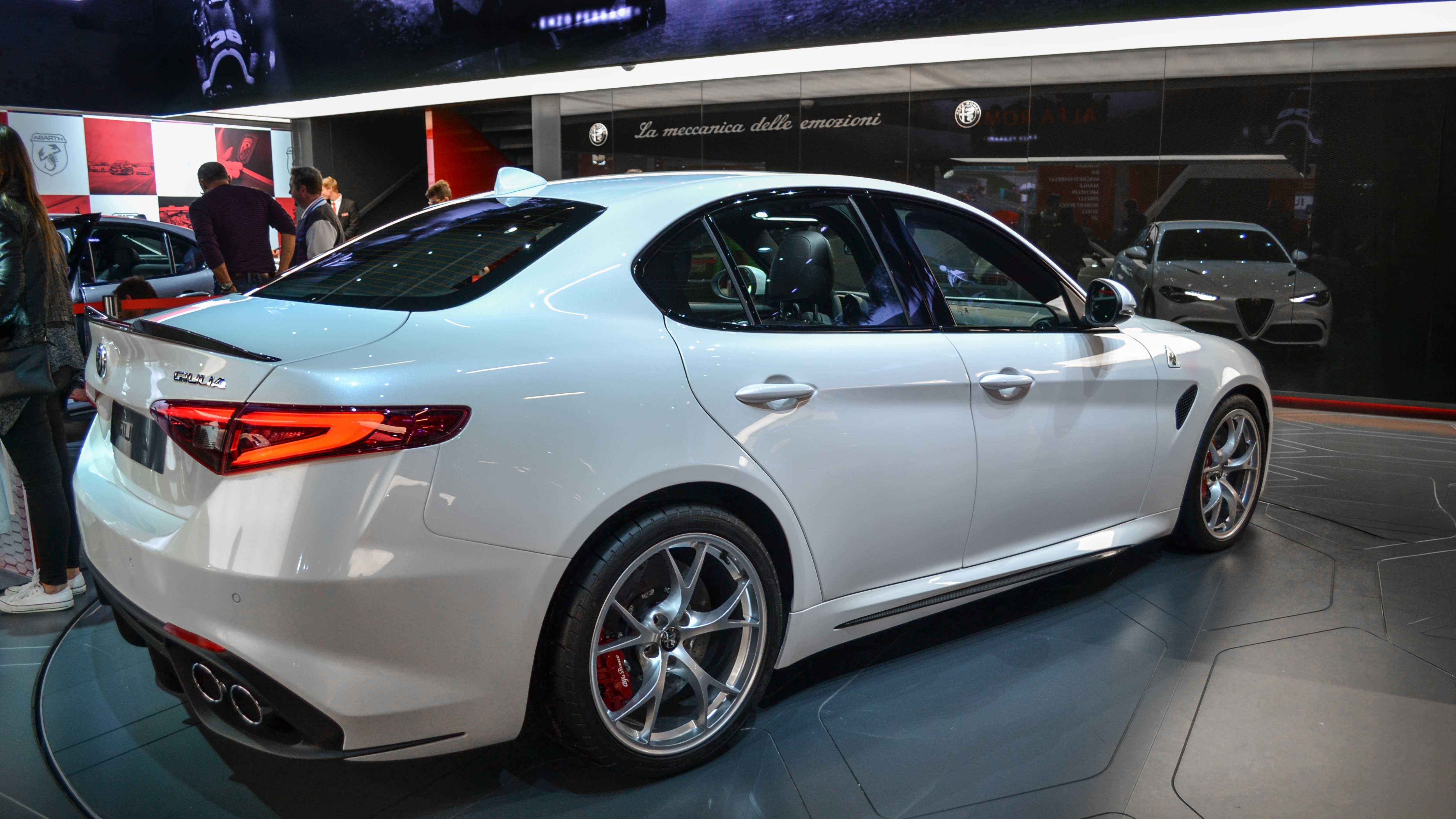
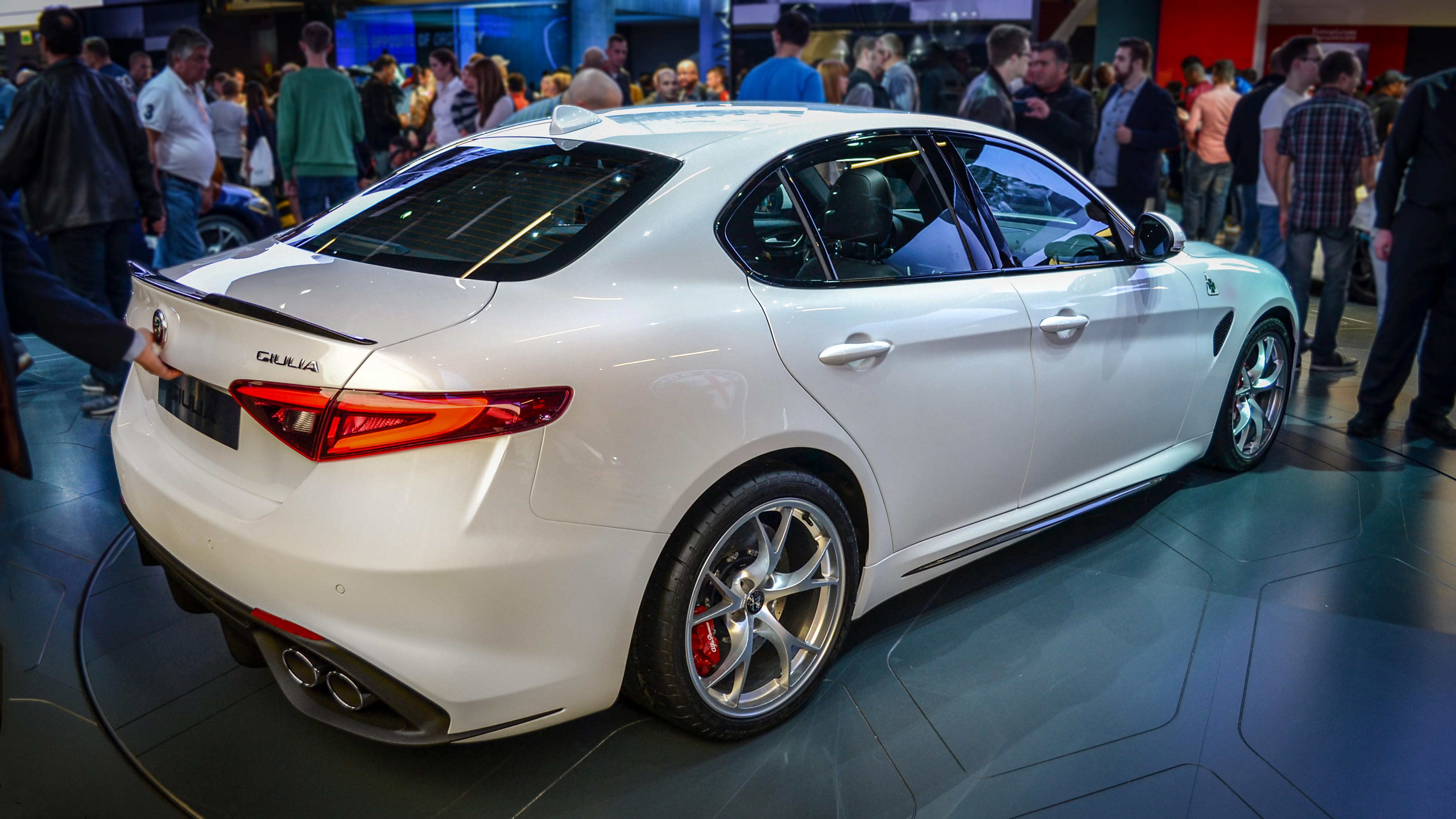
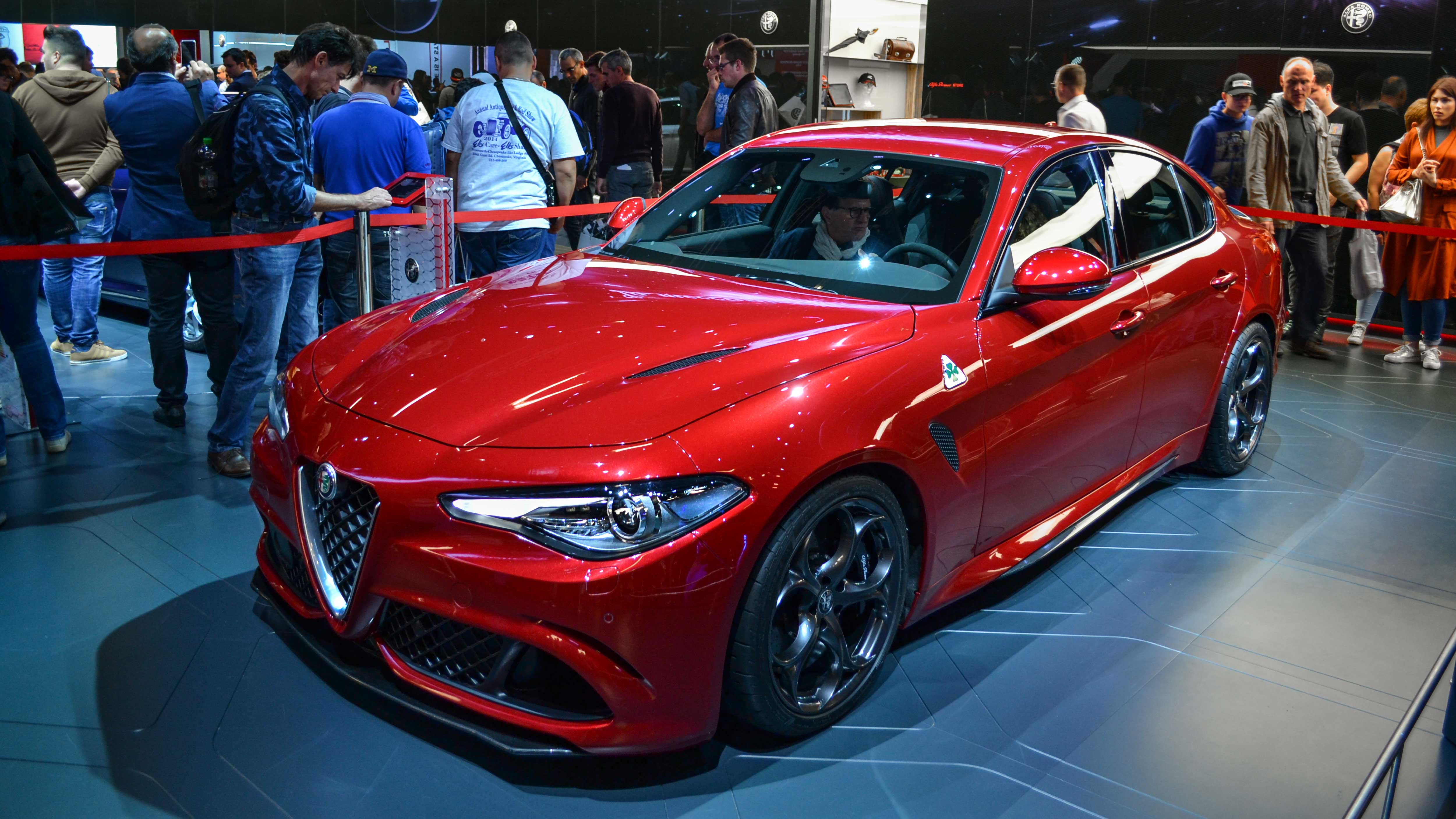
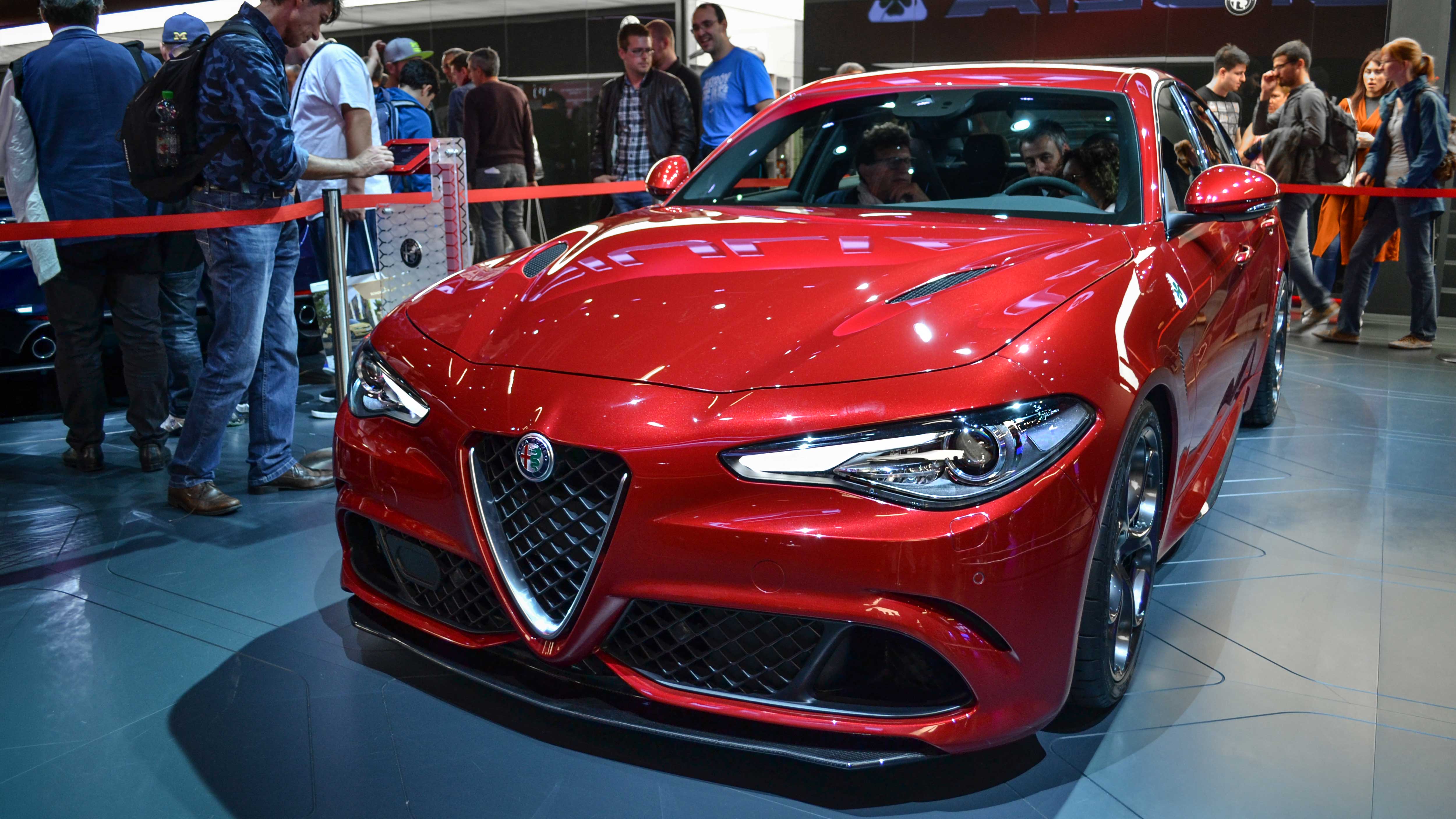
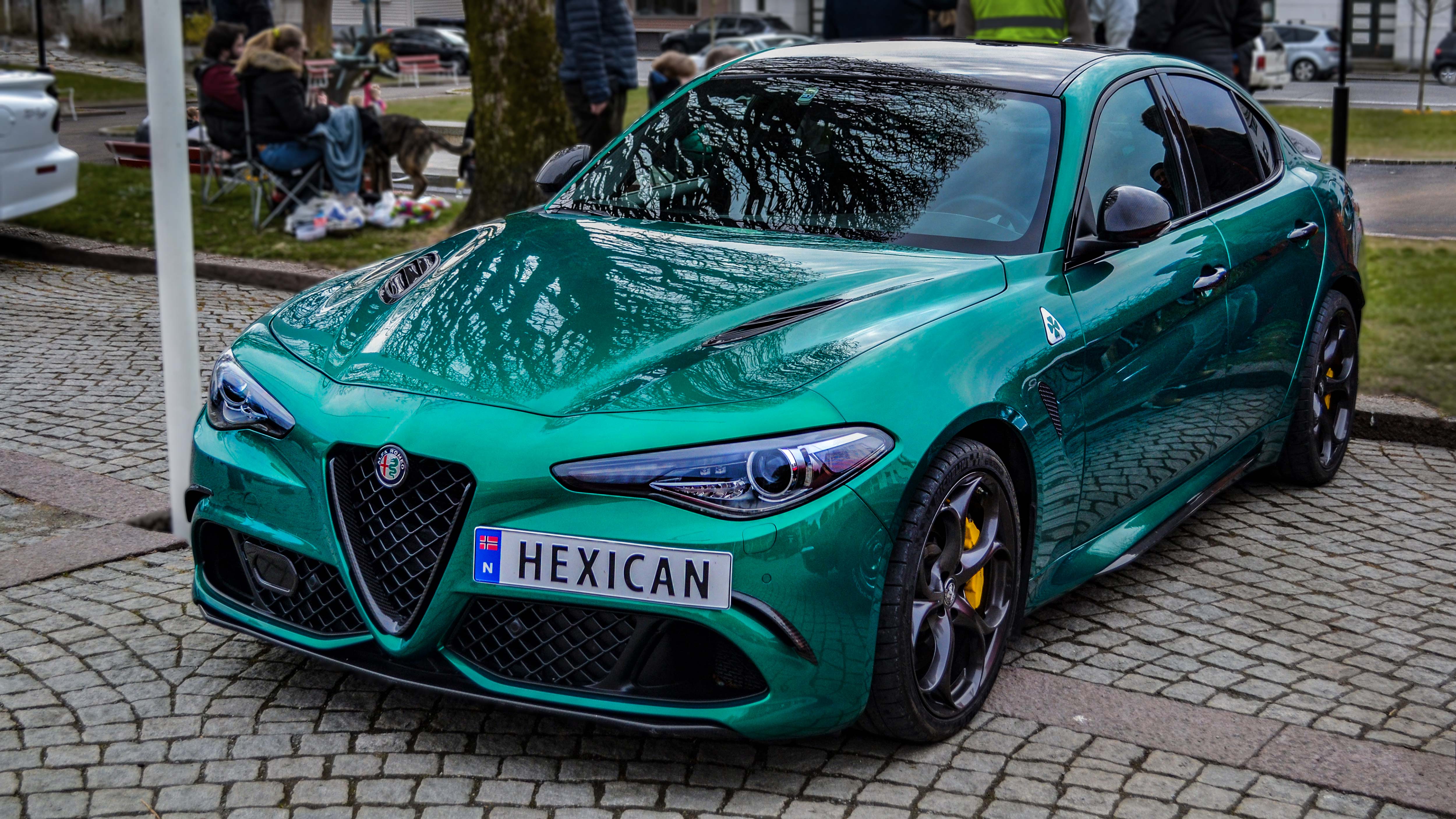
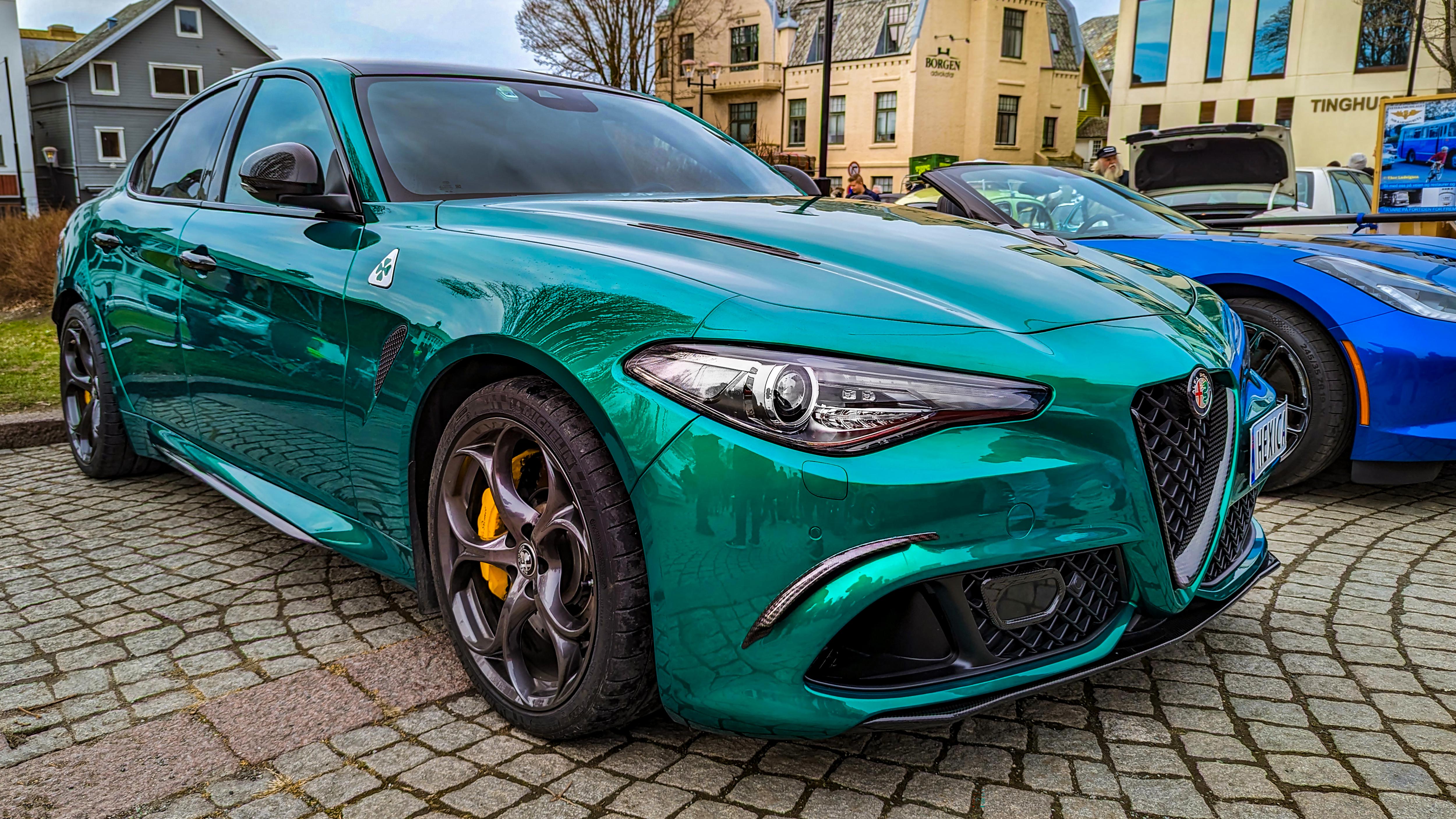
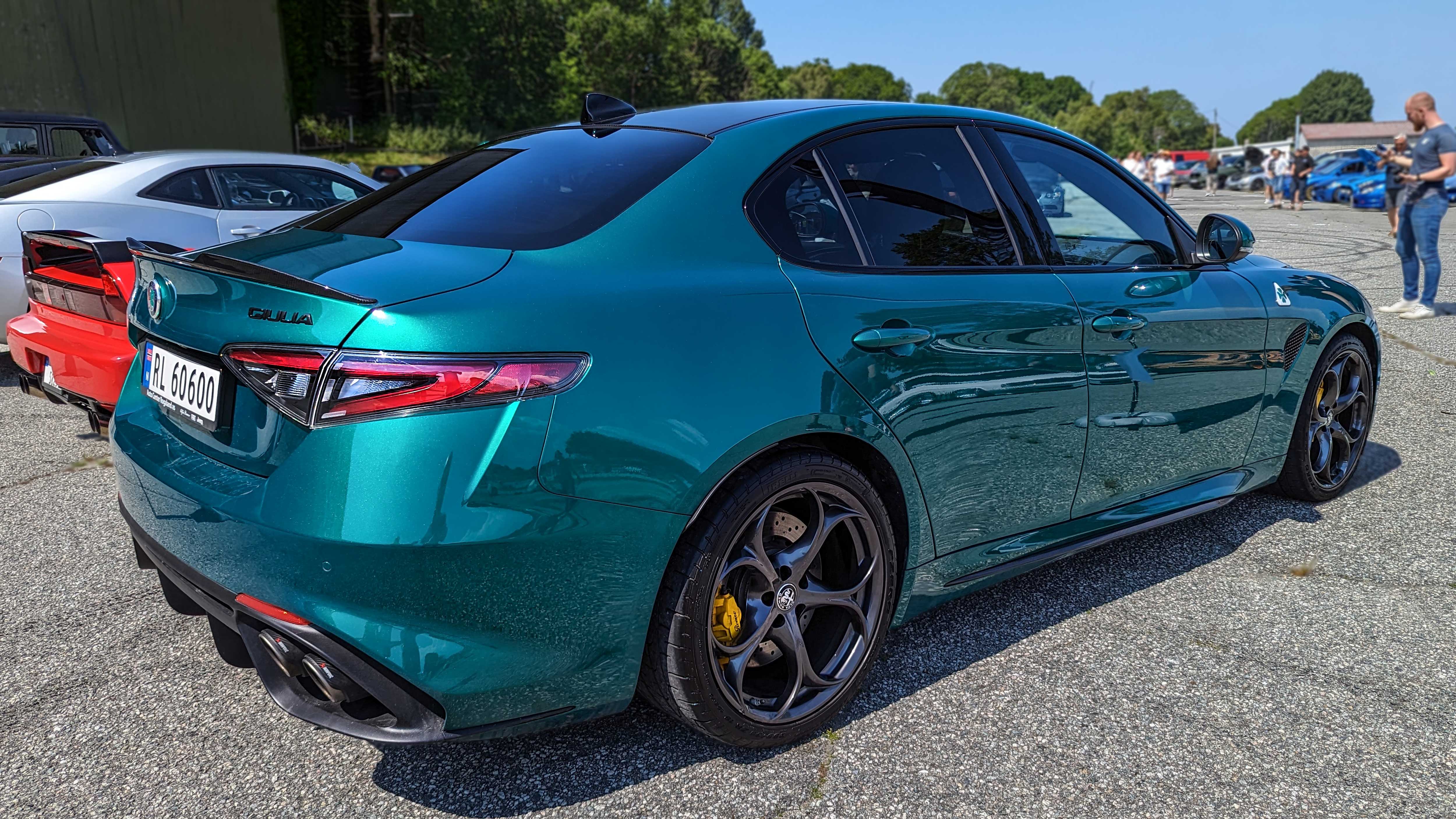
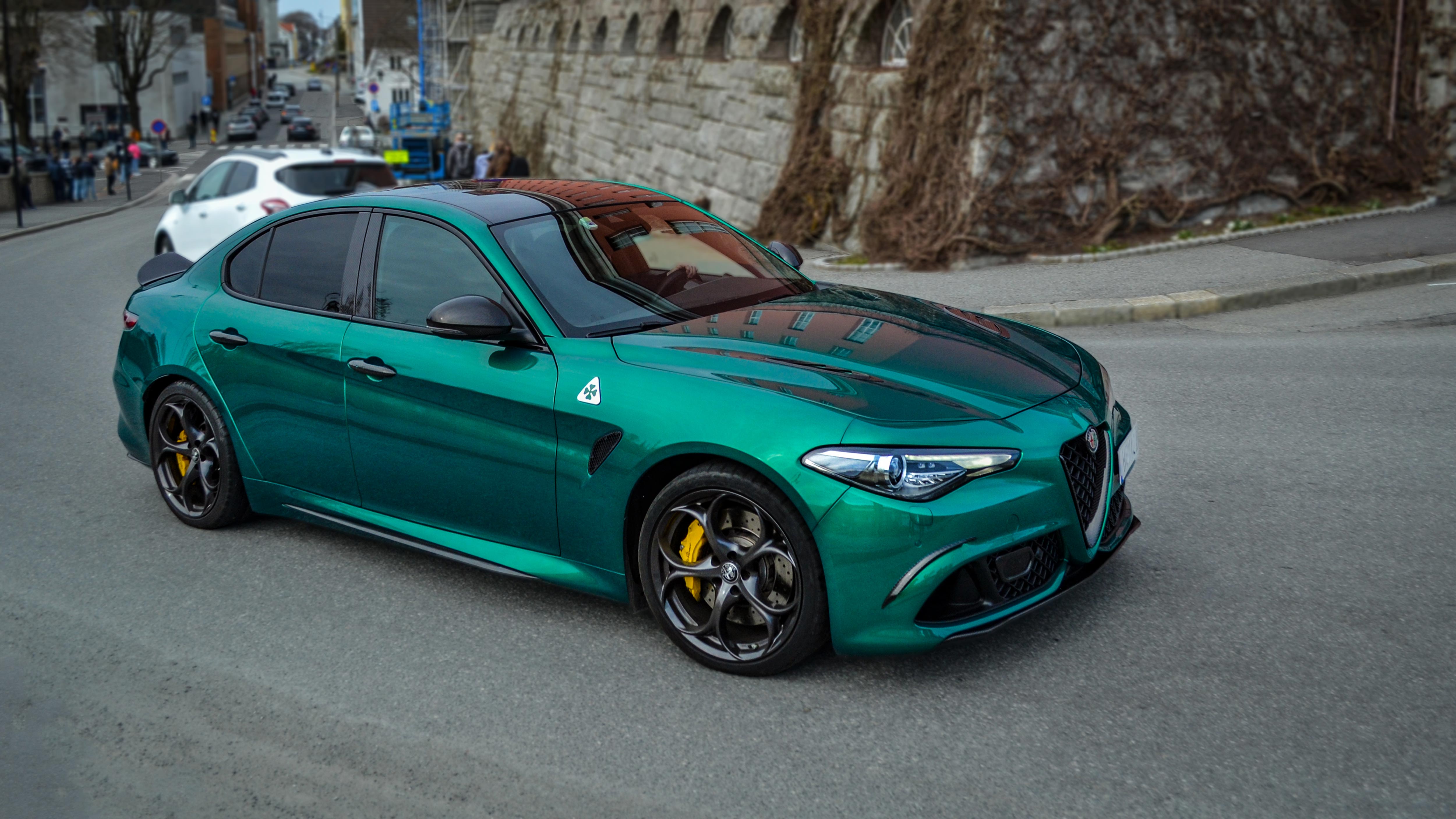
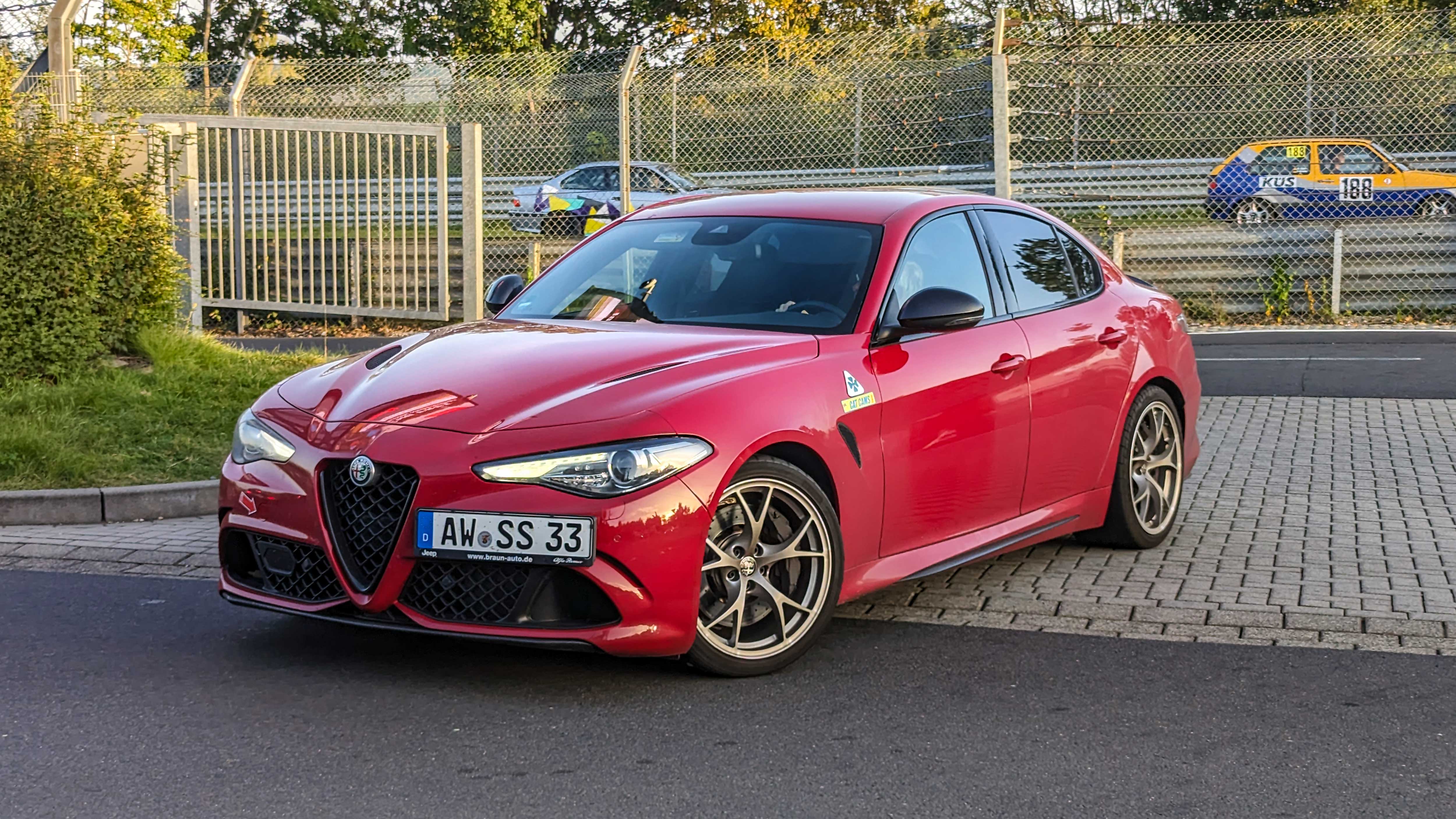
The Alfa Romeo Giulia Quadrifoglio (2016–today) represents Alfa Romeo’s modern high-performance sports sedan. As a result, its 2.9 twin-turbo V6 delivers 510 hp and pairs rear-wheel drive with sharp handling and track-focused engineering.

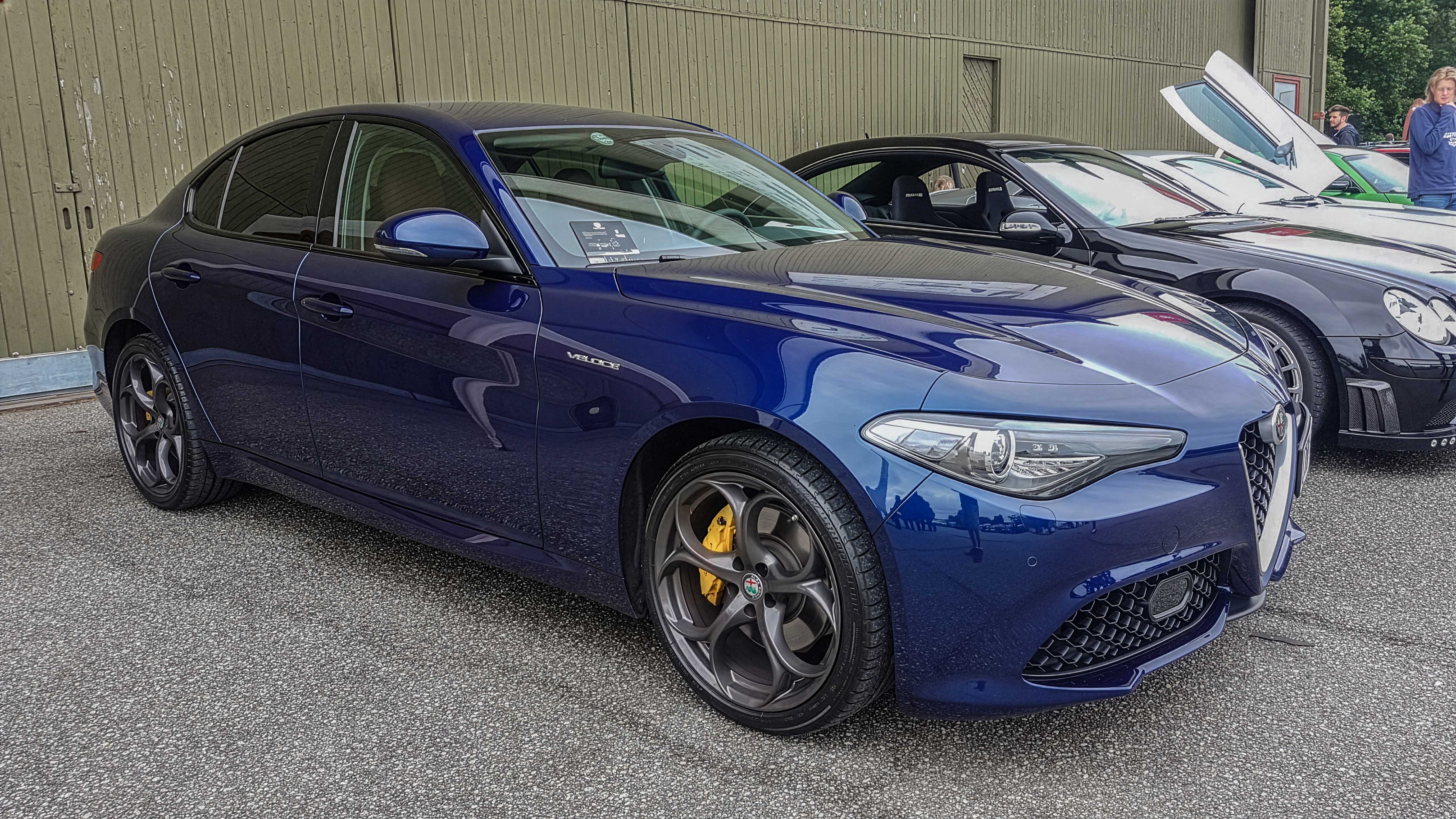
Giulia Veloce
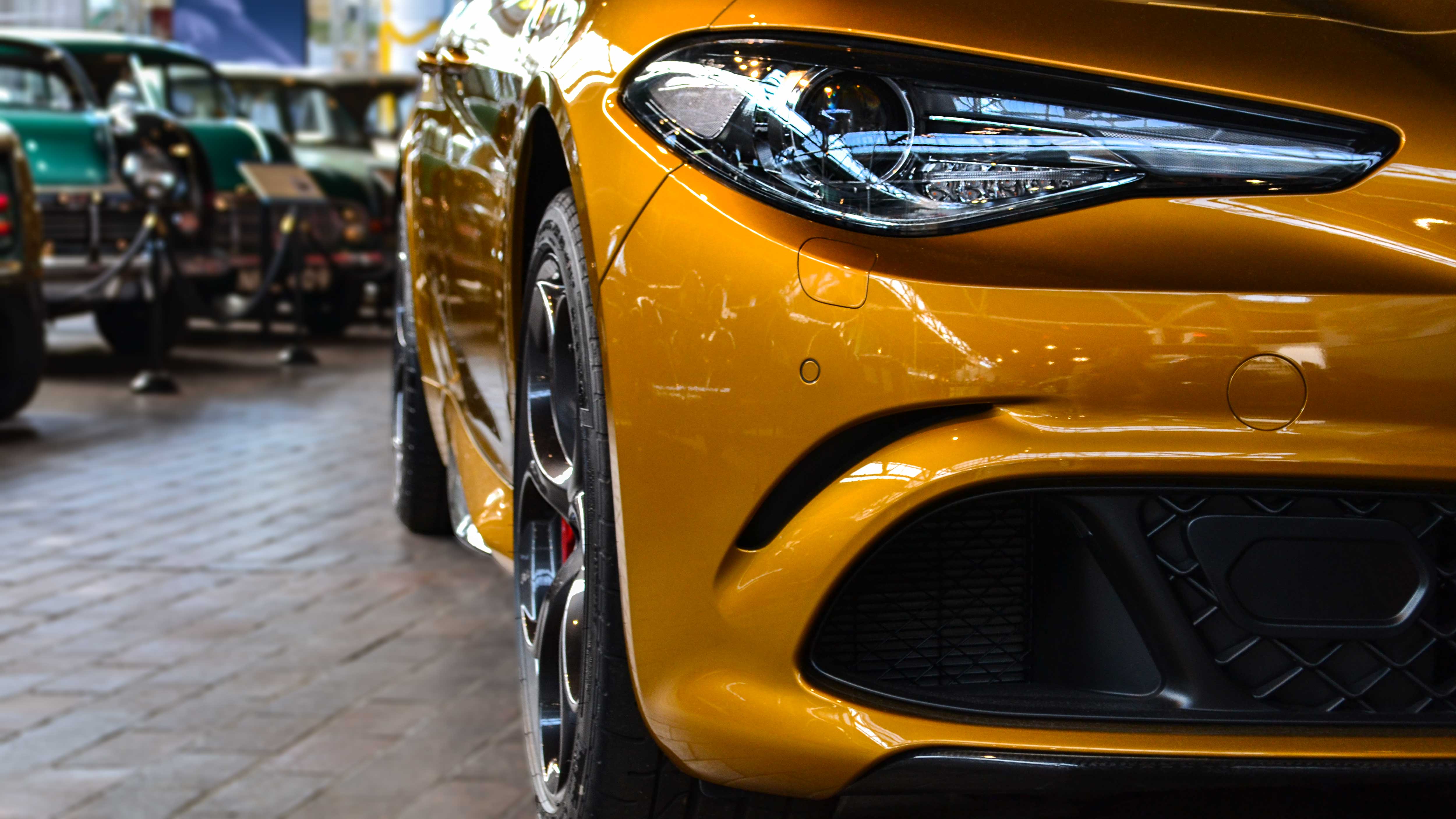
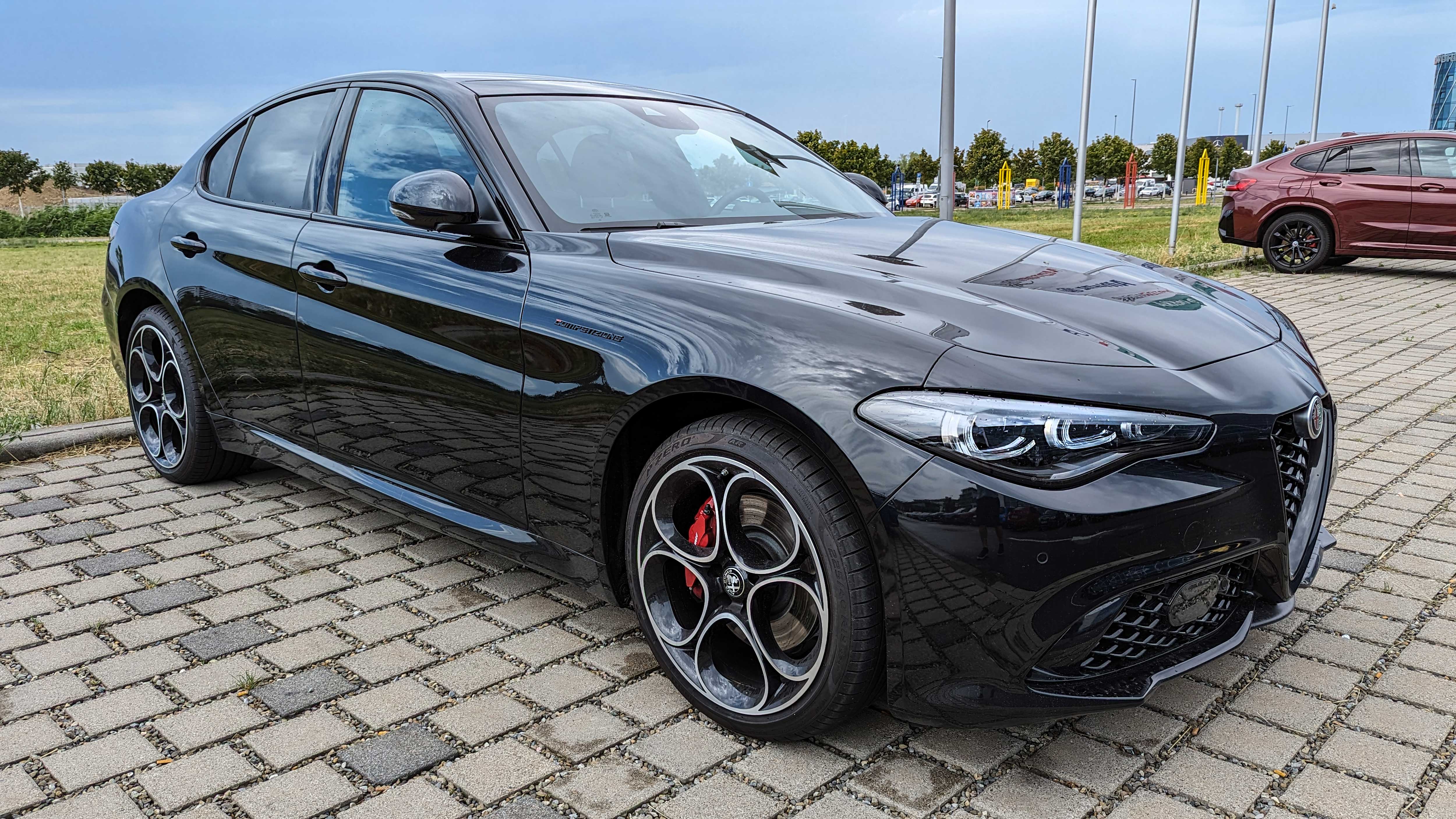
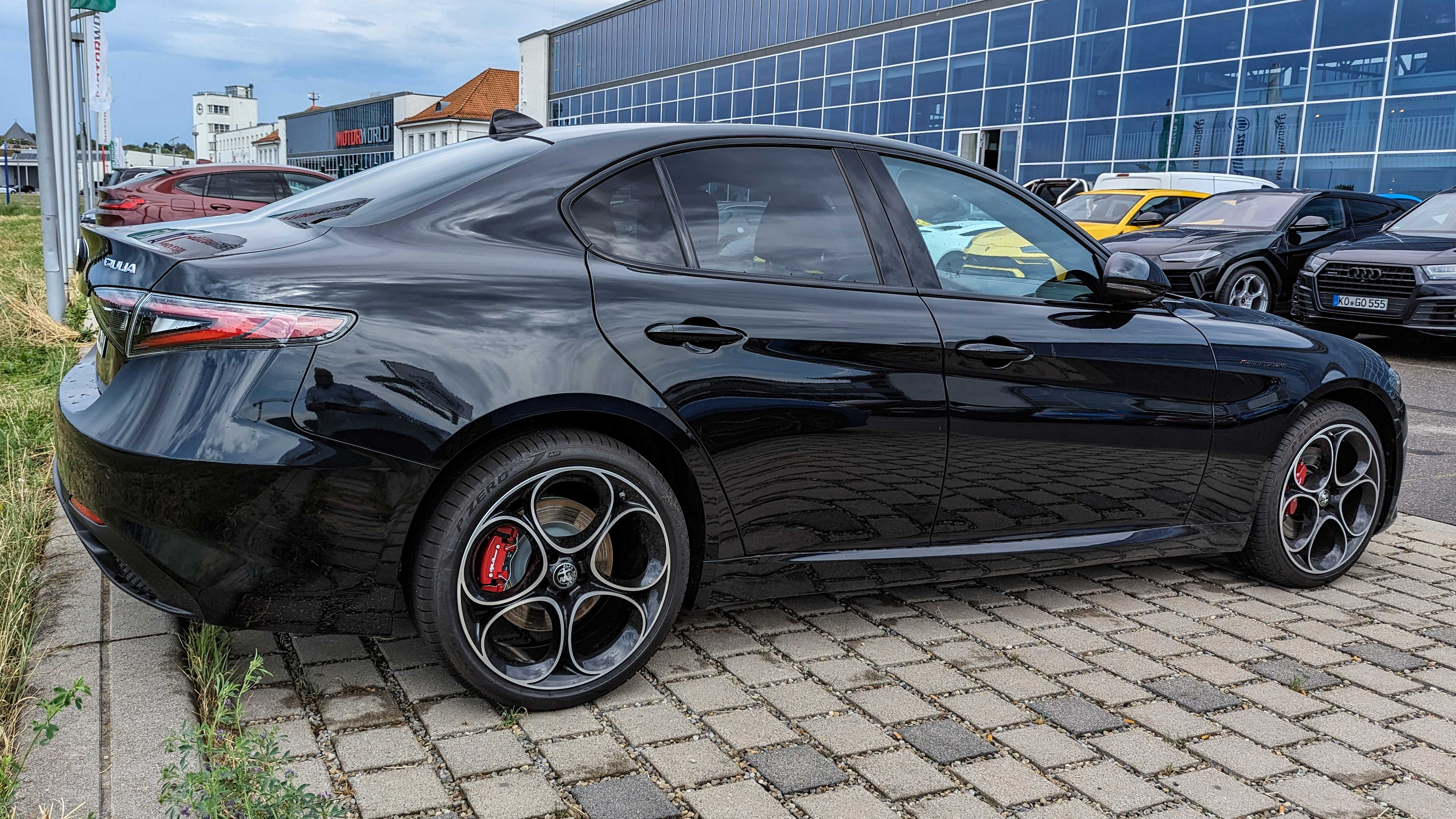
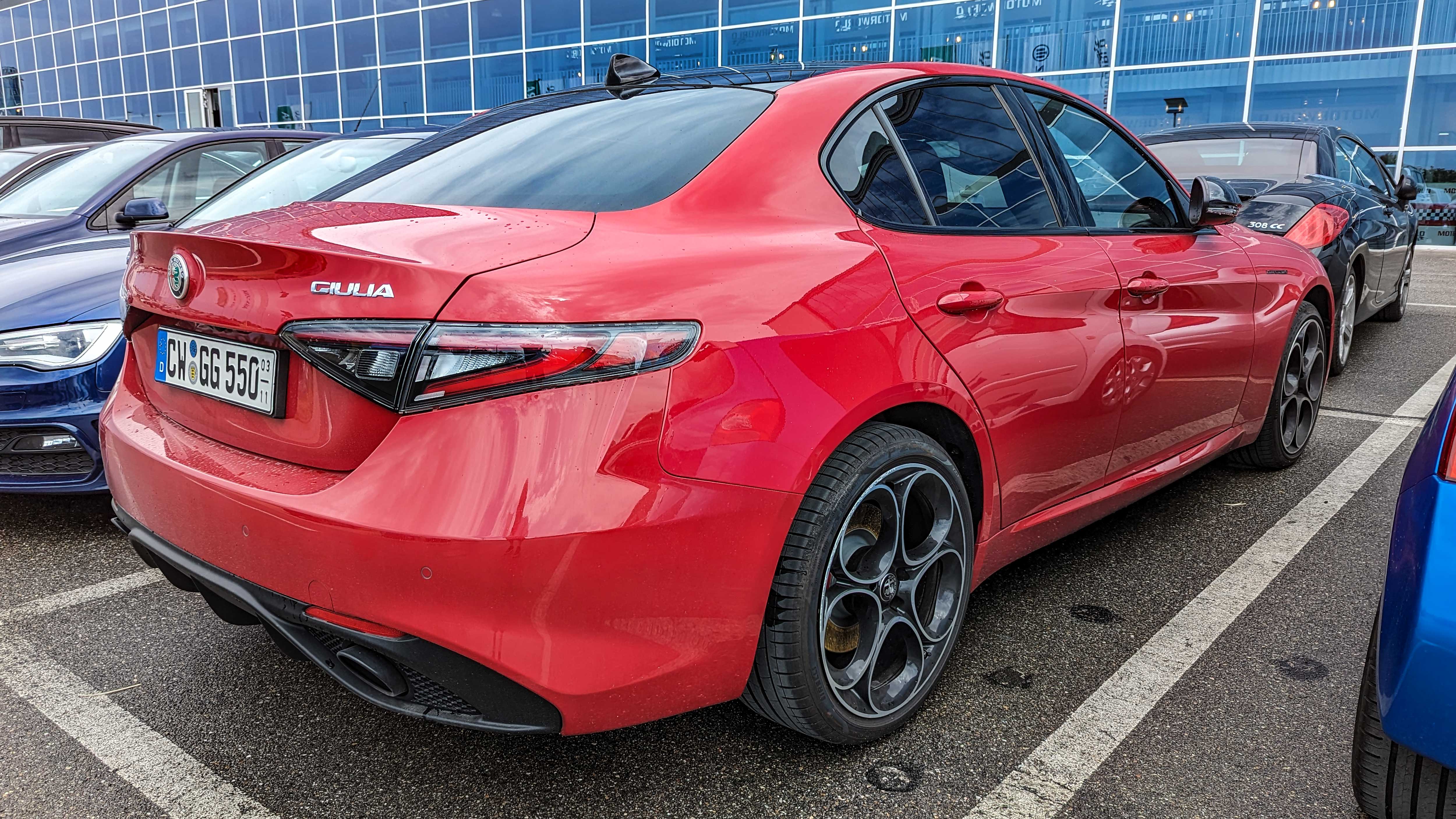
The Giulia (2016–today) brought rear-wheel-drive dynamics back to Alfa Romeo’s sports sedans. As a result, petrol and diesel engines up to about 280 hp in Veloce trim pair balanced handling with modern technology and everyday usability.

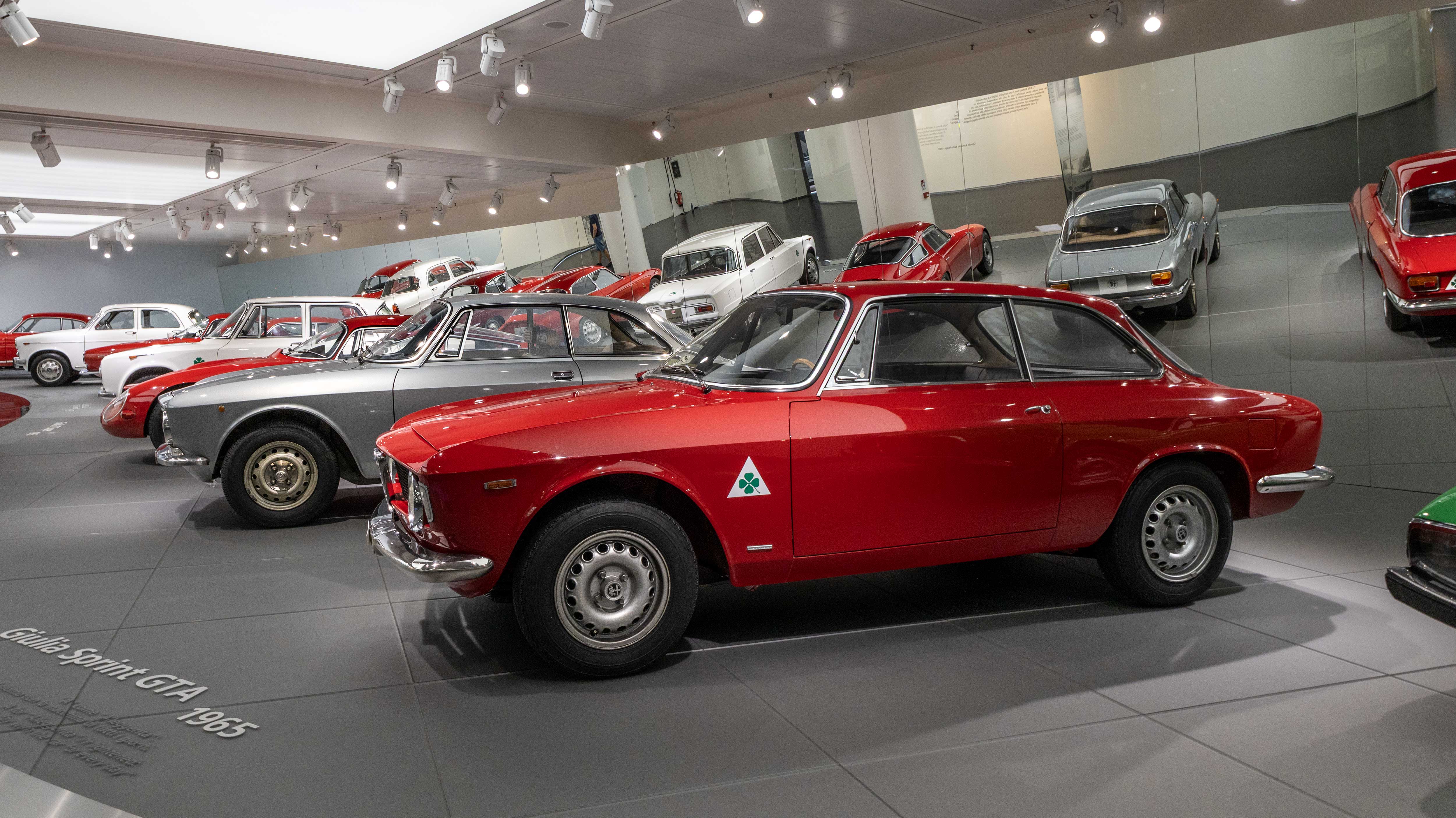
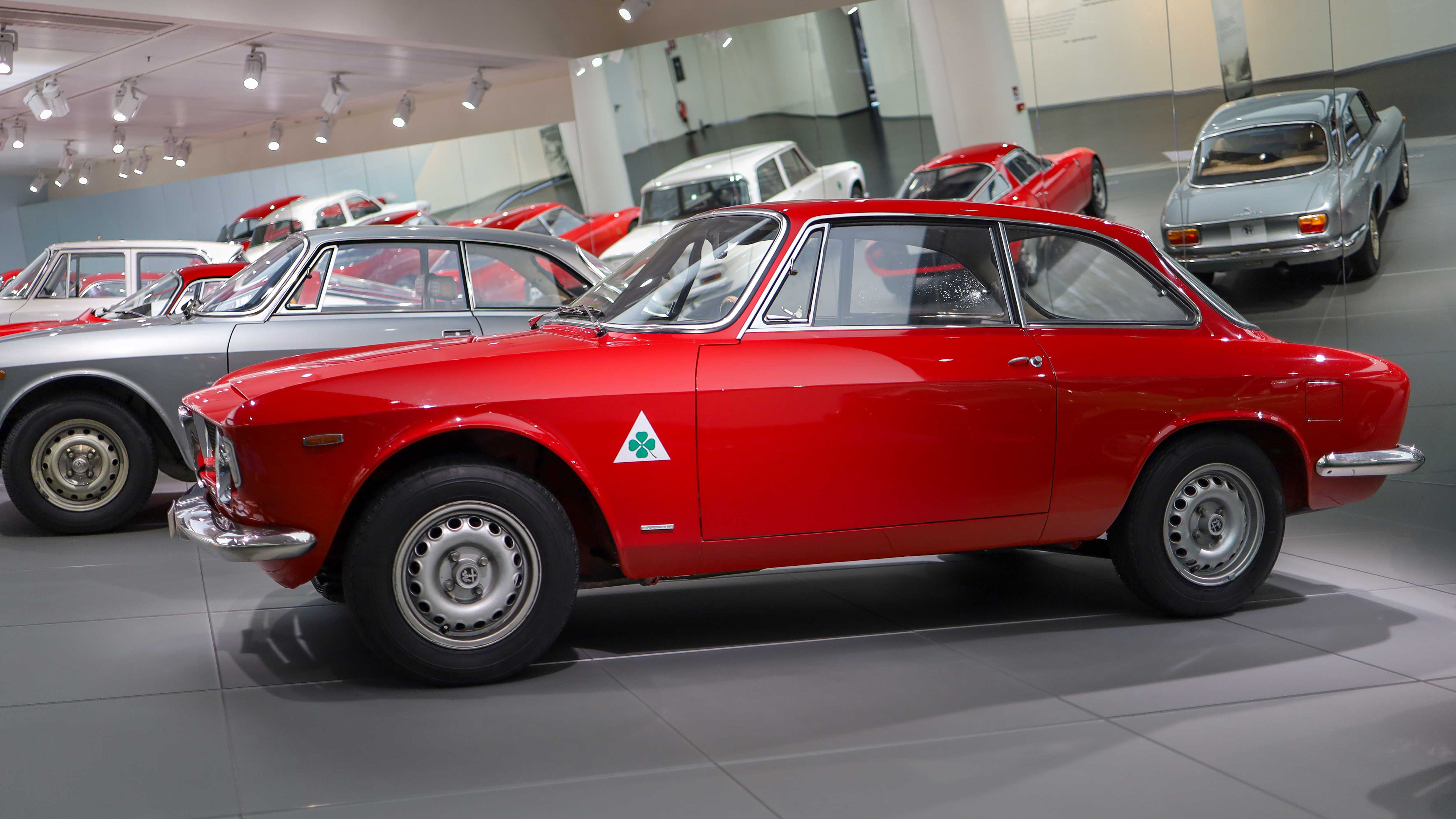
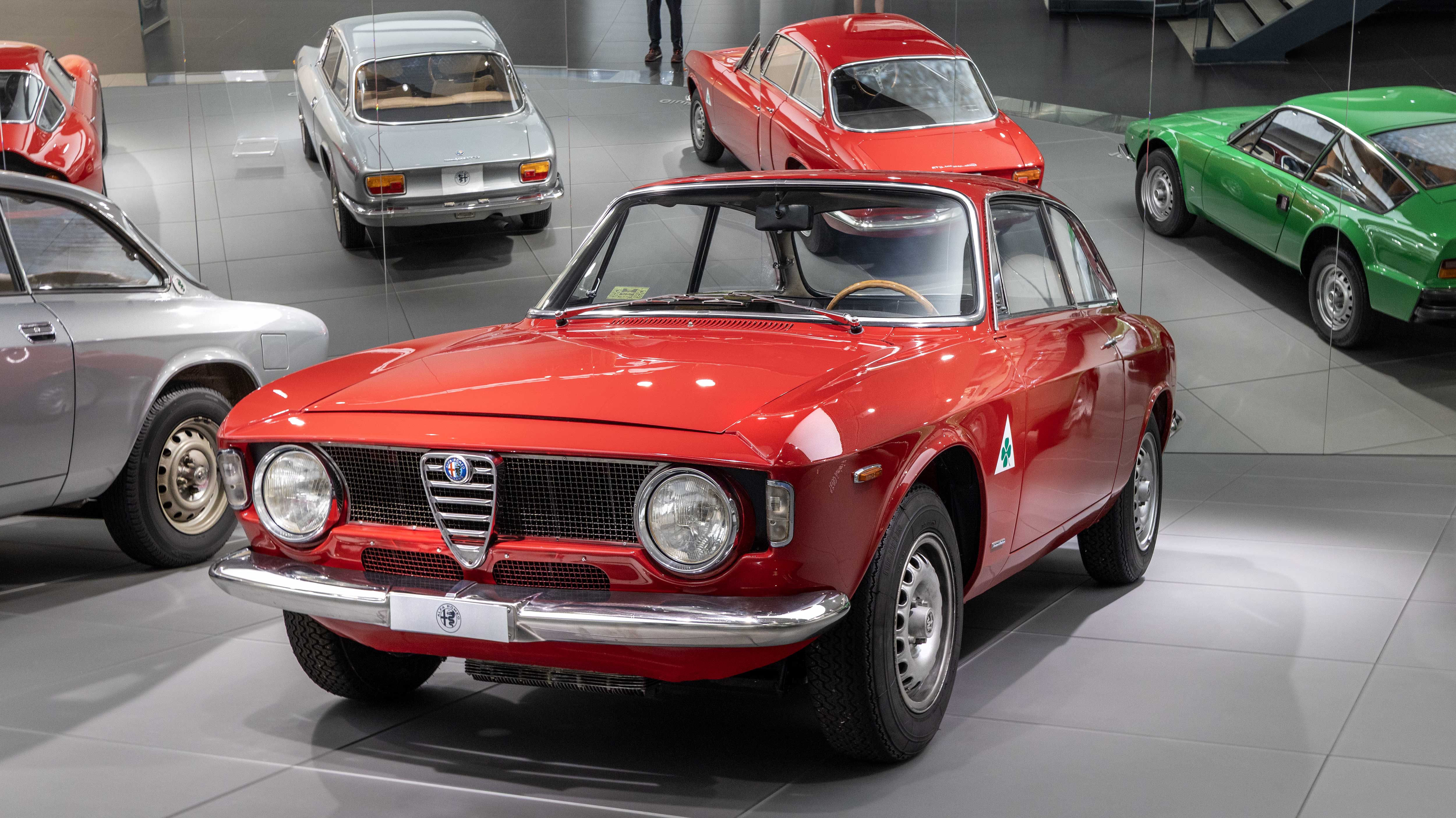
Giulia Sprint GTA
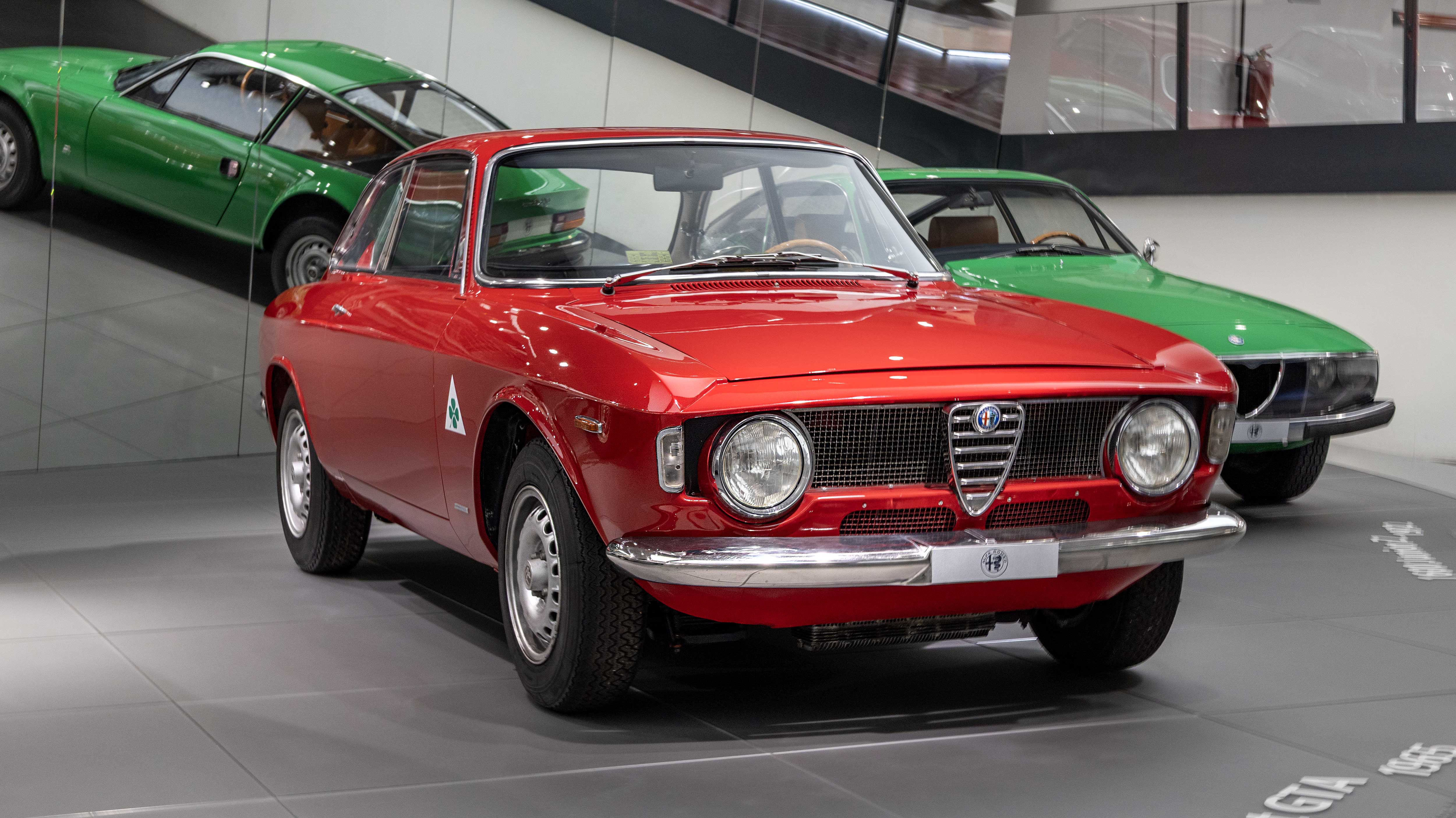
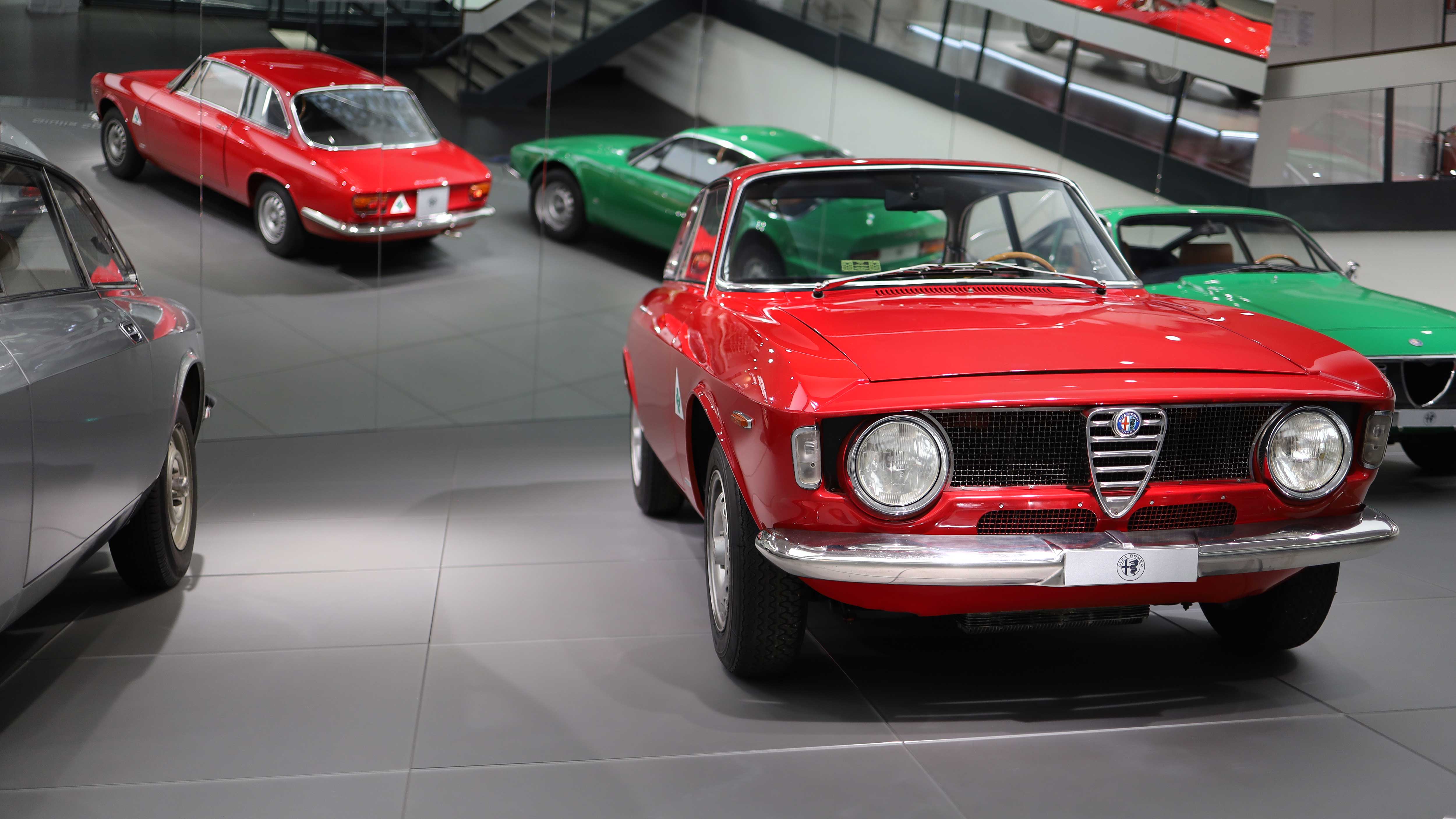
The Giulia Sprint GTA (1965–1969) was a lightweight homologation coupe built for touring car racing. As a result, its aluminium body and 1.6 twin-cam delivered about 160 hp, giving extreme agility and major motorsport success.
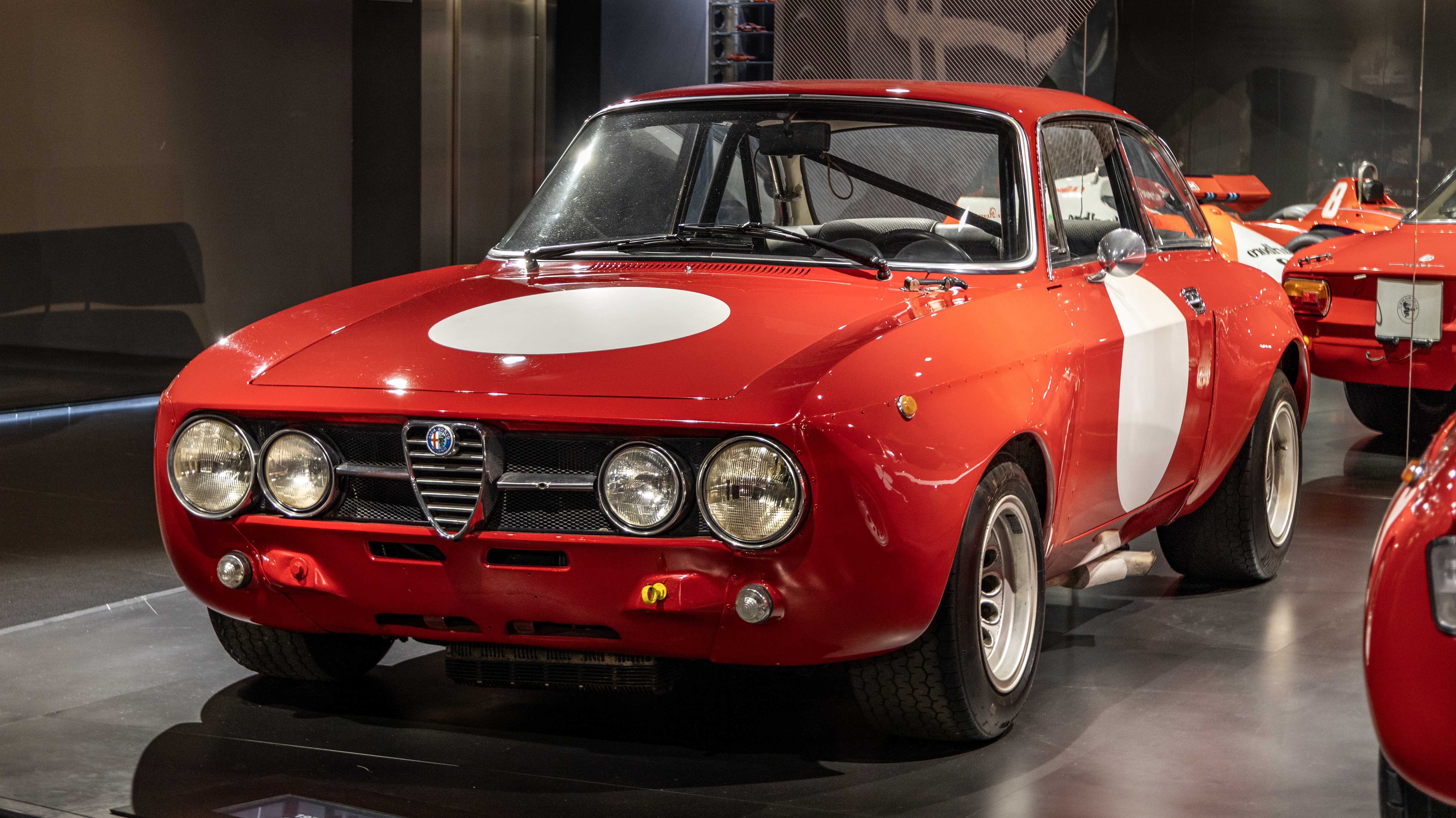
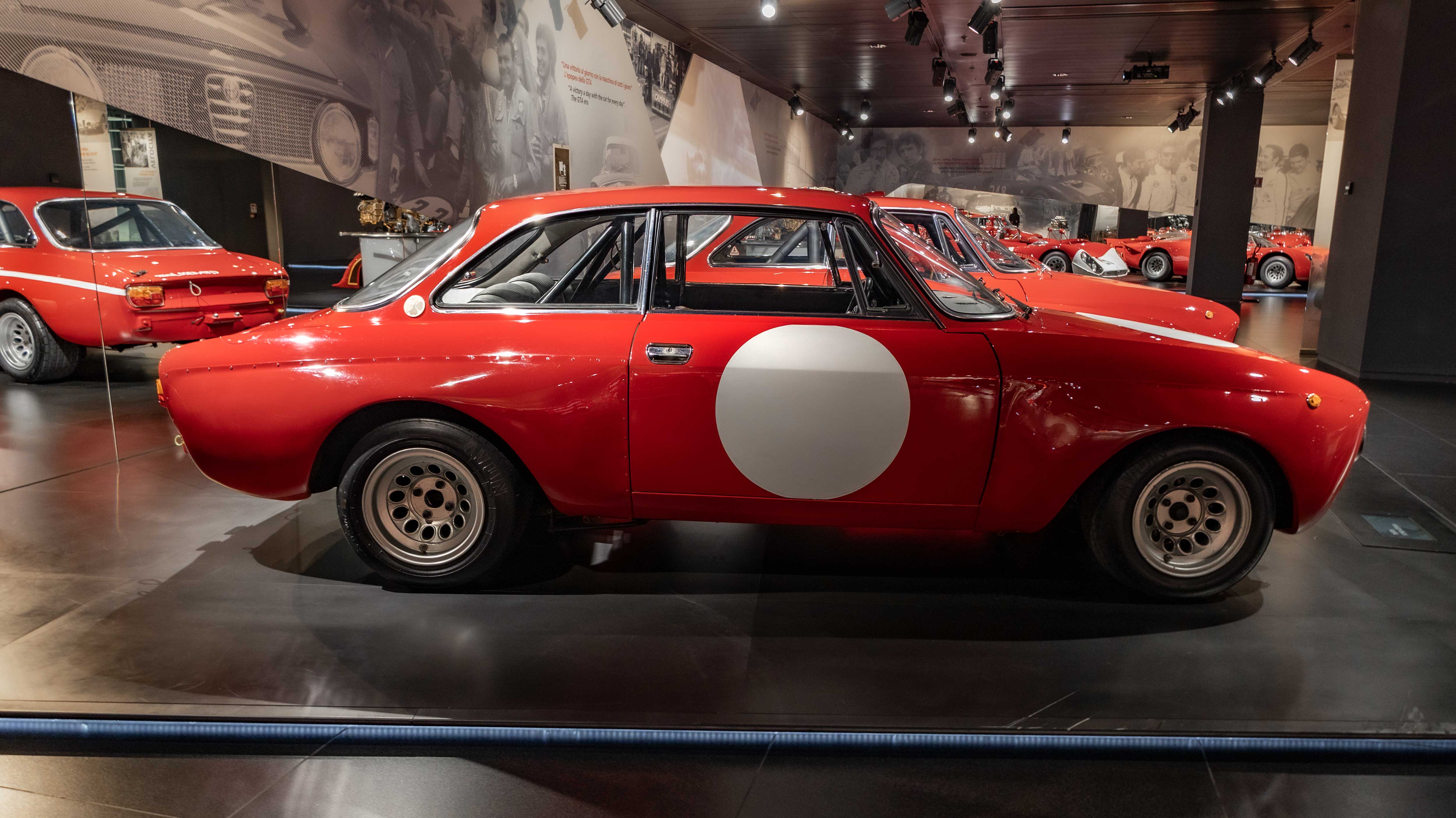
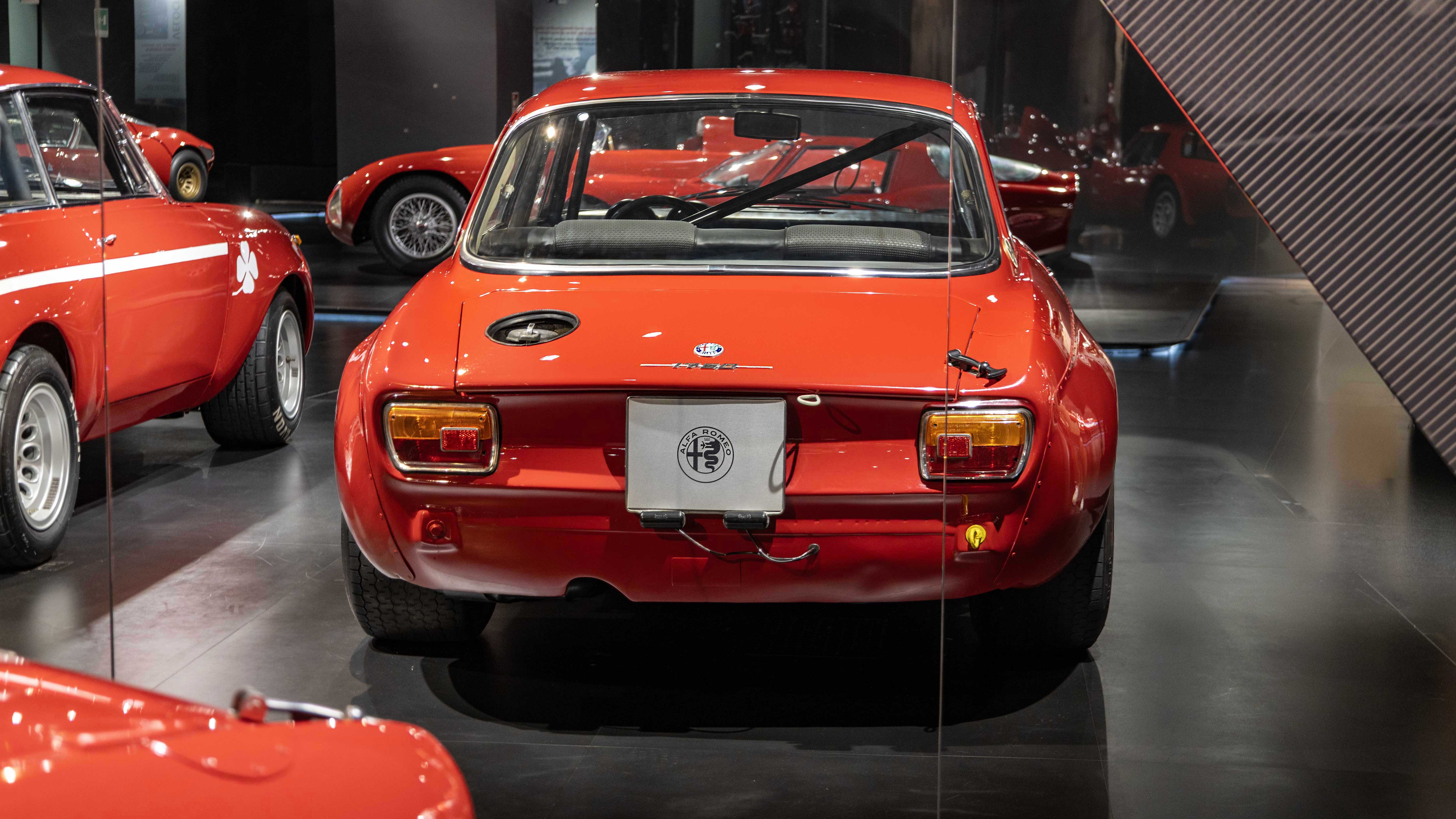
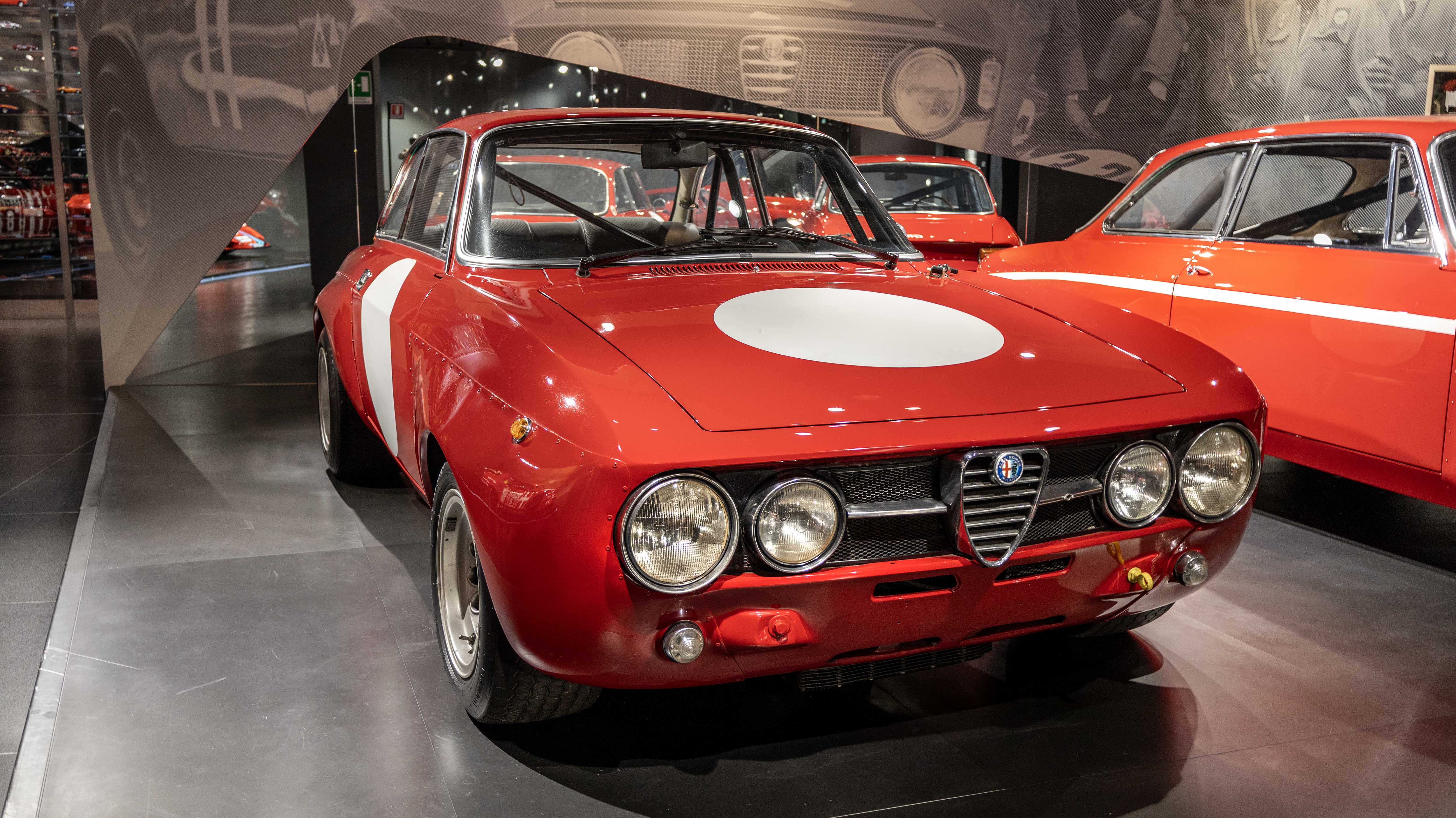
1750 GTAm
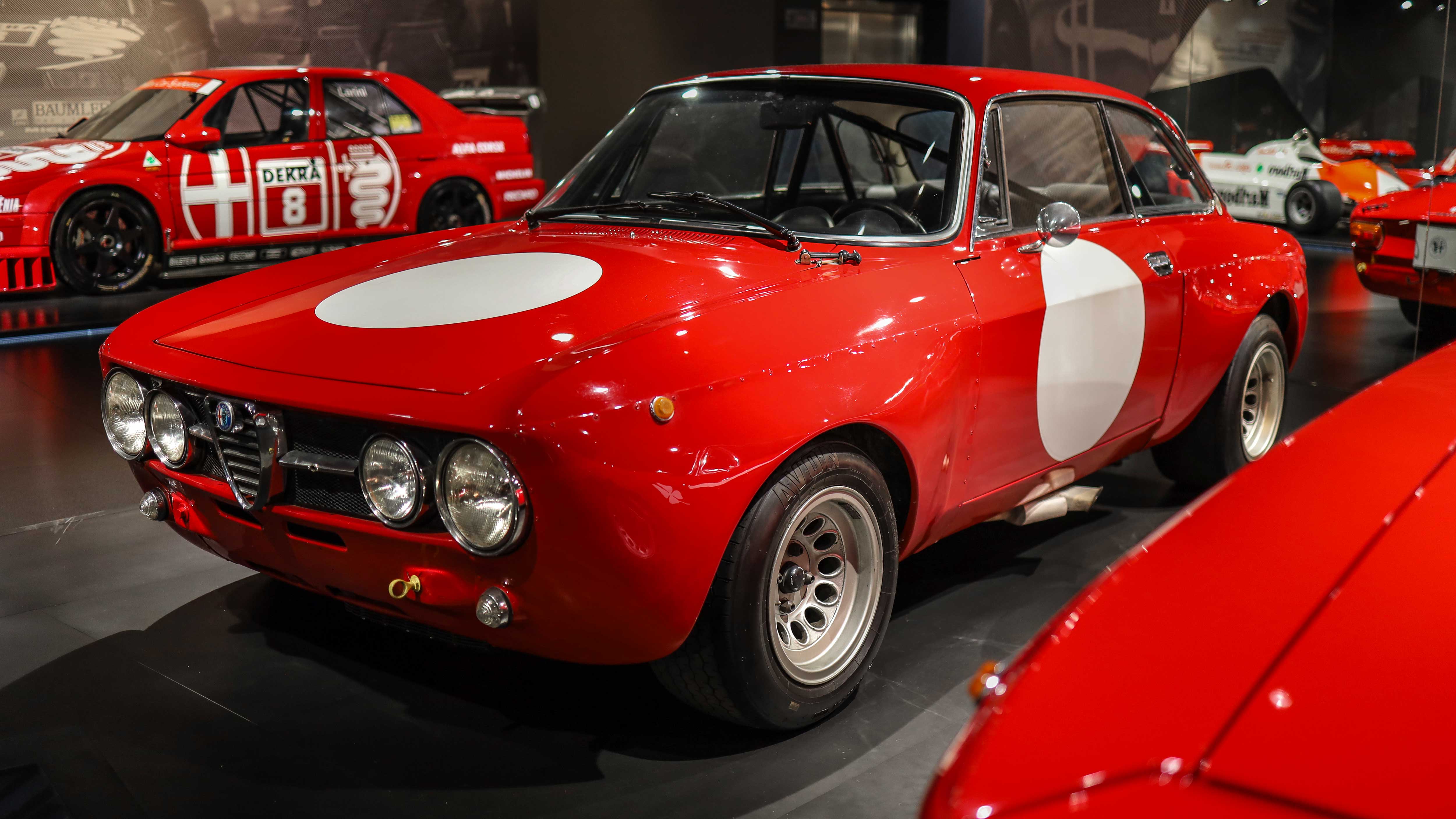
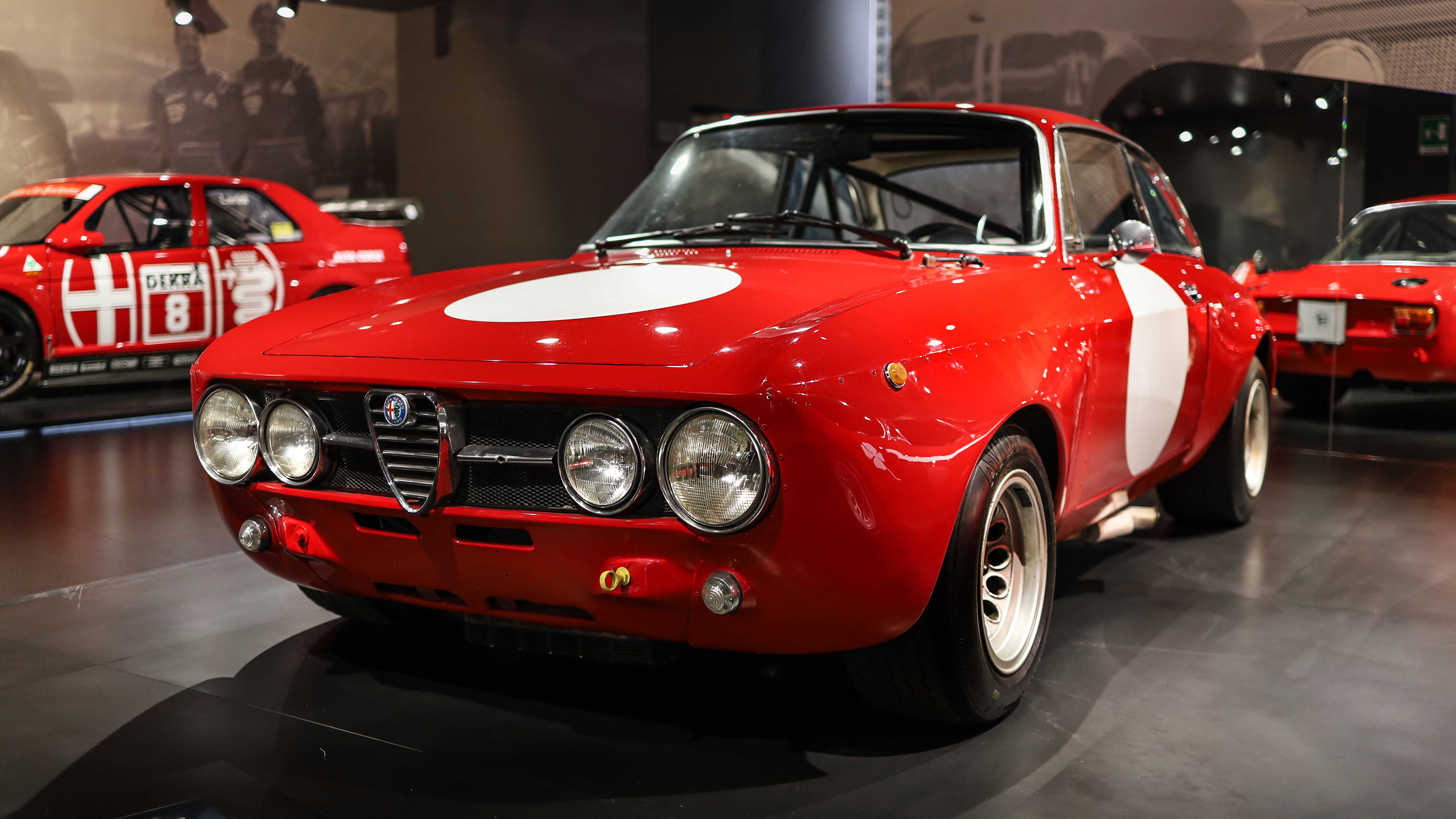
The 1750 GTAm (1969–1971) was a factory-built touring car developed for Group 2 racing. Its 1.8-liter twin-cam engine produced about 220 hp, paired with fuel injection, wide-body upgrades, and race-focused suspension.
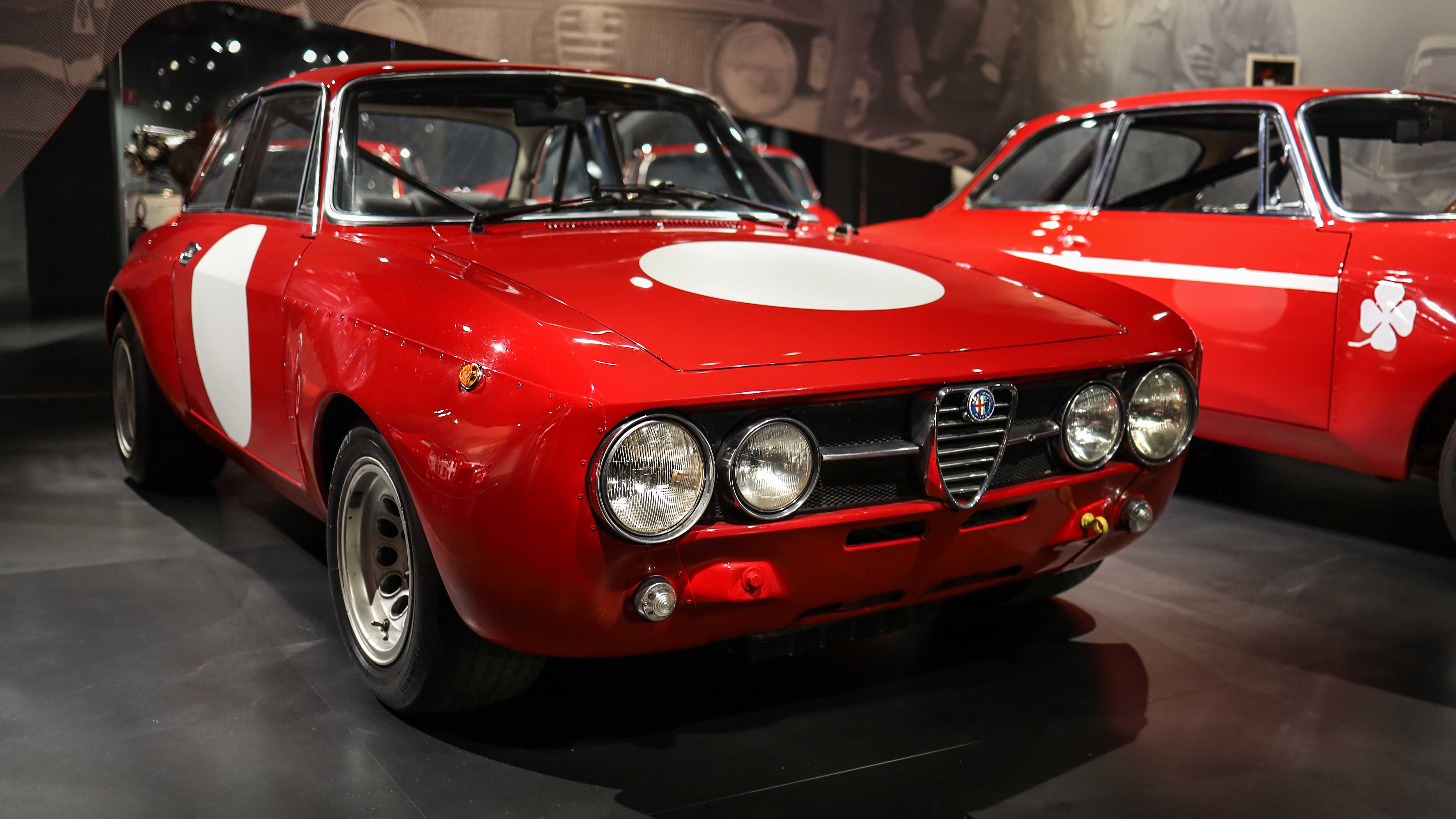
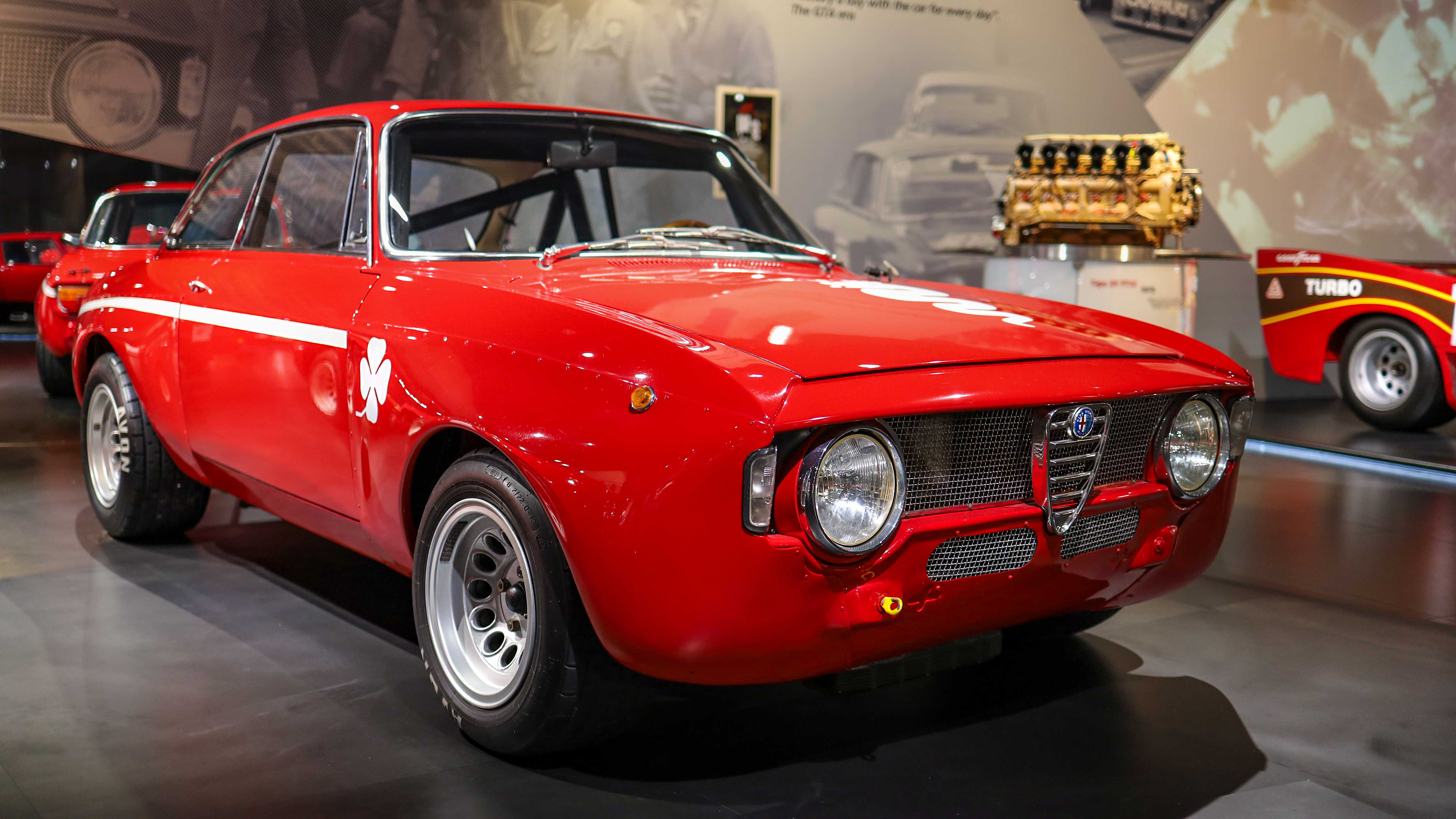
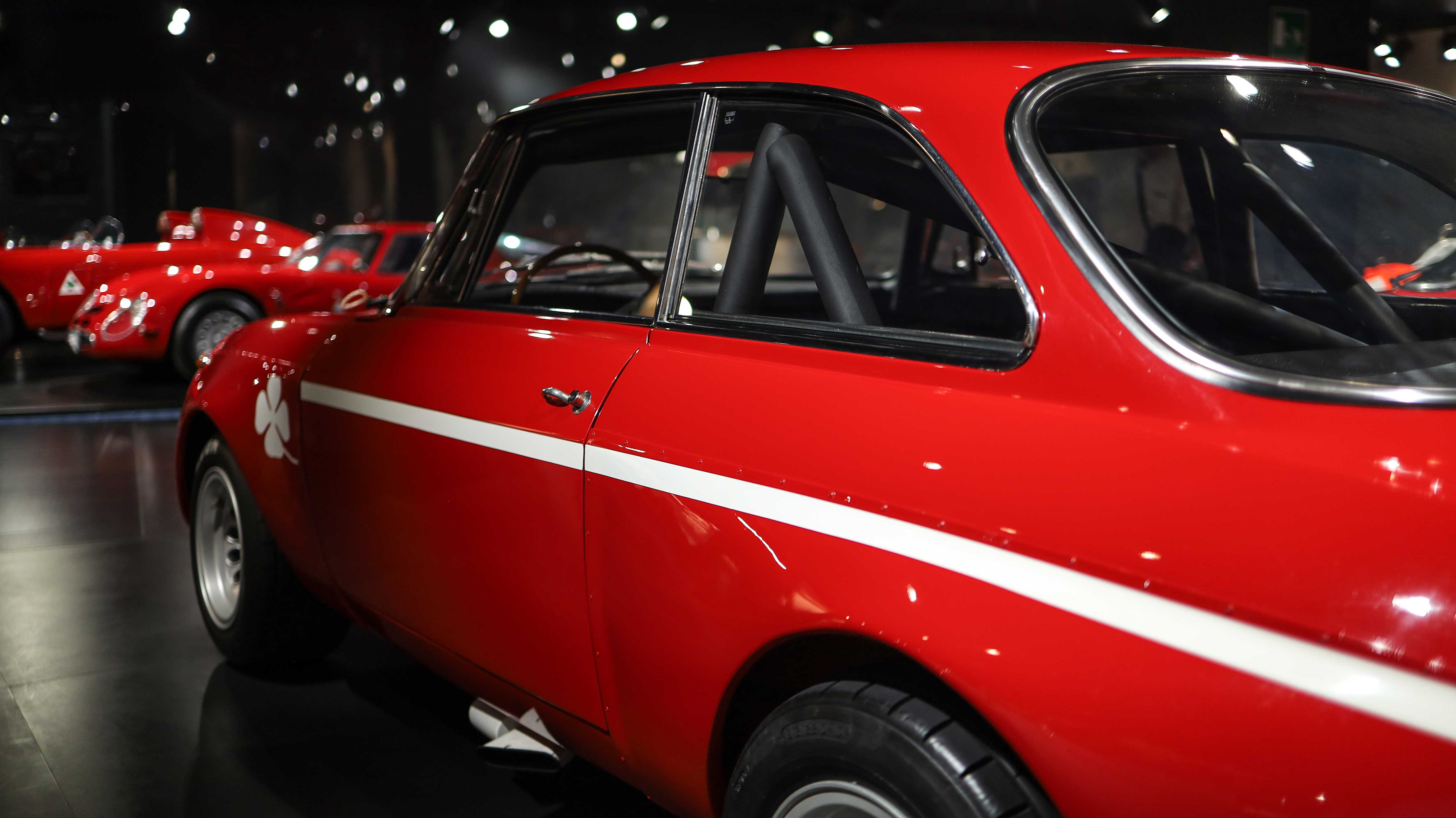
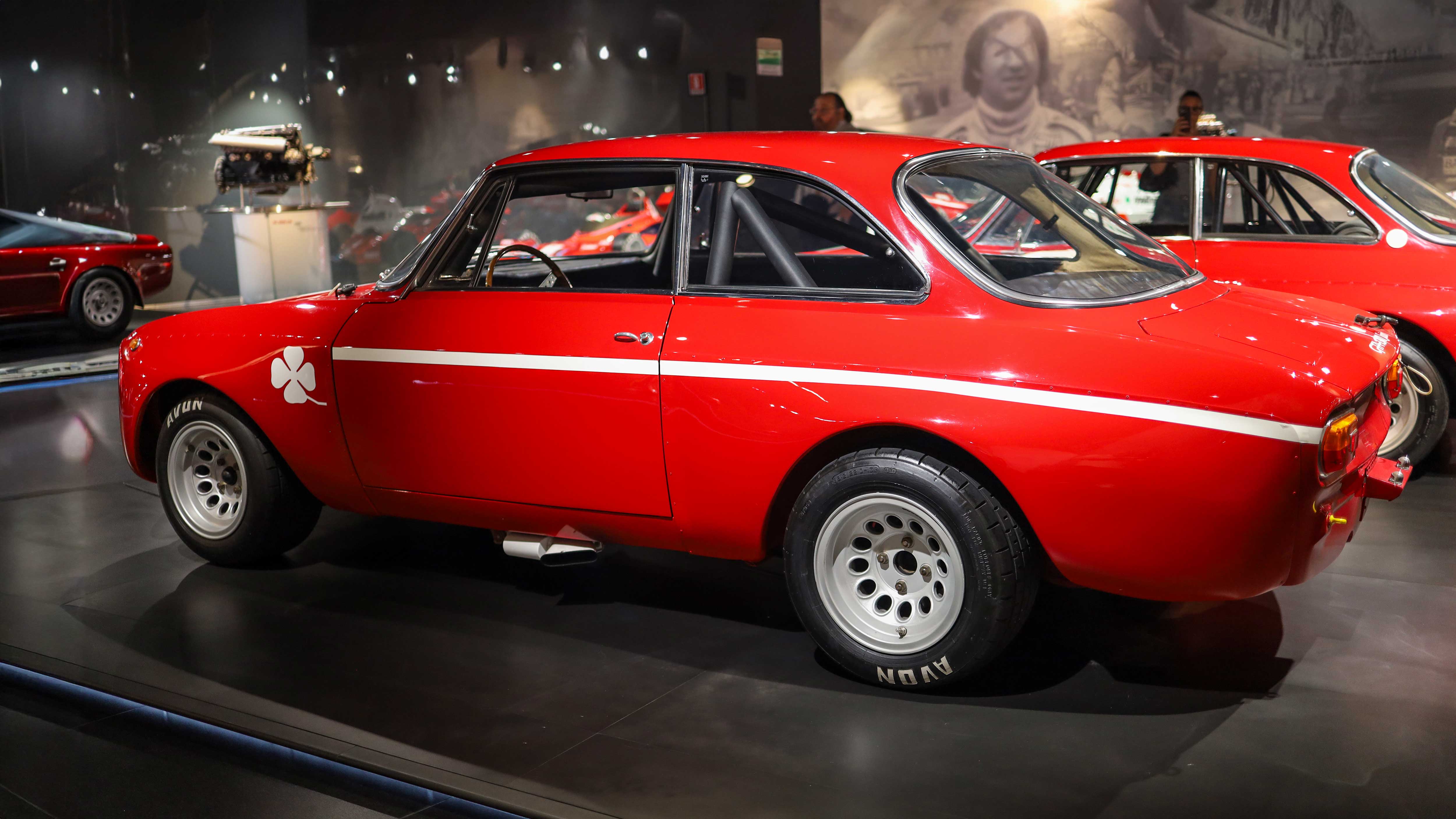
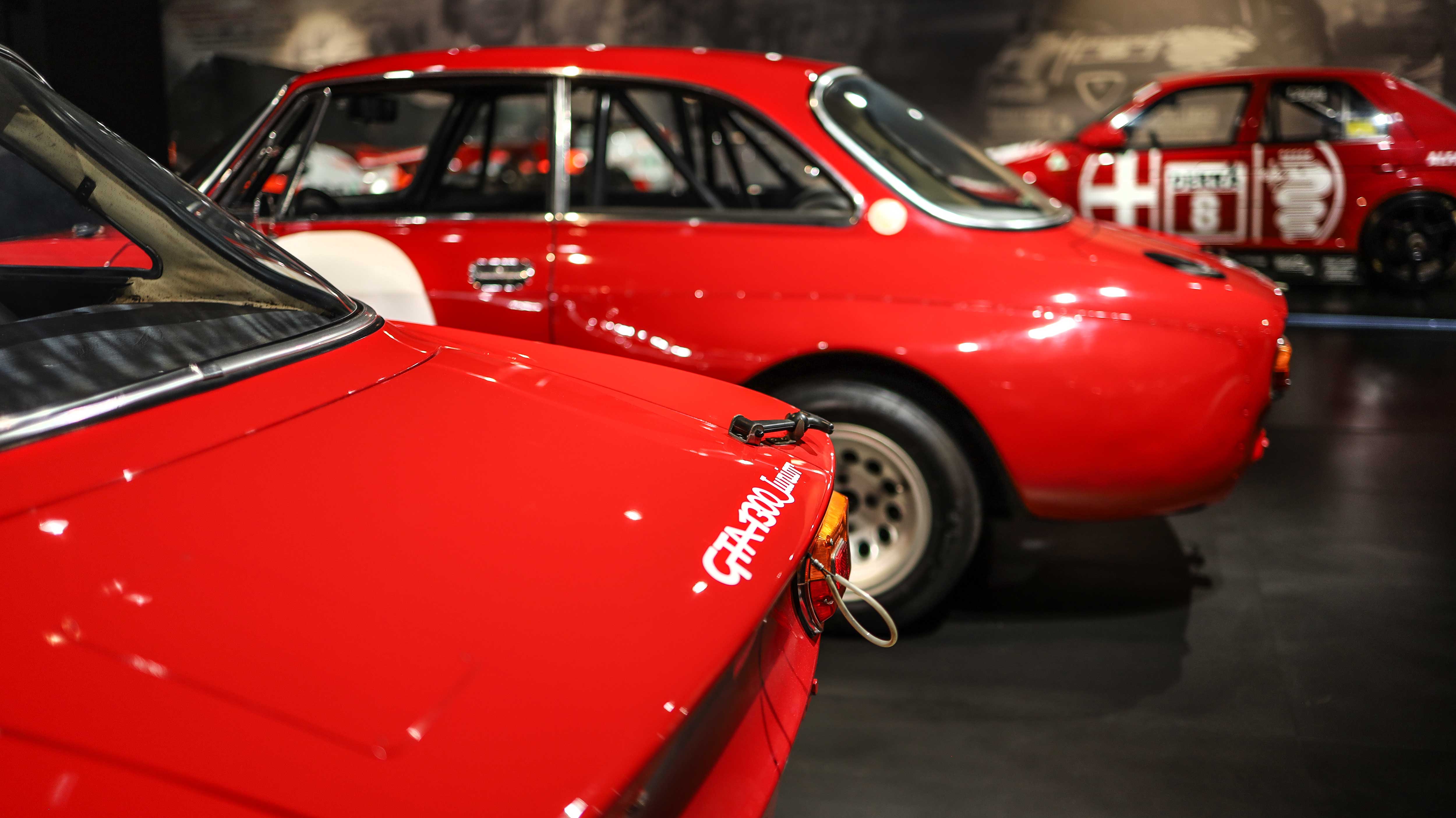
GTA 1300 Junior
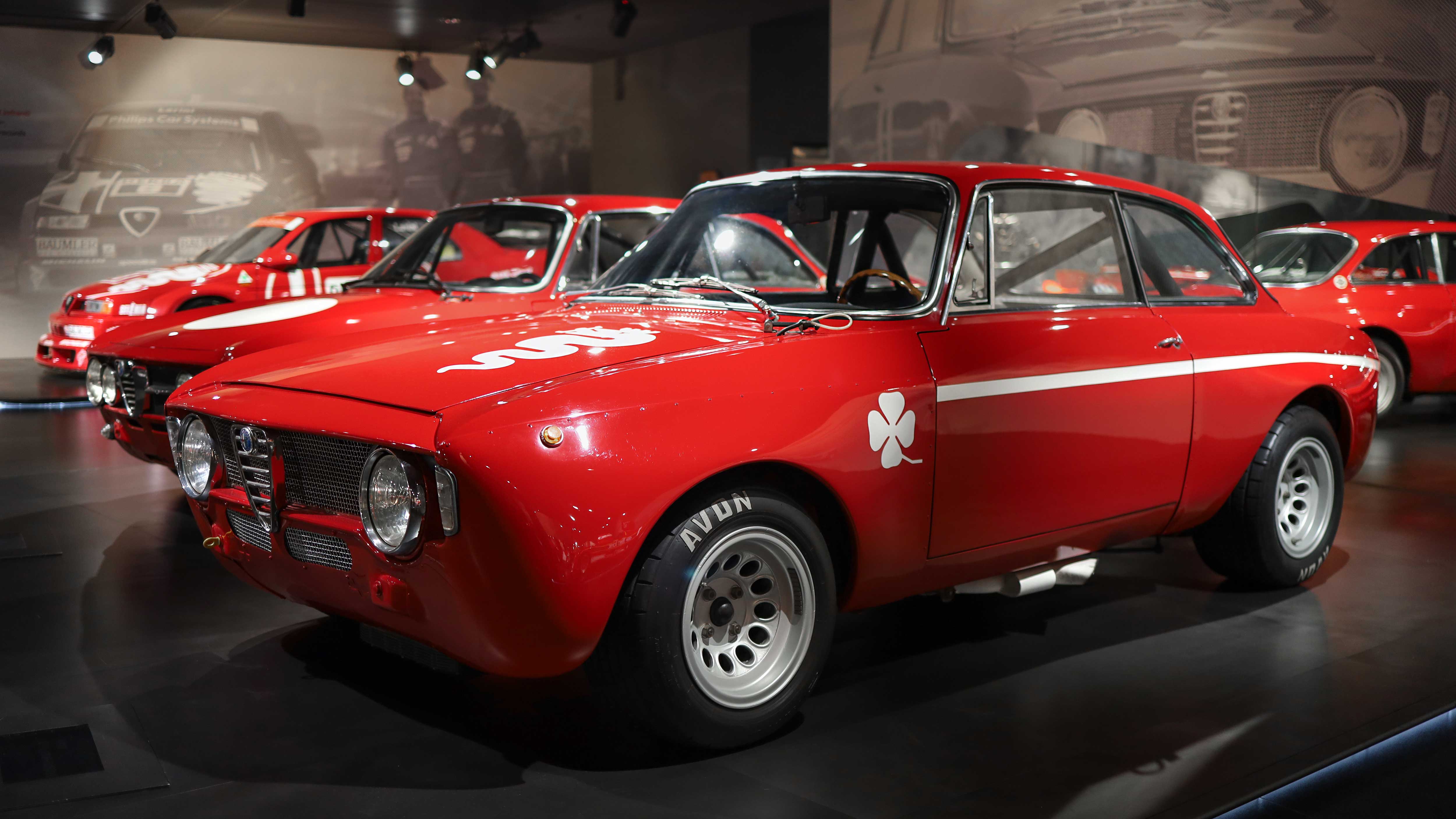
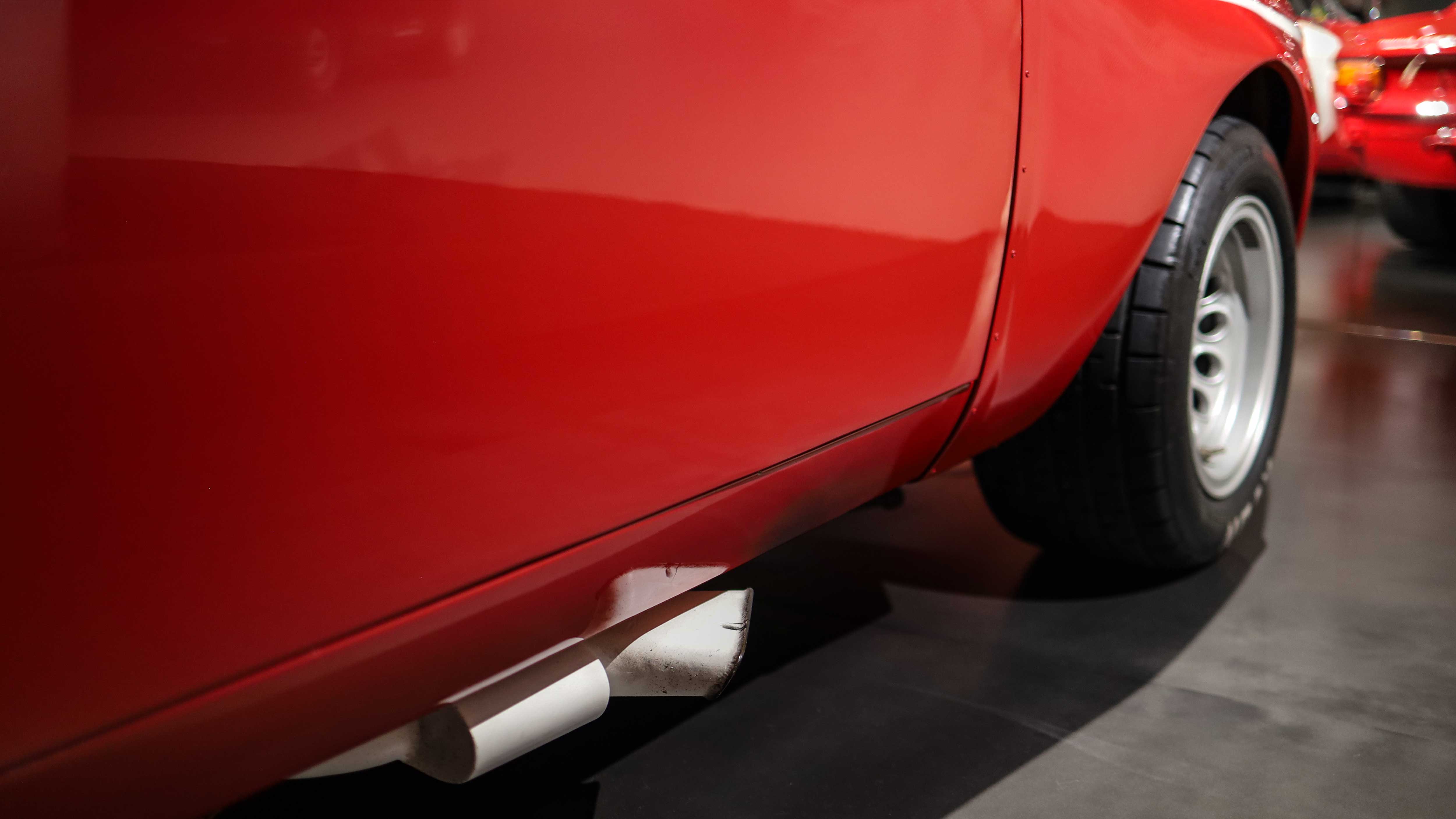
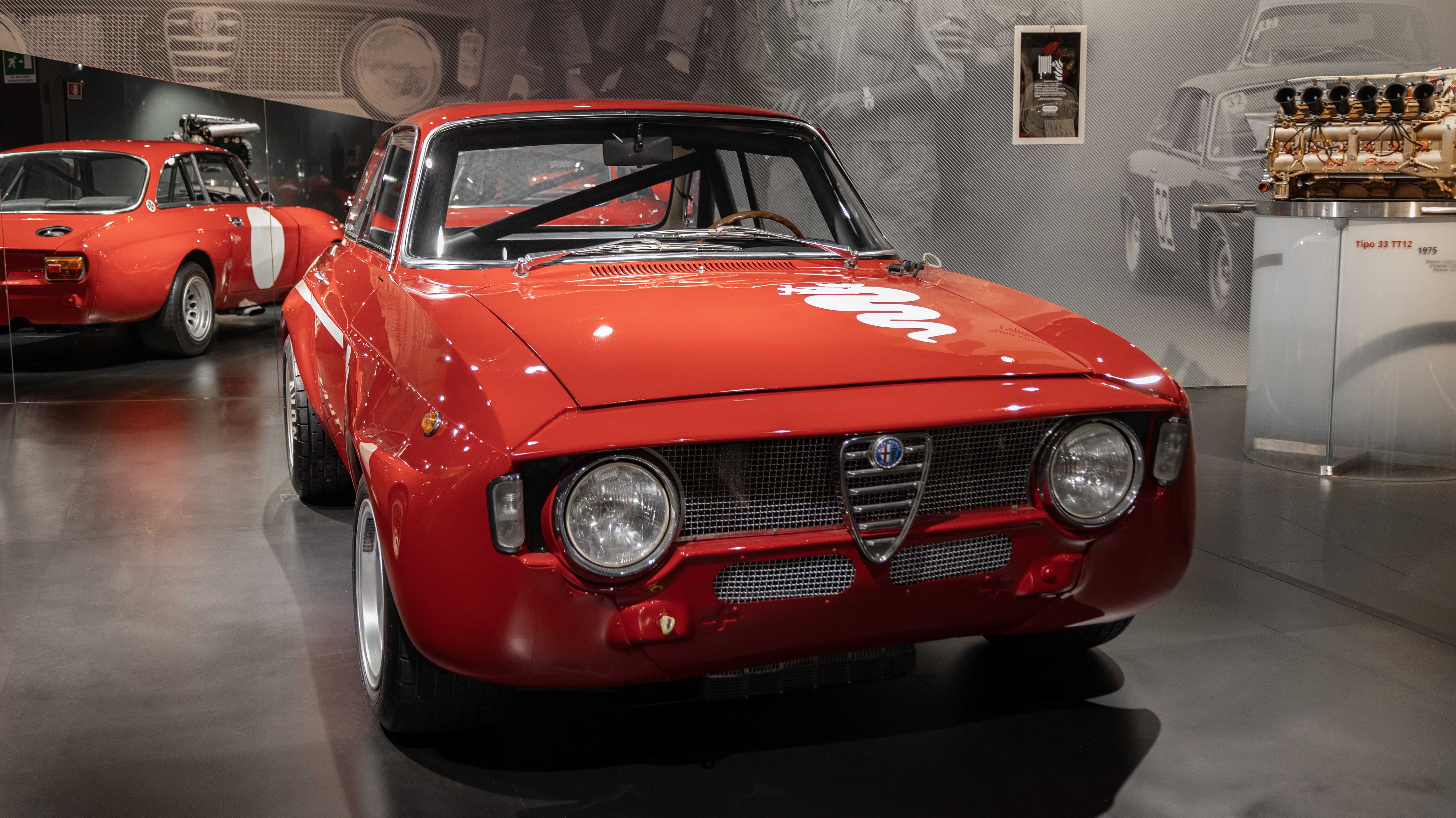
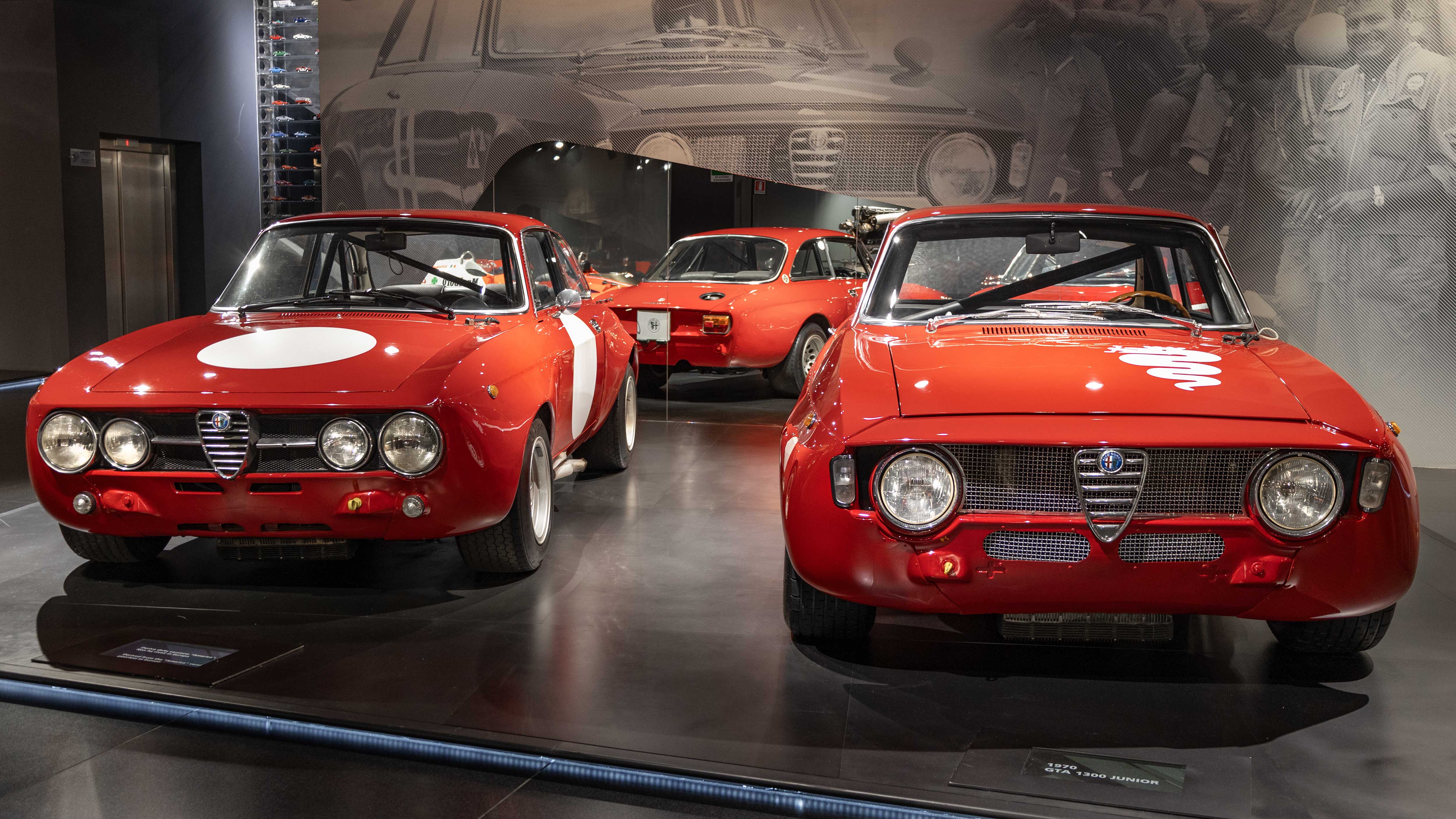
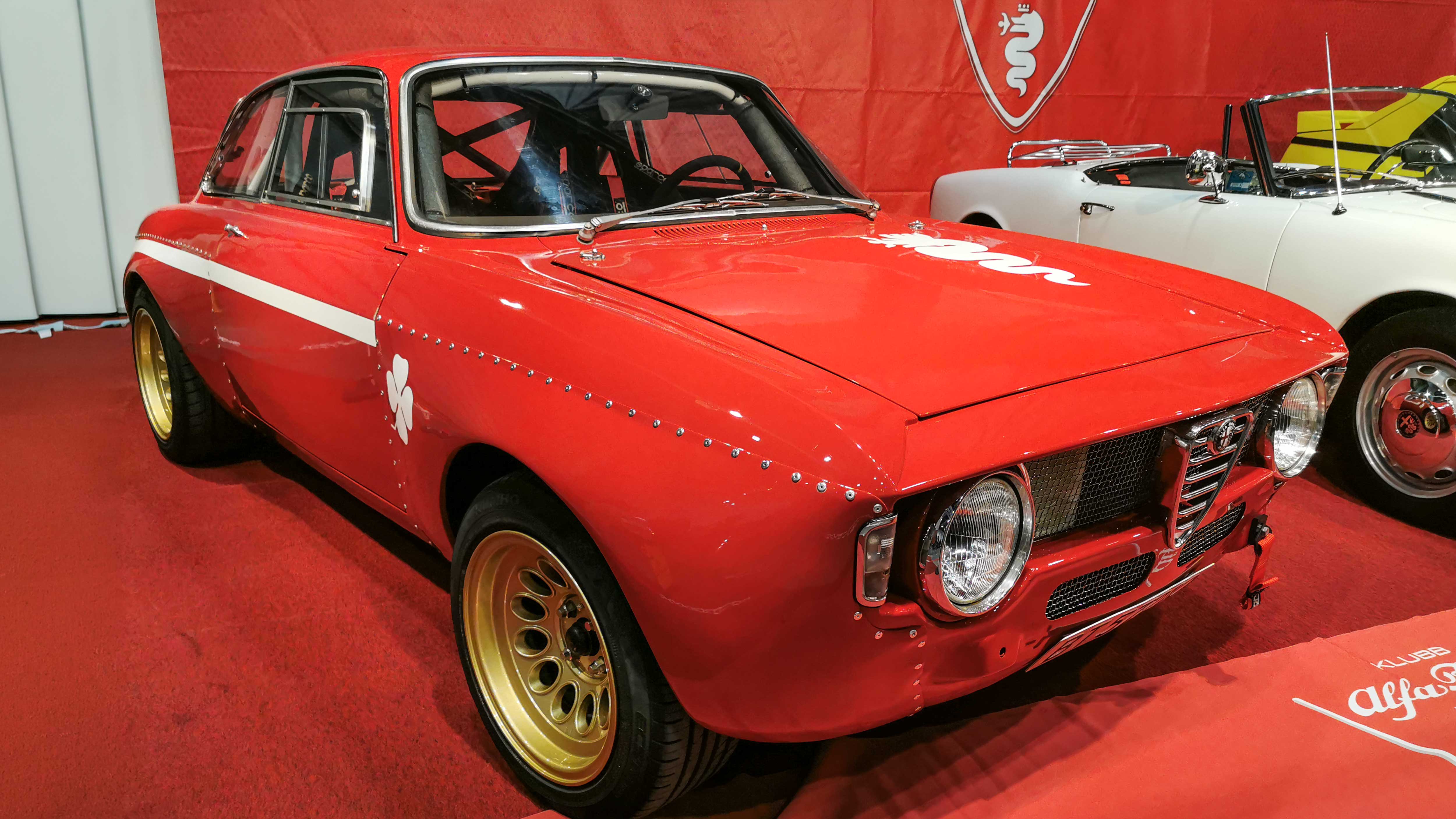
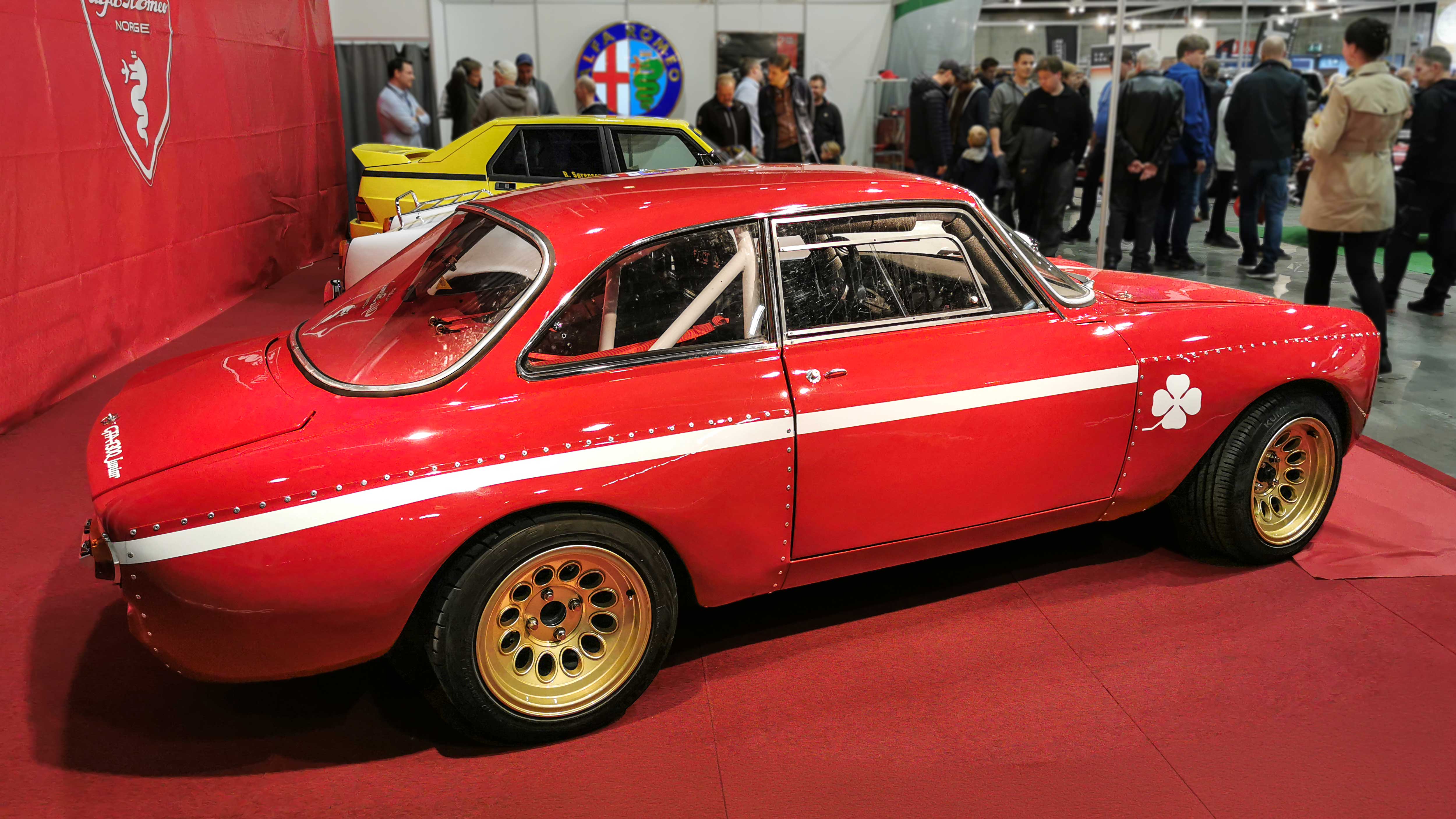
The GTA 1300 Junior (1968–1971) was a lightweight homologation model built for touring car racing. Its 1.3 twin-cam engine produced about 160 hp in race trim, combining very low weight, rear-wheel drive, and sharp handling.
Giulia TZ2
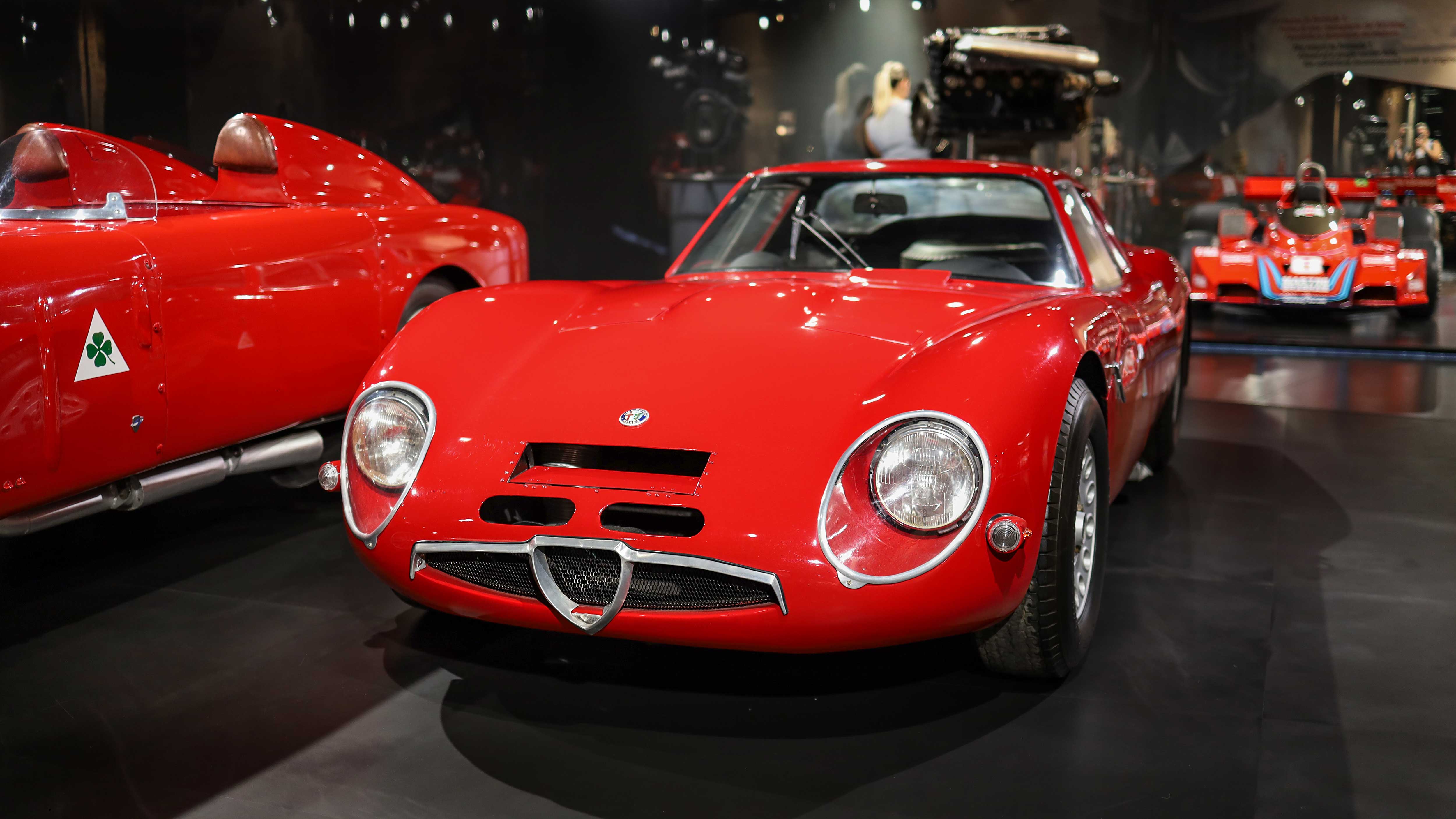
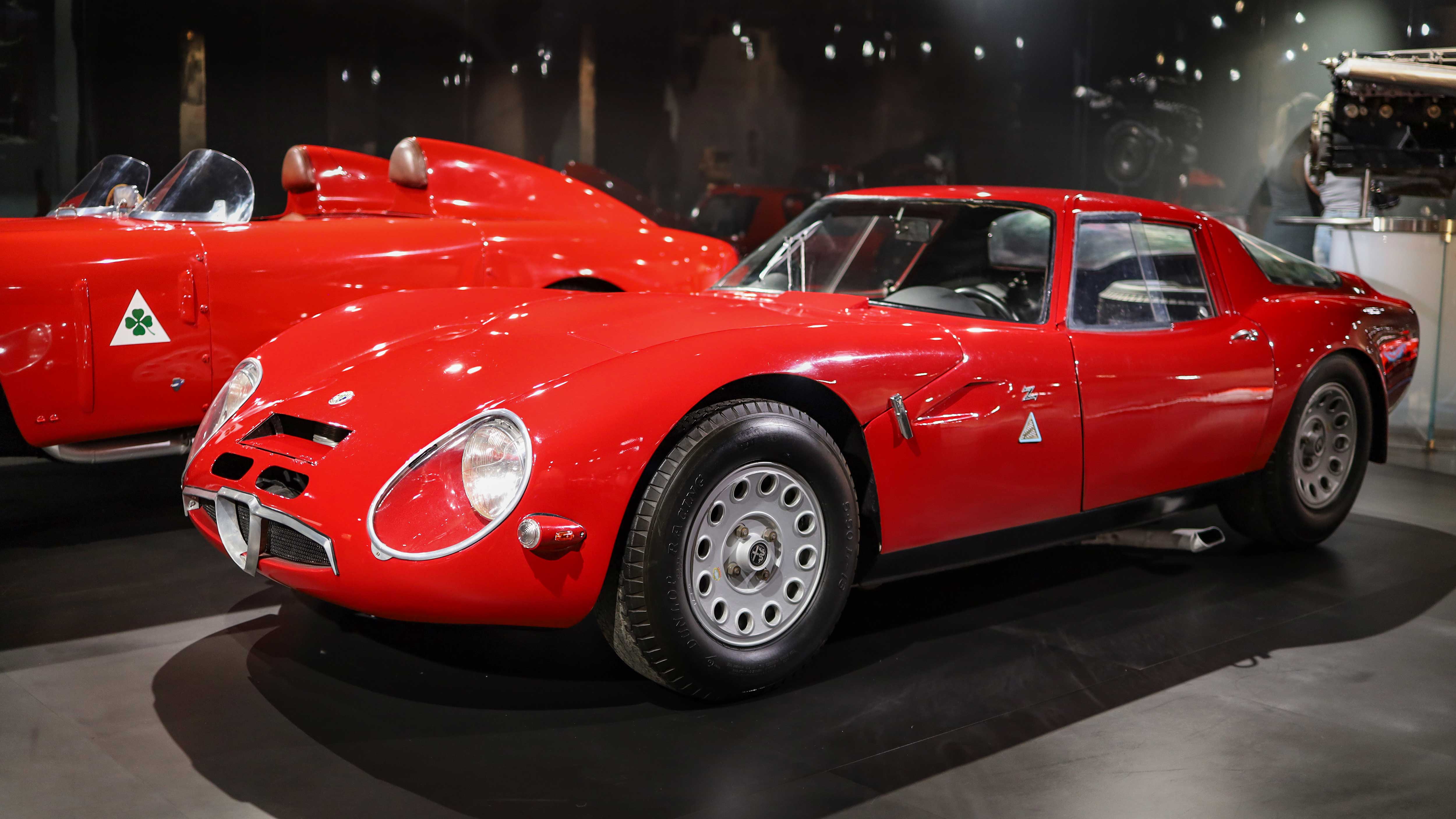
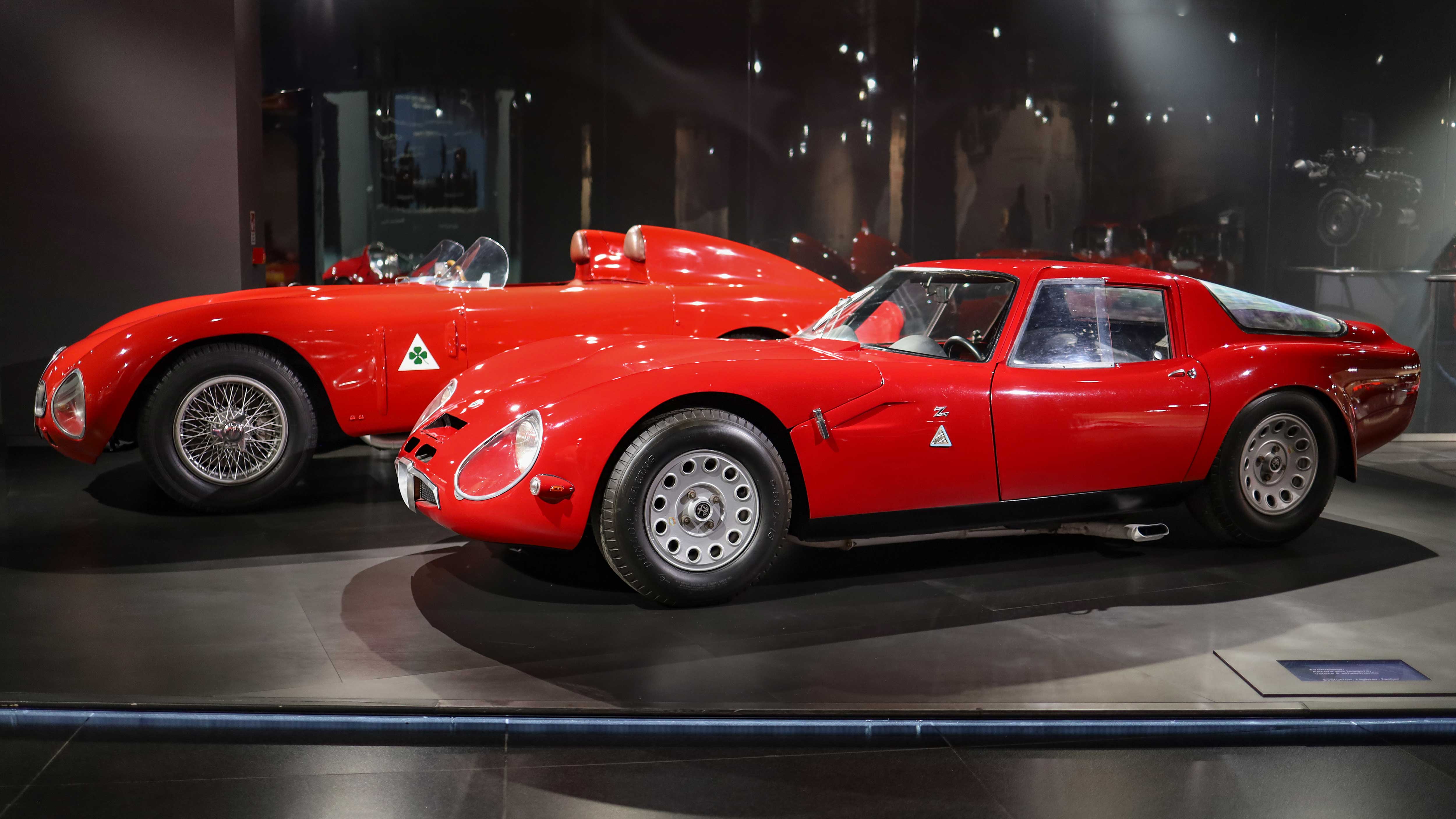
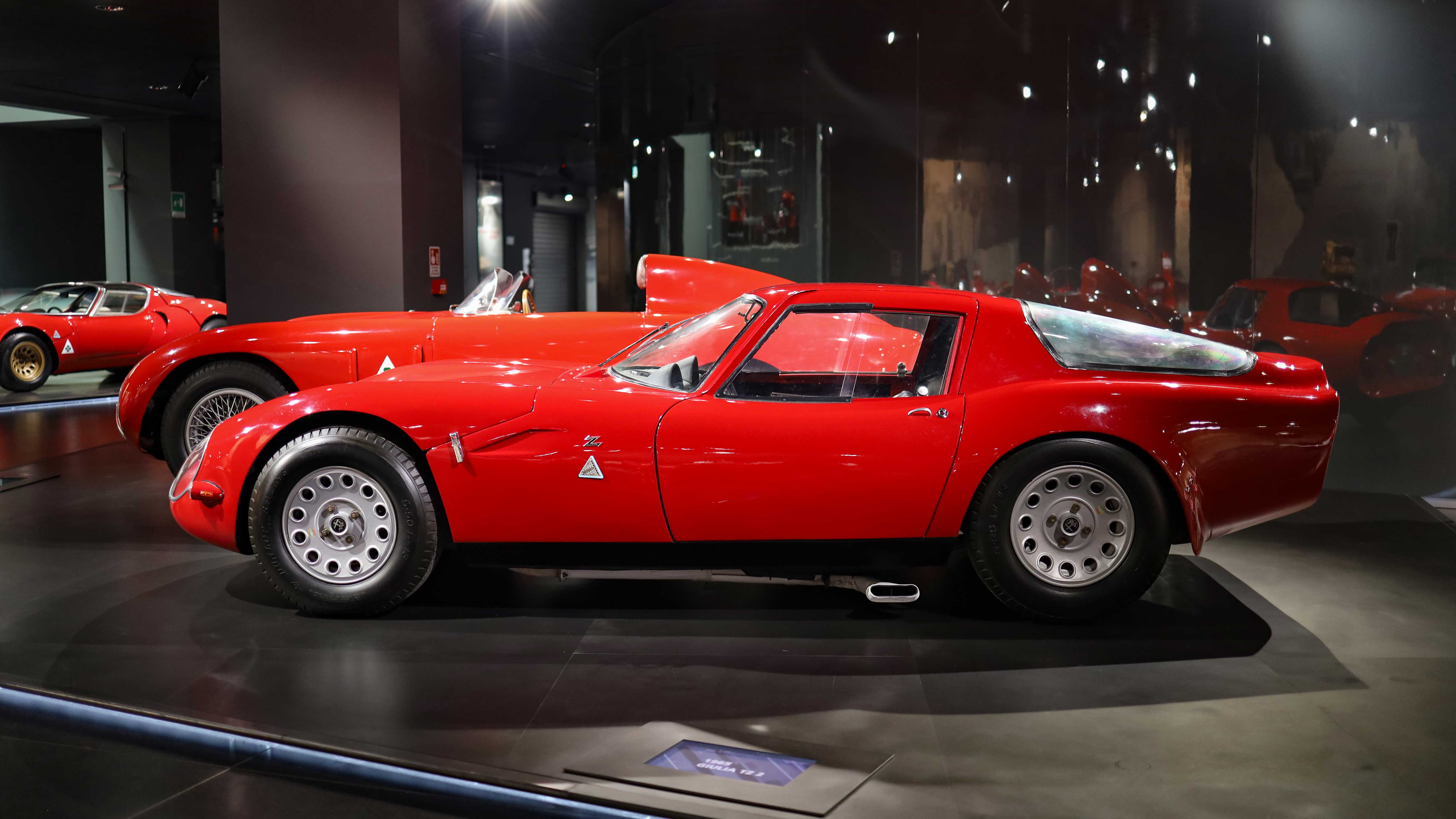
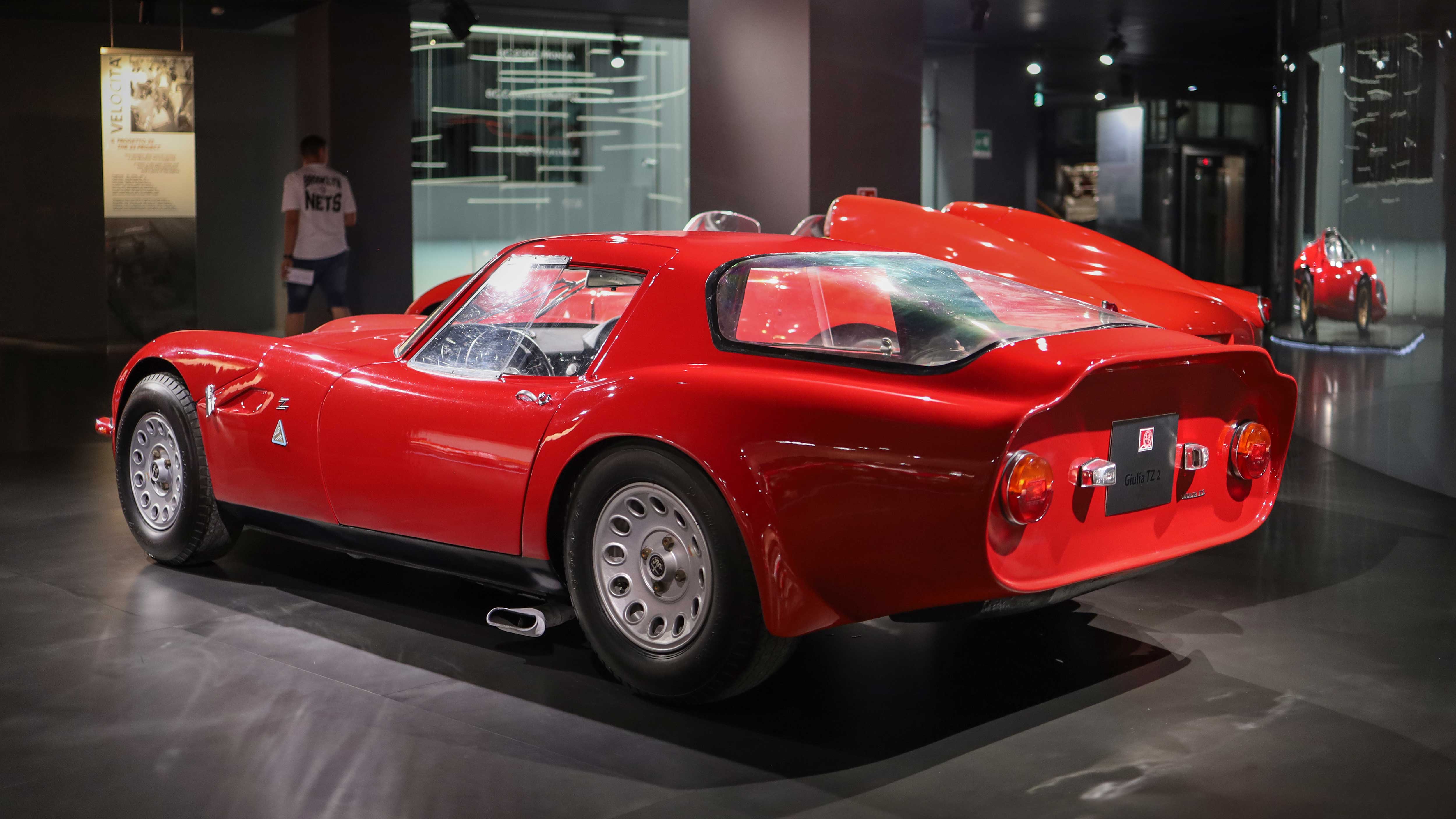
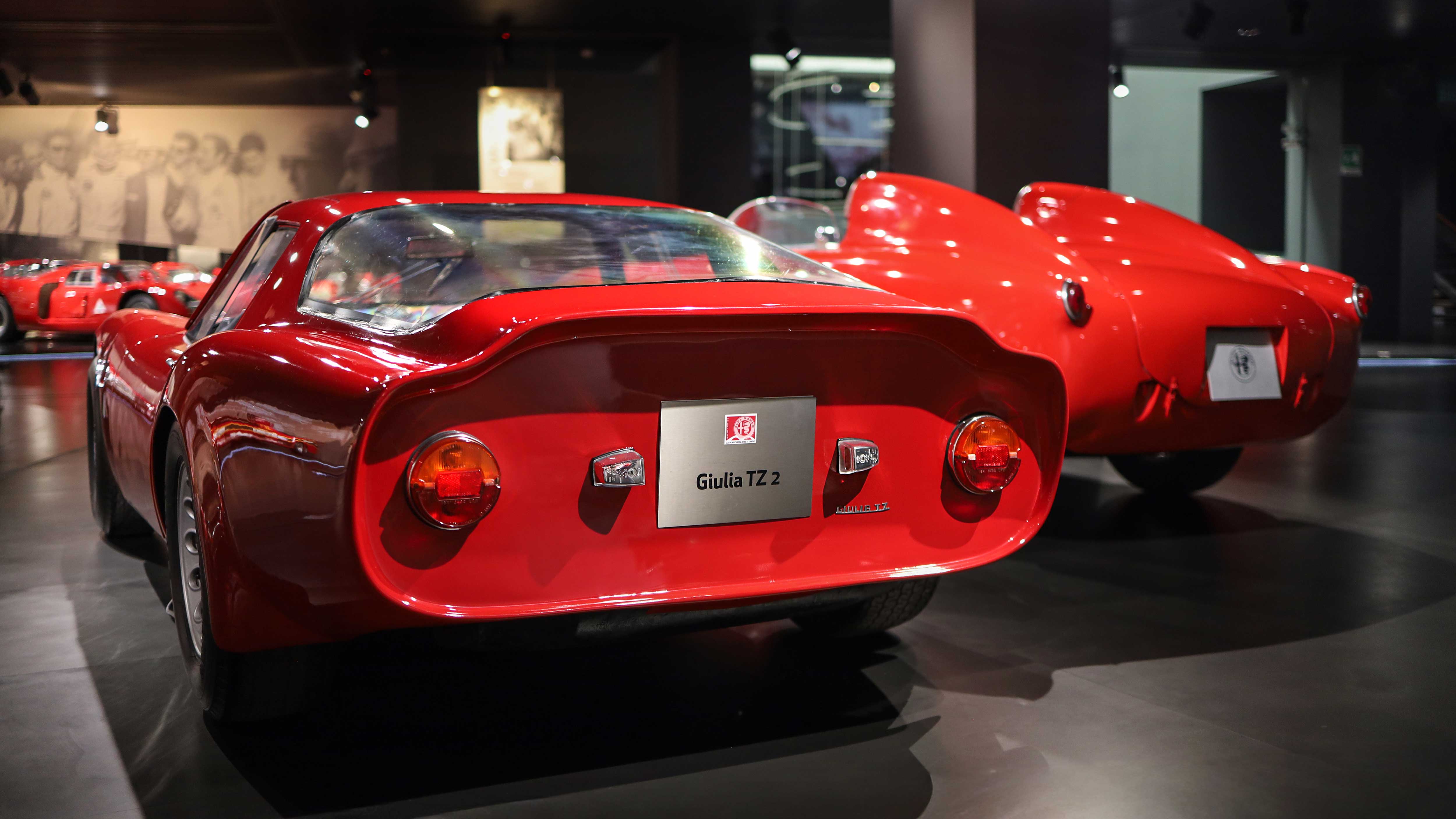
The Giulia TZ2 (1965–1967) was a lightweight racing coupe built for endurance competition. Its 1.6 twin-cam engine produced about 170 hp, paired with a tubular chassis, aerodynamic body, and strong results on international circuits.
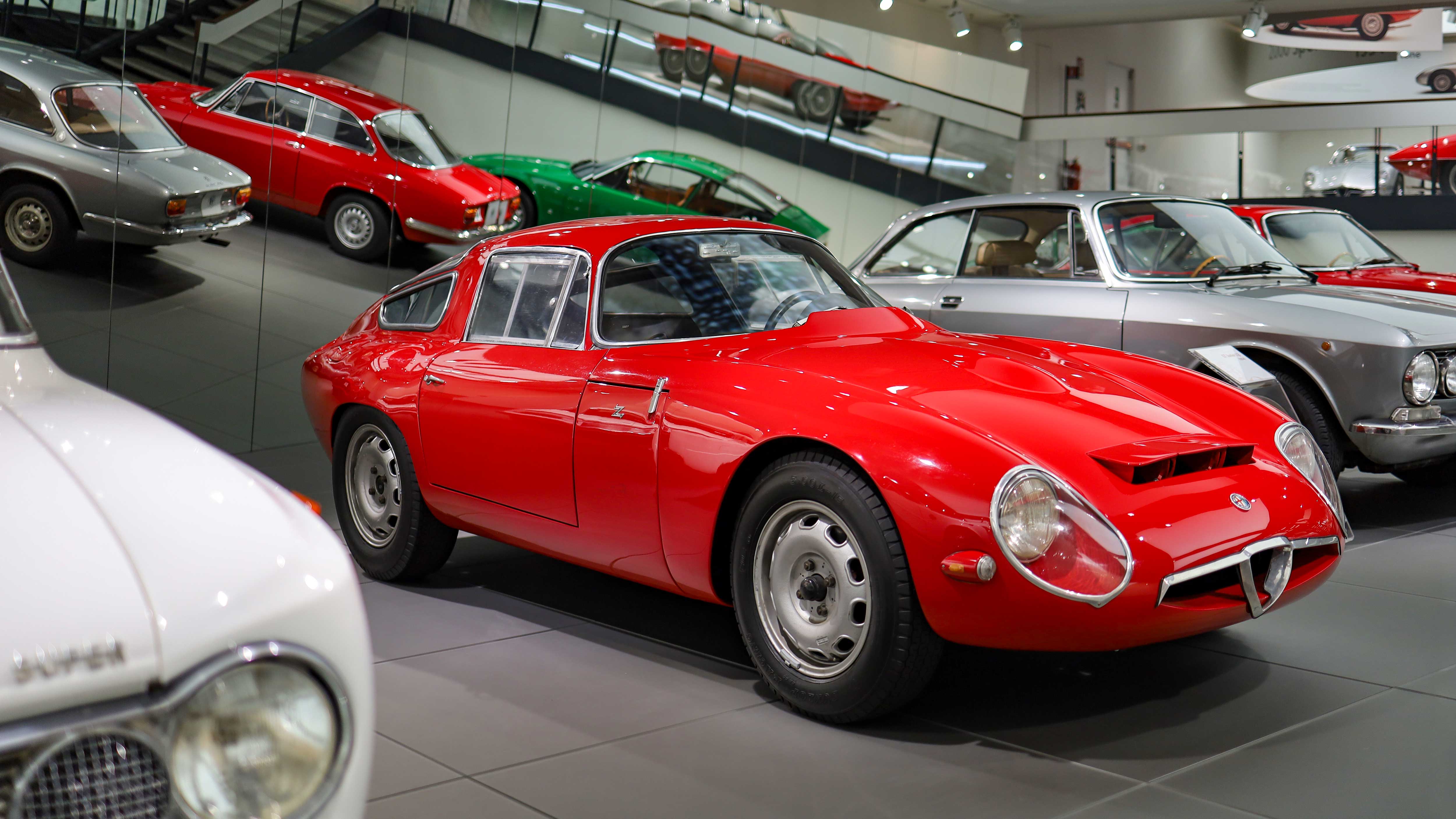
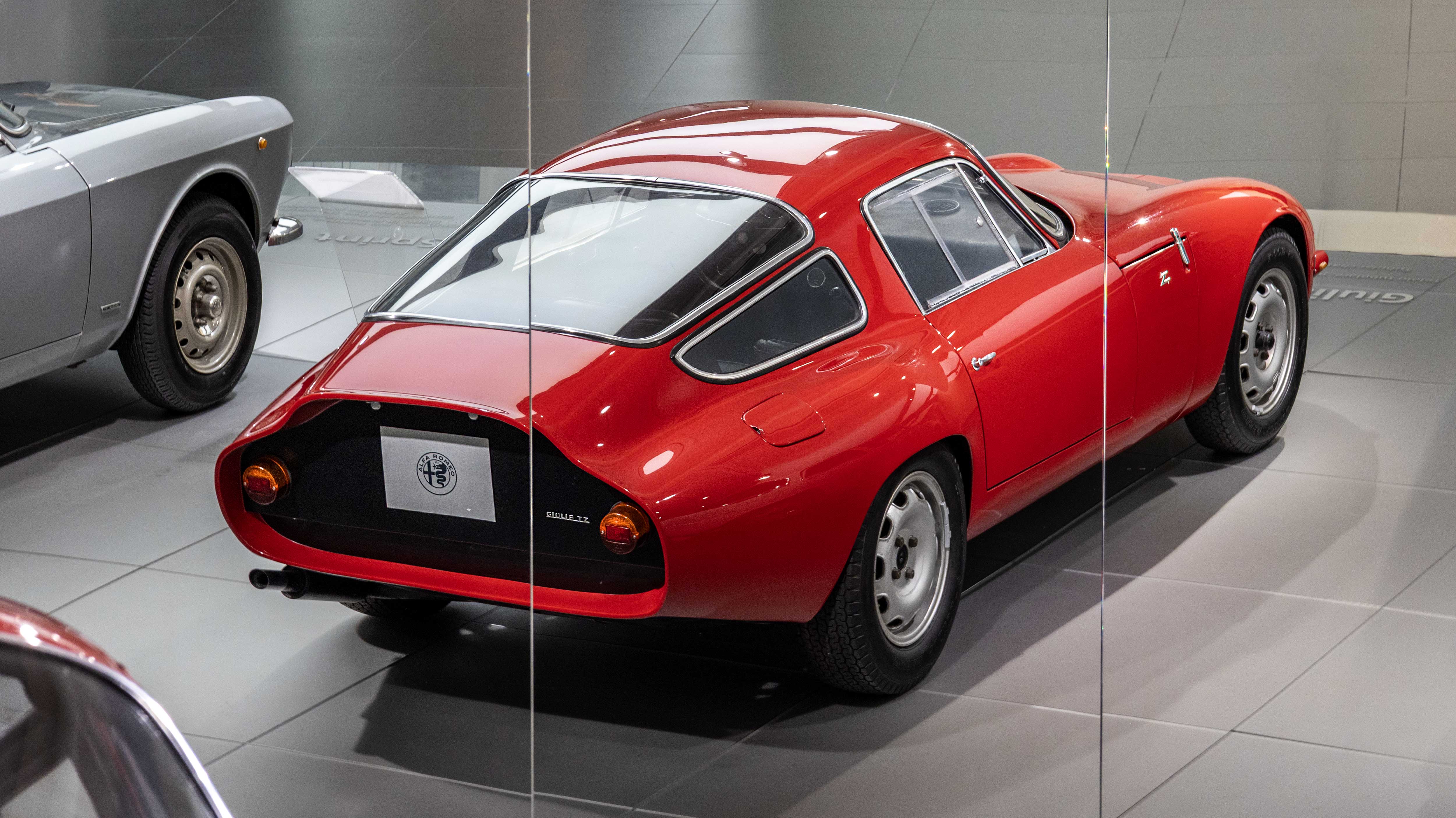
Giulia TZ
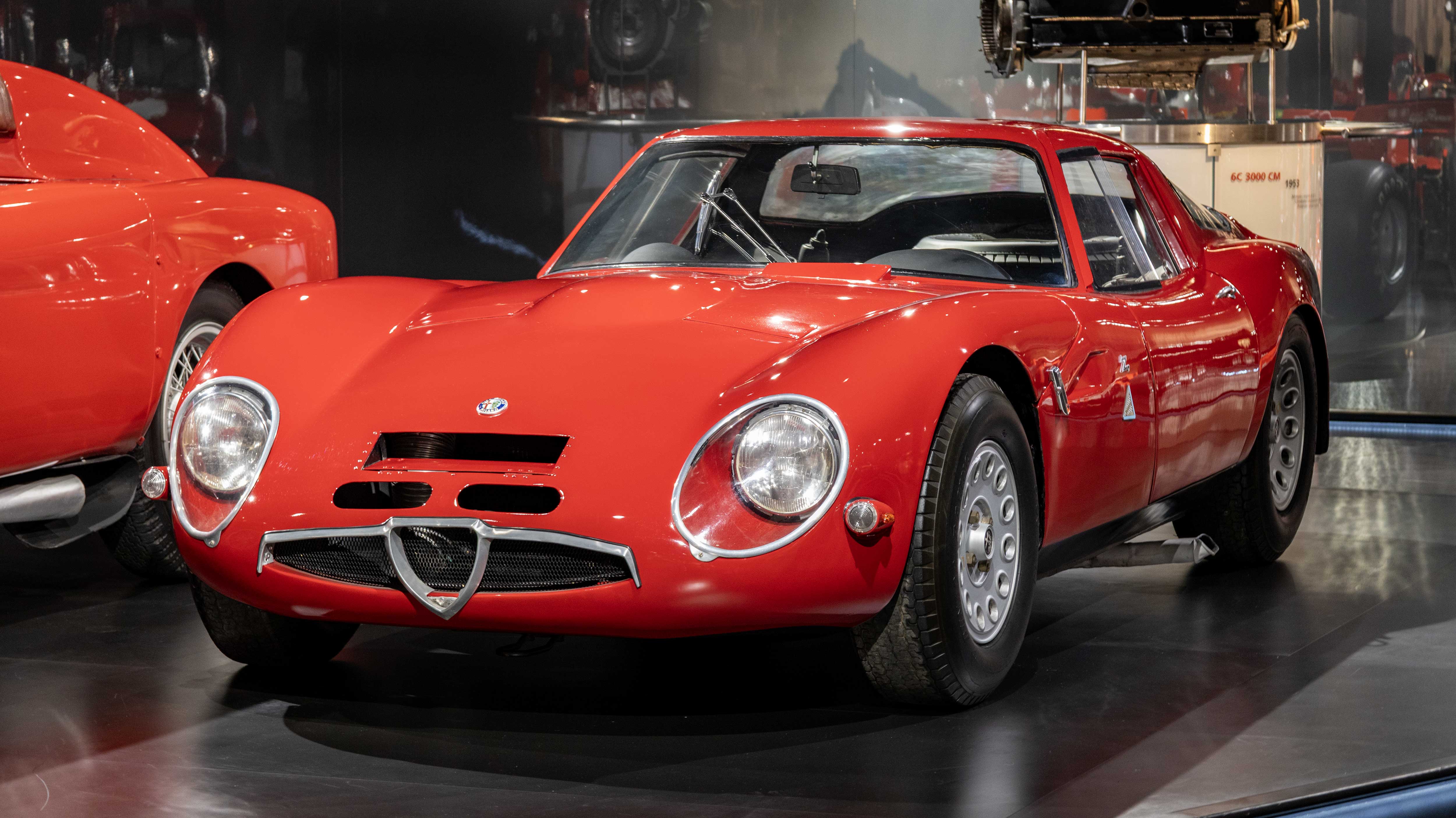
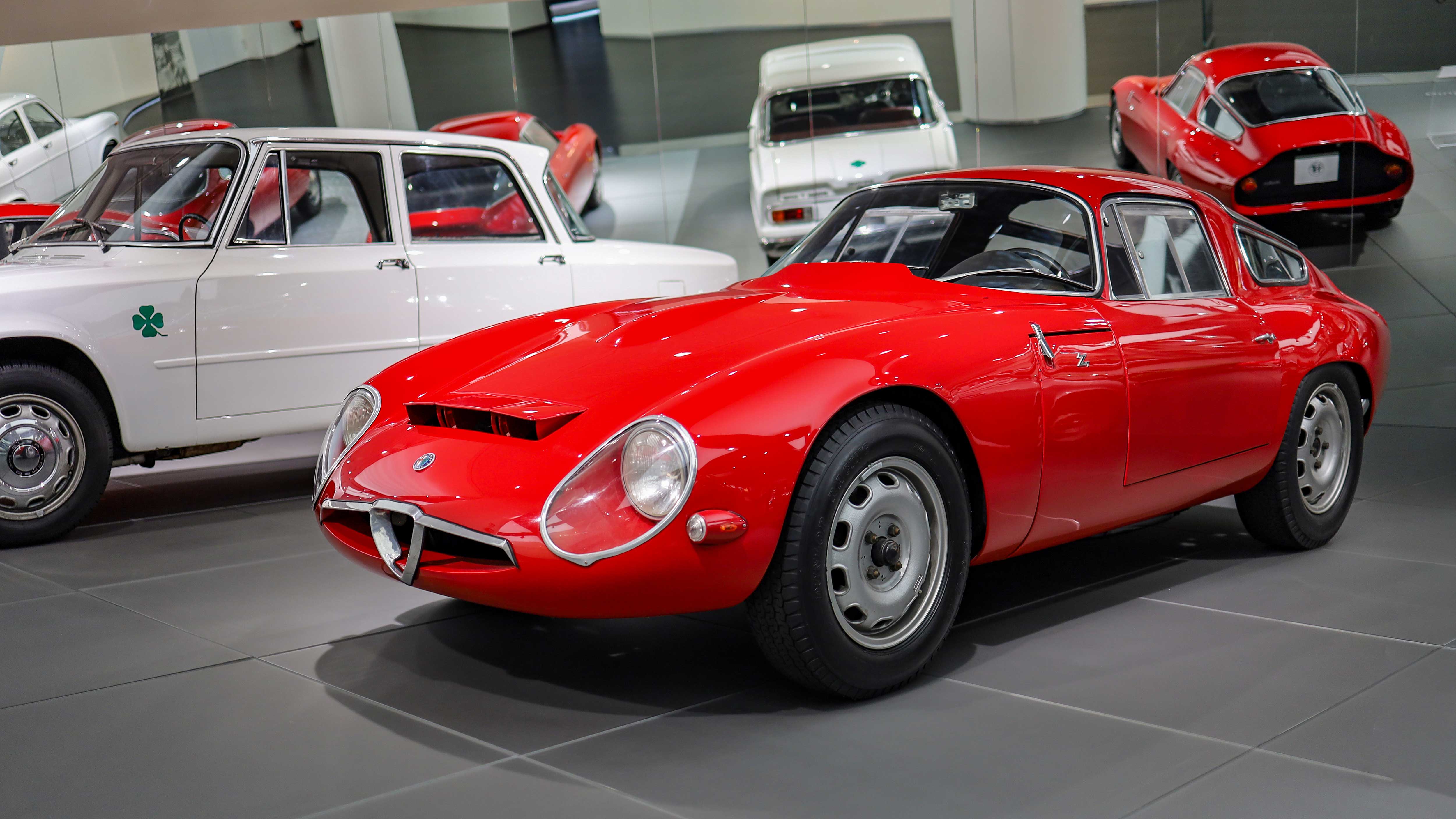
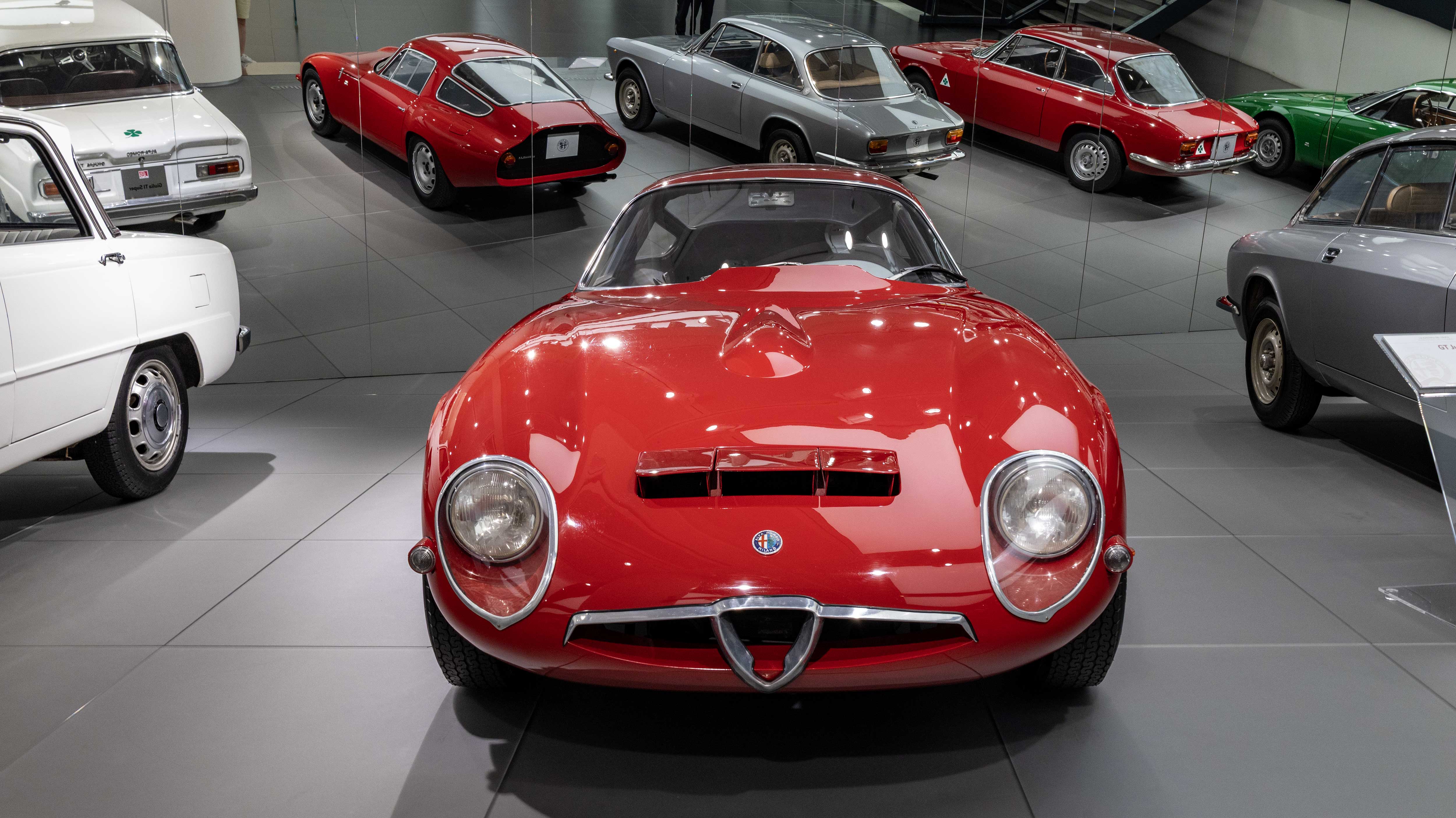
The Giulia TZ (1963–1965) was a lightweight homologation coupe built for GT racing. Its 1.6 twin-cam engine produced about 160 hp, paired with a tubular chassis, low weight, and sharp aerodynamics.
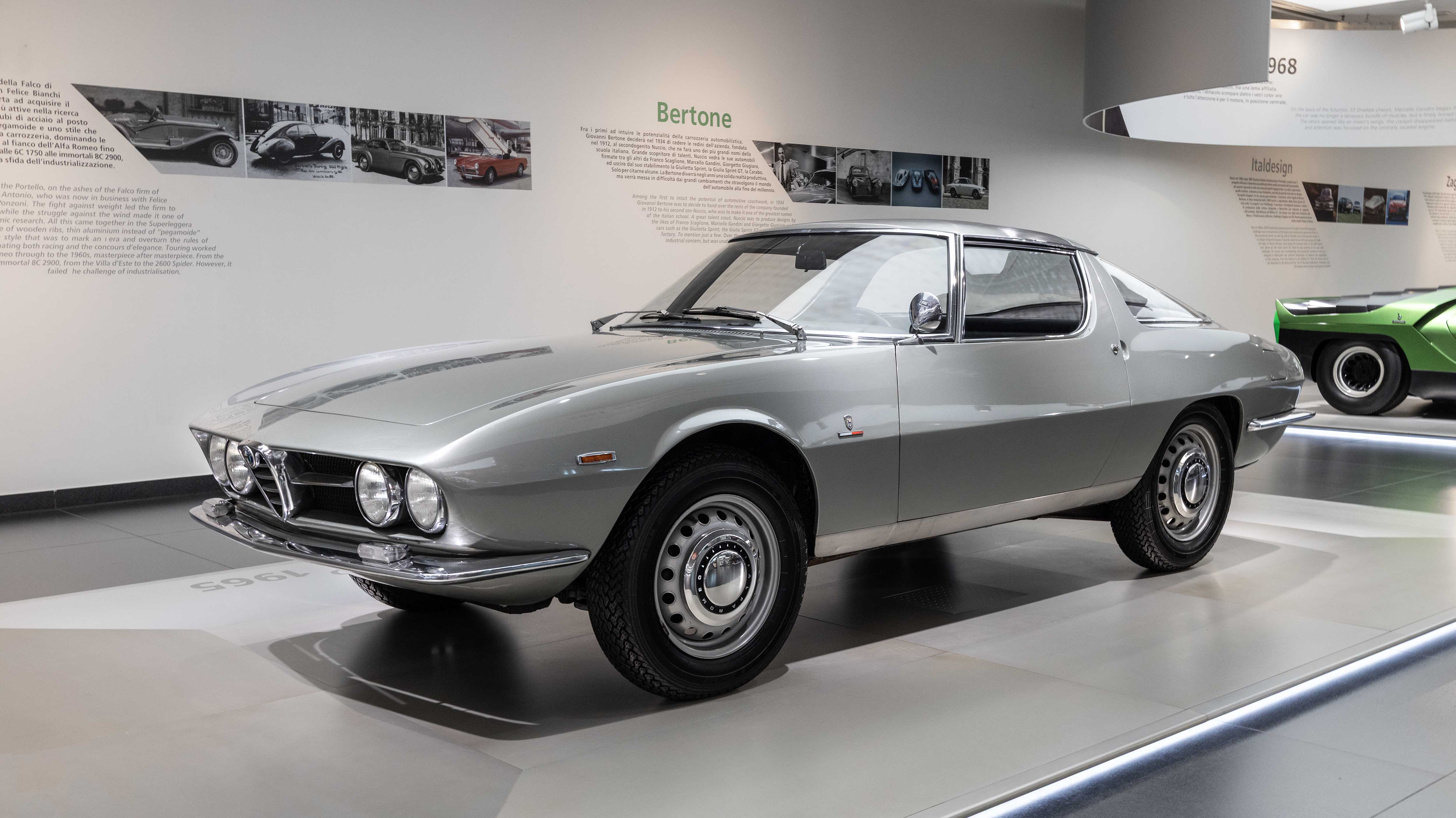
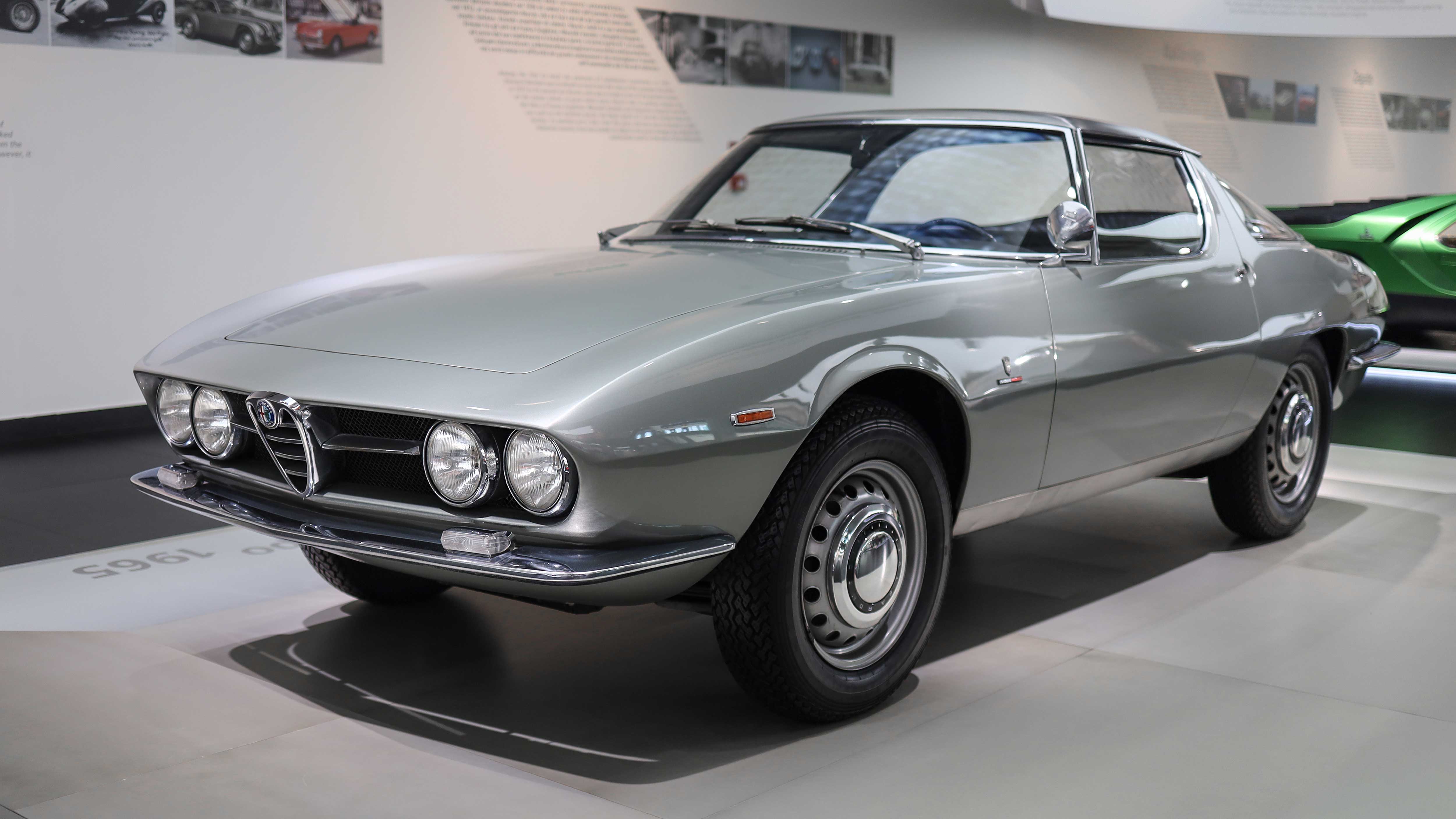
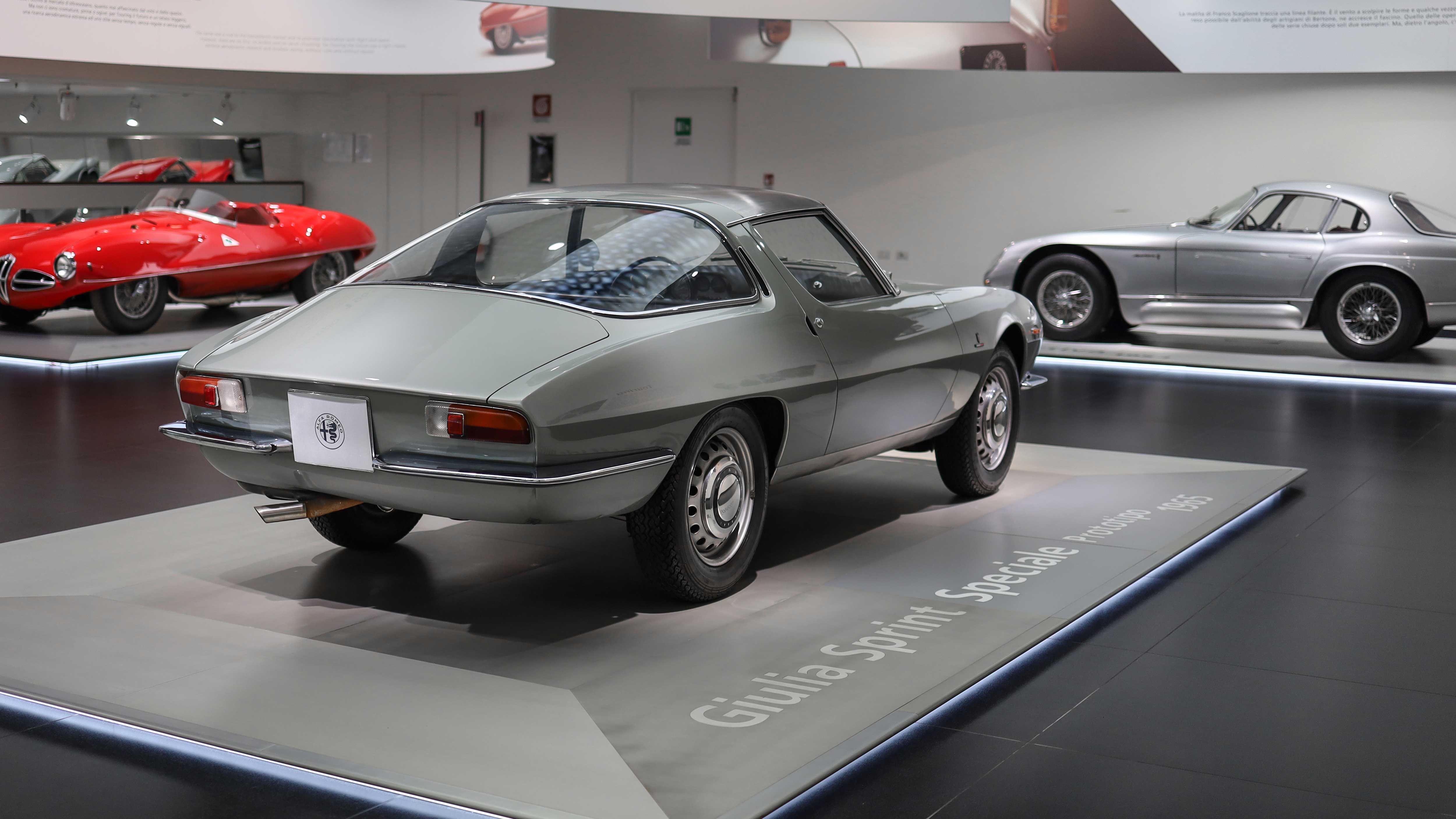
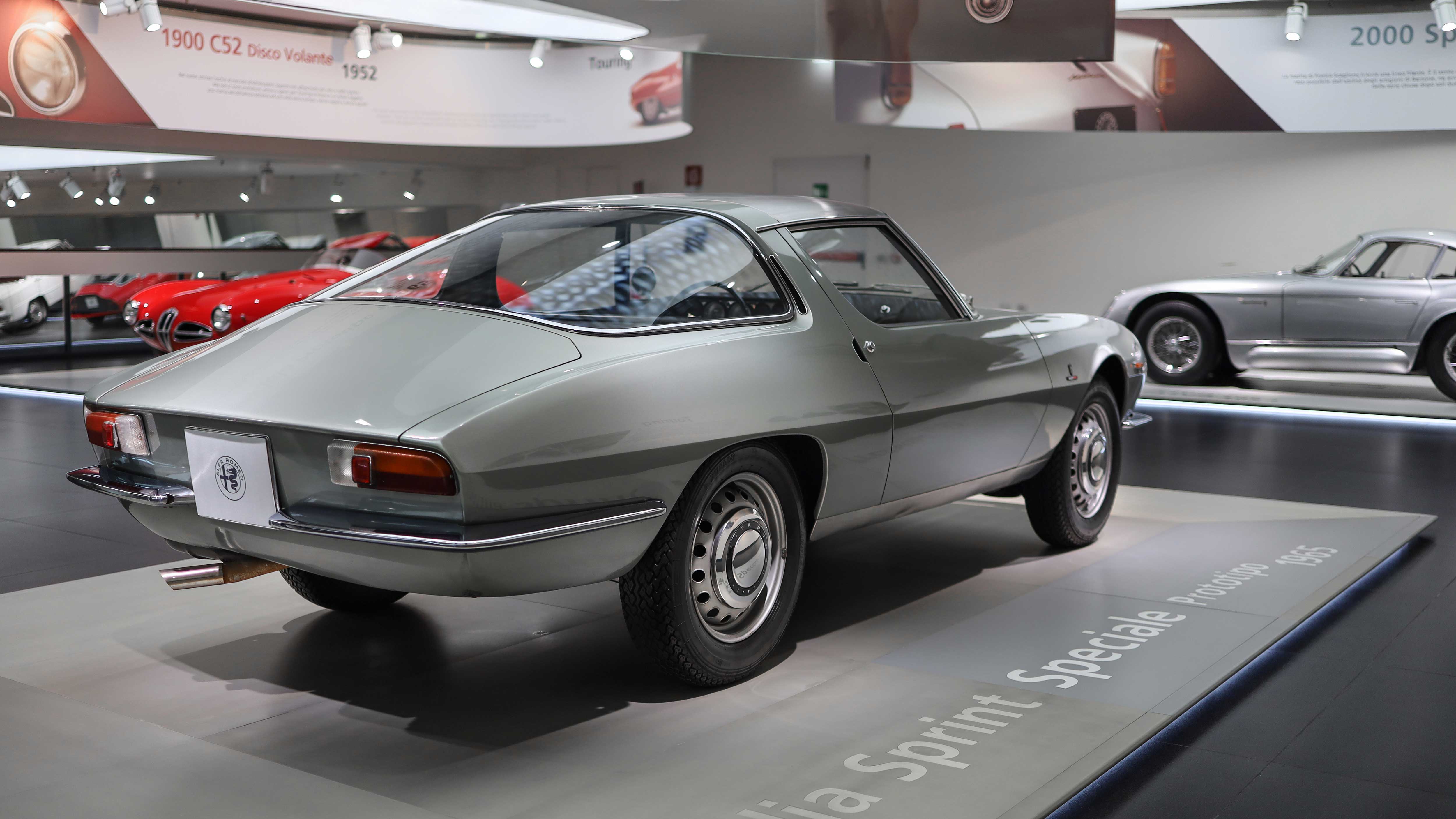
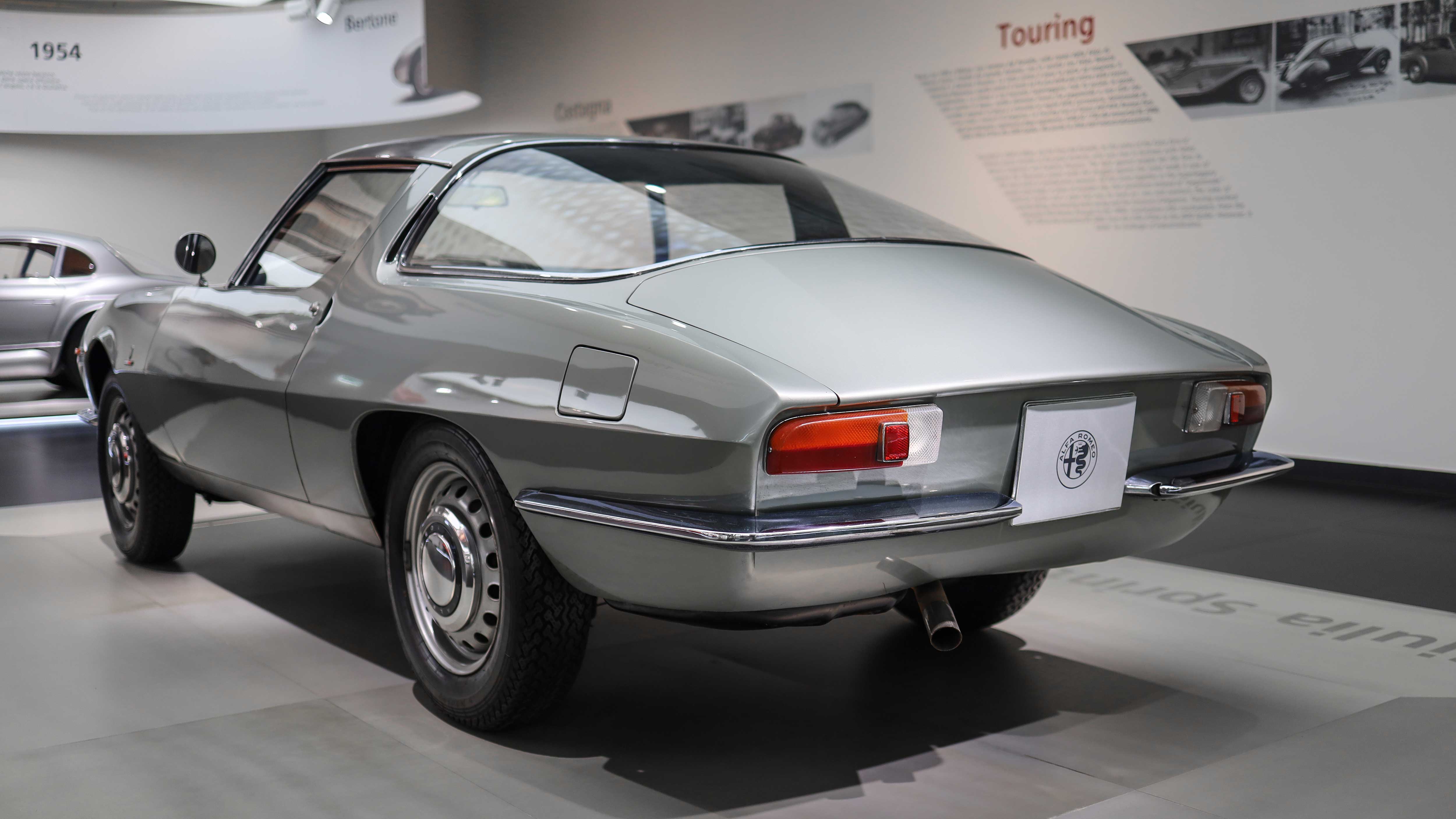
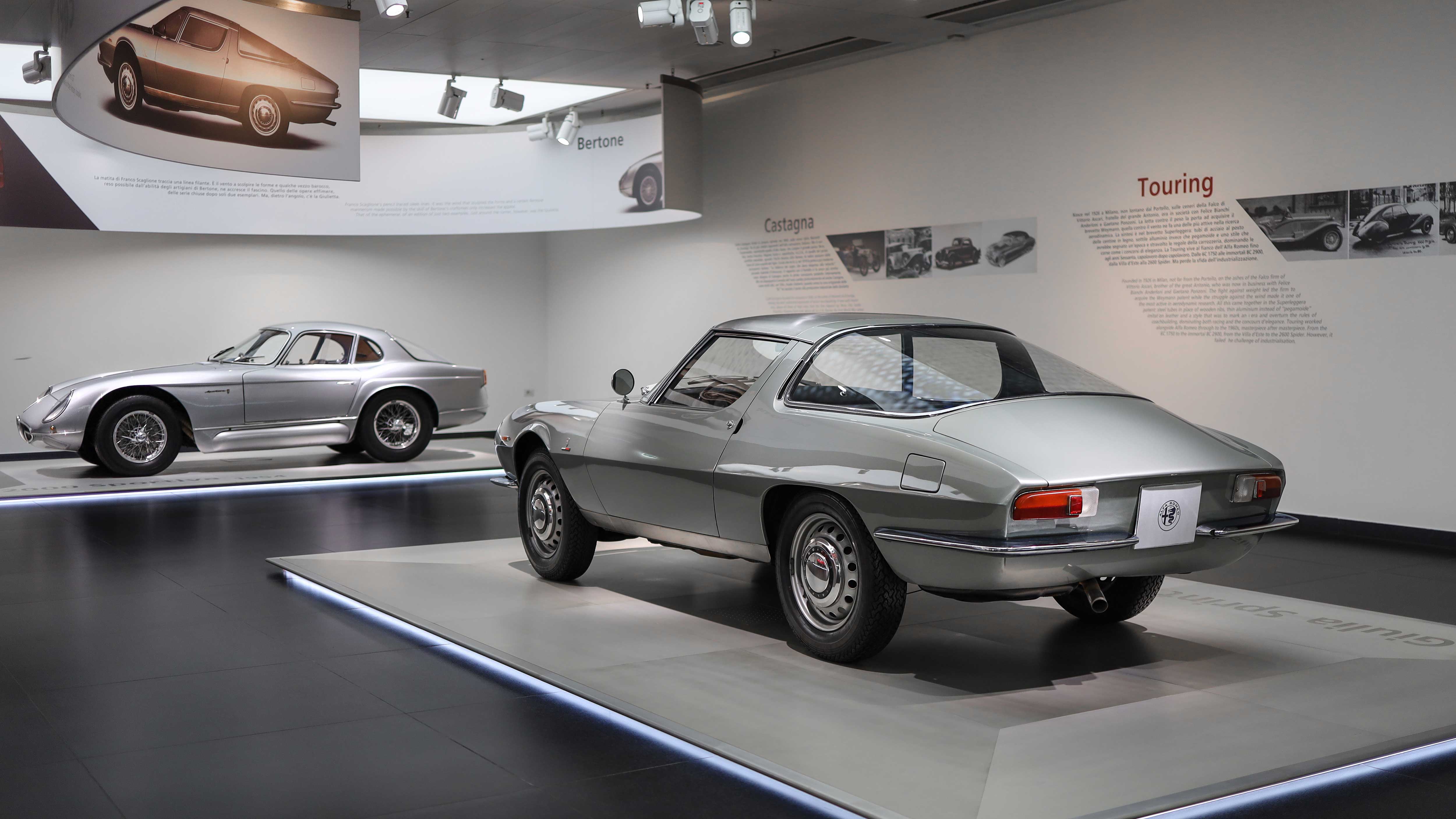
Giulia Sprint Speciale
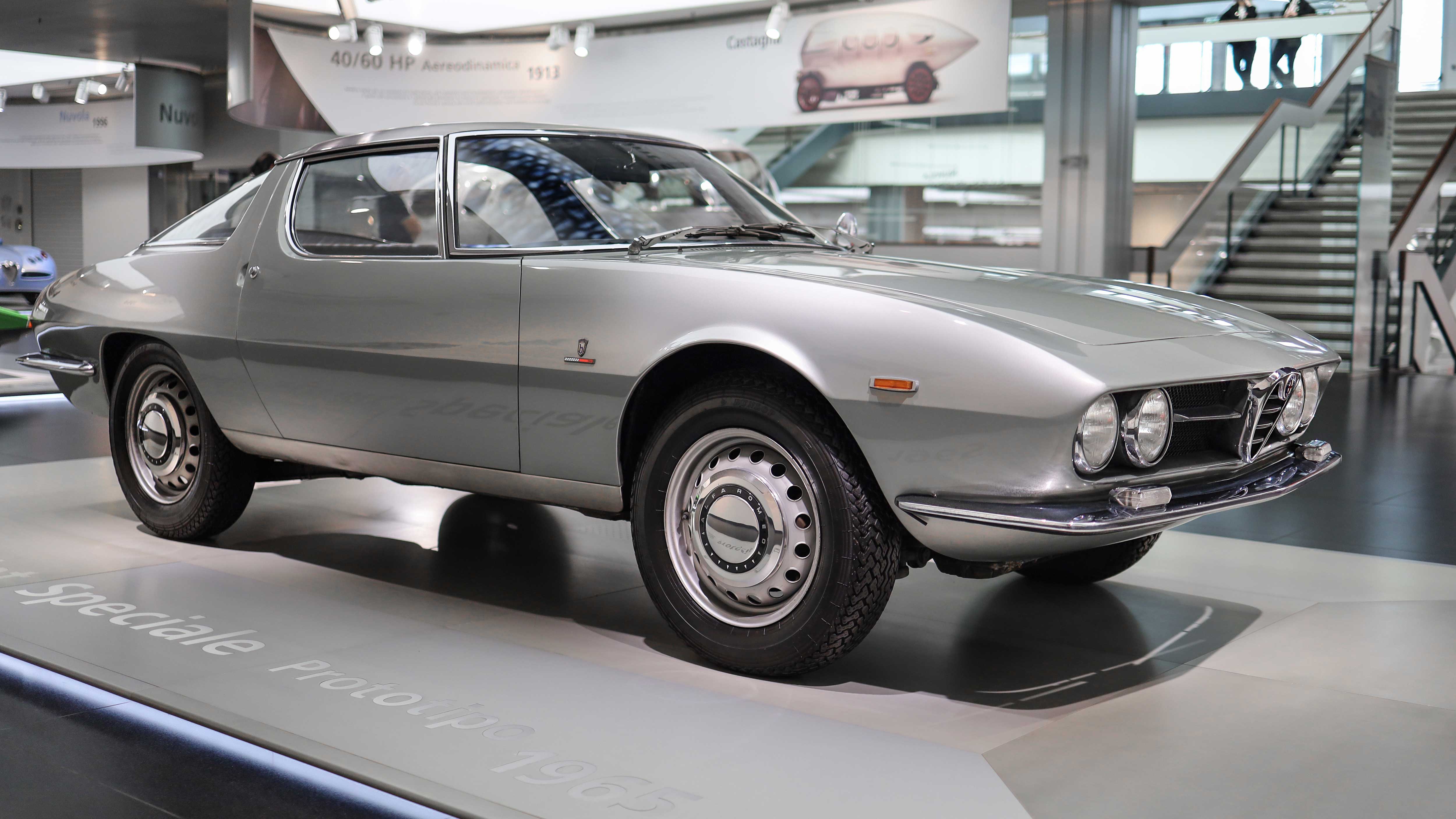
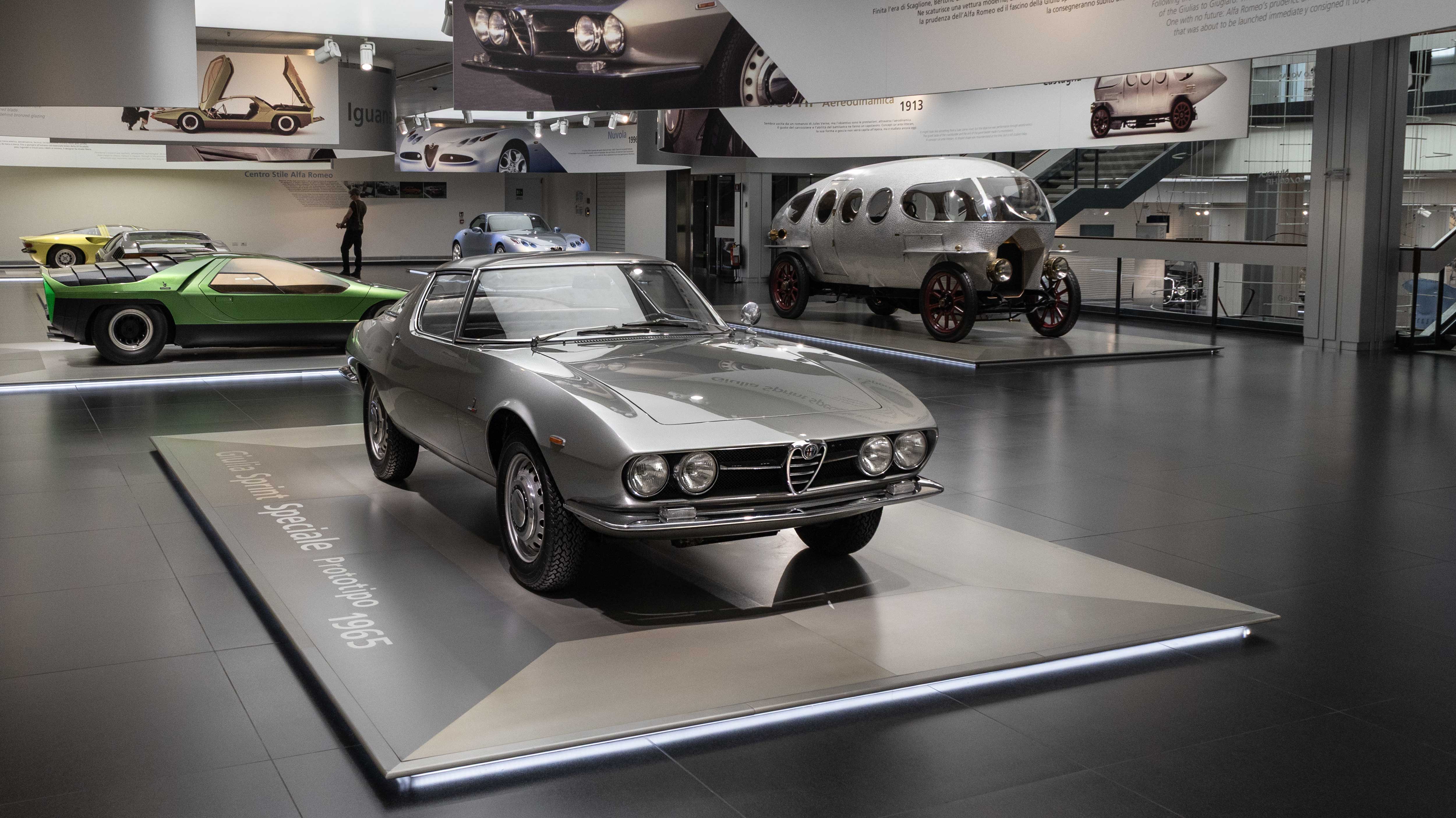
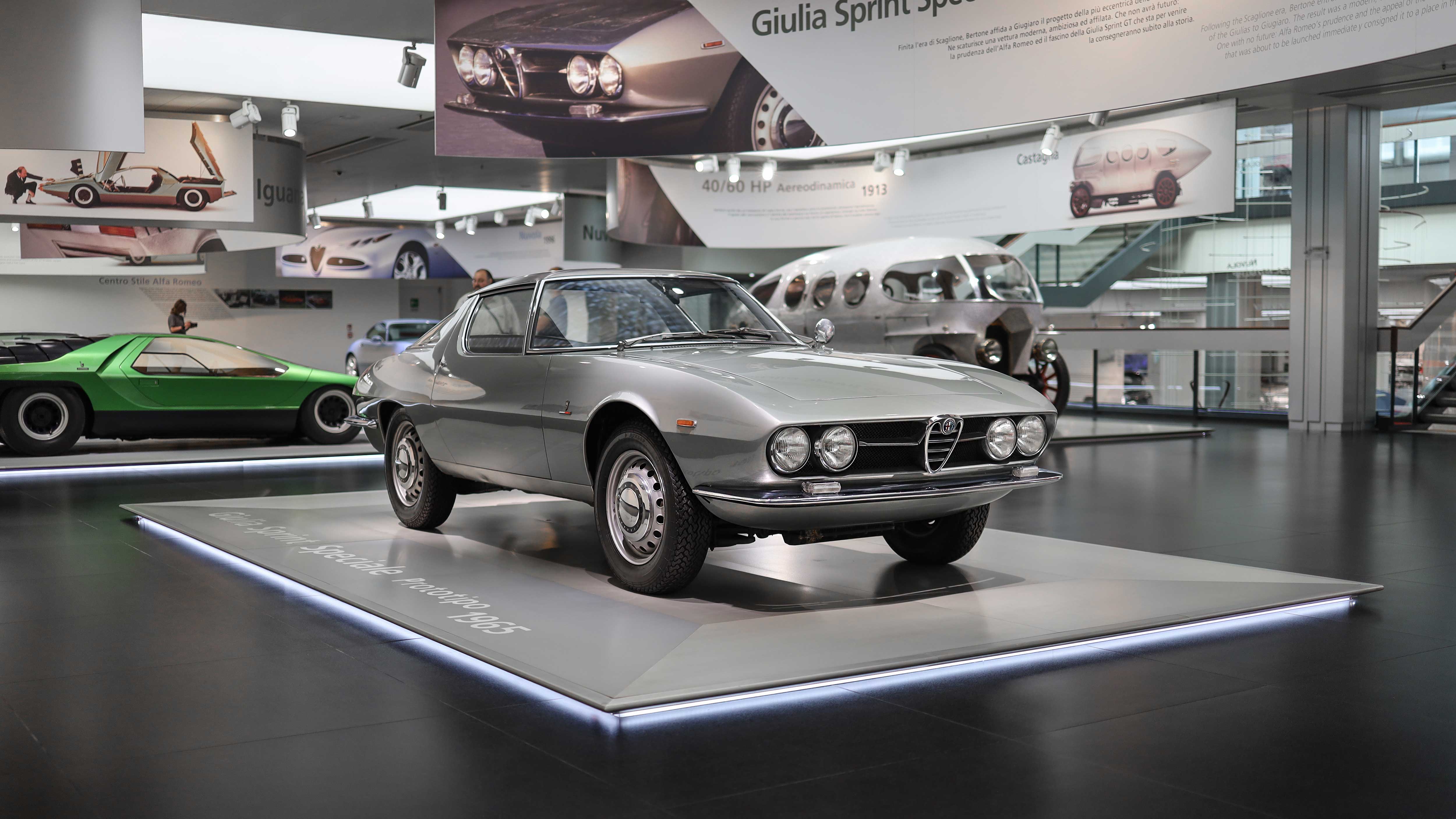
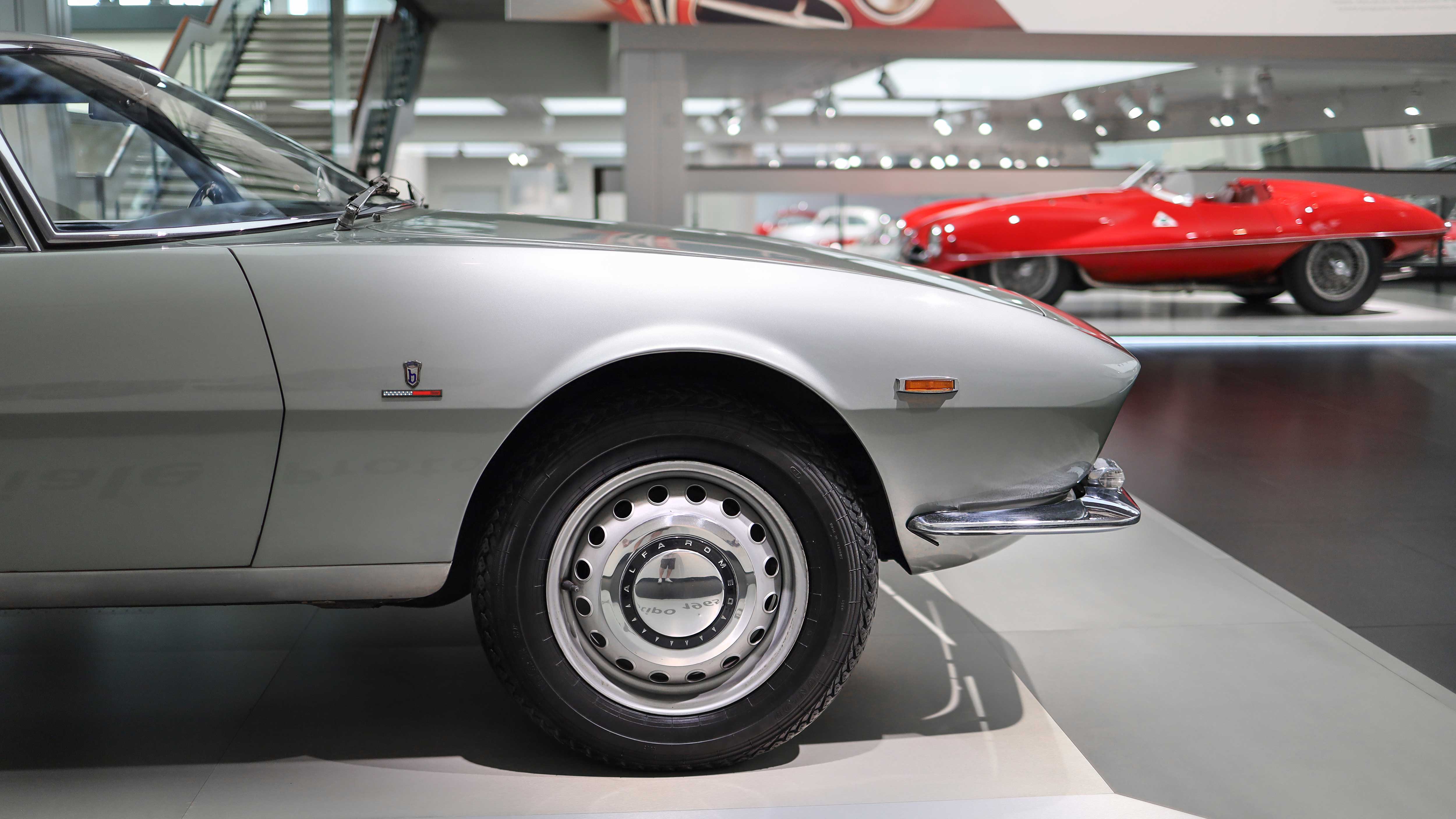
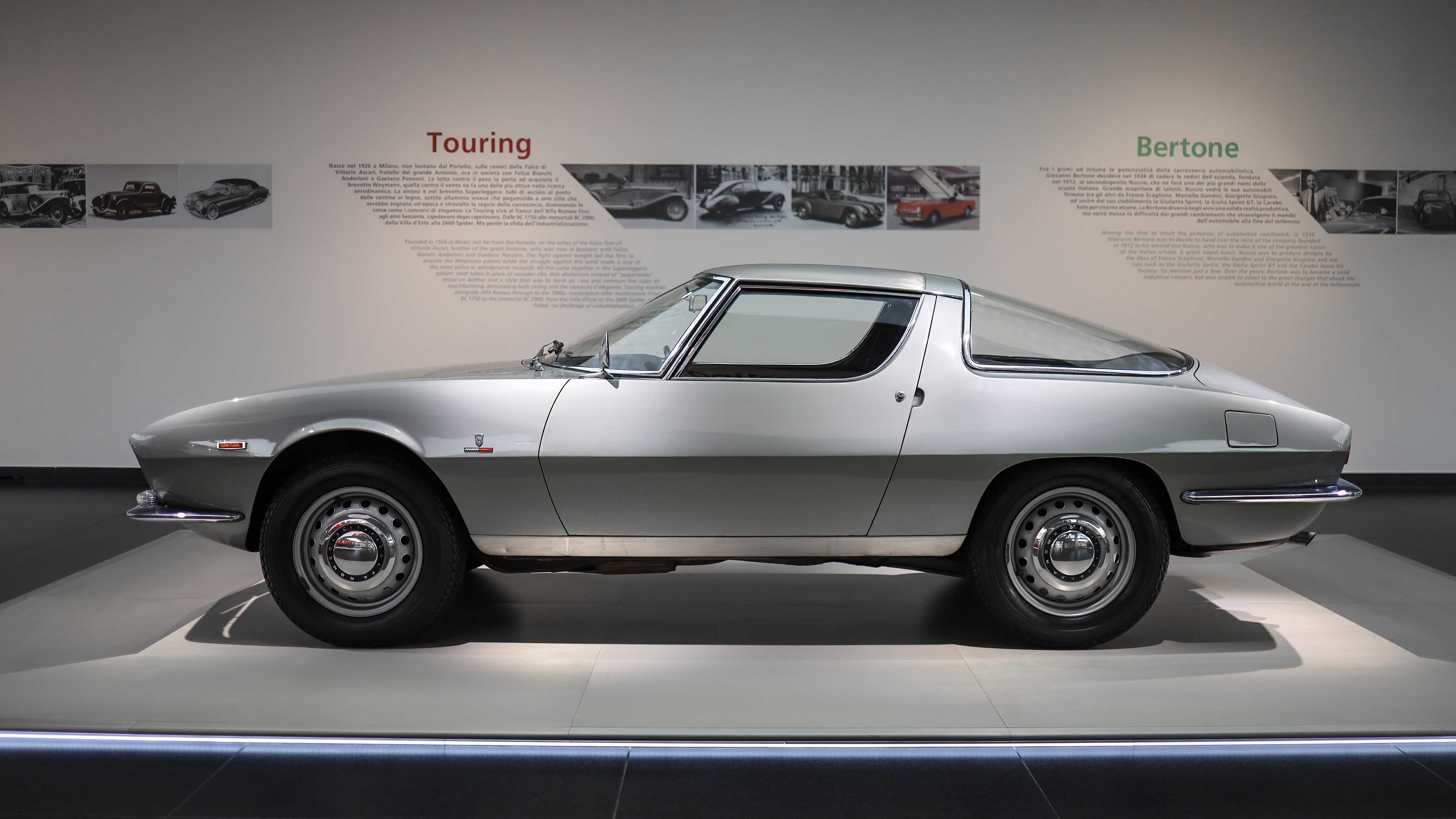
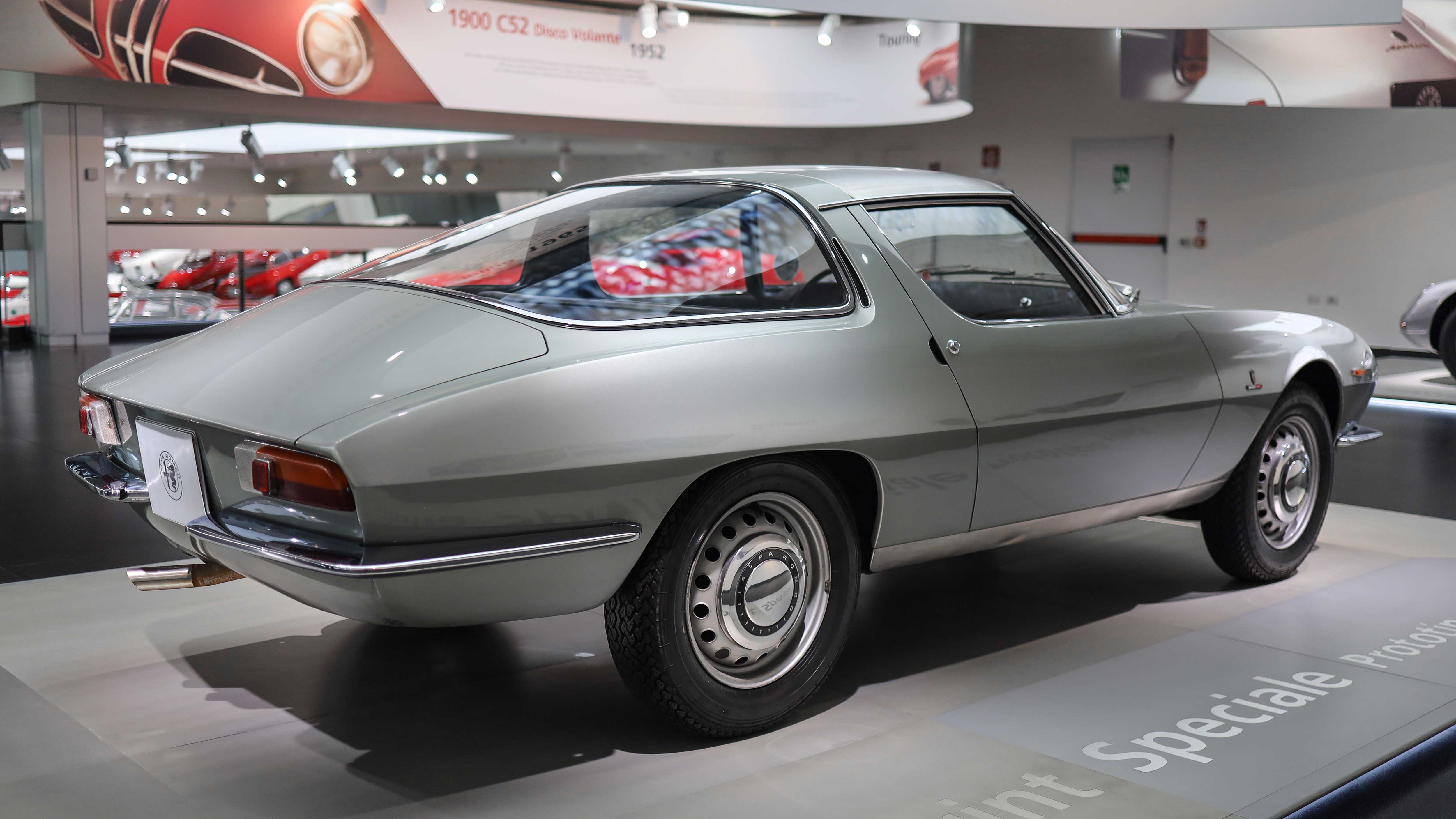
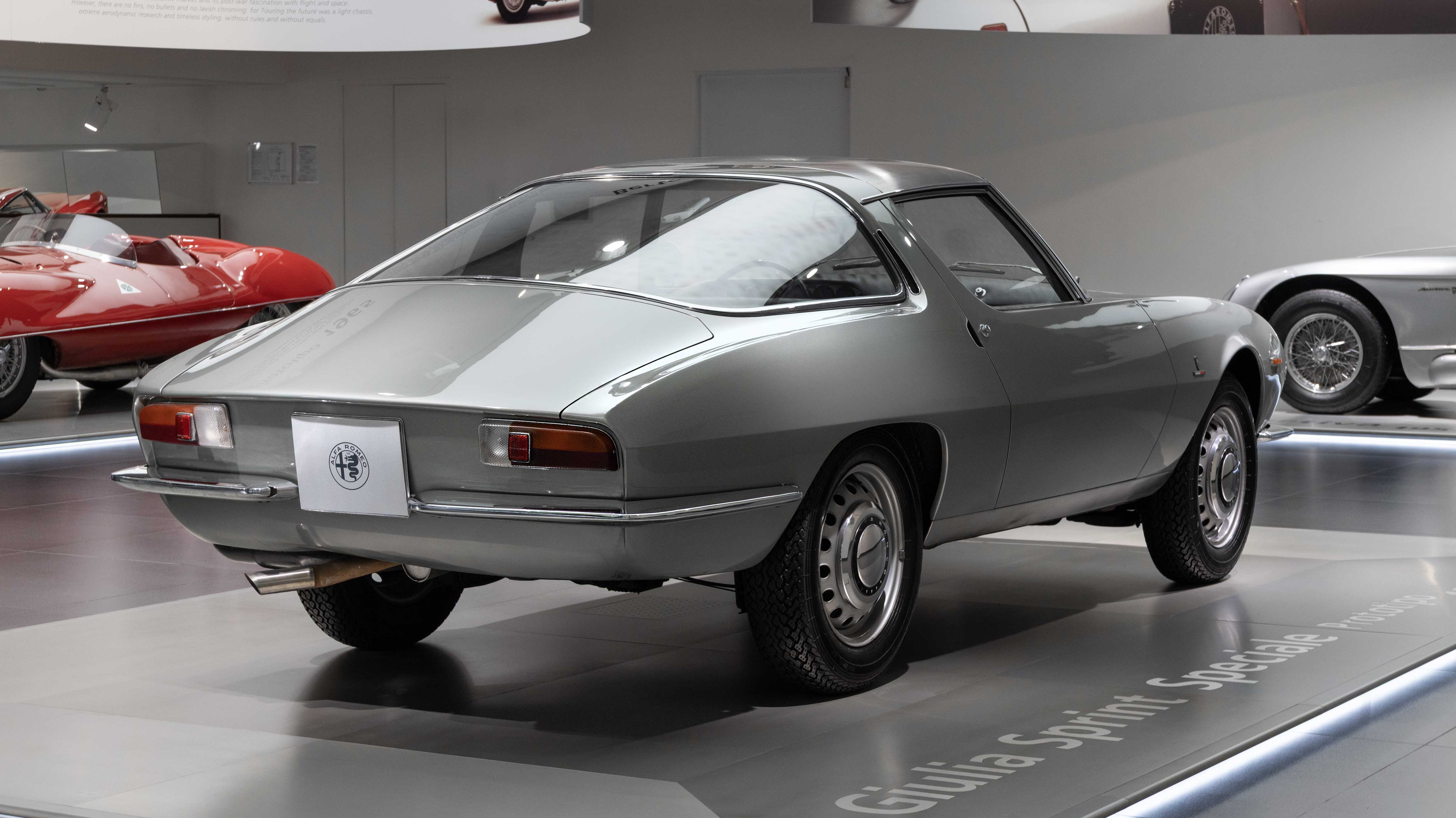
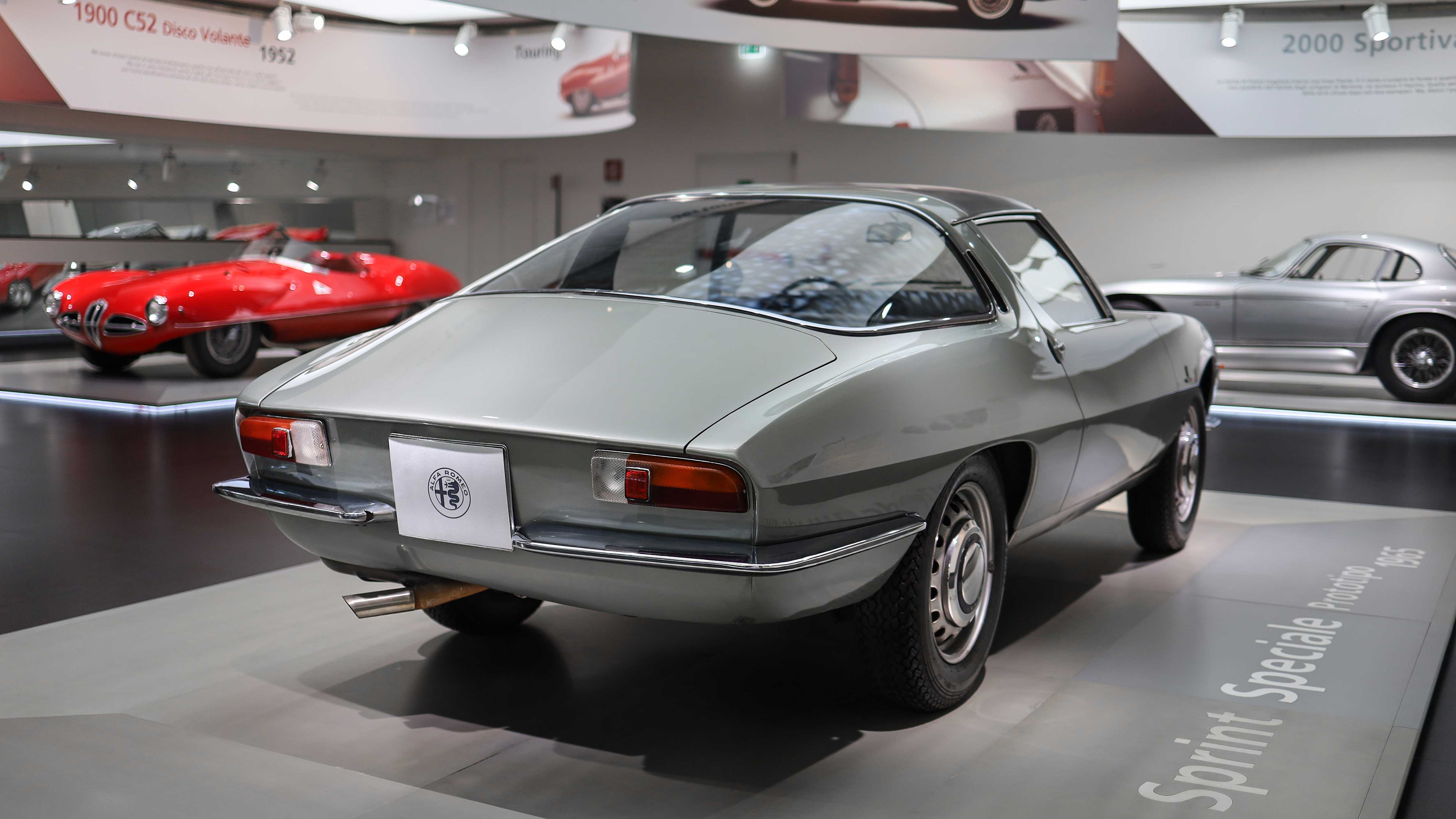
The Giulia Sprint Speciale Prototipo (1963) previewed Alfa Romeo’s aerodynamic GT direction. As a result, its lightweight body and 1.6 twin-cam engine focused on low drag, high-speed stability, and advanced design.
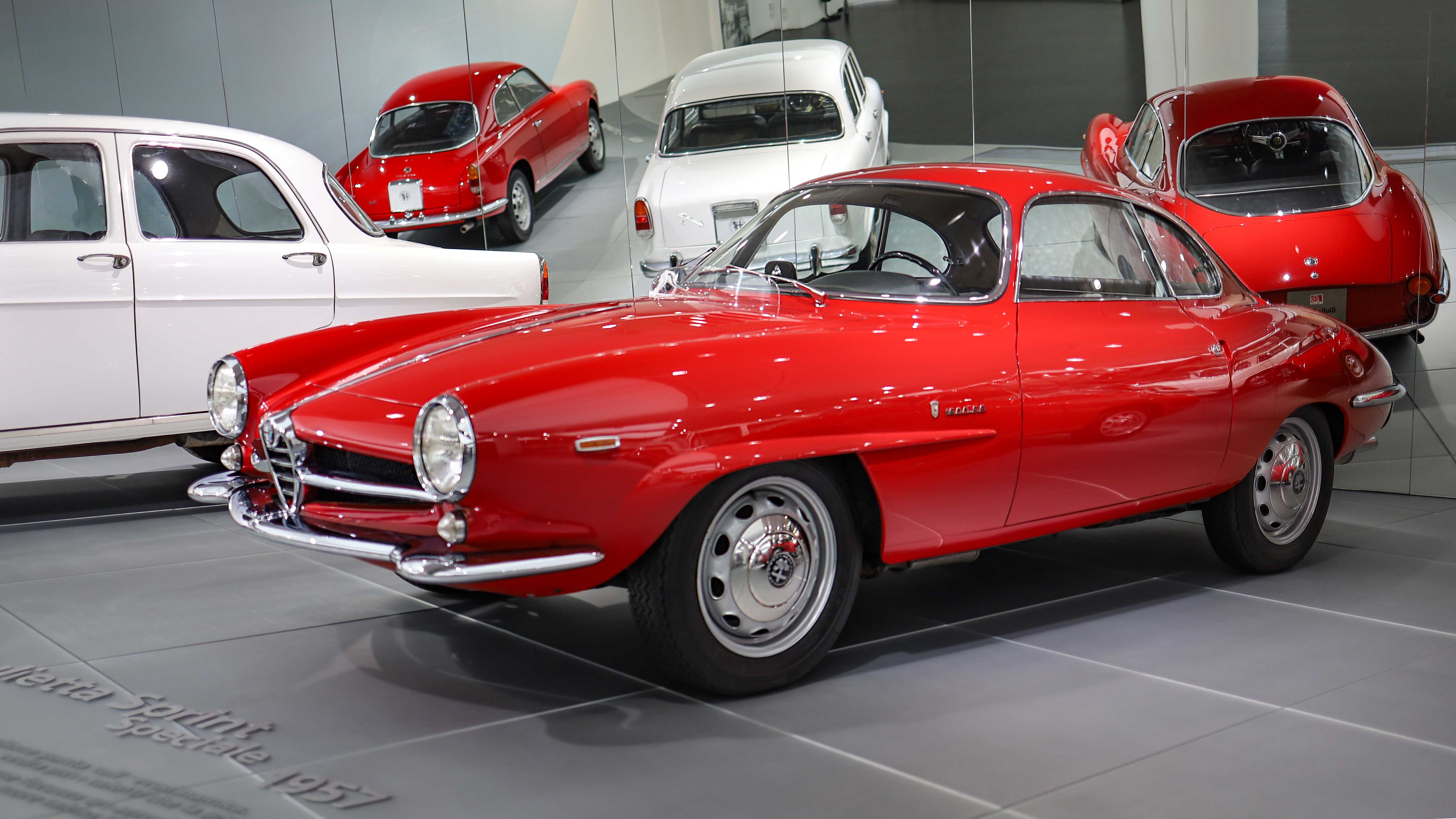
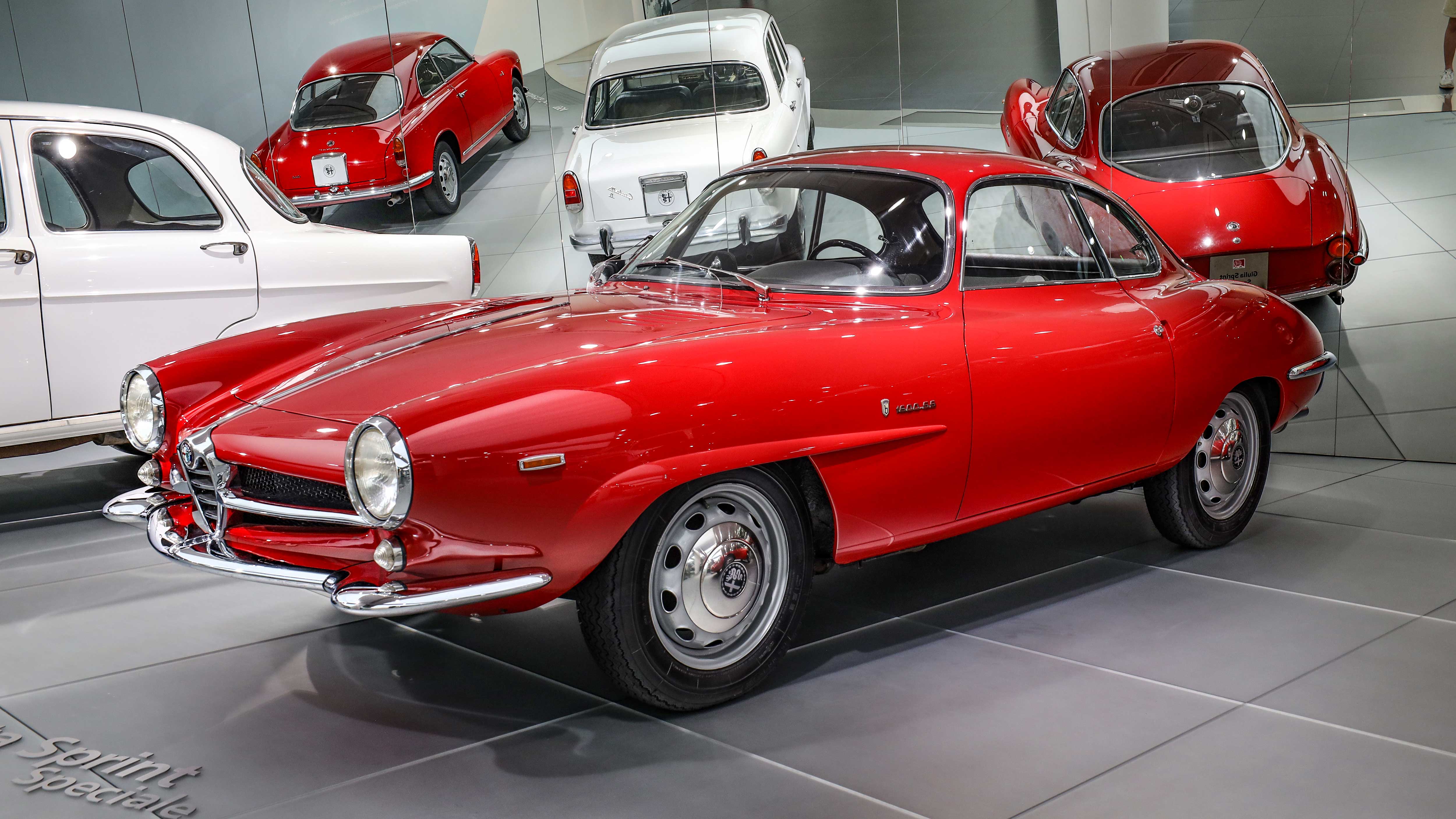
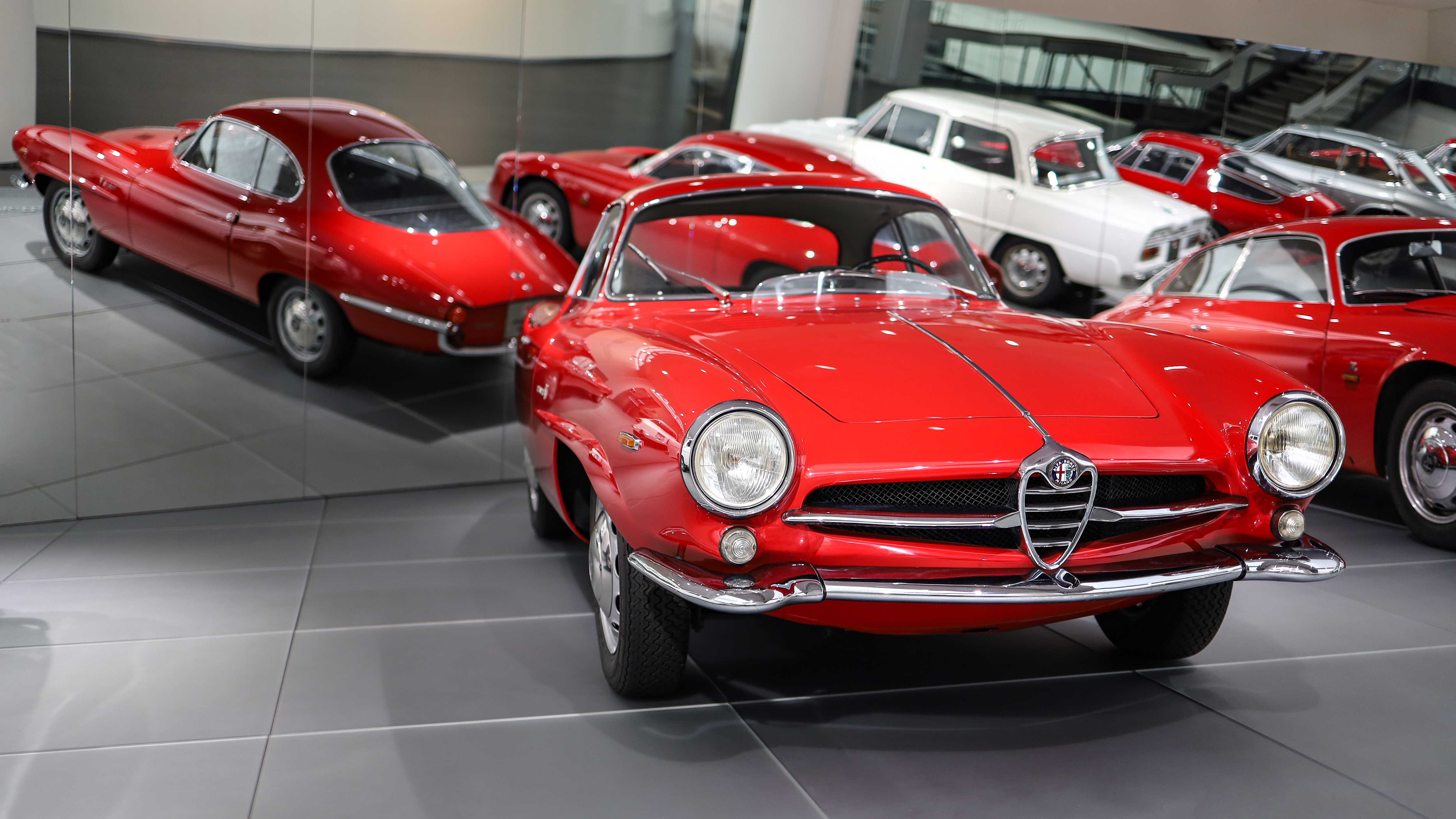
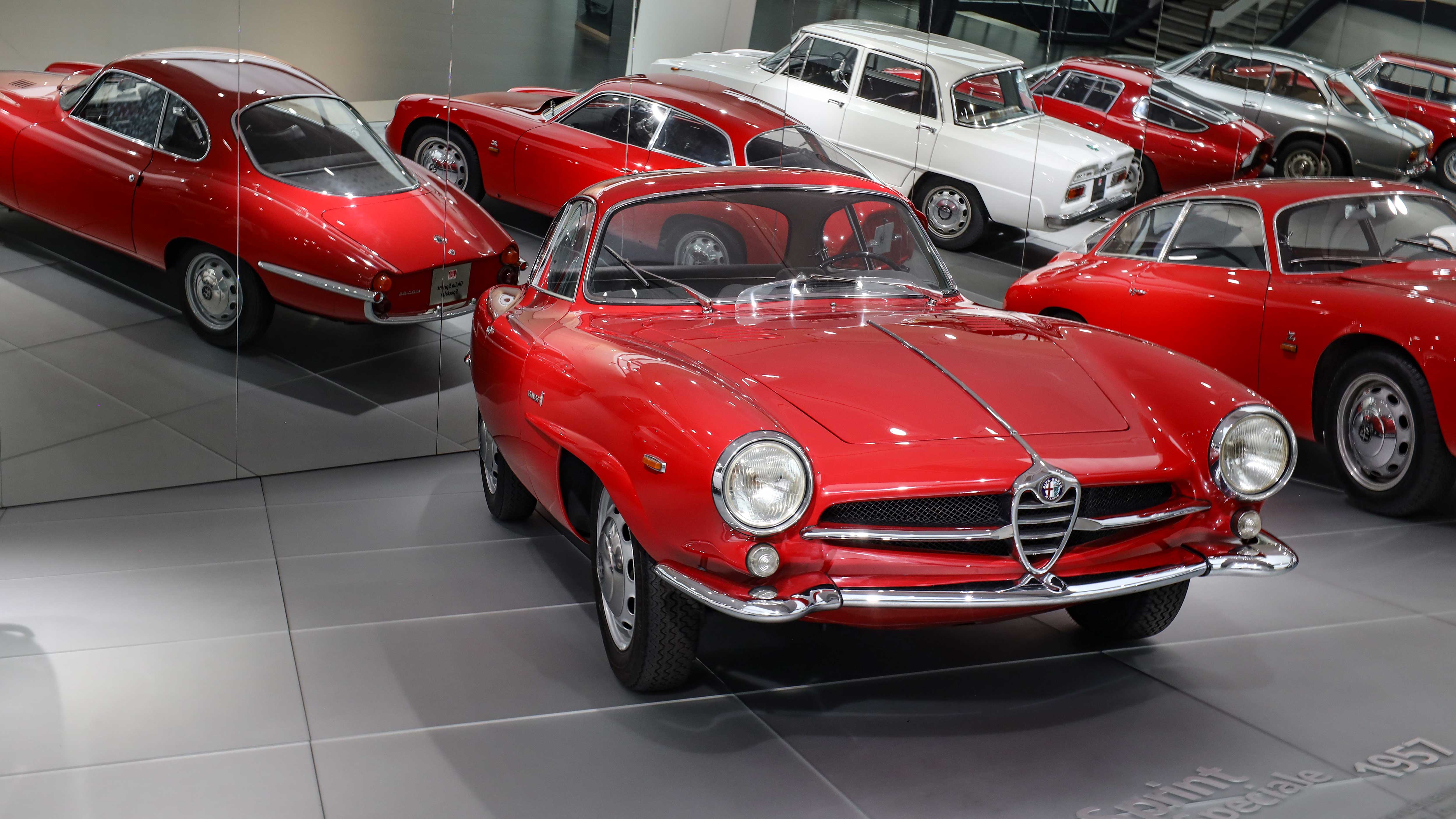
Giulietta Sprint Speciale
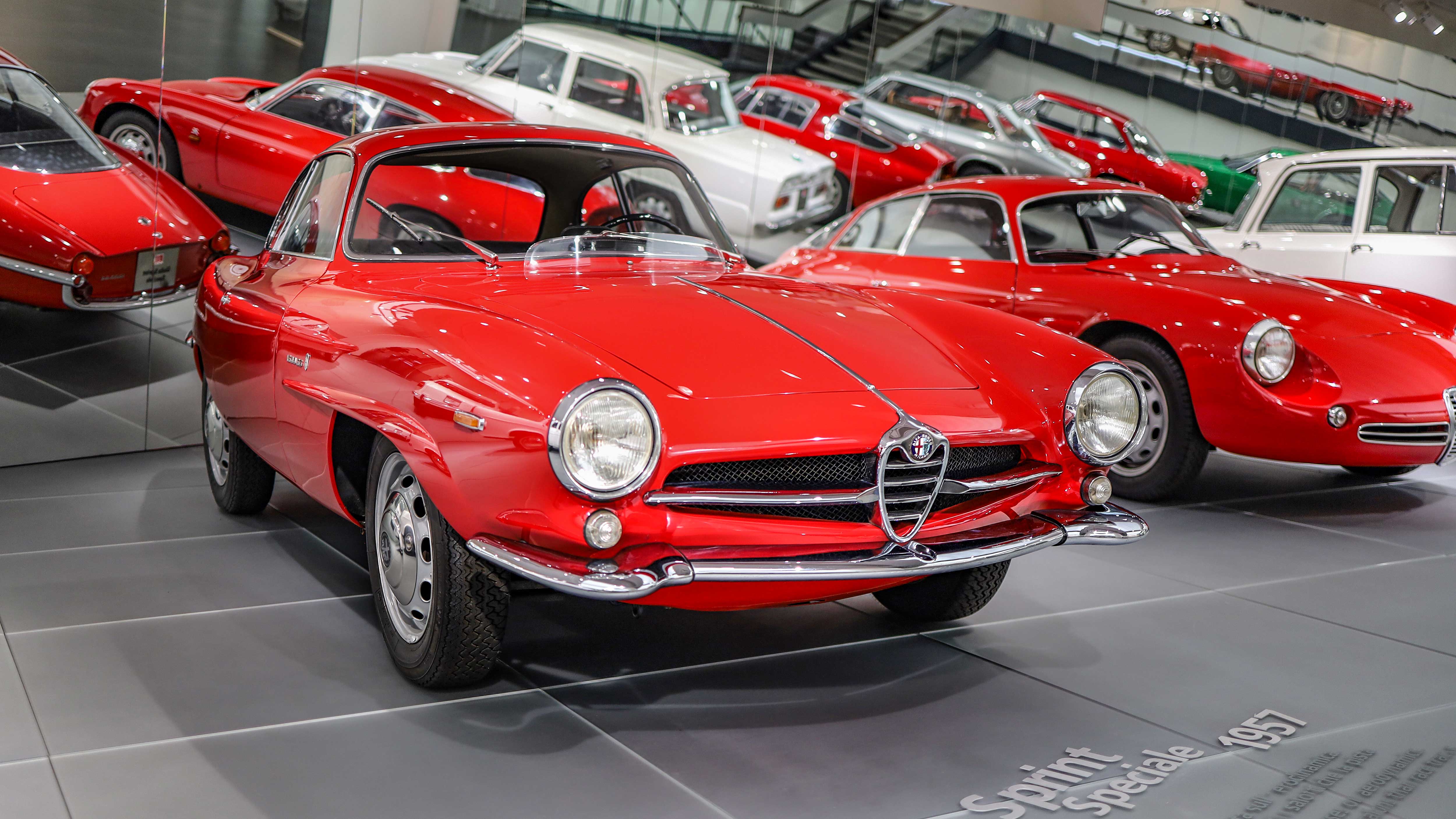
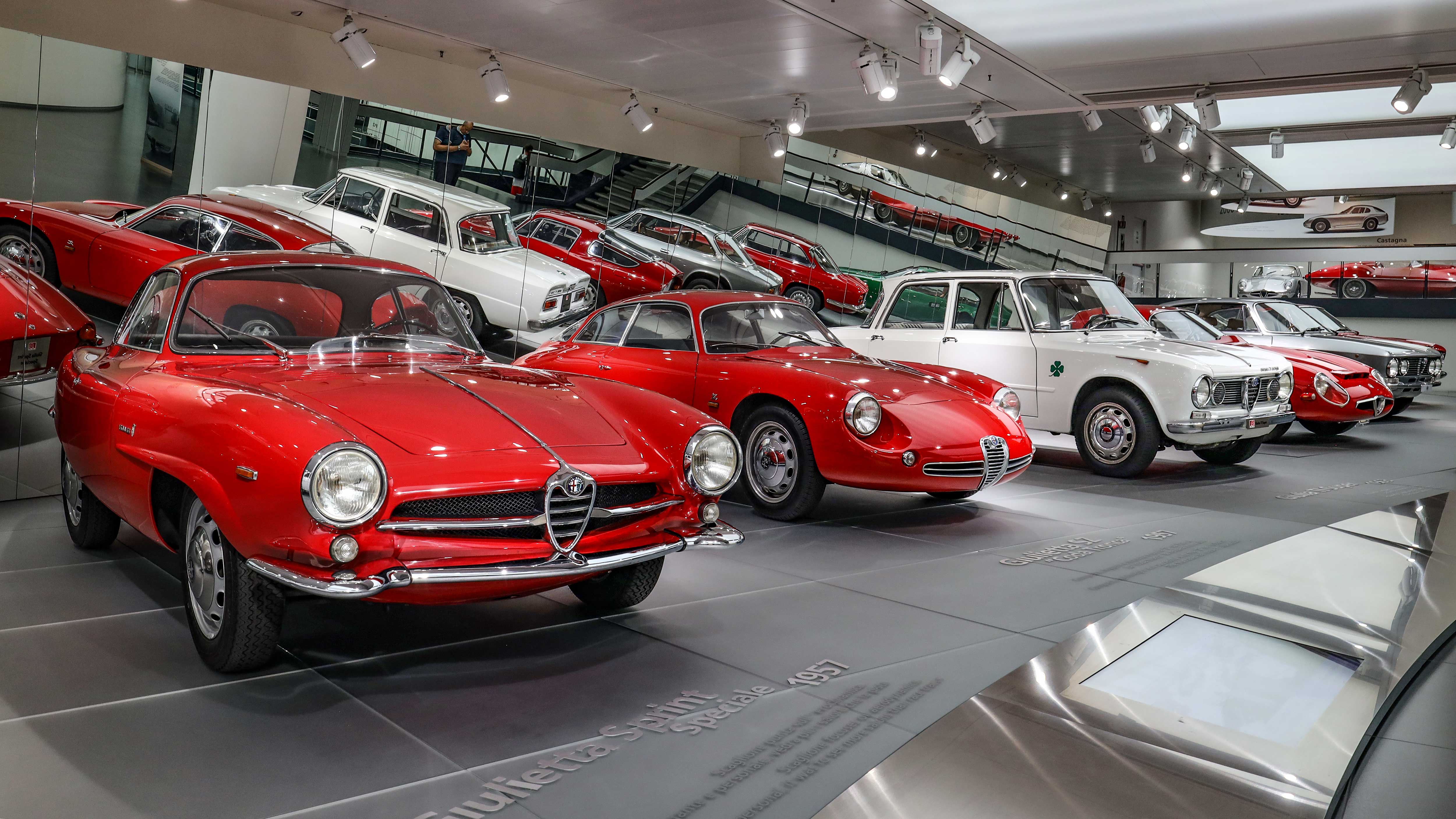
The Alfa Romeo Giulietta Sprint Speciale came out in 1957. Franco Scaglione at Bertone designed it. Its smooth shape and round front give it a unique, sleek look that shows off classic Italian car style.


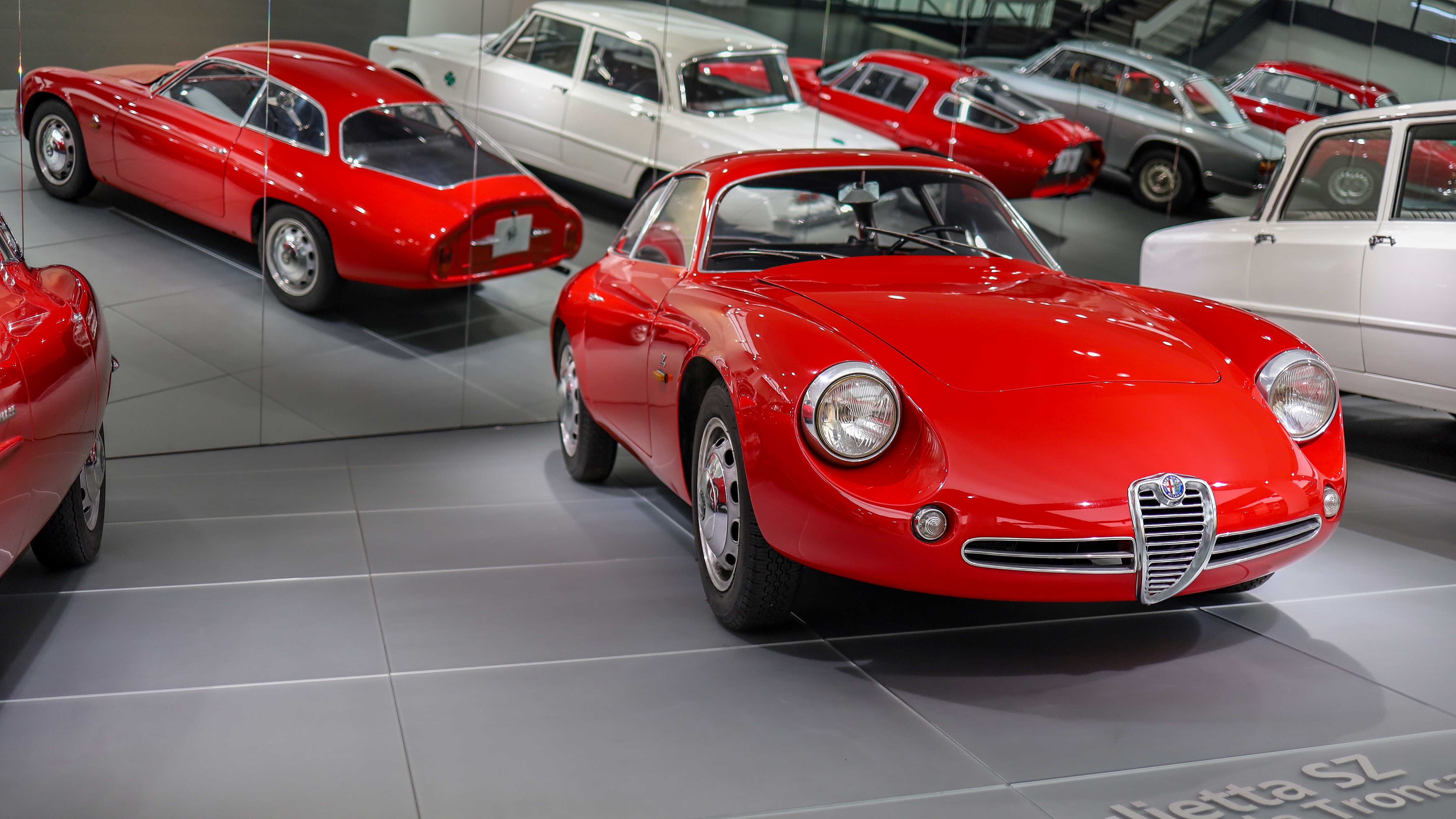
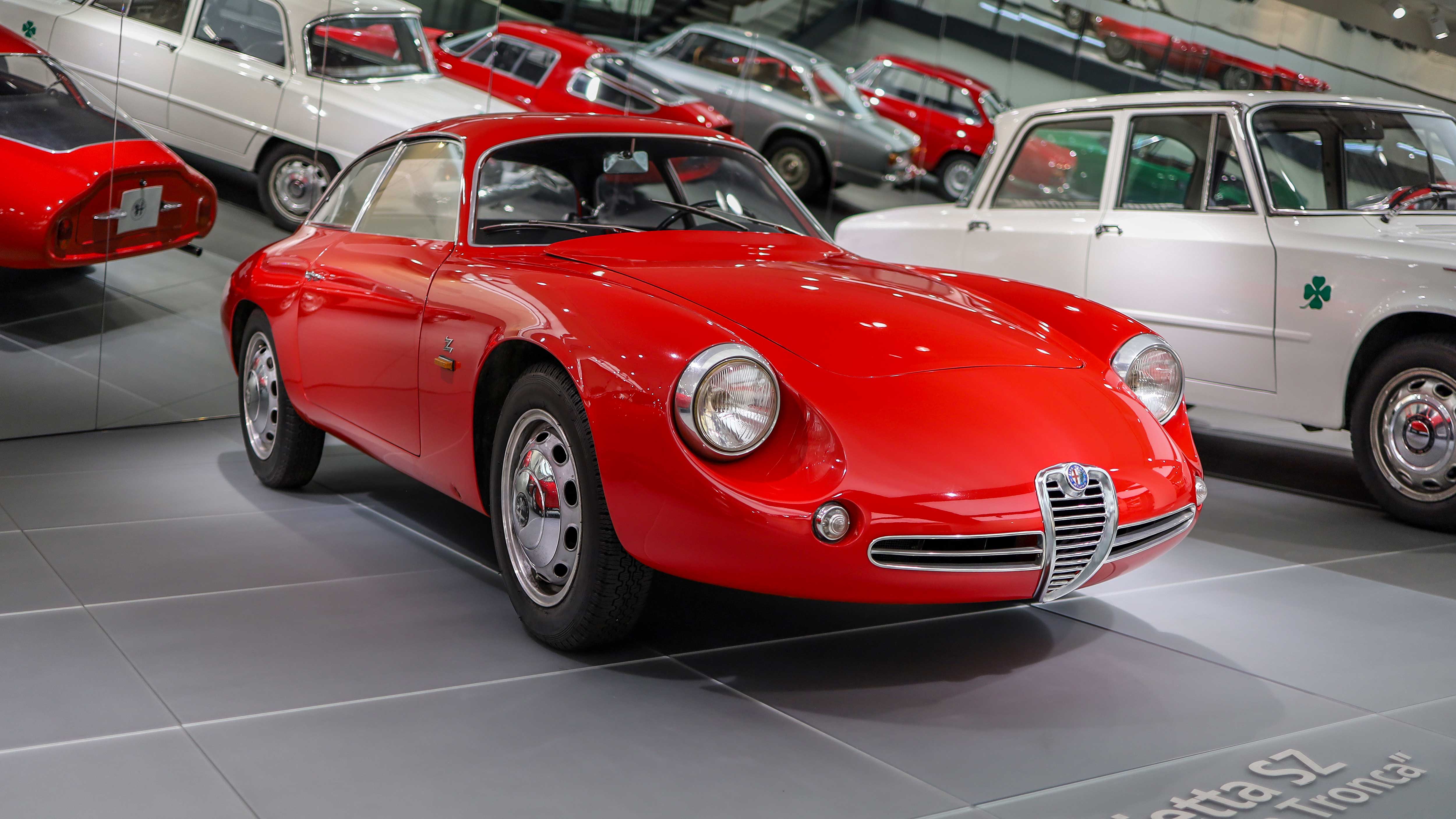
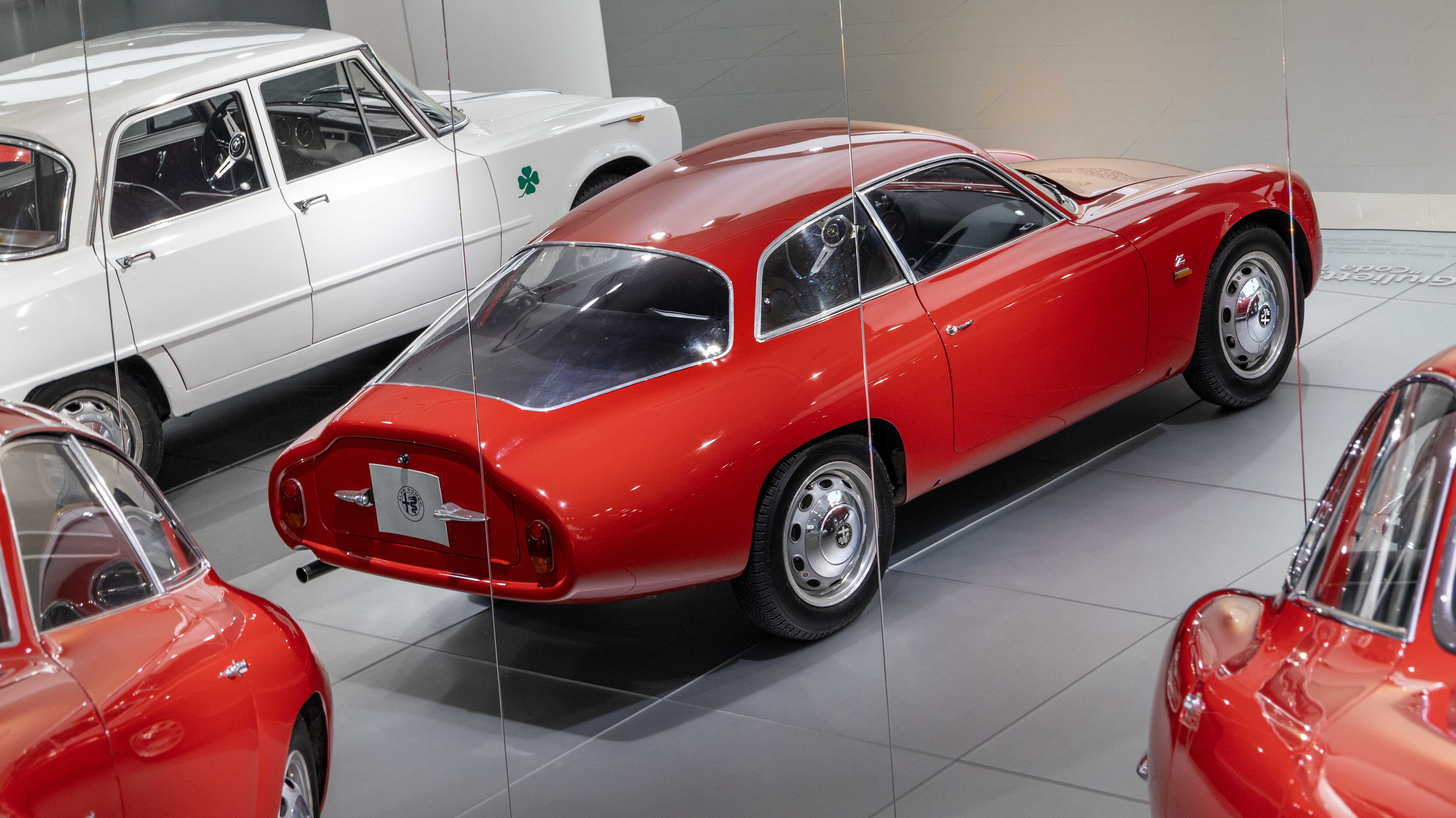
Giulietta SZ “Coda Tronca”
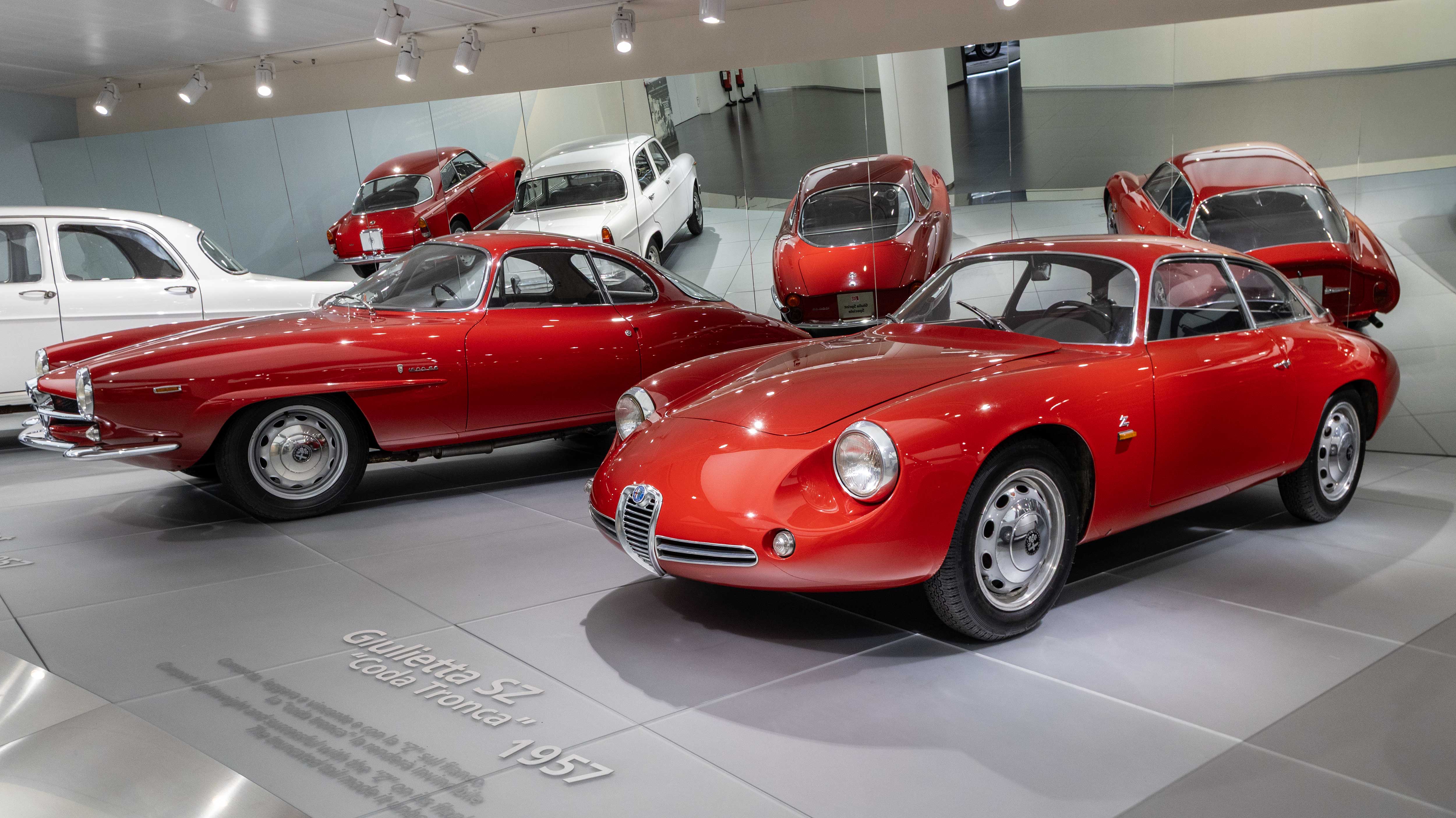
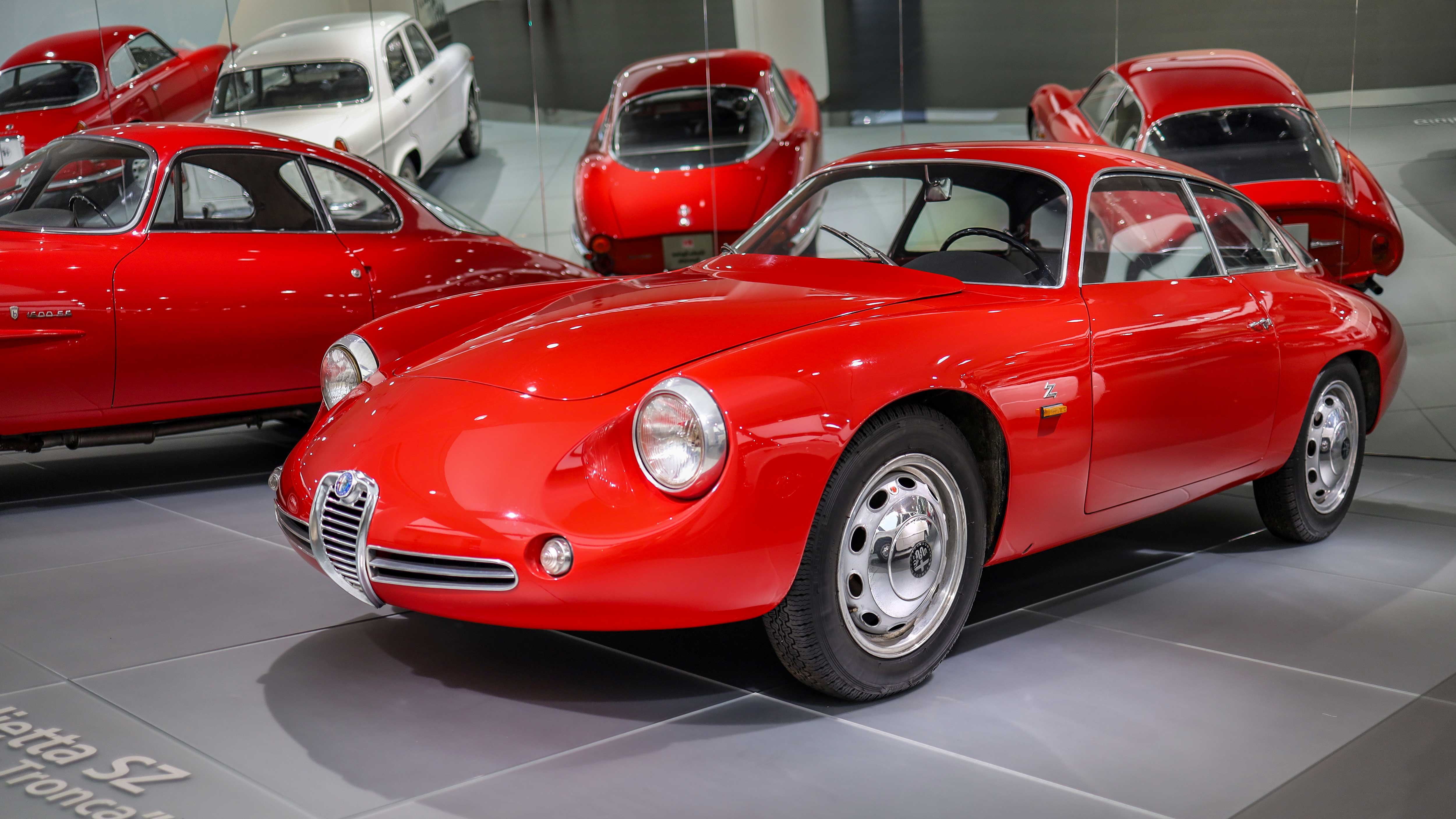
The Giulietta SZ “Coda Tronca” (1960–1962) was a lightweight racing coupe developed with Zagato. As a result, its shortened Kamm tail improved stability, while the 1.3 twin-cam delivered about 100 hp for strong GT competition results.
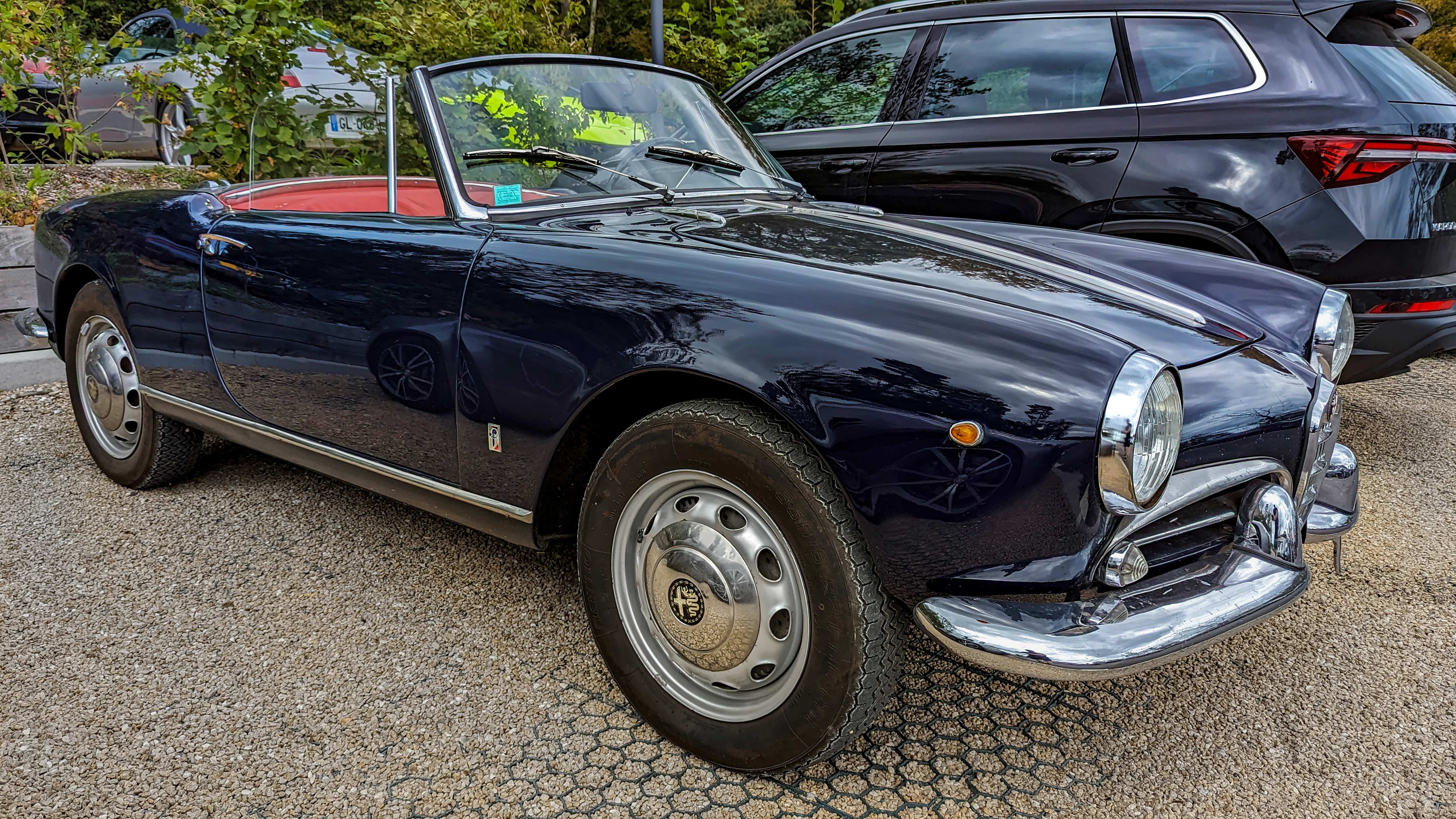
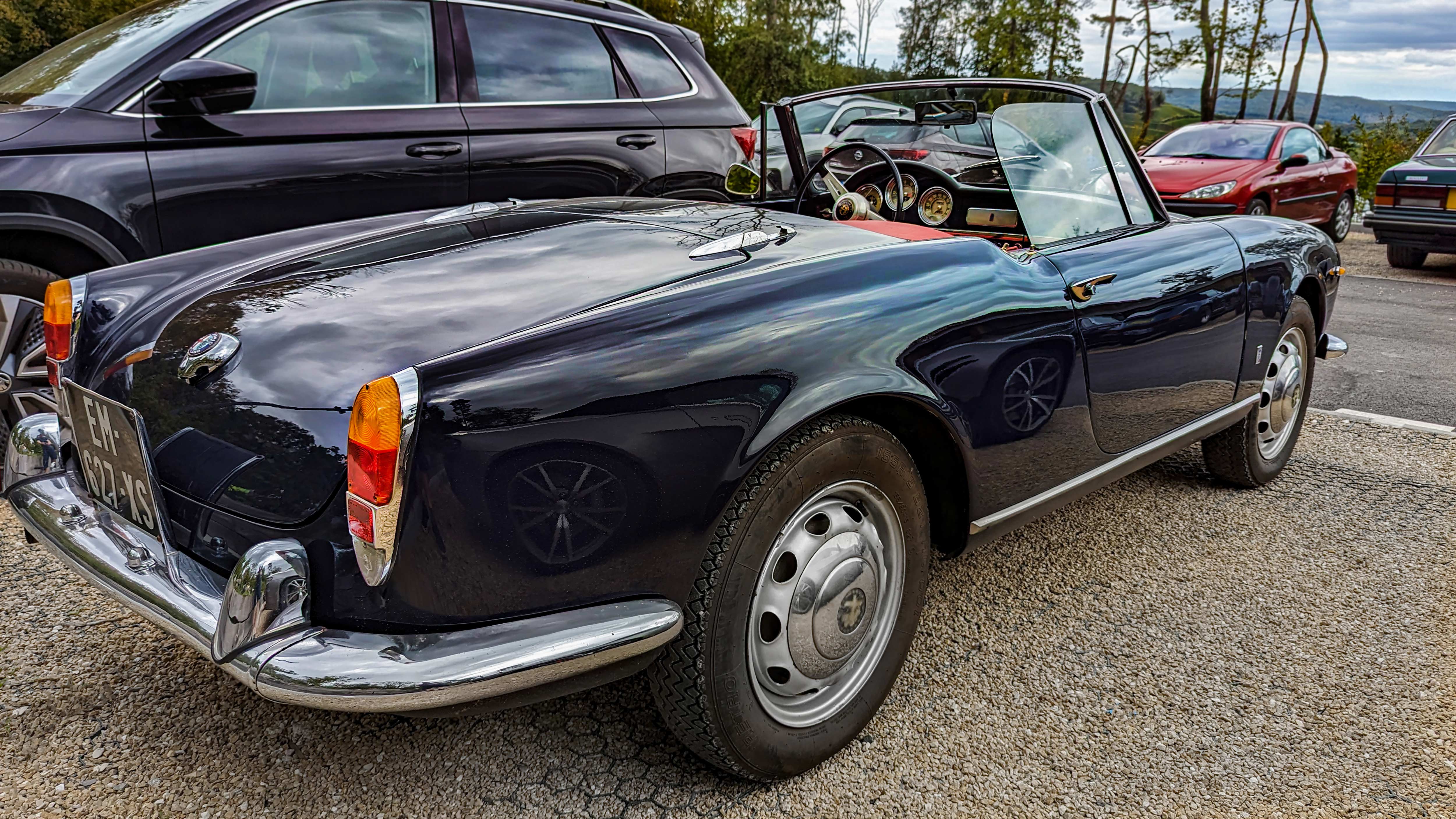
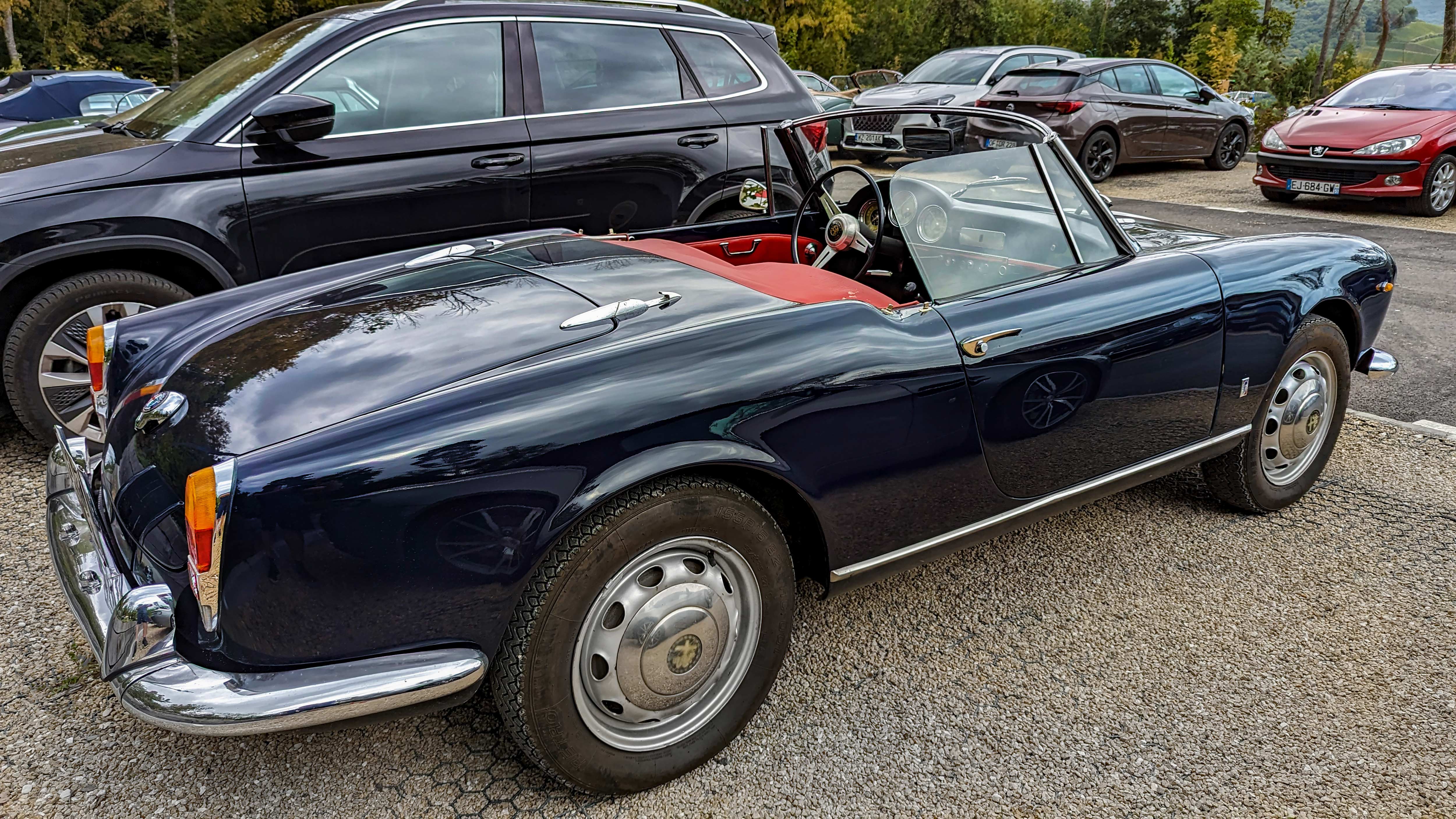
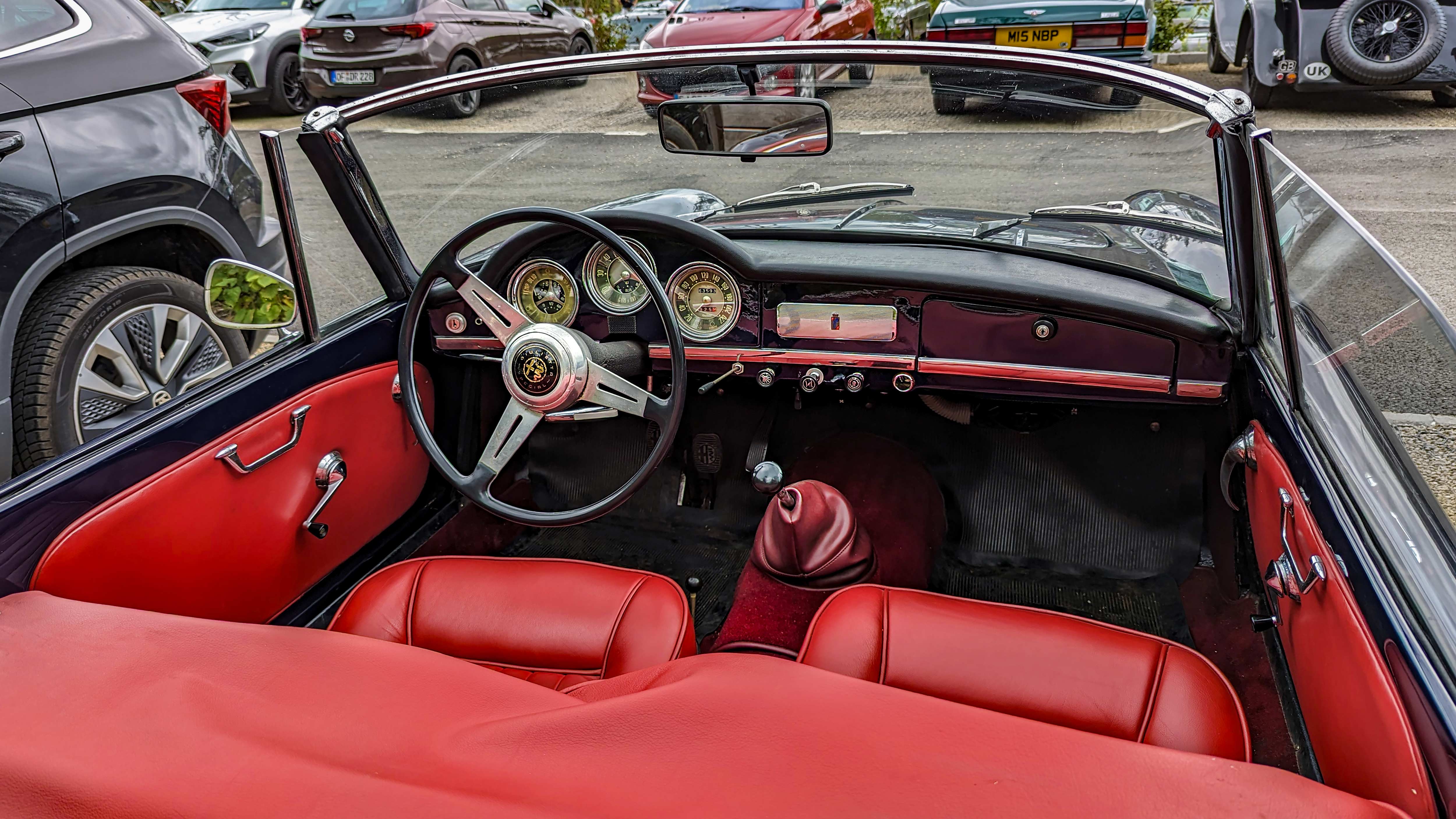
Giulietta Spider
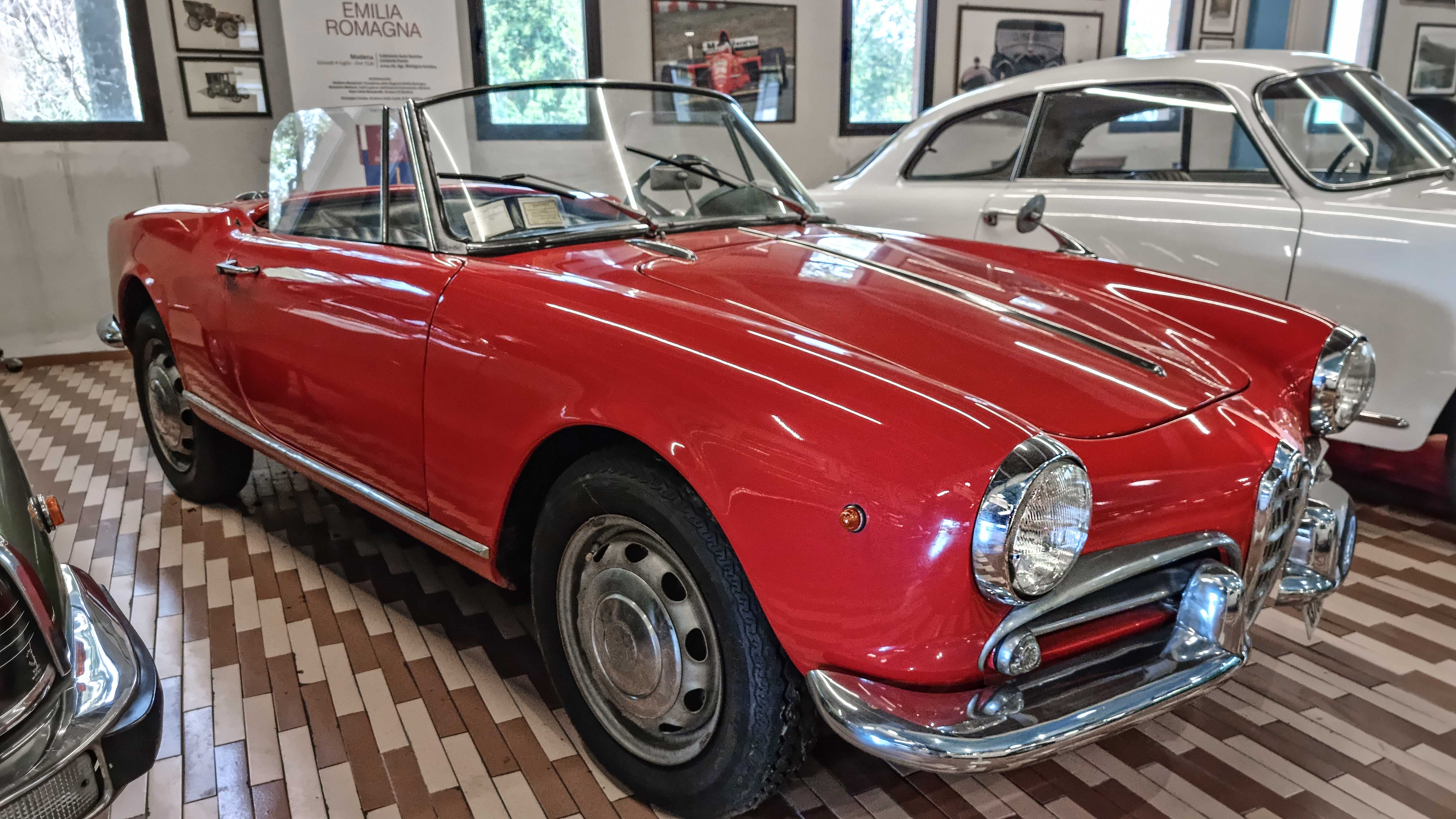
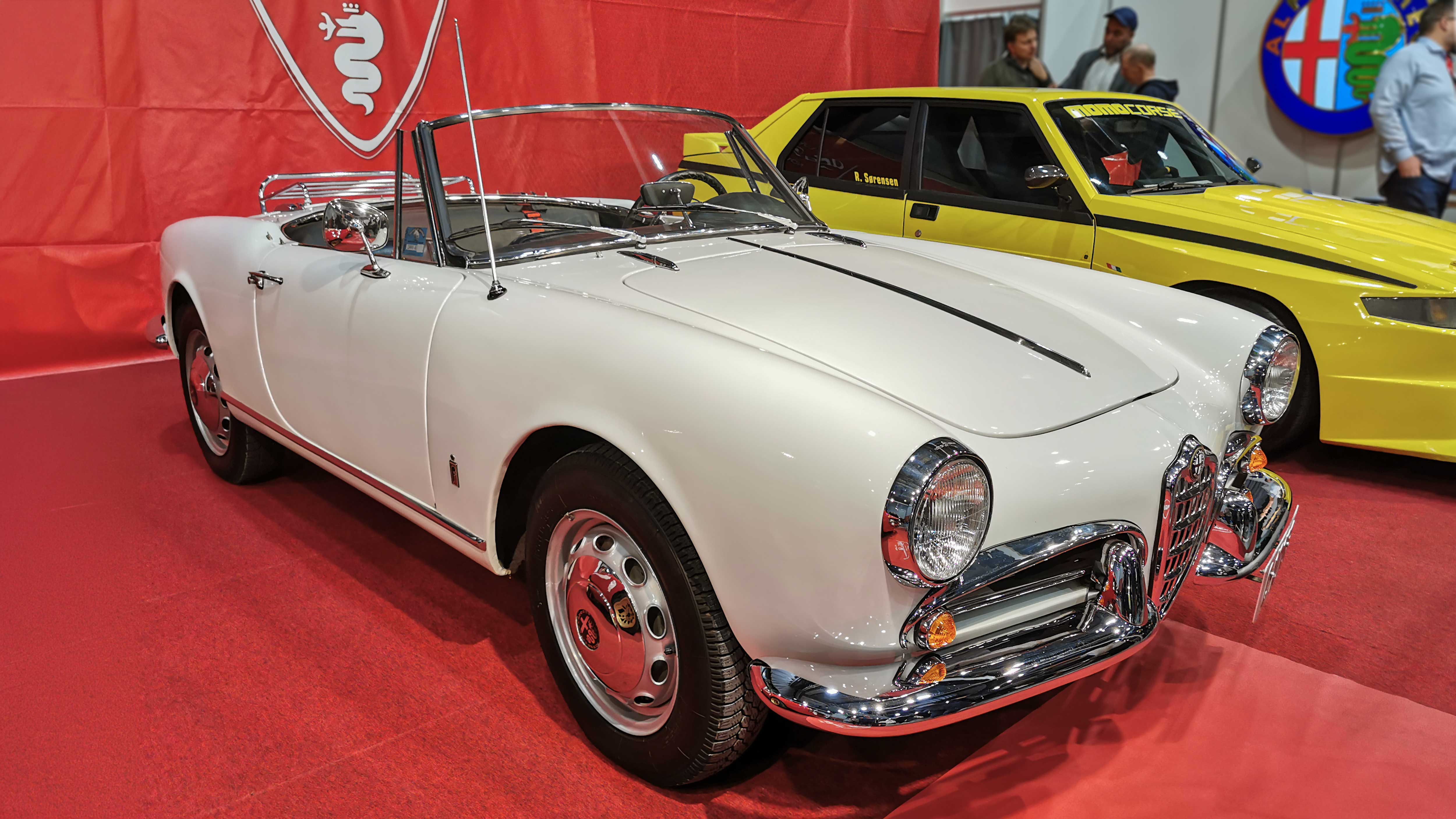
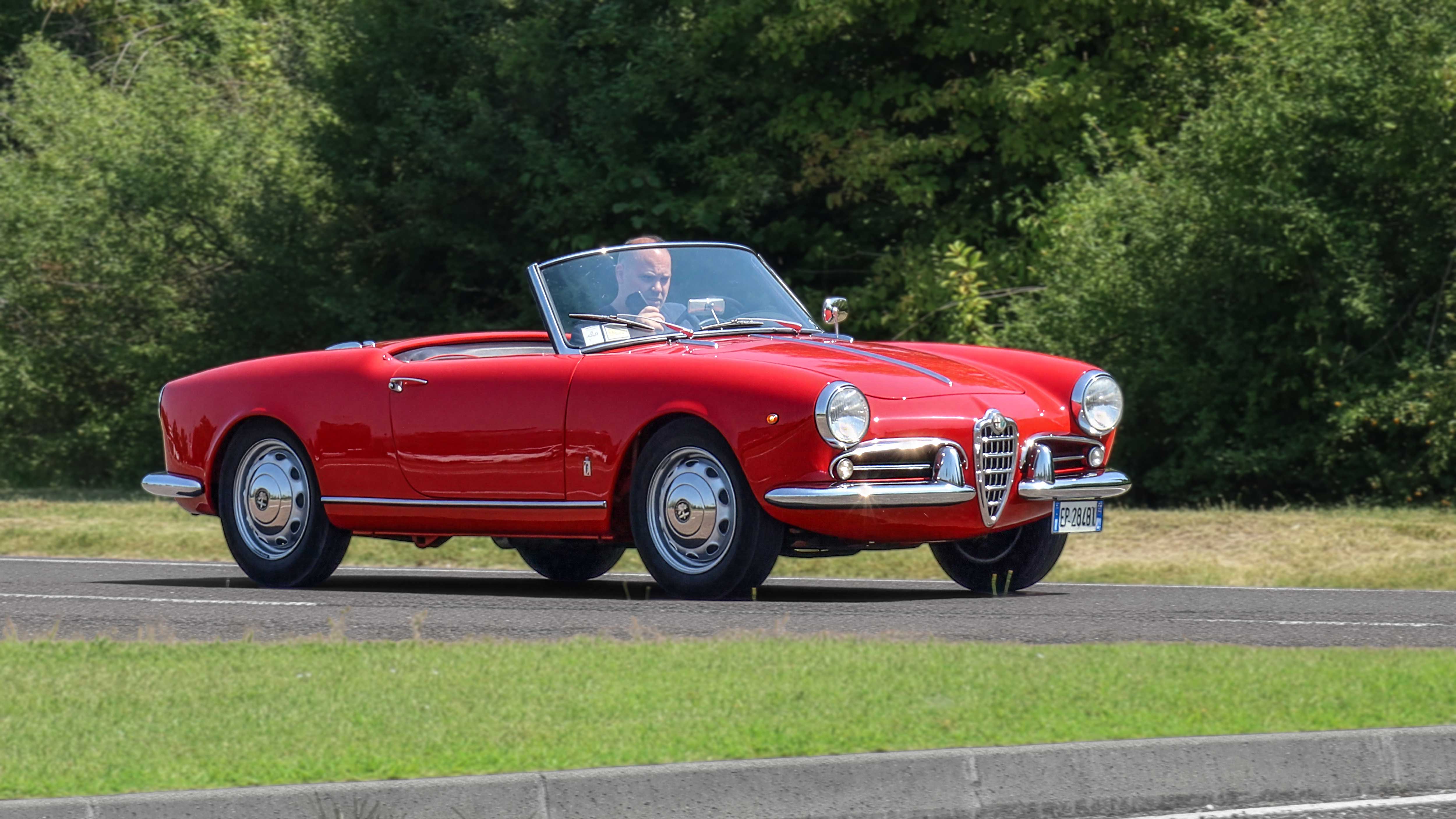
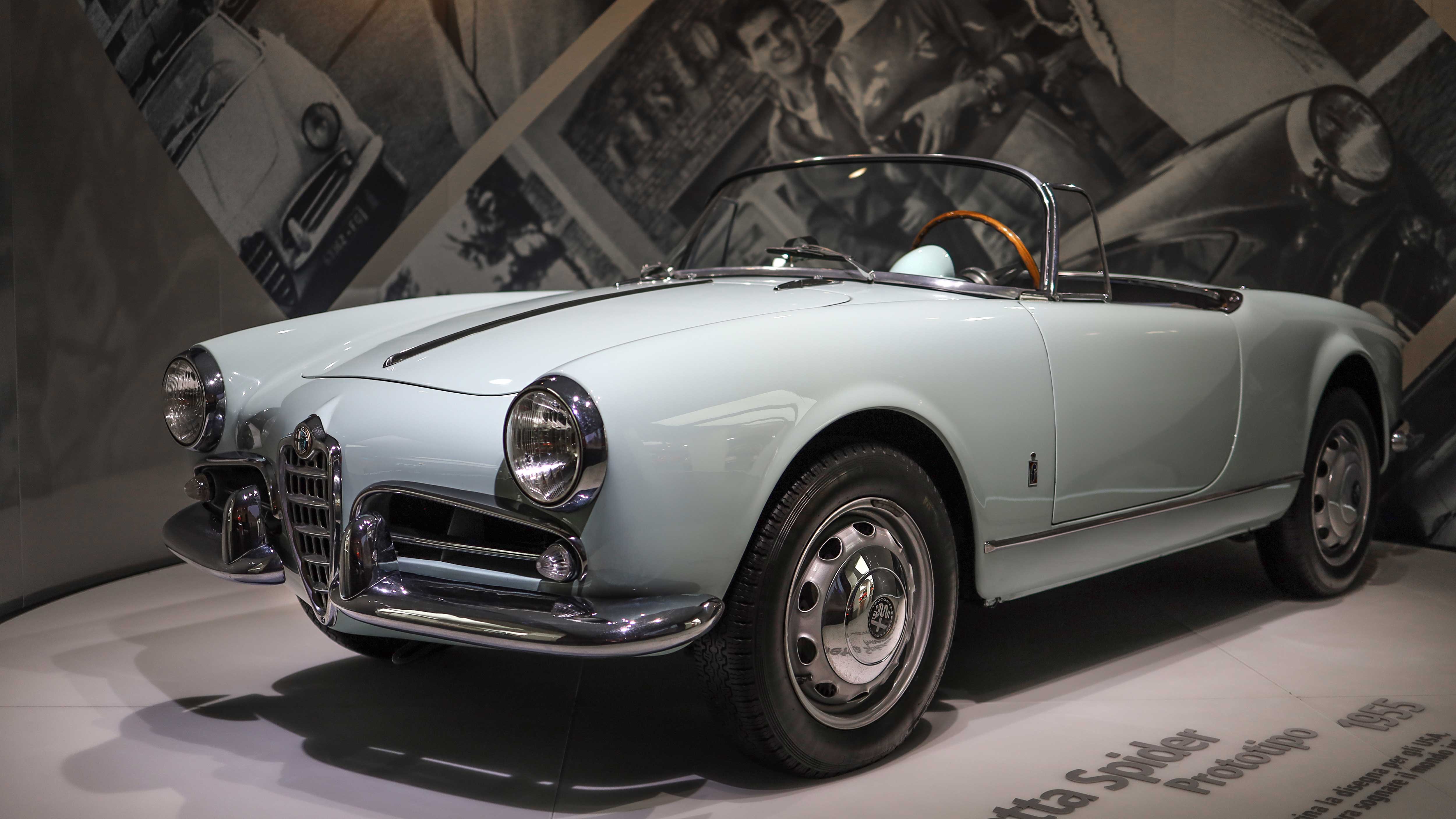
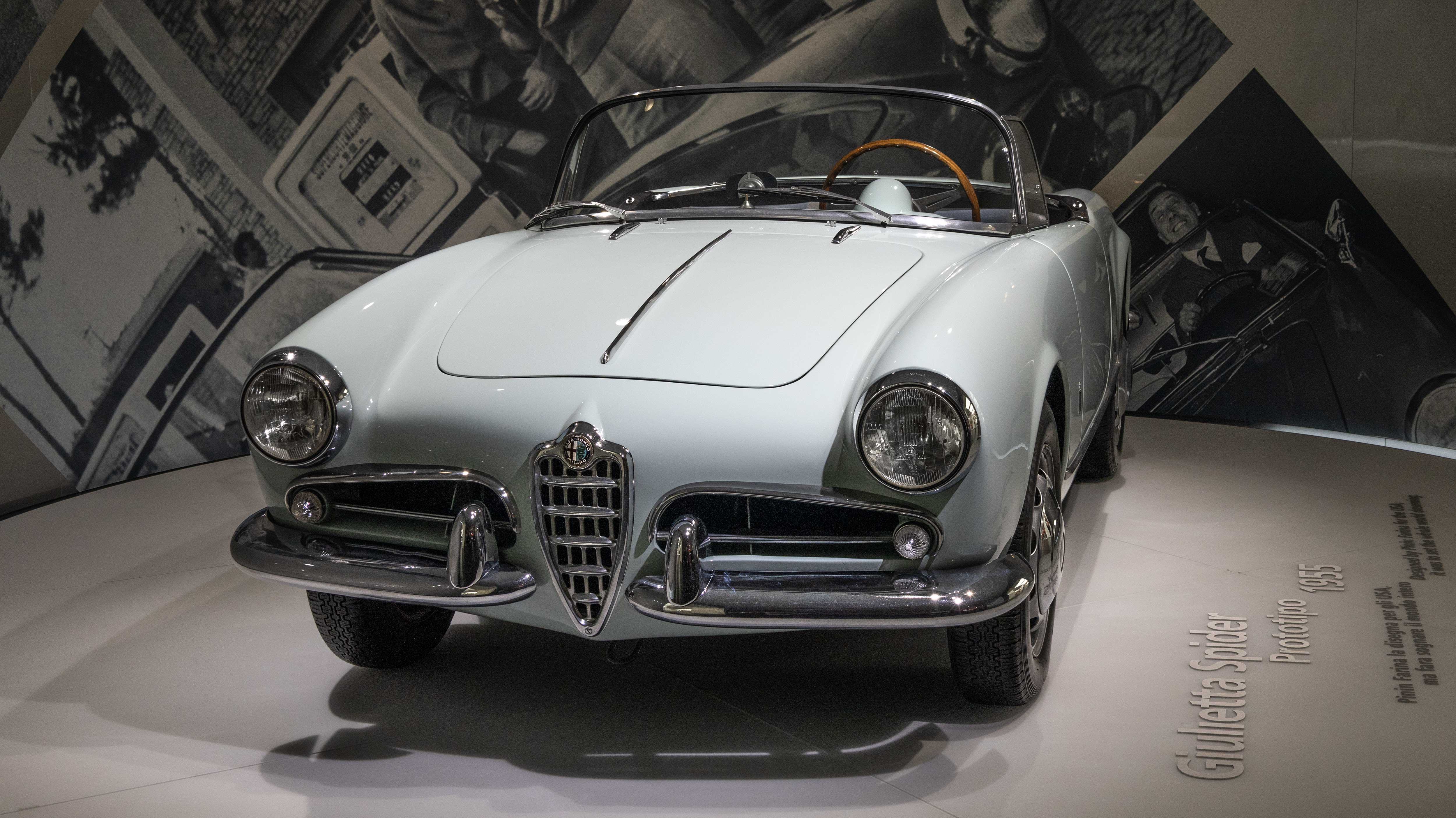
The Alfa Romeo Giulietta Spider blends classic Italian style with open-top fun. Its smooth lines, light body, and playful drive made it a favorite in the 1950s and beyond. A true icon of its time.
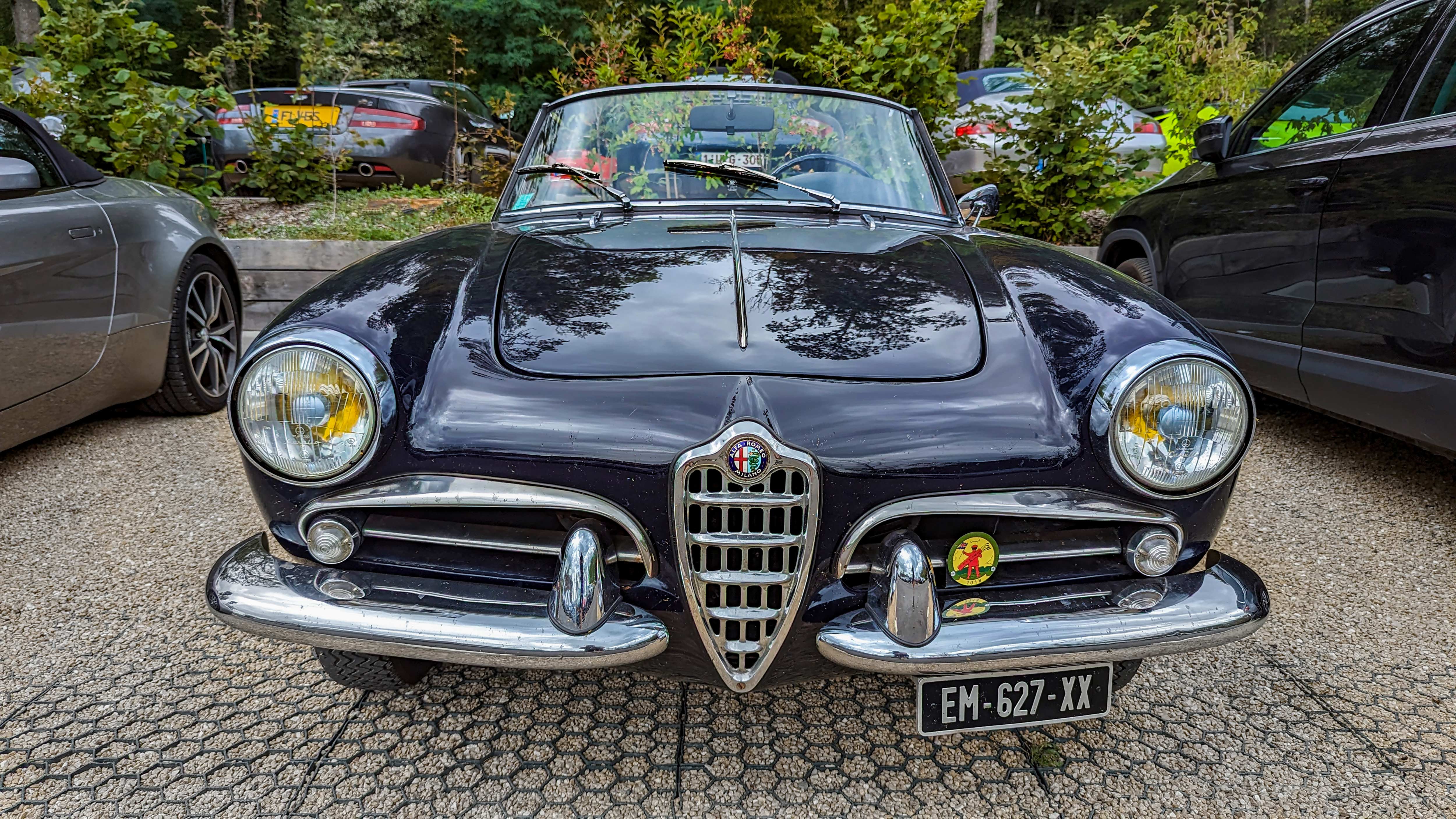
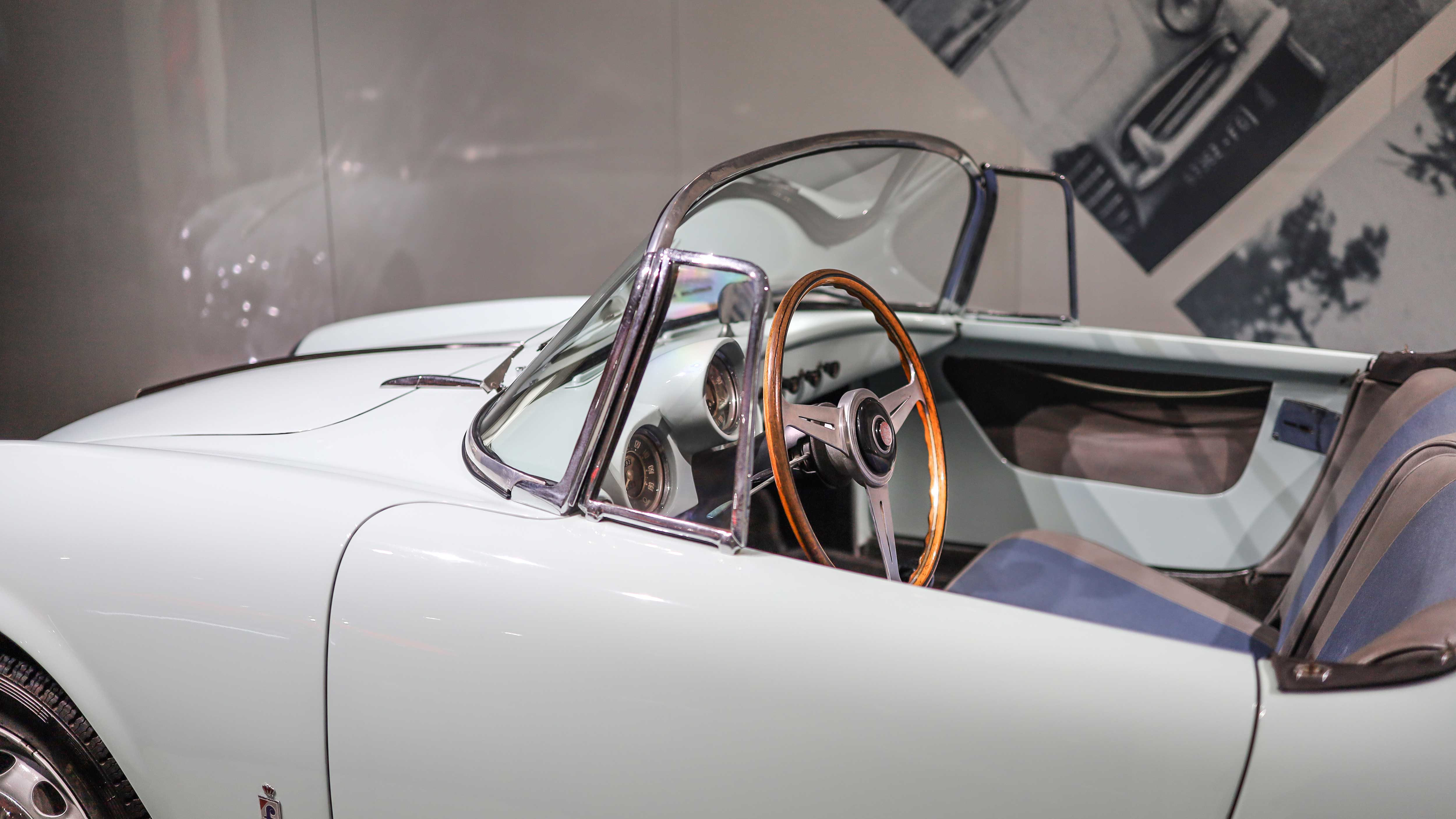
Giulietta Spider Prototipo
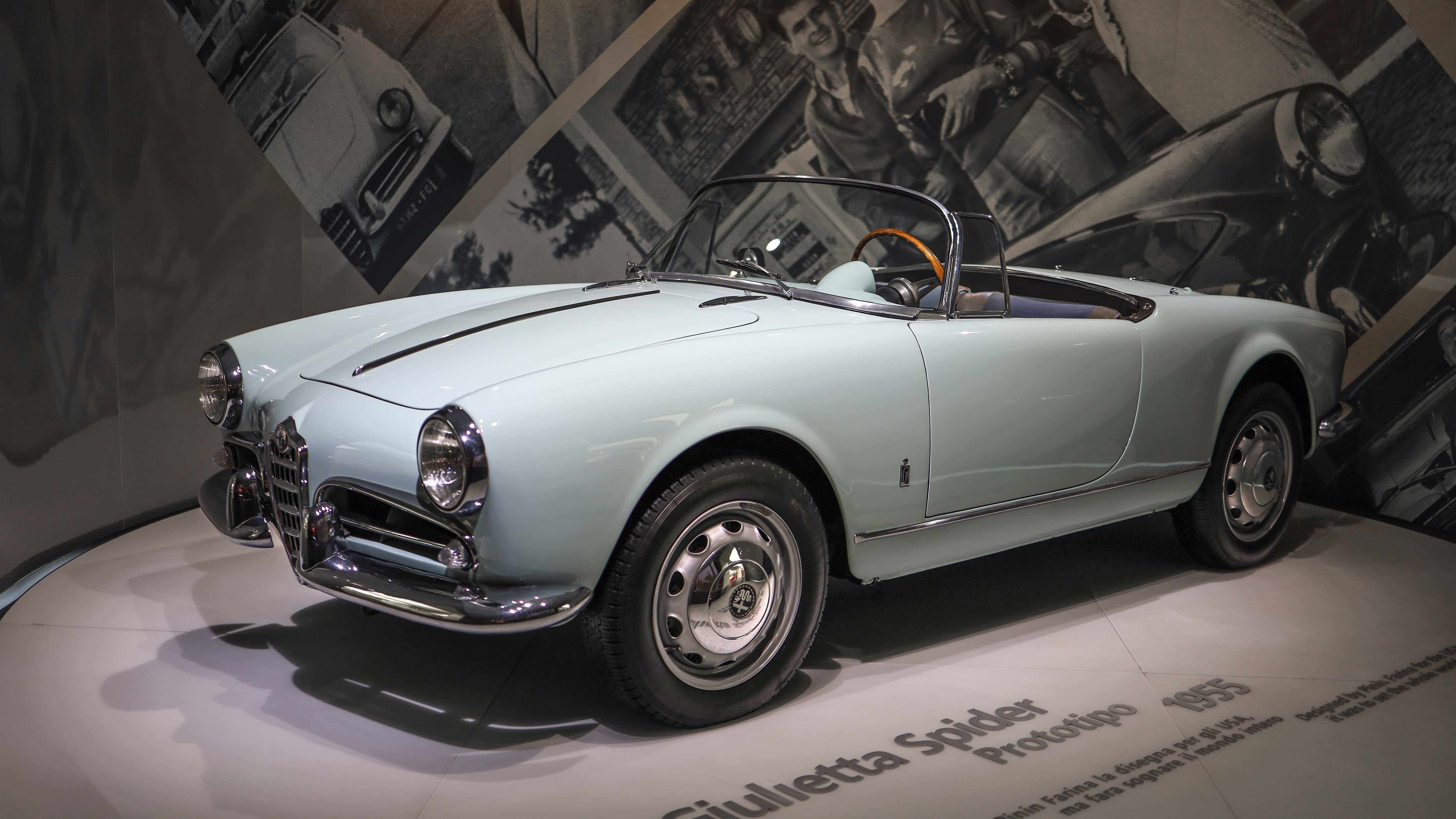
The Giulietta Spider Prototipo (1955) previewed Alfa Romeo’s move into elegant open sports cars. It used a lightweight chassis and a 1.3 twin-cam engine, setting the design and engineering direction for the later Giulietta Spider model.
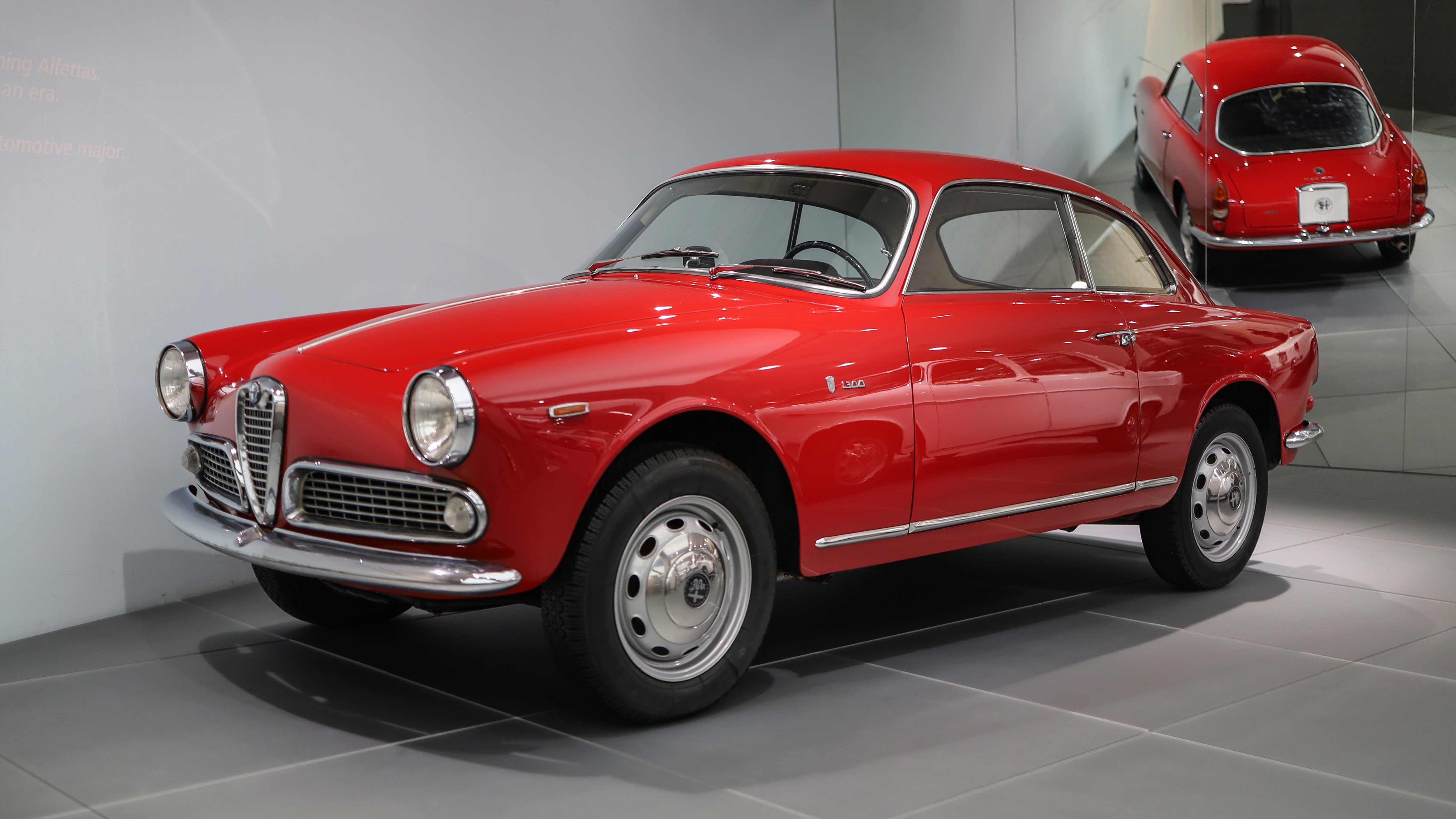
Giulietta Sprint
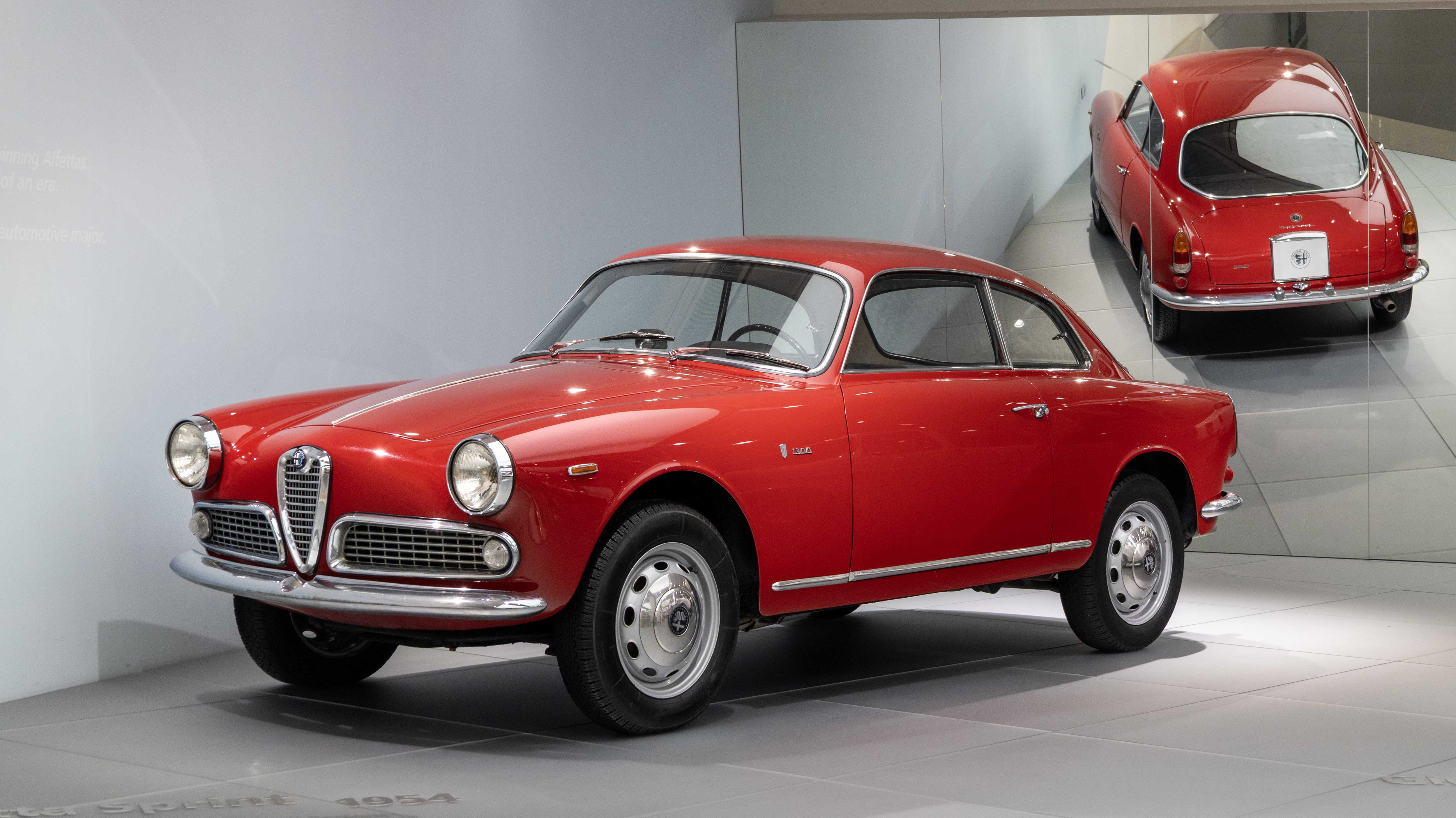
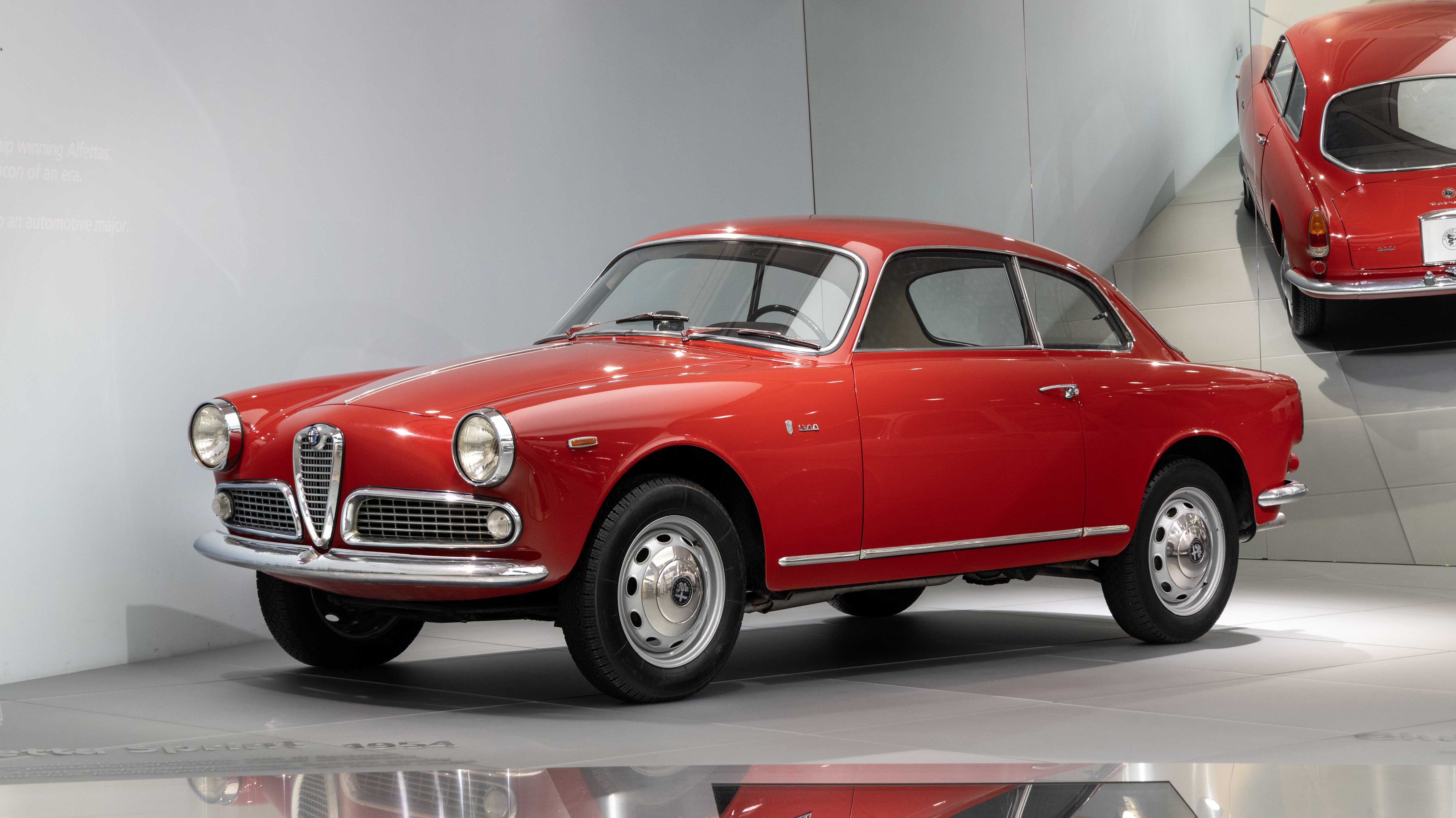
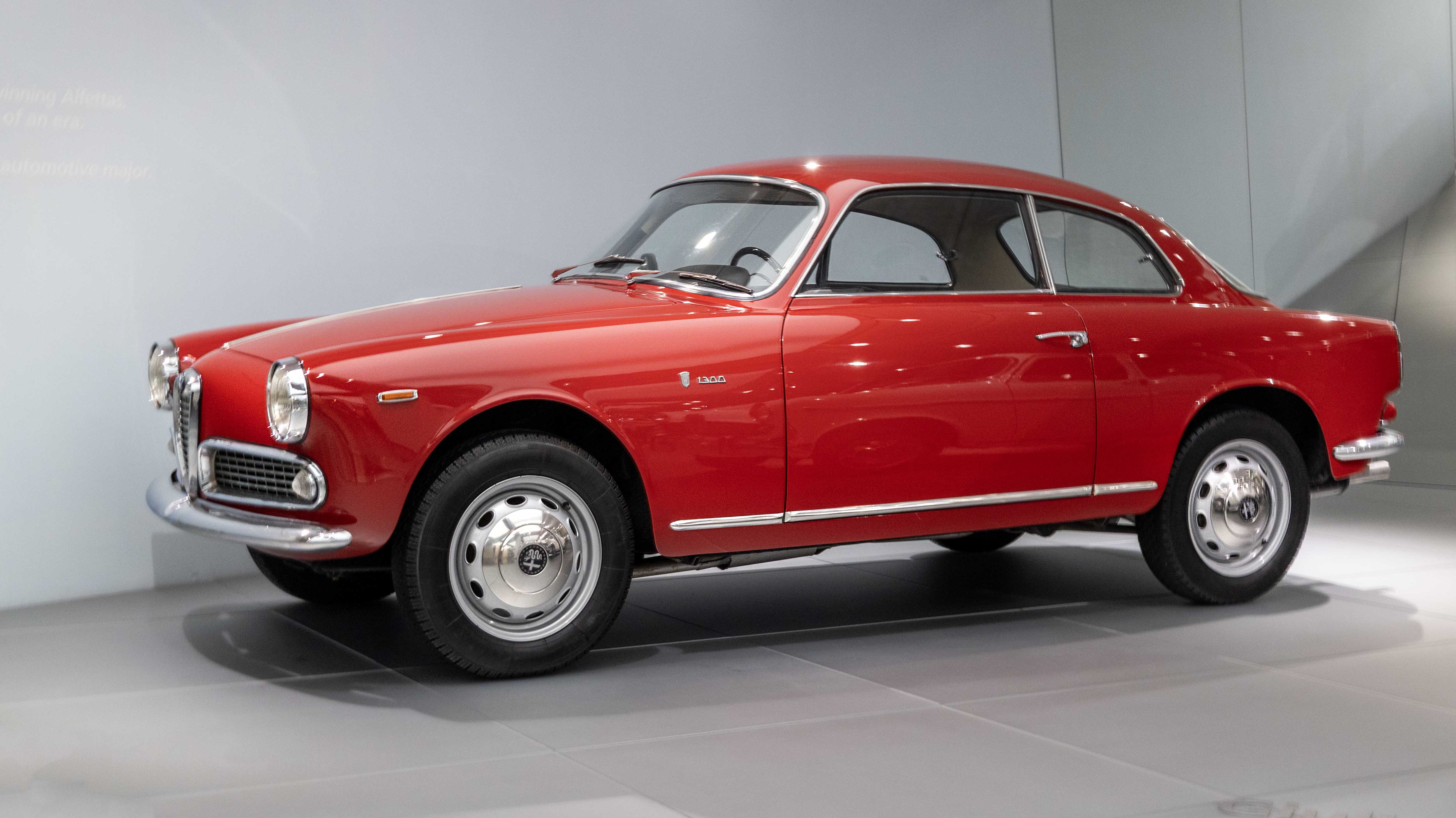
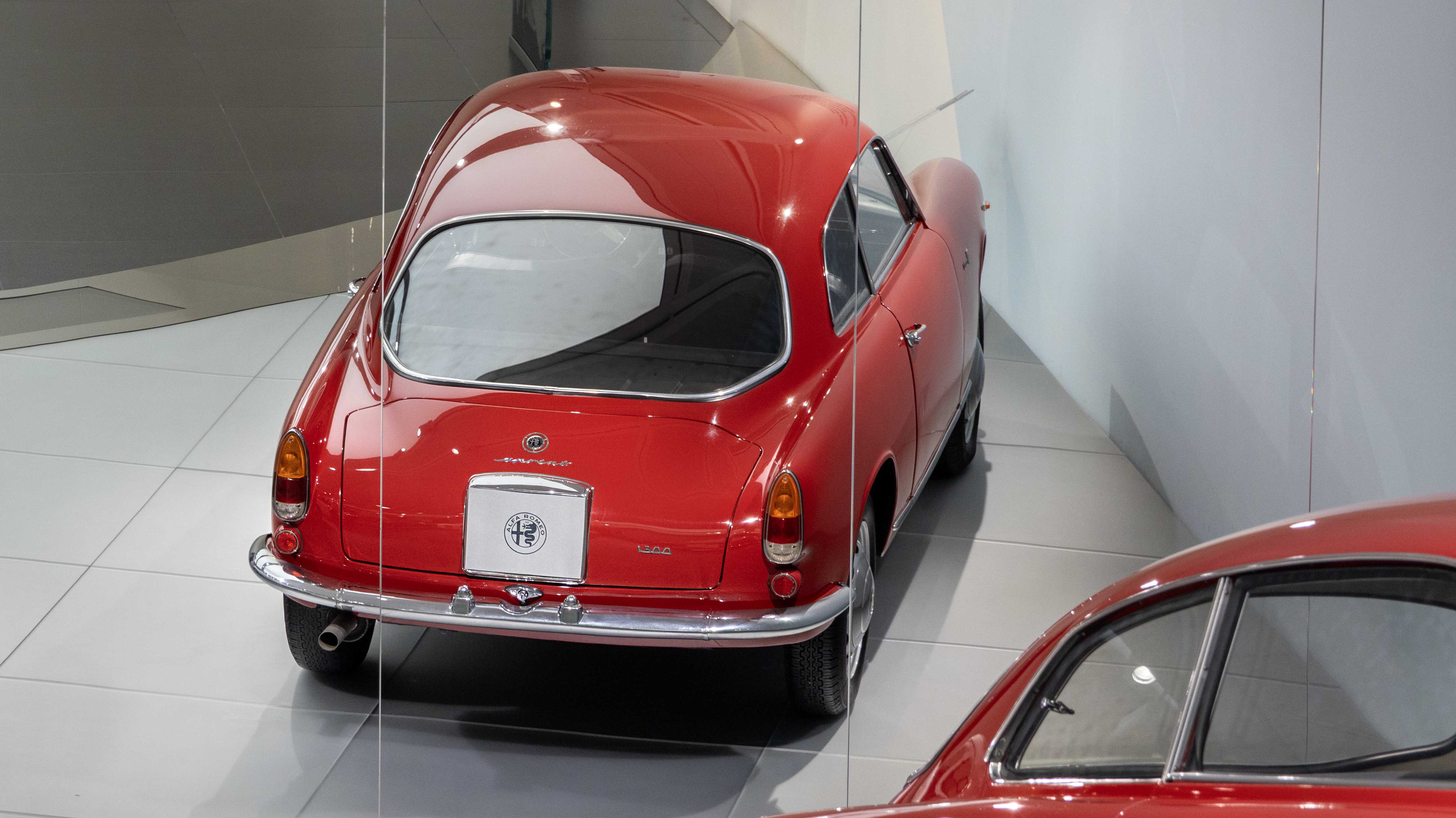
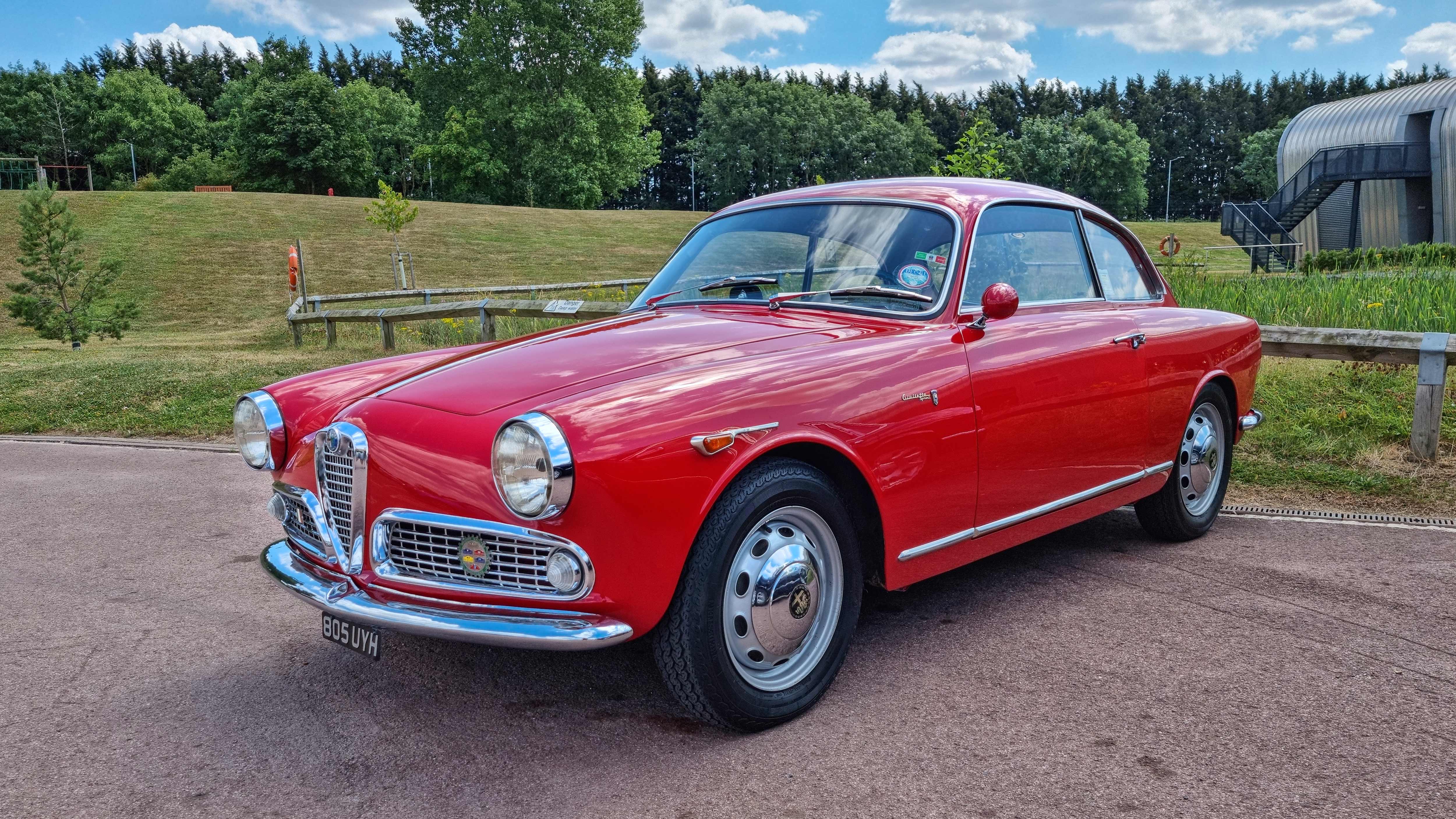
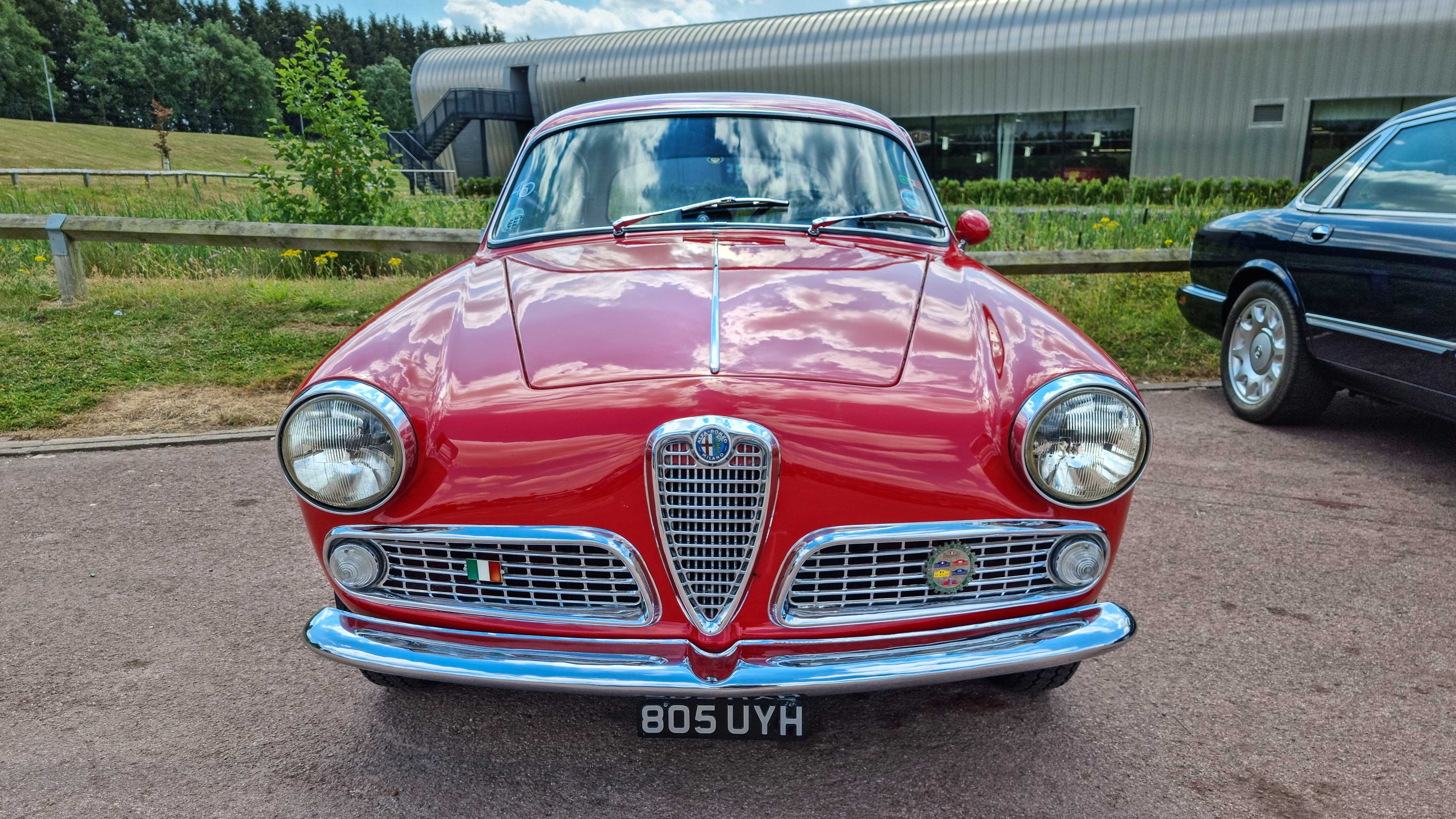
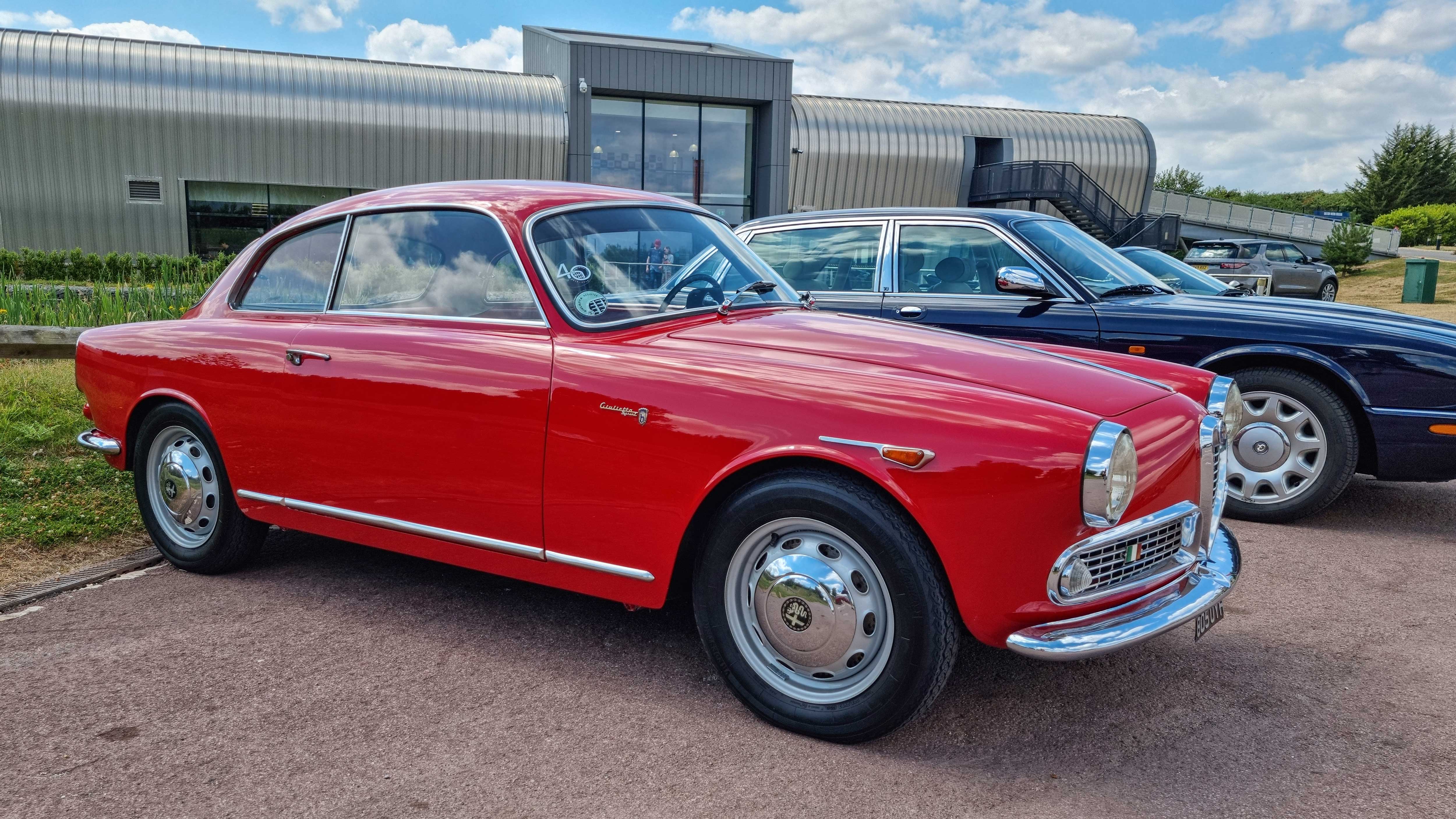
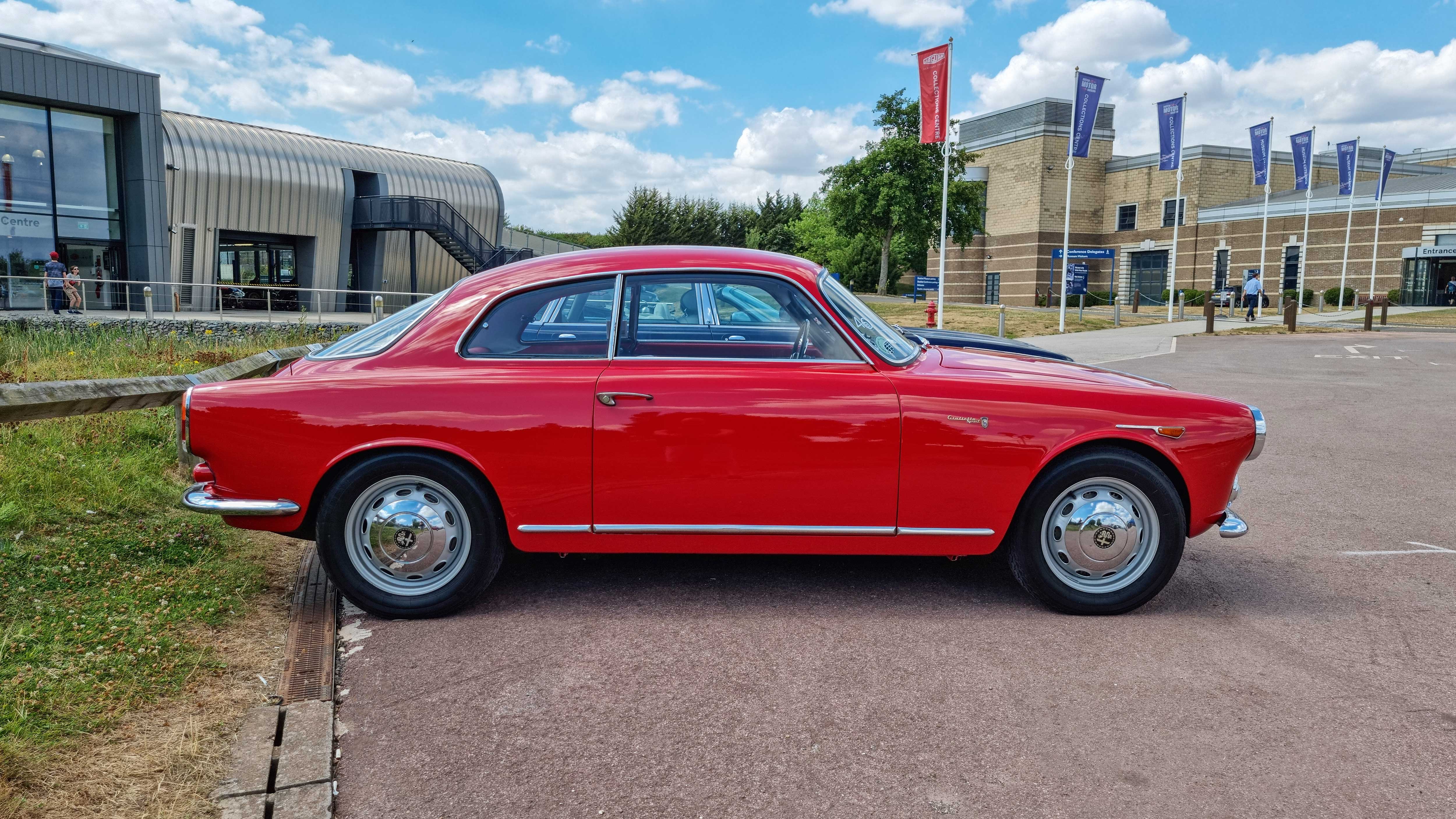
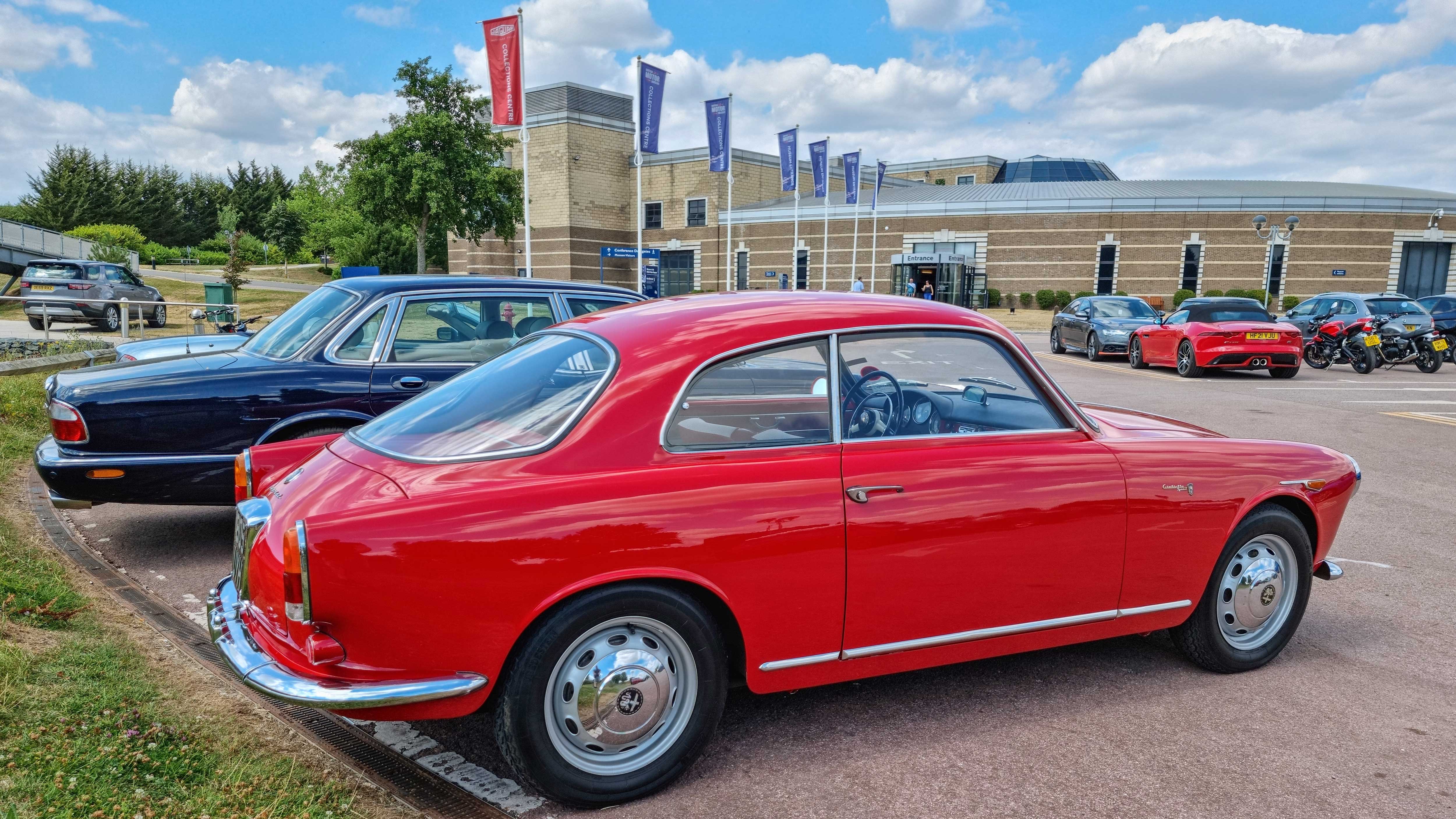
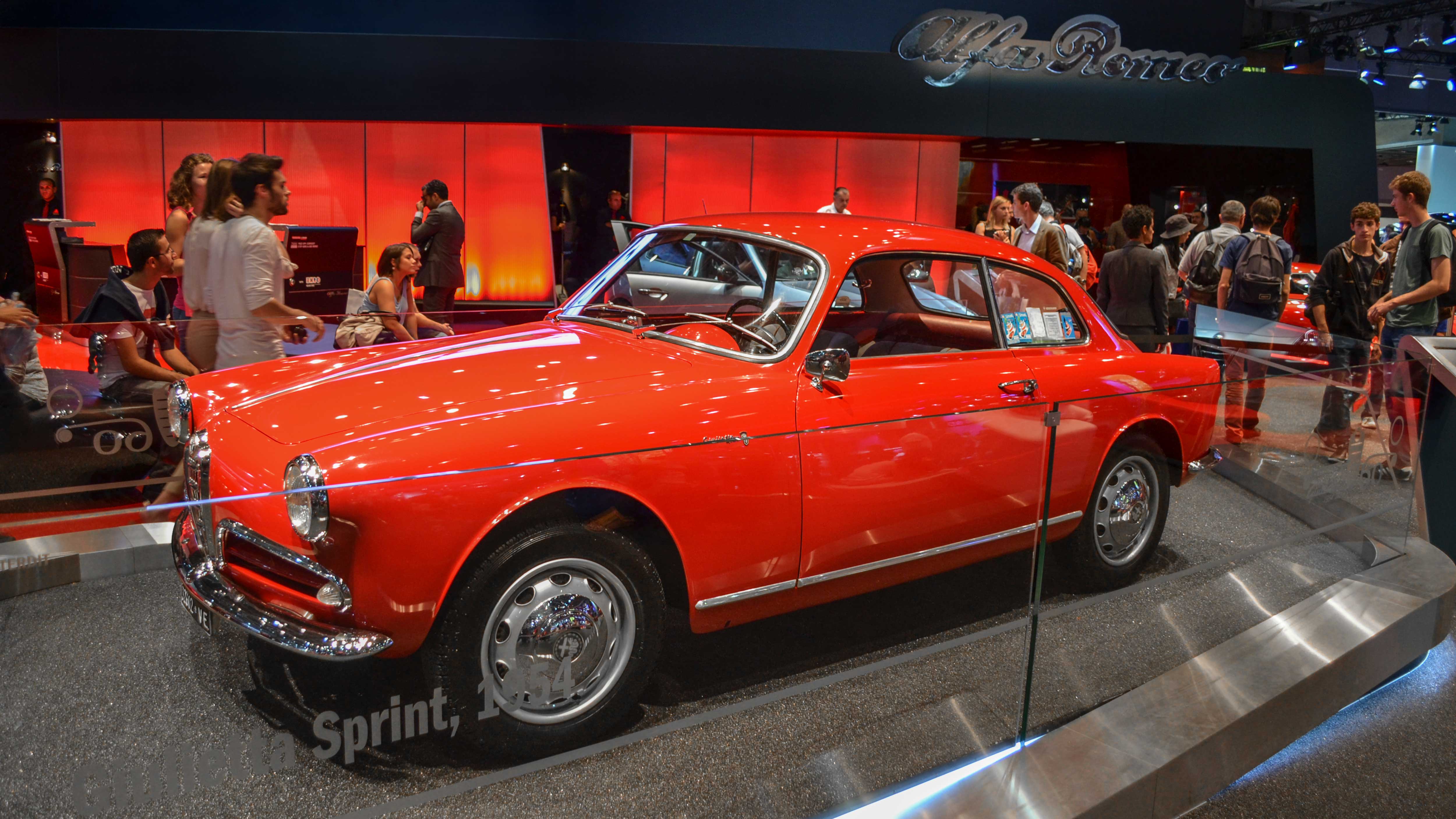
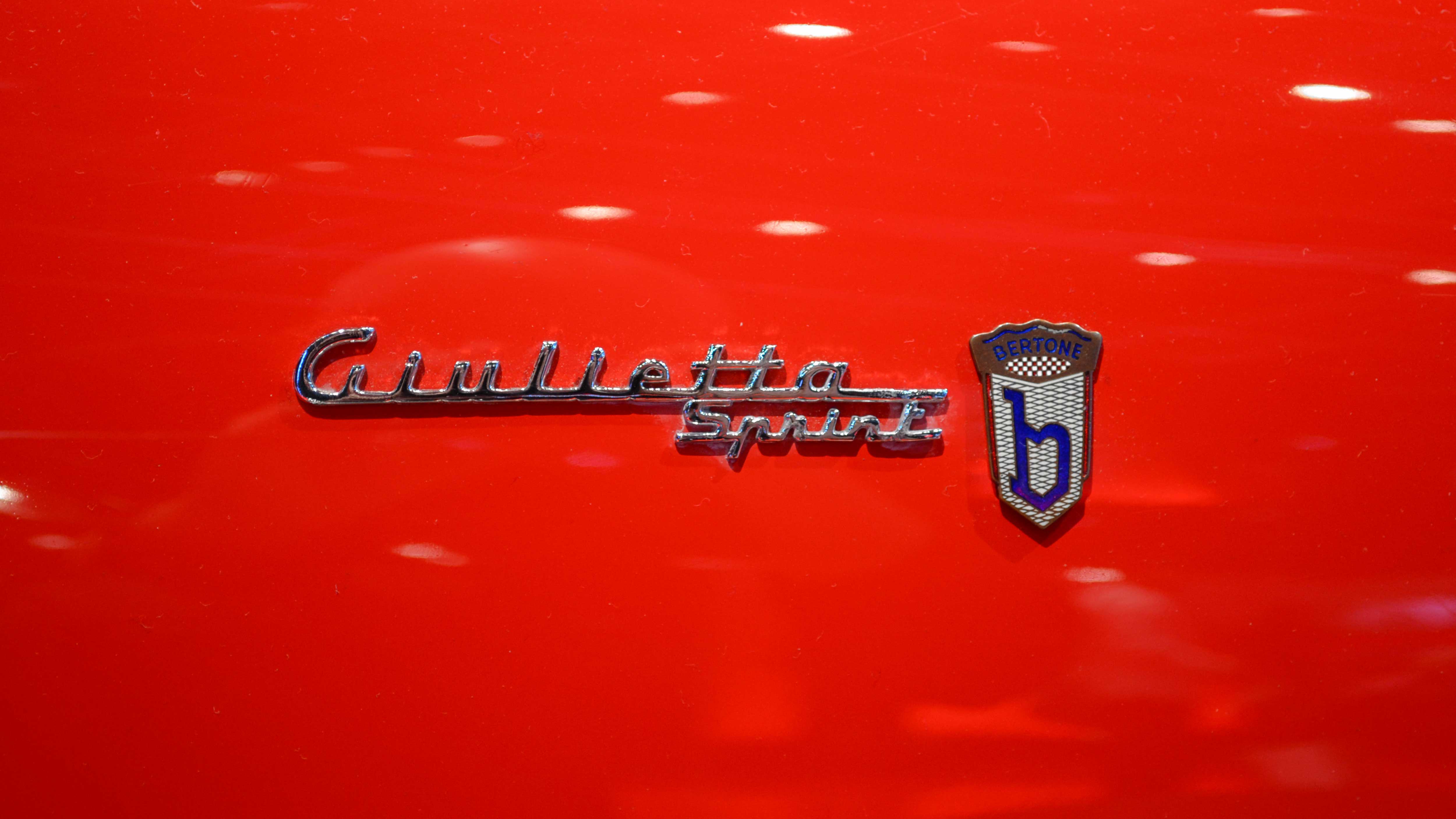
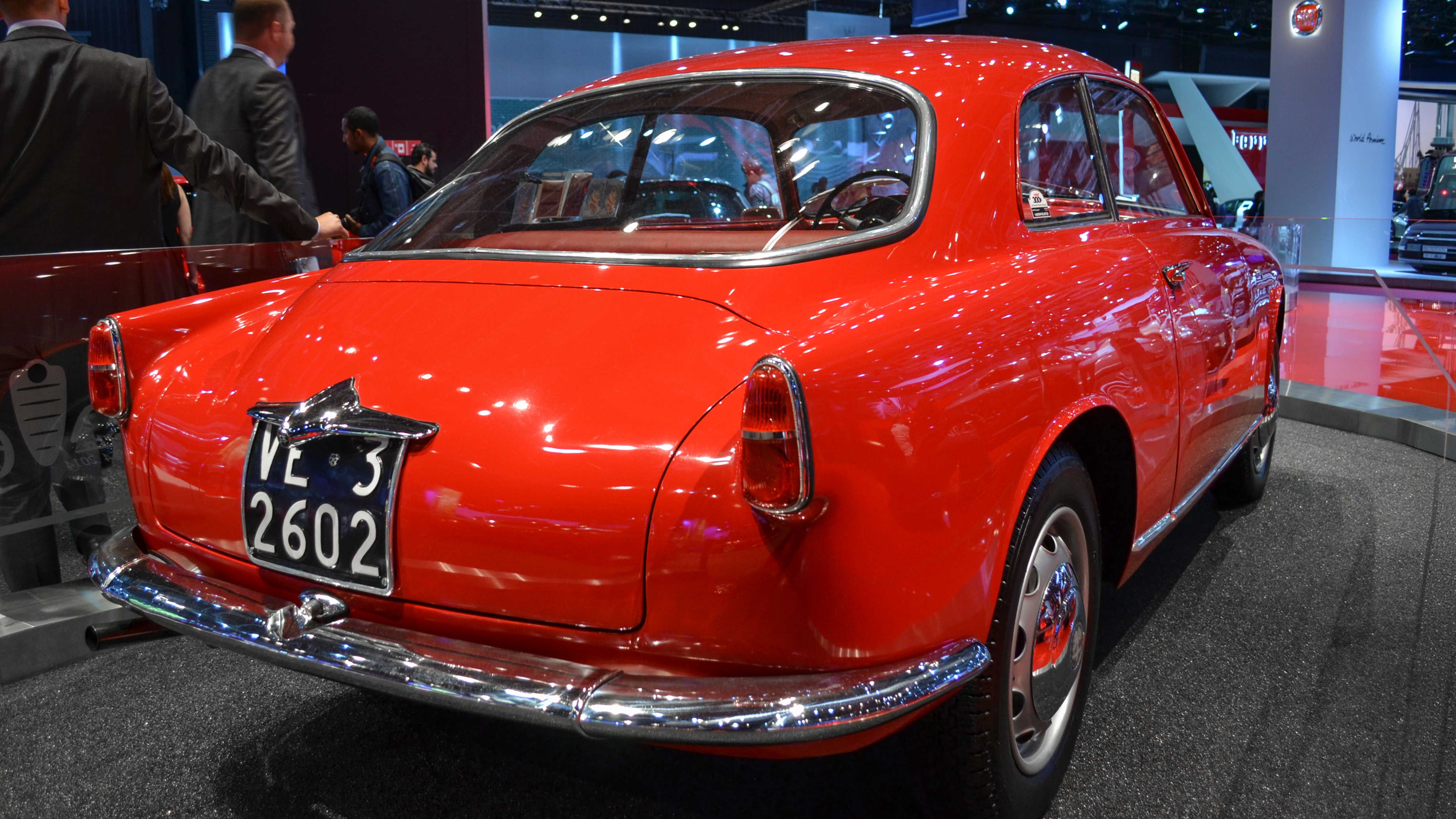
The Giulietta Sprint (1954–1965) introduced compact Italian performance with Bertone design. Its 1.3 twin-cam engines produced about 65 to 100 hp, delivering low weight, rear-wheel drive balance, and lively handling.
Spider Duetto
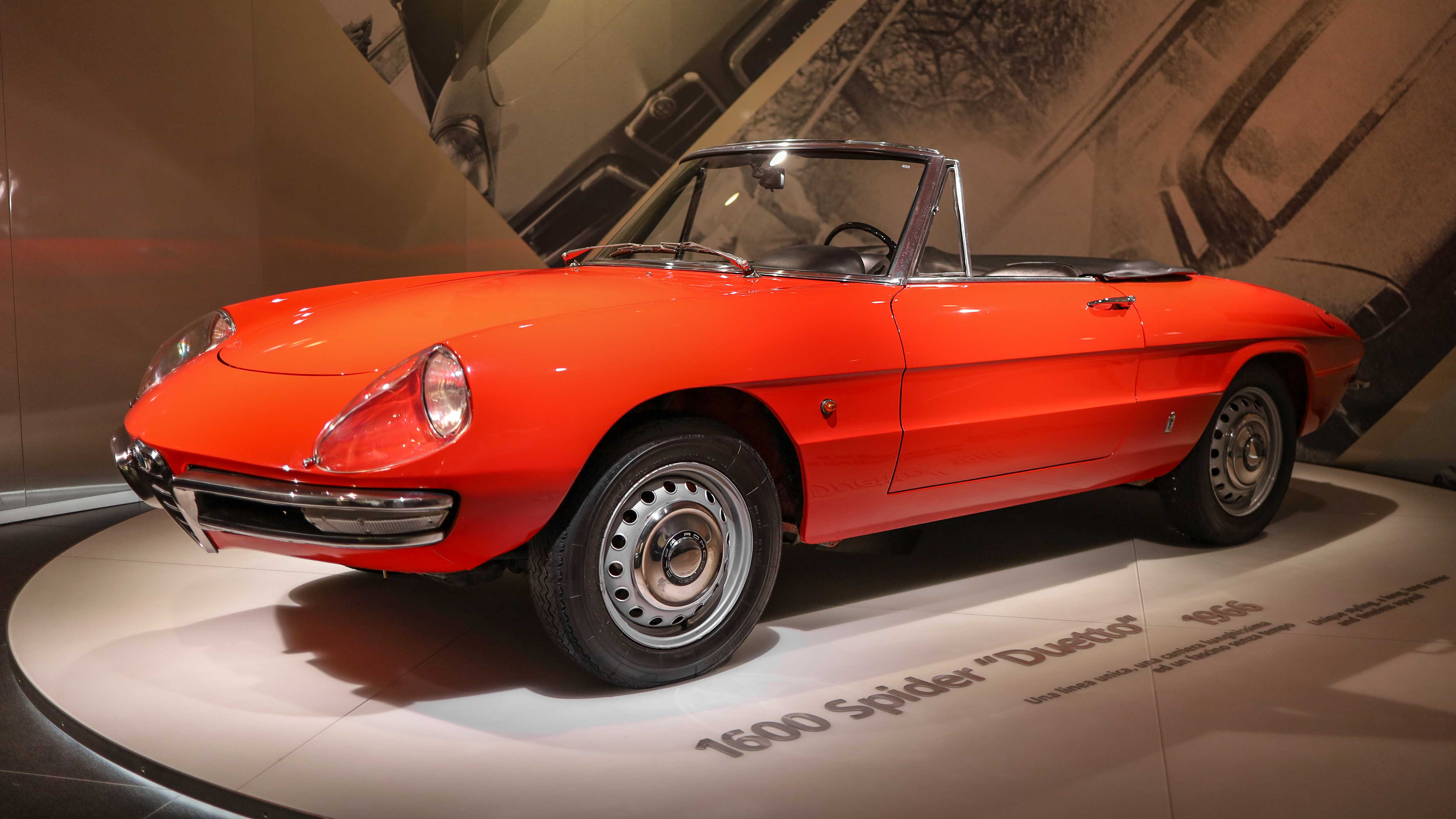
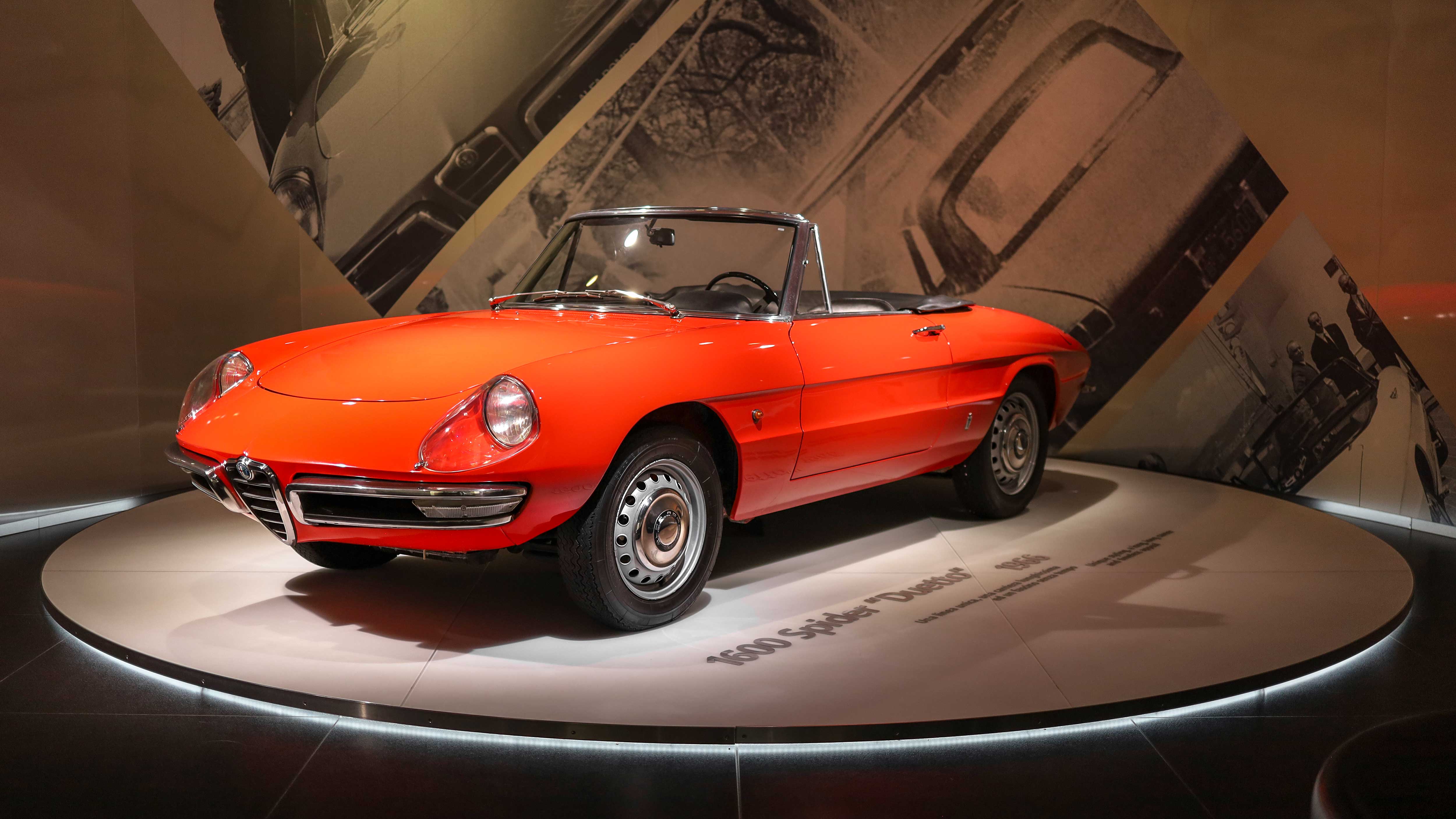
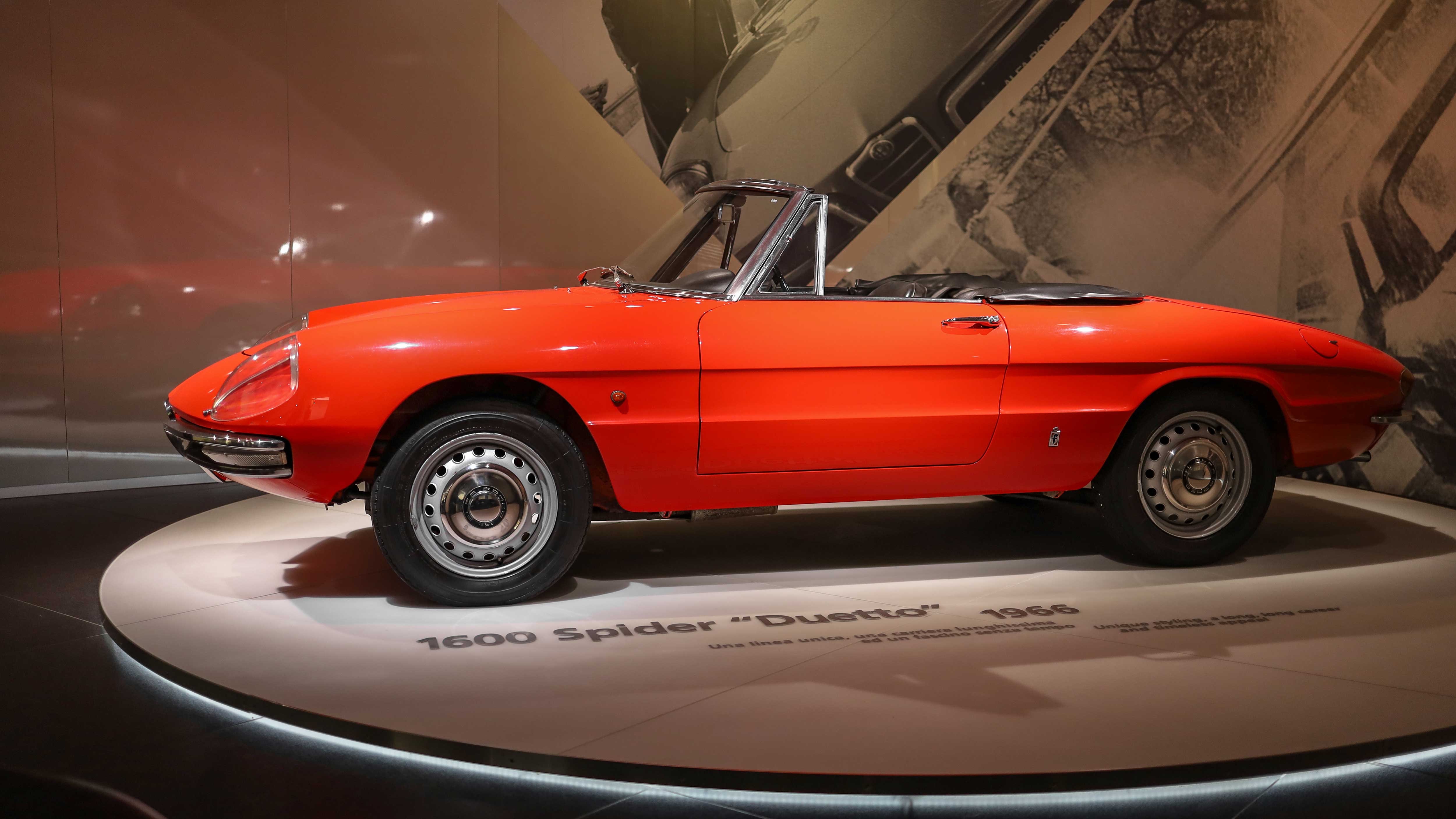
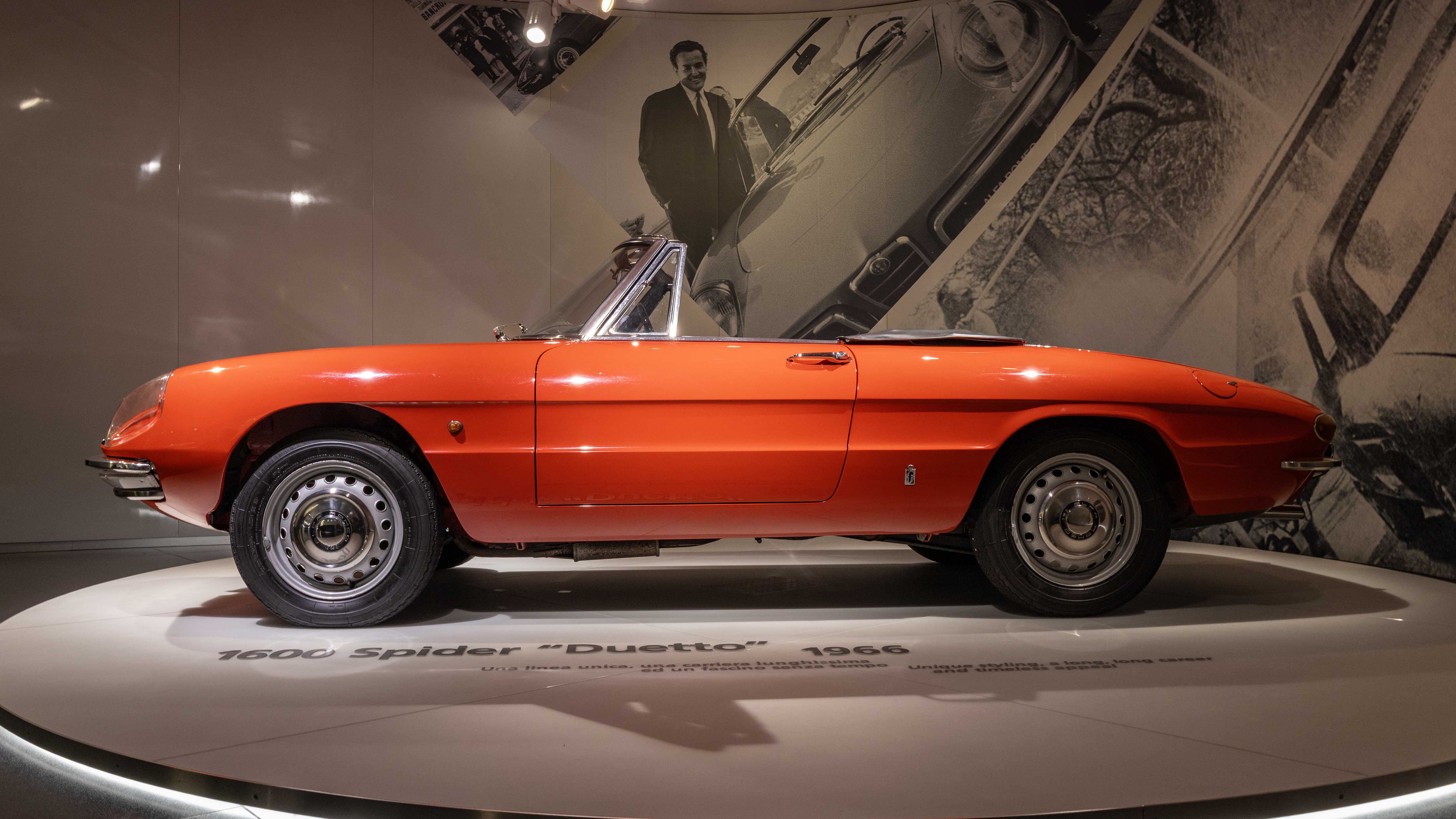
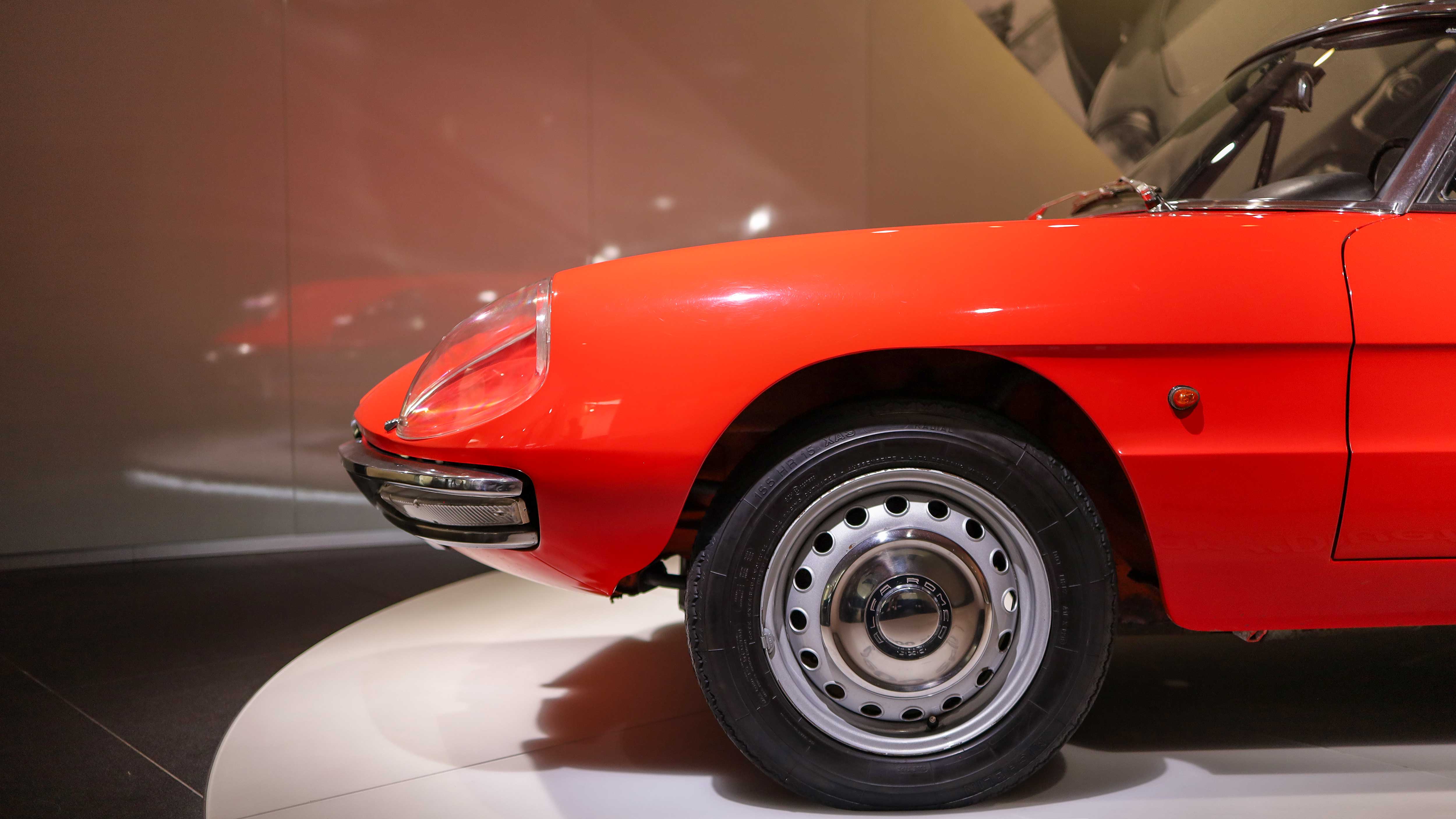
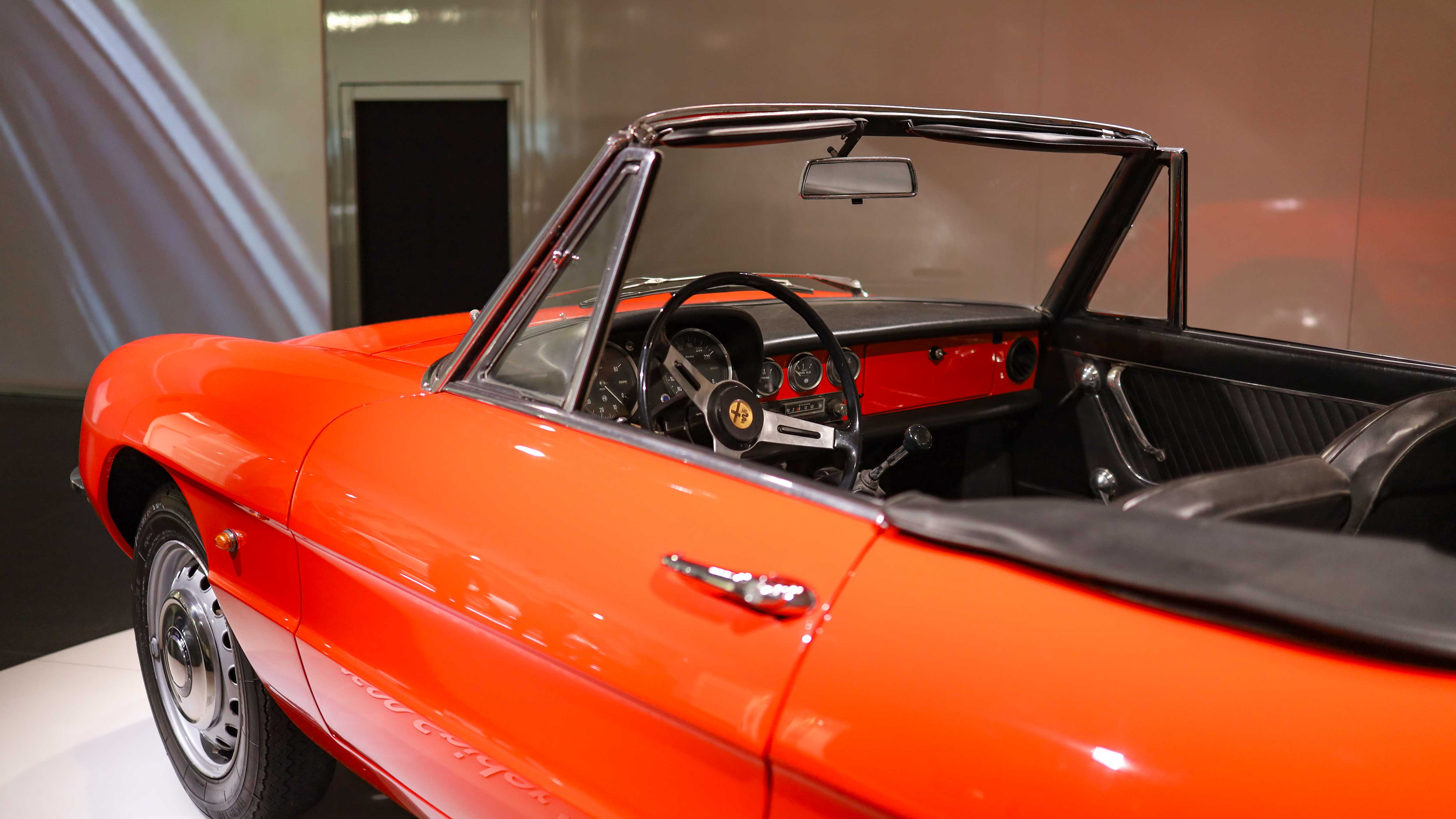
The 1600 Spider “Duetto” (1966–1969) launched the iconic Spider range with elegant Pininfarina design. Its 1.6 twin-cam engine produced about 109 hp, delivering light weight, rear-wheel drive balance, and classic open-top driving.
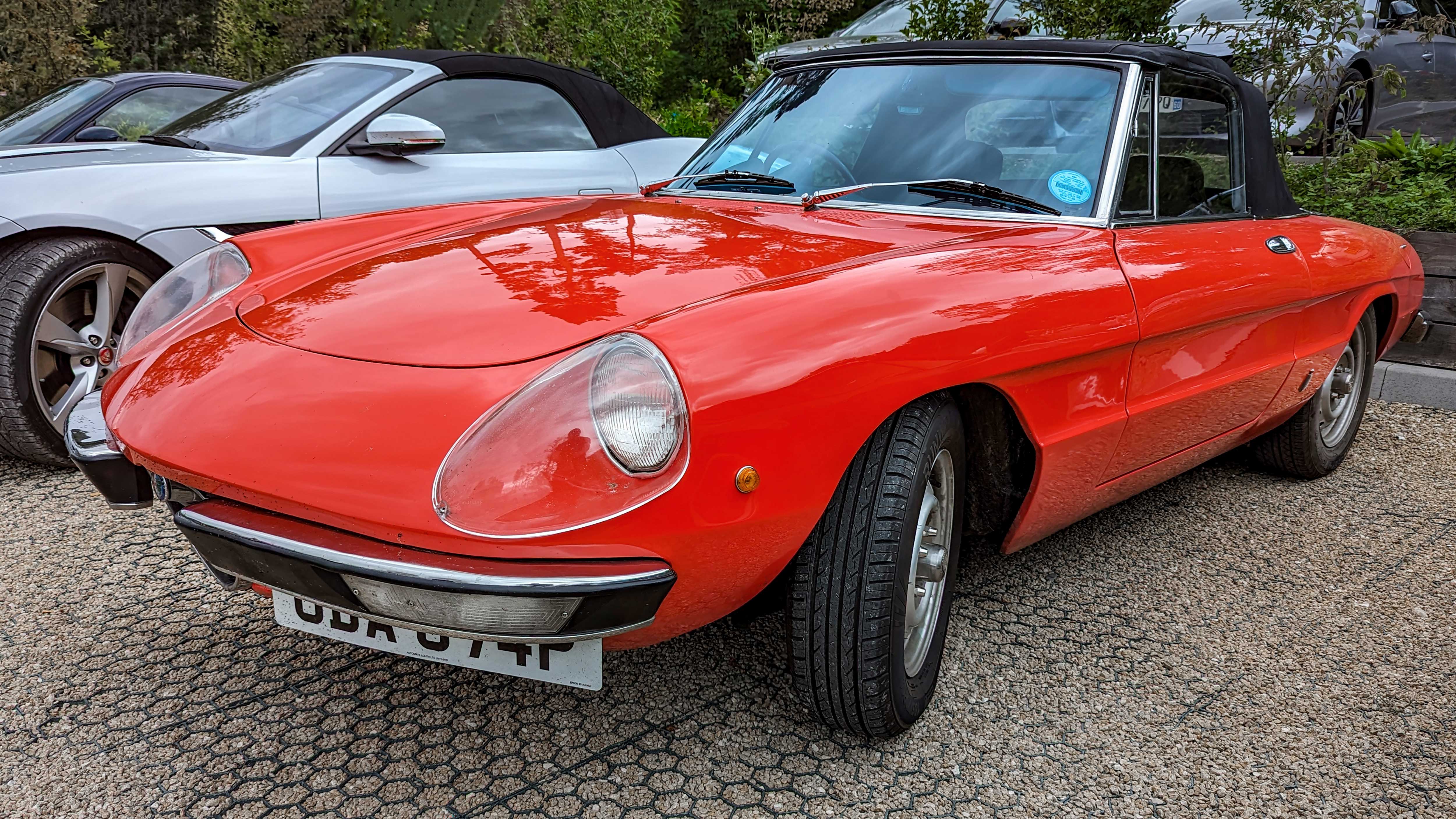
Spider
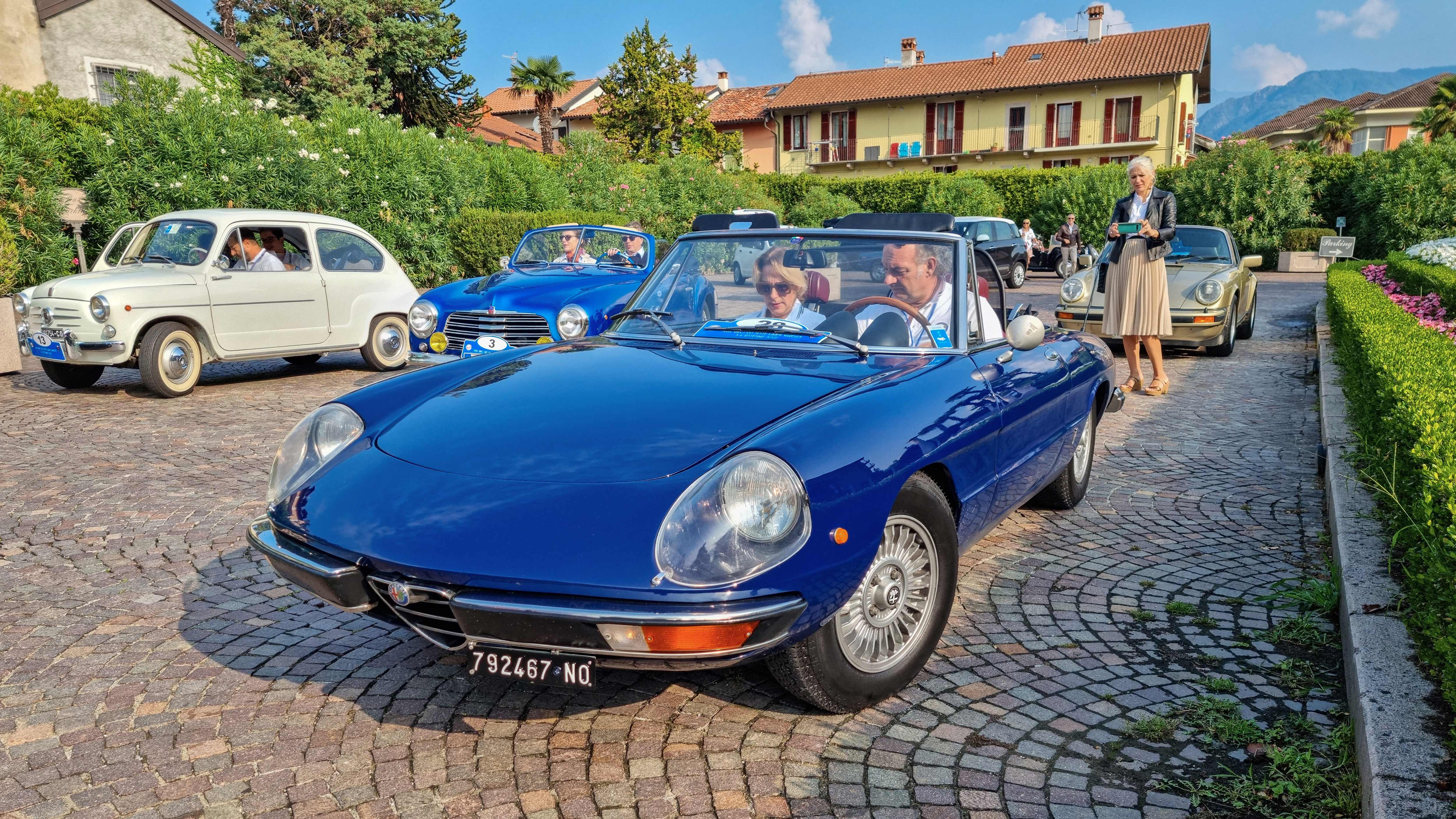
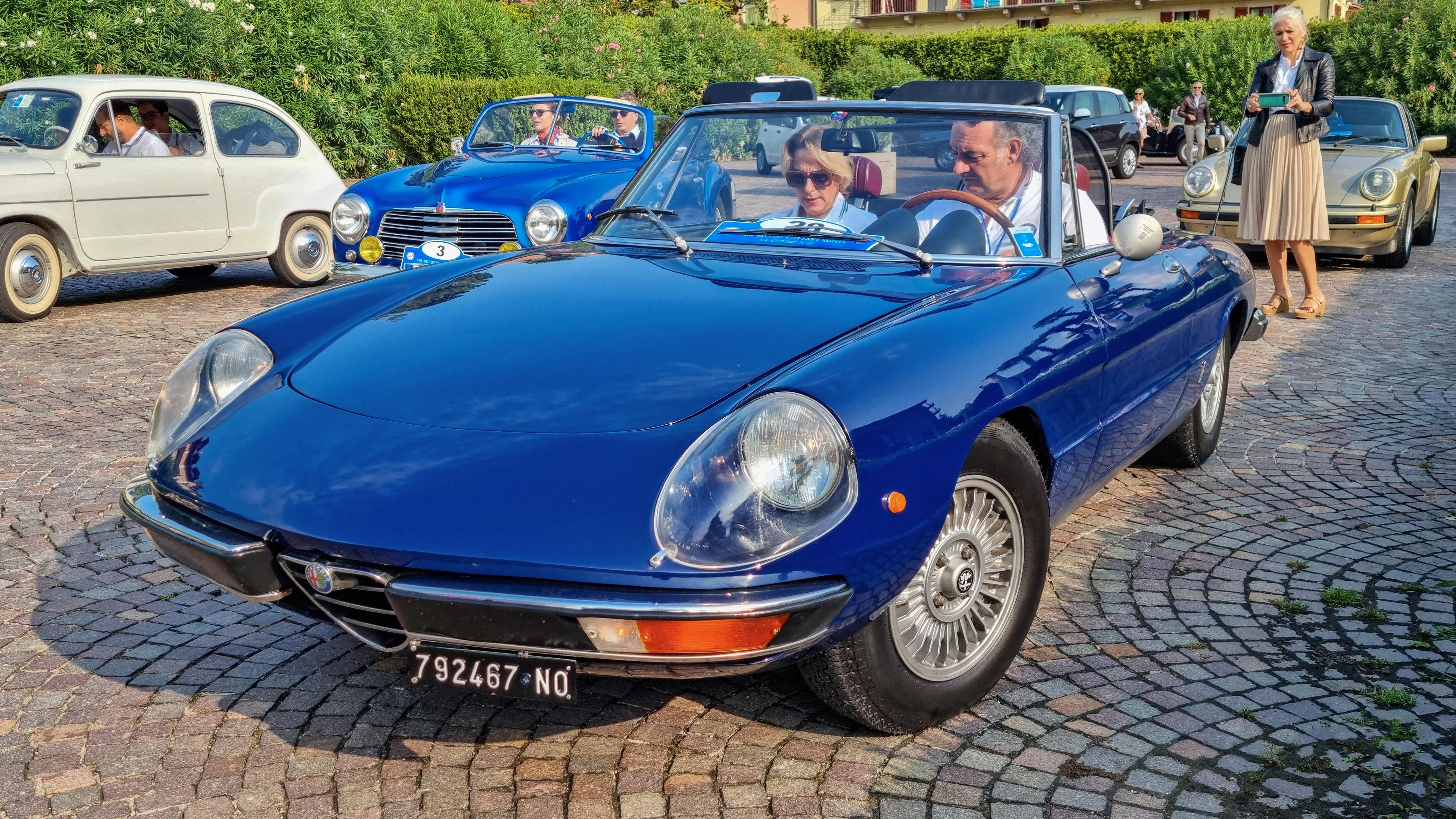
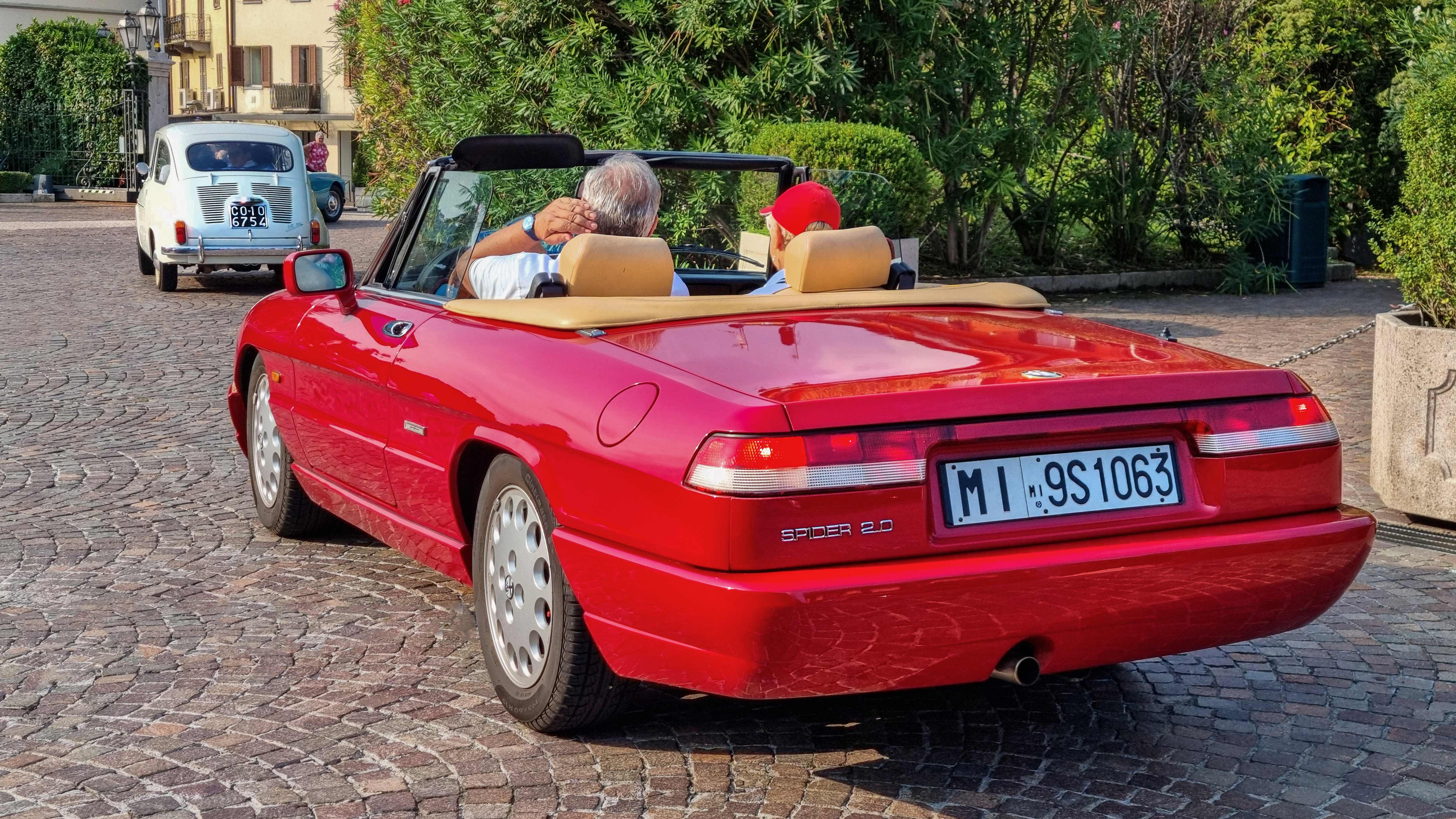
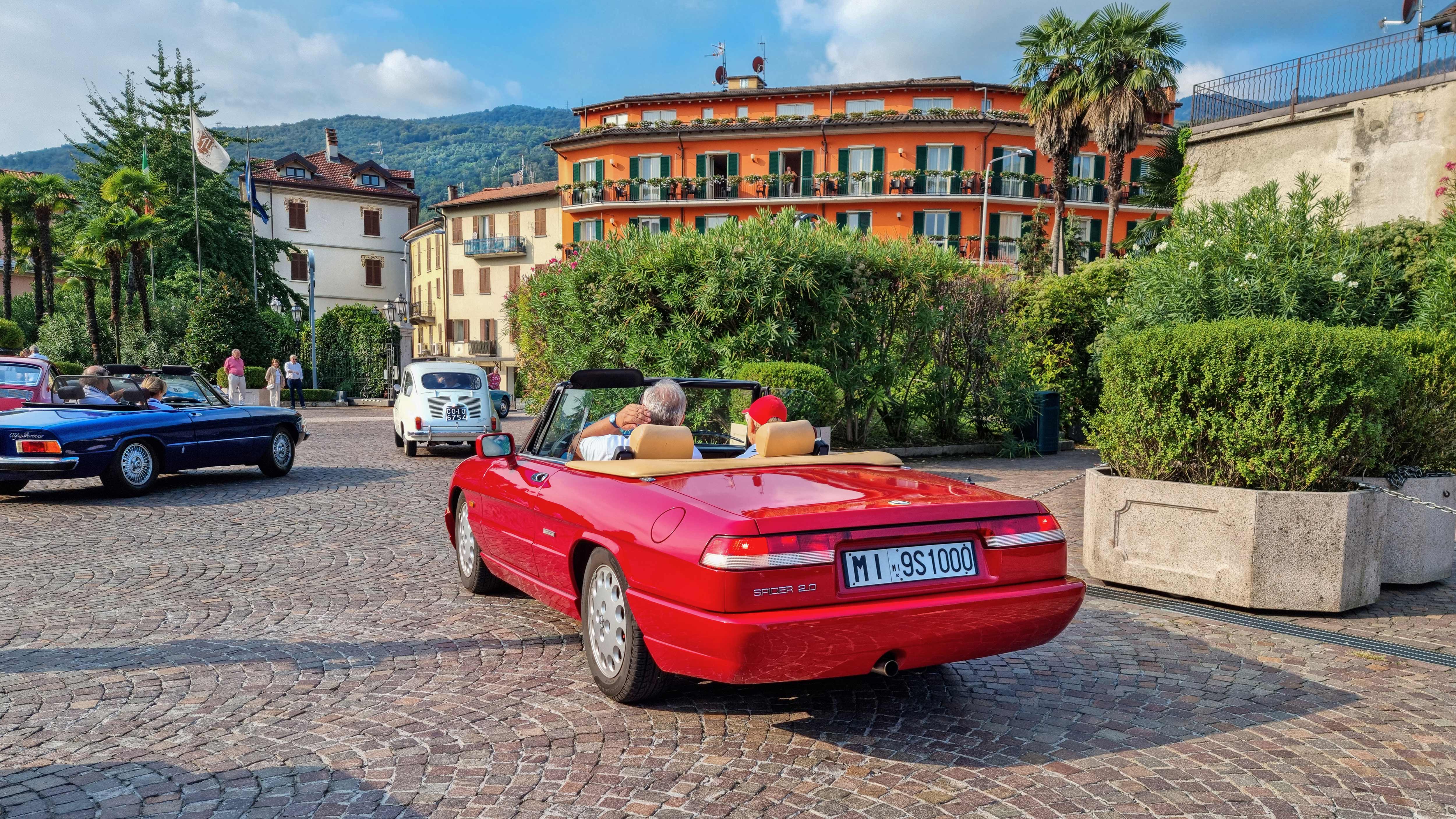
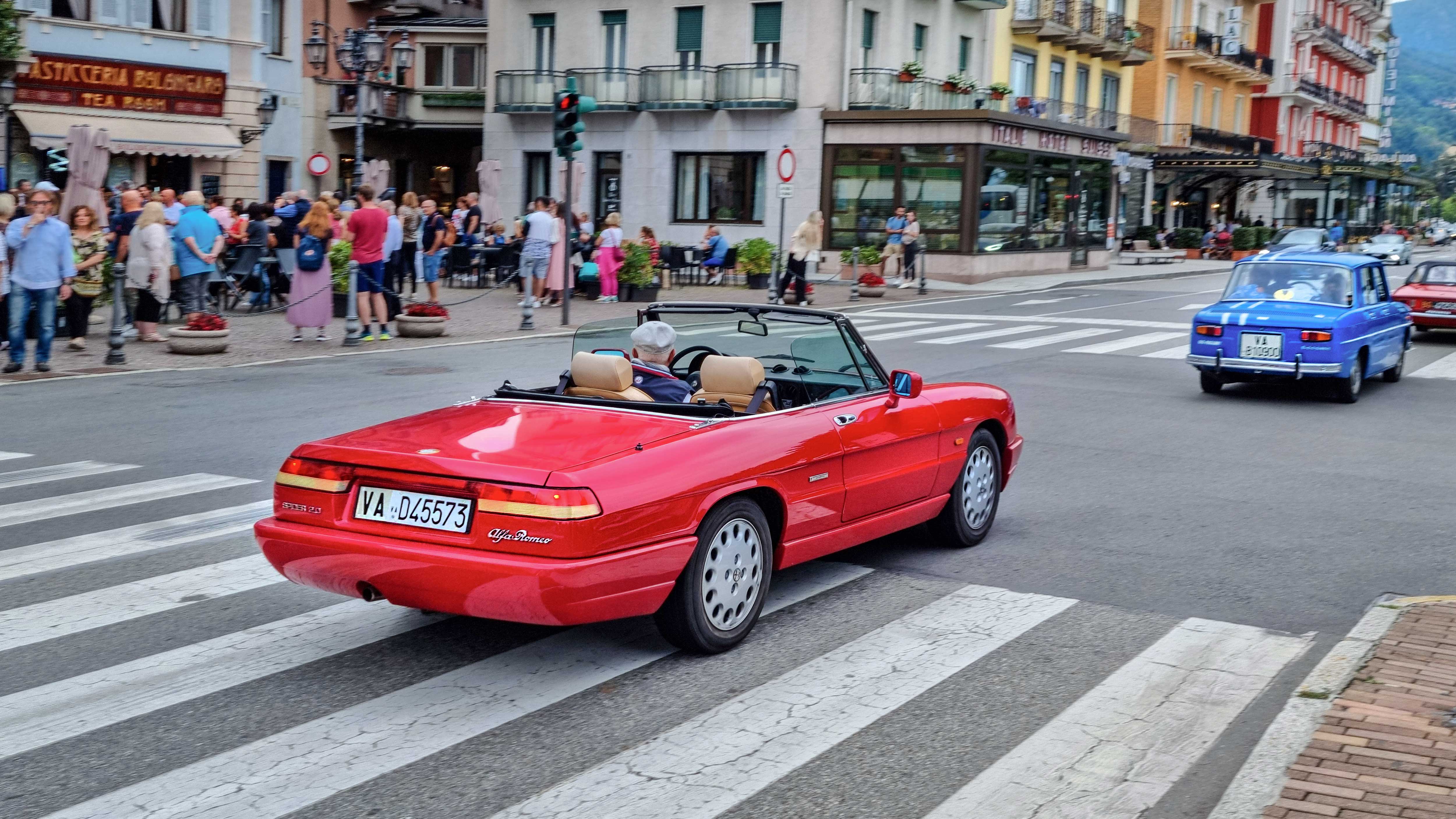
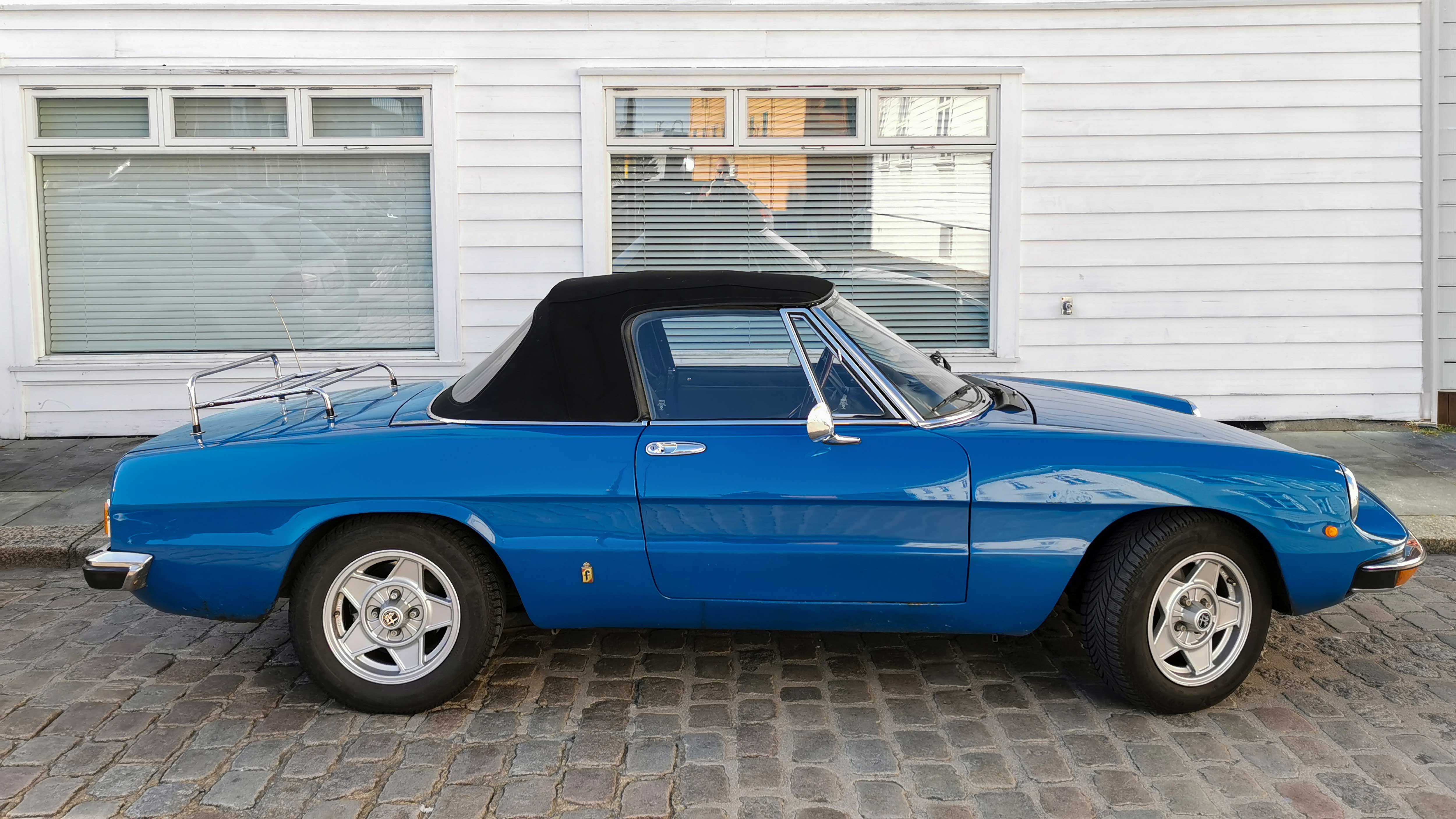
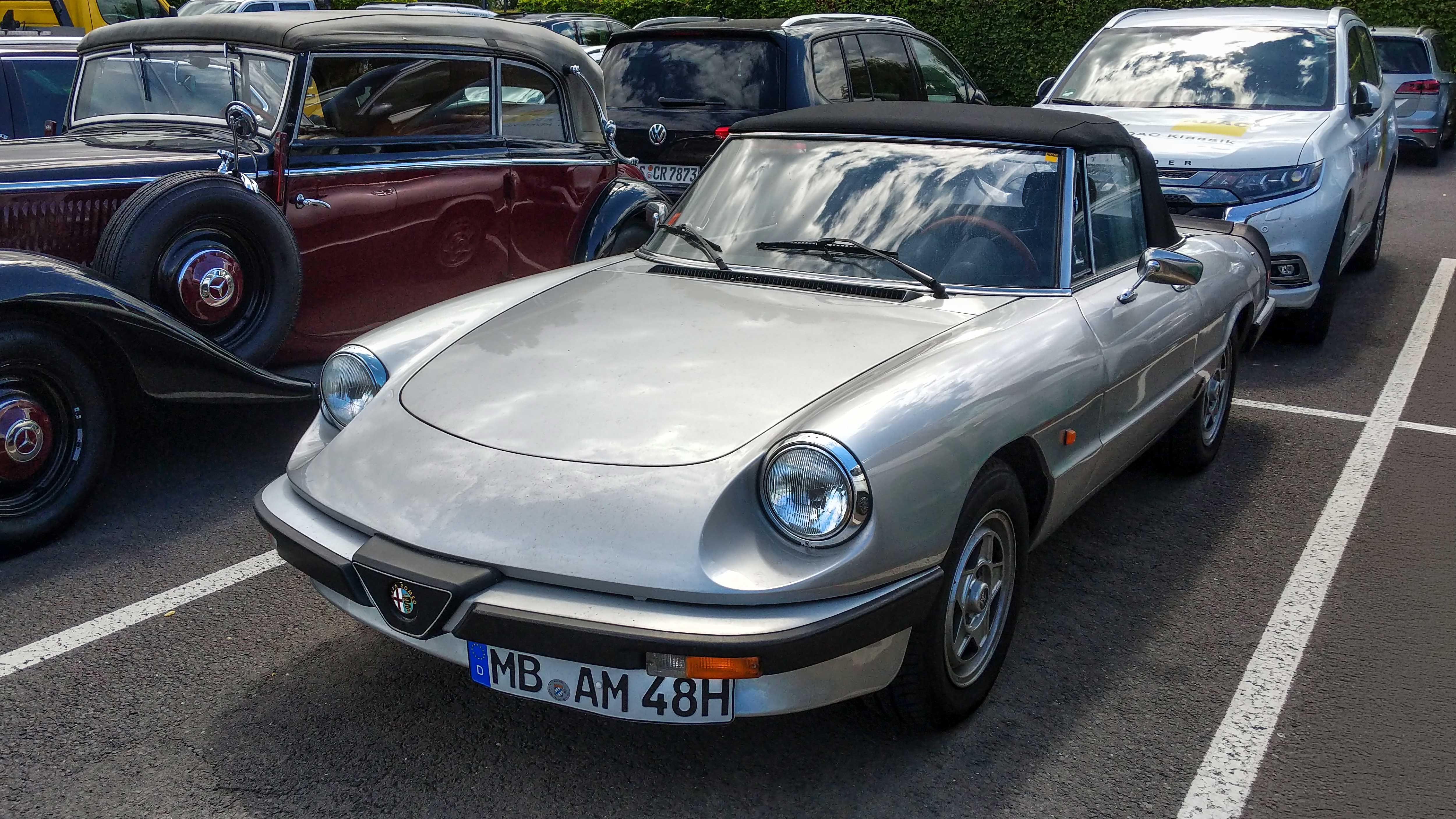
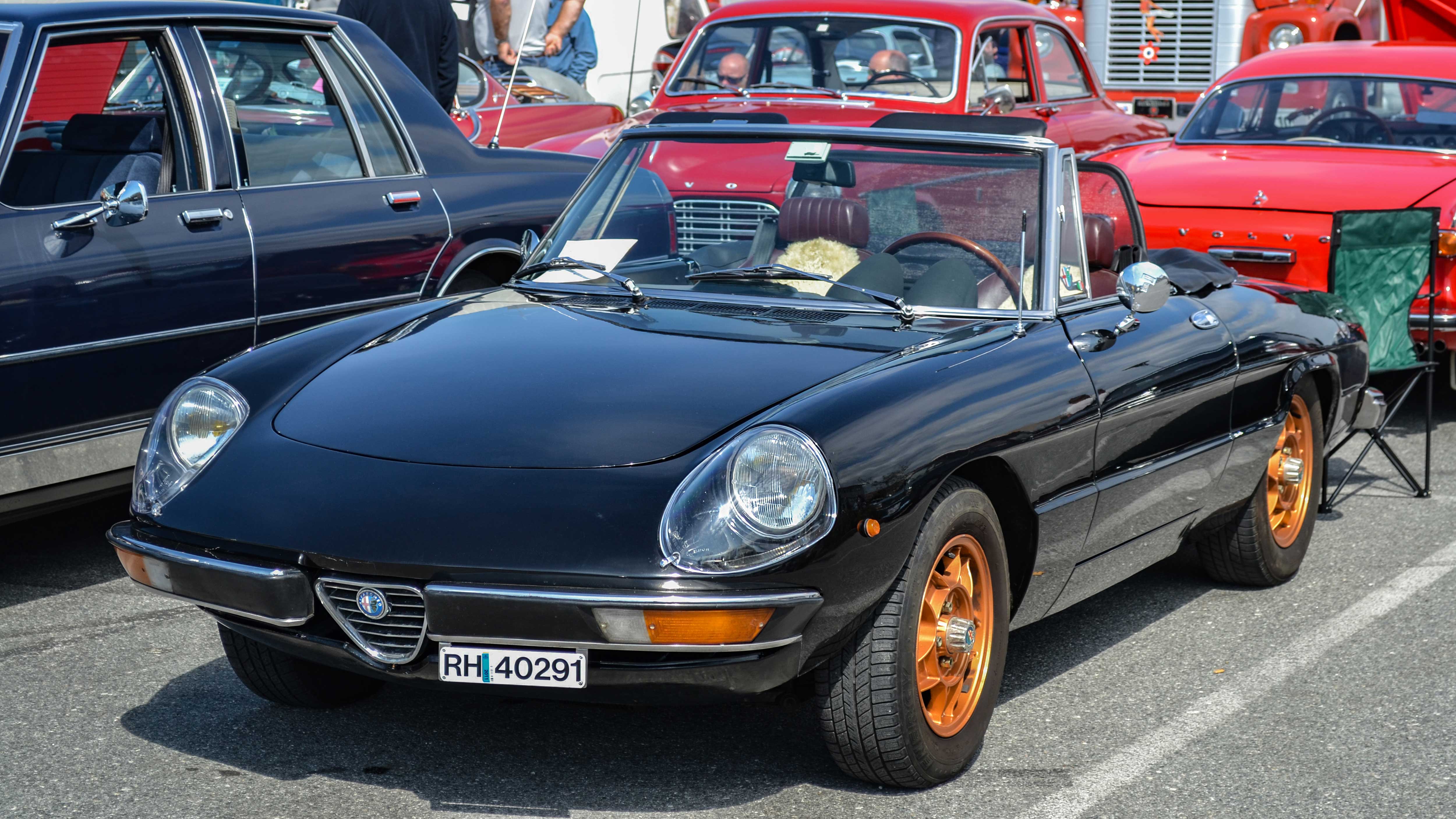
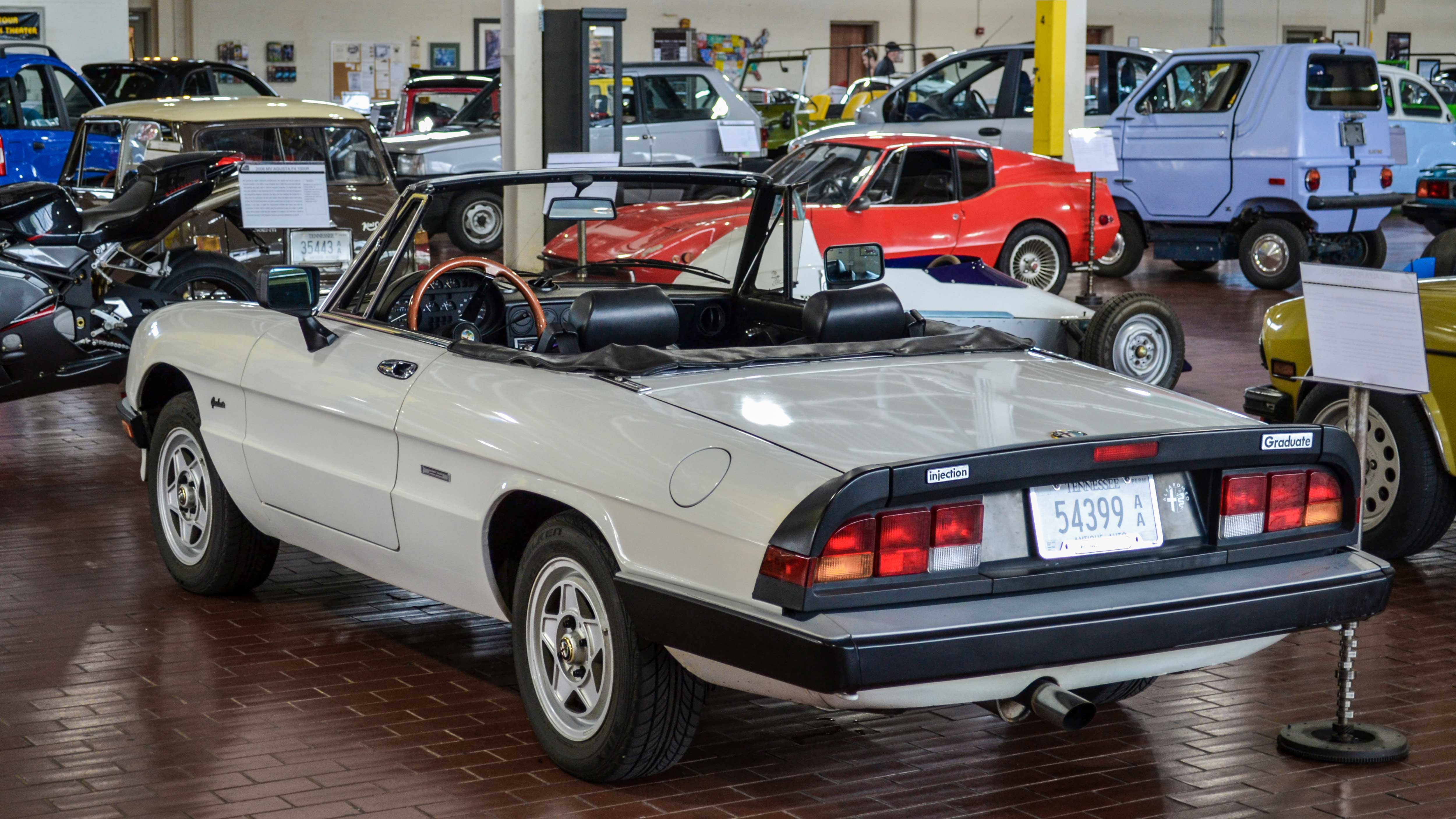
The Spider (1970–1994) continued the classic open-top sports car formula with evolving design and improved comfort. As a result, 2.0 twin-cam engines up to about 132 hp paired rear-wheel drive with relaxed touring character and timeless Italian style.
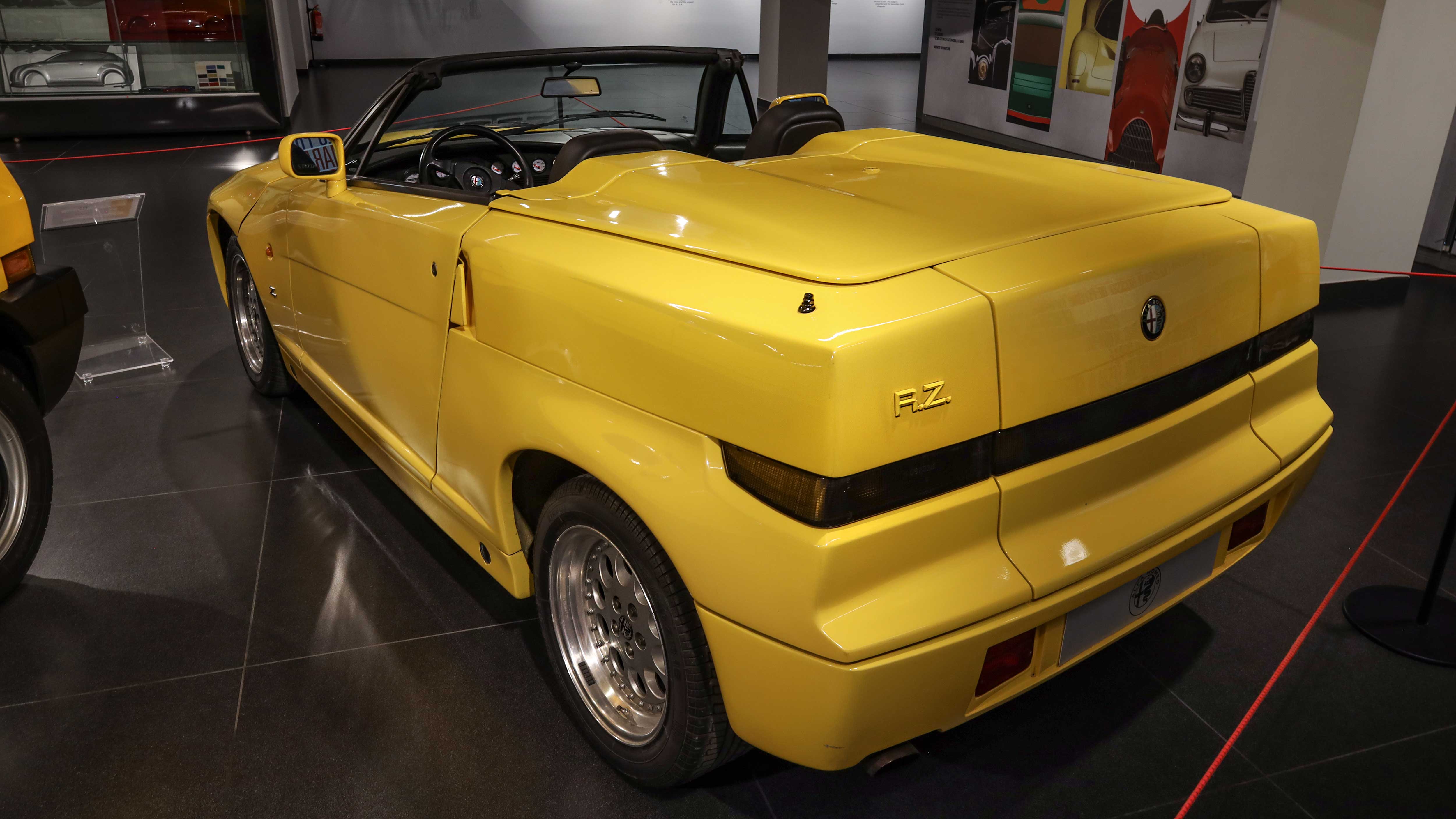
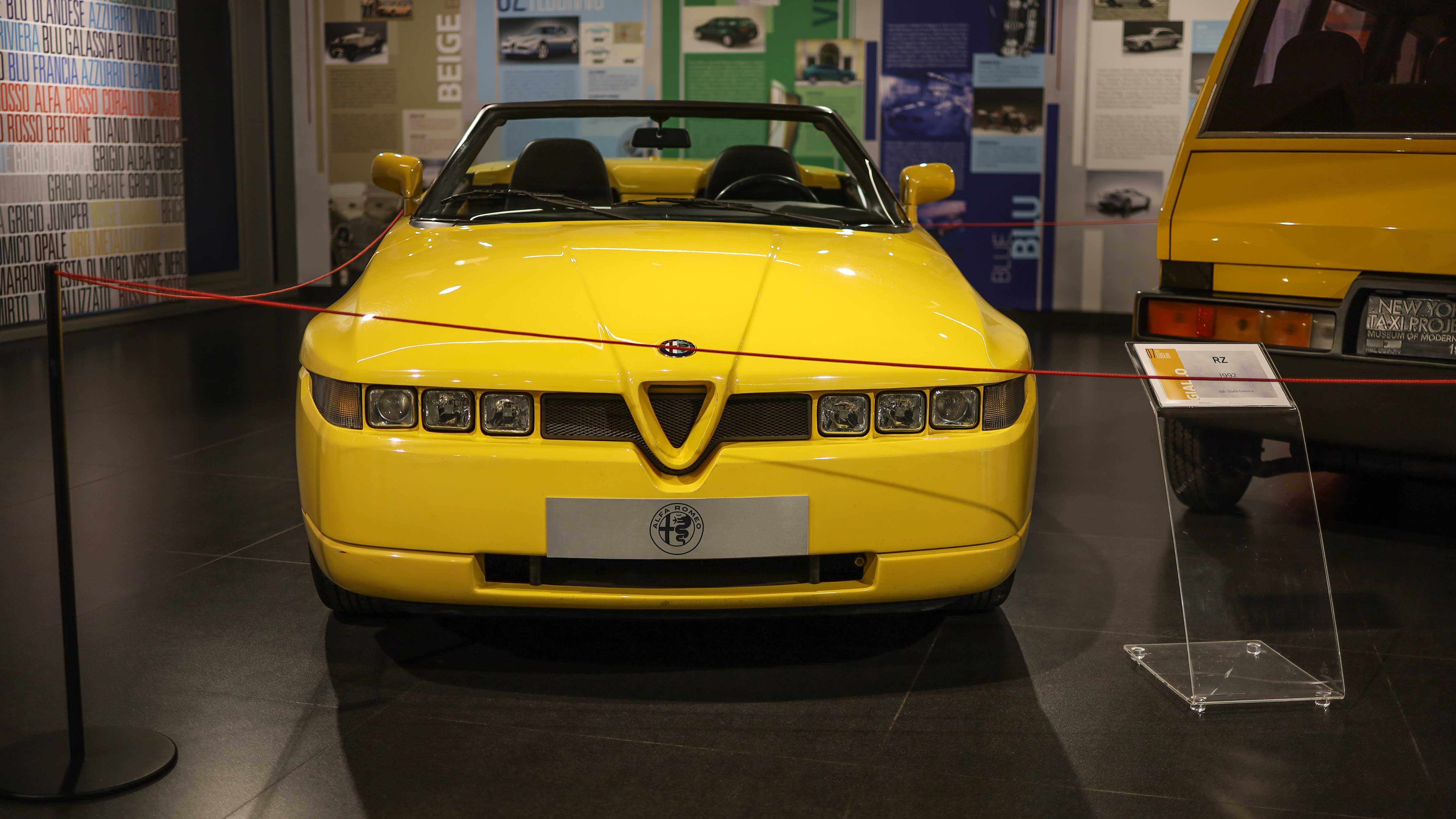
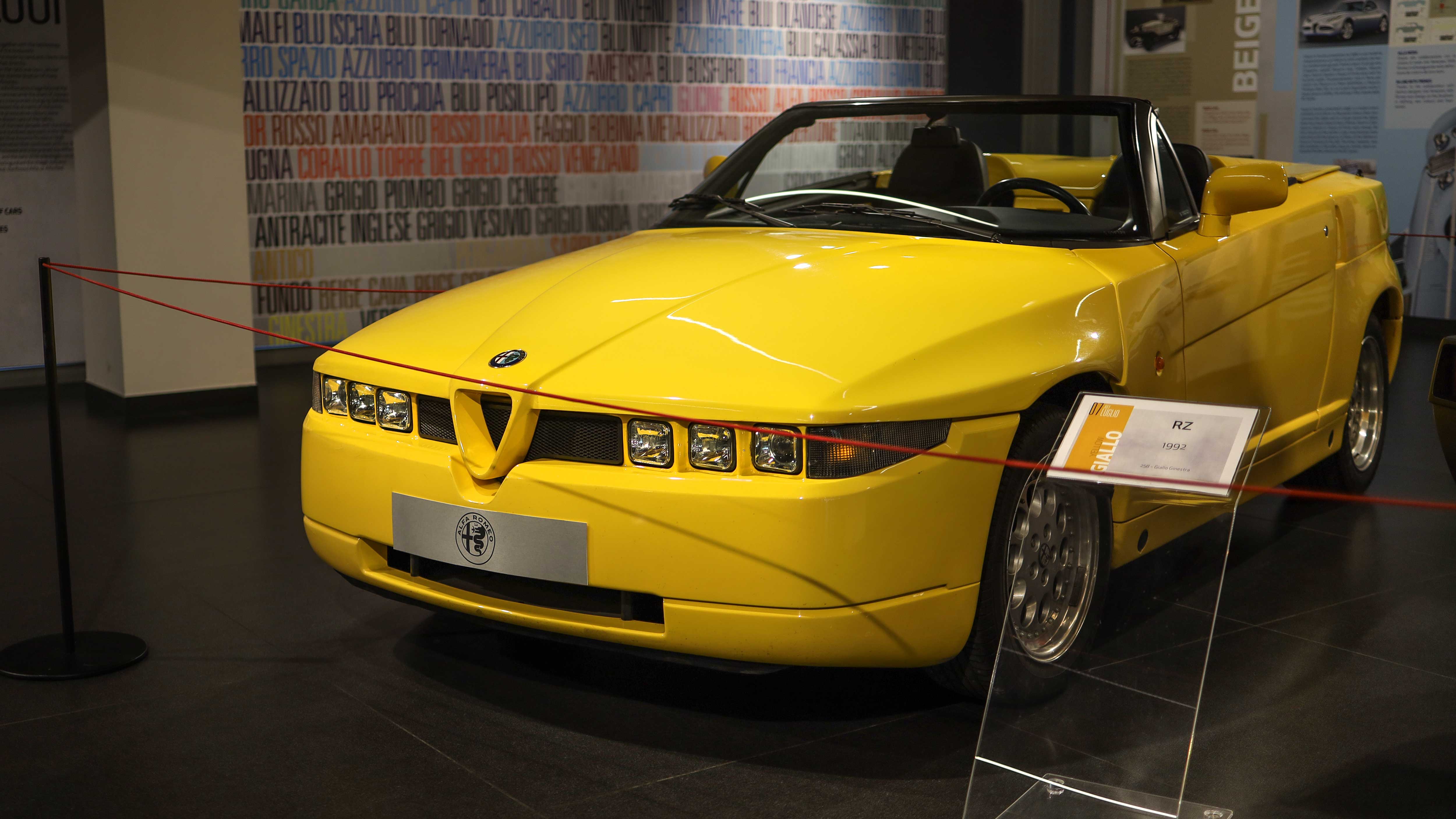
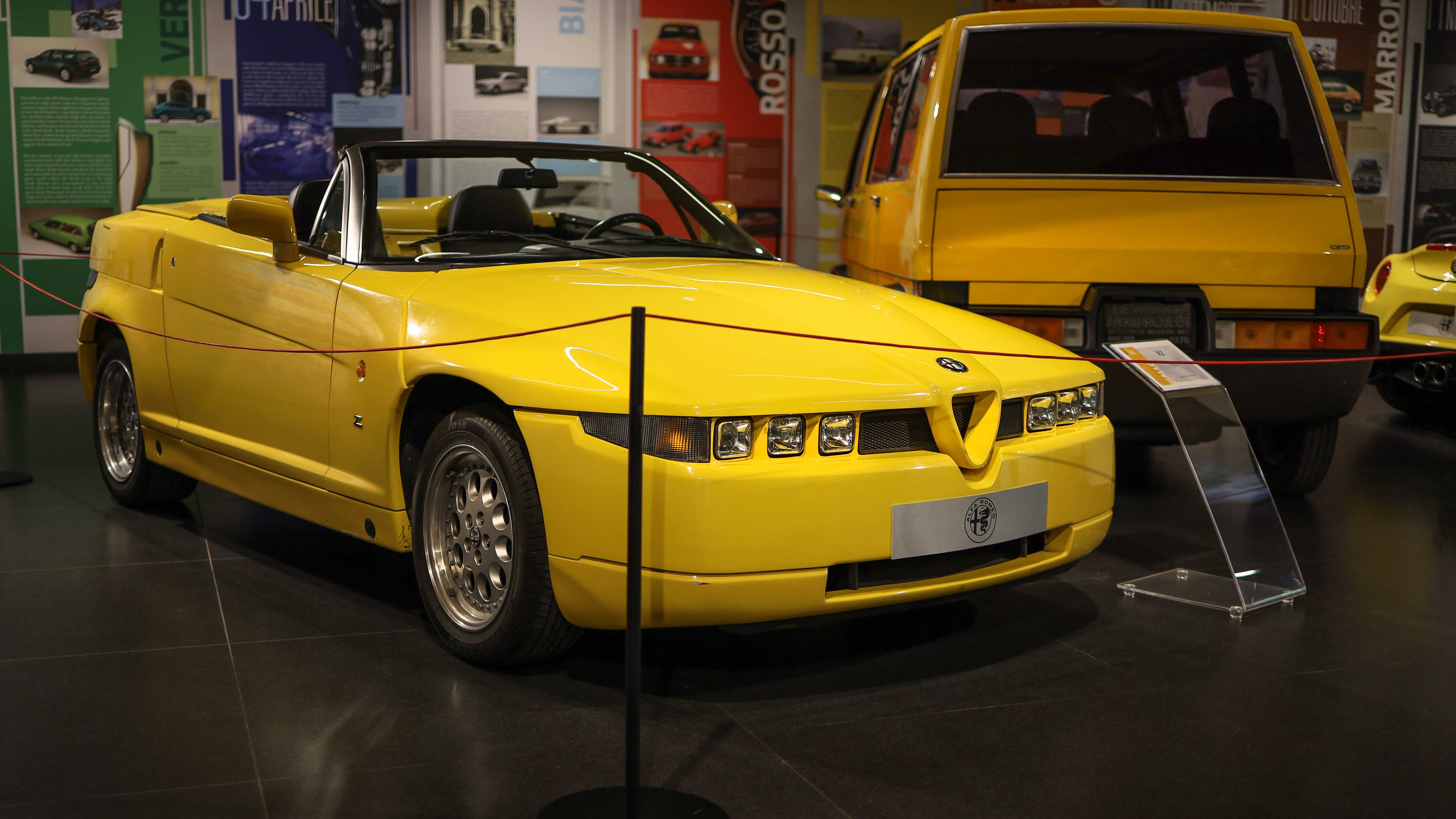
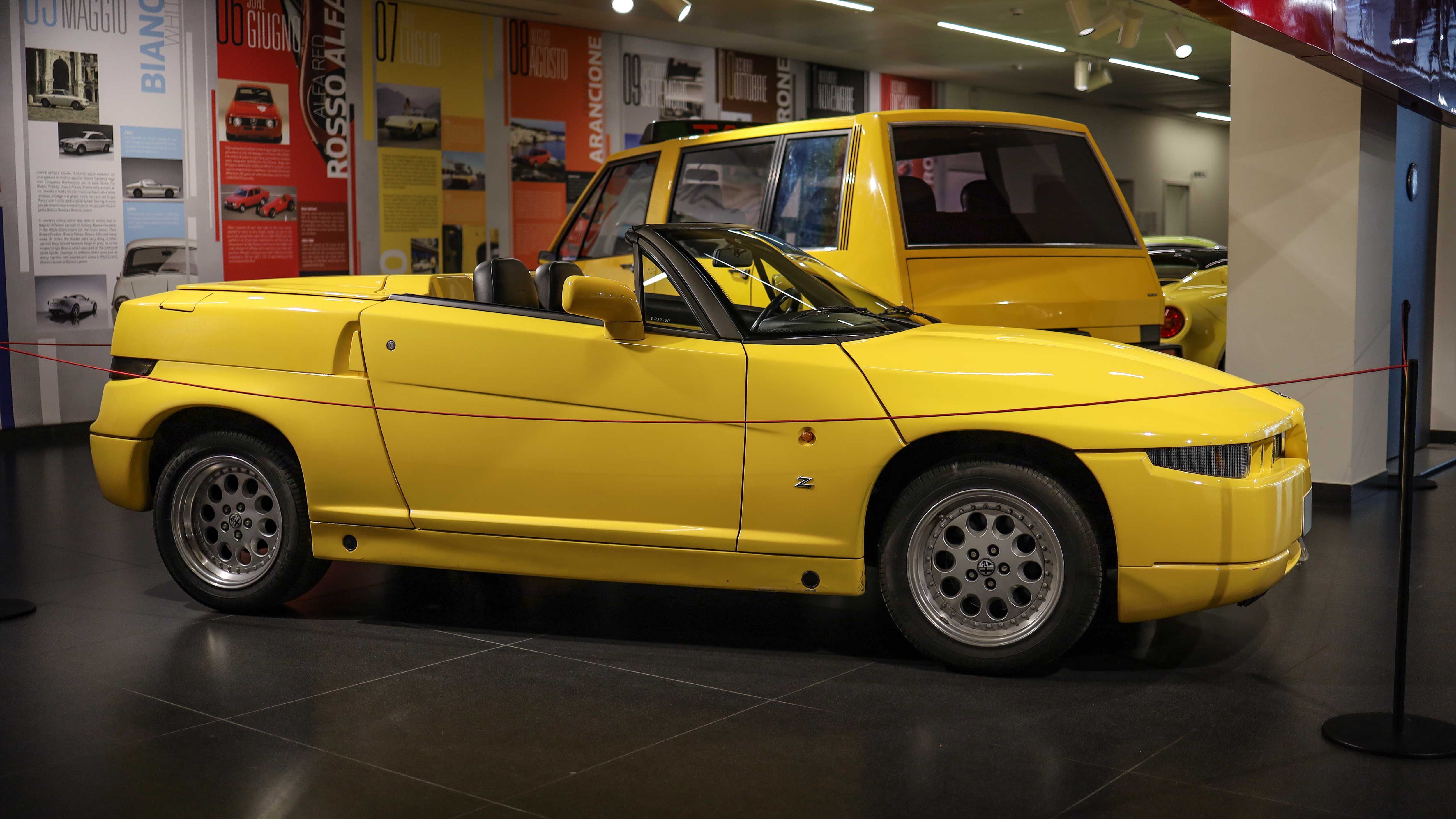
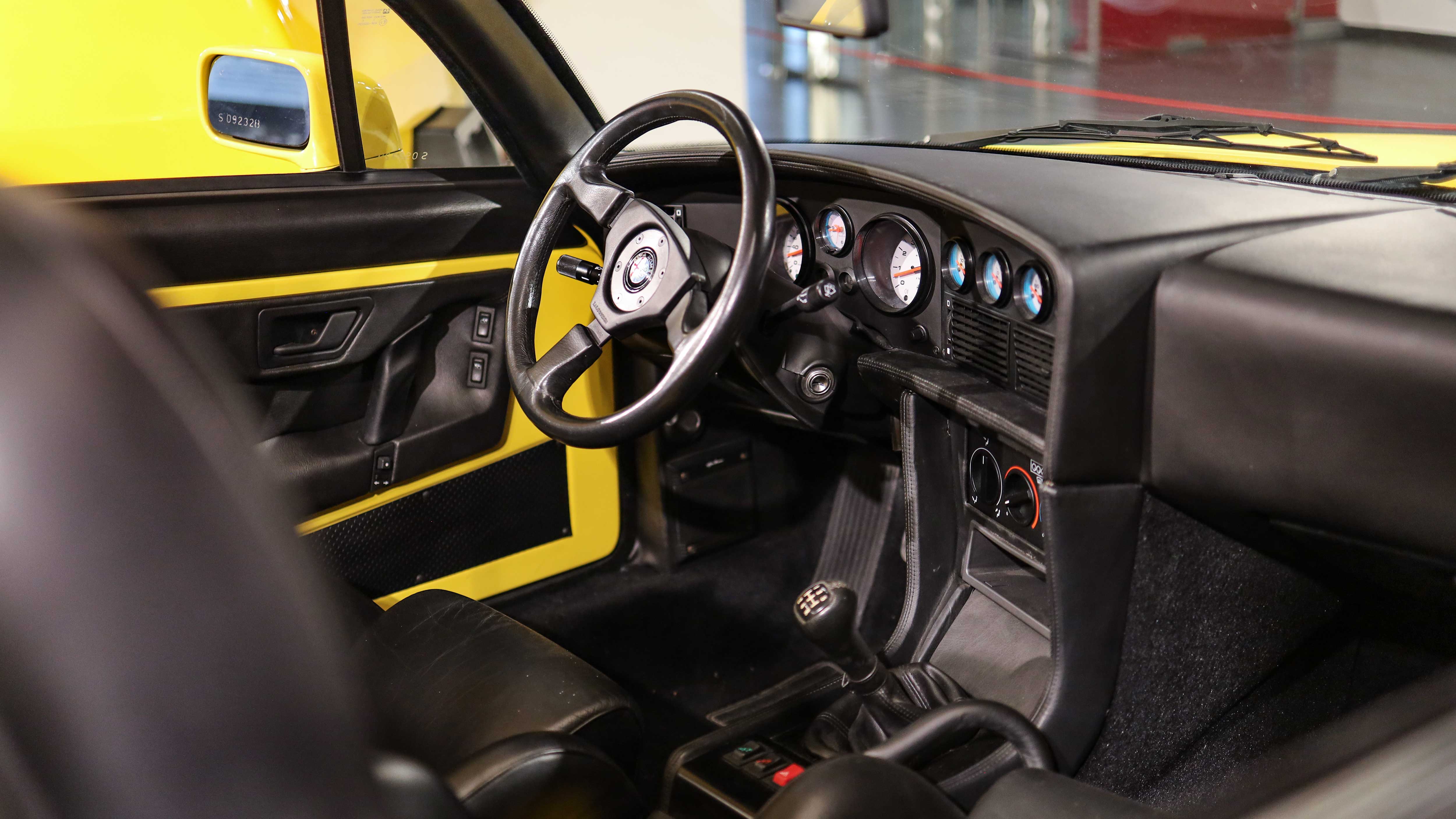
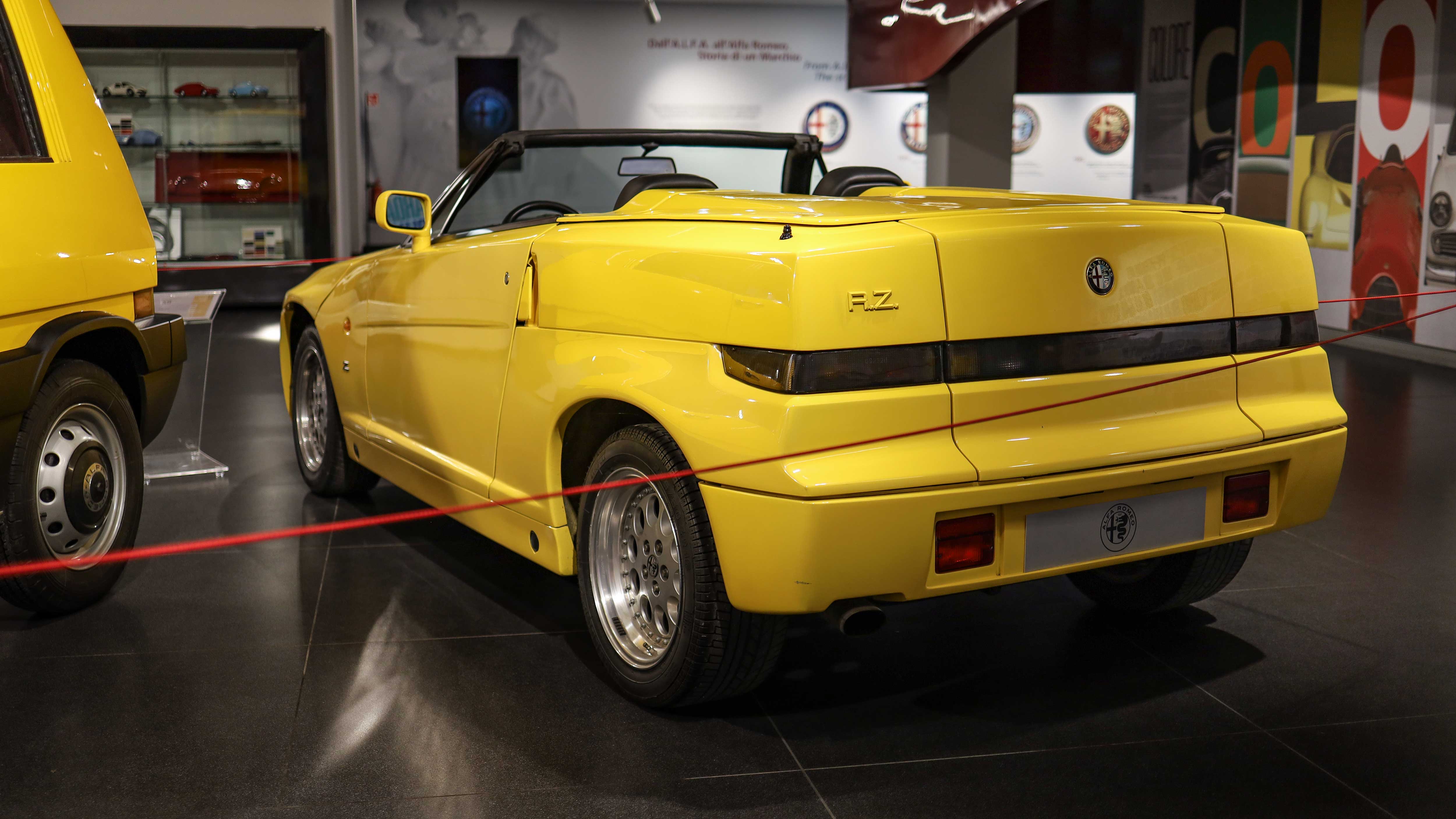
RZ
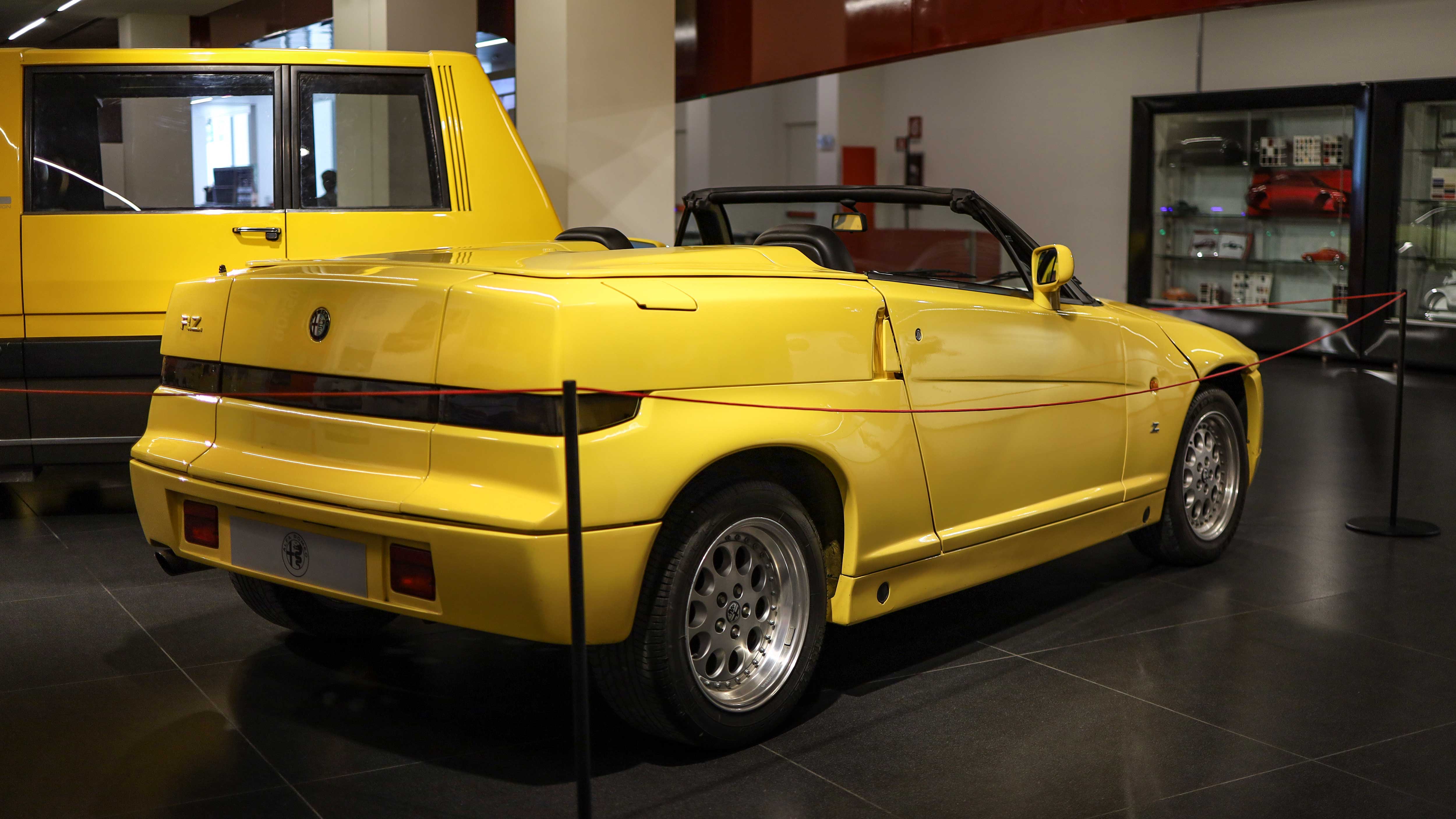
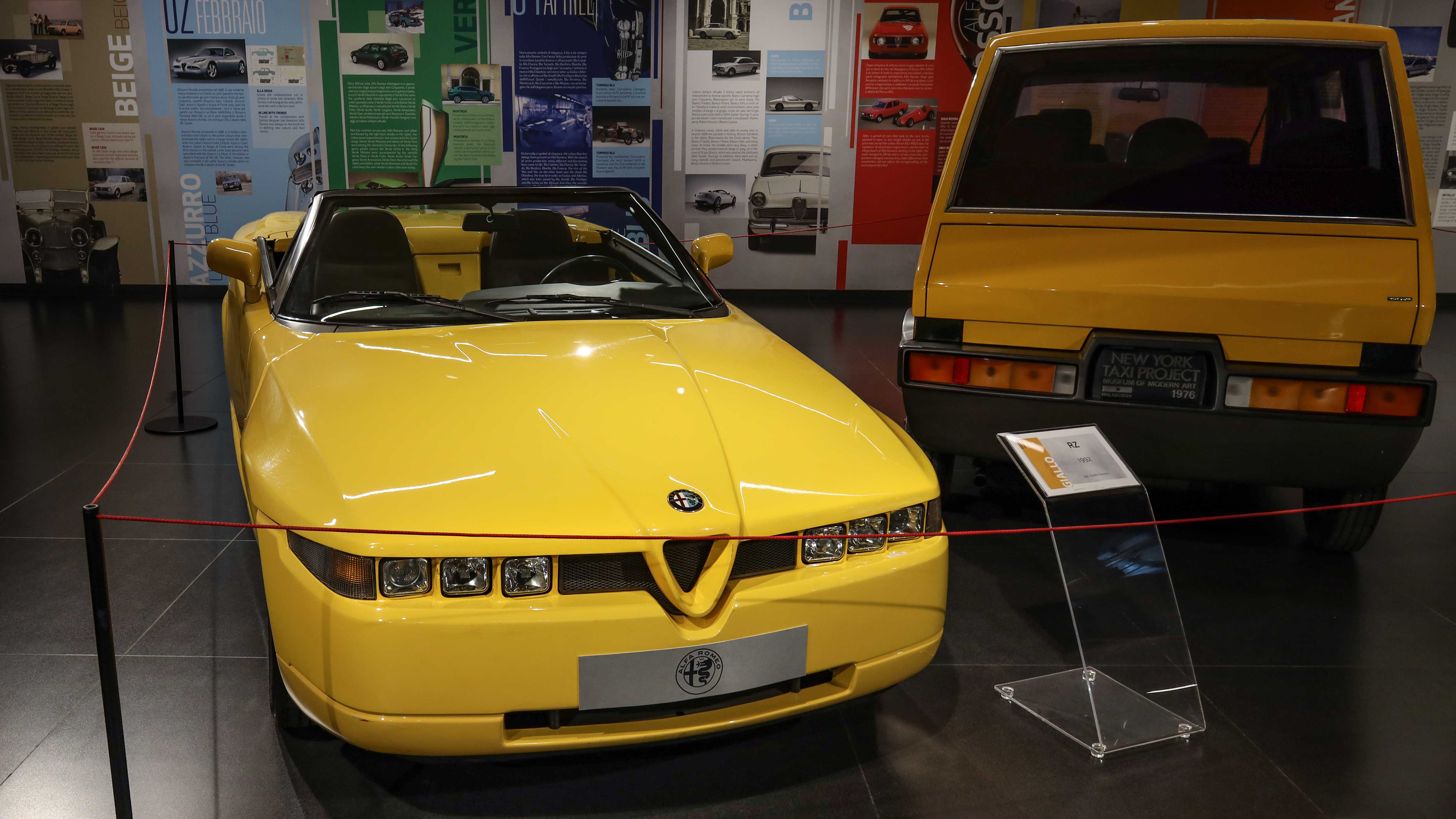
The RZ (1989–1991) was a limited-production sports coupe with radical Zagato design. As a result, its 3.0 V6 delivered about 210 hp and paired rear-wheel drive with a stiff chassis and sharp, mechanical driving feel.
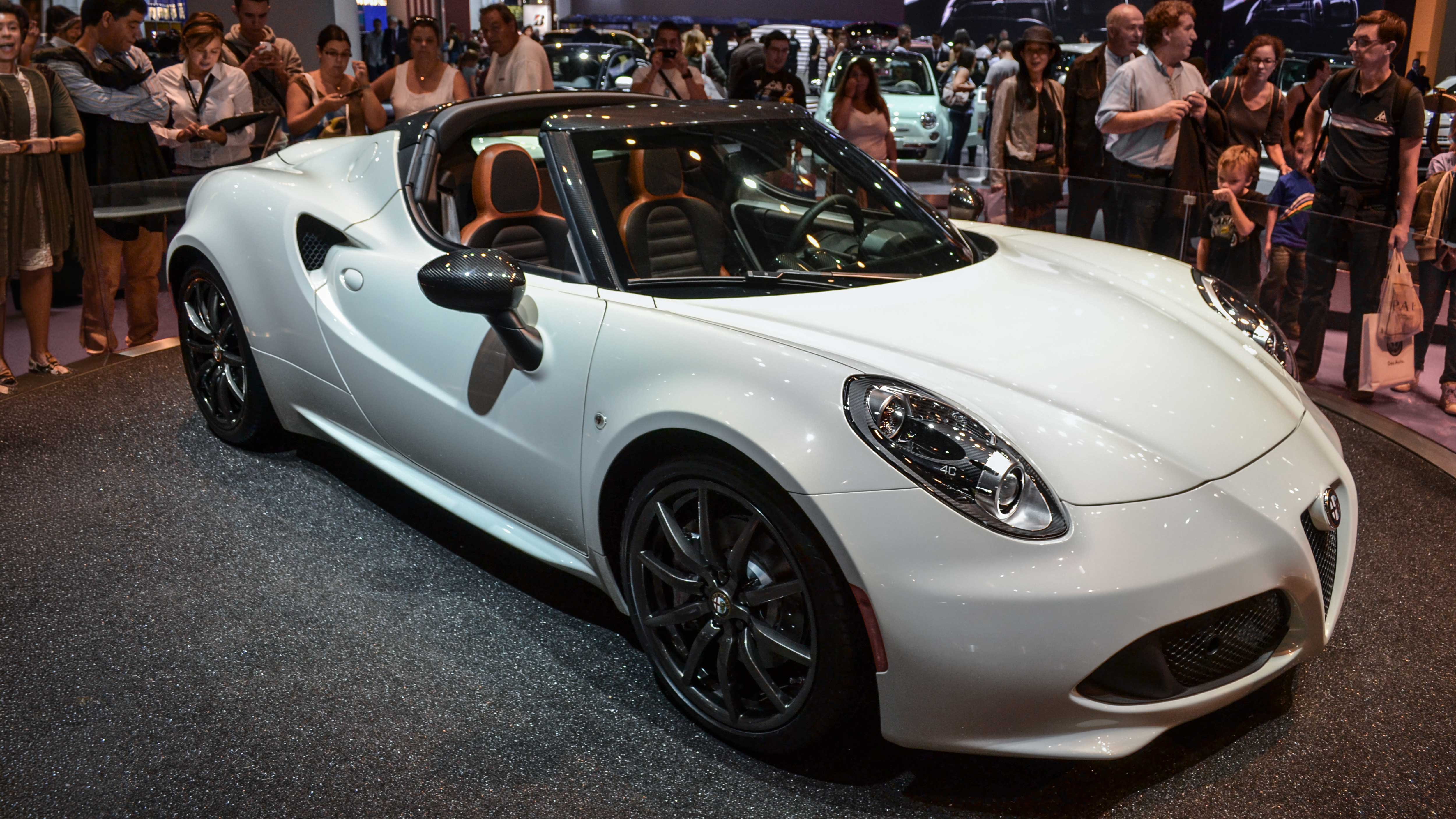
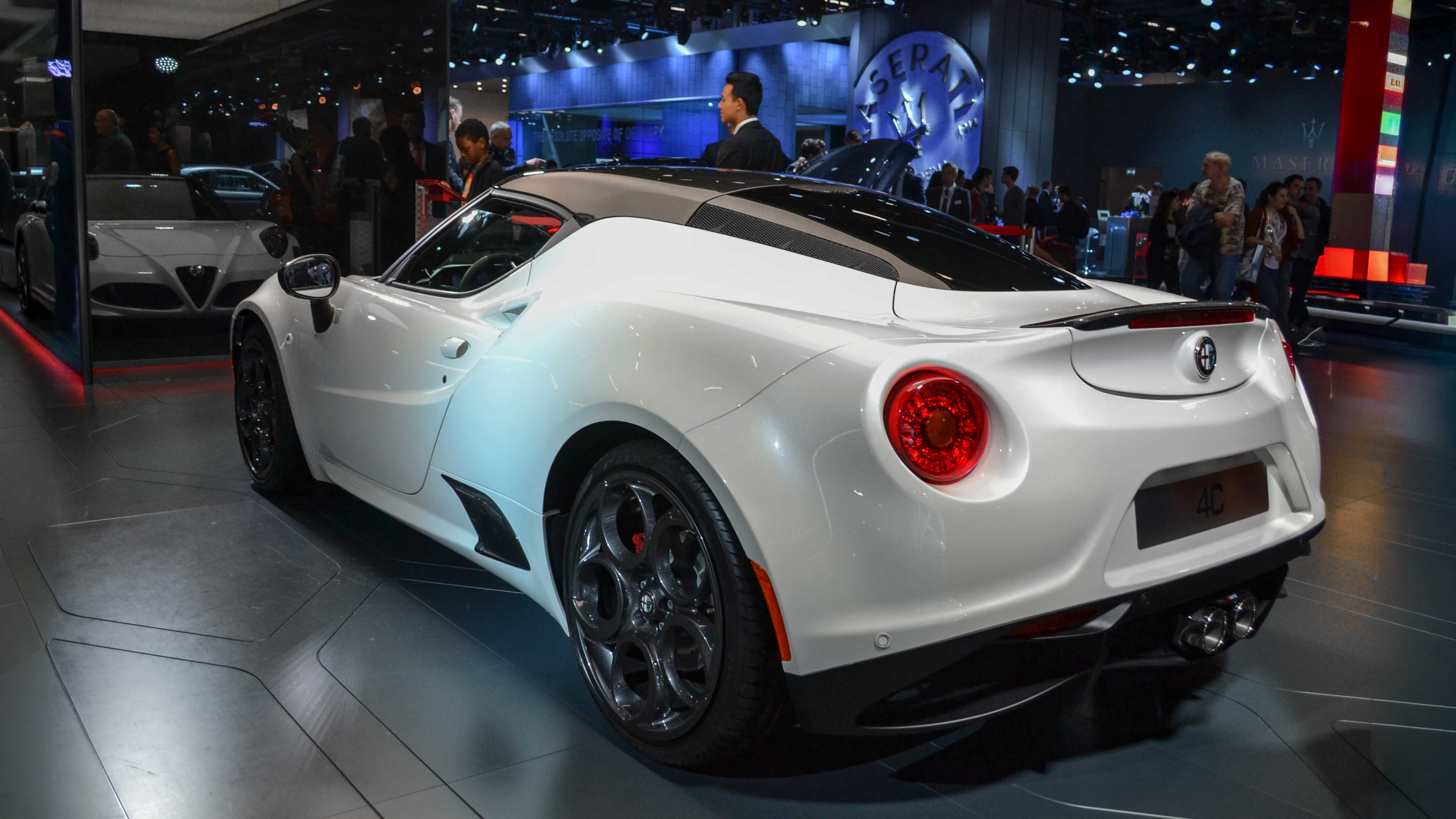
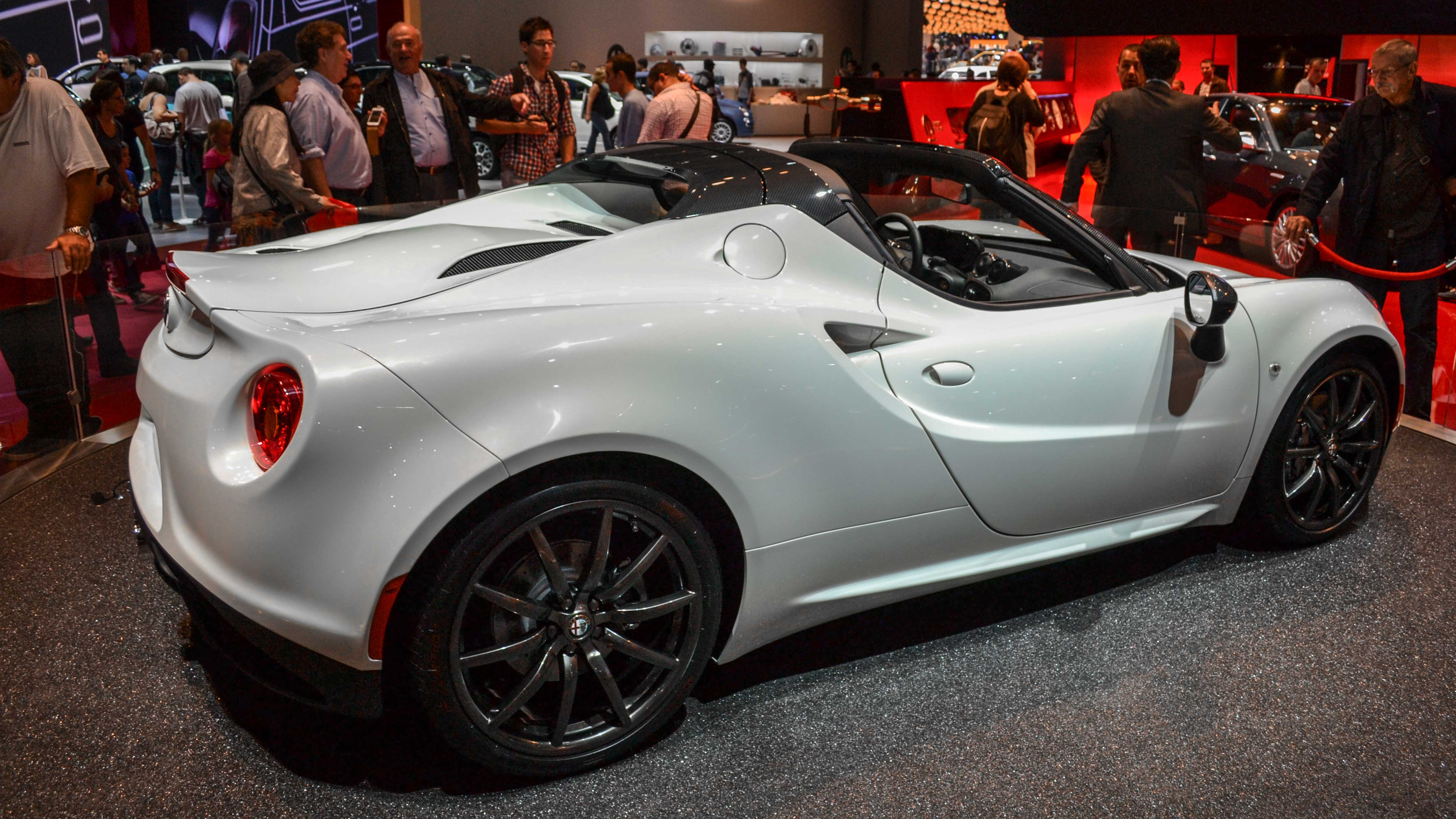
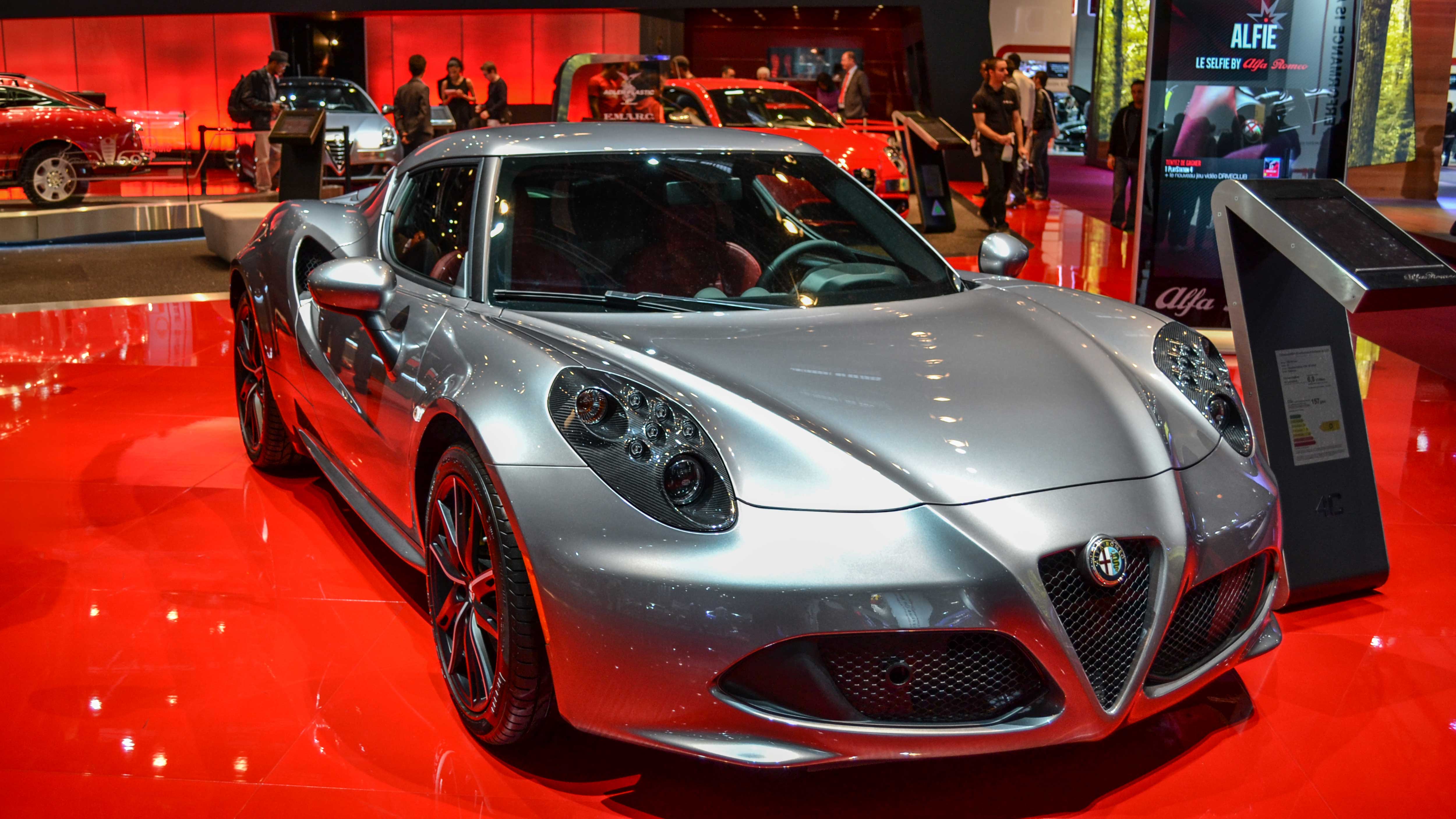
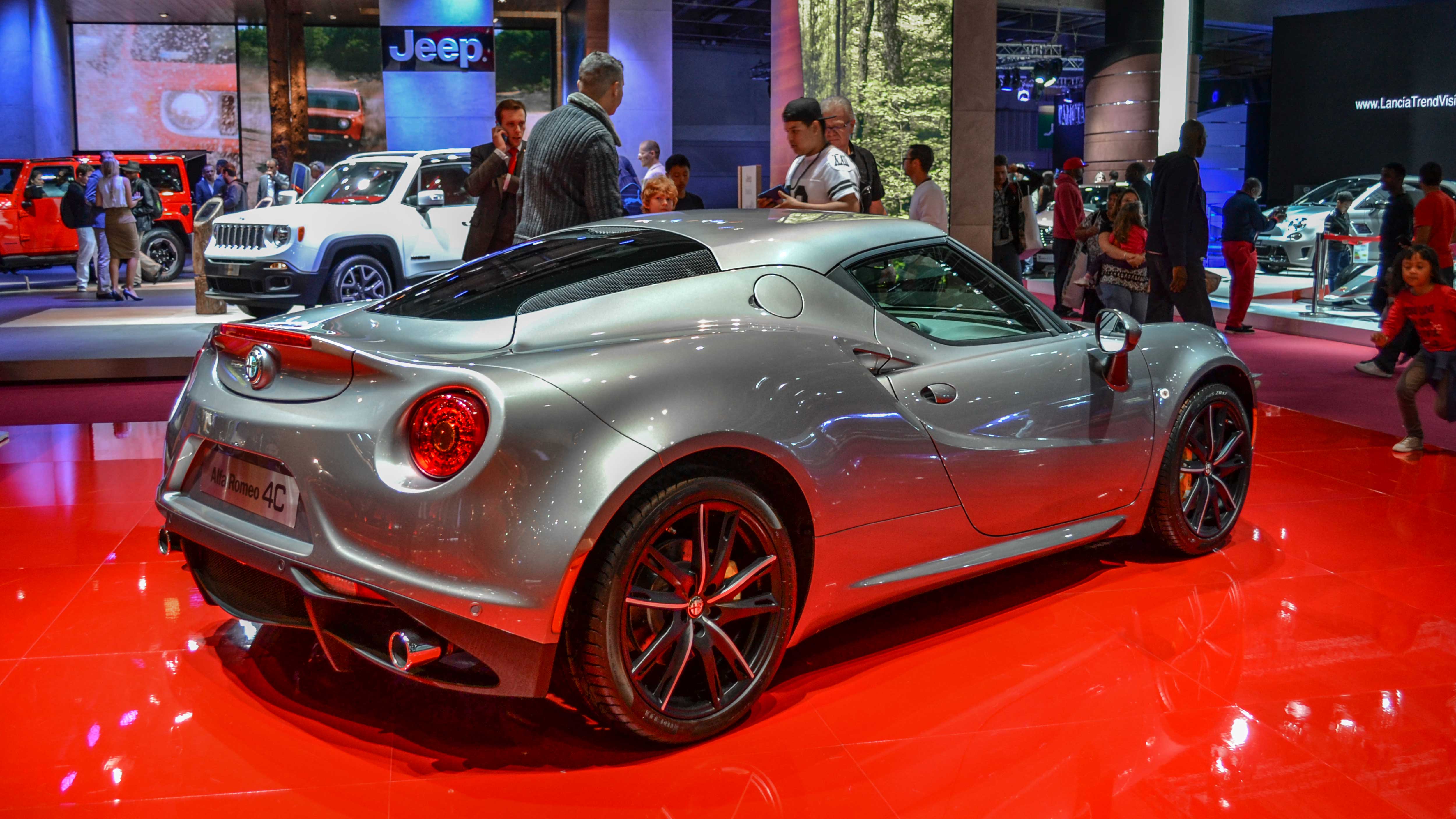
4C
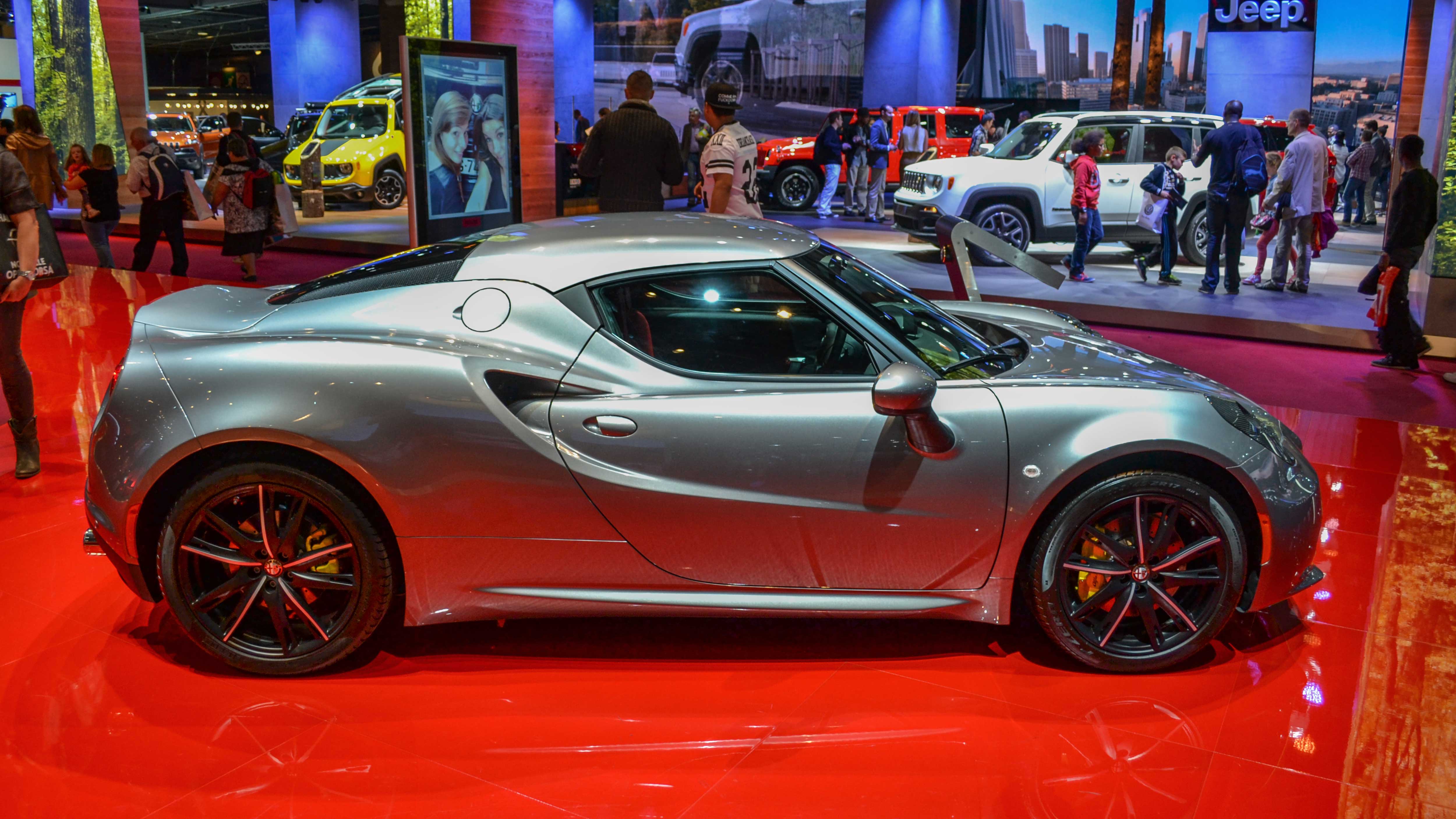
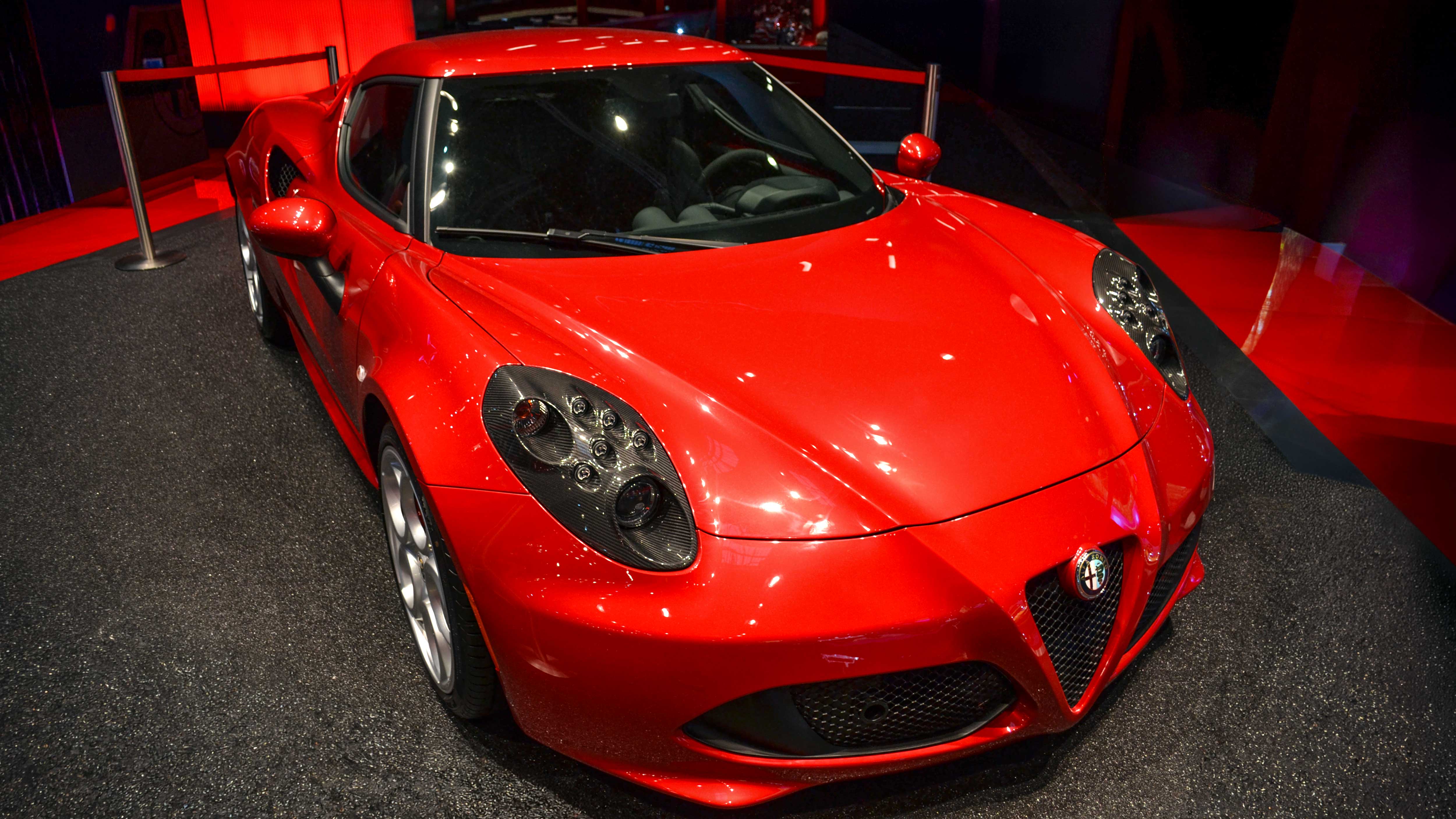
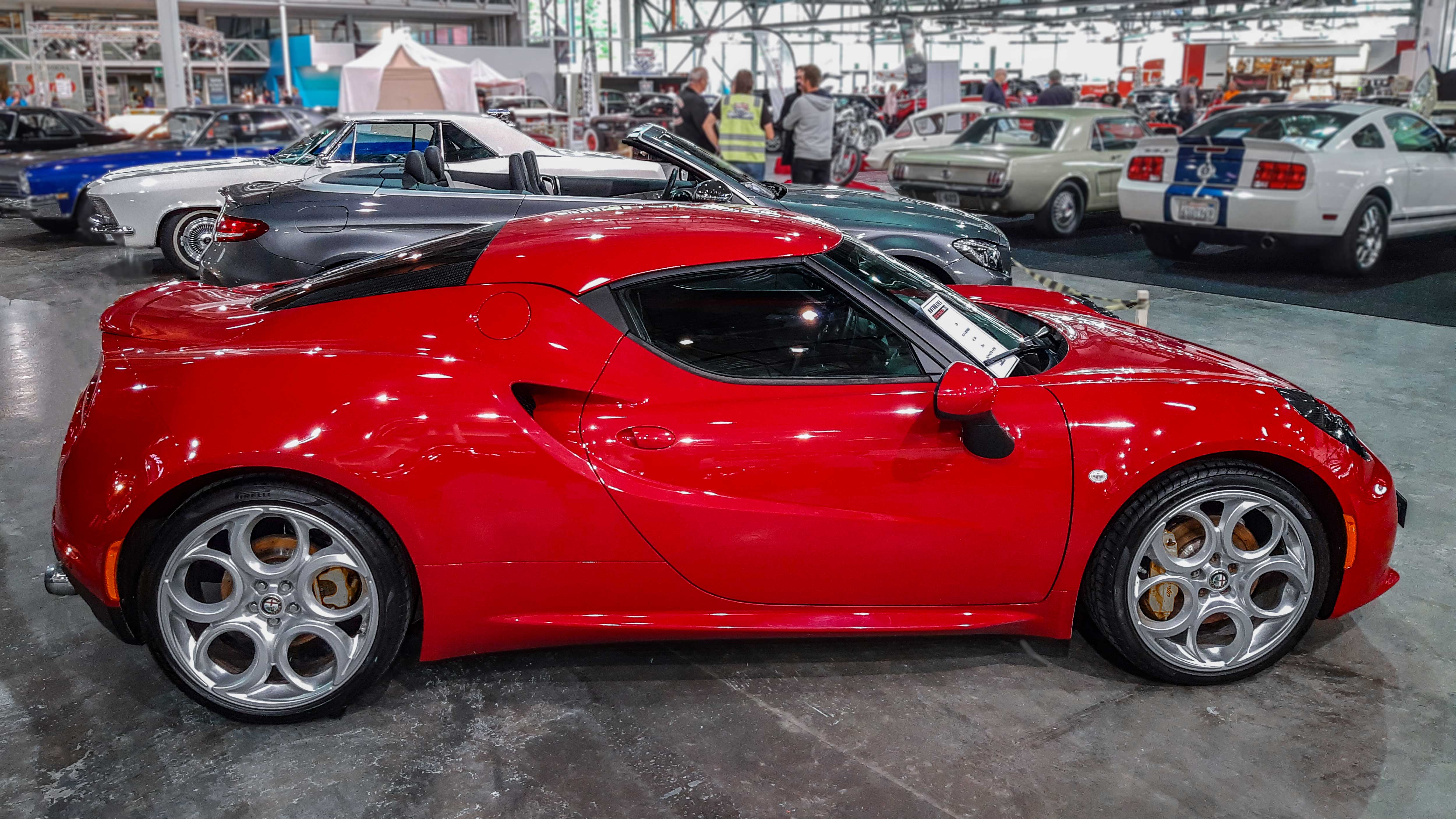
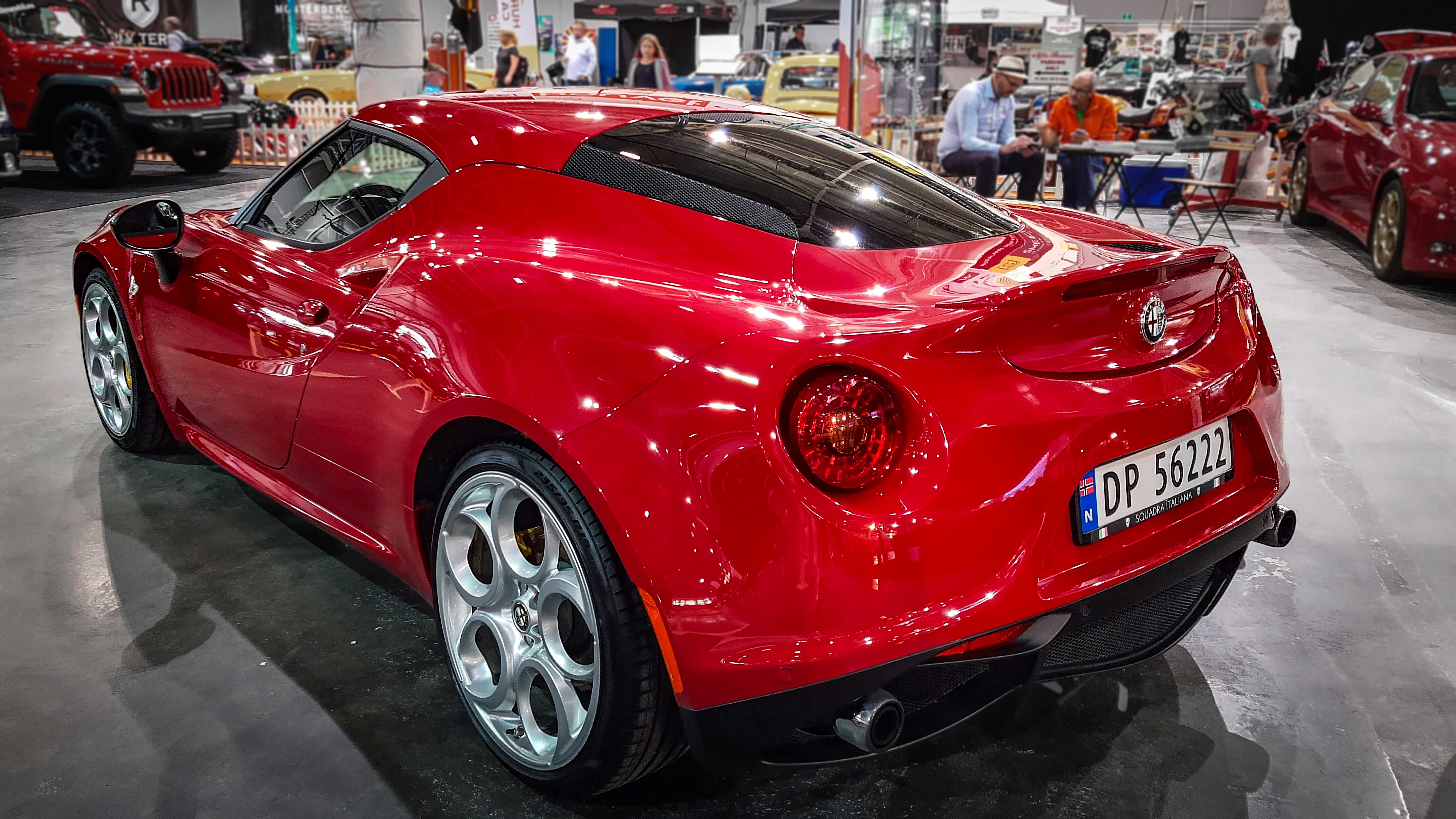
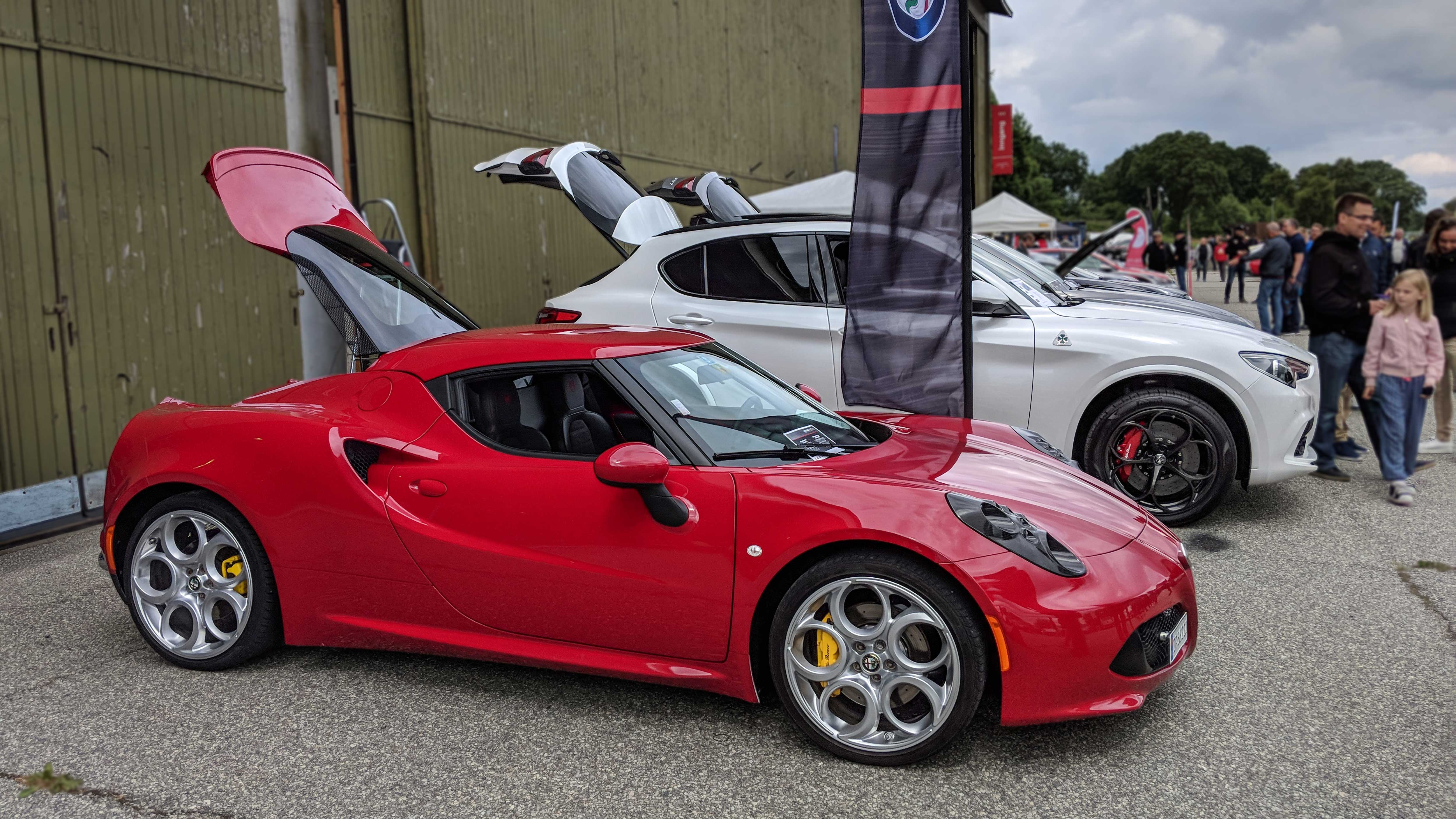
The 4C (2013–2020) revived lightweight sports car engineering with a carbon-fiber monocoque. As a result, its 1.75 turbo delivered about 240 hp, pairing very low weight with sharp rear-wheel-drive performance.
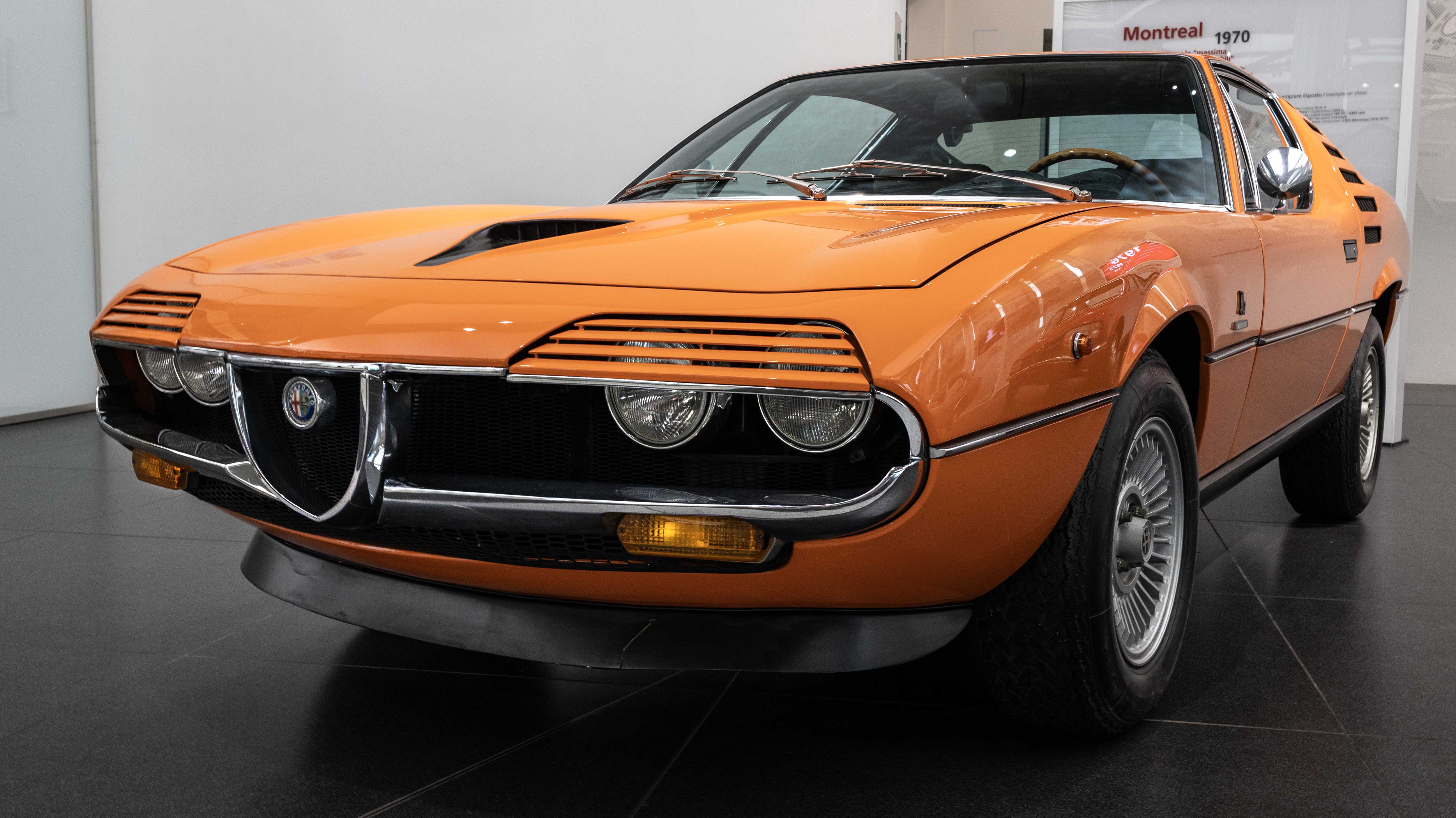
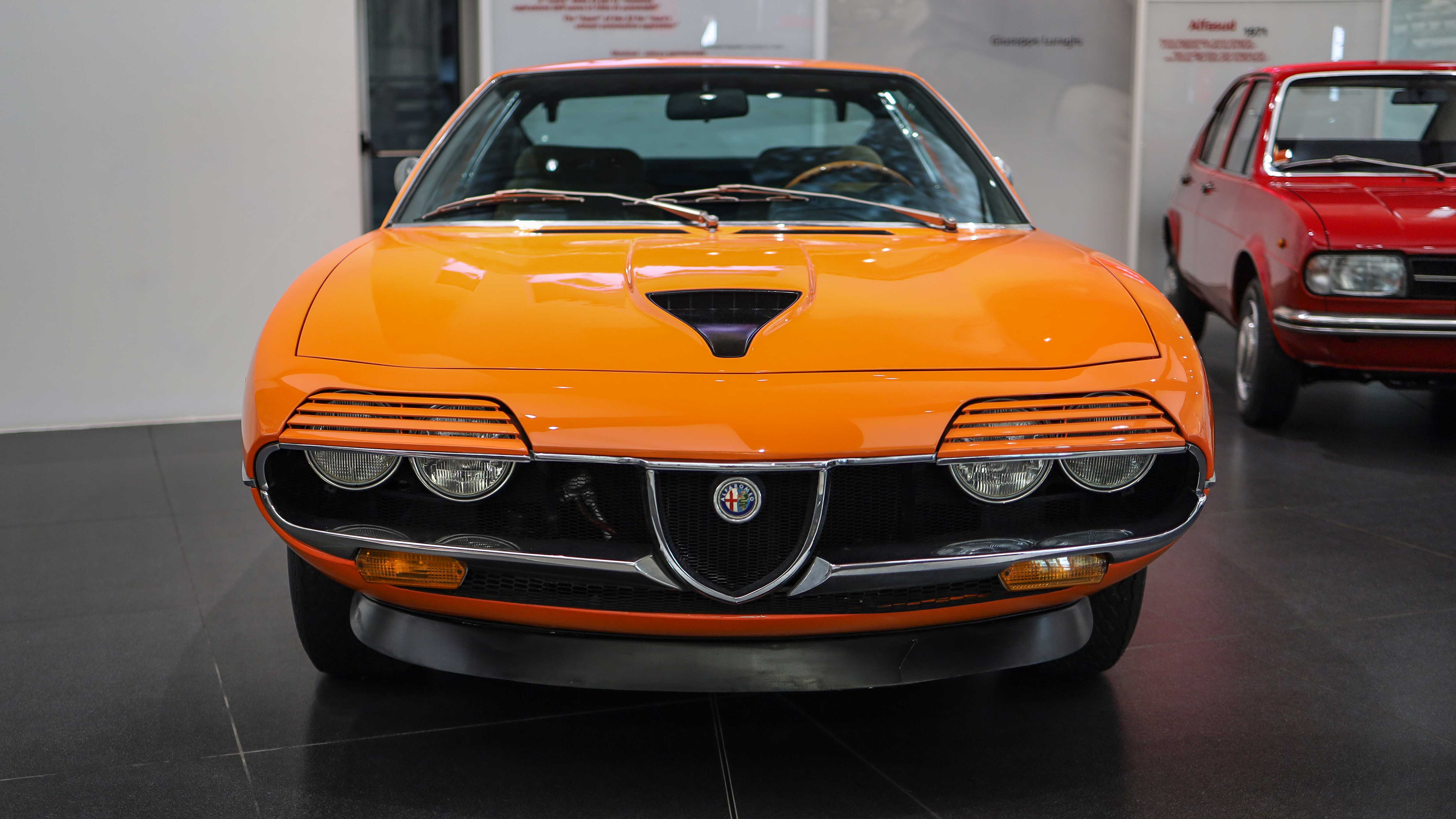
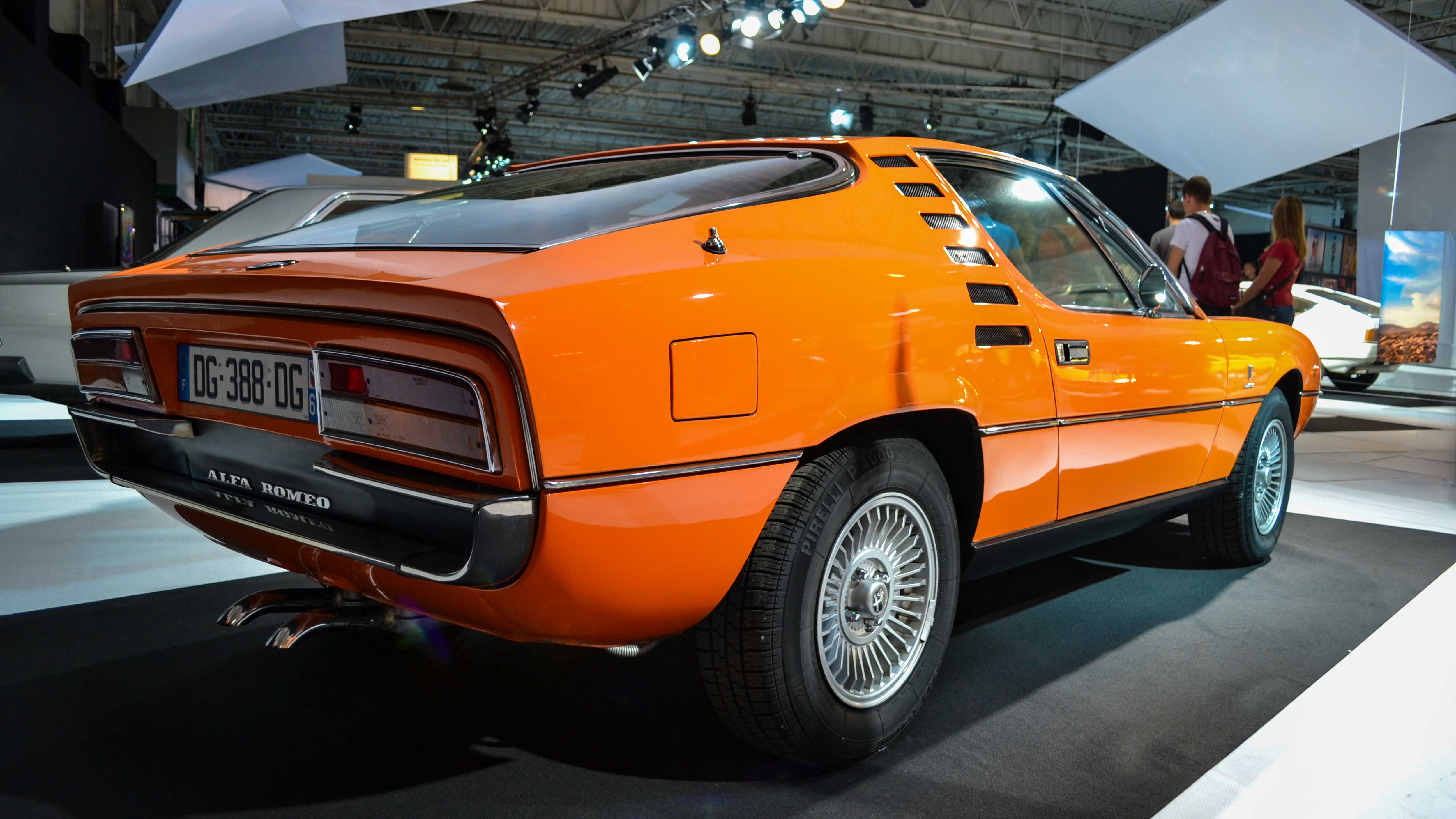
Montreal
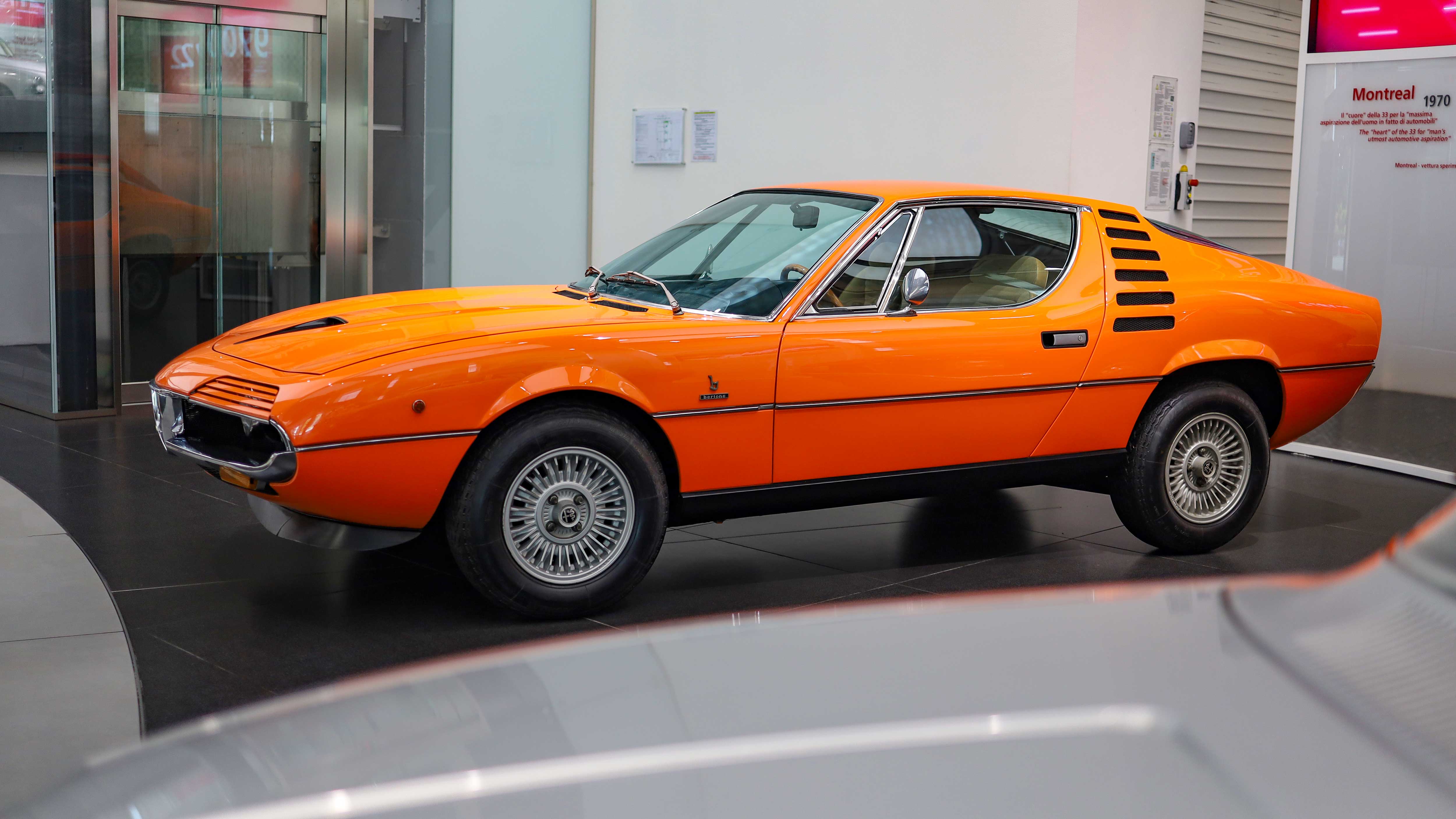
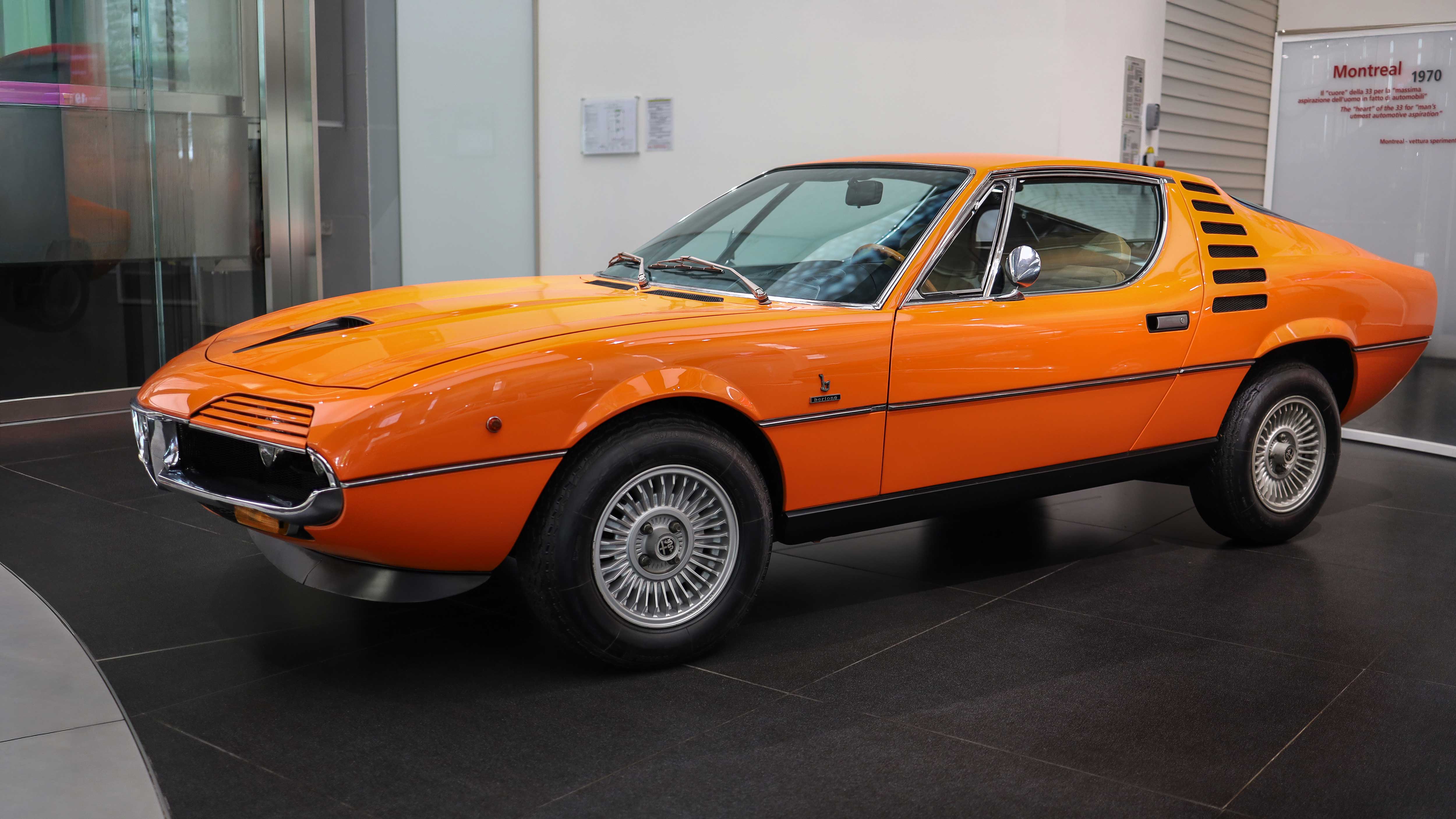
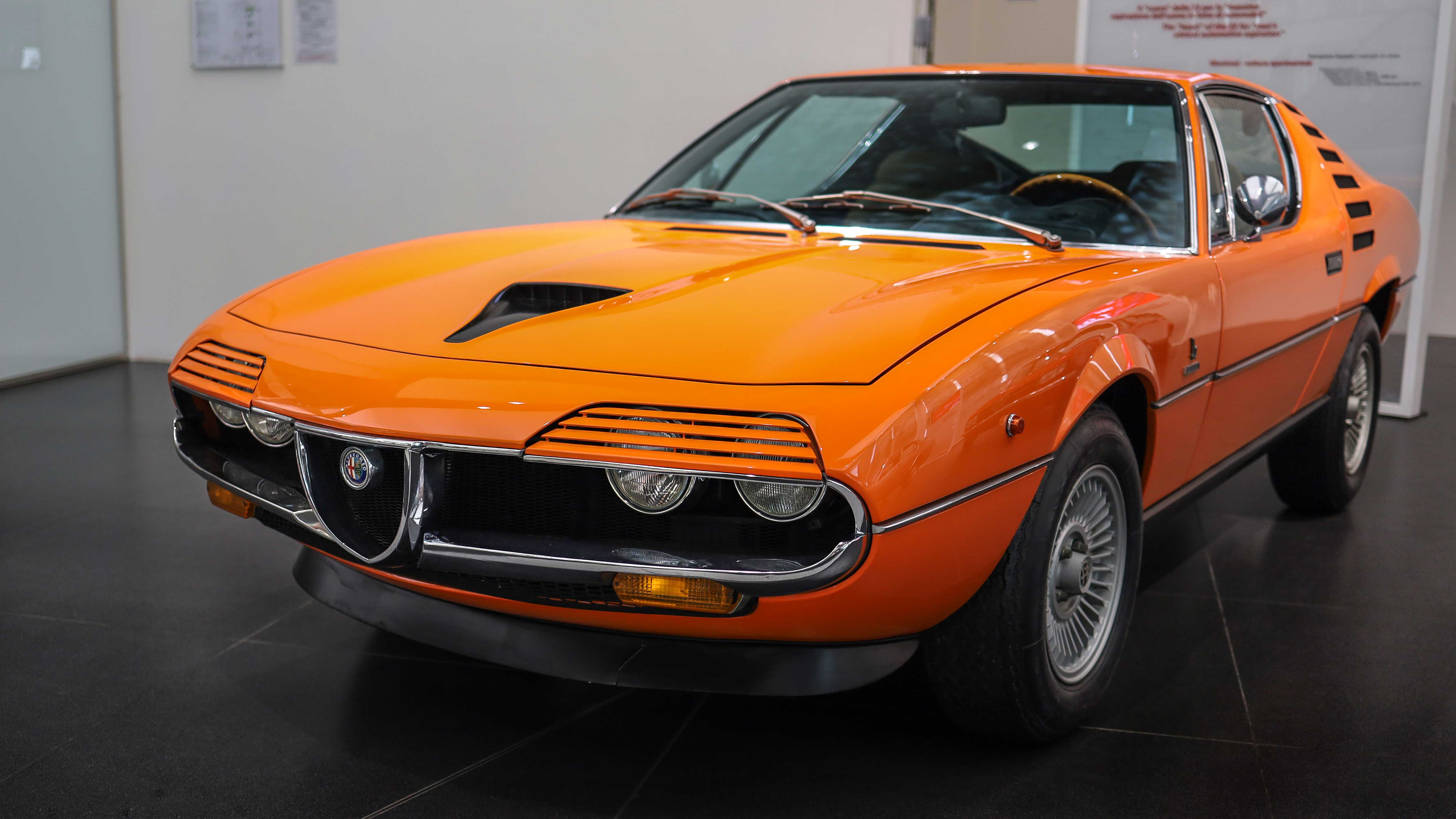
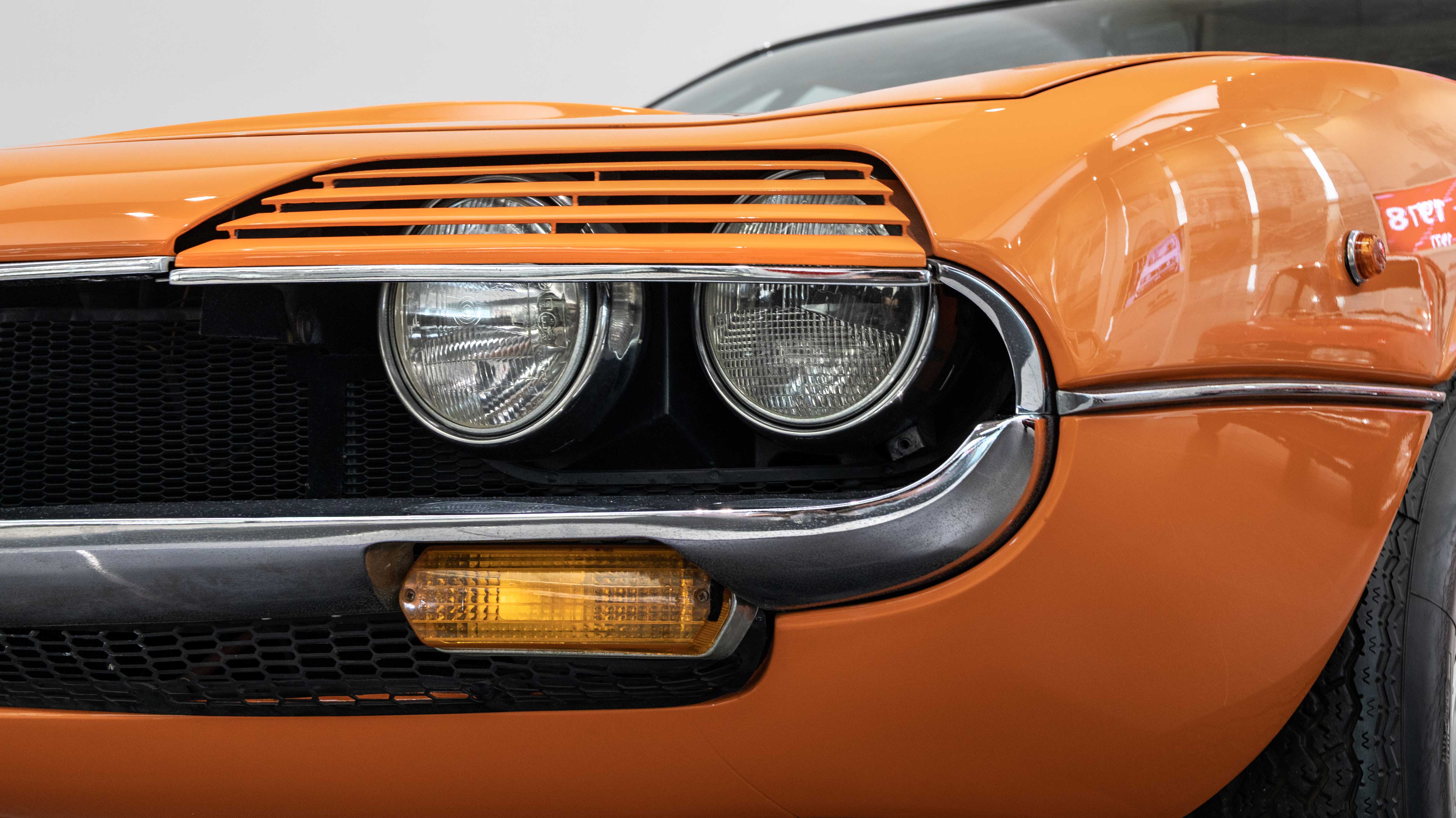
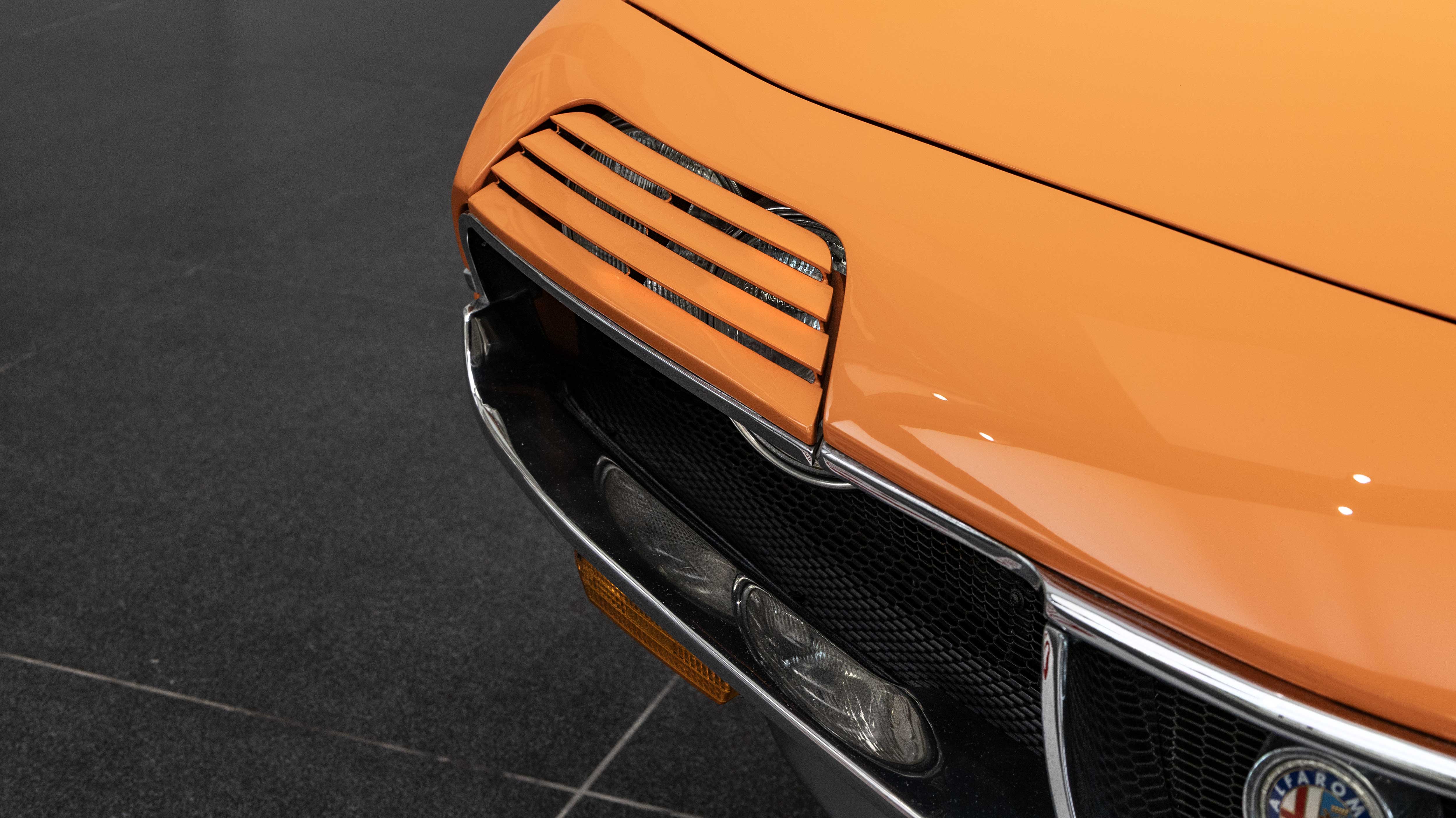
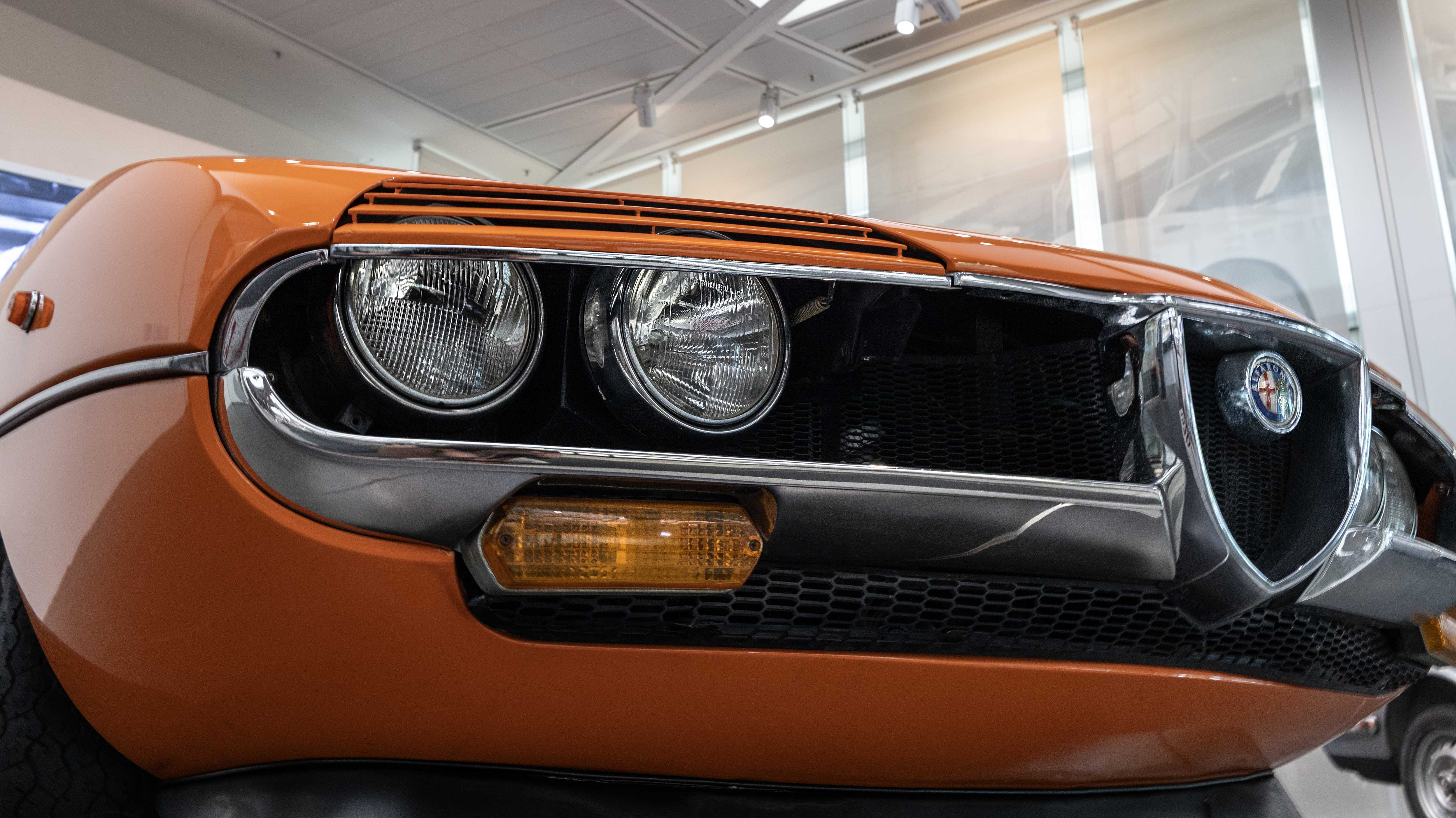
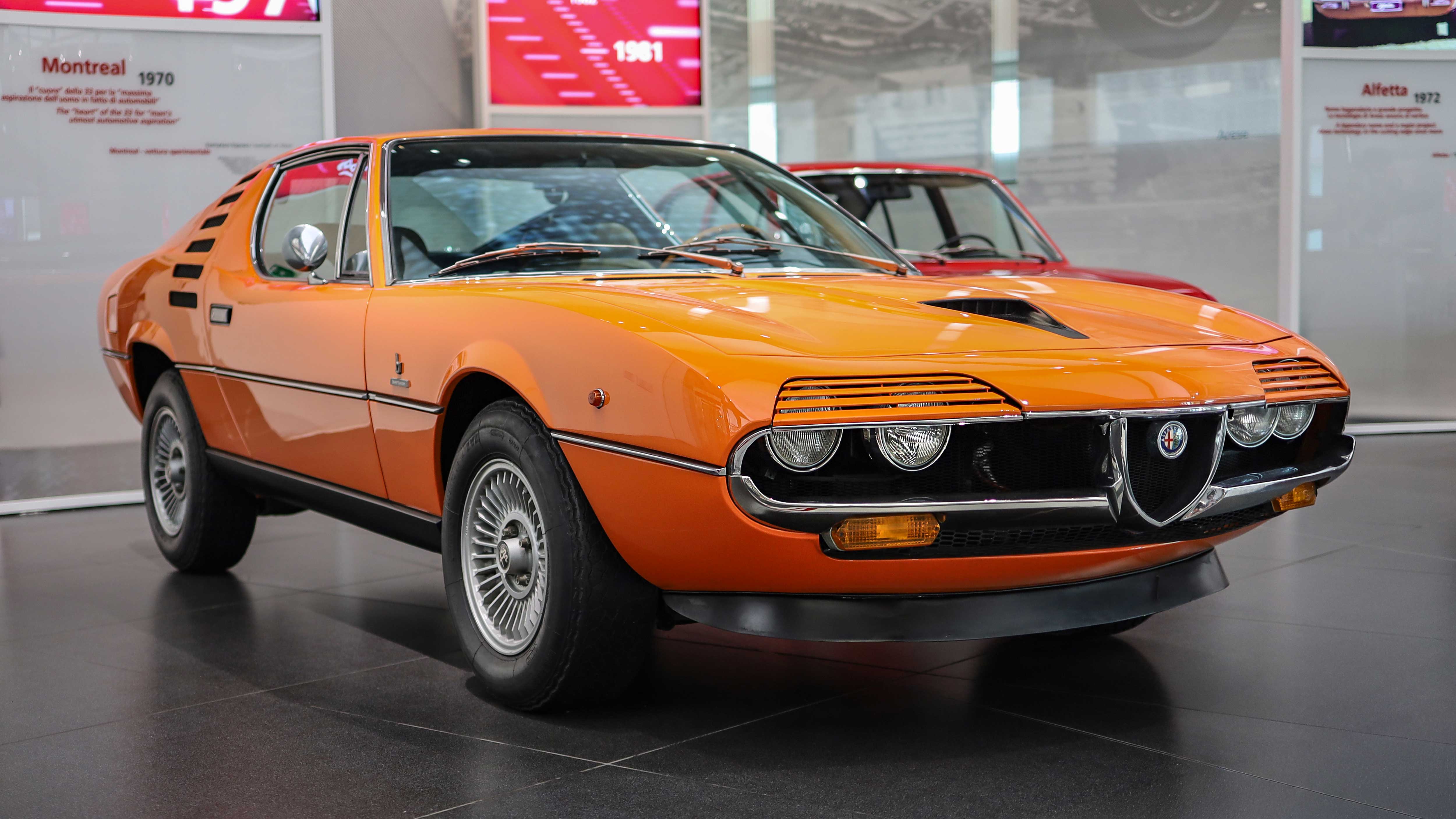
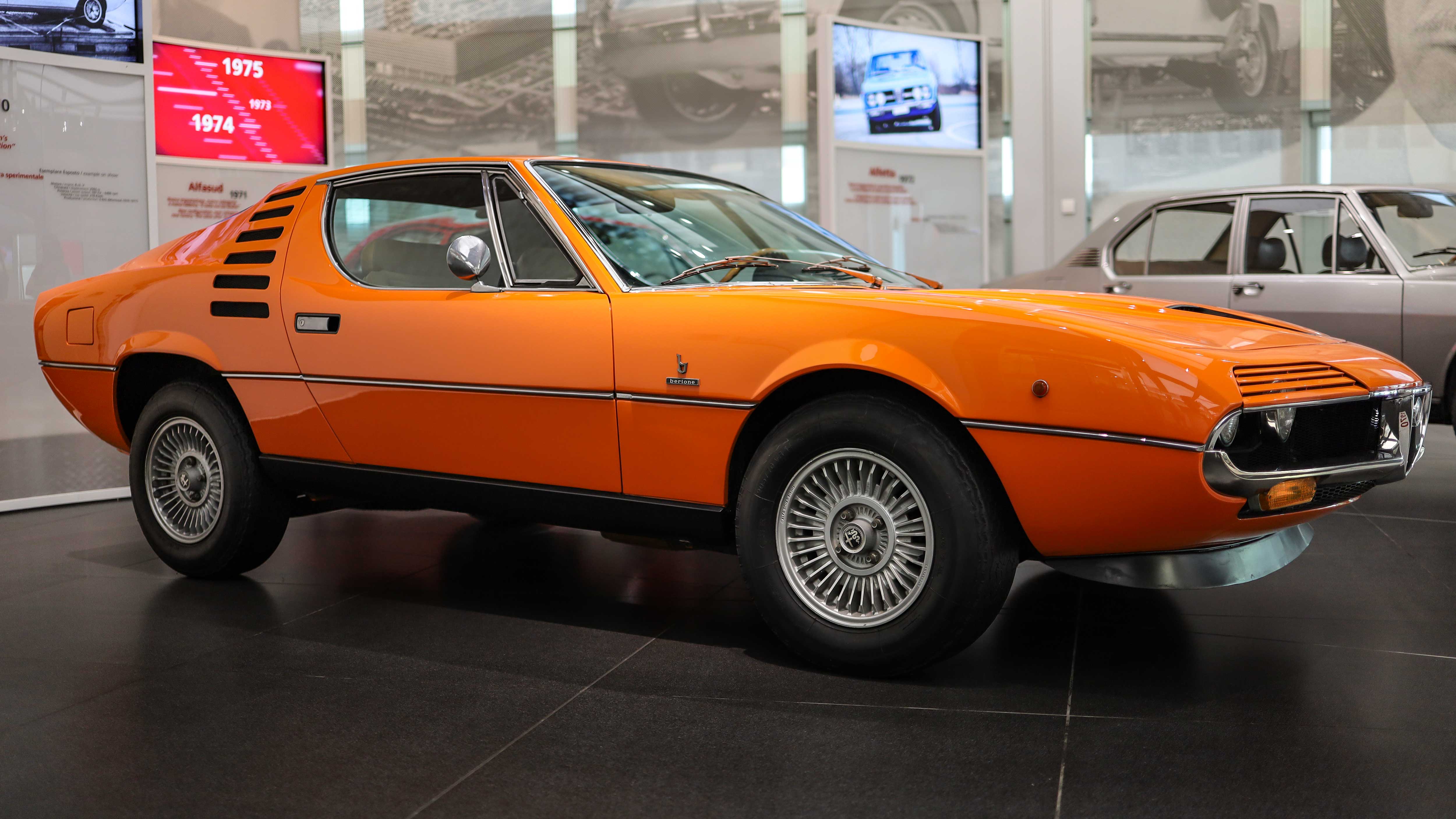
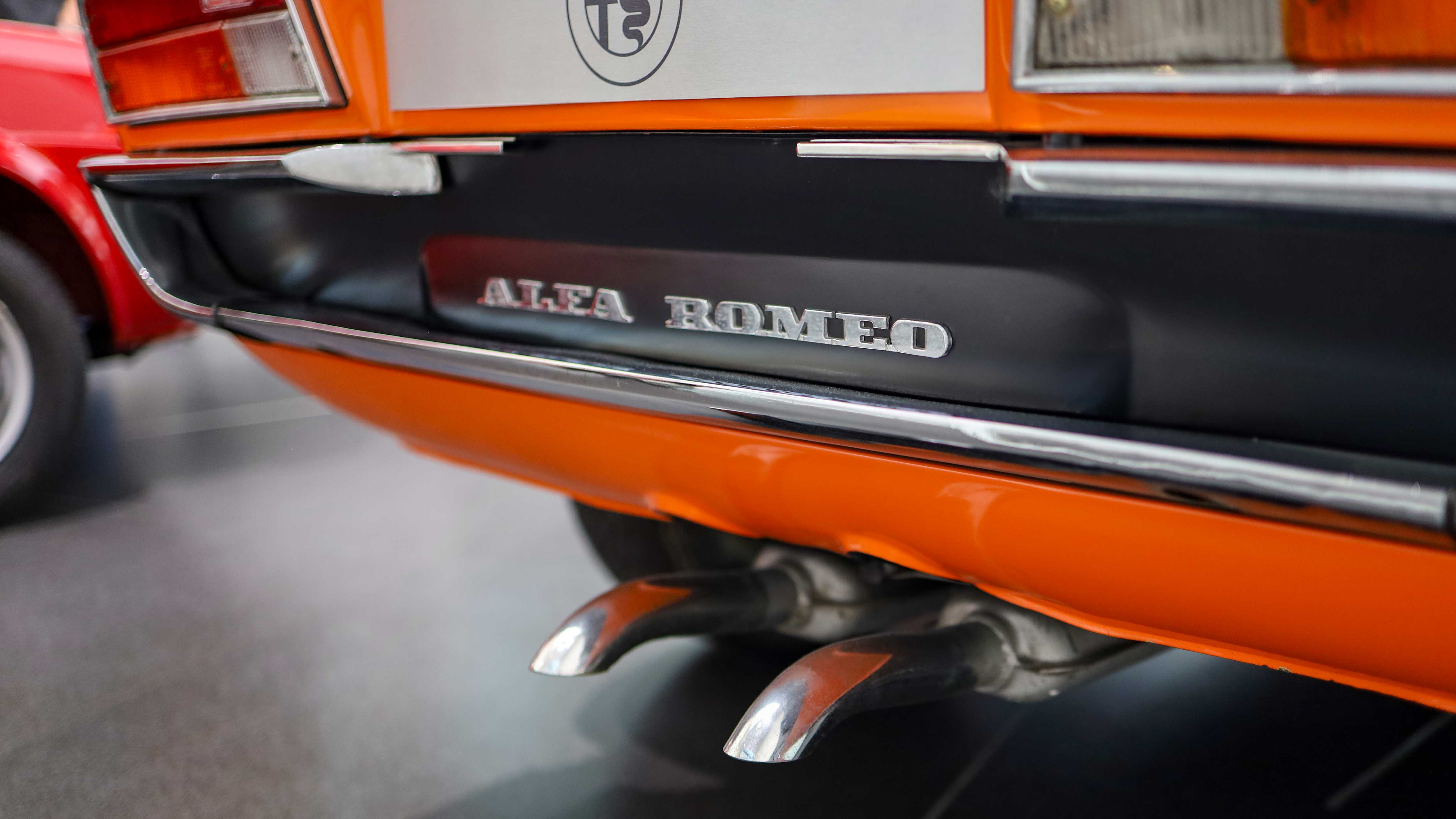
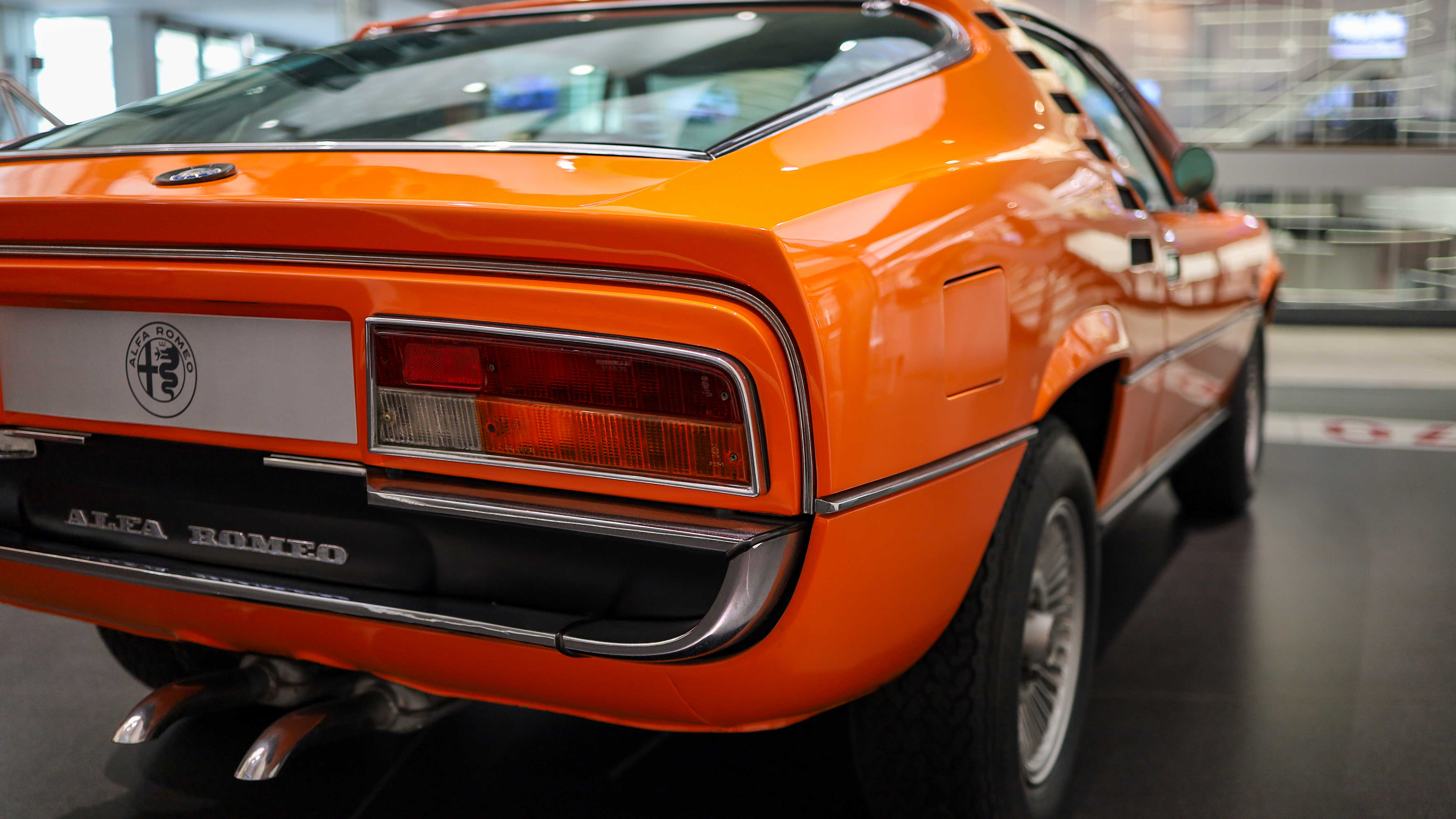
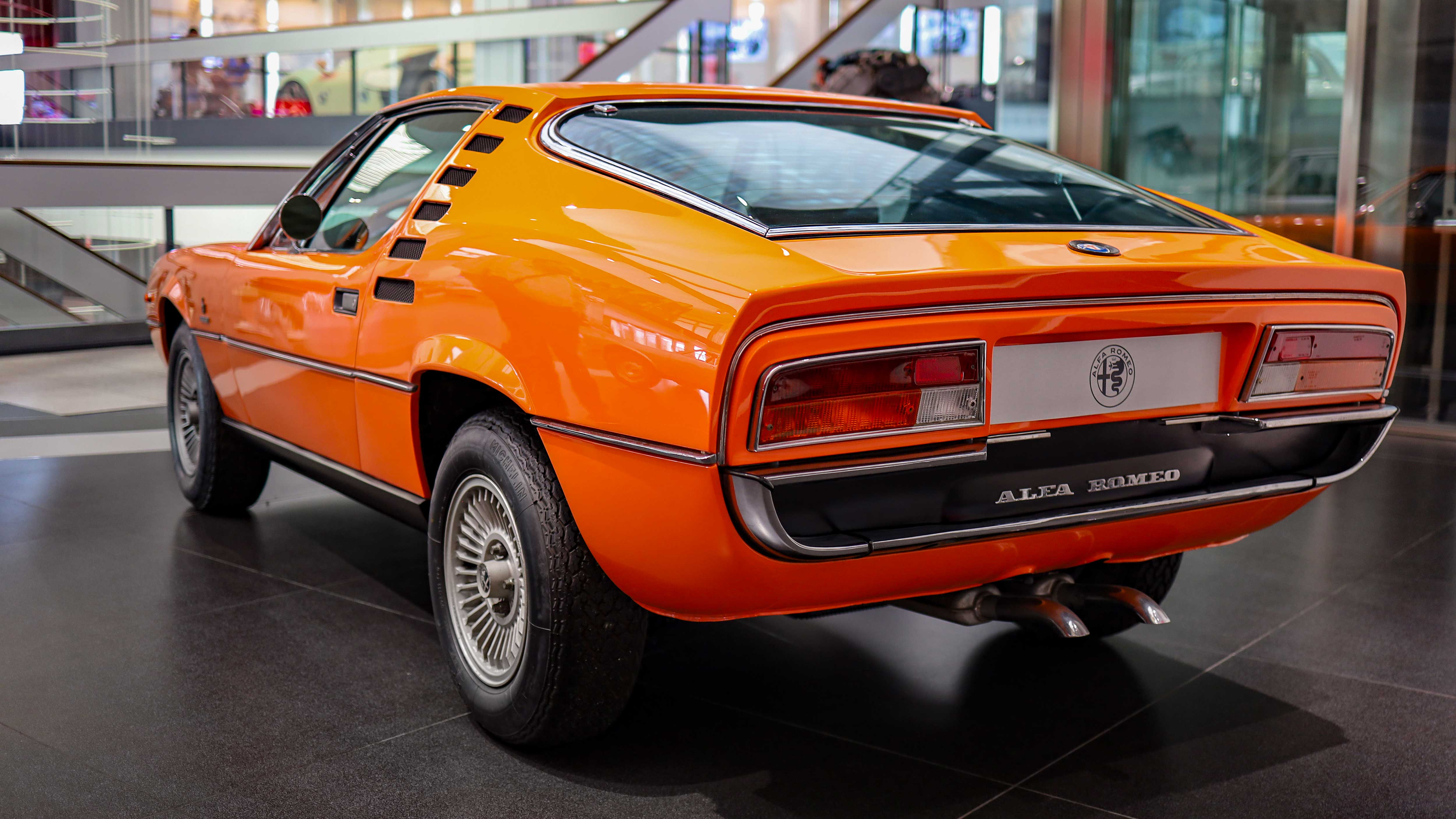
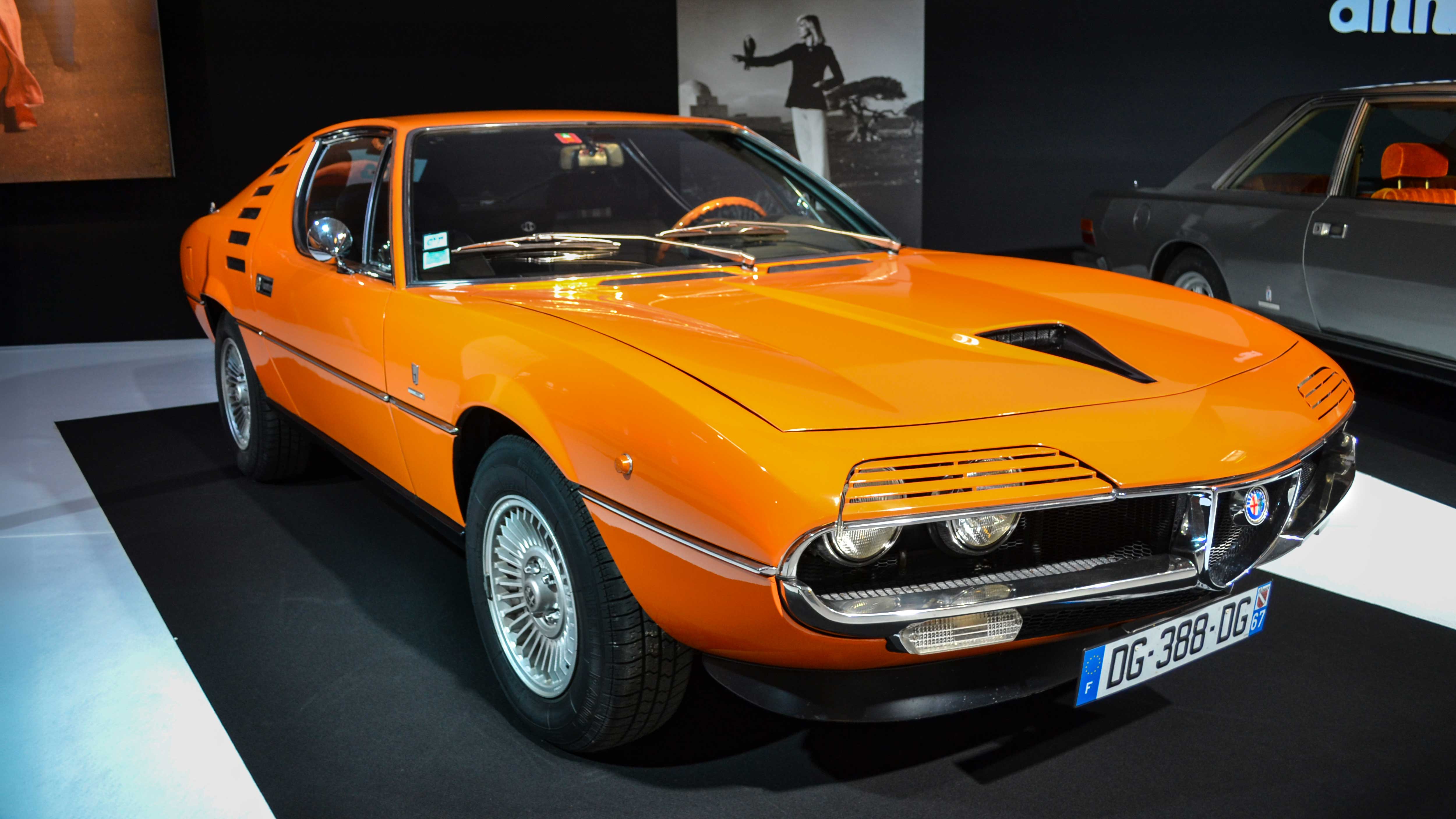
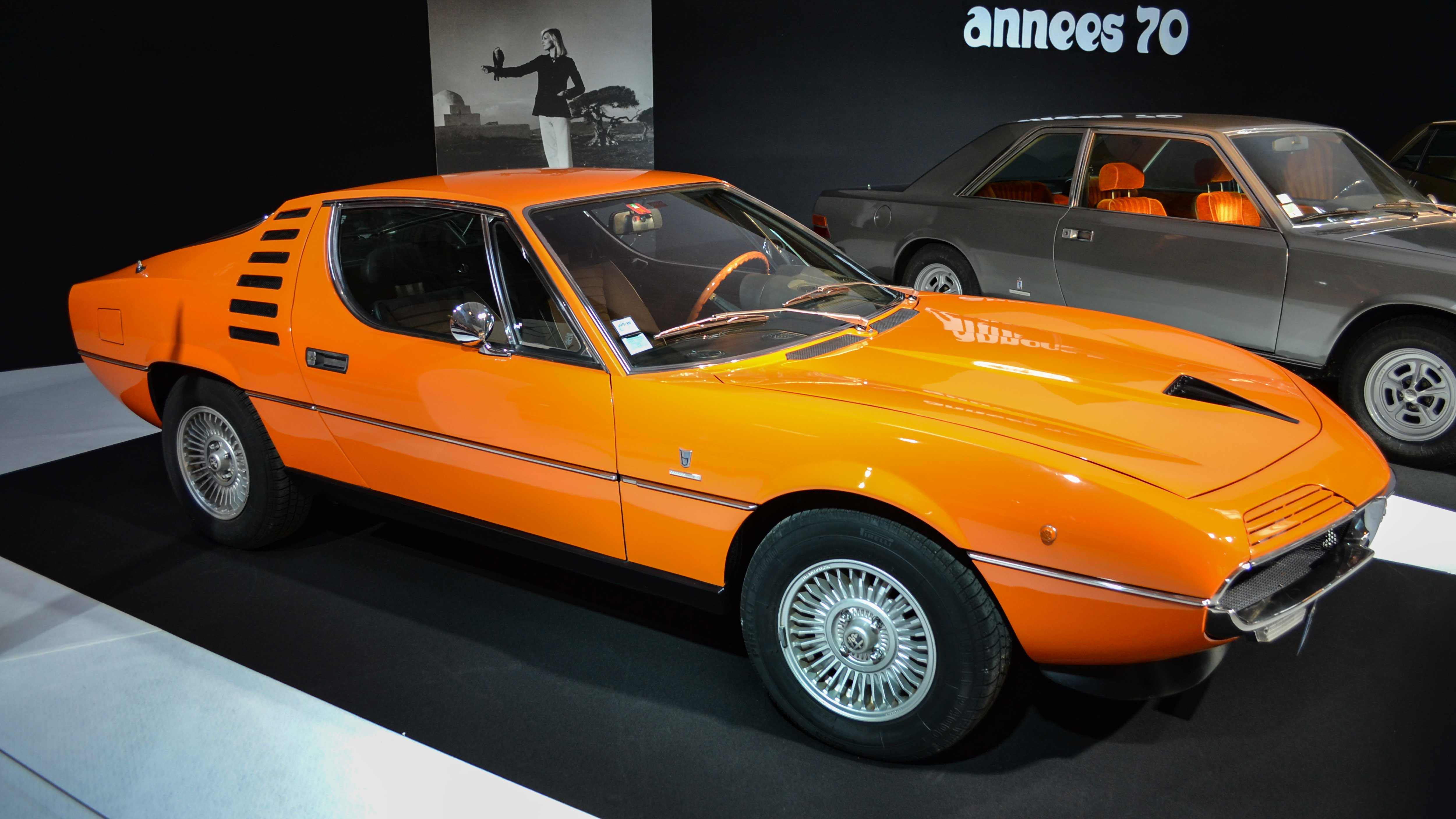
The Alfa Romeo Montreal (1970–1977) paired striking Bertone design with race-derived power. Its 2.6-liter V8 delivered about 200 hp, giving rear-wheel drive balance, distinctive styling details, and true grand touring character.
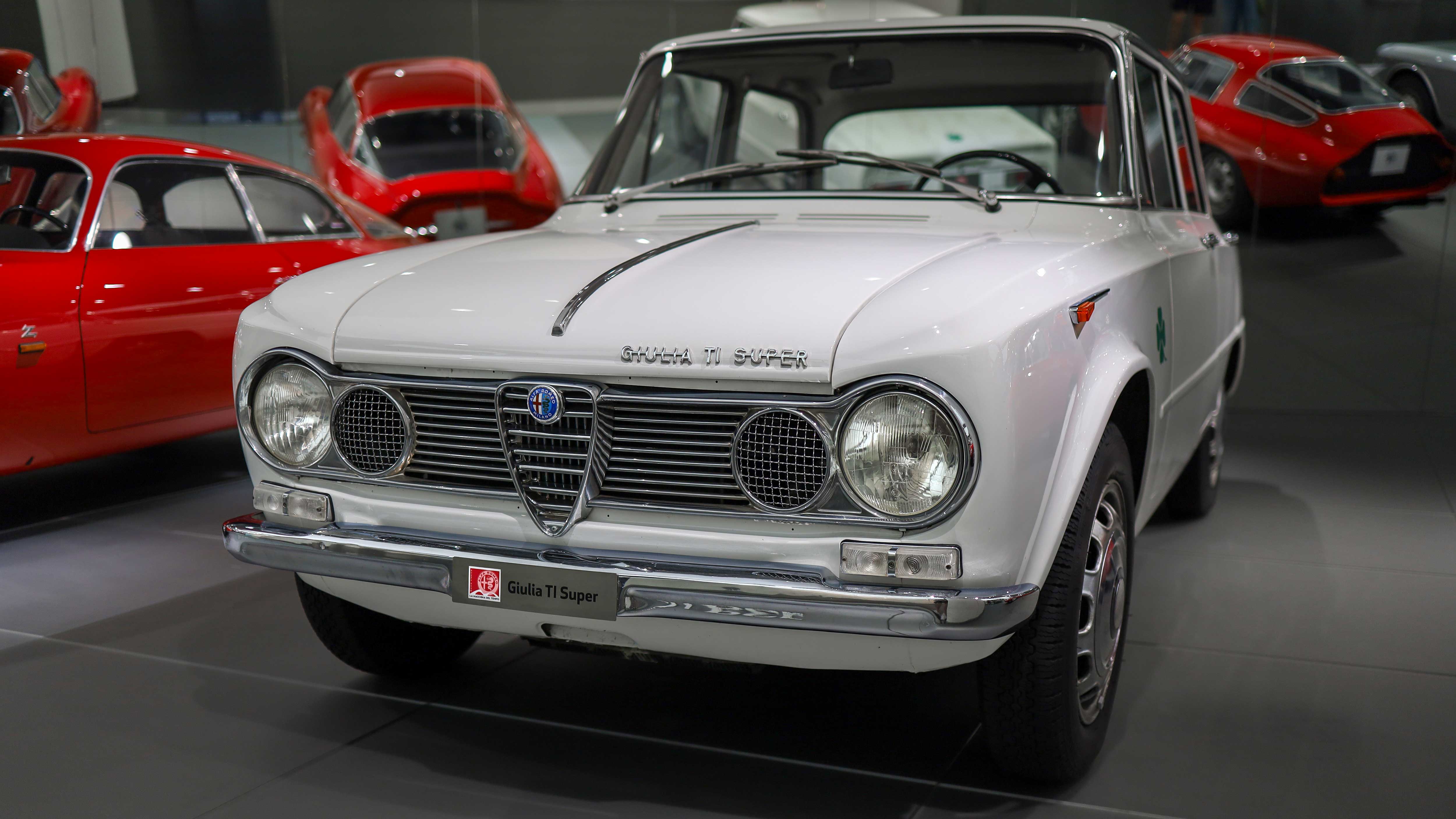
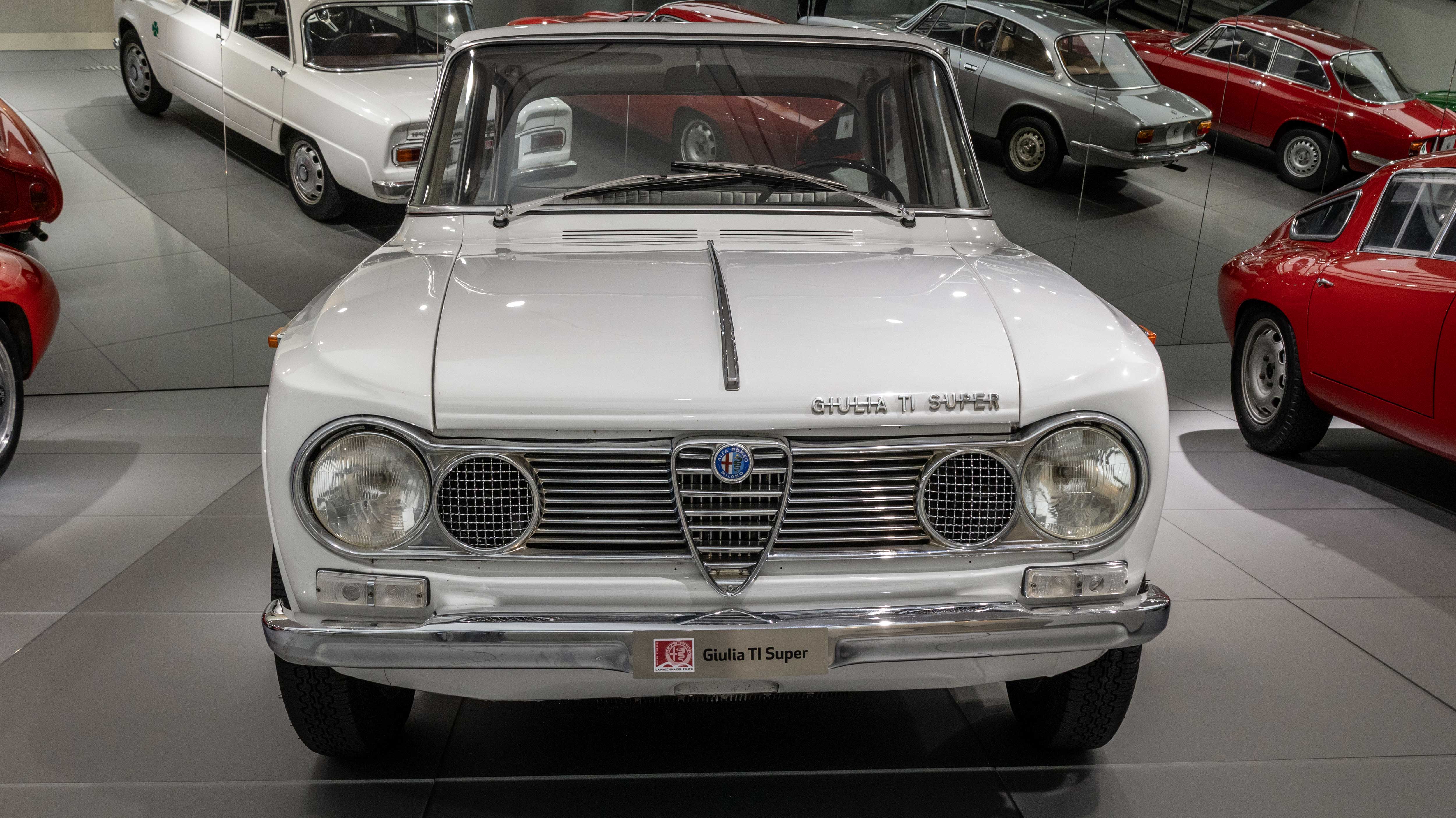
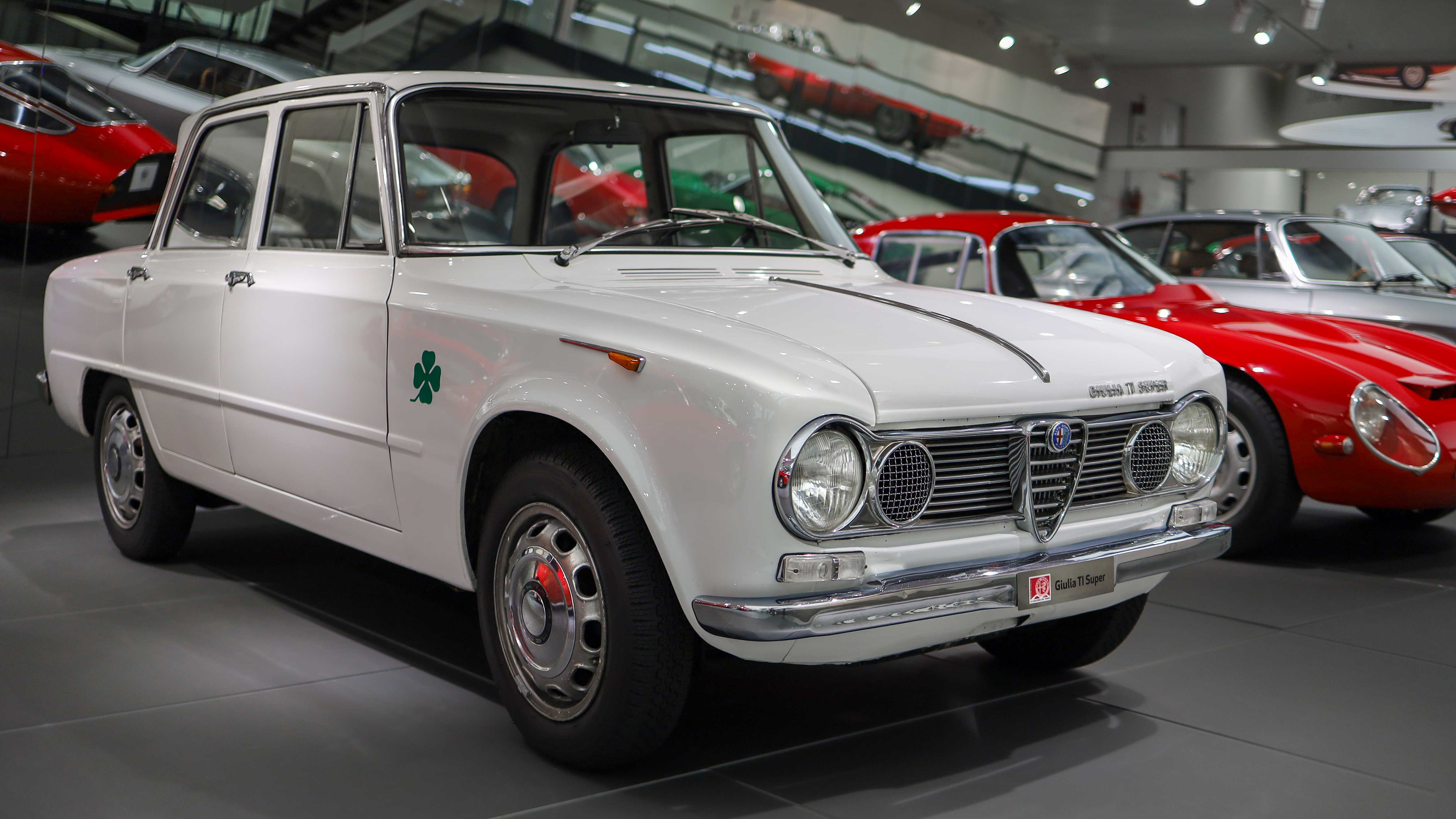
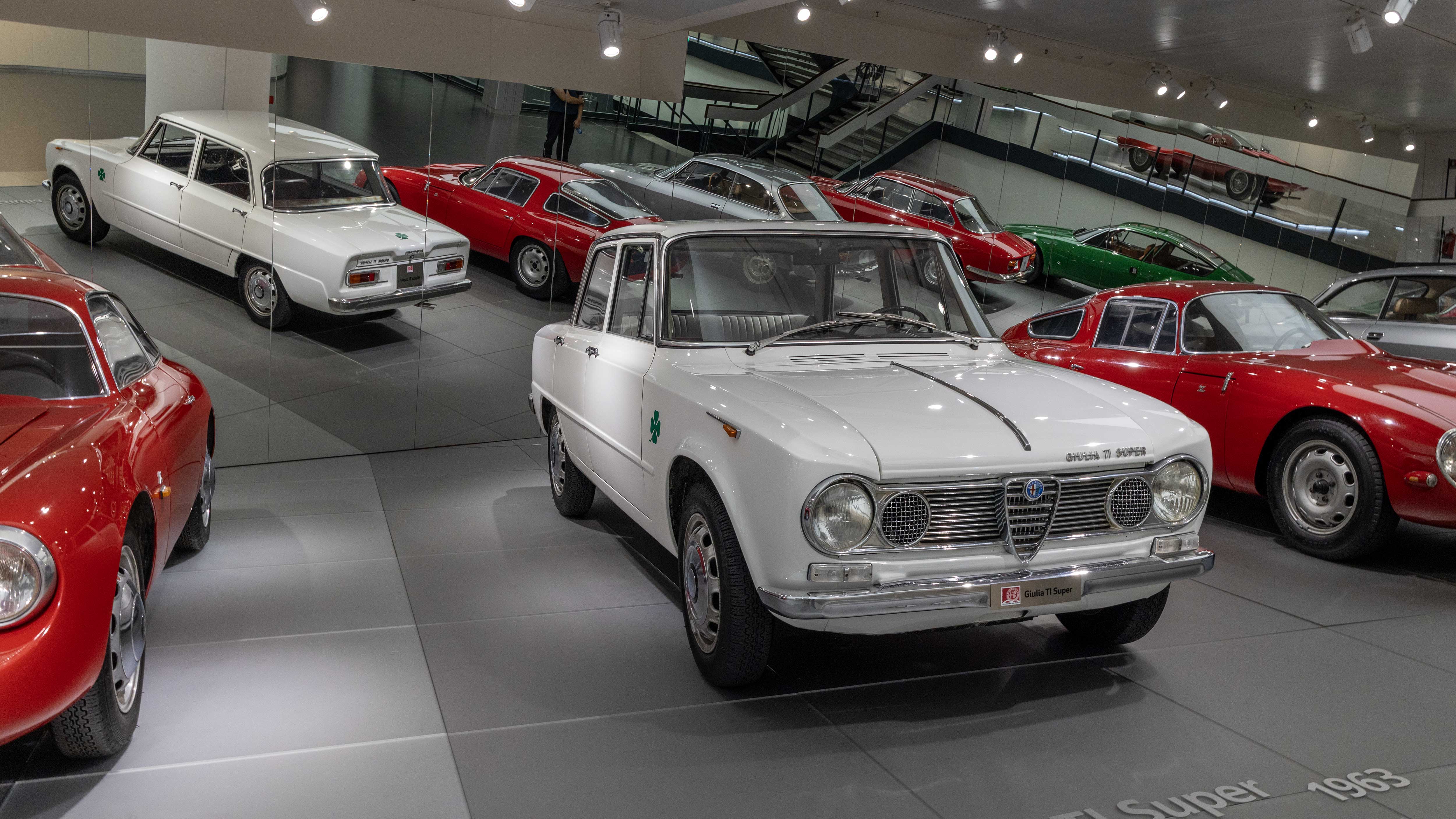
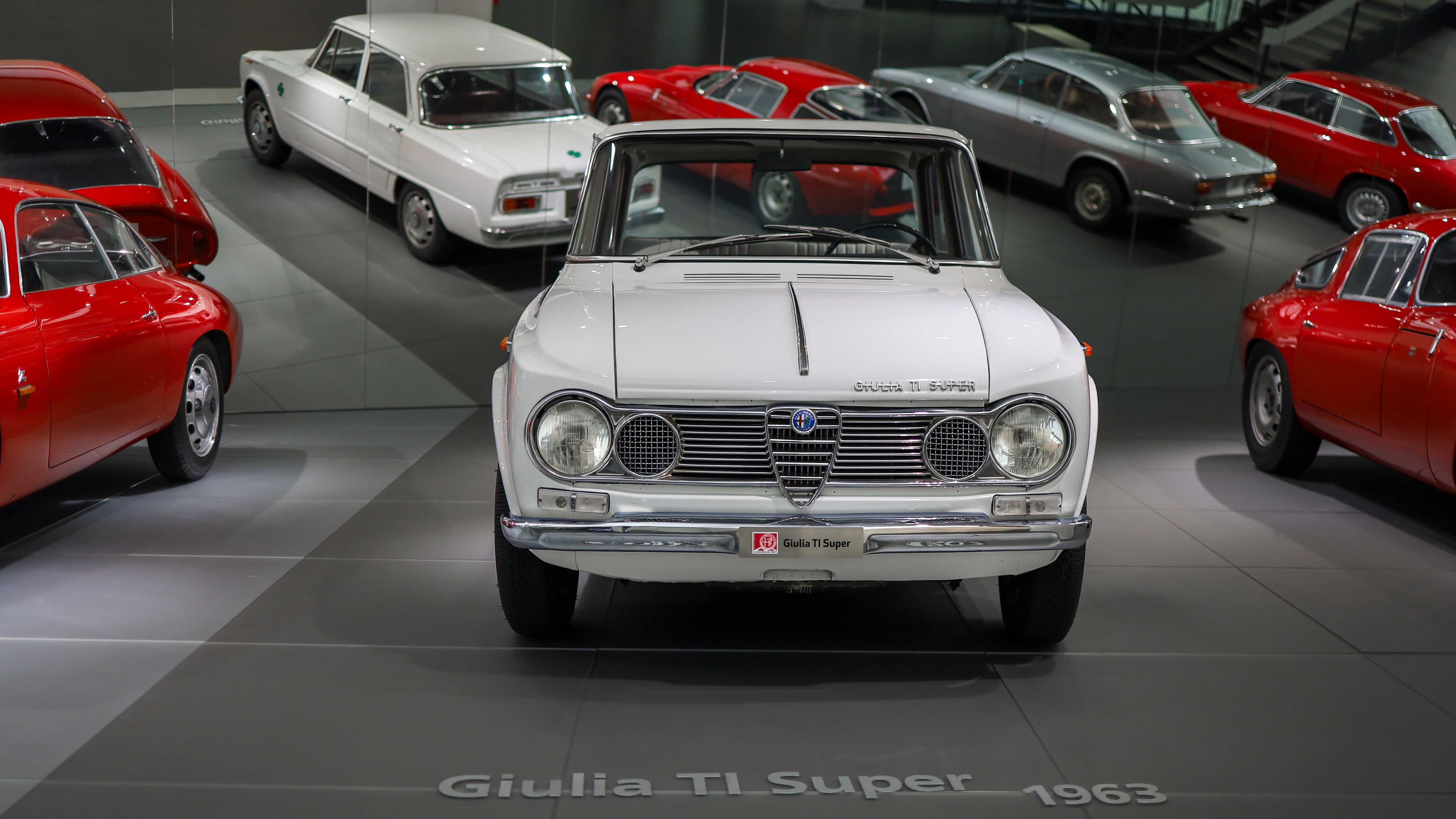
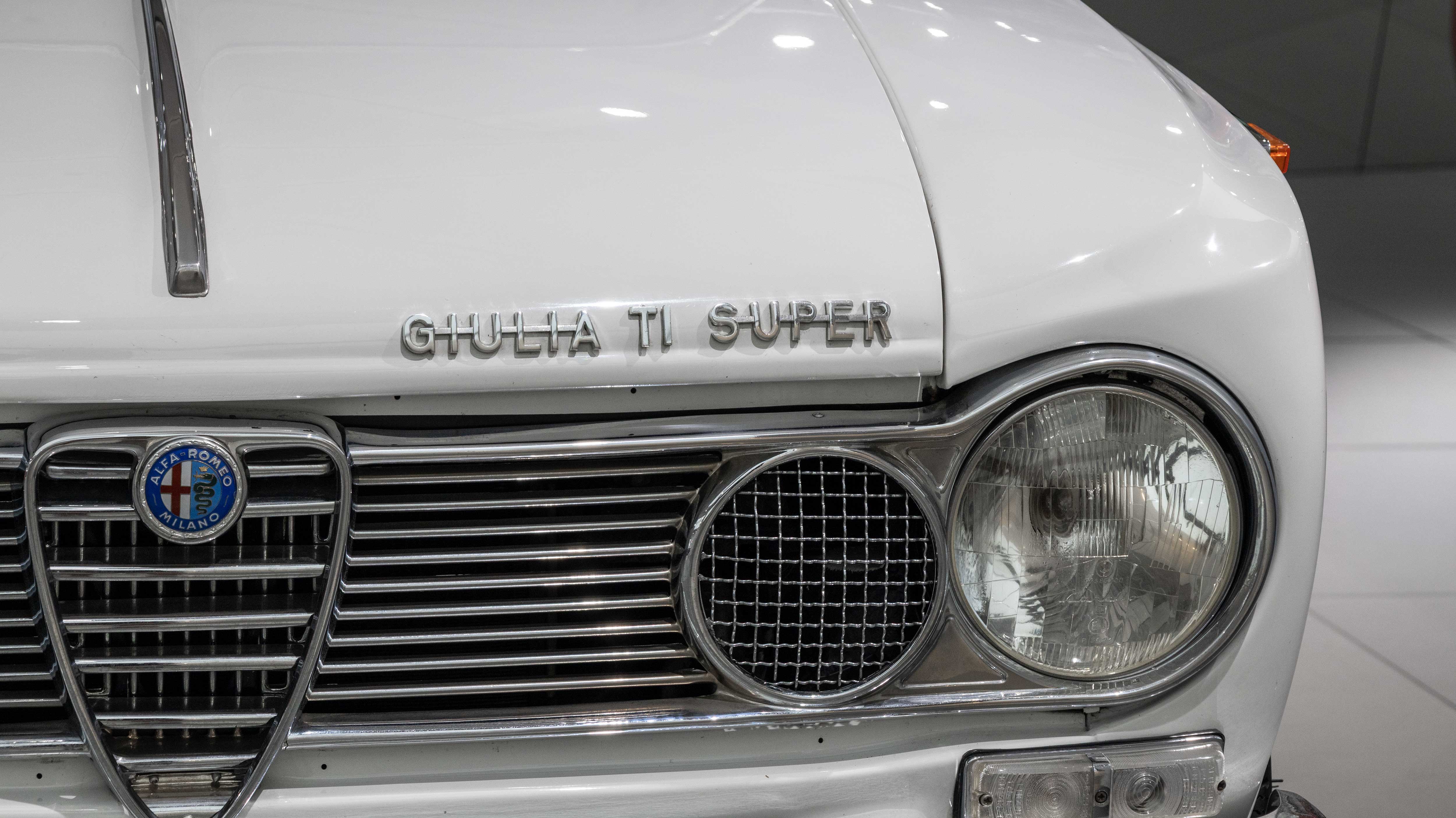
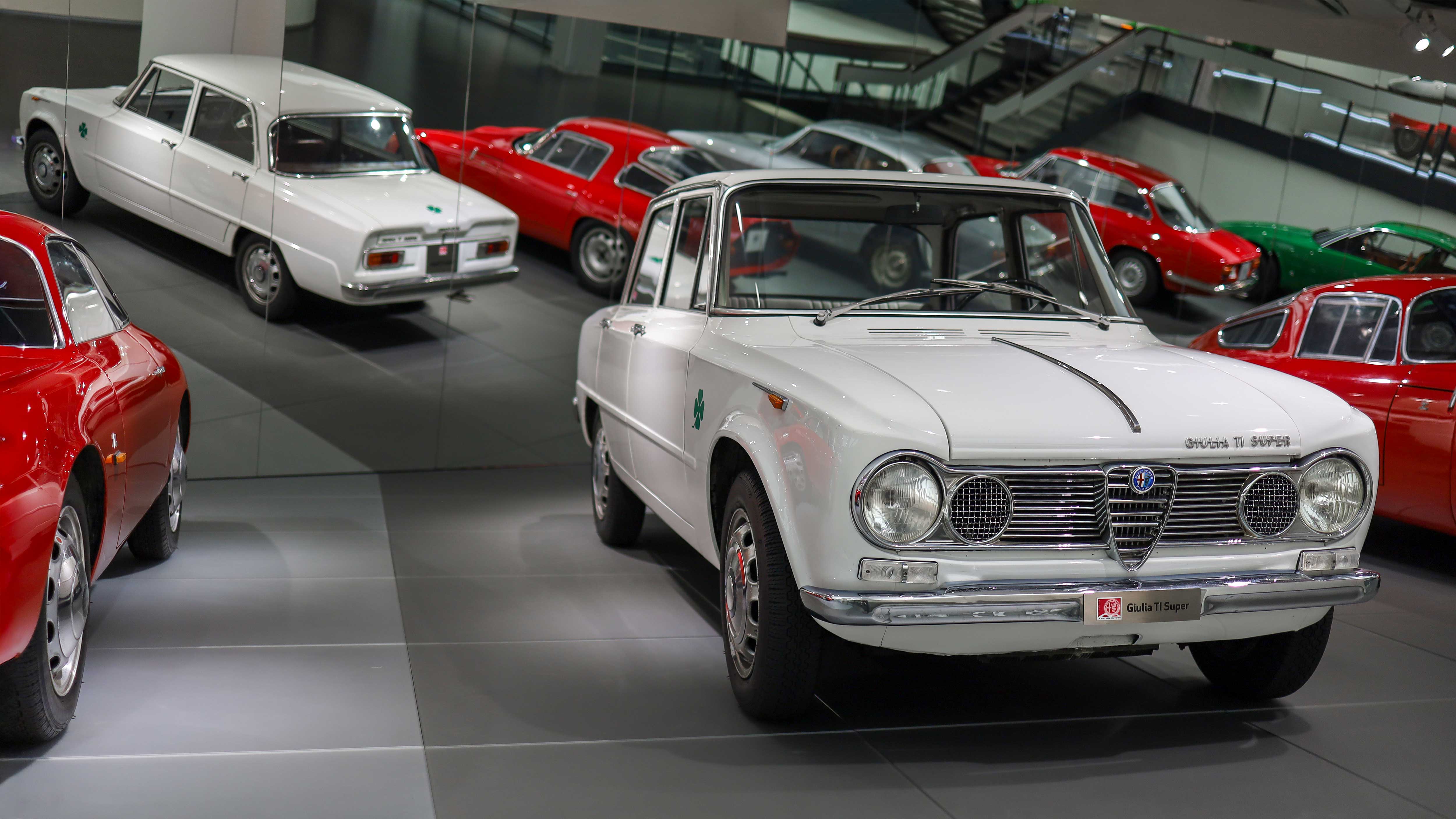
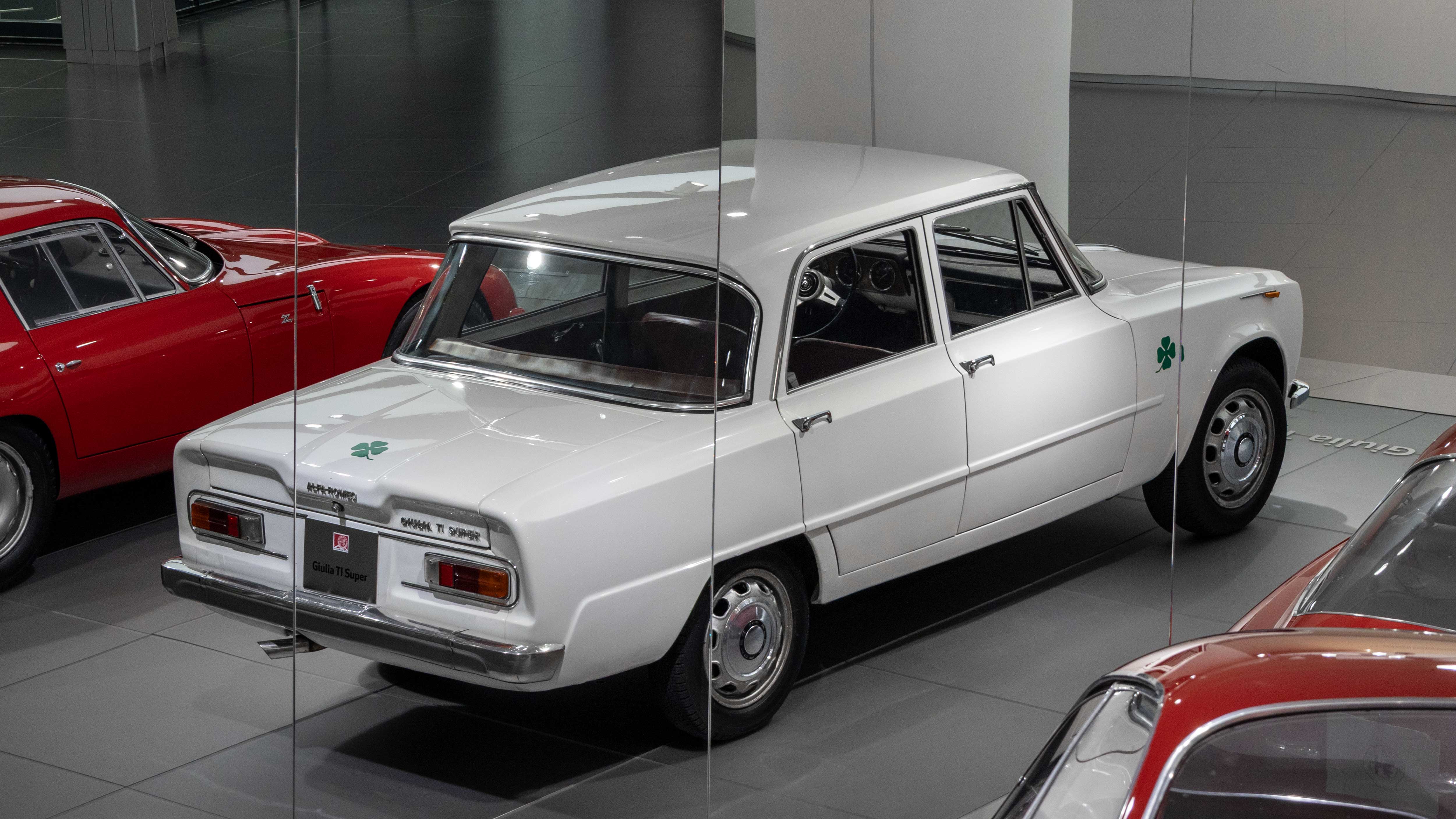
Giulia TI Super
The Giulia TI Super (1963–1964) was a lightweight homologation sedan built for touring car racing. Its 1.6 twin-cam engine produced about 112 hp, paired with reduced weight, rear-wheel drive, and race-focused upgrades.
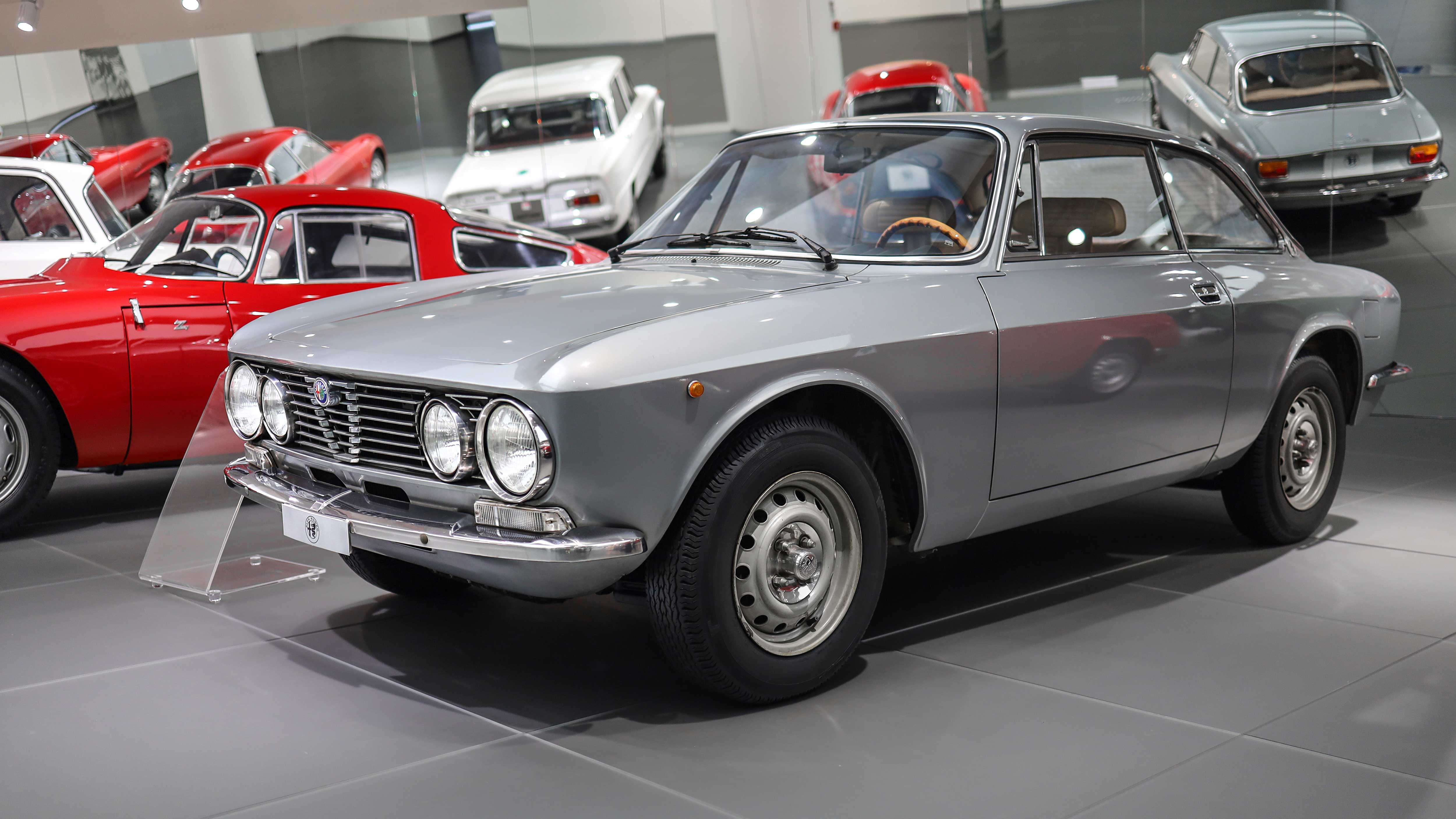
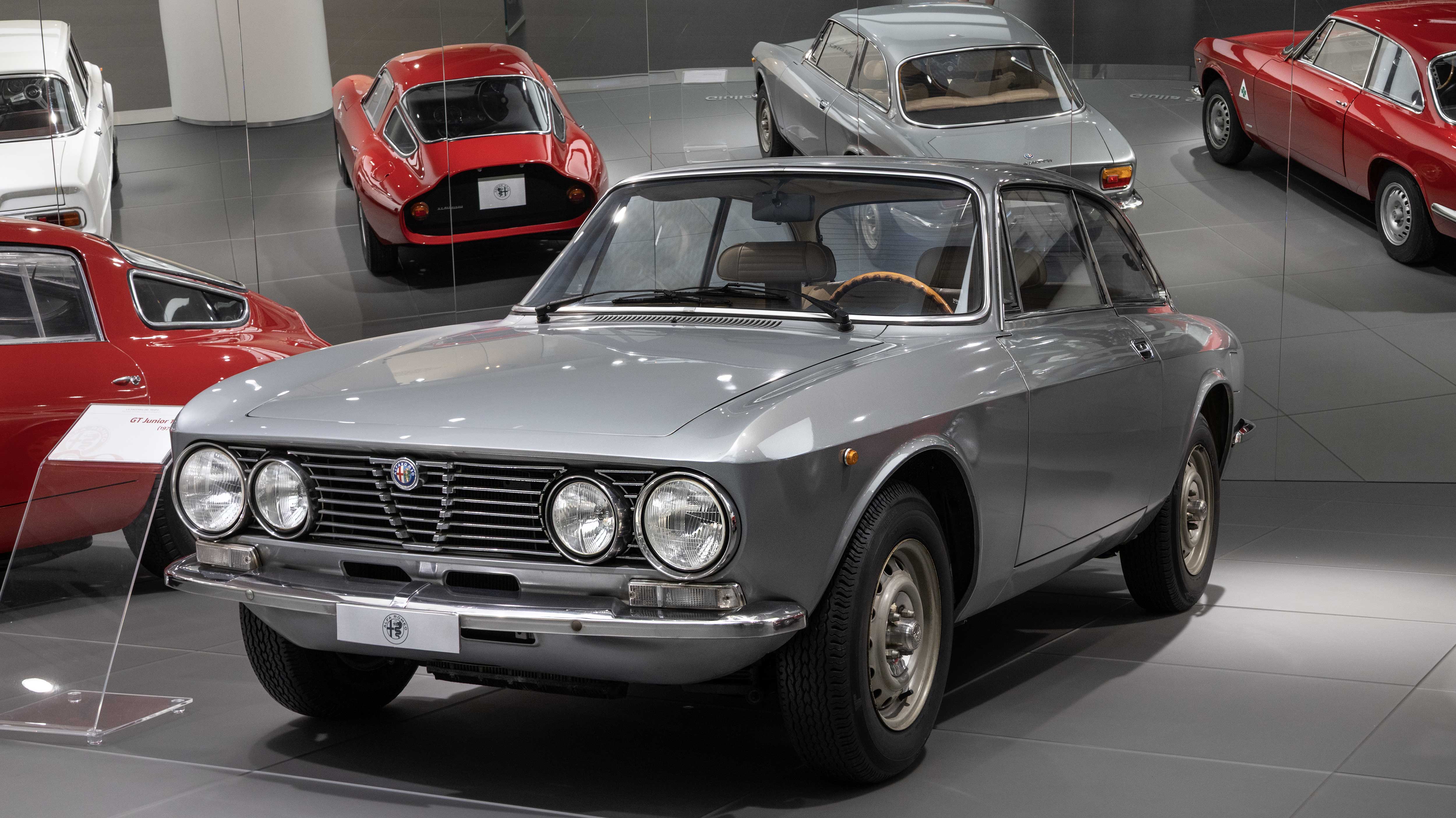
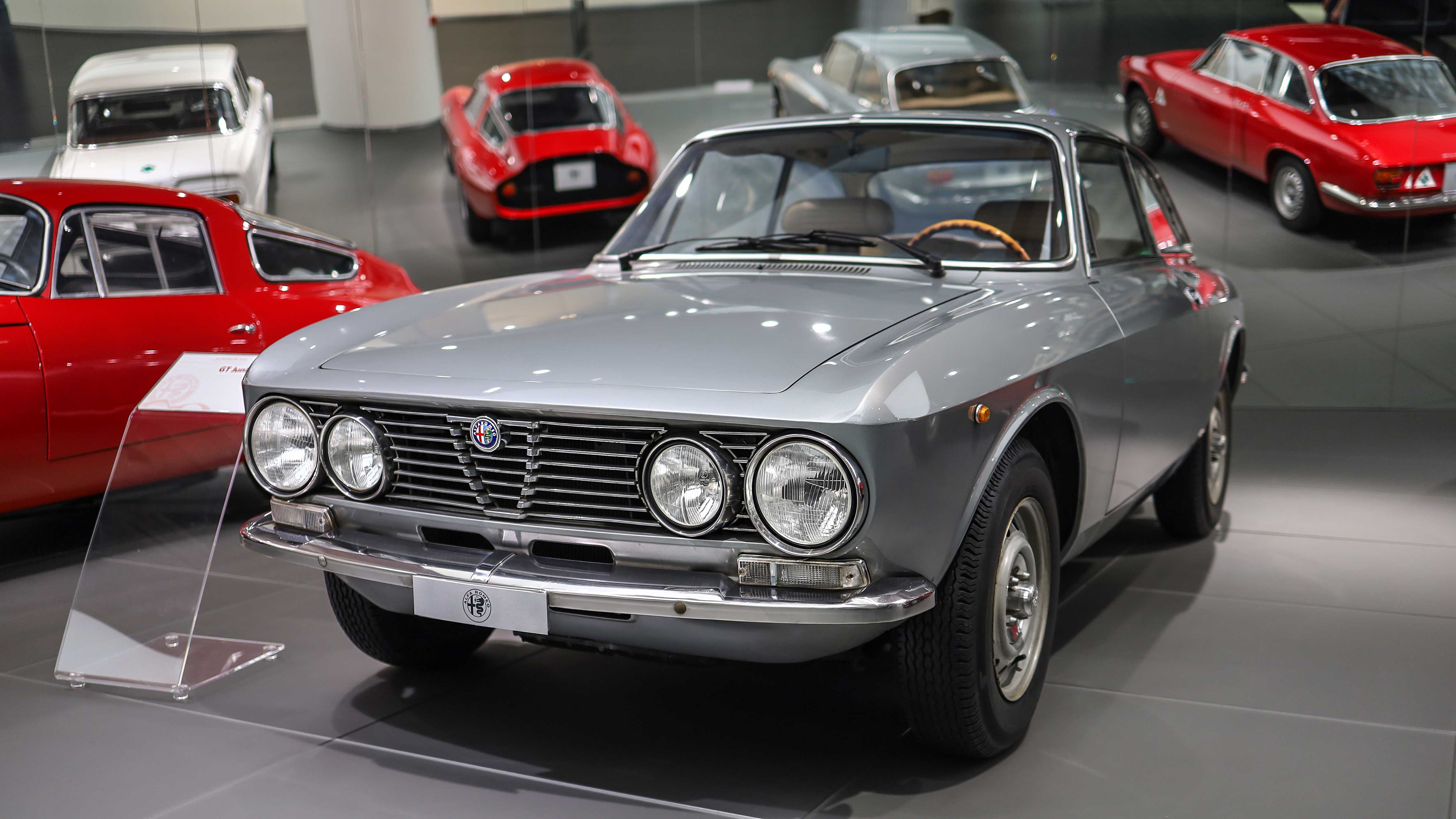
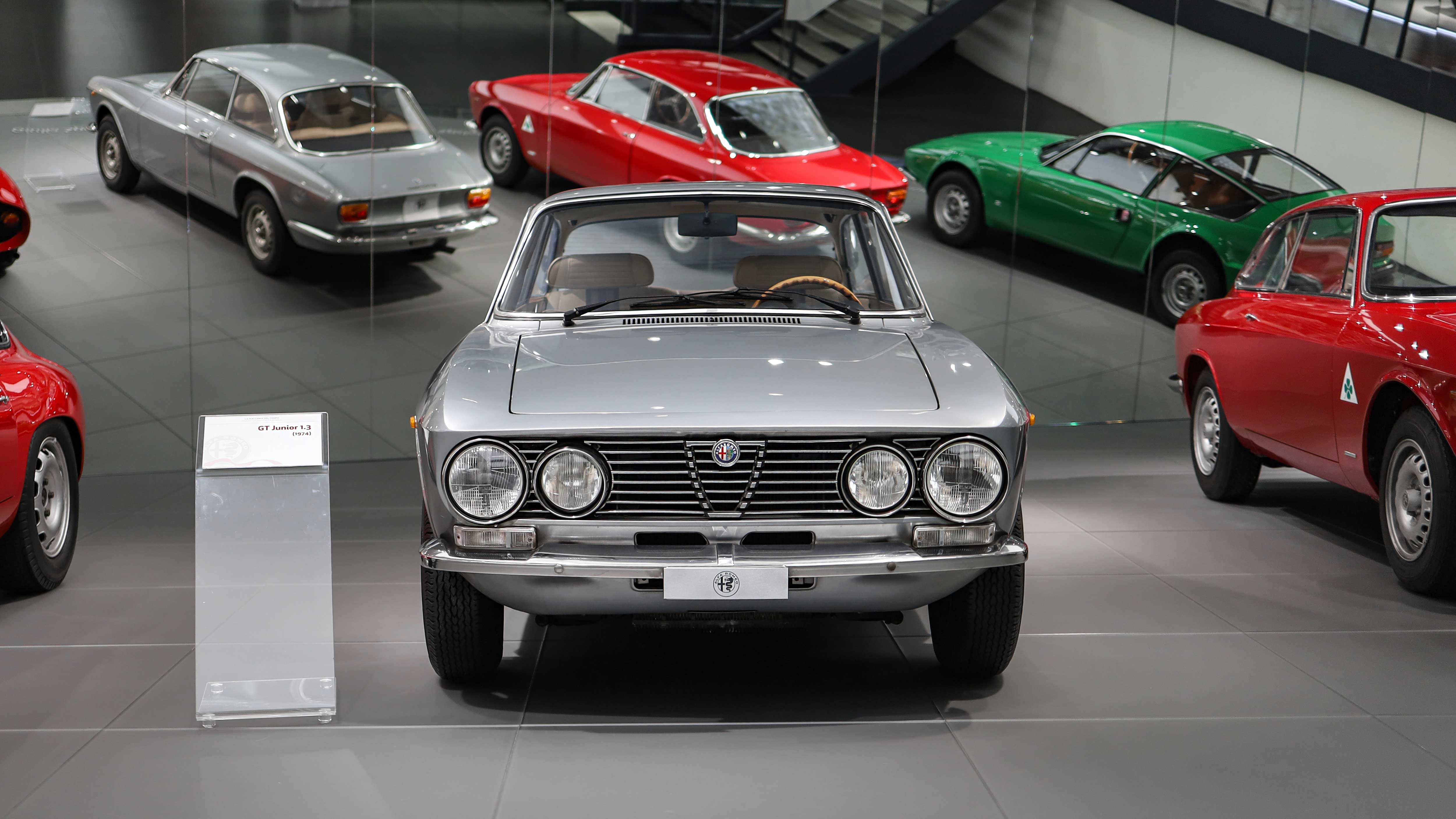
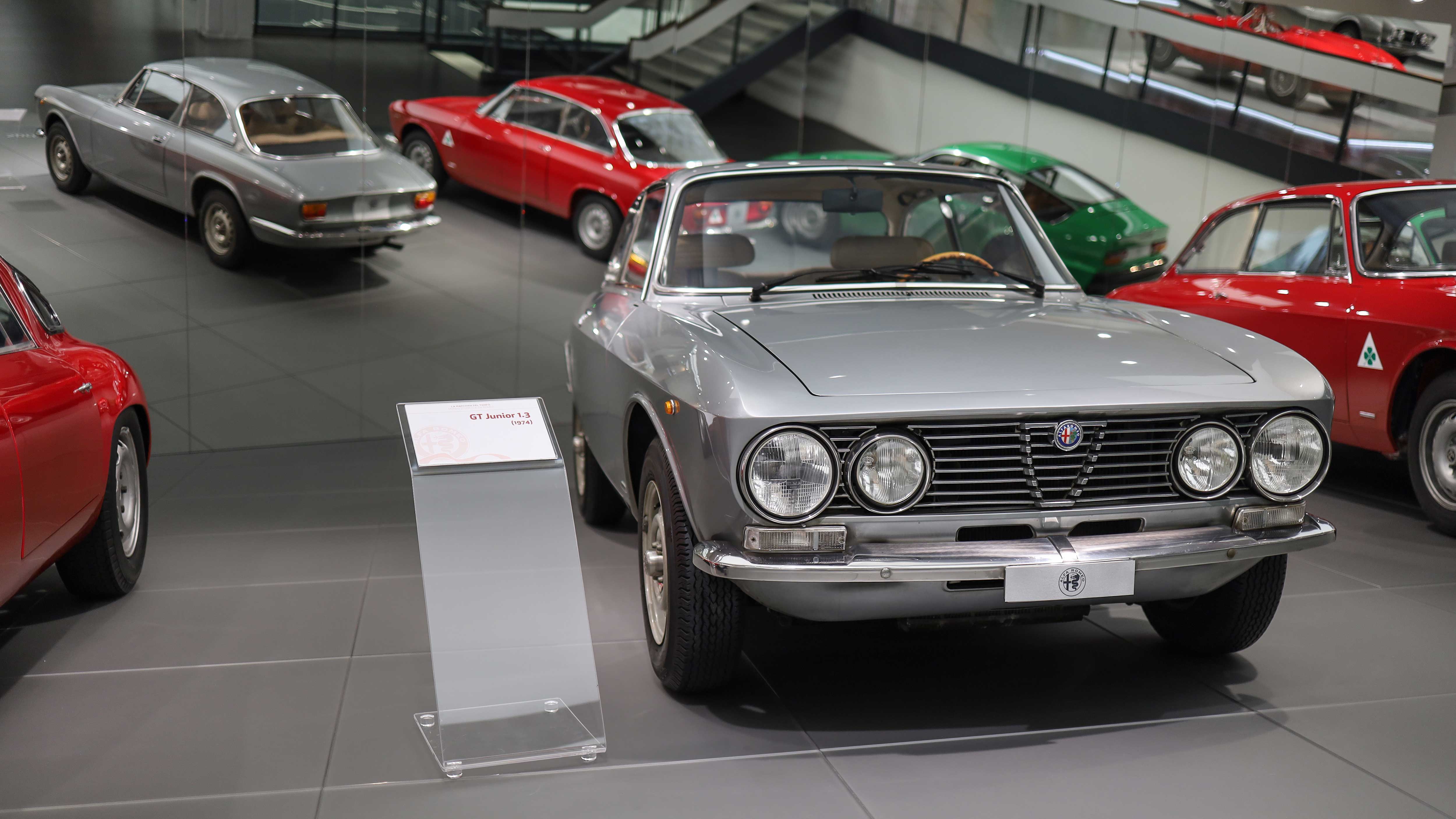
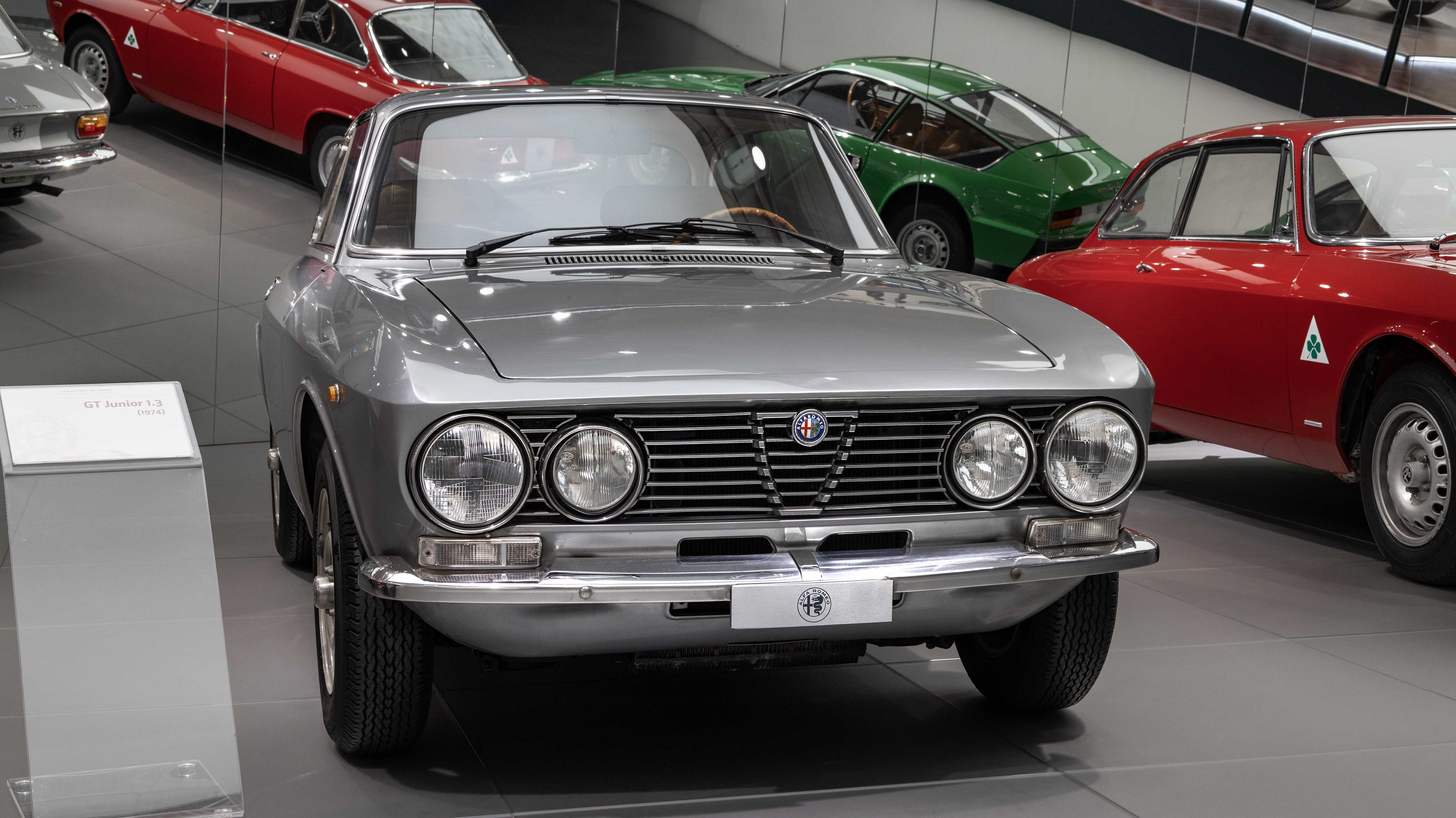
GT 1300 Junior
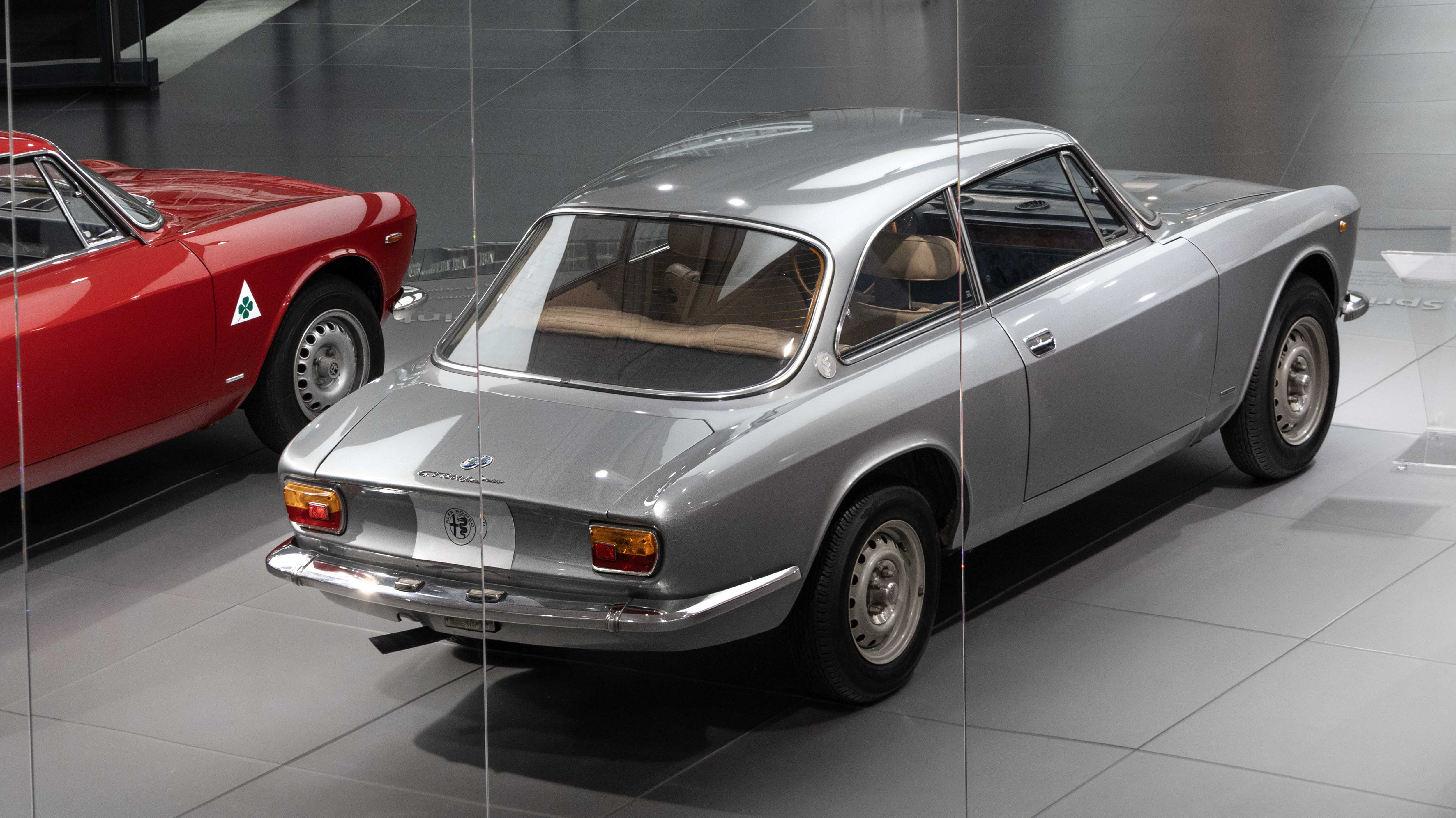
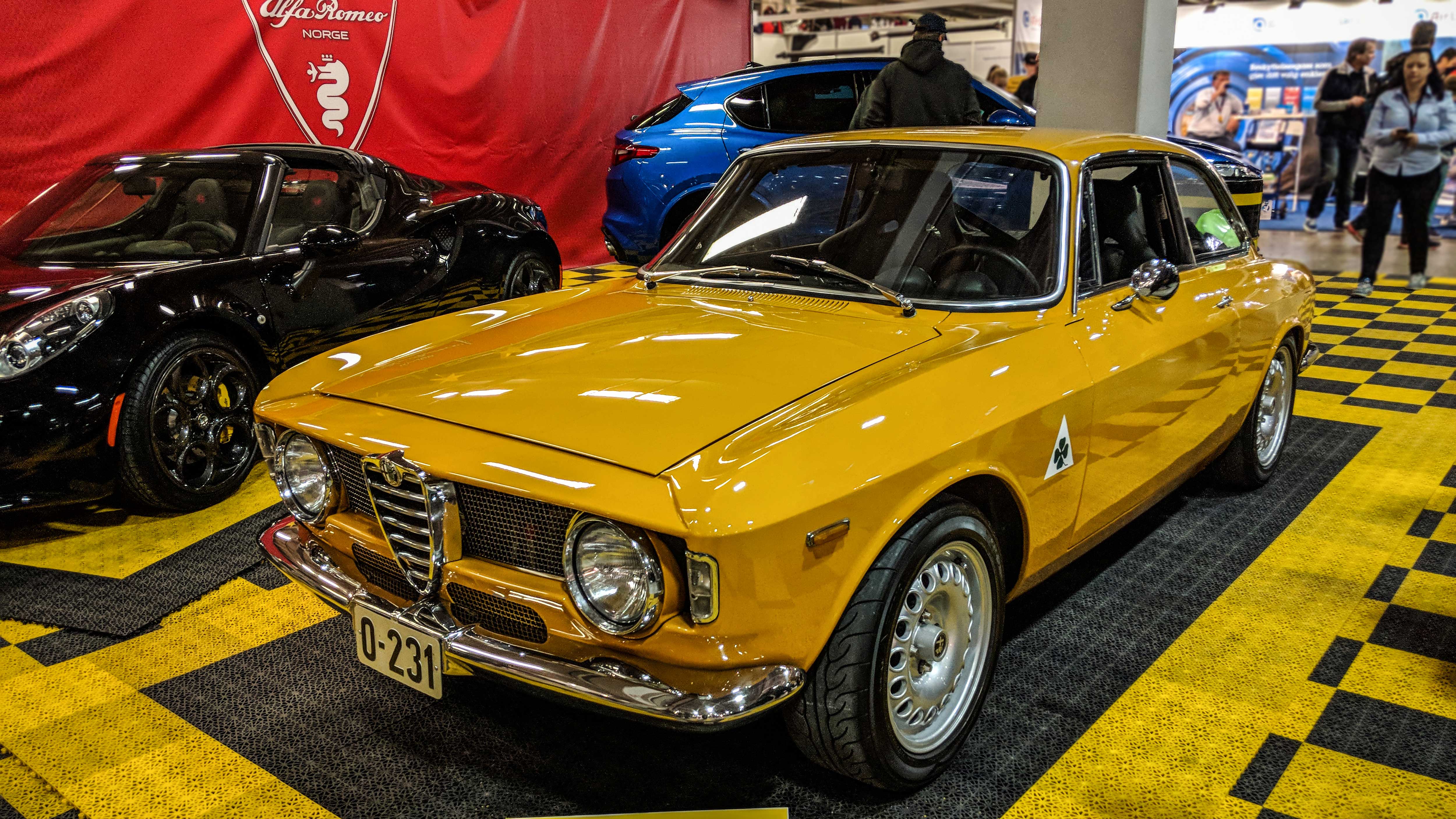
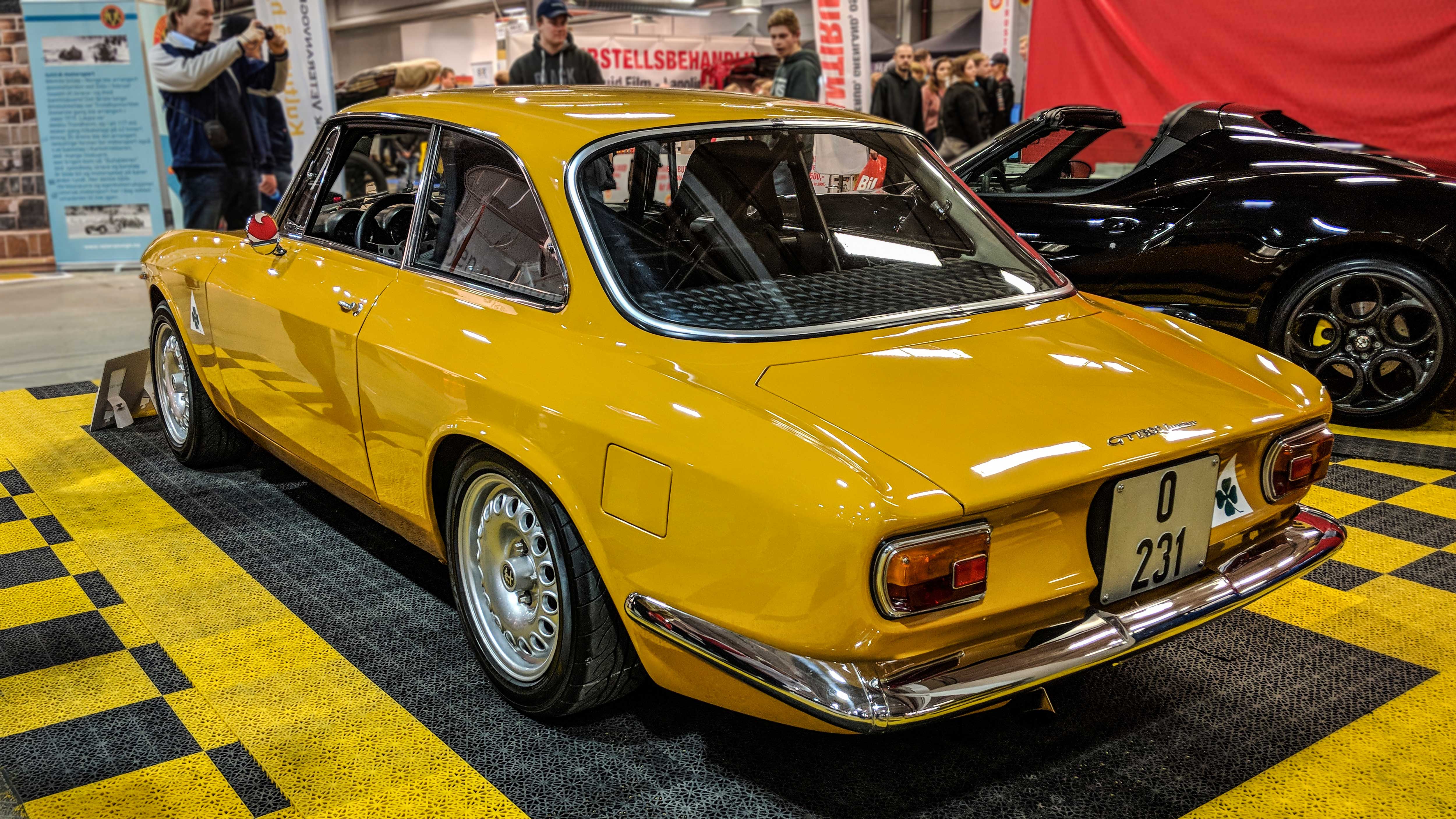
The GT 1300 Junior (1966–1977) delivered Bertone coupe style with a lightweight setup. As a result, its 1.3 twin-cam produced about 89 hp and paired rear-wheel drive with agile, balanced handling.


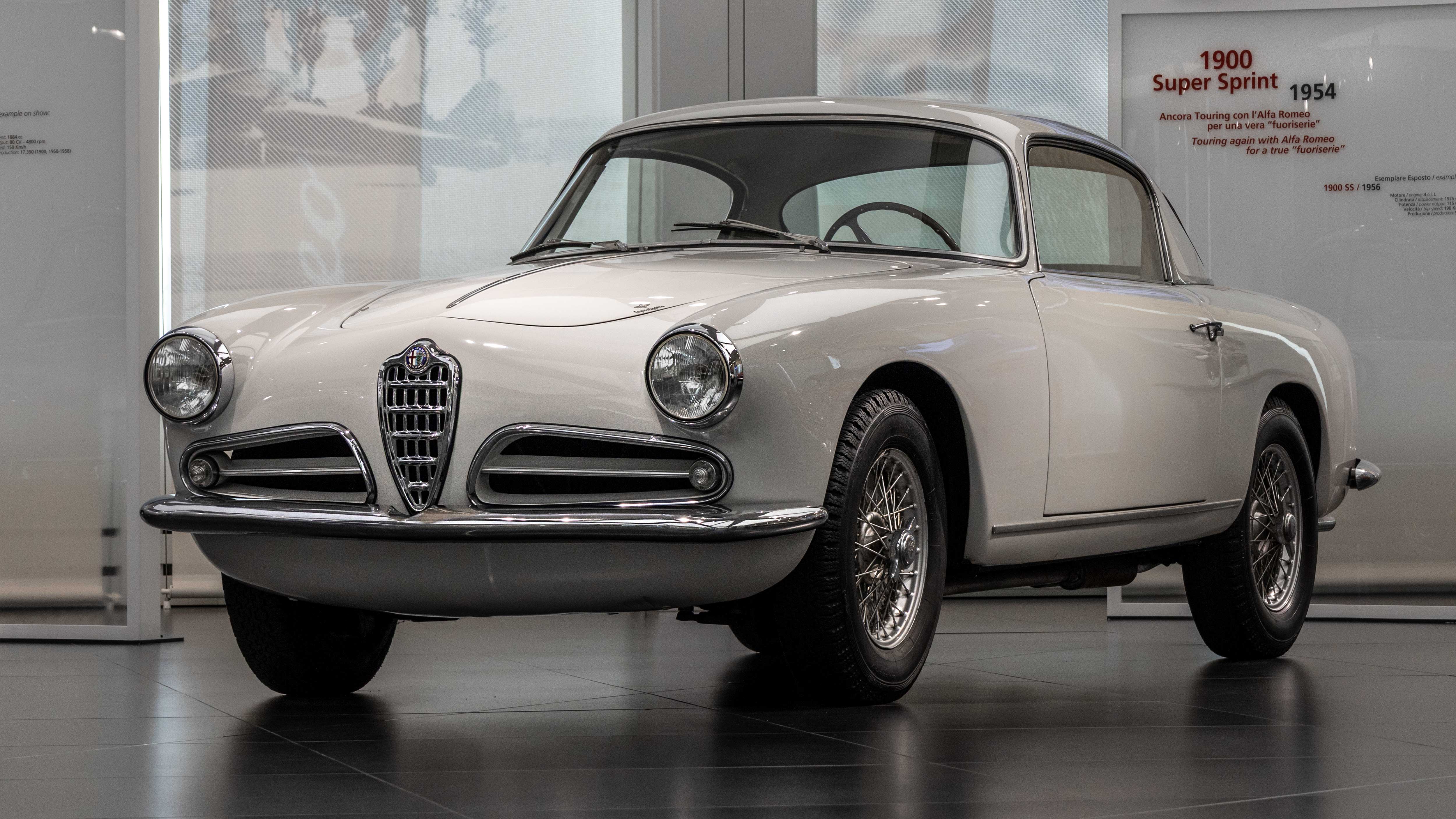
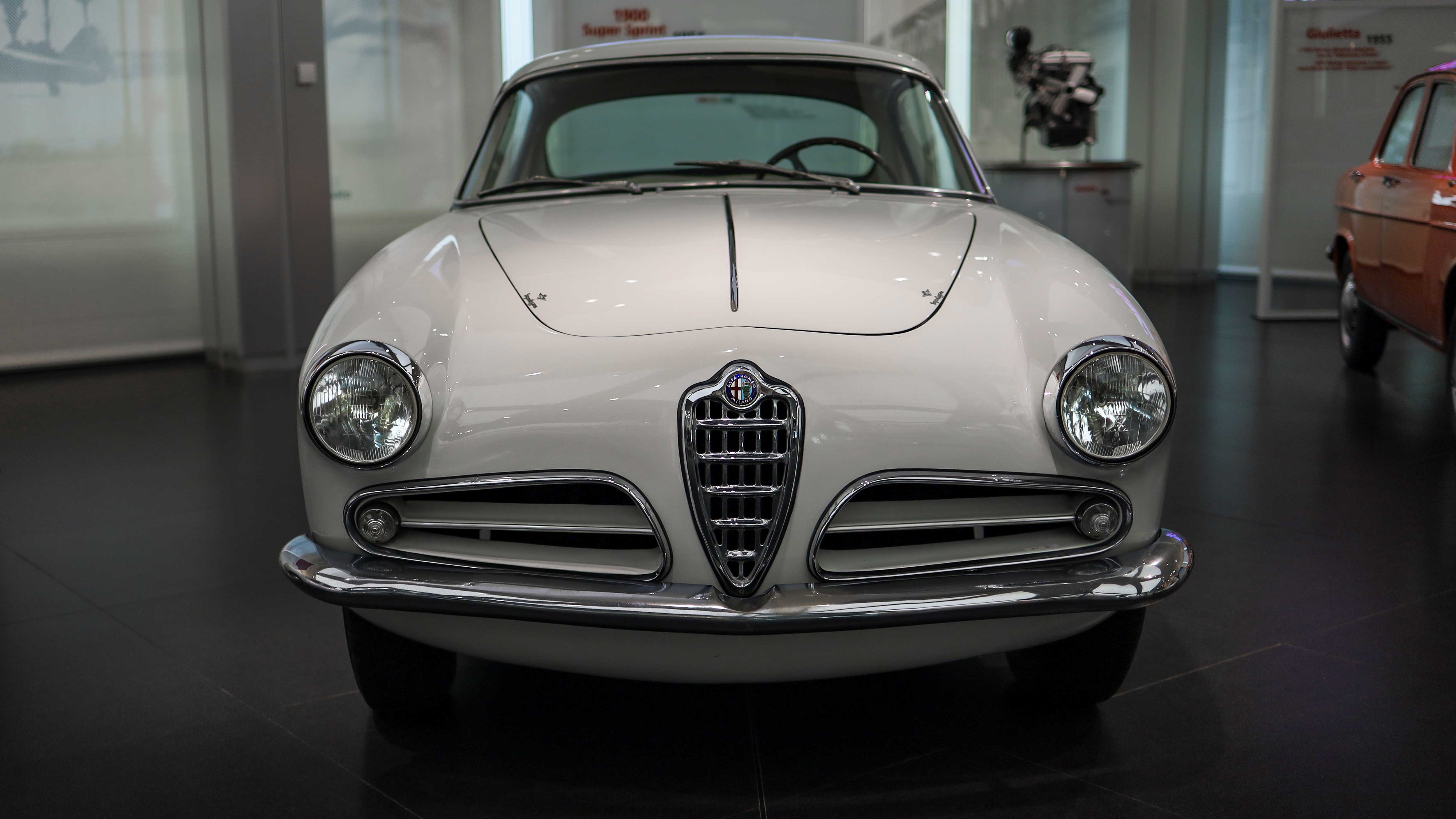
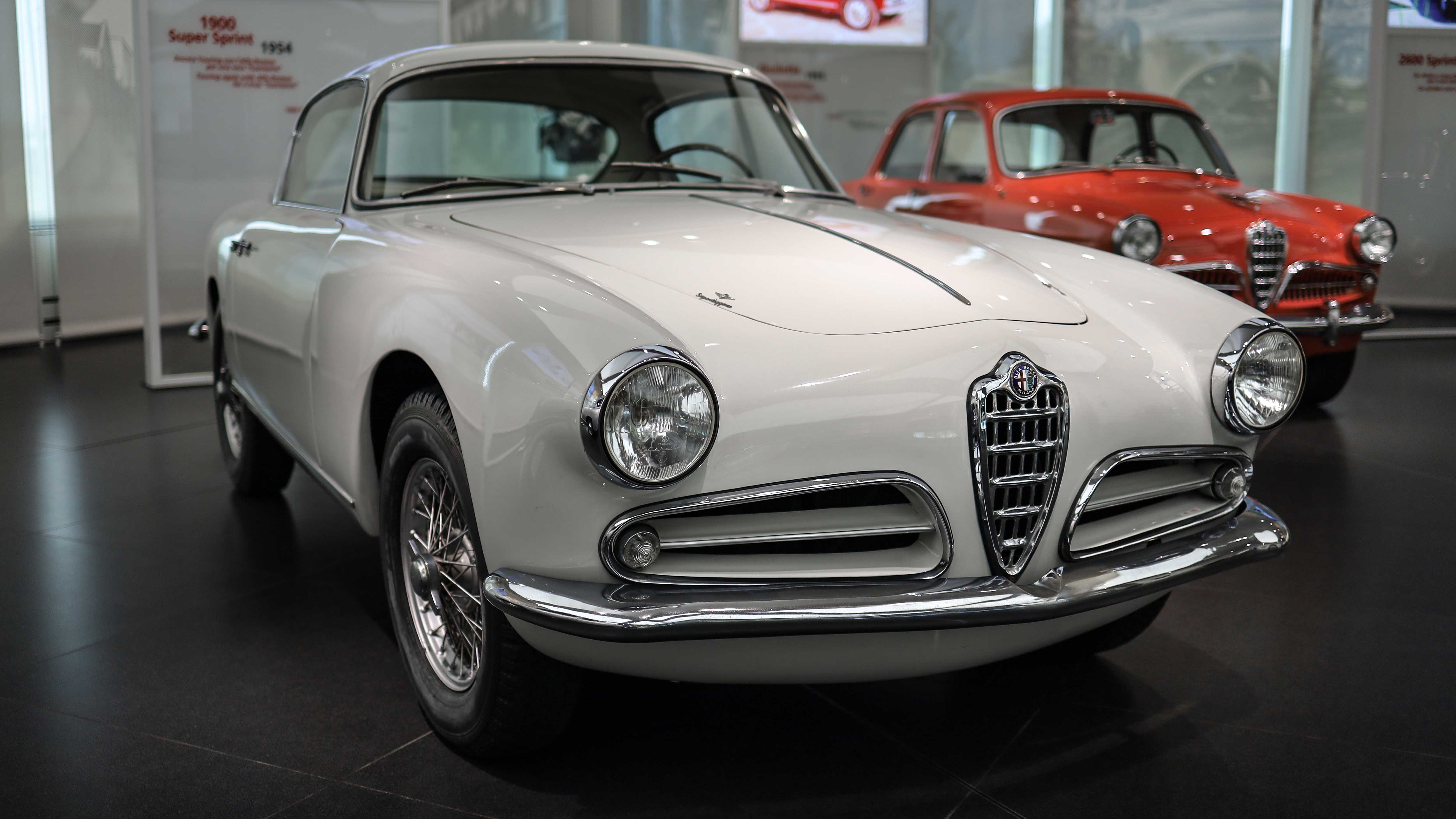
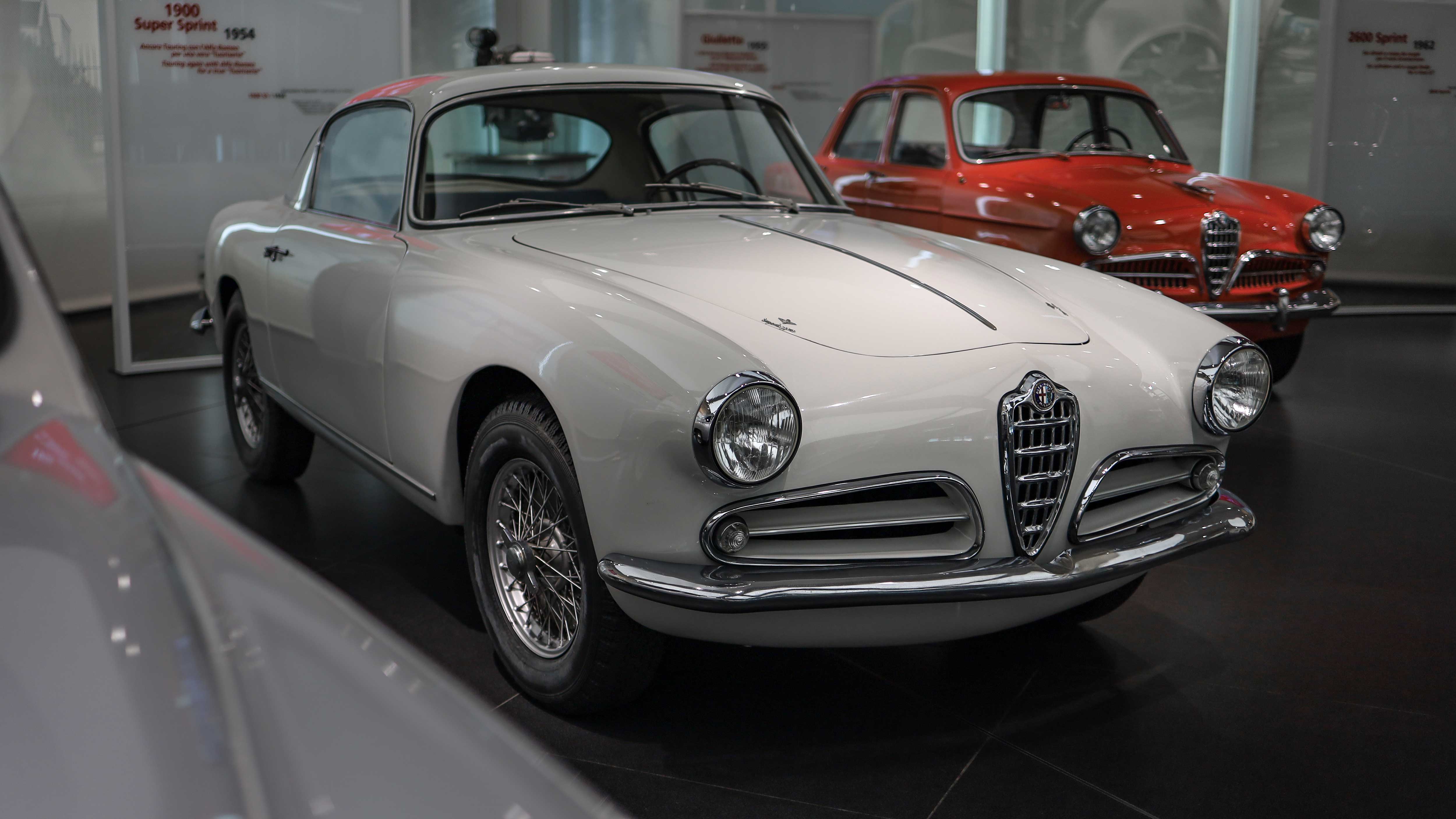
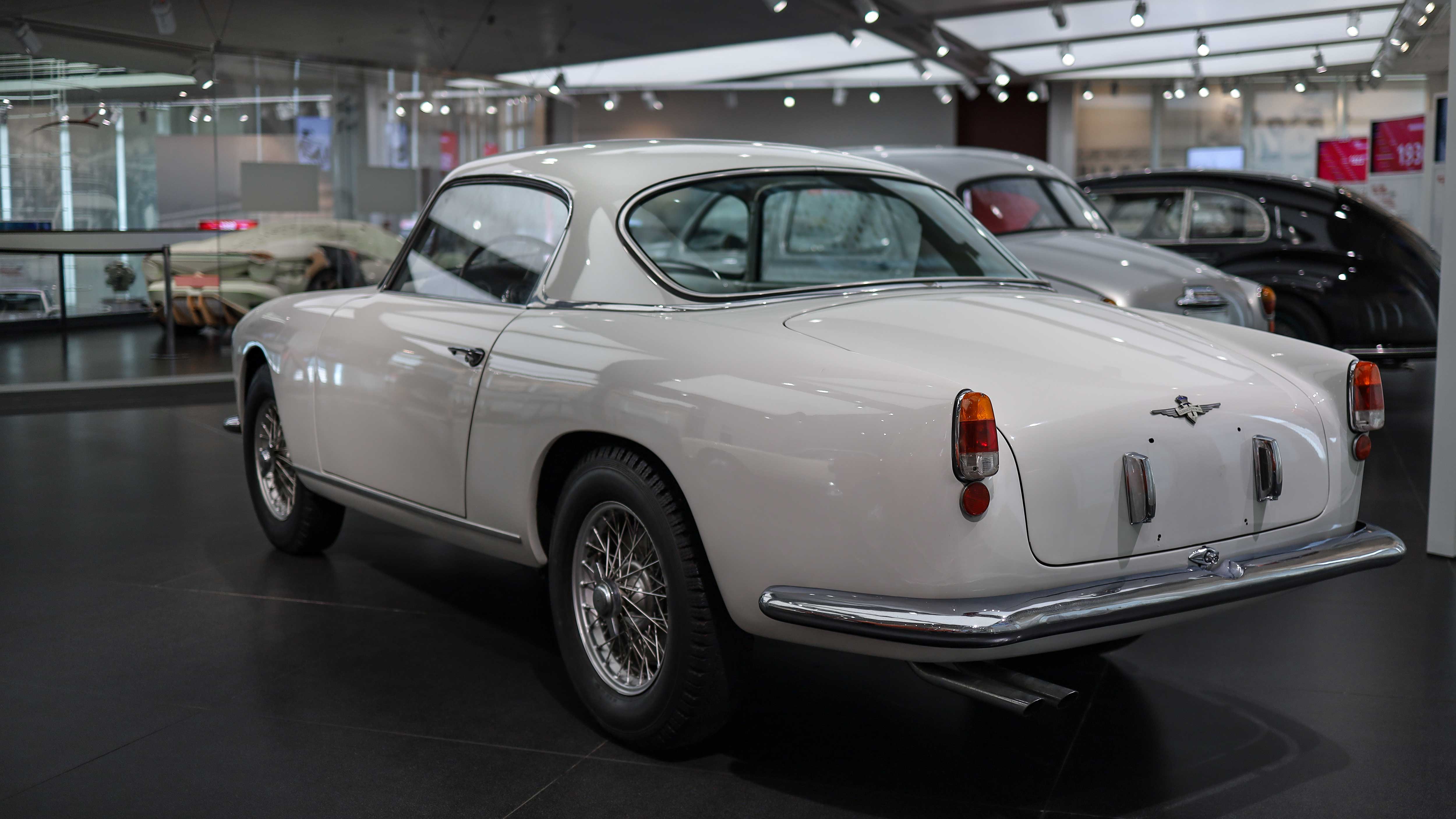
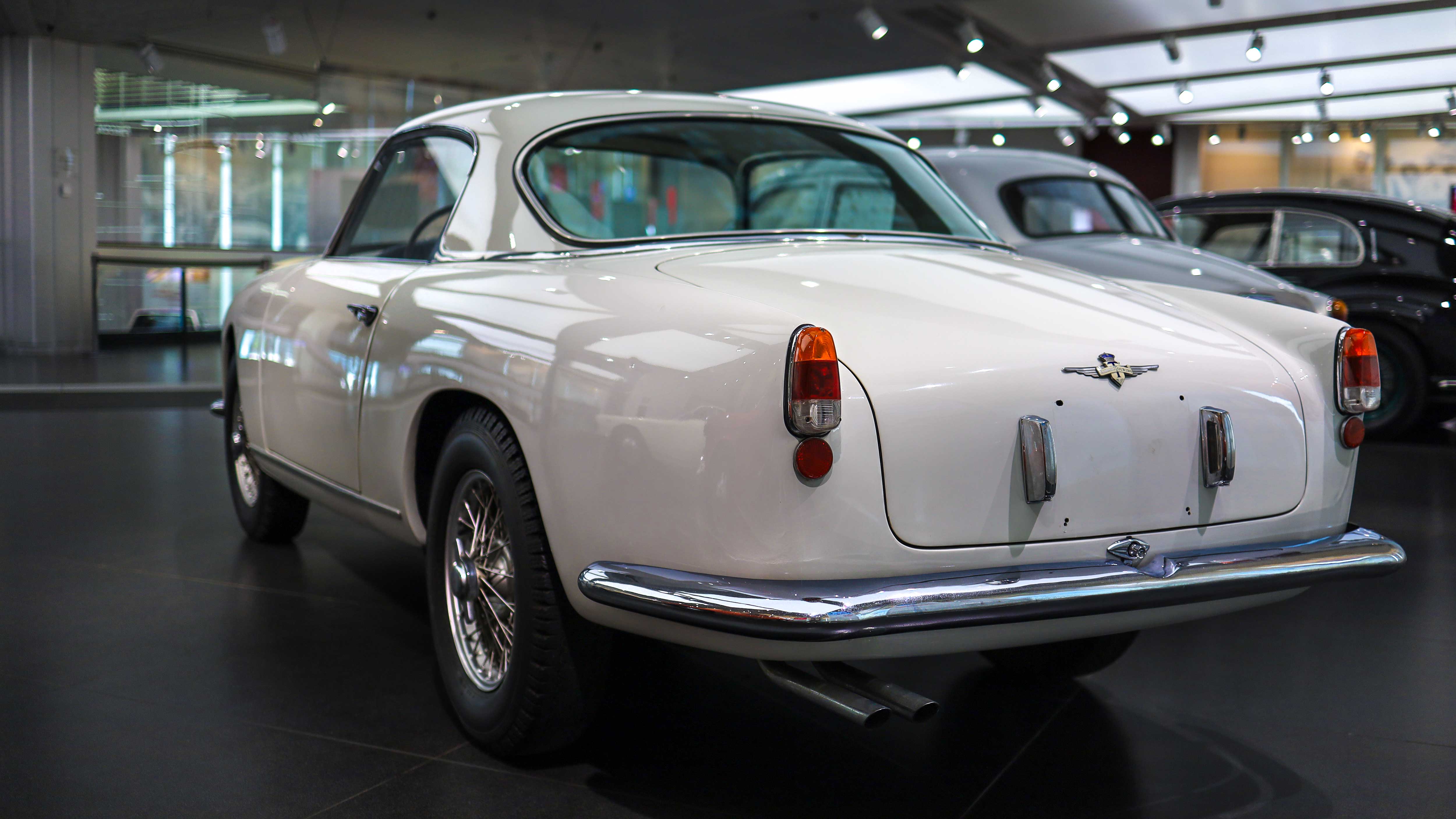
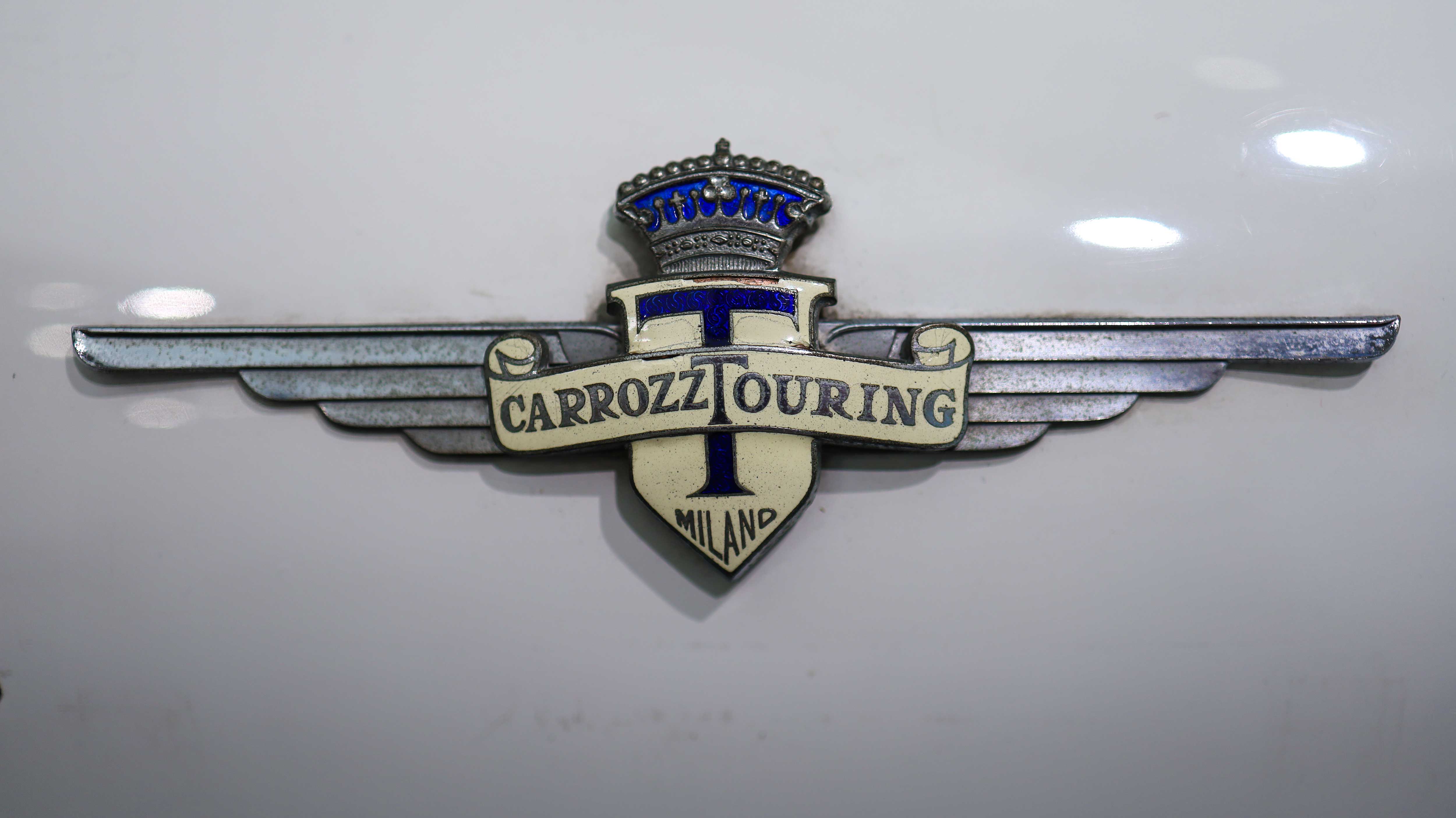
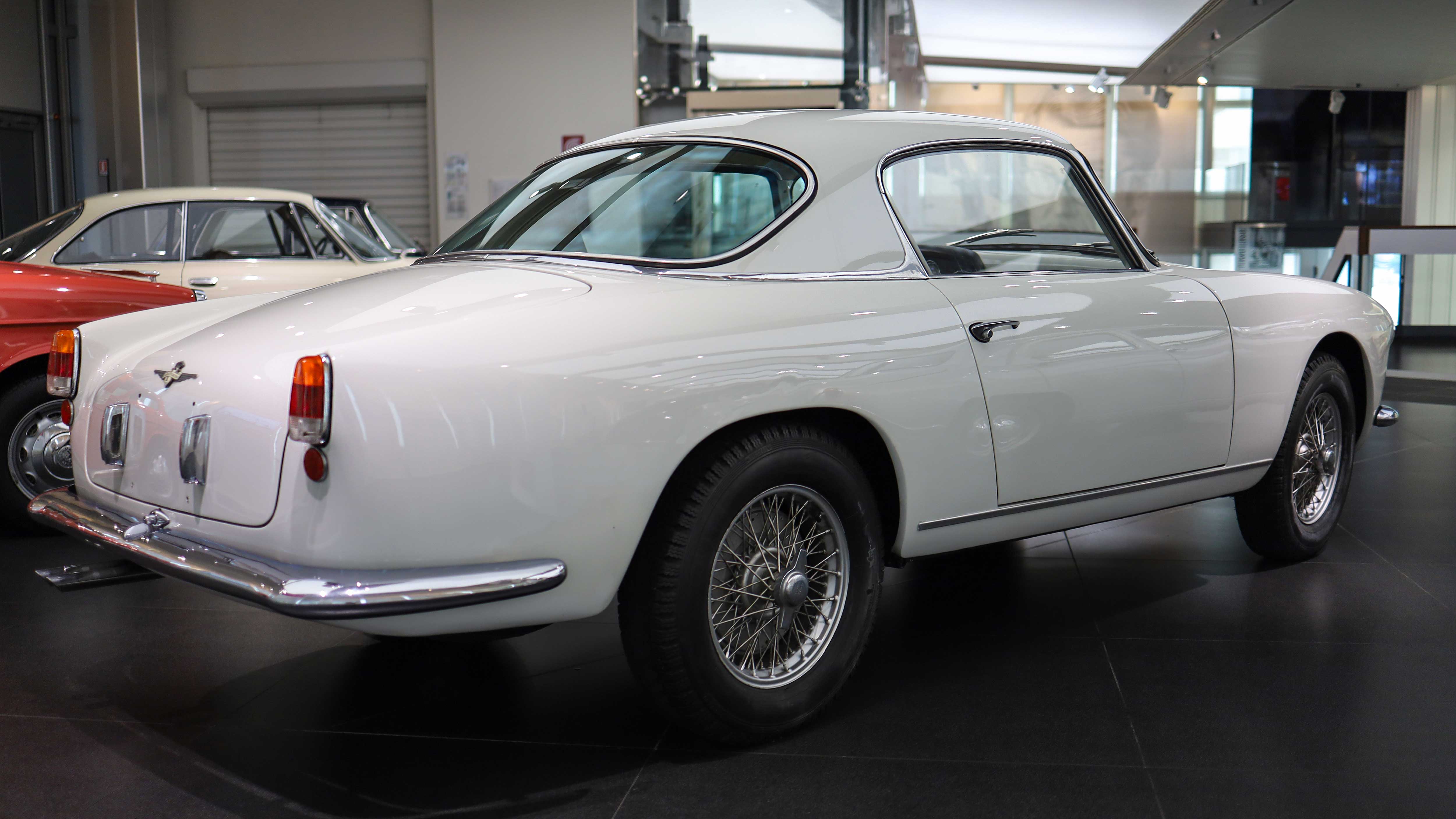
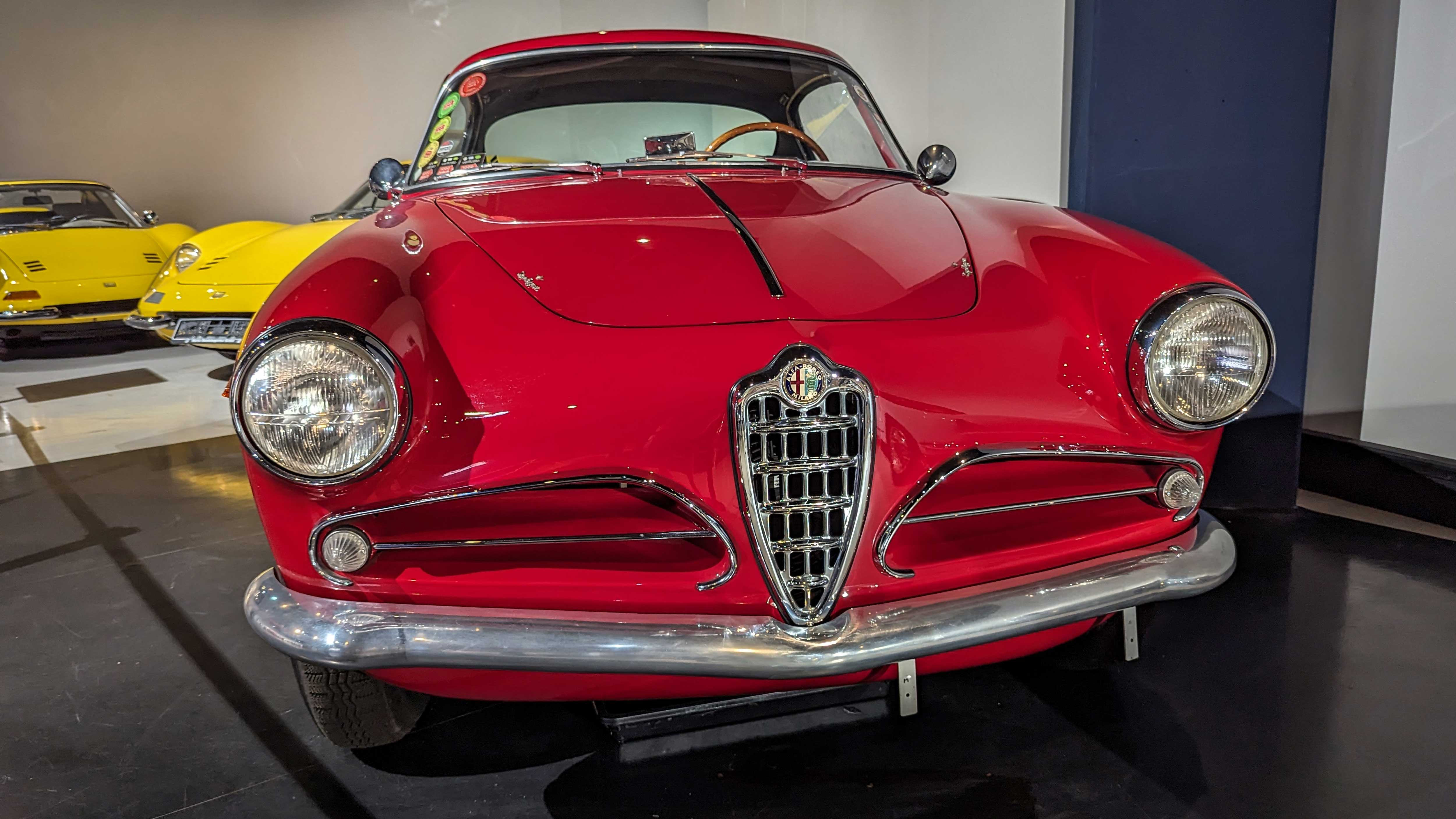
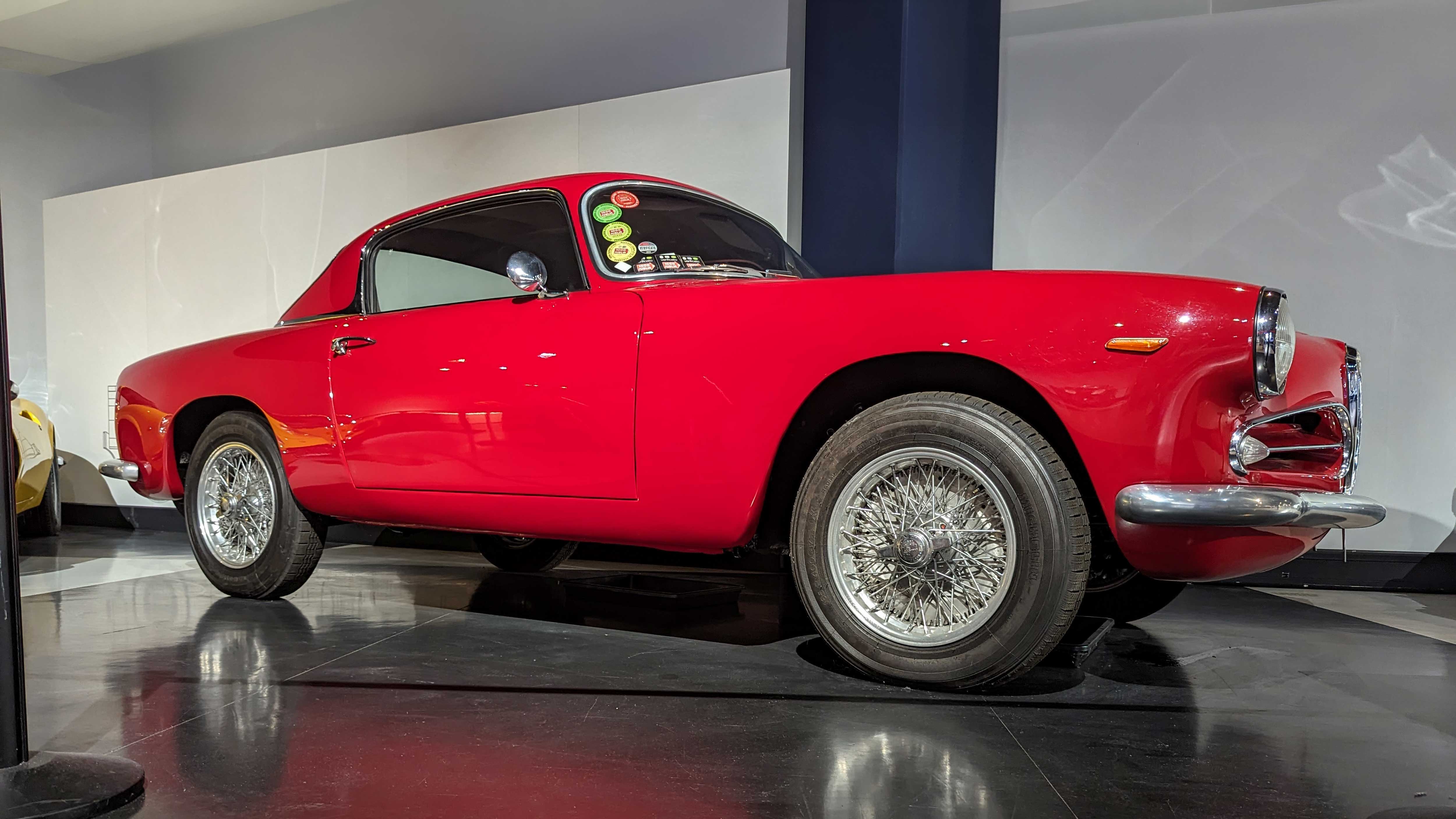
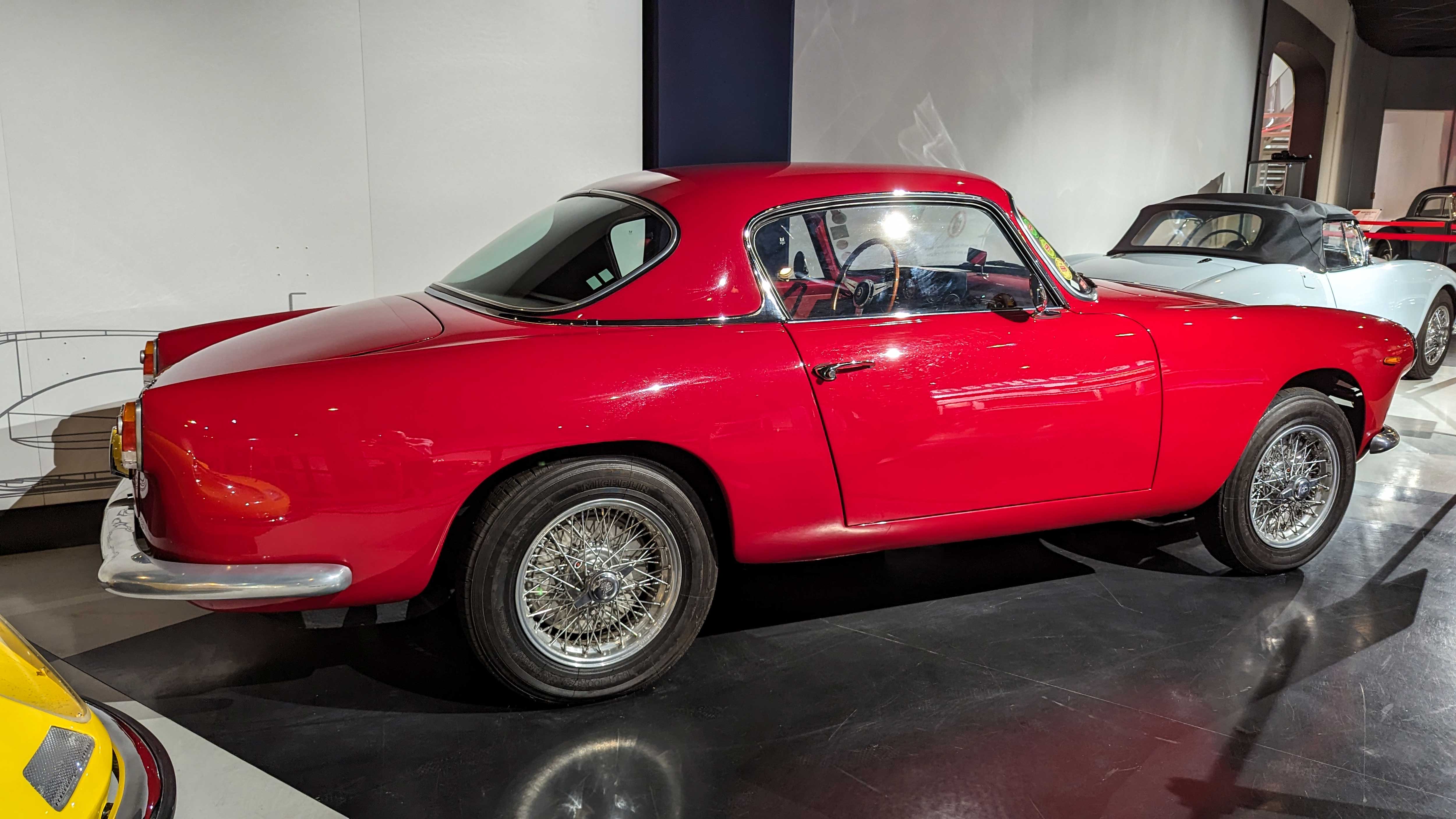
1900 Super Sprint Coupe
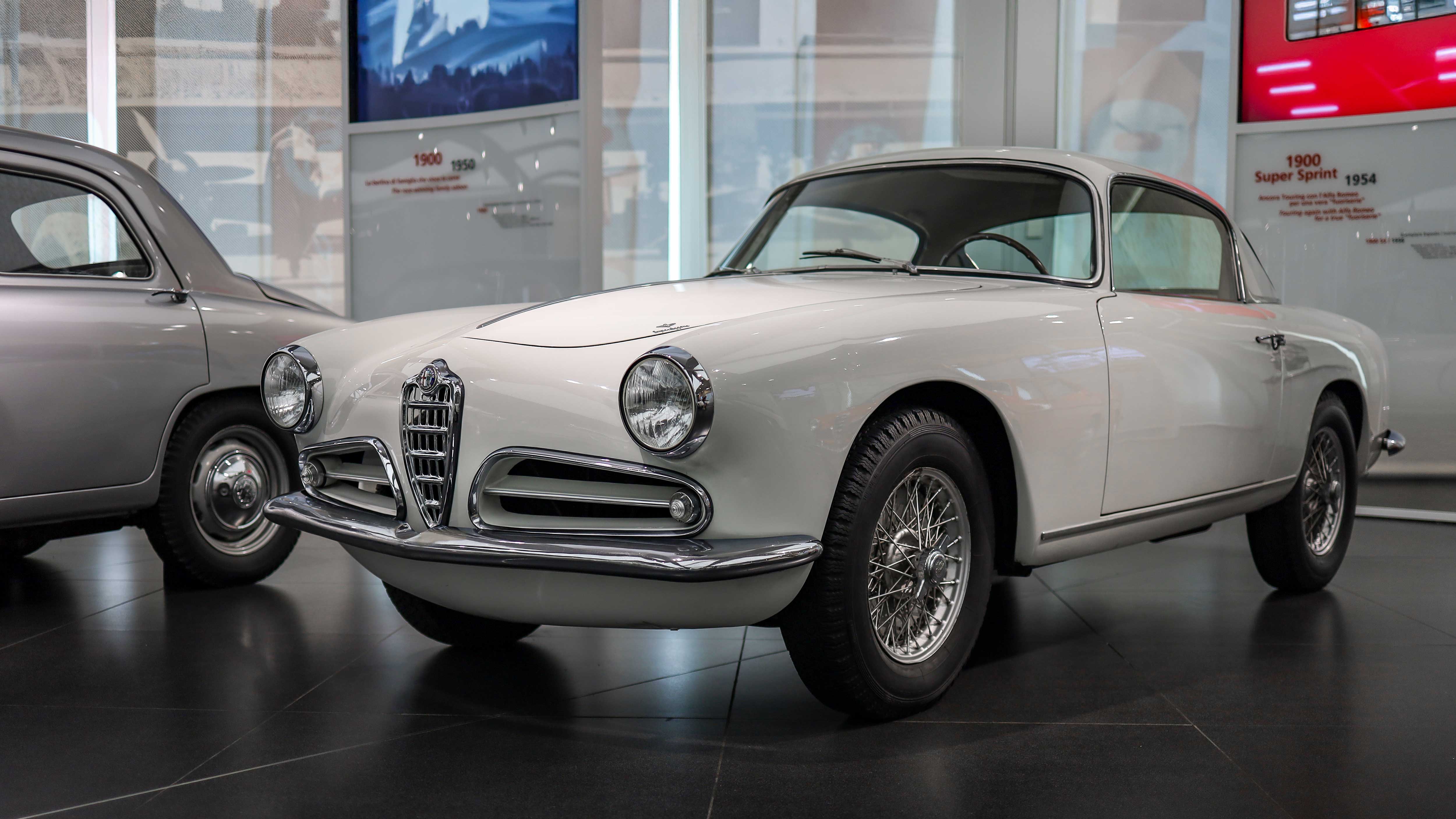
The 1950 Alfa Romeo 1900 brought a smooth, modern look with simple lines and even shape. It showed off Italian style and helped shape Alfa’s design after the war. Today, it still stands out as a true classic.


1750 and 2000 GTV
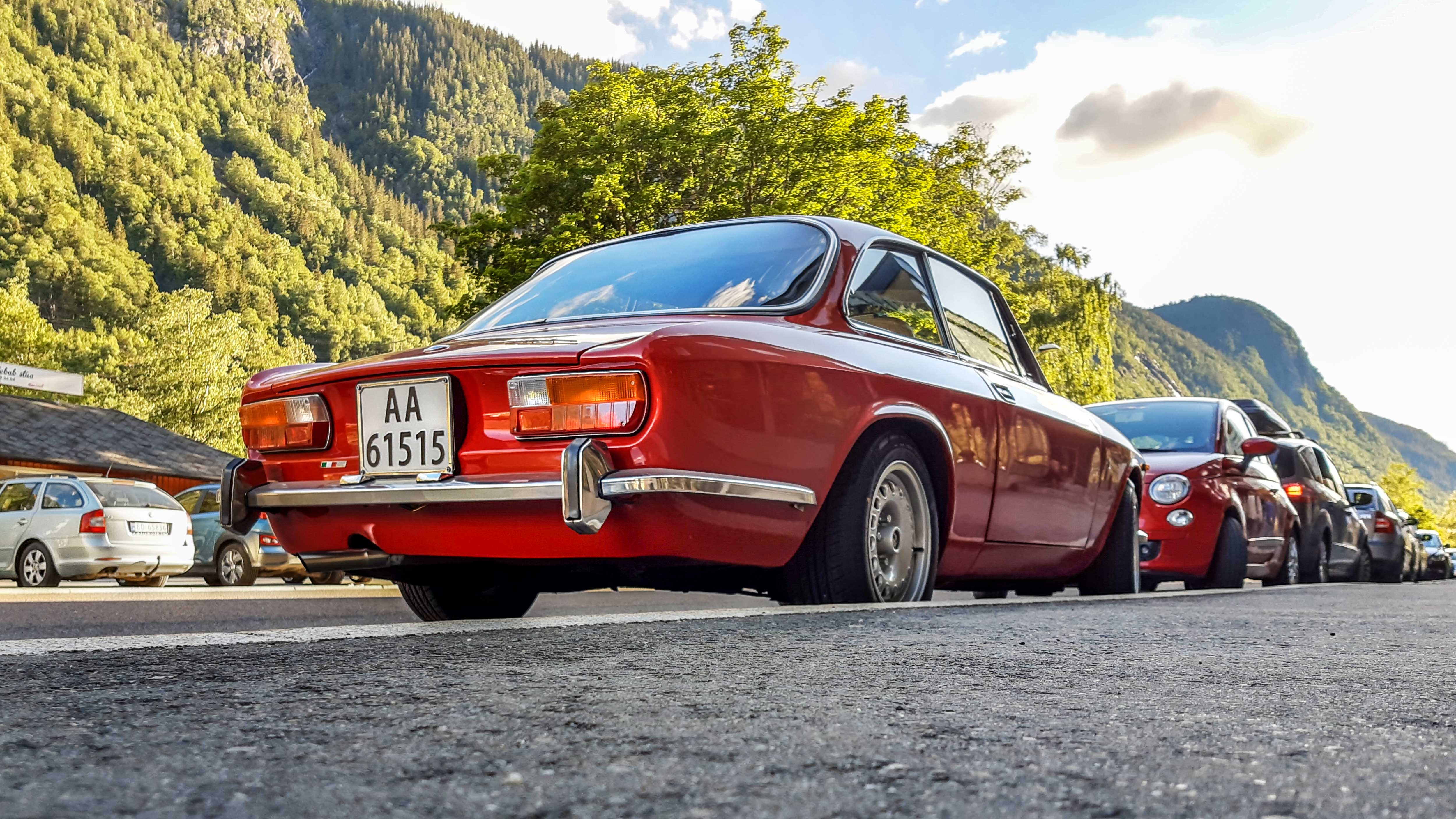
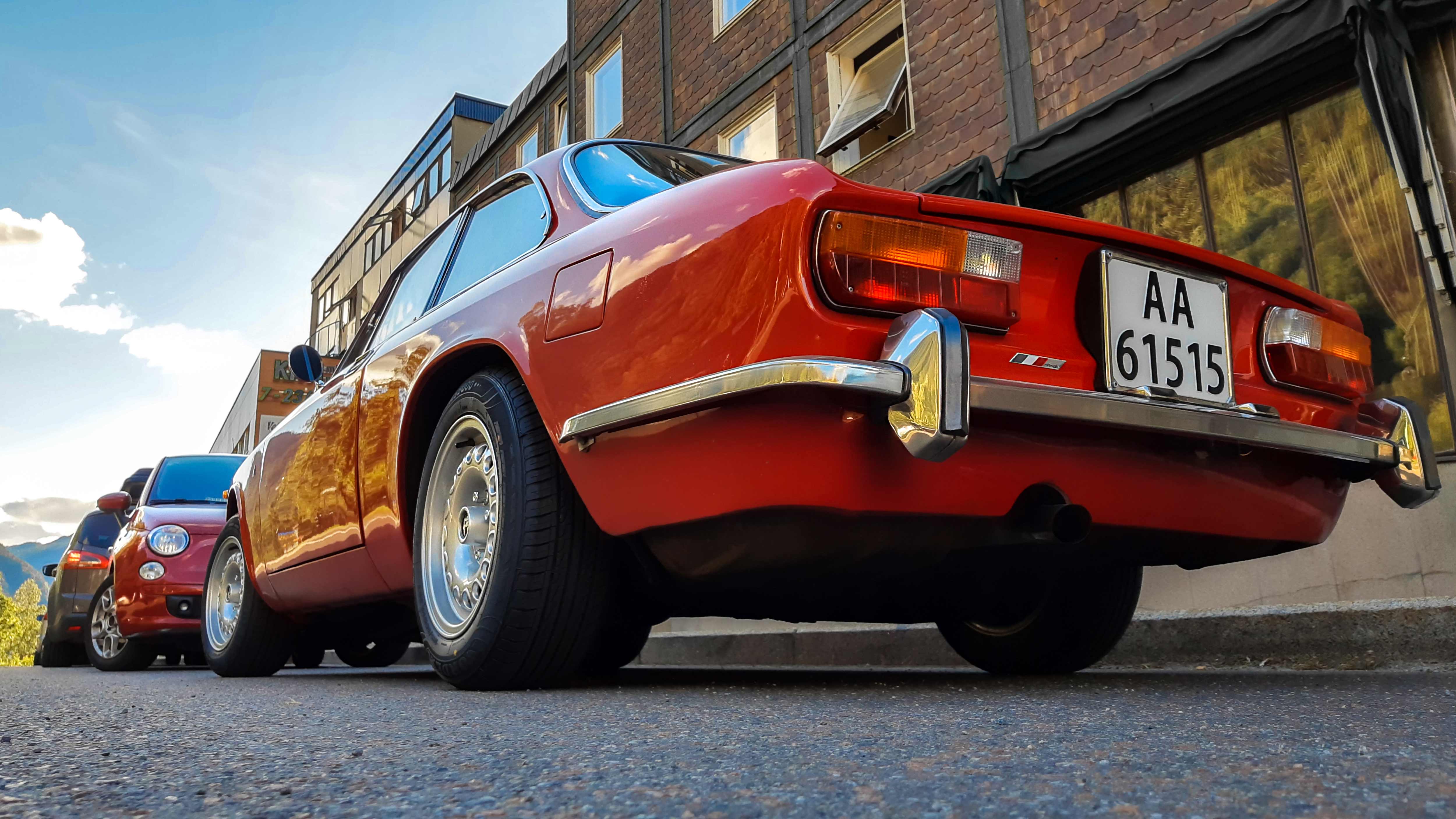
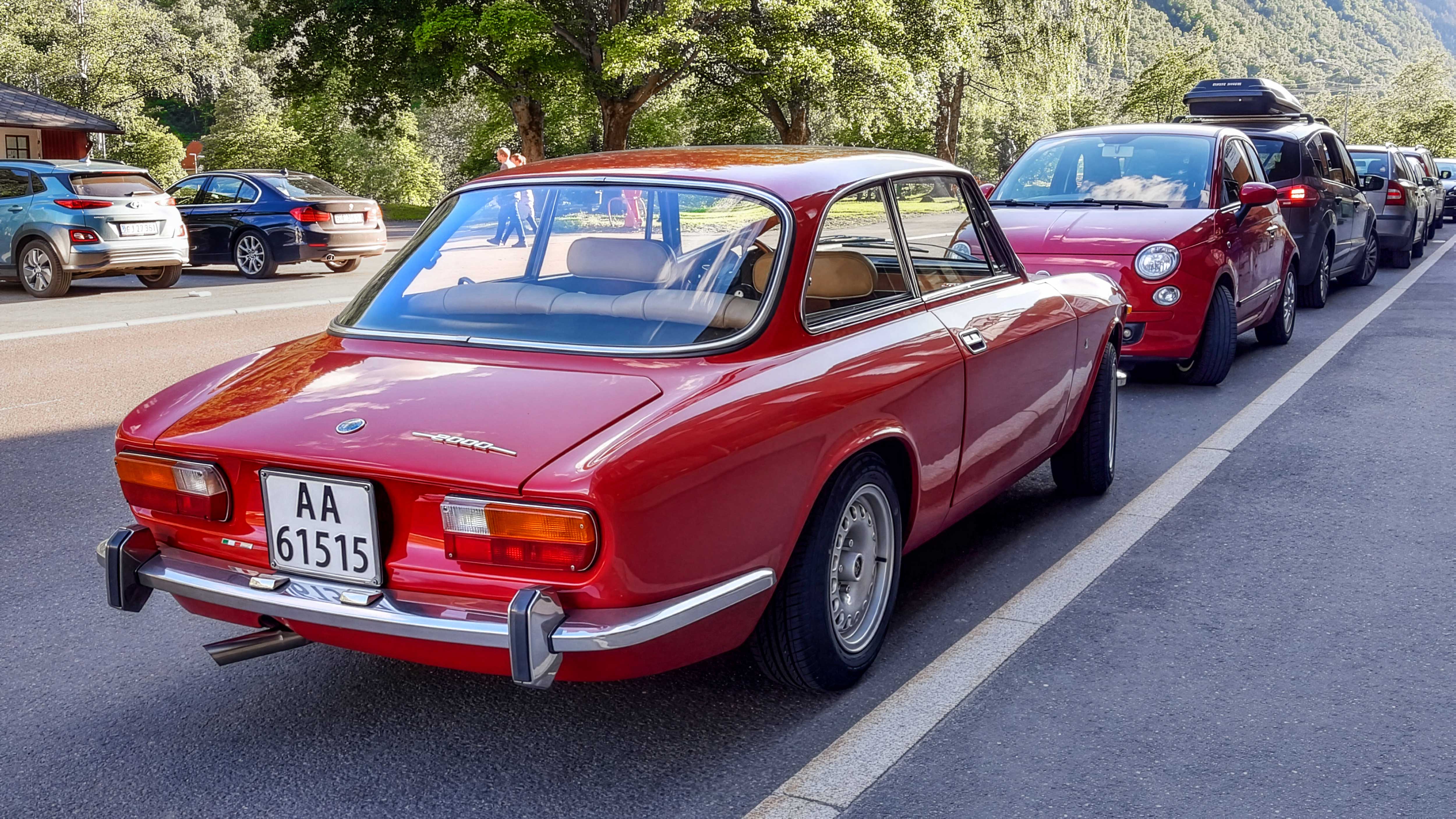
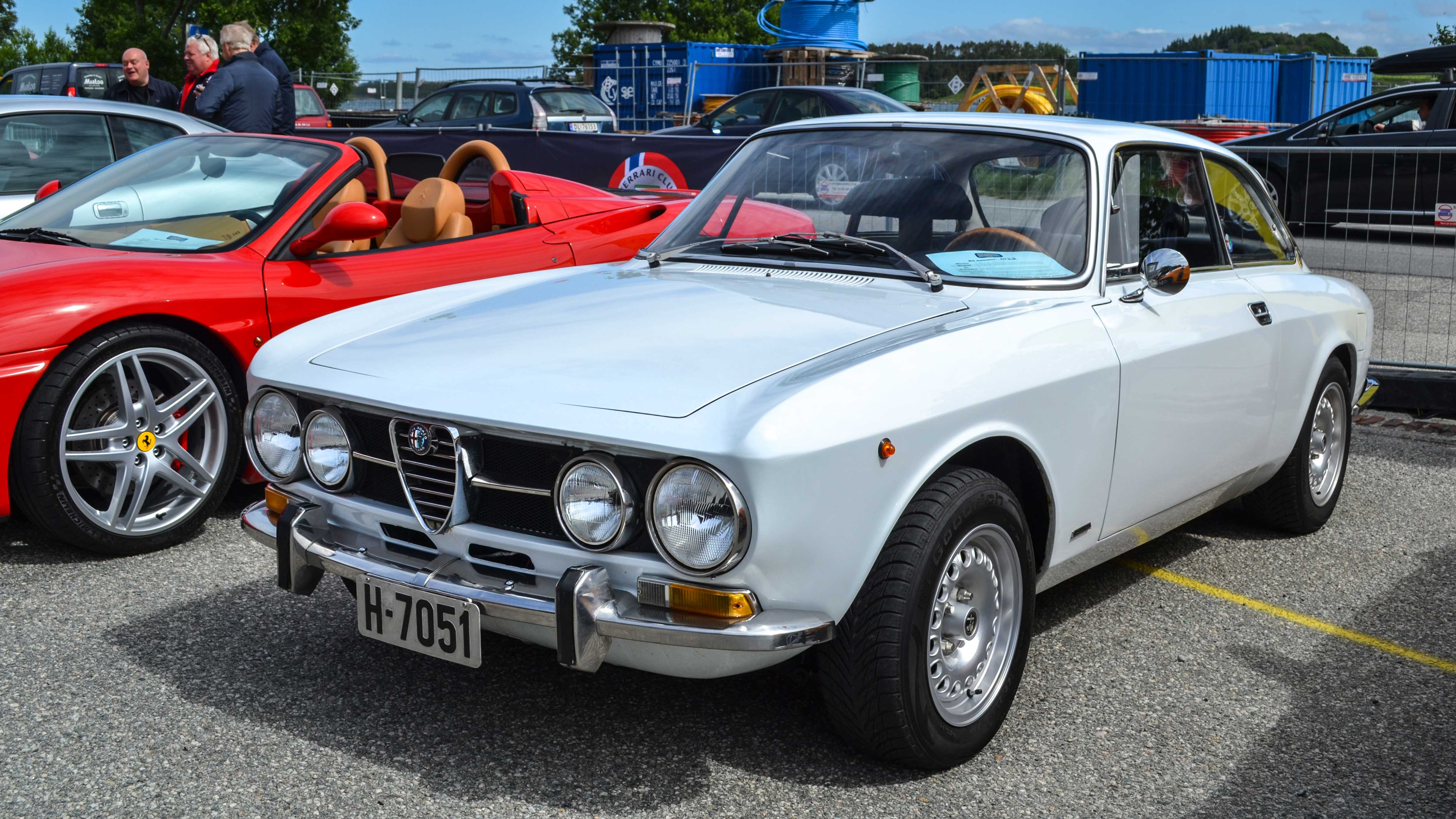
The 1750 and 2000 GTV (1971–1976) topped the 105-series coupe range with added power and refinement. As a result, its 2.0 twin-cam delivered about 132 hp, pairing rear-wheel drive with strong mid-range performance and classic Bertone design.
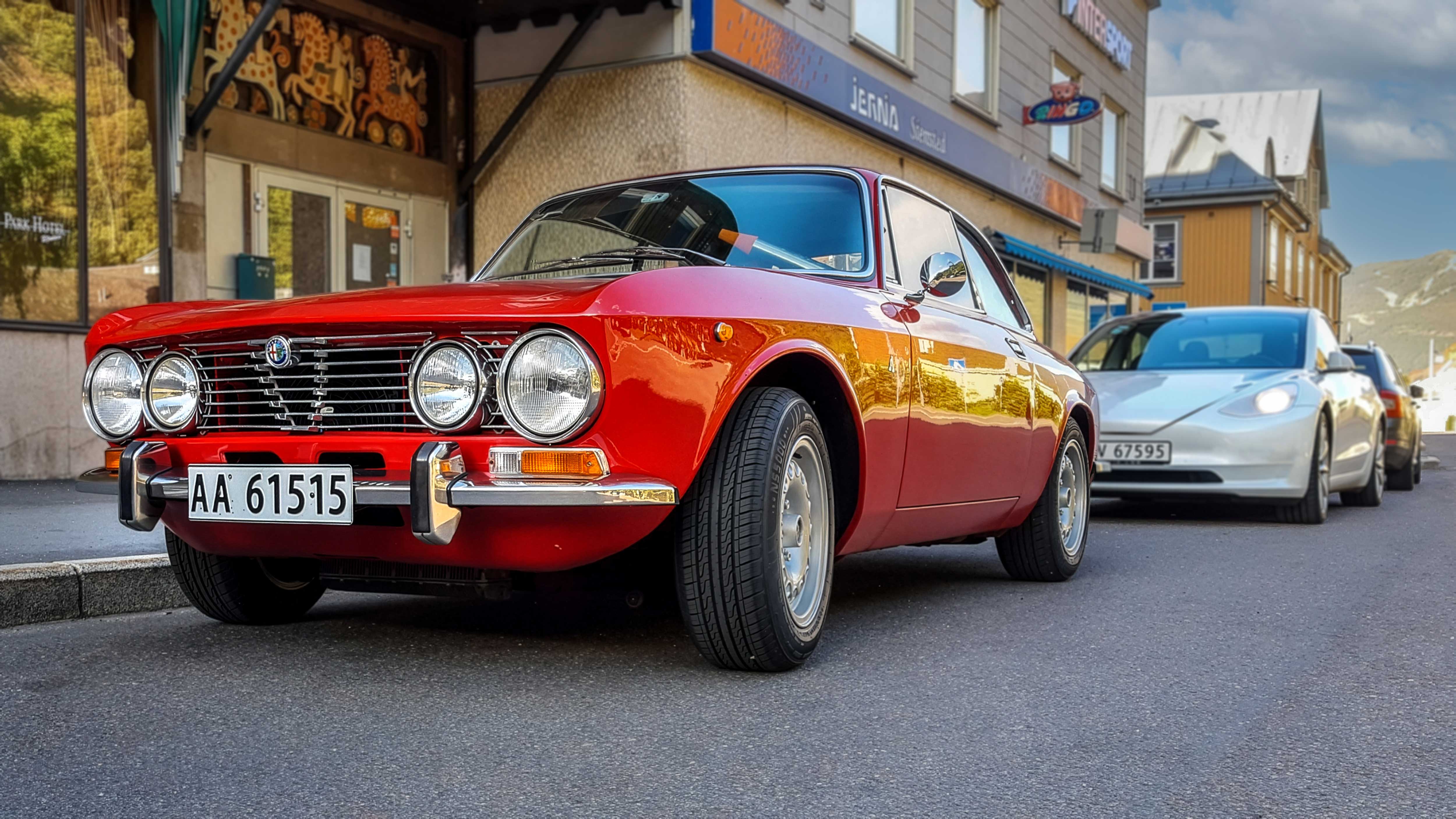
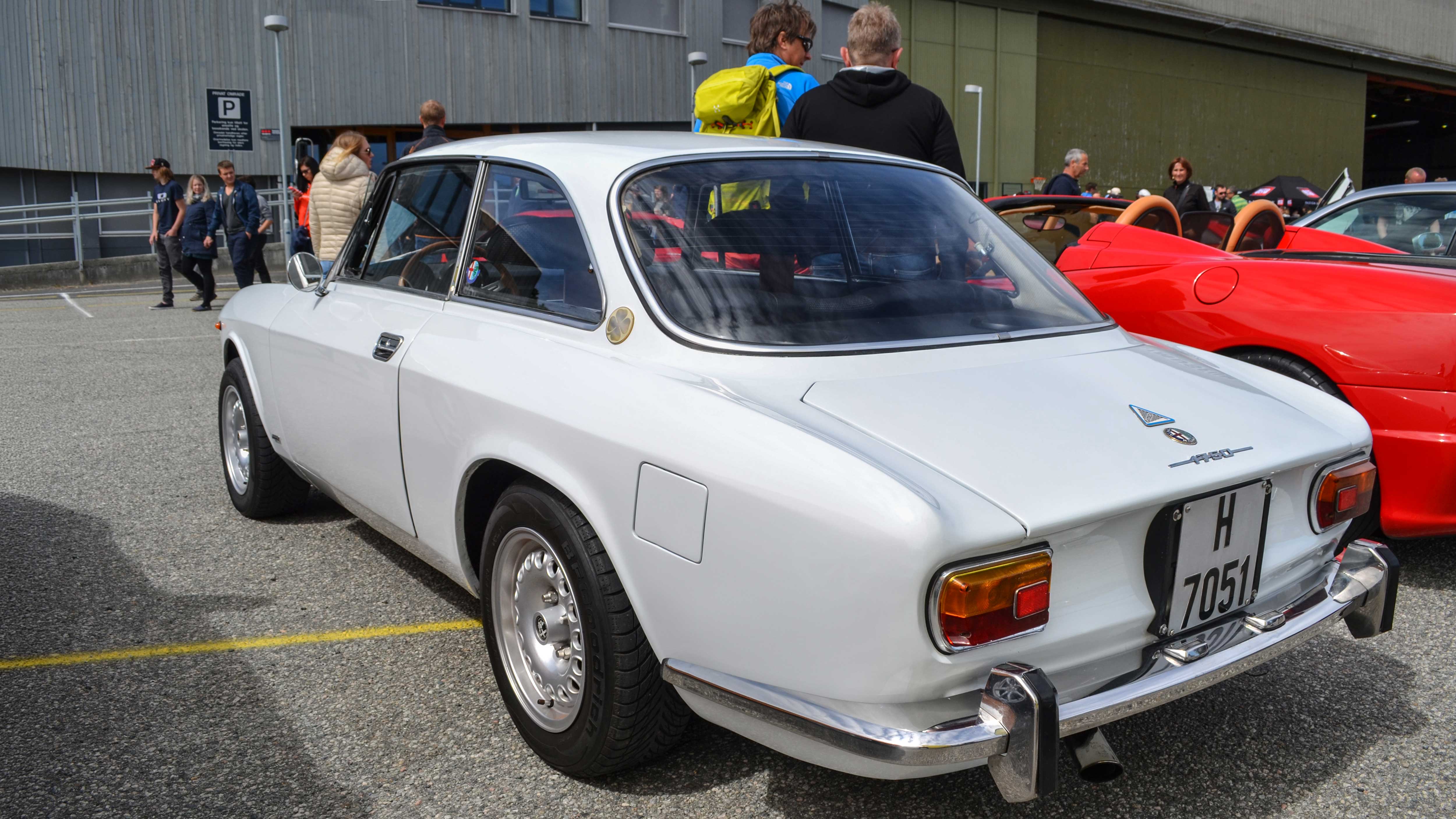
Alfetta GT and GTV
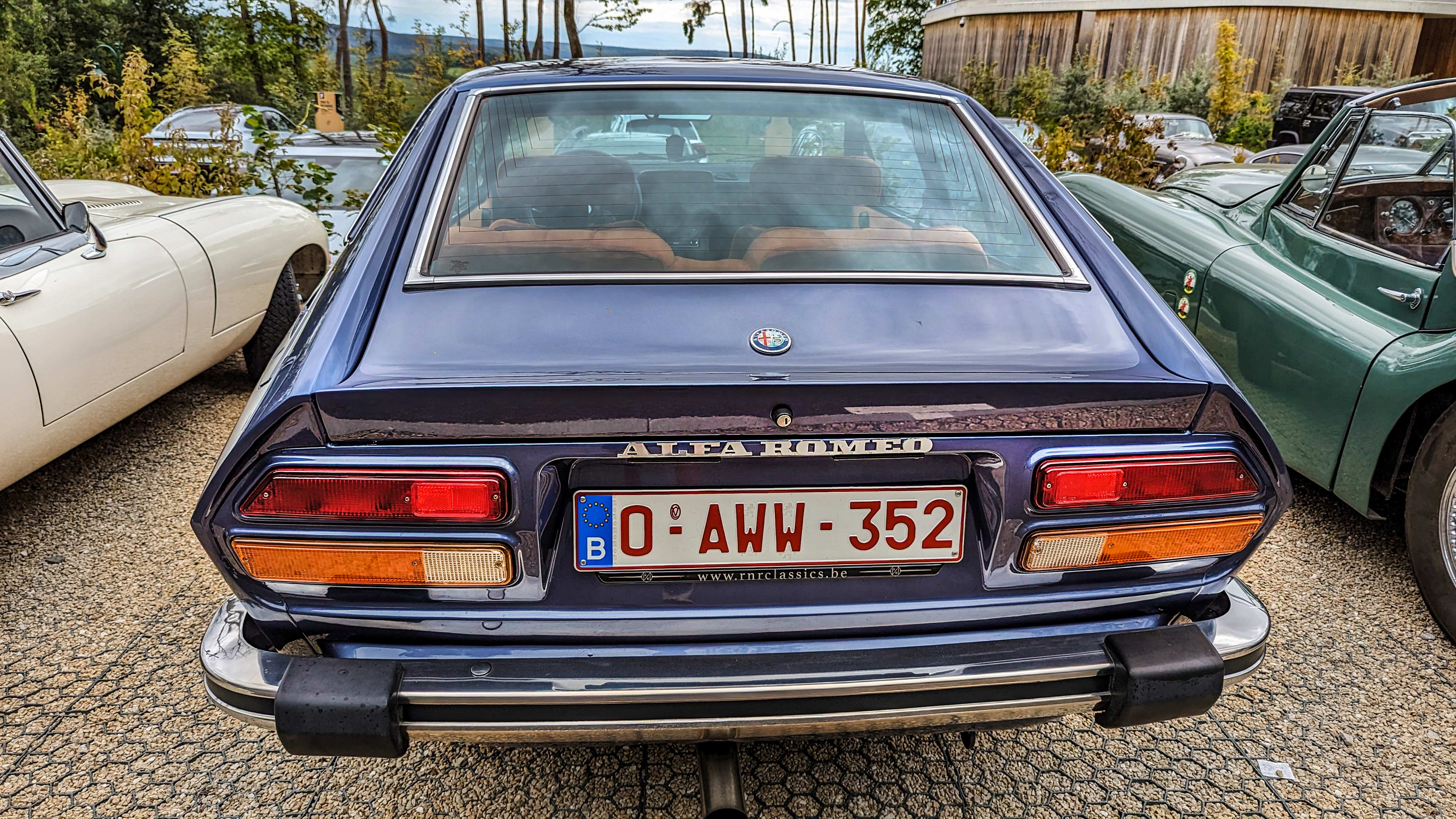
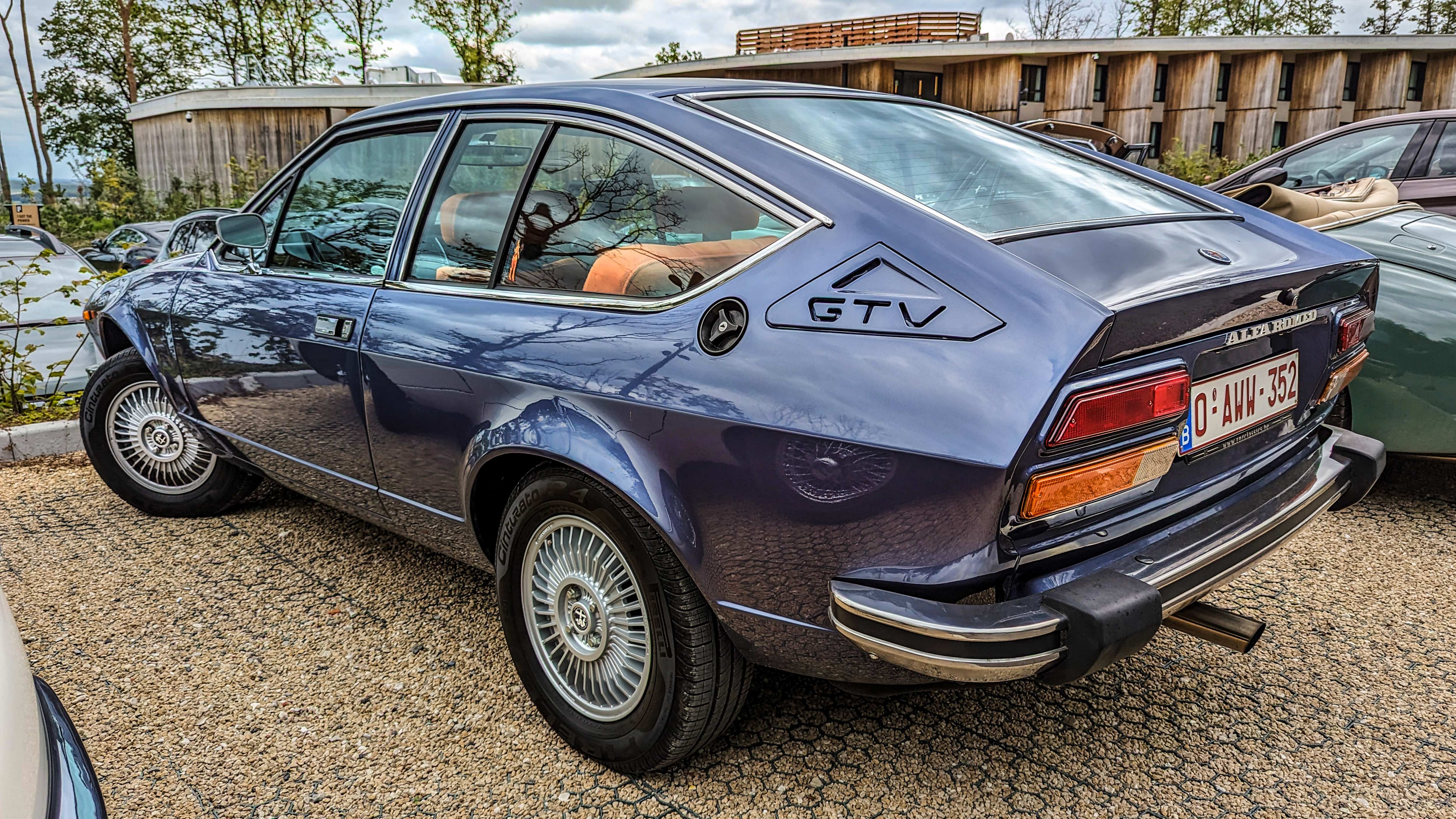
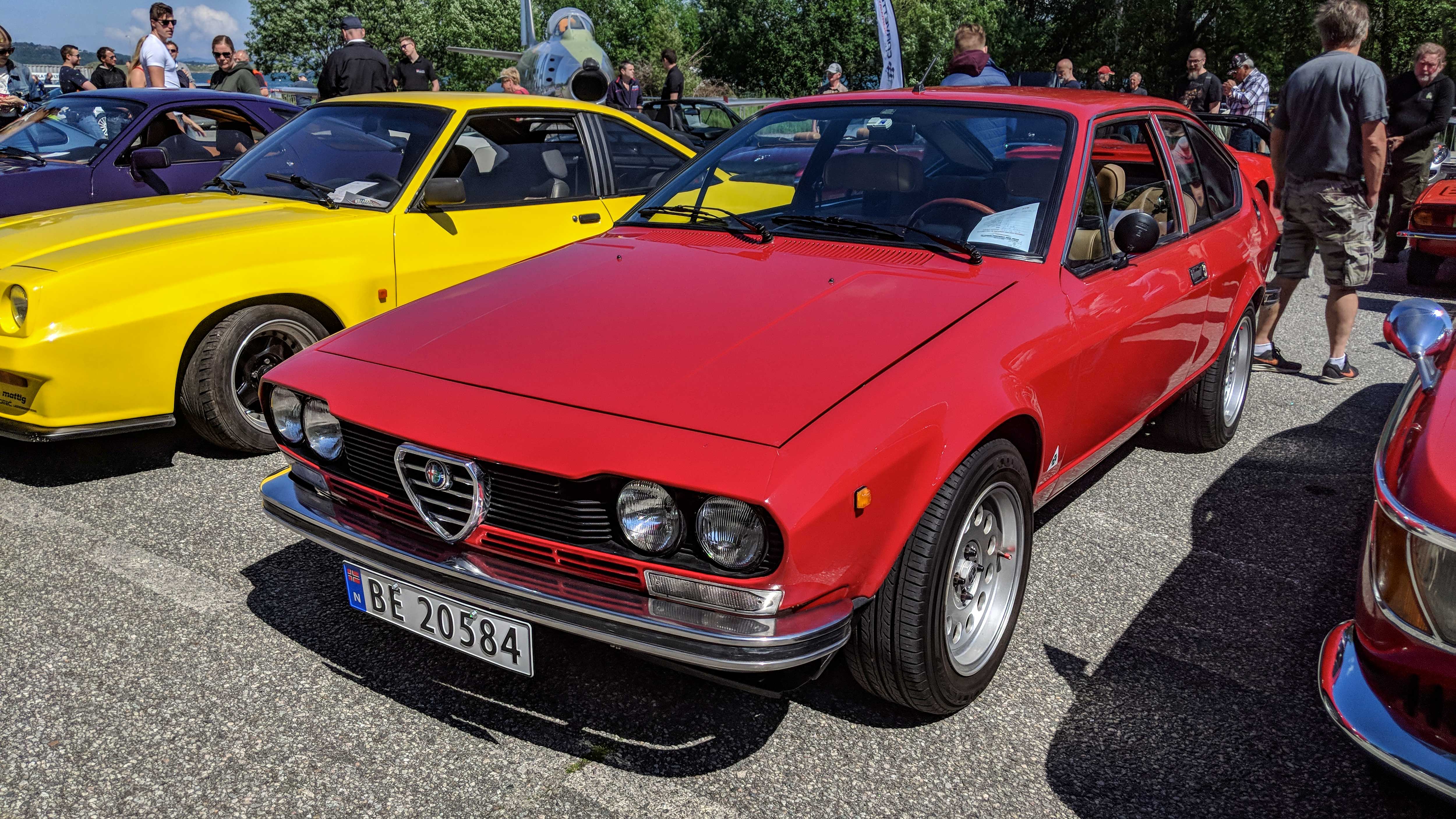
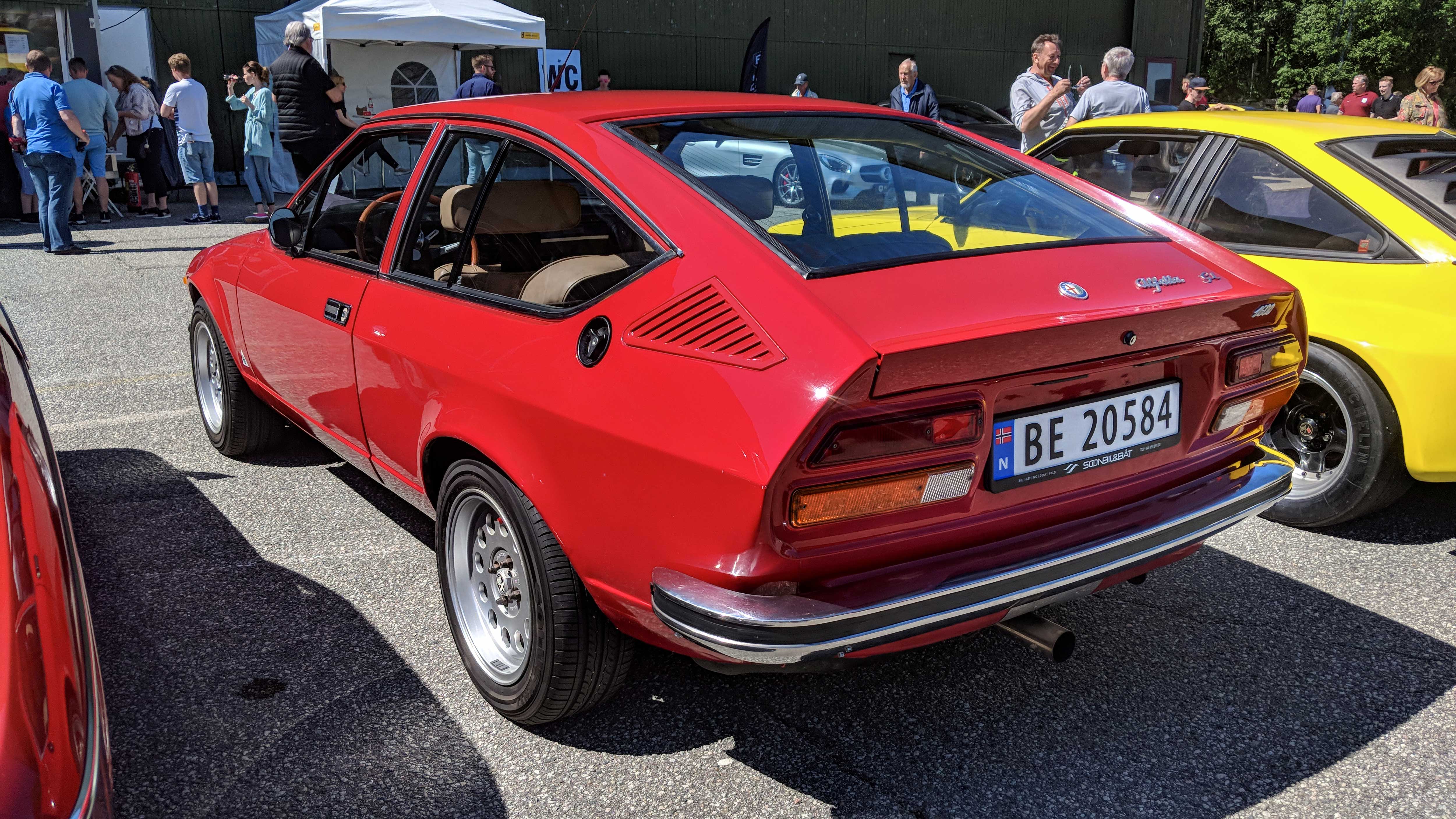
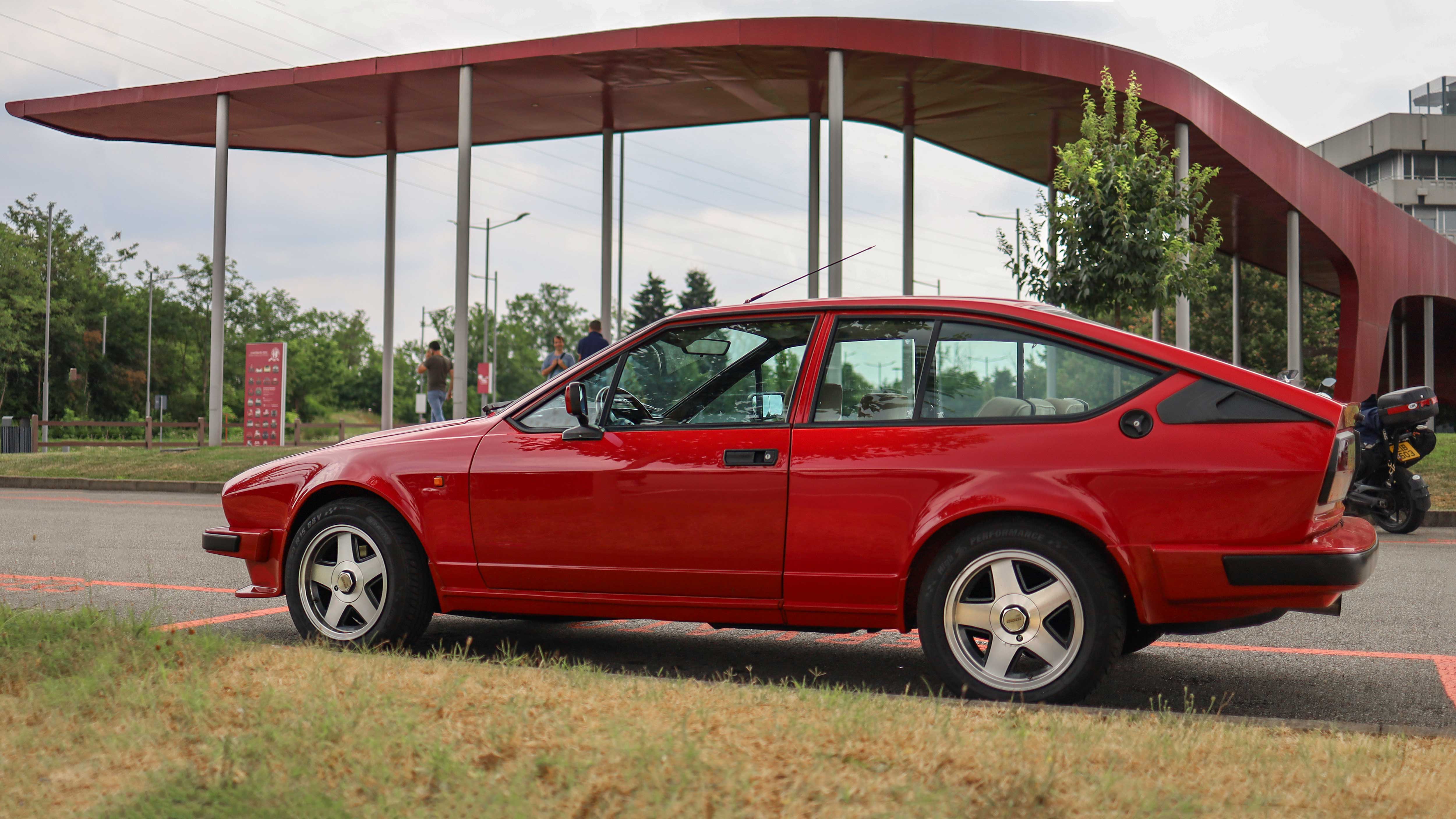
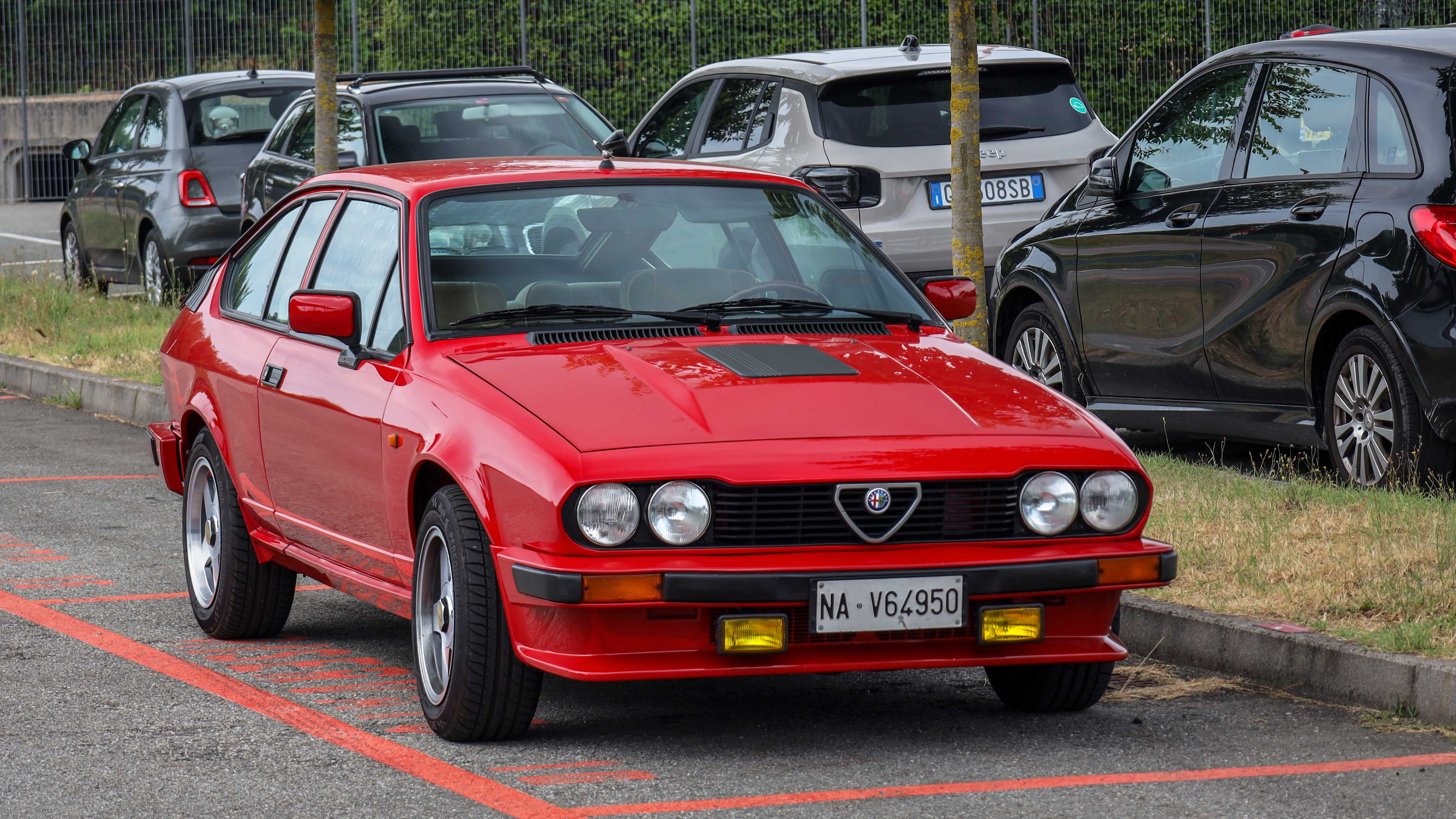
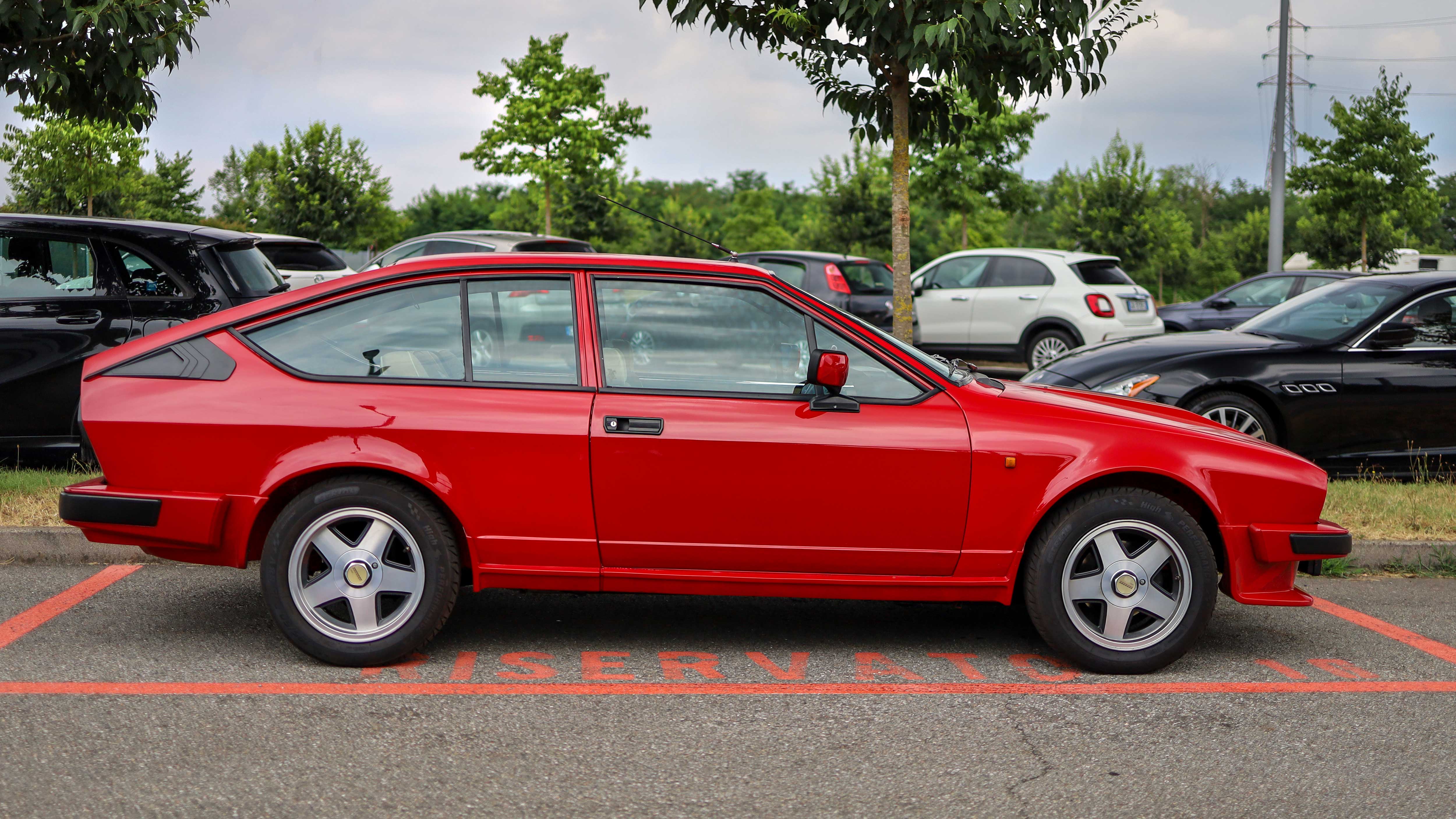
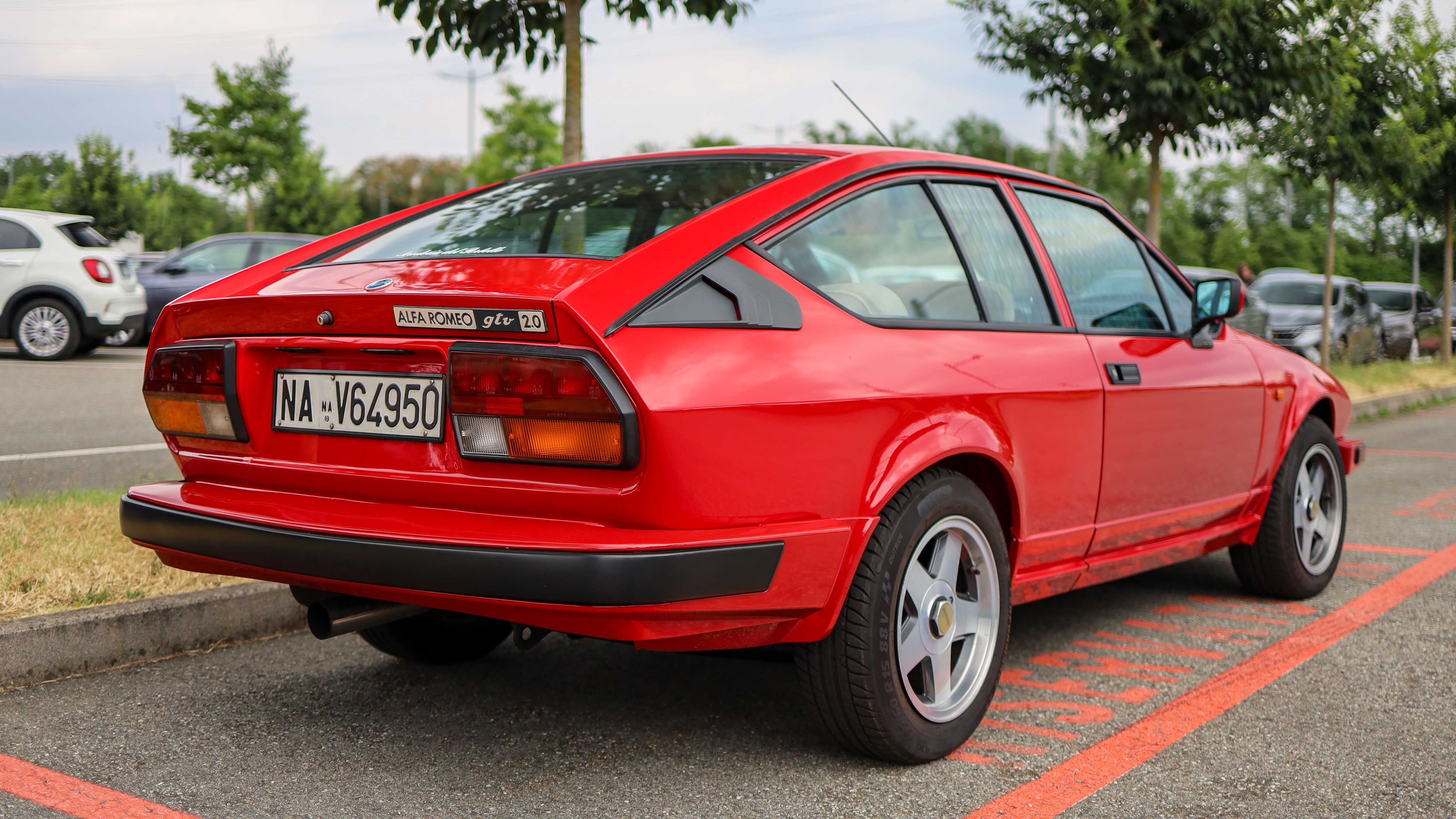
The Alfetta GTV (1974–1979) from the 105-series delivered classic Bertone coupe design with rear-wheel-drive balance. As a result, its 1.8 and 2.0 twin-cam engines produced up to about 132 hp, pairing low weight with sharp handling.
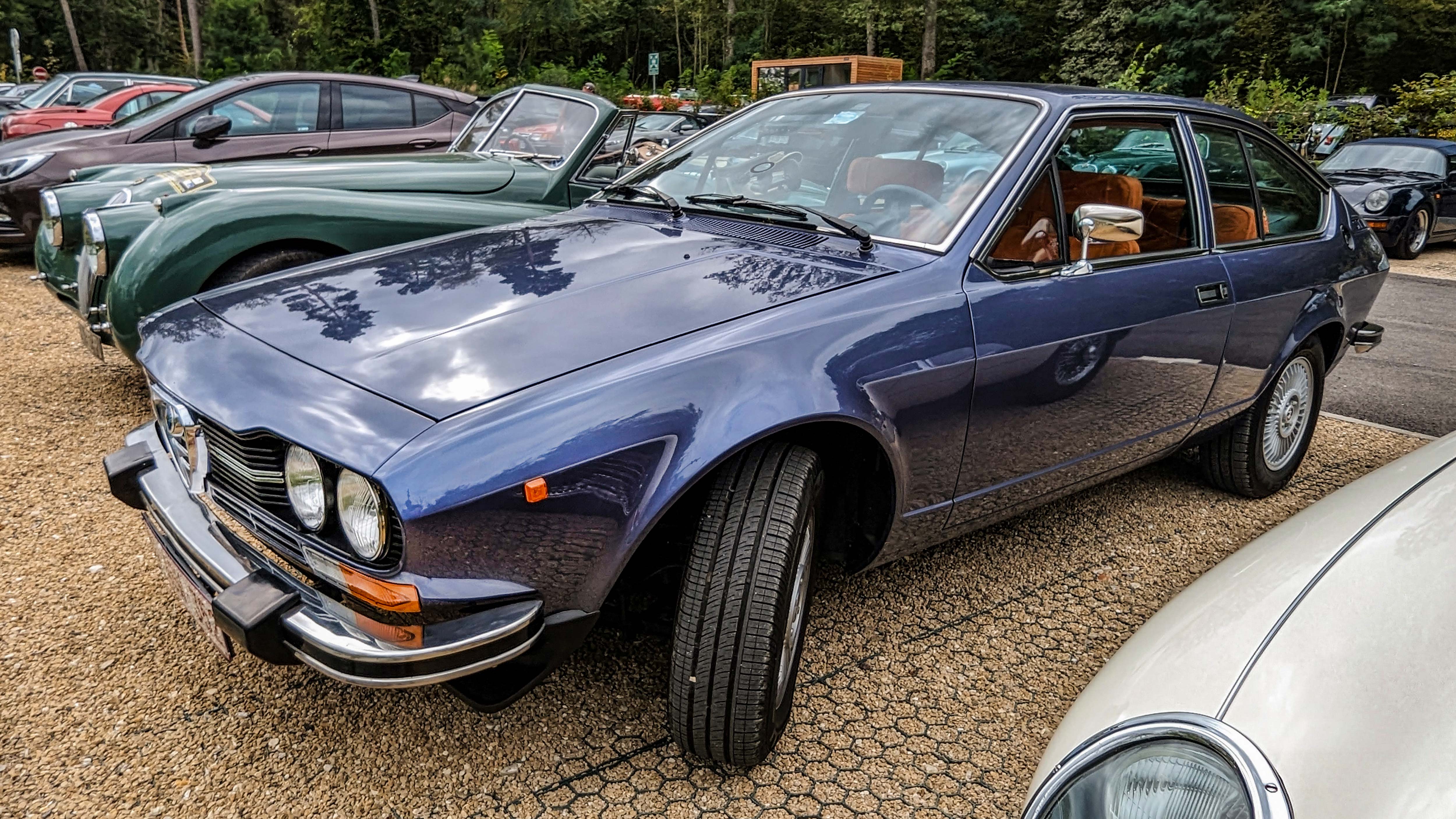
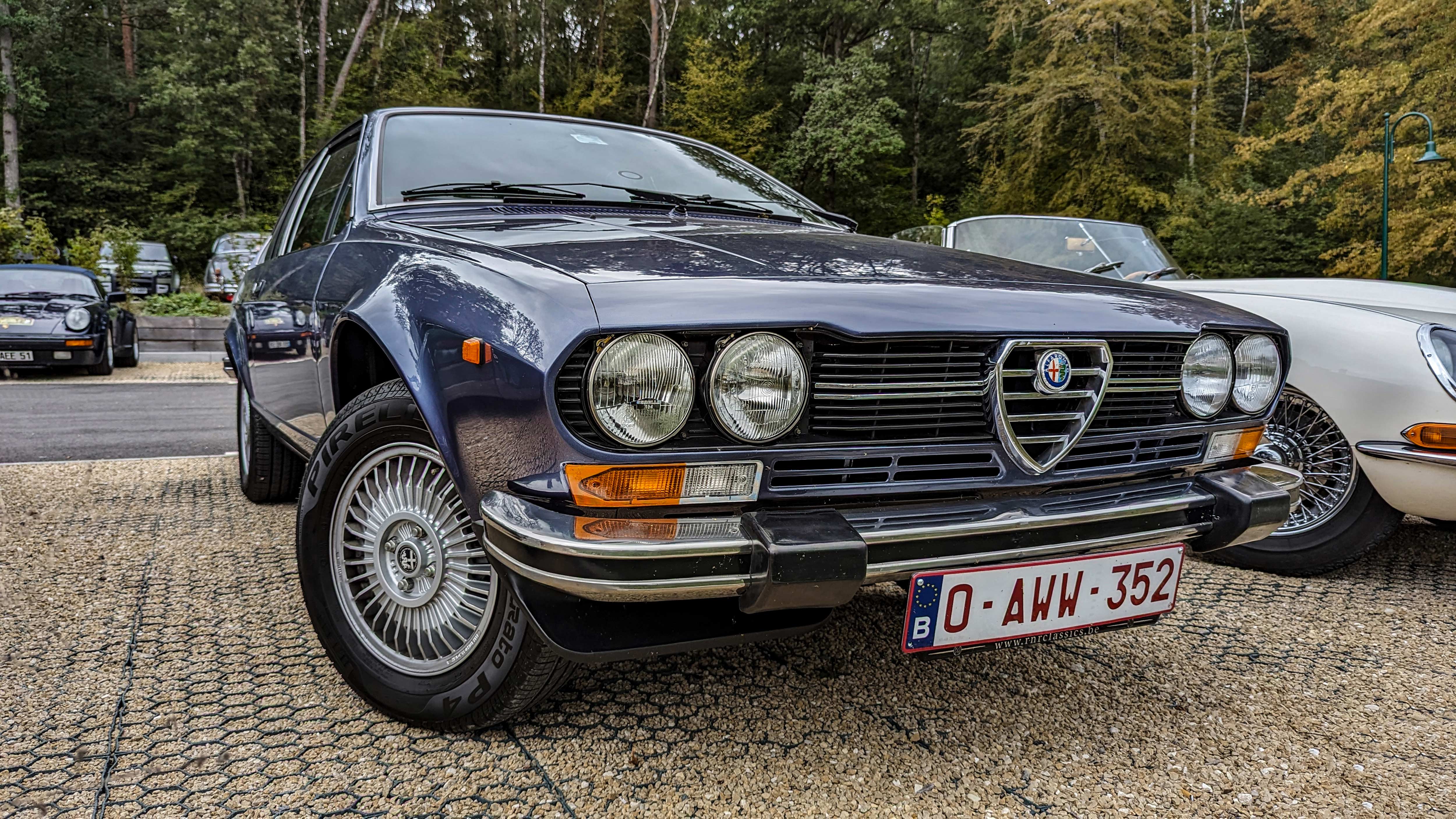
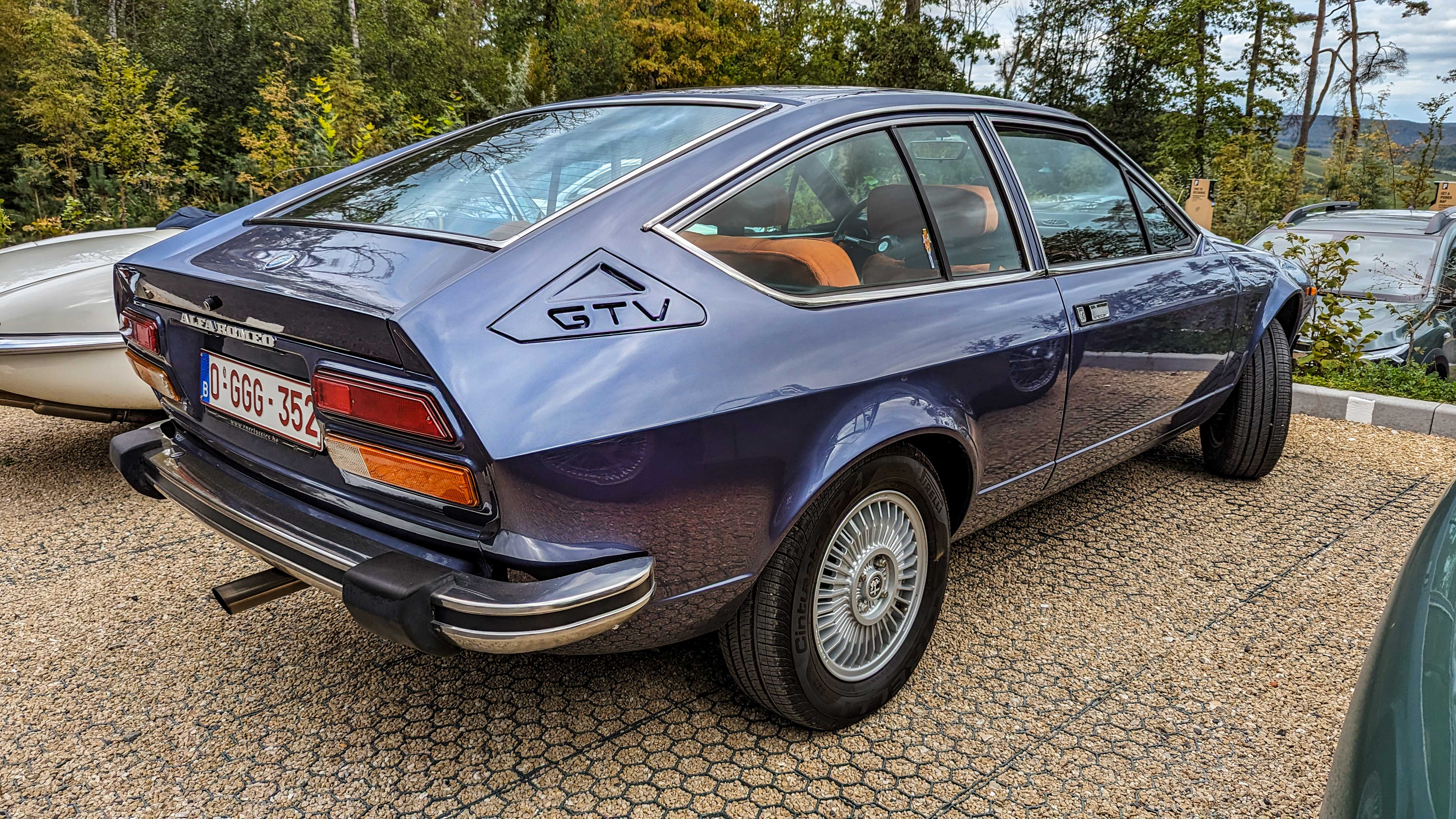
GTV
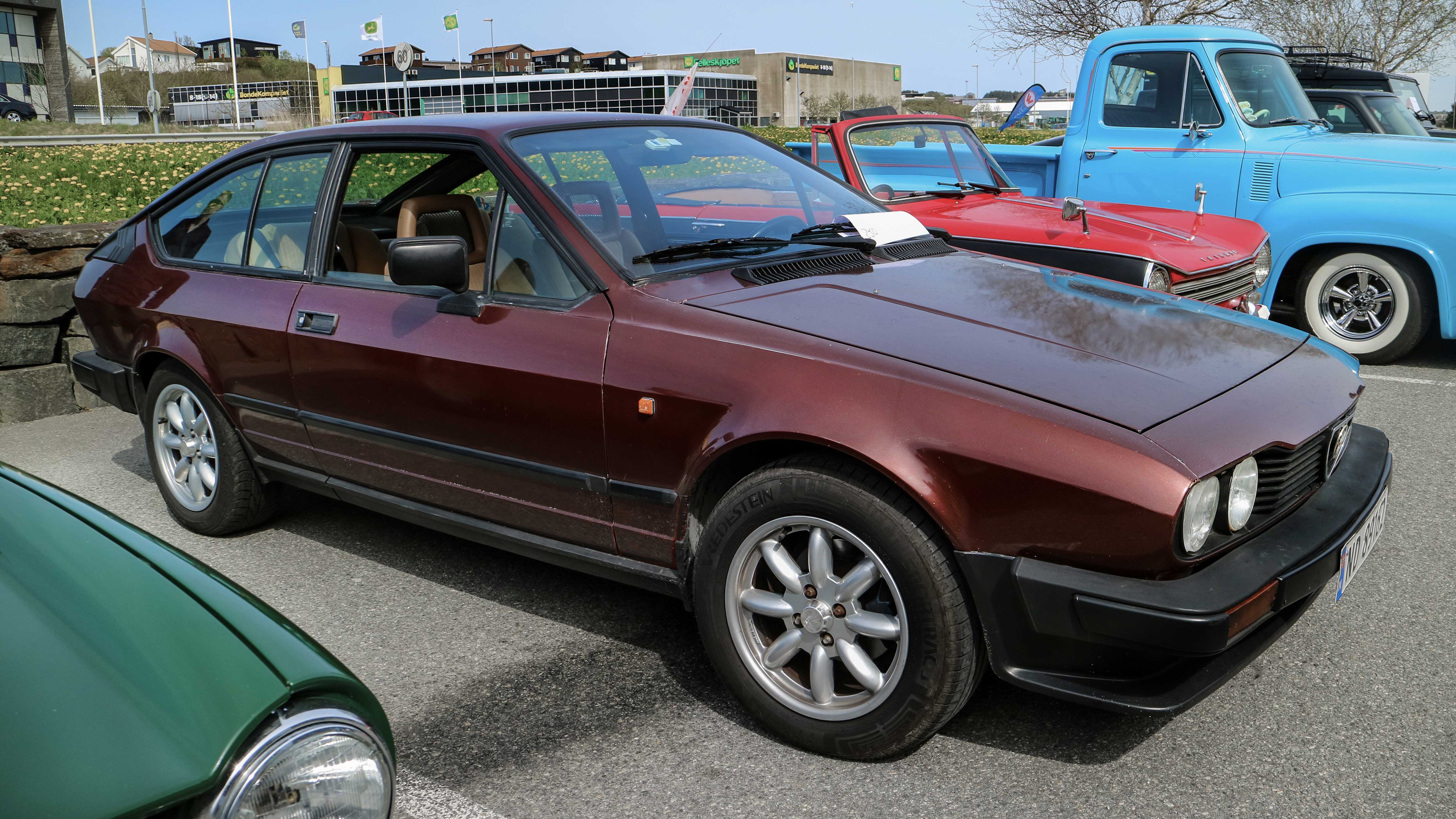
The GTV (1980–1987), based on the Alfetta platform, delivered classic coupe style with advanced chassis engineering. As a result, its transaxle layout and engines from 2.0 four-cylinder to the 2.5 V6 at about 160 hp.
Brera and Spider
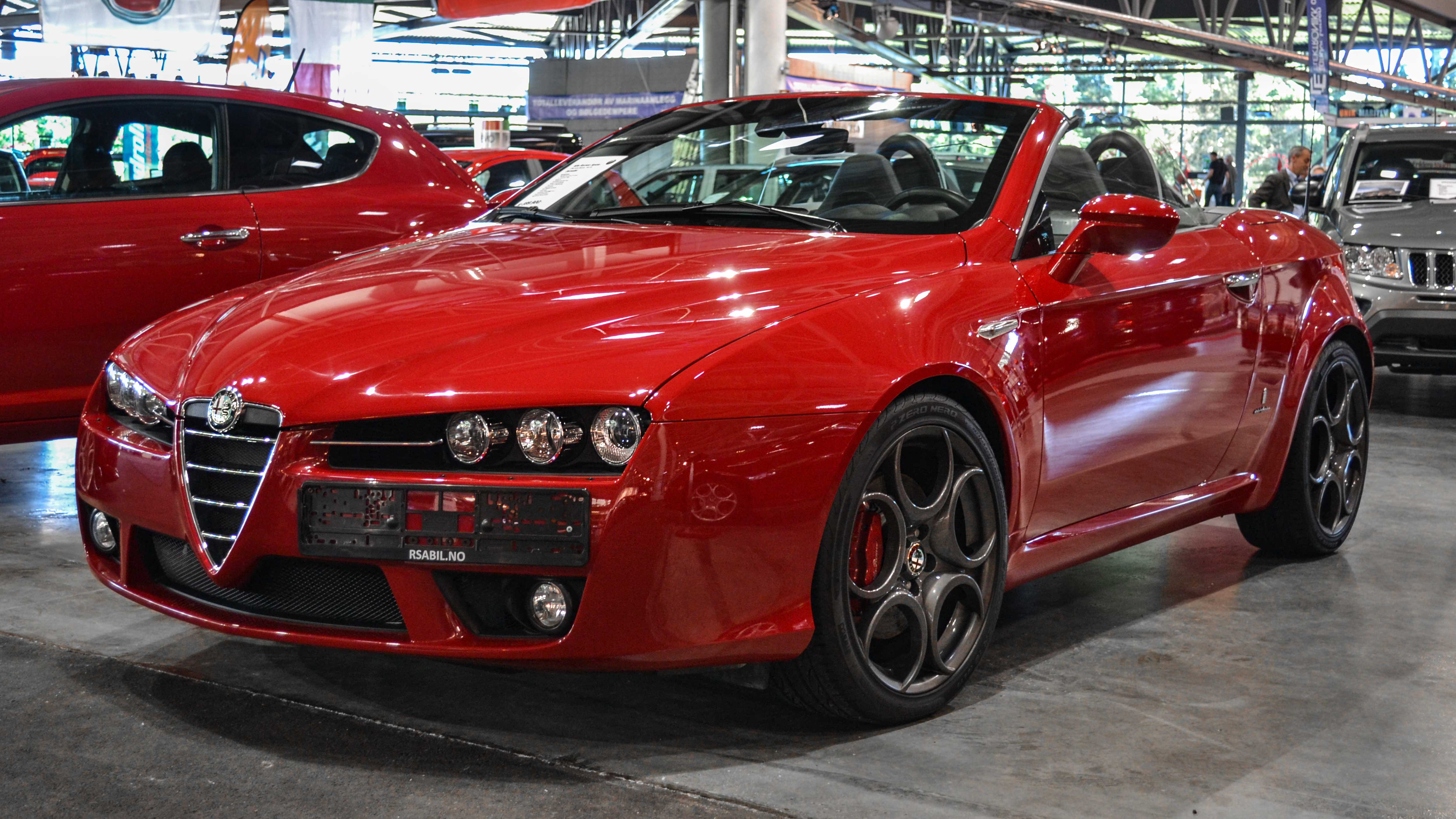
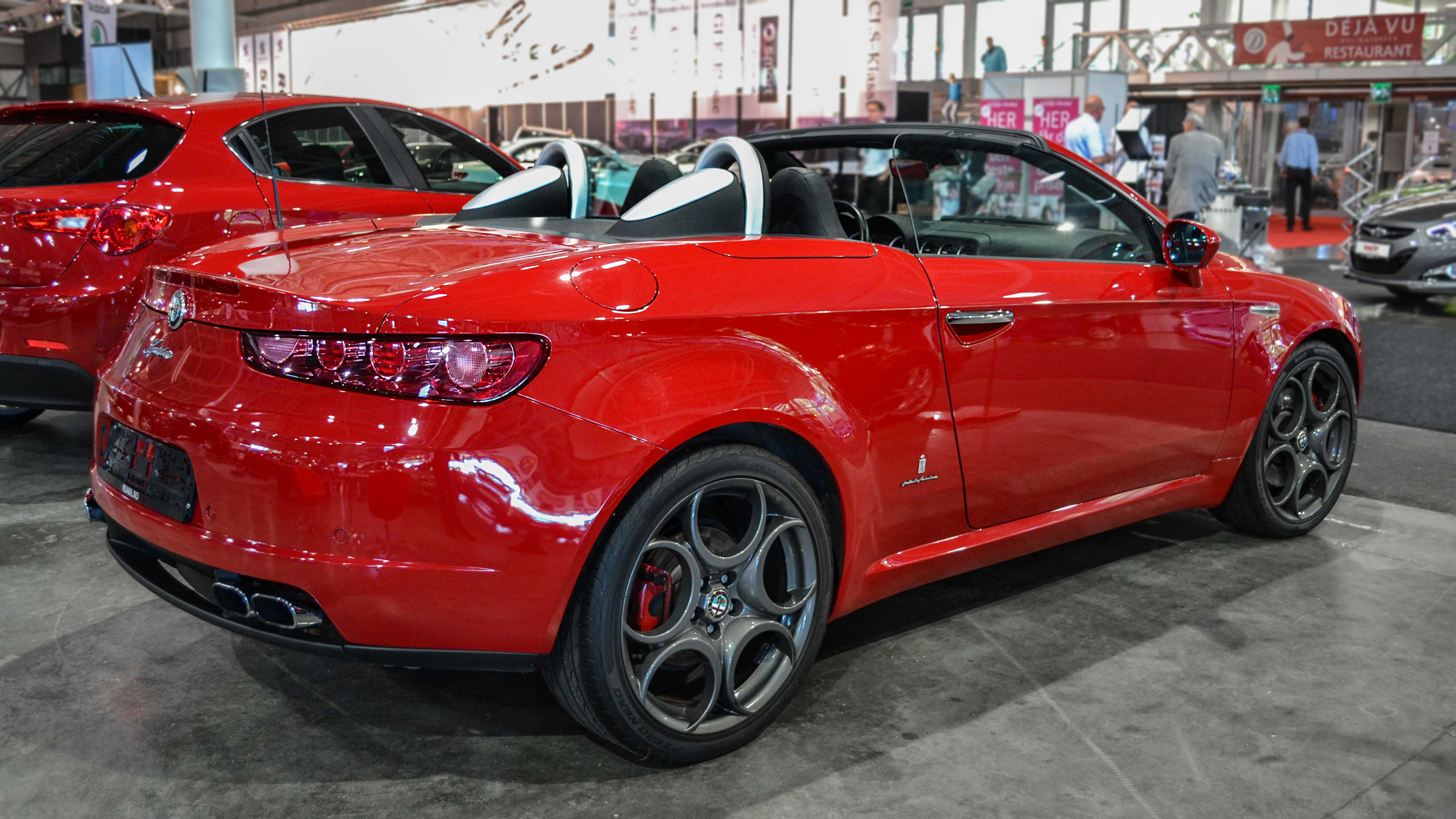
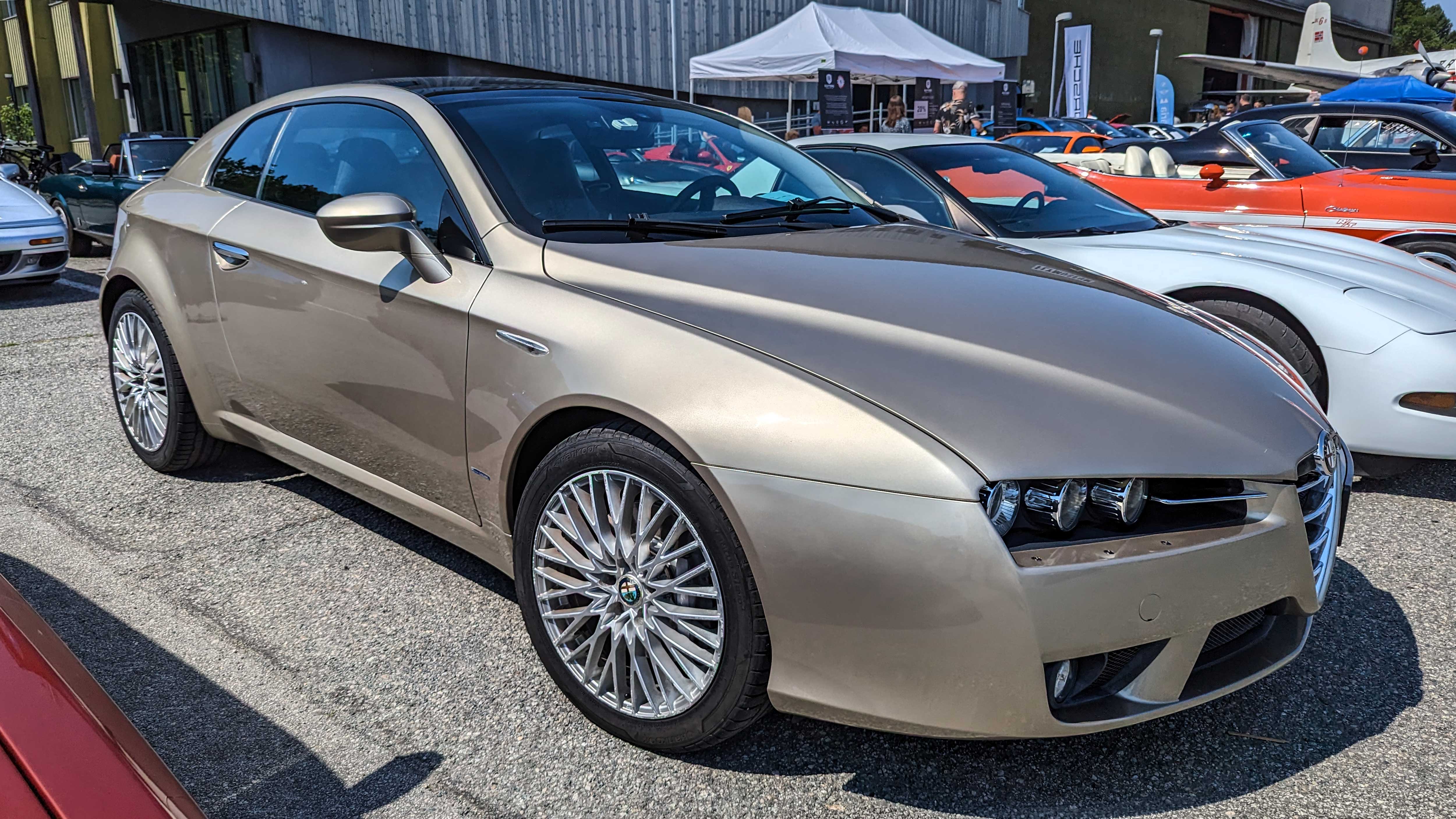
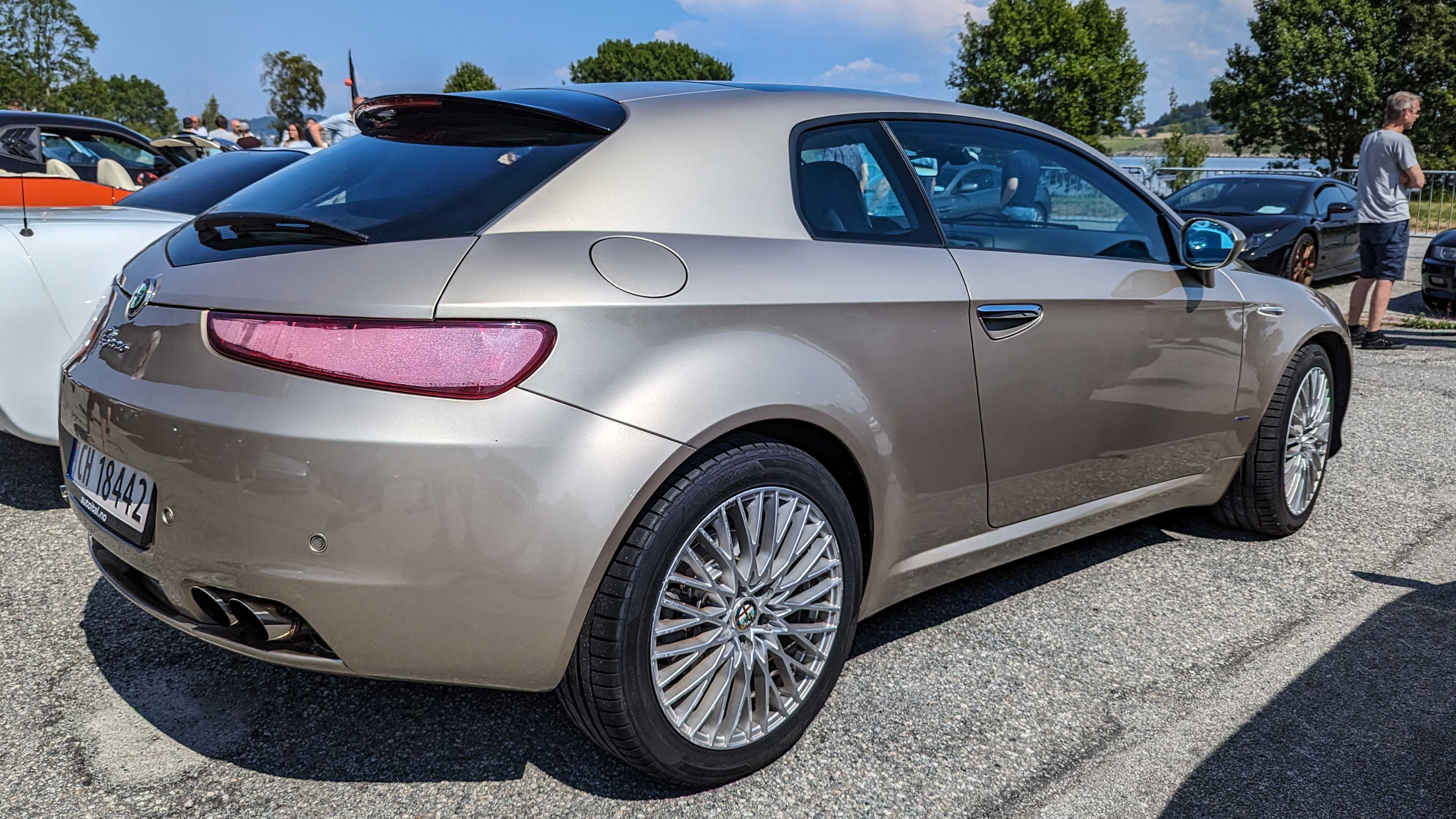
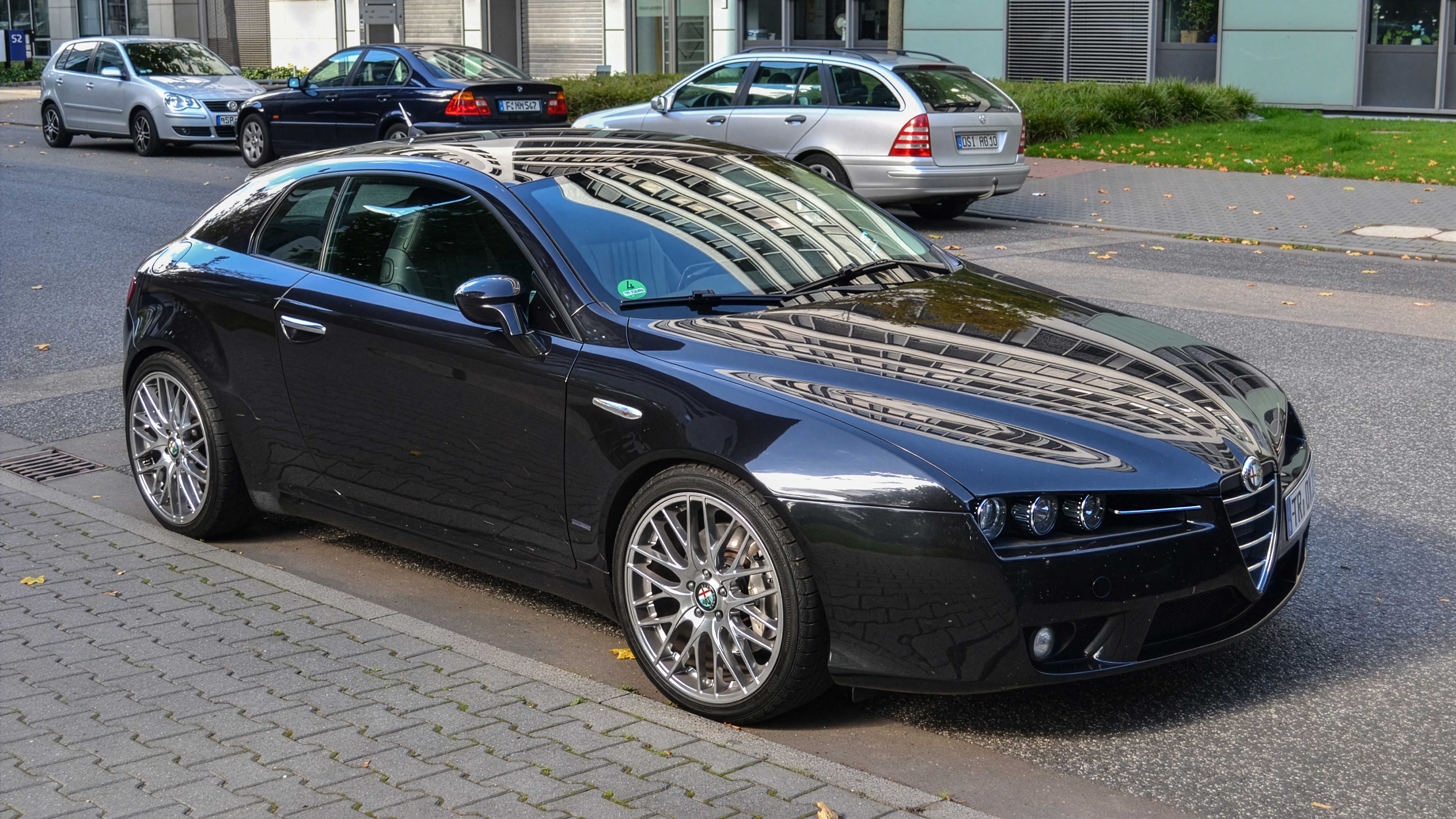
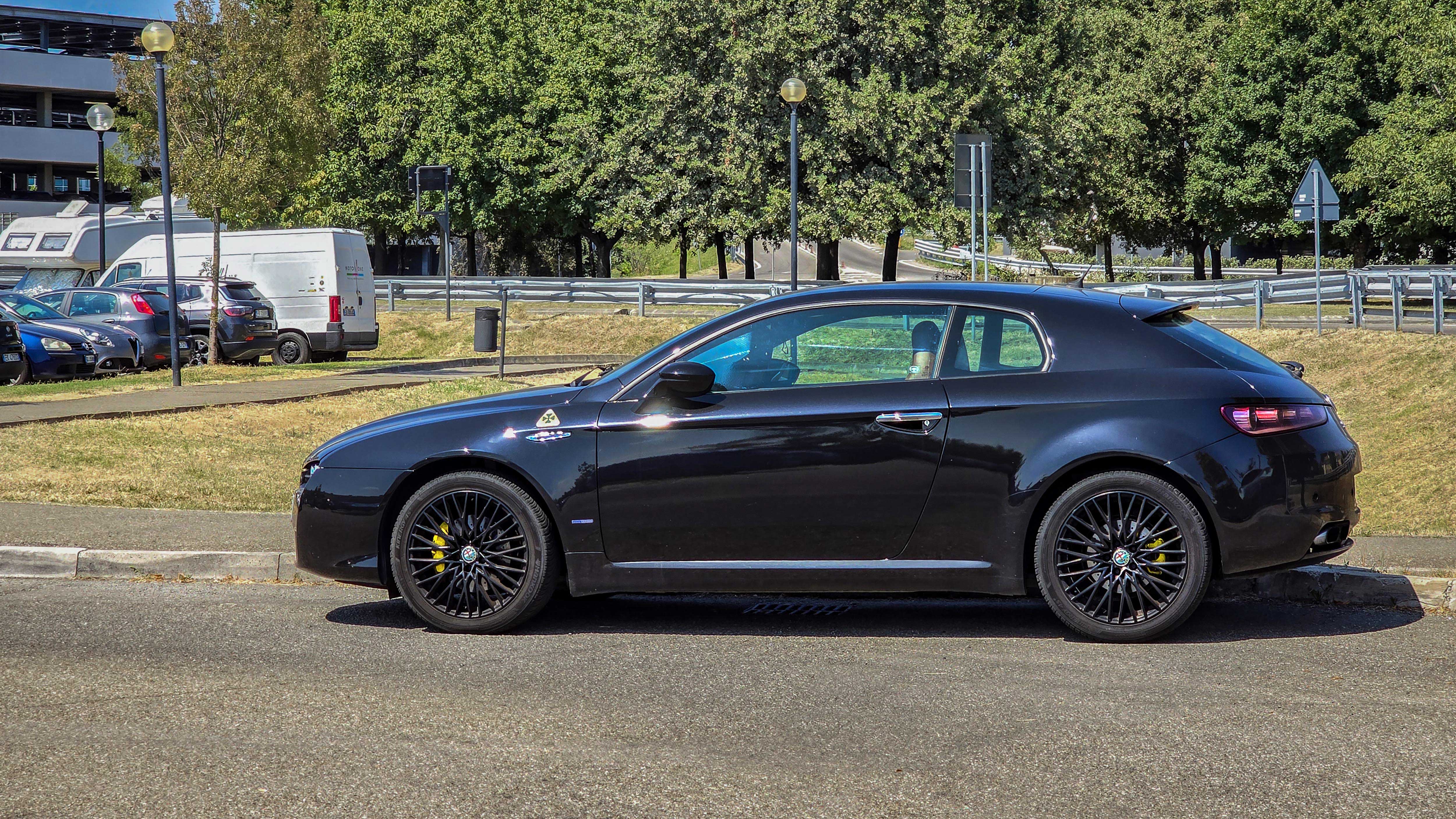
The Brera and Spider (2005–2010) combined dramatic design with grand touring character. As a result, petrol and diesel engines ranged from 2.2 units to the 3.2 V6 with about 260 hp, paired with front-wheel drive or Q4 AWD.
Stelvio
The Stelvio blends Italian elegance with SUV power, featuring sleek lines, bold curves, and the iconic Alfa grille. Its sporty design makes it remarkable in the SUV world.


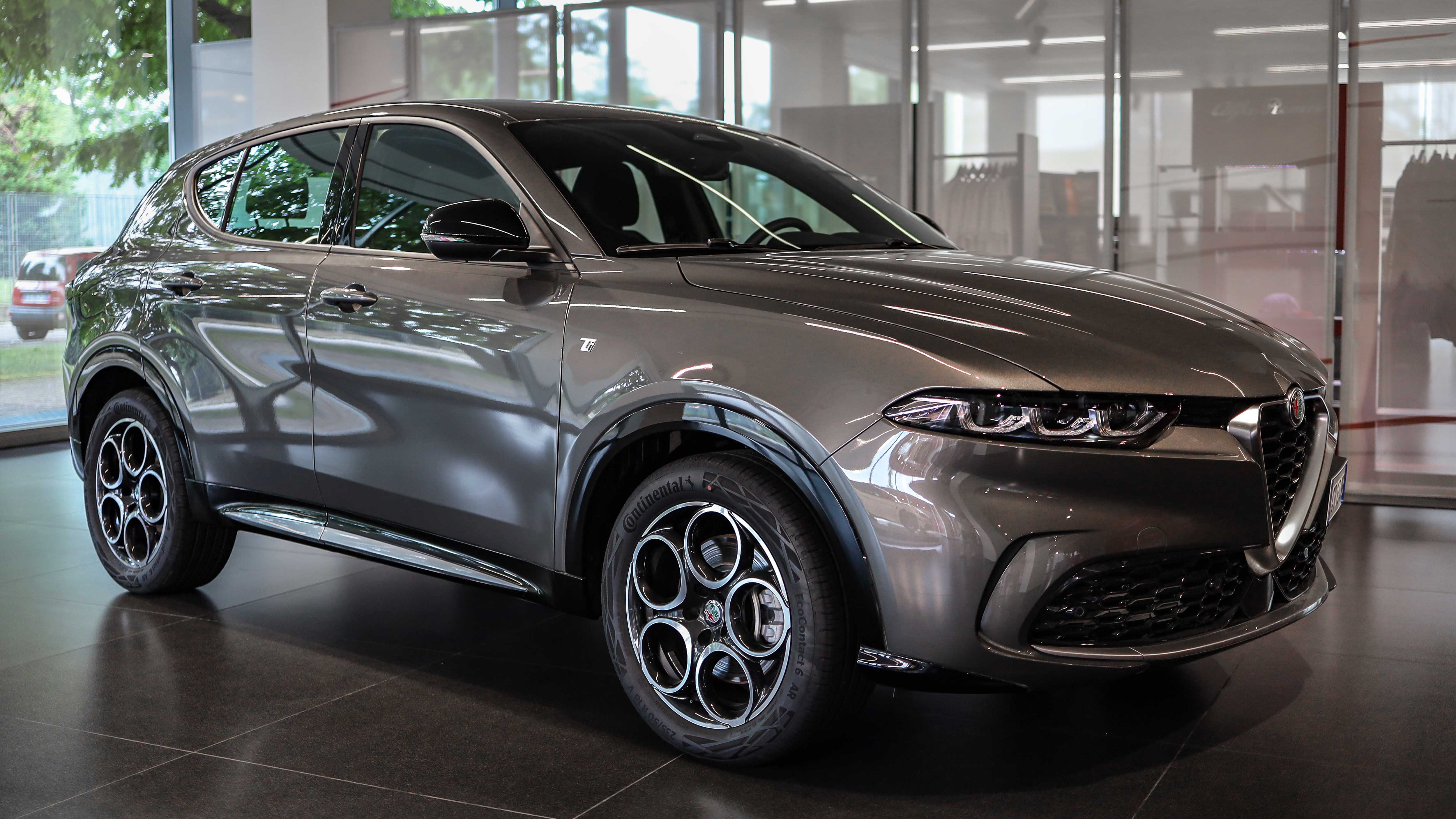
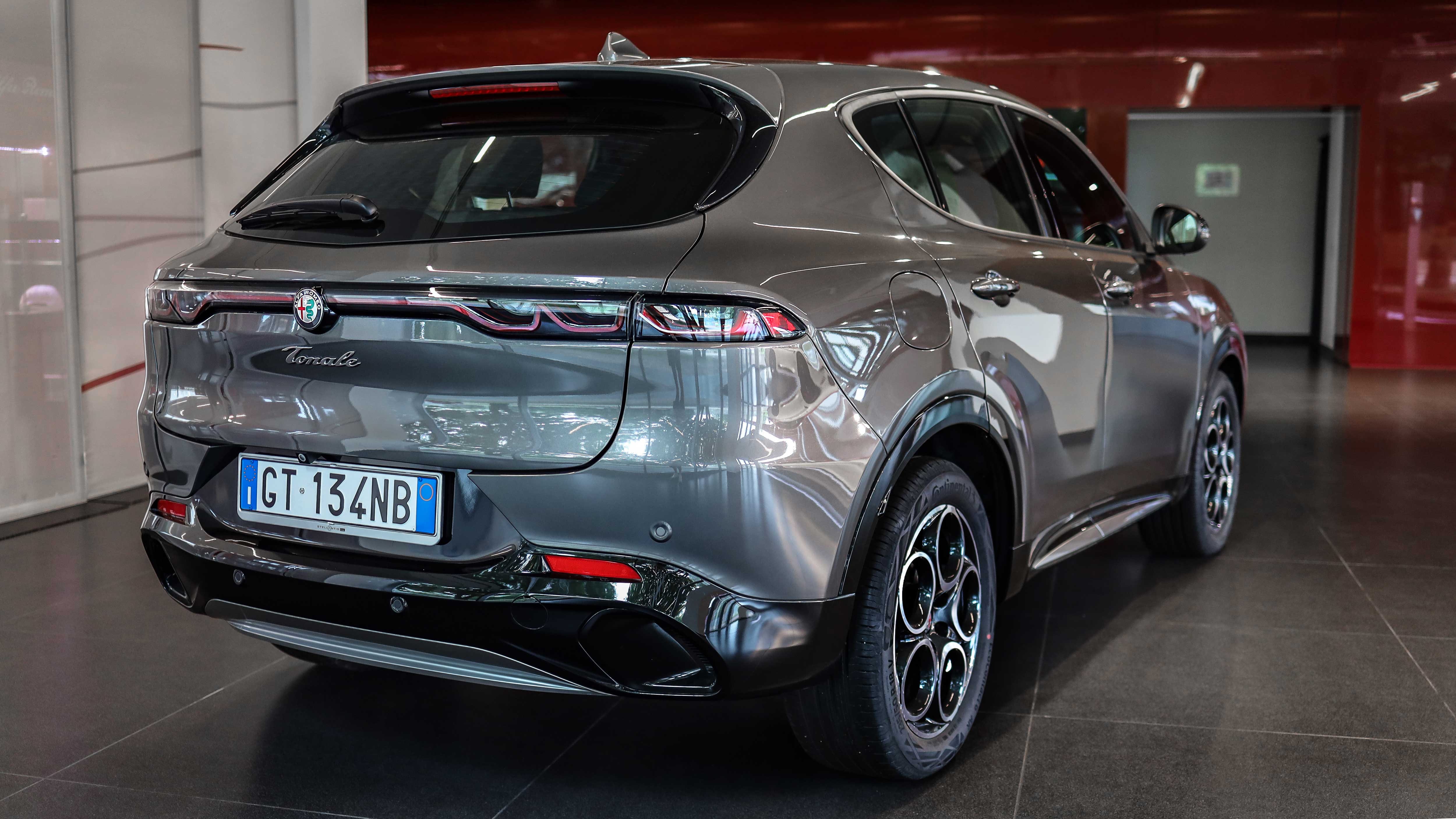
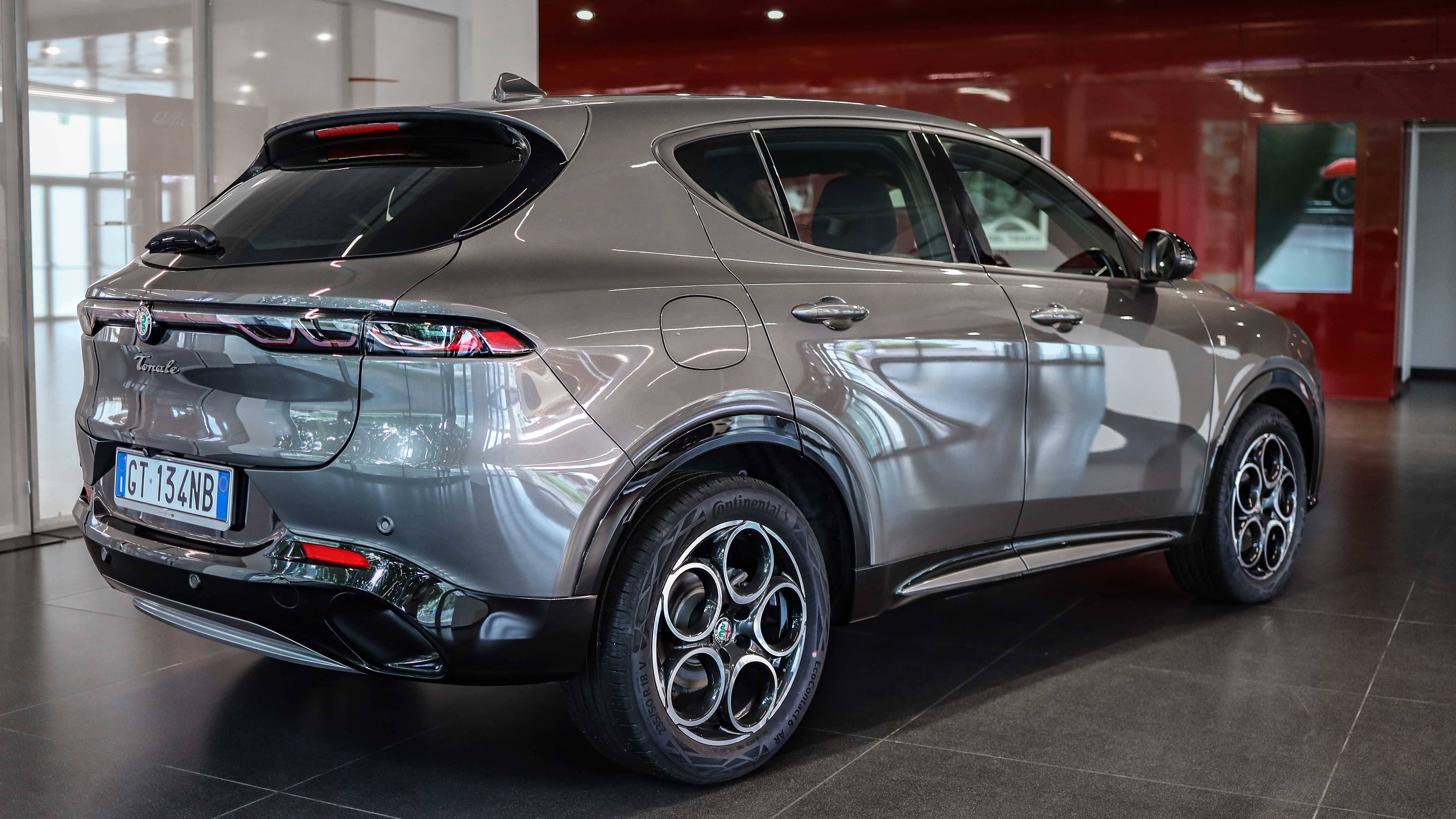
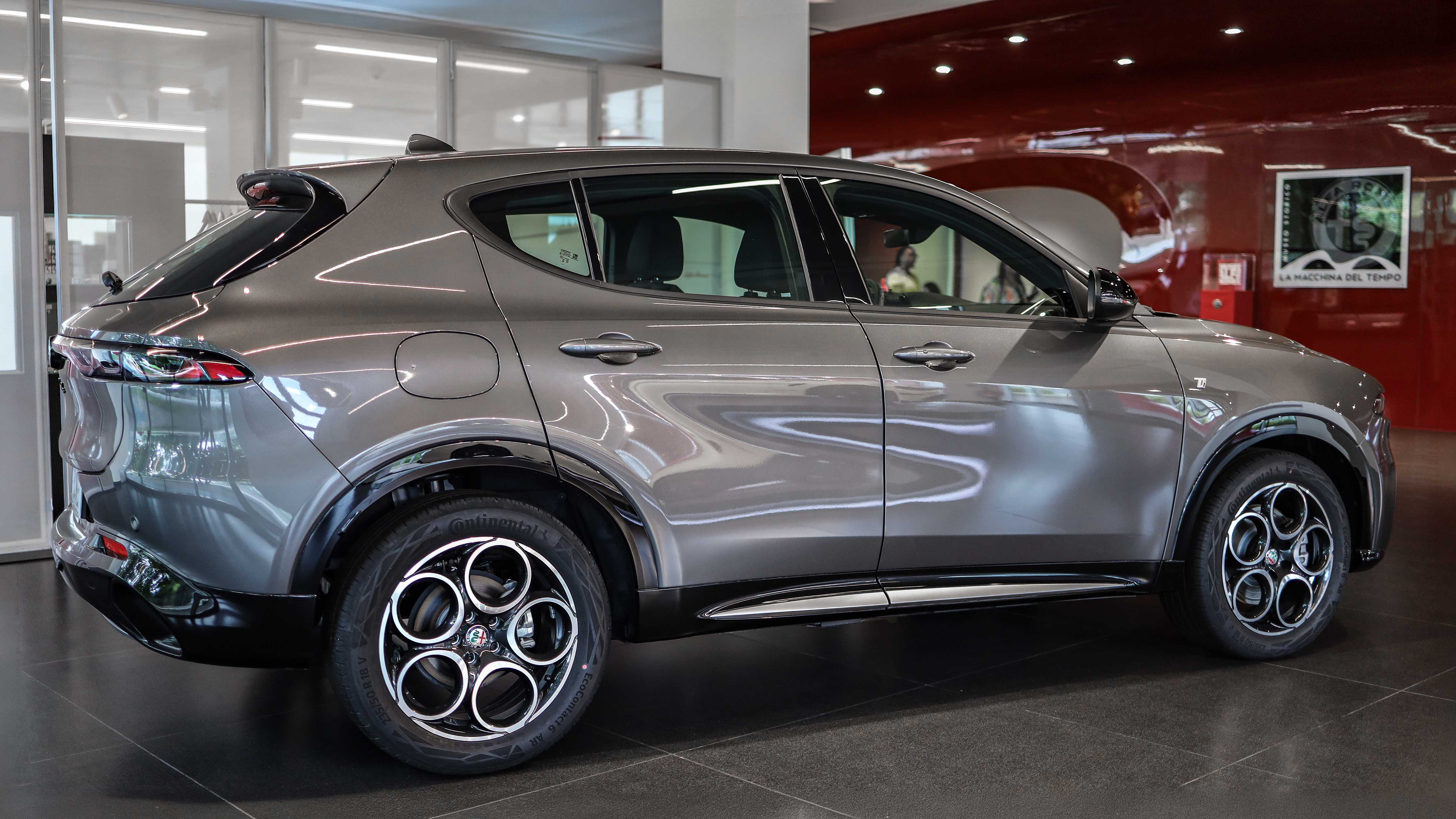
Tonale
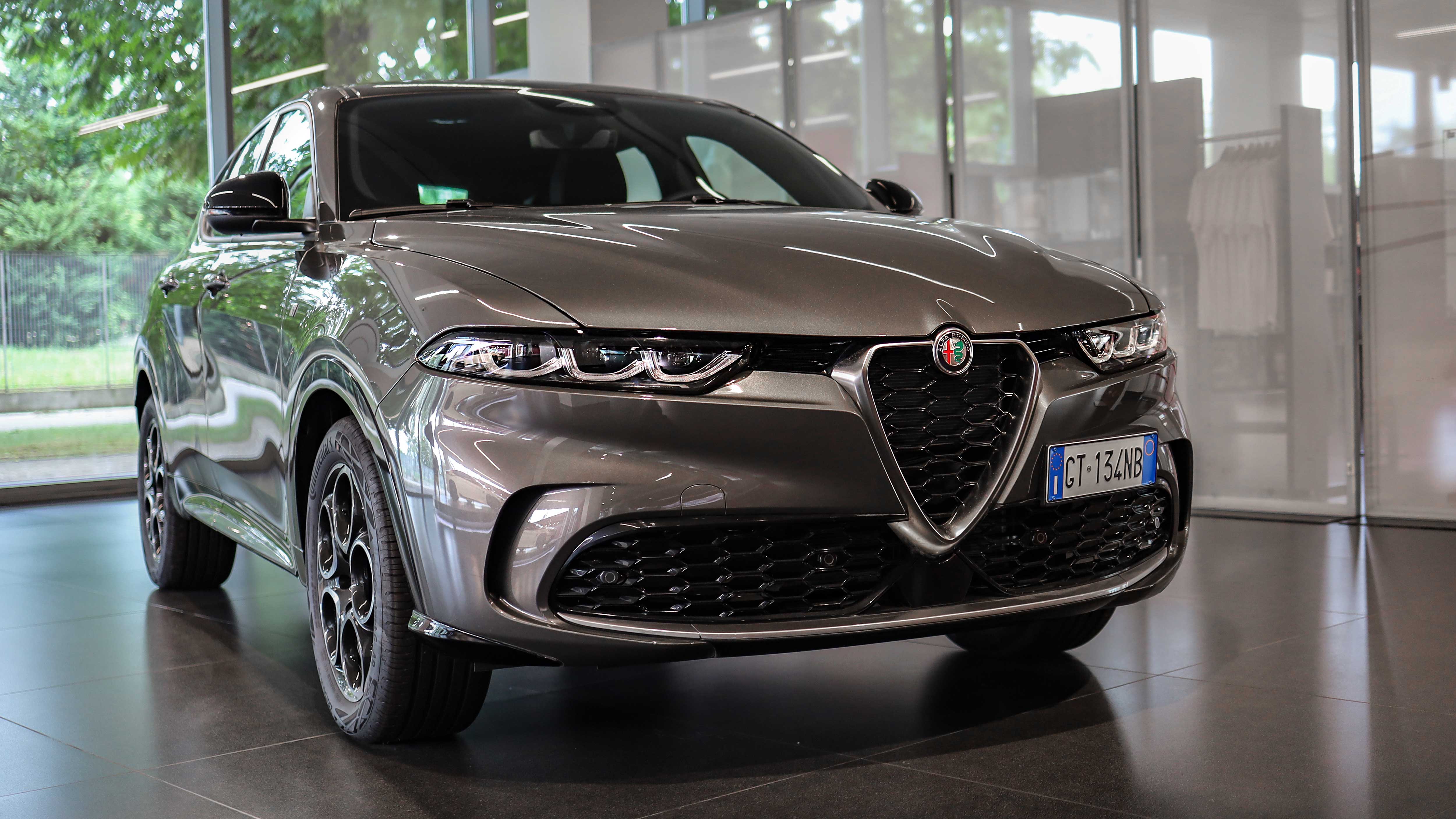
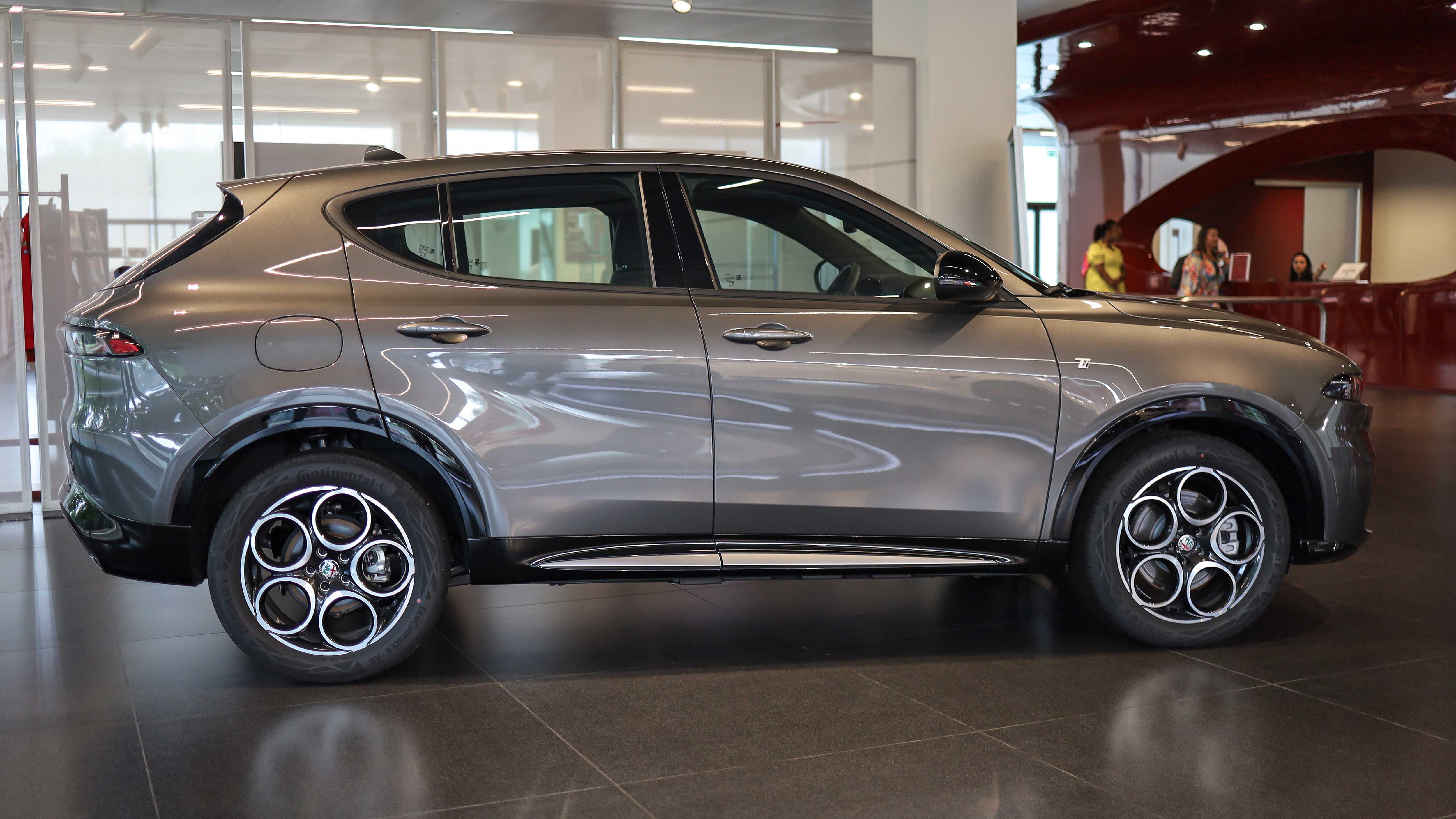
The Tonale (2022–today) marks Alfa Romeo’s move into compact SUVs with electrified power. As a result, the plug-in hybrid Q4 delivers about 280 hp with AWD, pairing modern tech with classic Alfa handling focus.
159
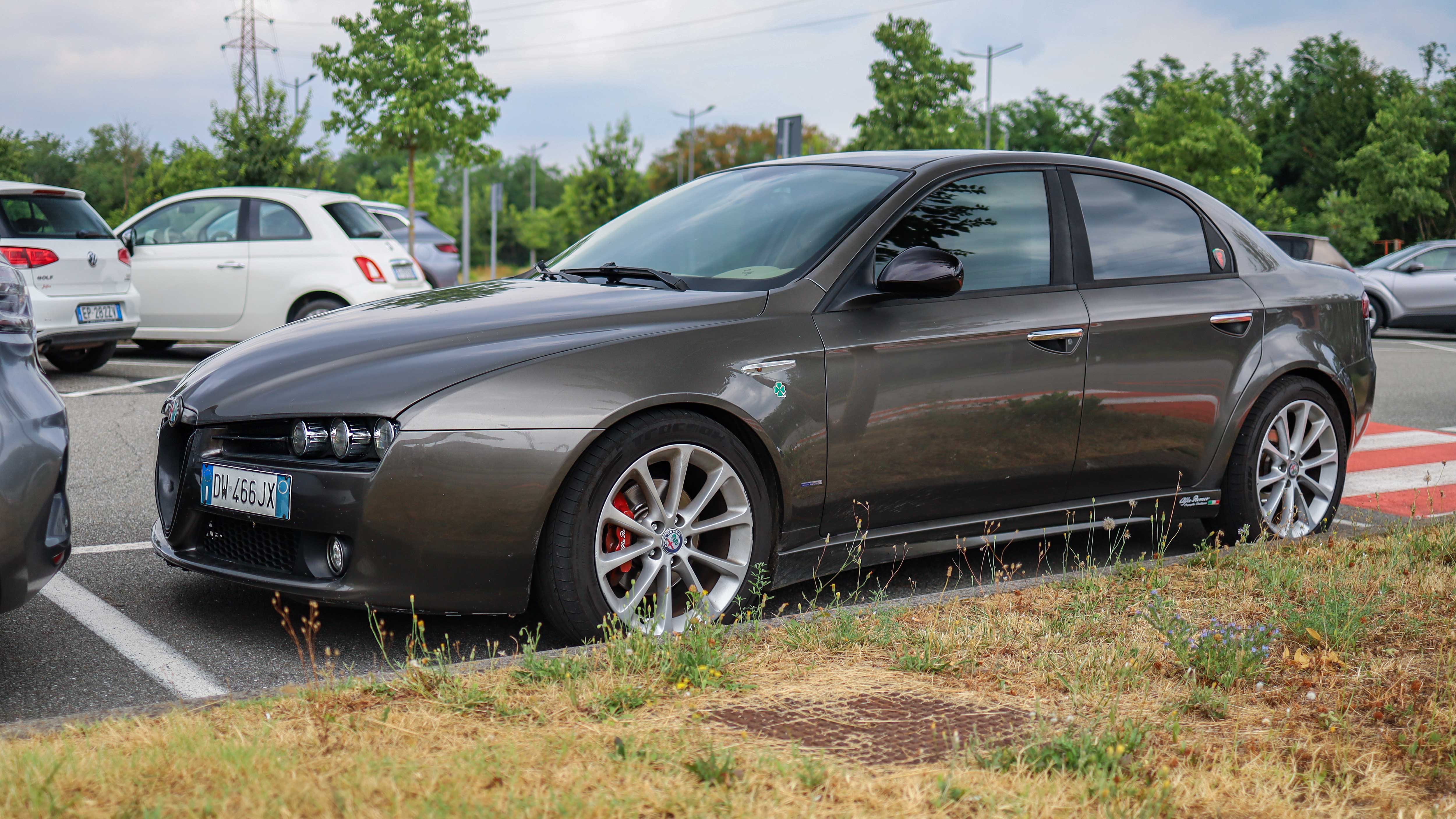
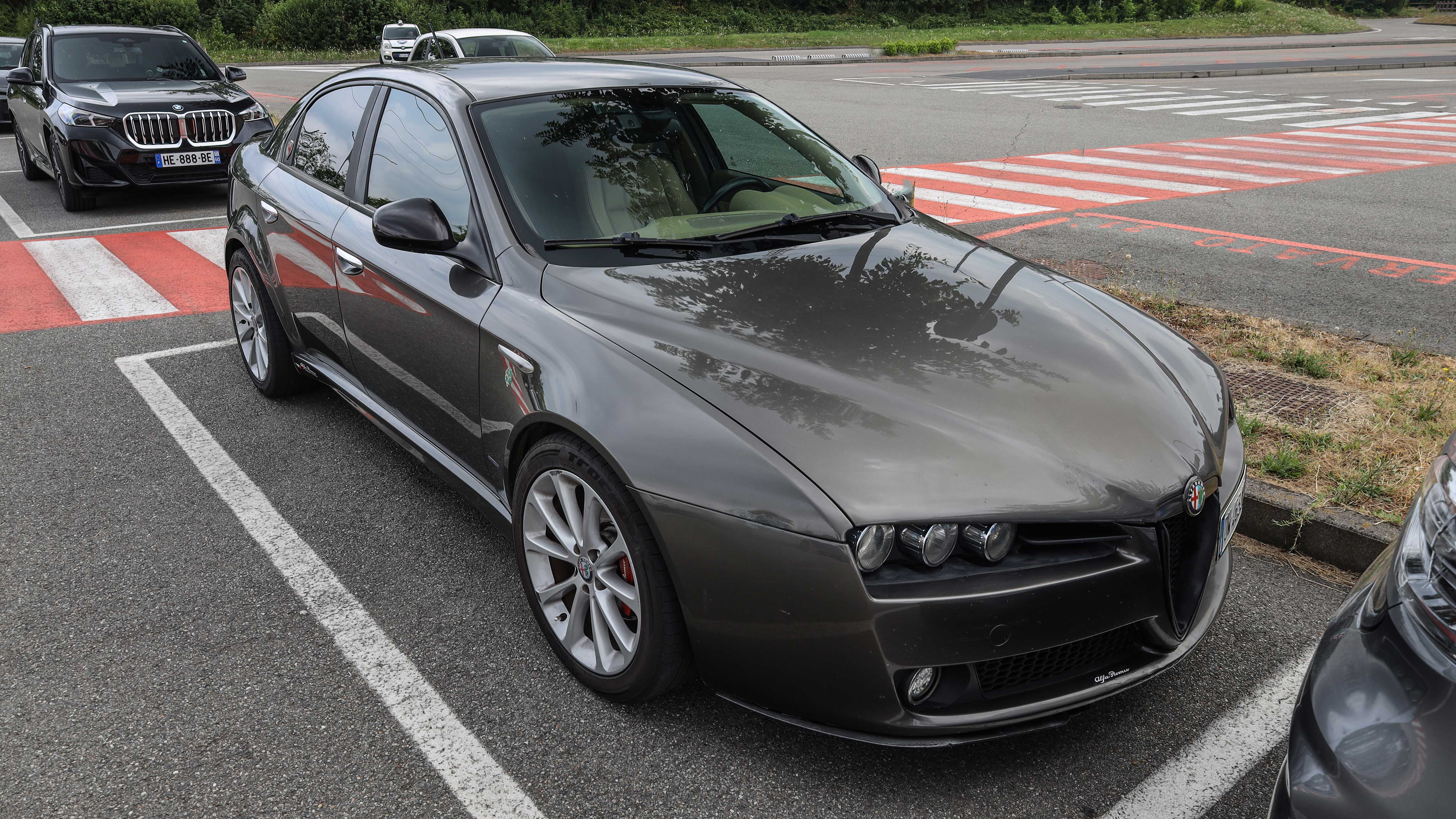
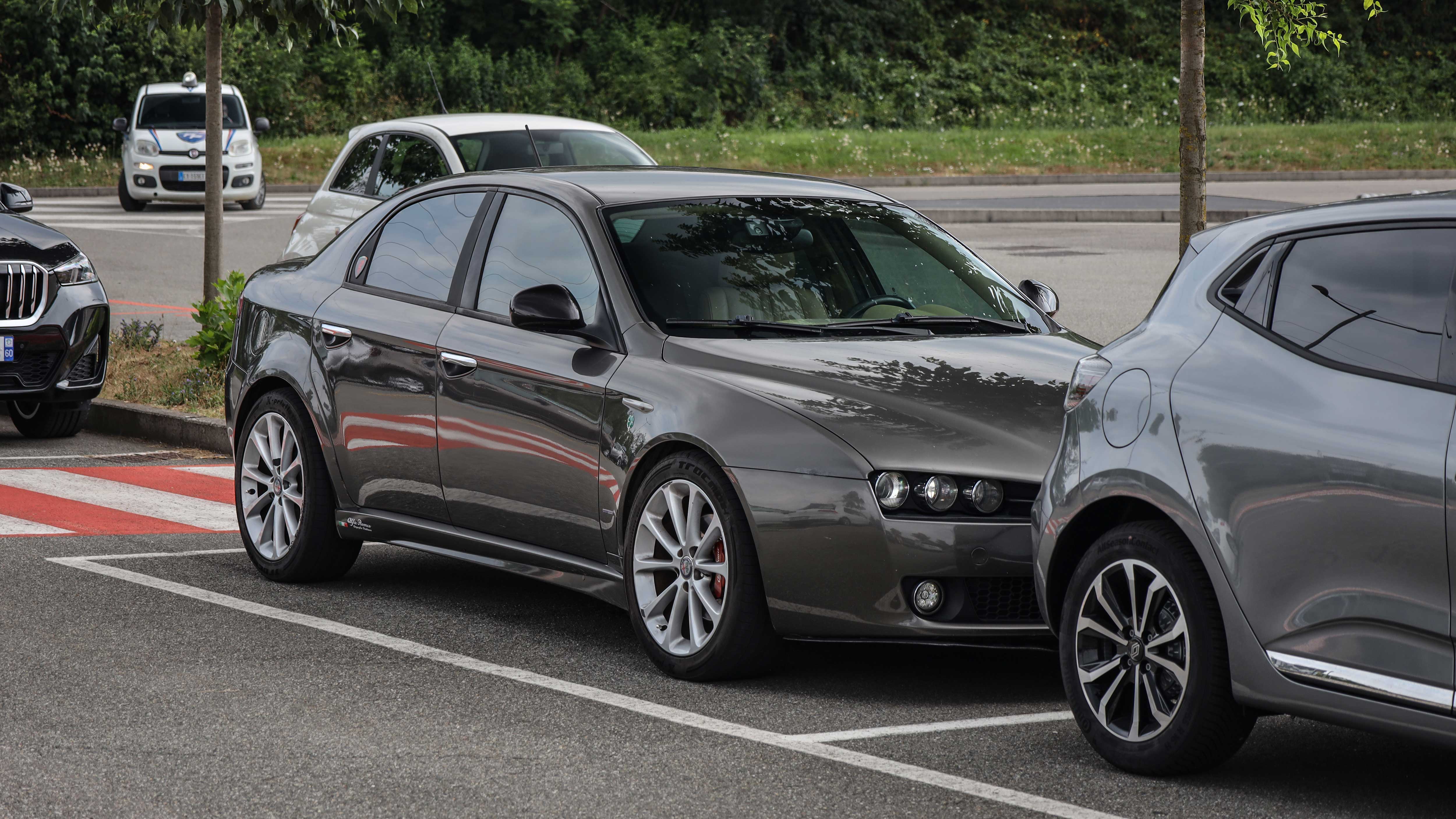
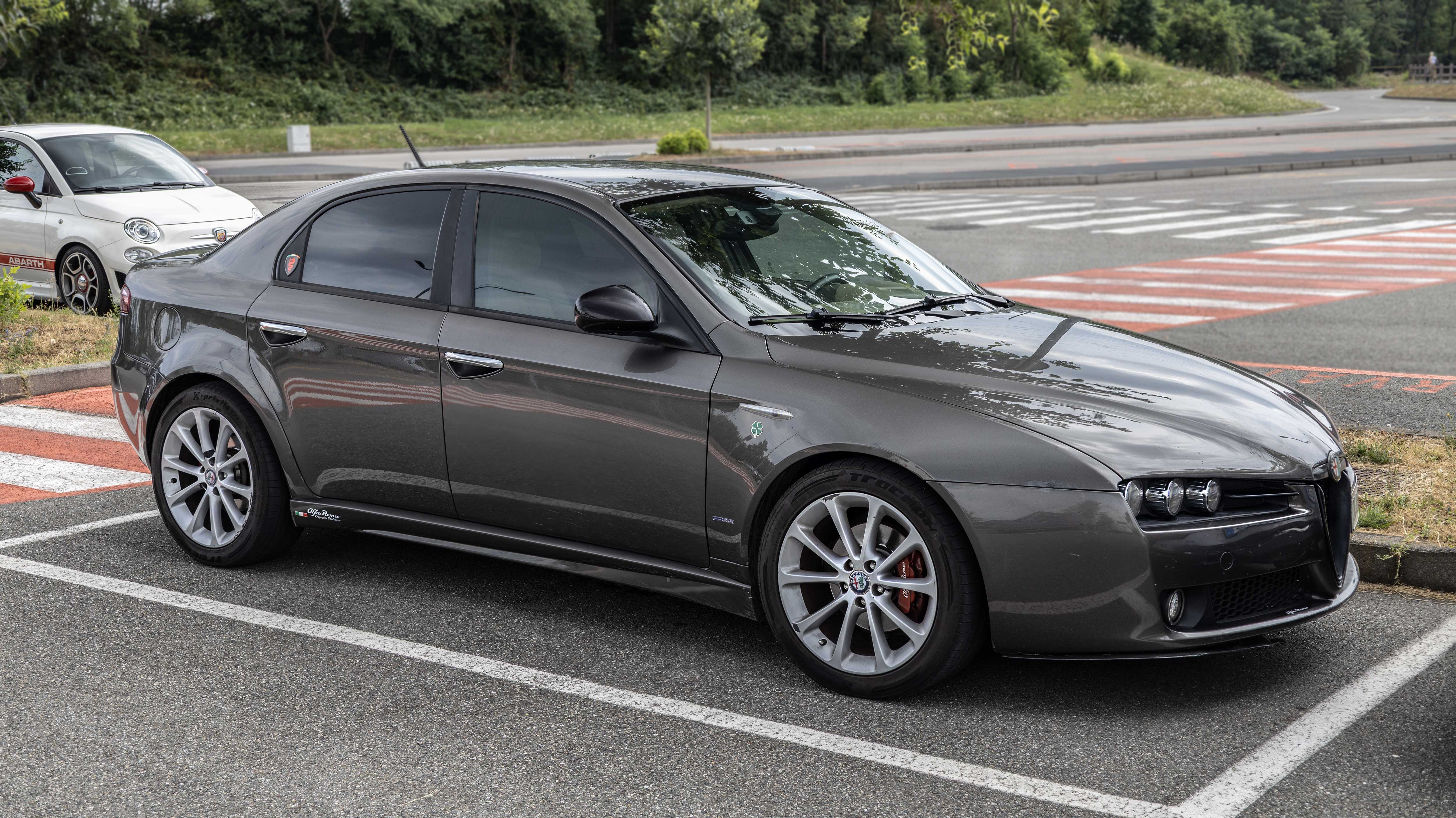
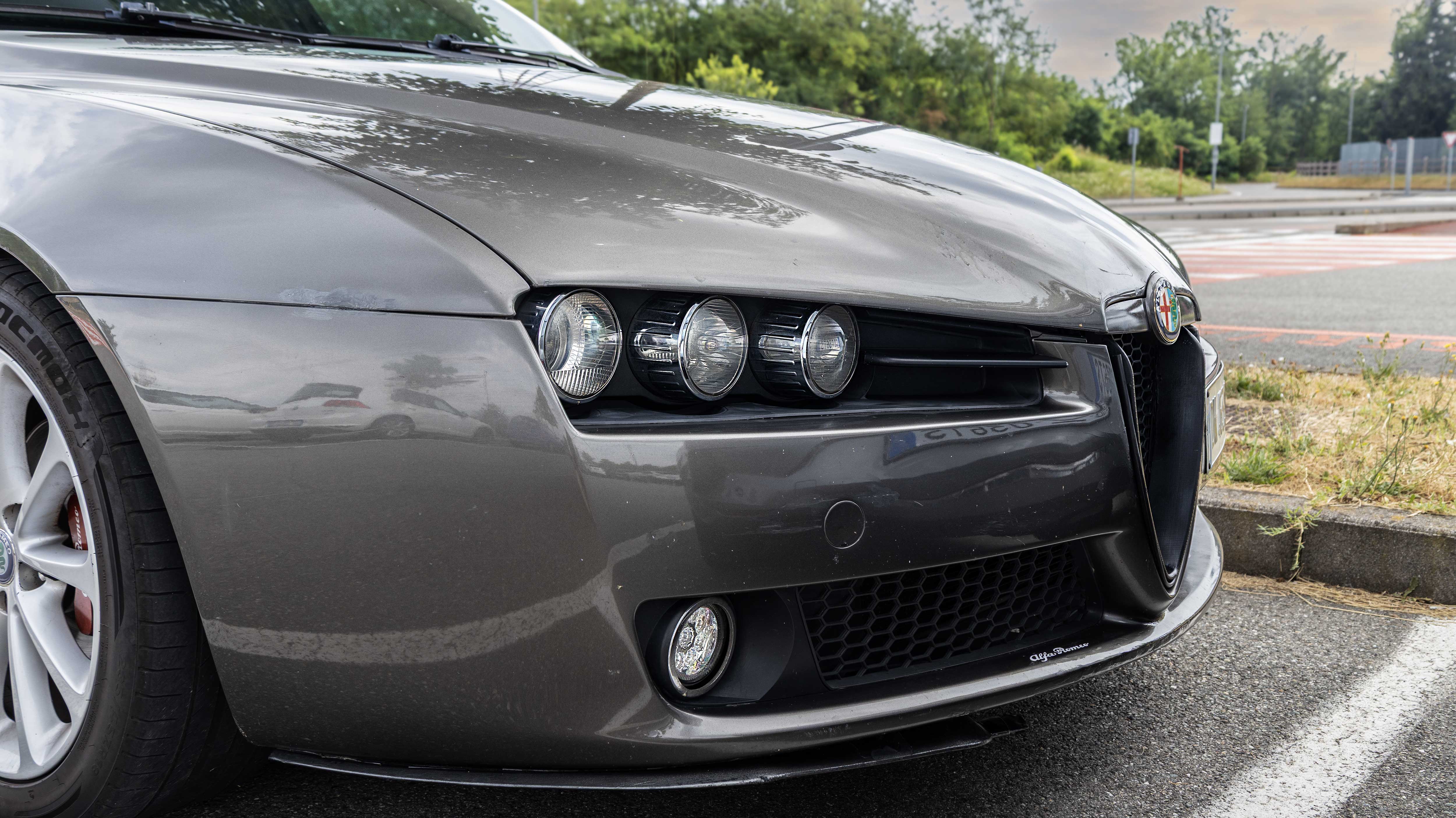
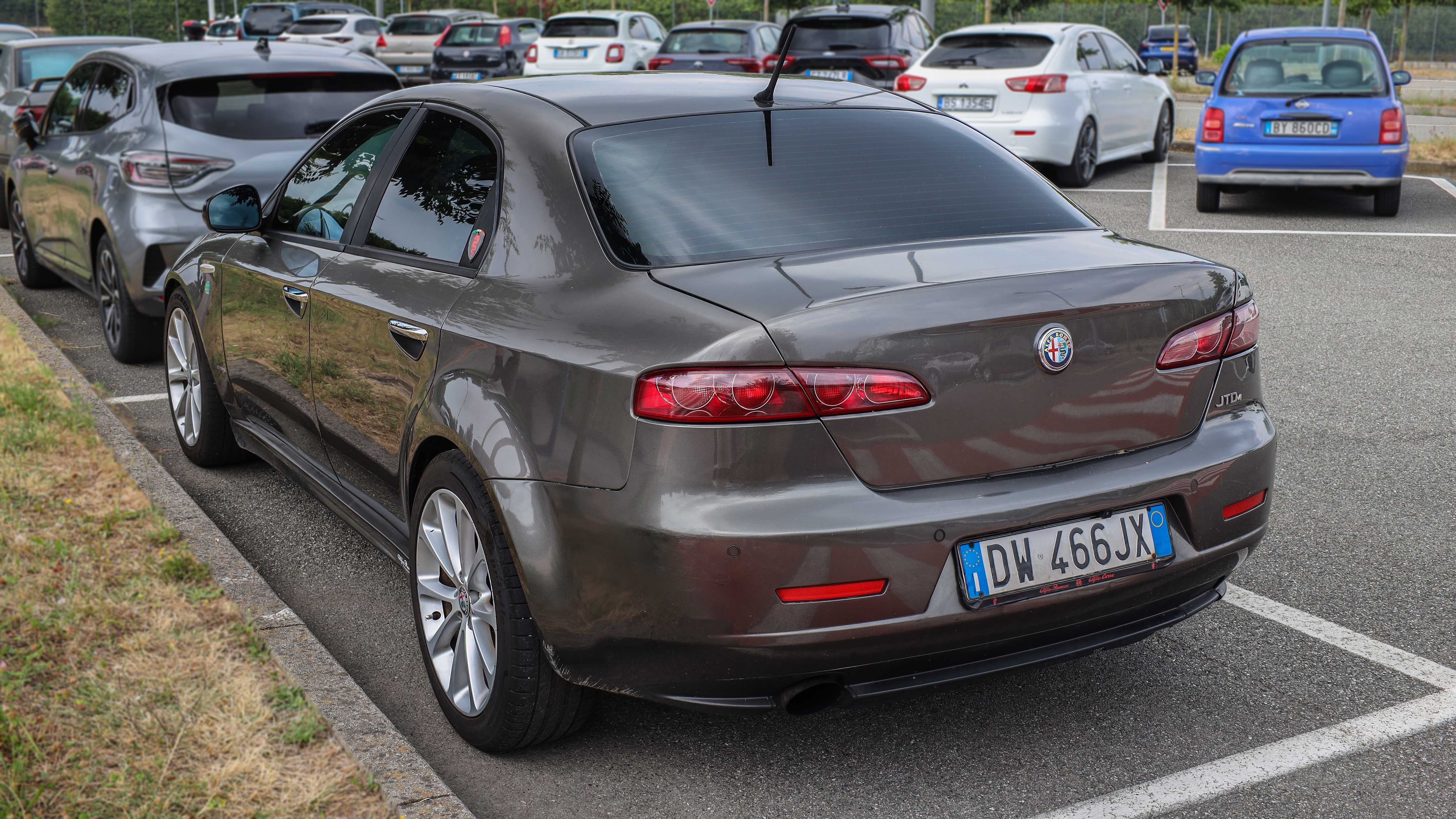
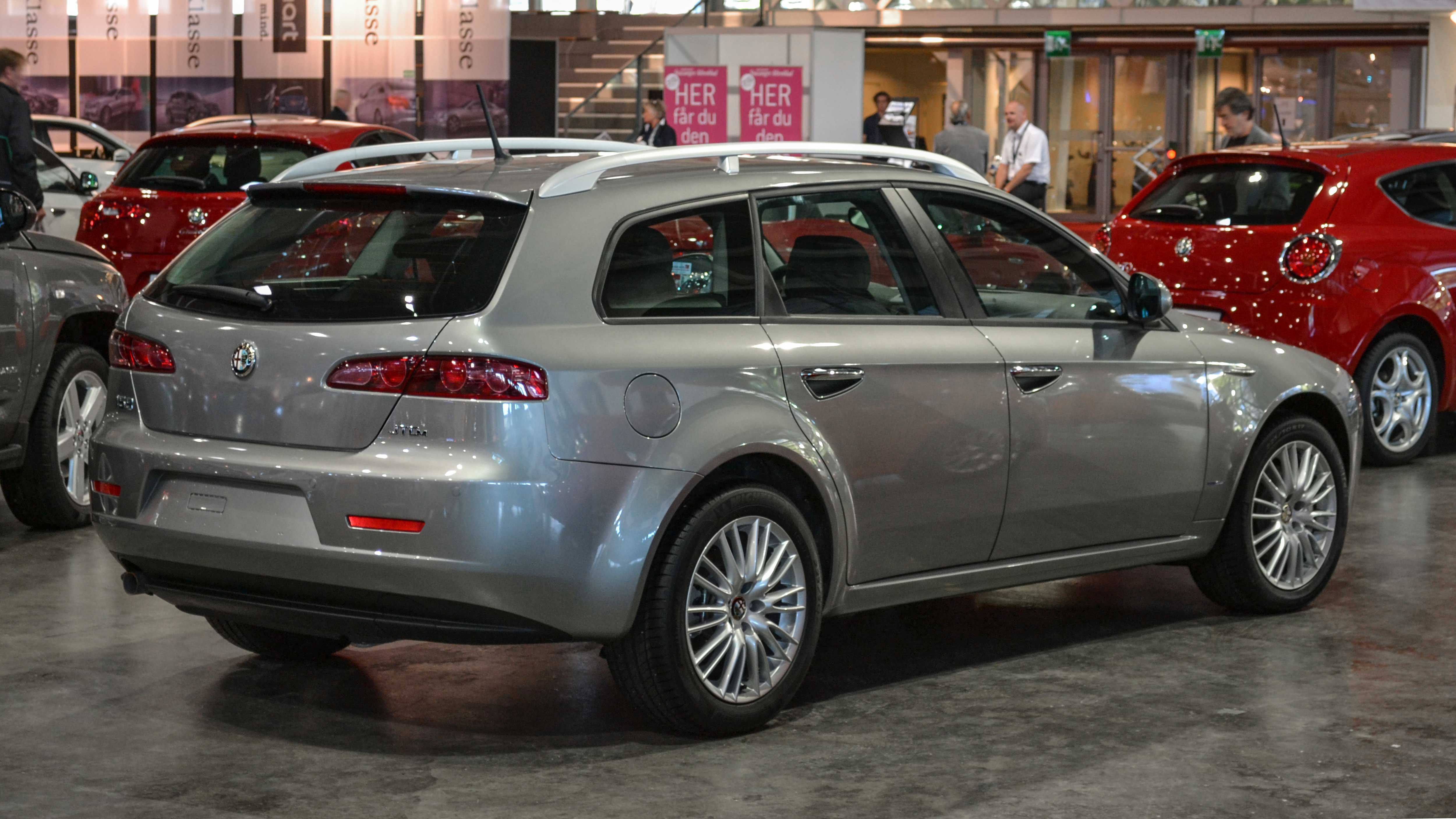
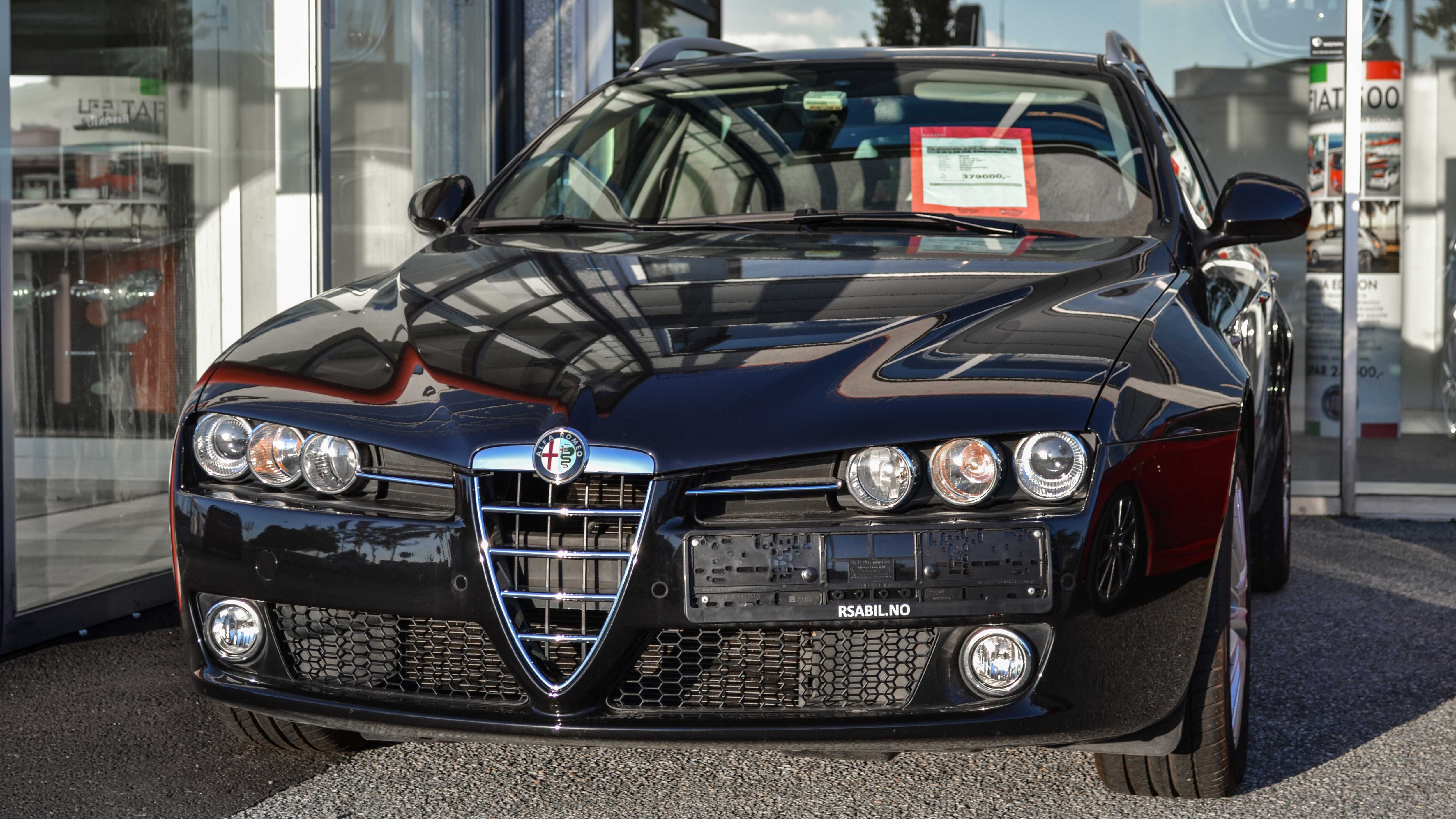
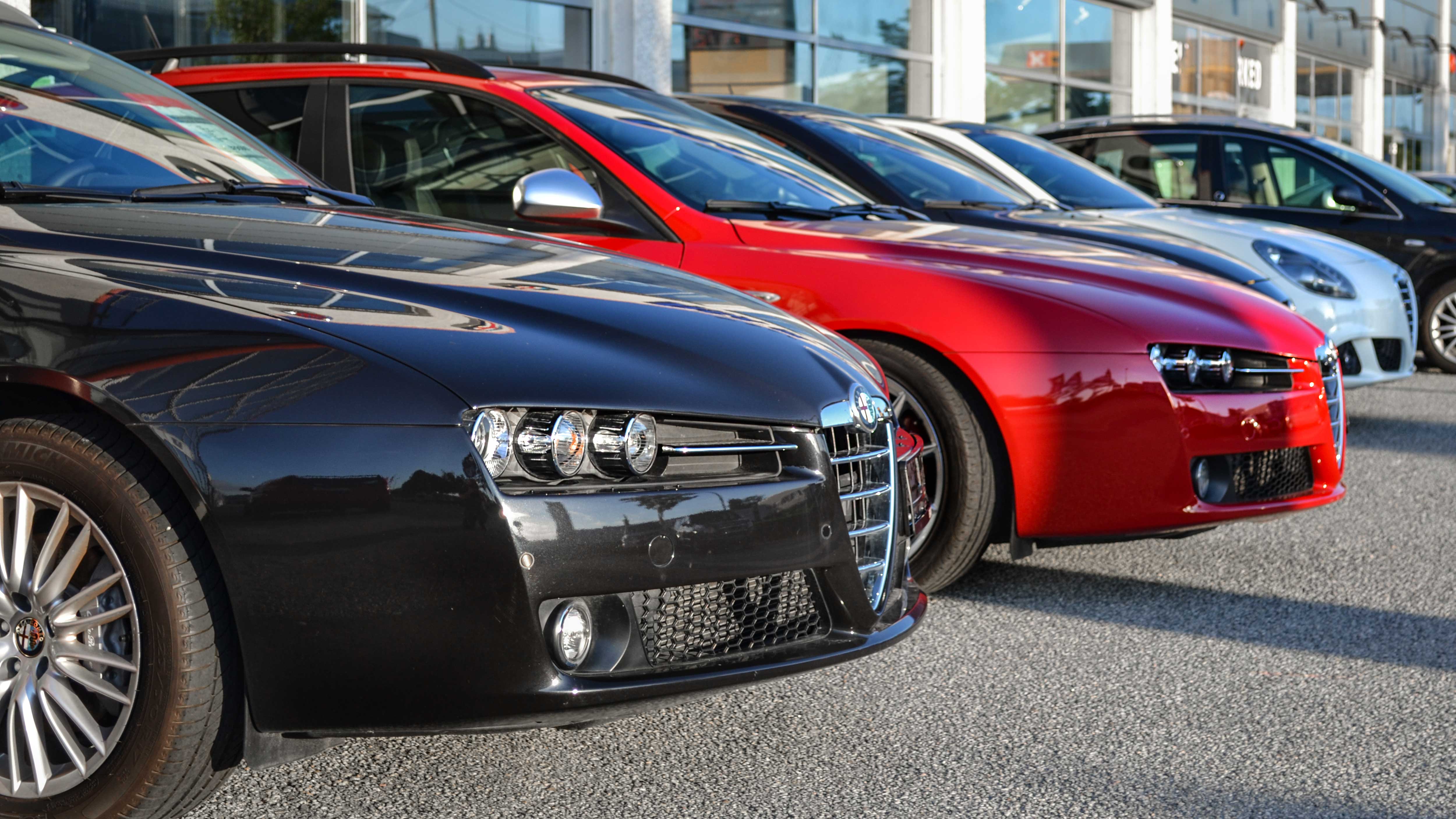
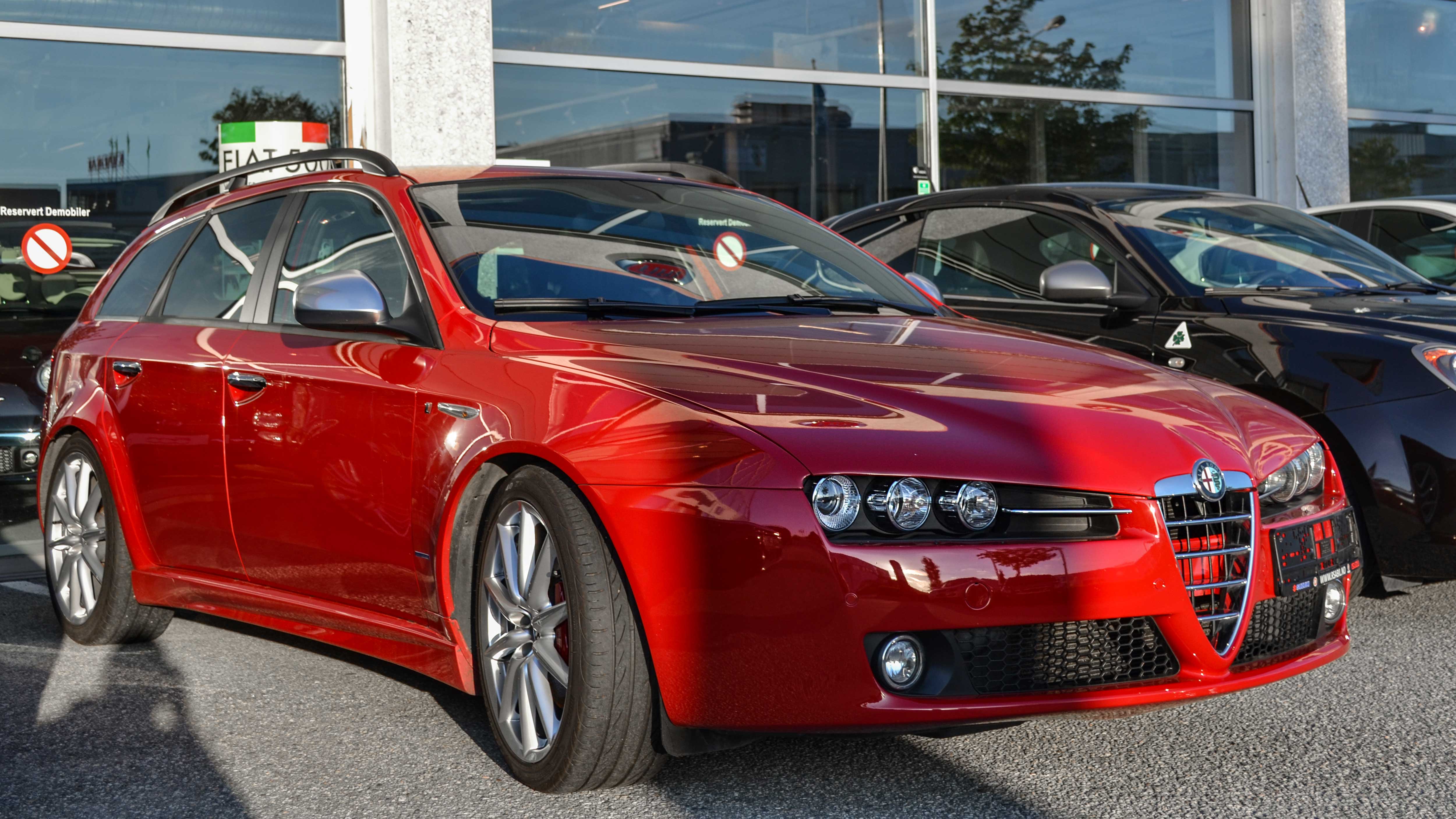
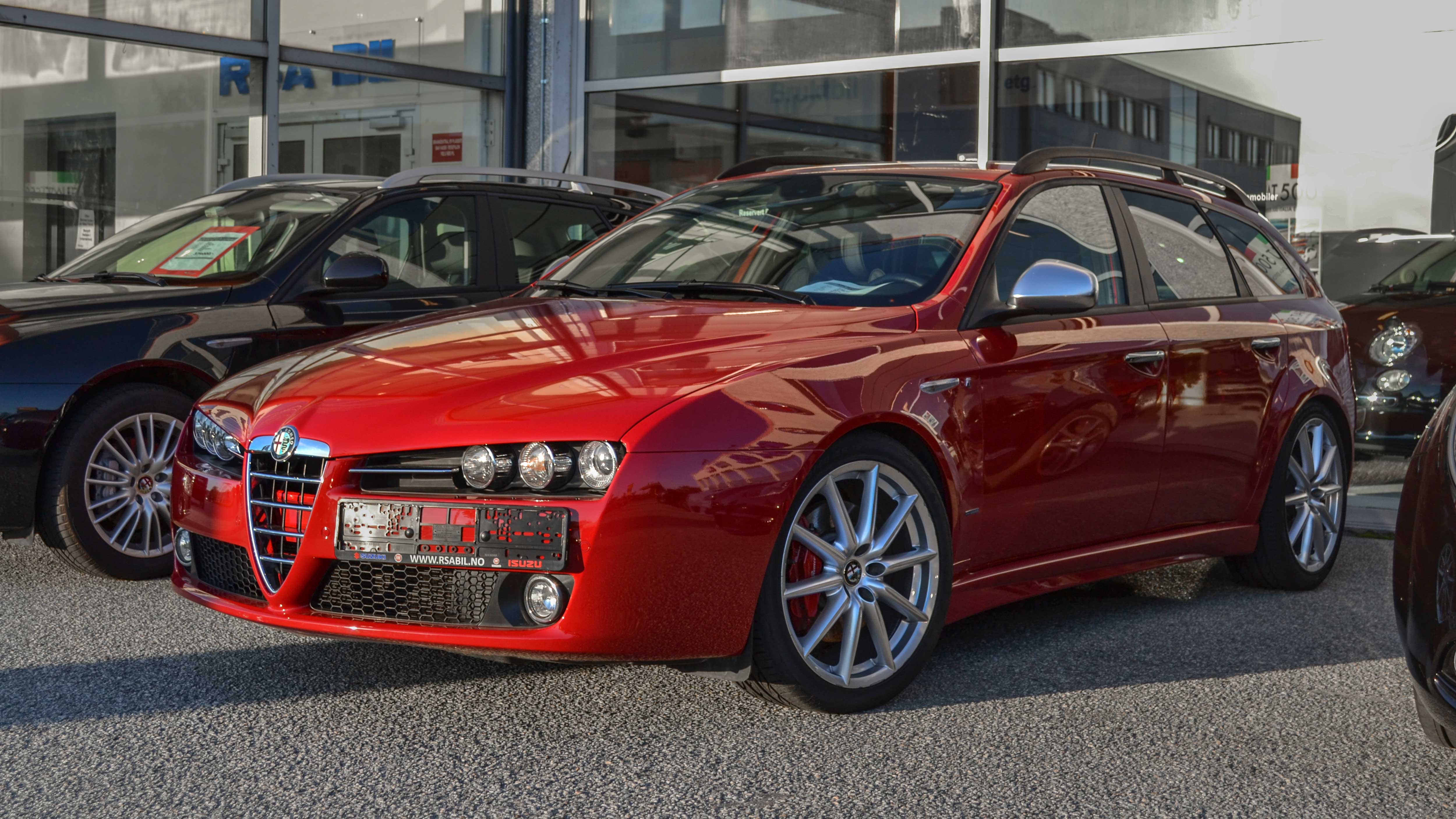
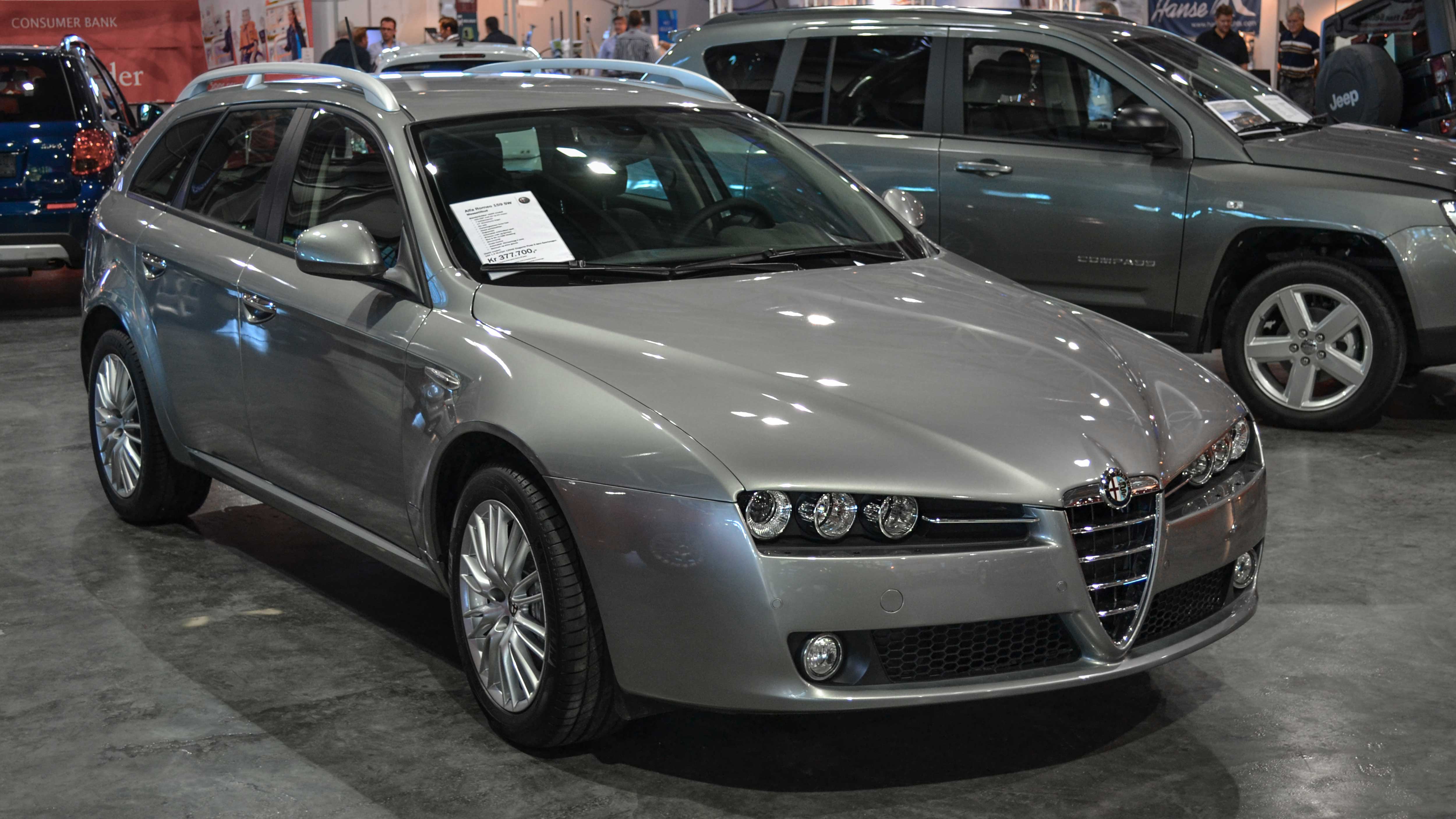
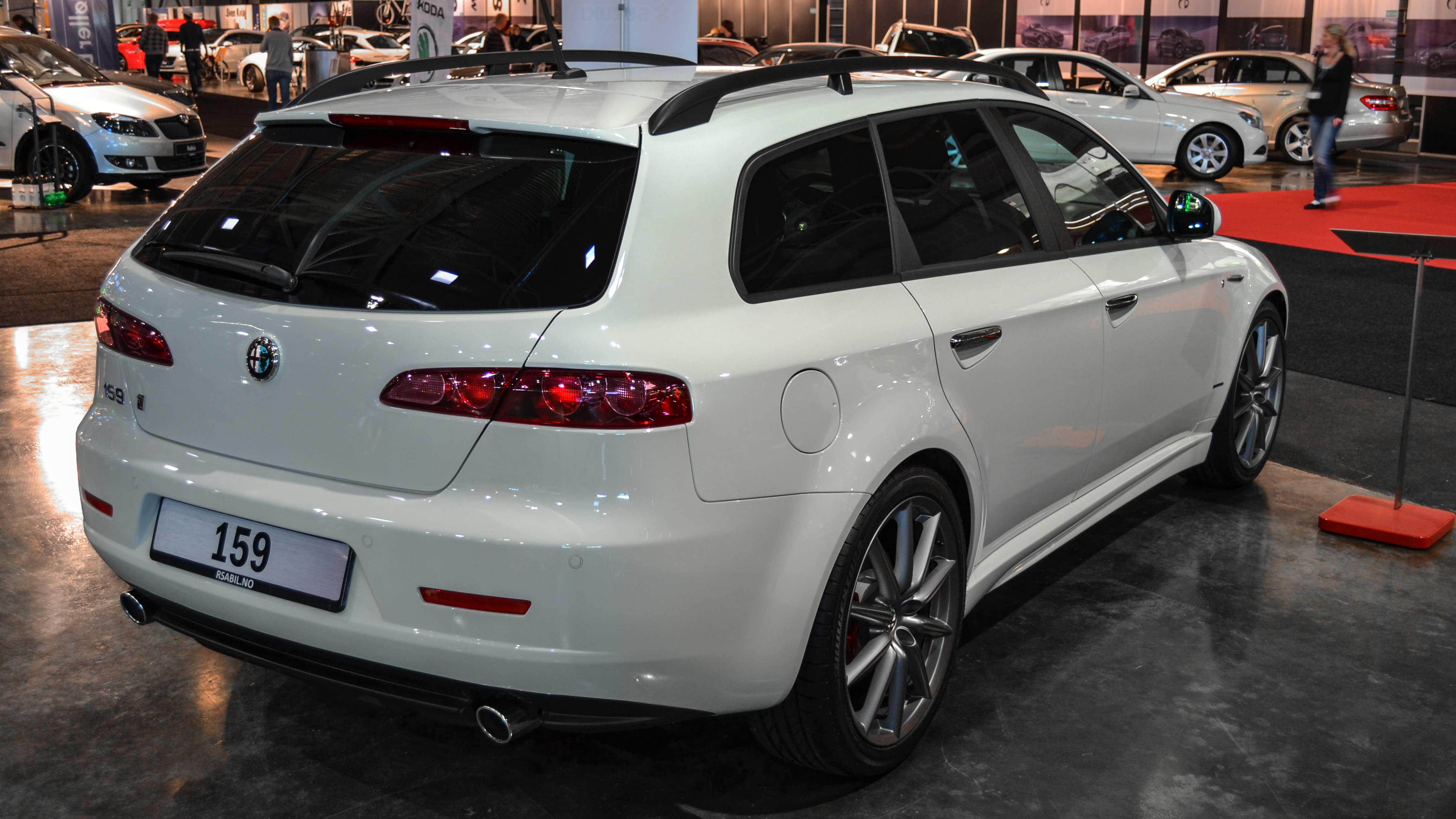
The 159 (2005–2011) replaced the 156 with a stronger focus on safety and refinement. As a result, engines ranged from 1.9 and 2.2 petrol units to the 3.2 V6 at about 260 hp, paired with front-wheel drive or Q4 AWD.
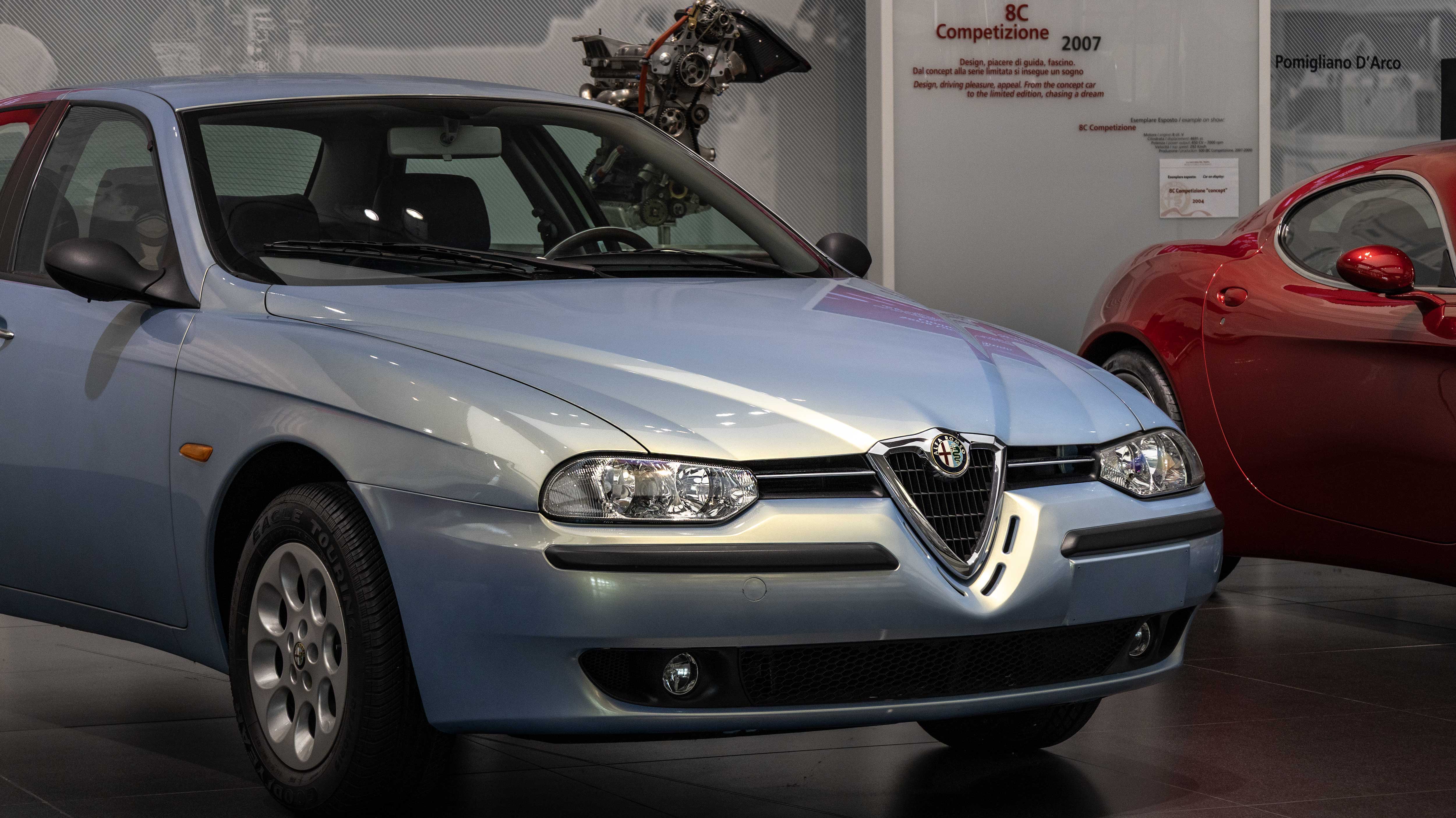
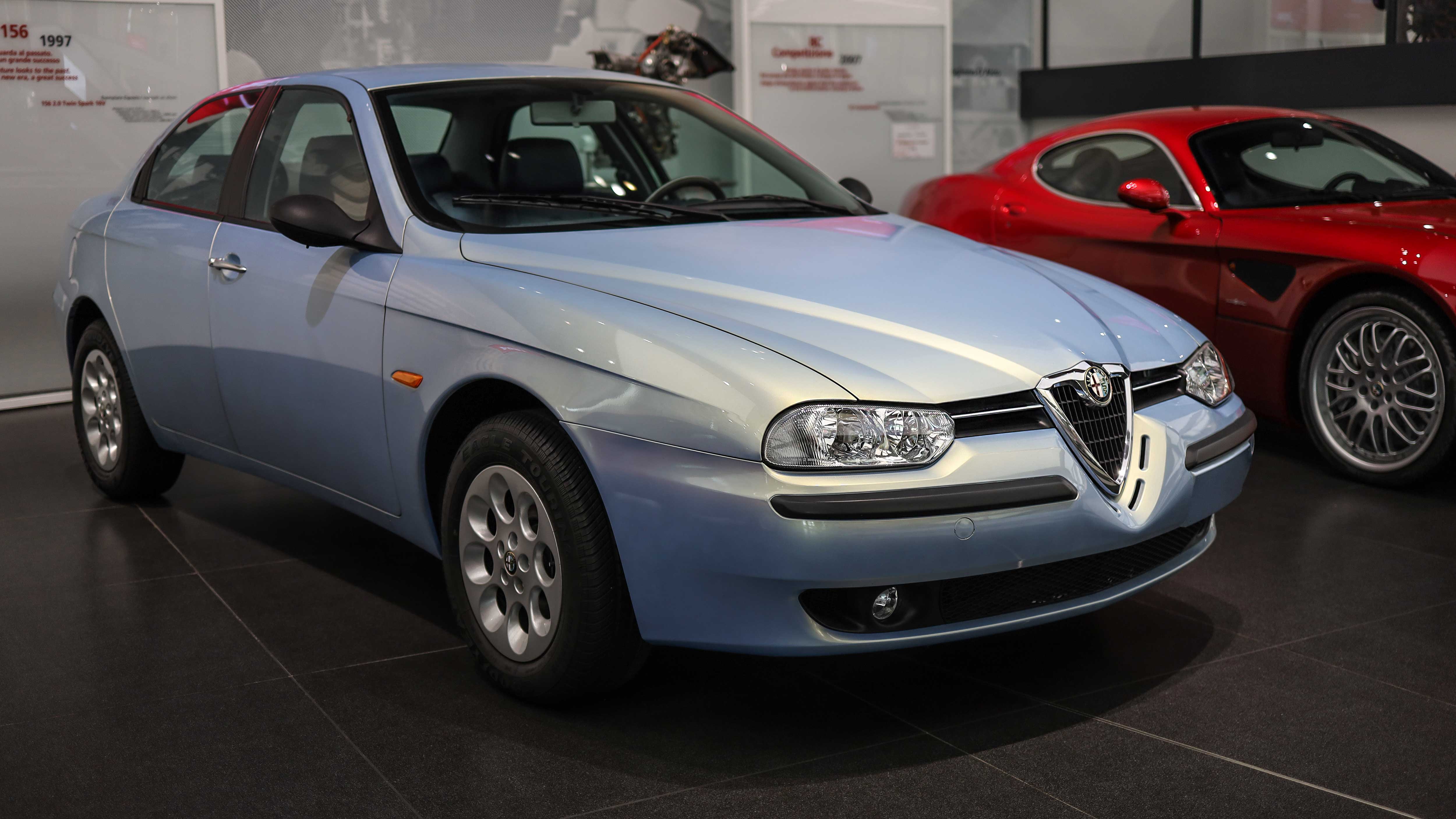
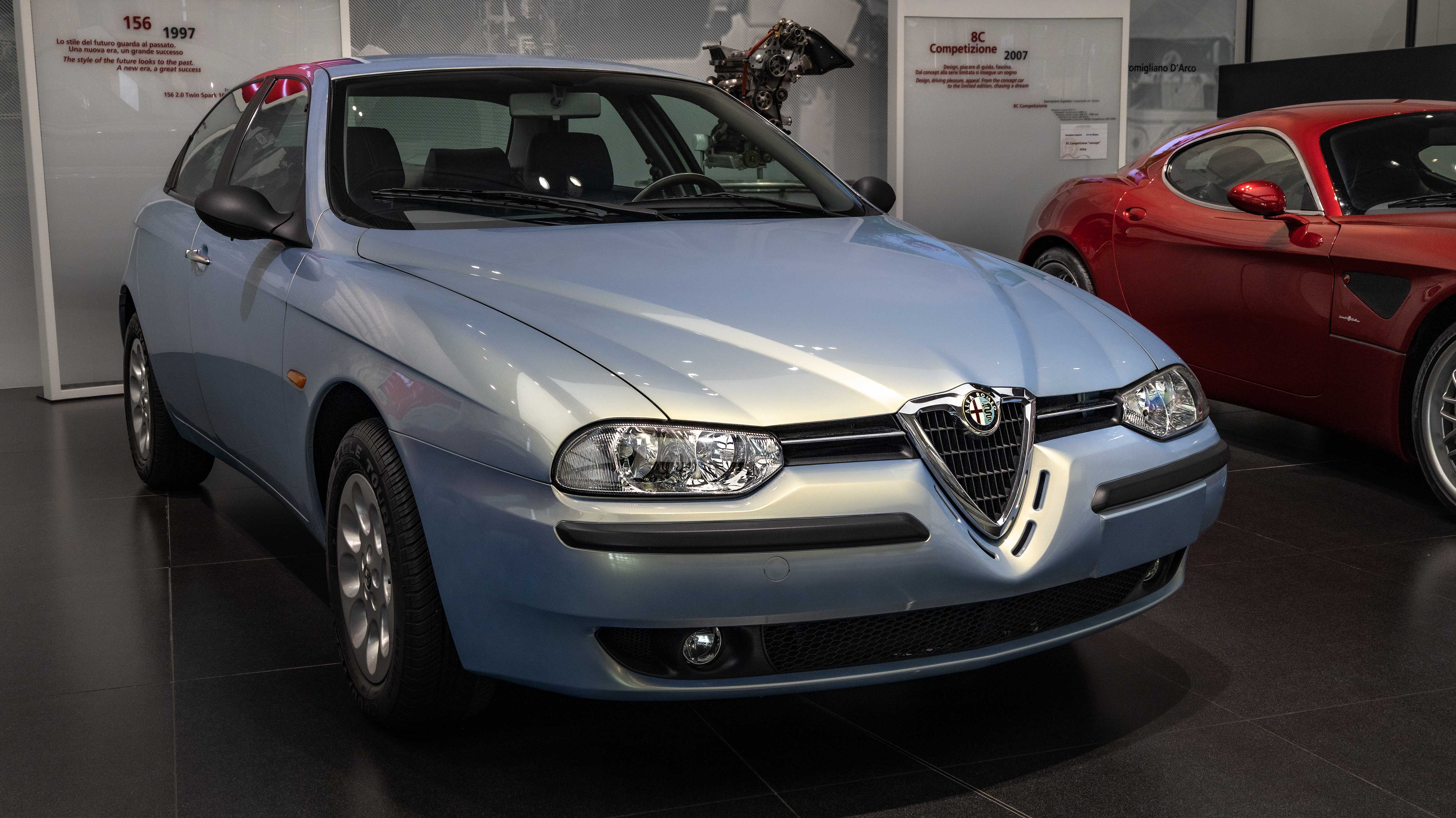
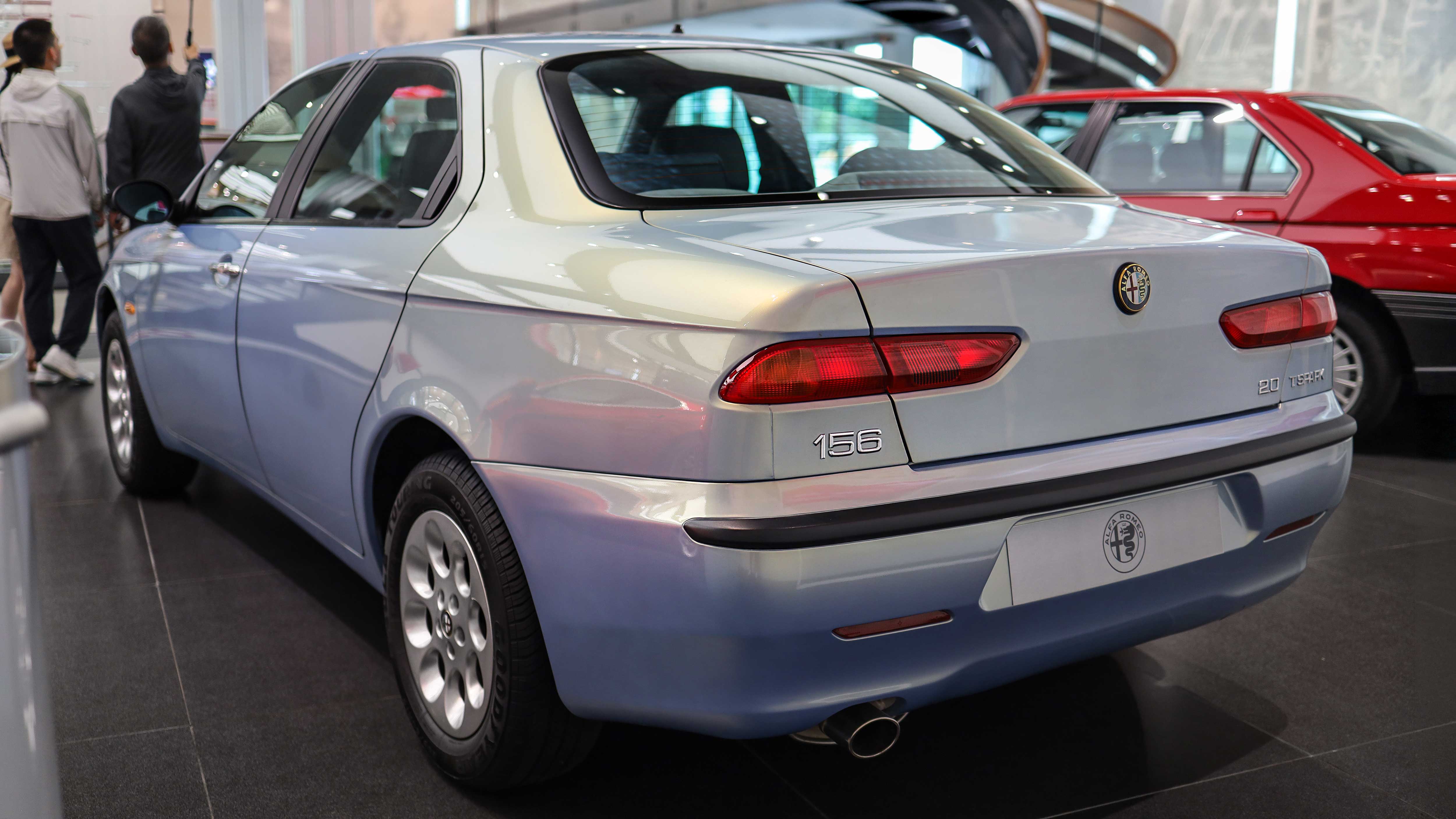
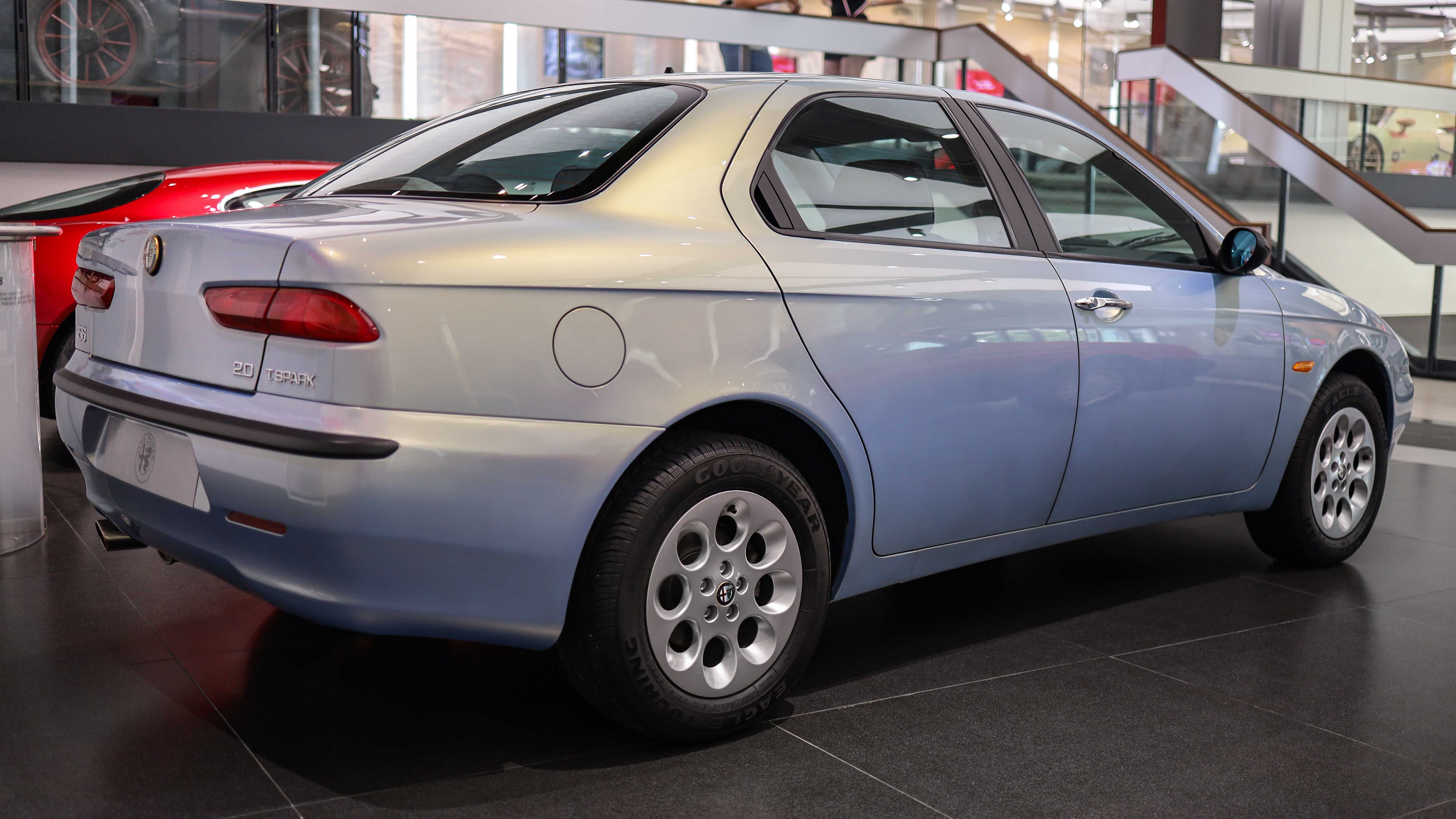
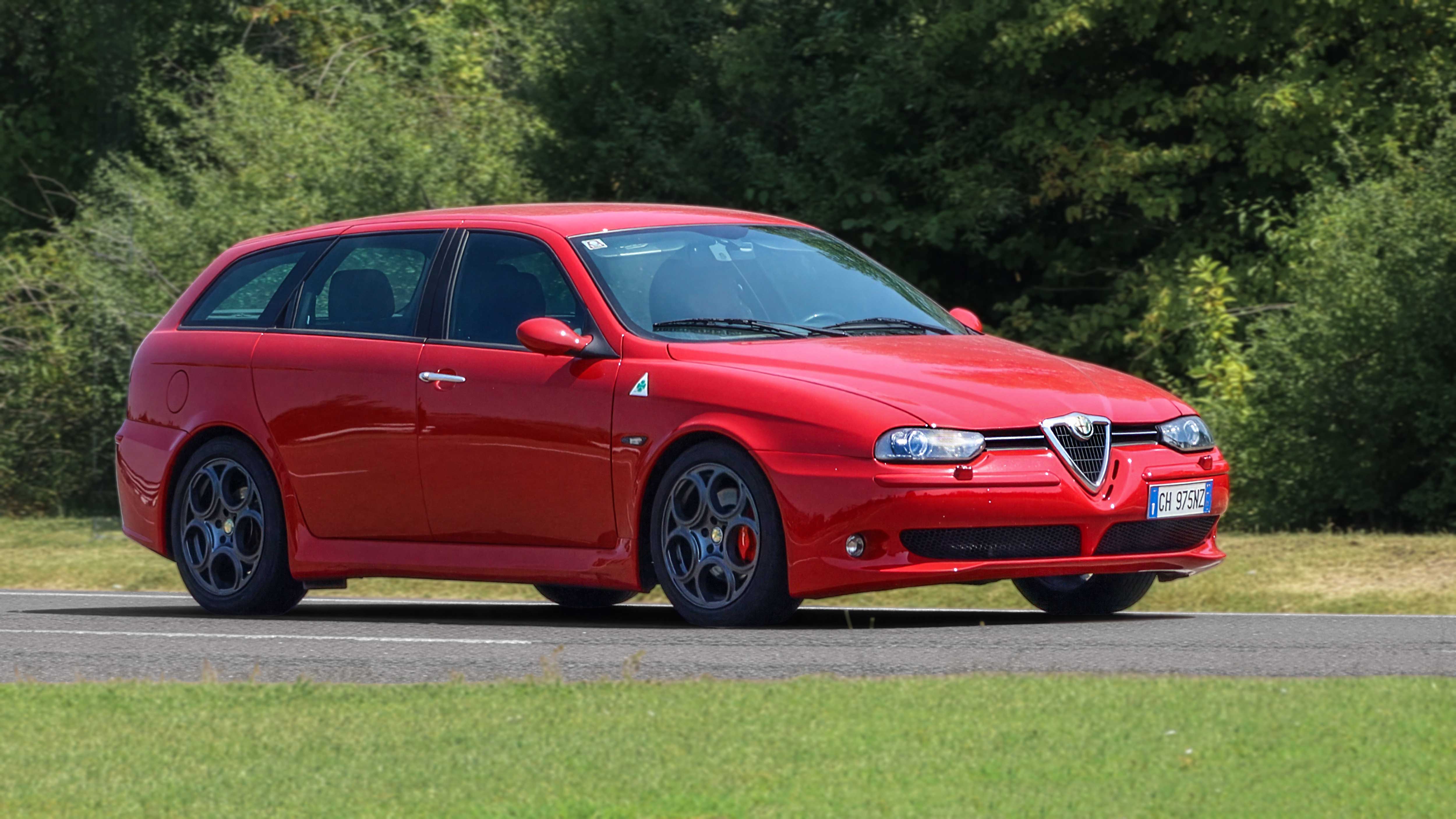
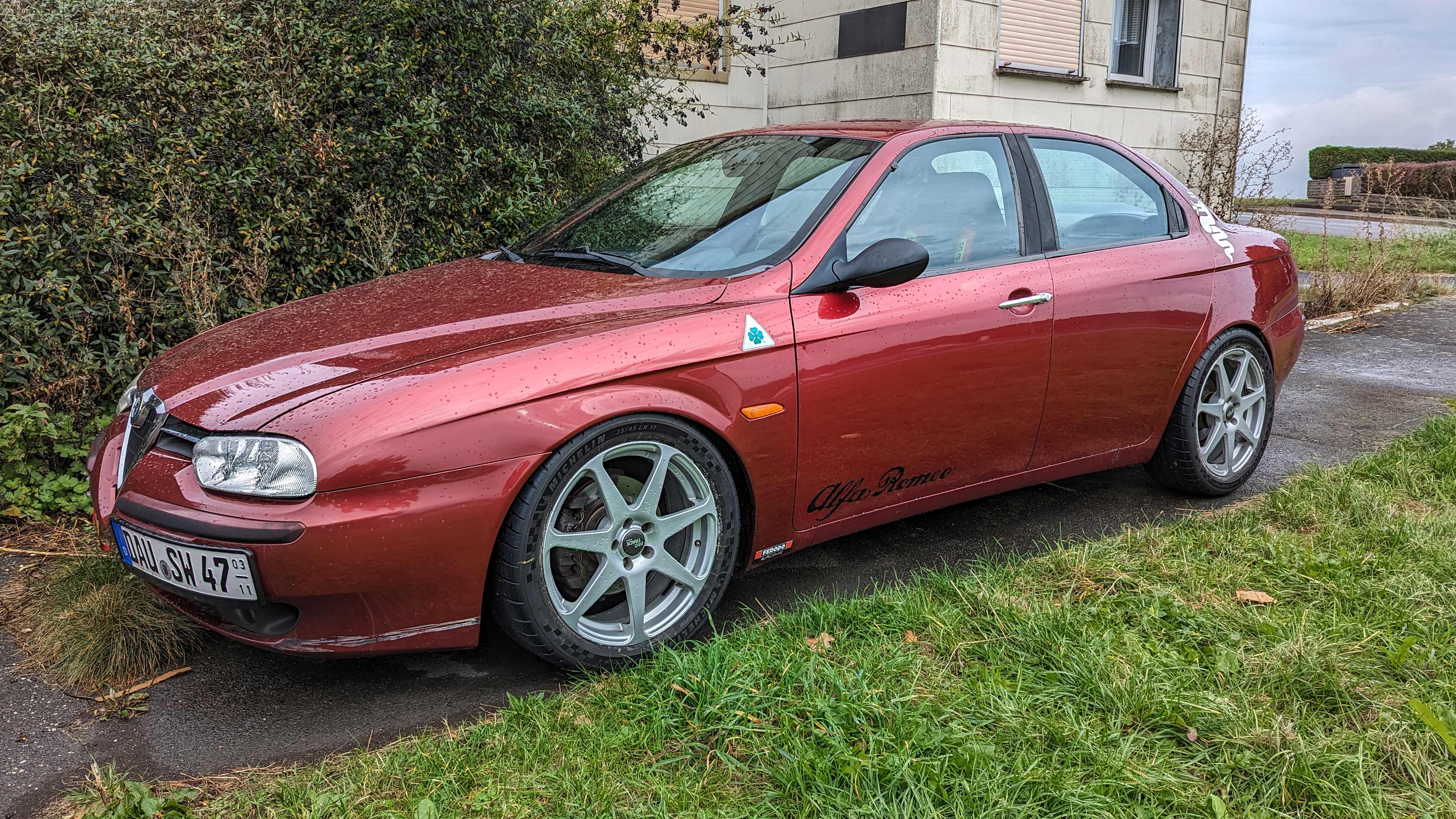
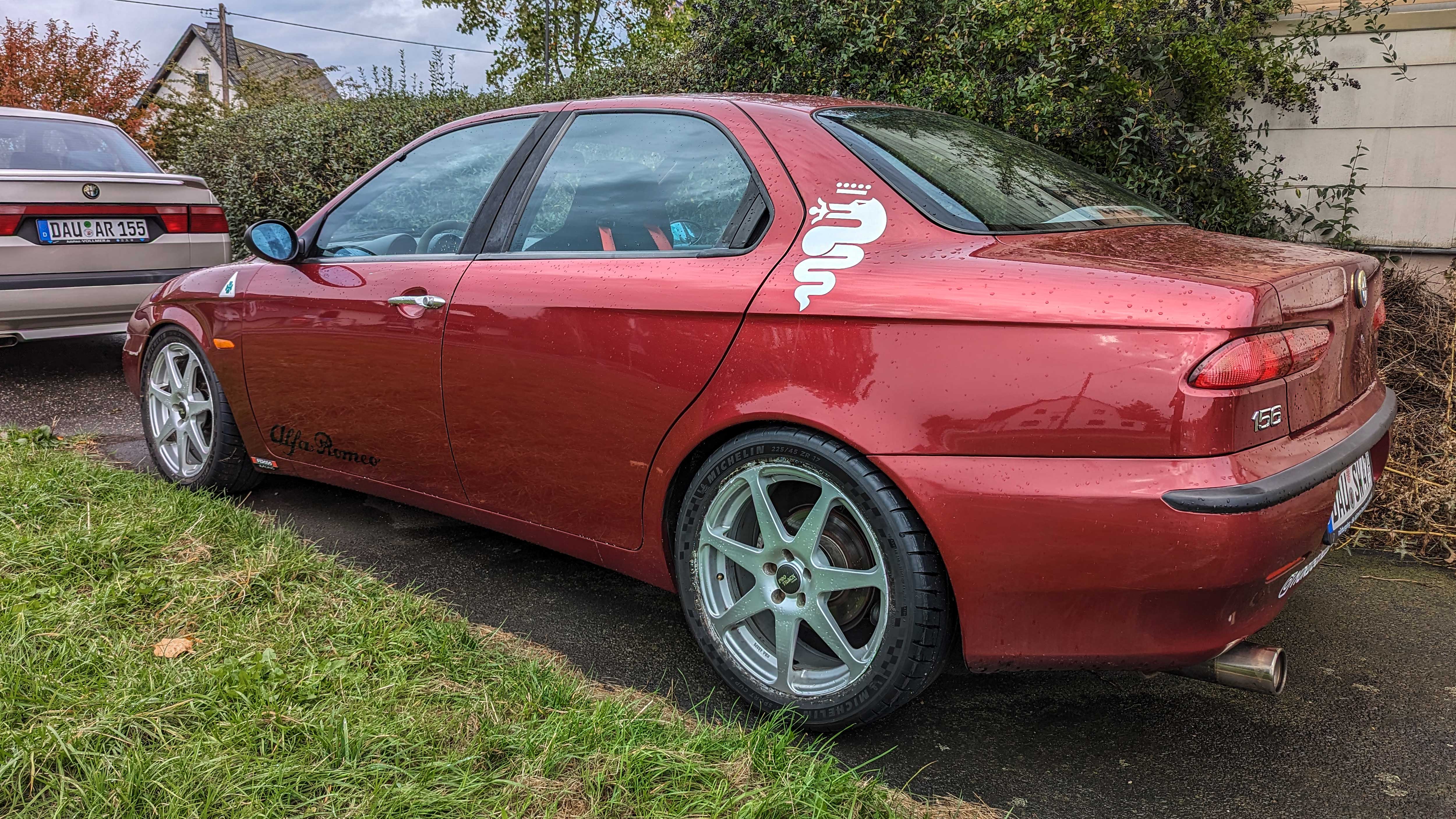
156
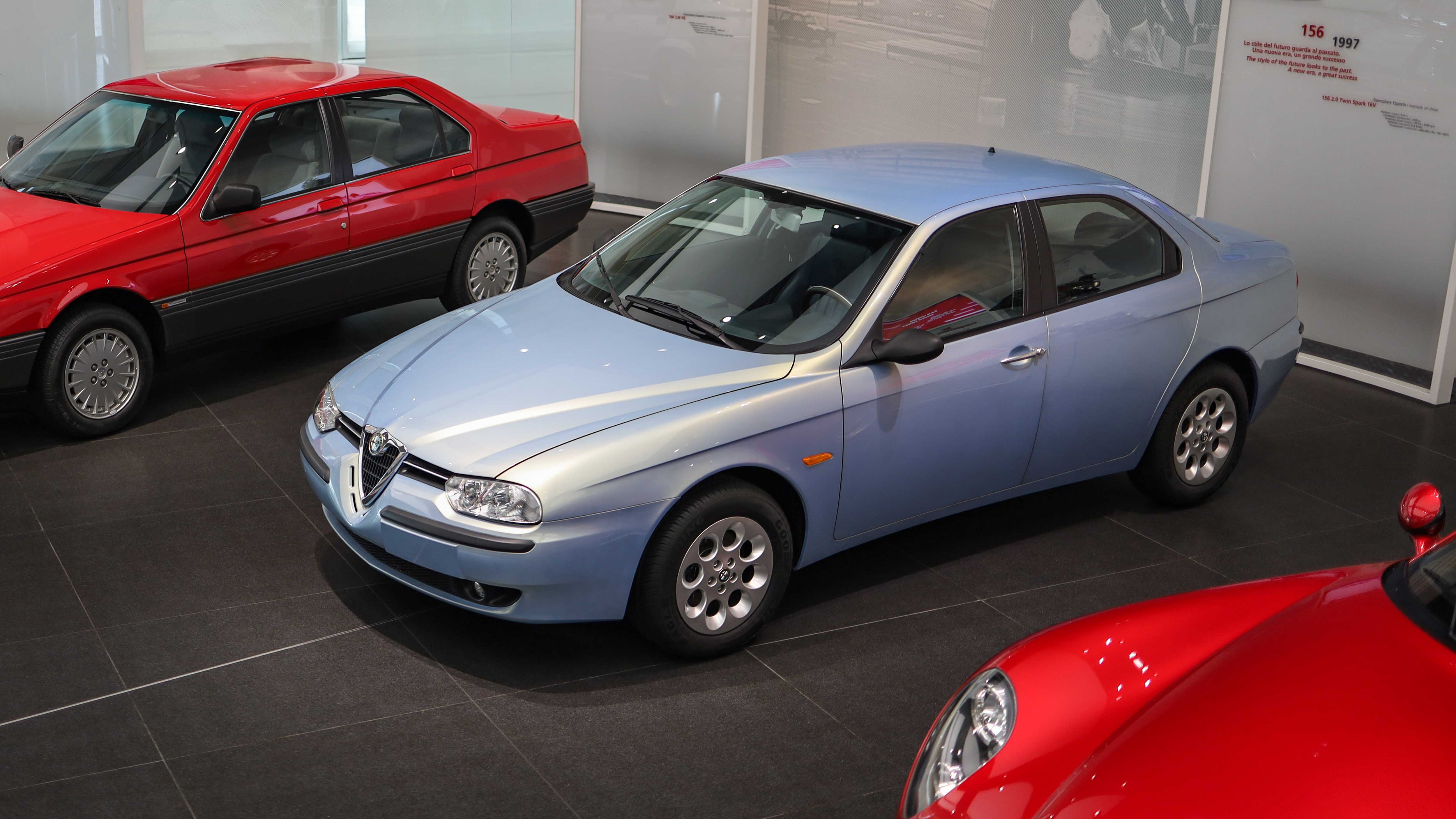
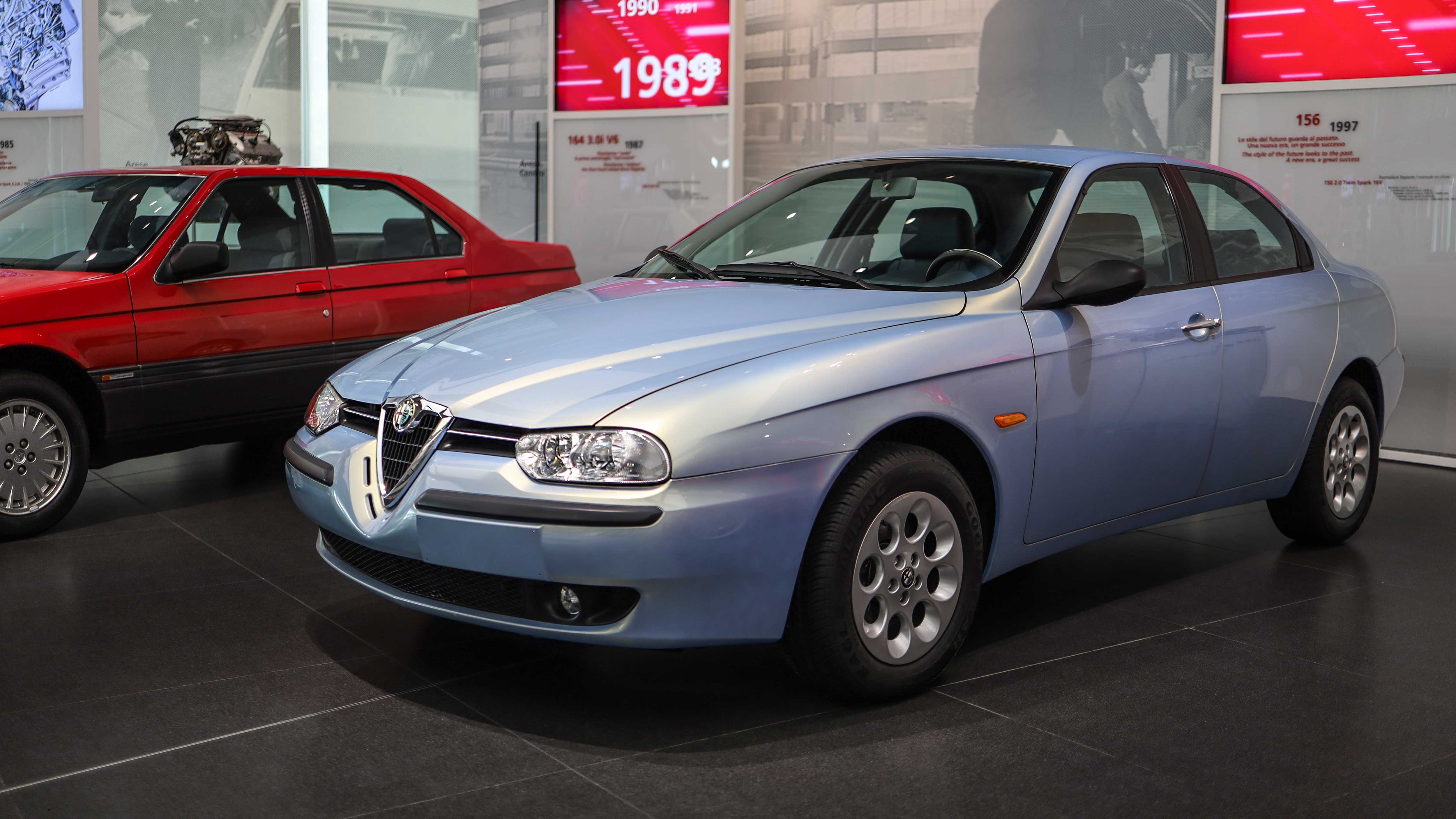
The 156 (1997–2007) redefined the compact executive class with sharp design and sporty handling. As a result, engines ranged from Twin Spark to the 3.2 V6 at 250 hp in the GTA, pairing strong performance with distinctive Alfa character.
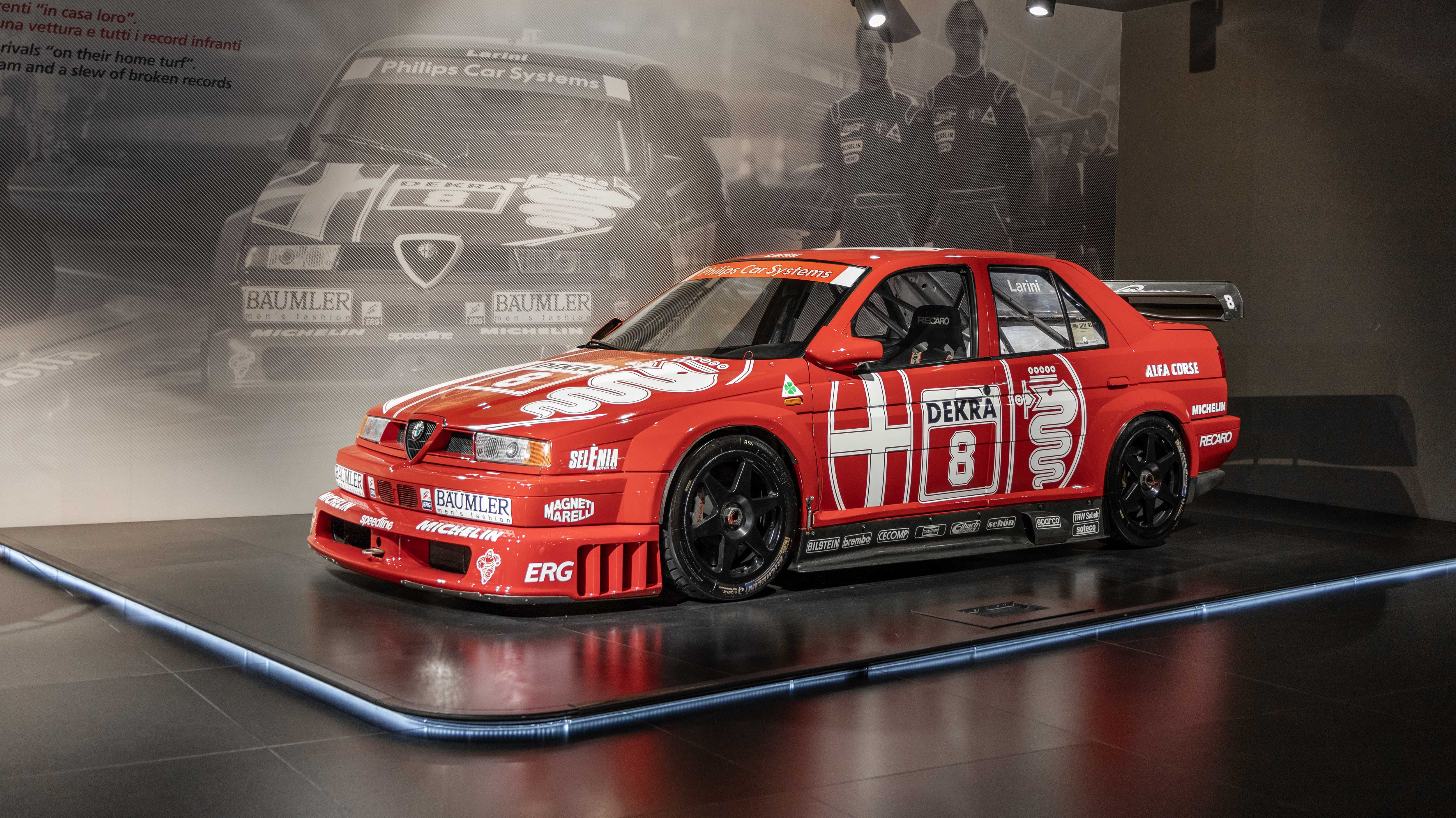
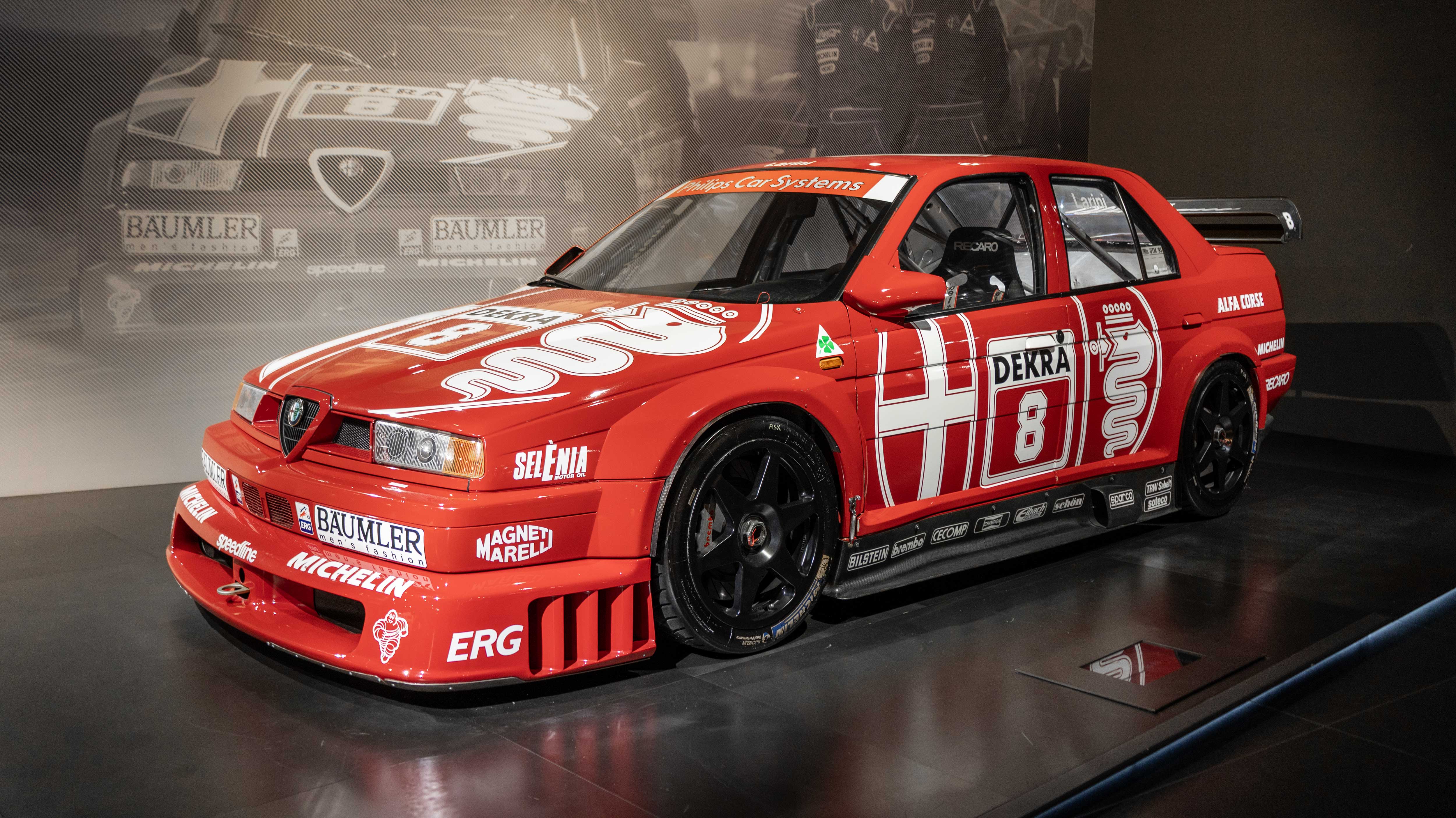
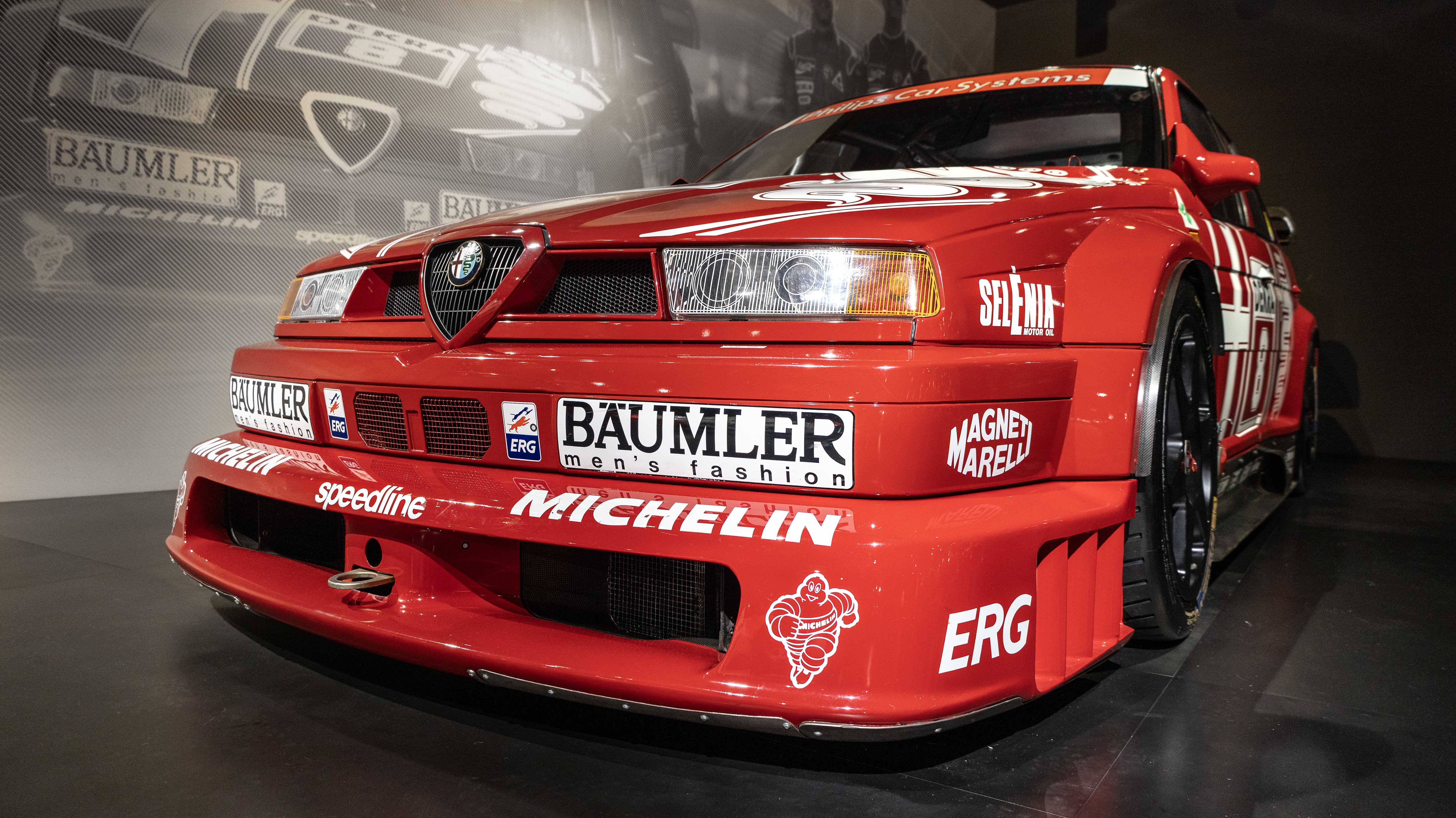
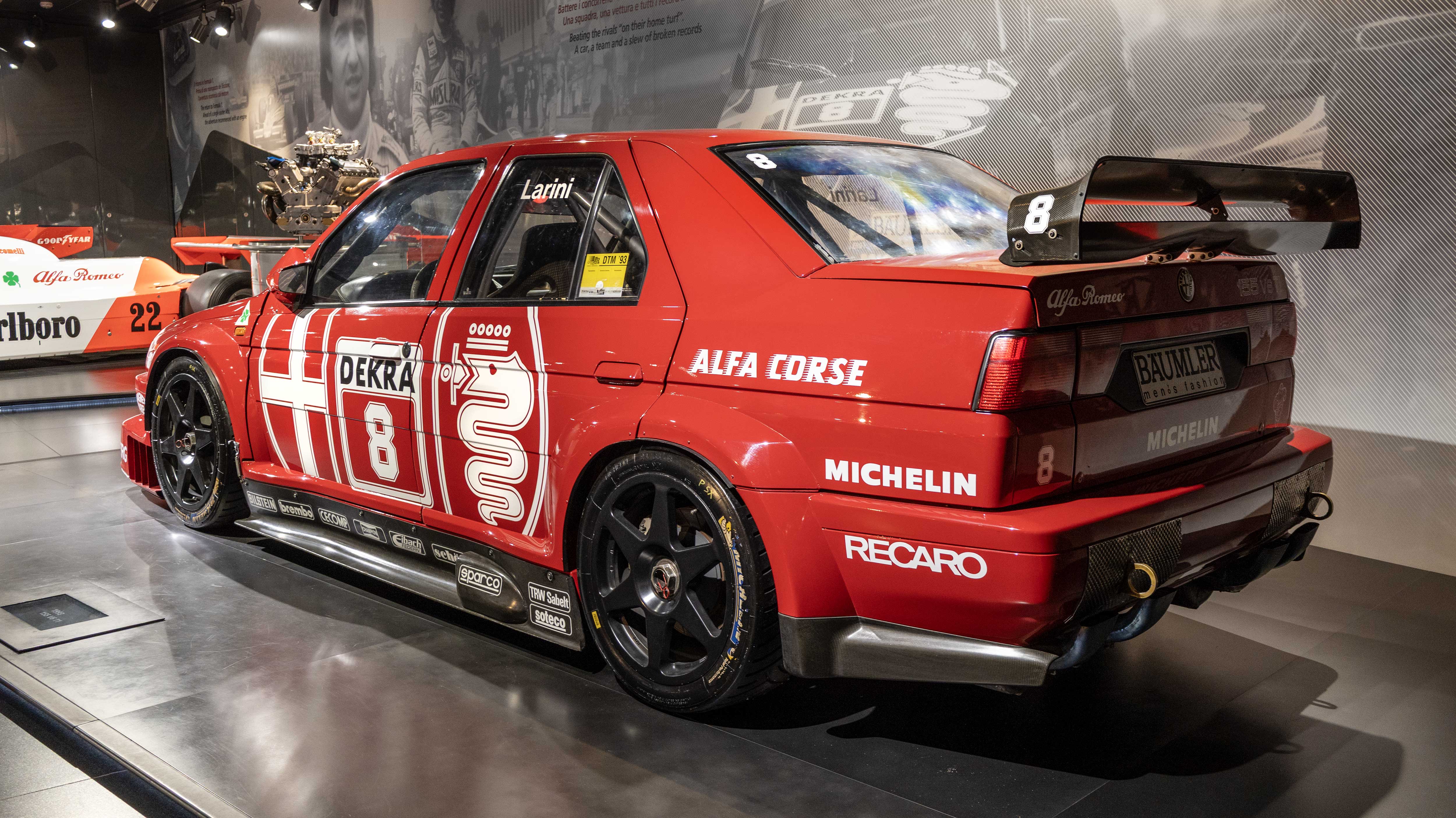
155 V6 TI
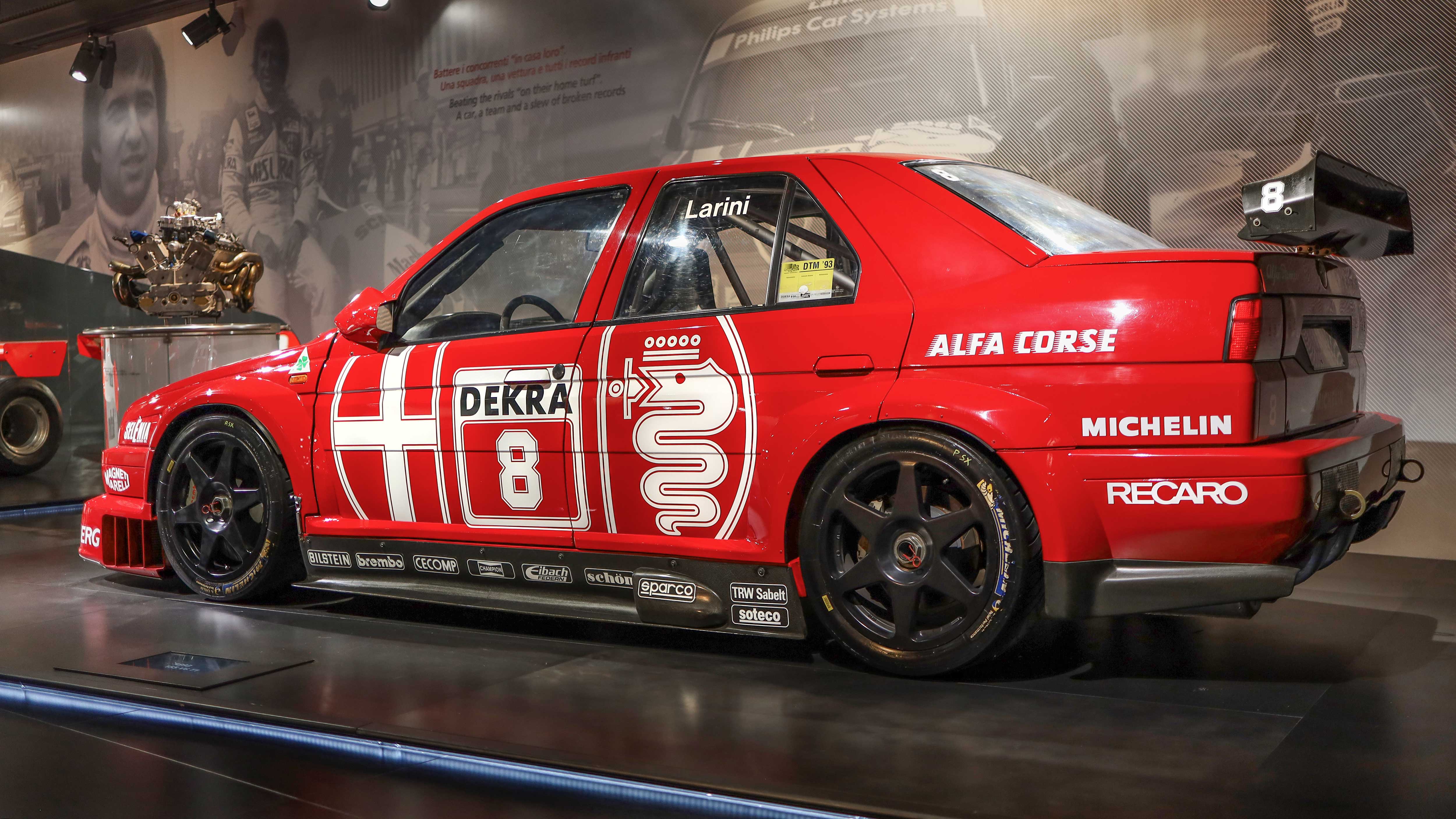
The 155 V6 TI (1993–1996) was a factory-built DTM touring car with advanced technology. As a result, its 2.5-liter V6 delivered about 420 hp with AWD, securing dominant results in the German Touring Car Championship.
155
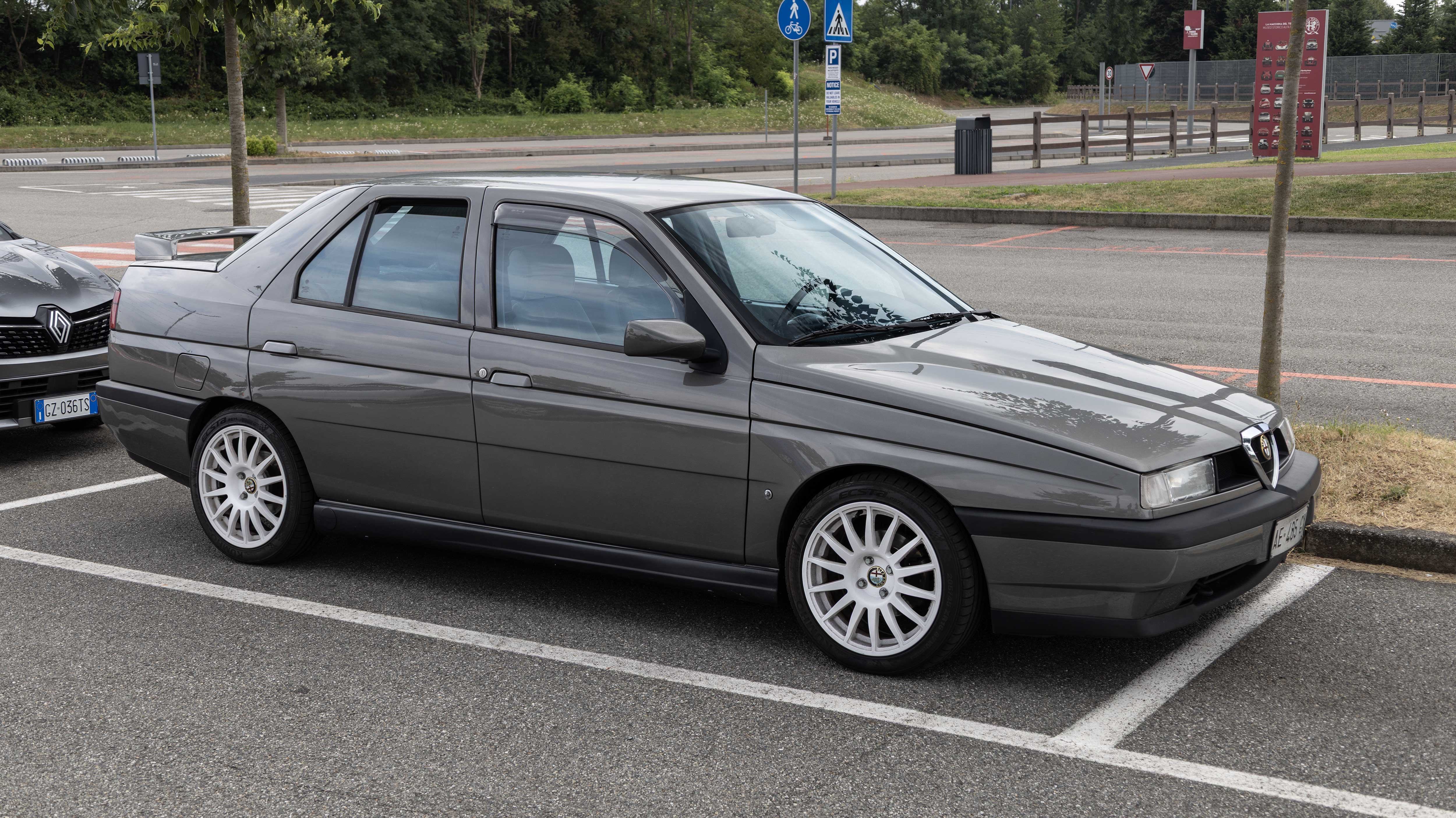
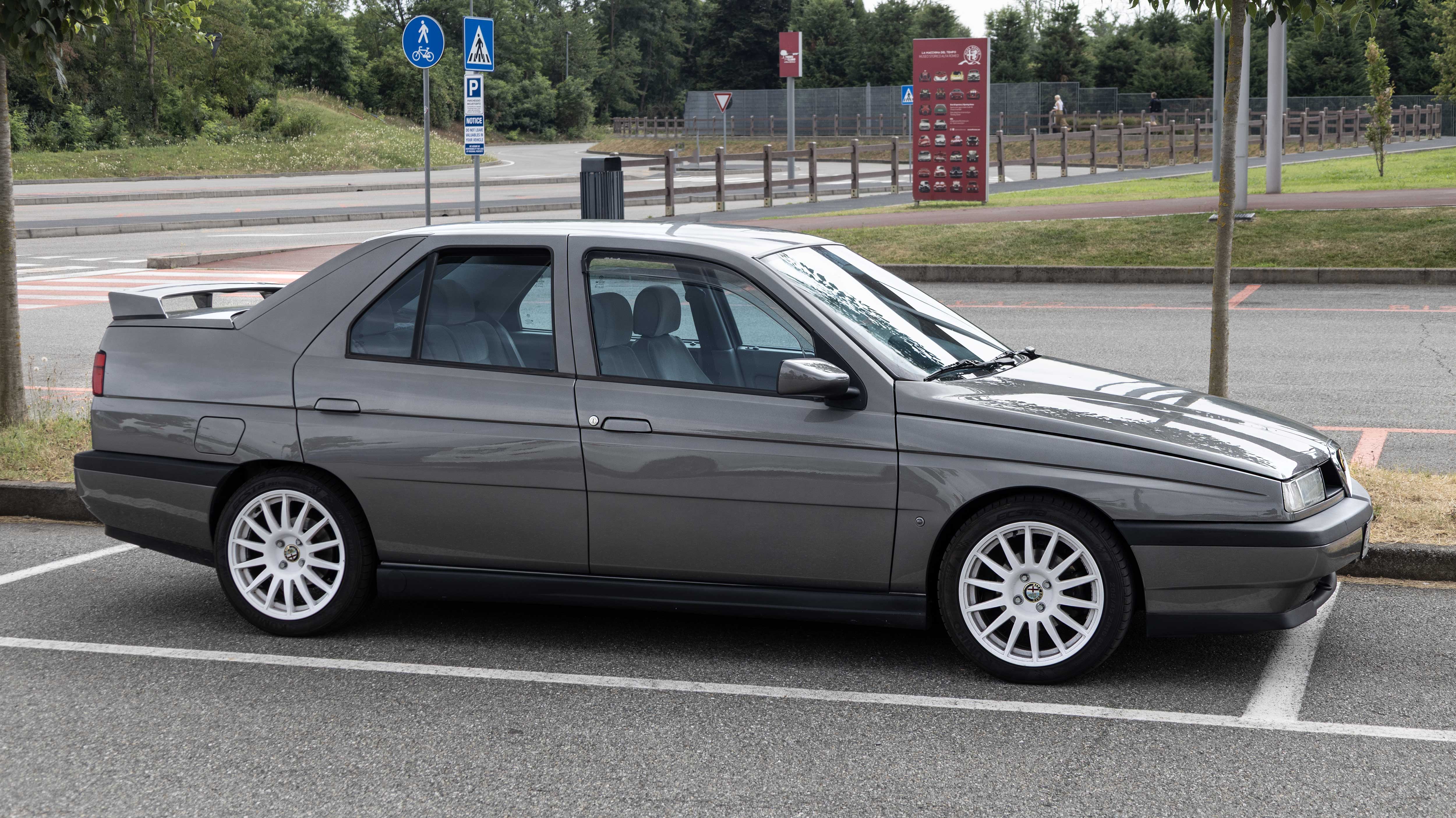
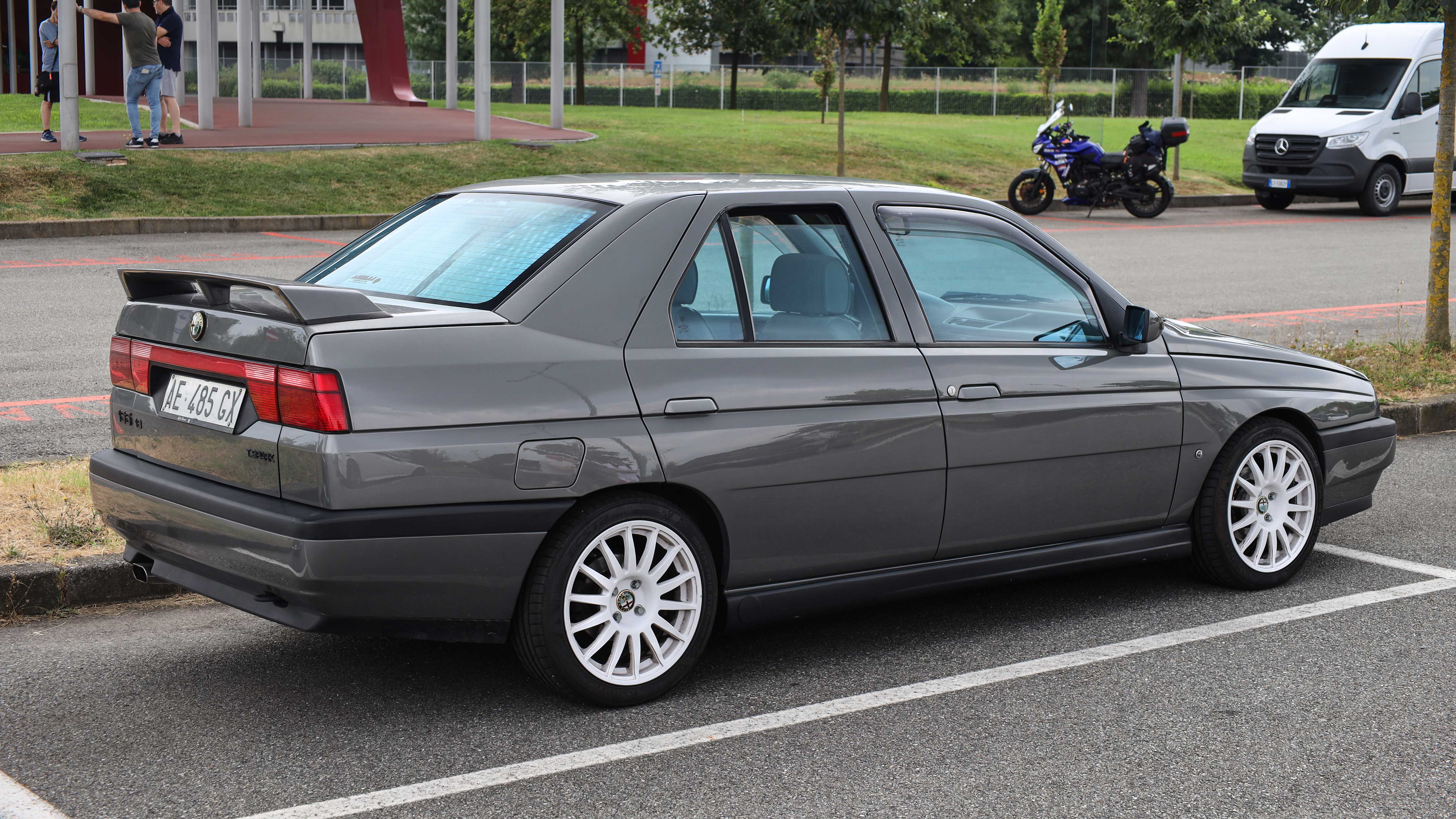
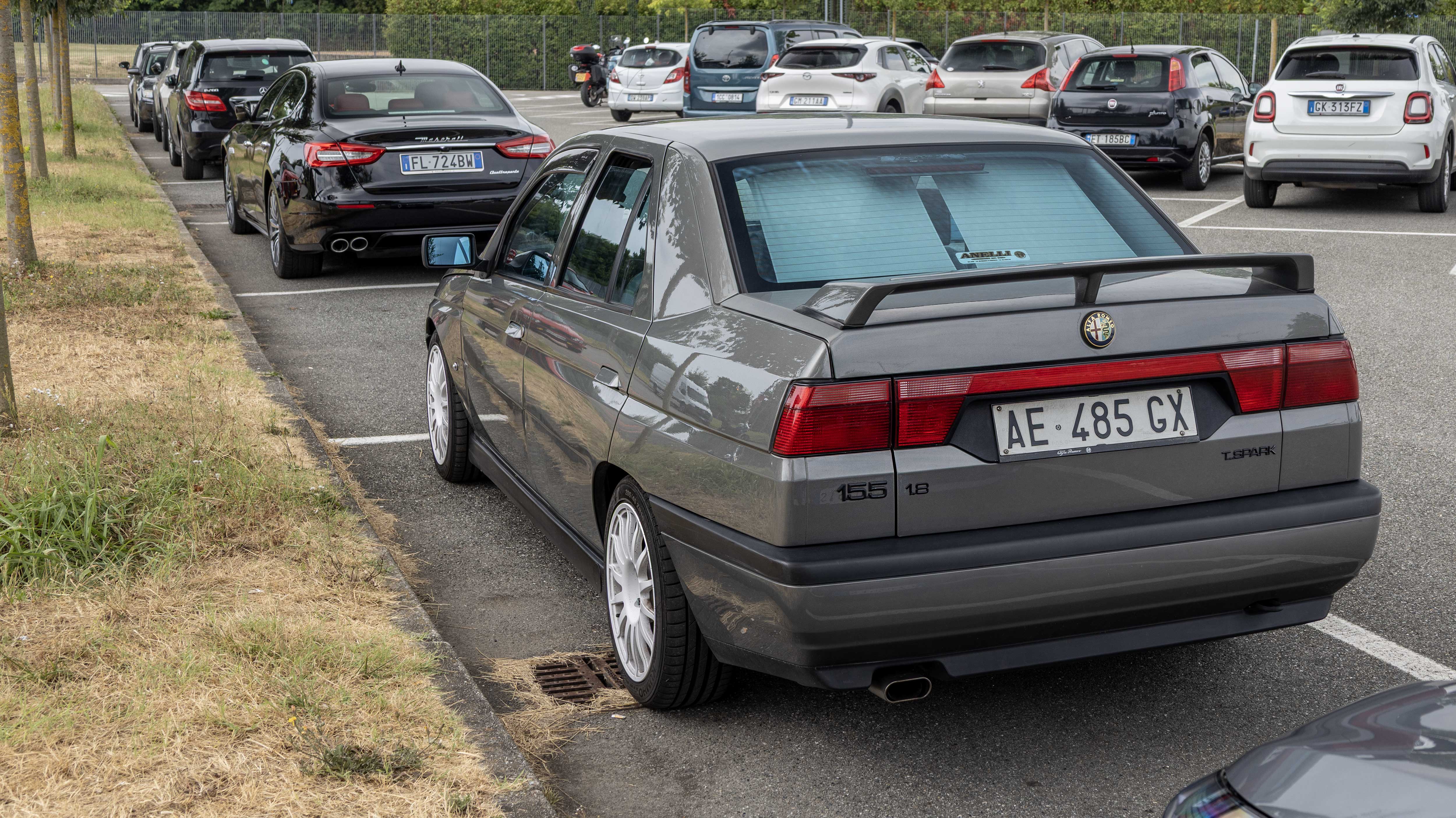
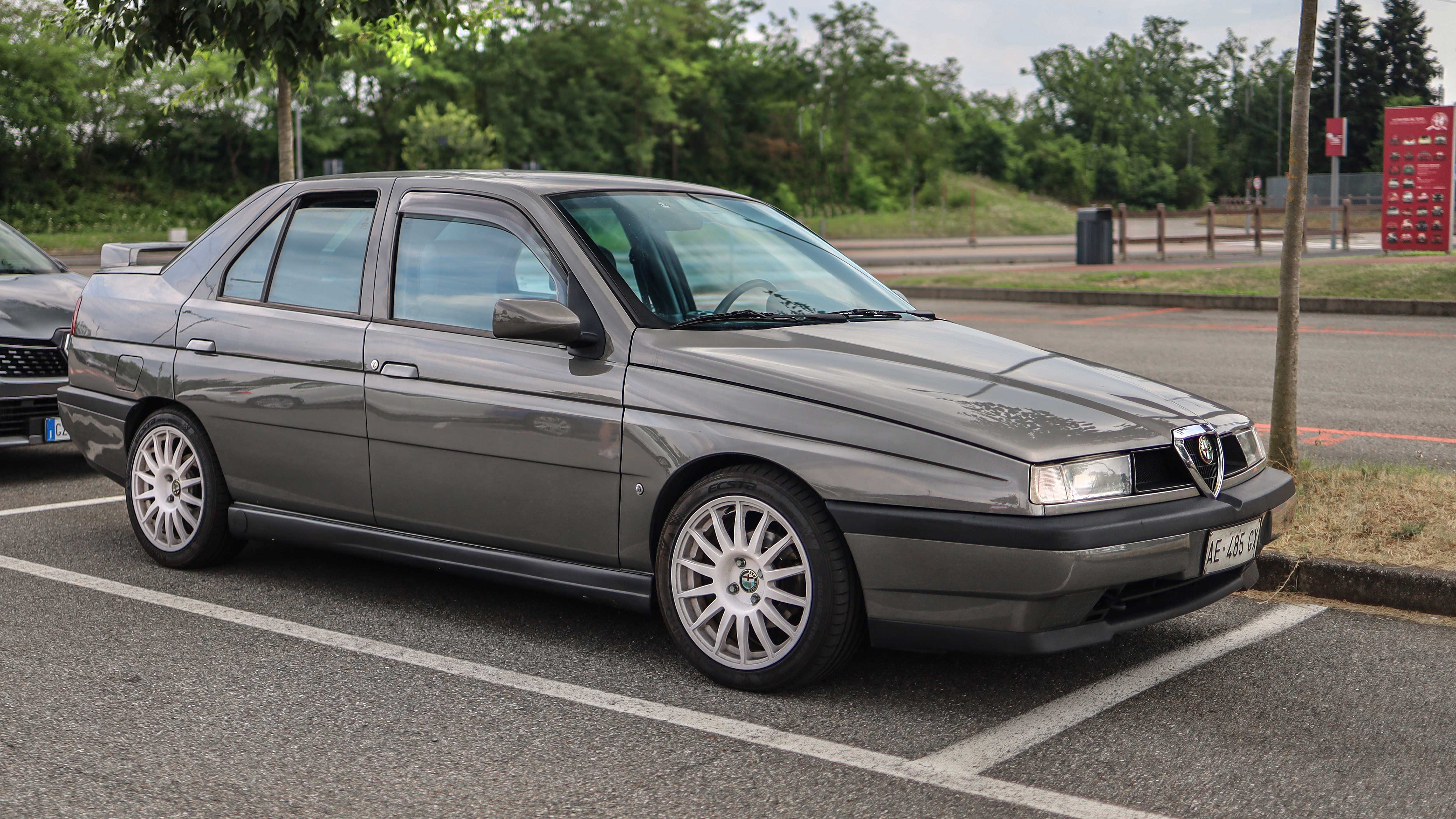
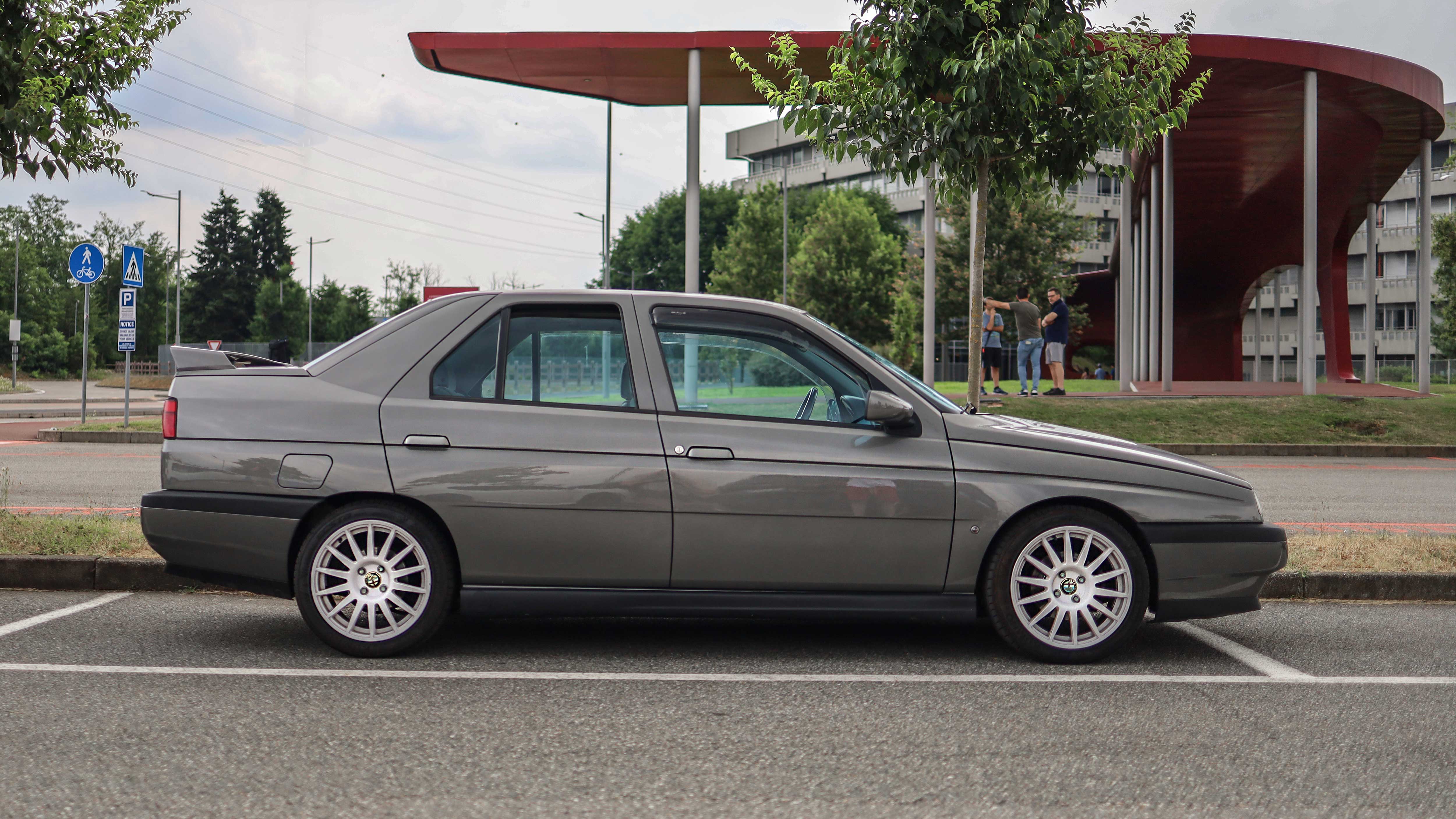
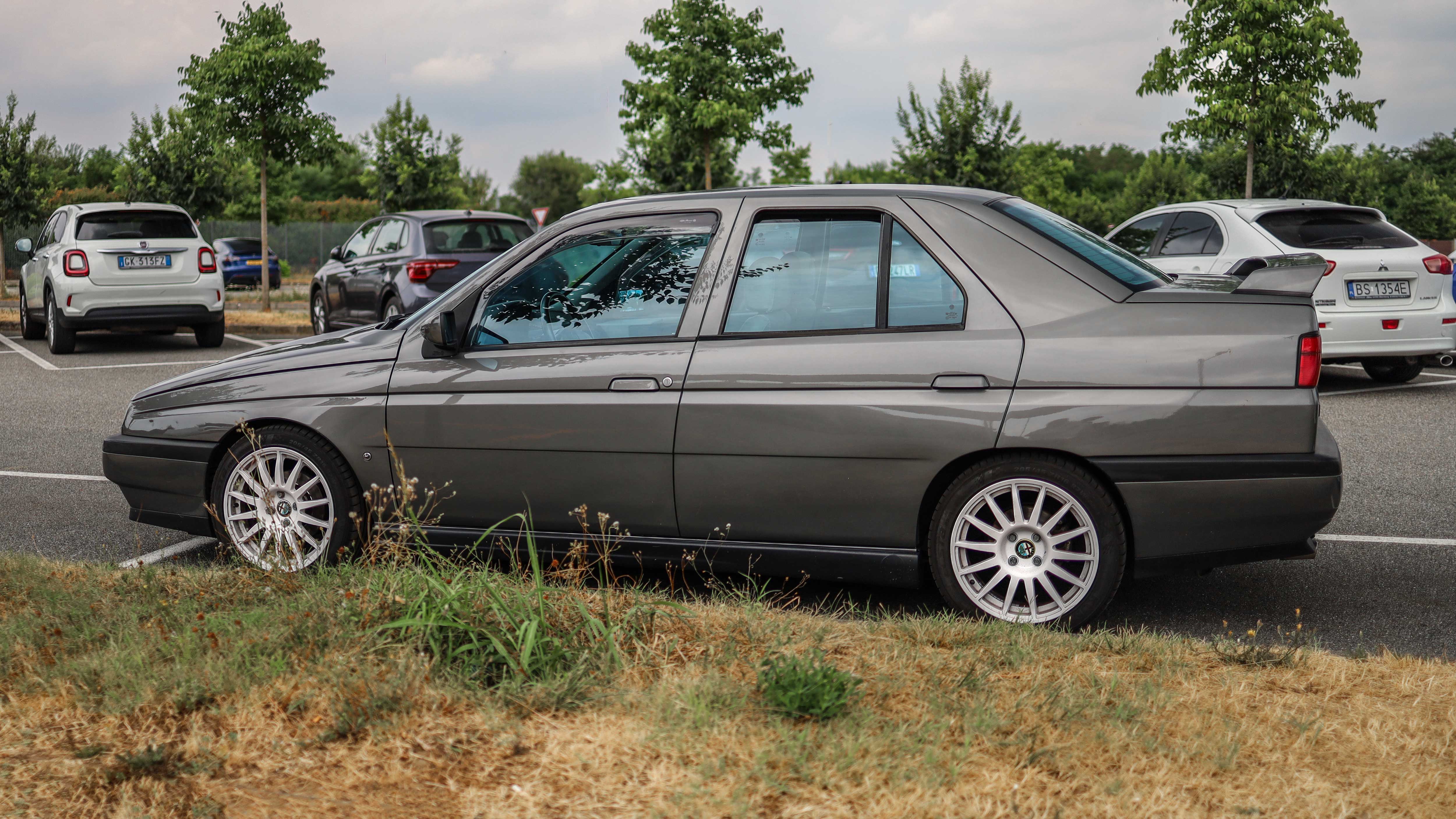
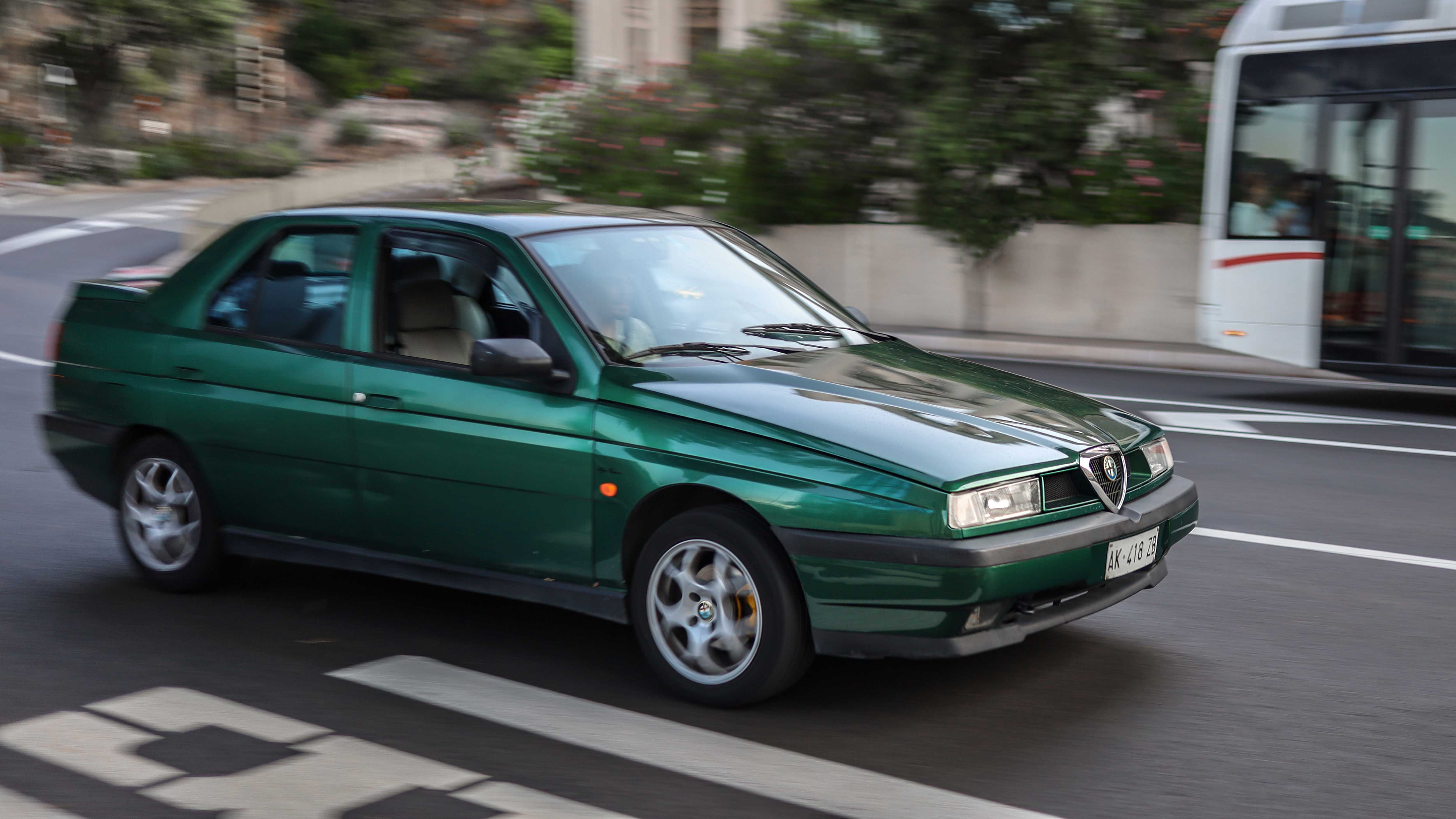
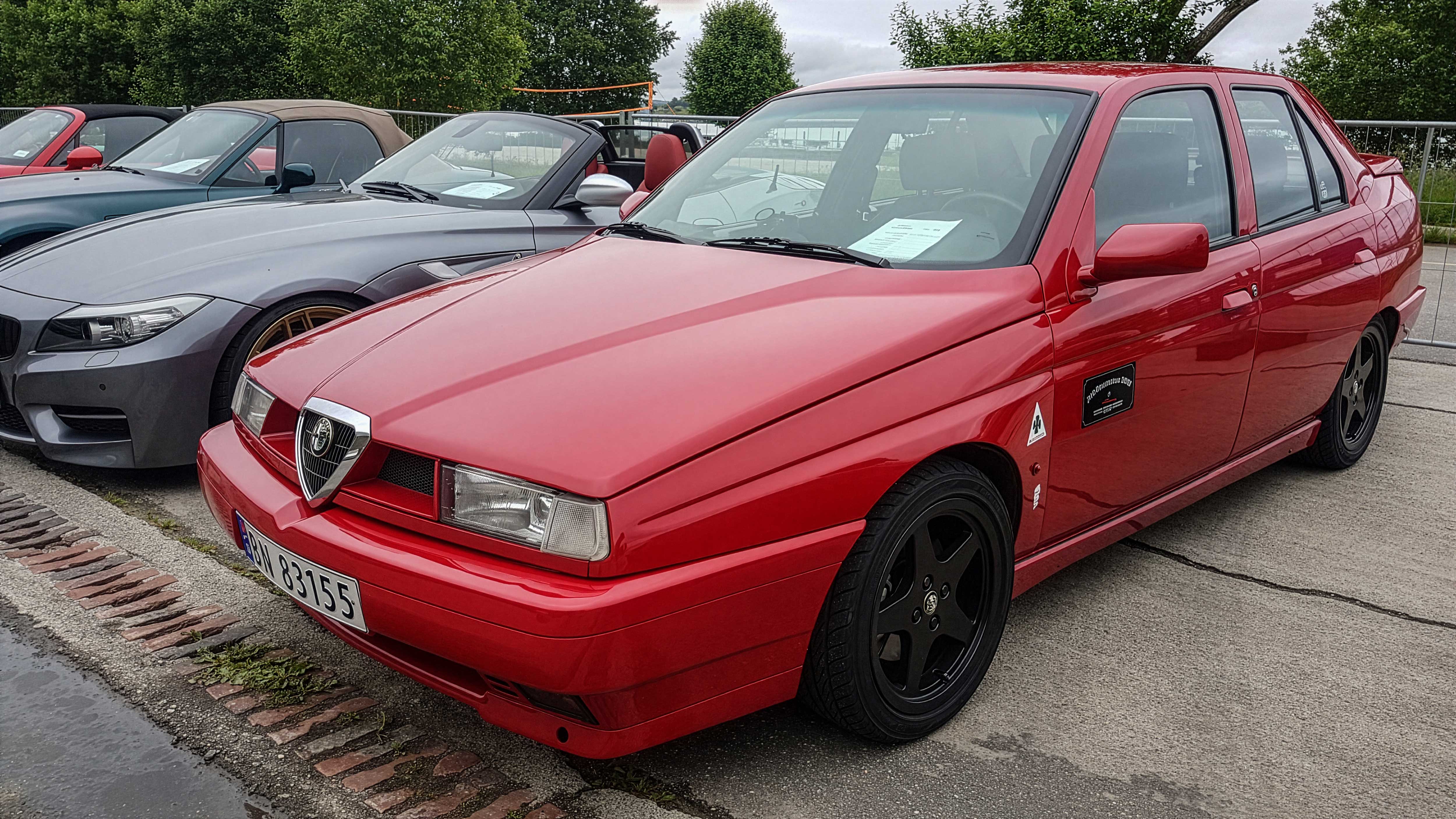
The 155 (1992–1998) replaced the 75 as Alfa Romeo’s compact executive sedan. As a result, front-wheel drive, Twin Spark engines, and V6 options up to about 190 hp delivered modern handling with clear Alfa character.
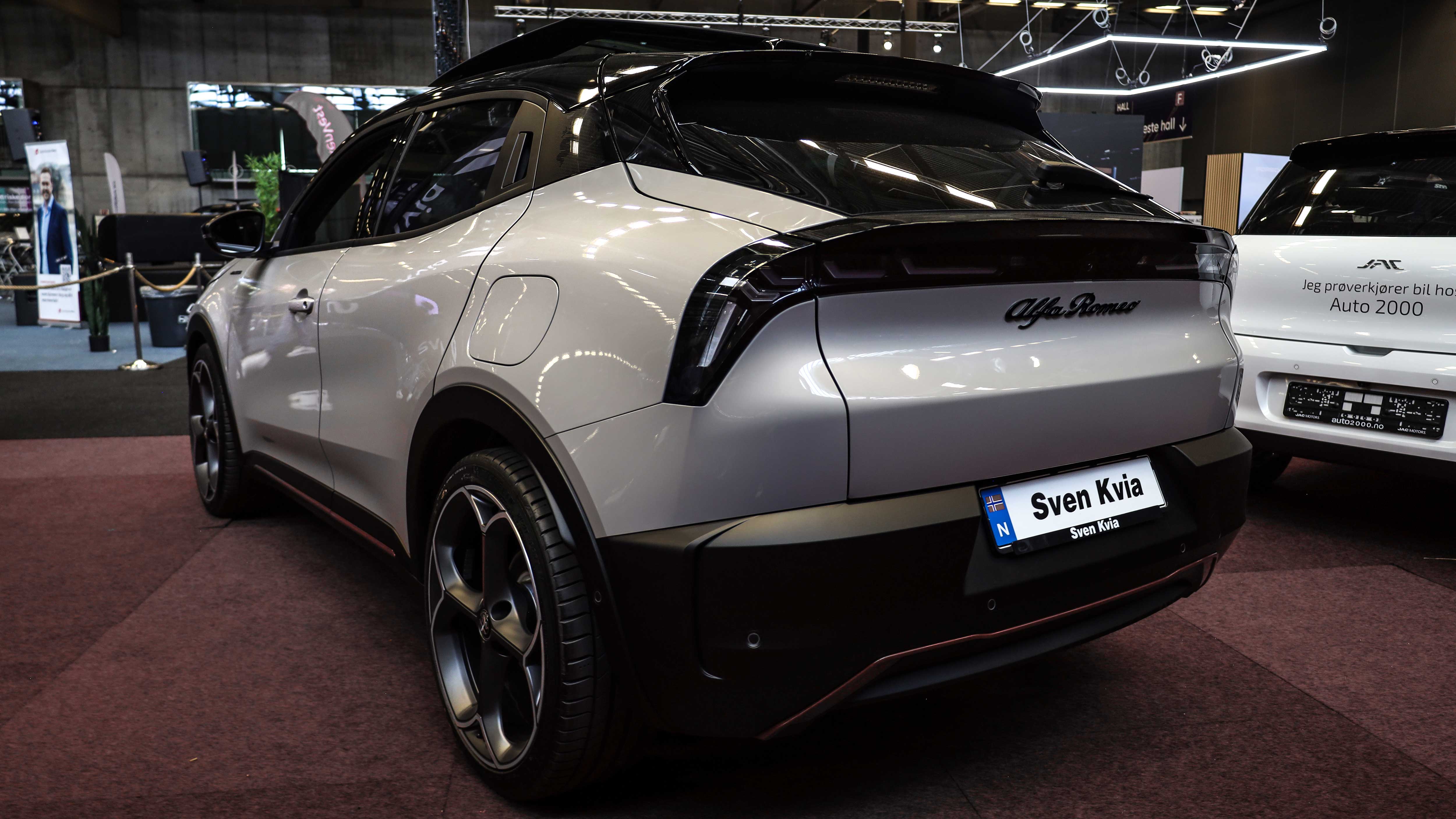
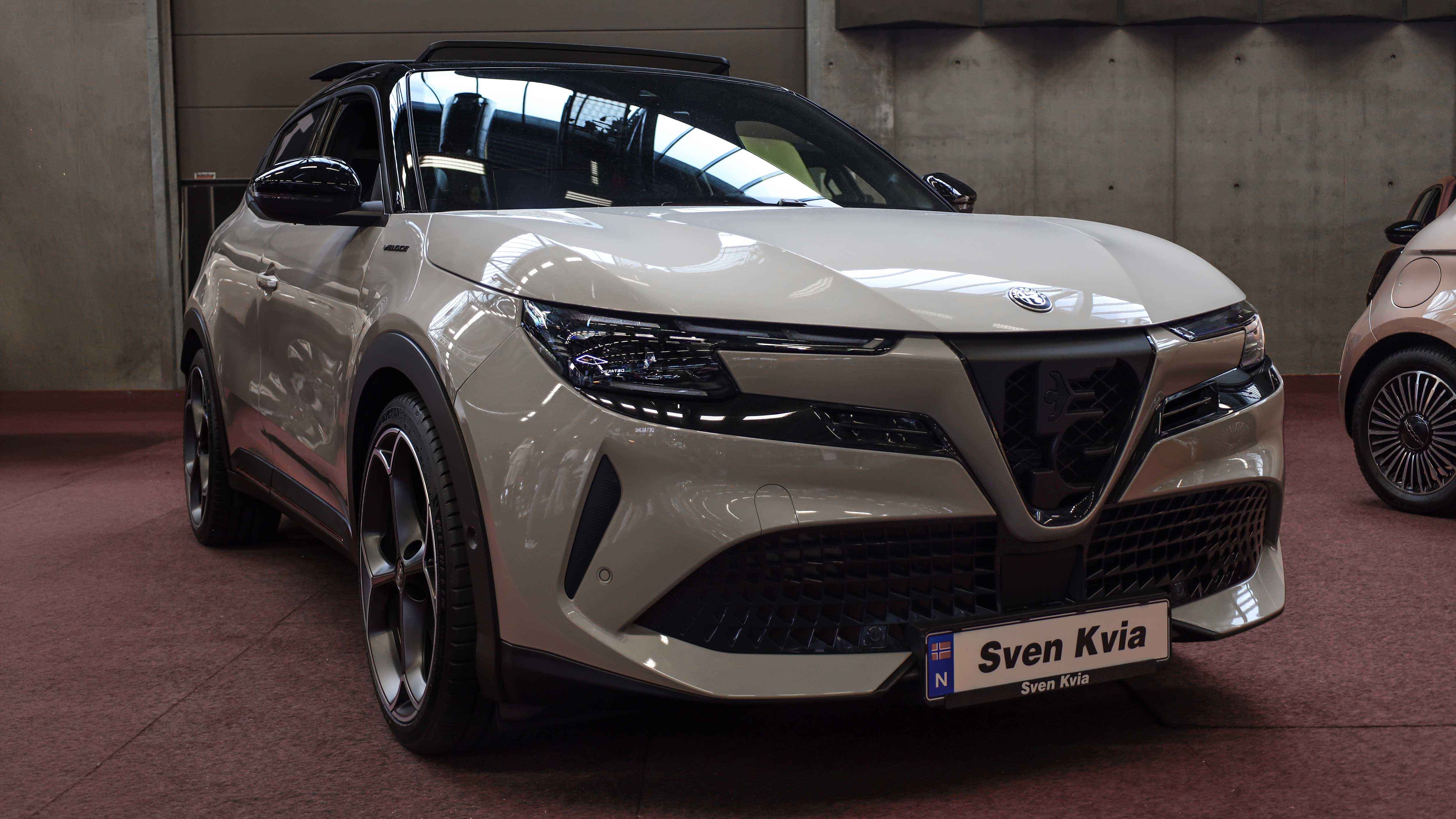
Junior
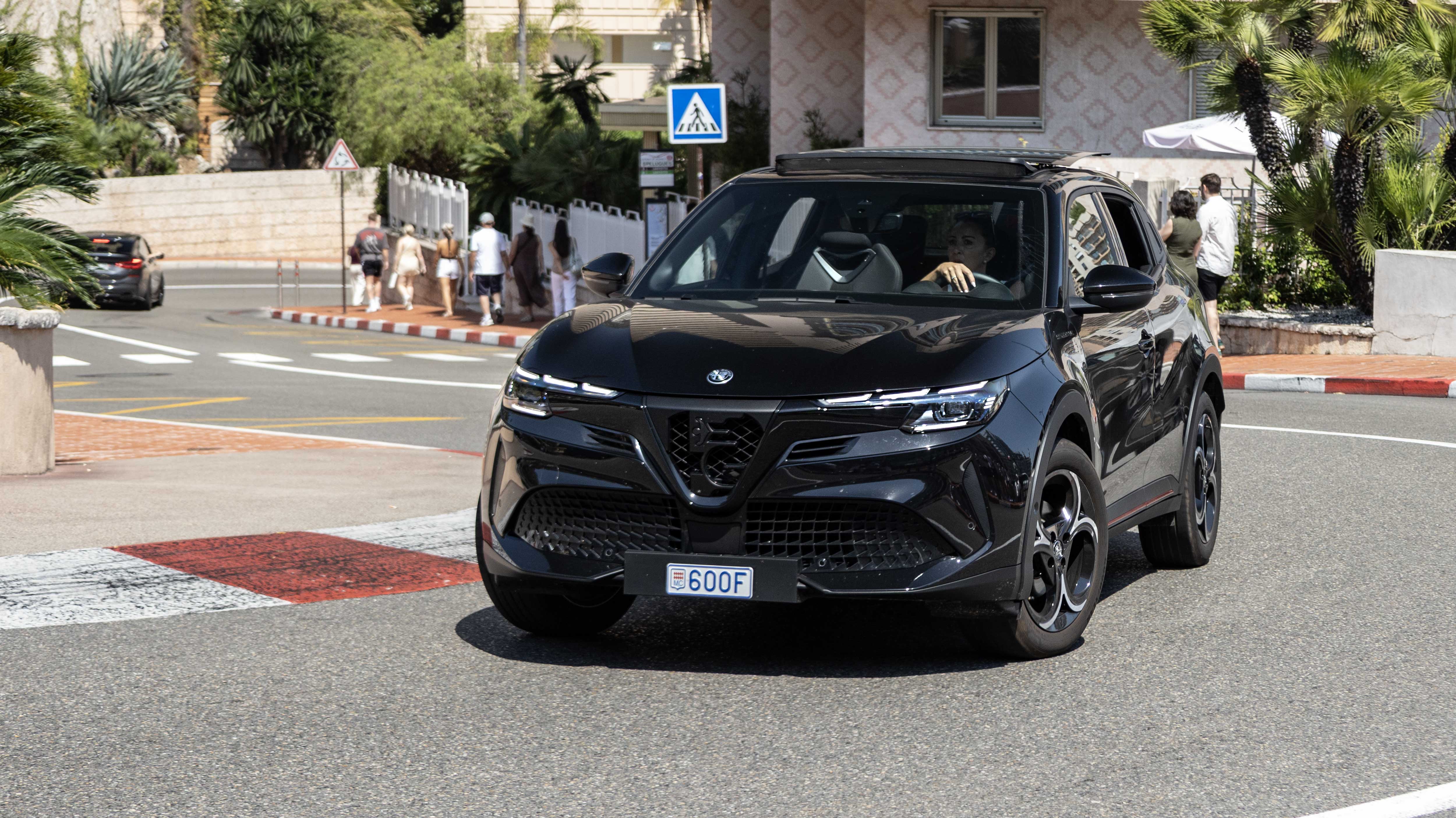
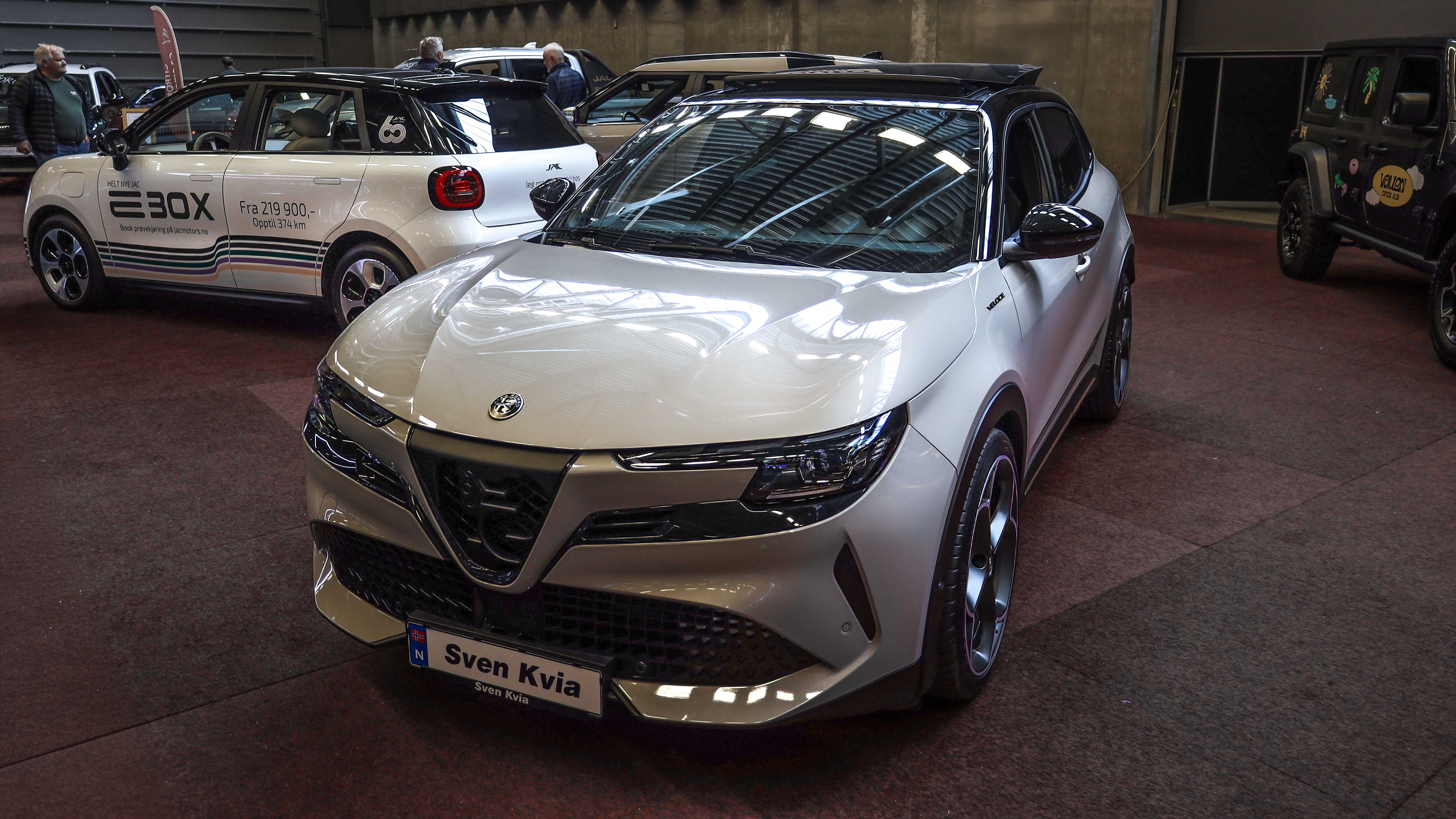
The Junior (2024–today) marks Alfa Romeo’s entry into the compact crossover segment. As a result, electric and mild-hybrid powertrains deliver up to about 240 hp, pairing modern tech with compact dimensions and everyday usability.
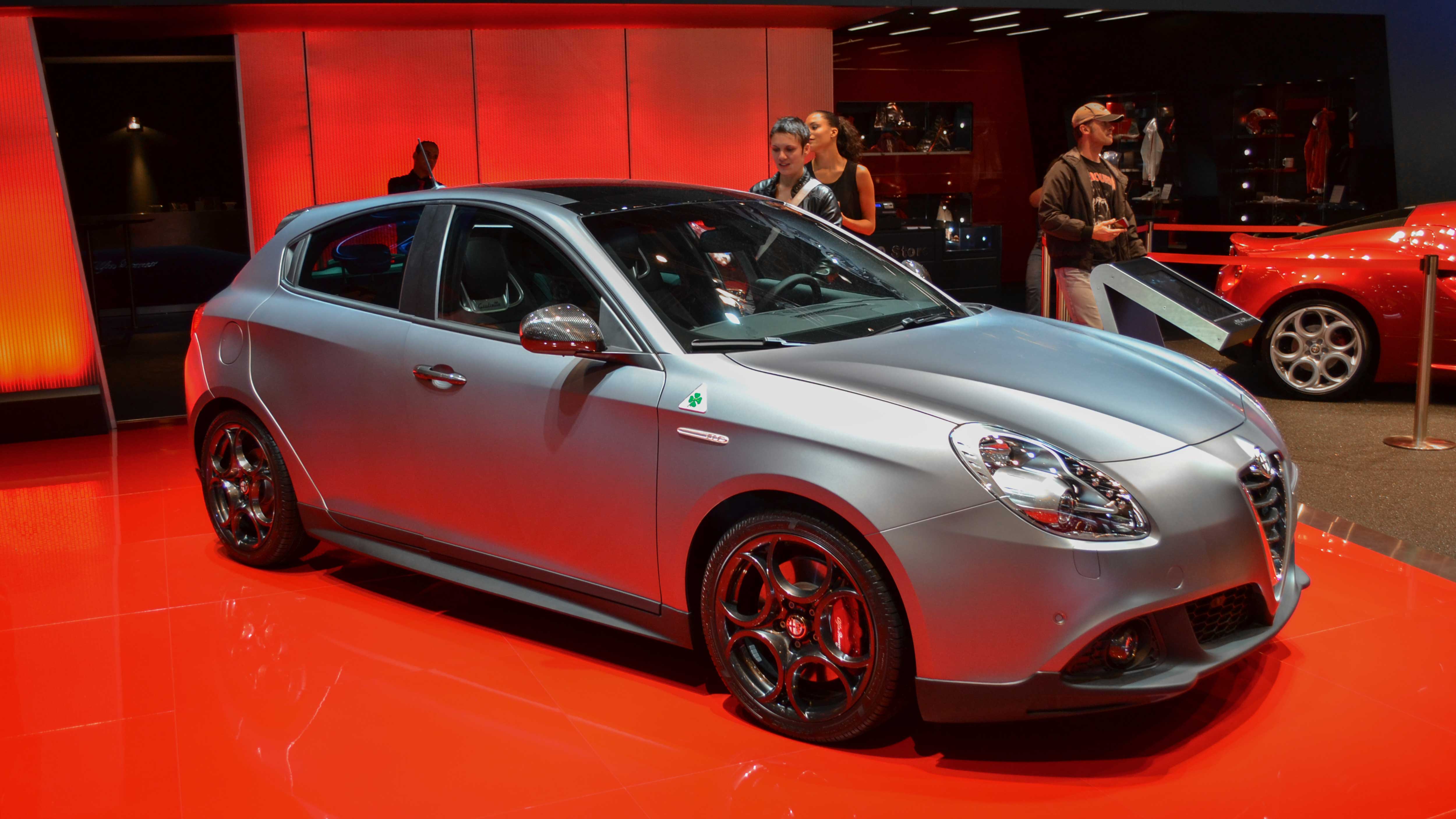
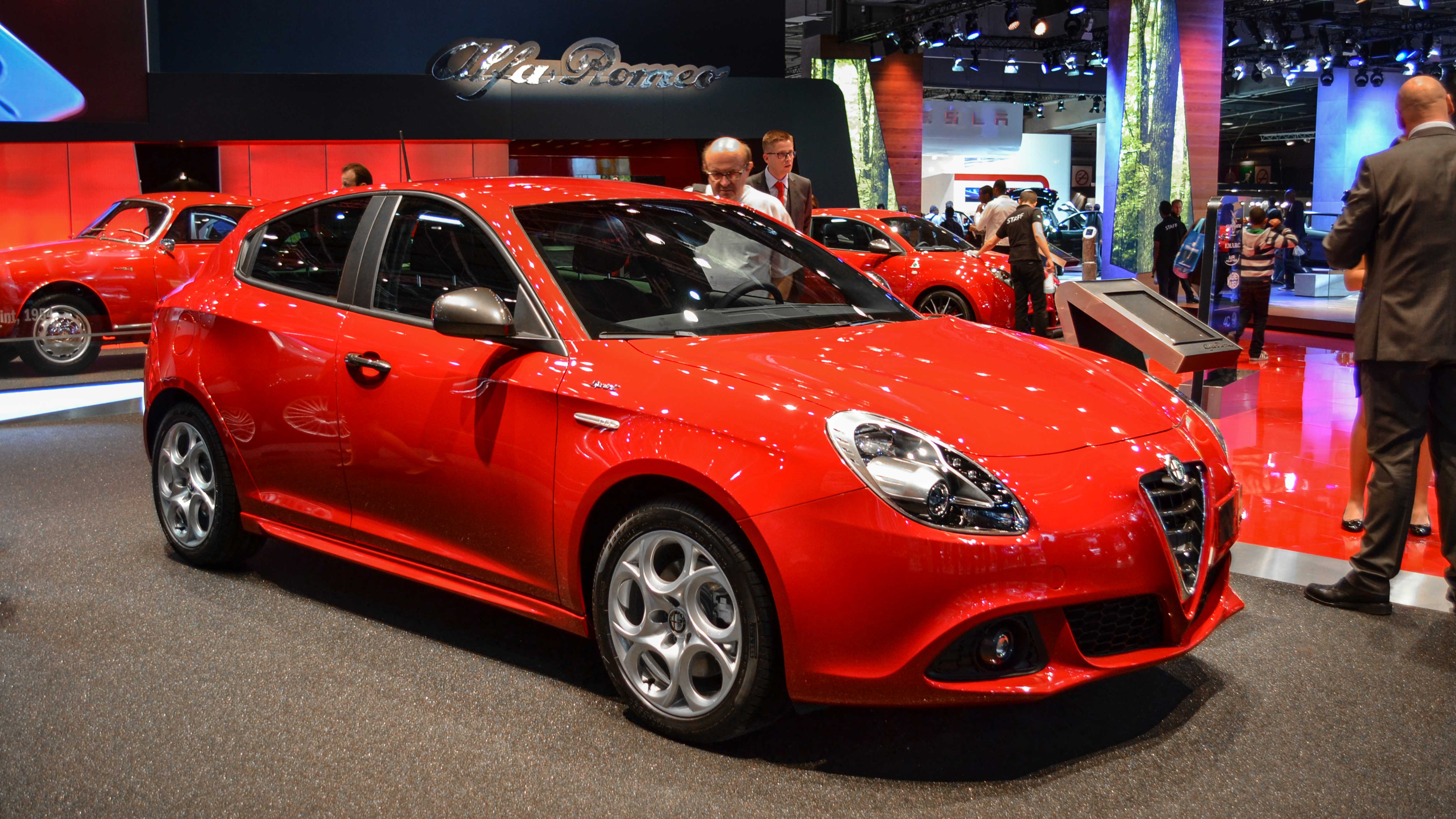
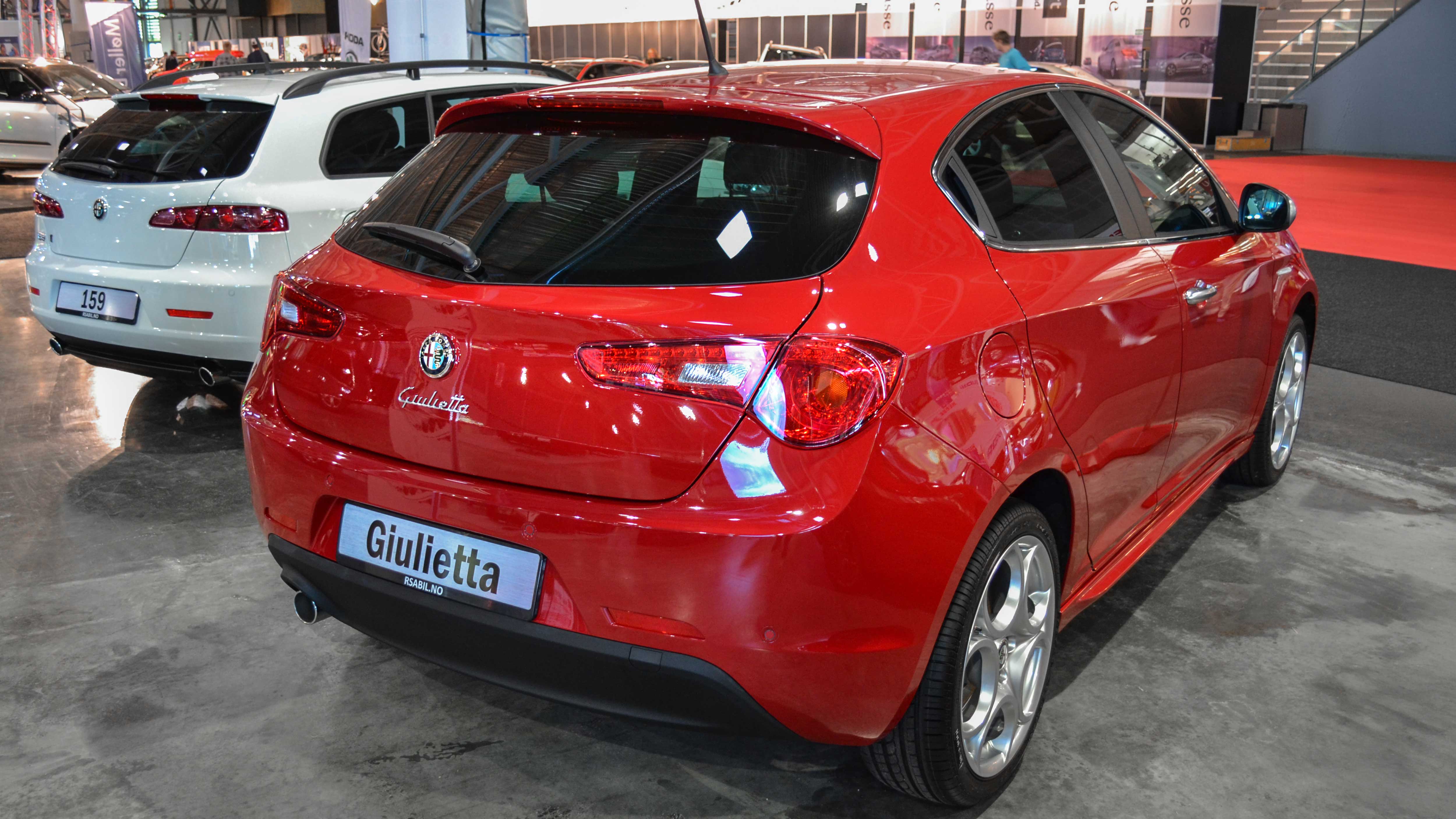
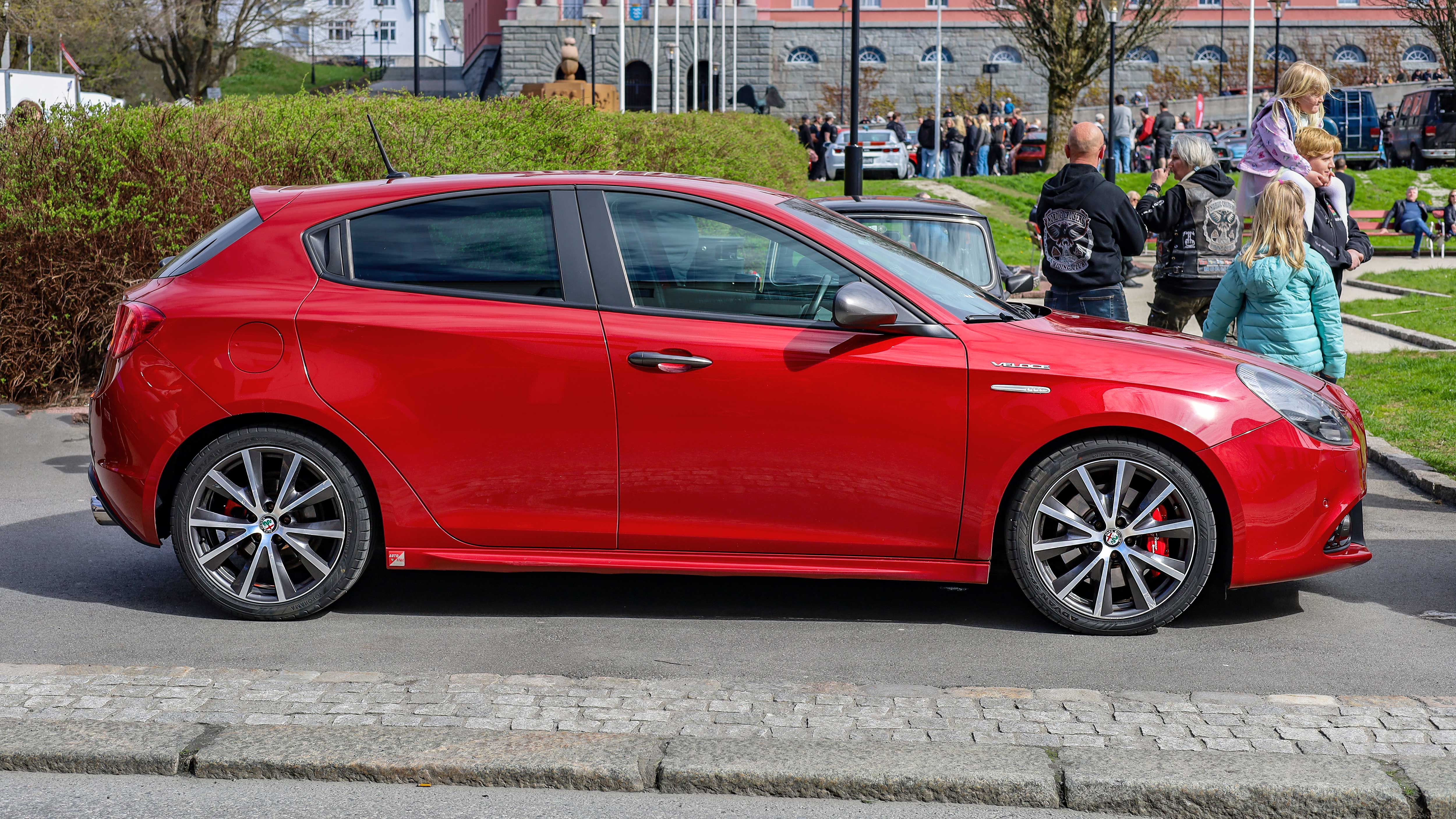
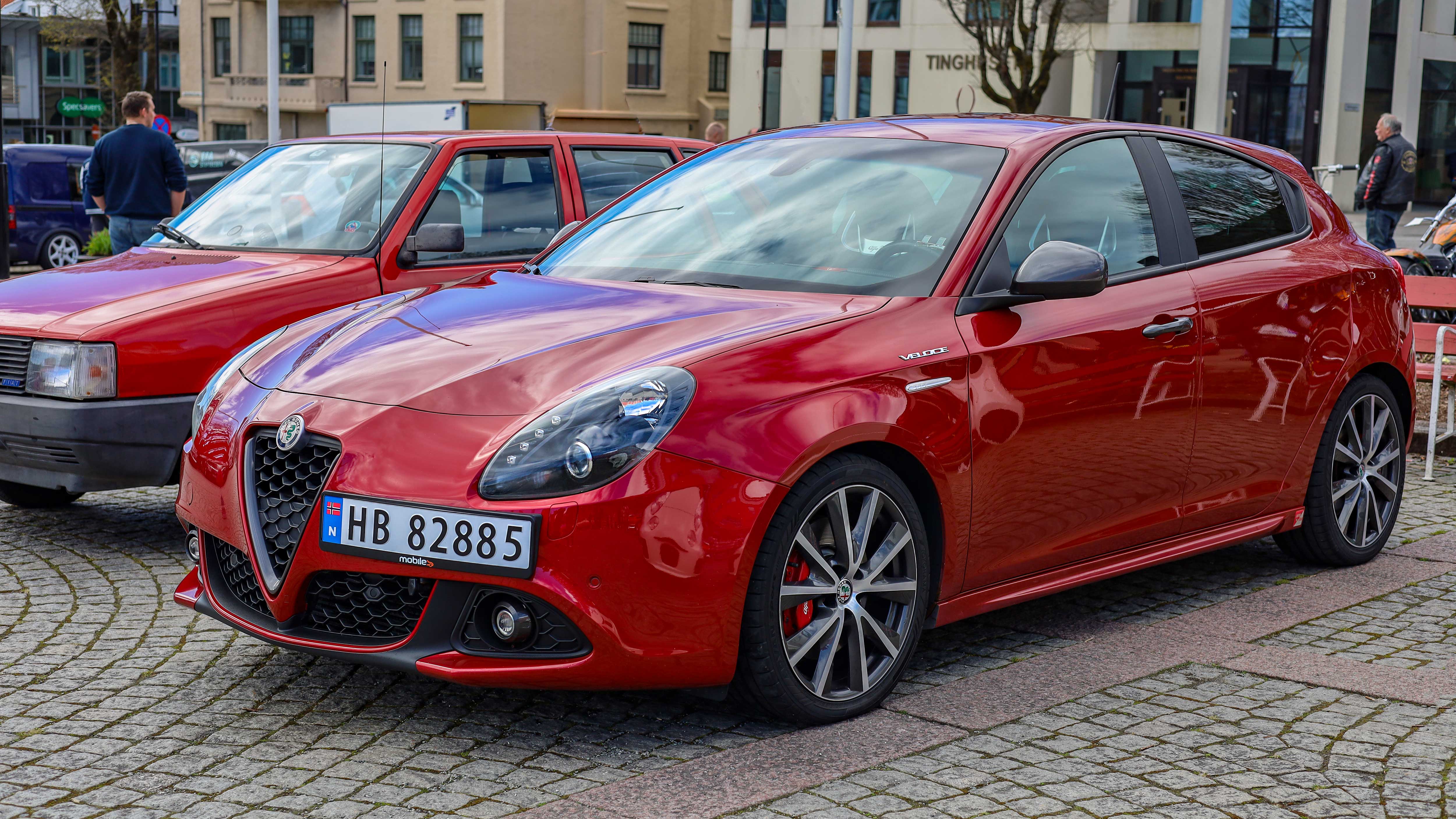
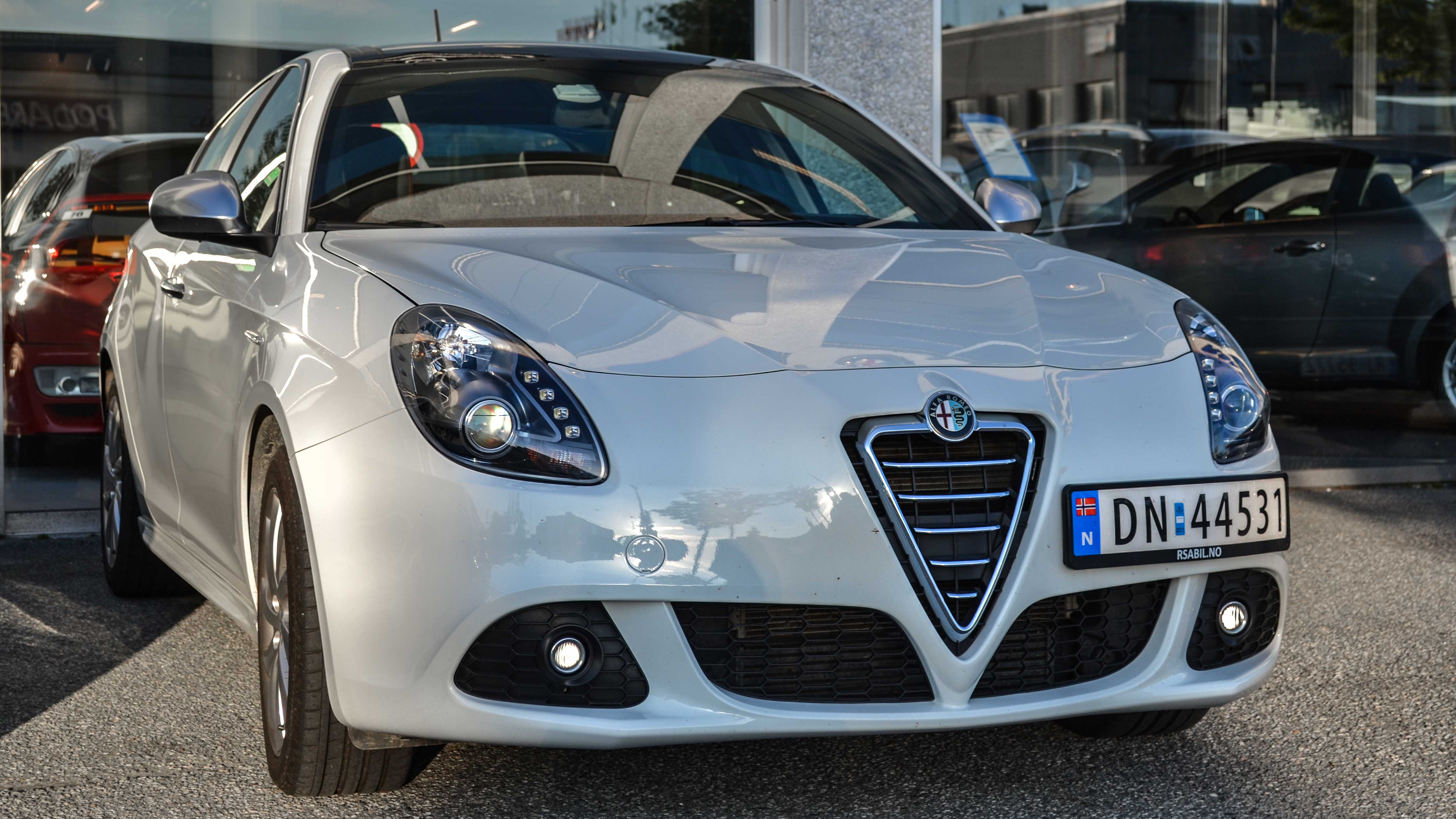
Giulietta
The Giulietta (2010–2020) returned the name as a modern compact hatchback with sporty focus. As a result, petrol and diesel engines ranged up to the 1750 TBi with about 235 hp, pairing sharp handling with everyday usability.
MiTo
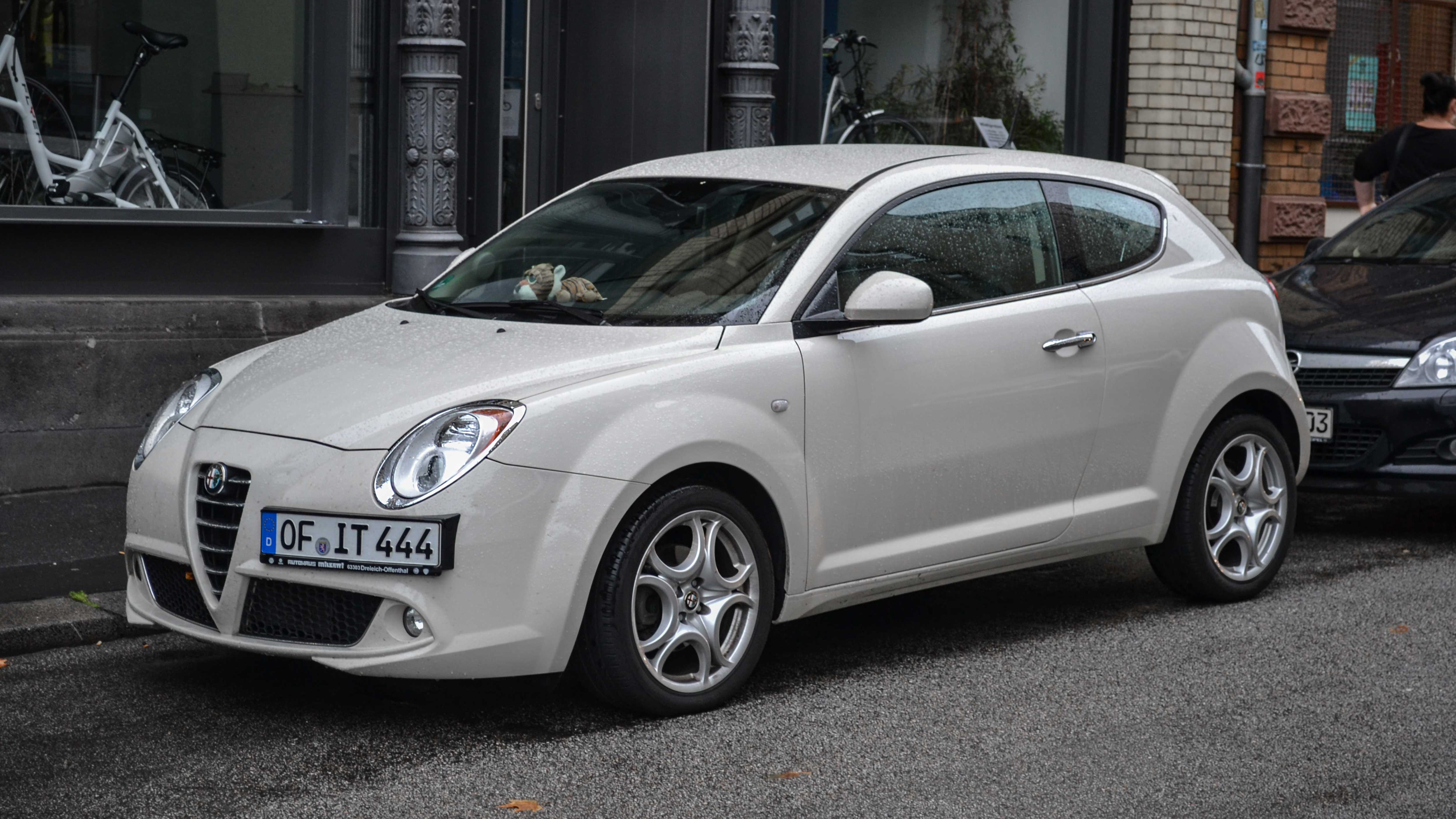
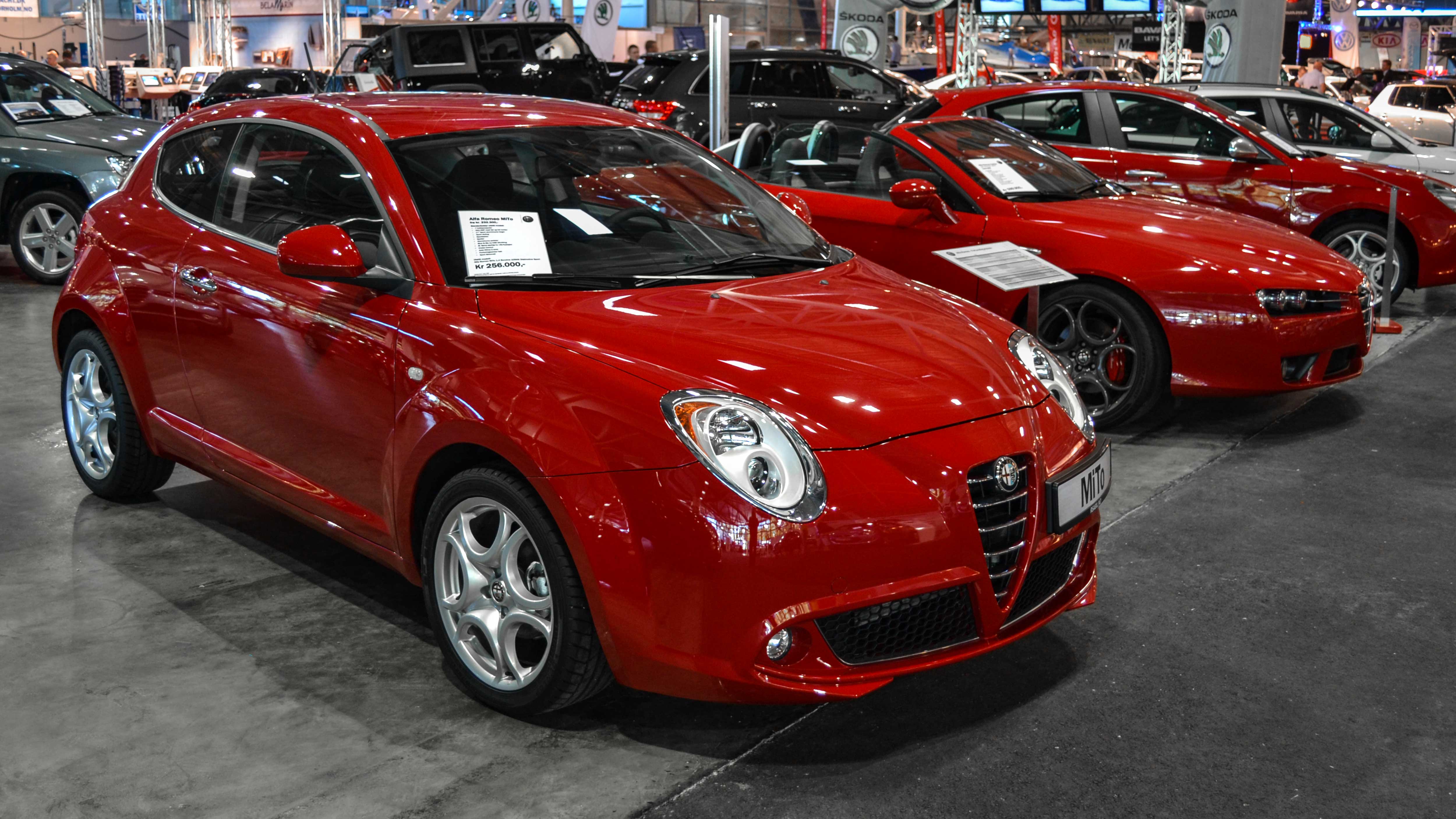
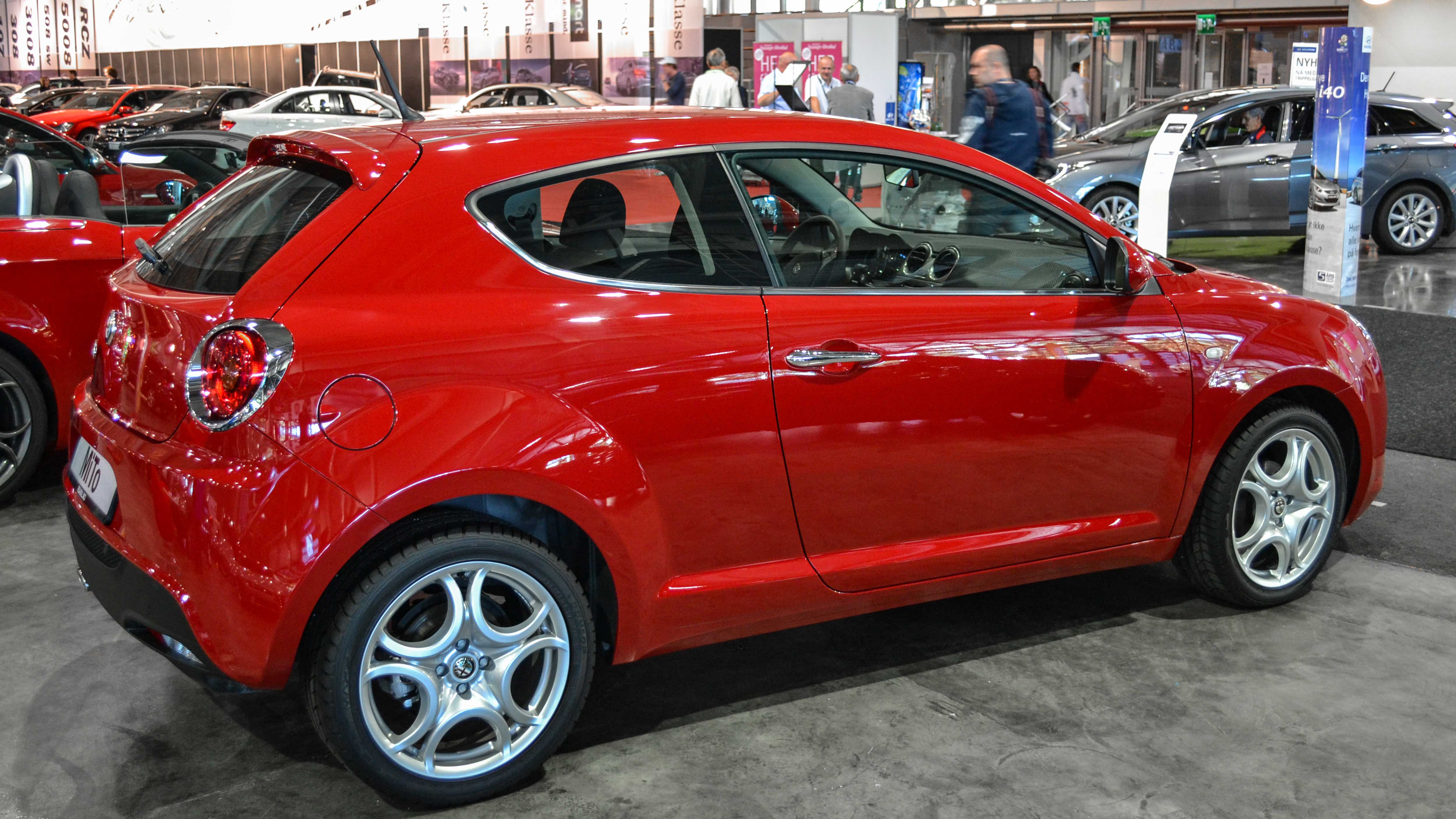
The MiTo (2008–2018) brought Alfa Romeo design and handling to the small hatchback class. As a result, petrol and diesel engines ranged up to the 1.4 MultiAir Turbo with about 170 hp in the Quadrifoglio Verde.
1600 Junior Z
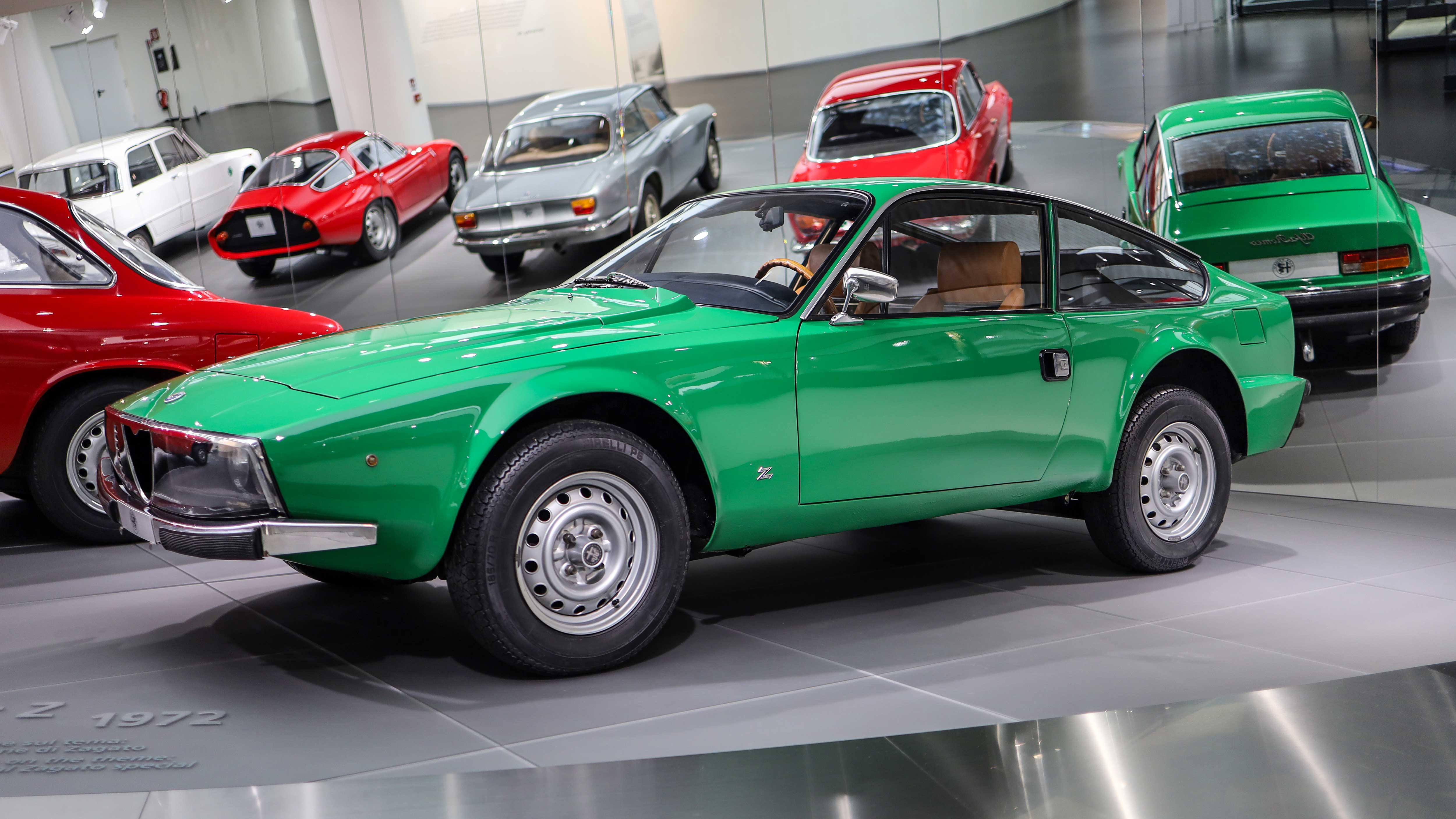
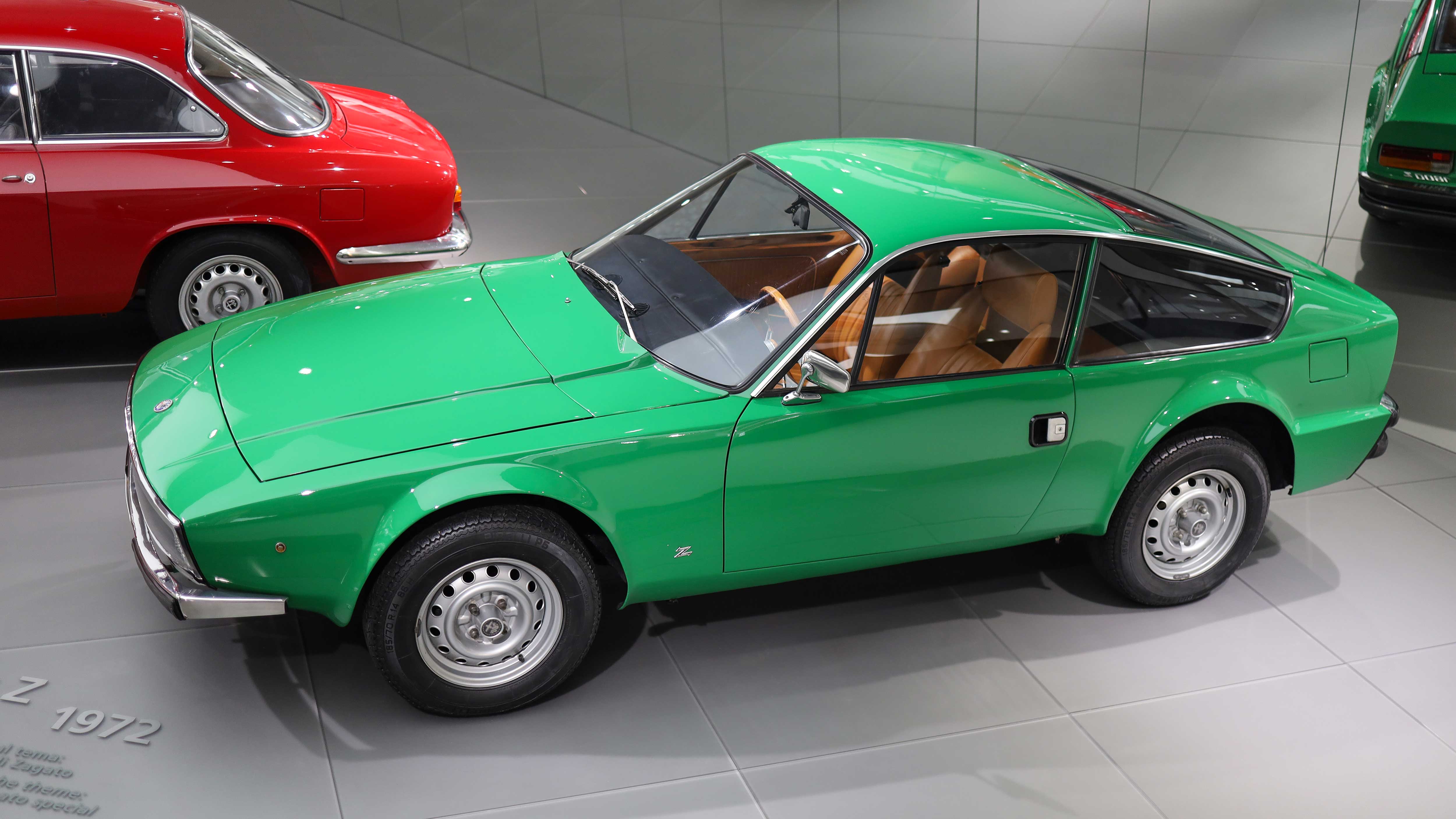
The 1600 Junior Z (1972–1975) was a lightweight coupe designed by Zagato with sharp, angular styling. As a result, its 1.6 twin-cam engine delivered about 109 hp, pairing low weight with balanced rear-wheel-drive handling.
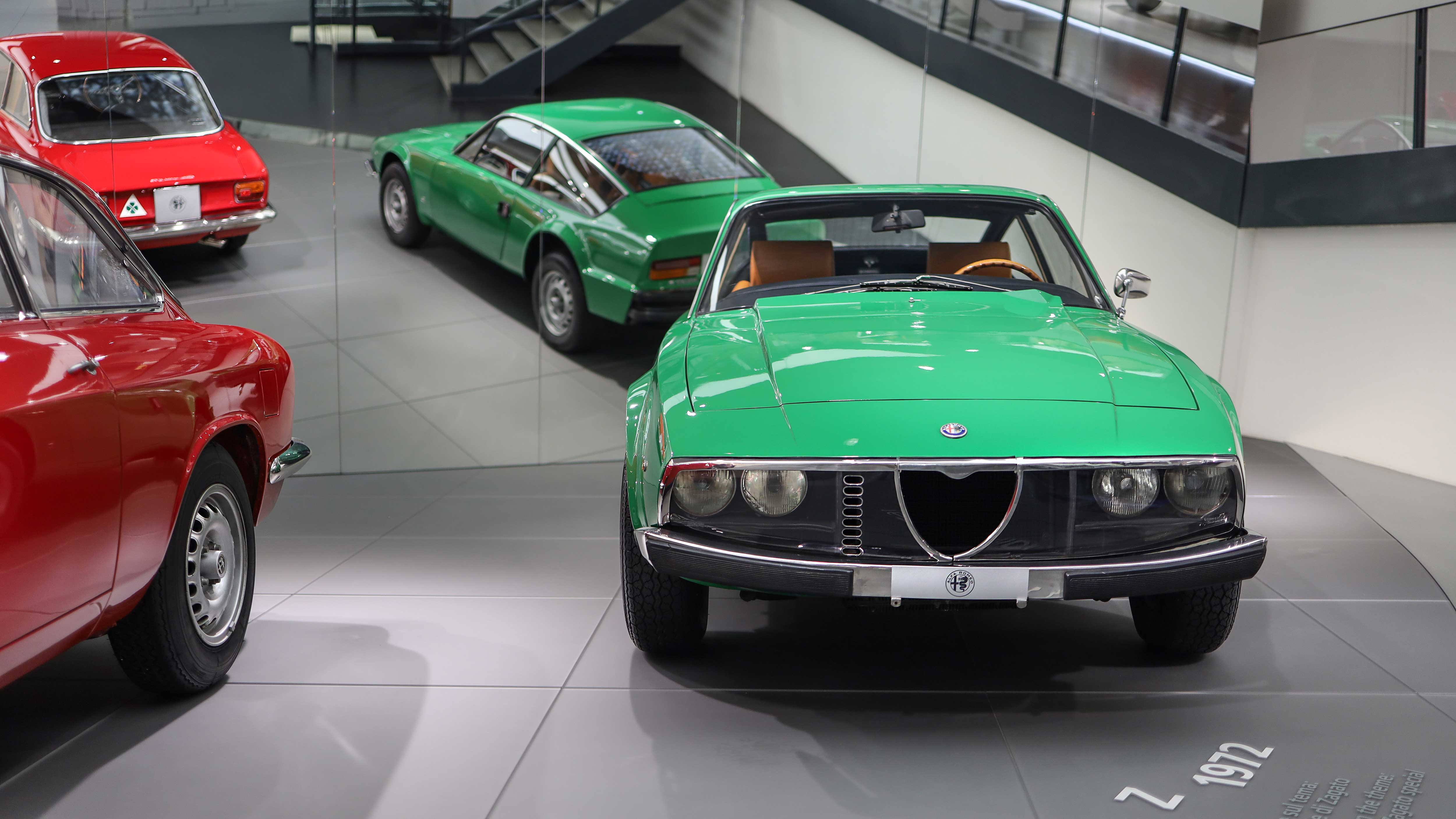
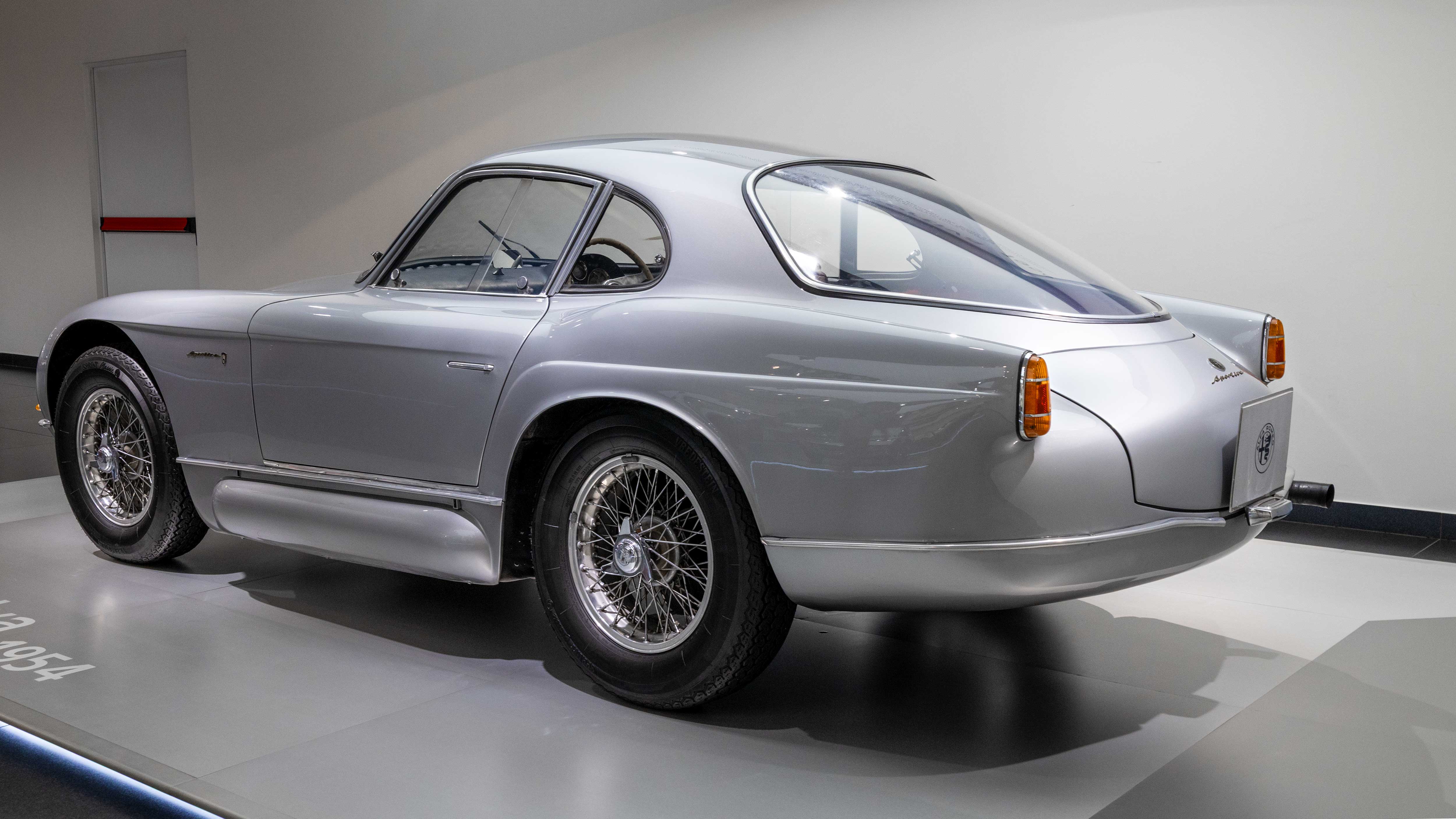
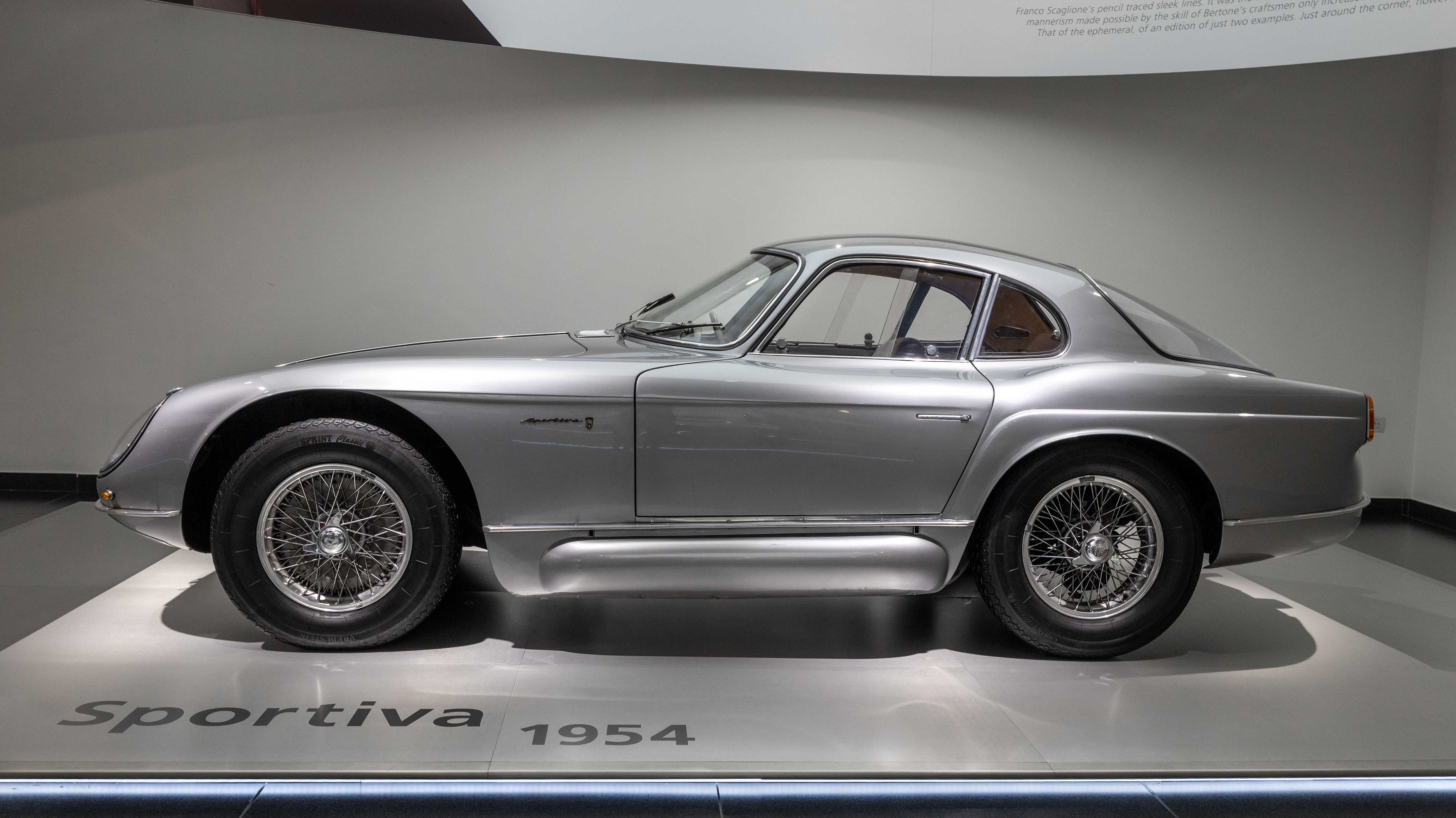
2000 Sportiva
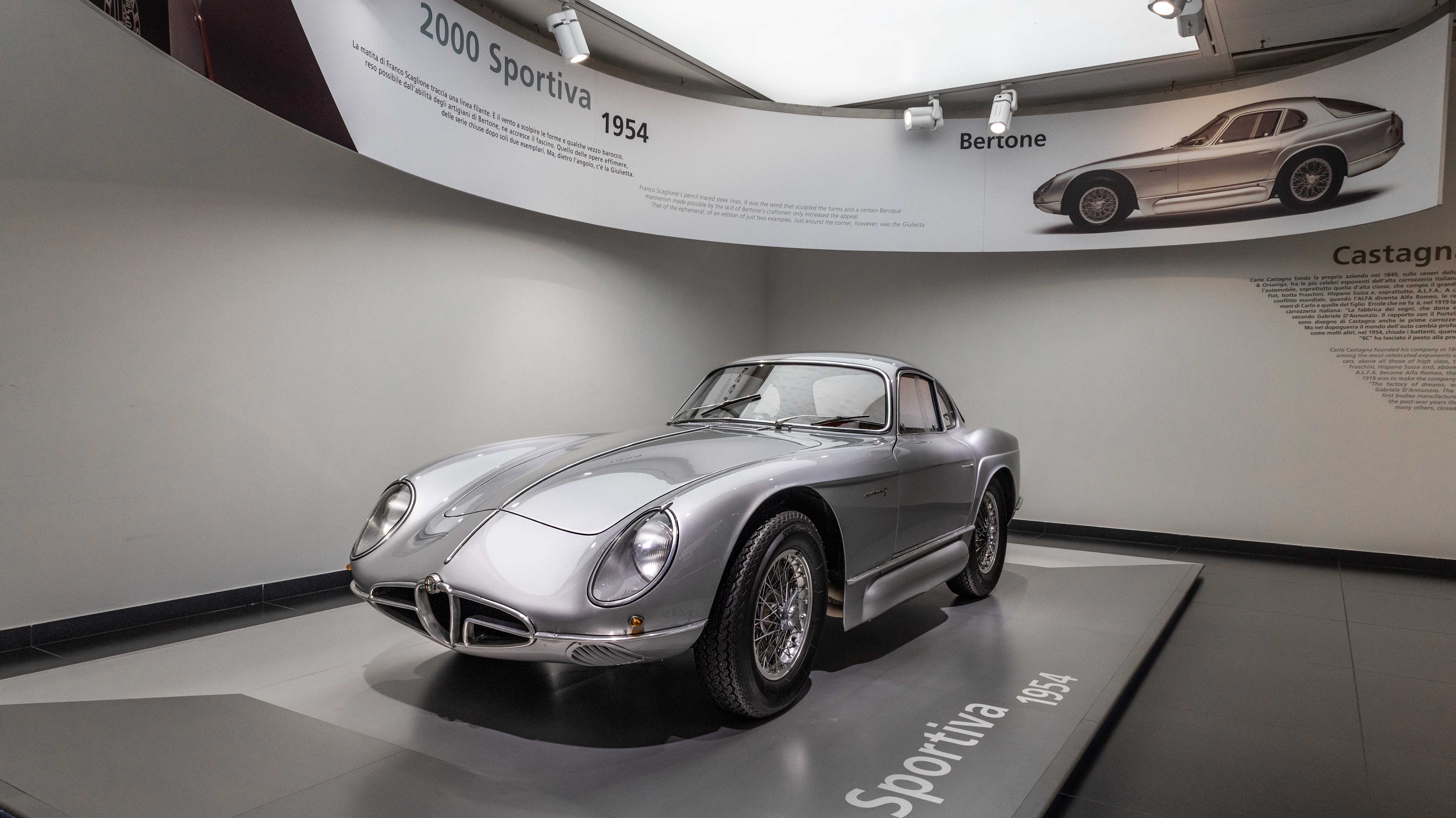
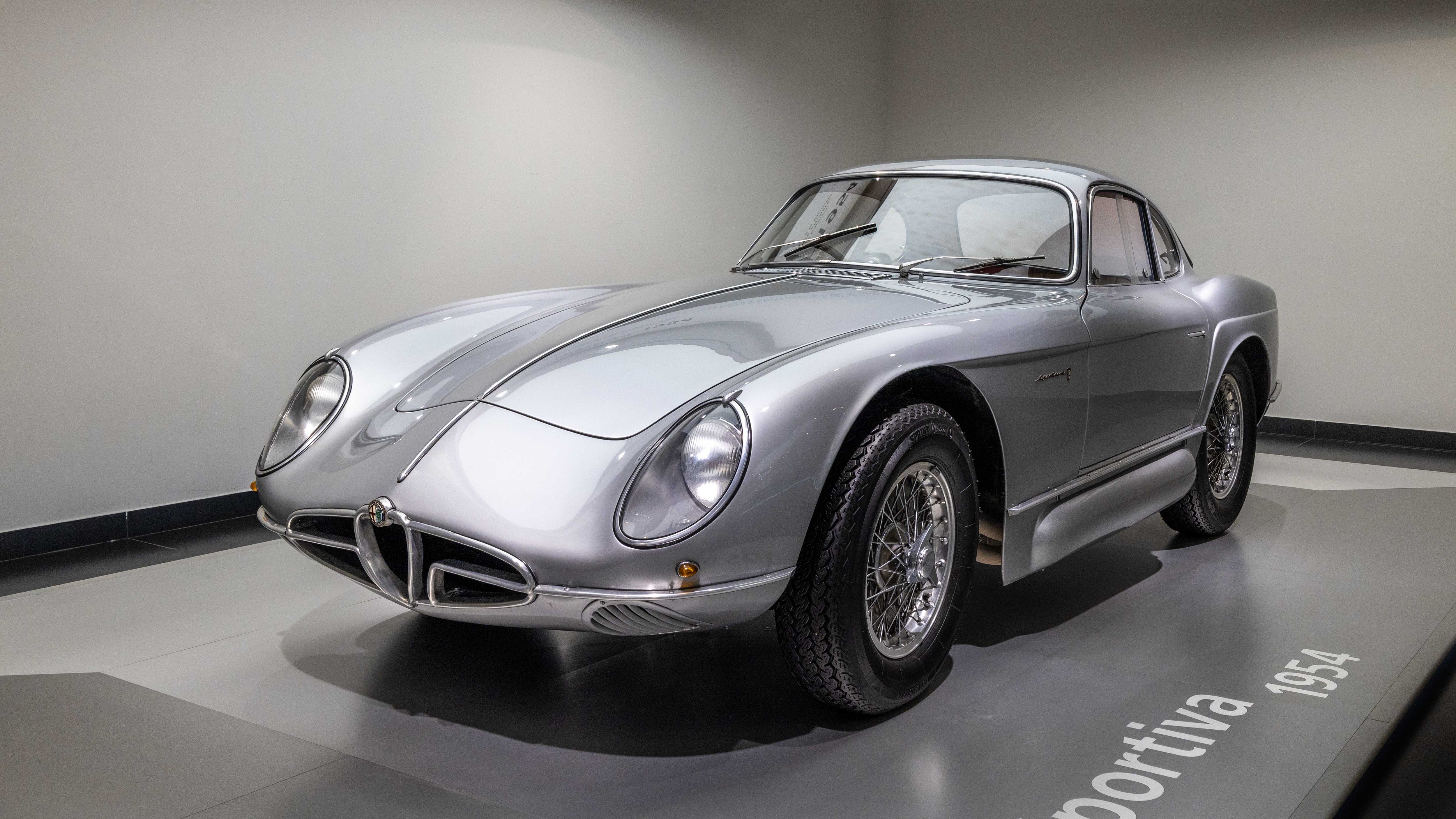
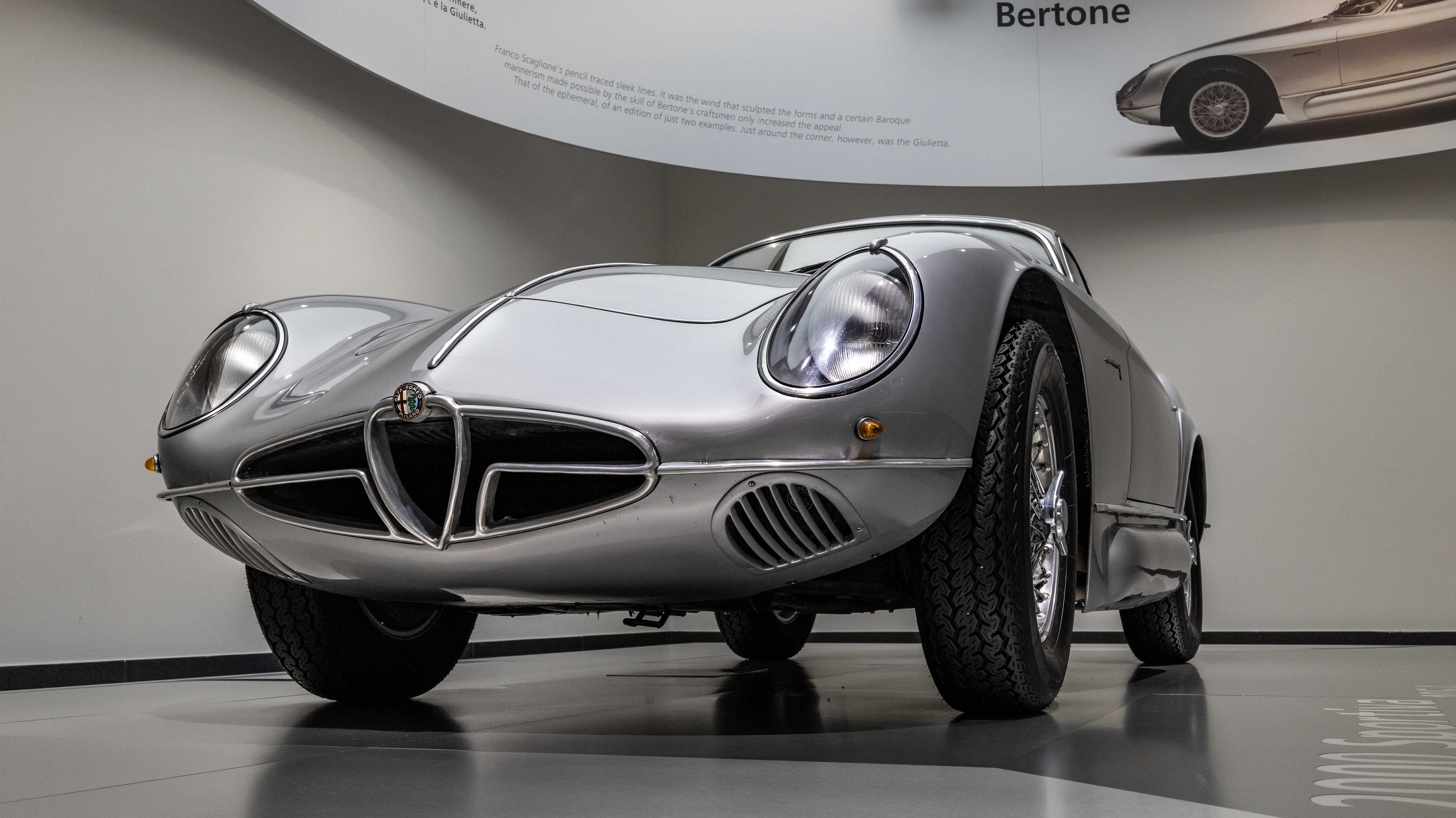
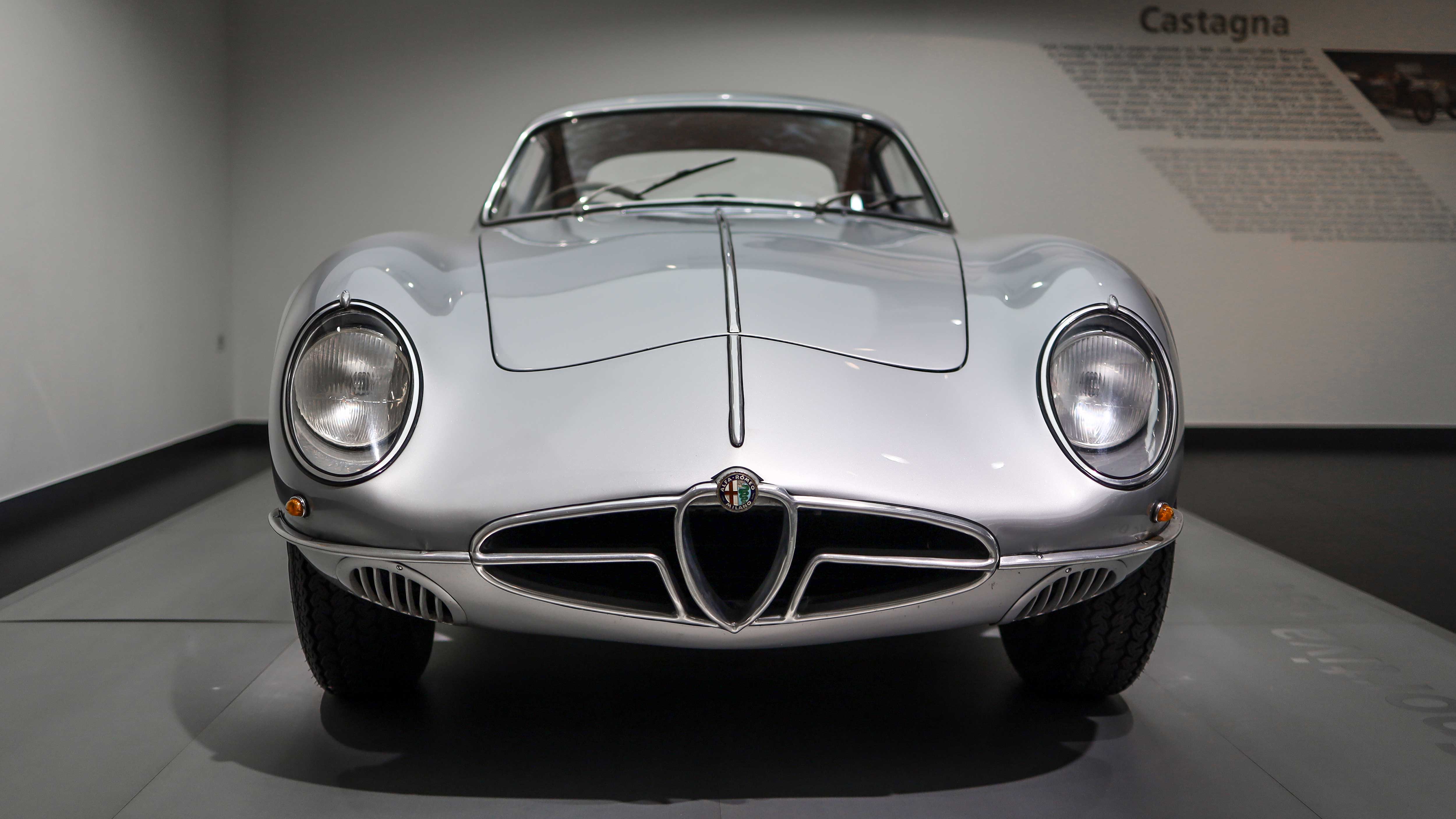
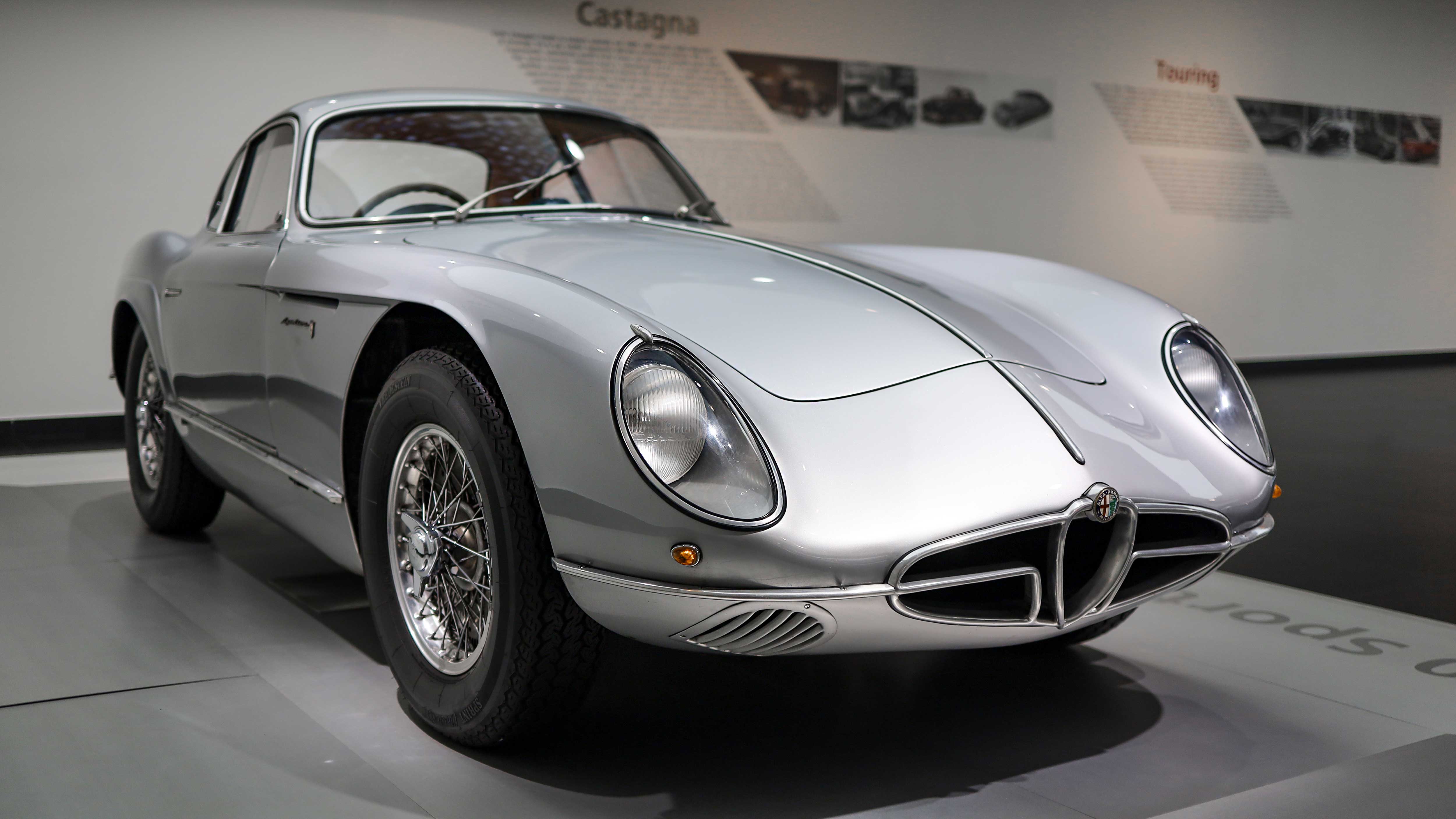
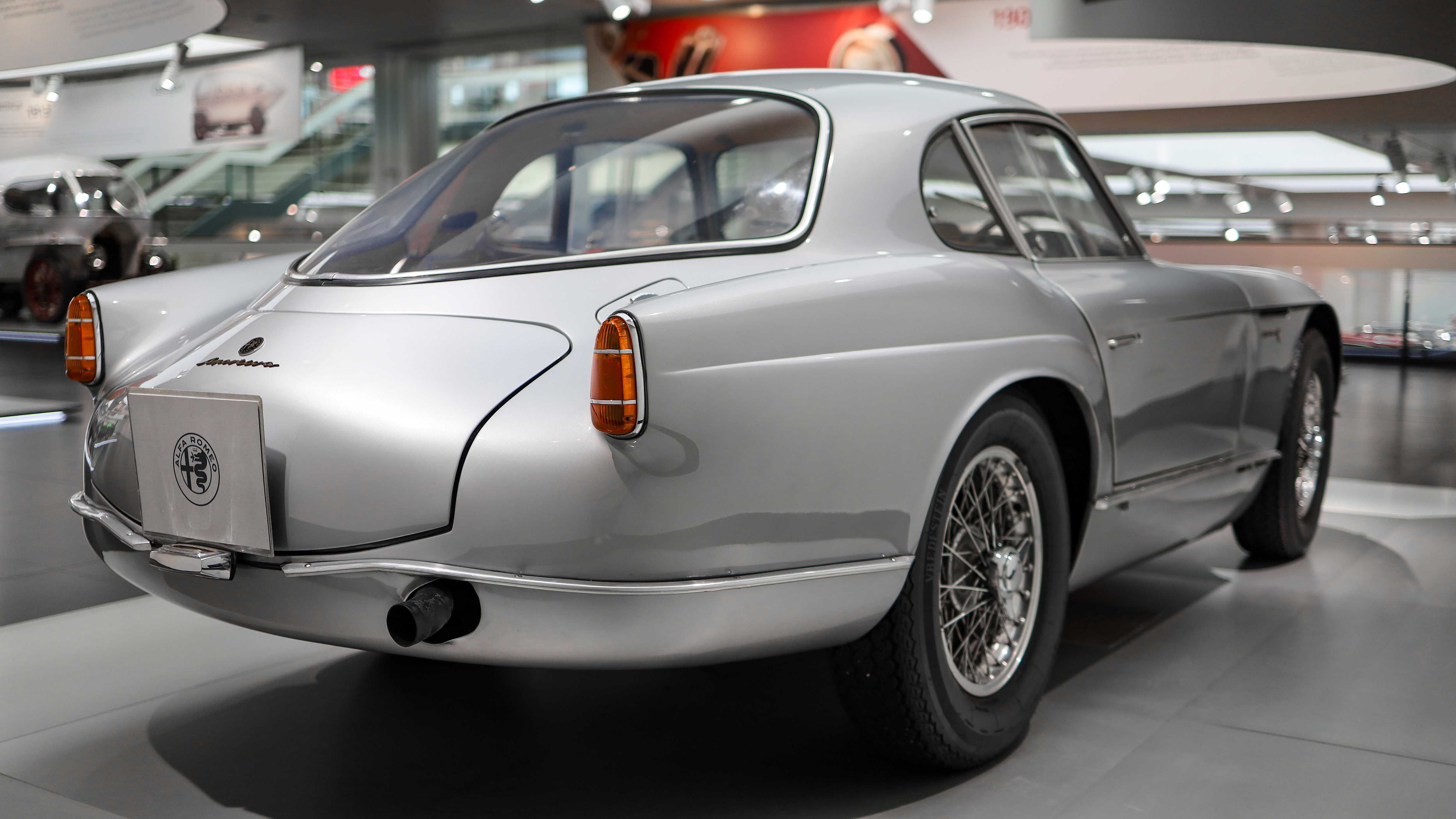
The 2000 Sportiva (1954) was a low-volume sports prototype built to showcase advanced engineering. As a result, its 2.0 twin-cam engine delivered about 138 hp, pairing lightweight construction with rear-wheel-drive balance.
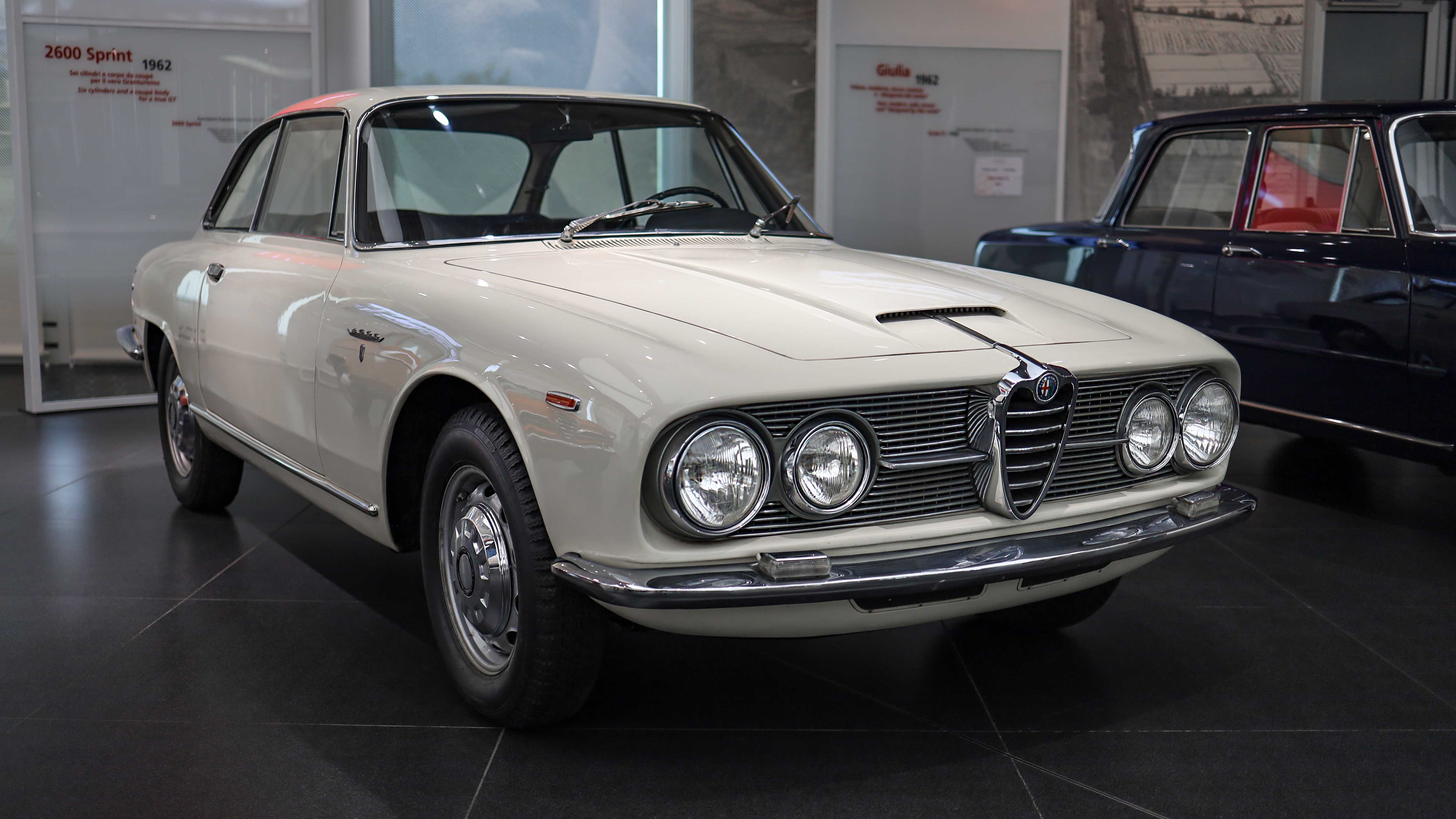
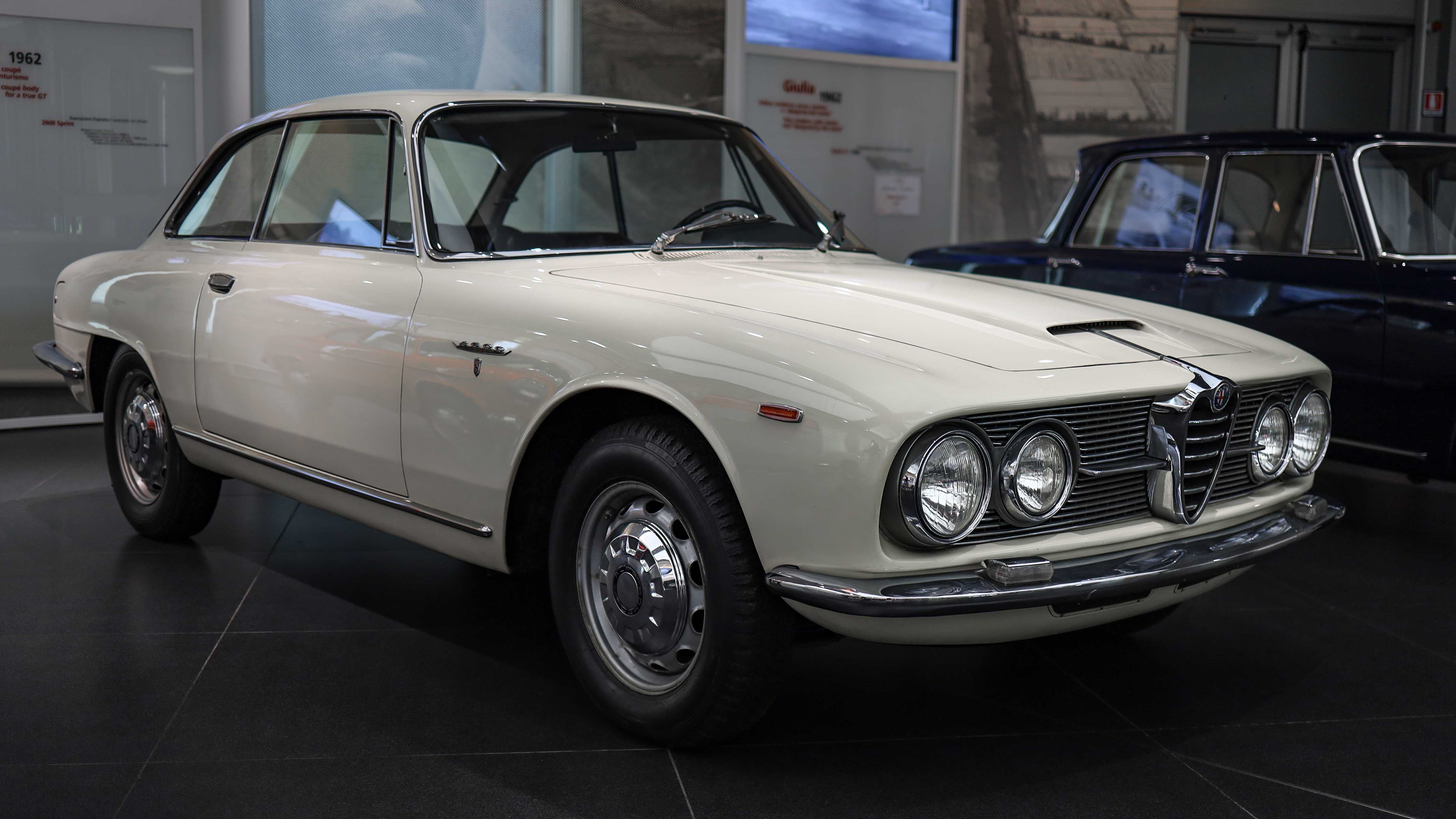
2600 Sprint
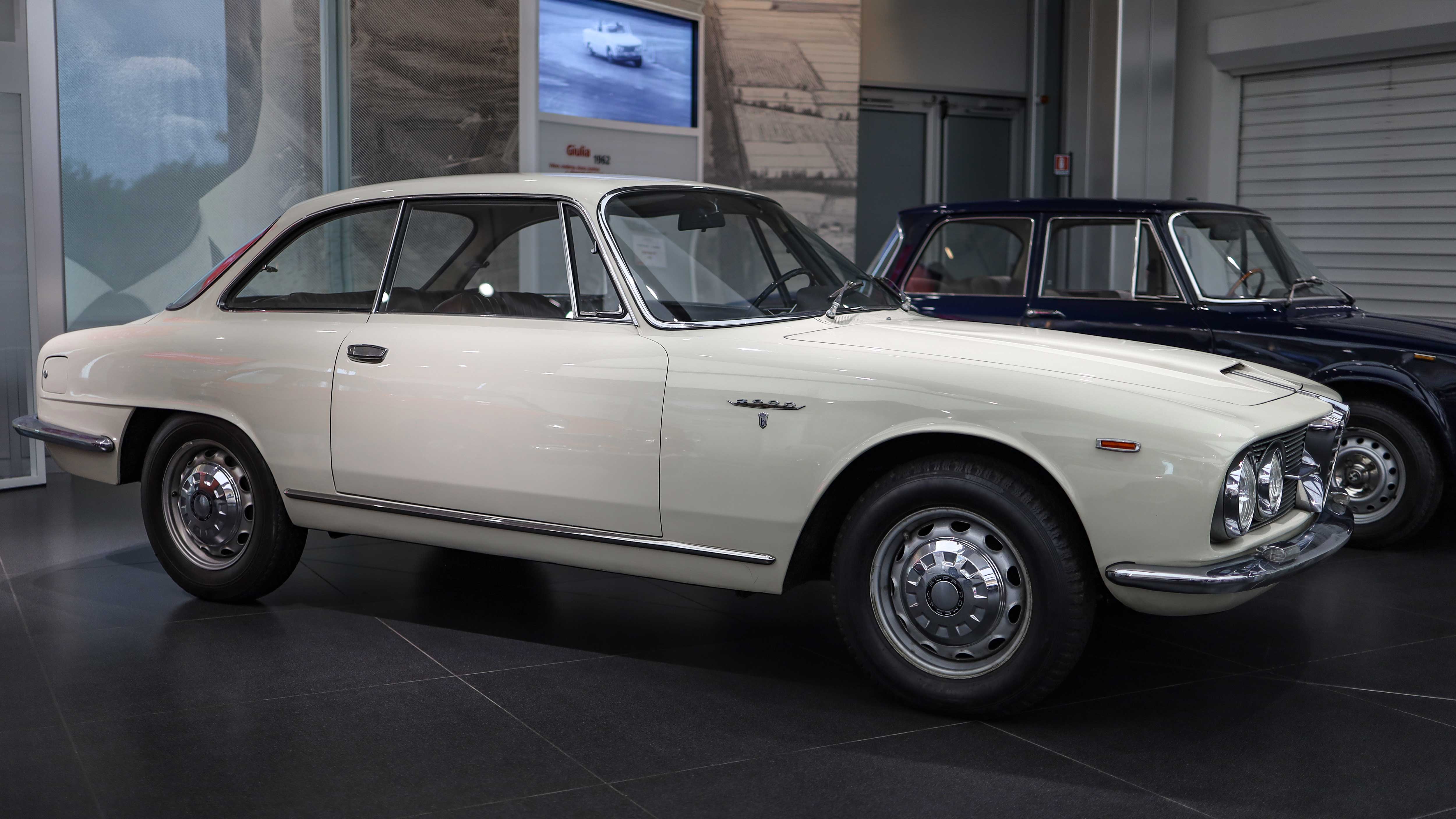
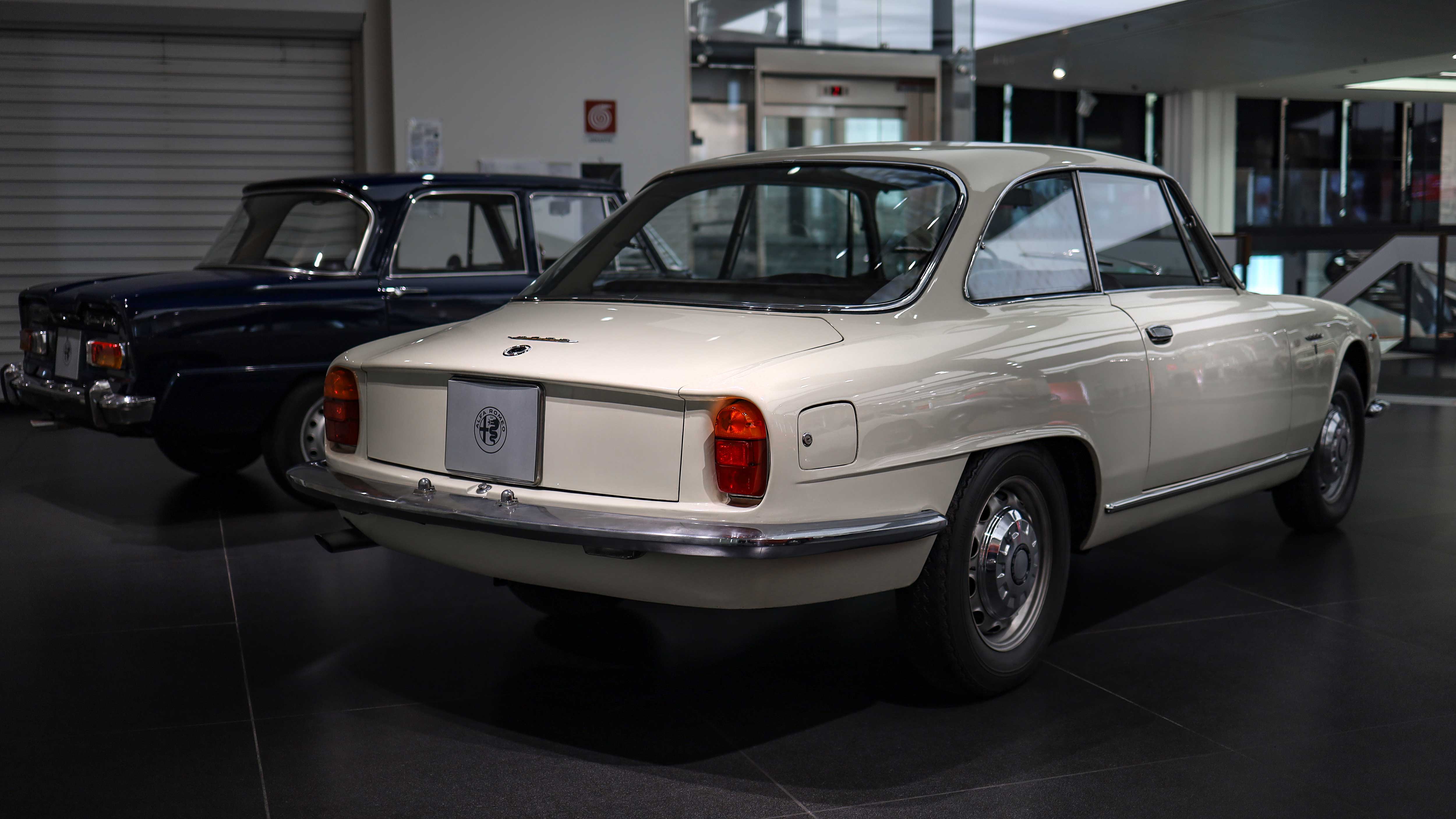
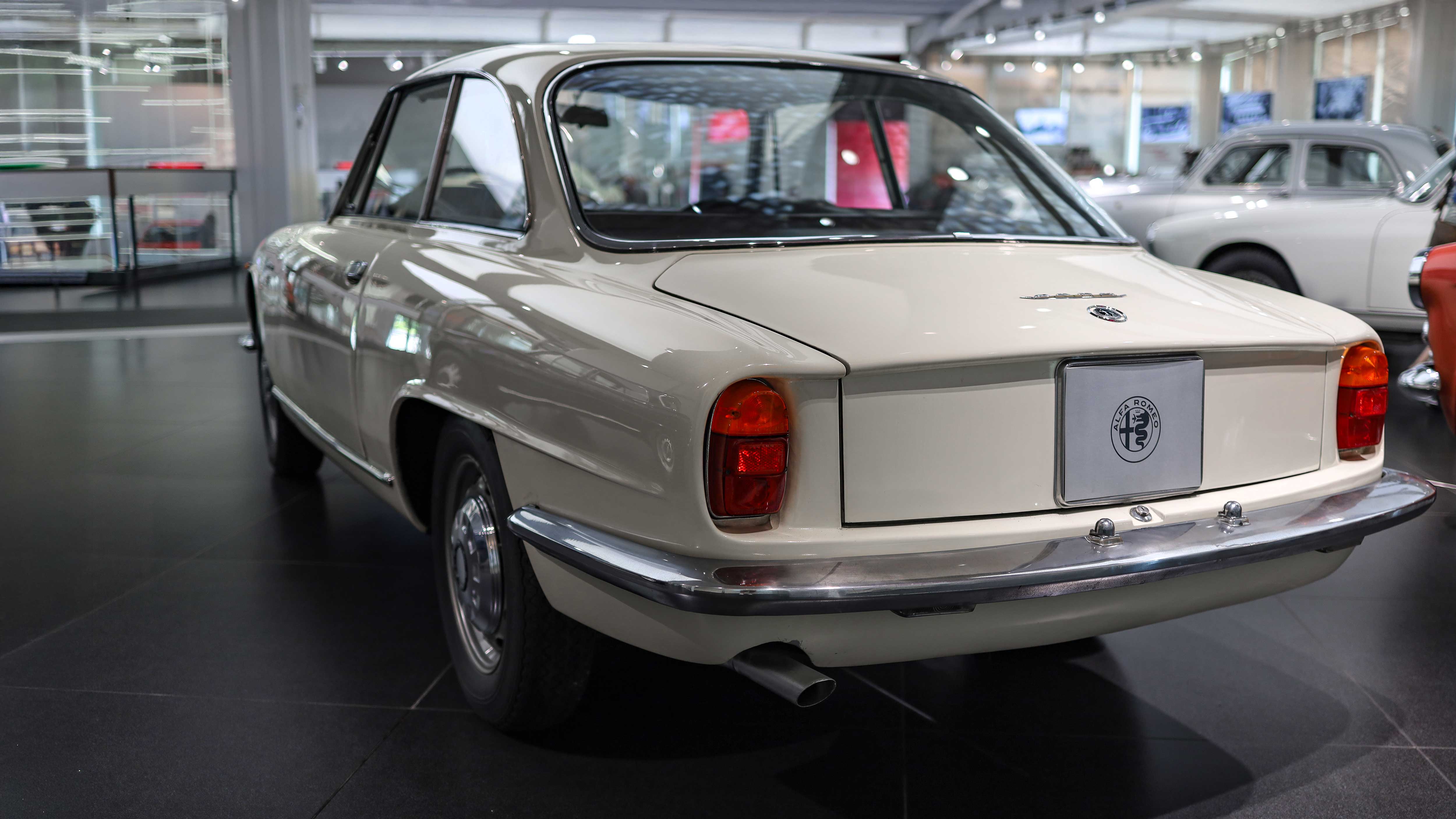
The 2600 Sprint (1962–1968) served as a luxury grand tourer with Bertone coupe design. As a result, its 2.6 inline-six delivered about 145 hp, pairing smooth power delivery with refined rear-wheel-drive performance.
6C 3000 CM
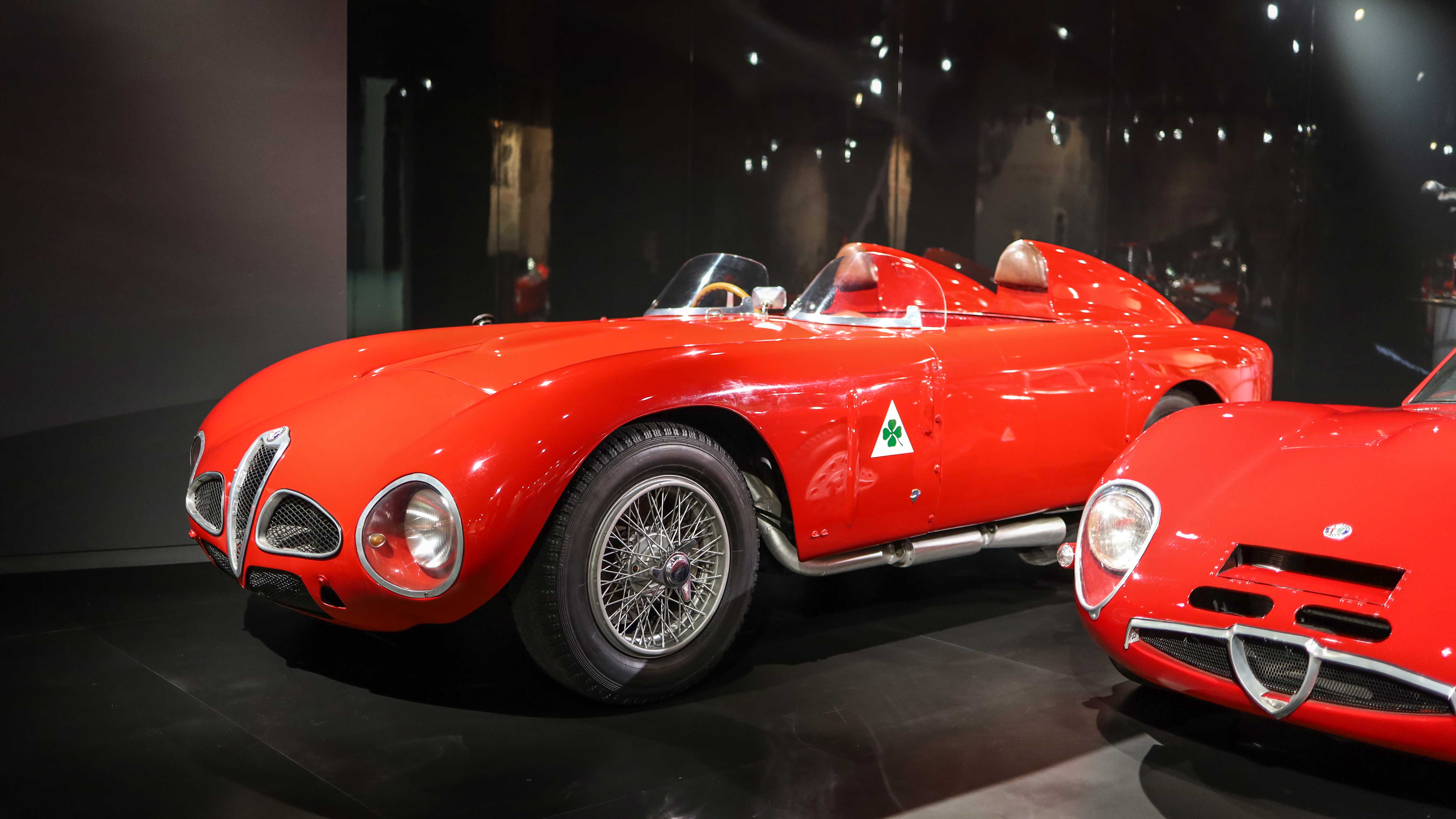
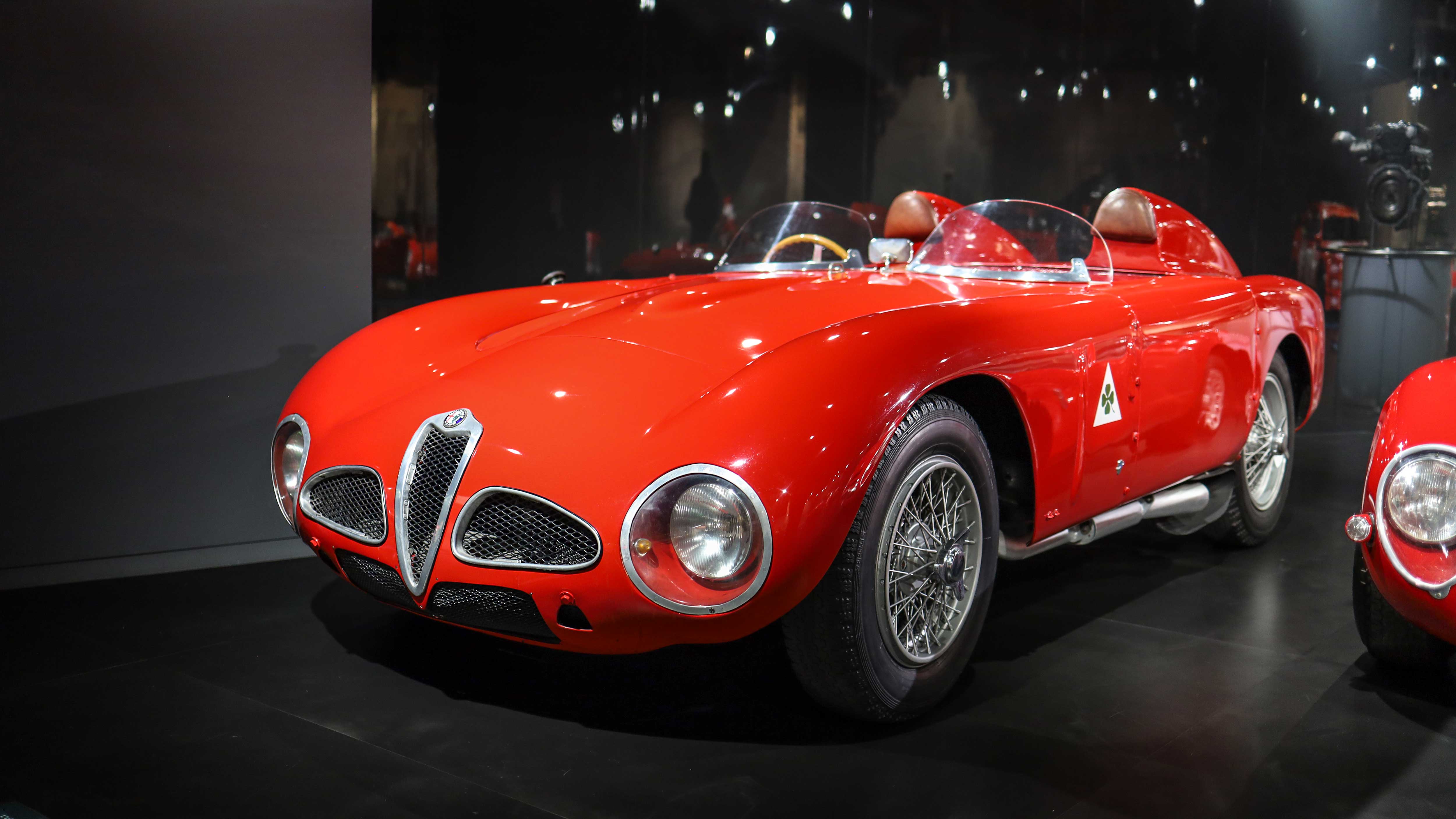
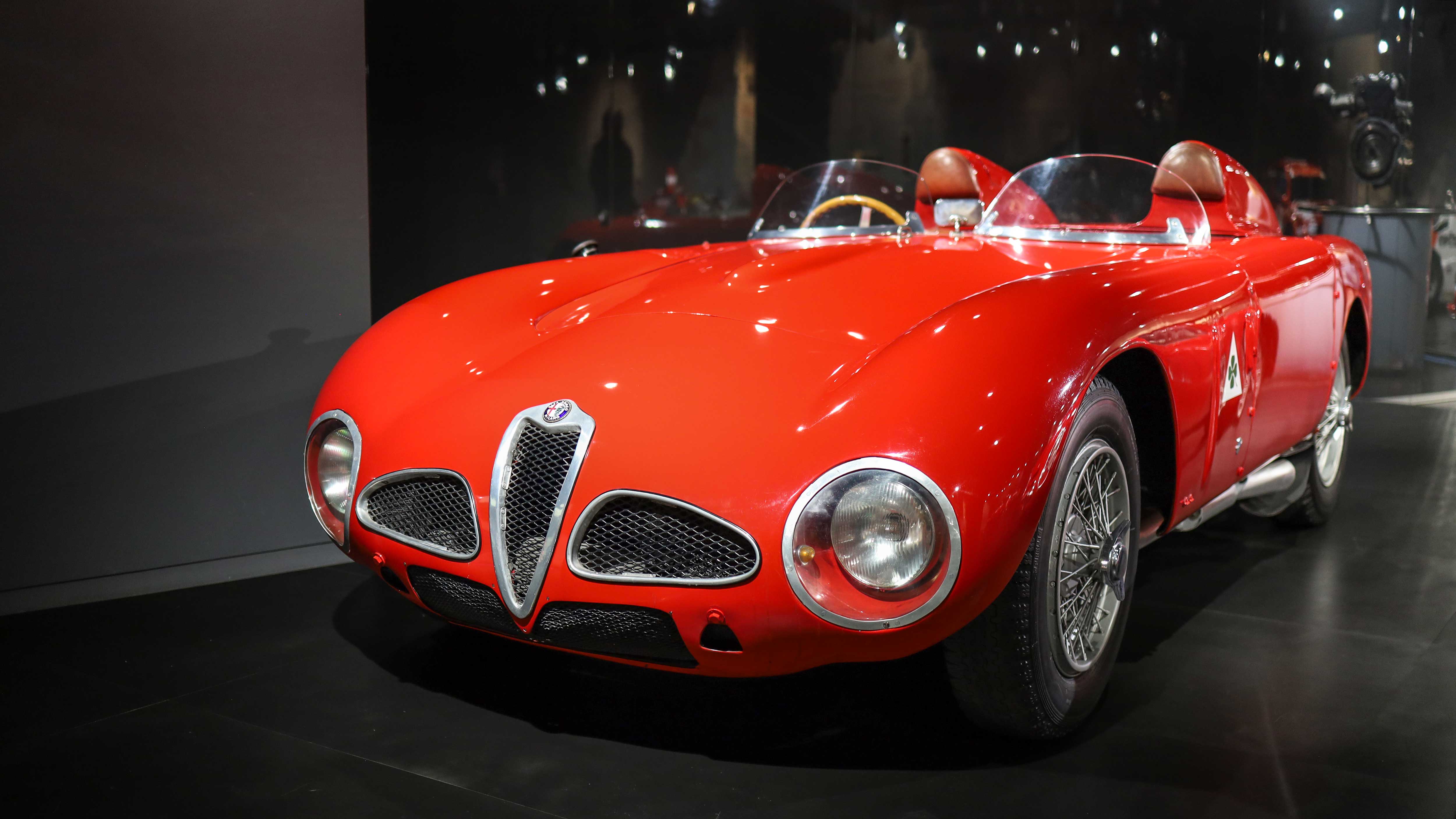
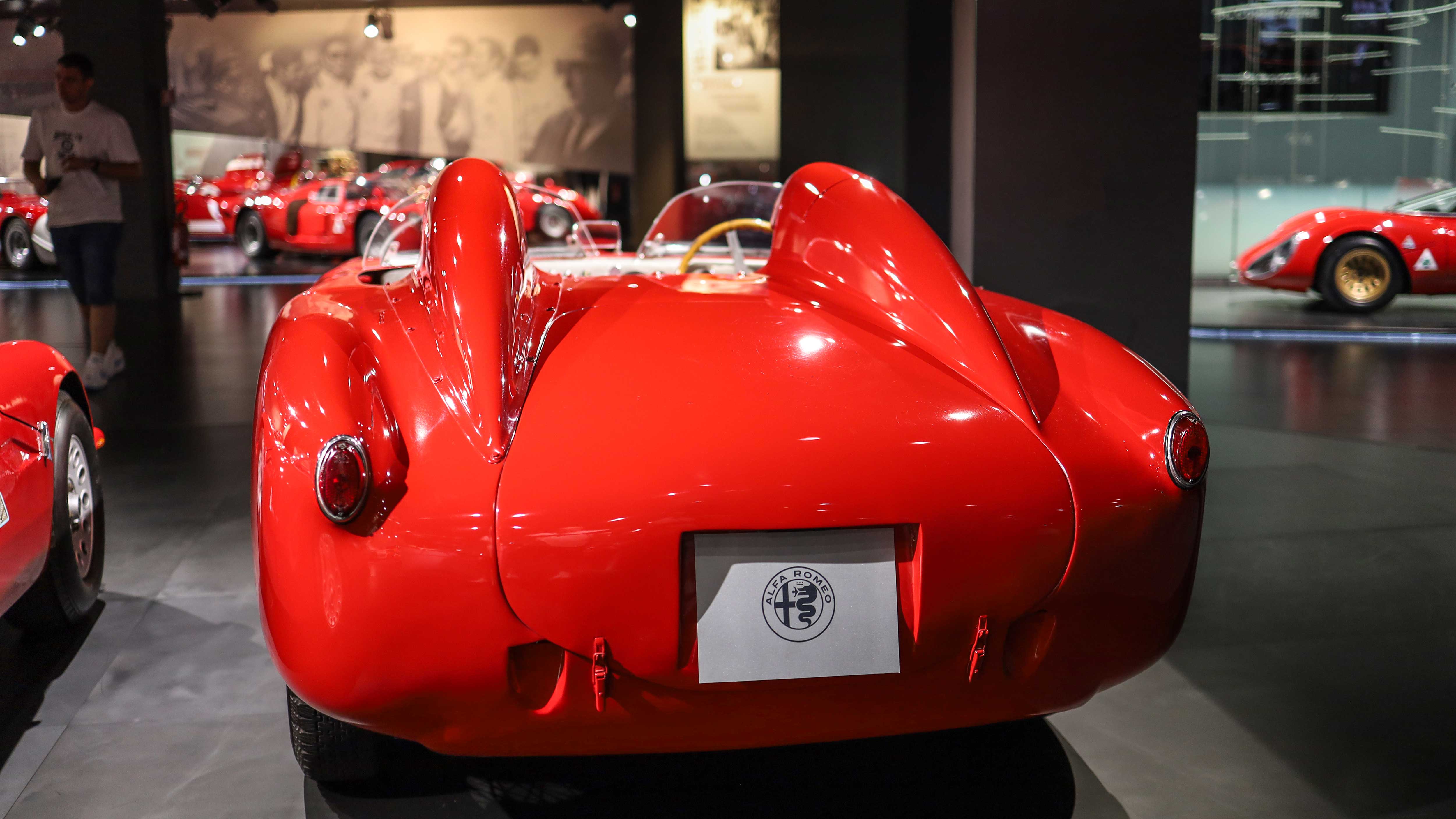
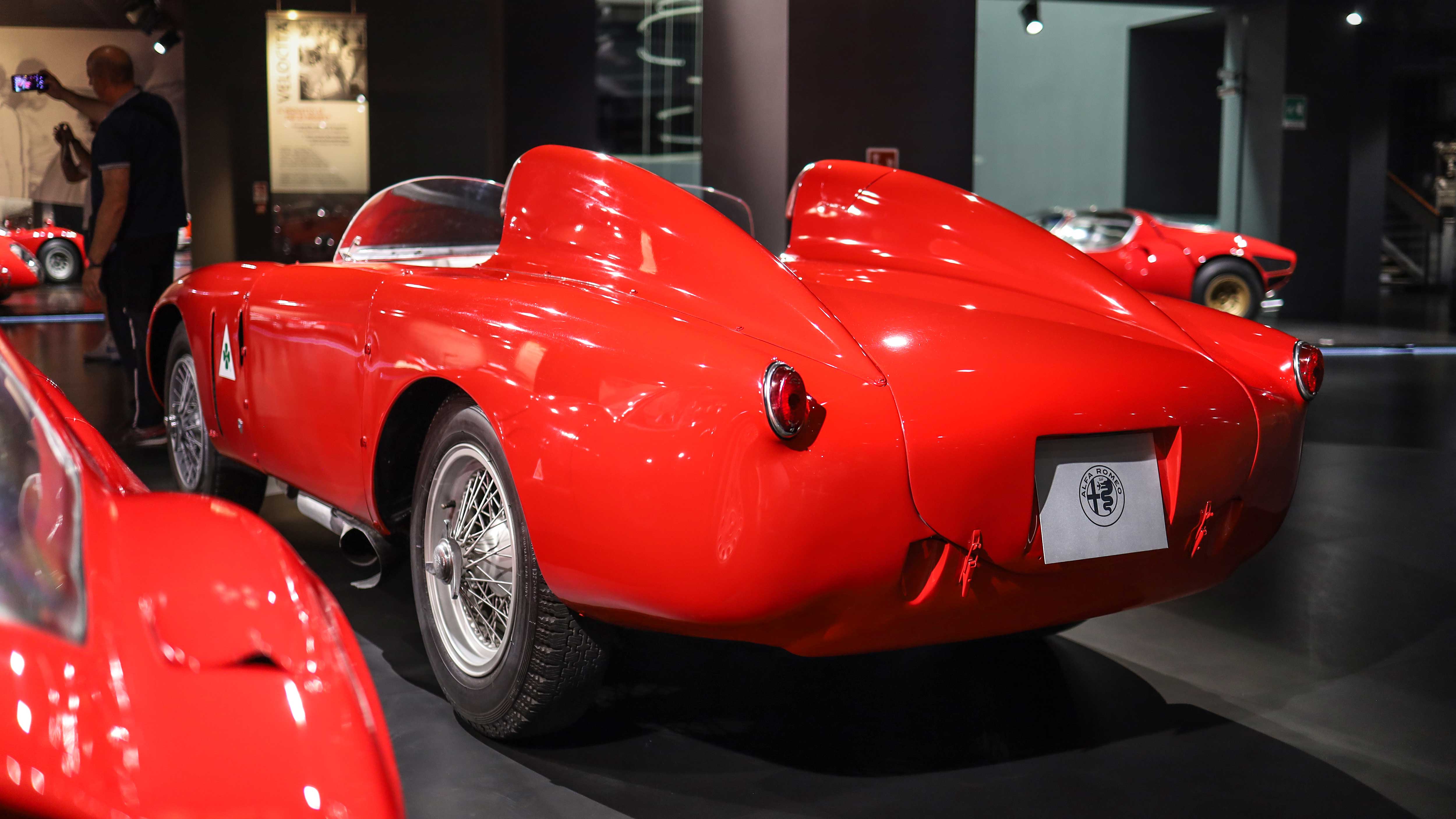
The 6C 3000 CM (1953–1955) was a lightweight sports racer built for international endurance events. As a result, its 3.0 inline-six delivered about 275 hp, pairing low weight with strong reliability in races like Le Mans and the Carrera Panamericana.
6C 2500 Super Sport
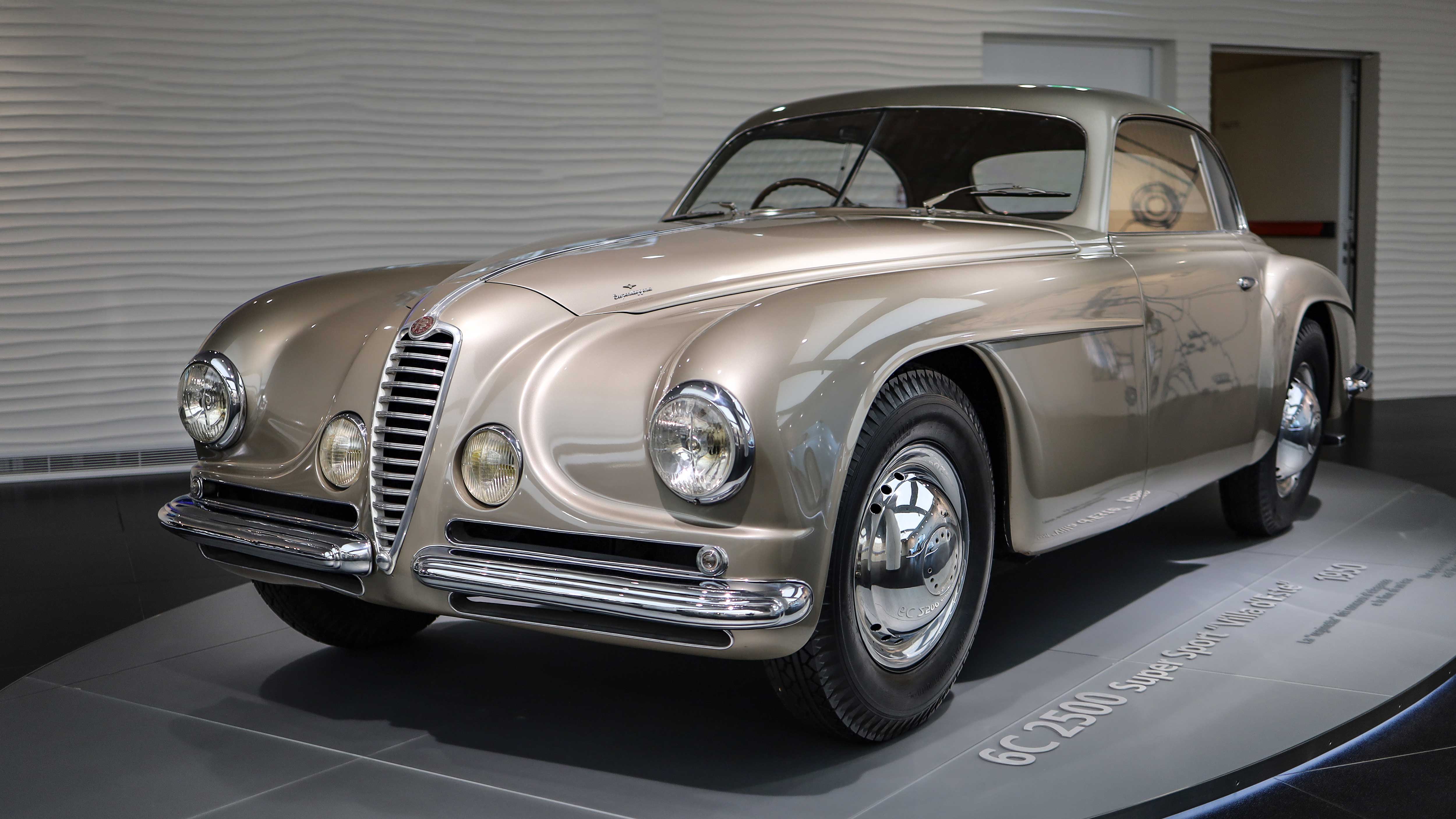
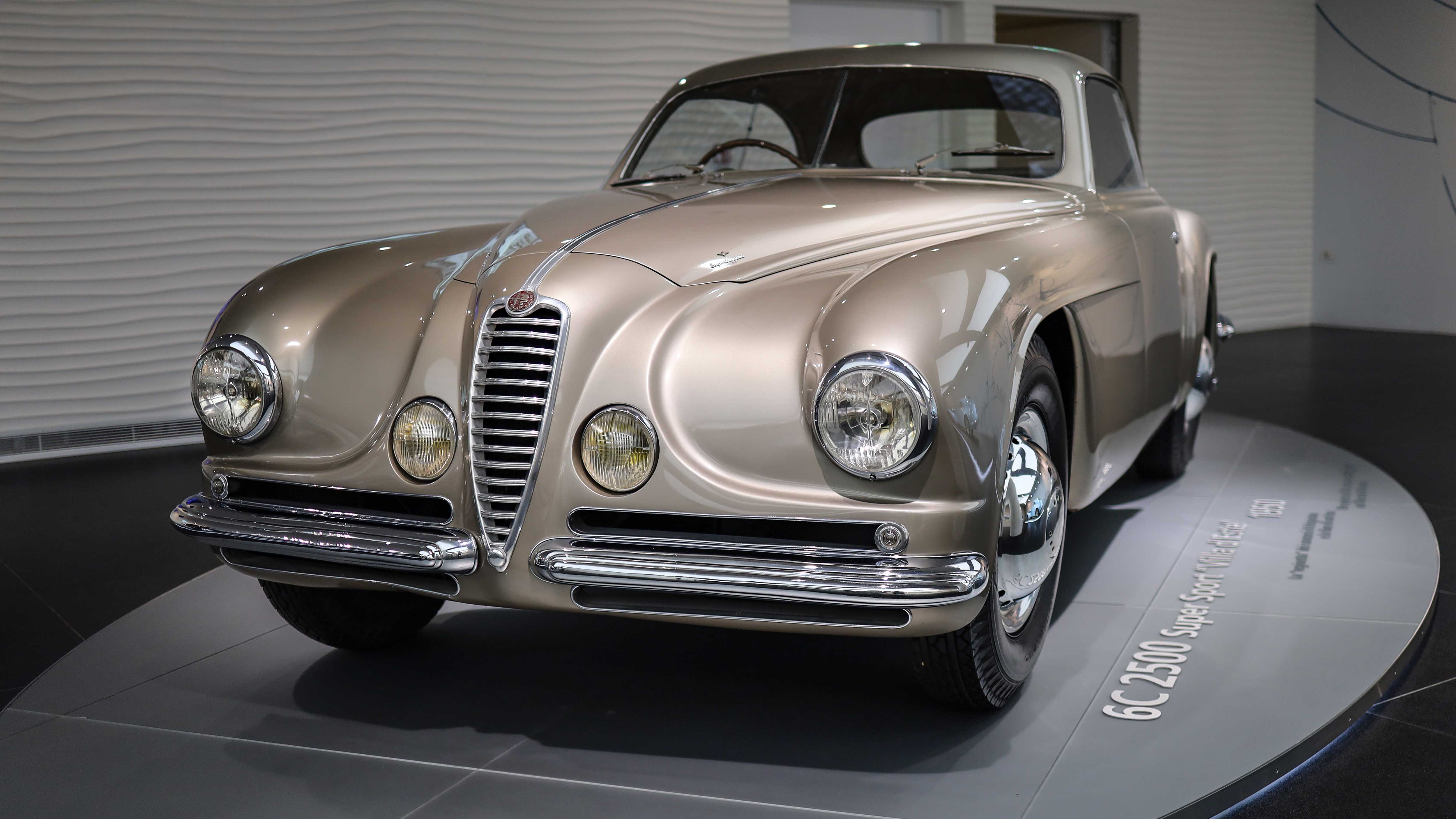
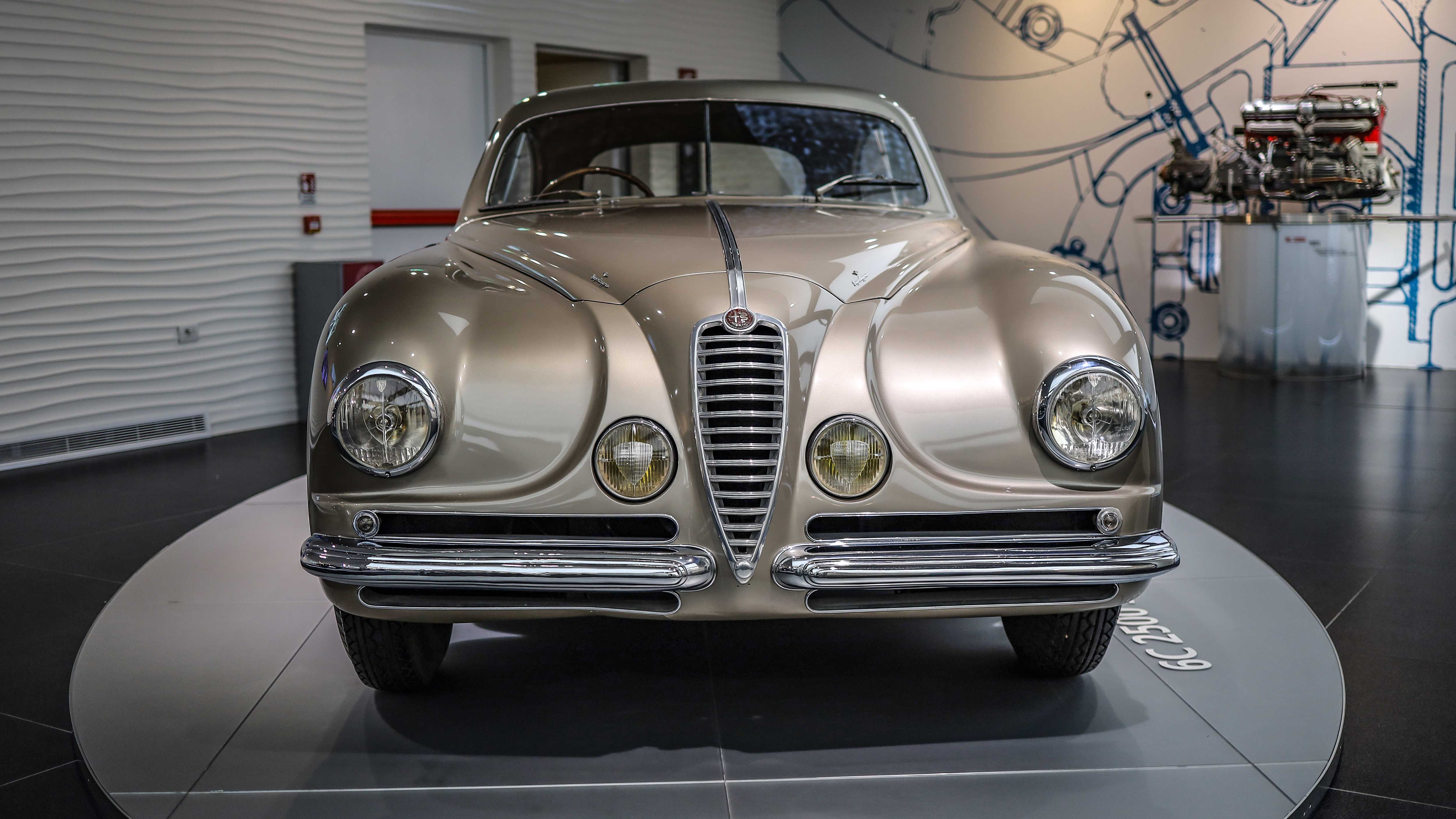
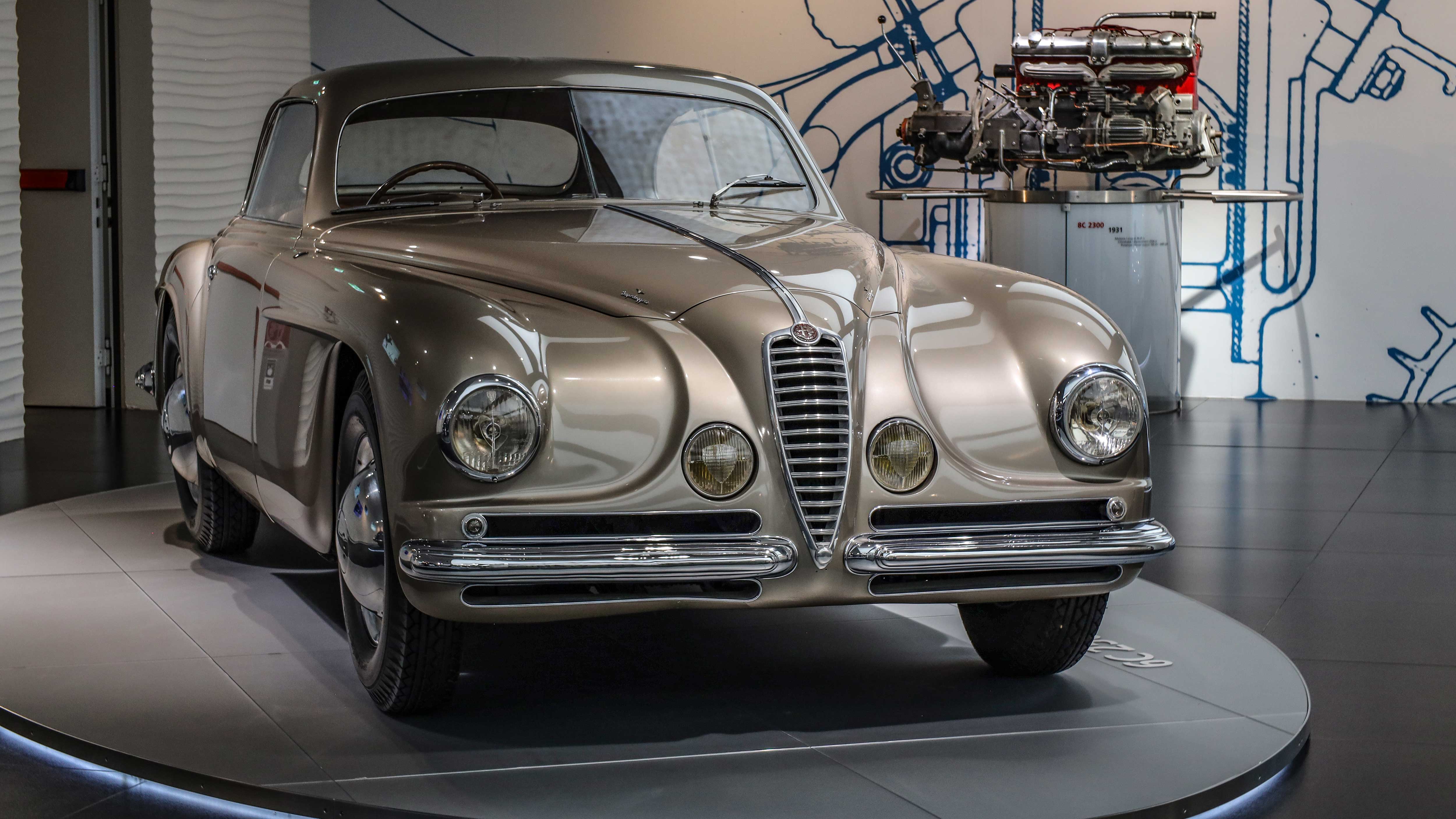
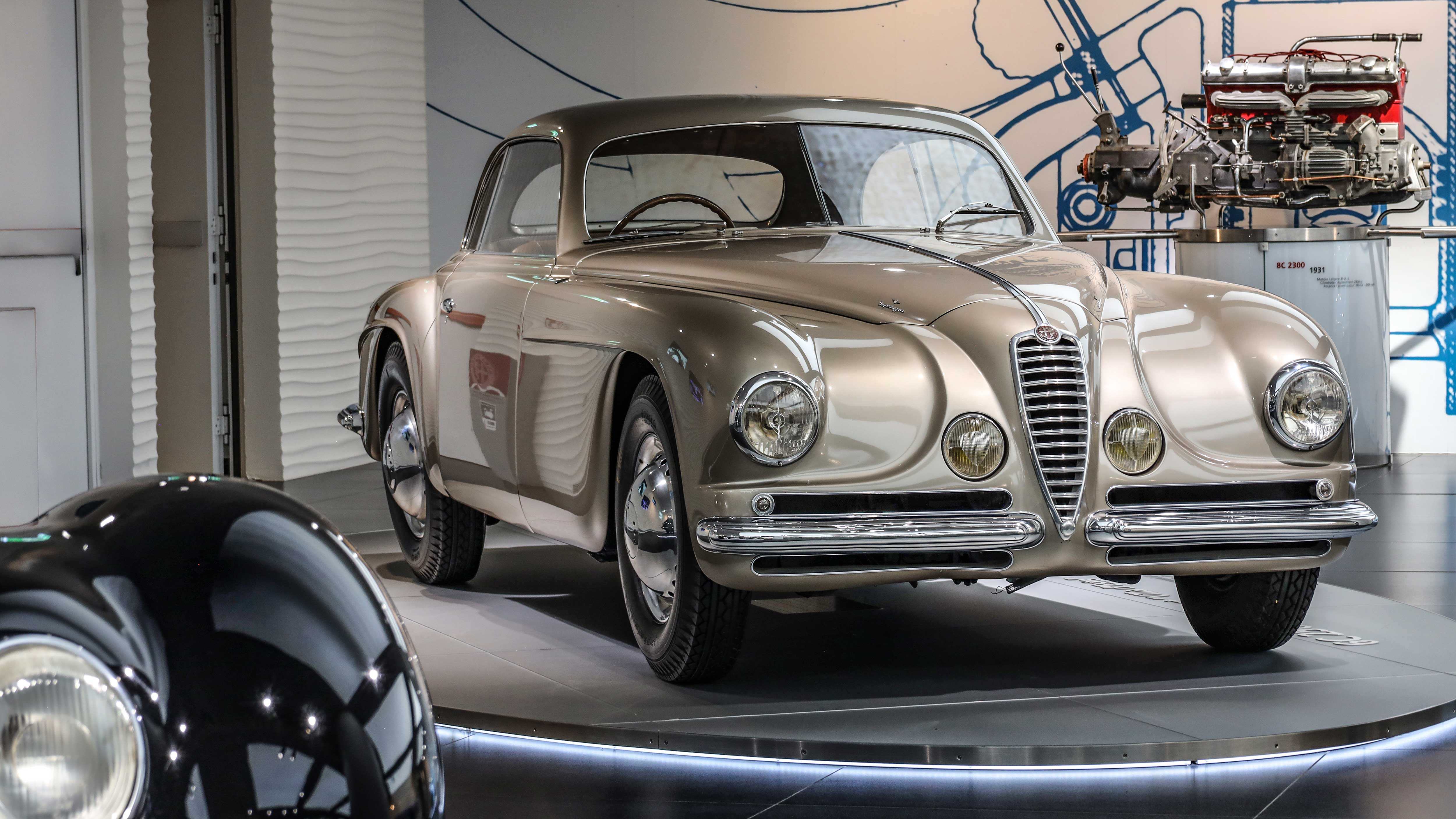
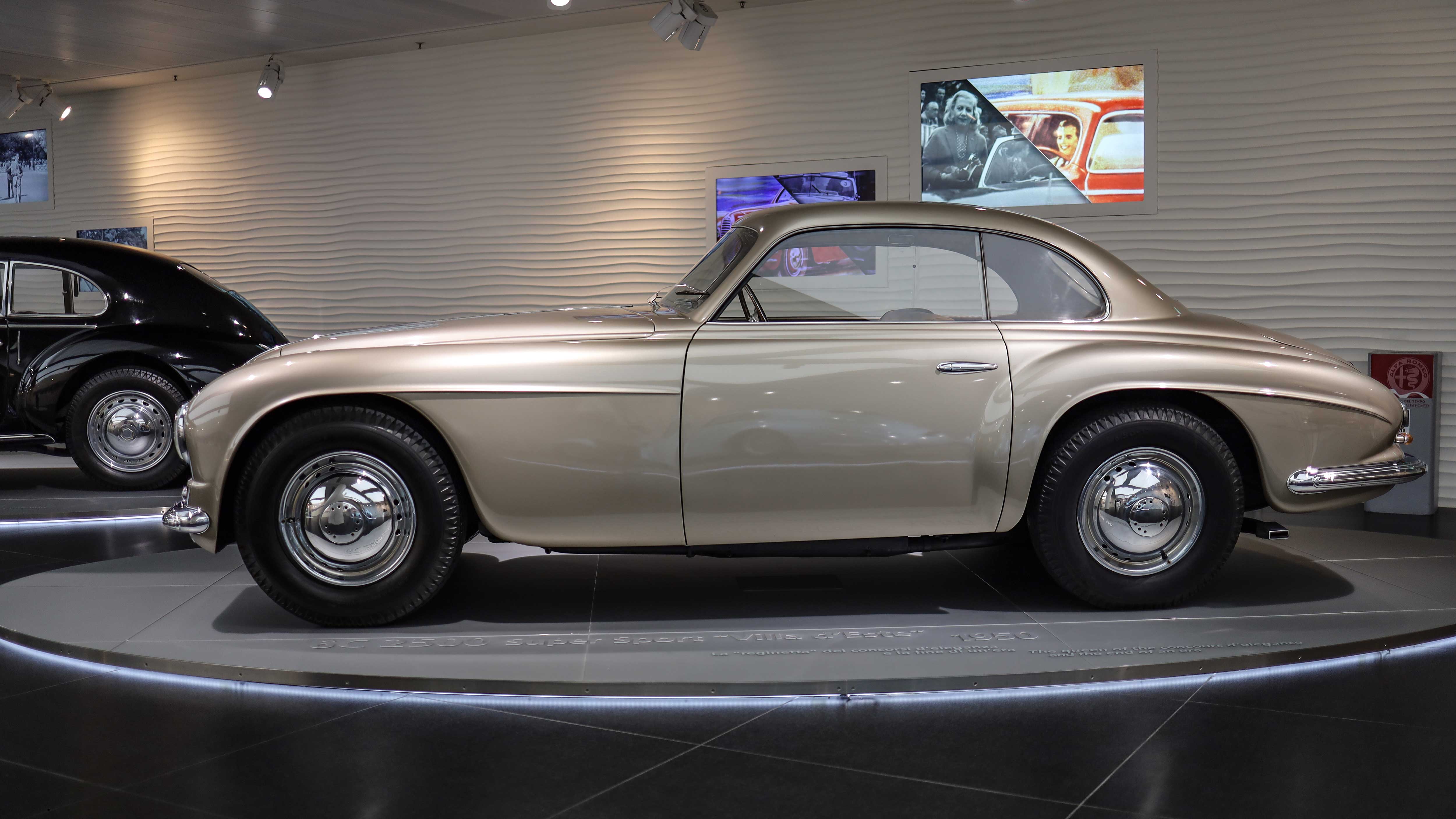
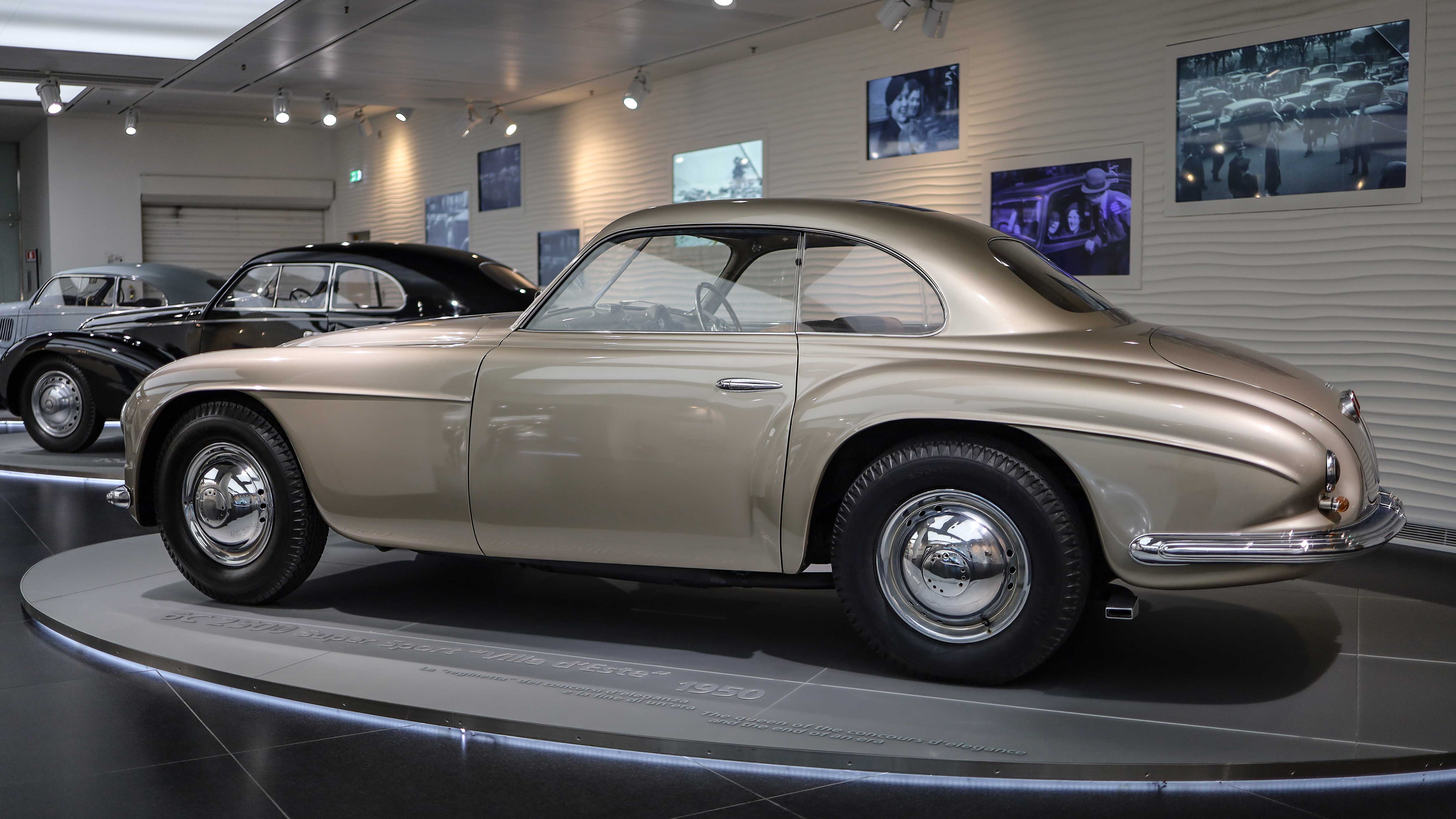
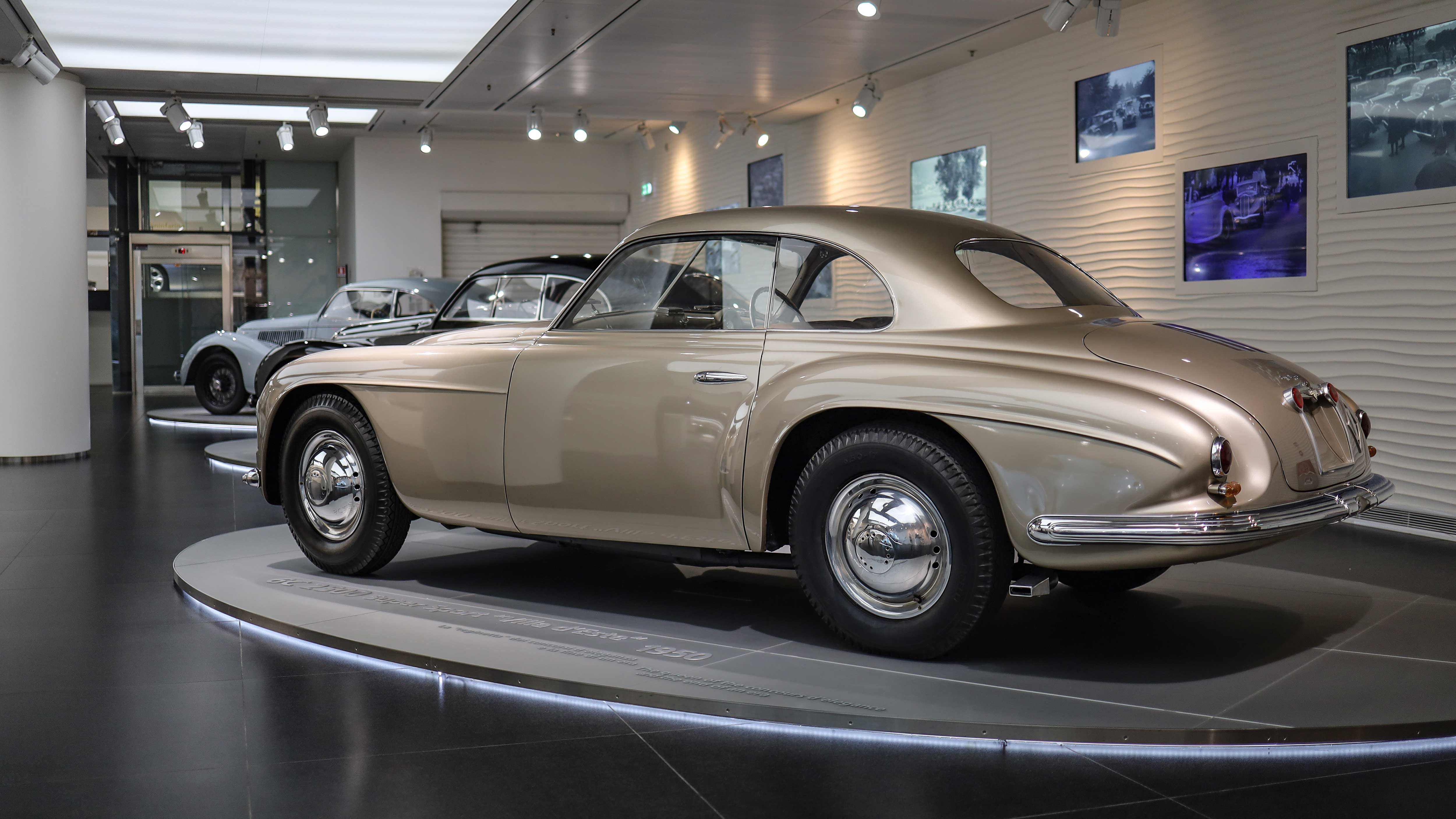
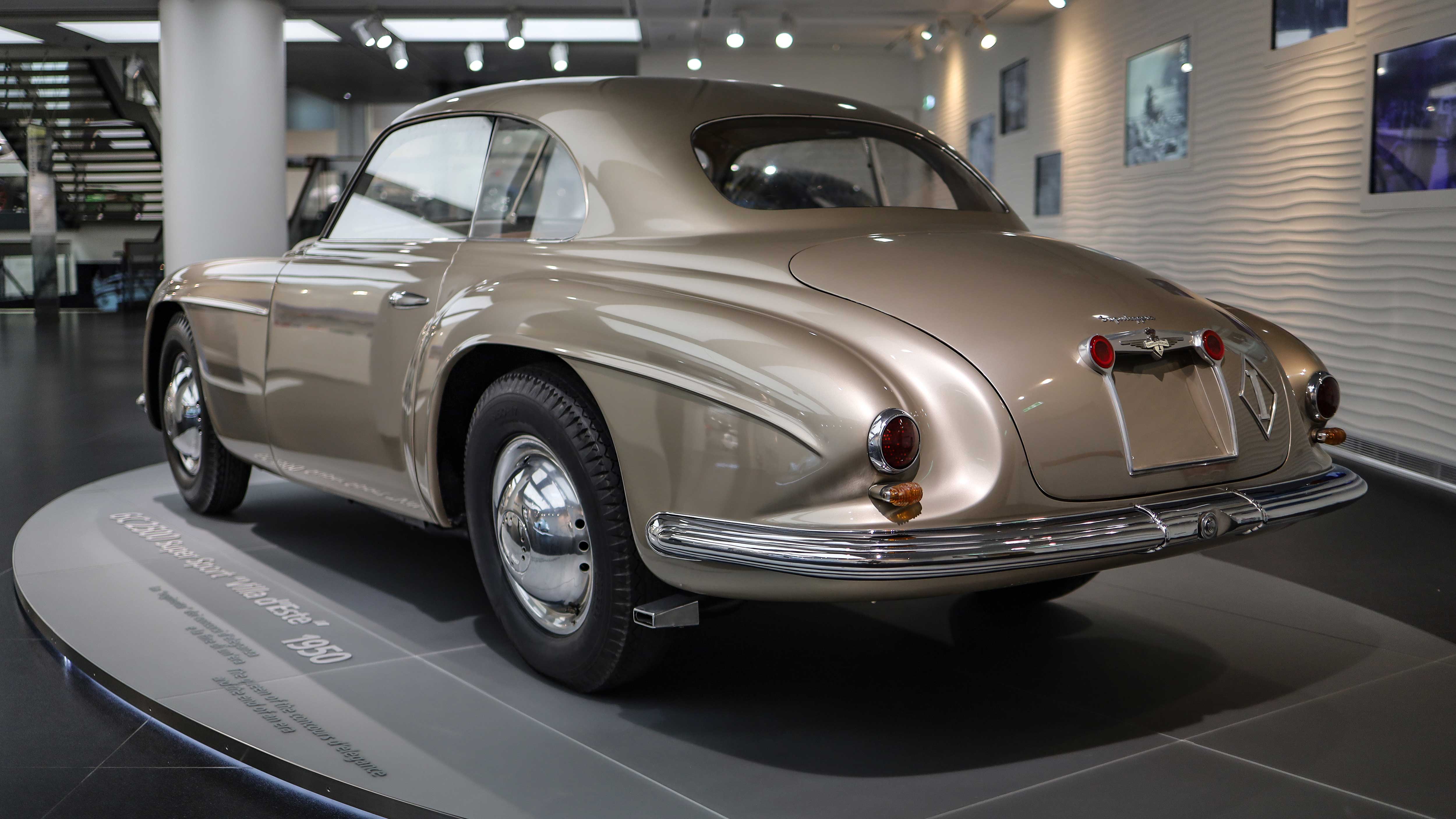
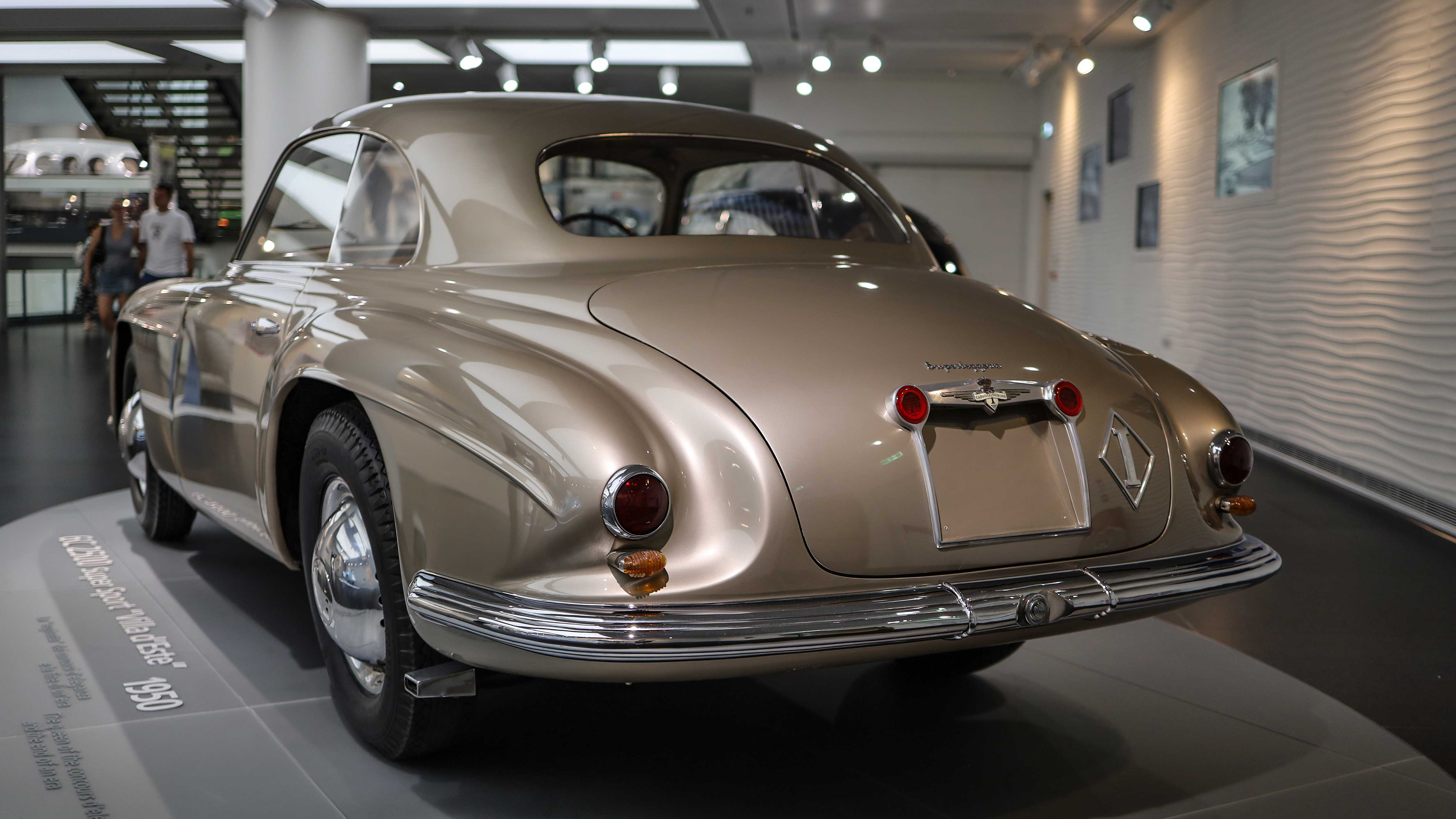
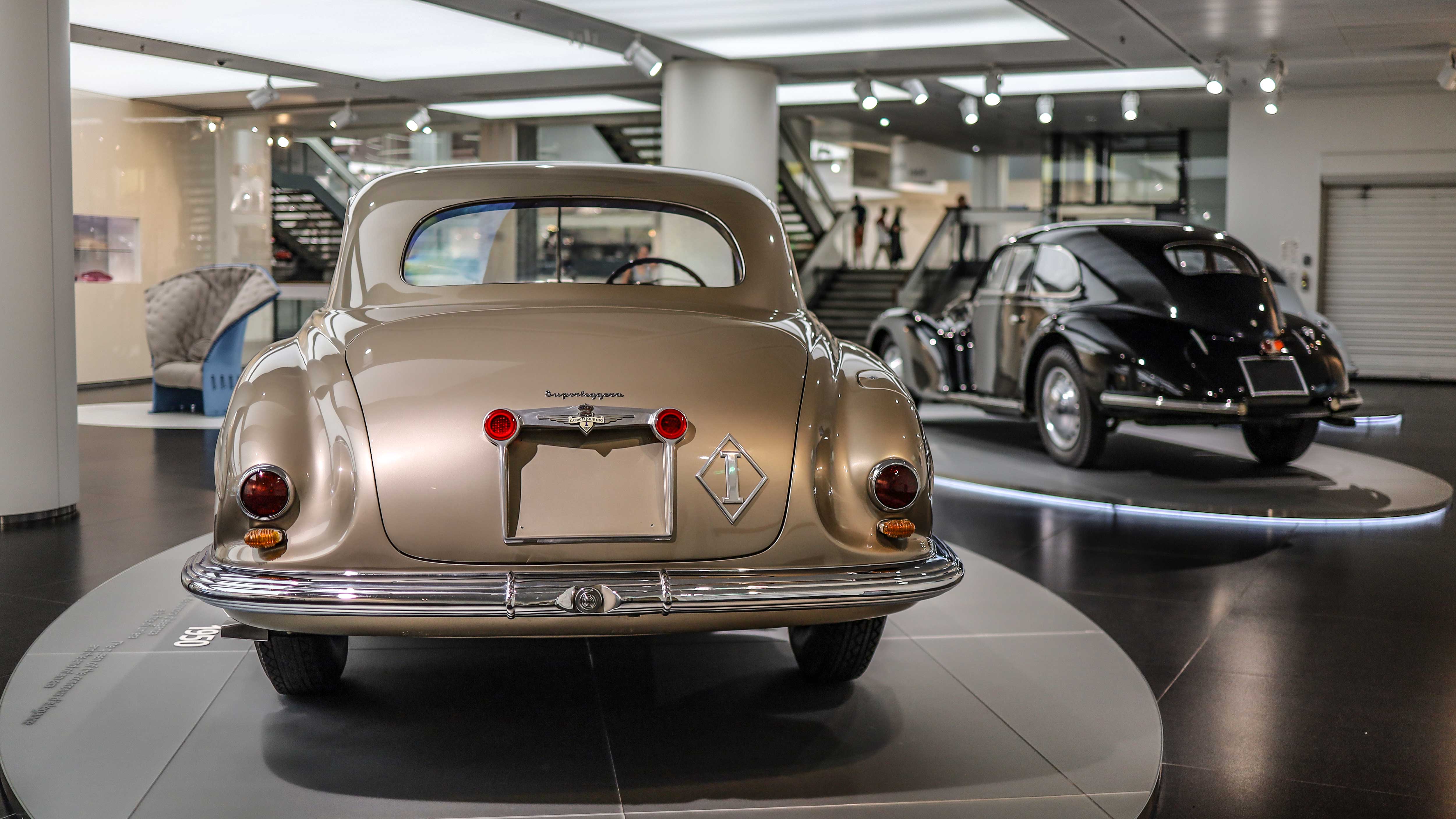
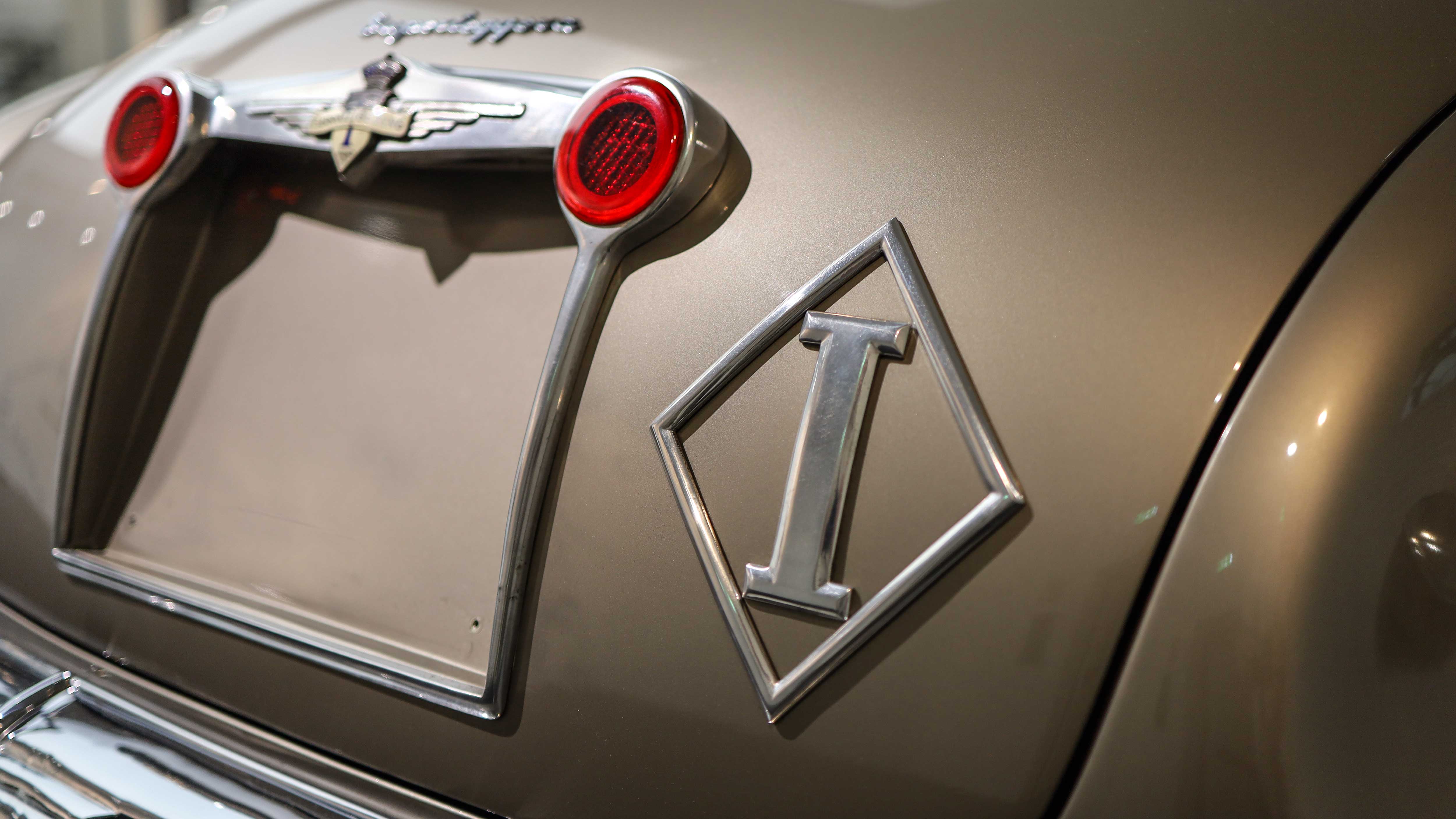
The 6C 2500 Super Sport “Villa d’Este” (1949–1952) represents the peak of Alfa Romeo’s post-war coachbuilt elegance. As a result, its 2.5 inline-six delivered about 145 hp and paired hand-built Touring bodywork with refined grand touring performance.
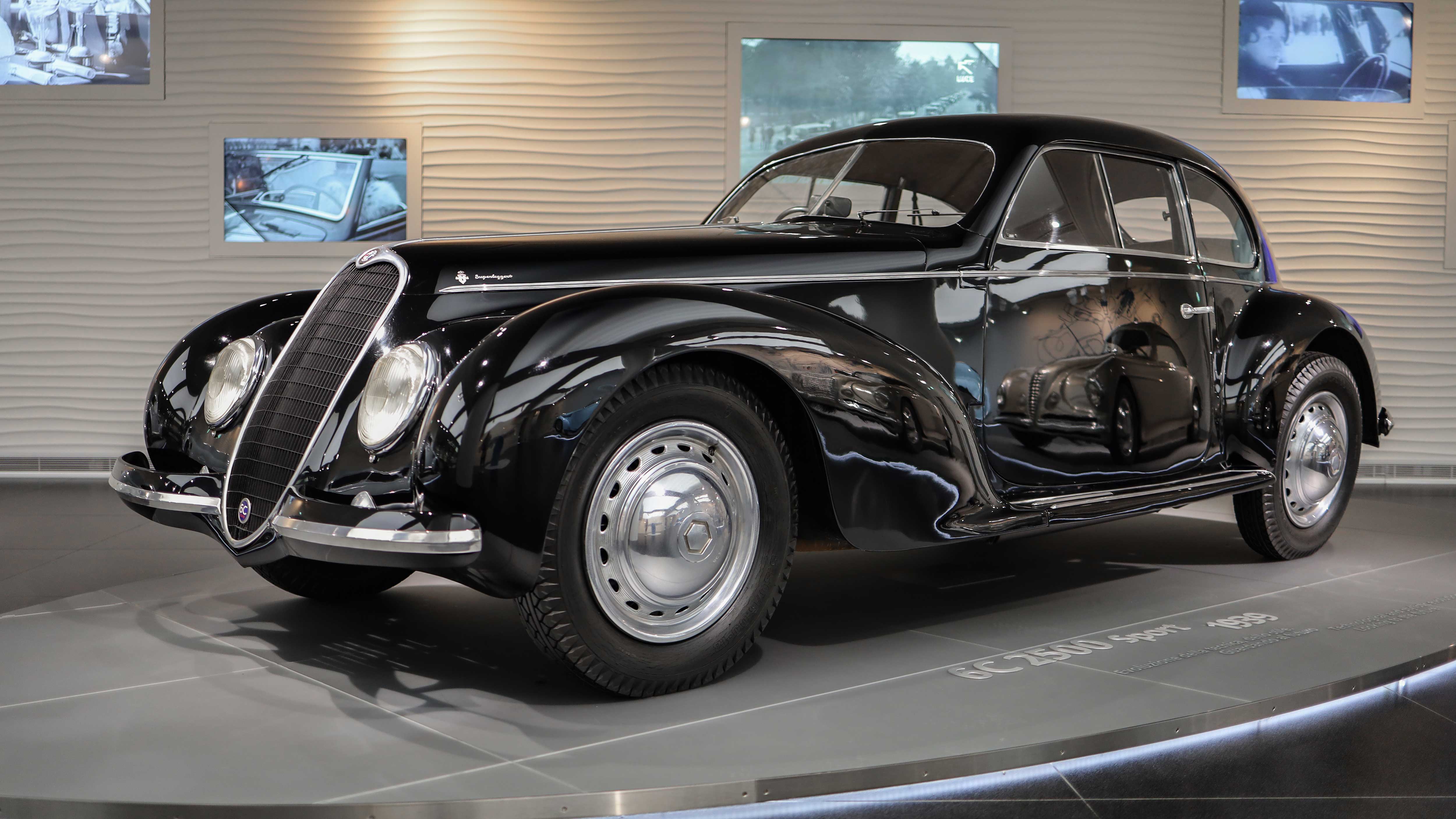
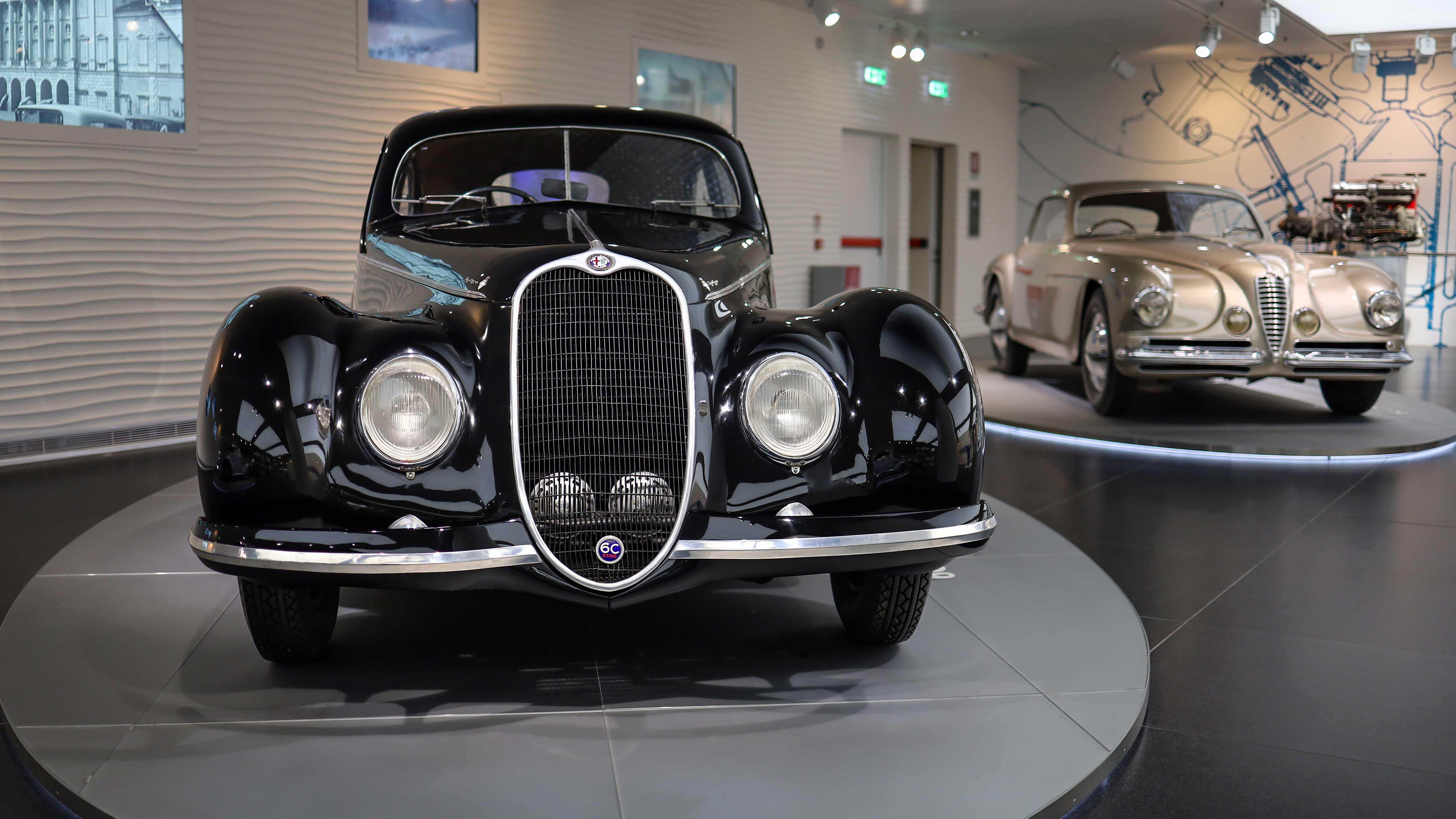
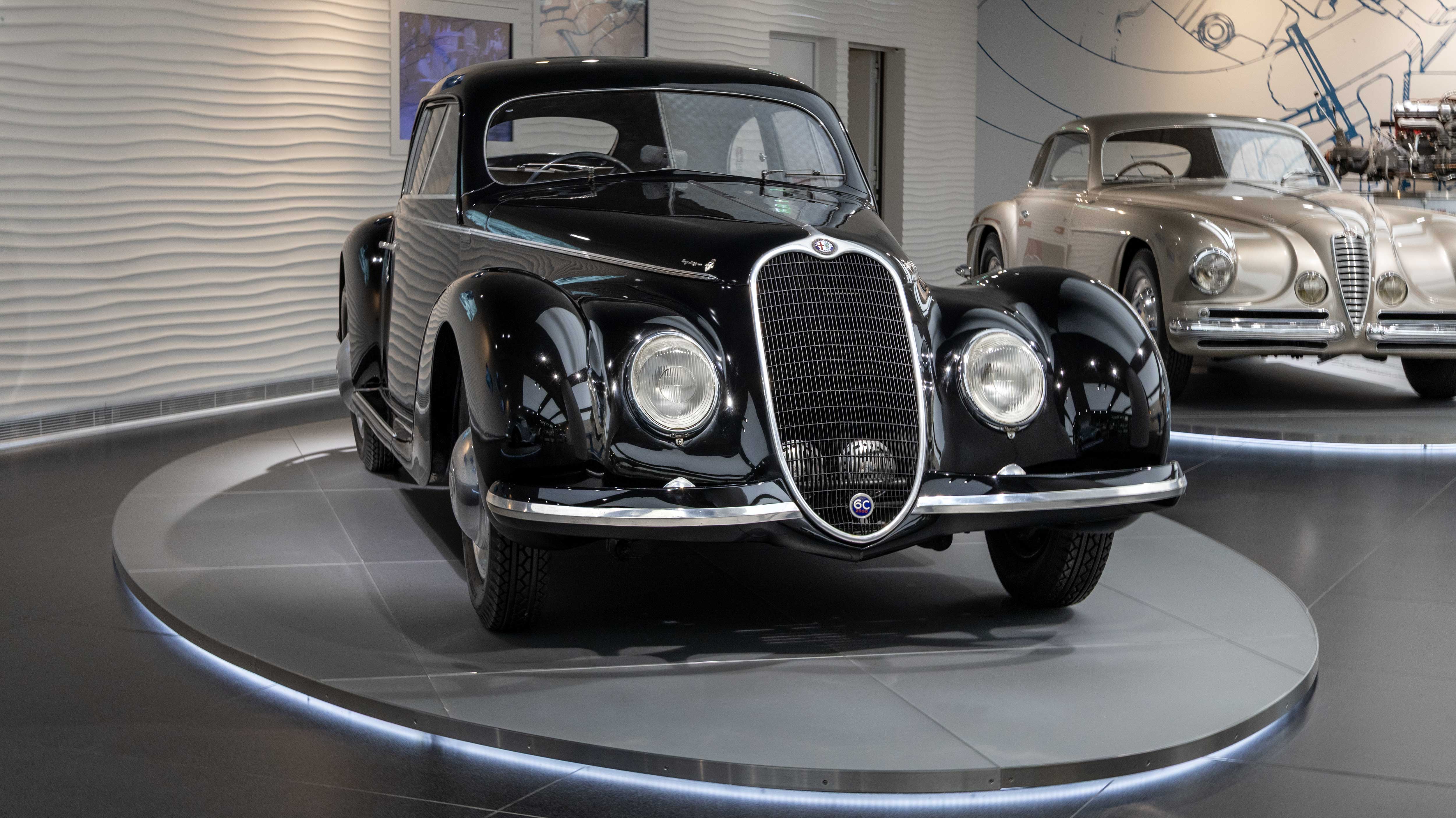
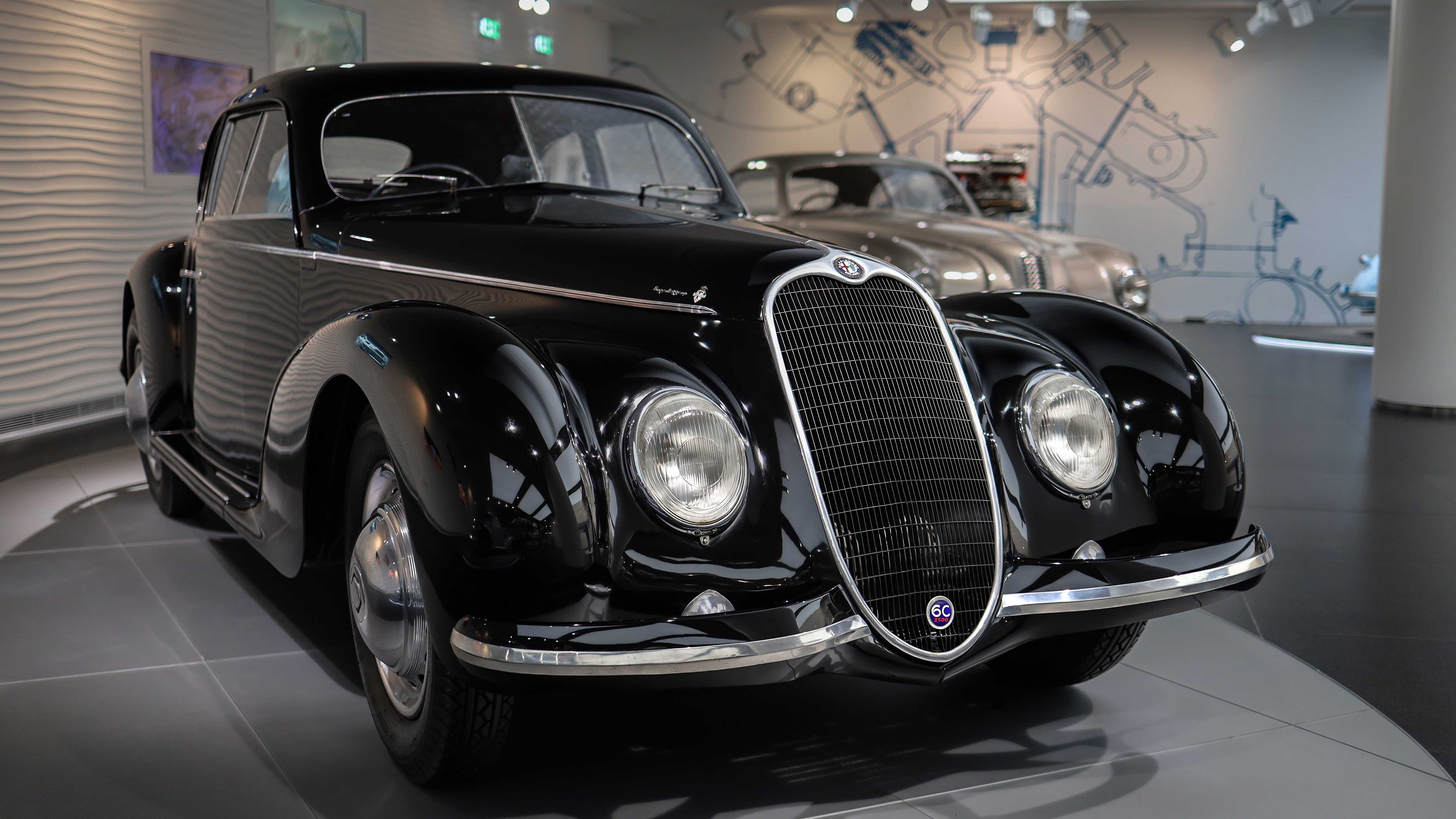
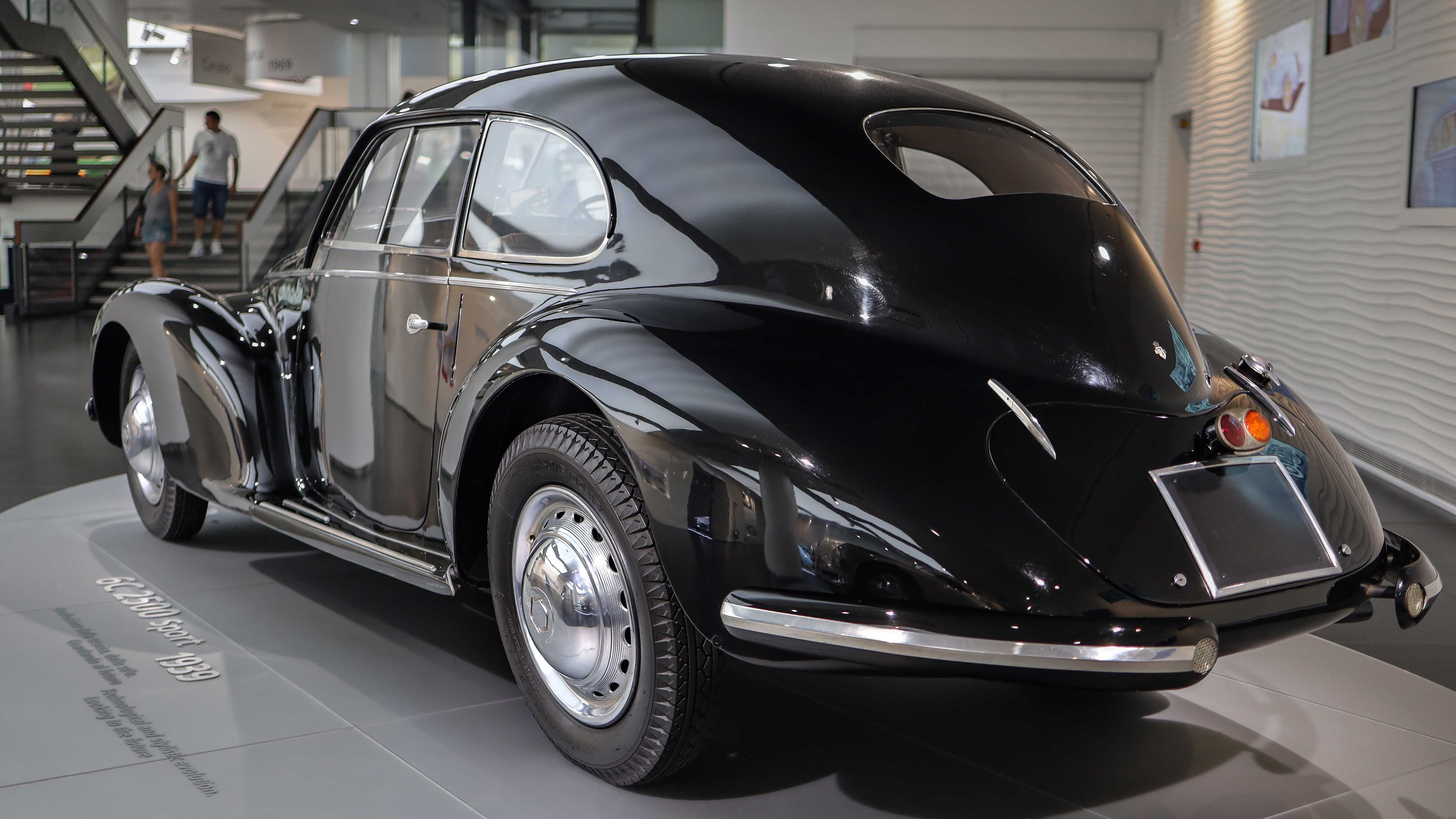
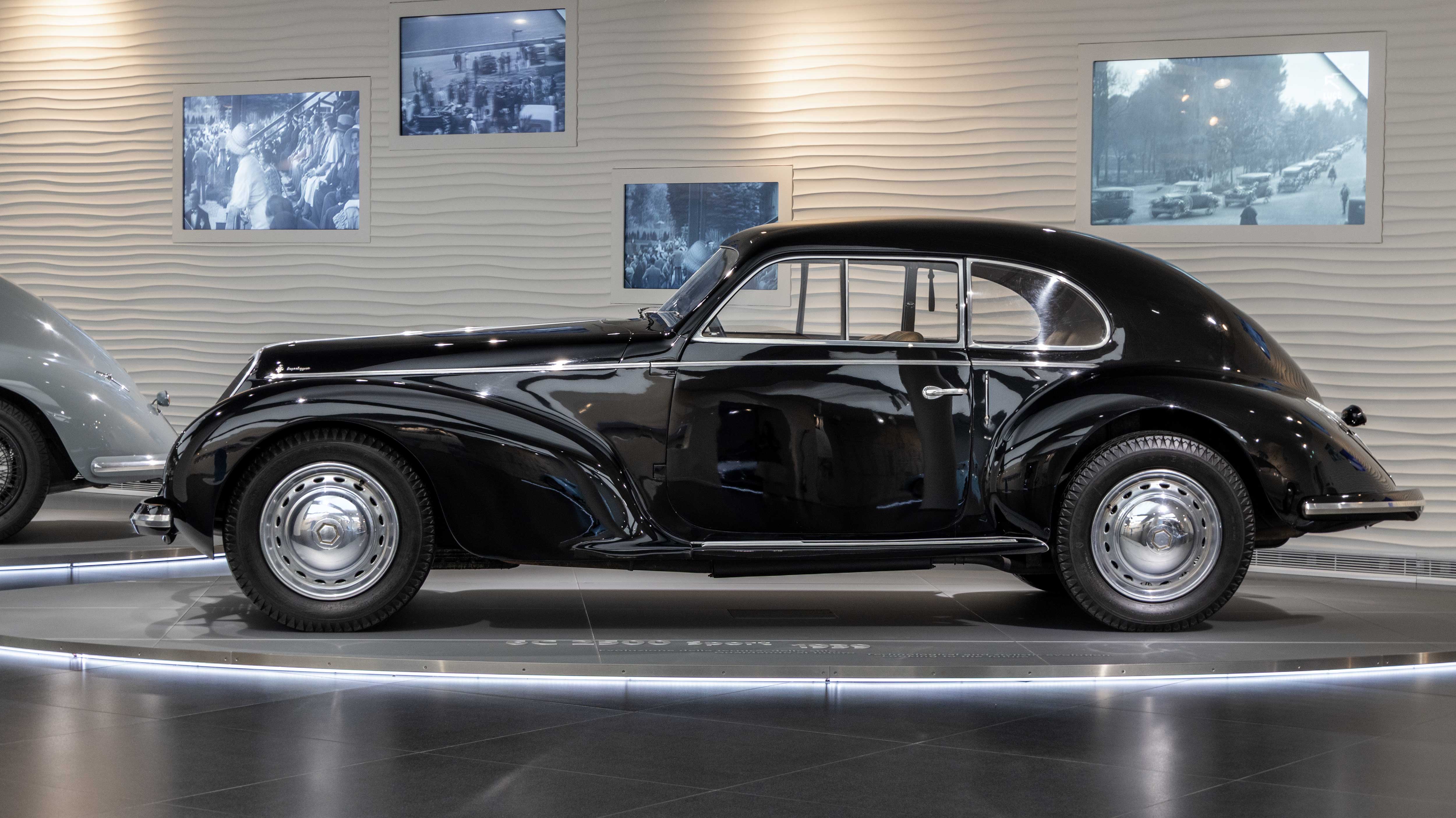
6C 2500 Sport
The 6C 2500 Sport (1939–1952) represented Alfa Romeo’s pre- and post-war grand touring excellence. As a result, its 2.5 inline-six delivered up to about 125 hp, pairing coachbuilt elegance with smooth rear-wheel-drive performance.
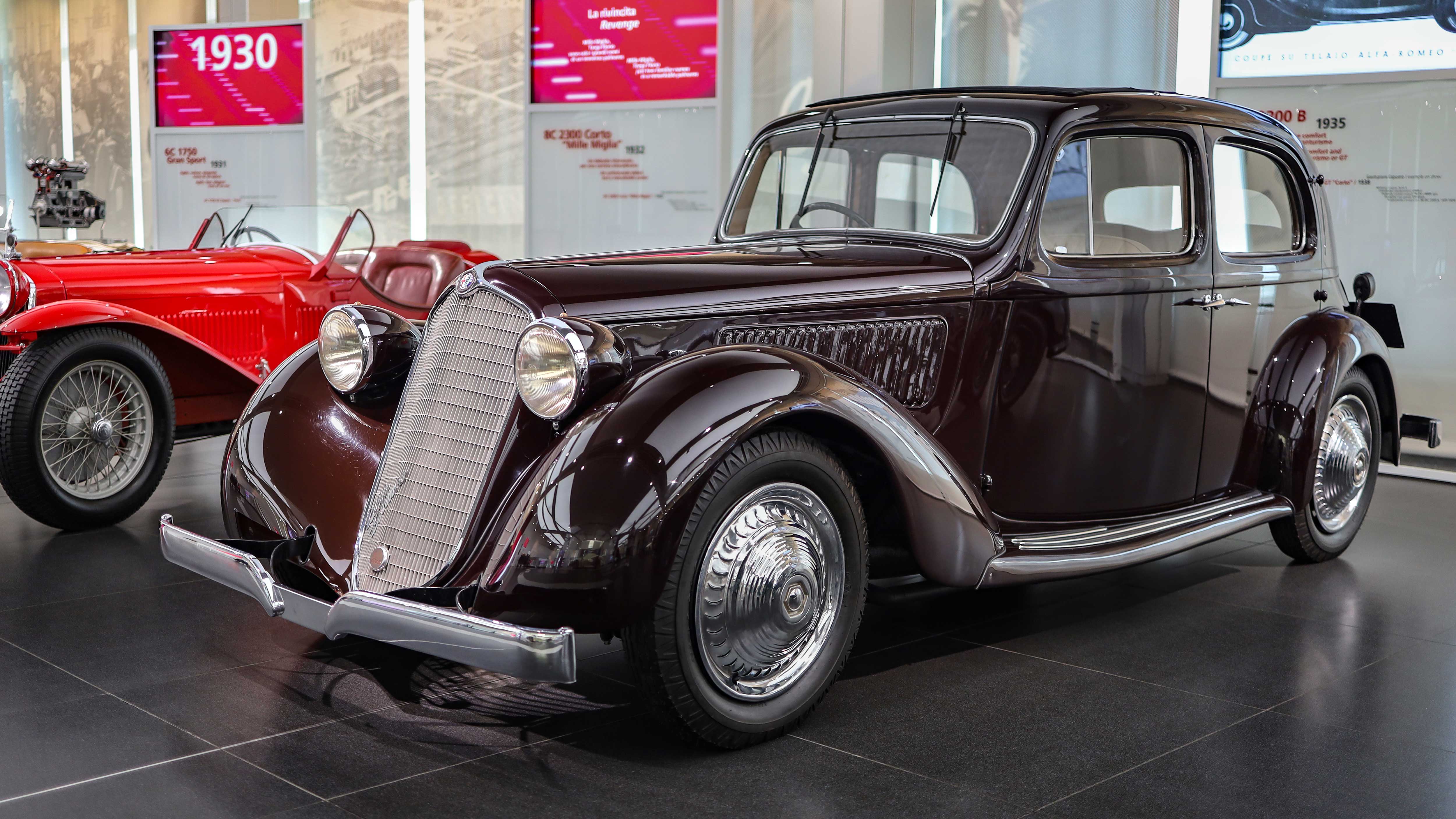
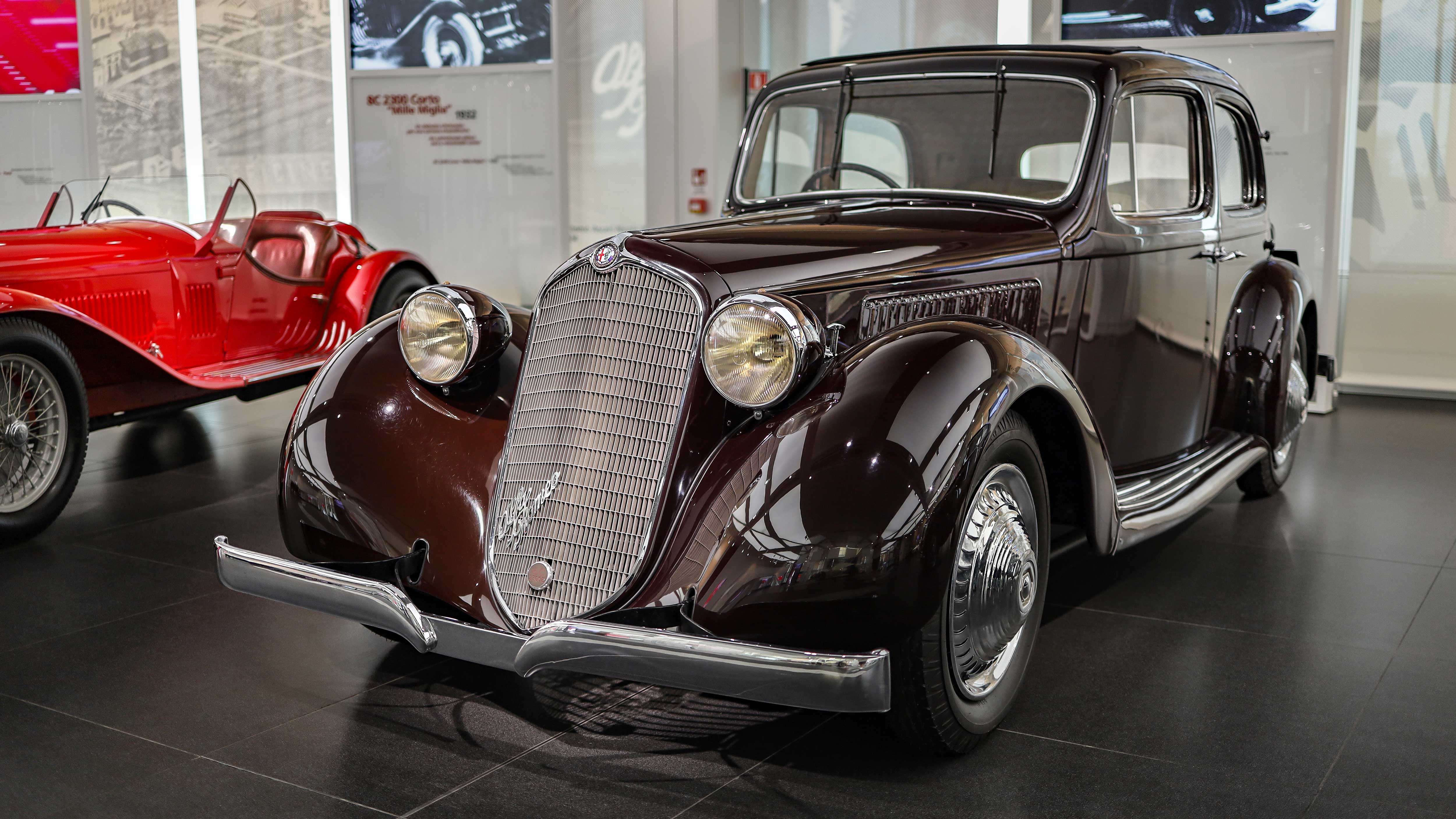
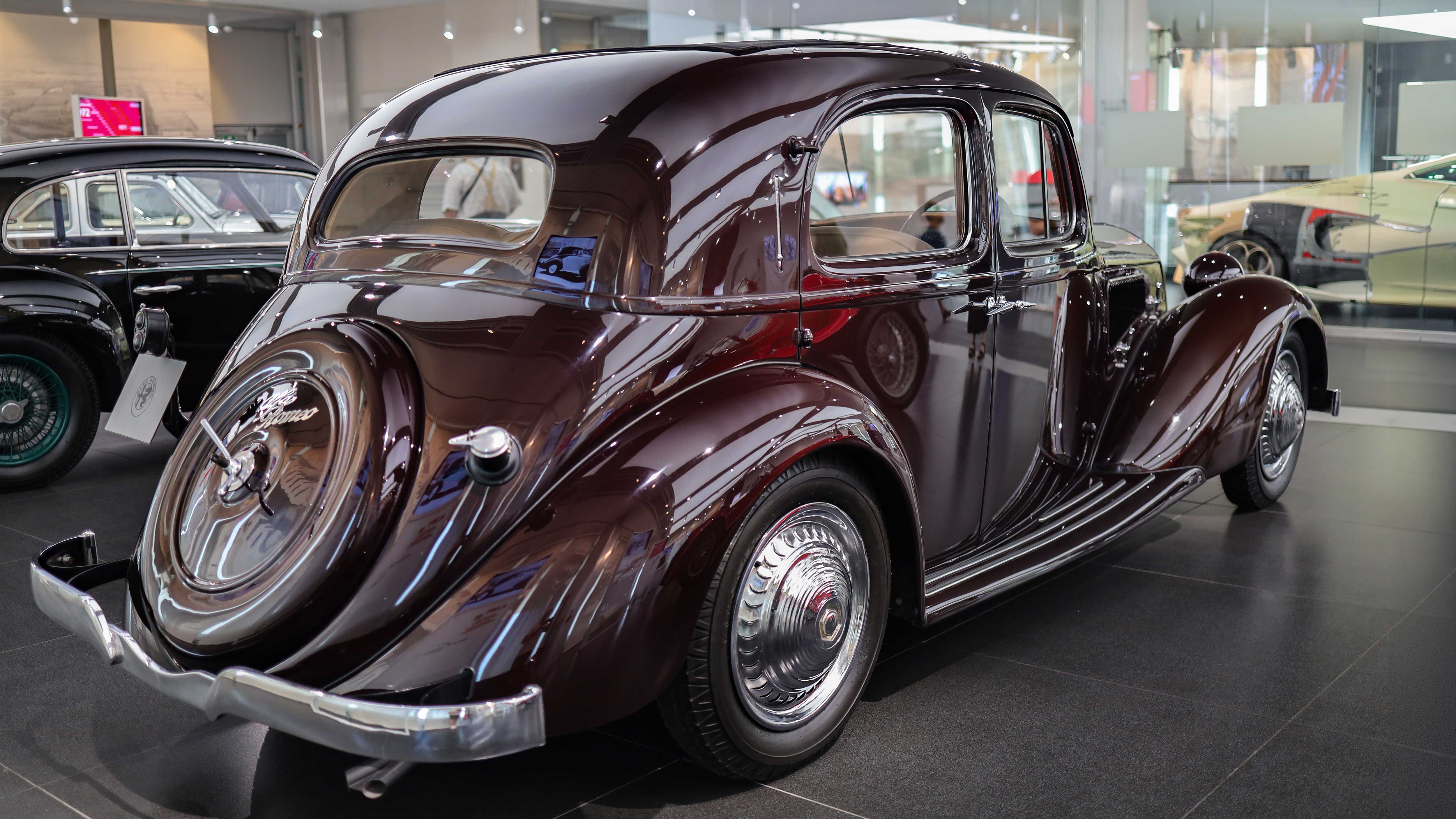
6C 2300 B Corto
The 6C 2300 B Corto (1935–1939) combined short-wheelbase agility with pre-war racing technology. As a result, its supercharged 2.3 inline-six delivered up to about 165 hp, pairing lightweight construction with strong competition pedigree.
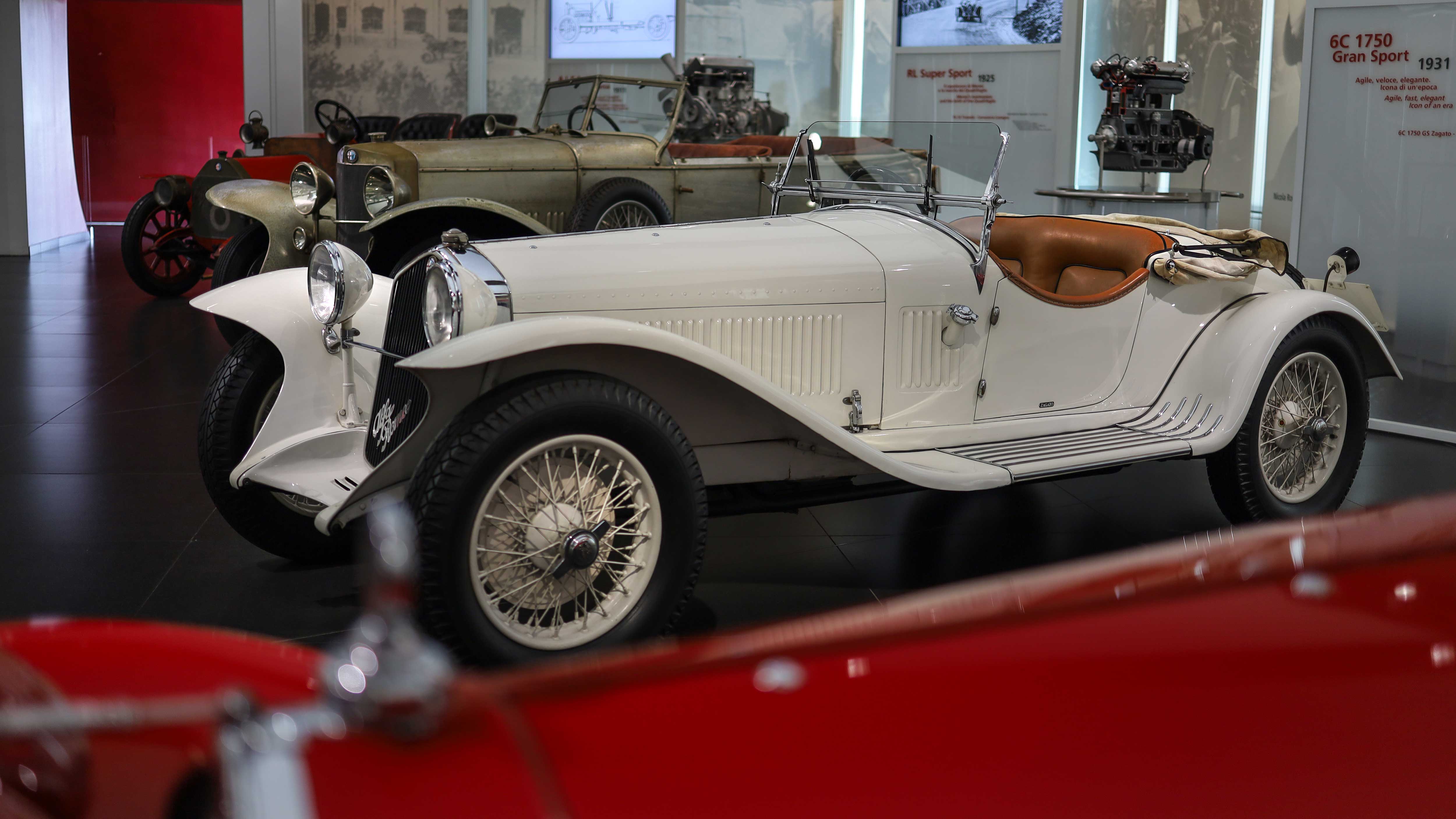
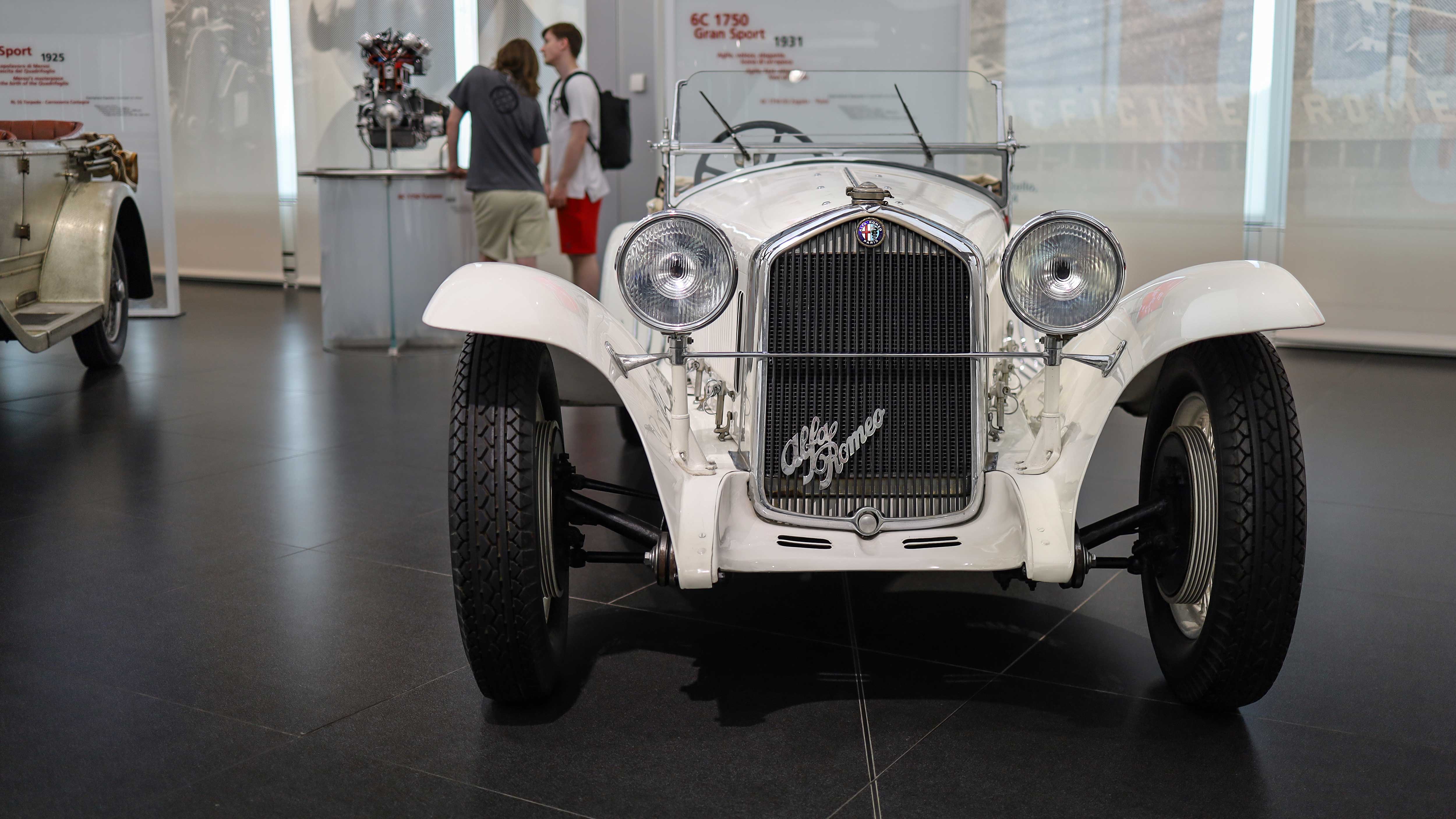
6C 1750 Gran Sport Paris
The 6C 1750 Gran Sport Paris (1931) showcased Alfa Romeo’s pre-war racing and coachbuilding excellence. As a result, its supercharged 1.75 inline-six delivered about 102 hp, pairing lightweight construction with strong international competition success.


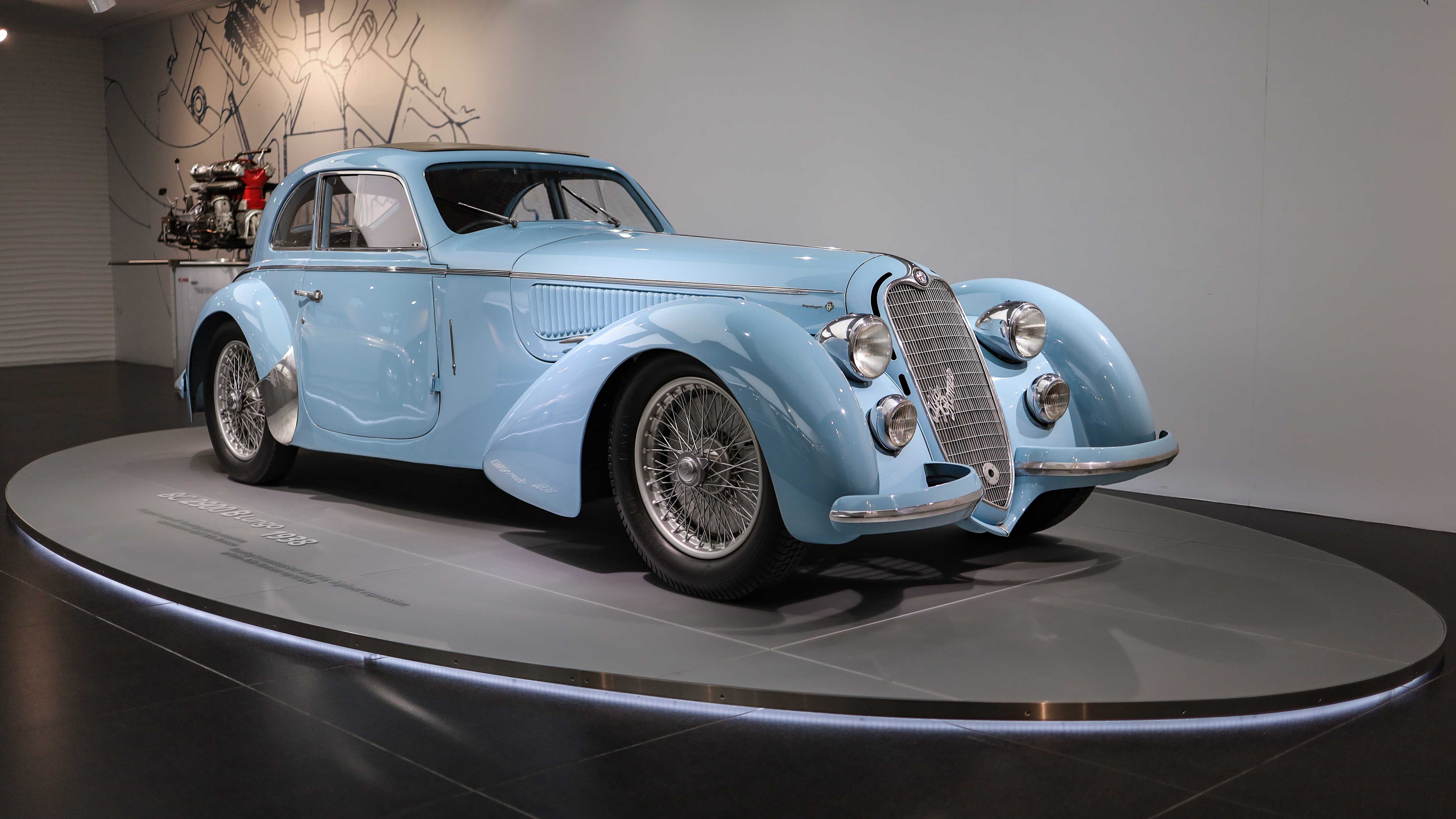
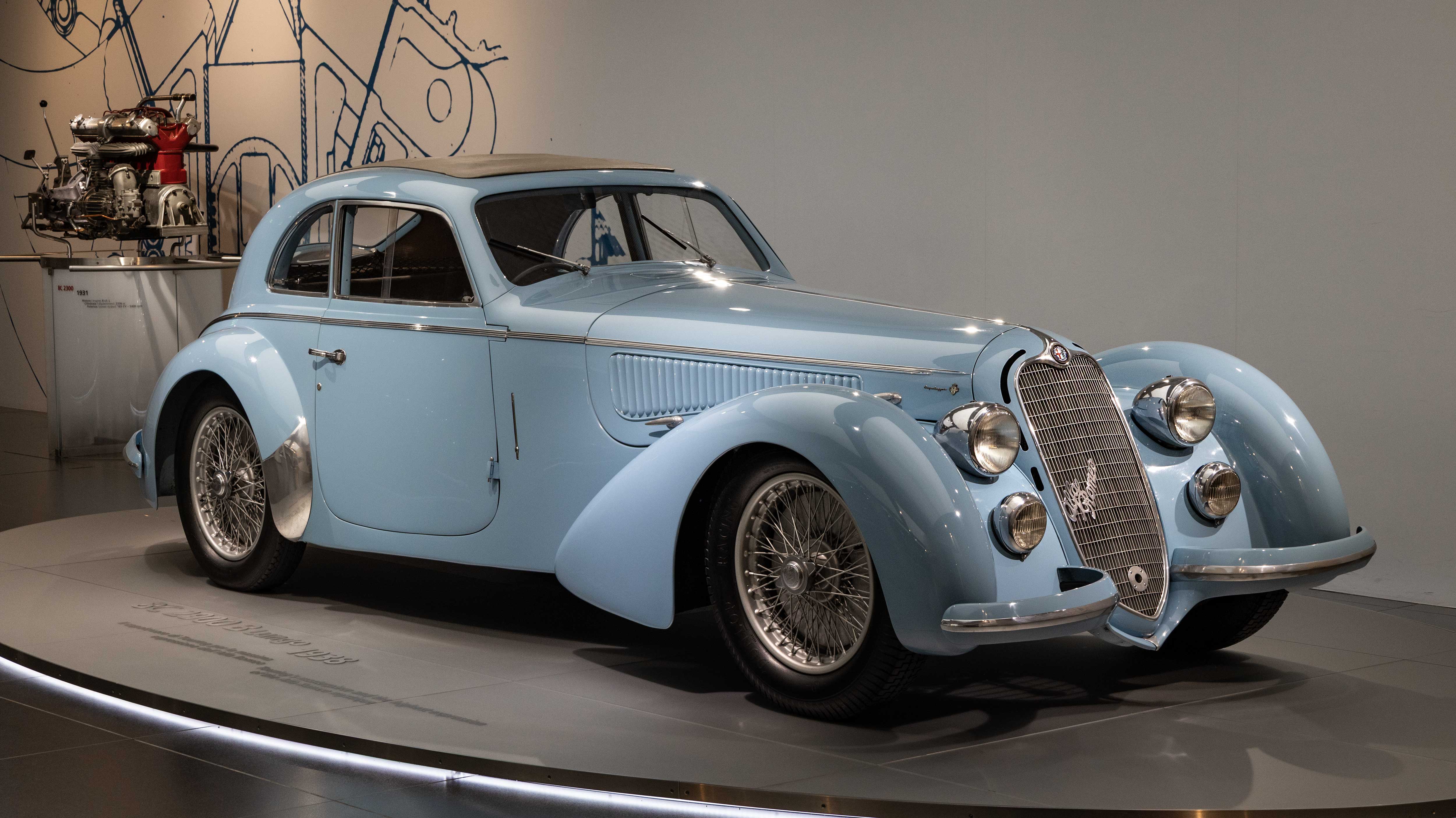
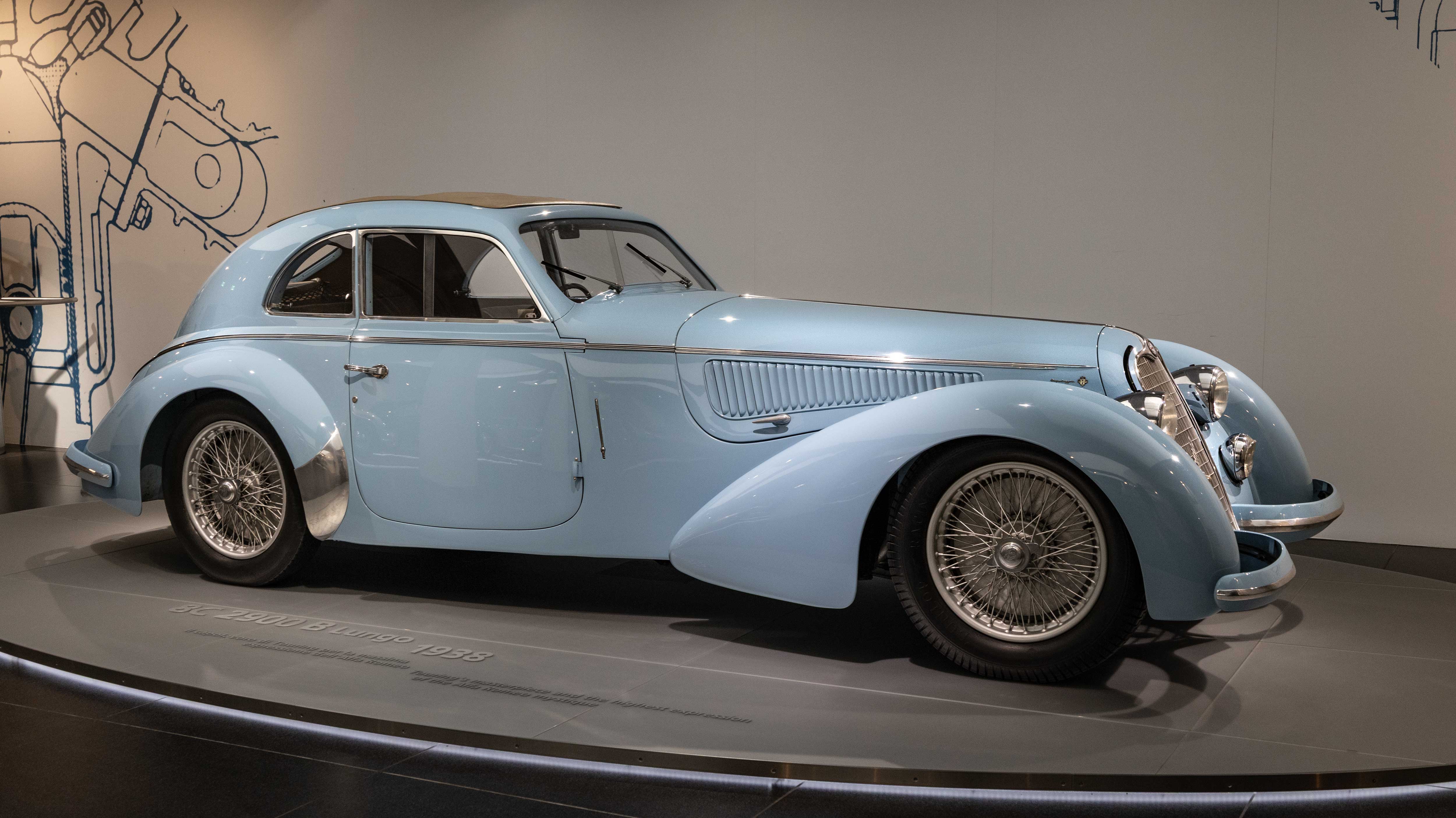
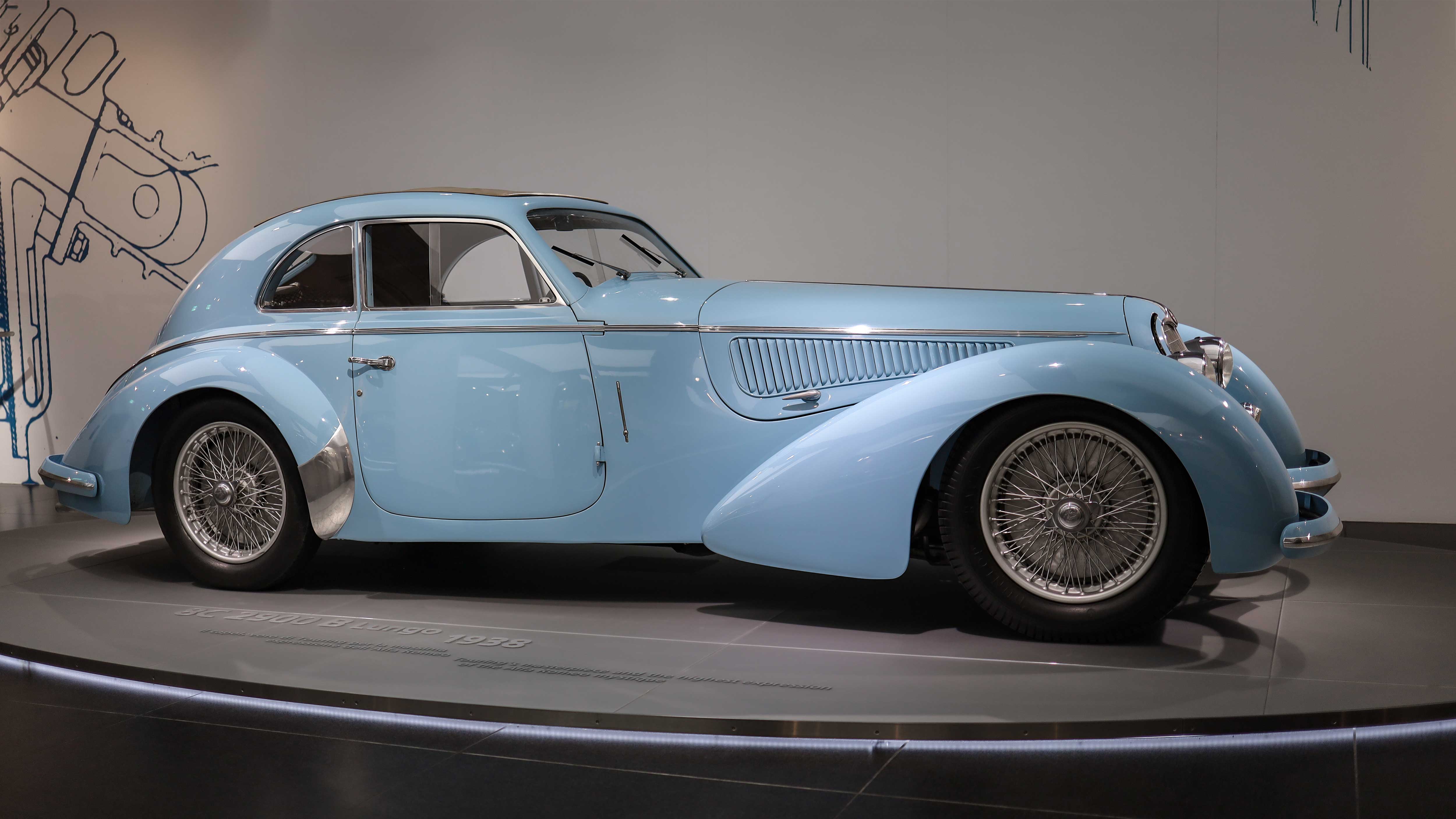
8C 2900 B Lungo
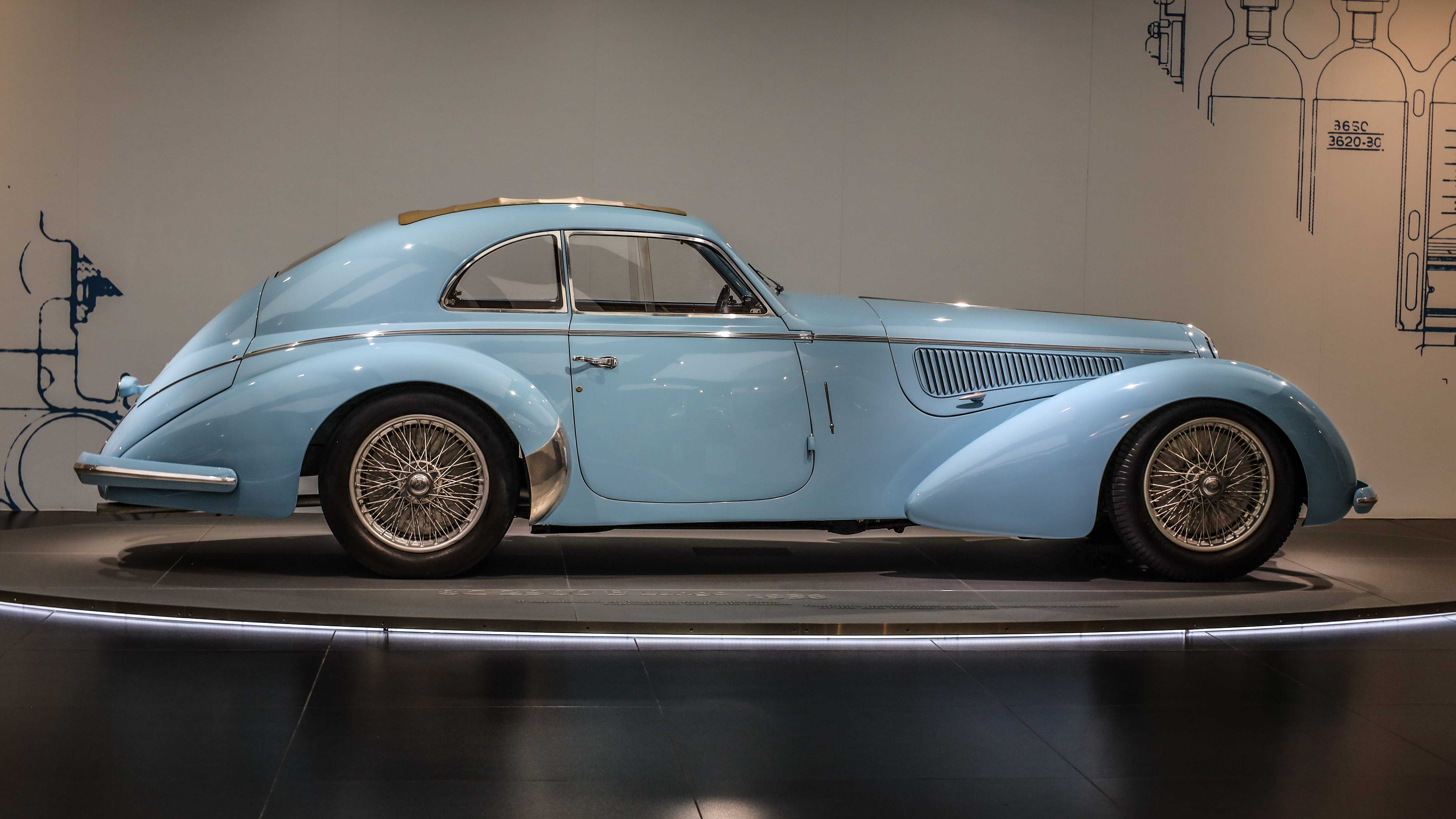
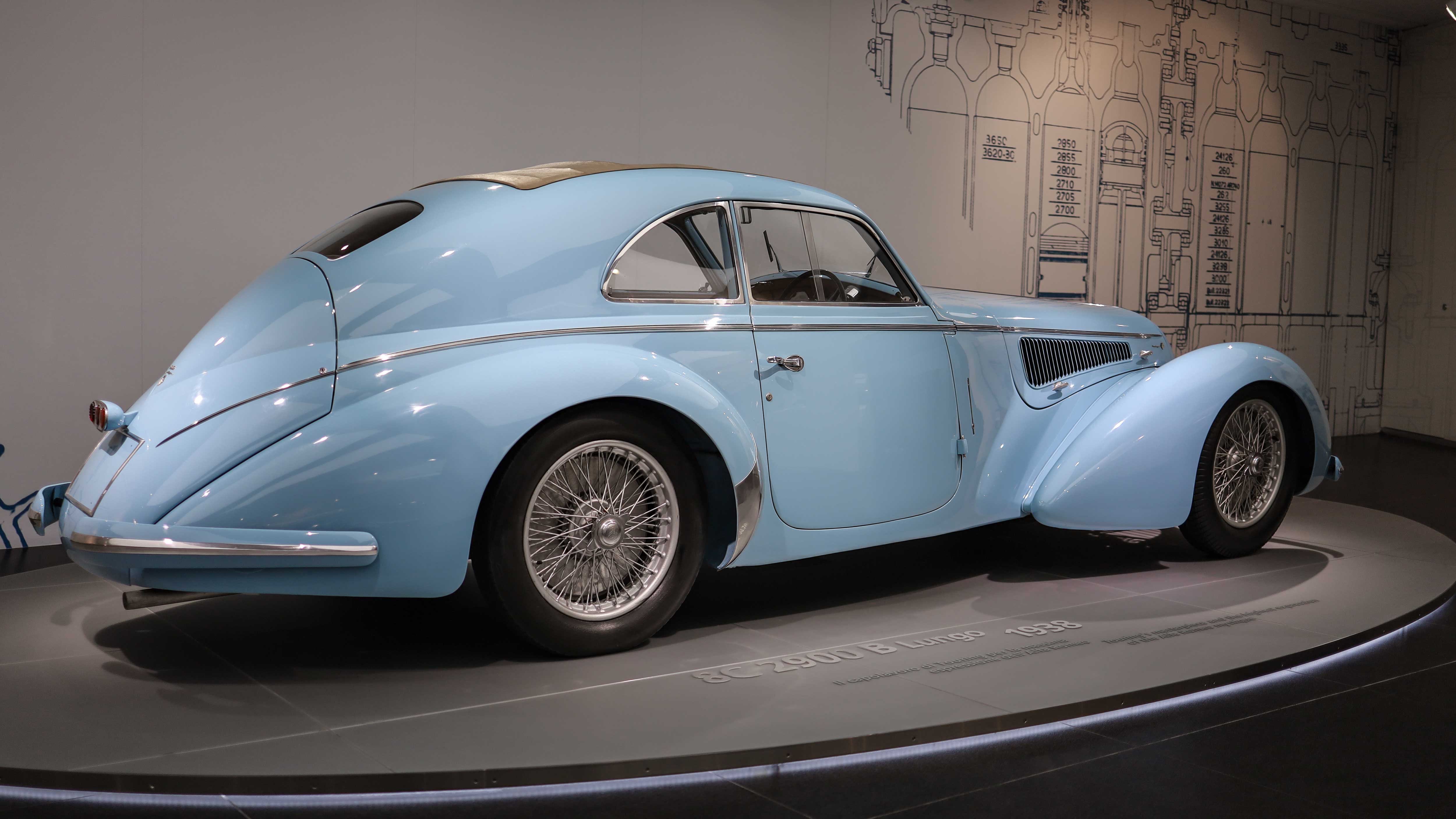
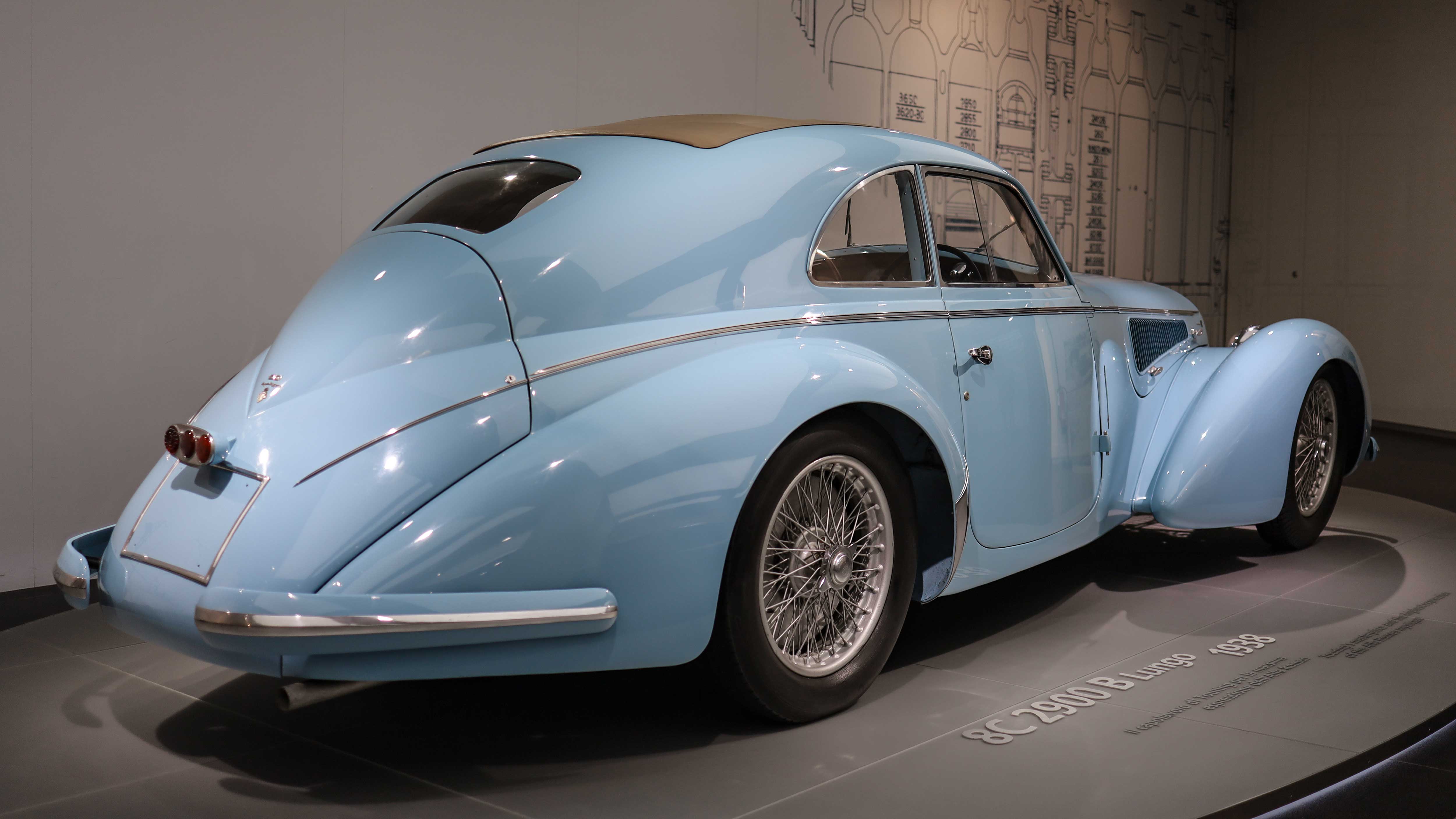
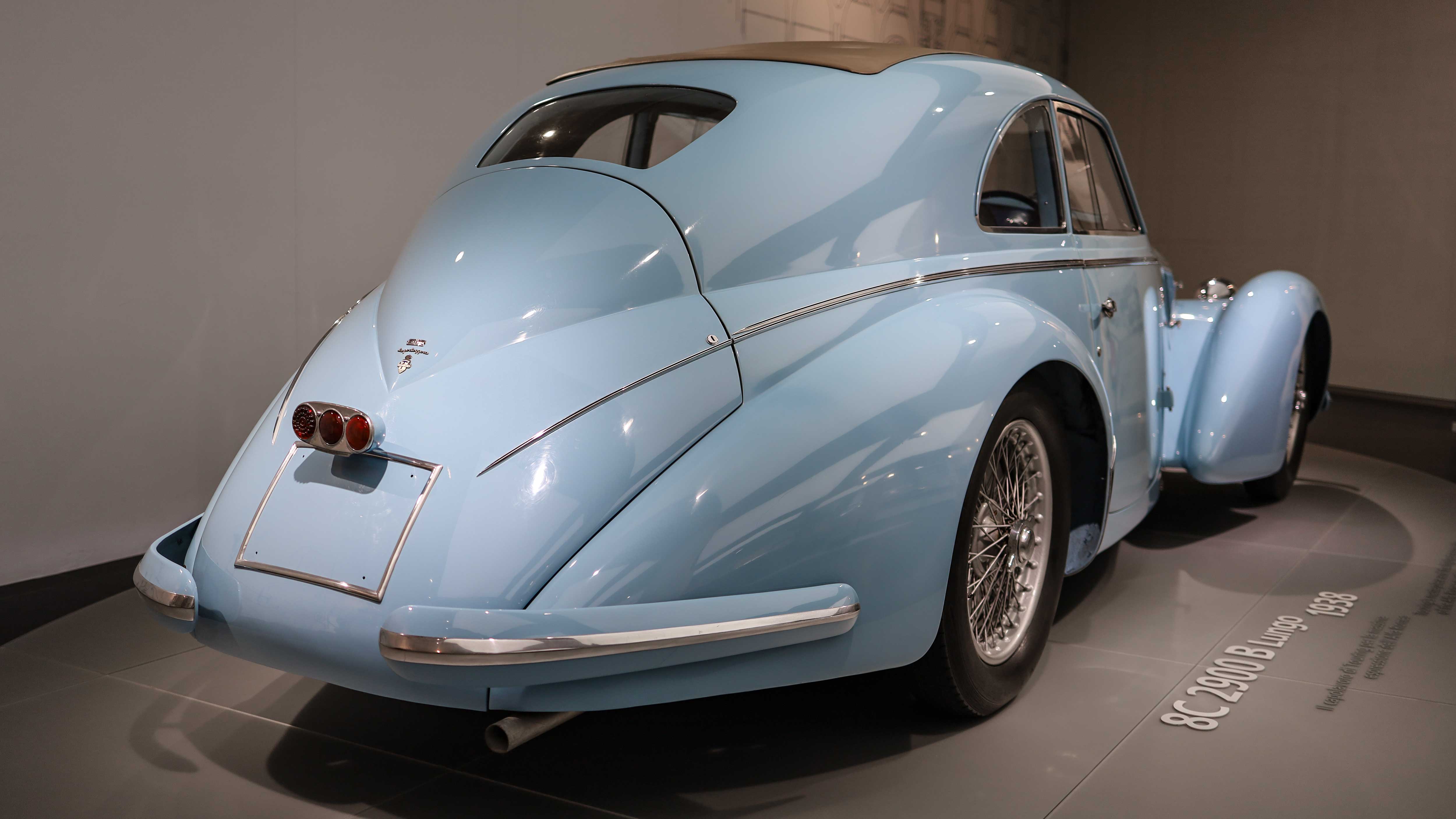
The 8C 2900 B Lungo (1937–1939) combined long-wheelbase comfort with pre-war racing technology. As a result, its supercharged 2.9 inline-eight delivered about 180 hp and paired smooth power with refined grand touring balance.
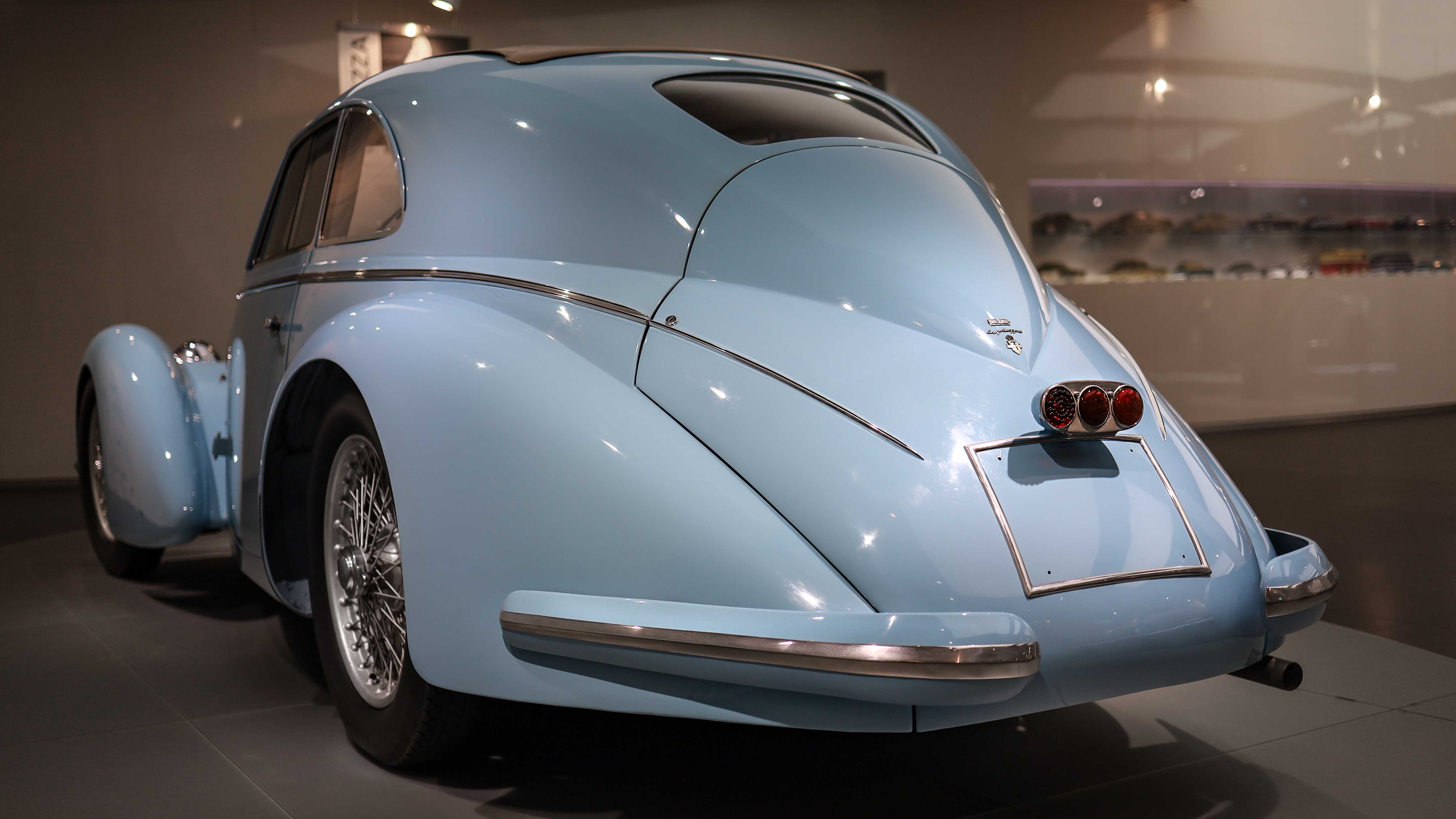
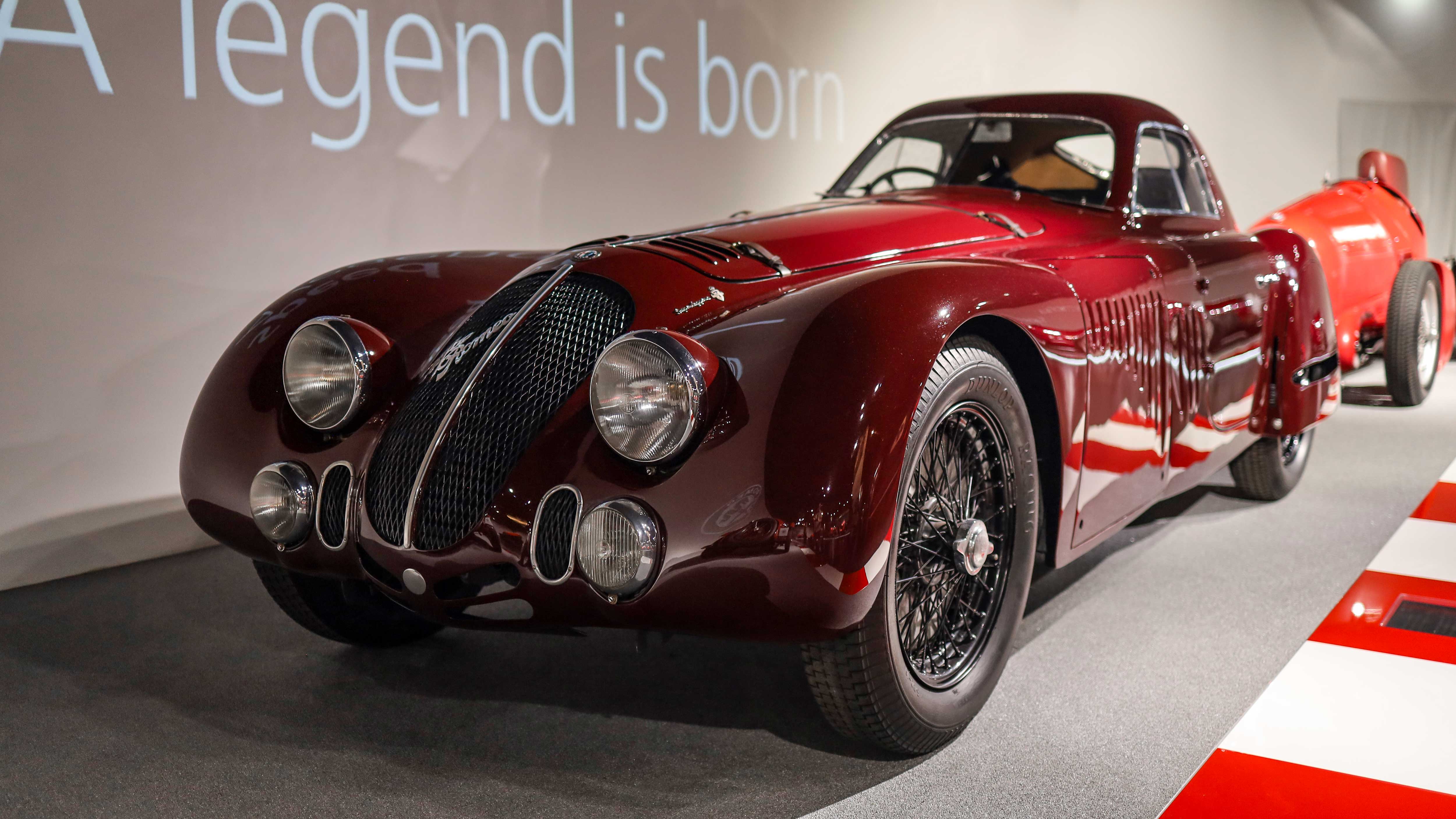
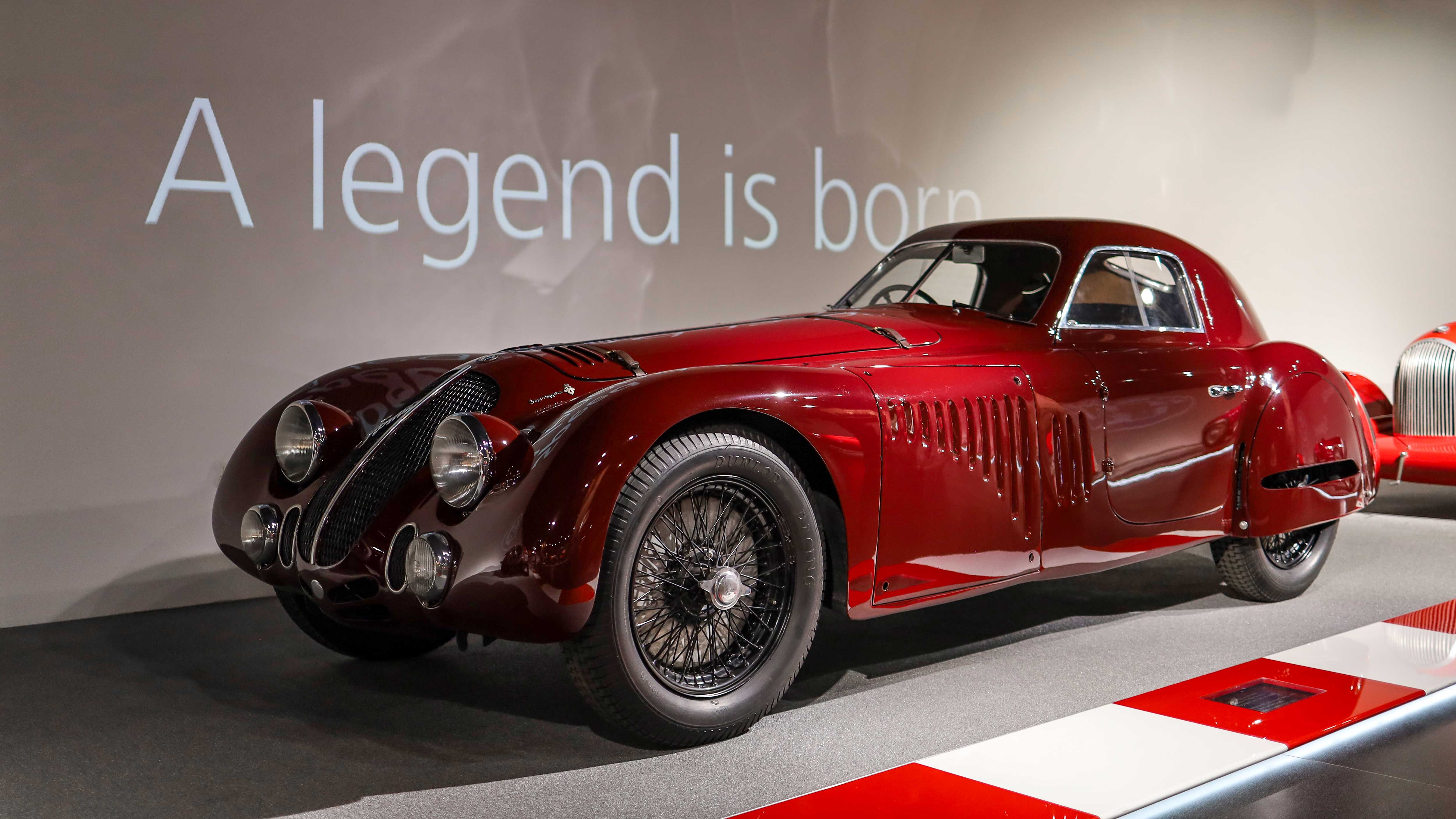
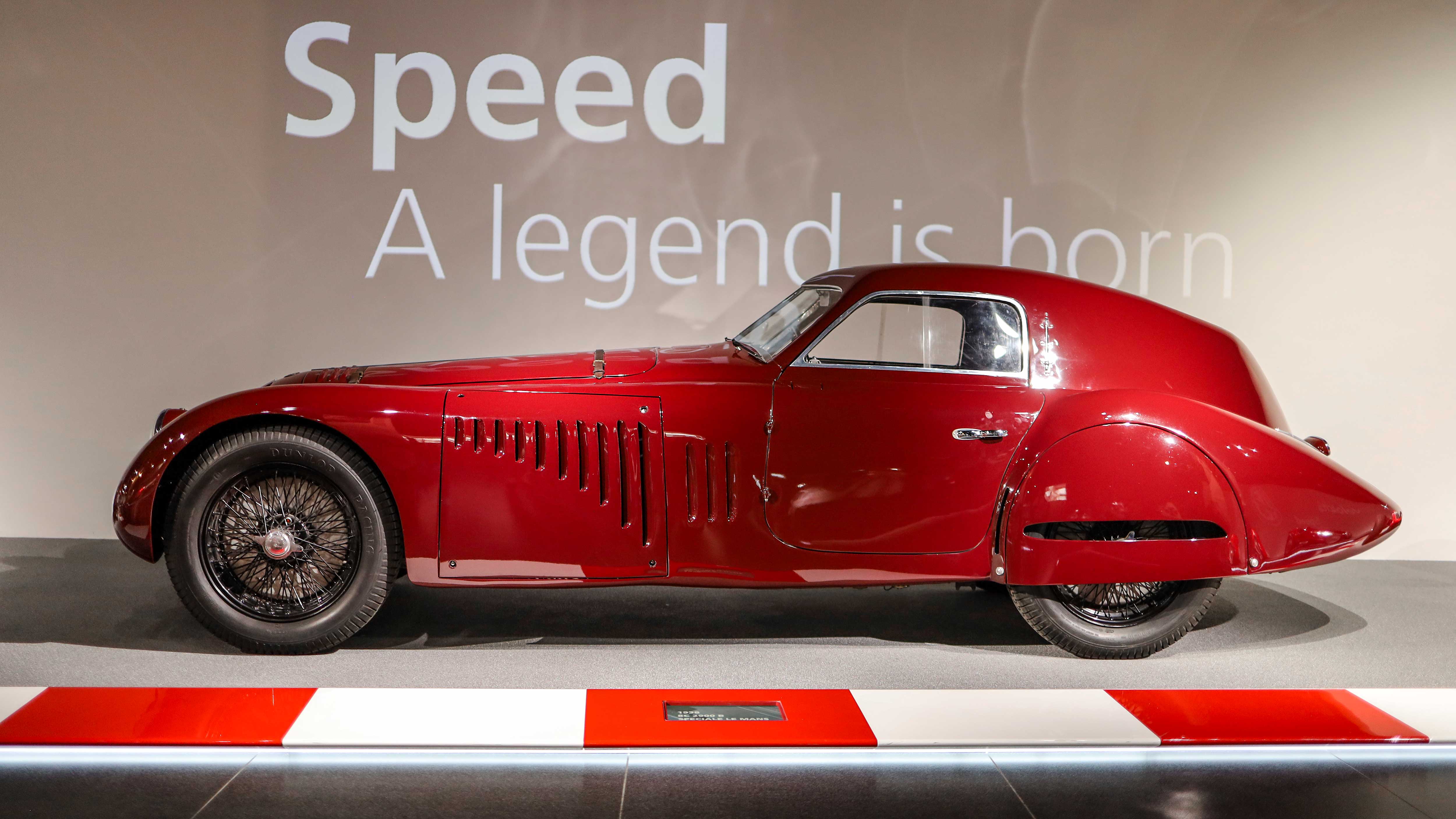
8C 2900 B Speciale Tipo Le Mans
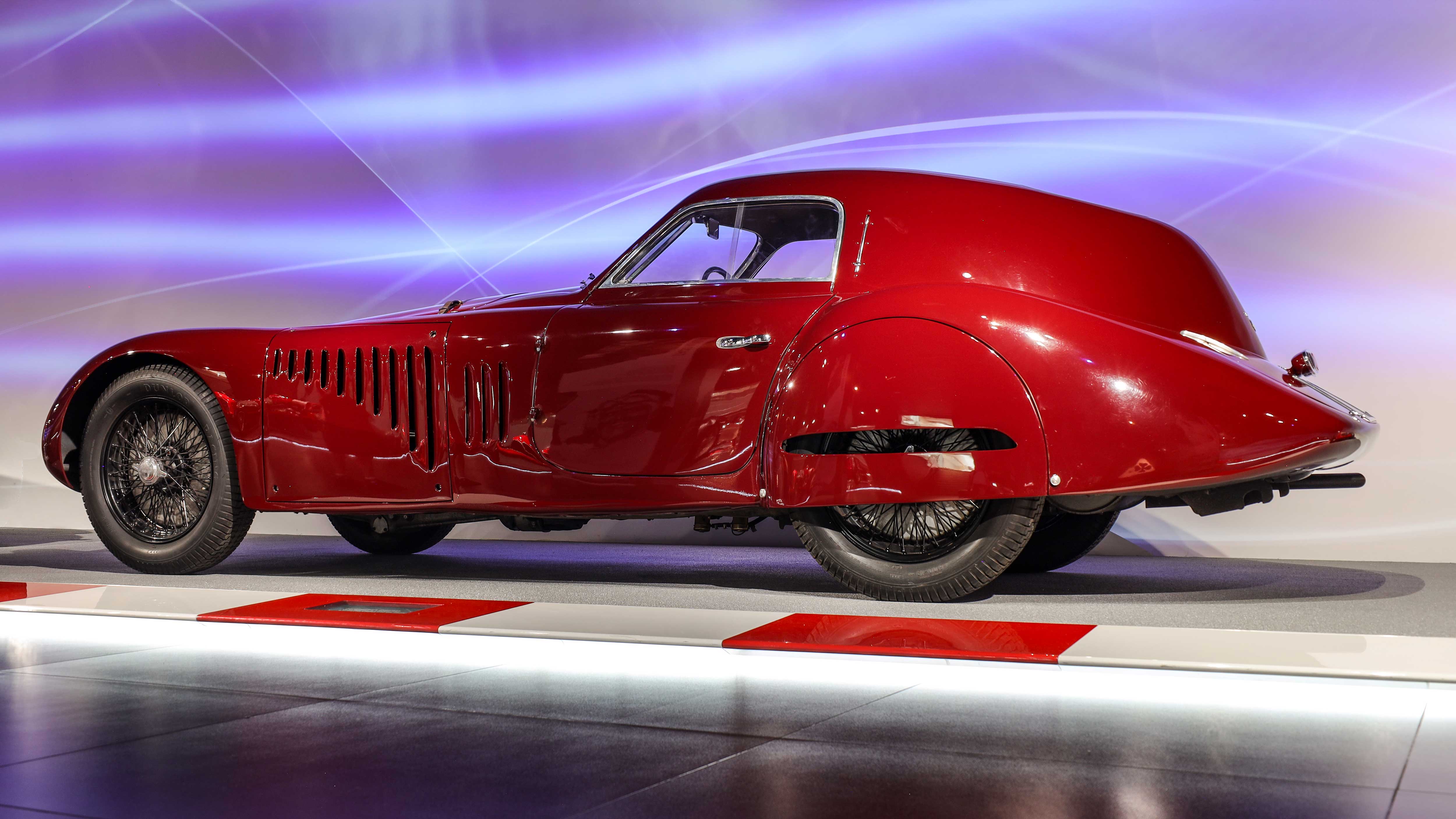
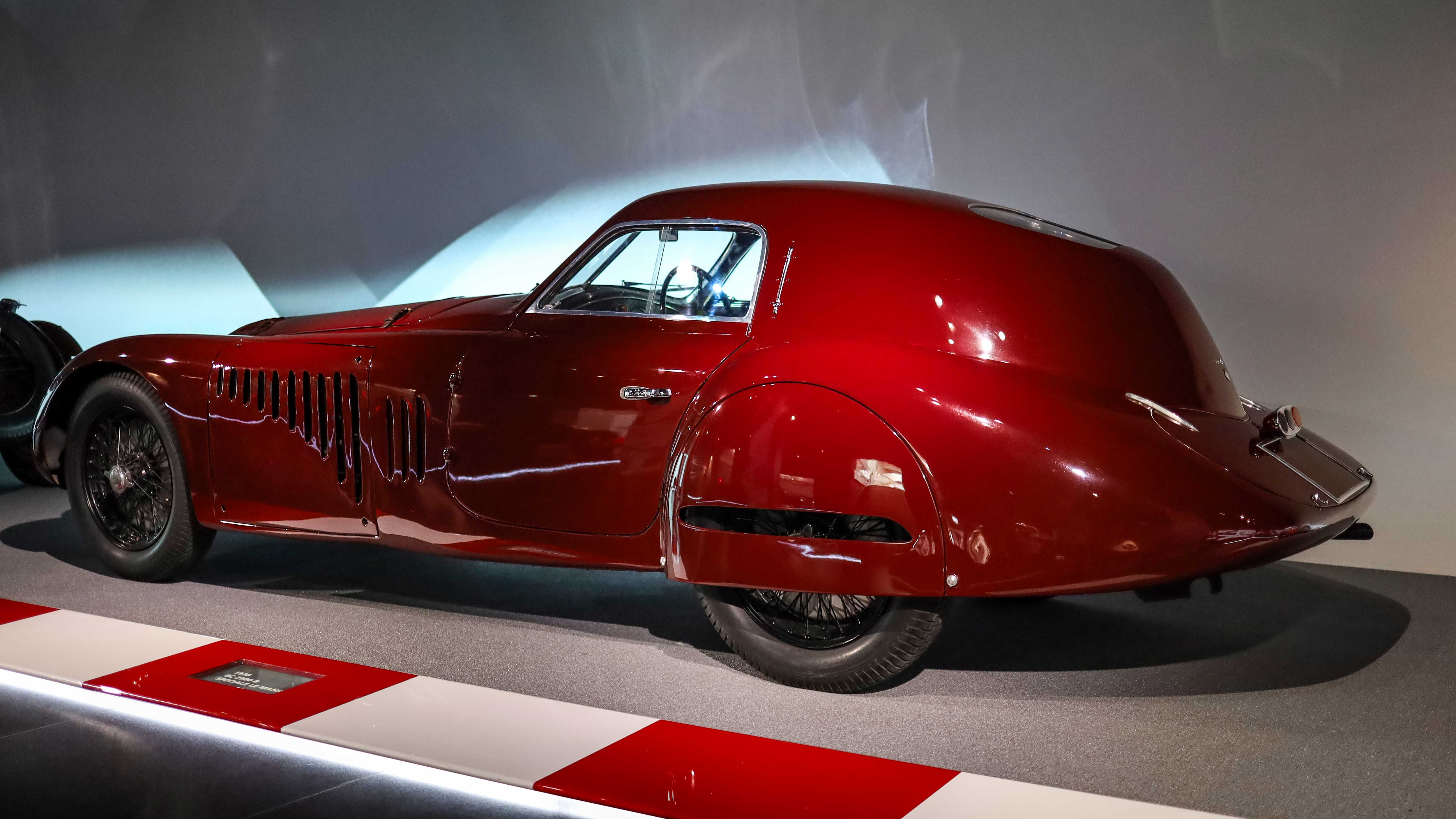
The 8C 2900 B Speciale Tipo Le Mans (1938–1939) stands as one of Alfa’s greatest pre-war racing cars. As a result, its supercharged 2.9 inline-eight delivered about 220 hp and paired advanced aerodynamics with dominant endurance performance.
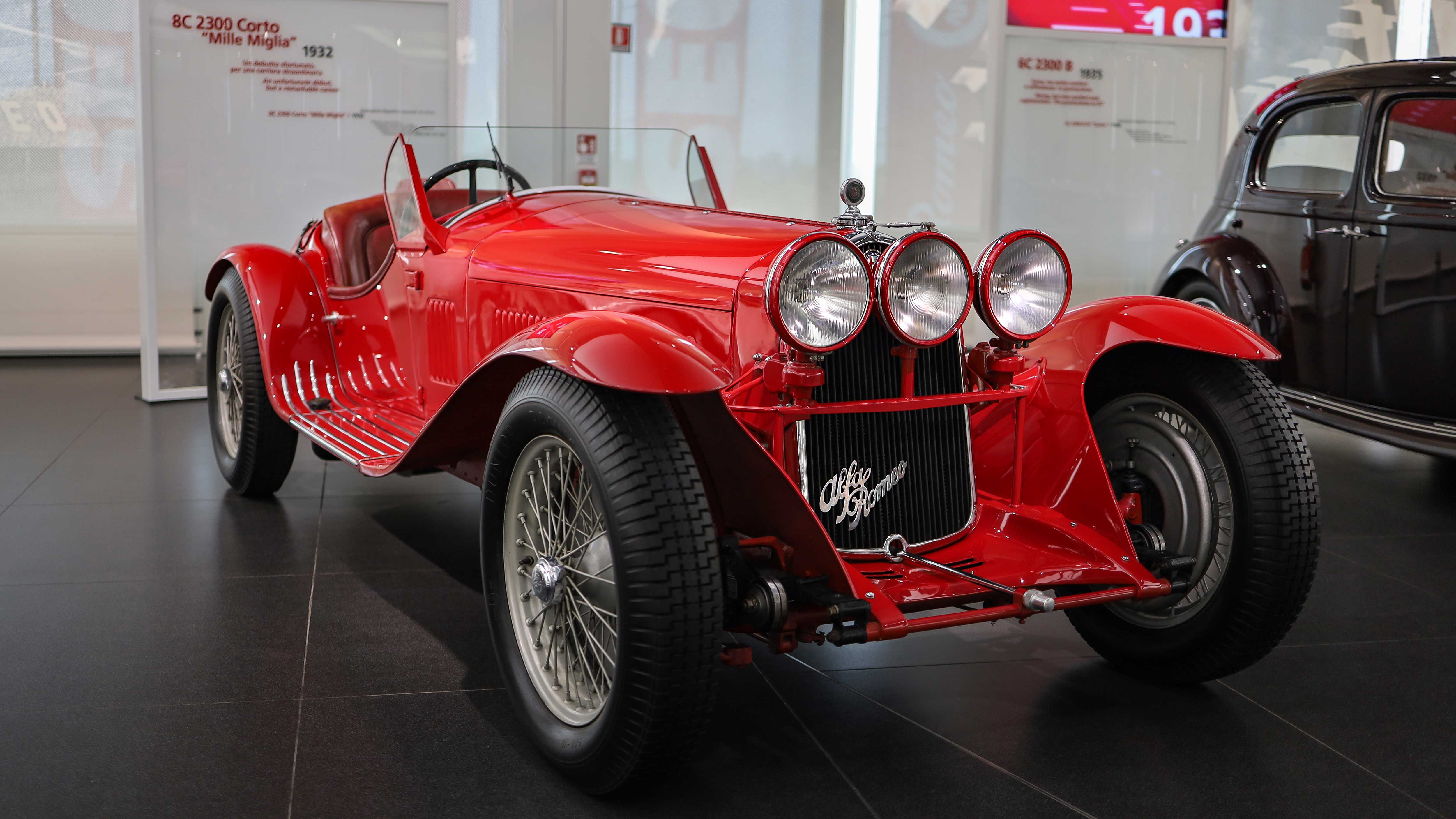
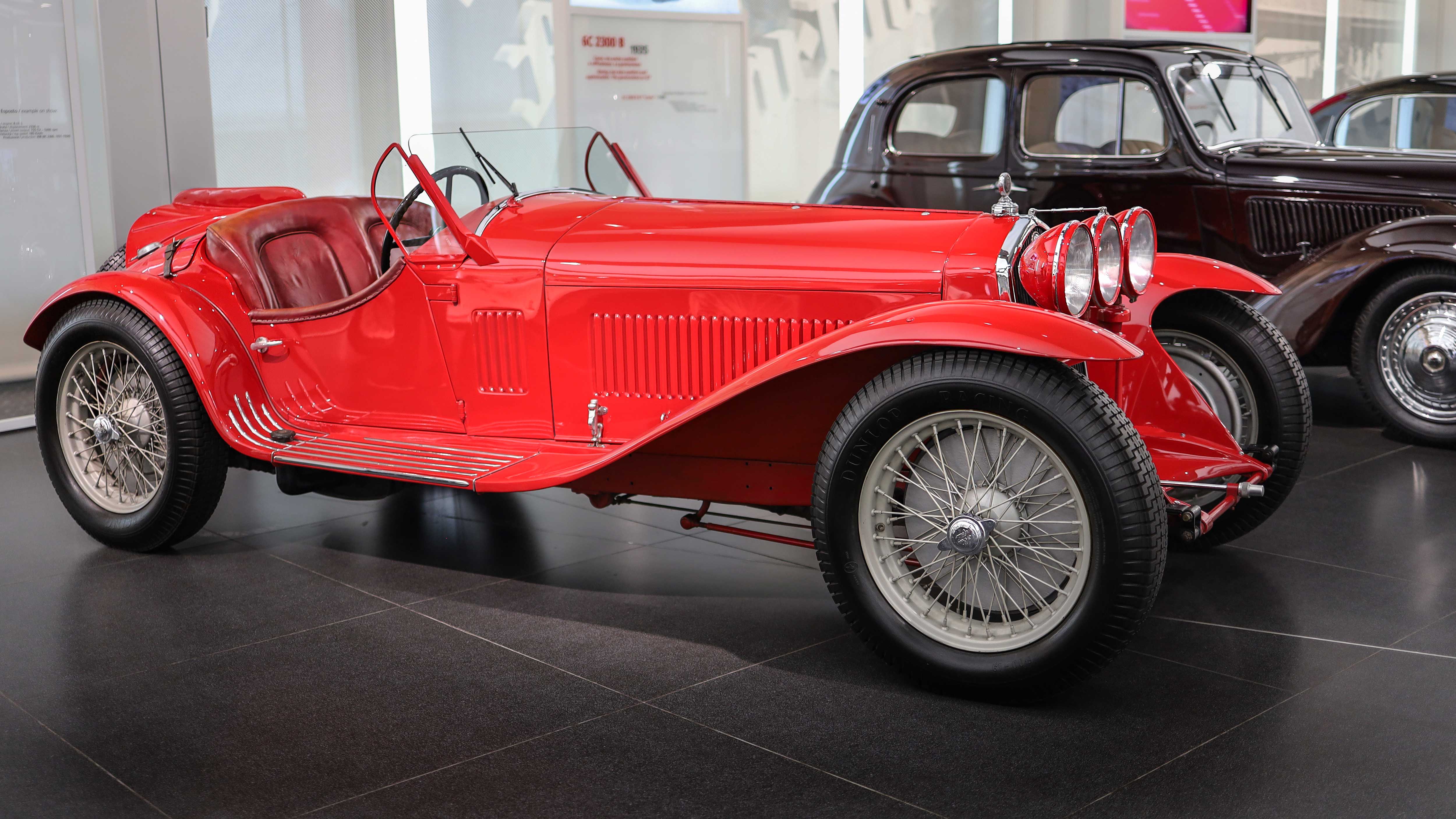
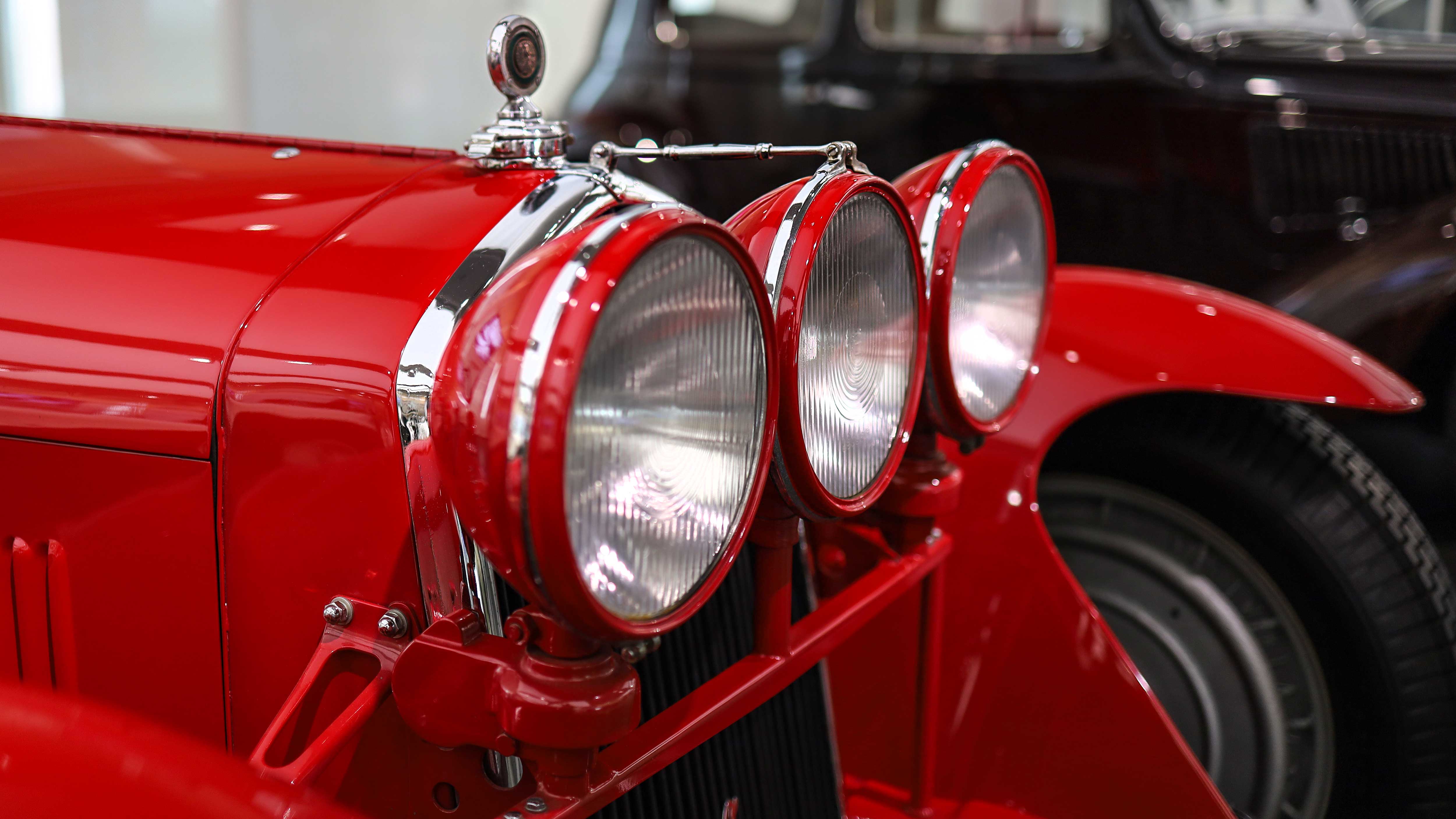
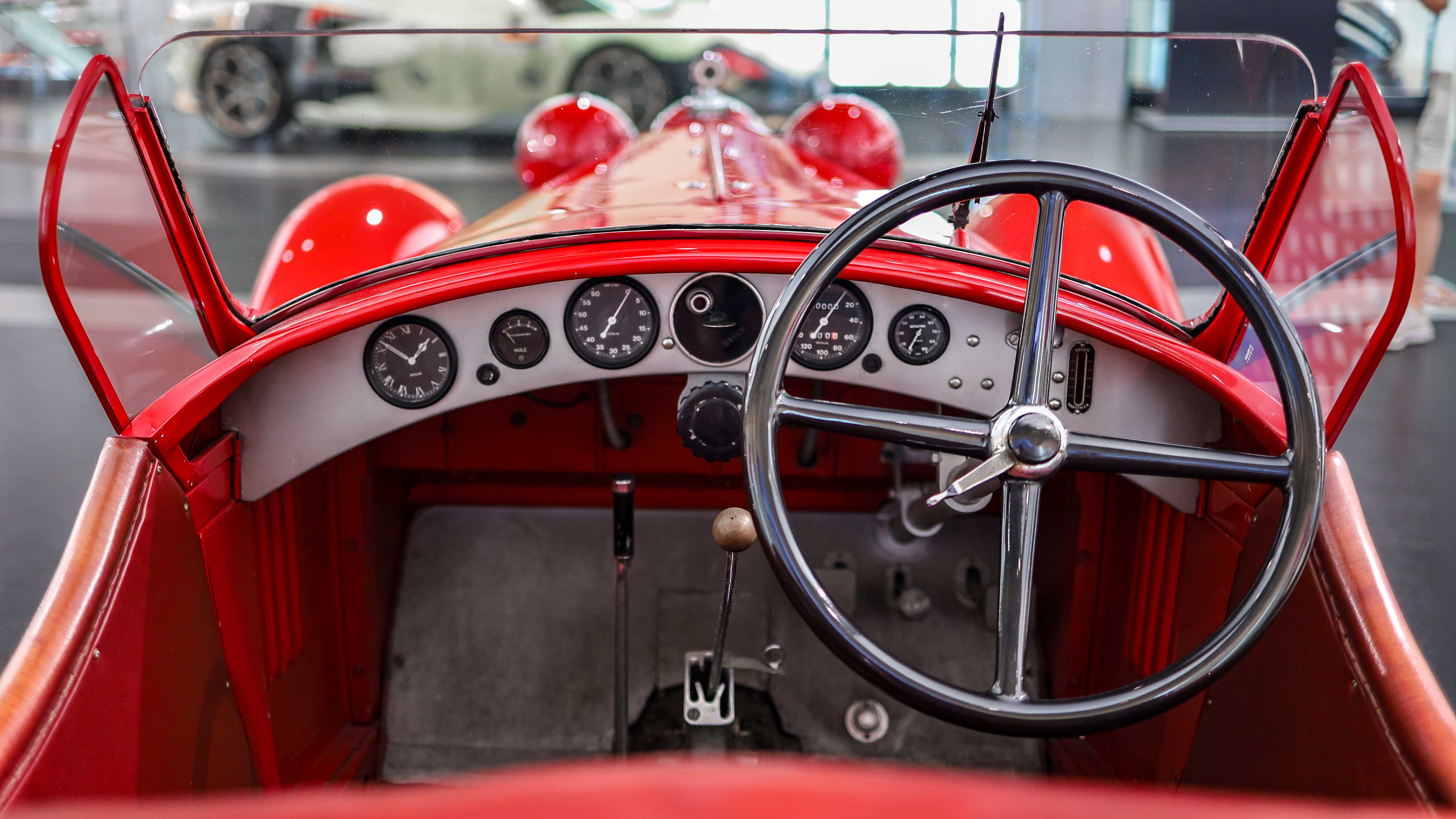
8C 2300 Corto “Mille Miglia”
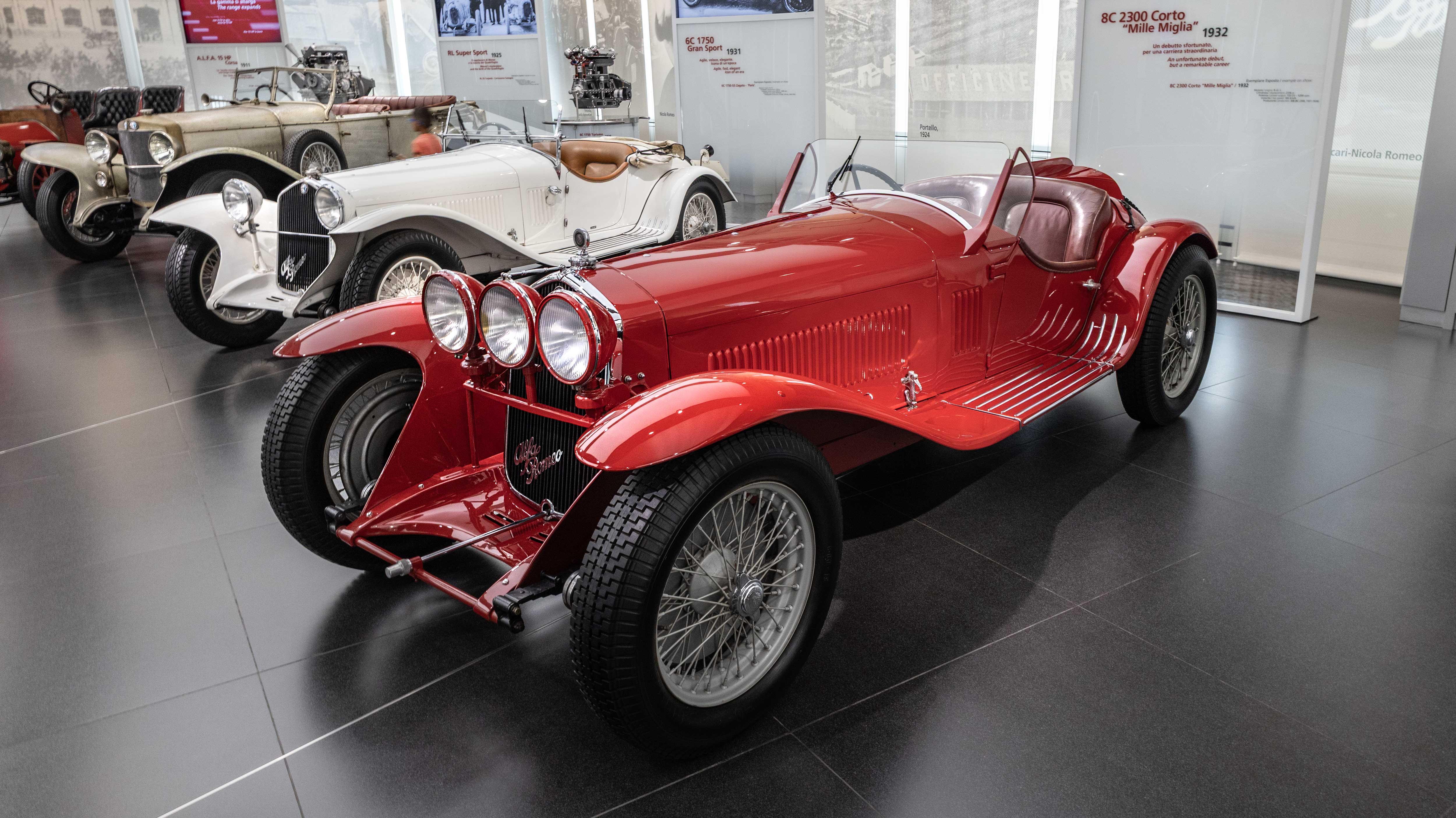
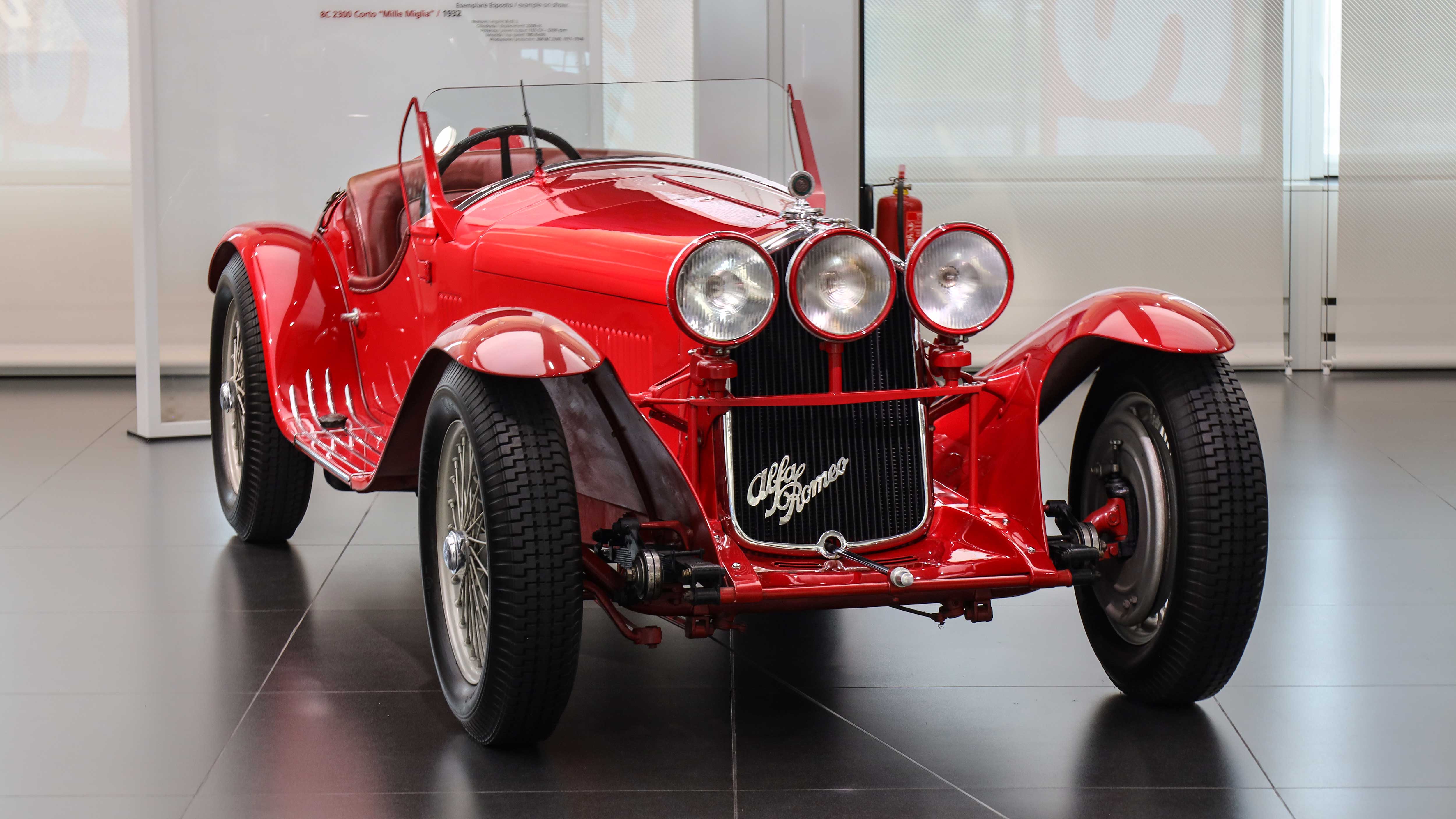
The 8C 2300 Corto “Mille Miglia” (1931–1934) became one of the most successful pre-war racing cars ever built. As a result, its supercharged 2.3 inline-eight delivered about 165 to 180 hp and secured multiple Mille Miglia victories.
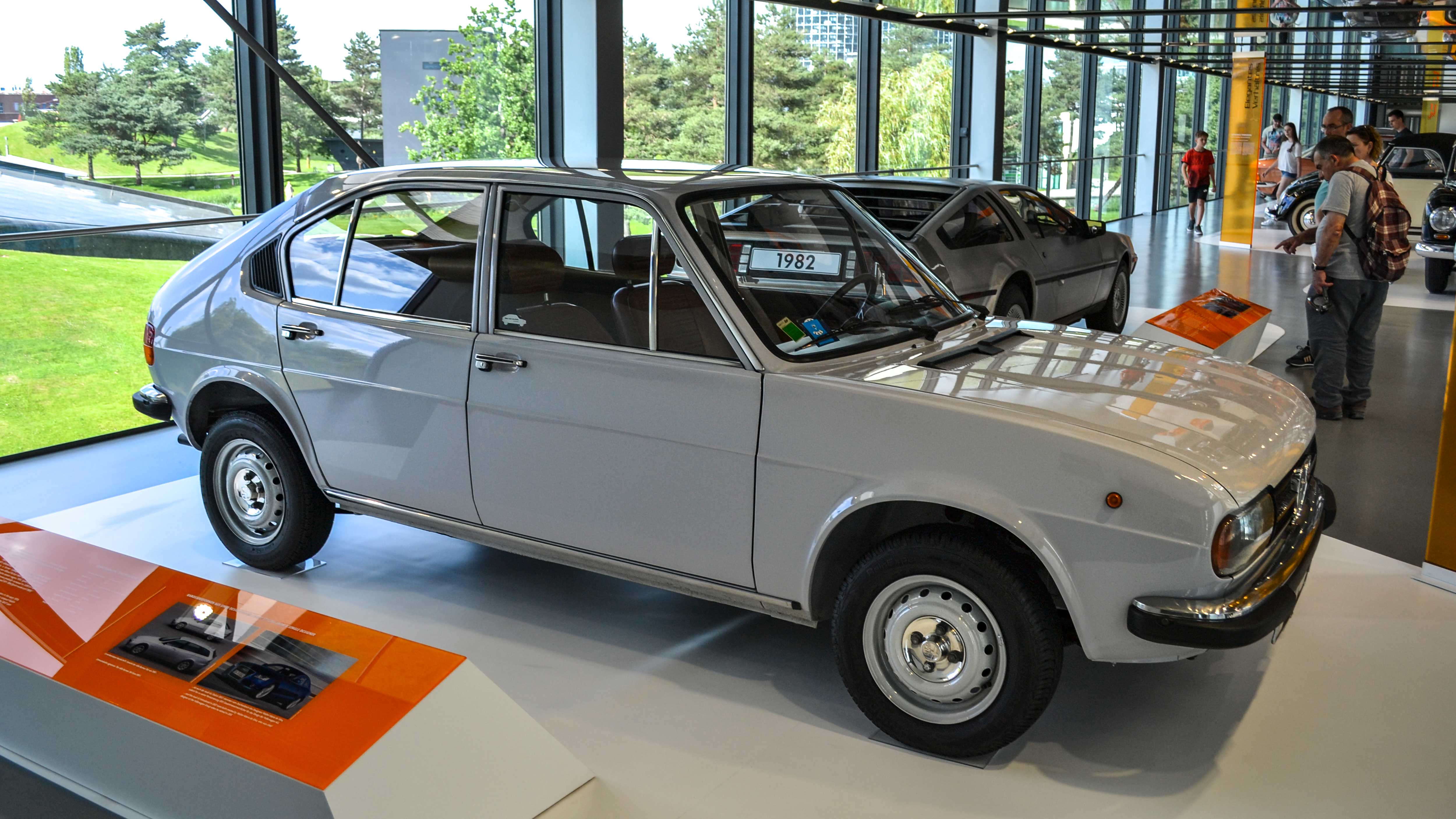
Alfasud
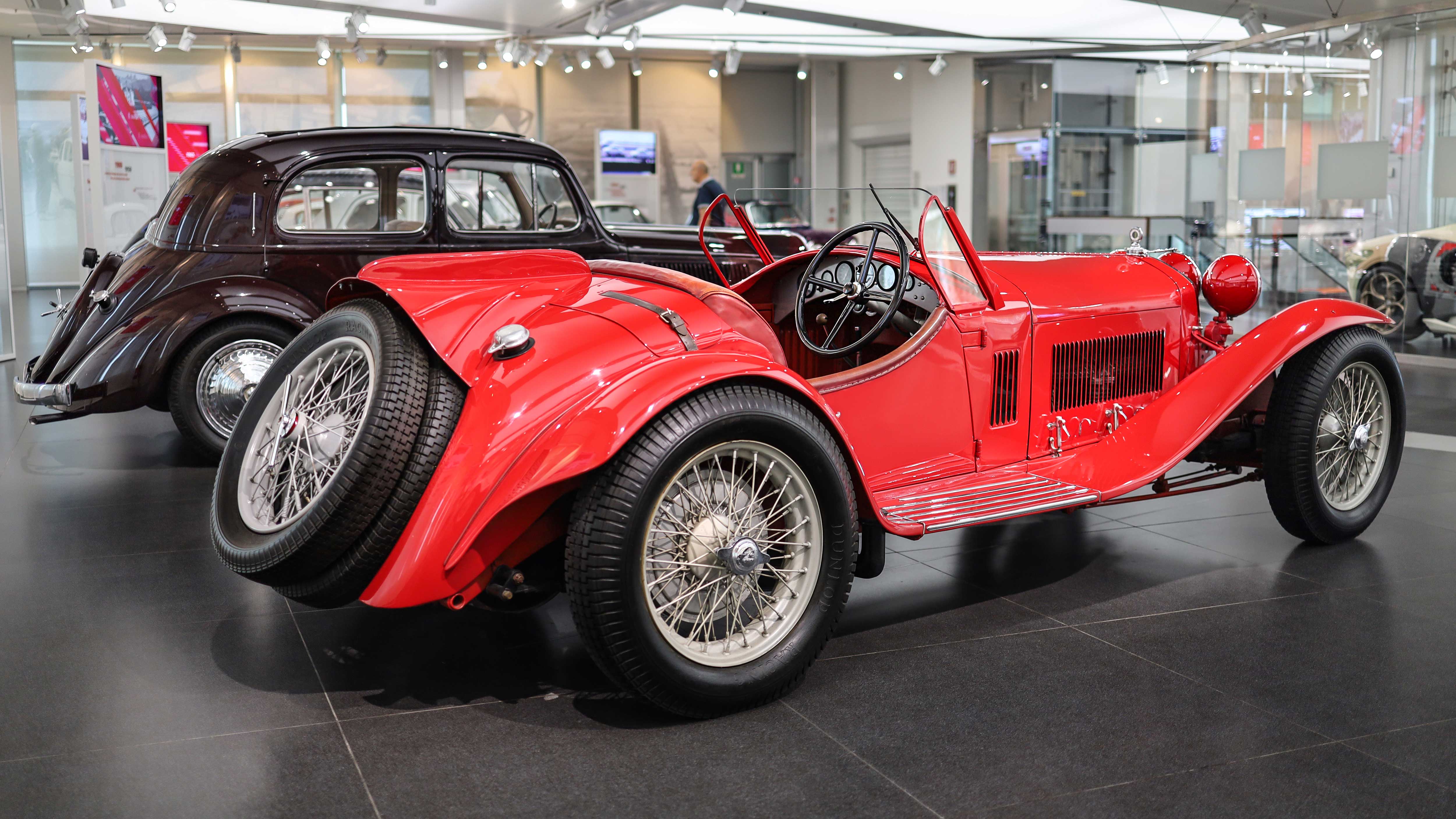
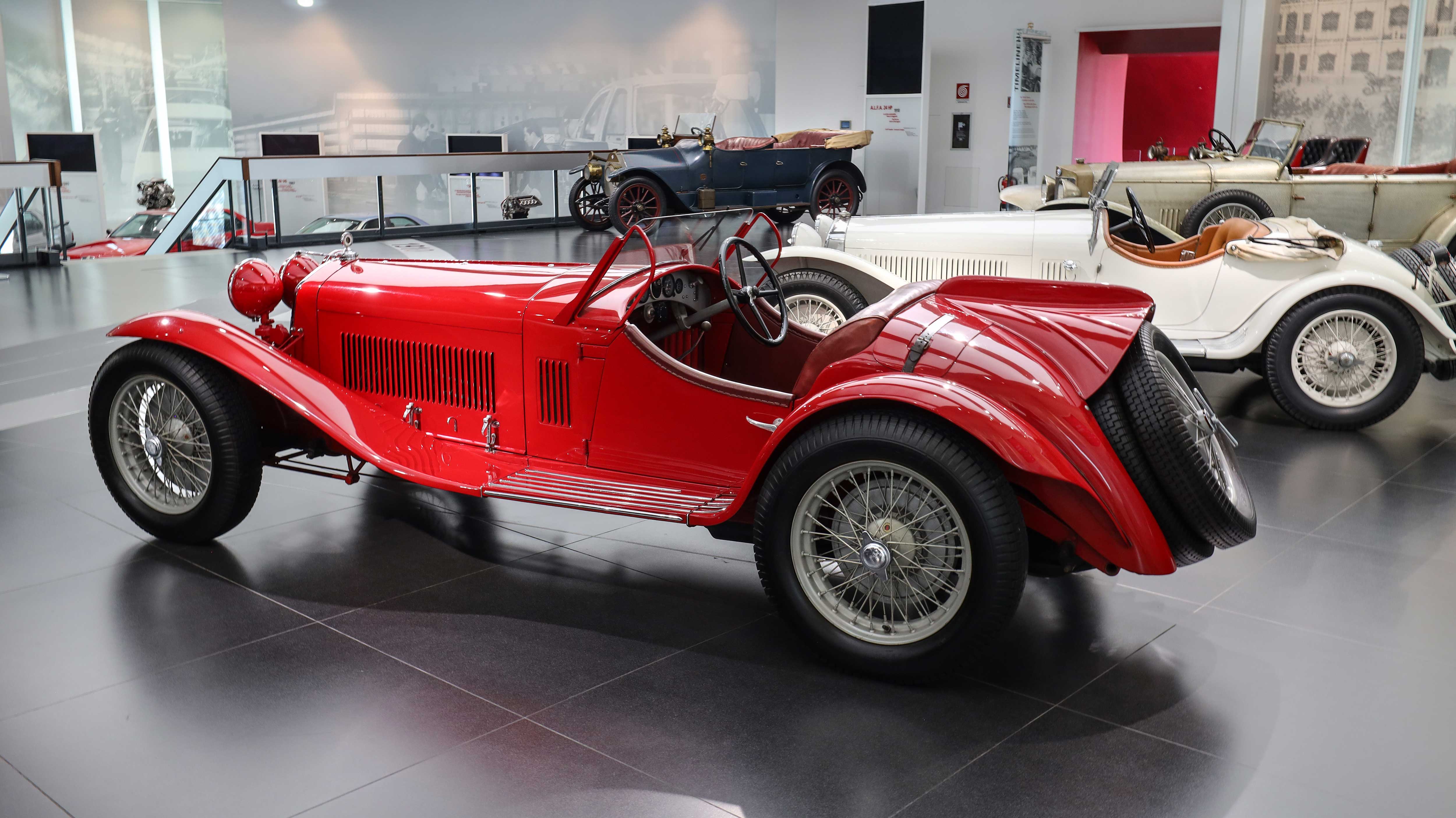
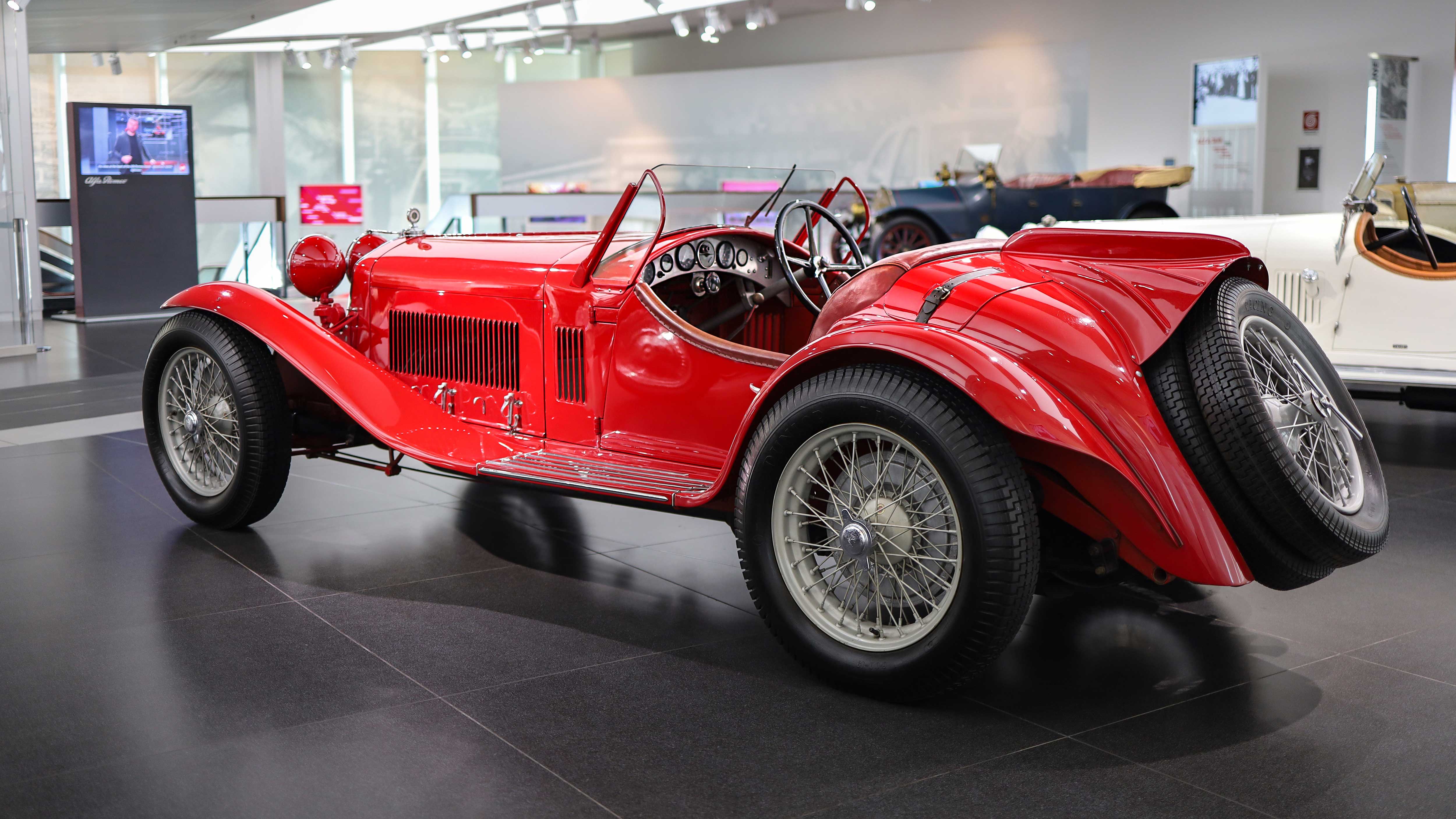
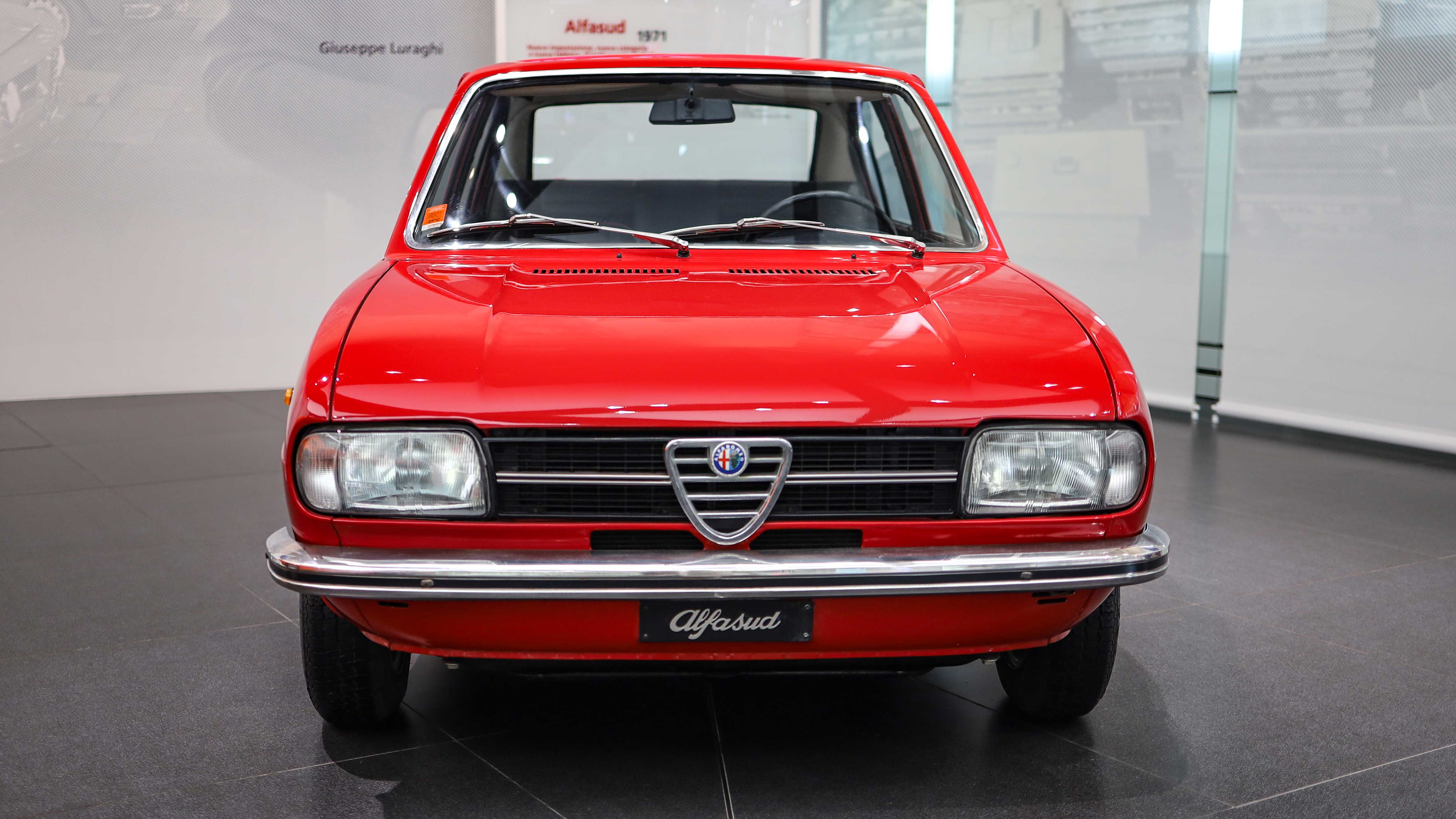
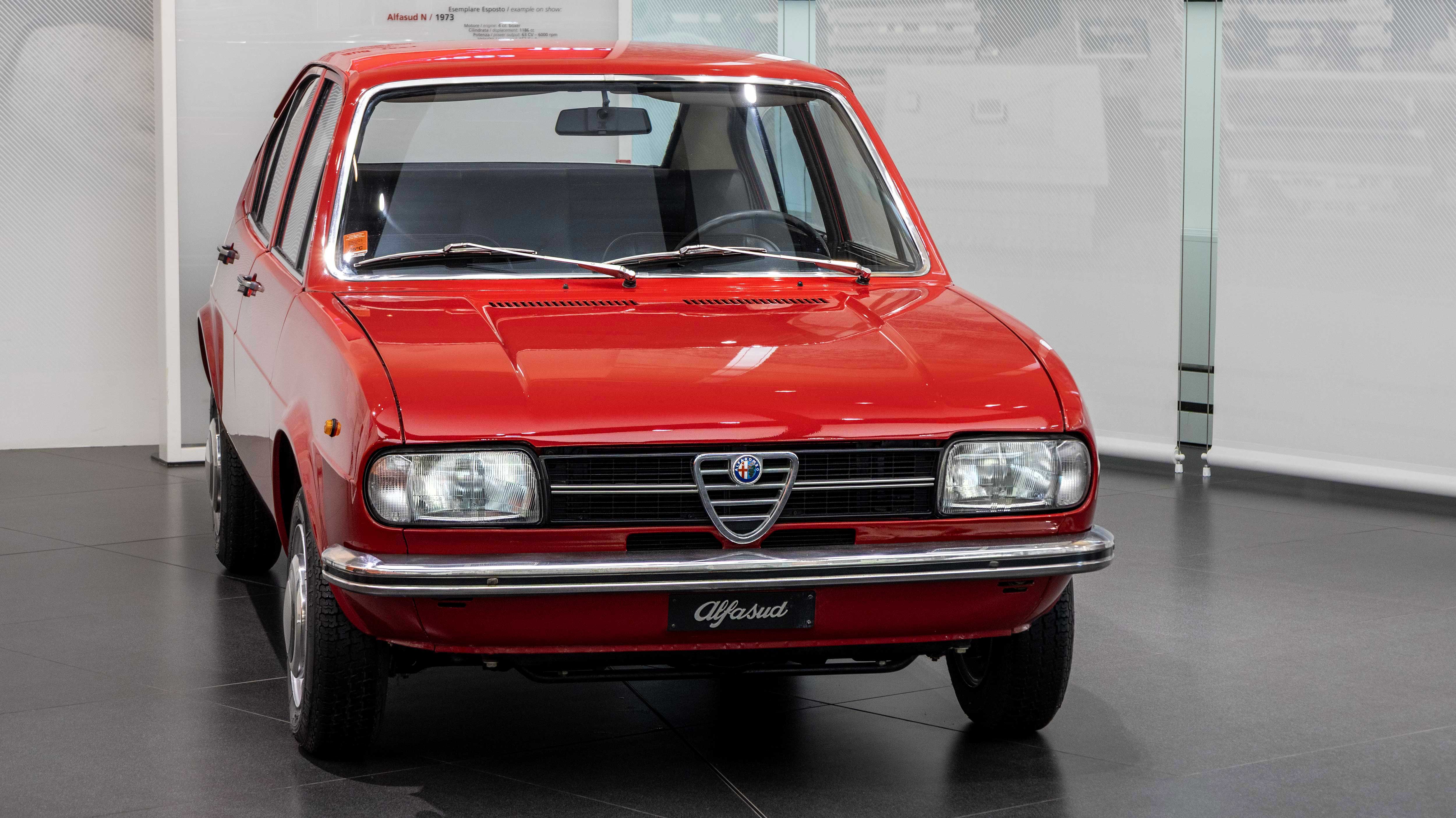
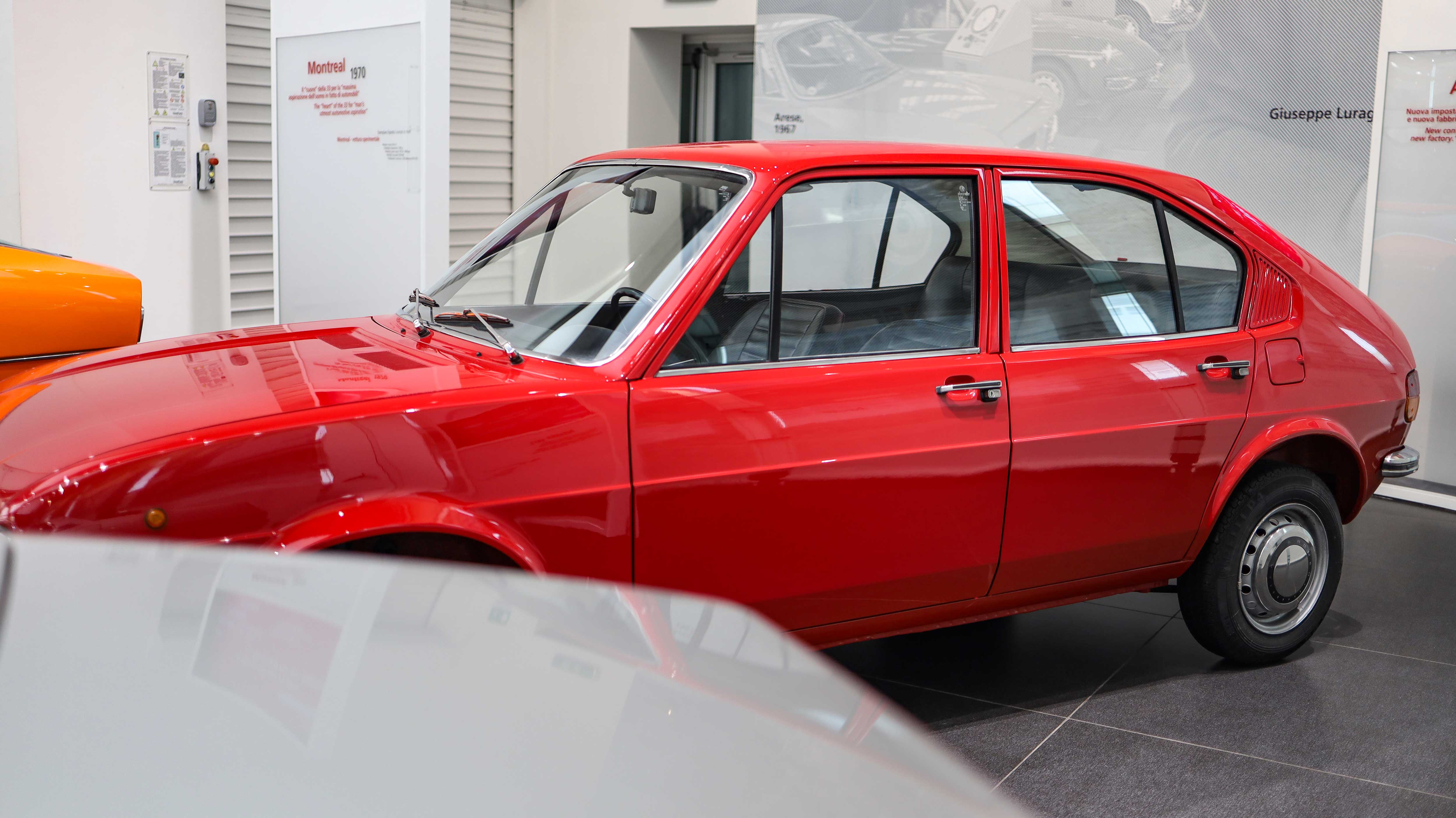
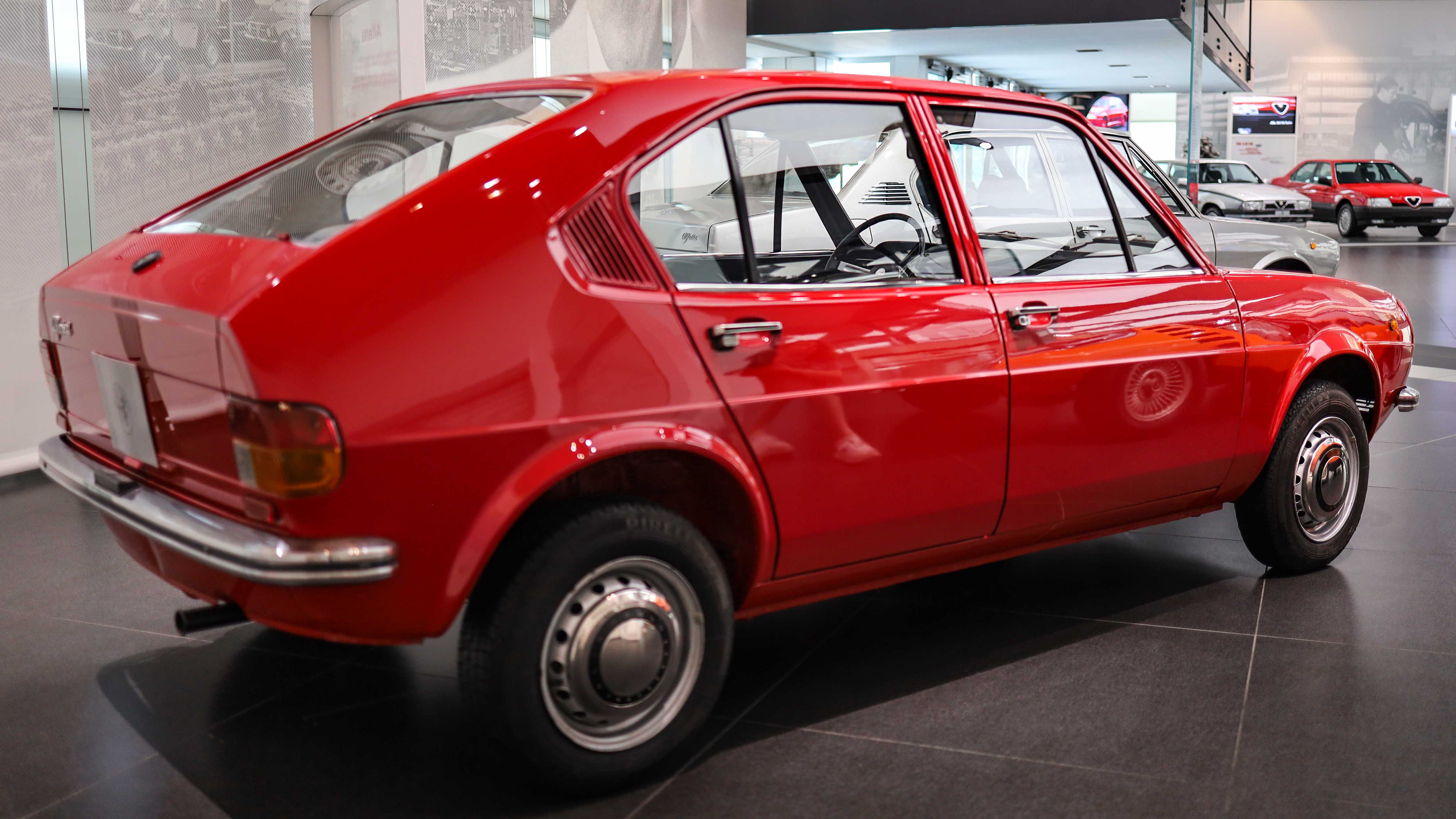
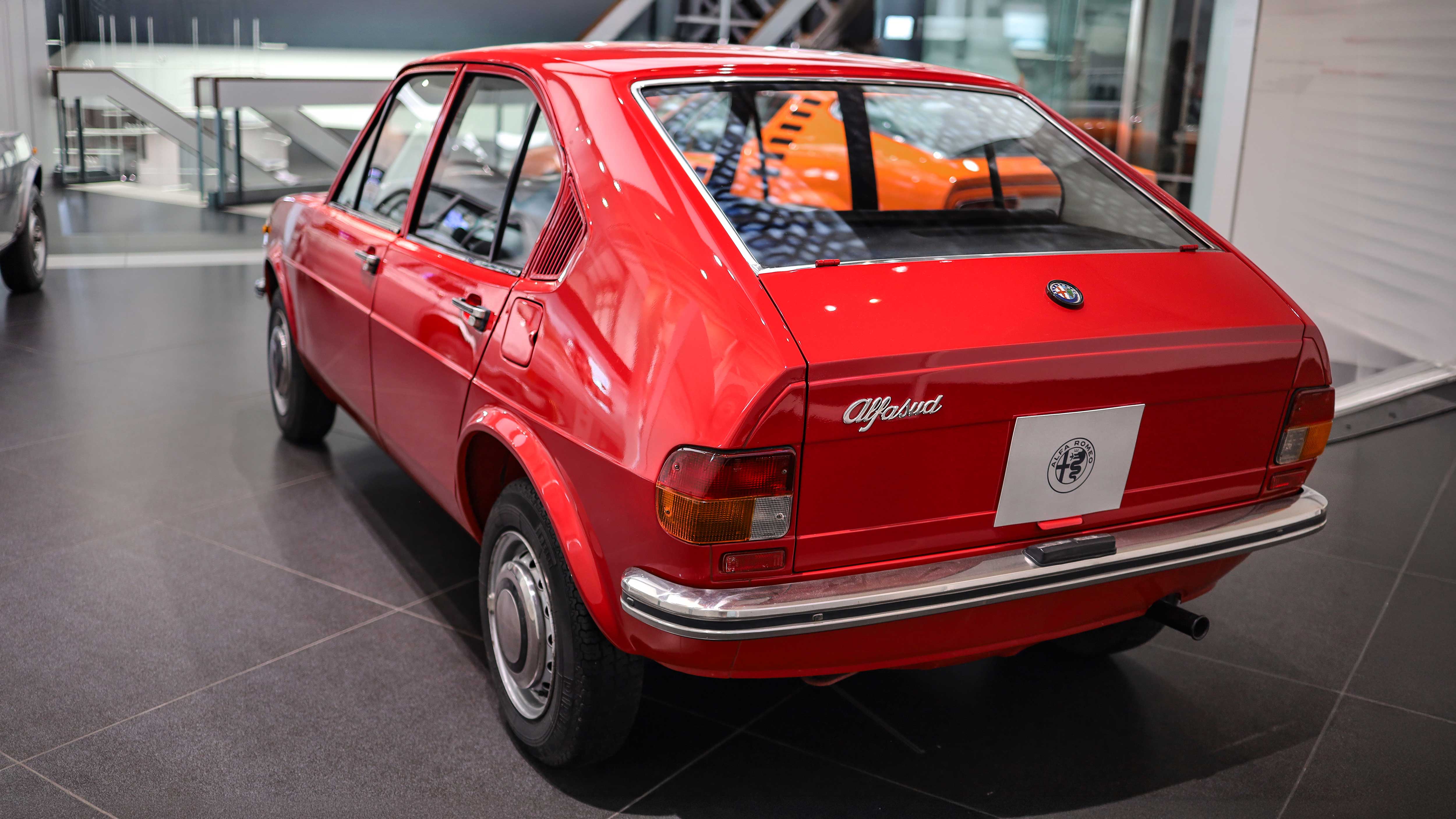
The Alfa Romeo Alfasud N (1971–1983) served as the entry-level version of the Alfasud range. As a result, its 1.2 to 1.3 flat-four engines delivered about 63 to 68 hp, focusing on low weight, front-wheel drive balance, and everyday usability.
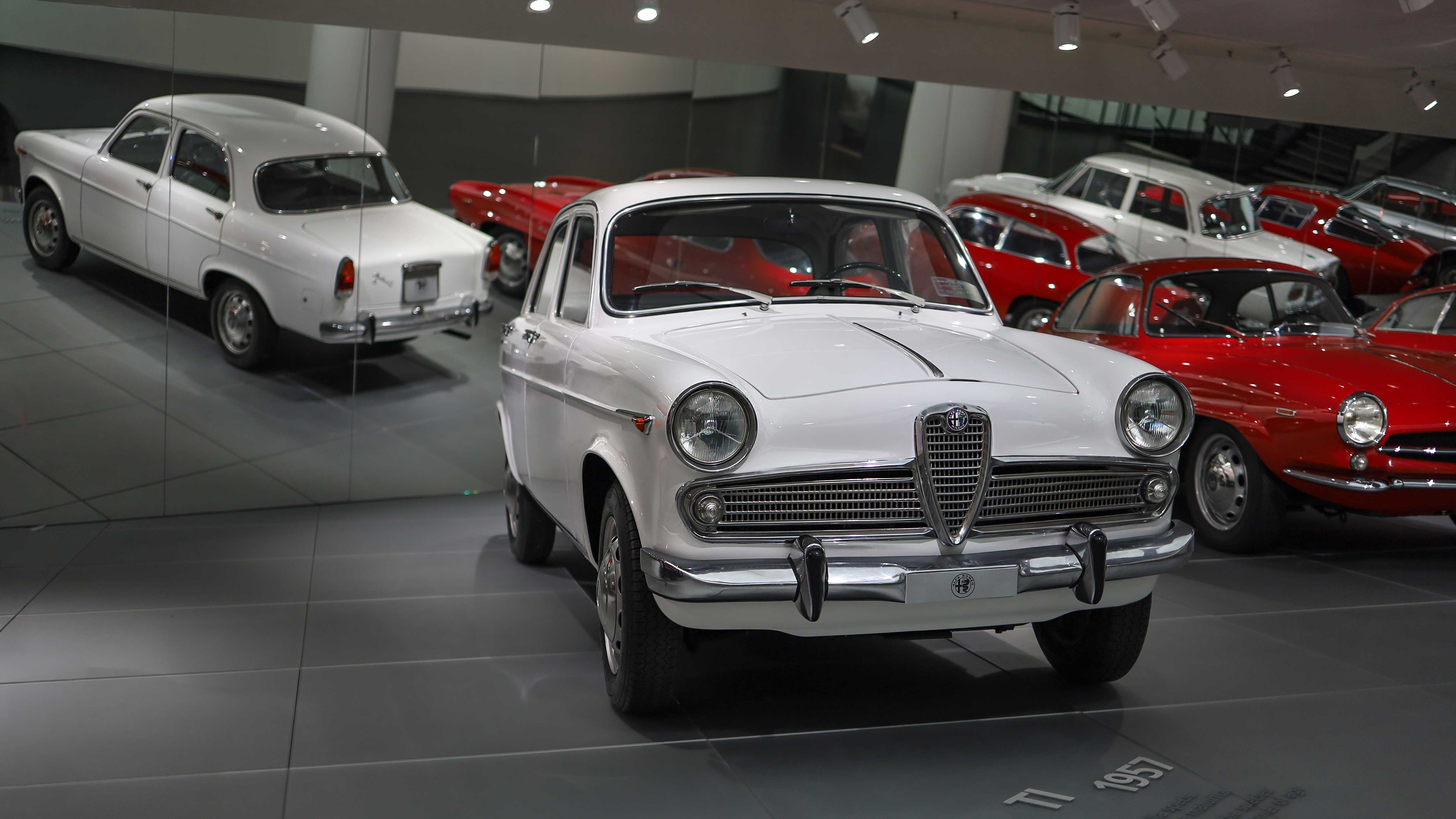
Giulietta TI
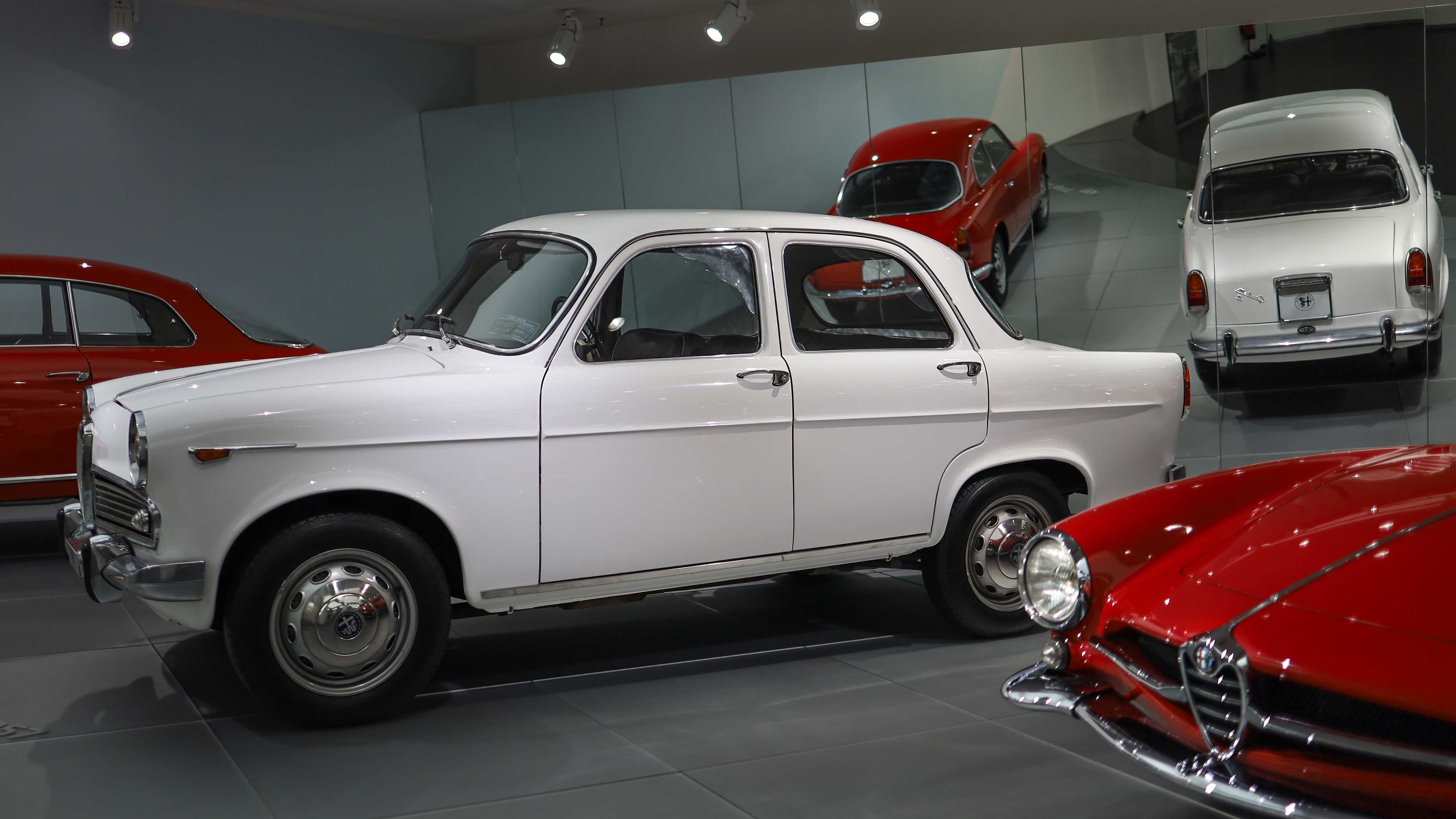
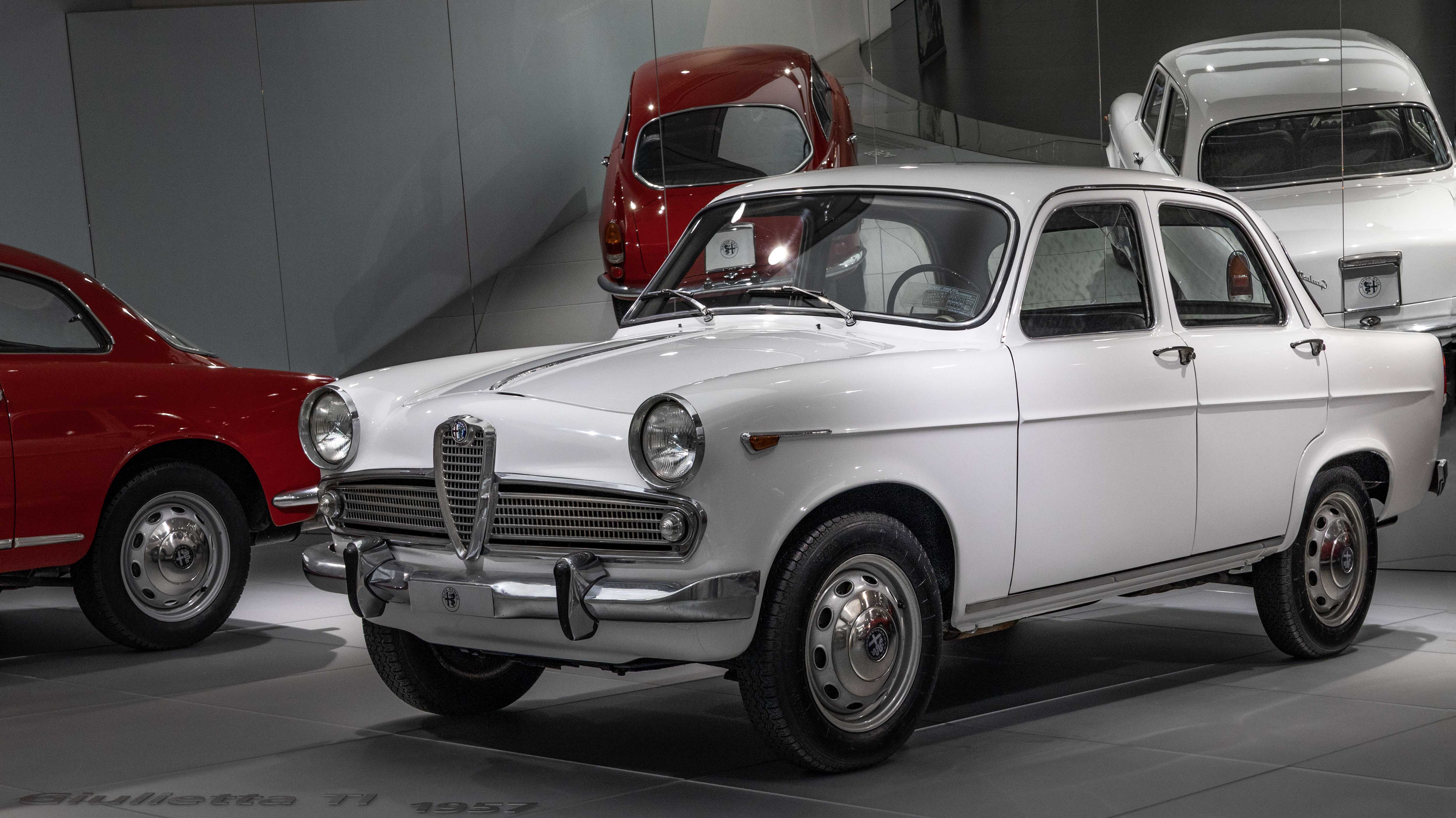
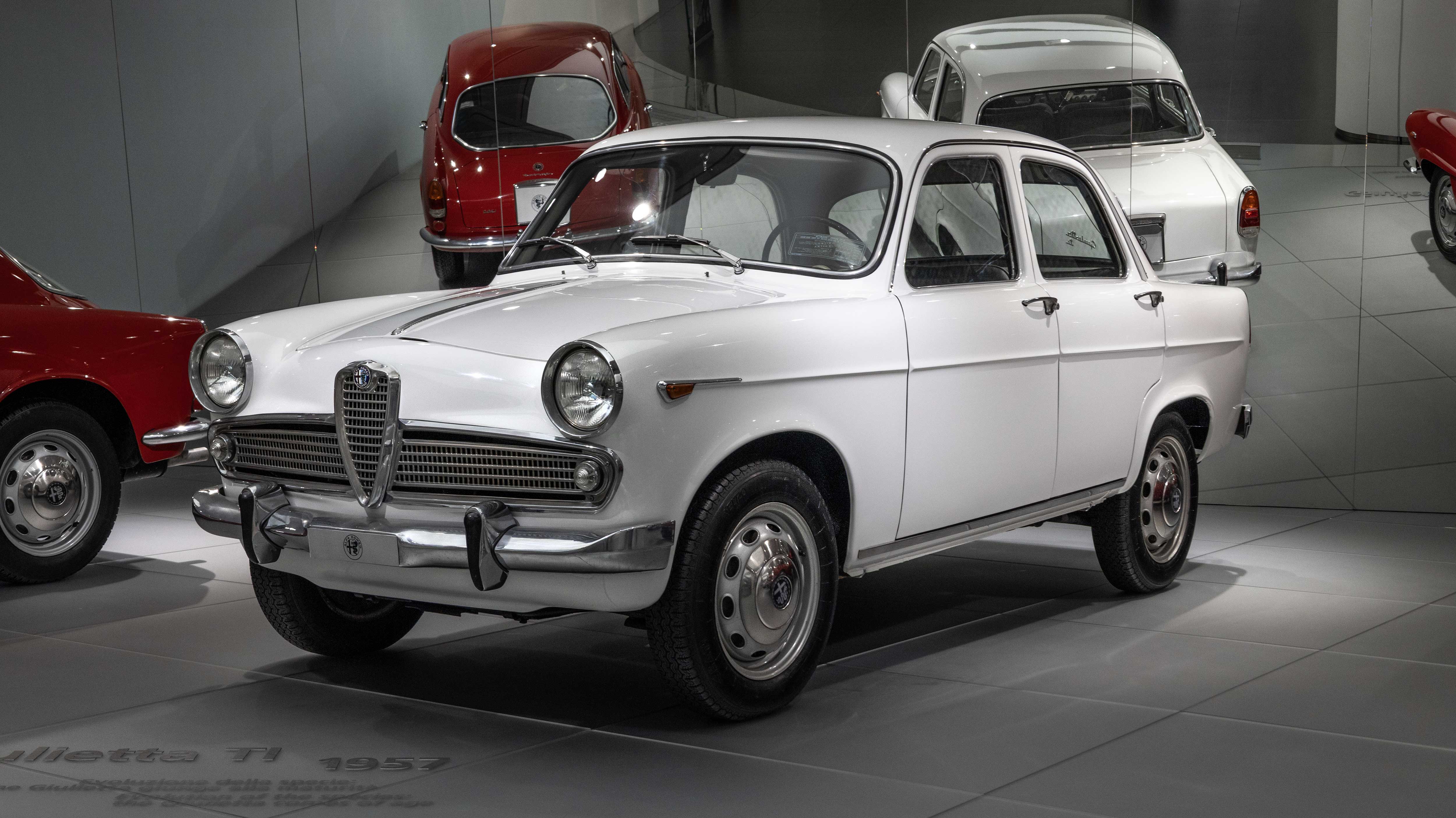
The Giulietta TI (1957–1965) brought sporty performance to a compact four-door sedan. As a result, its 1.3 twin-cam engine delivered about 65 to 74 hp, pairing low weight with agile rear-wheel-drive handling.
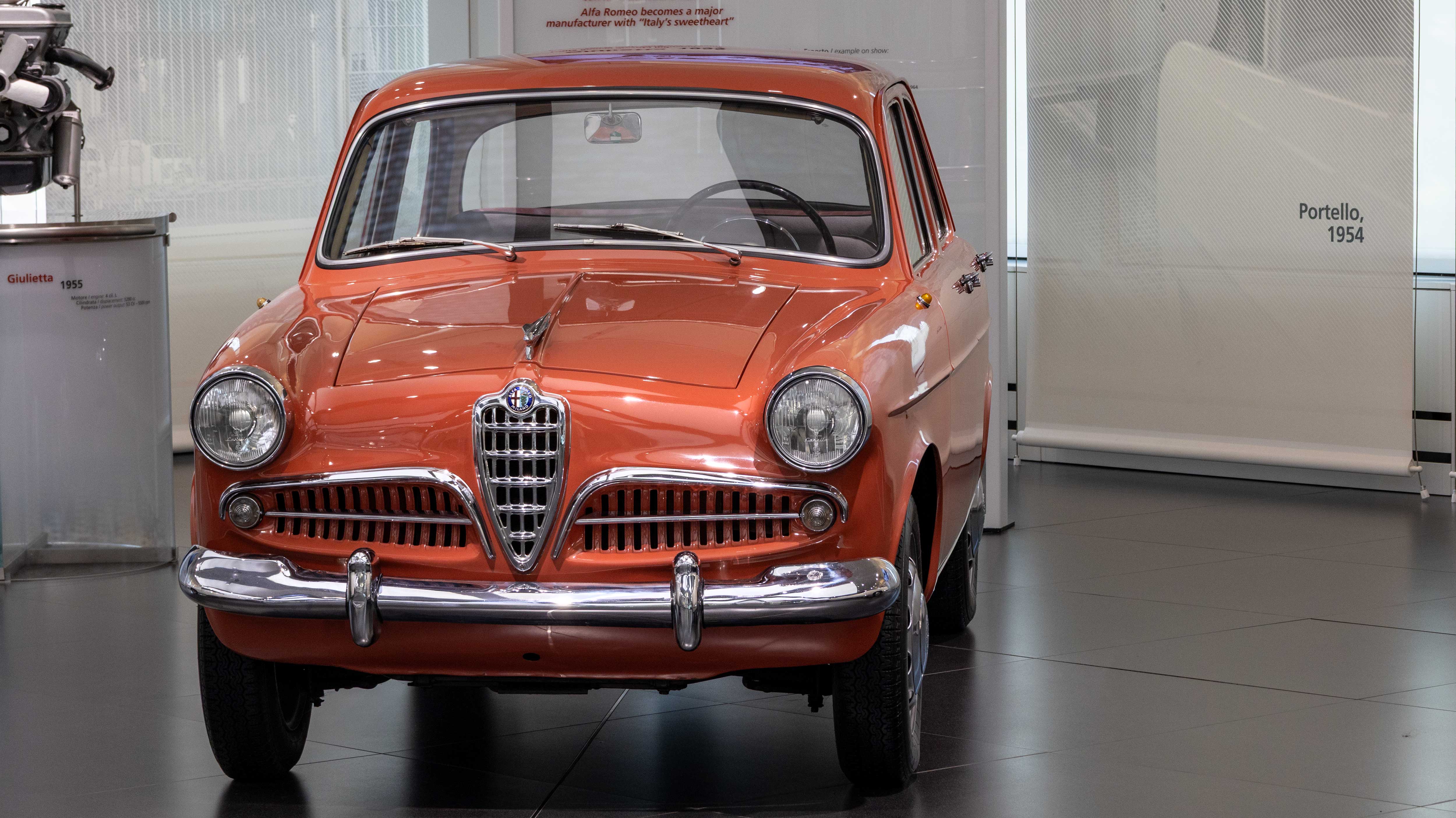
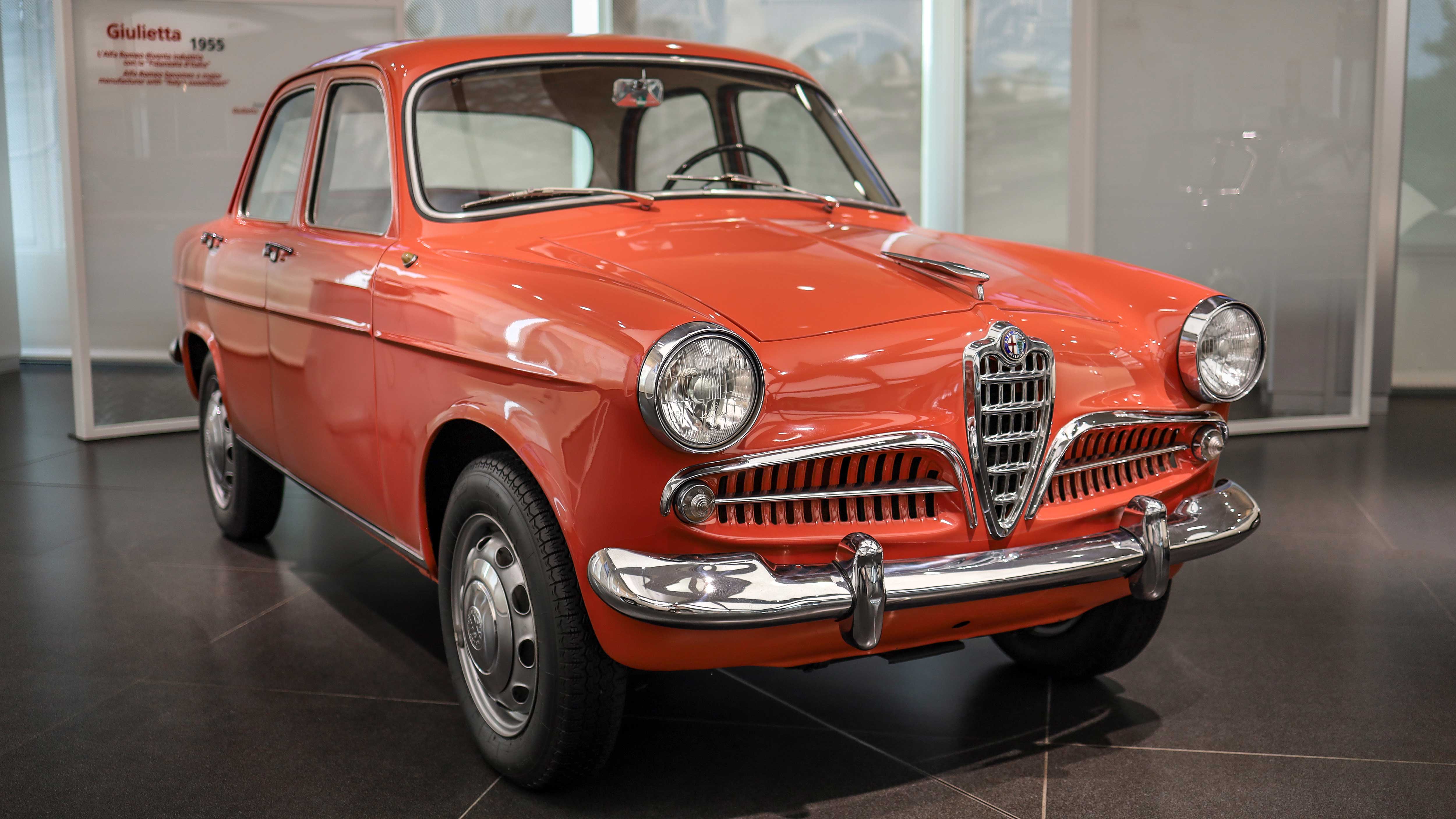
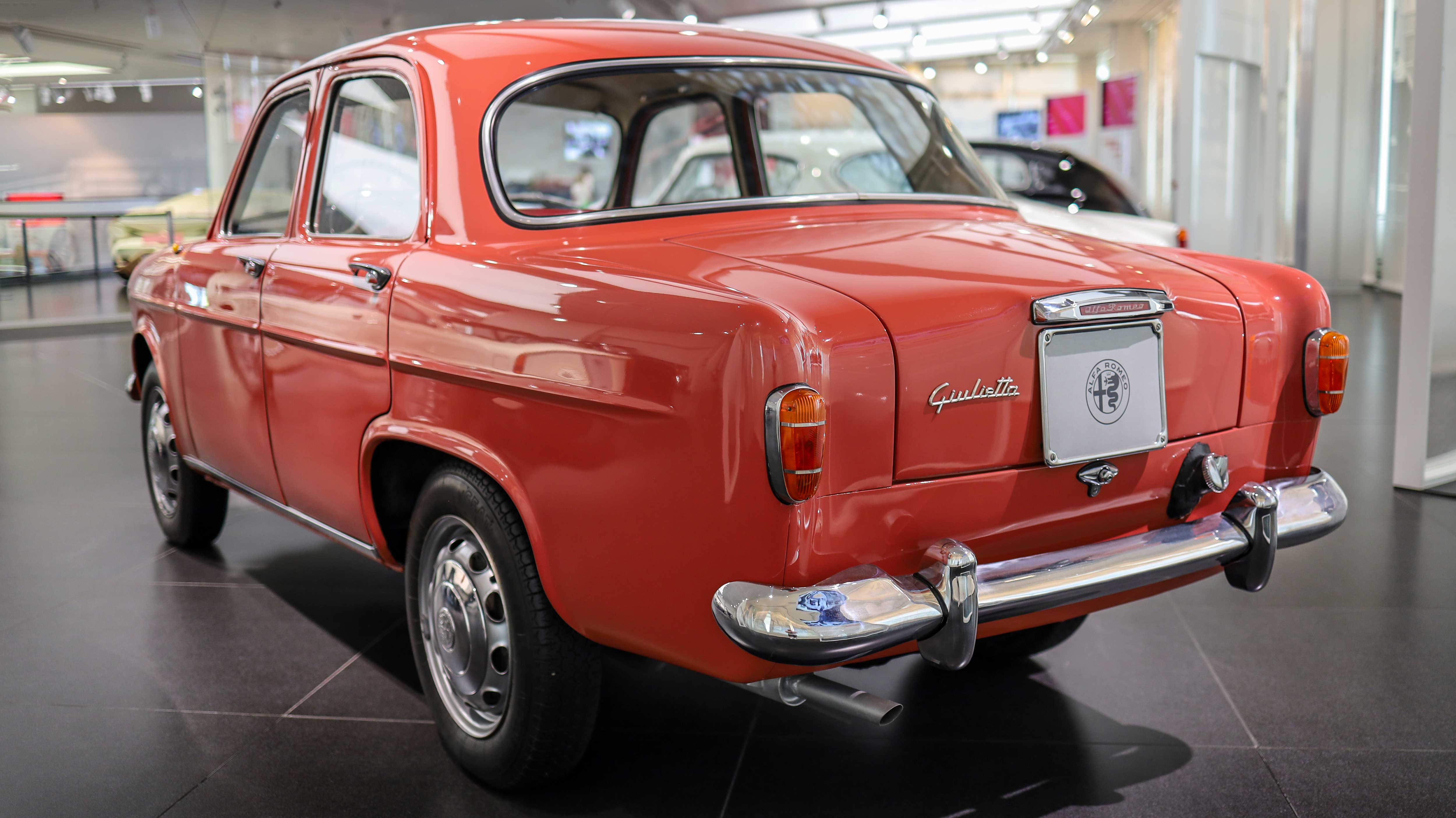
Giulietta
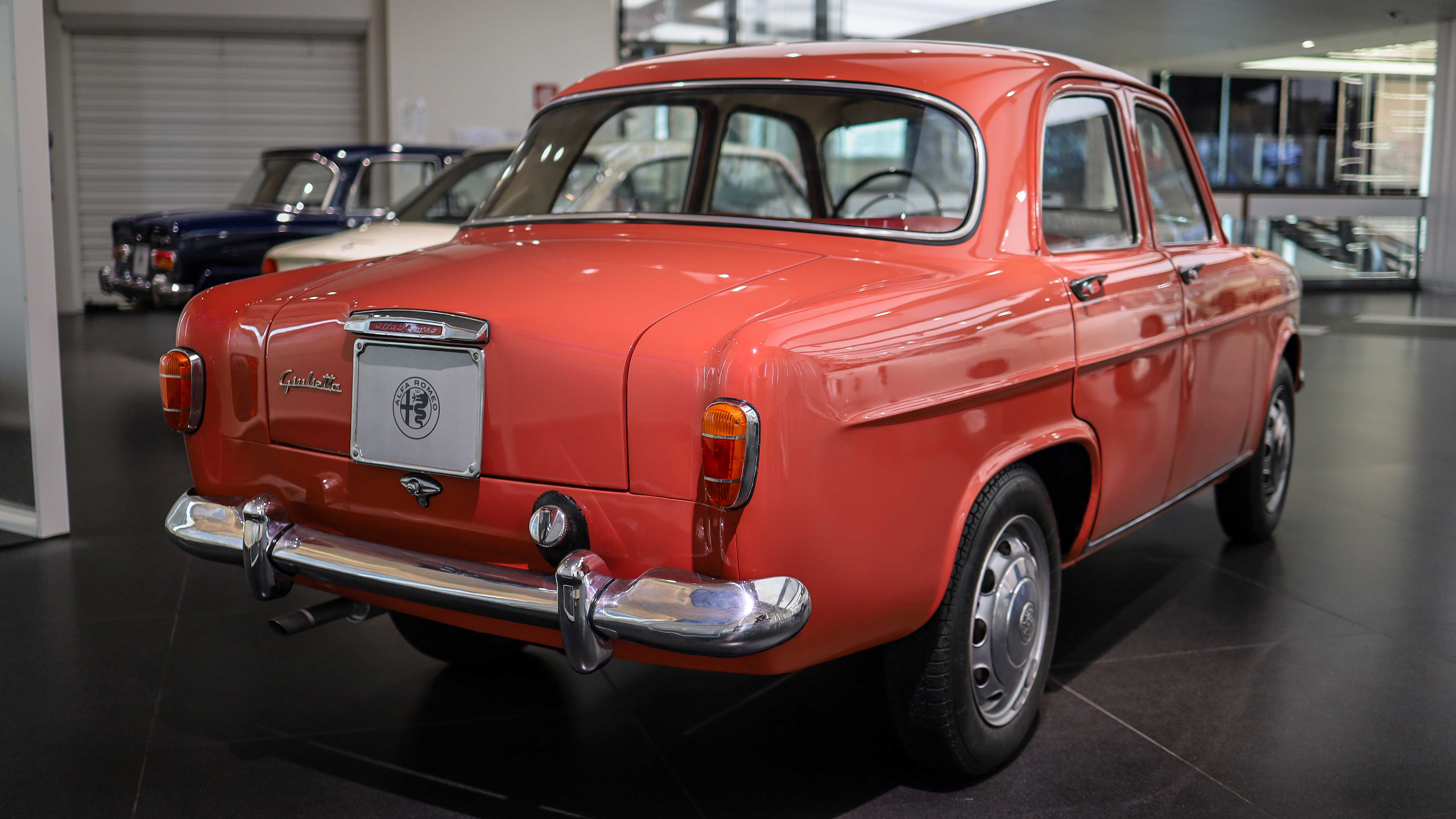
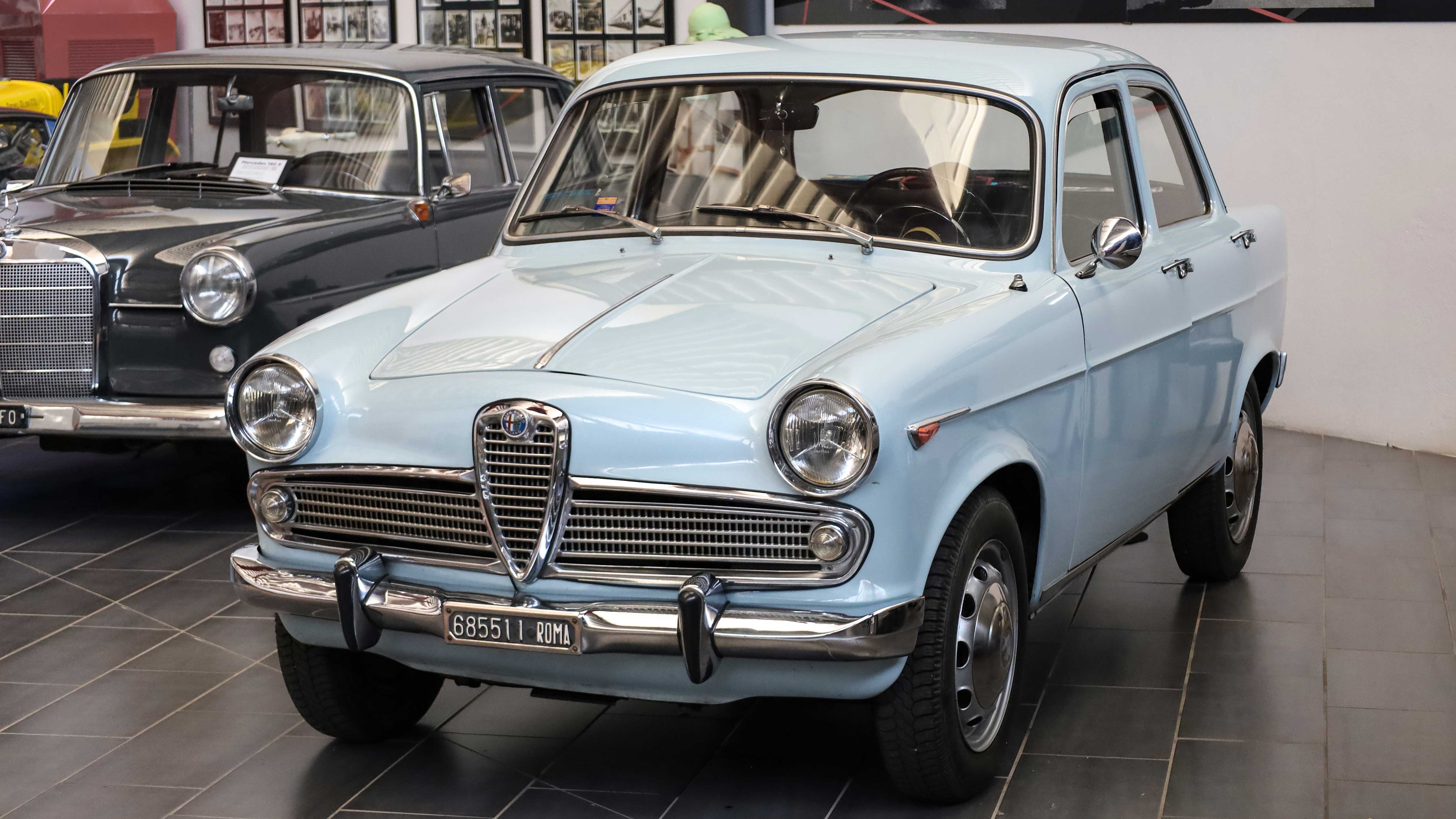
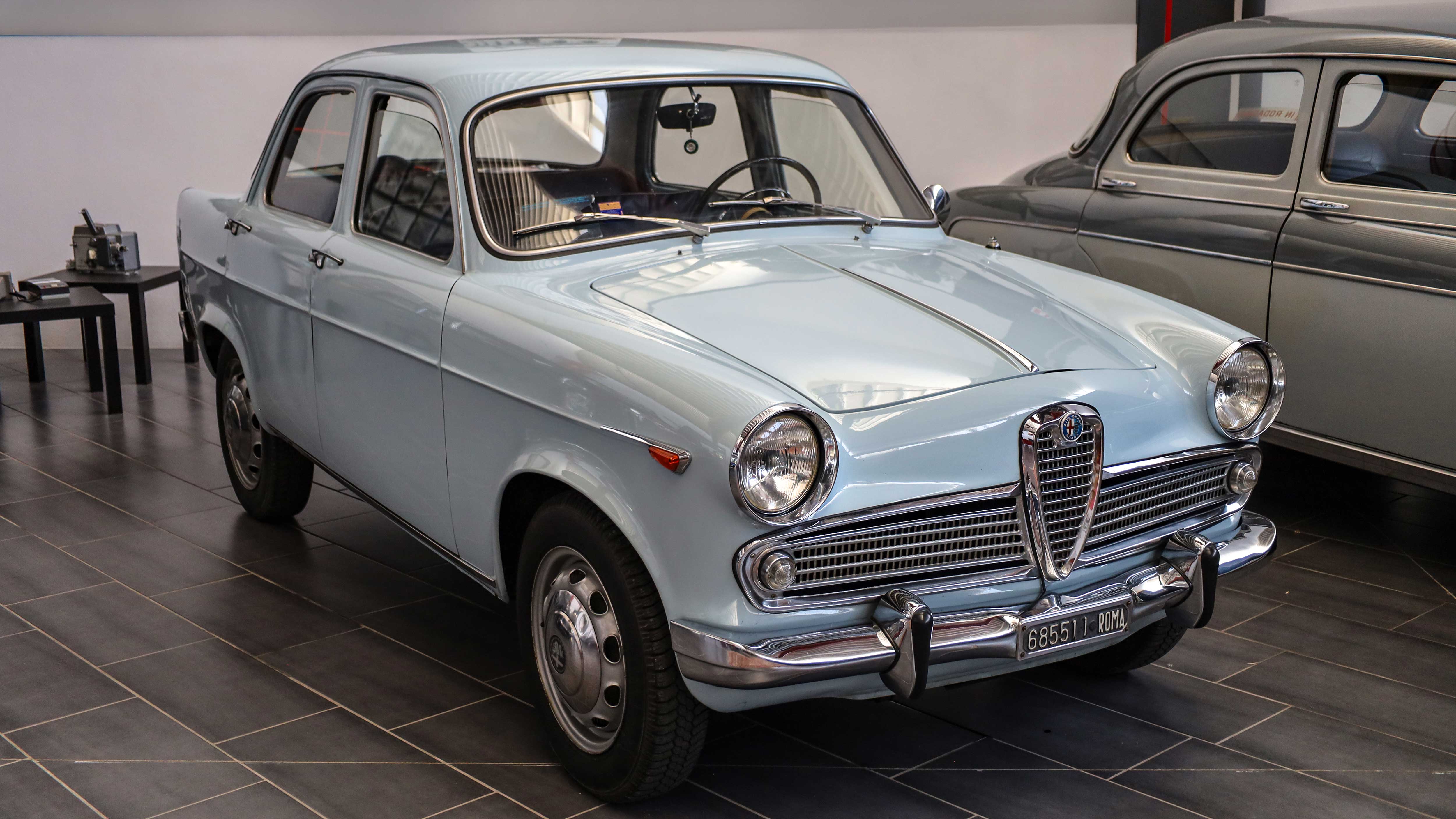
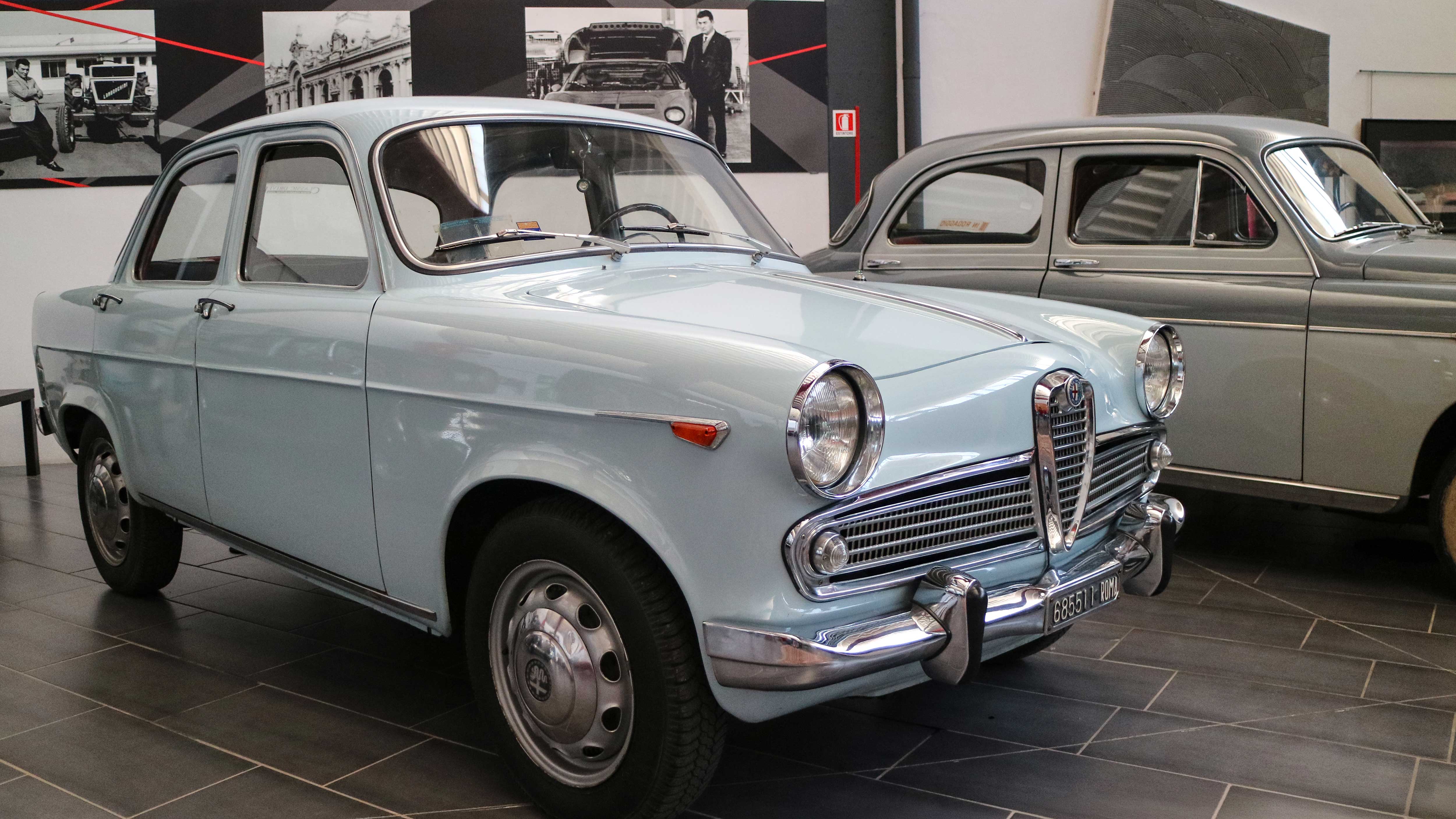
The Giulietta Berlina (1955–1963) served as the everyday four-door sedan. With a 1.3-liter twin-cam producing about 53 hp, it focused on light weight, engaging drive, and classic rear-wheel-drive dynamics.
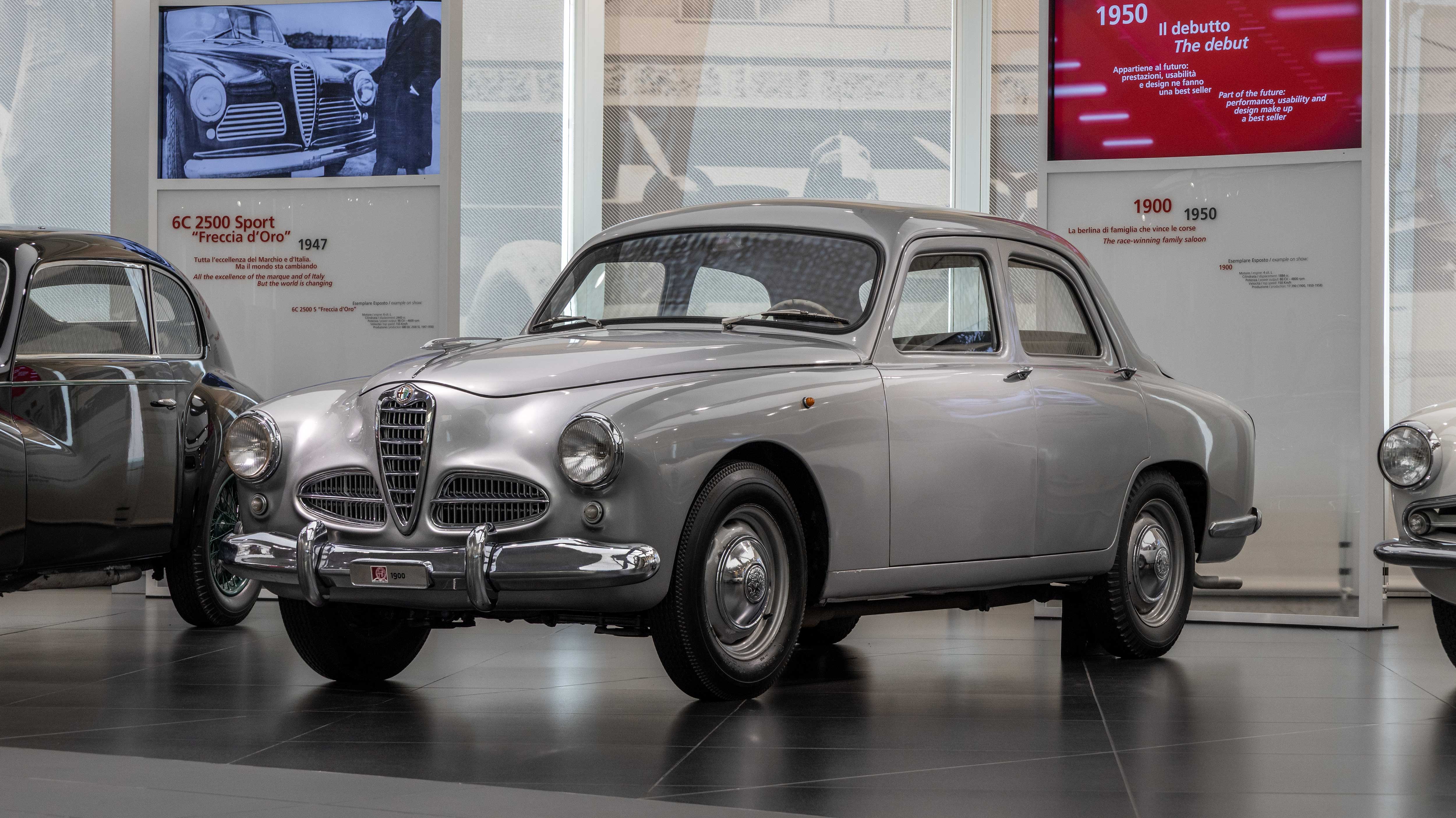
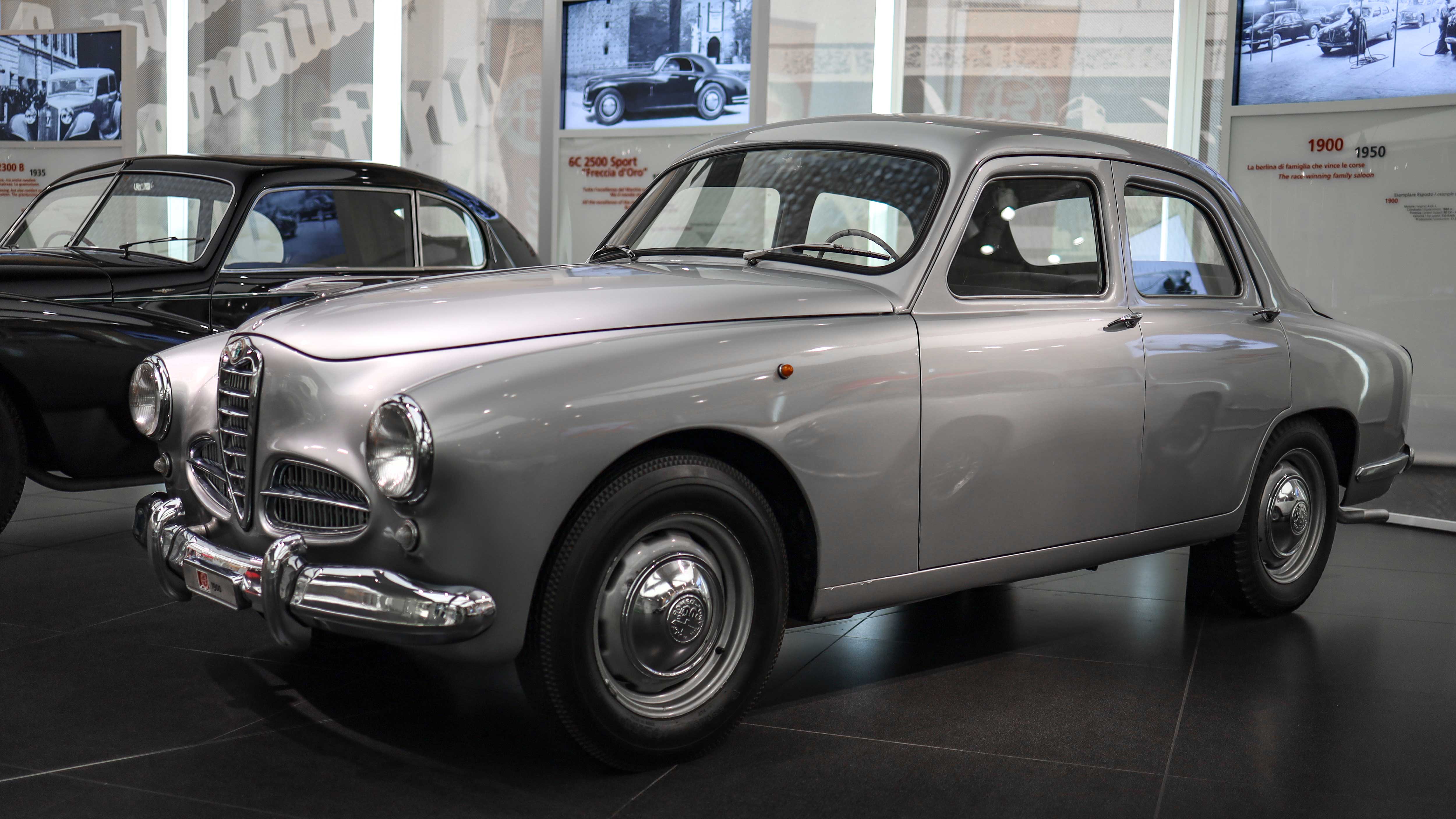
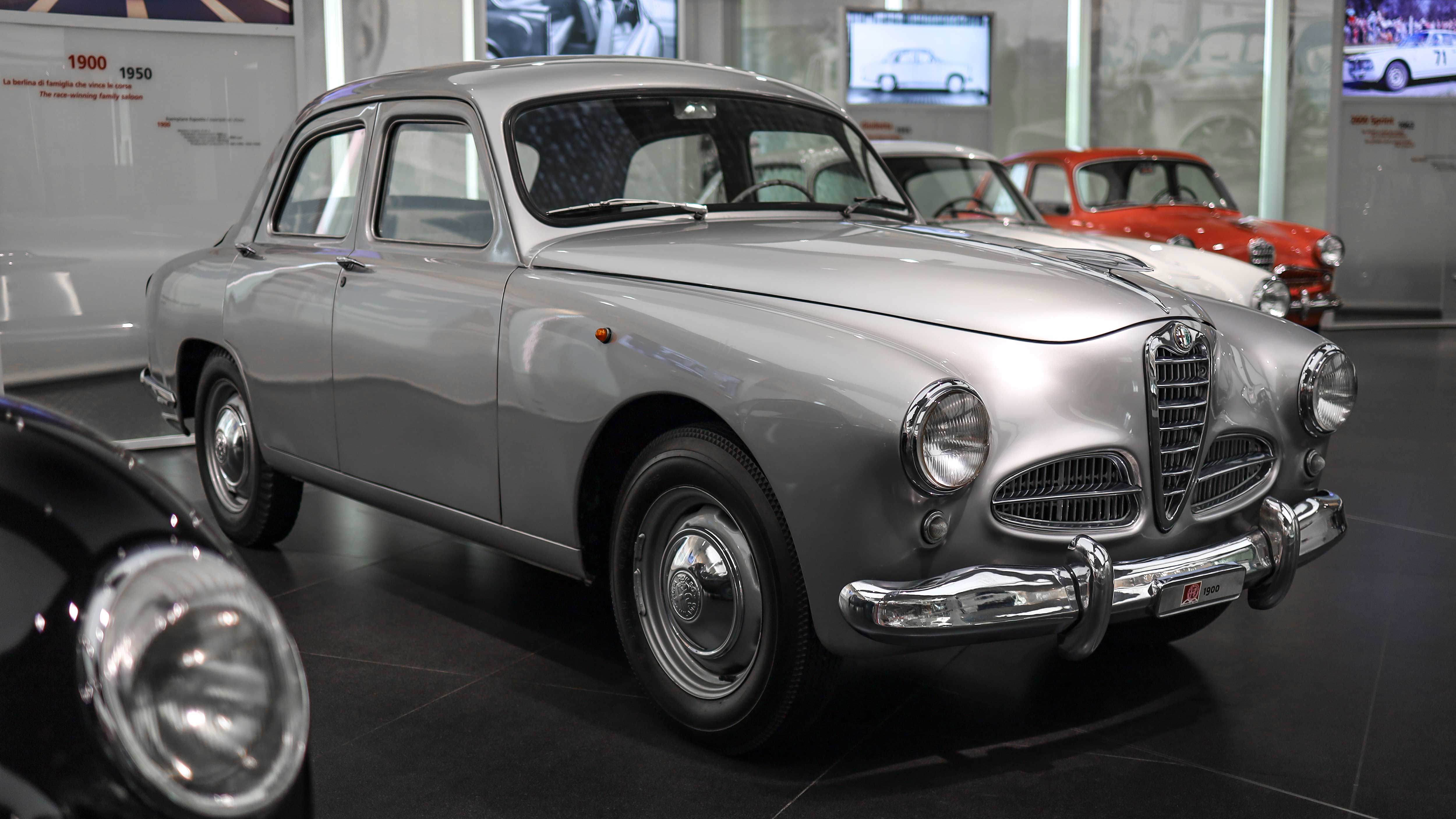
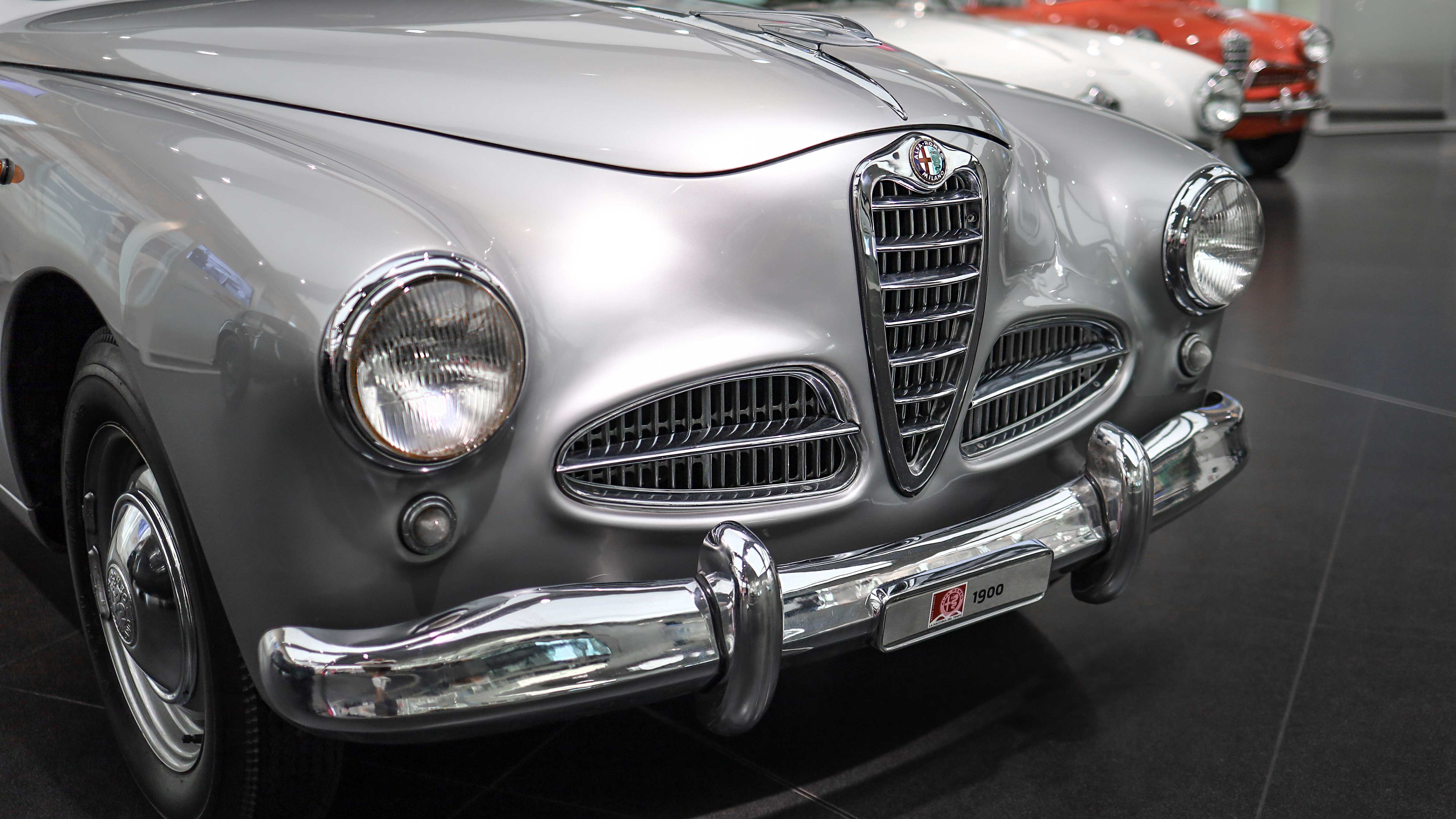
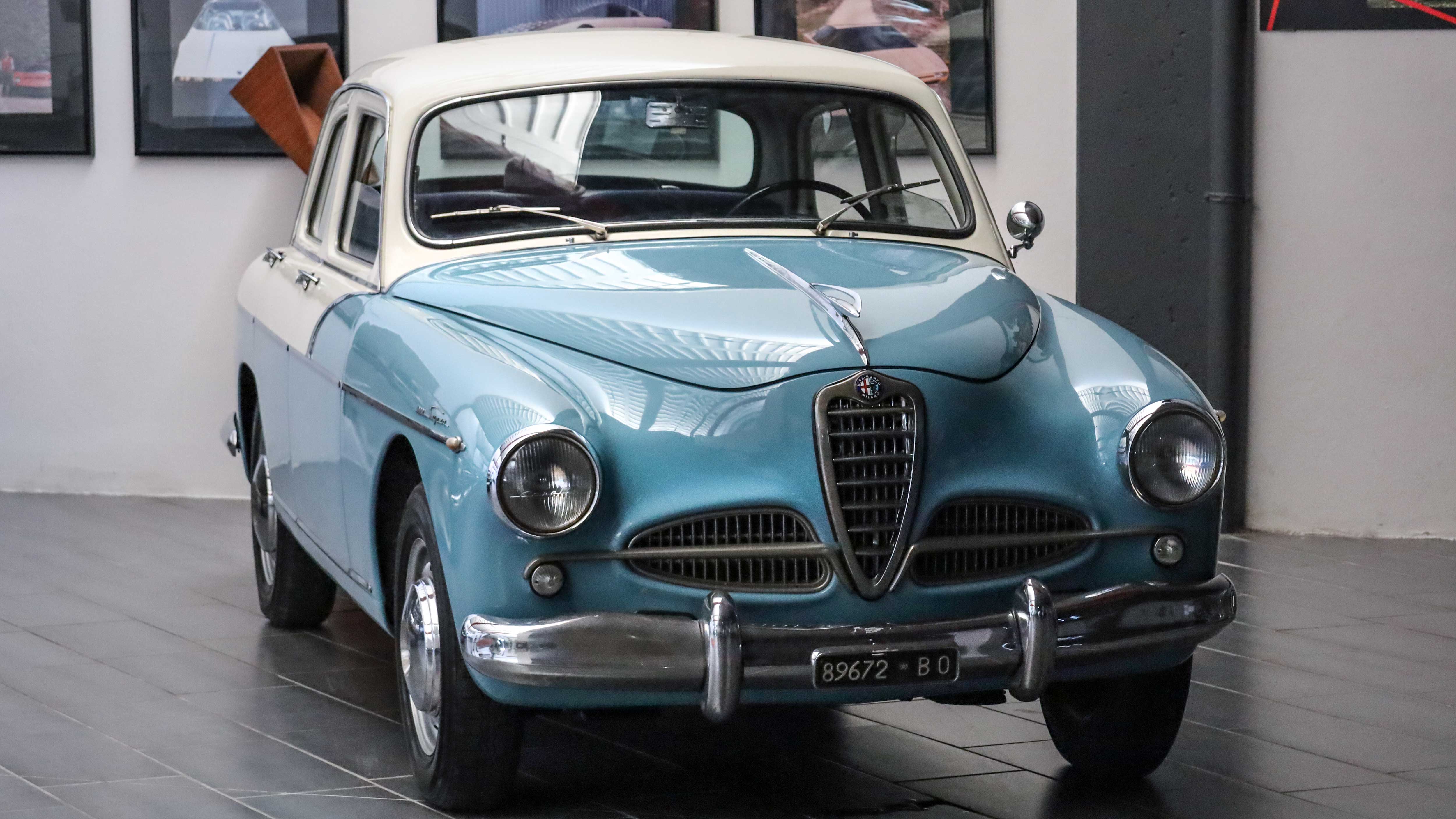
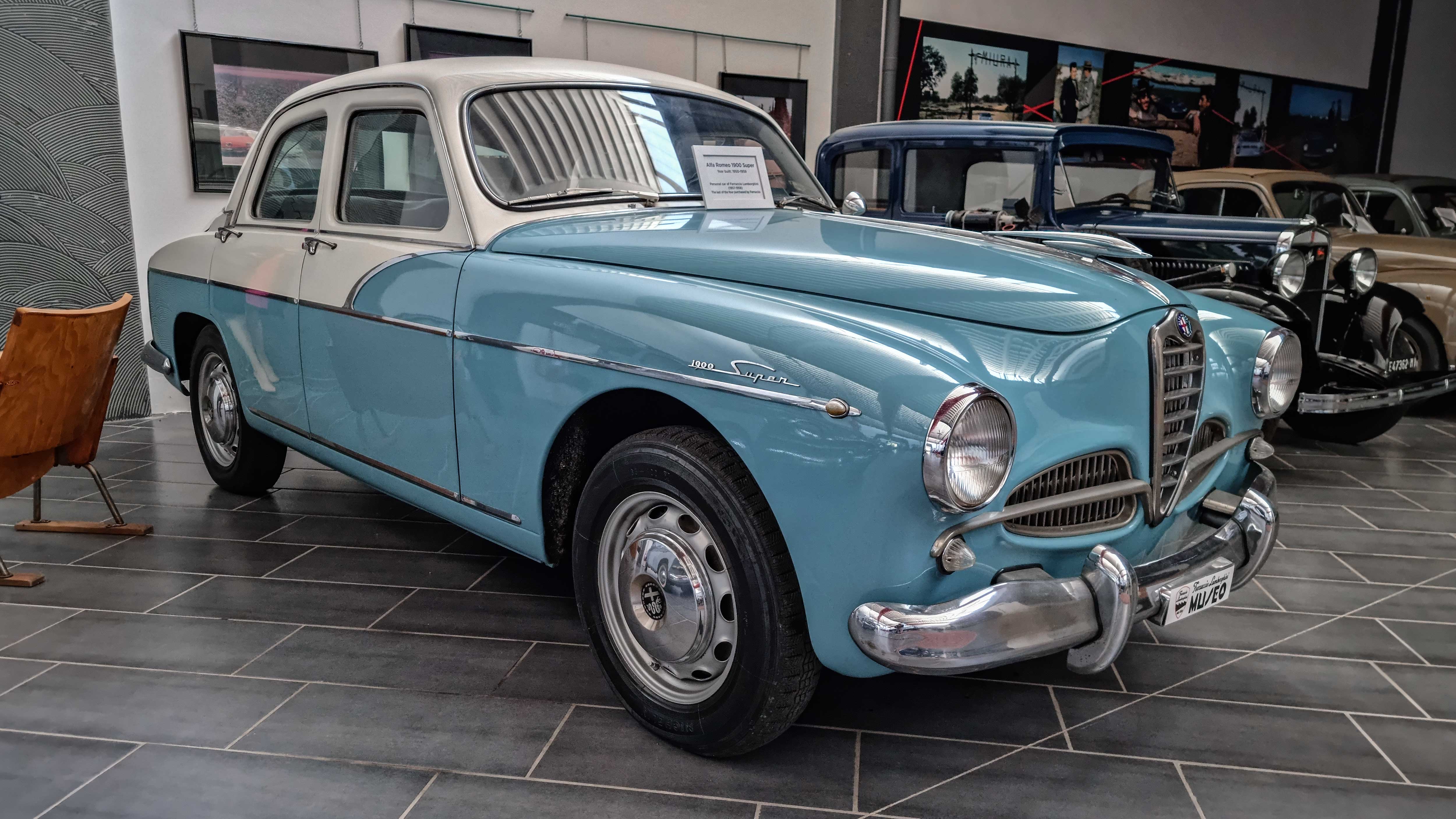
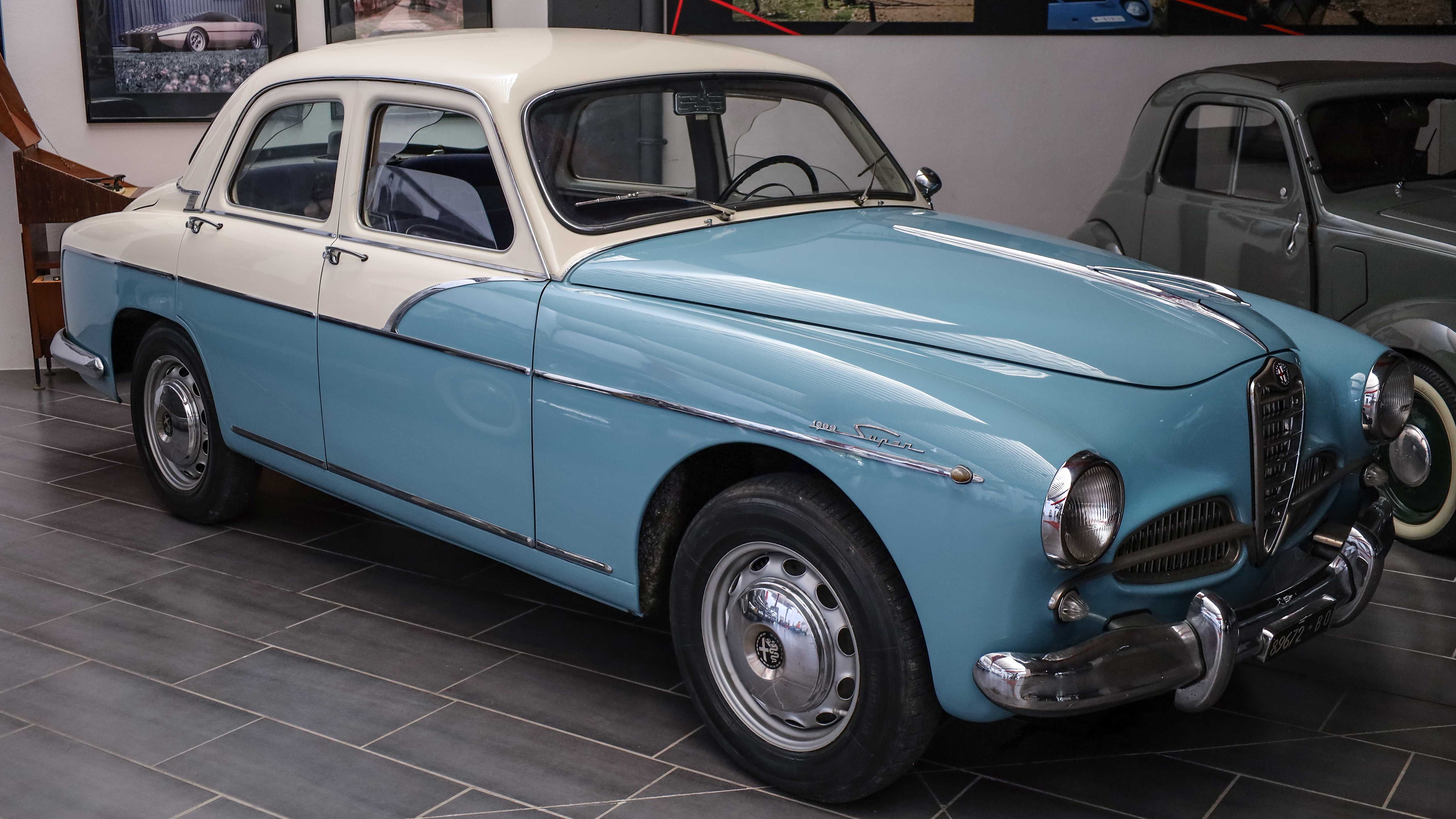
1900 Sedan
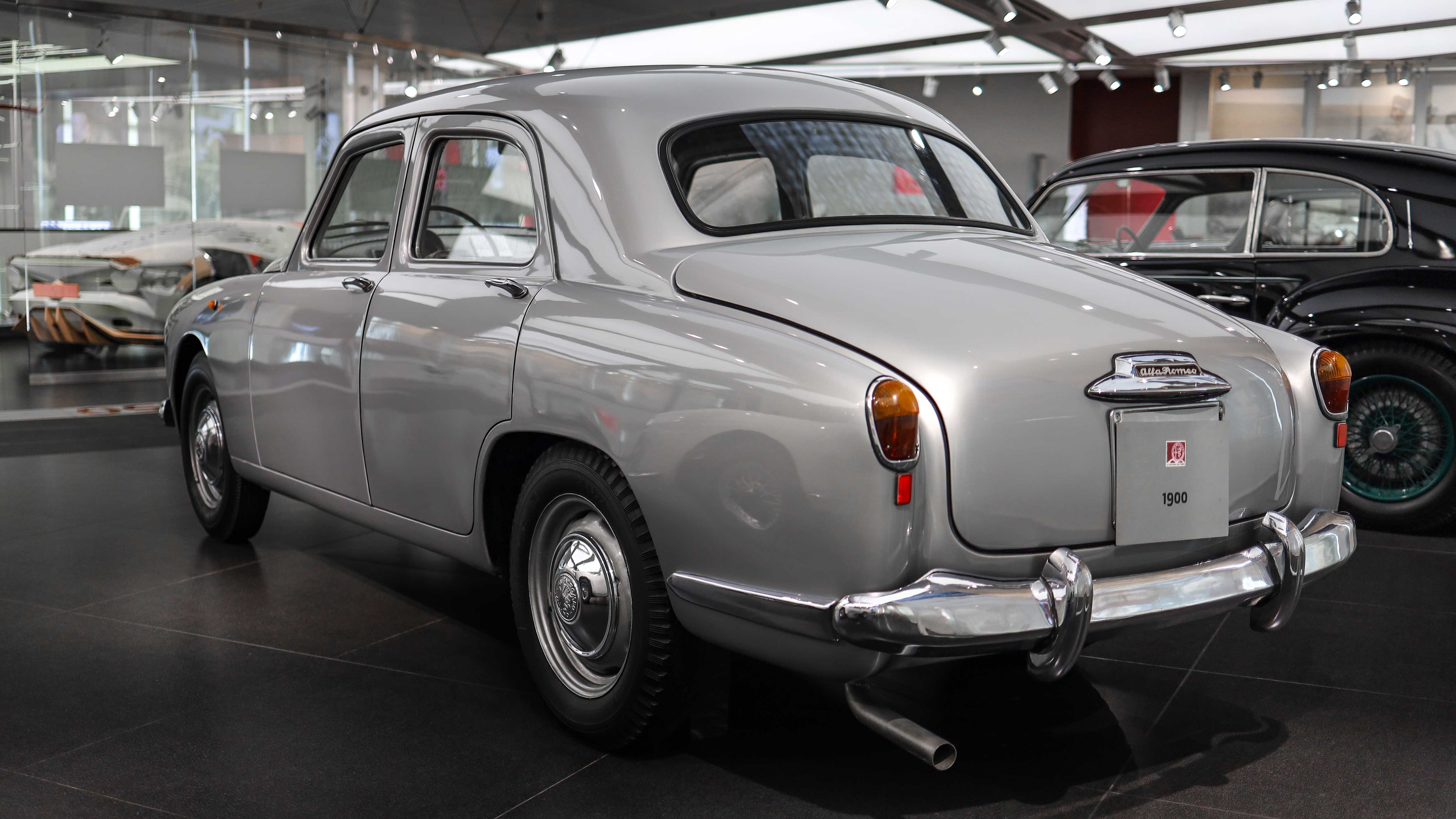
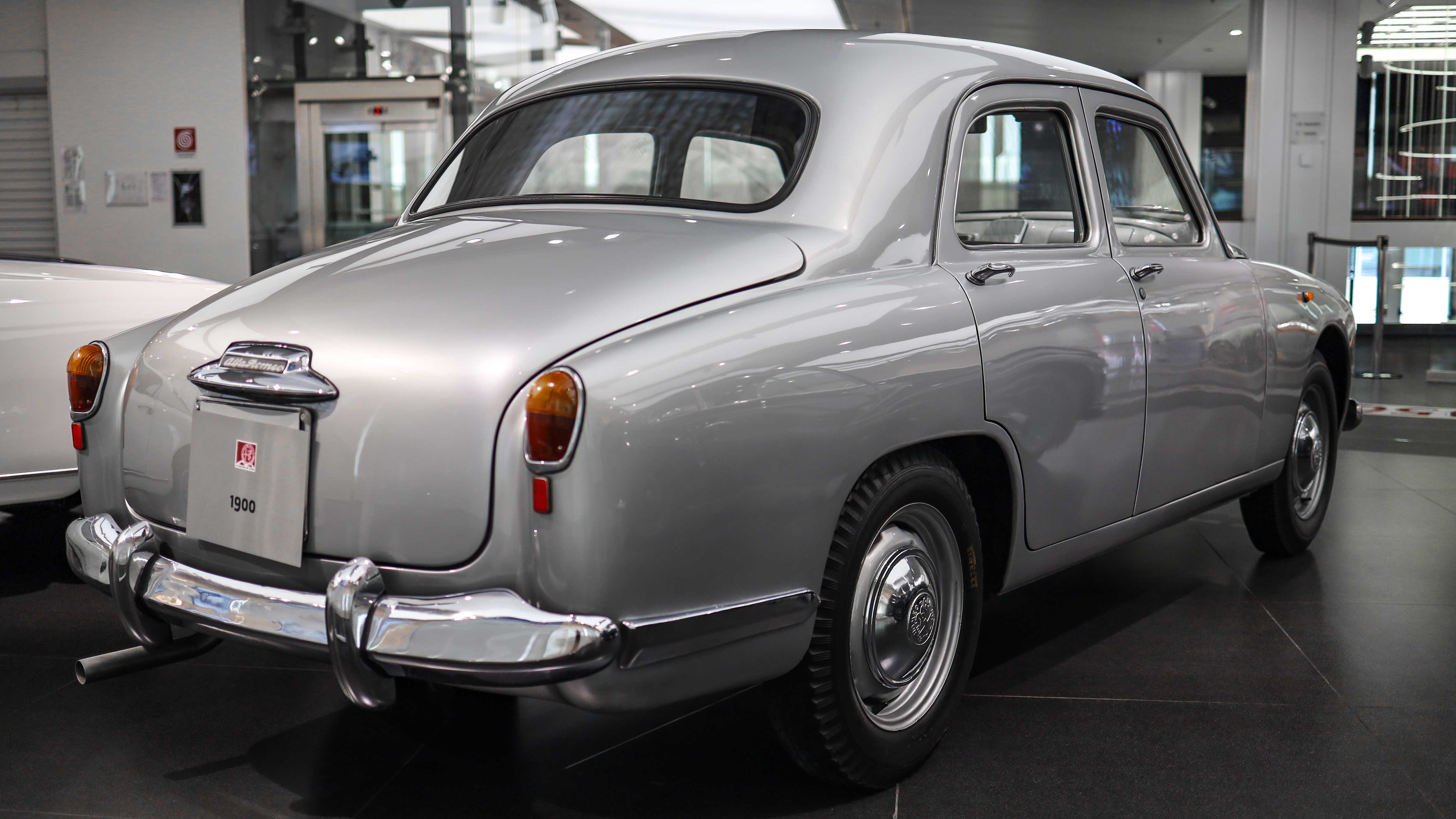
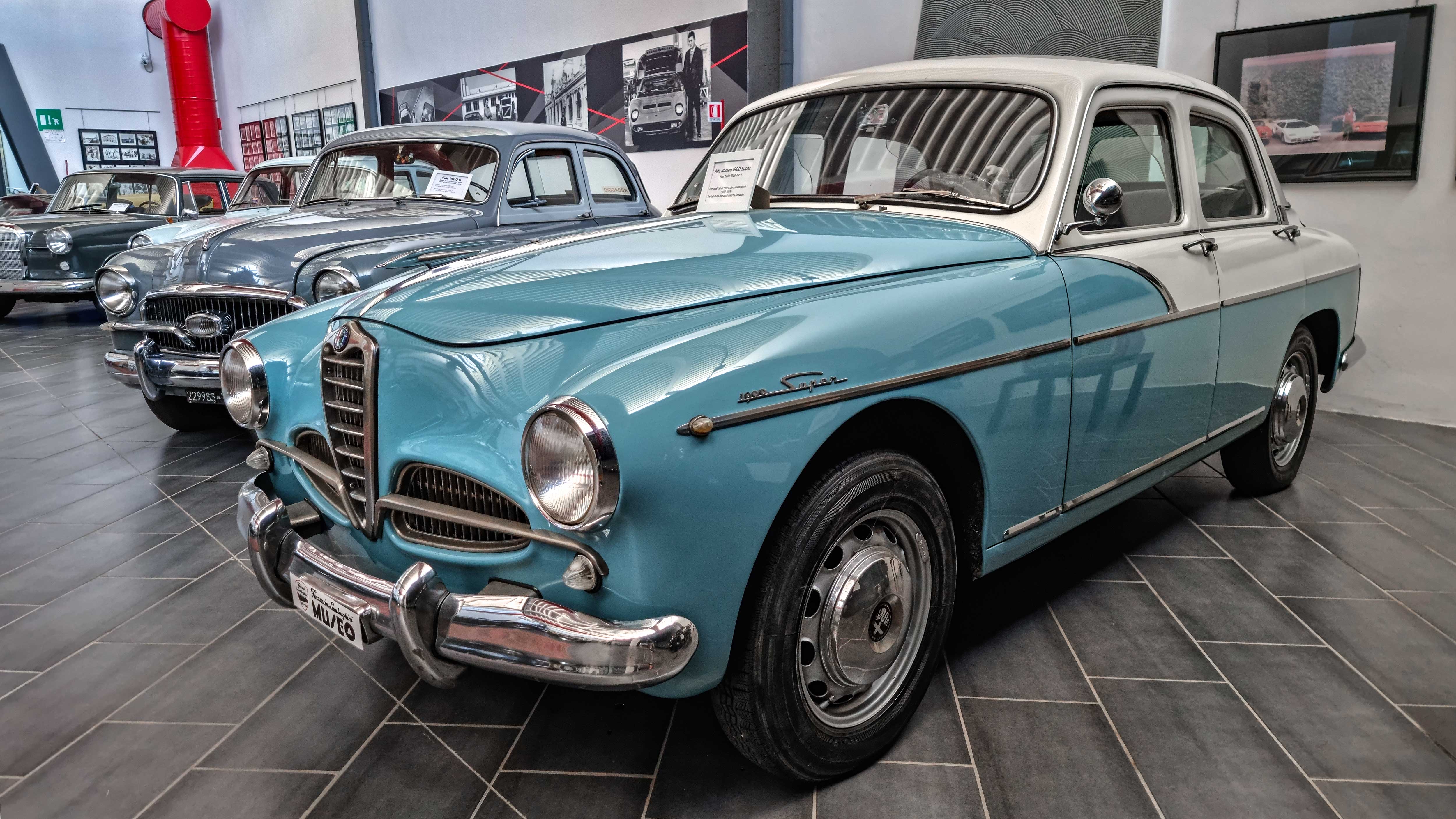
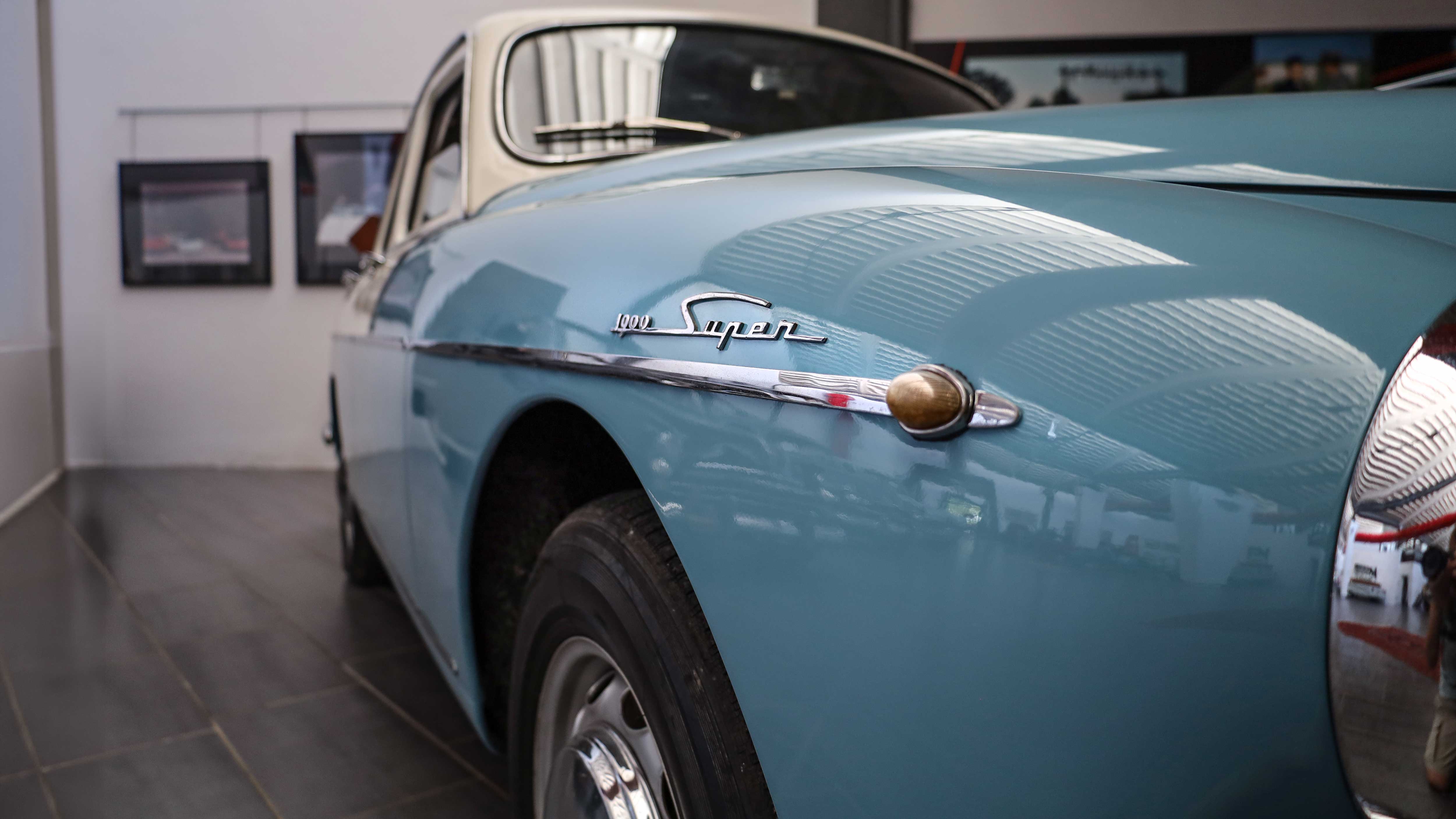
The 1900 Sedan (1950–1959) marked Alfa Romeo’s move into modern series production. As a result, its 1.9-liter four-cylinder delivered about 80 to 90 hp and combined rear-wheel drive with strong everyday usability.


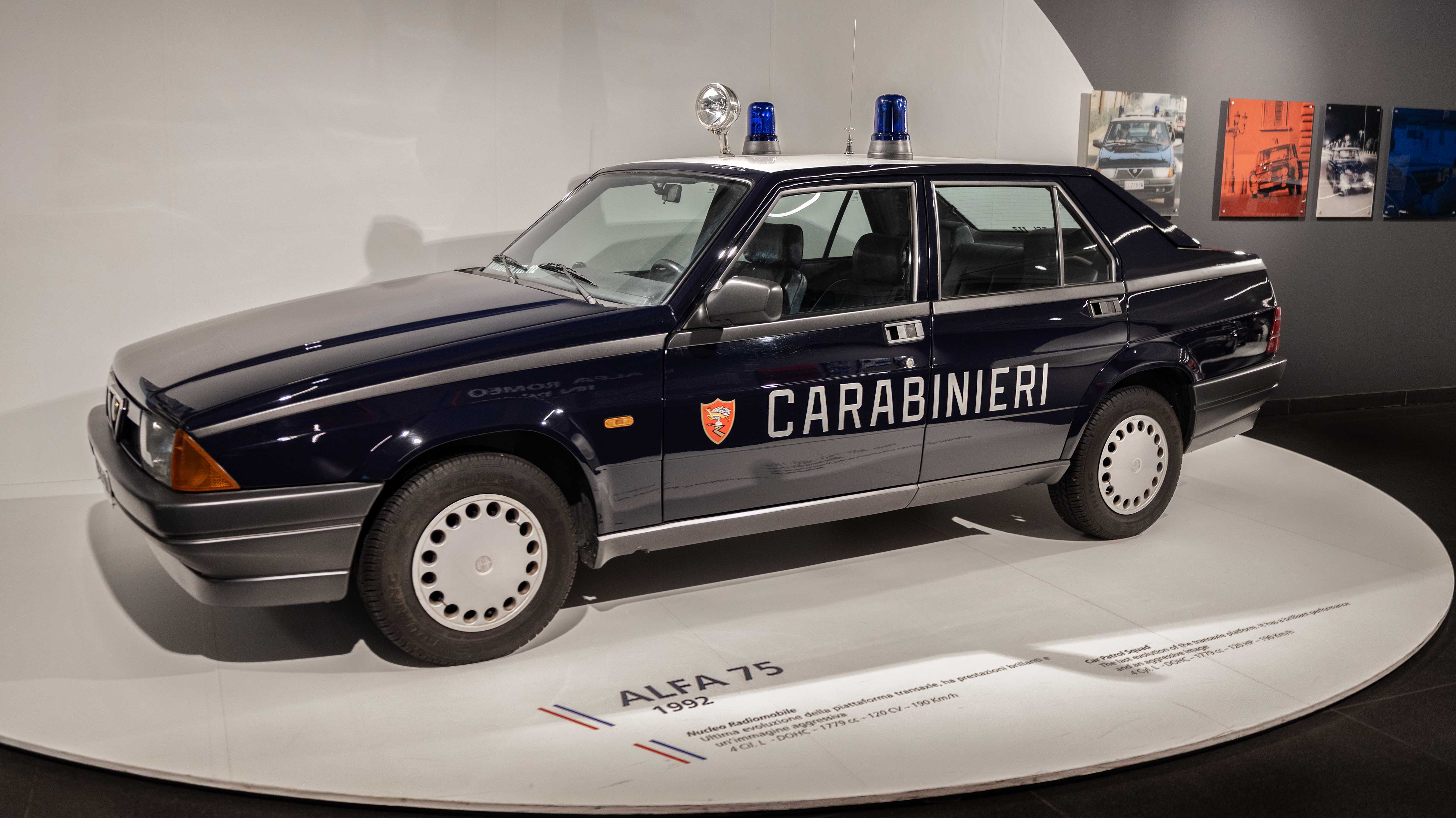
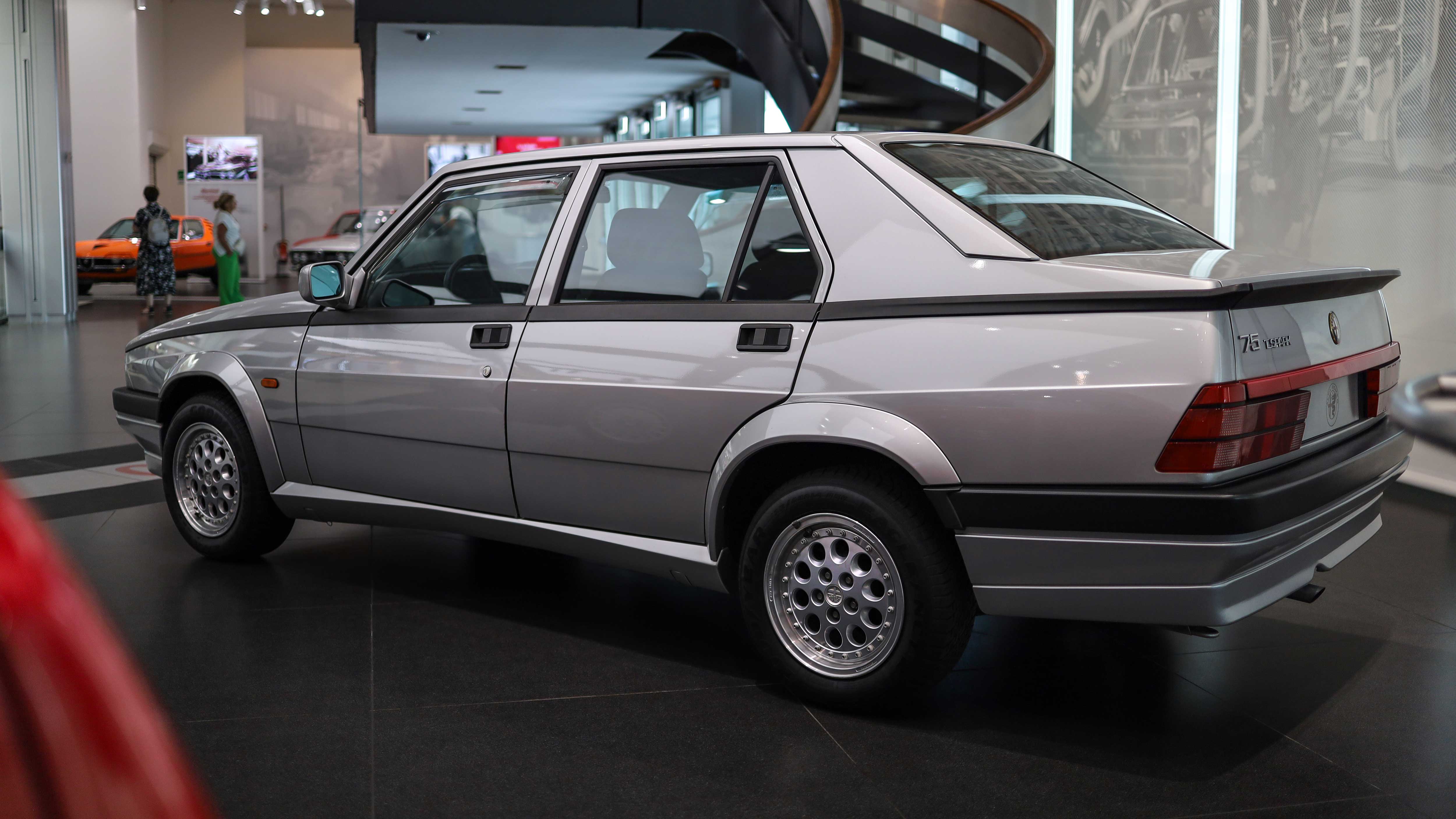
75
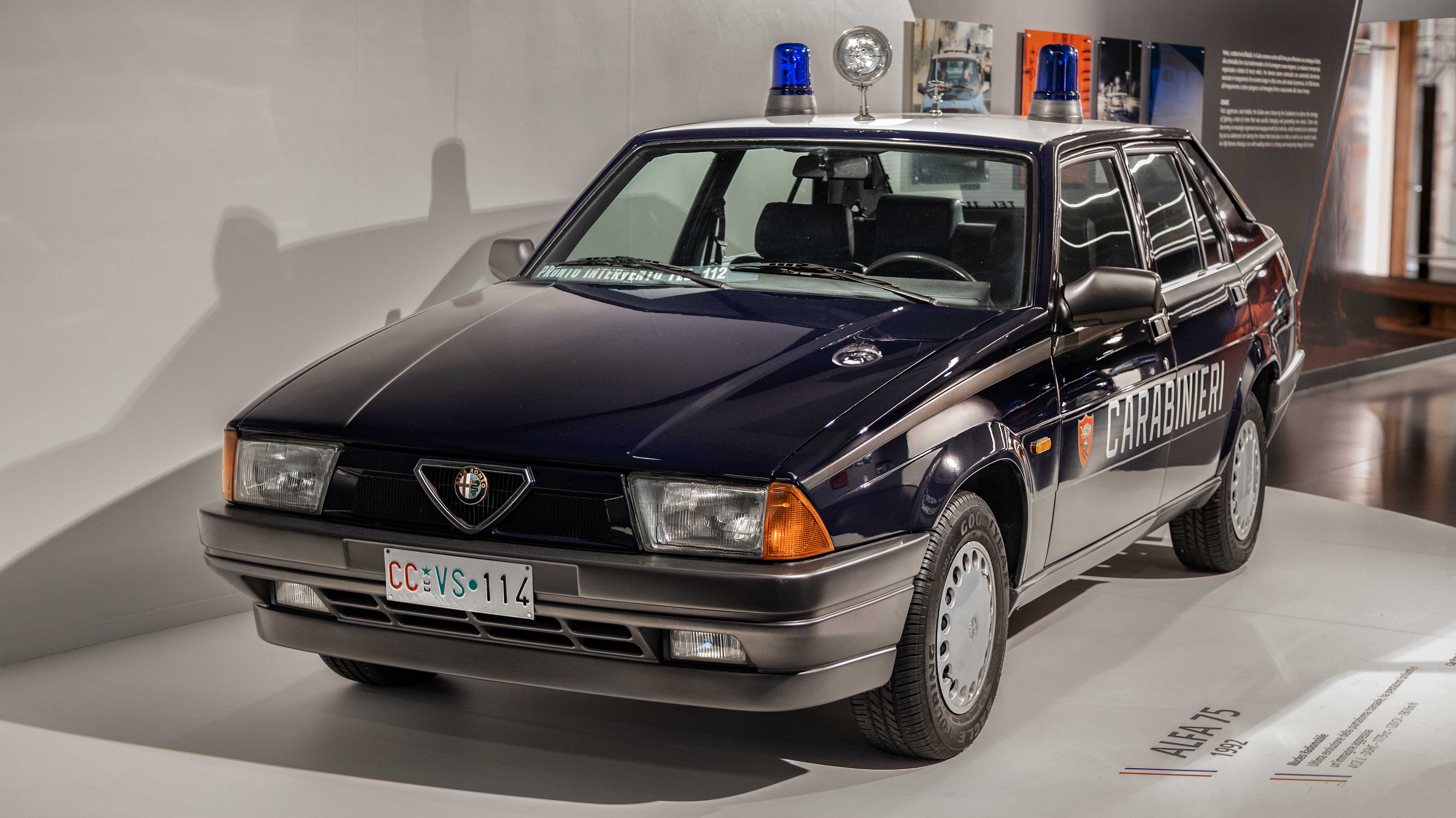
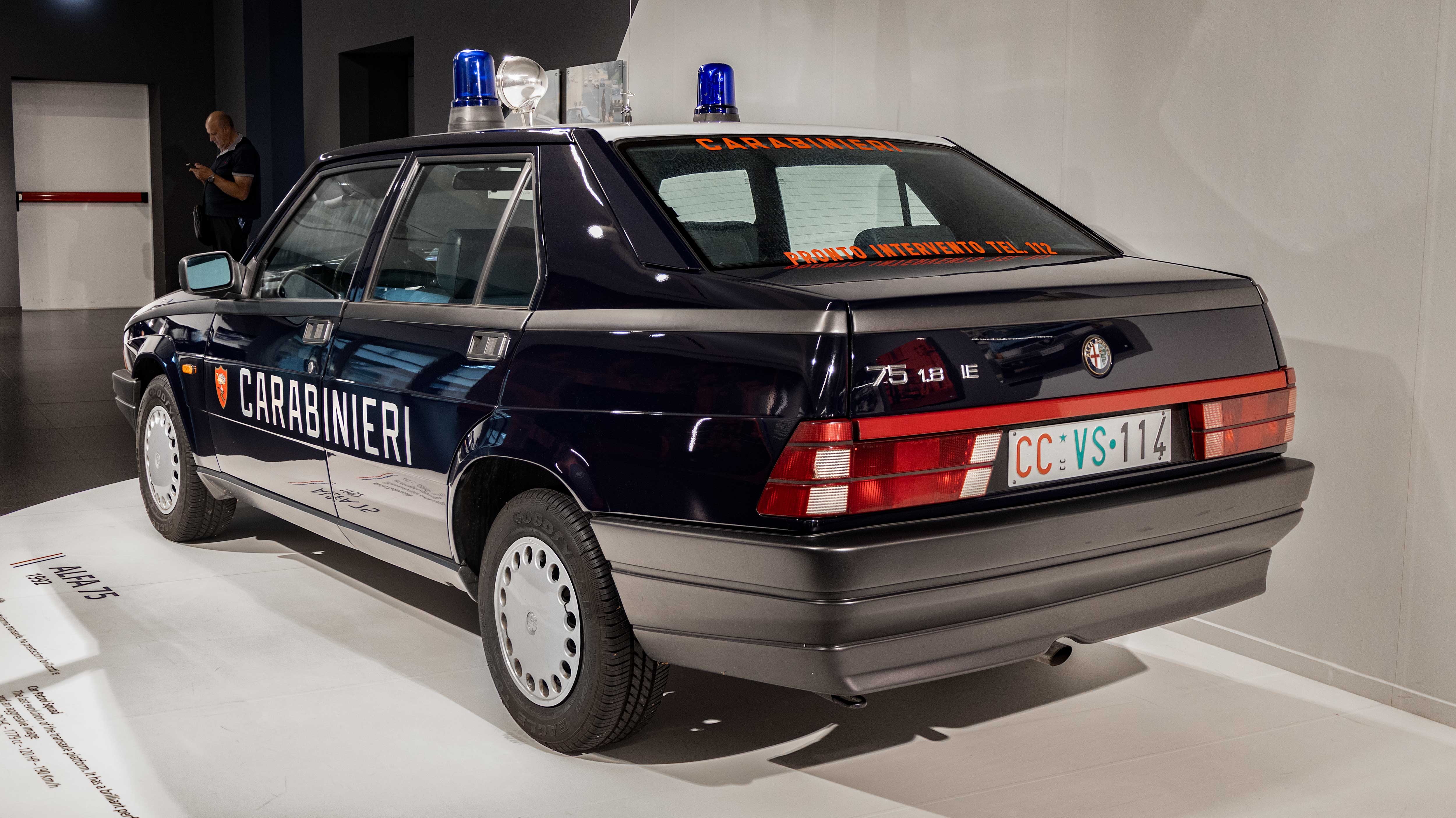
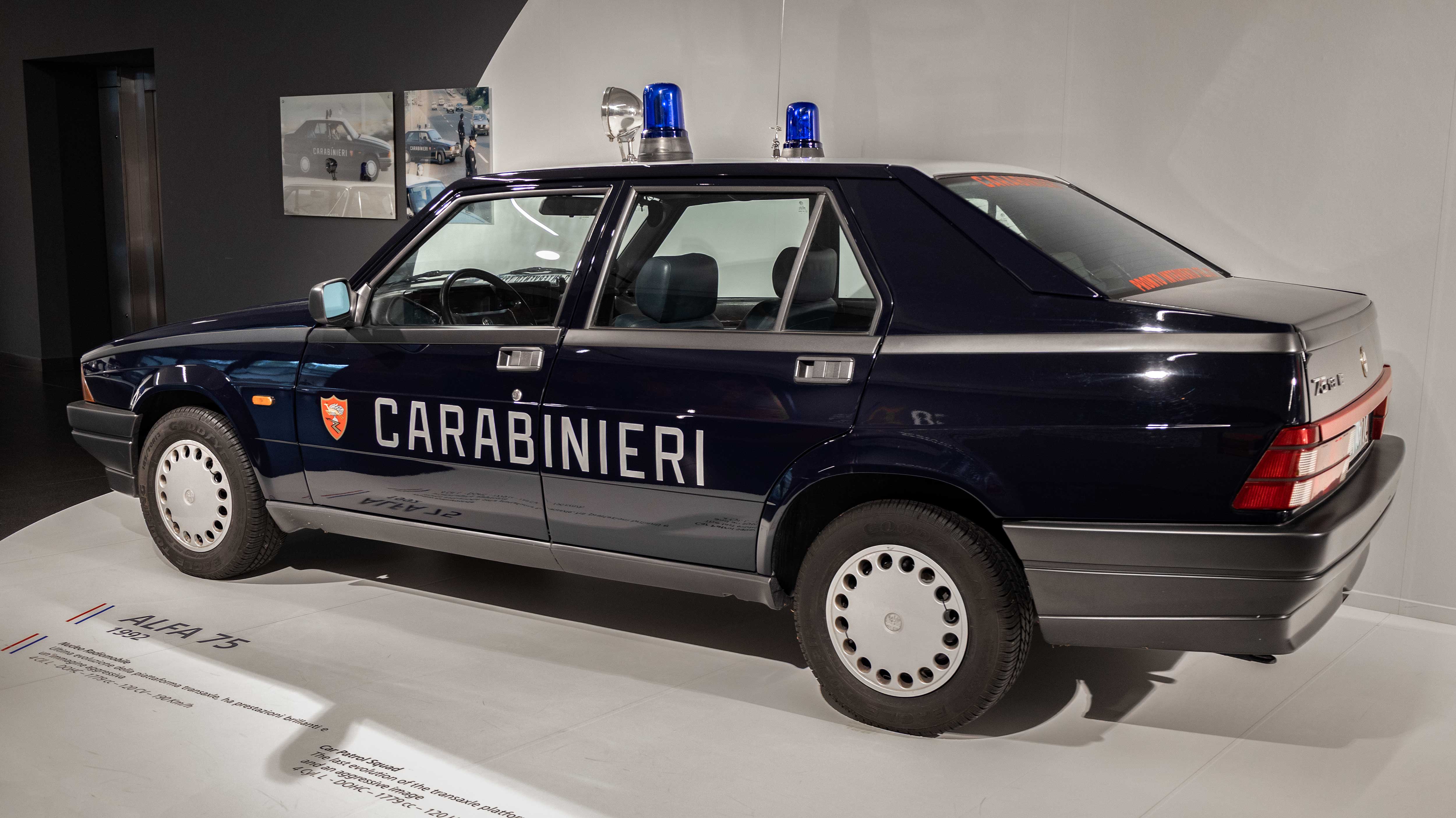
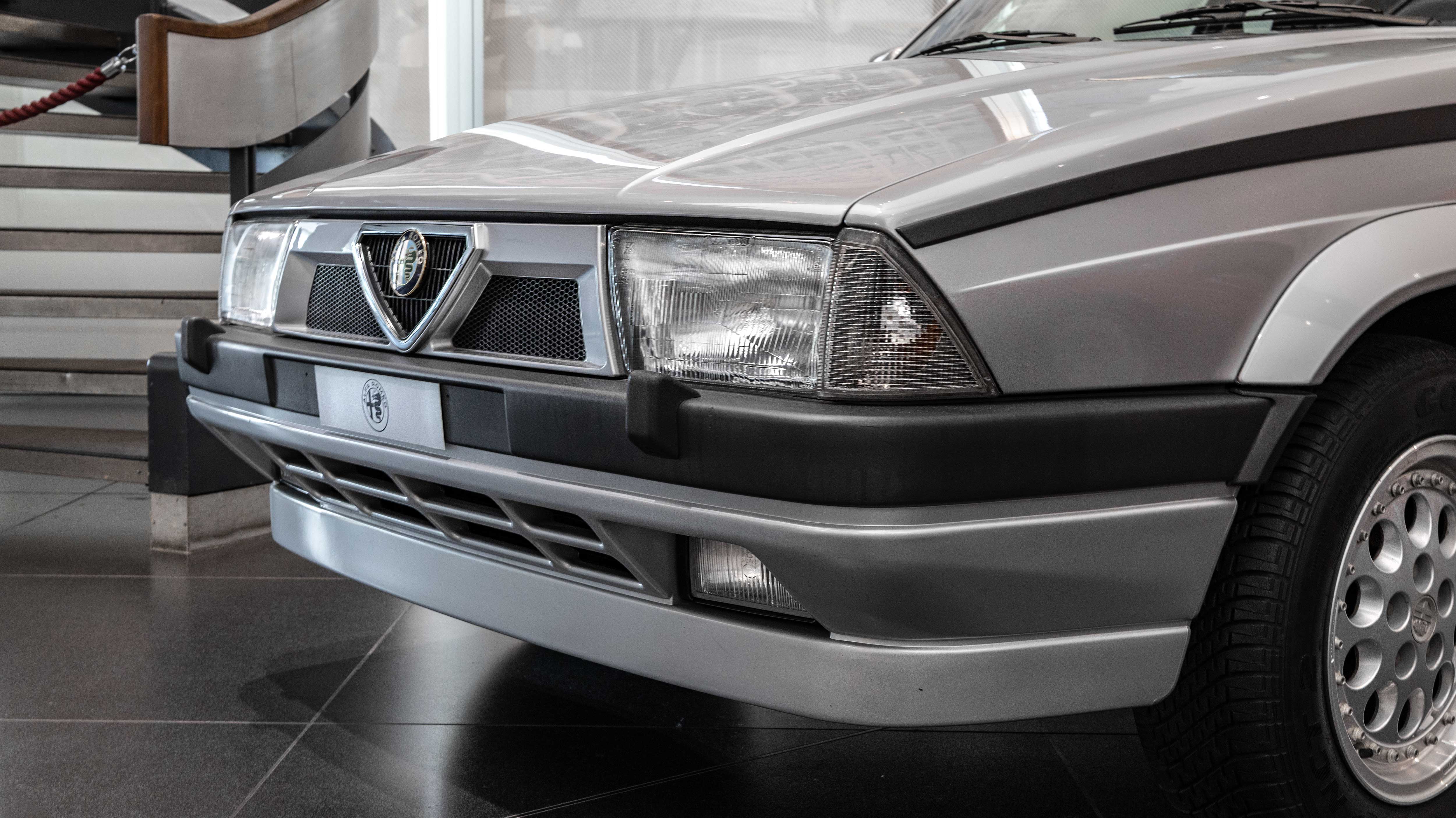
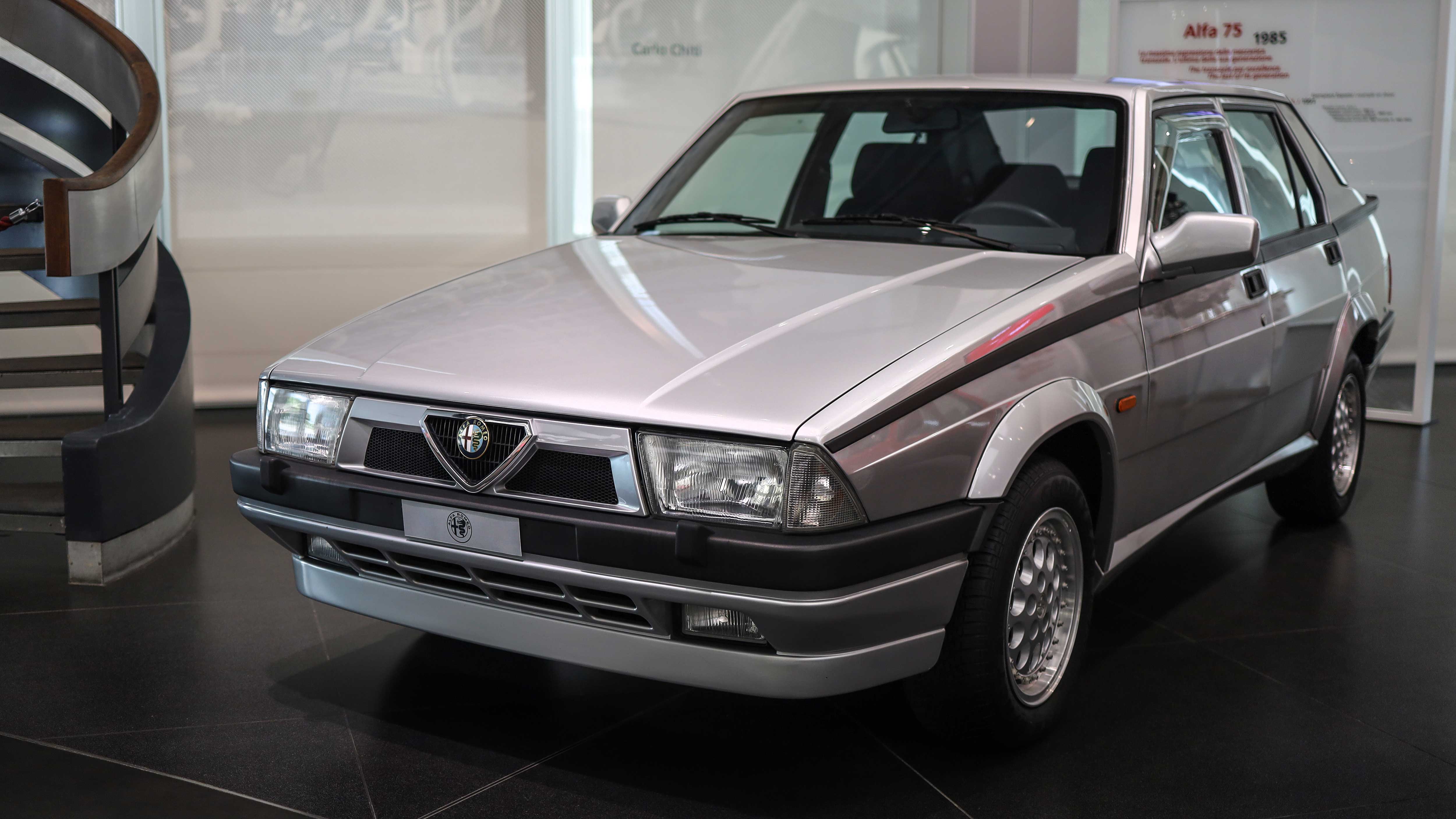
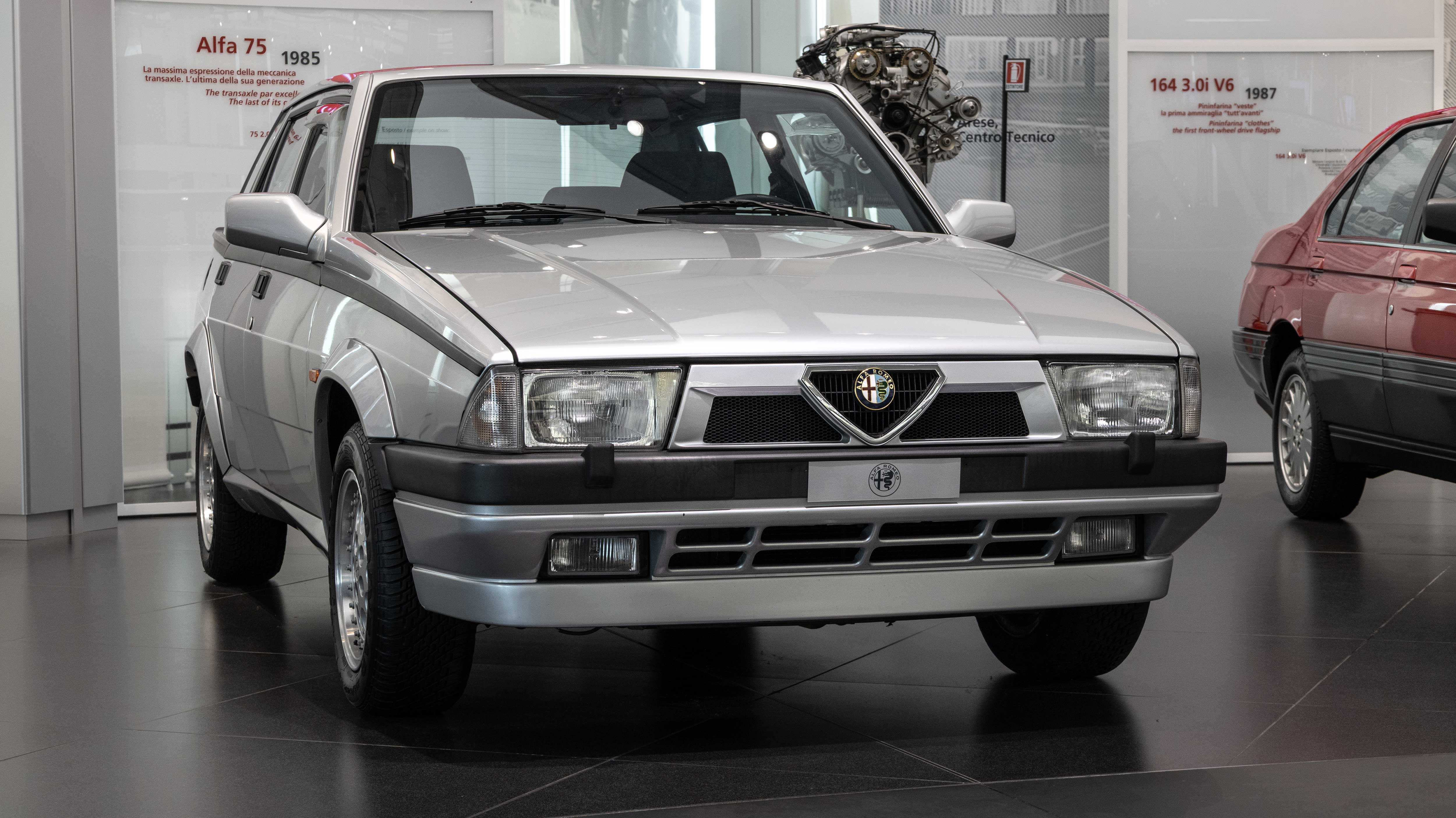
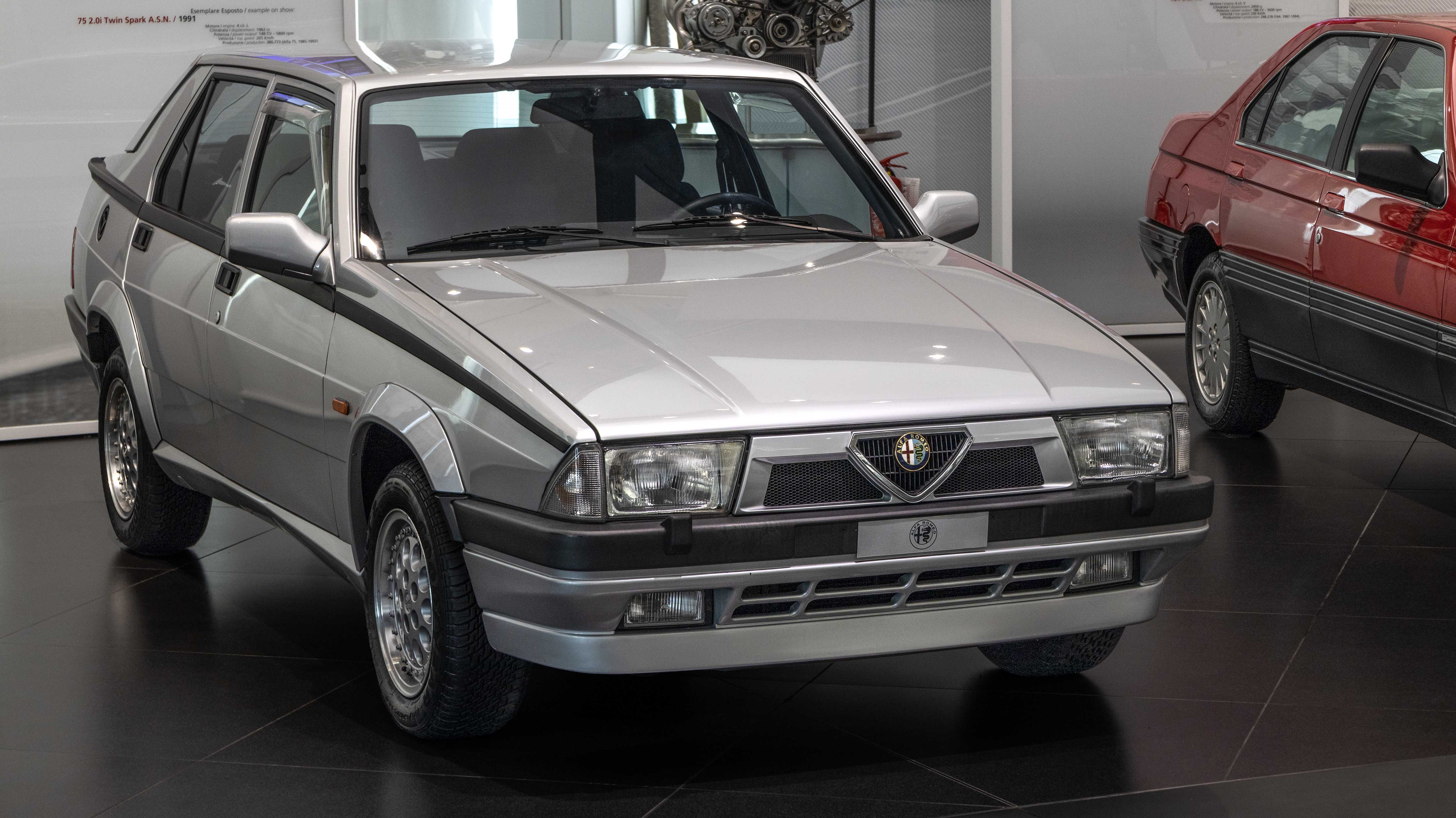
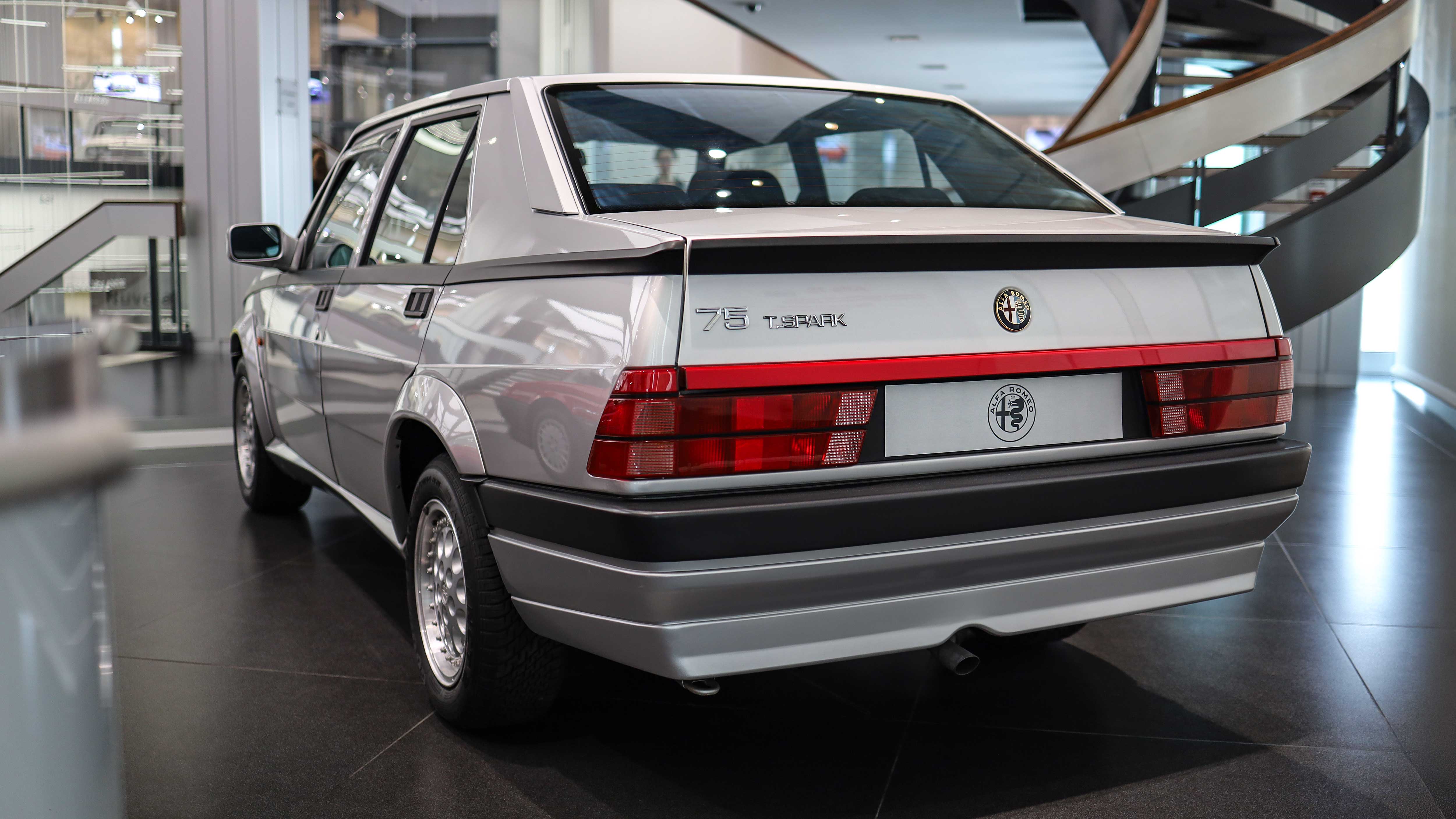
The 75 (1985–1992) marked the end of Alfa Romeo’s classic rear-wheel-drive sedan era. As a result, its transaxle layout and engines from 1.6 twin-cam to the 3.0 V6 with about 192 hp delivered balanced handling and strong character.
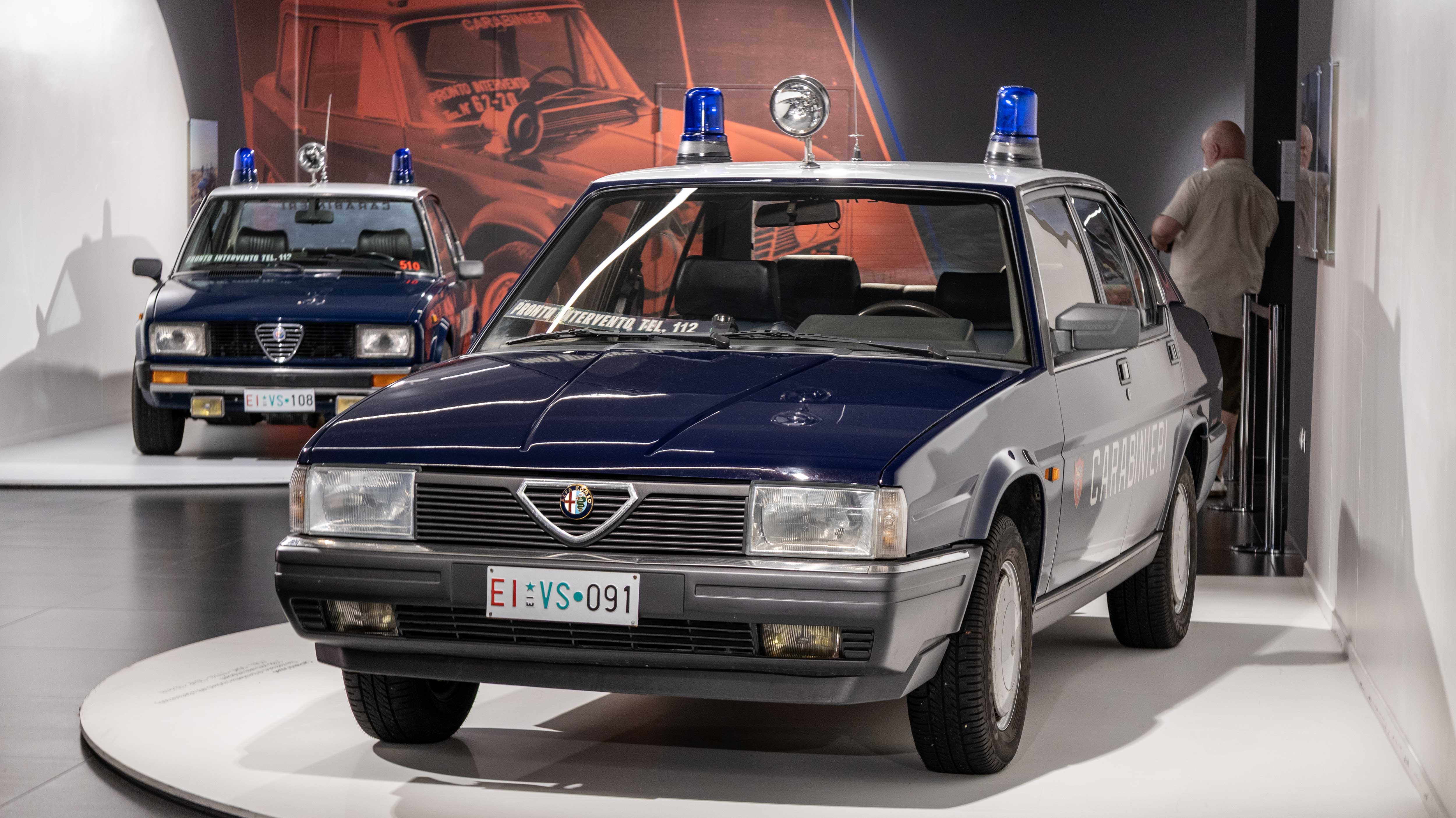
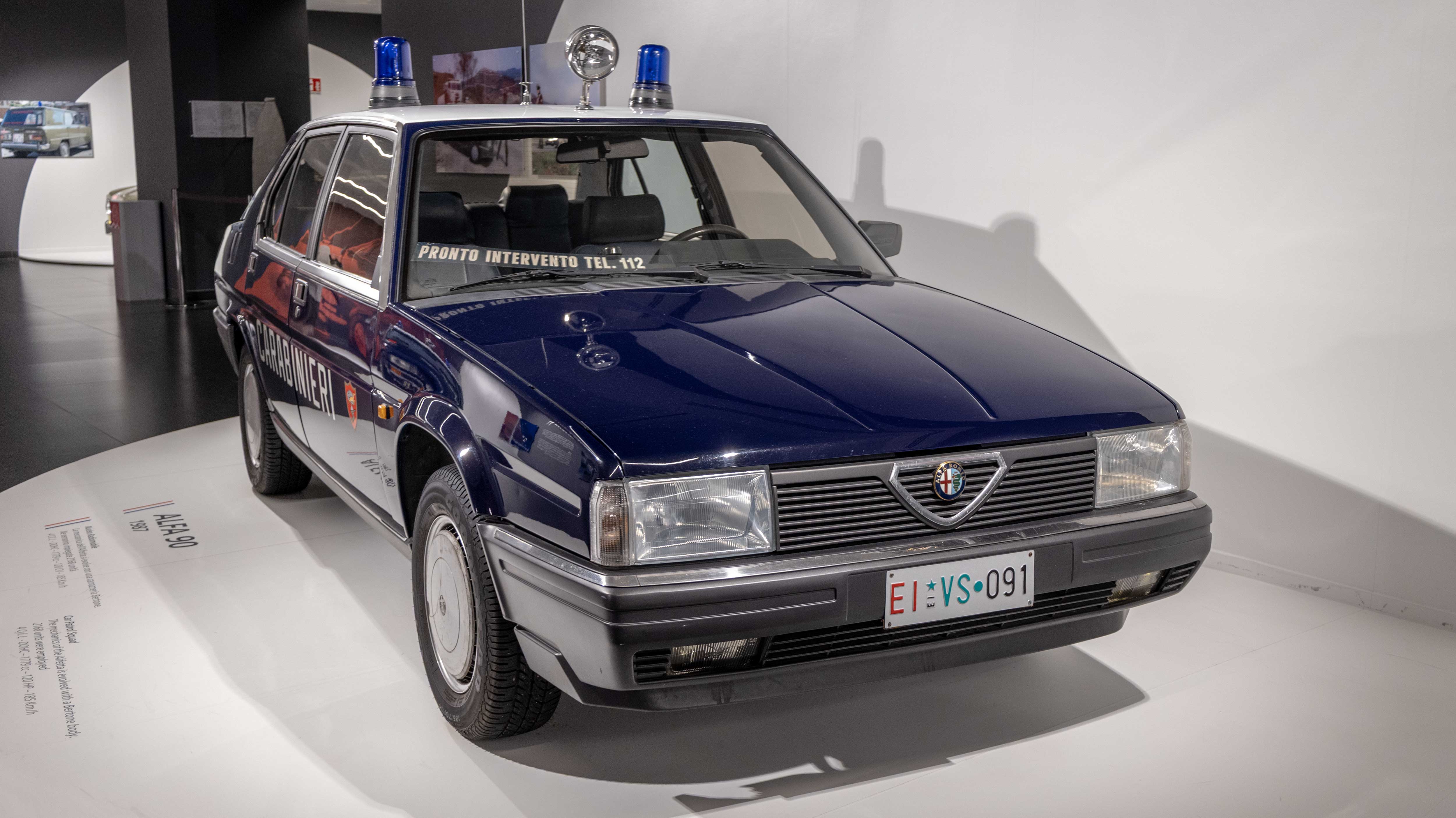
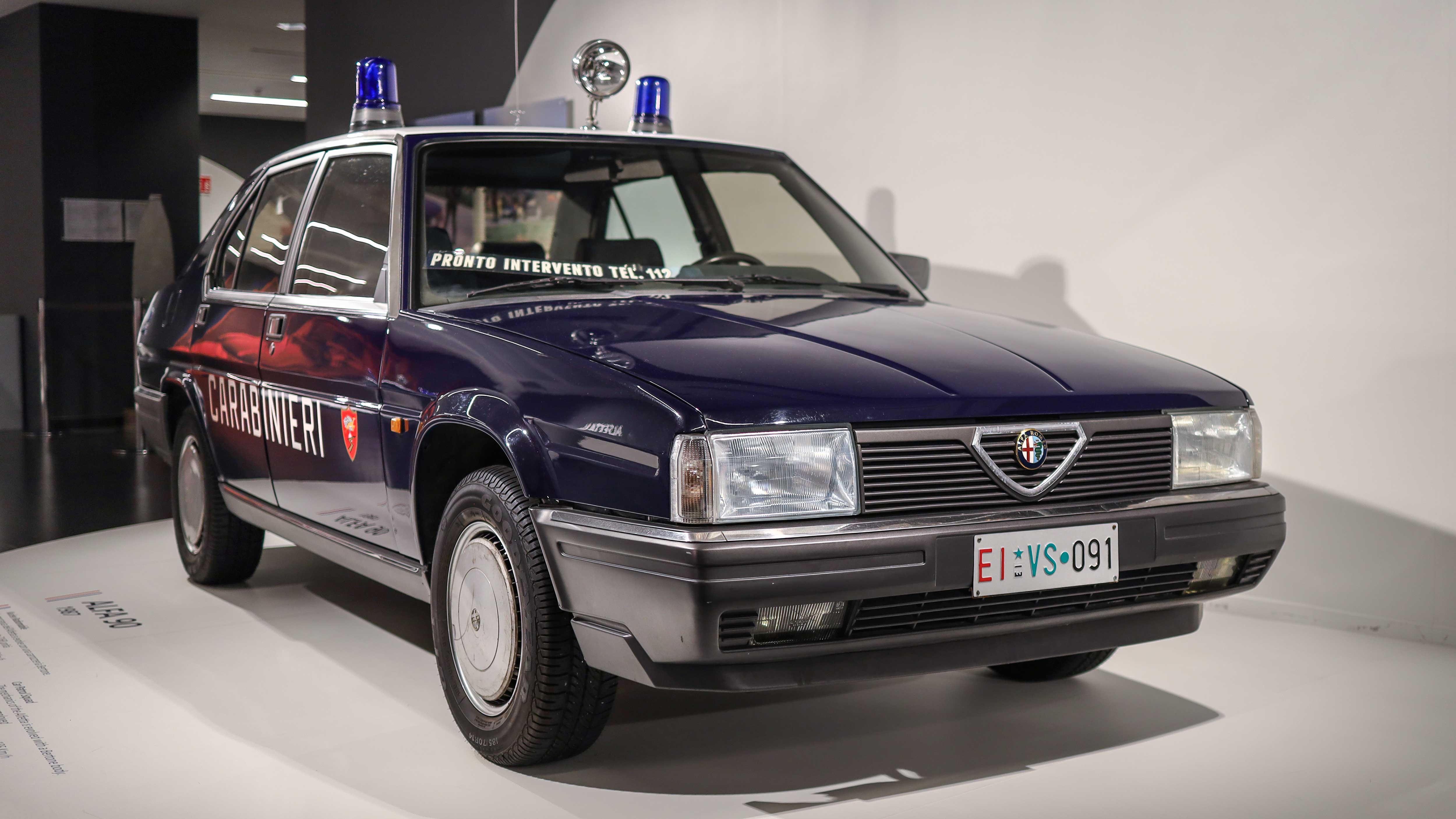
90
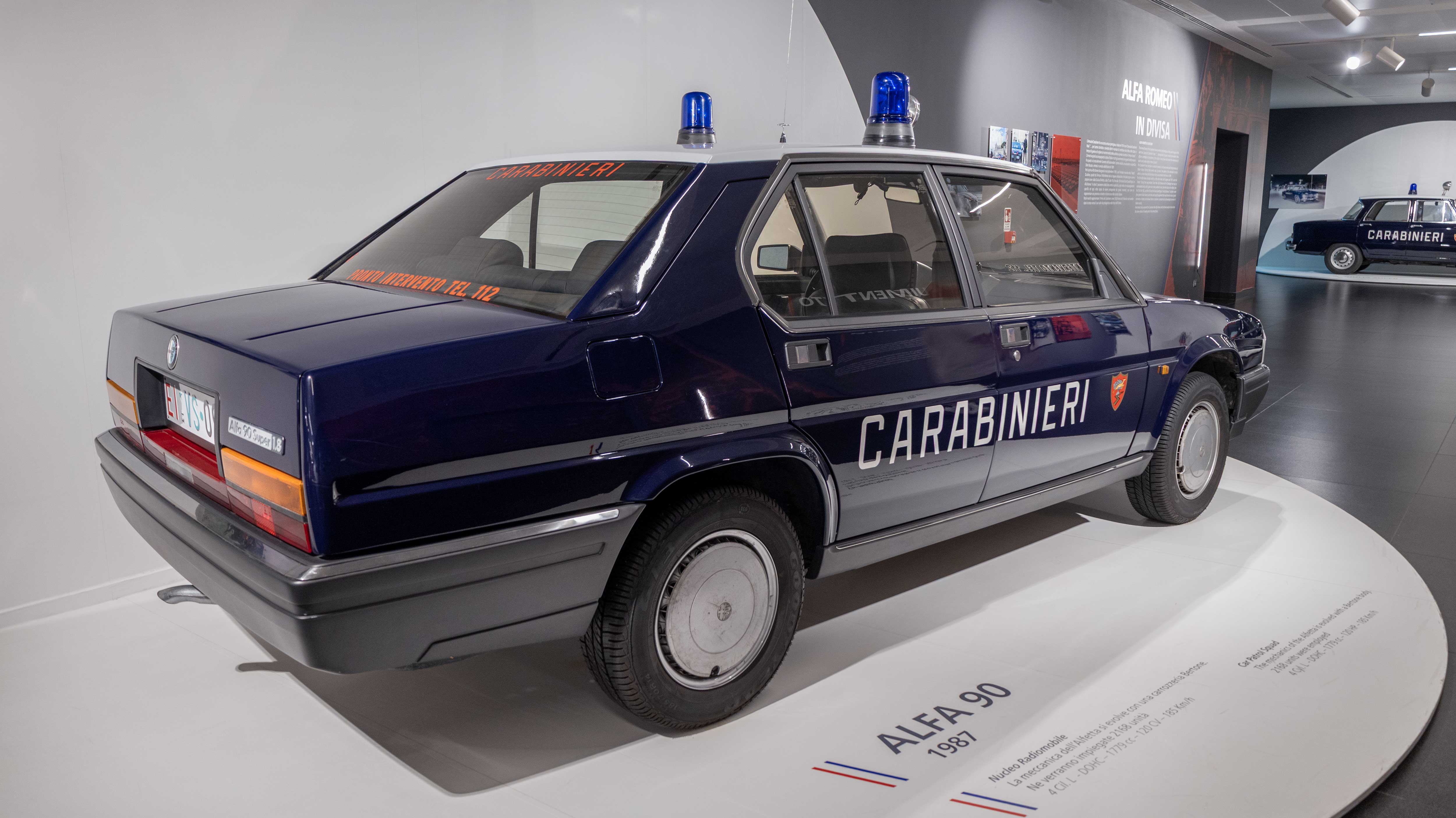
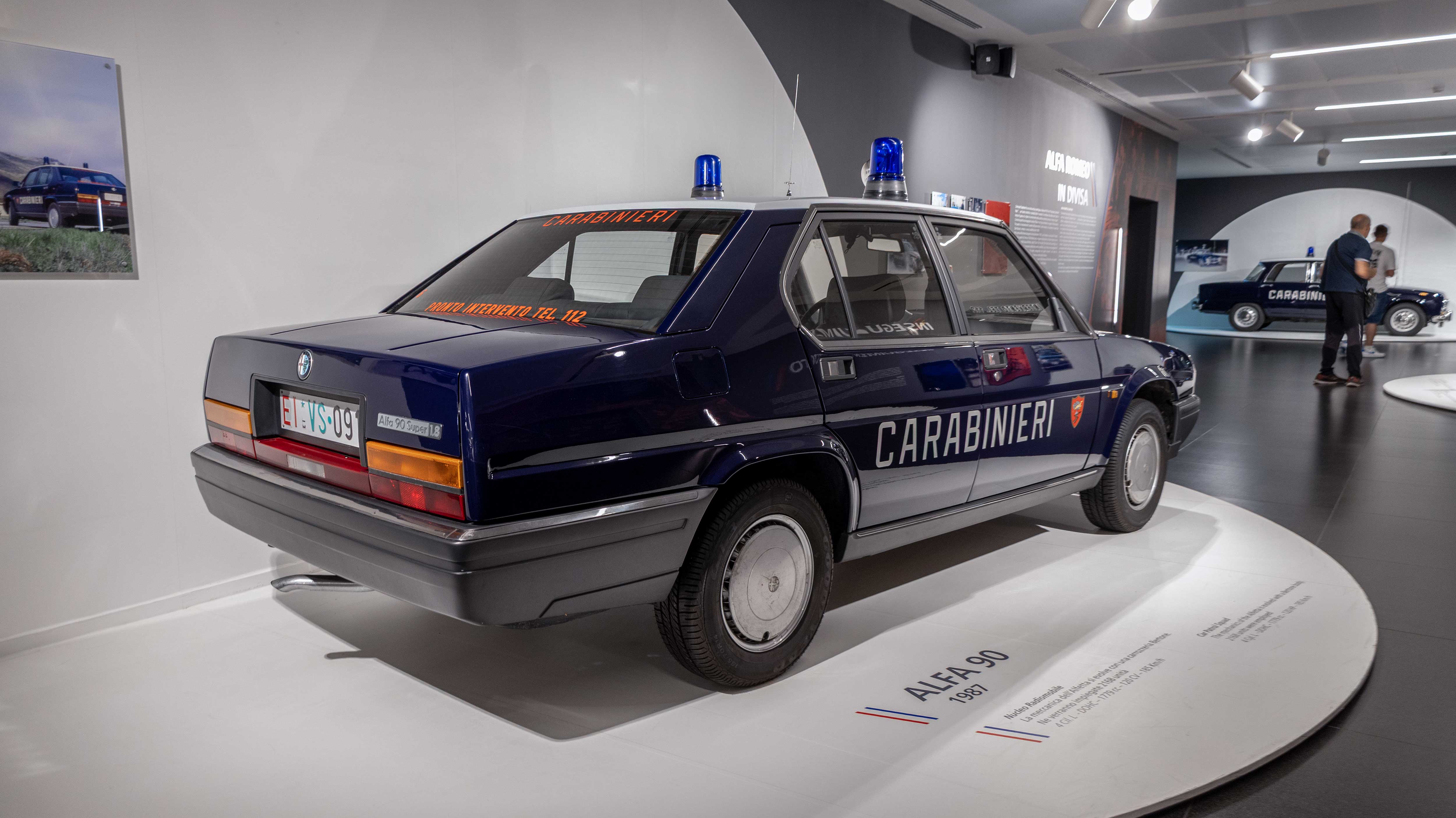
The 90 (1984–1987) served as a short-lived executive sedan with a focus on aerodynamics and comfort. As a result, its engines ranged from a 1.8 four-cylinder to a 2.5 V6 with about 156 hp, paired with rear-wheel drive.
Alfetta
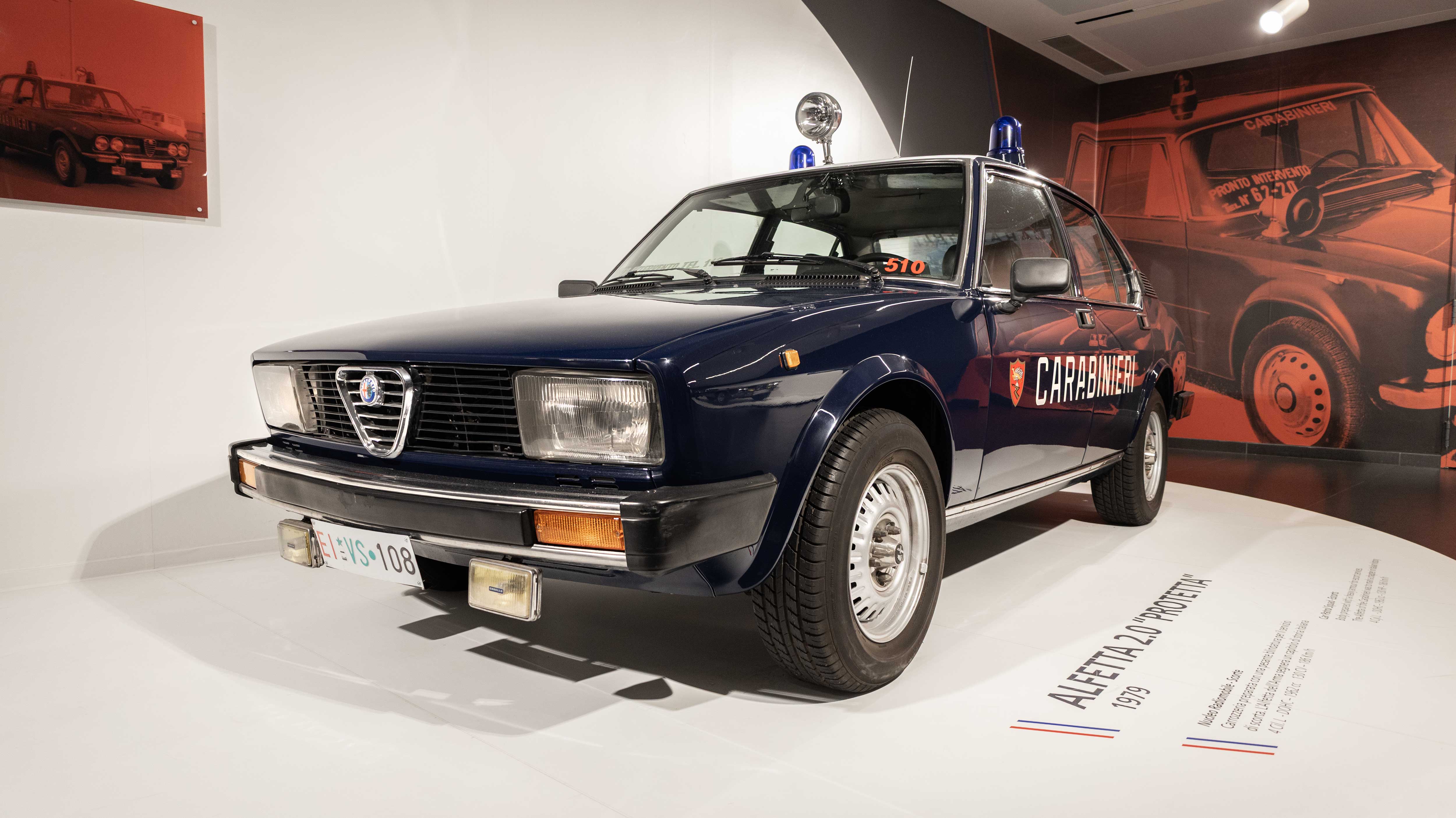
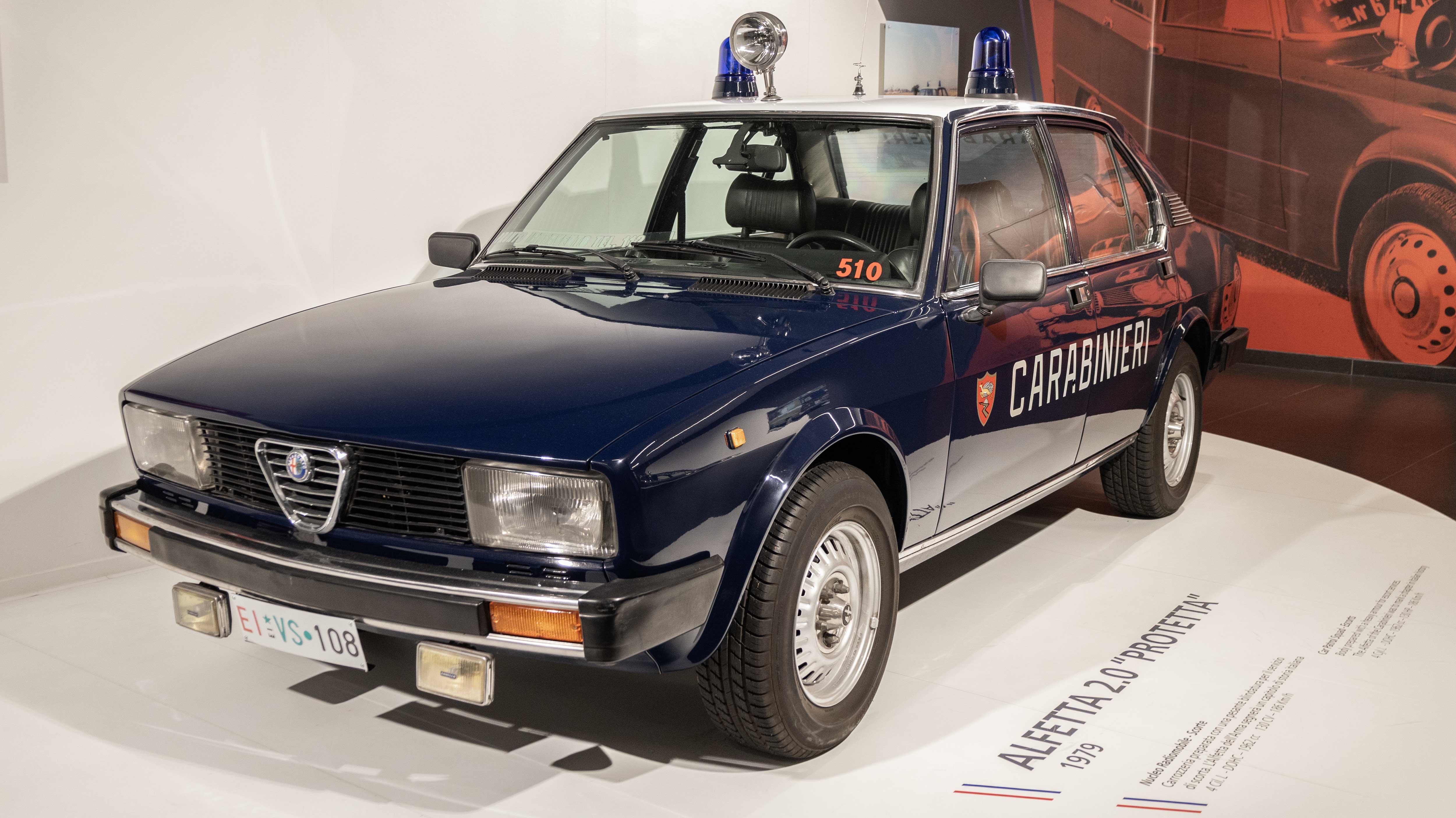
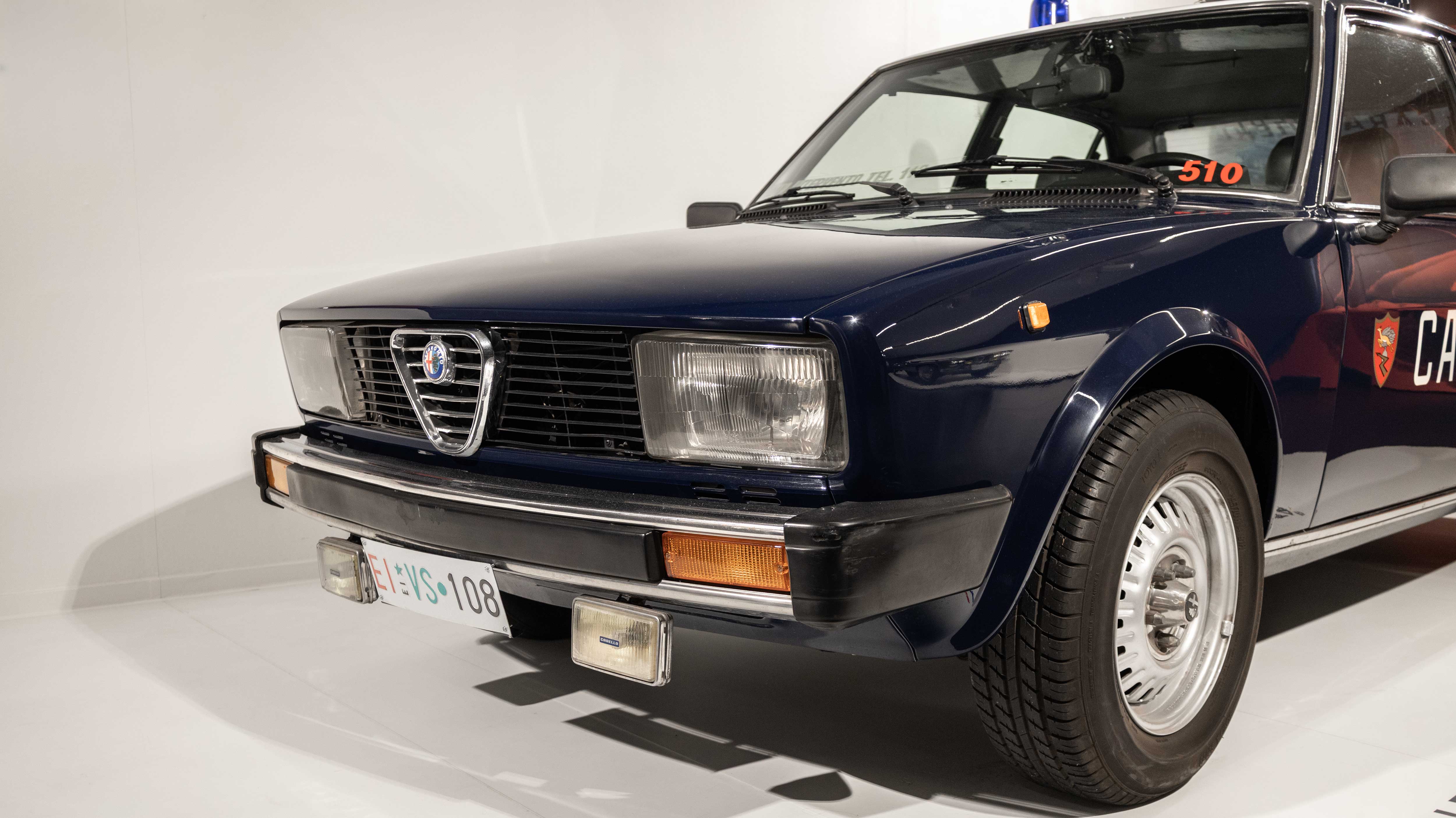
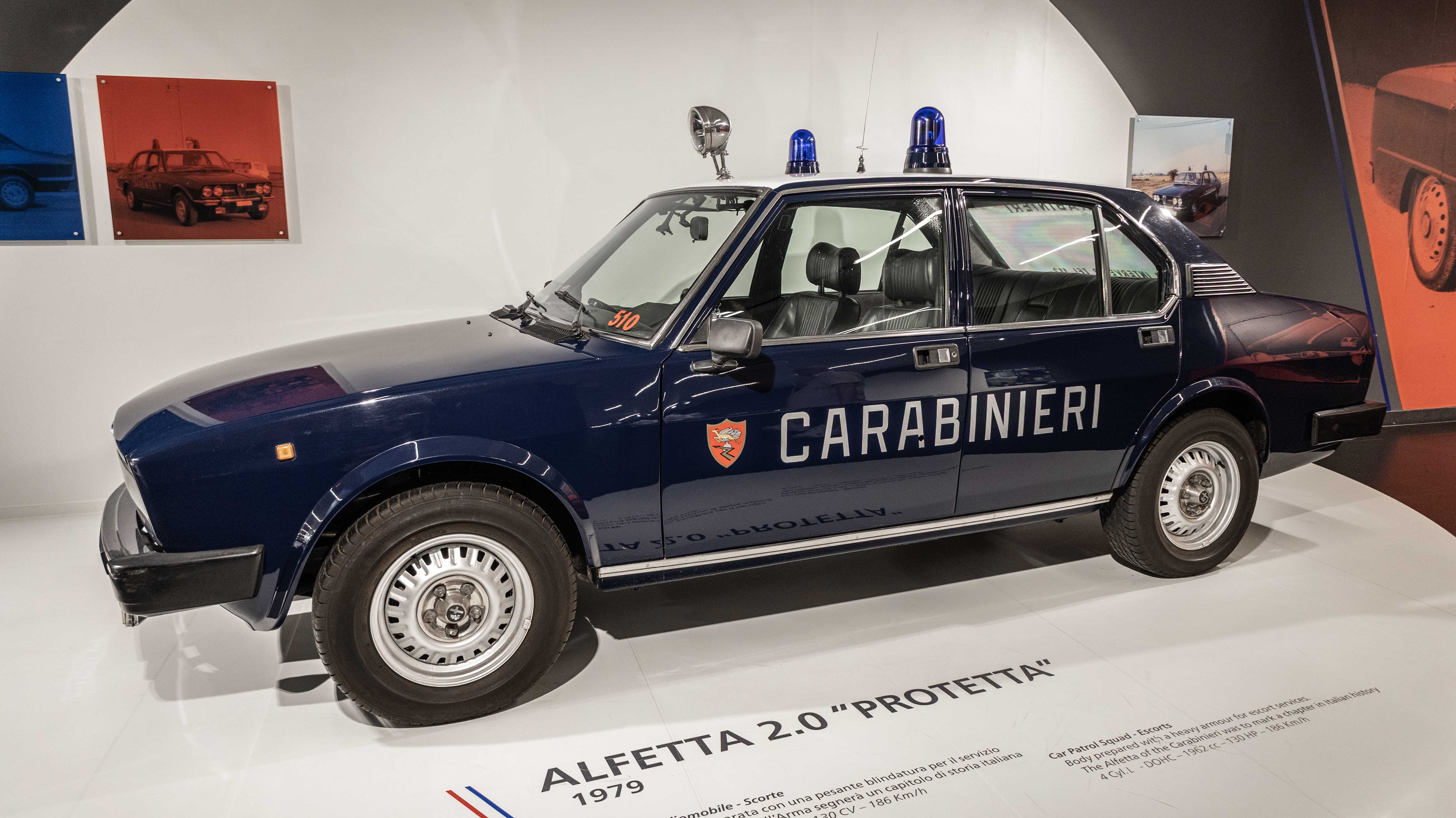
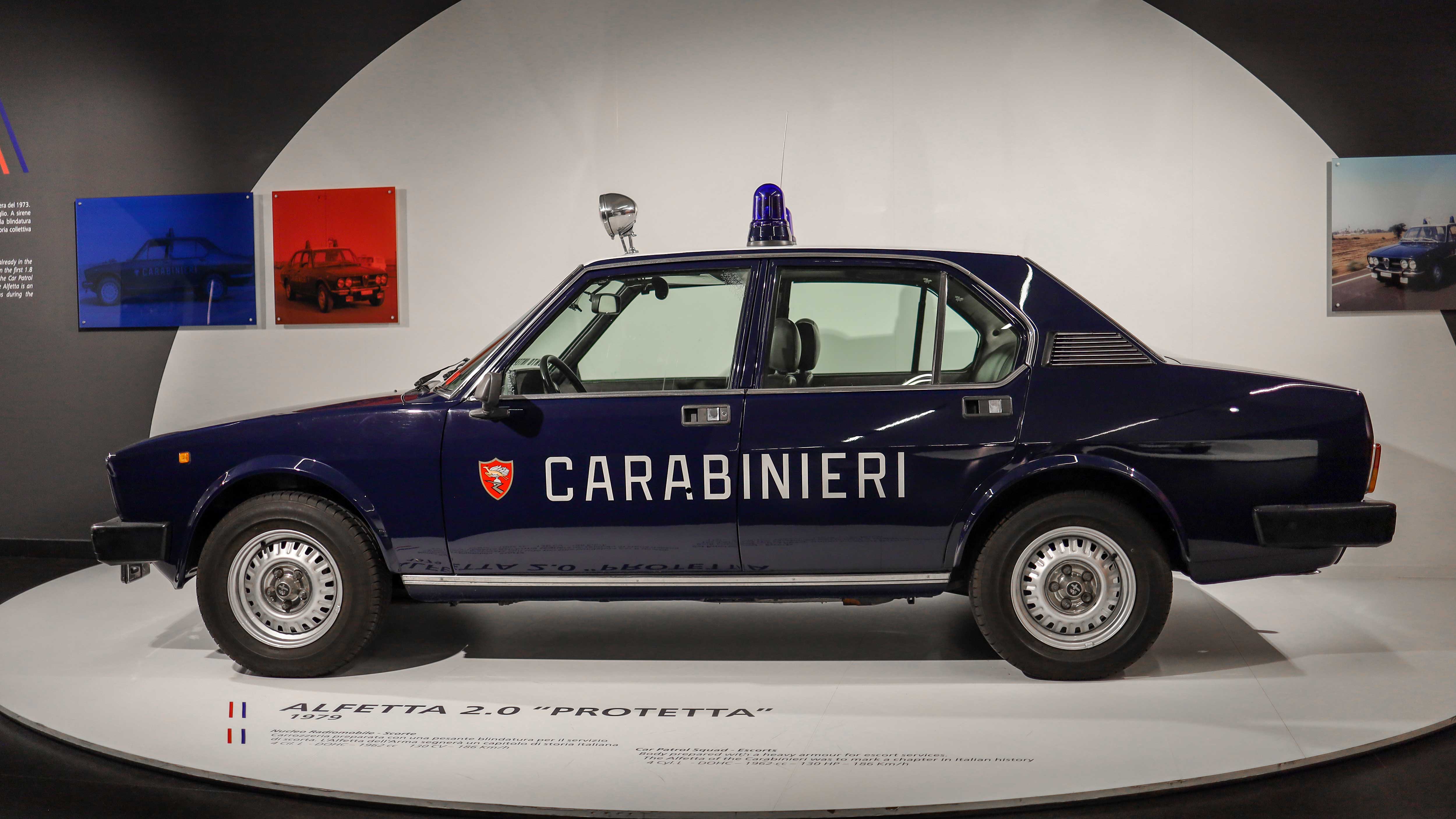
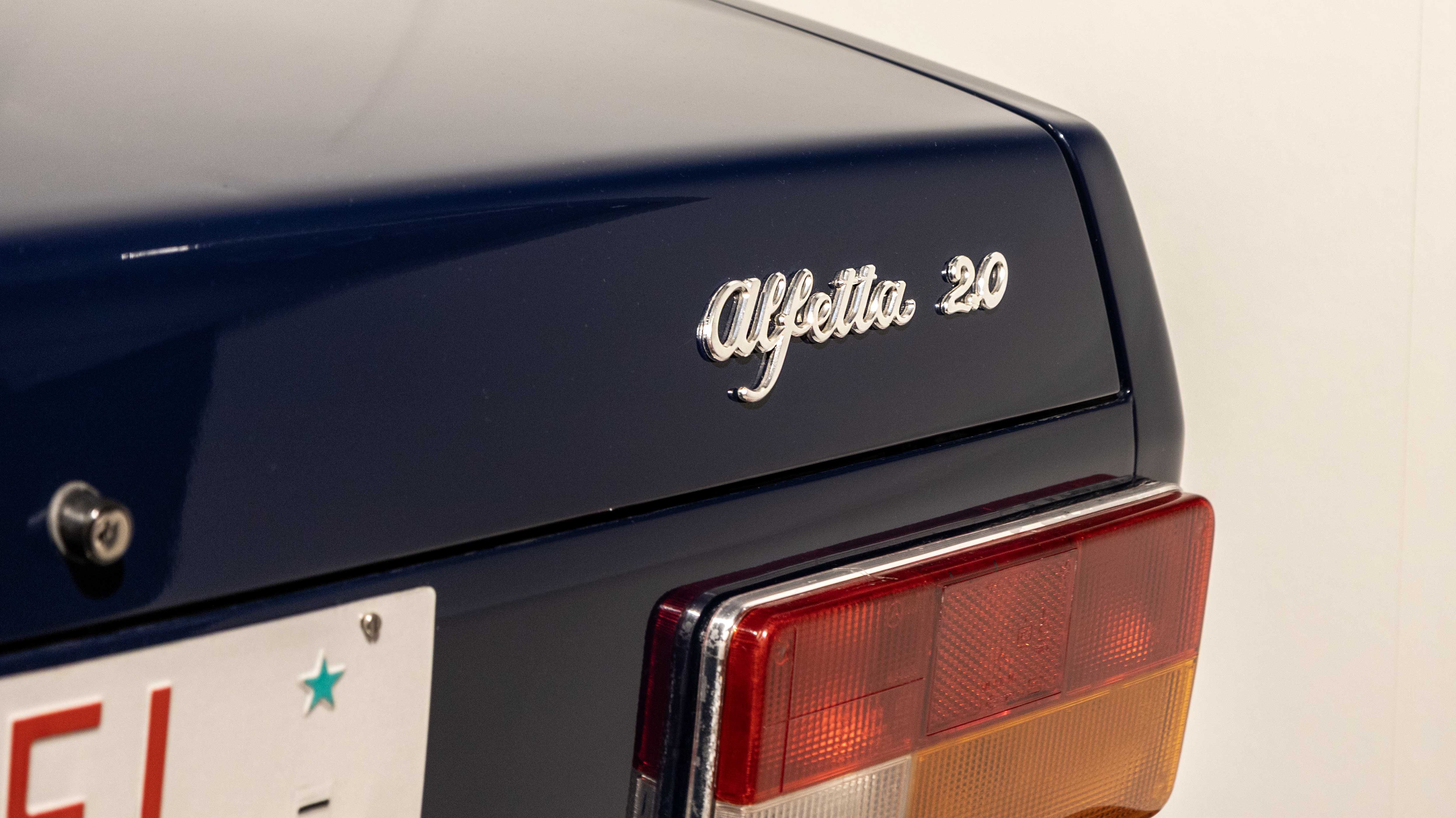
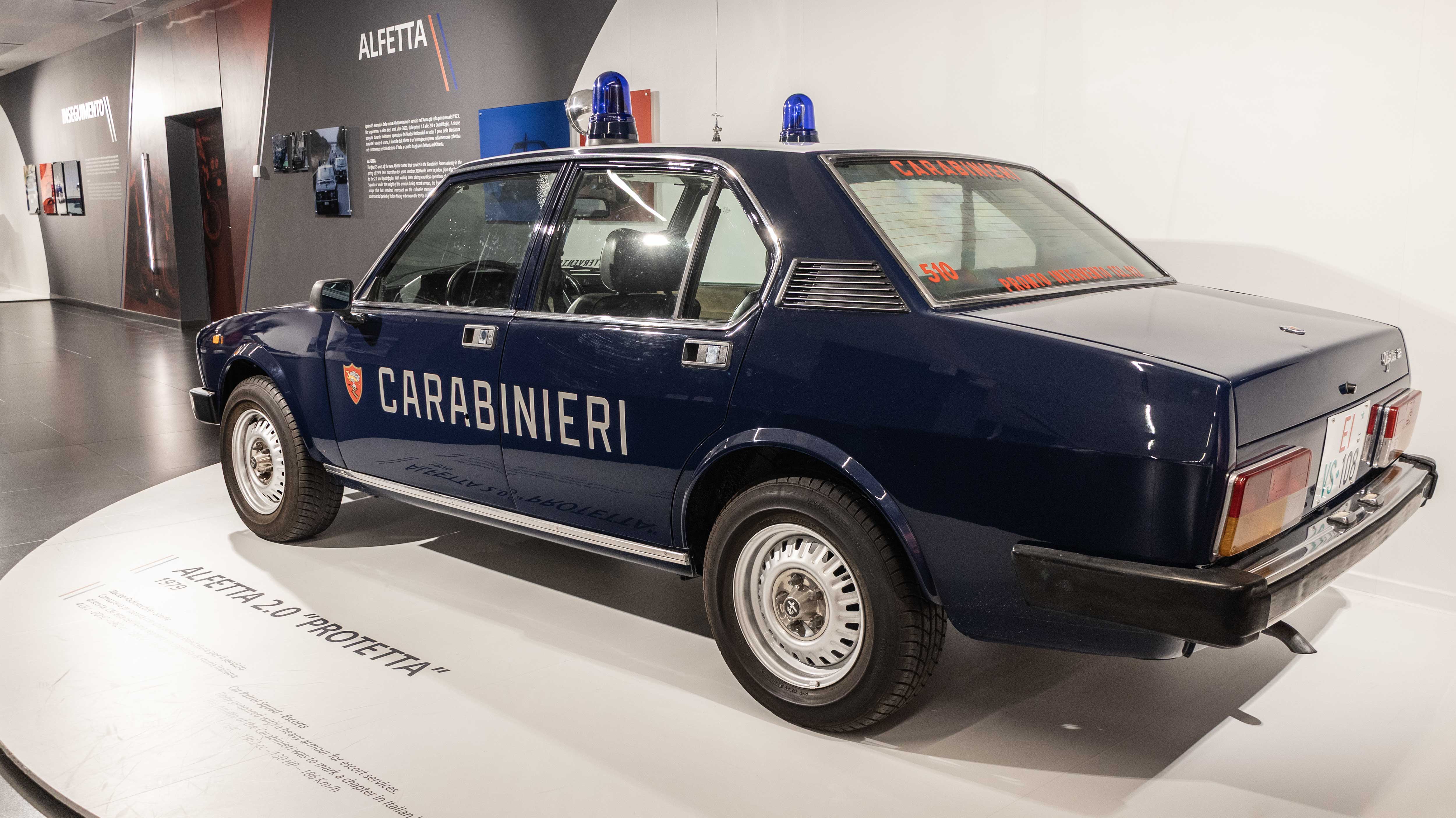
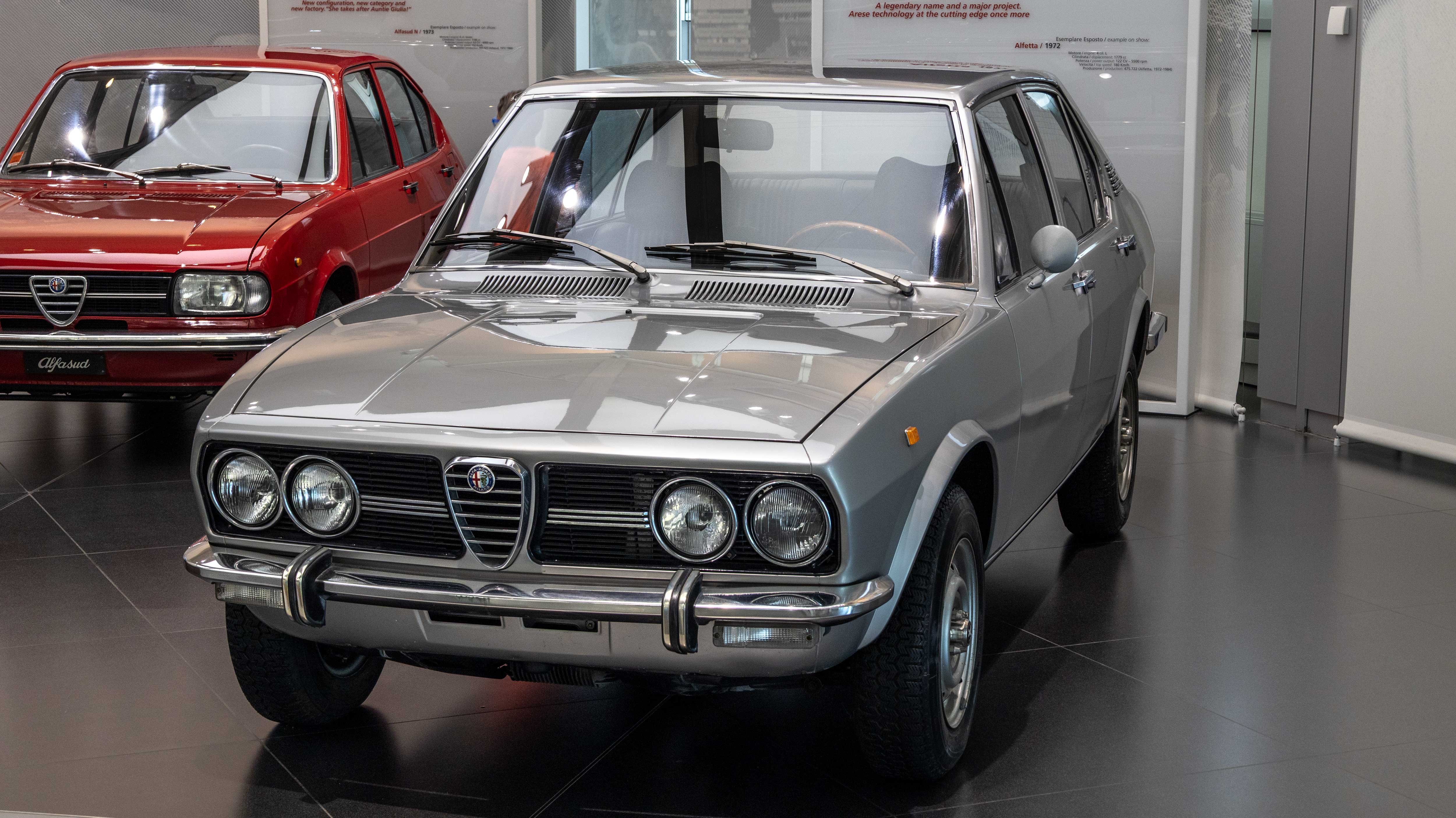
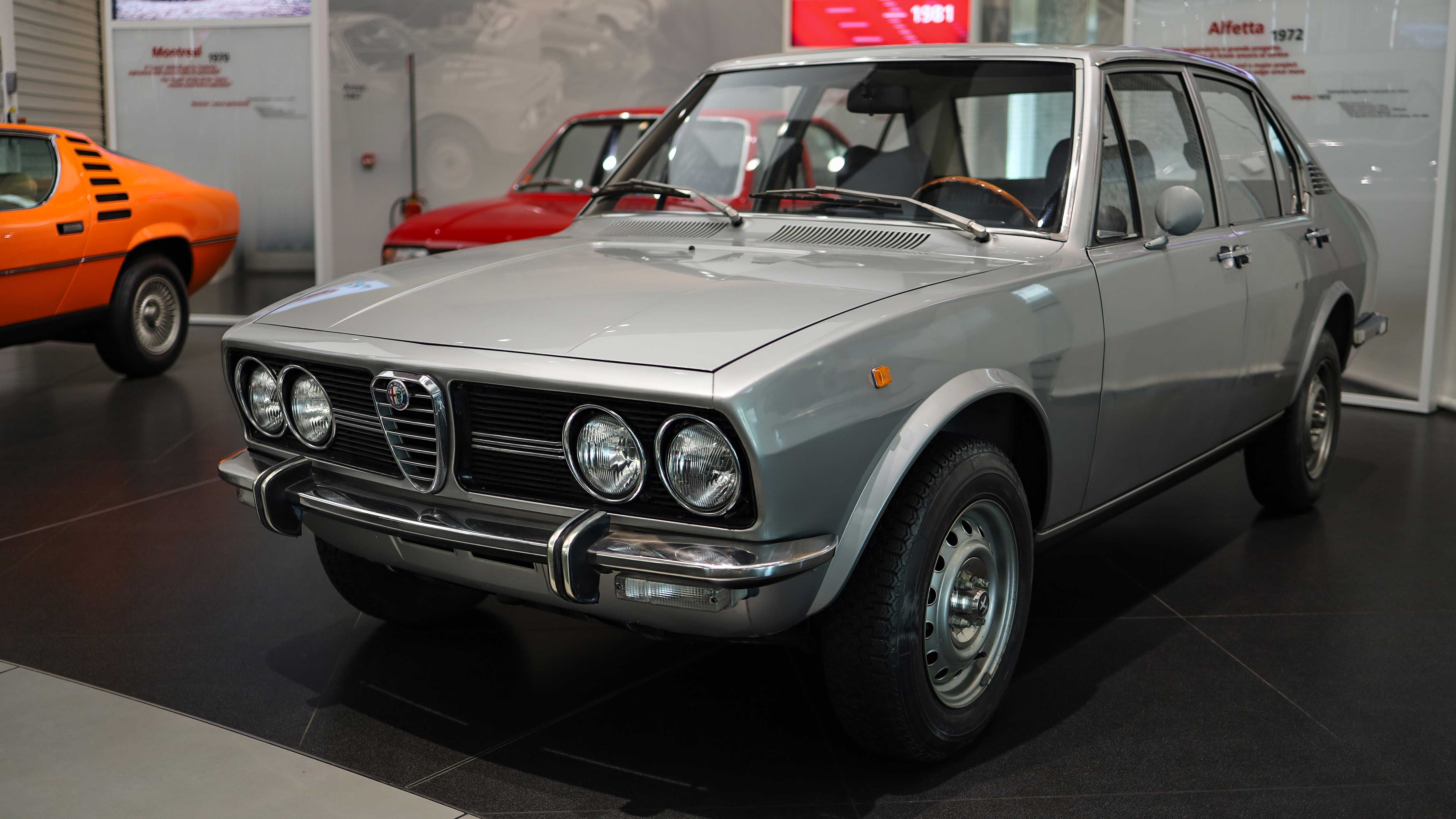
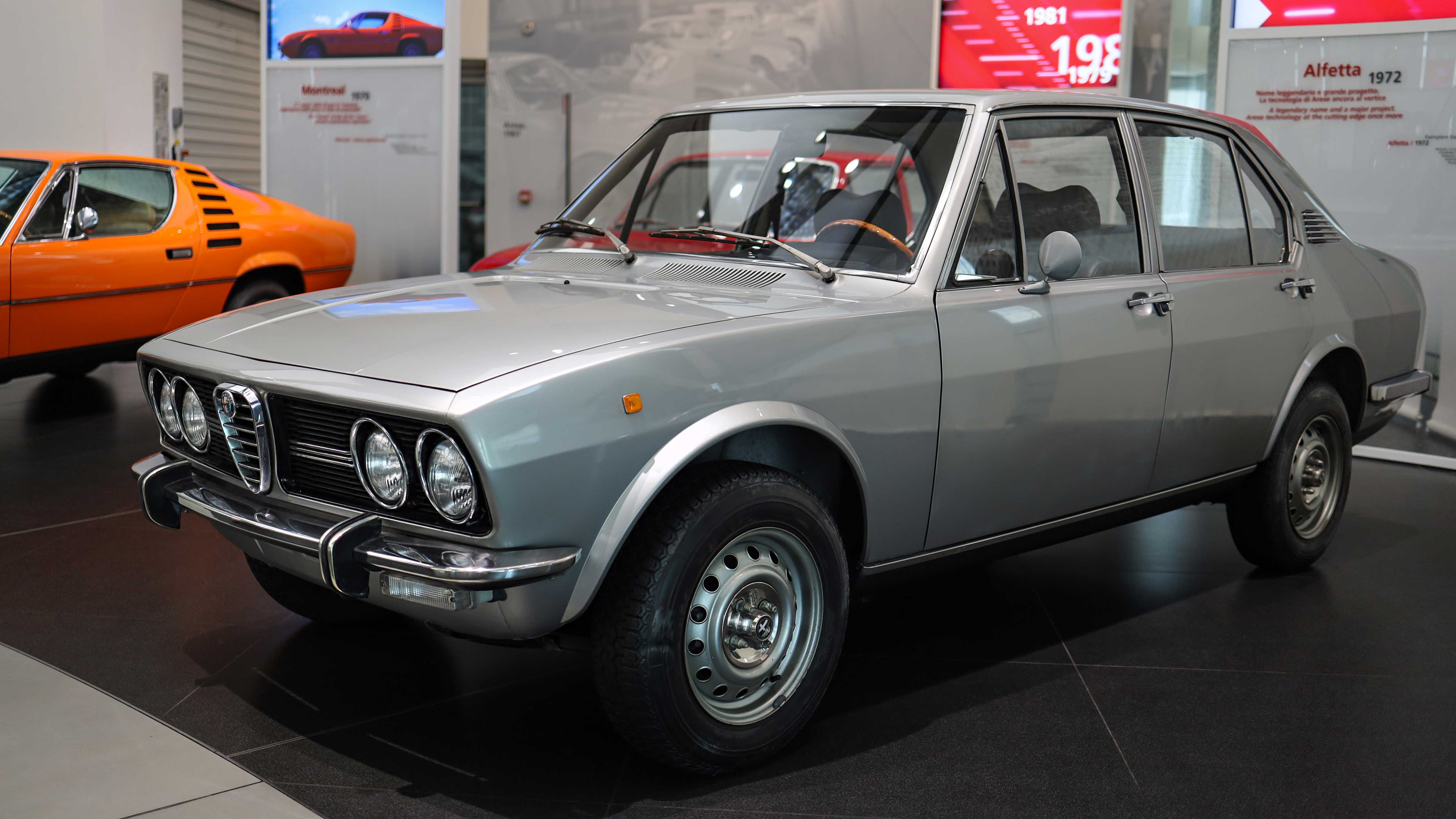
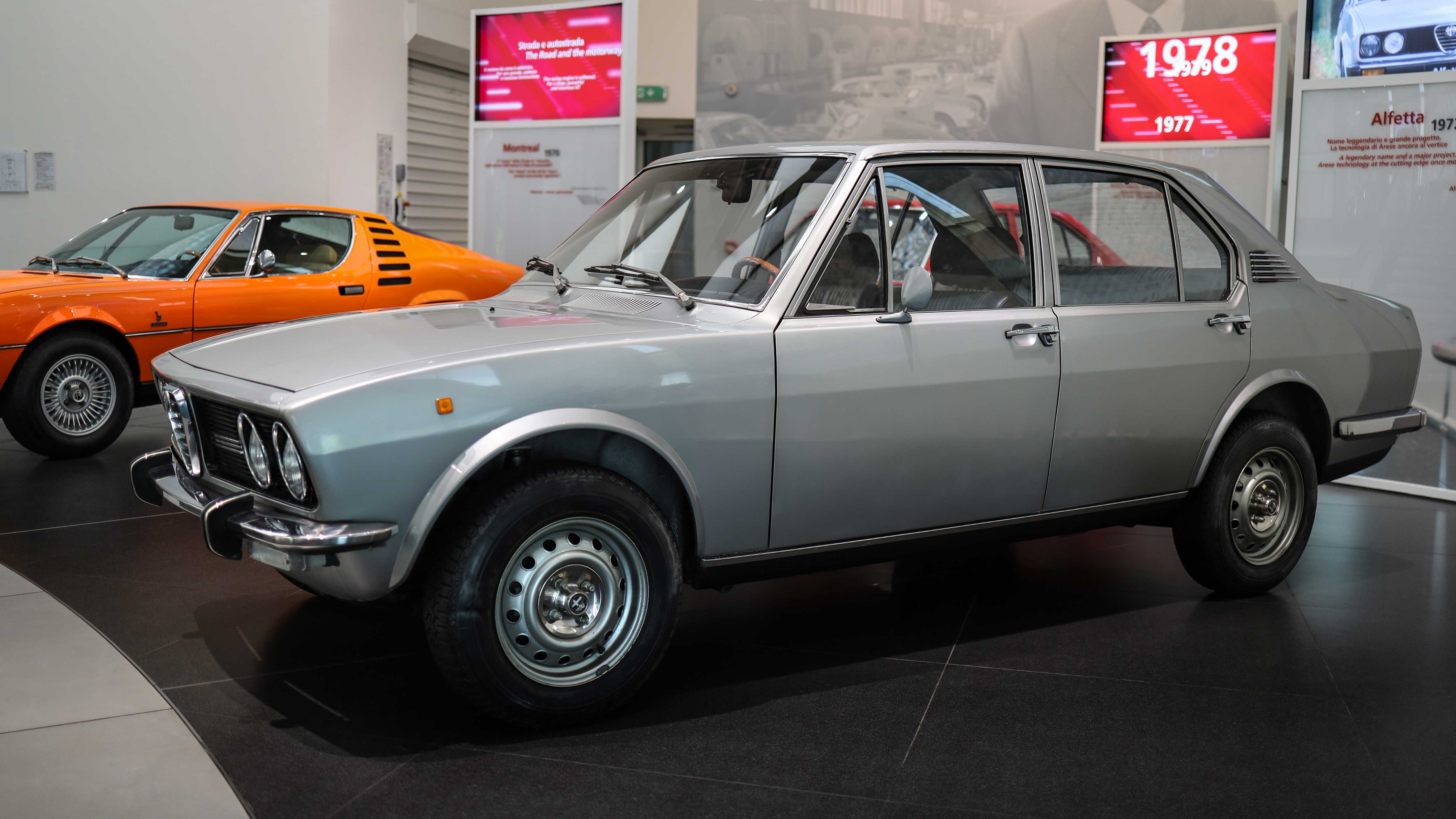
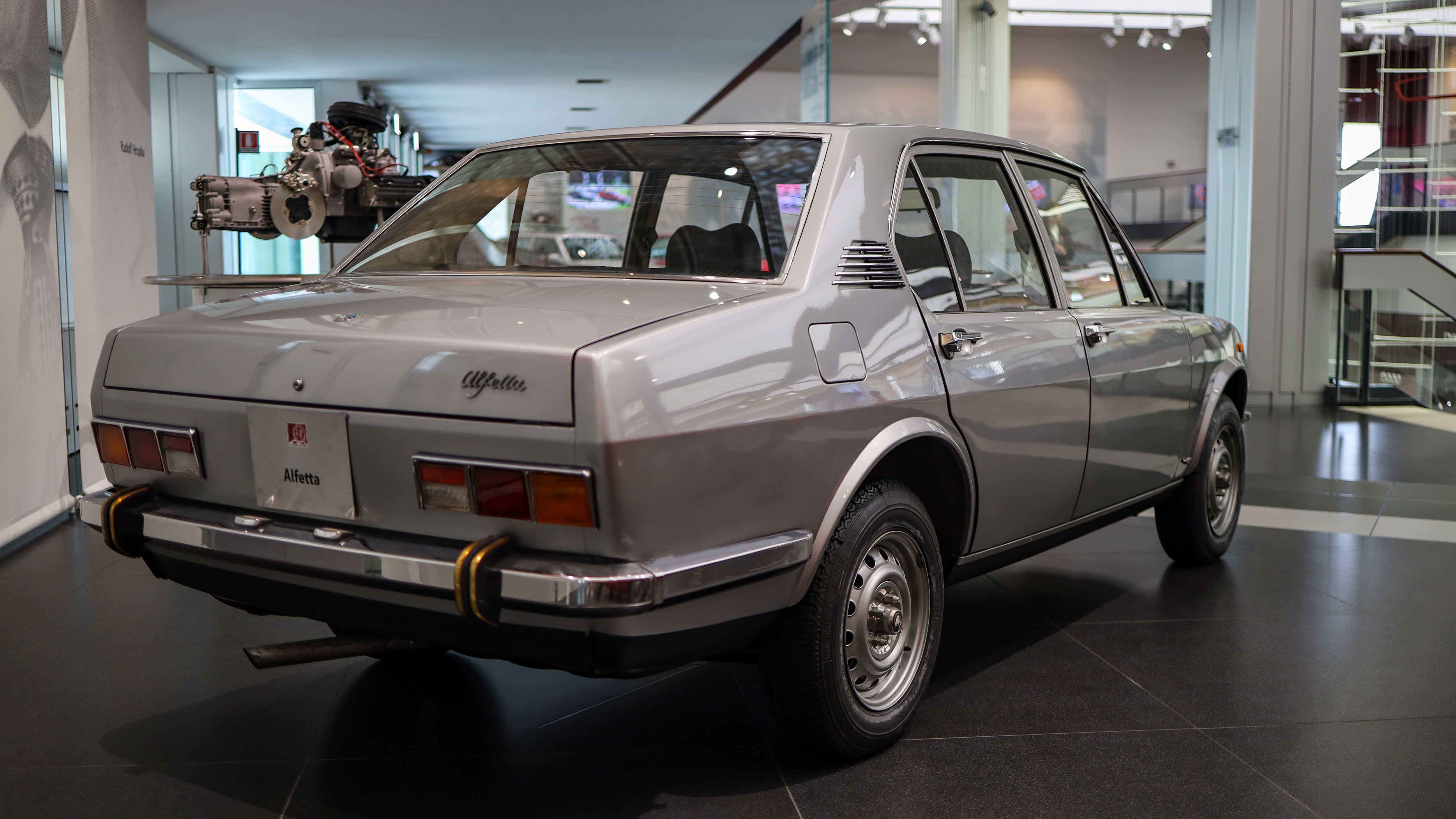
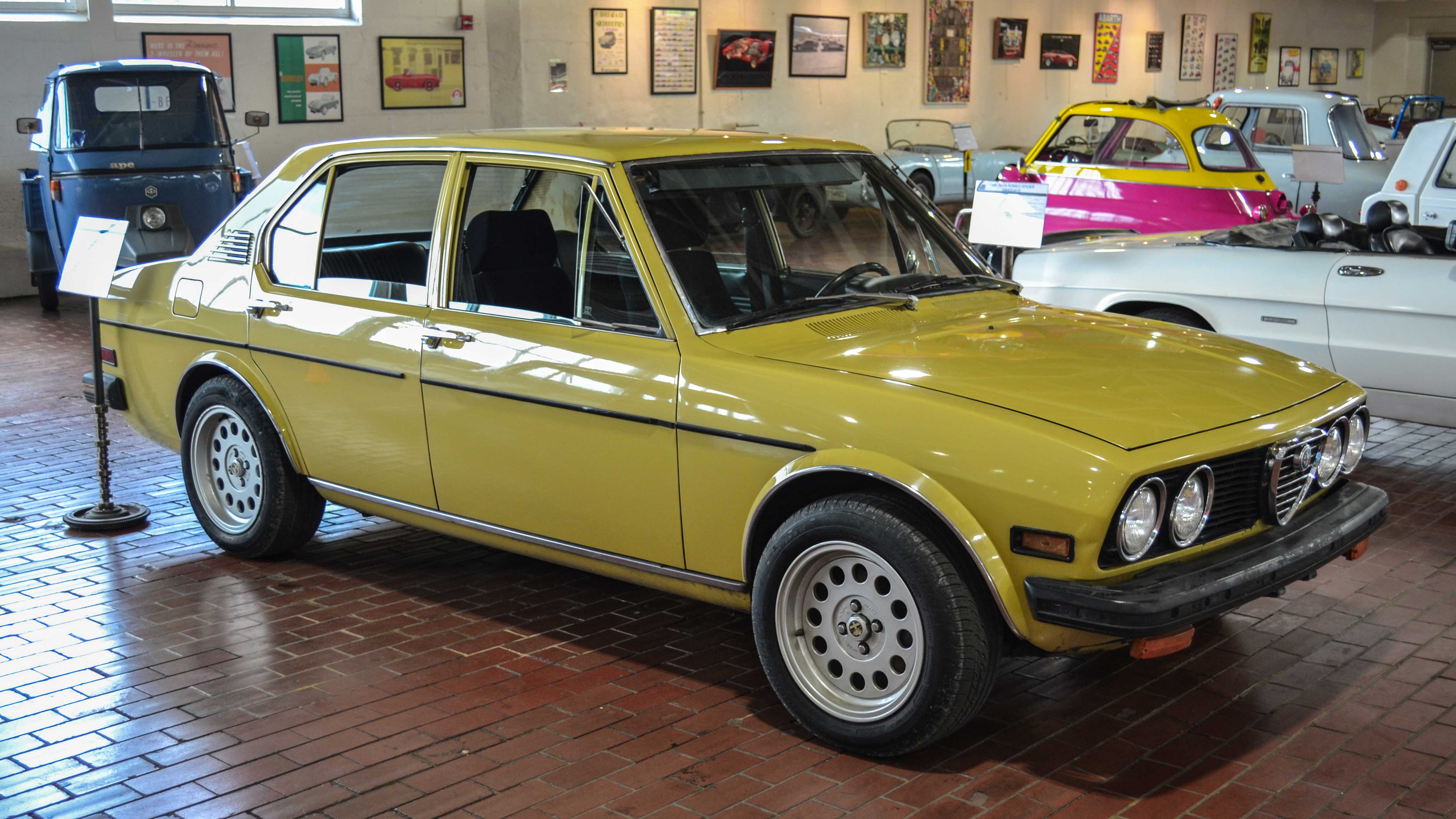
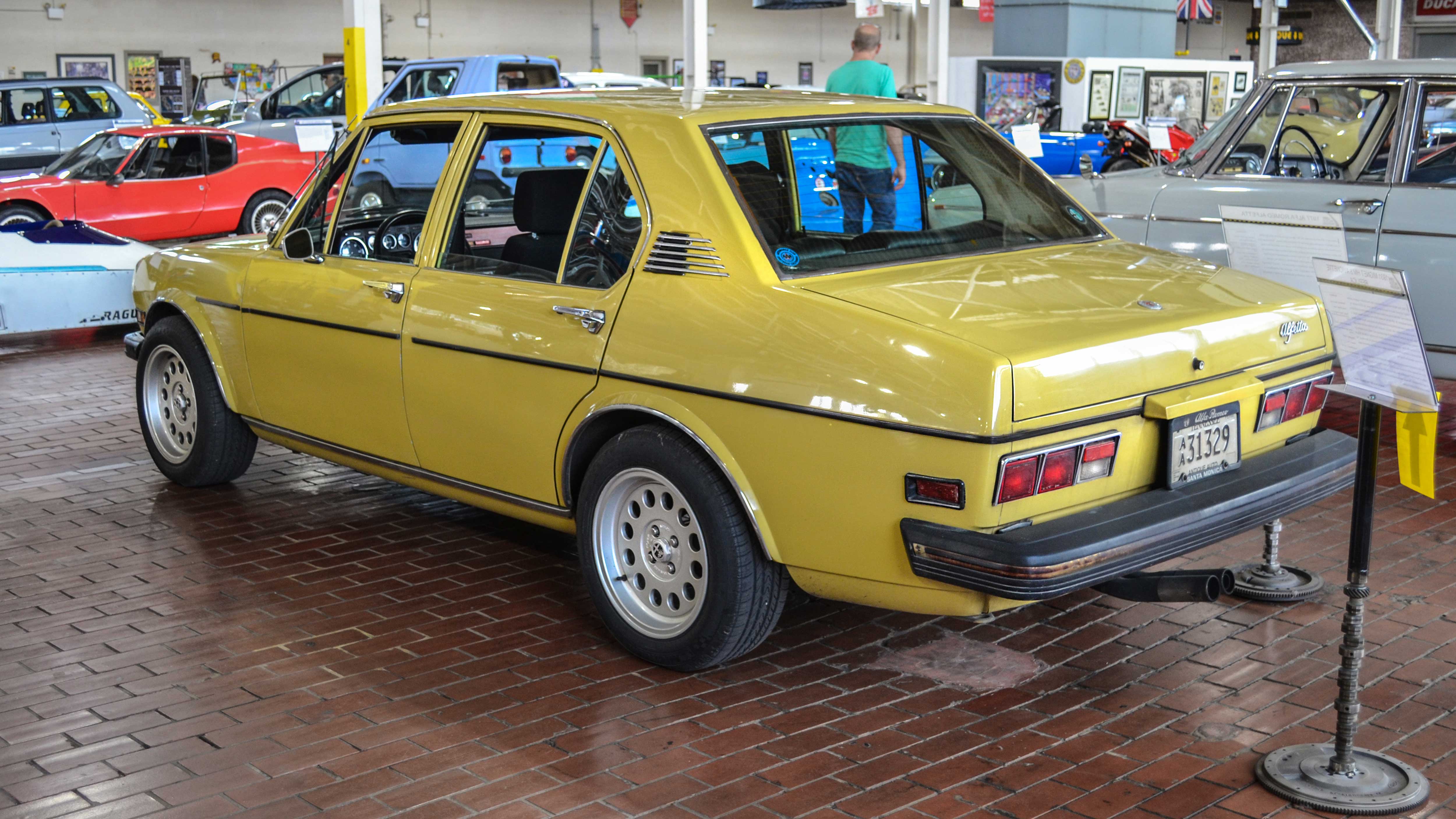
The Alfetta (1972–1987) introduced transaxle layout to Alfa’s mid-size sedans and coupes. As a result, its rear-mounted gearbox and 1.6 to 2.0 twin-cam engines delivered balanced weight distribution and sharp rear-wheel-drive handling.
Giulia Classic
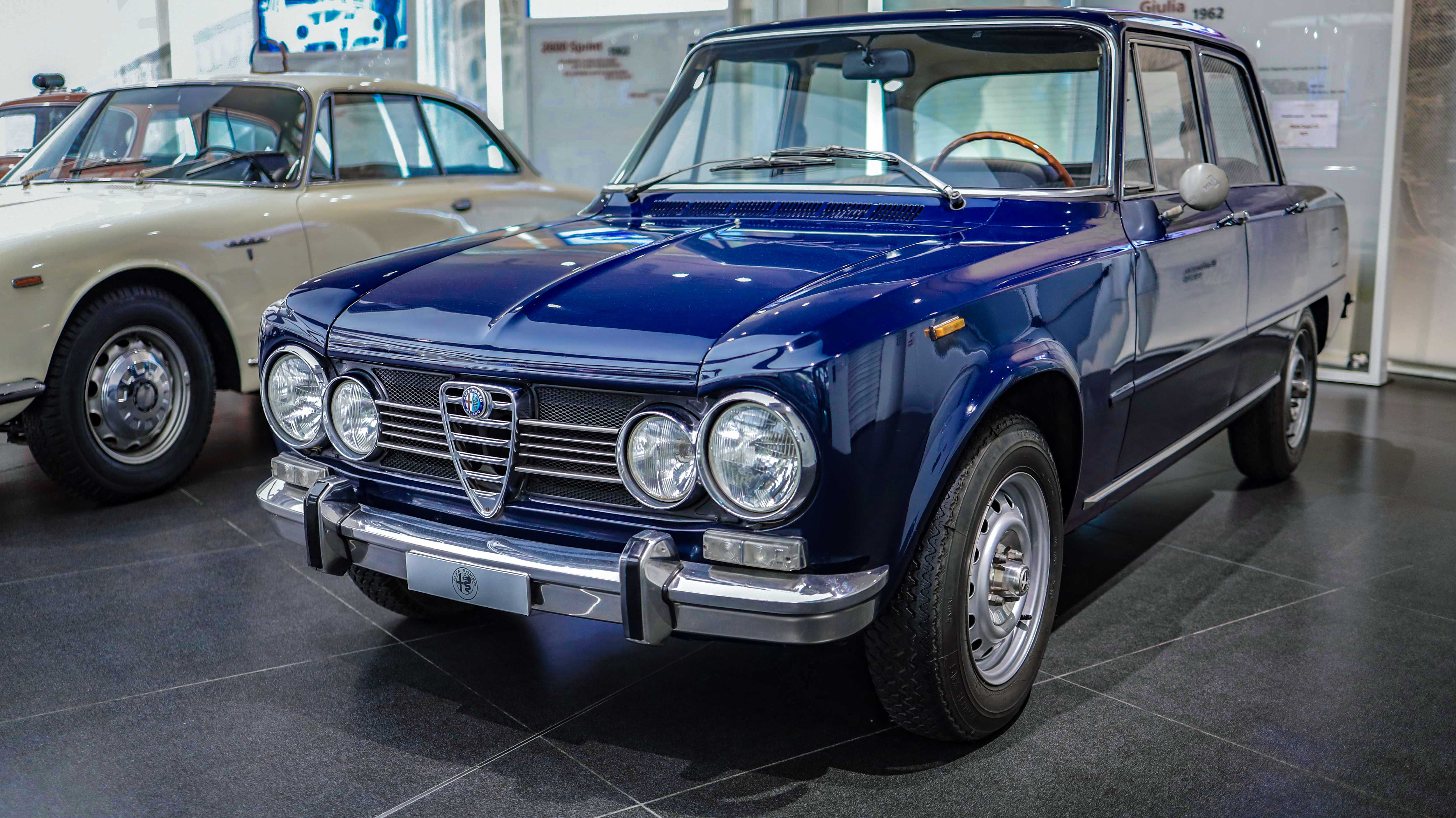
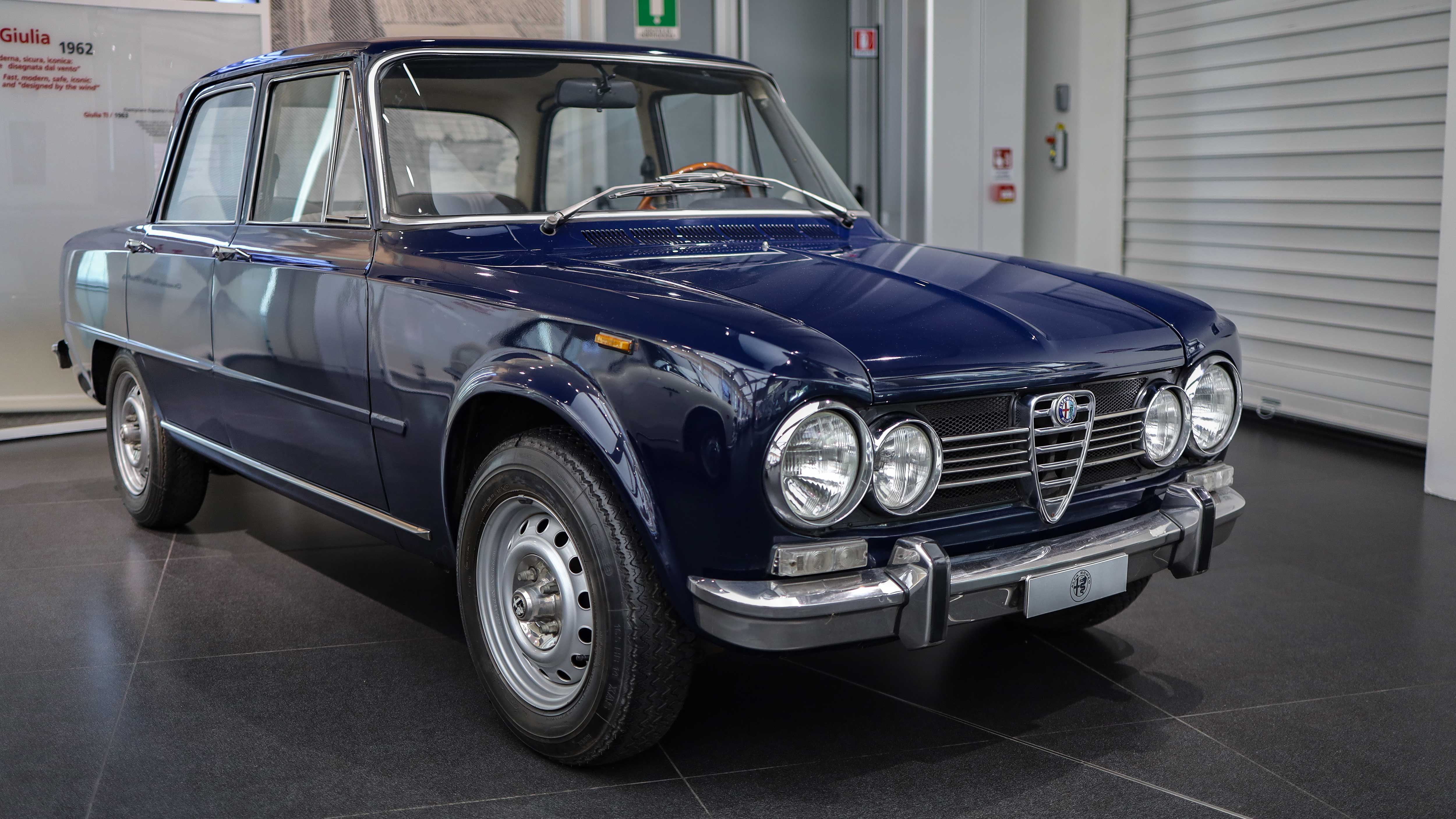
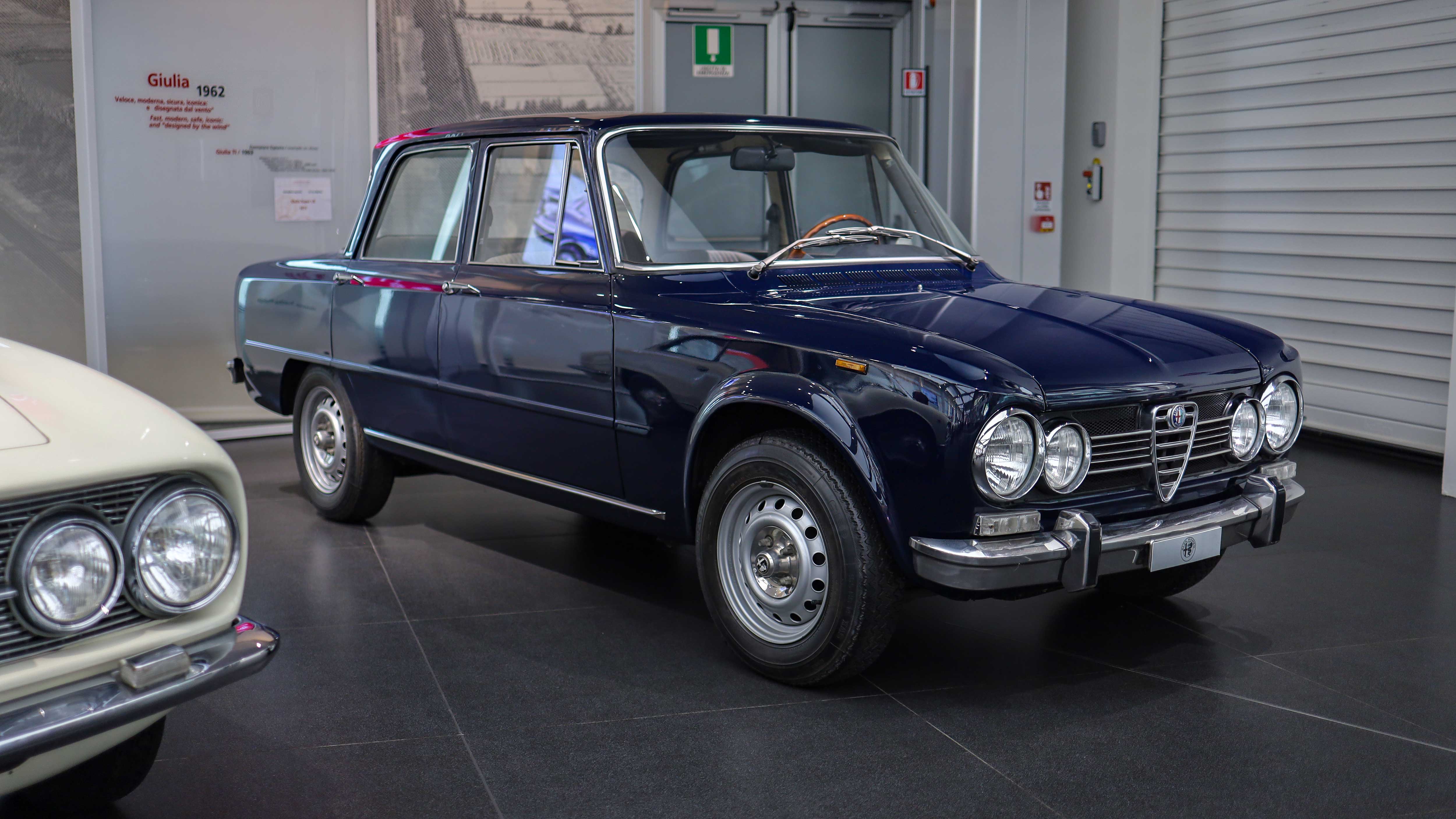
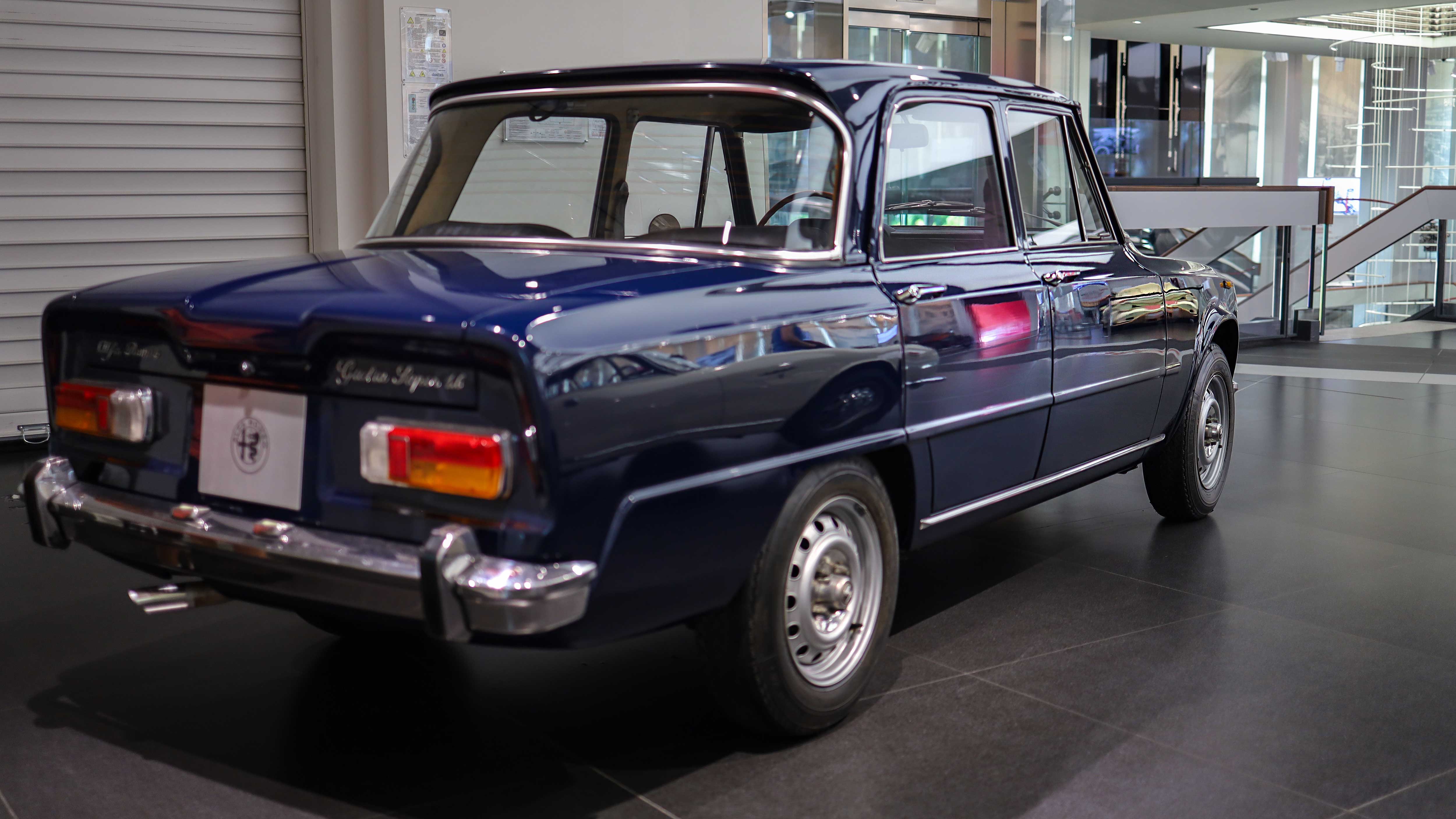
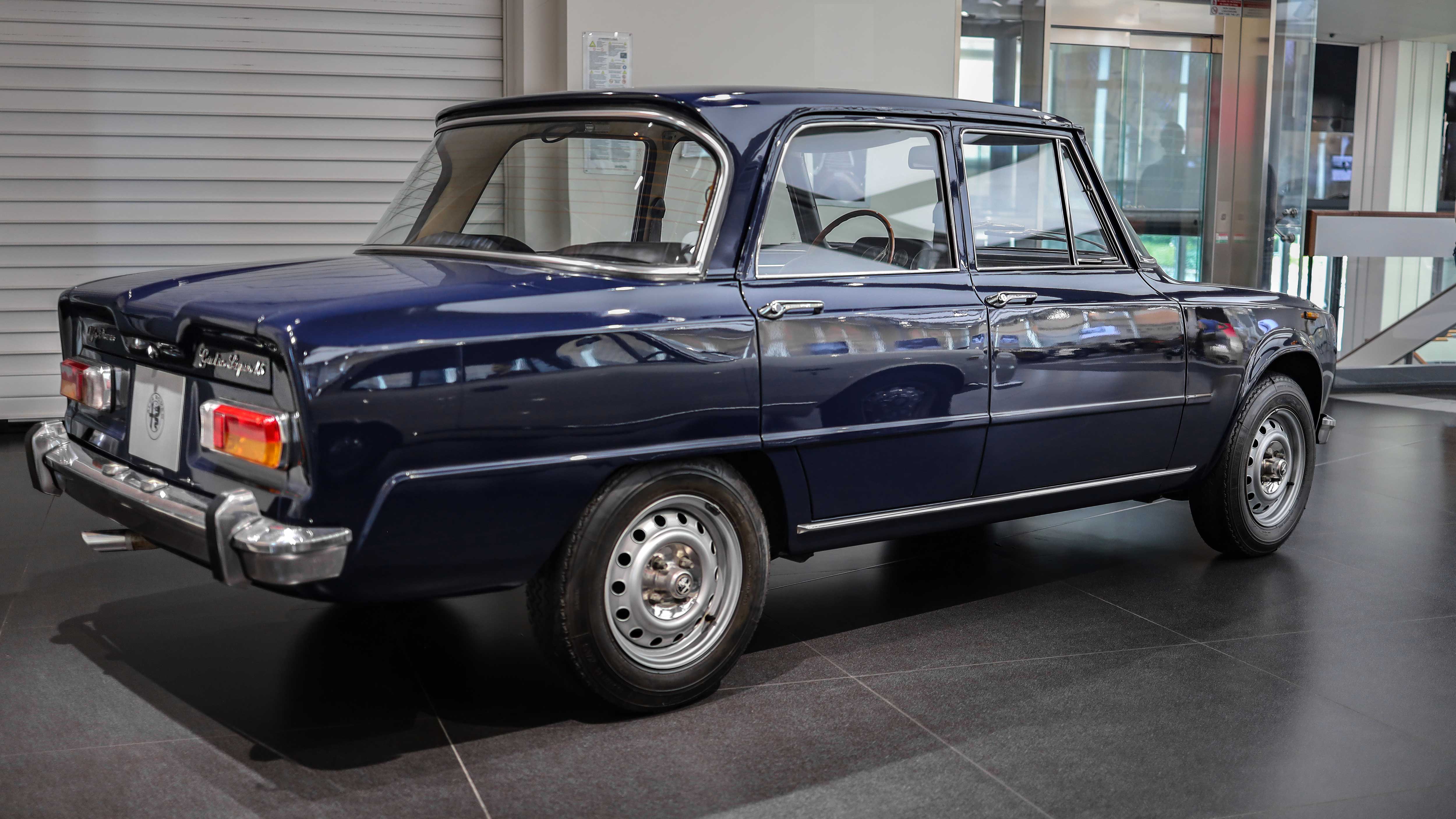
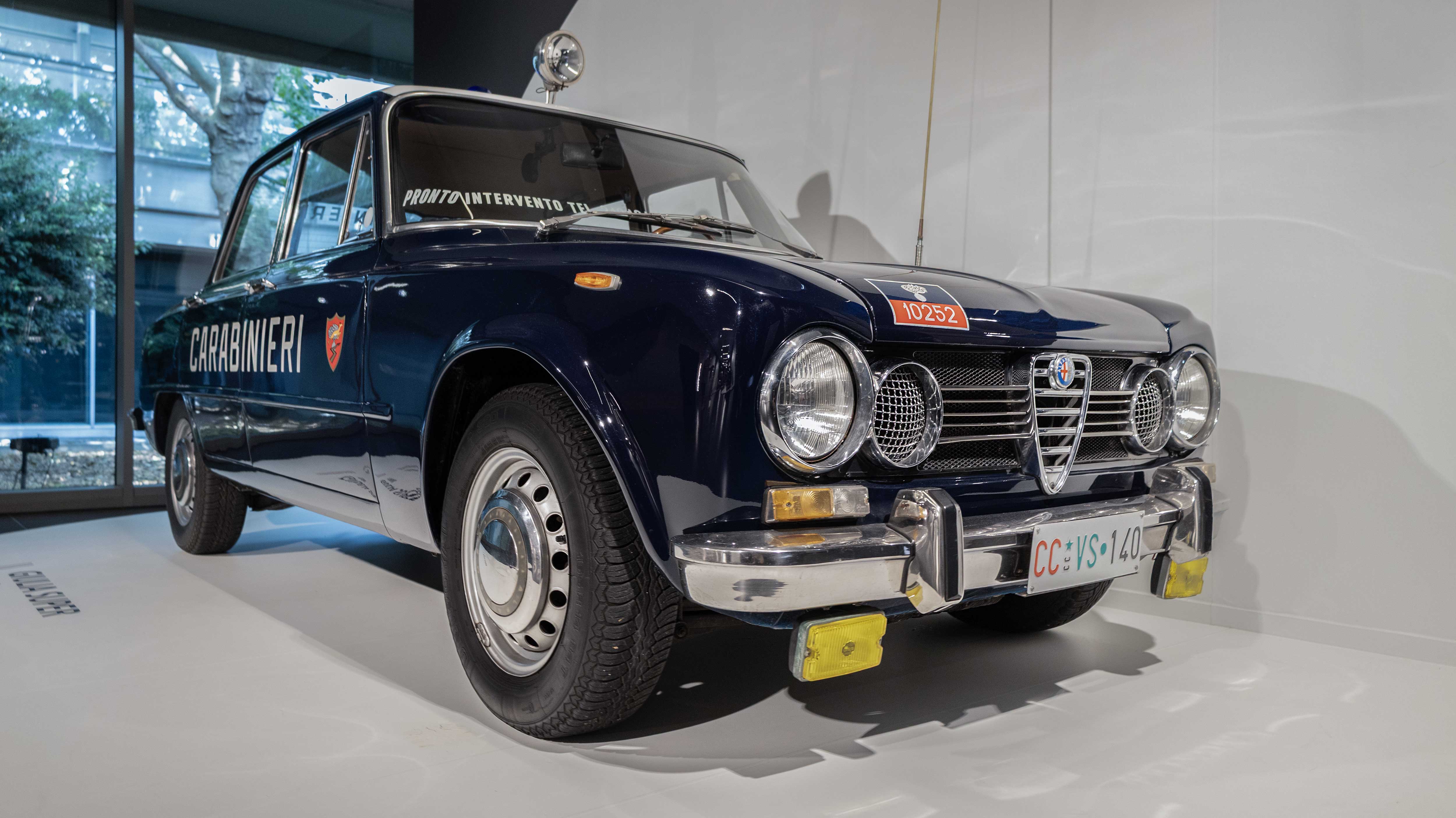
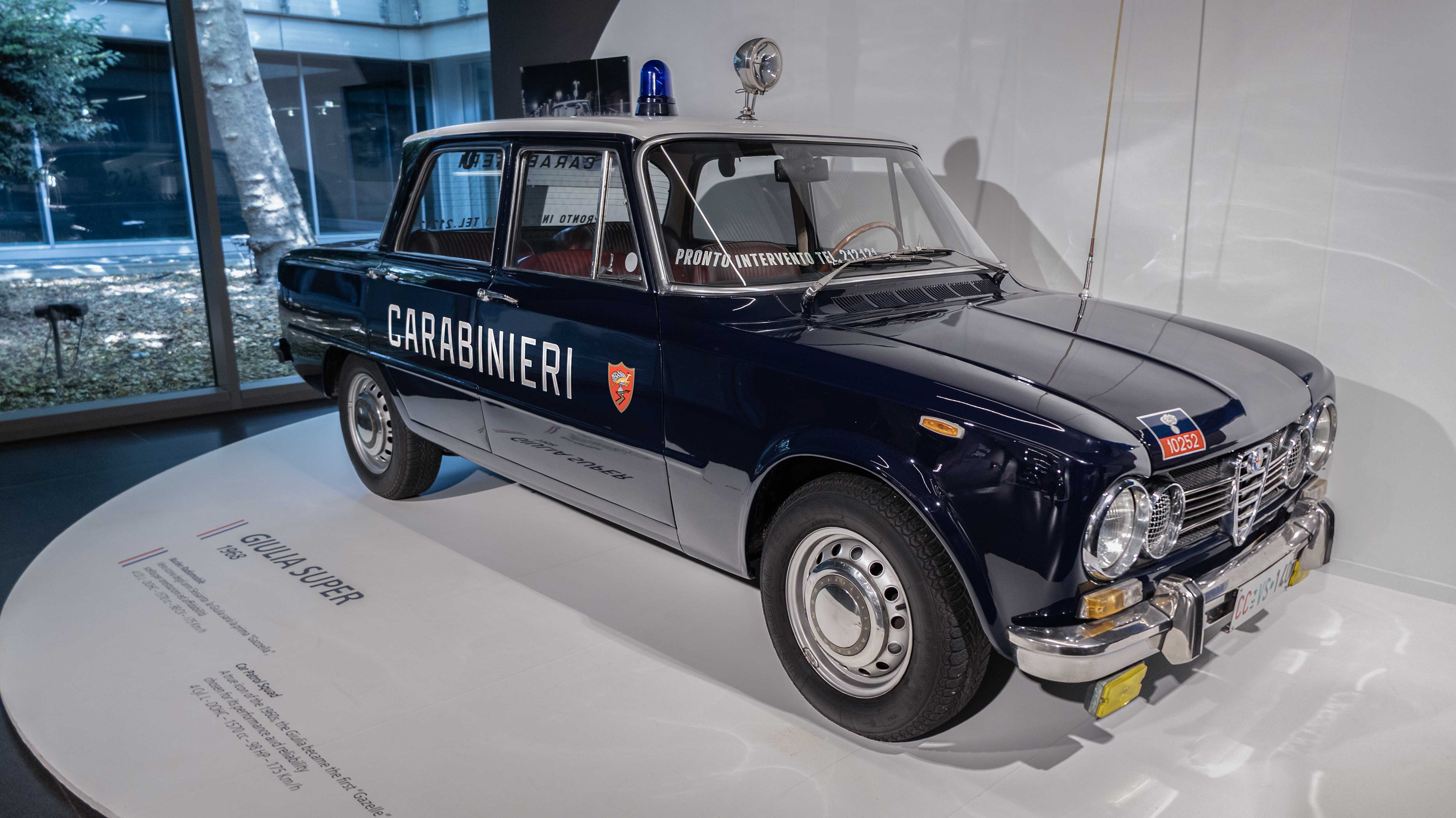
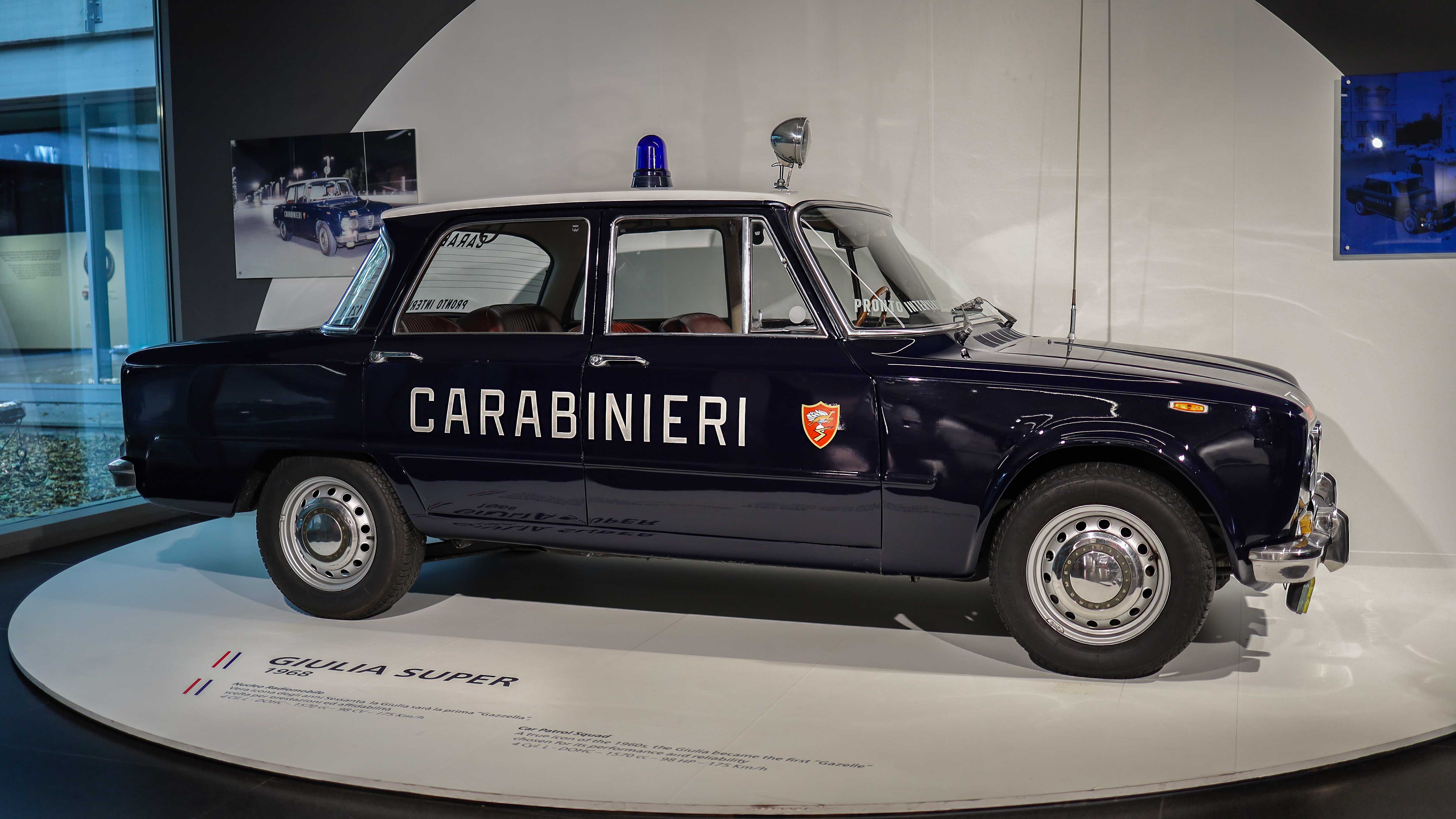
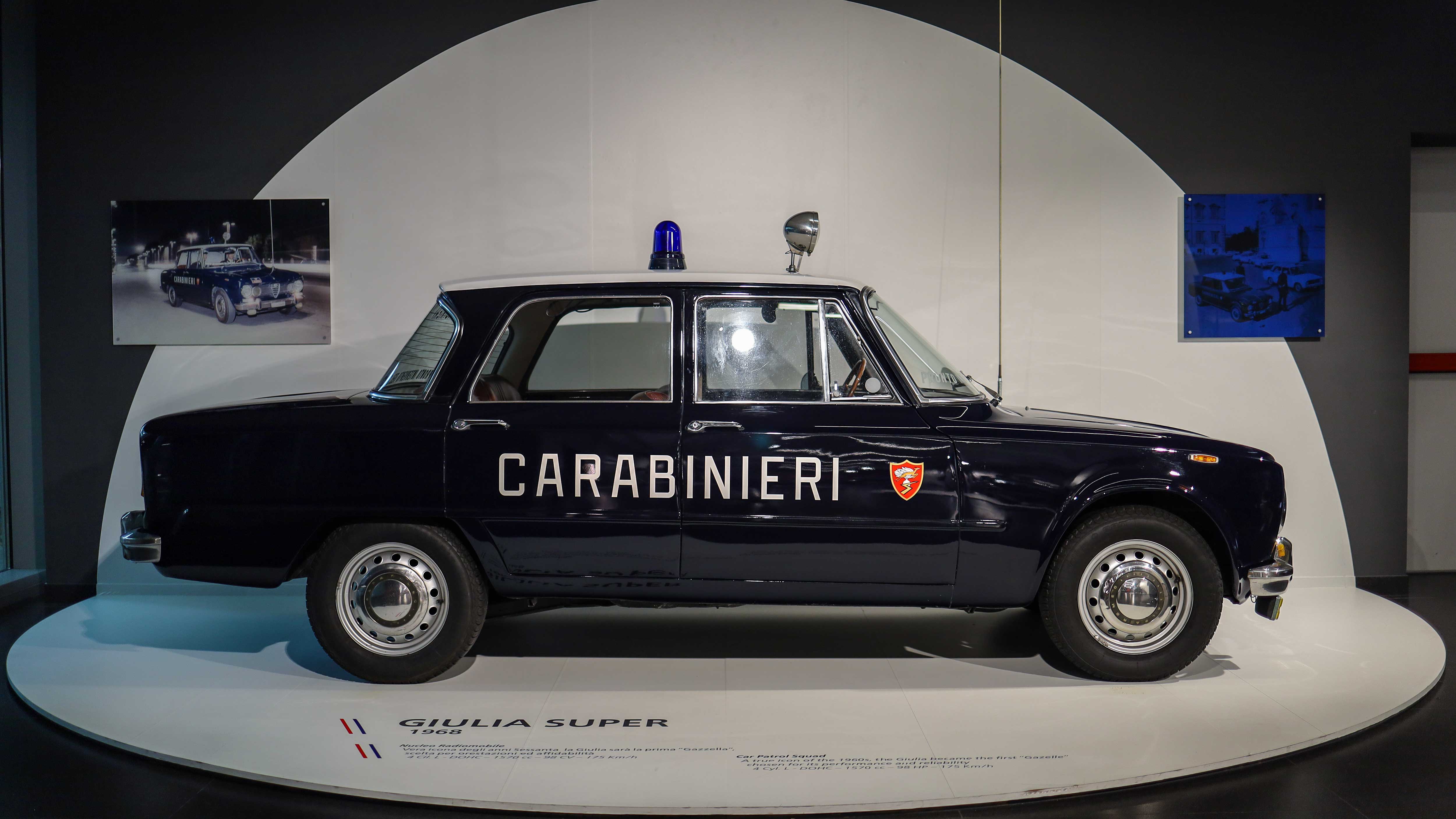
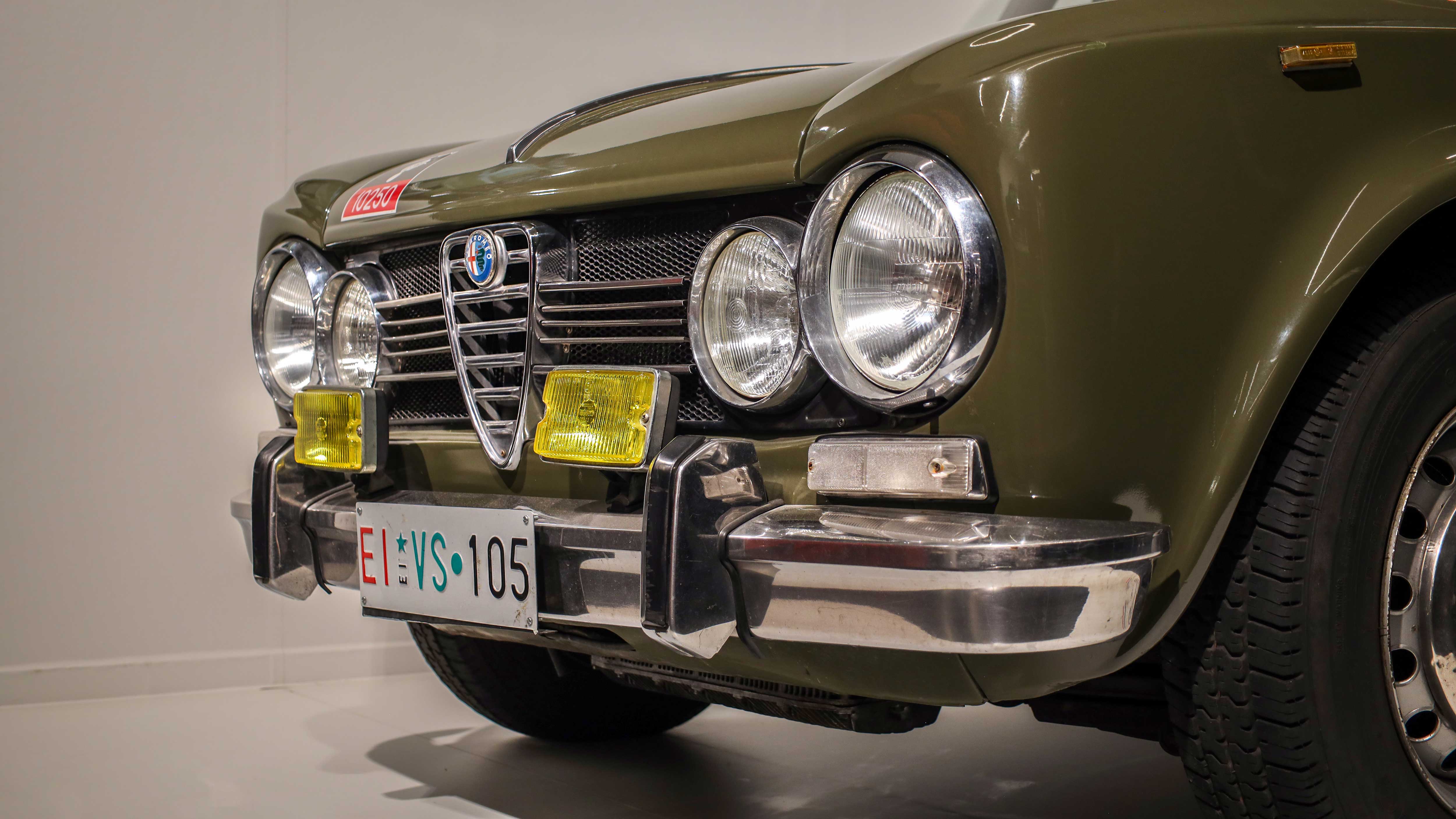
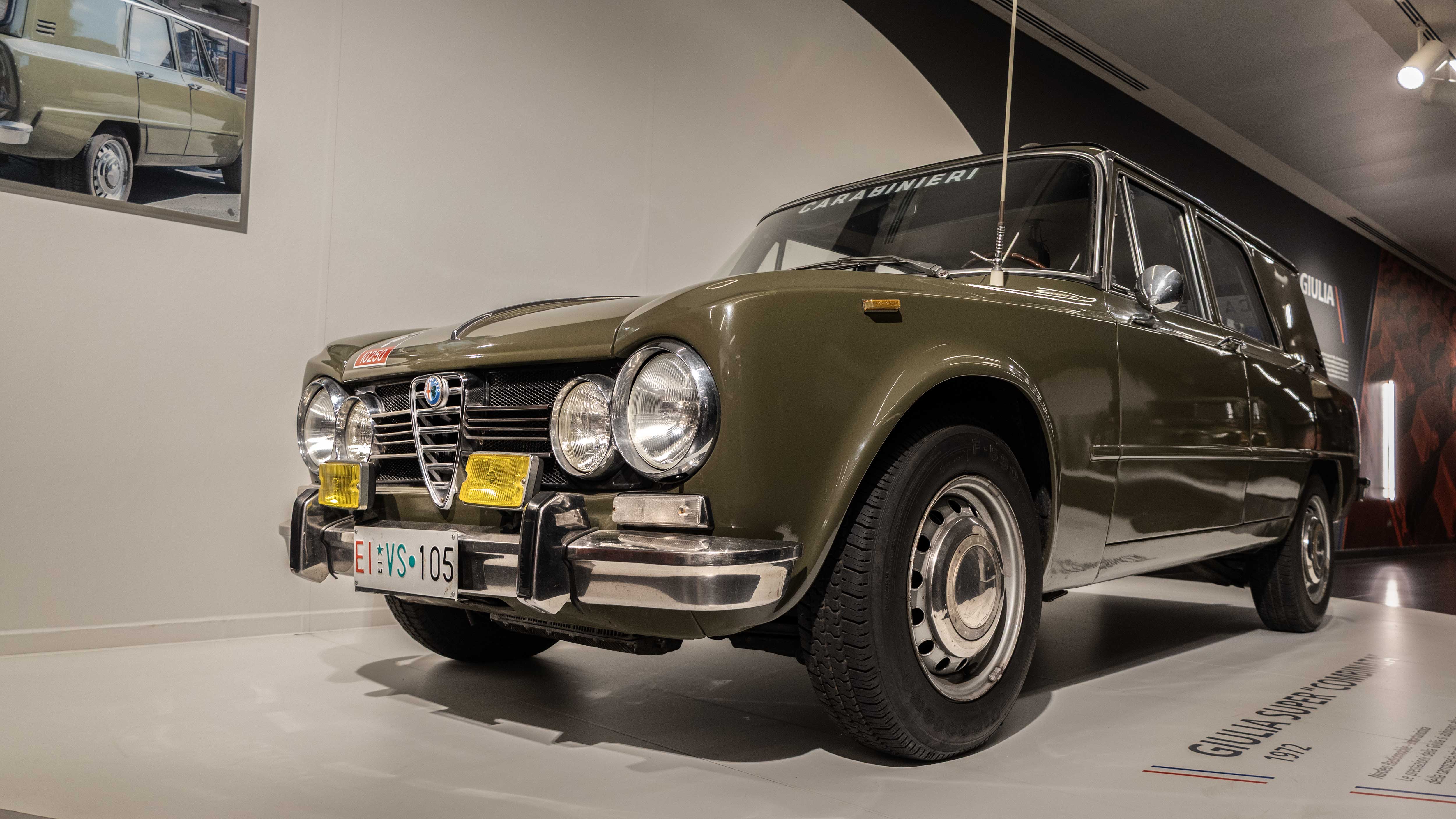
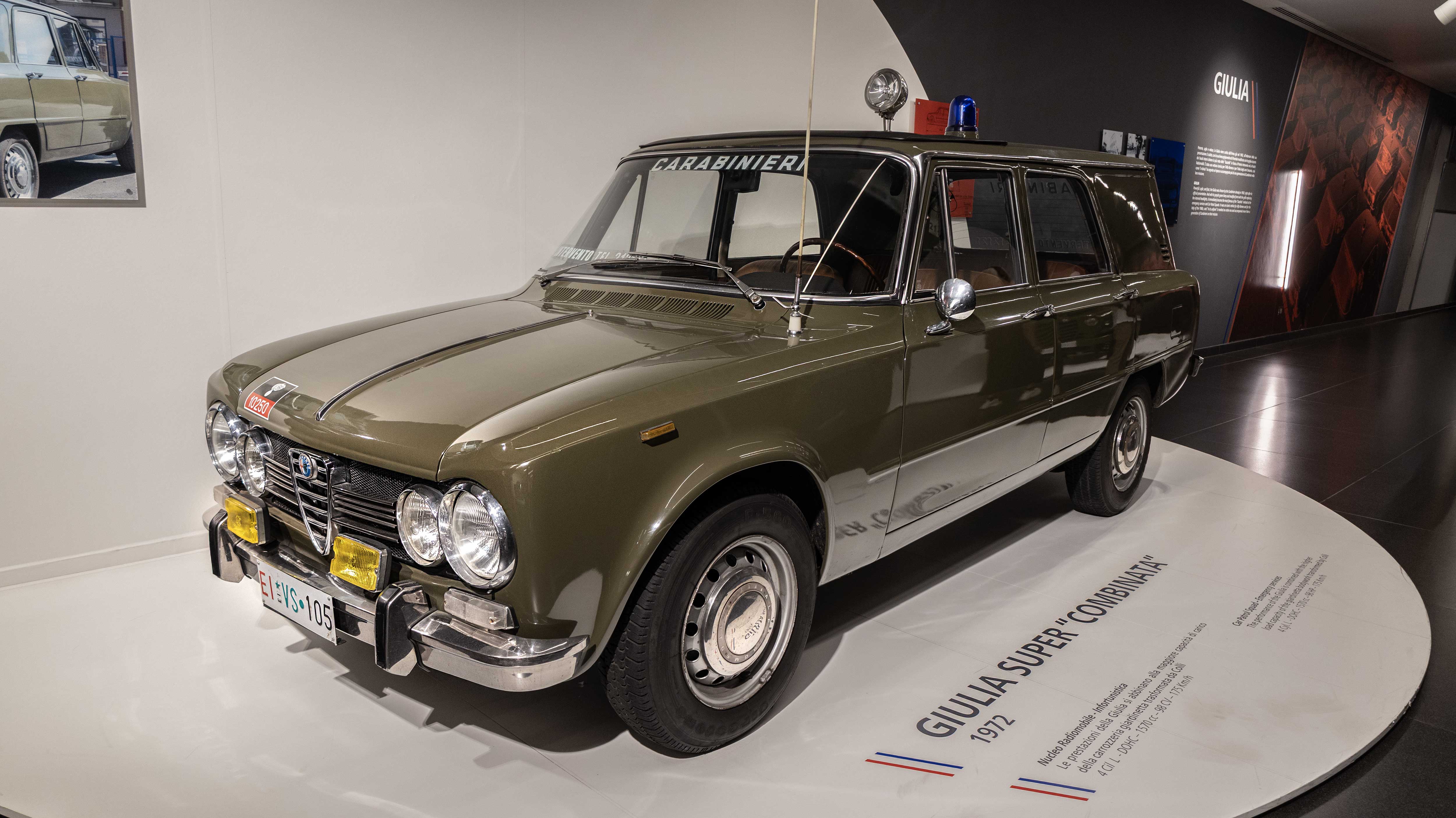
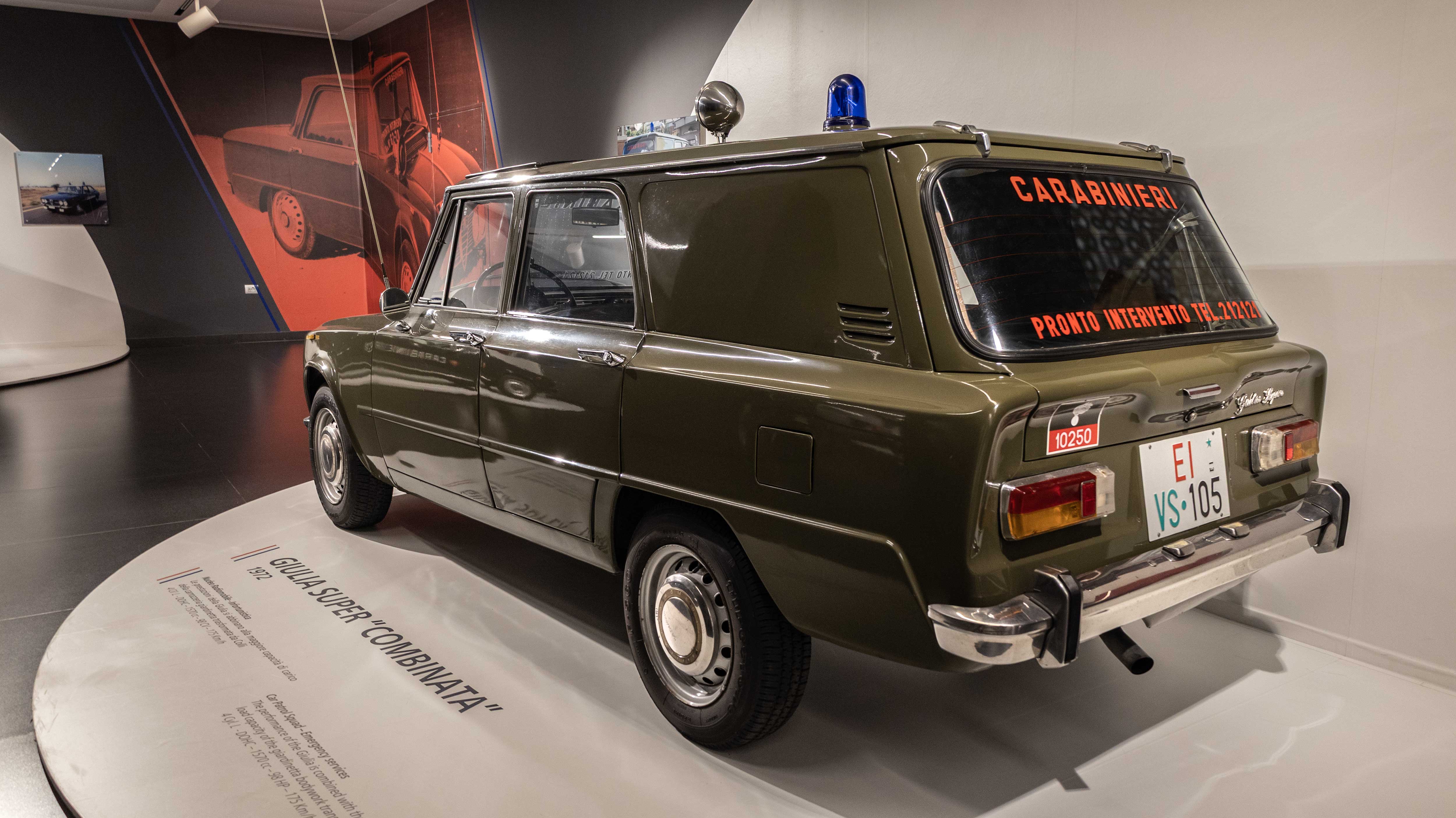
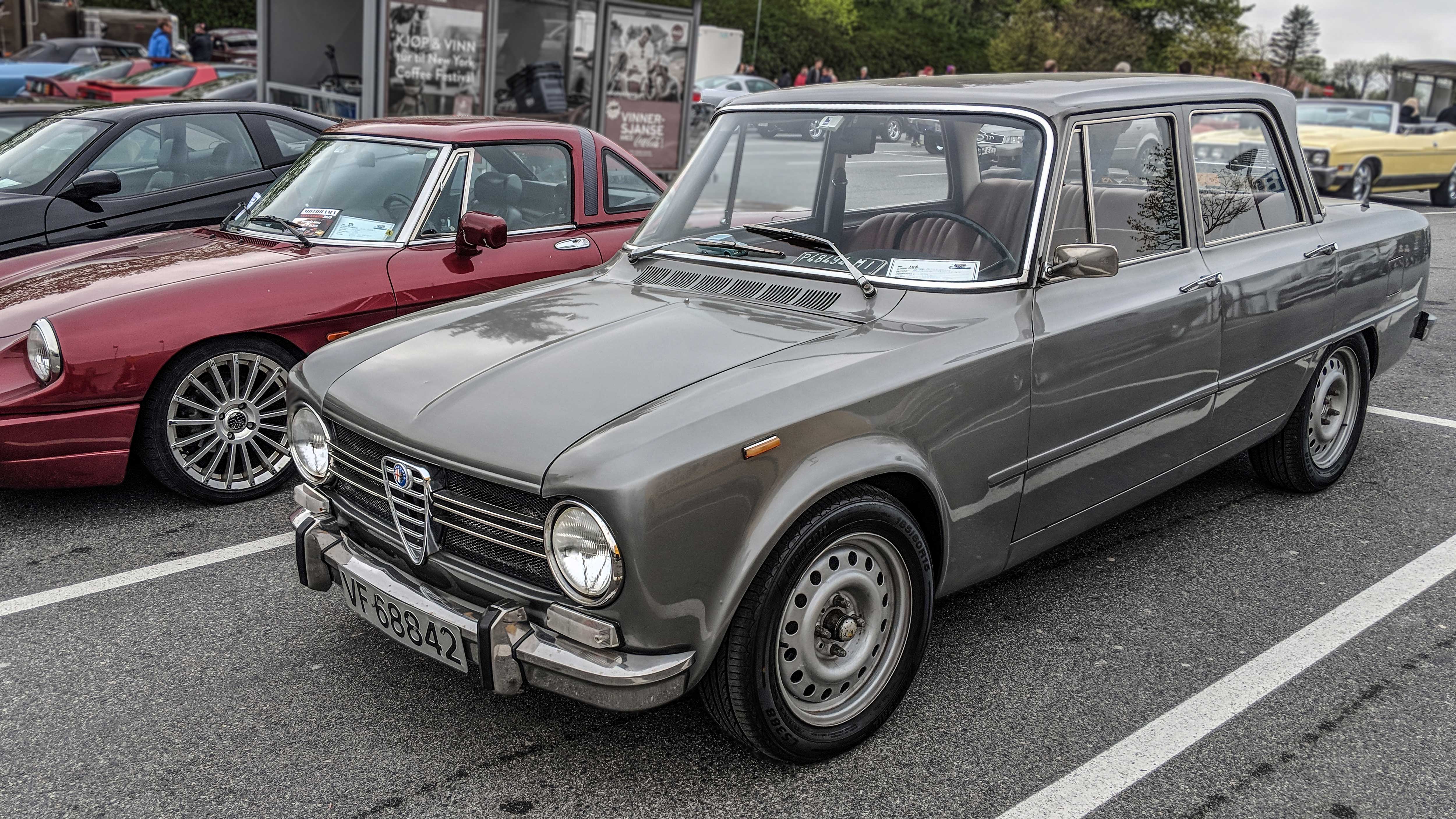
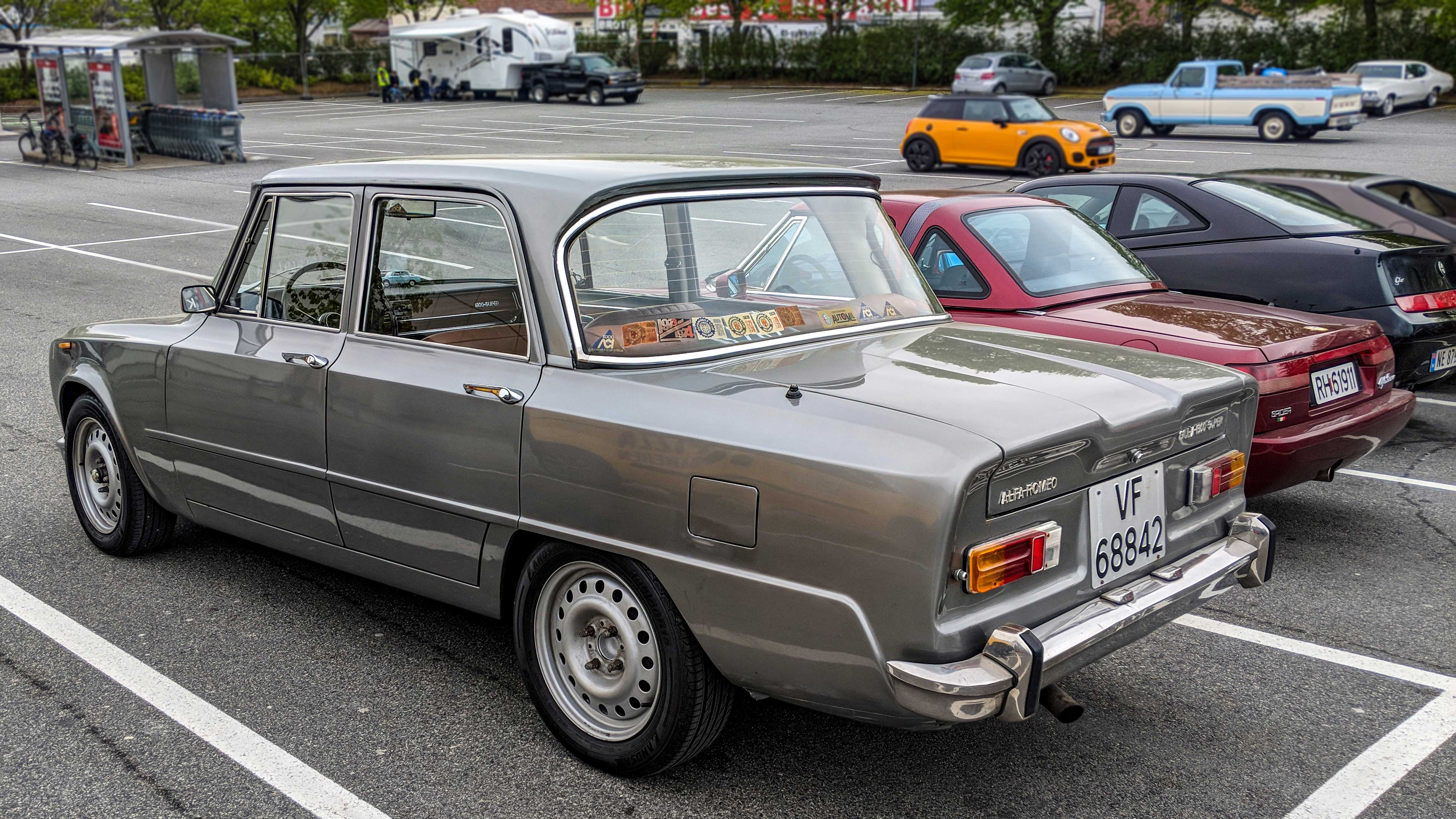
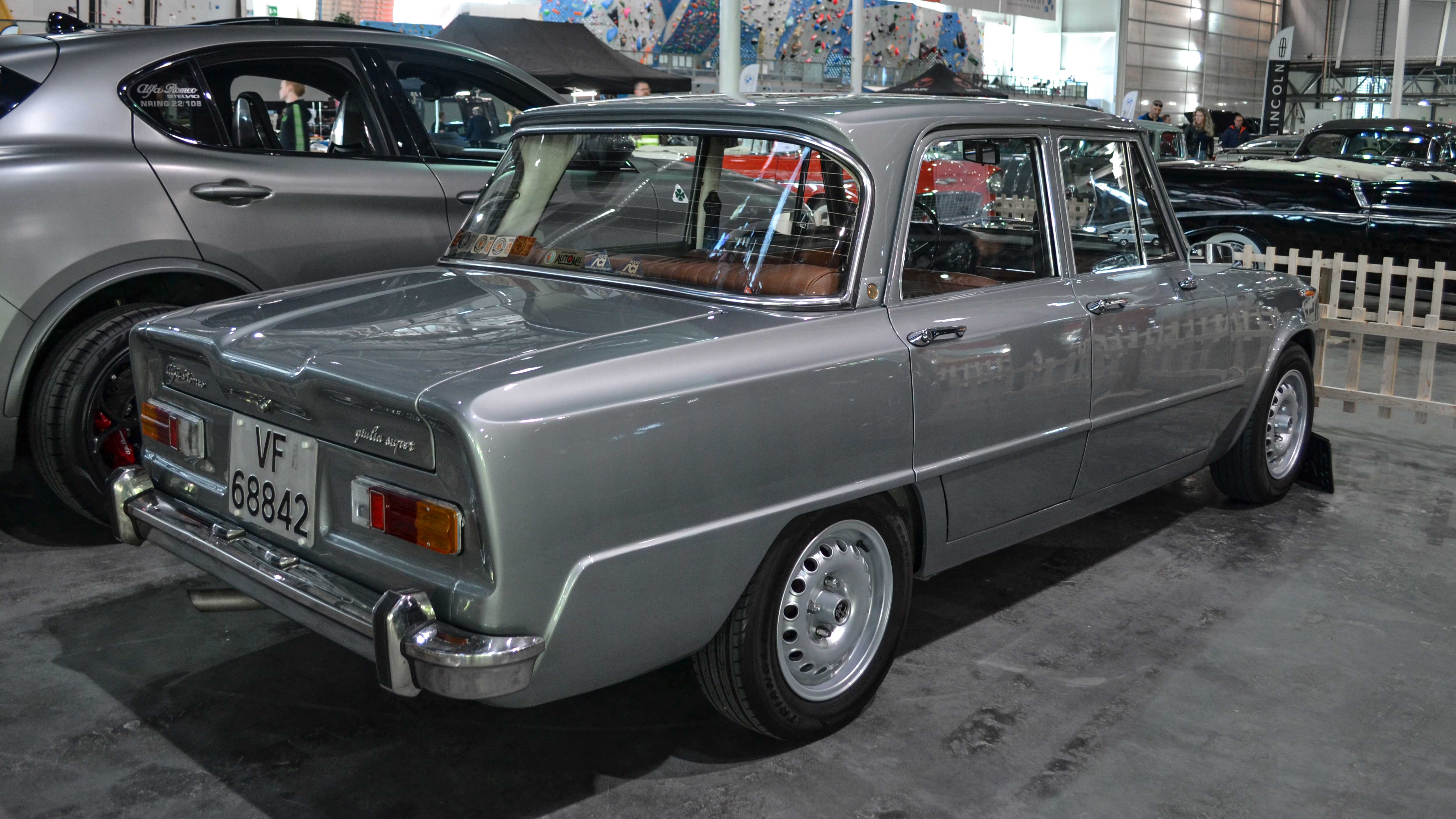
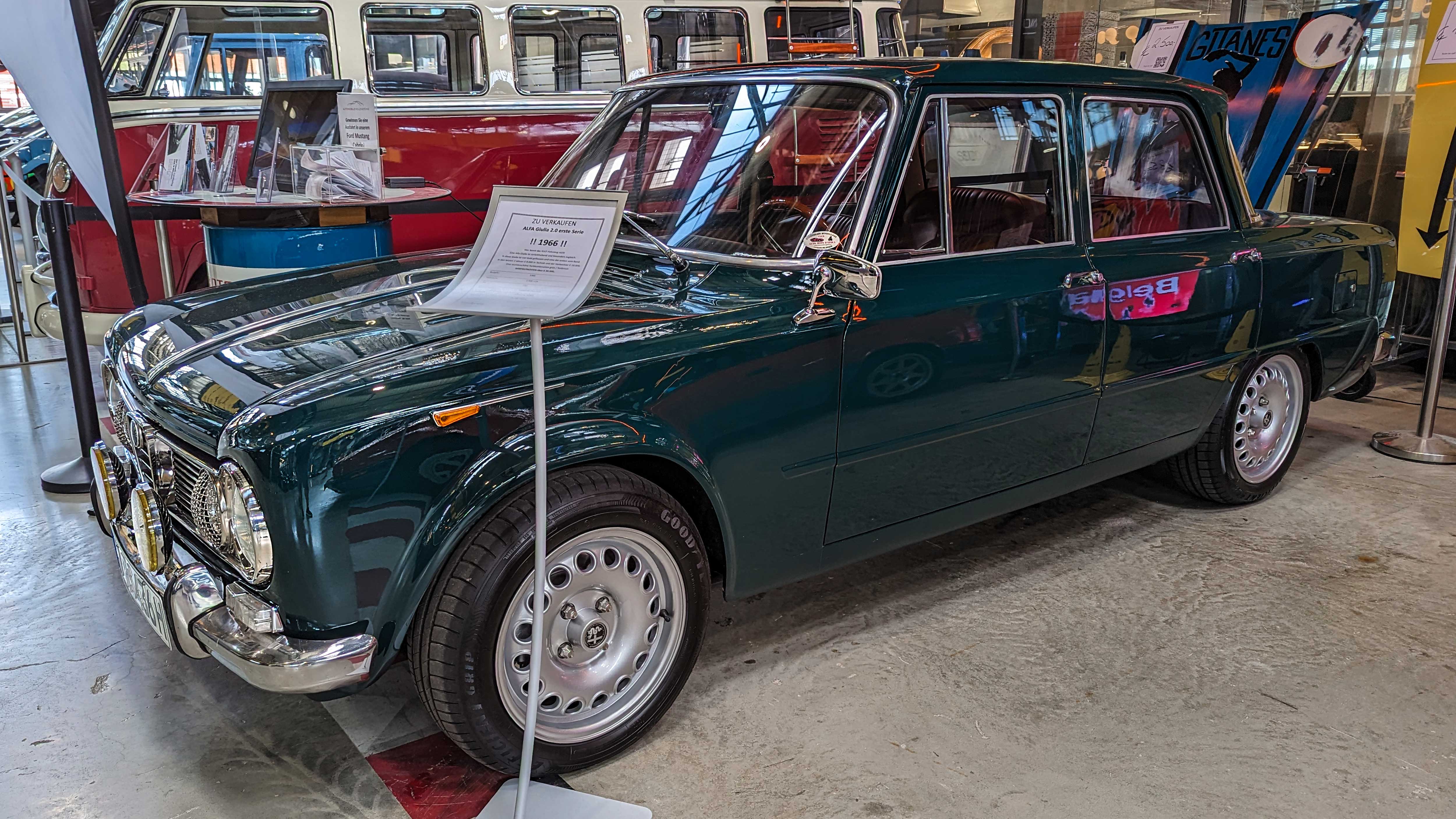
The Giulia (1962–1978) defined Alfa Romeo’s classic sports sedan era. As a result, its lightweight body and 1.3 to 2.0 twin-cam engines up to about 132 hp delivered sharp handling, rear-wheel drive balance, and strong motorsport links.
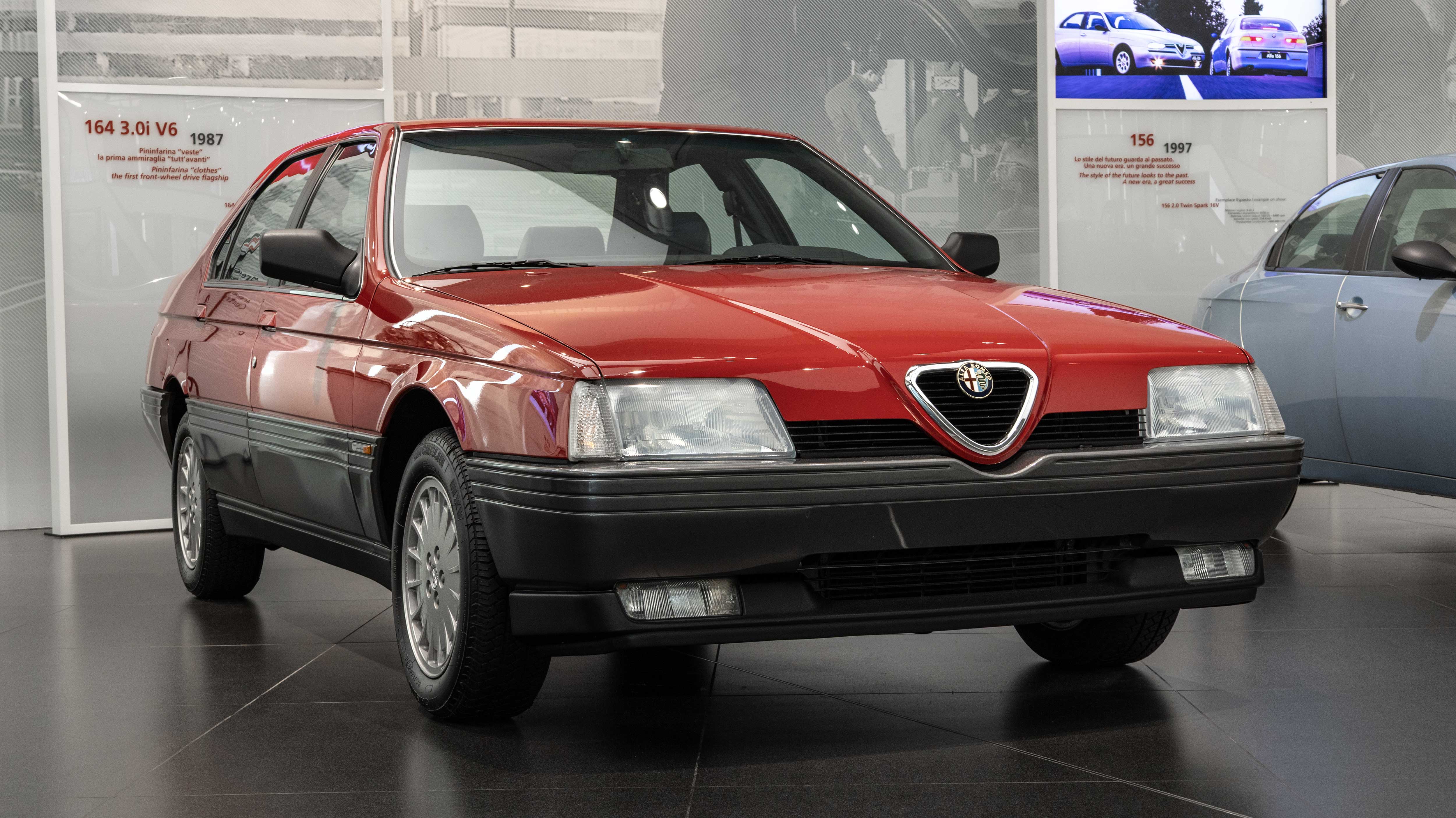
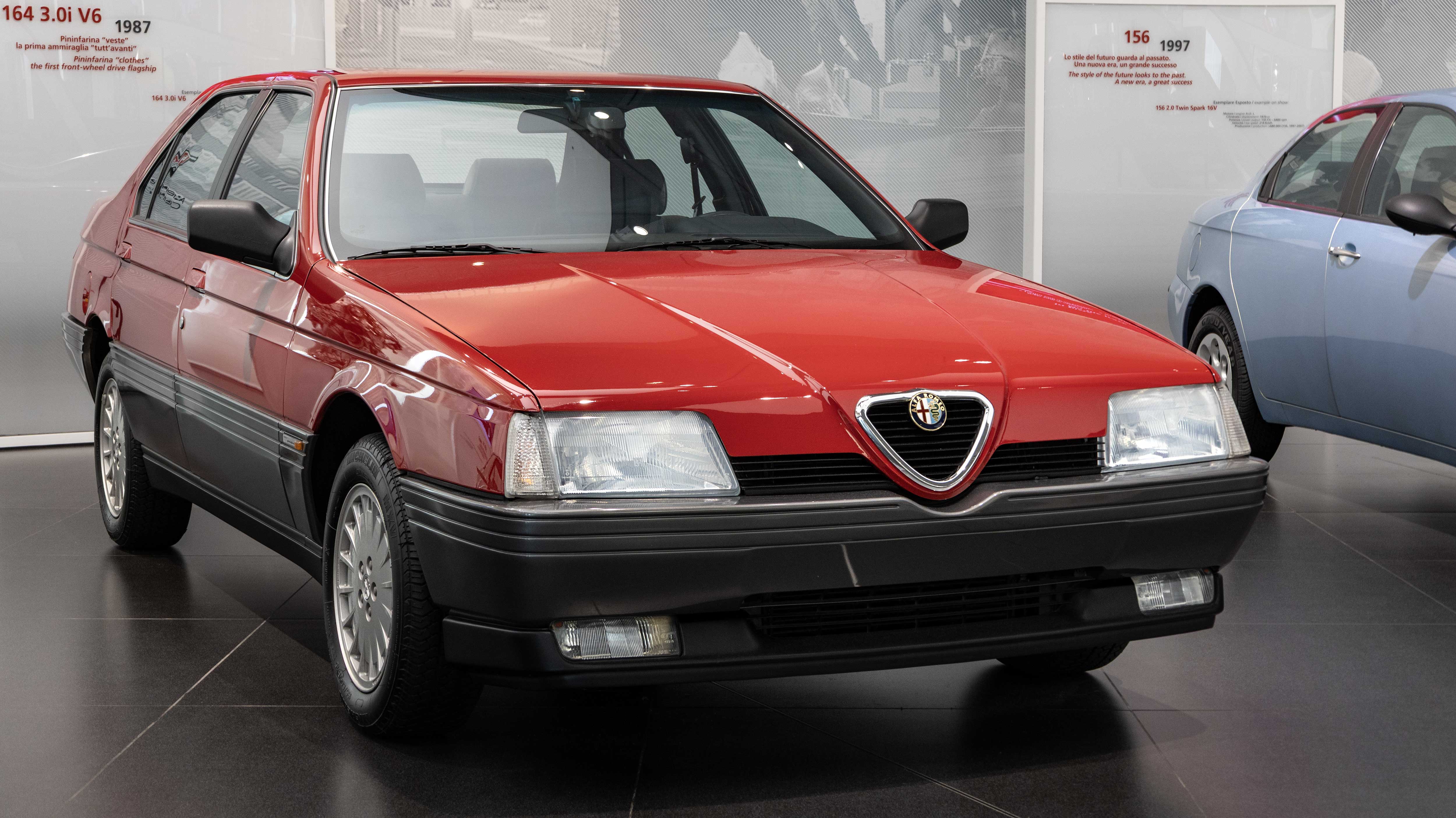
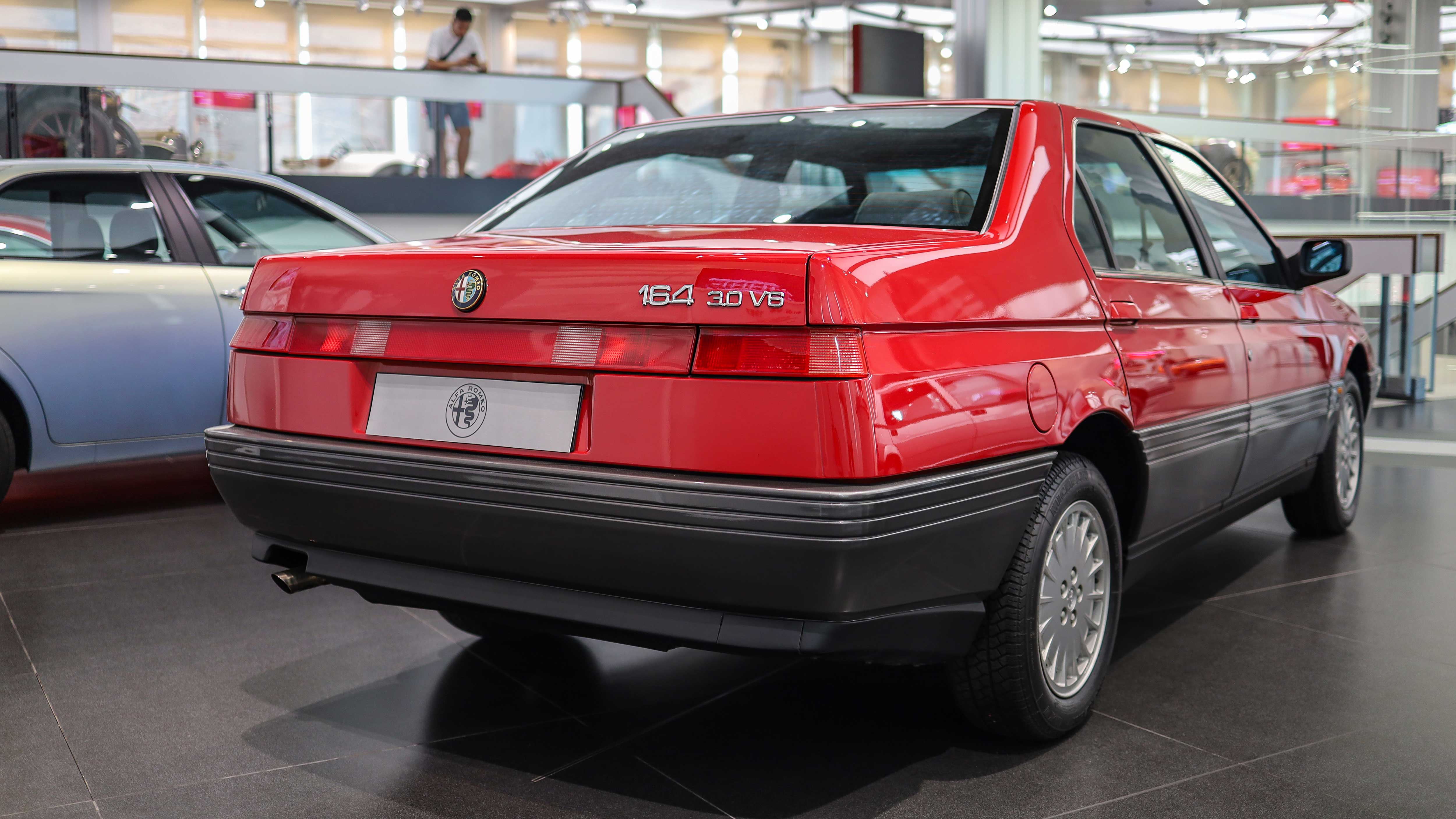
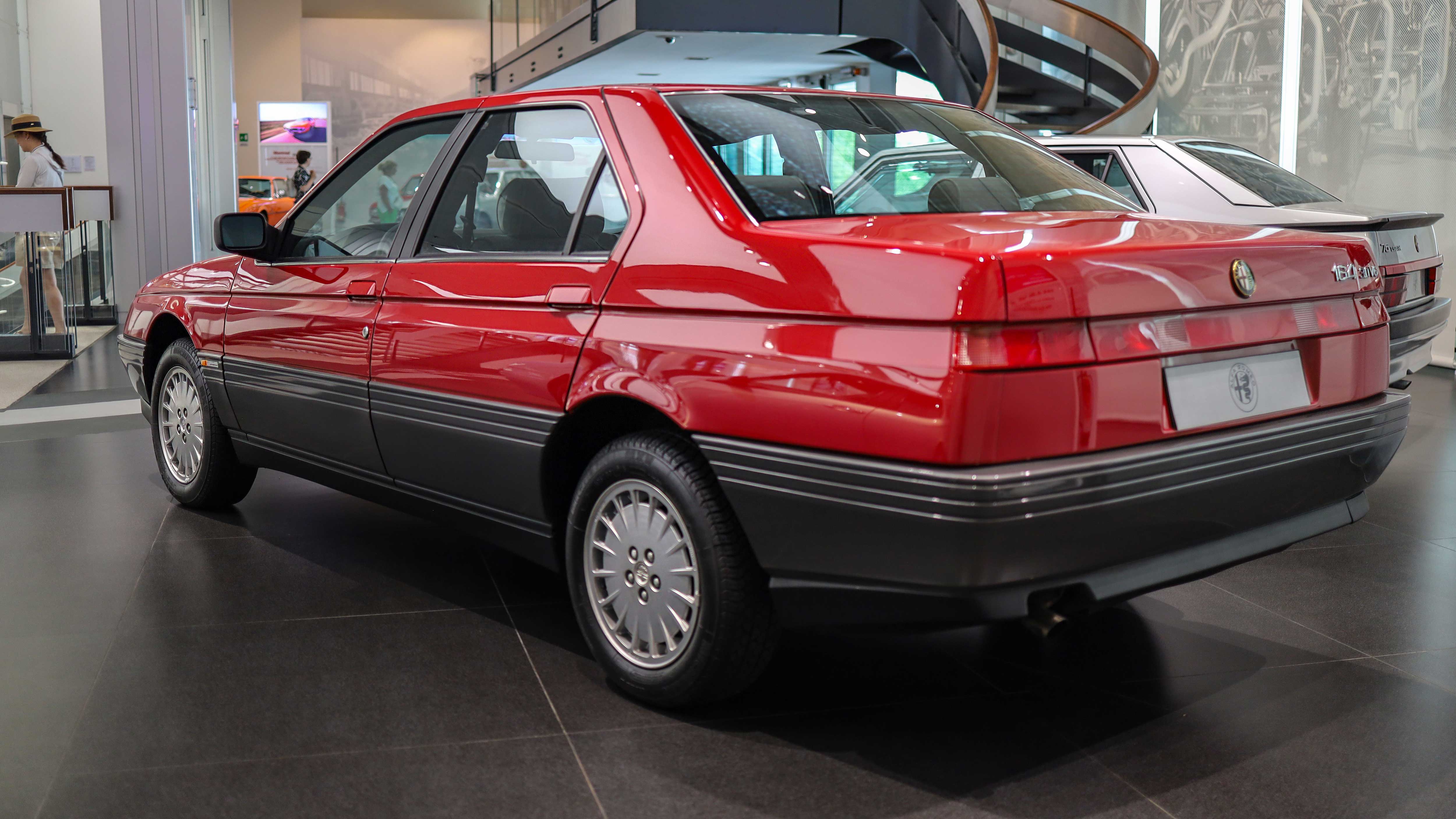
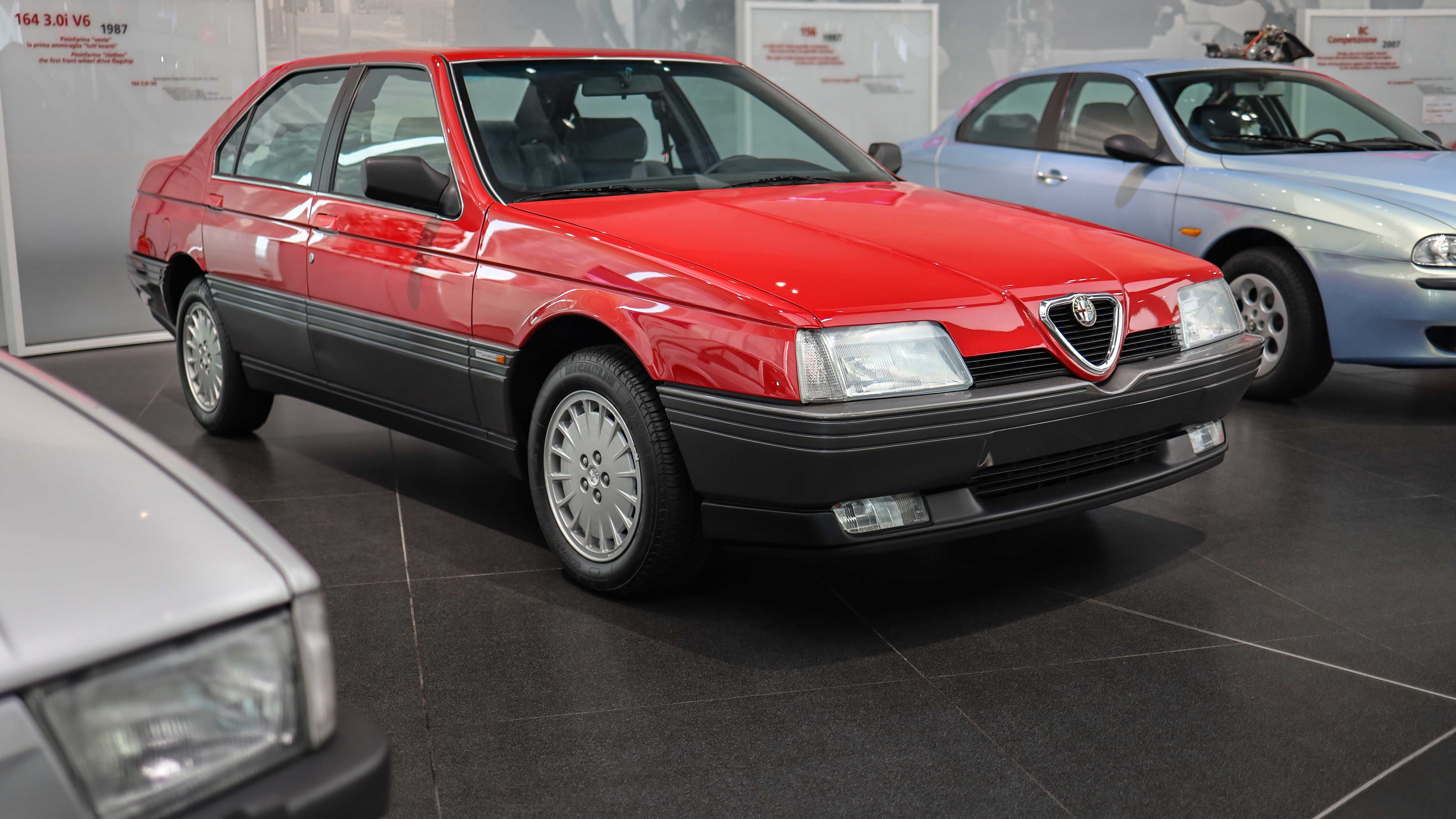
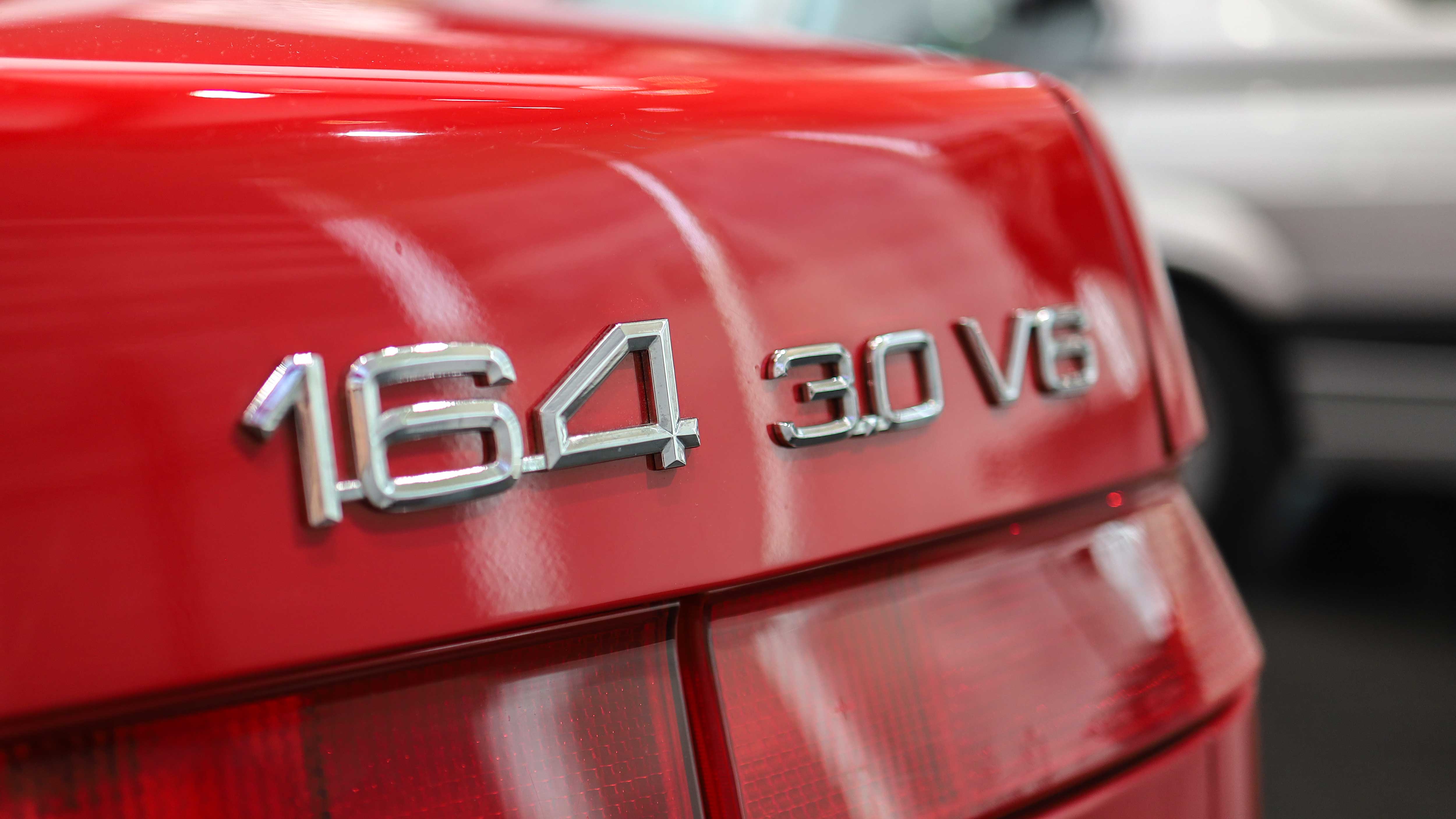
164
The 164 (1987–1998) served as Alfa Romeo’s executive sedan with front-wheel drive and Pininfarina design. As a result, engines from the 2.0 Twin Spark to the 3.0 V6 up to about 230 hp delivered strong performance with refined comfort.
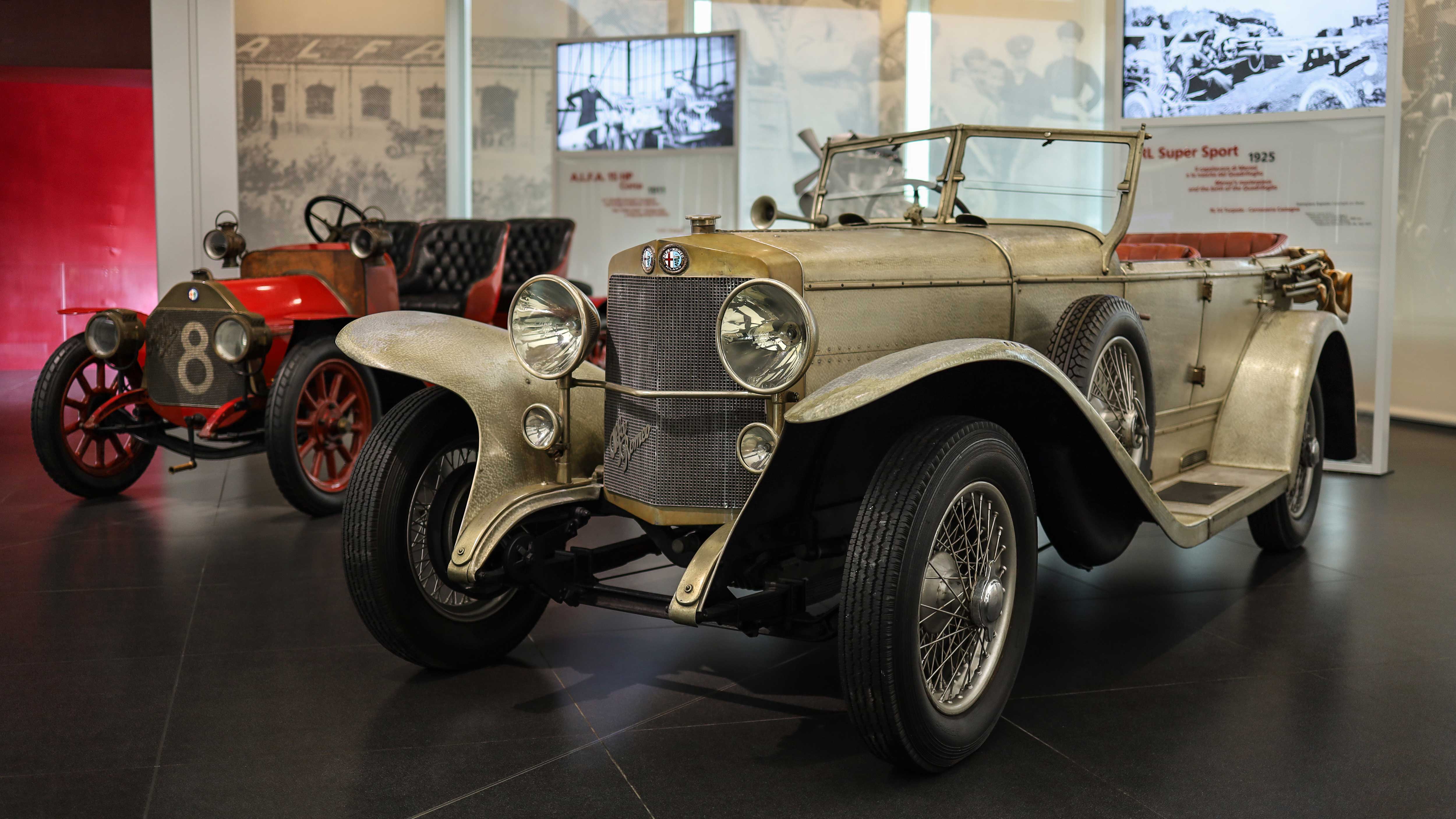
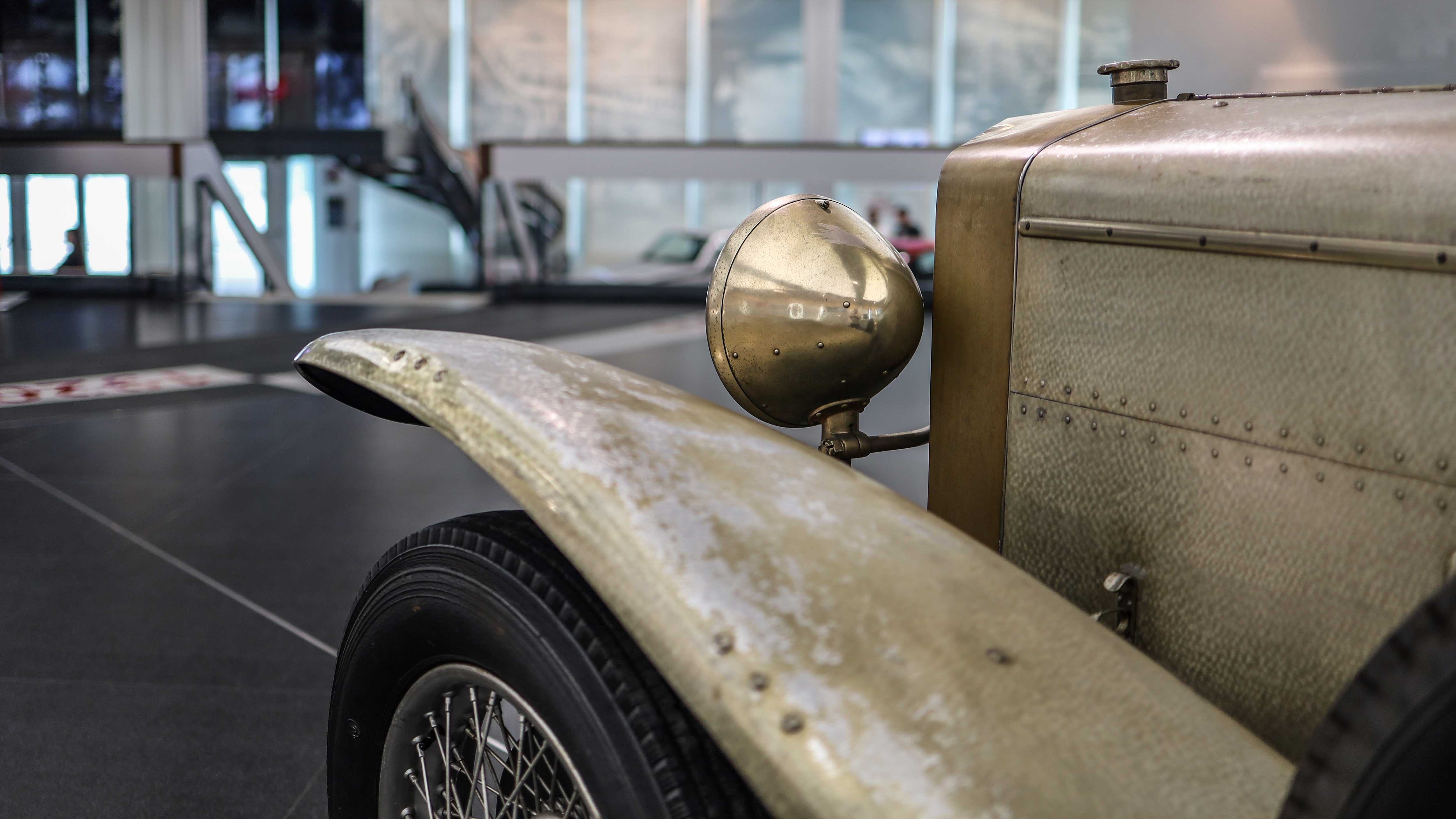
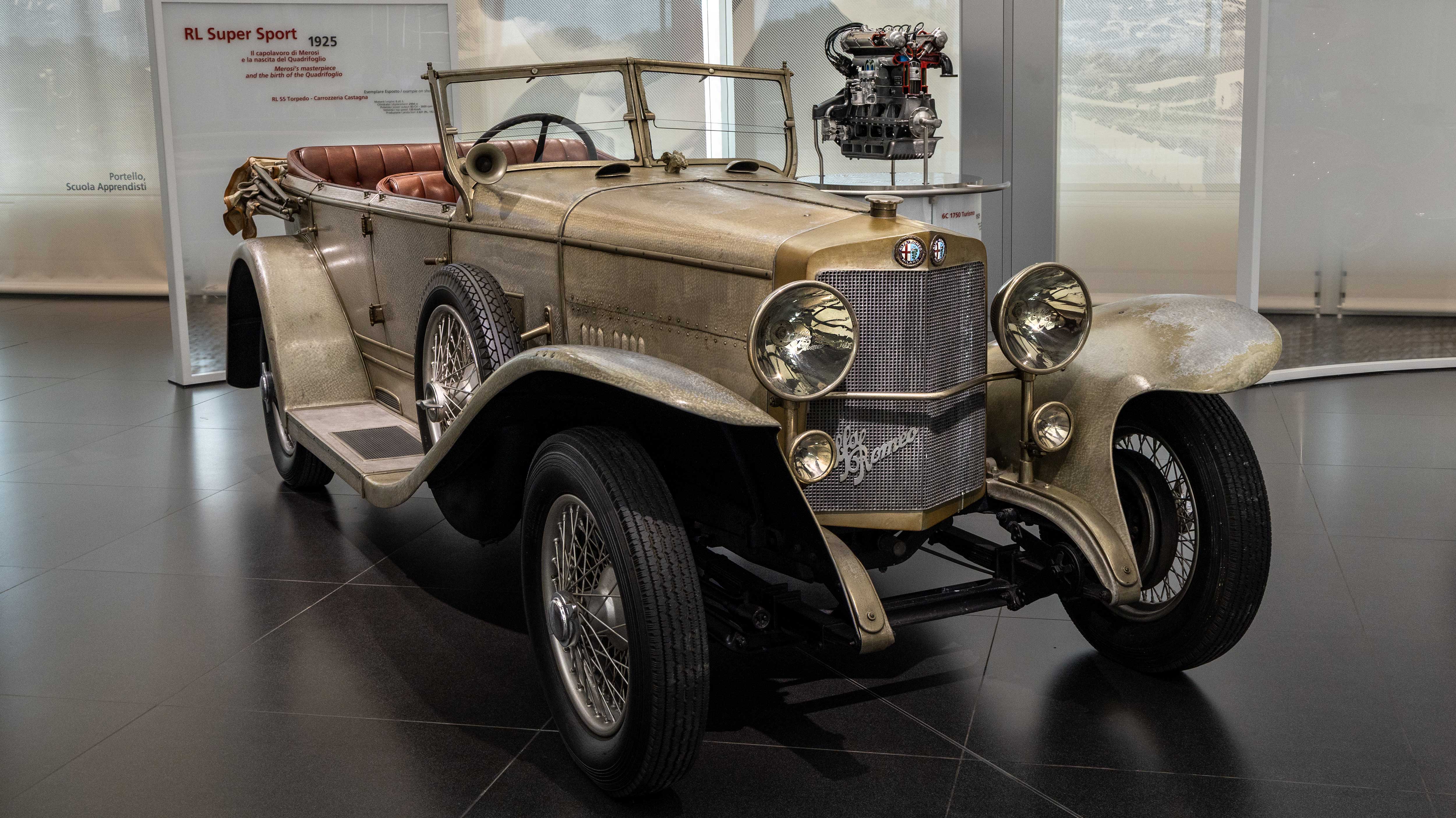
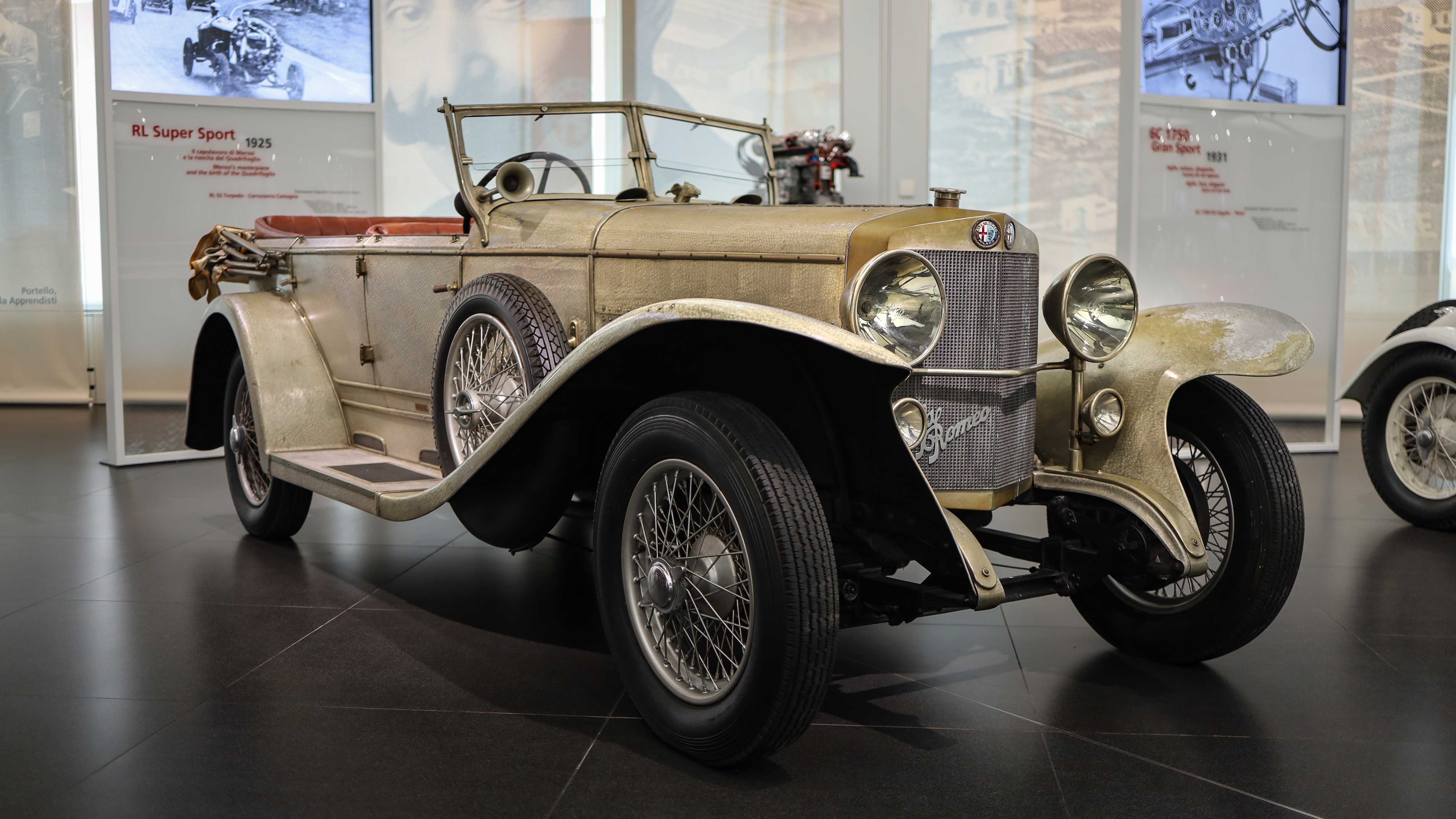
RL Super Sport
The RL Super Sport (1925–1927) represented Alfa Romeo’s early move into high-performance road and race cars. As a result, its 3.0 inline-six delivered about 85 hp, pairing low weight with strong competition success in endurance events.
Visit official homepage for more
Car Spottings Ferrari
Shmee150 (Youtube) at Alfa Romeo Museum Milan