Citroen (1919–today) built its identity around comfort, innovation, and unconventional design. As a result, models like Traction Avant, DS, CX, and modern C-series cars introduced front-wheel drive, hydropneumatic suspension, and bold styling to mass production.
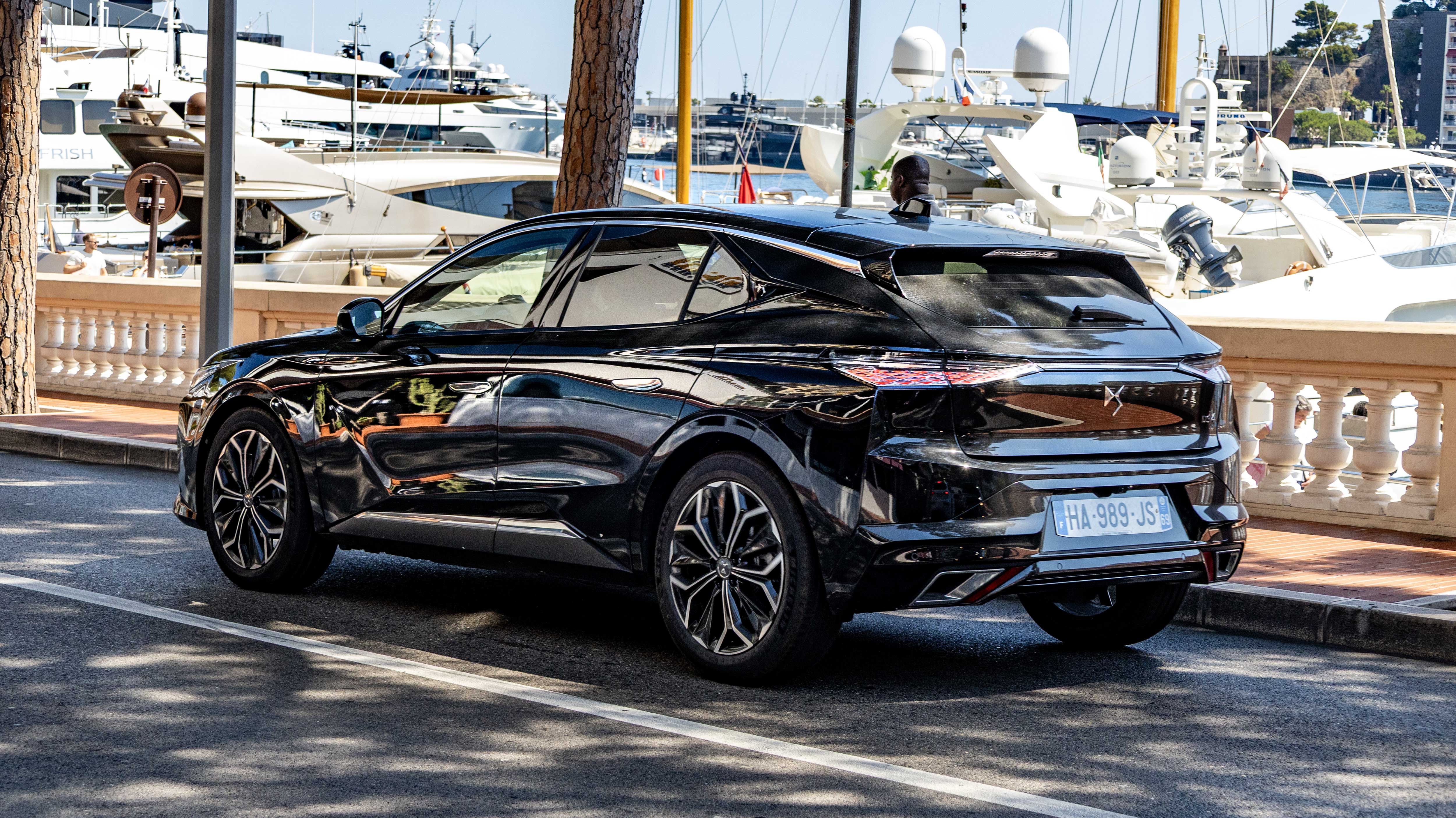
DS 7 Crossback
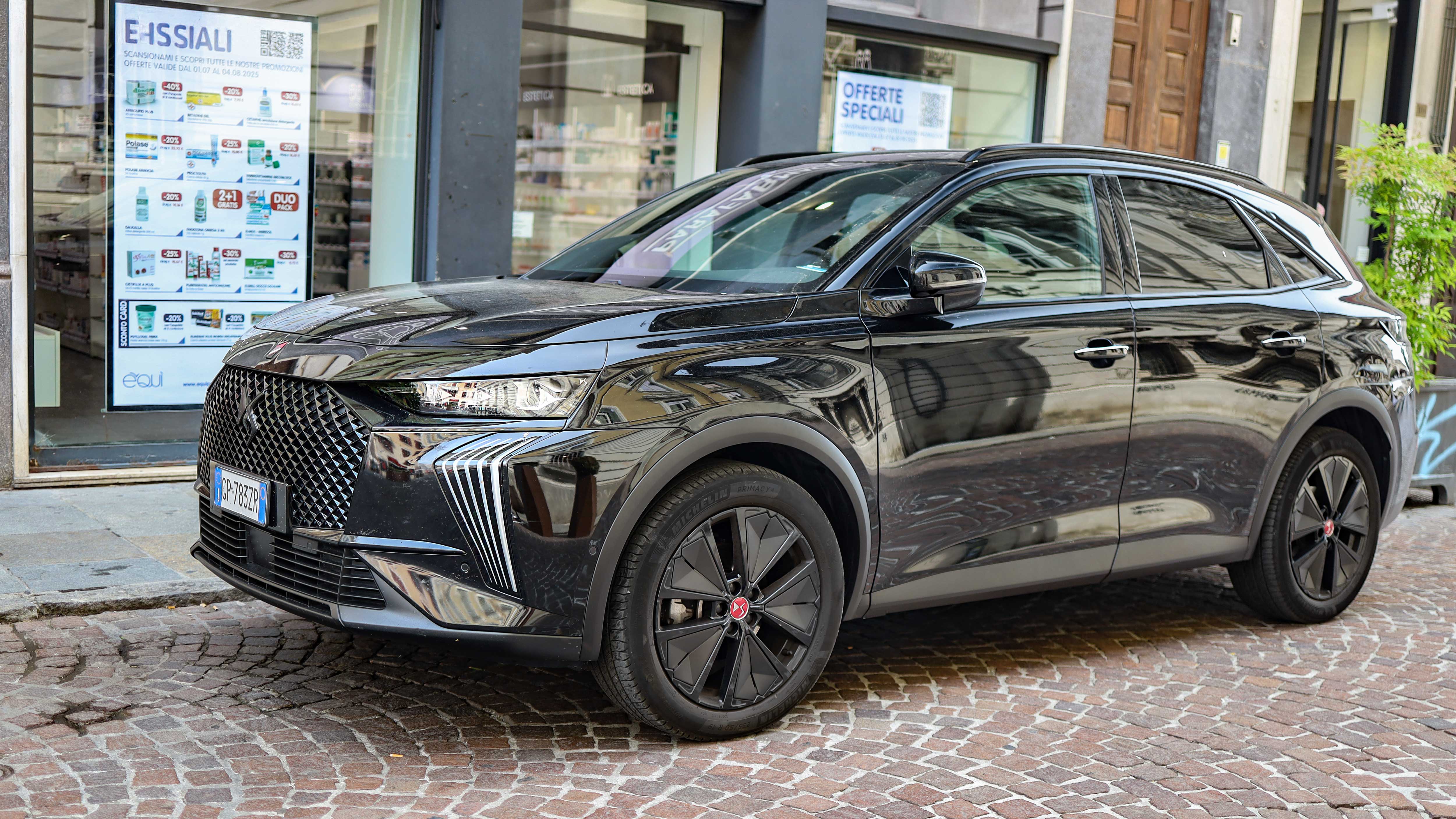
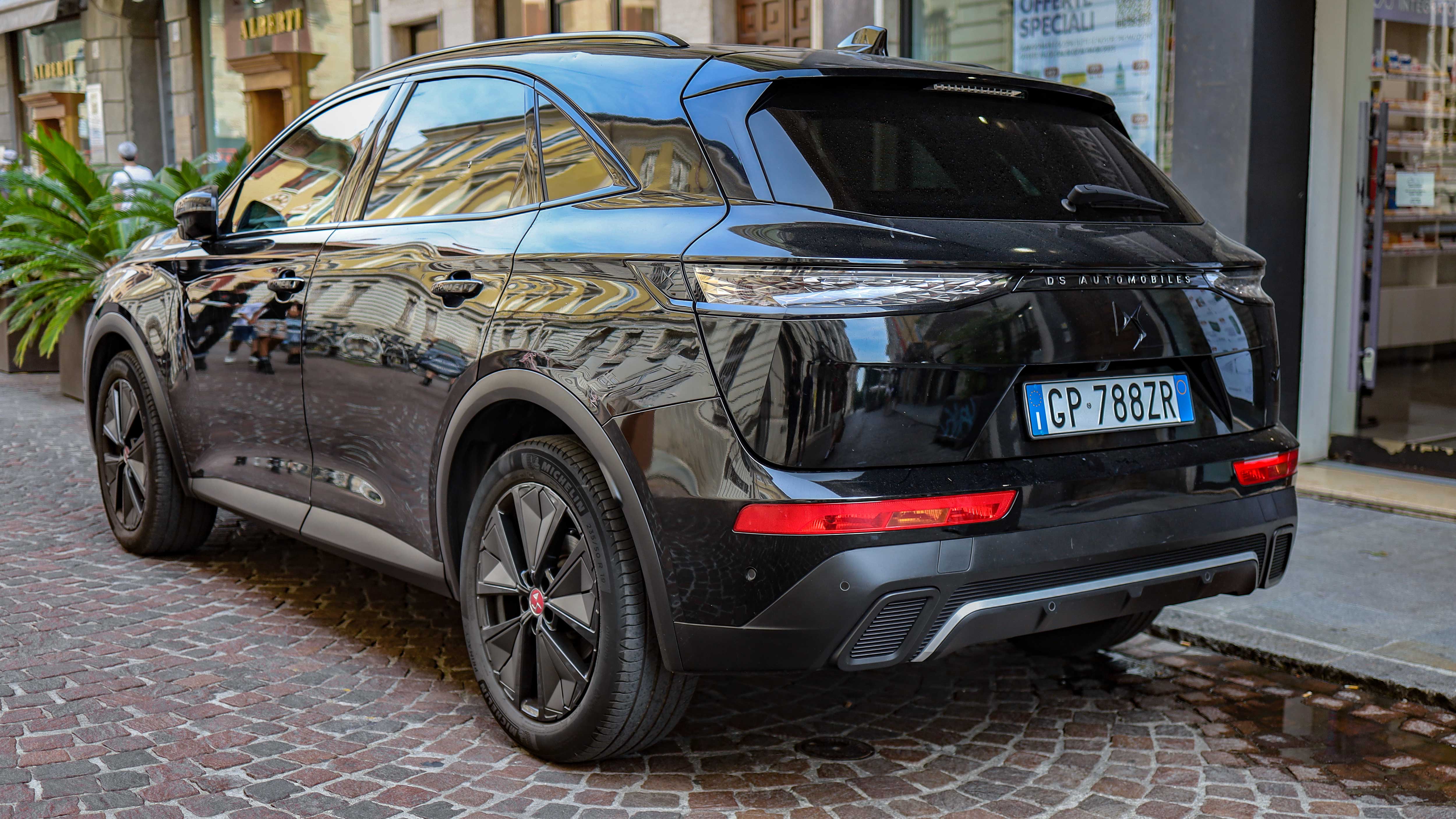
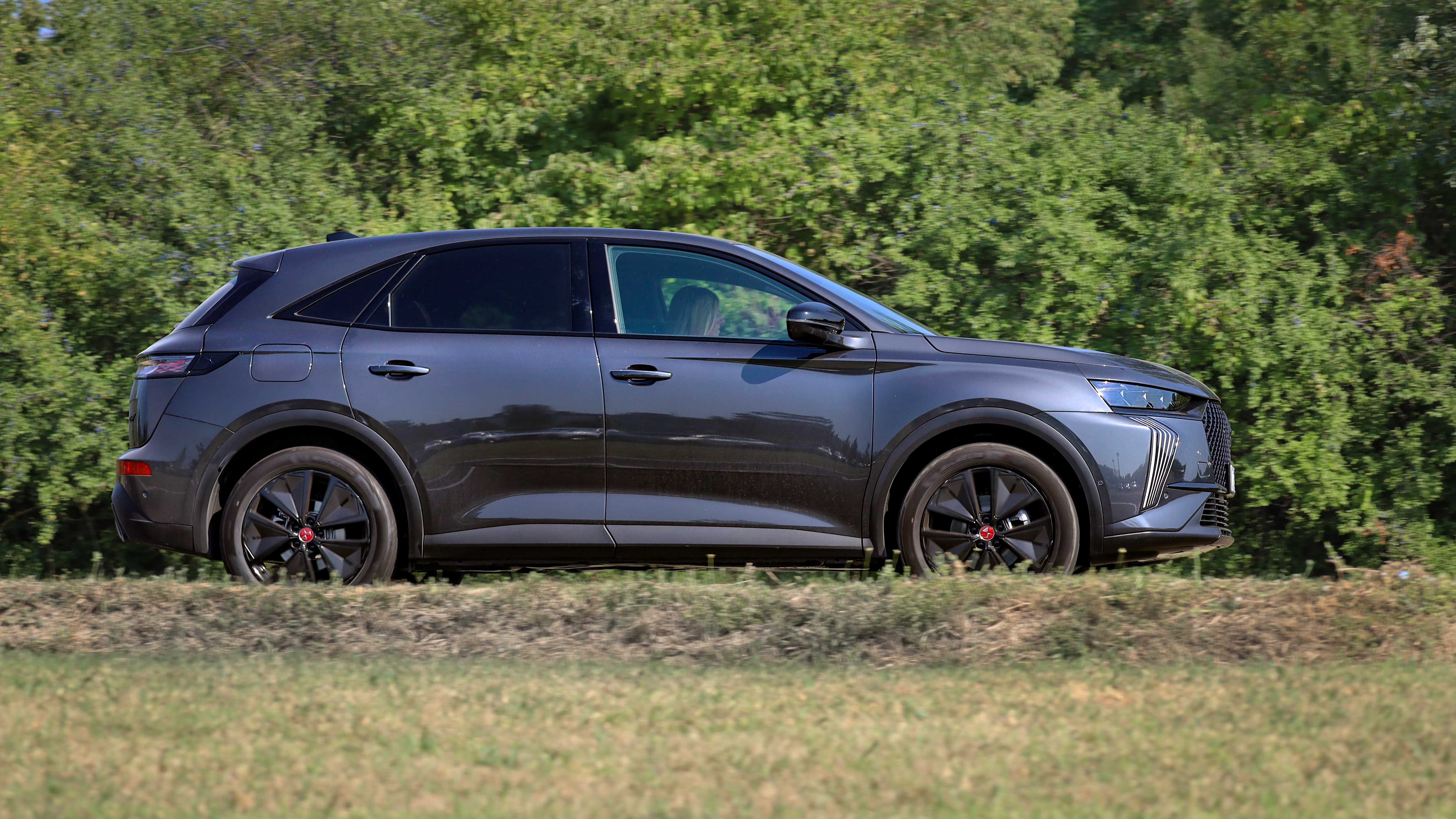
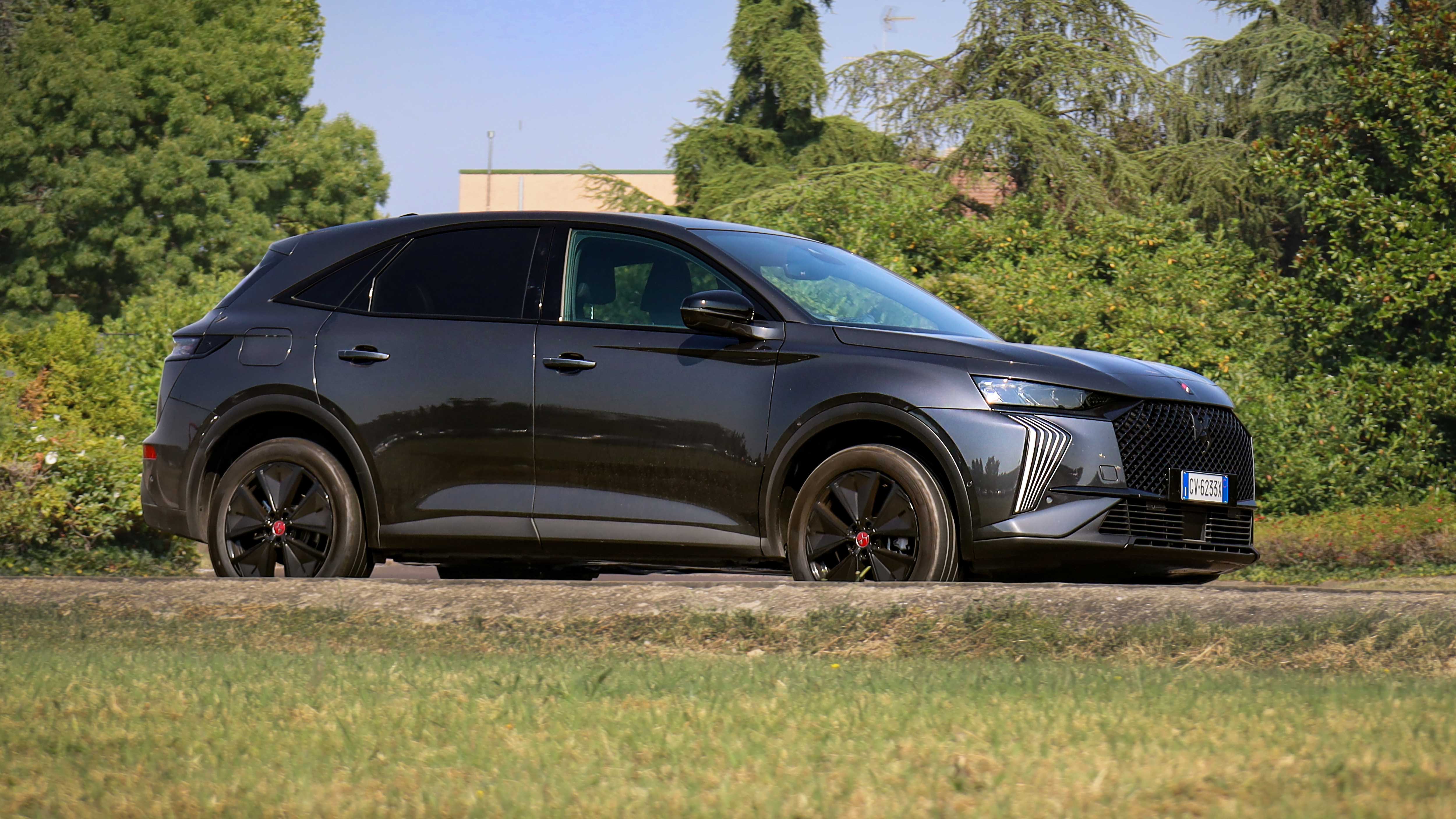
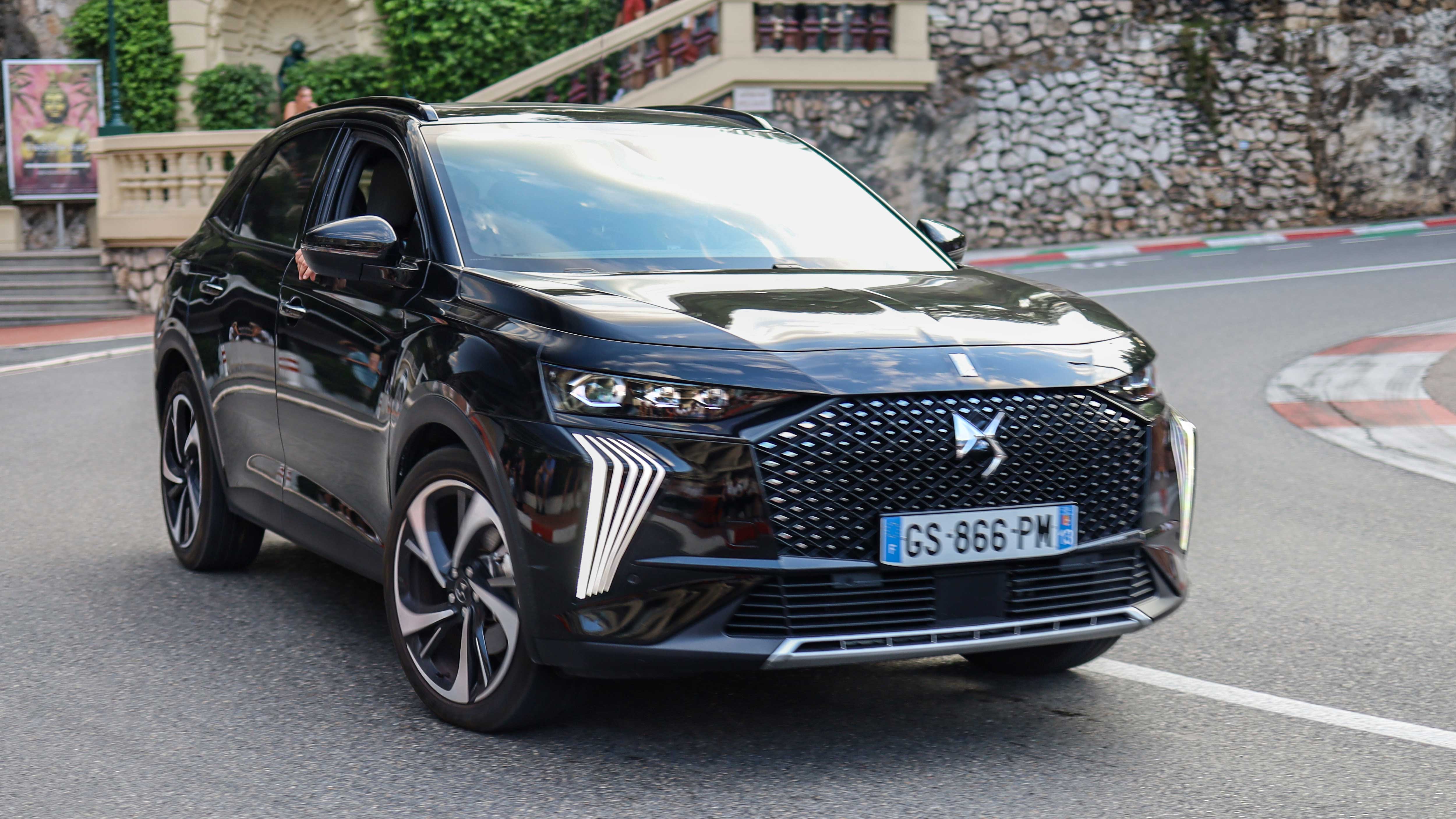
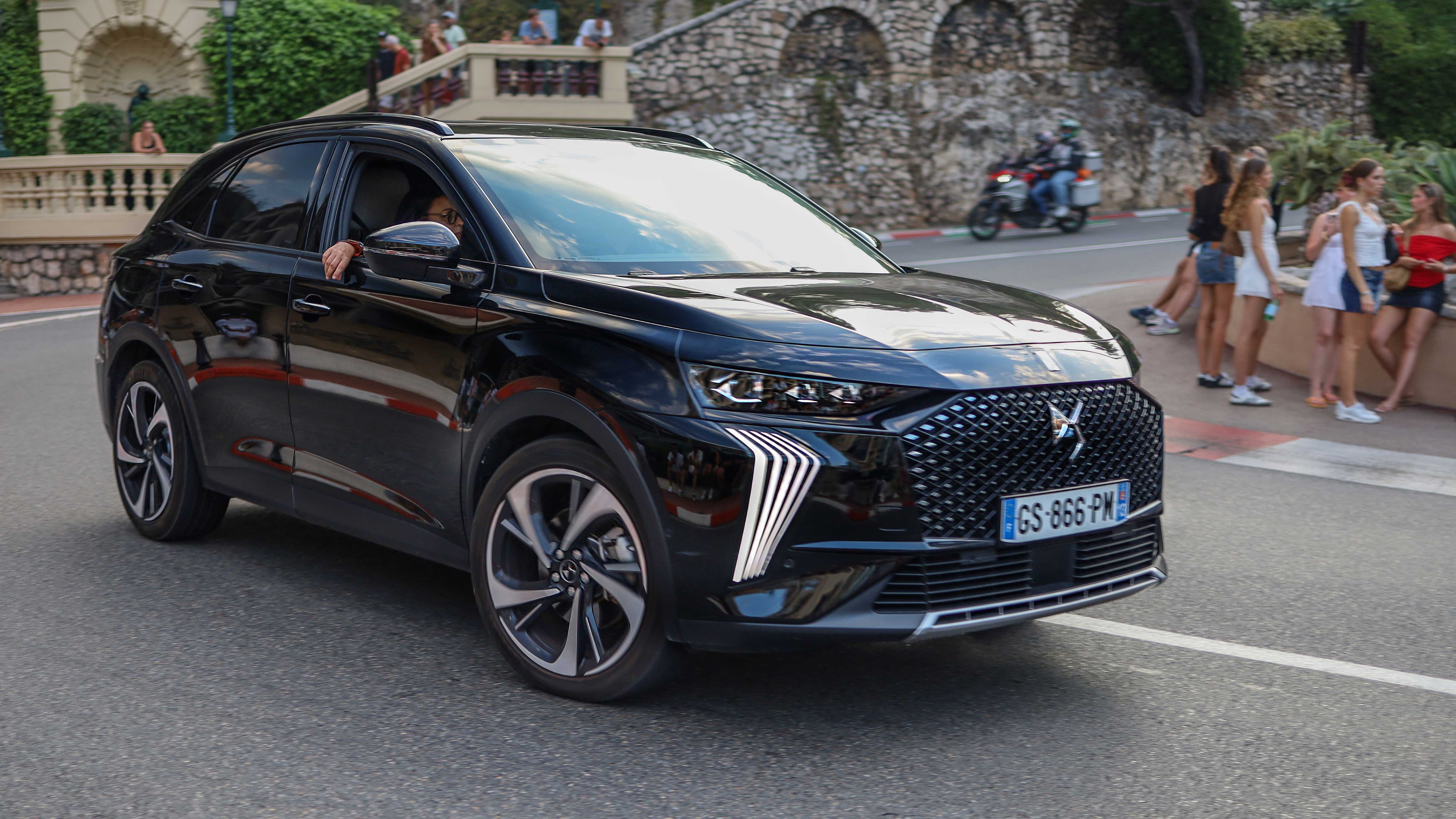
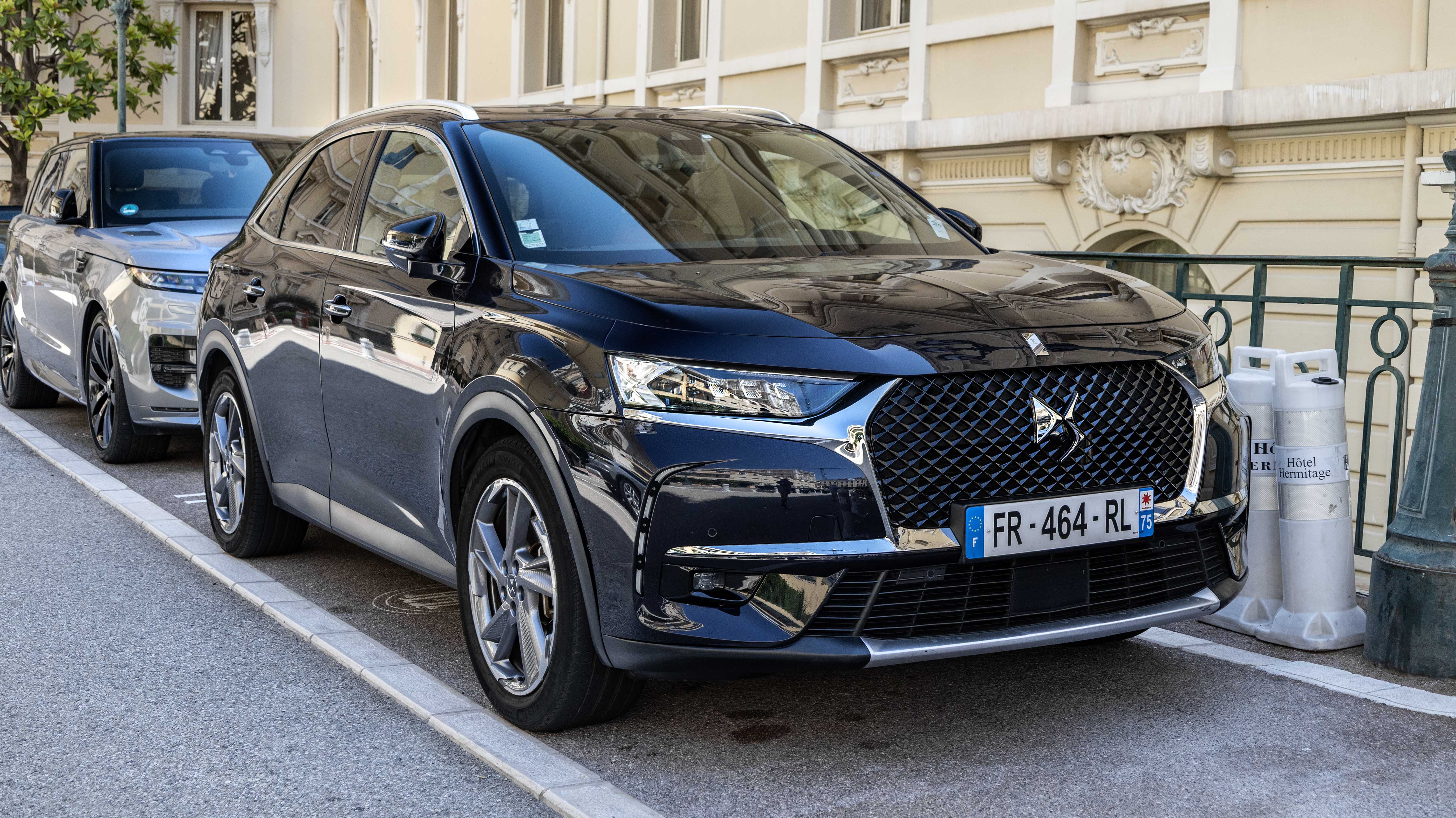
The DS 7 Crossback (2018–today) launched DS as a standalone premium brand with a focus on comfort and design. As a result, plug-in hybrid E-Tense deliver up to 360 hp with AWD, pairing smooth performance with refined ride quality.

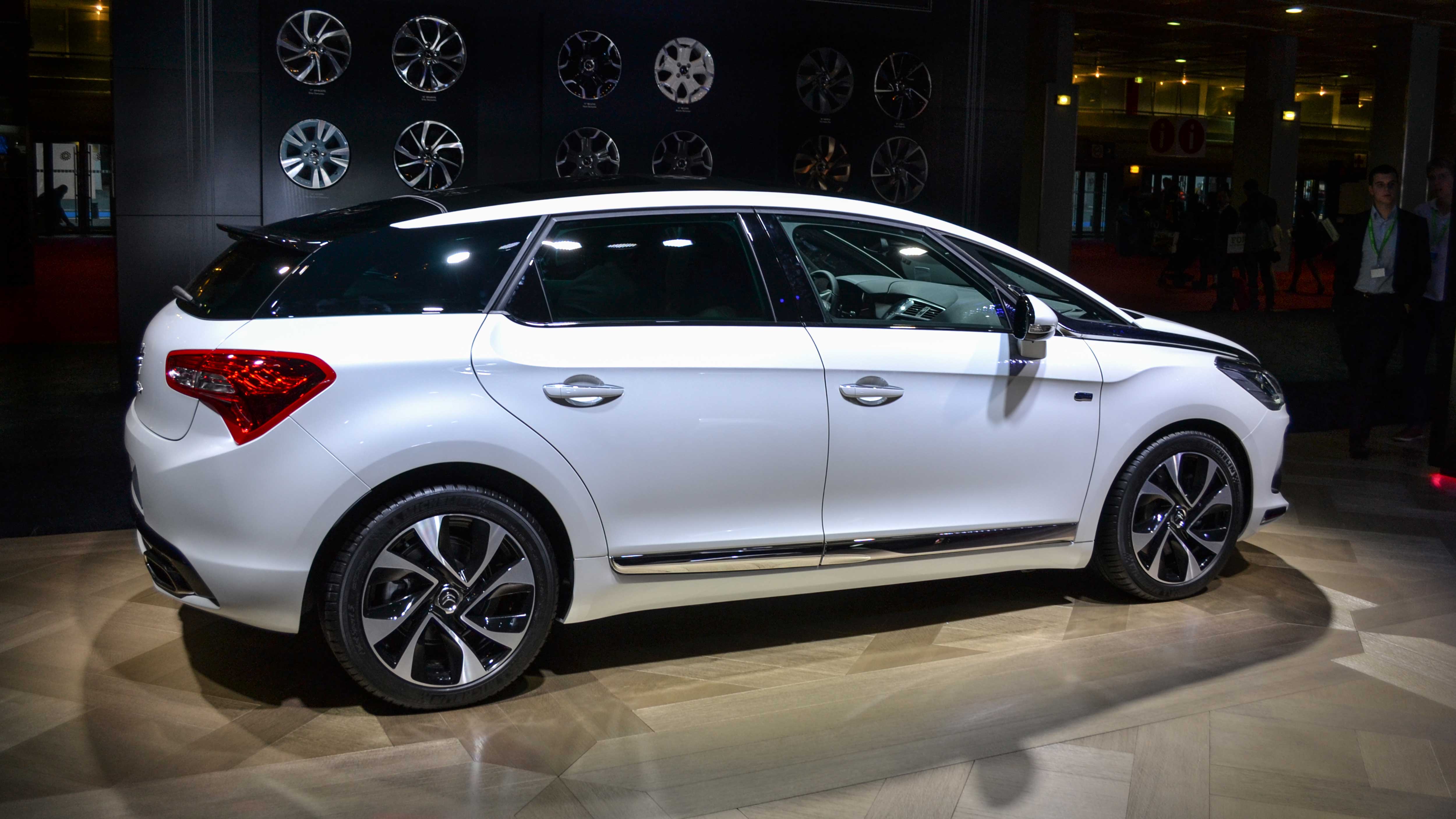
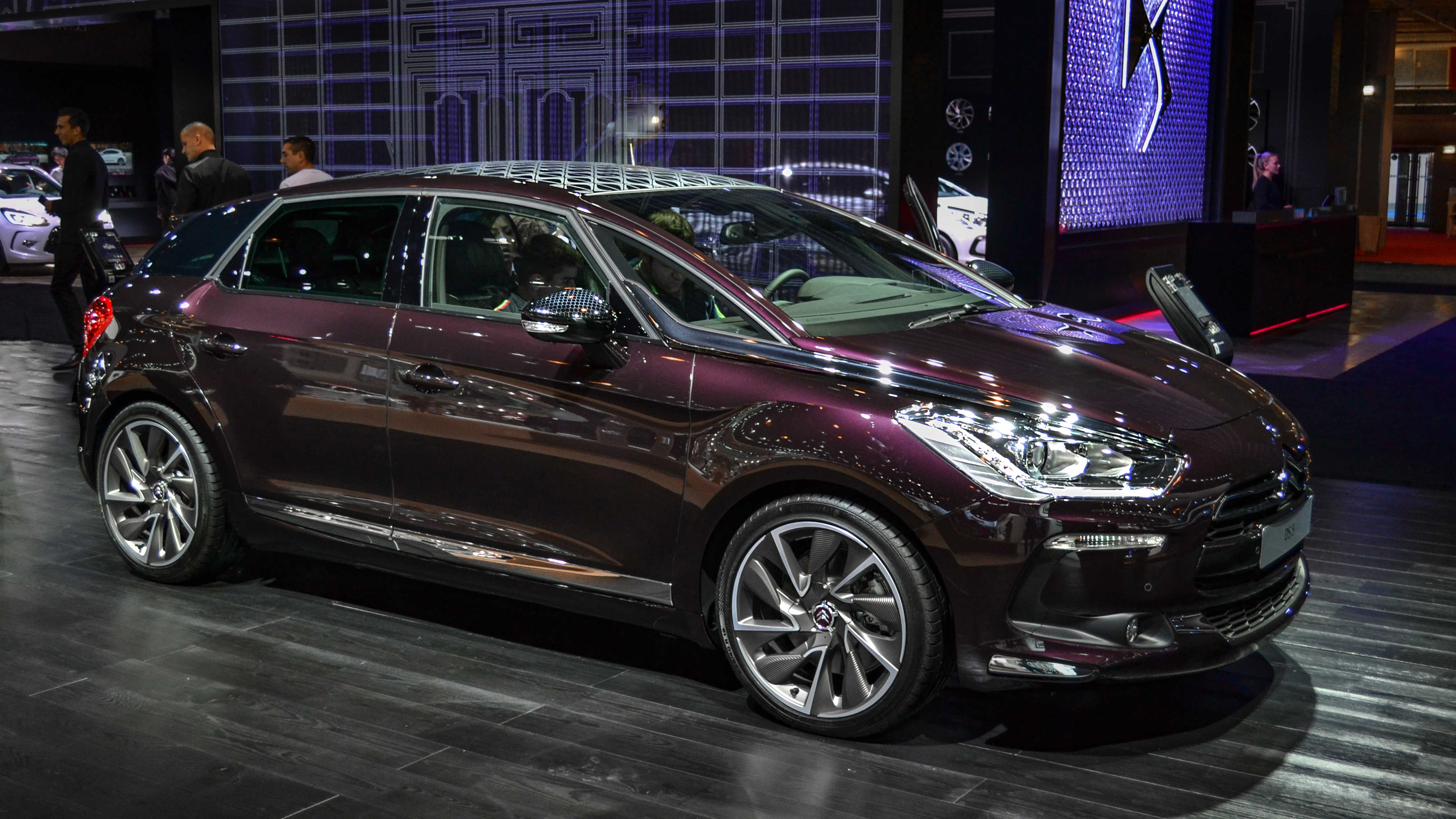
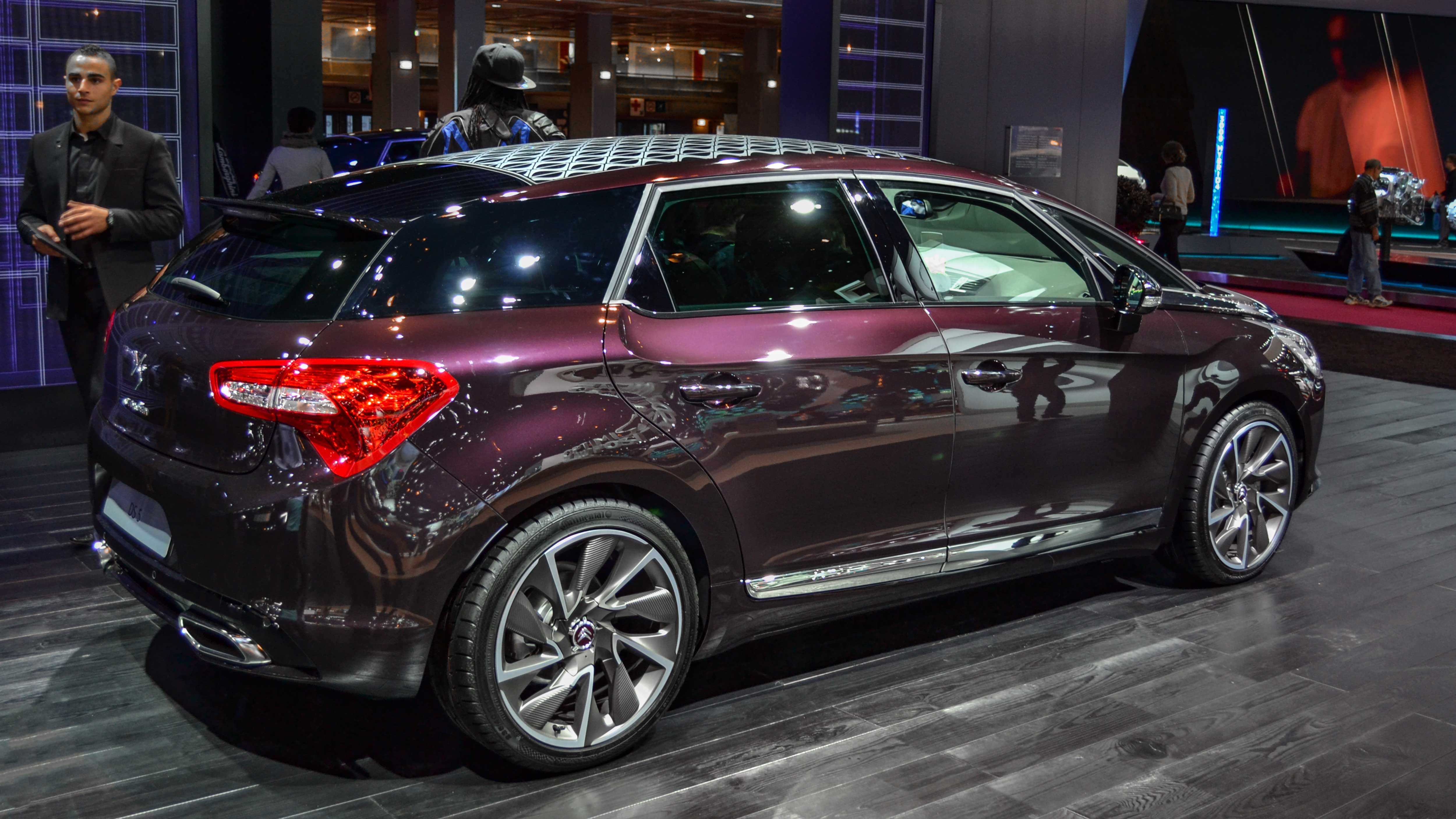
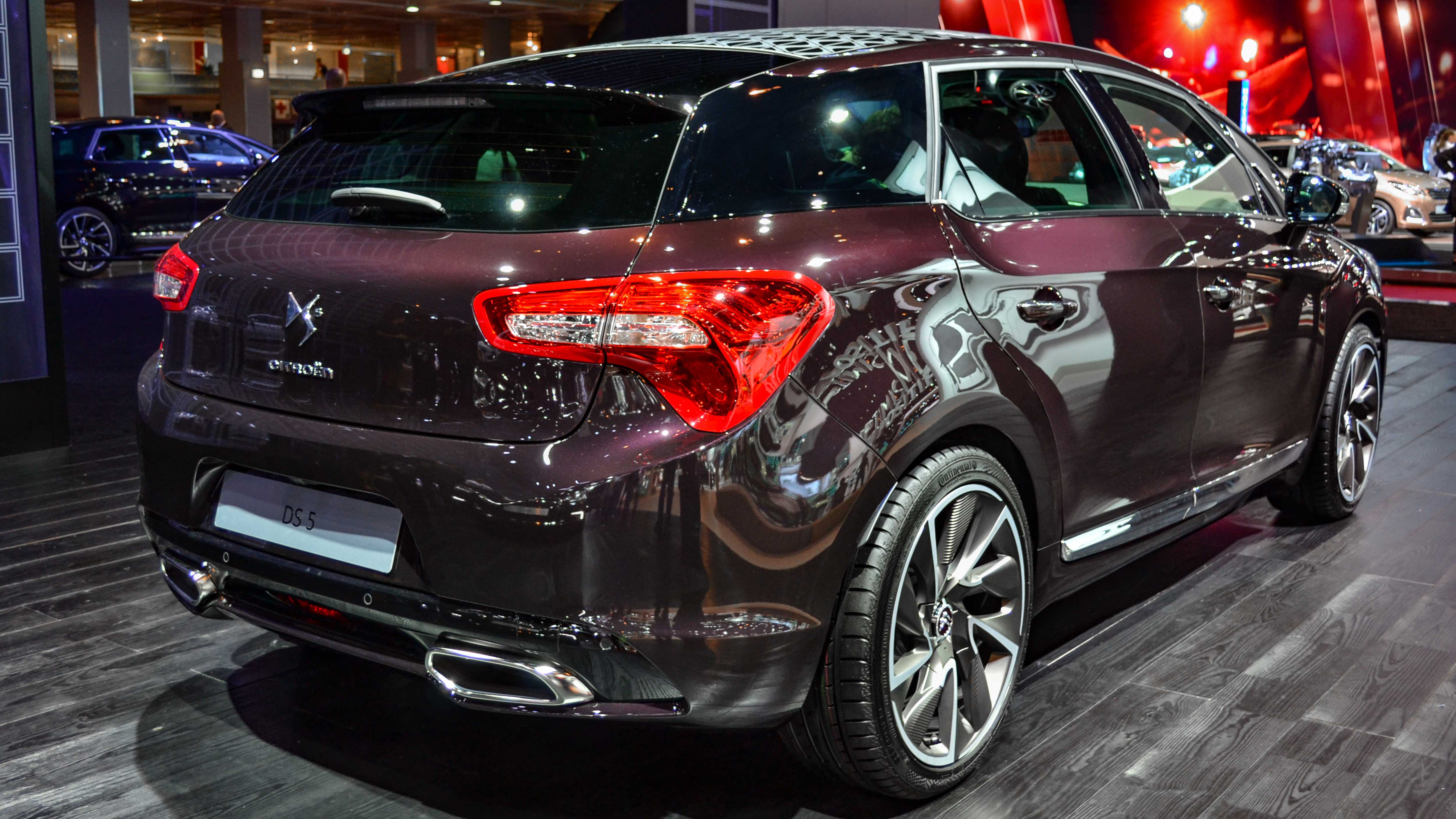
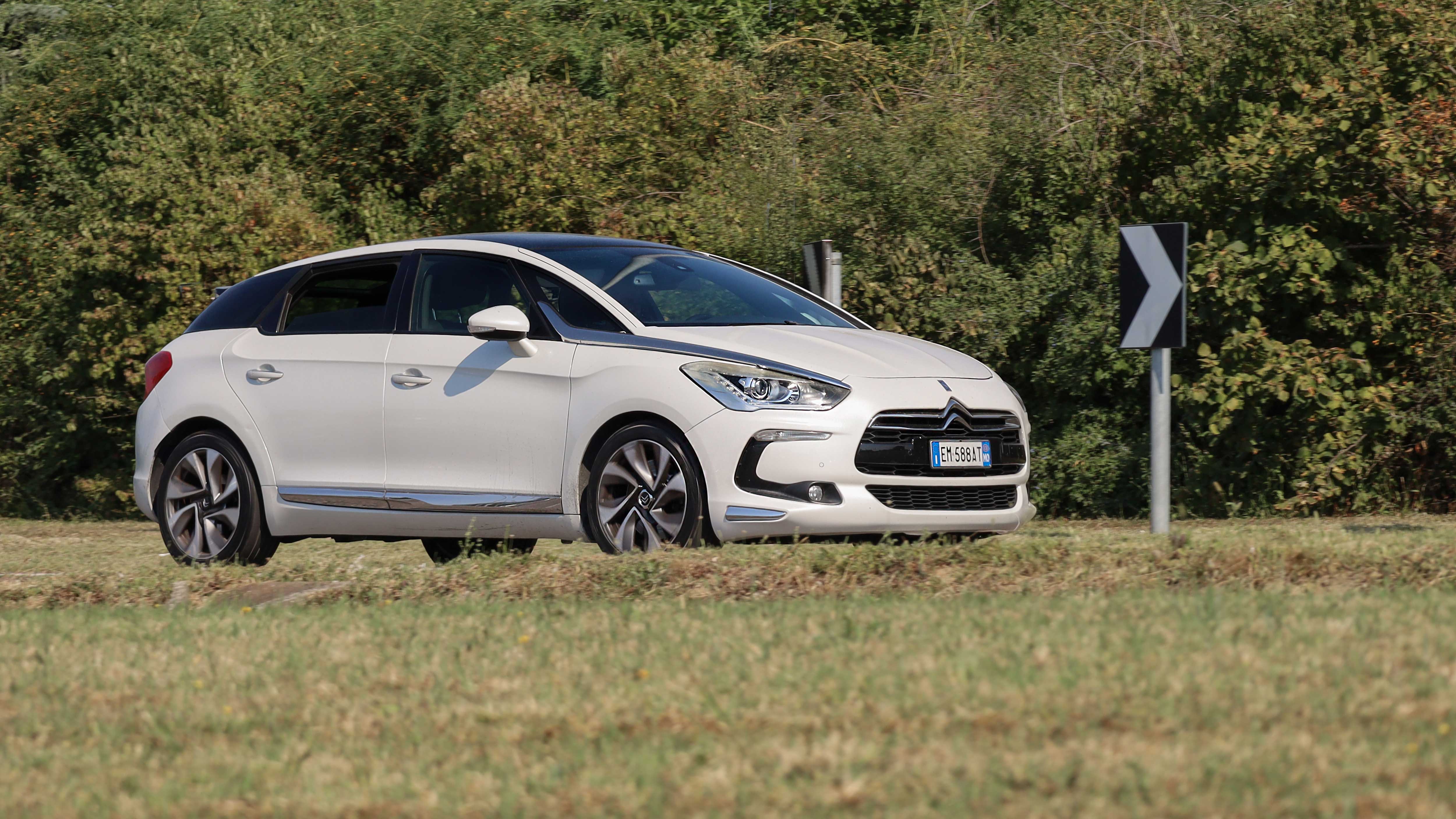
DS 5
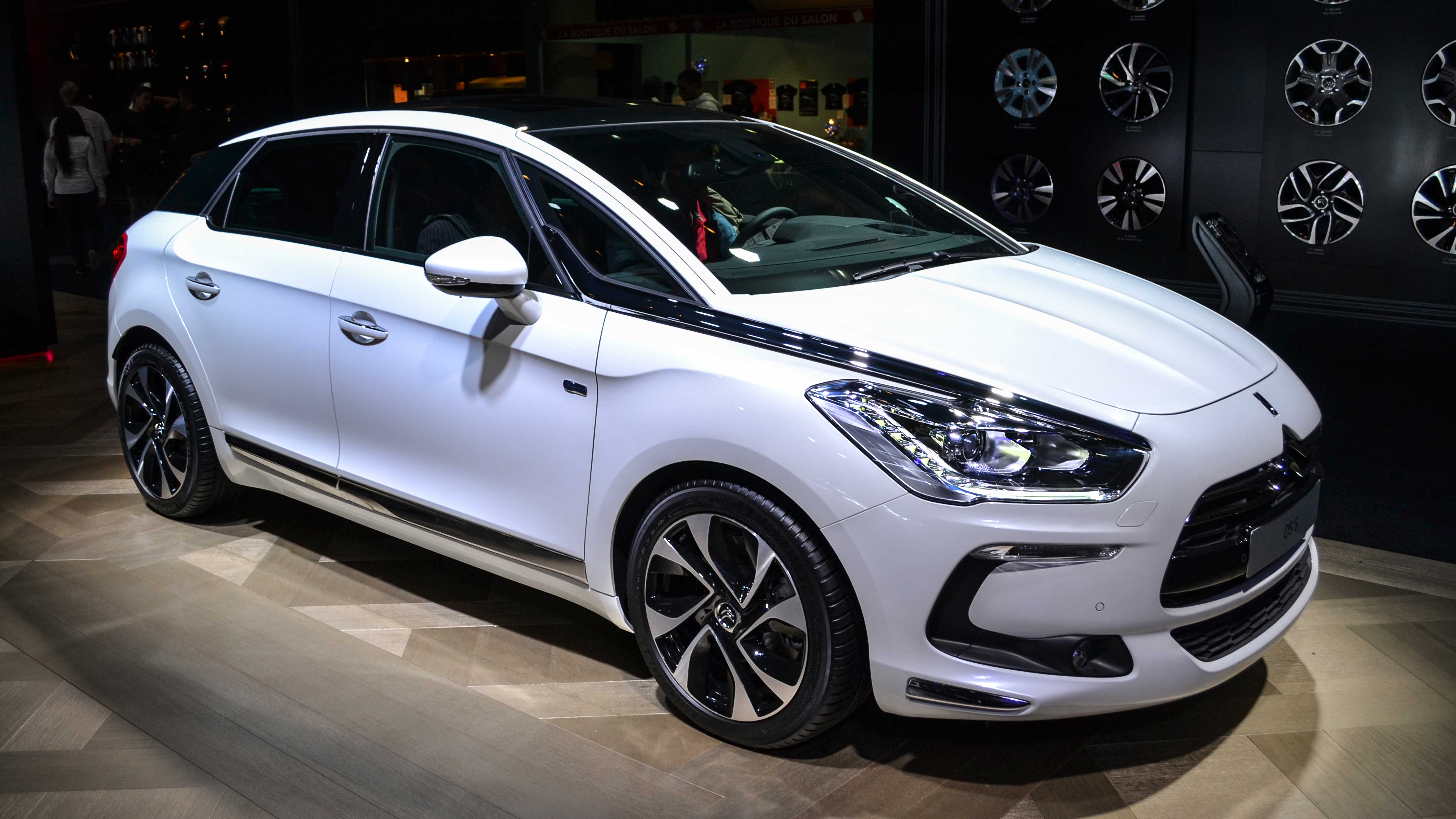
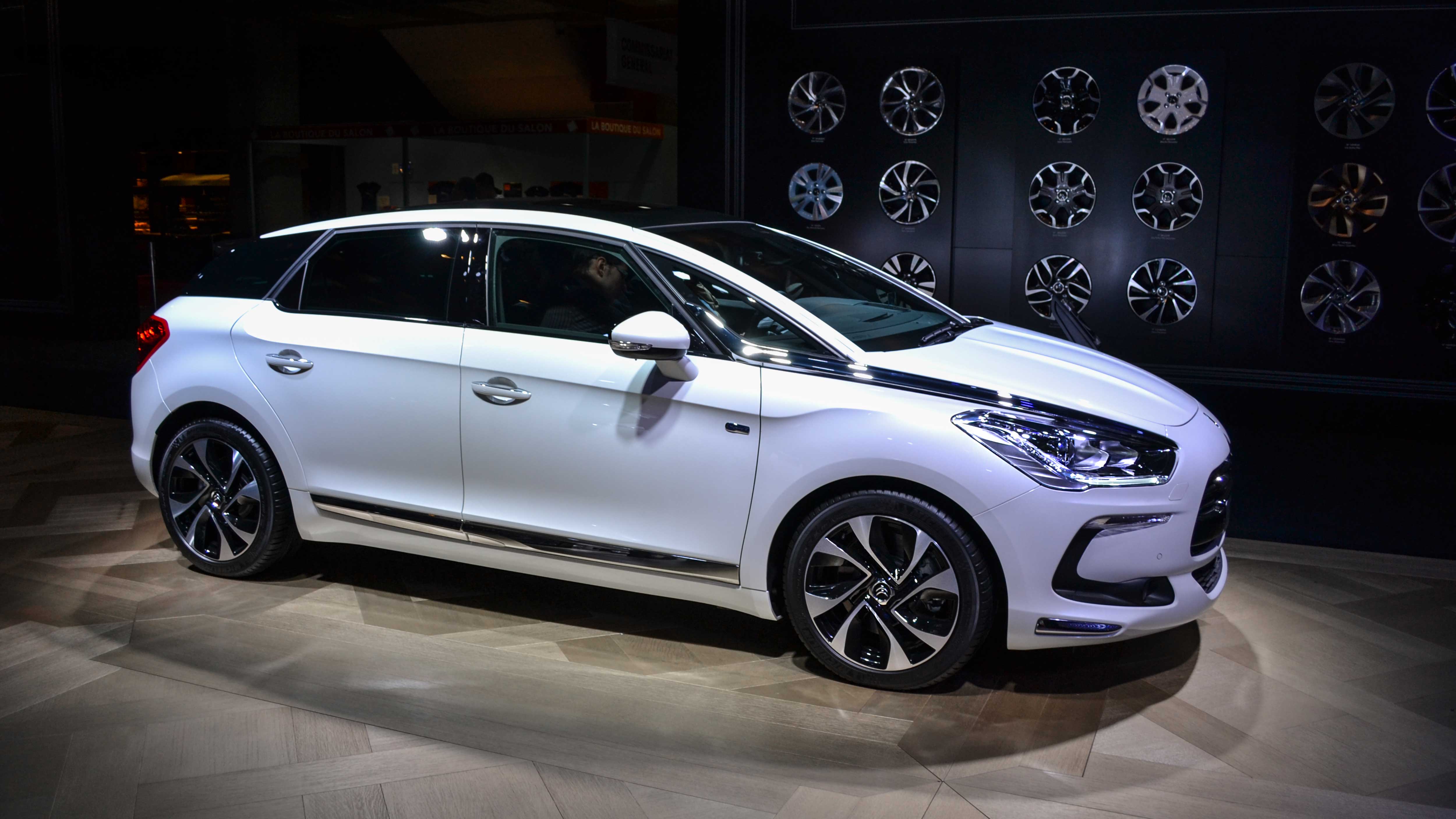
The DS 5 (2011–2018) positioned itself as a premium hatchback with bold design and comfort focus. As a result, petrol, diesel, and Hybrid4 versions up to about 200 hp combined refined ride quality with distinctive styling.
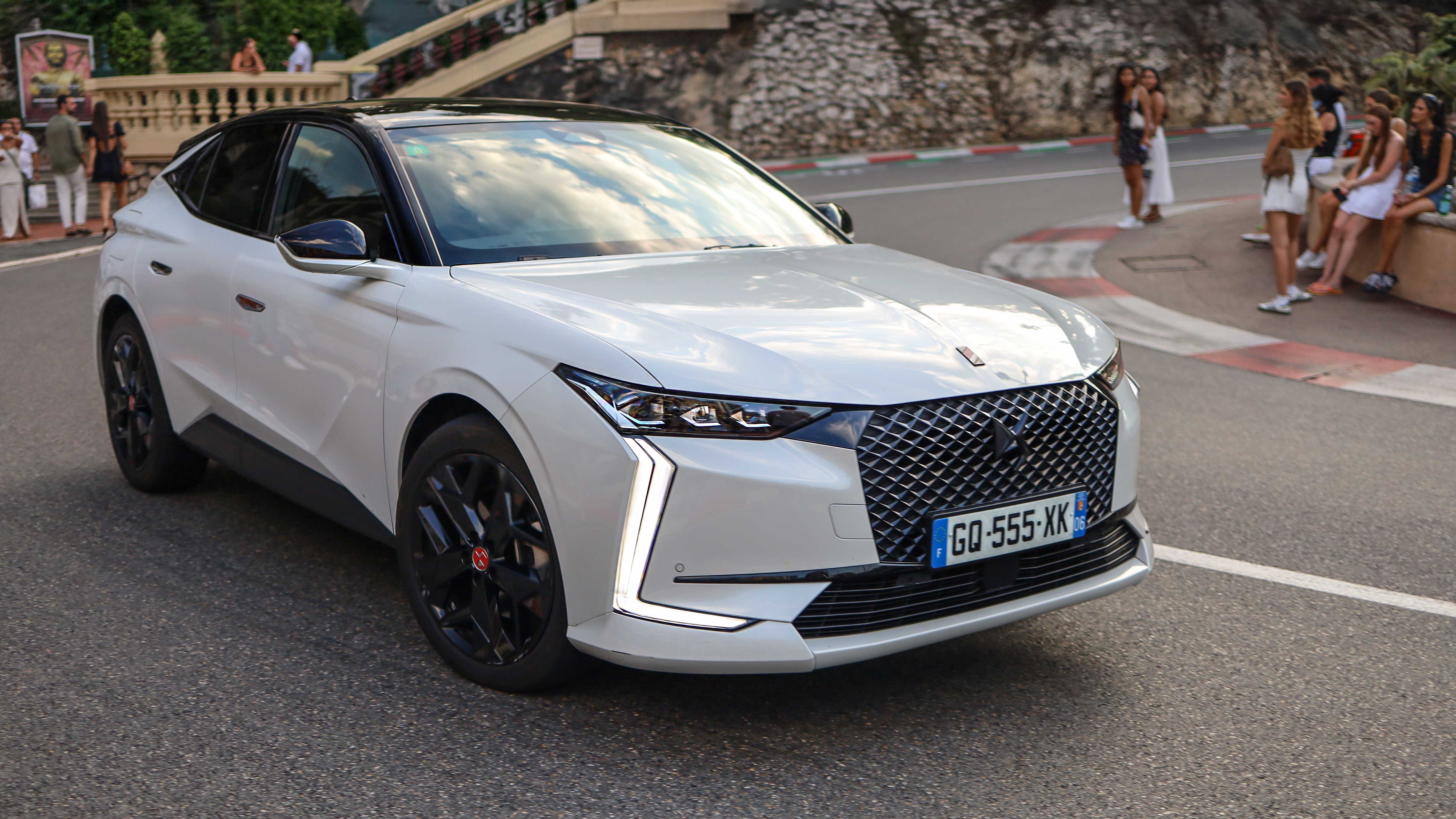
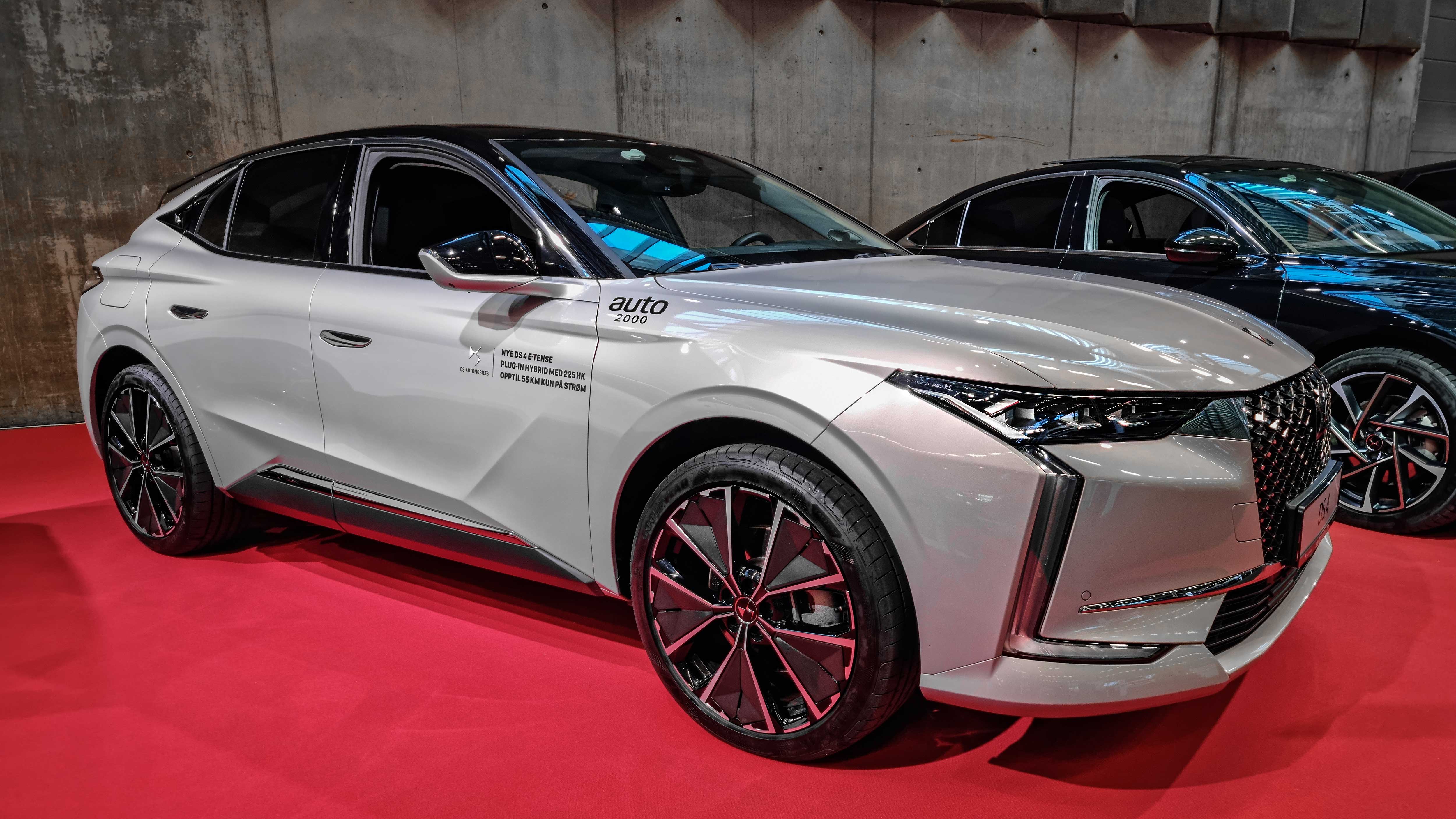
DS 4
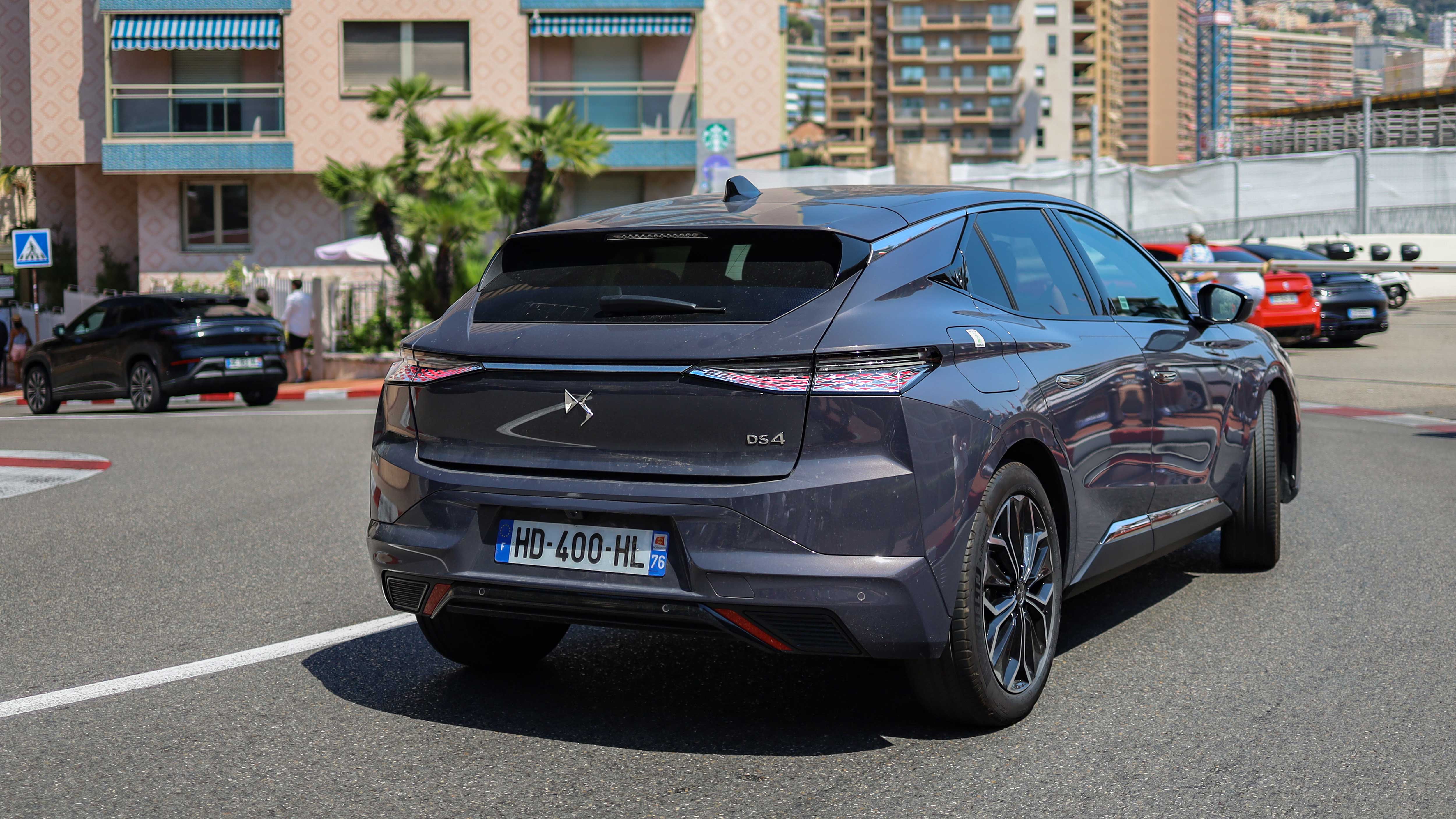
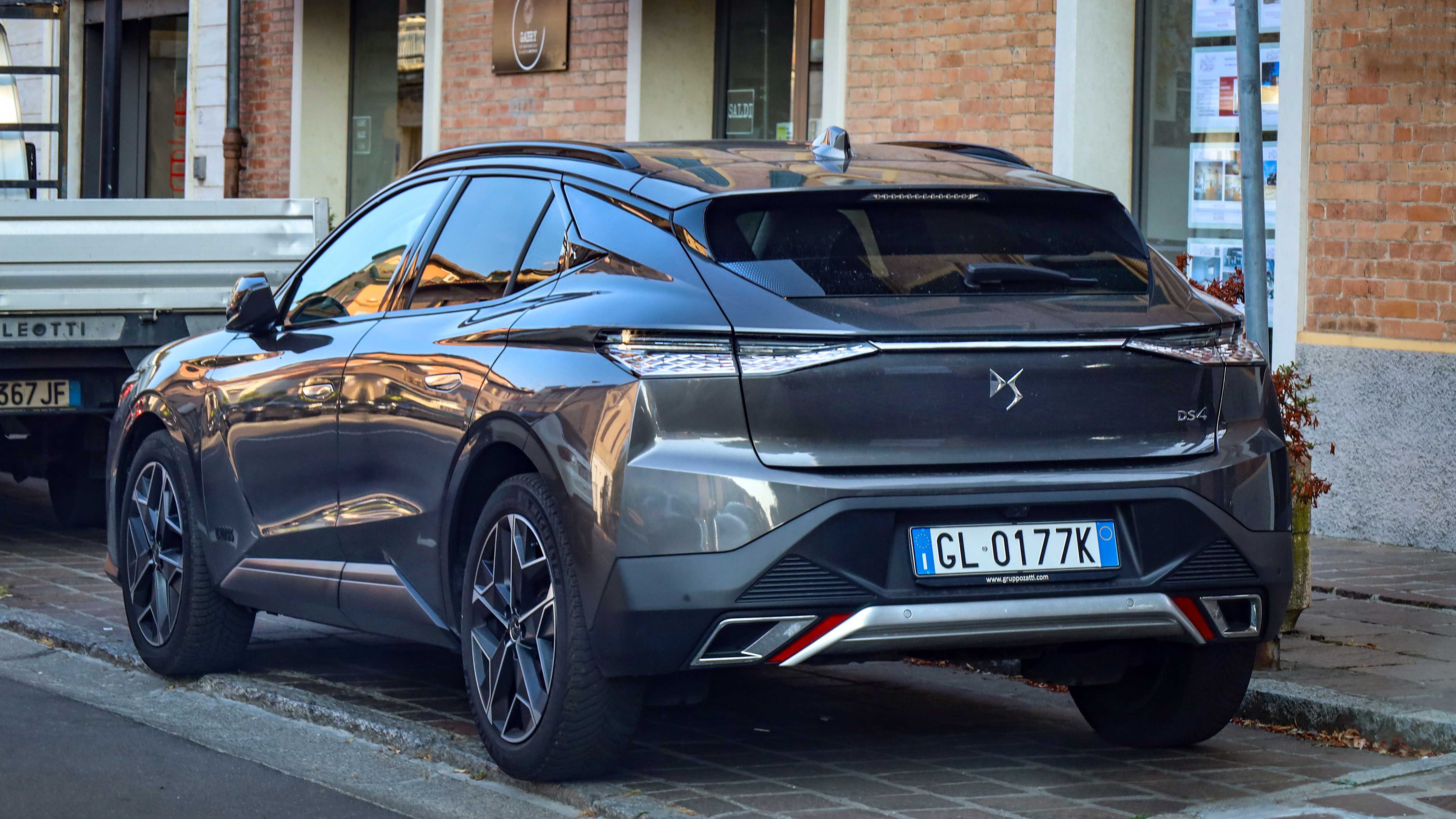
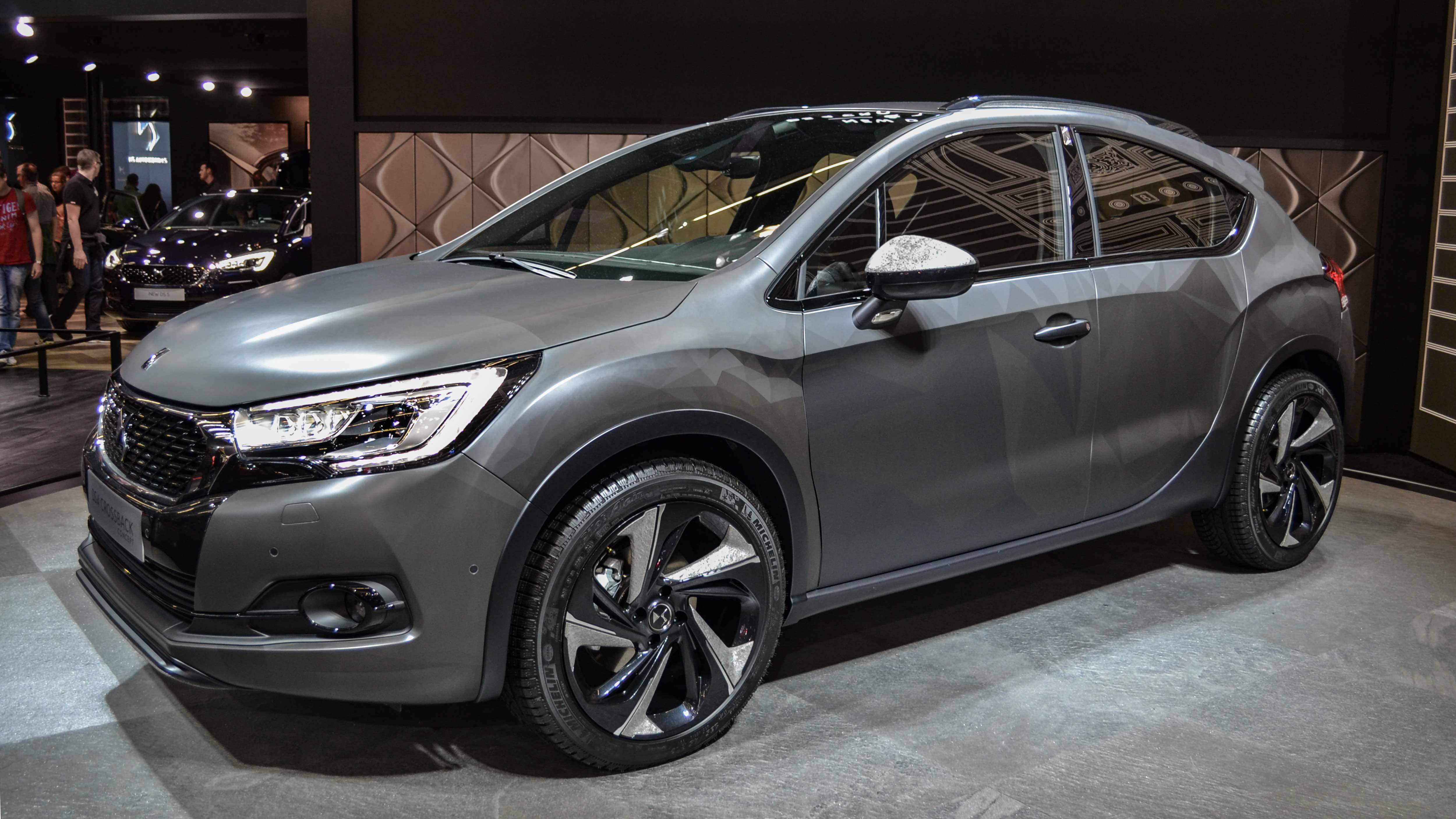
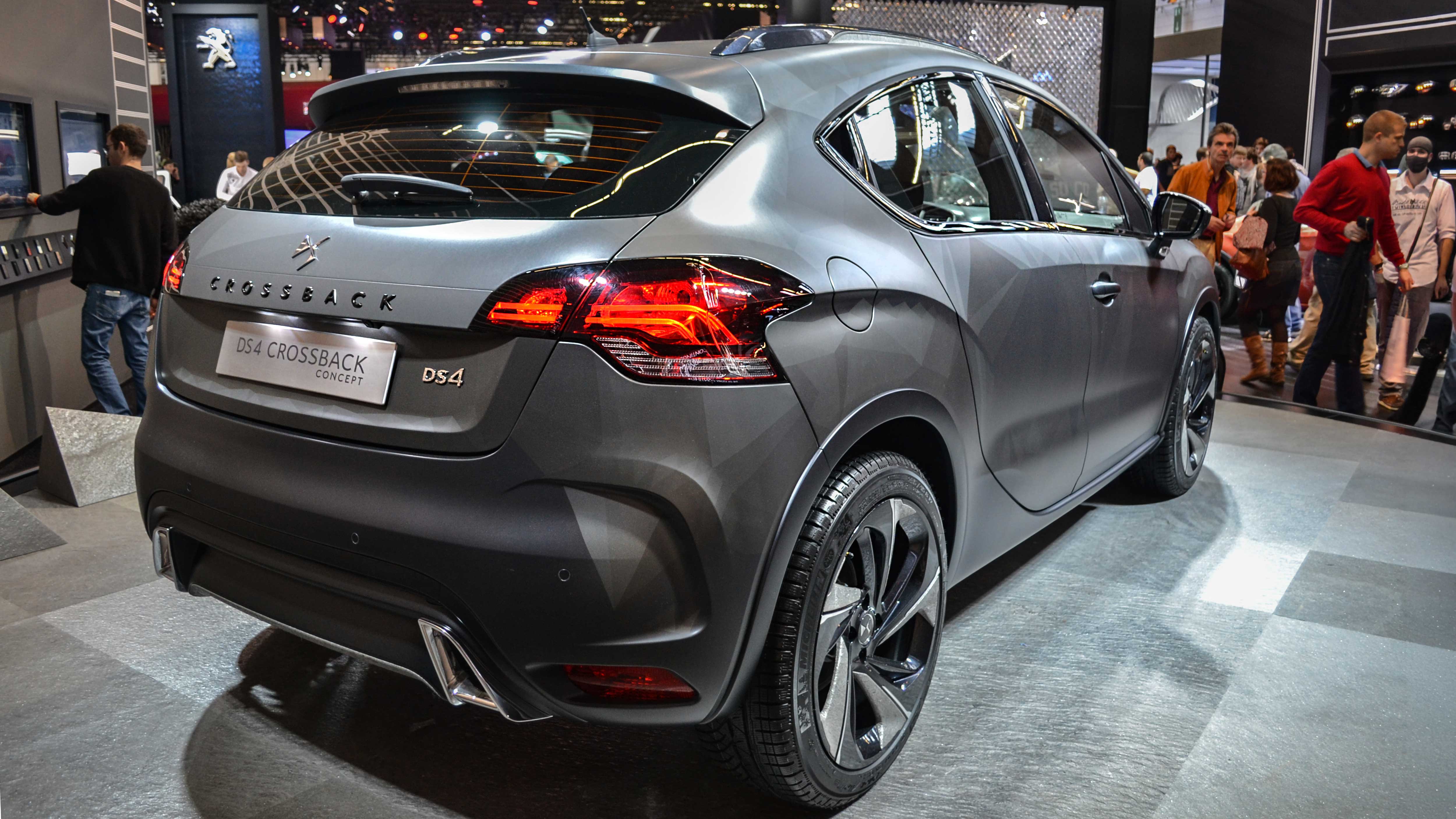
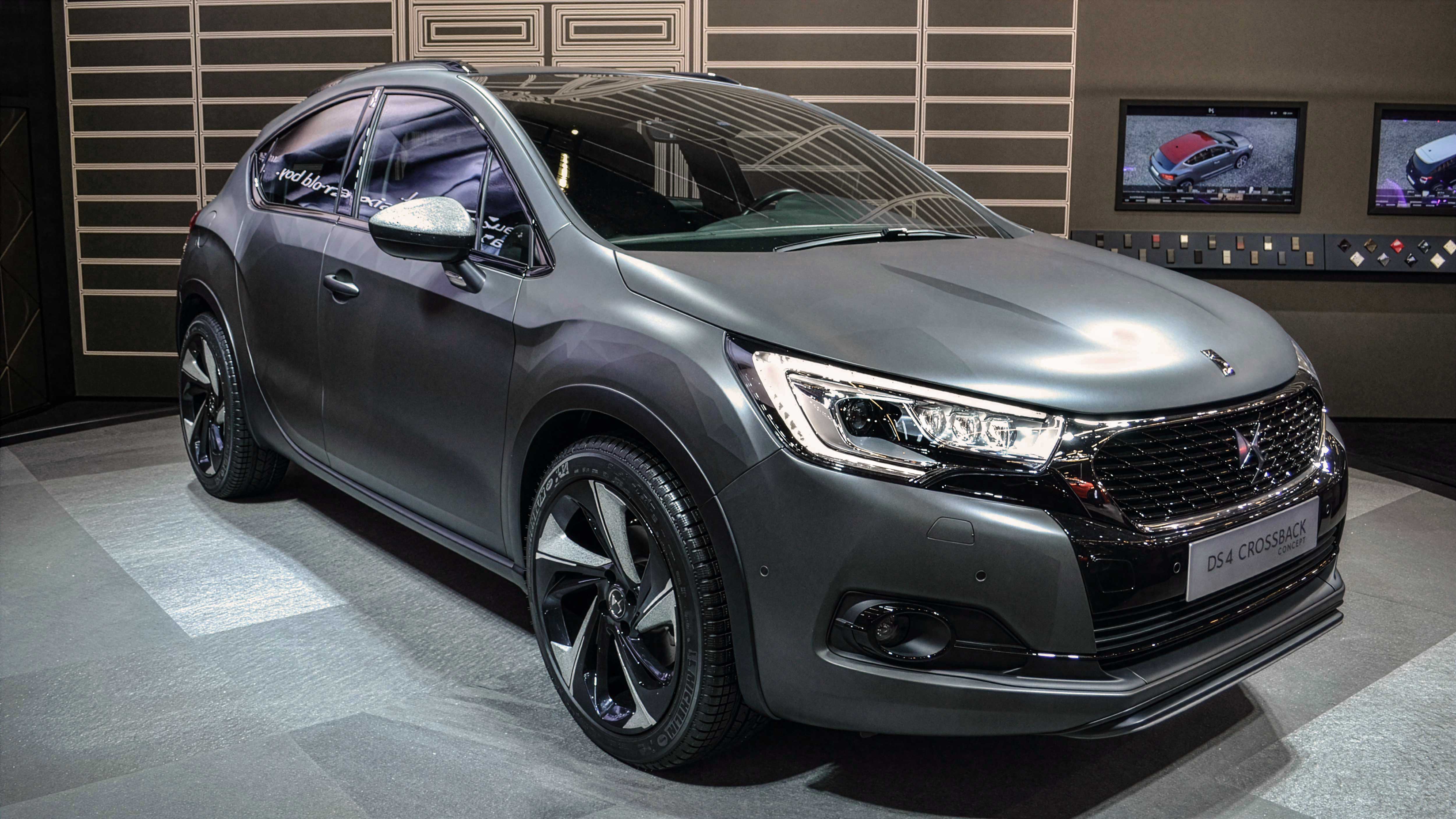
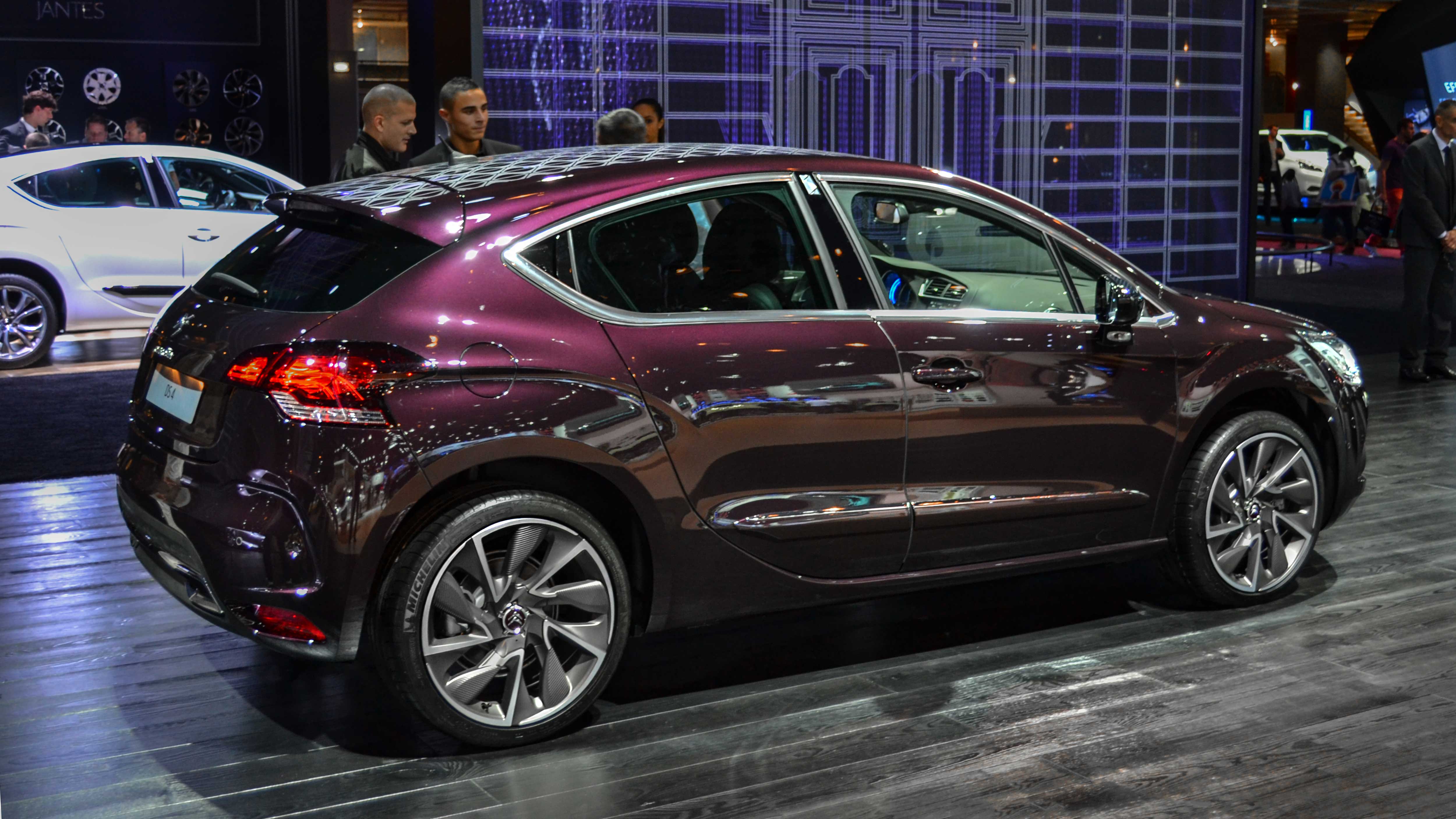
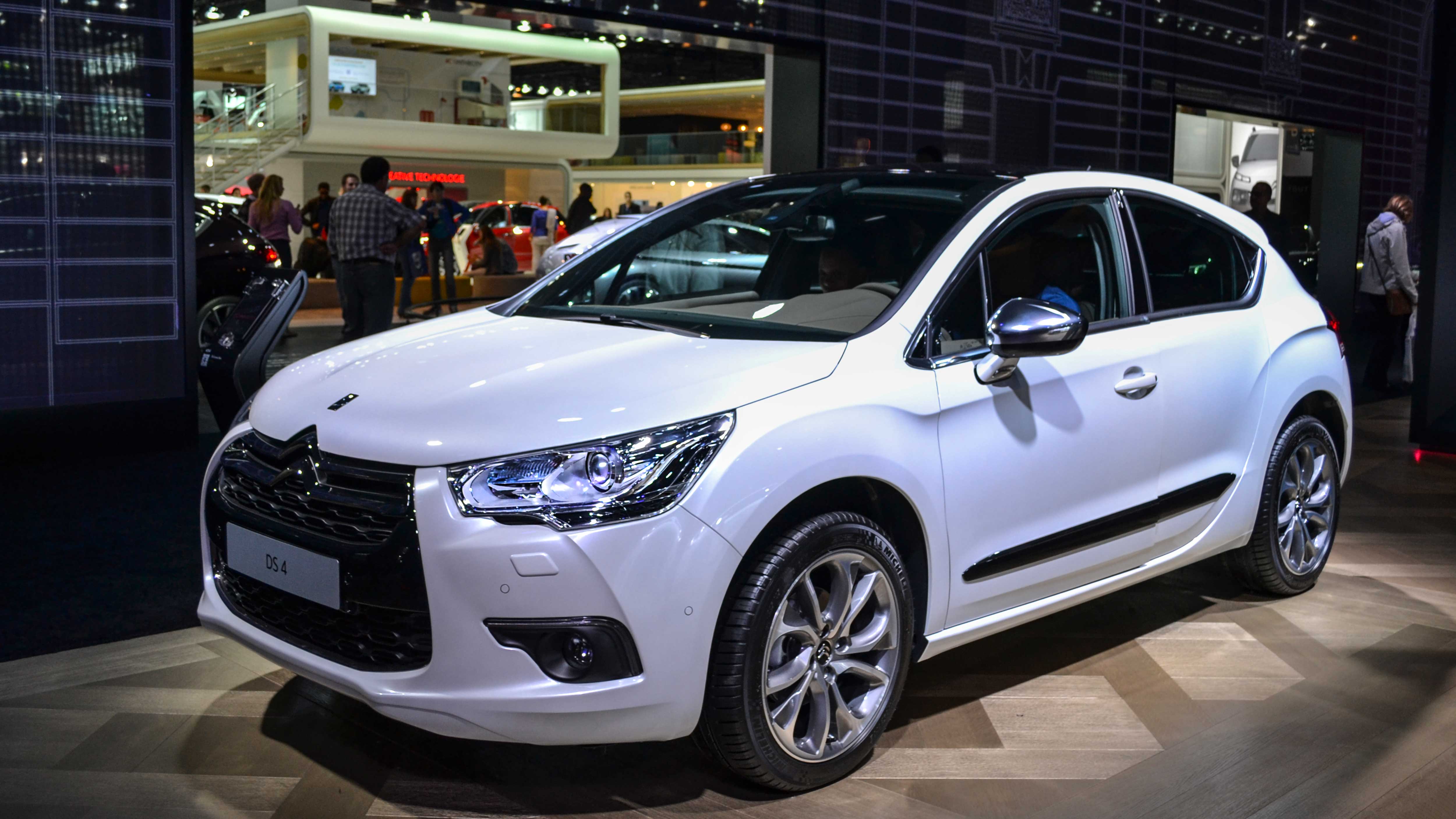
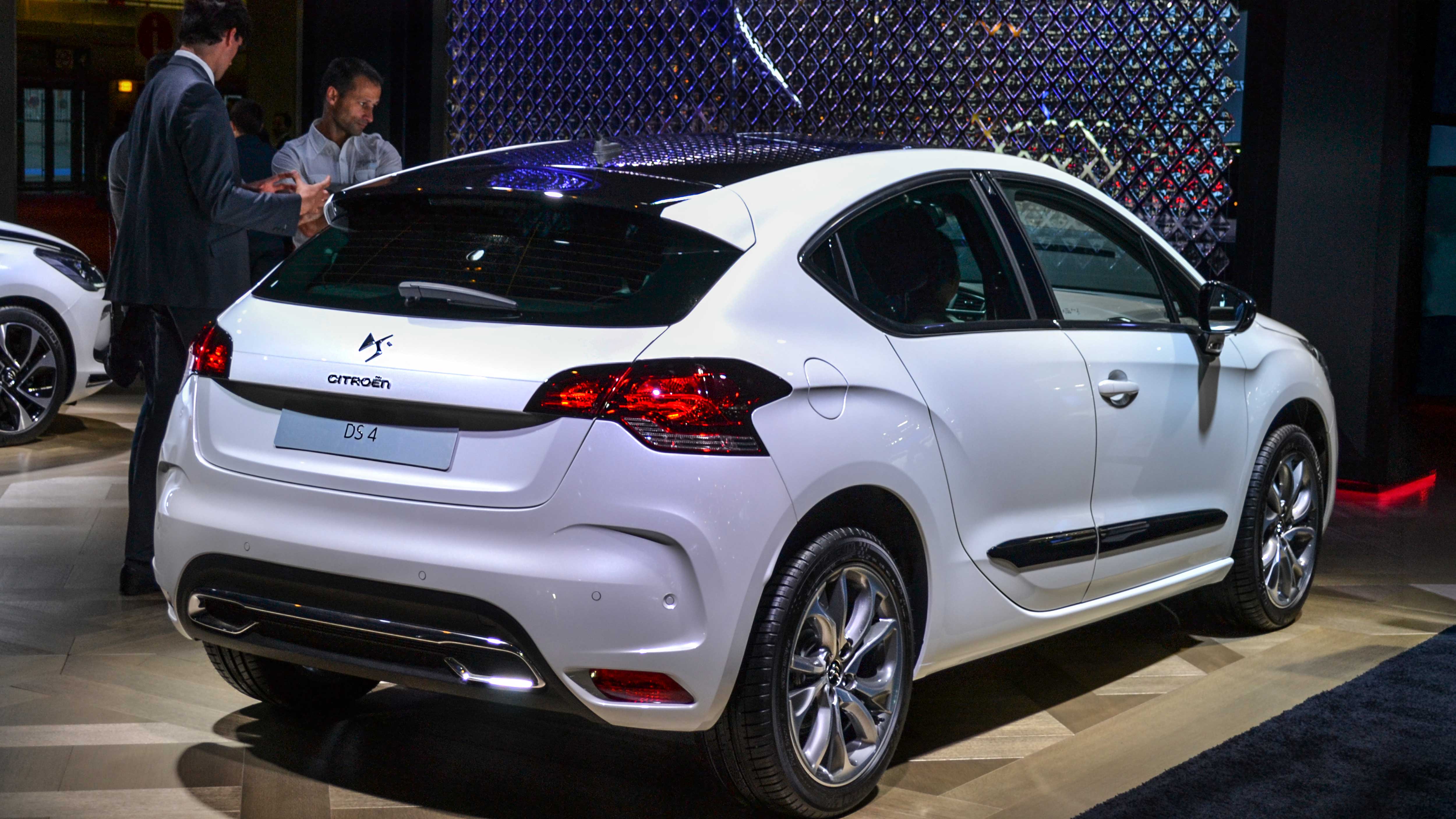
The DS 4 (2011–today) blends compact hatchback size with premium design and comfort. As a result, petrol, diesel, and E-Tense plug-in hybrid options deliver up to 225 hp with a strong focus on refinement.
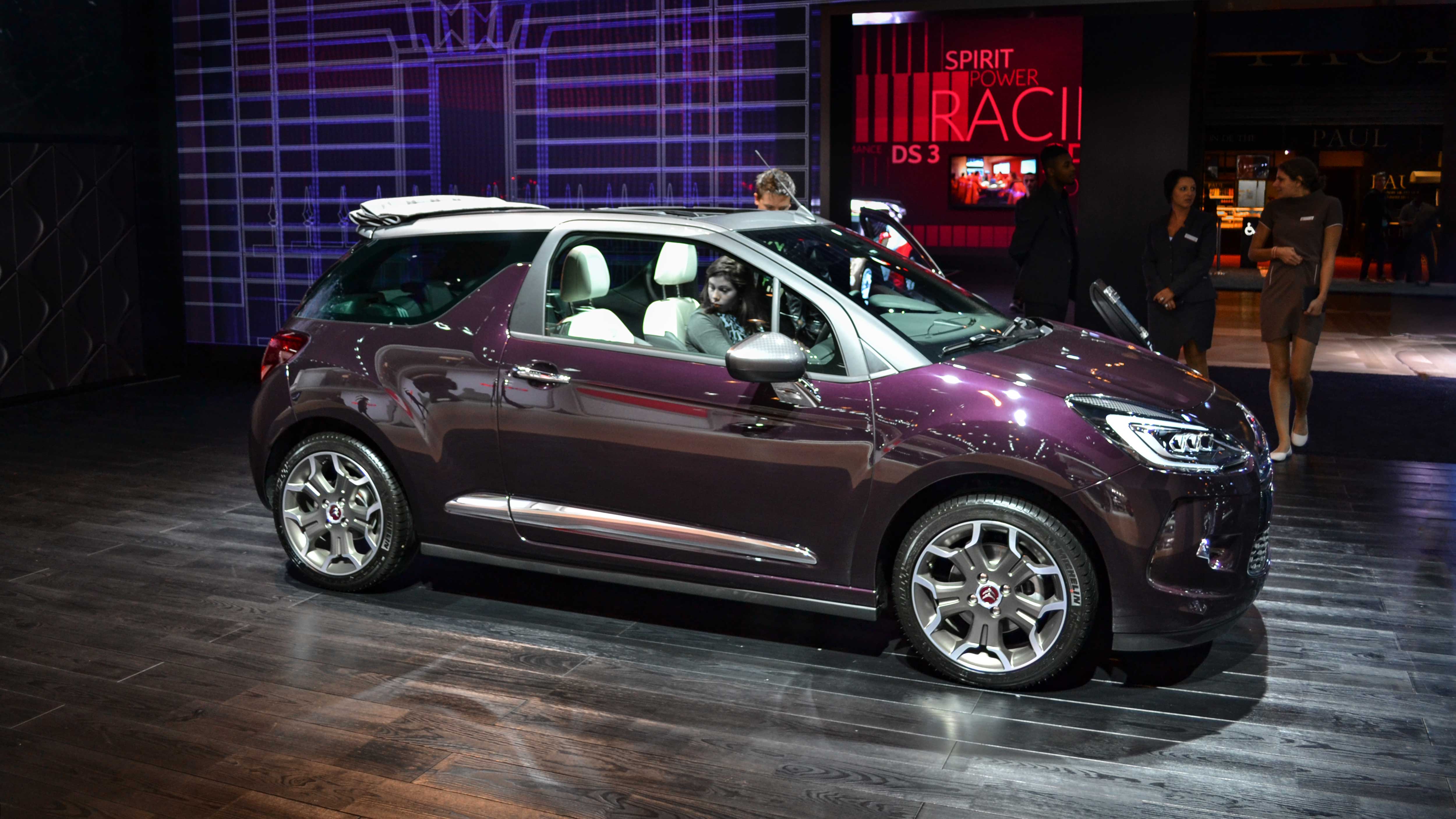
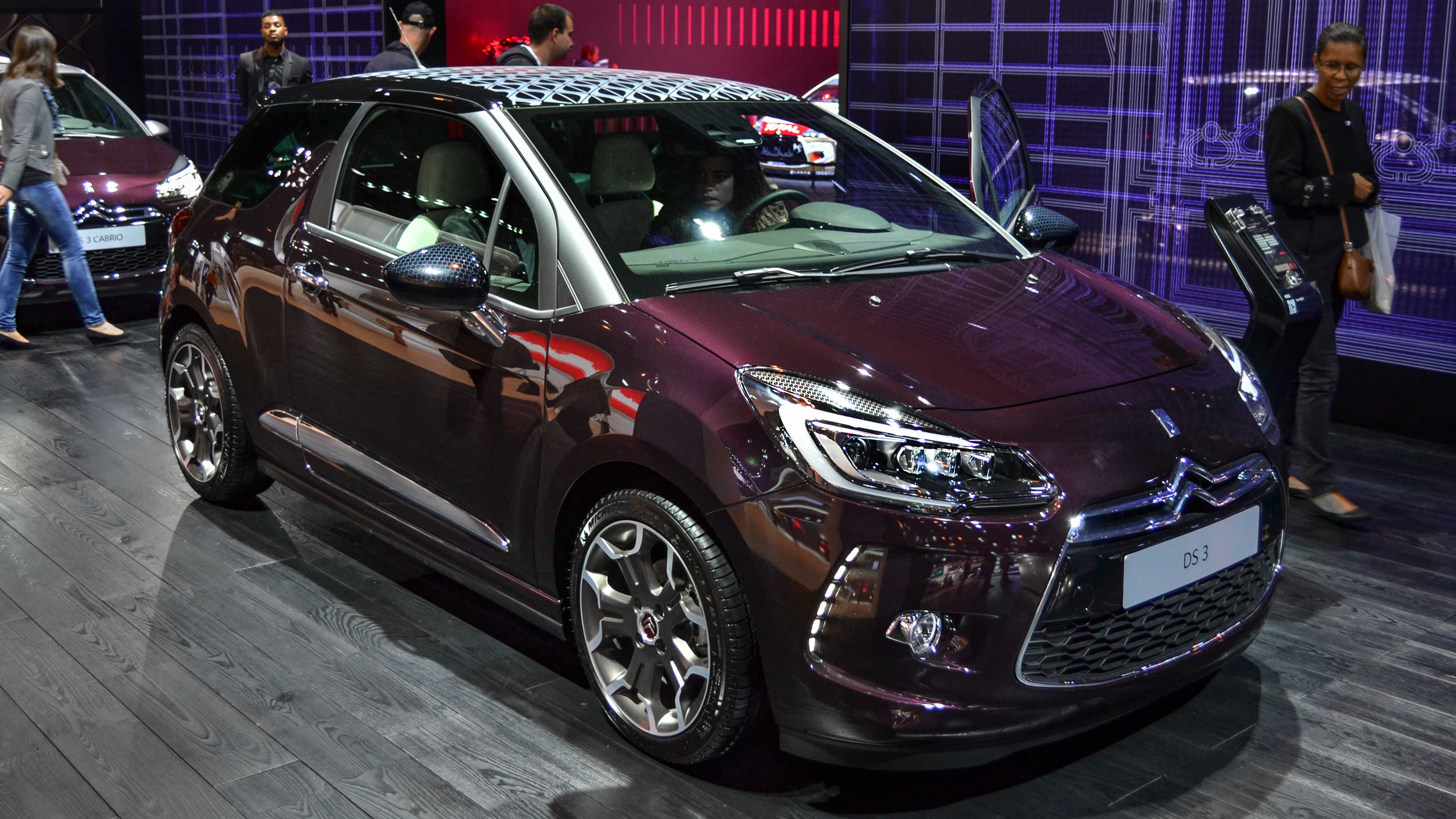
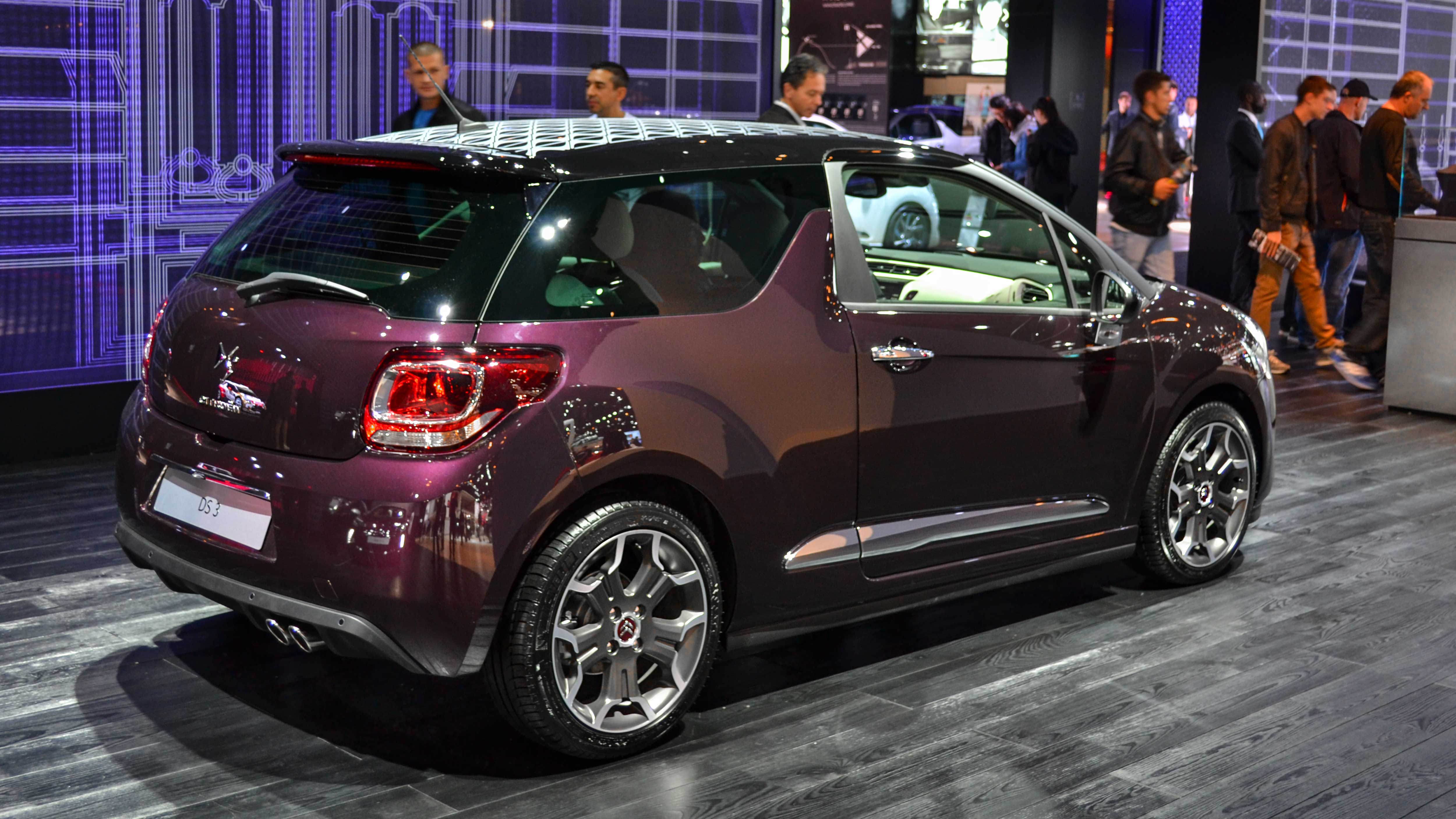
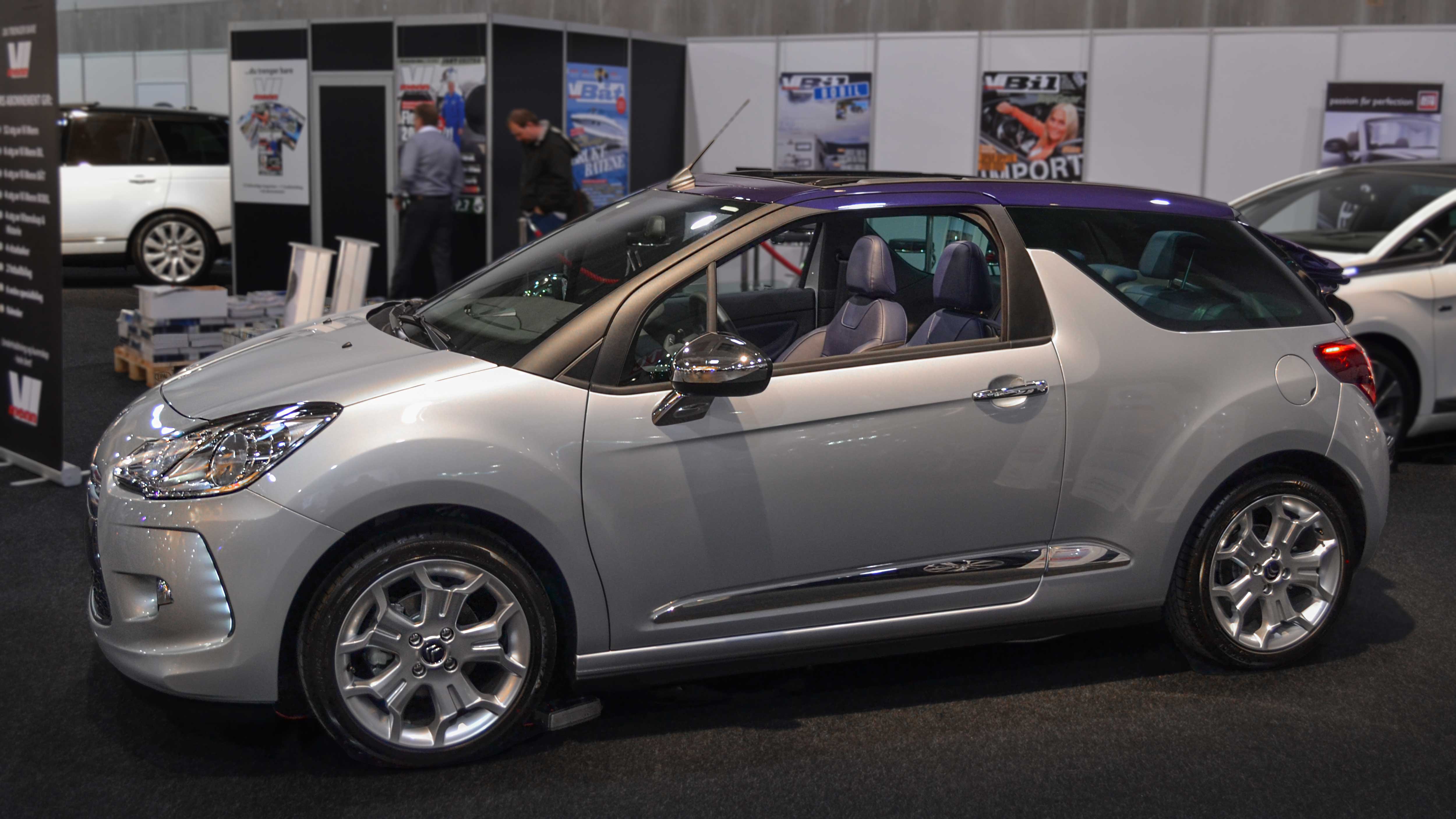
DS 3
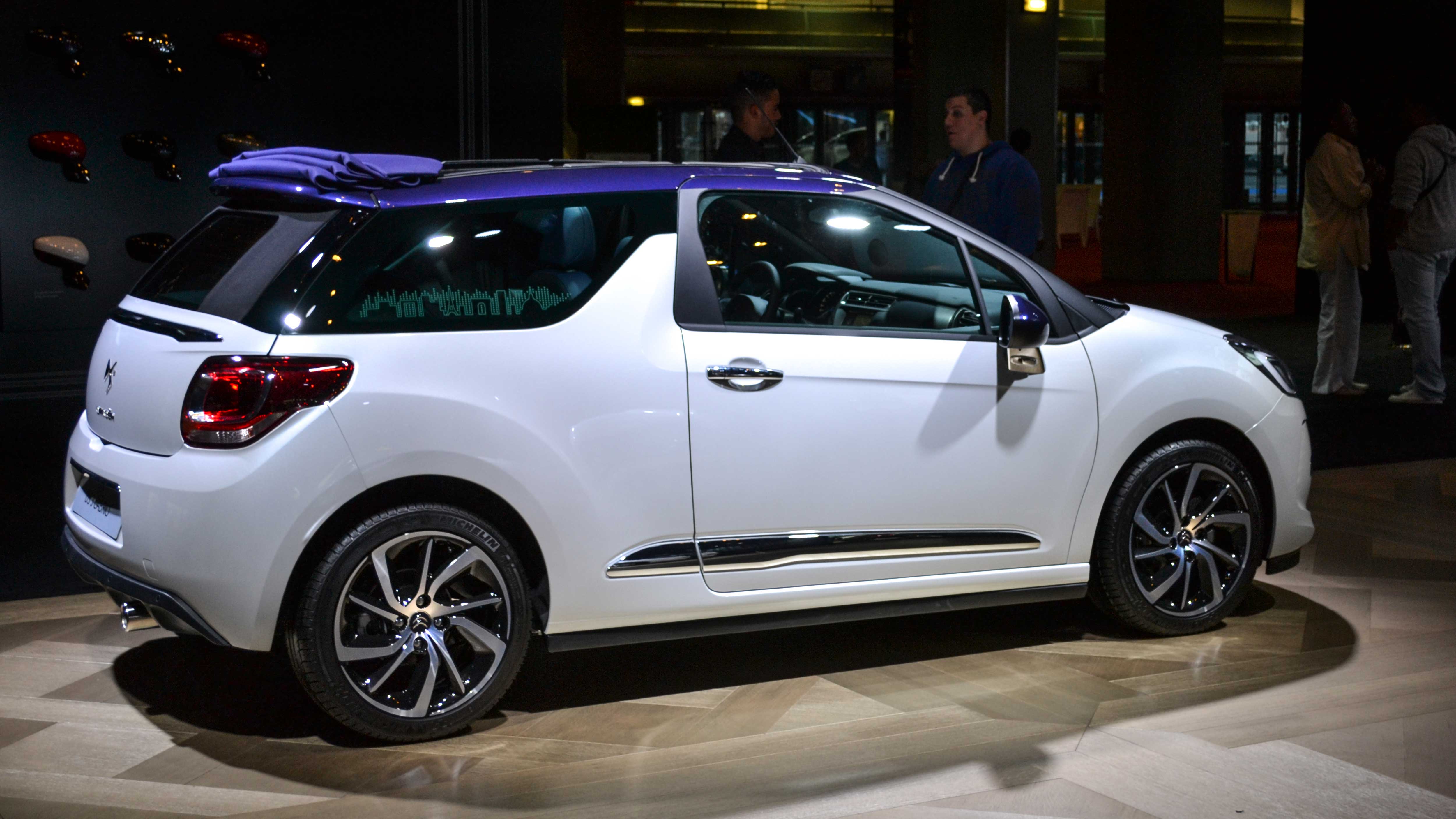
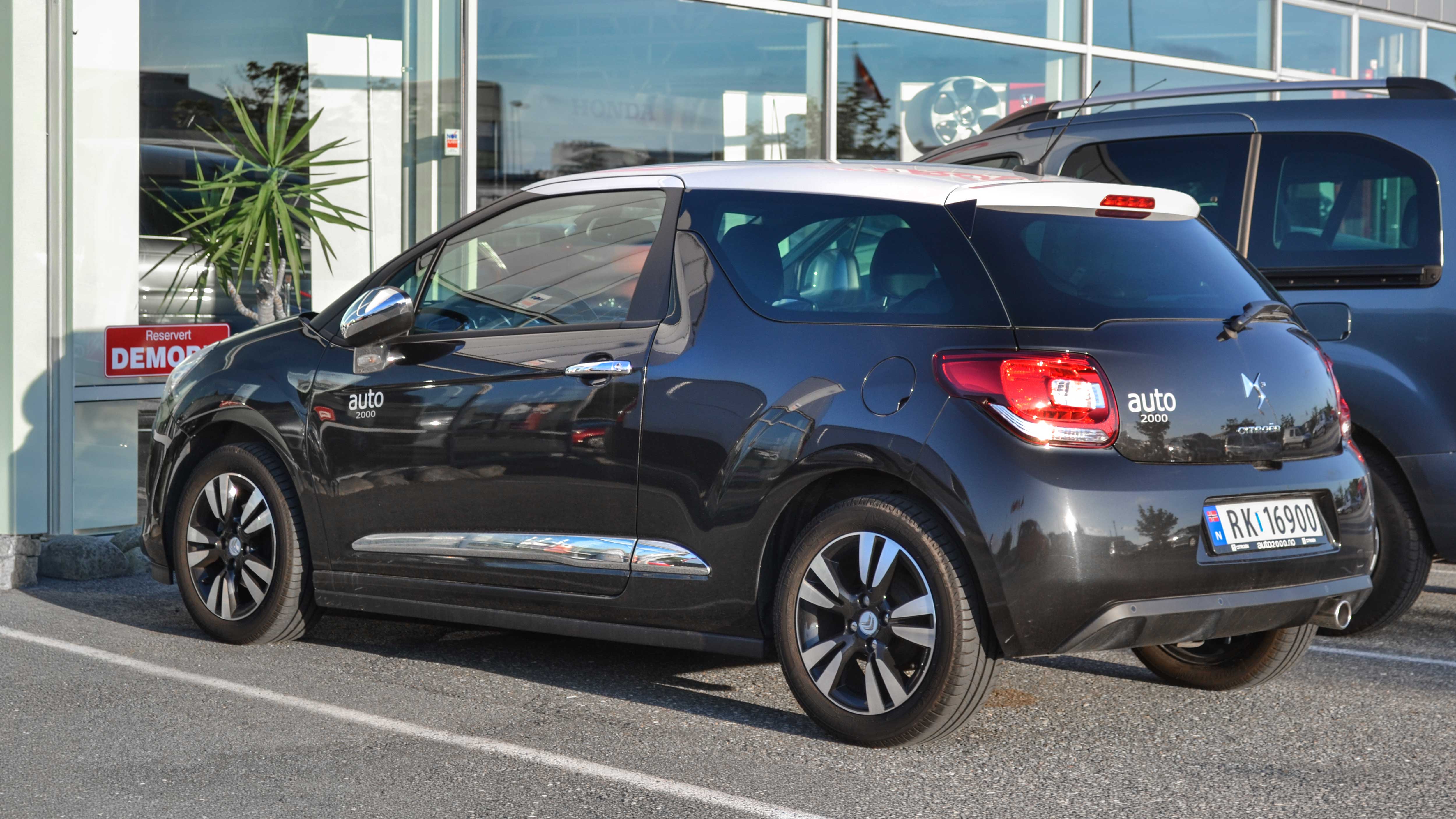
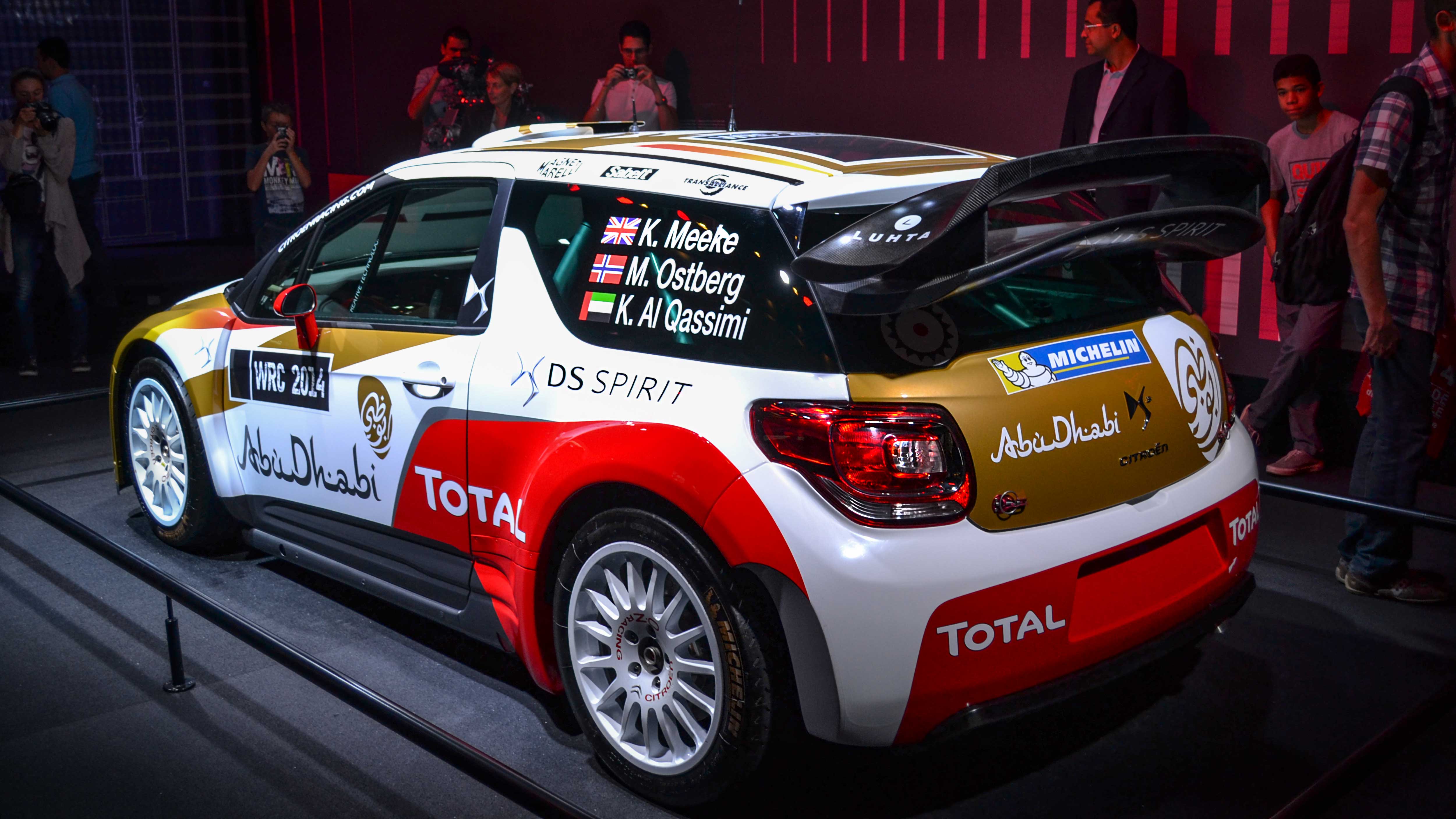
The DS 3 (2009–today) introduced DS as a design-focused premium small car. As a result, petrol, diesel, and later electric versions deliver up to about 208 hp, pairing compact size with sharp styling and urban agility.
2 CV
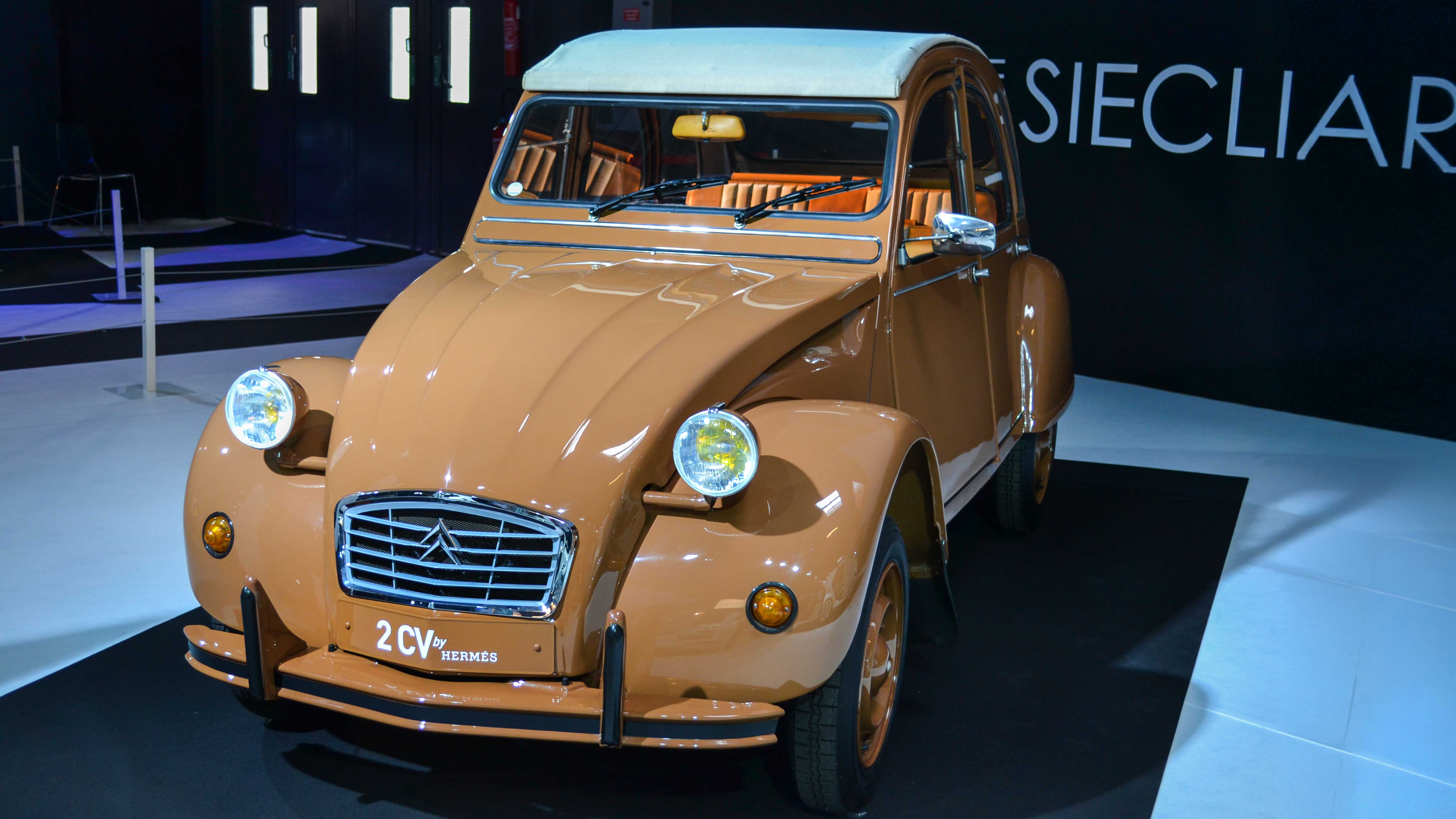
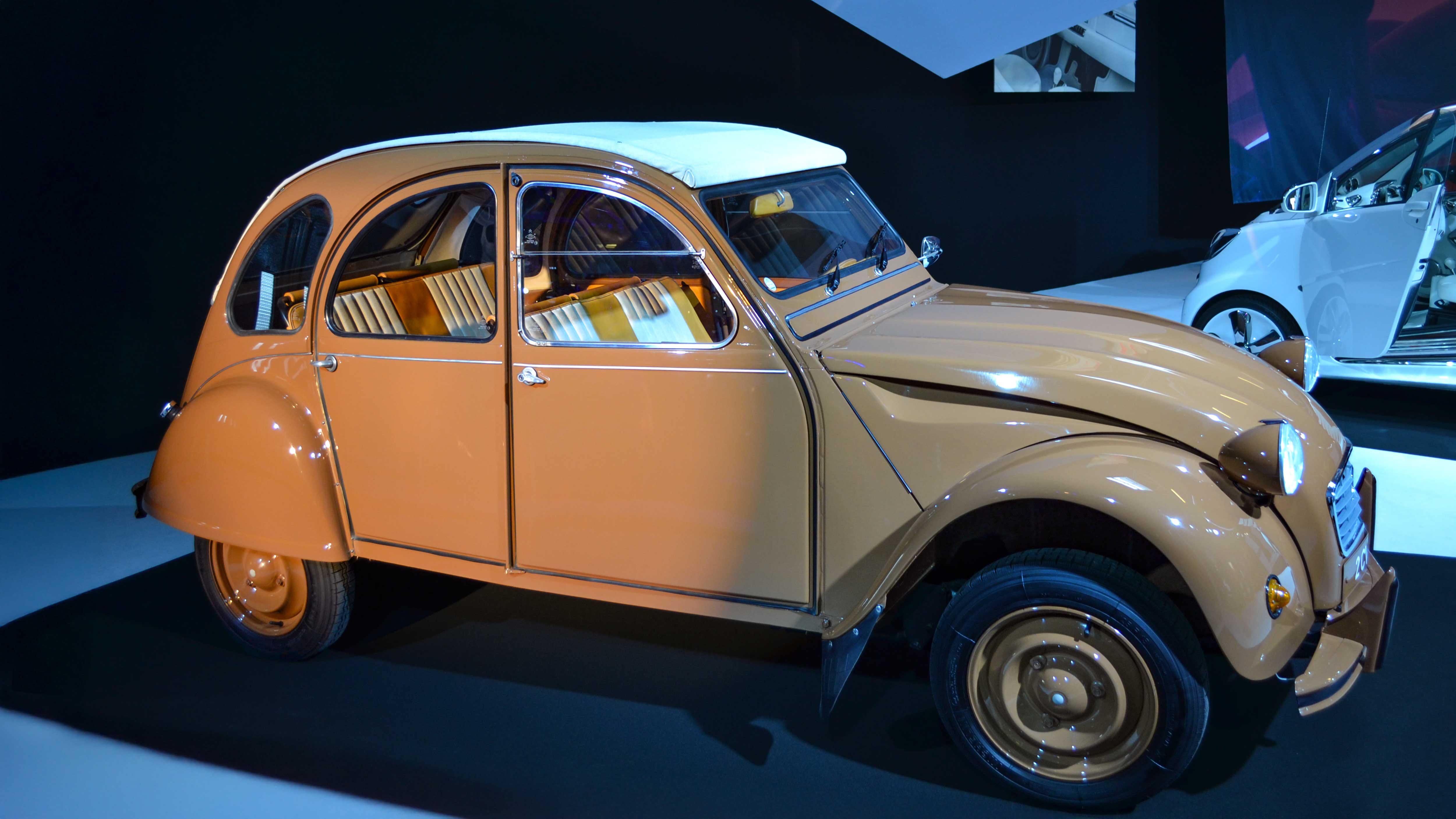
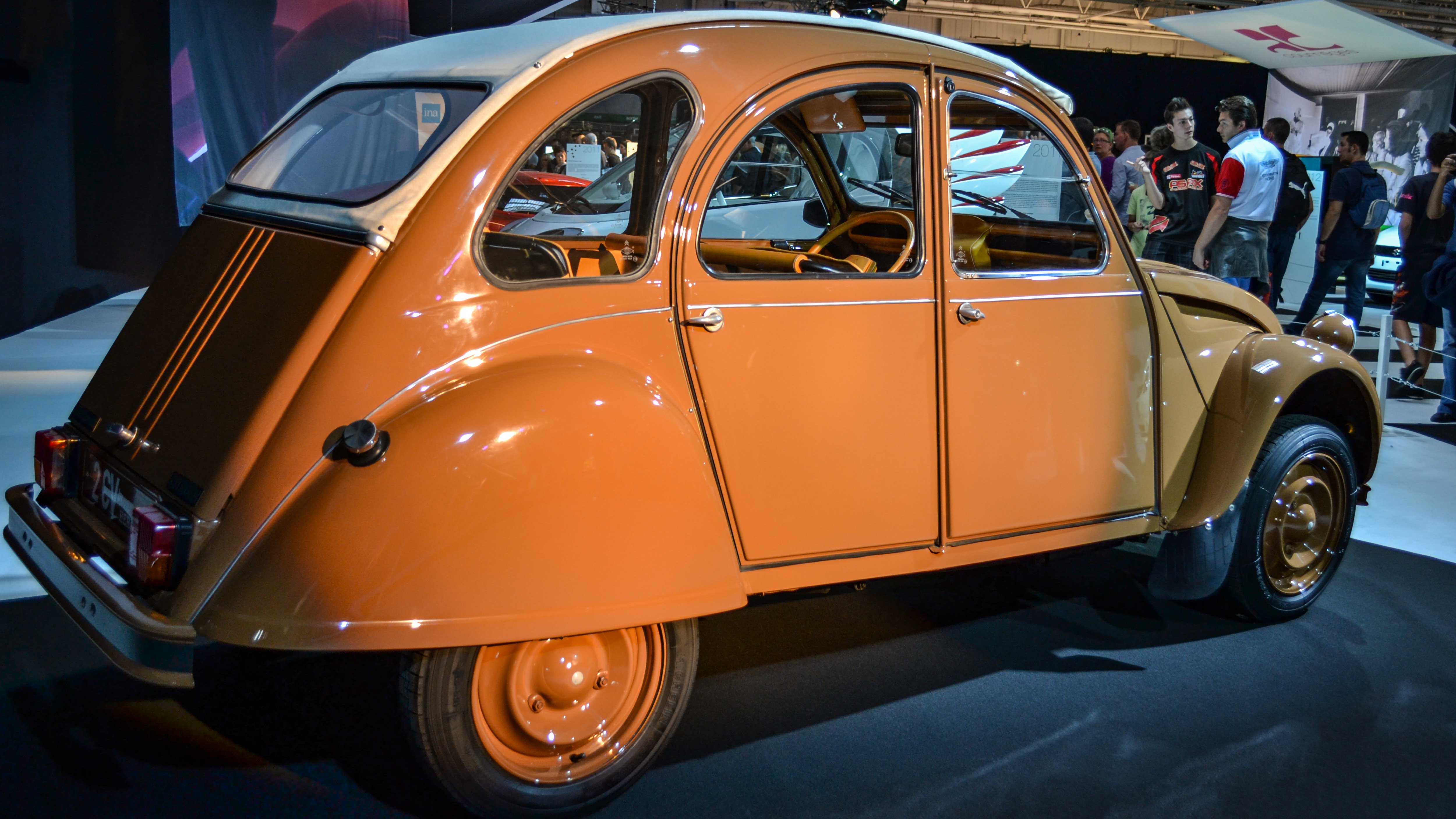
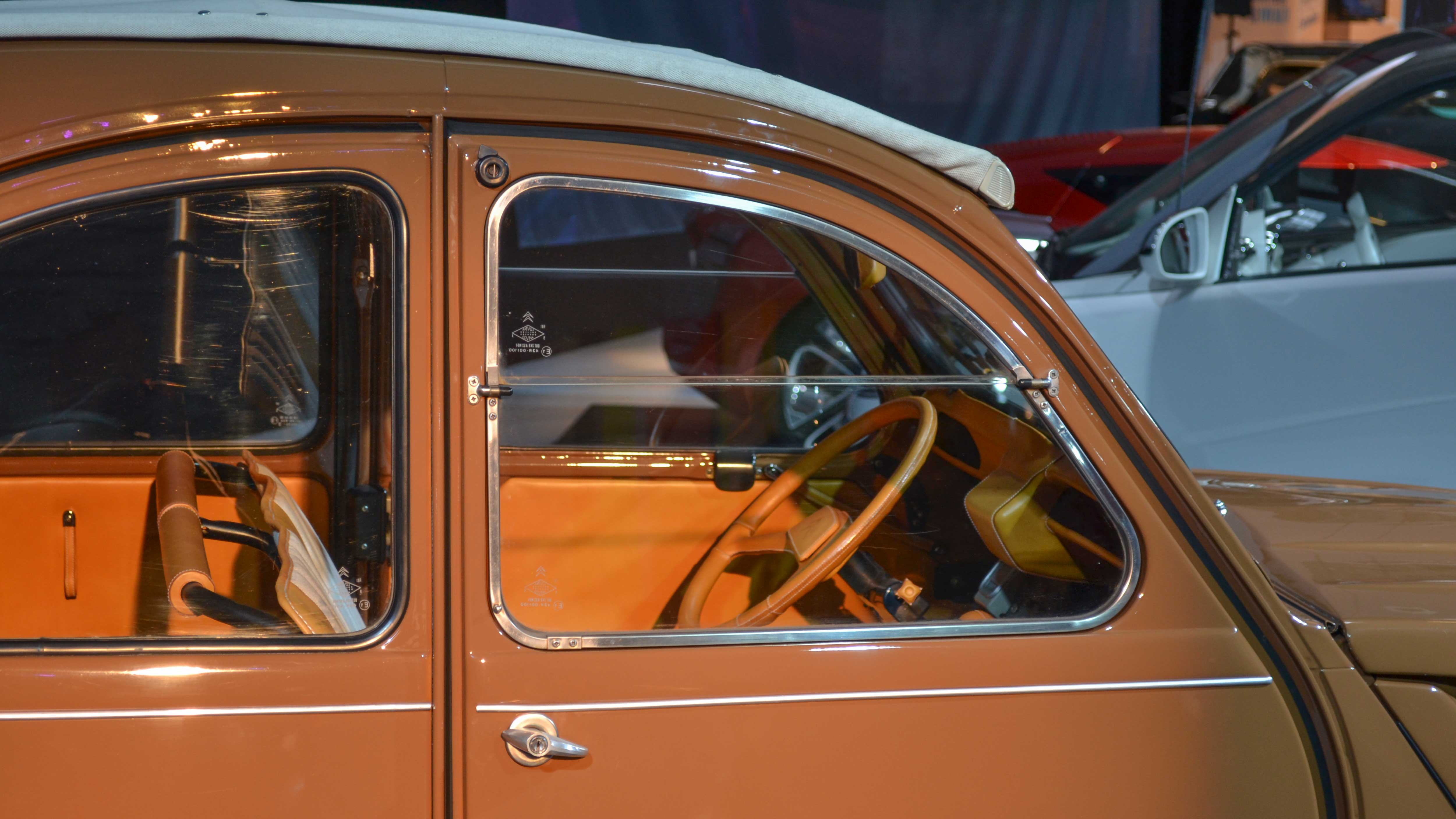
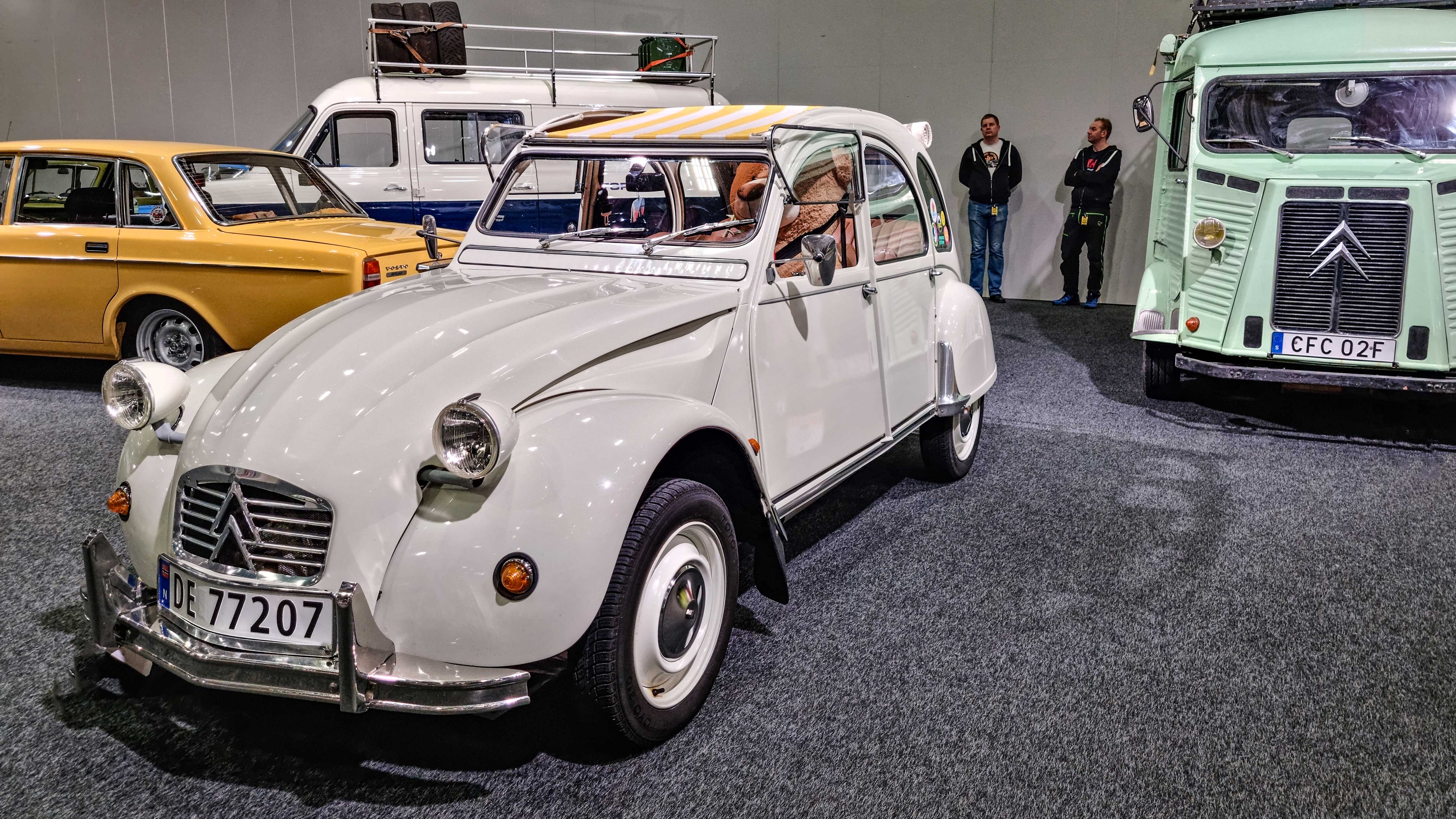
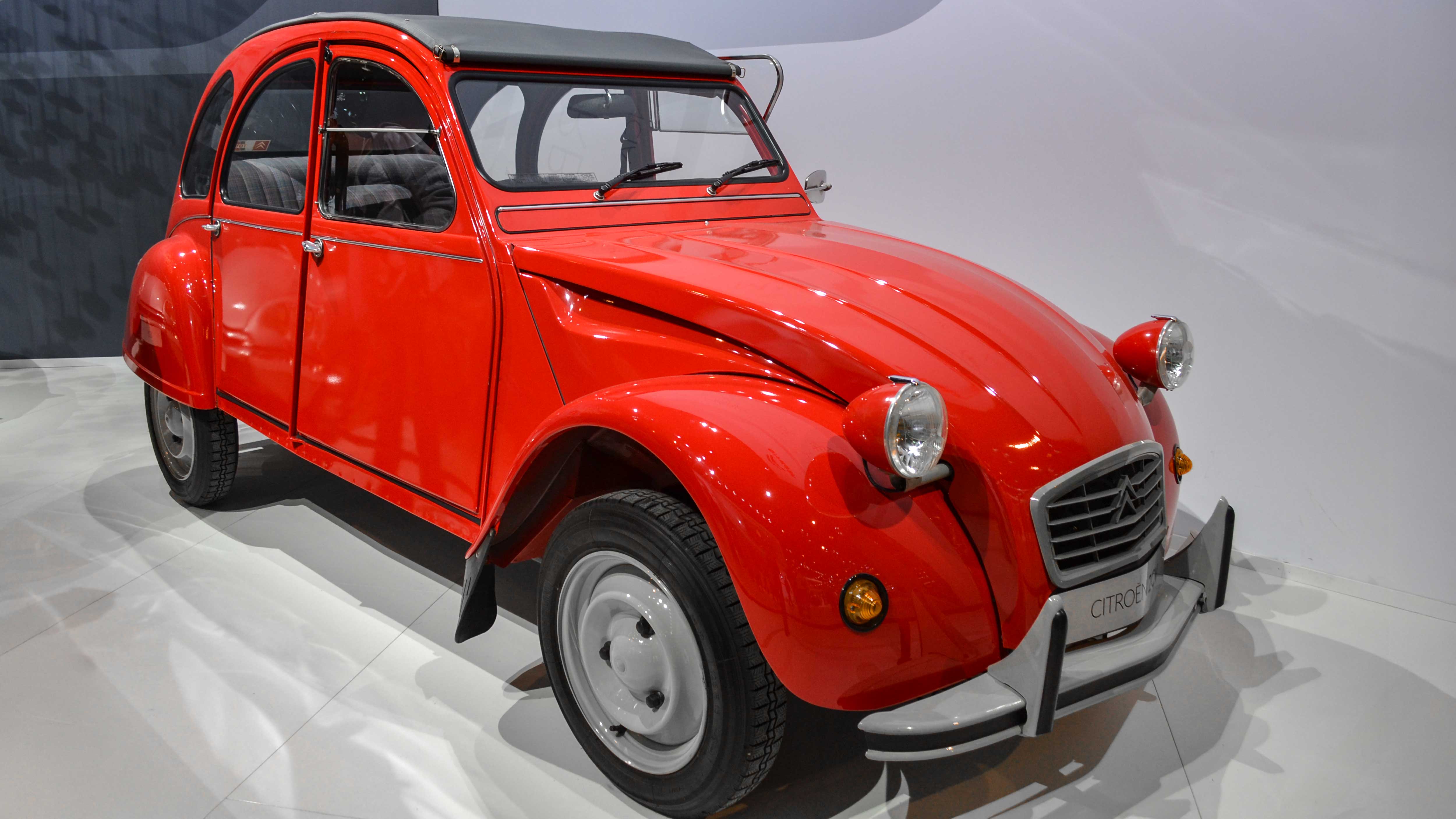
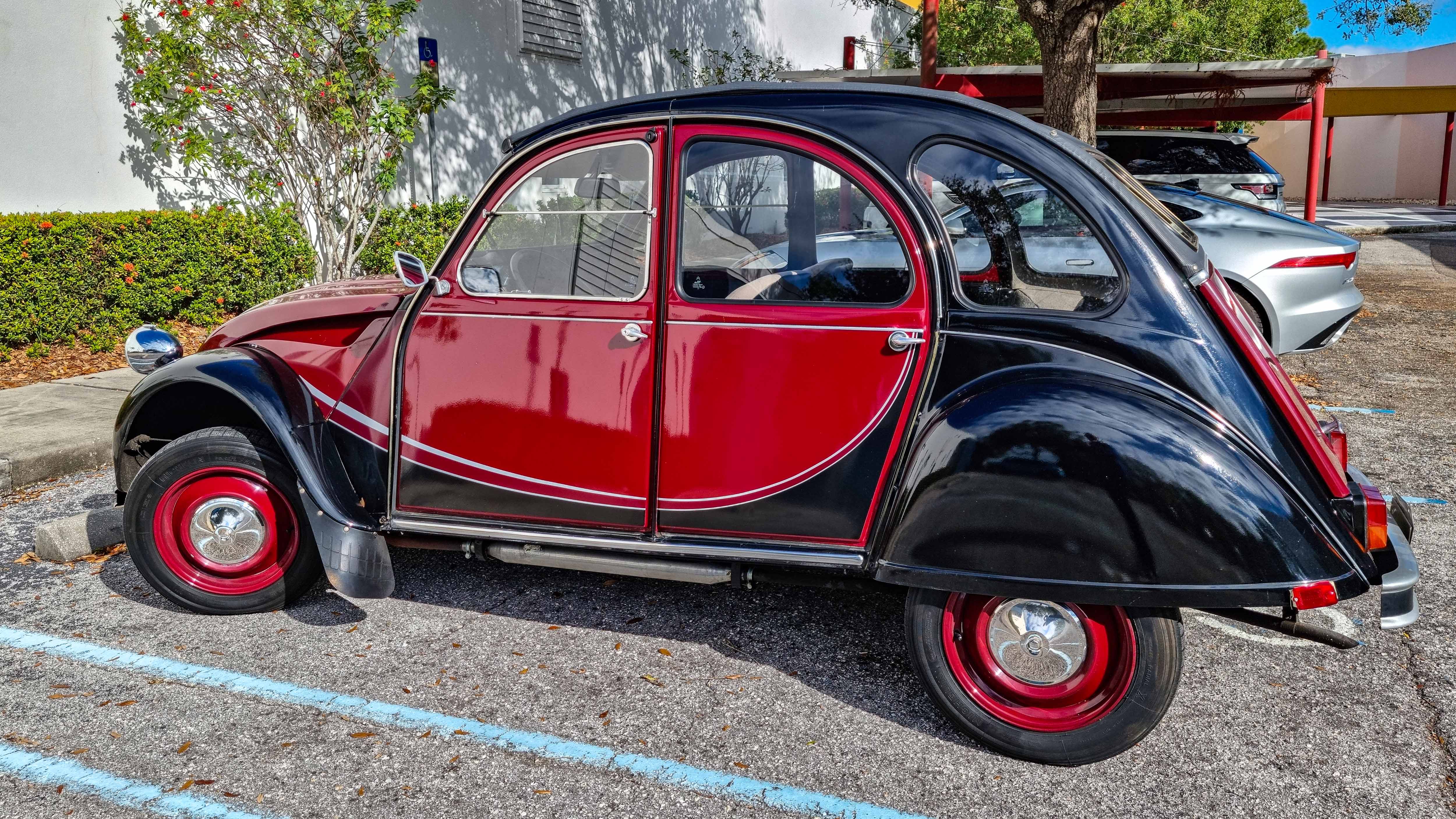
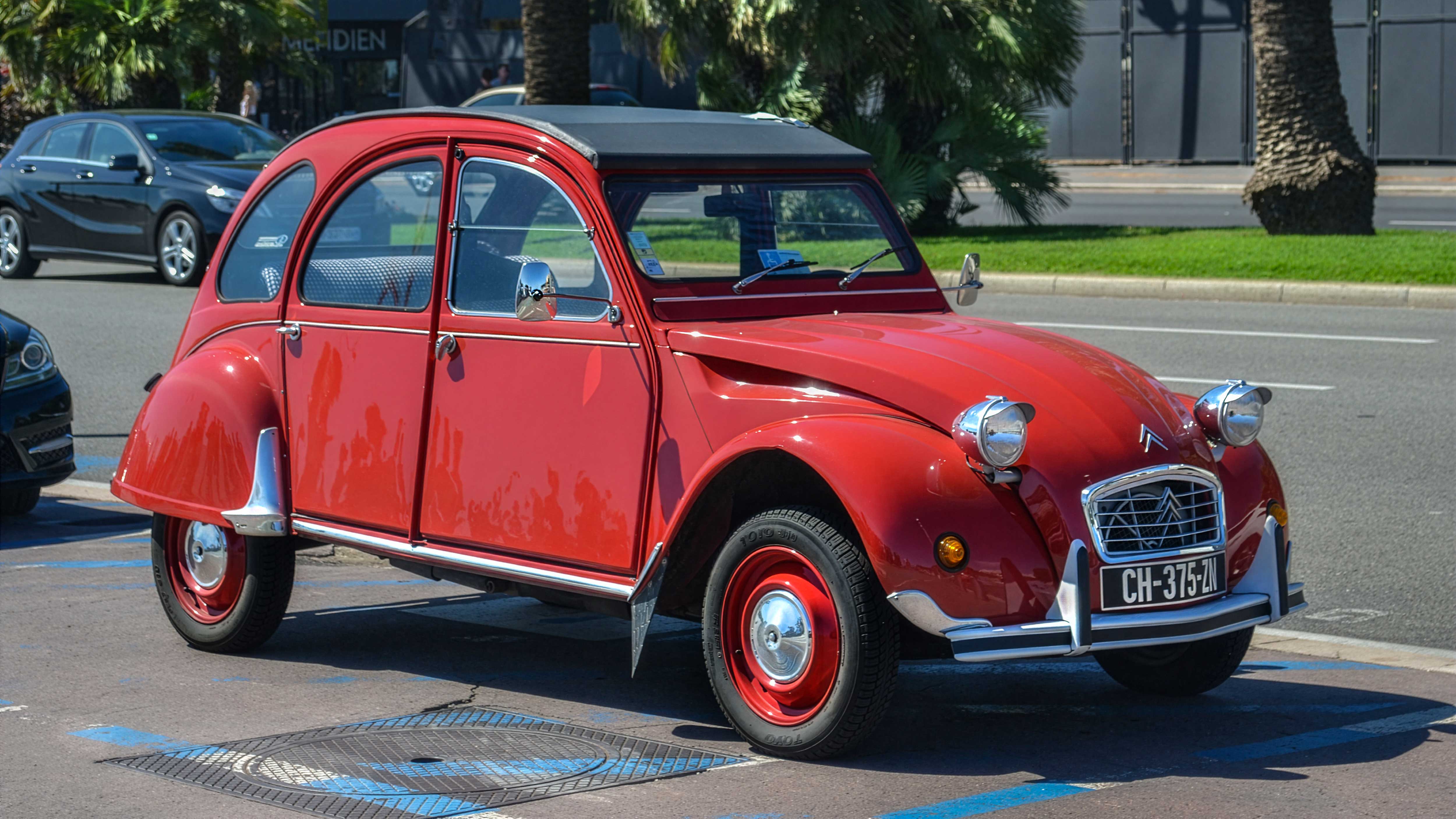
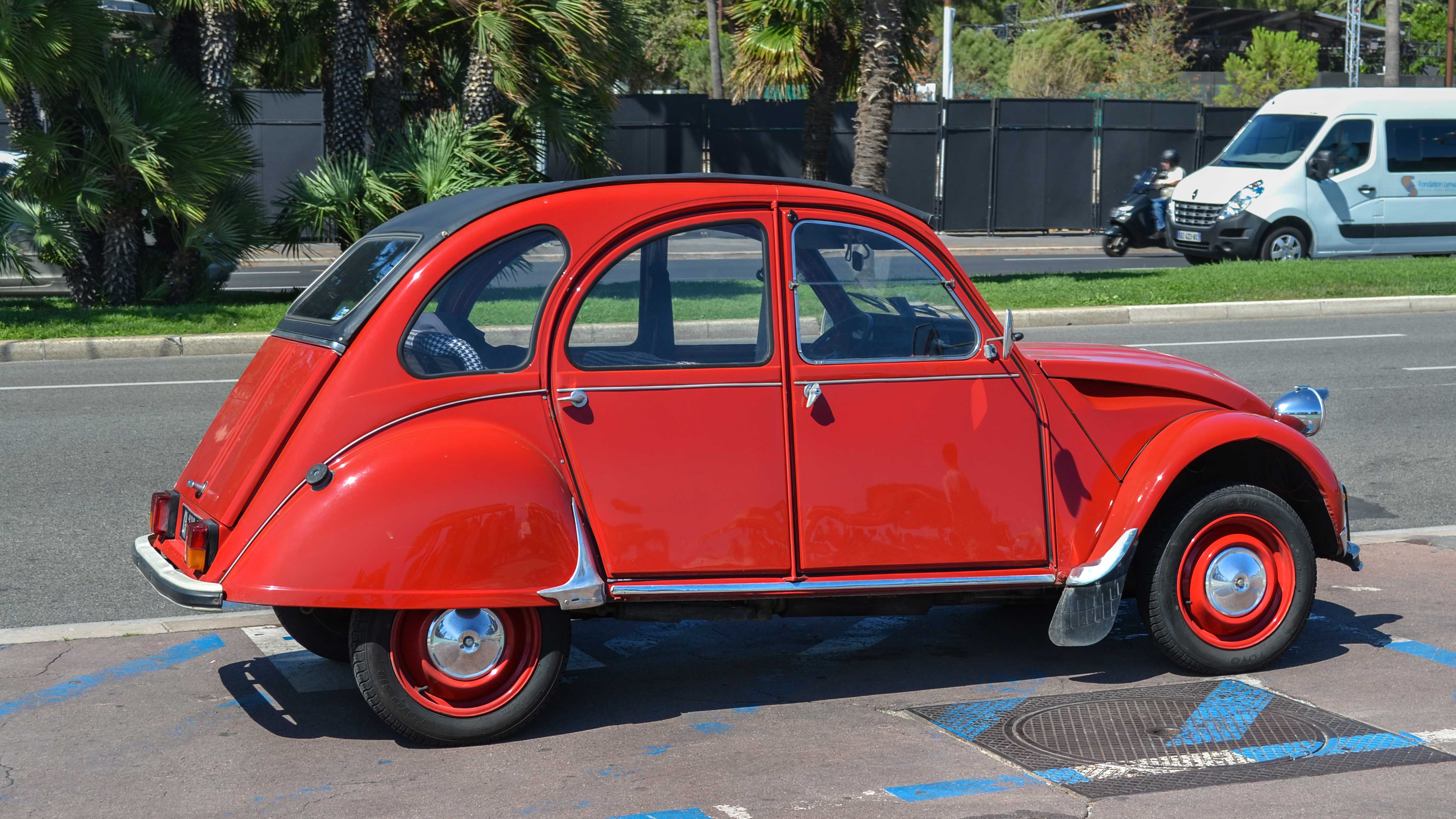
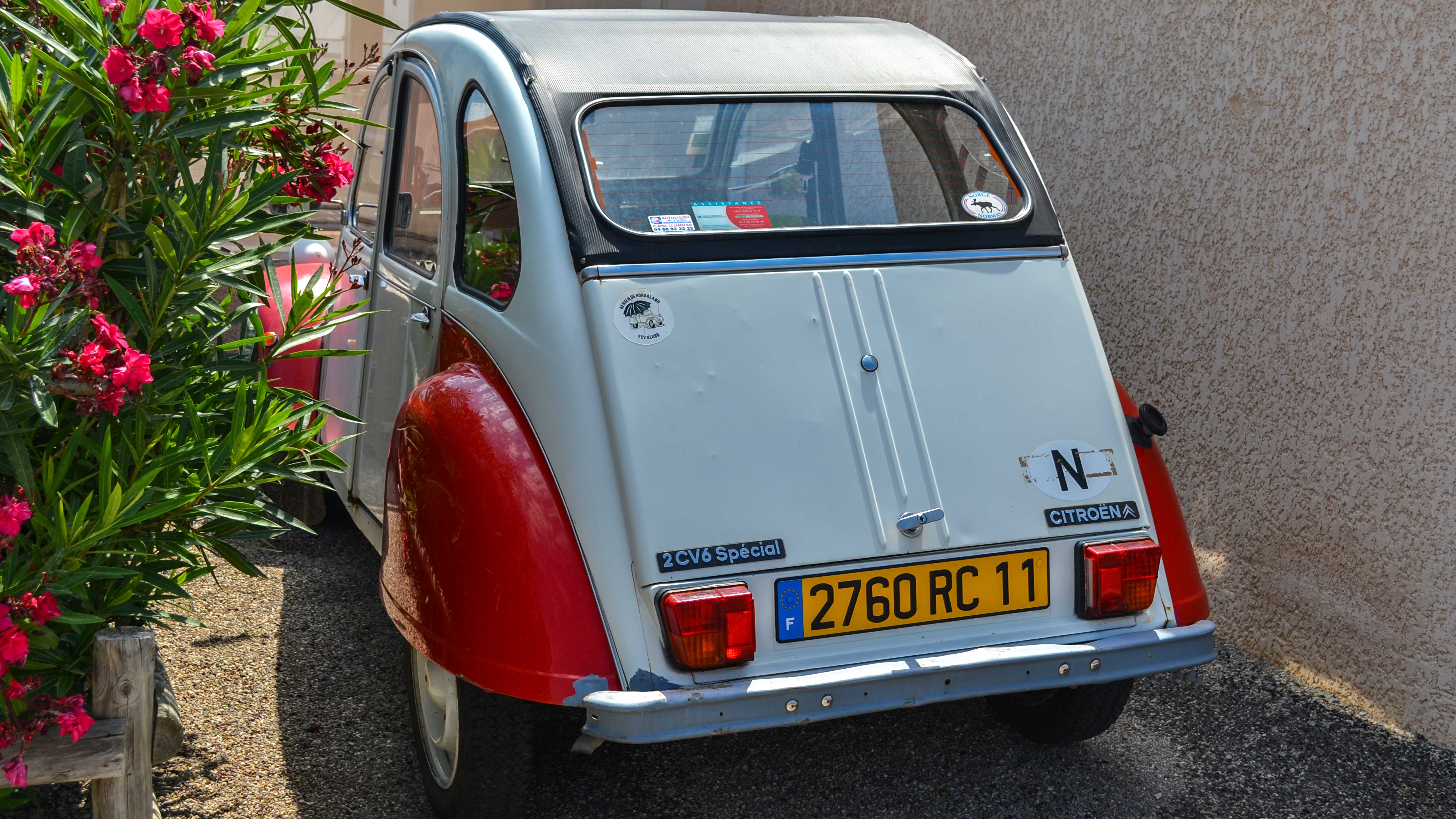
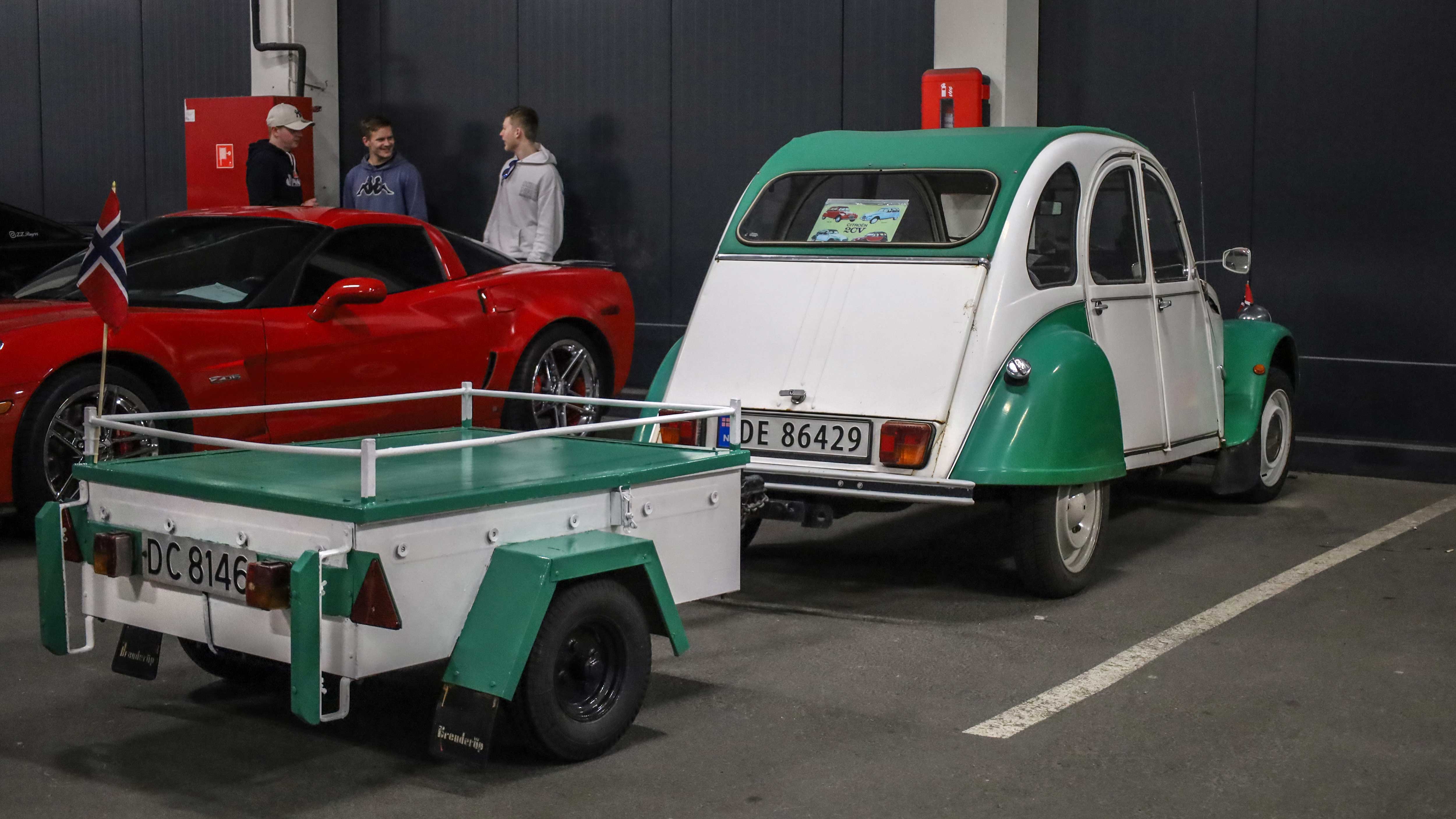
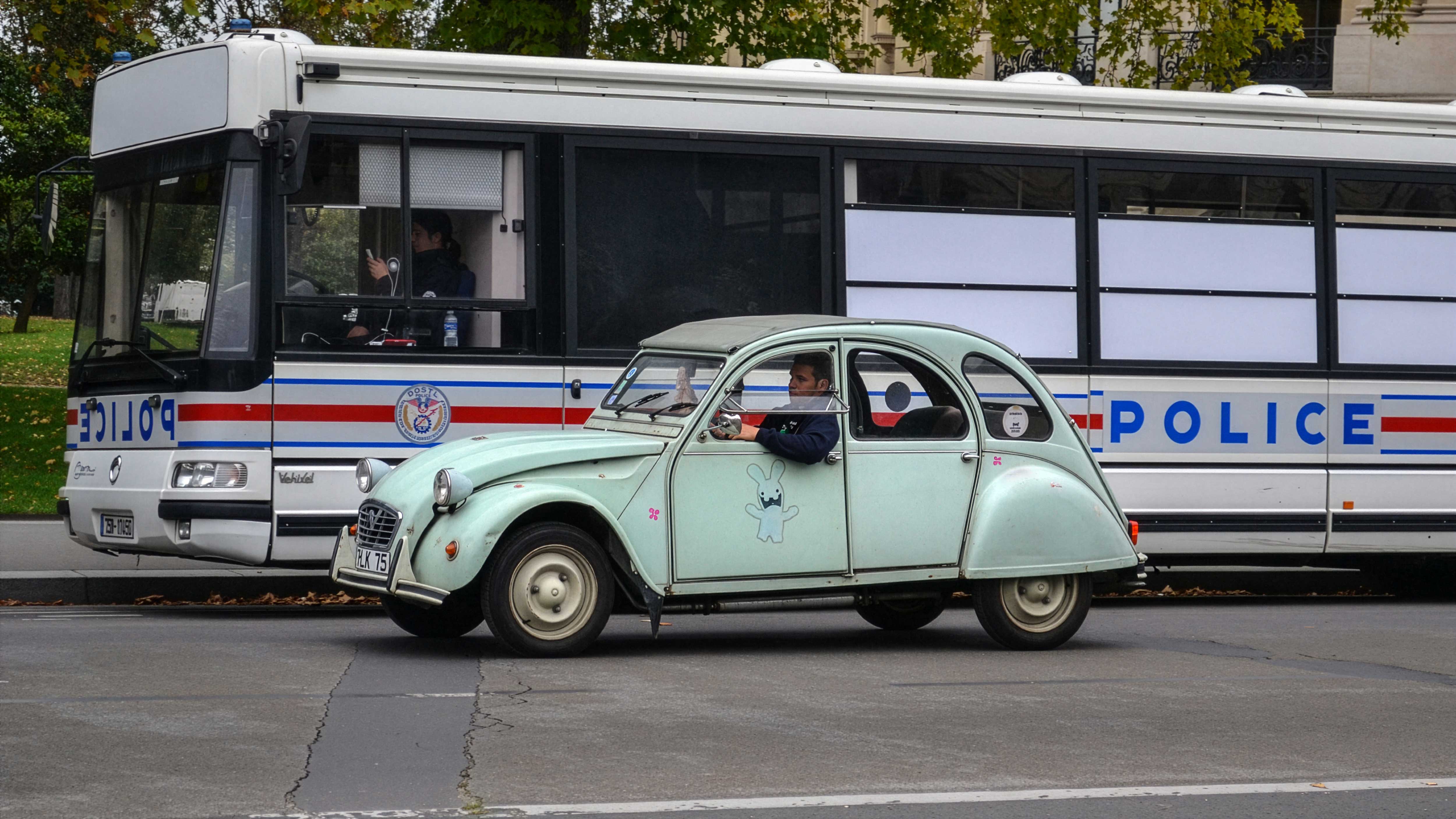
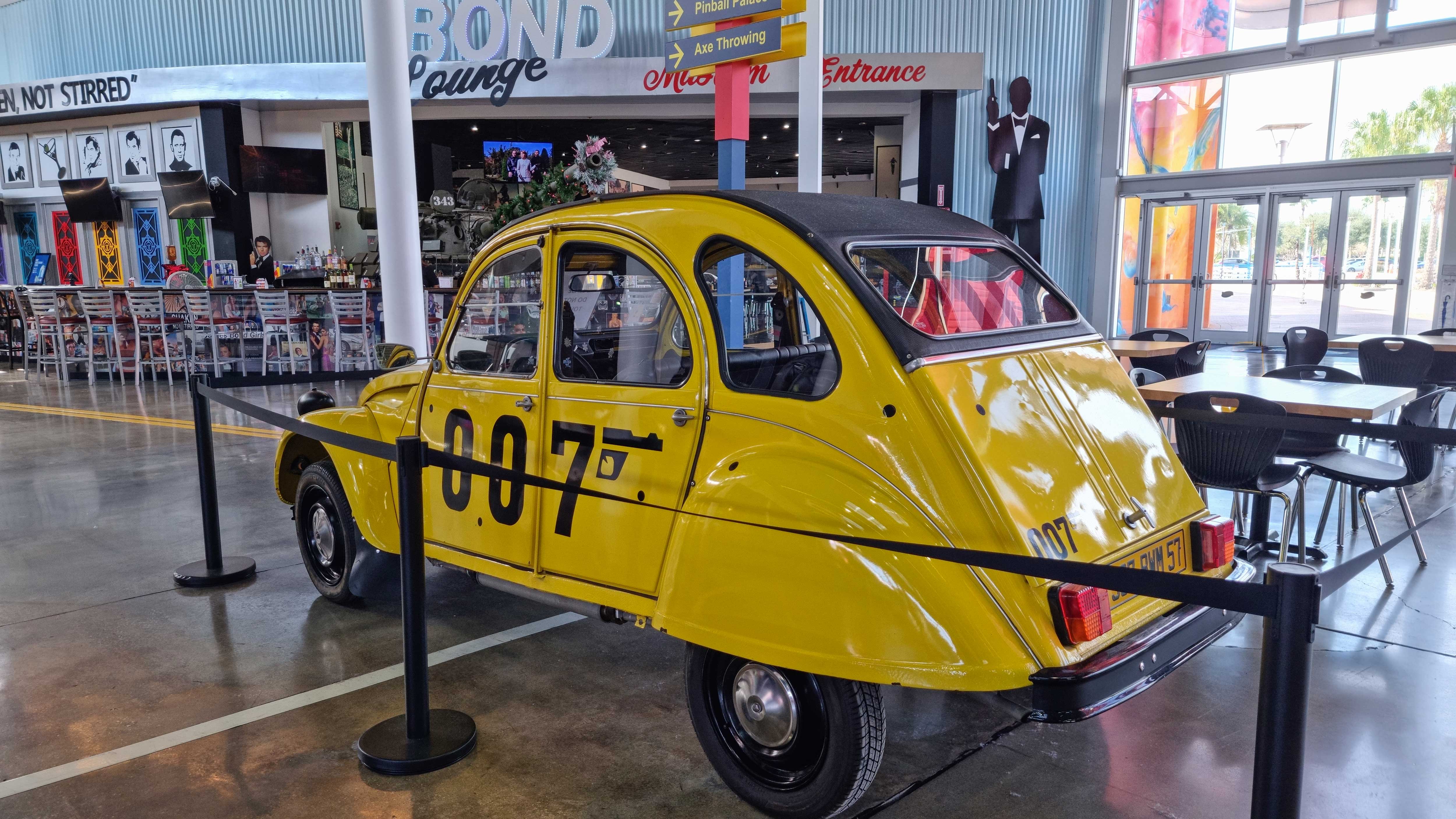
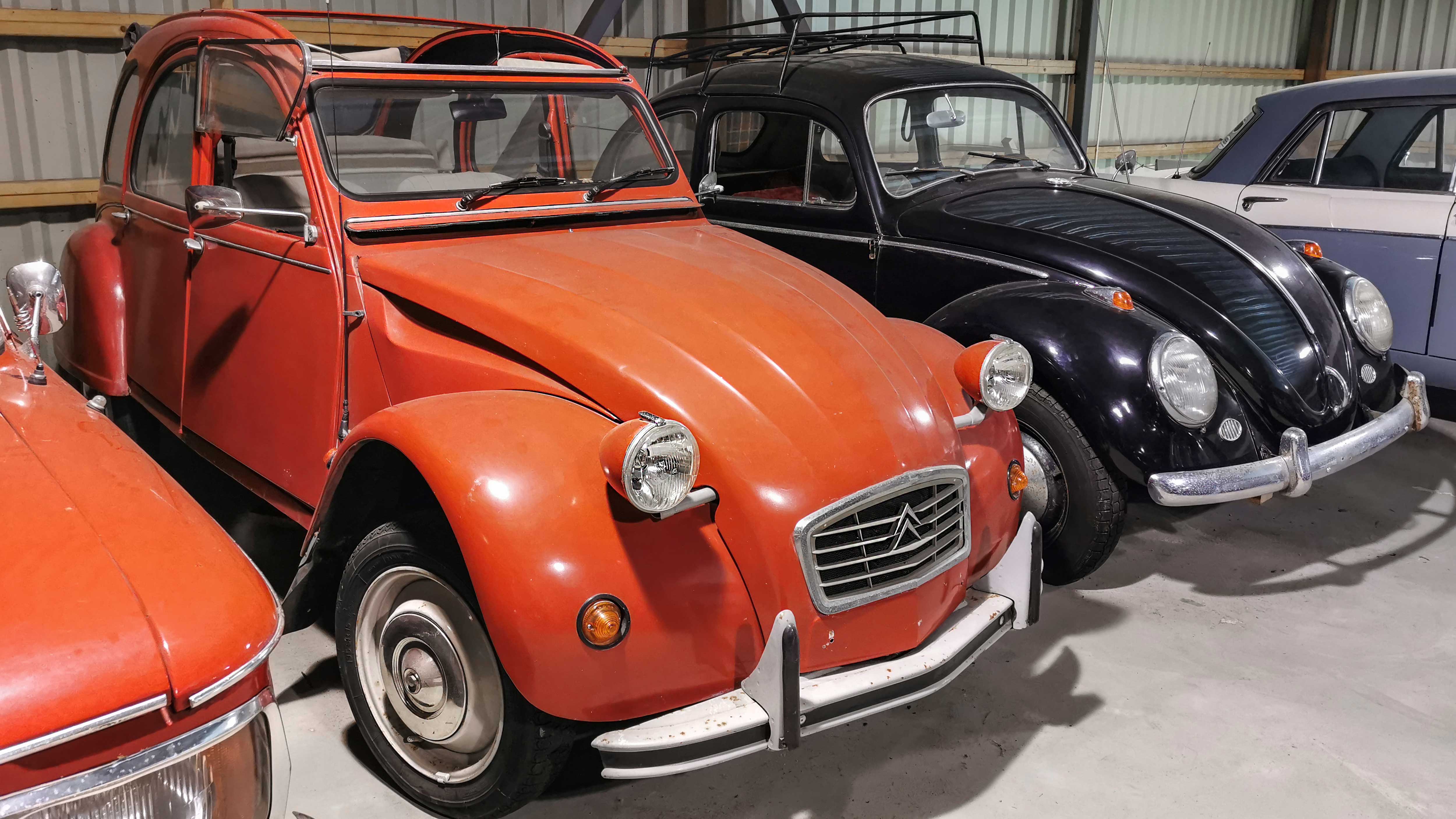
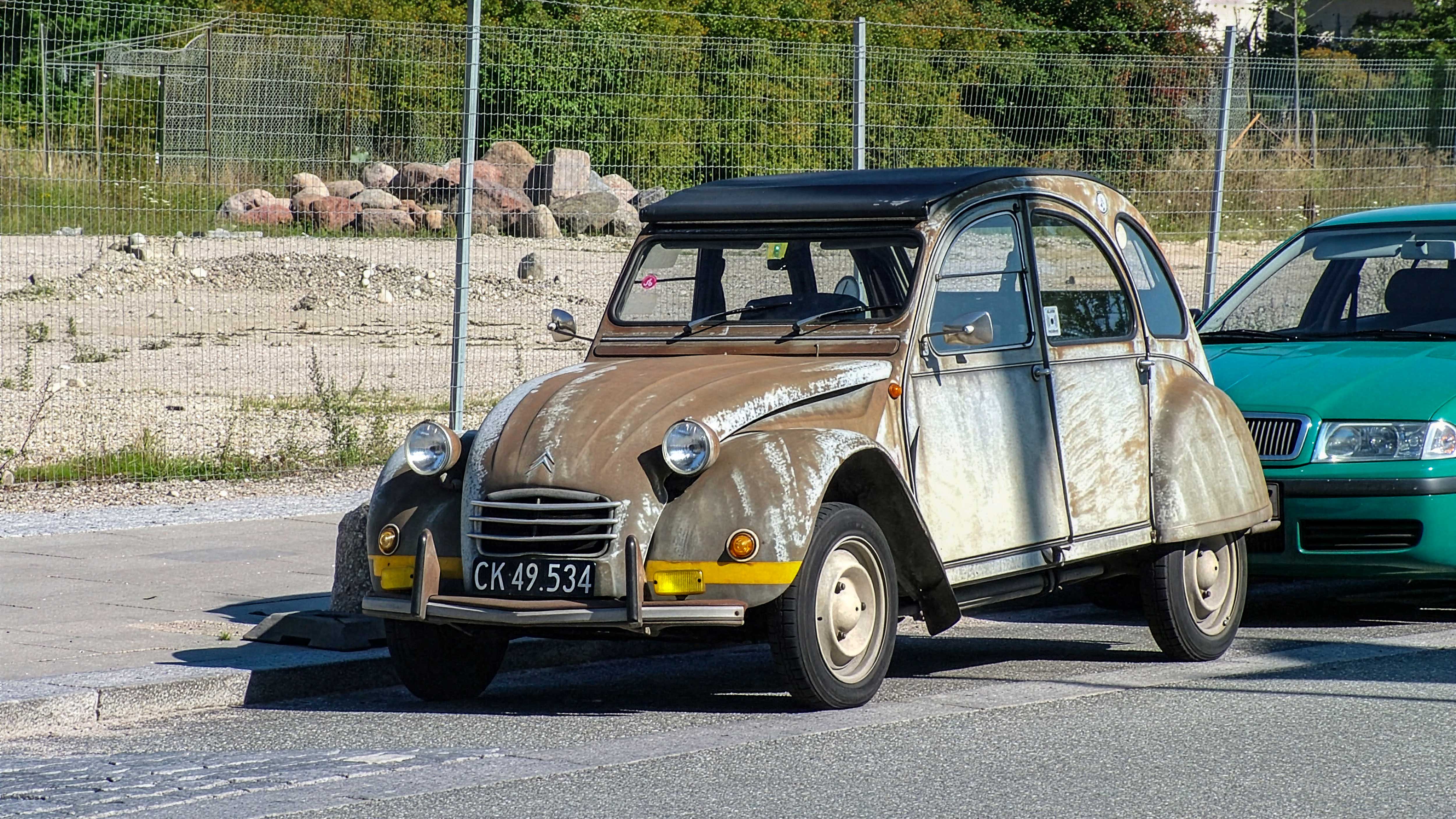
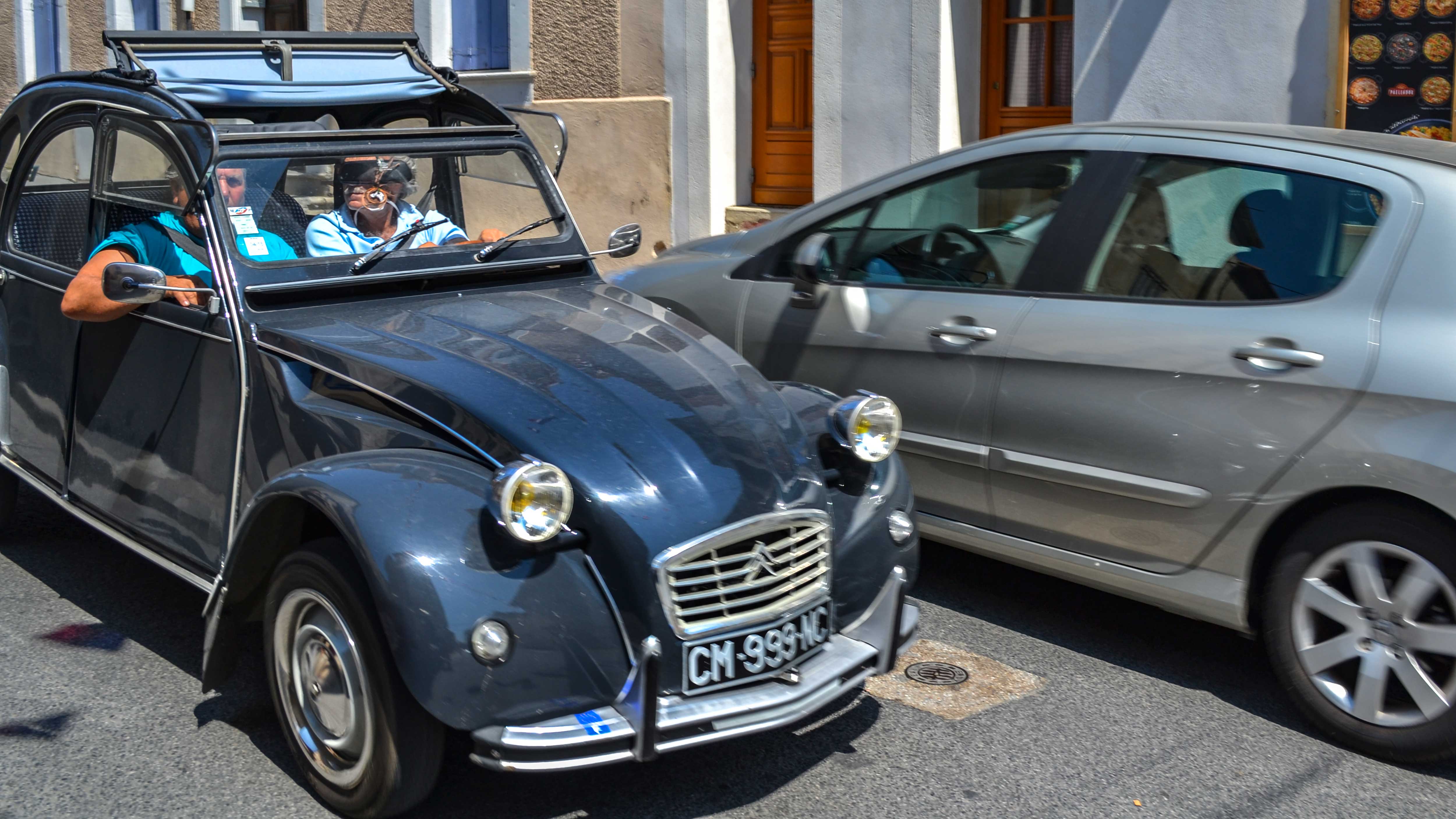
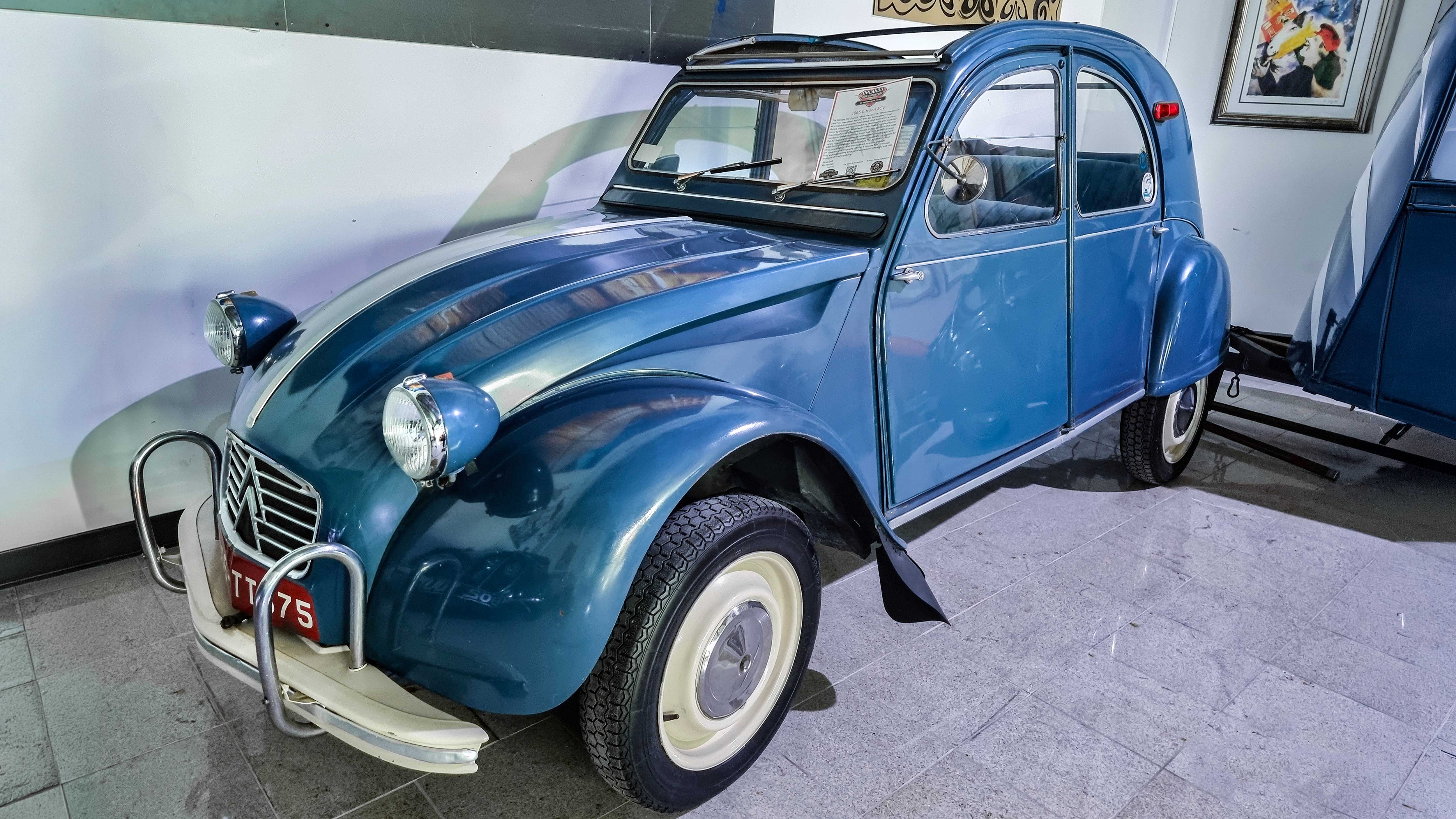
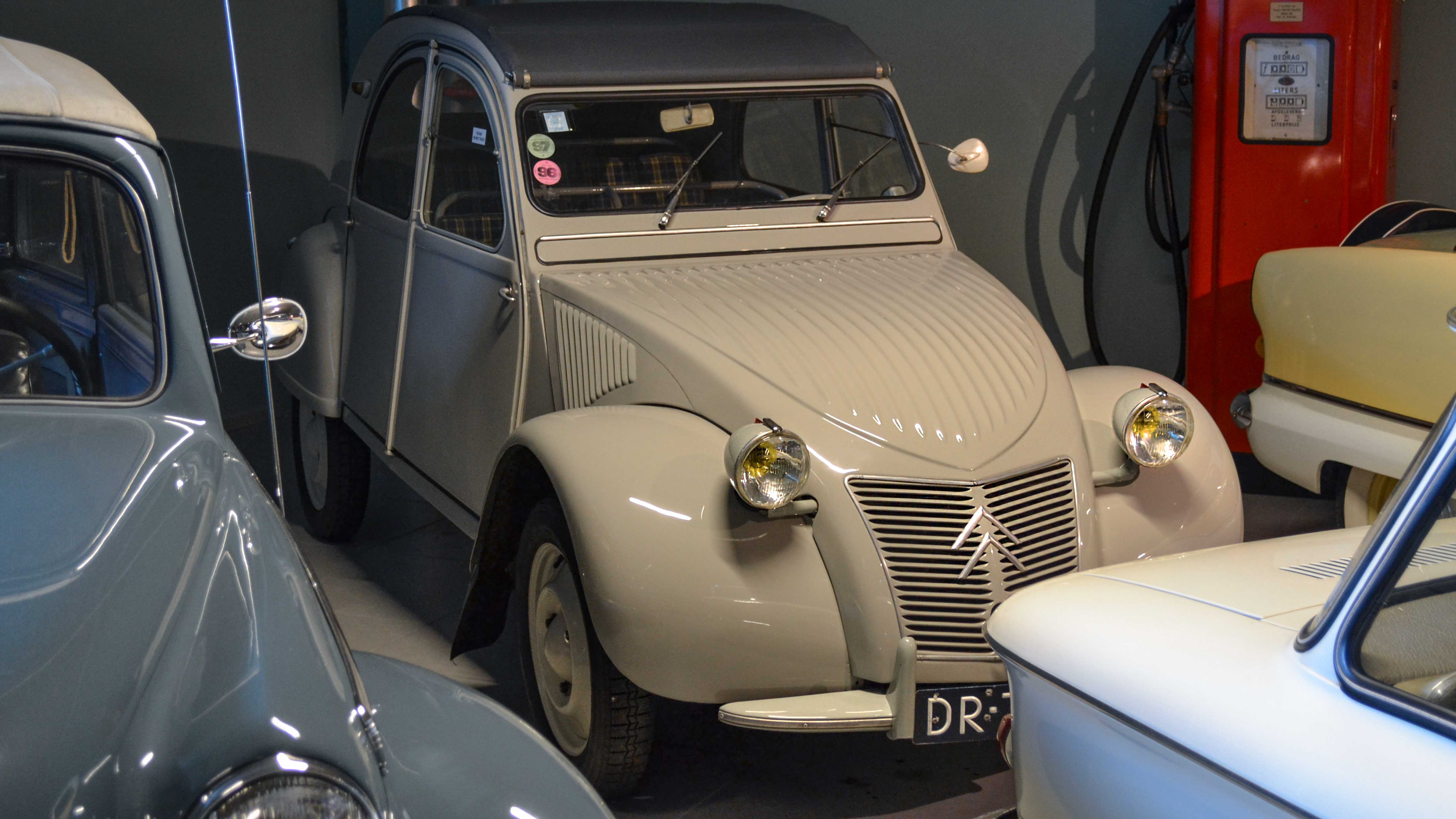
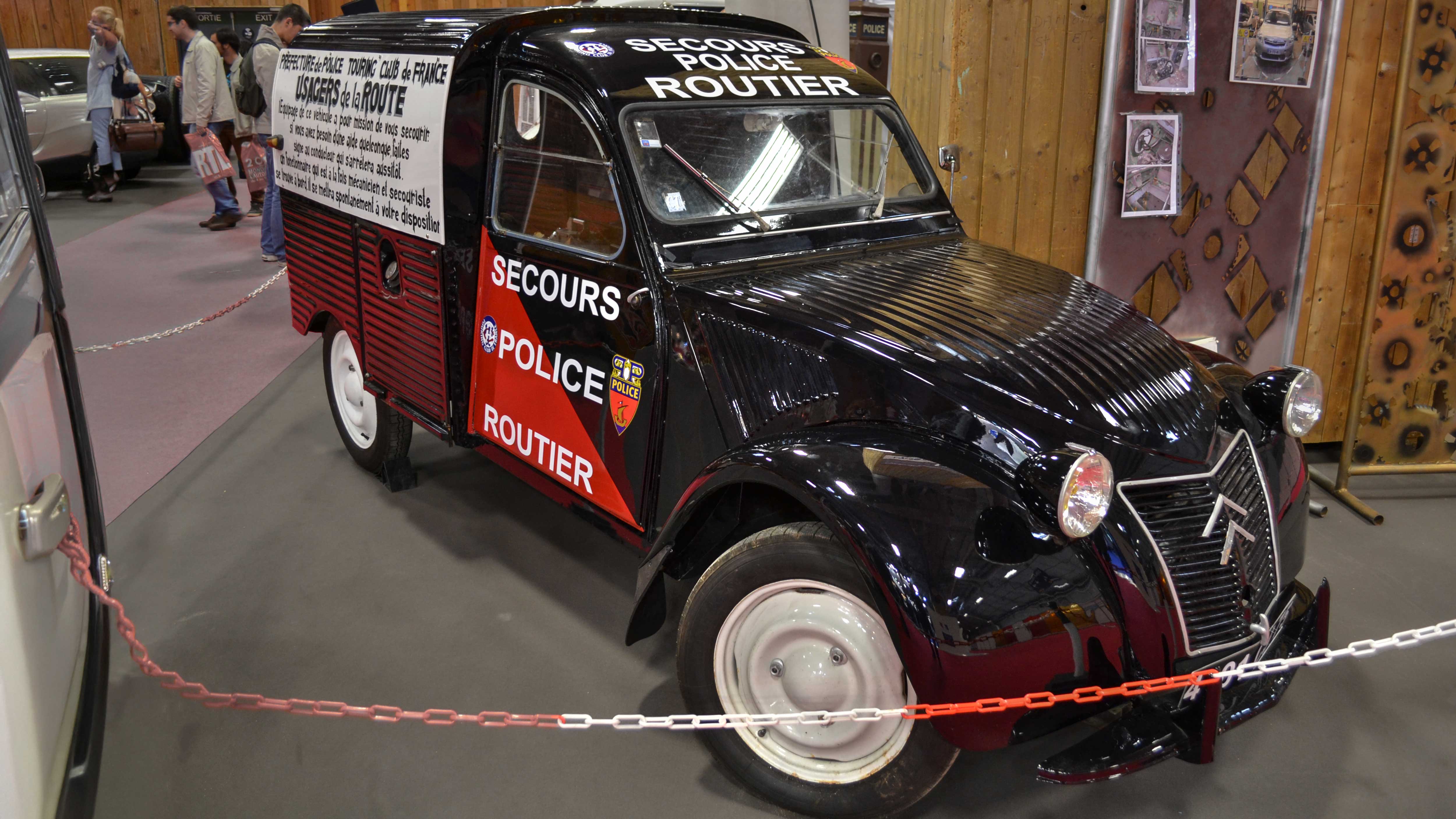
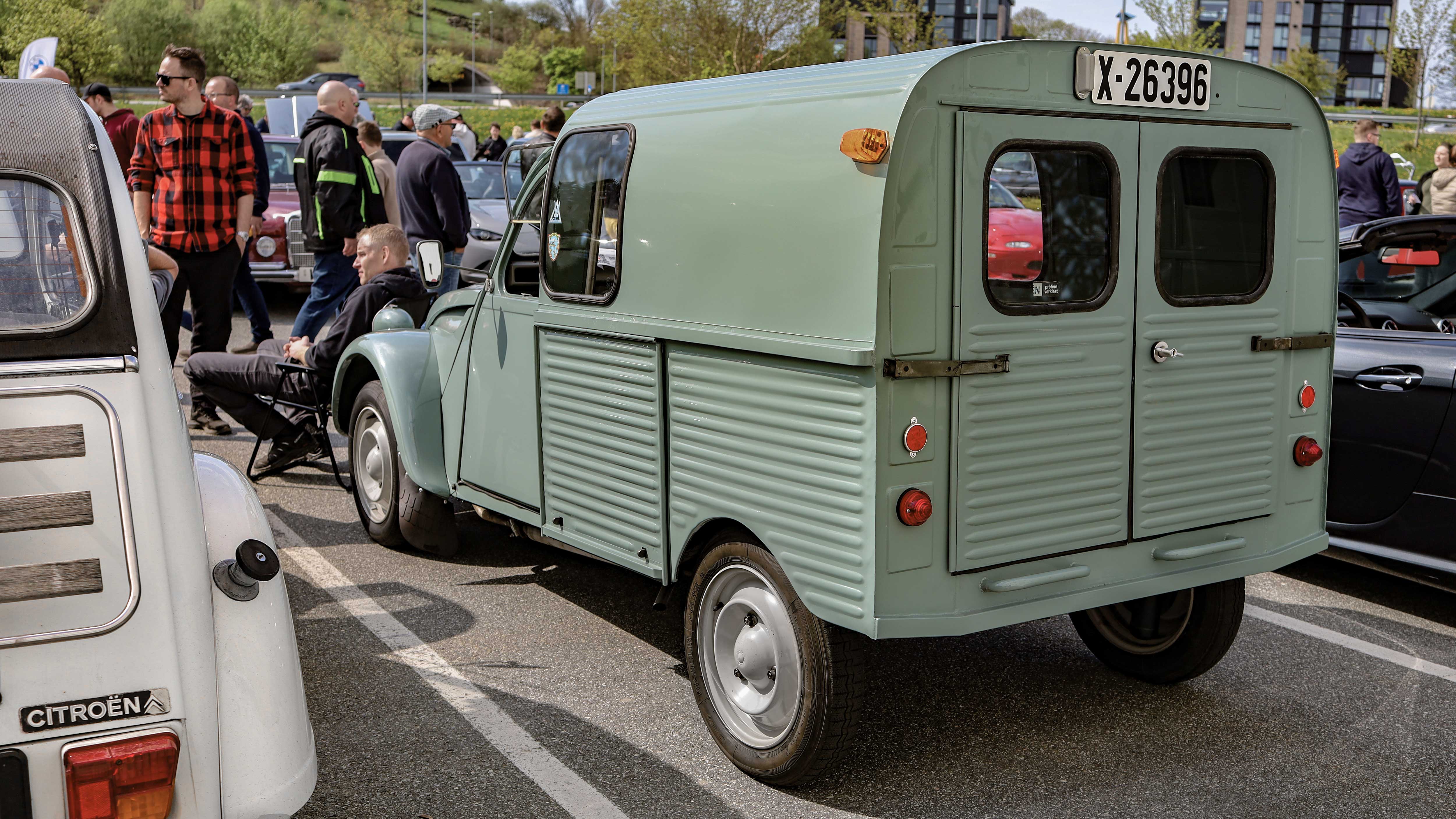
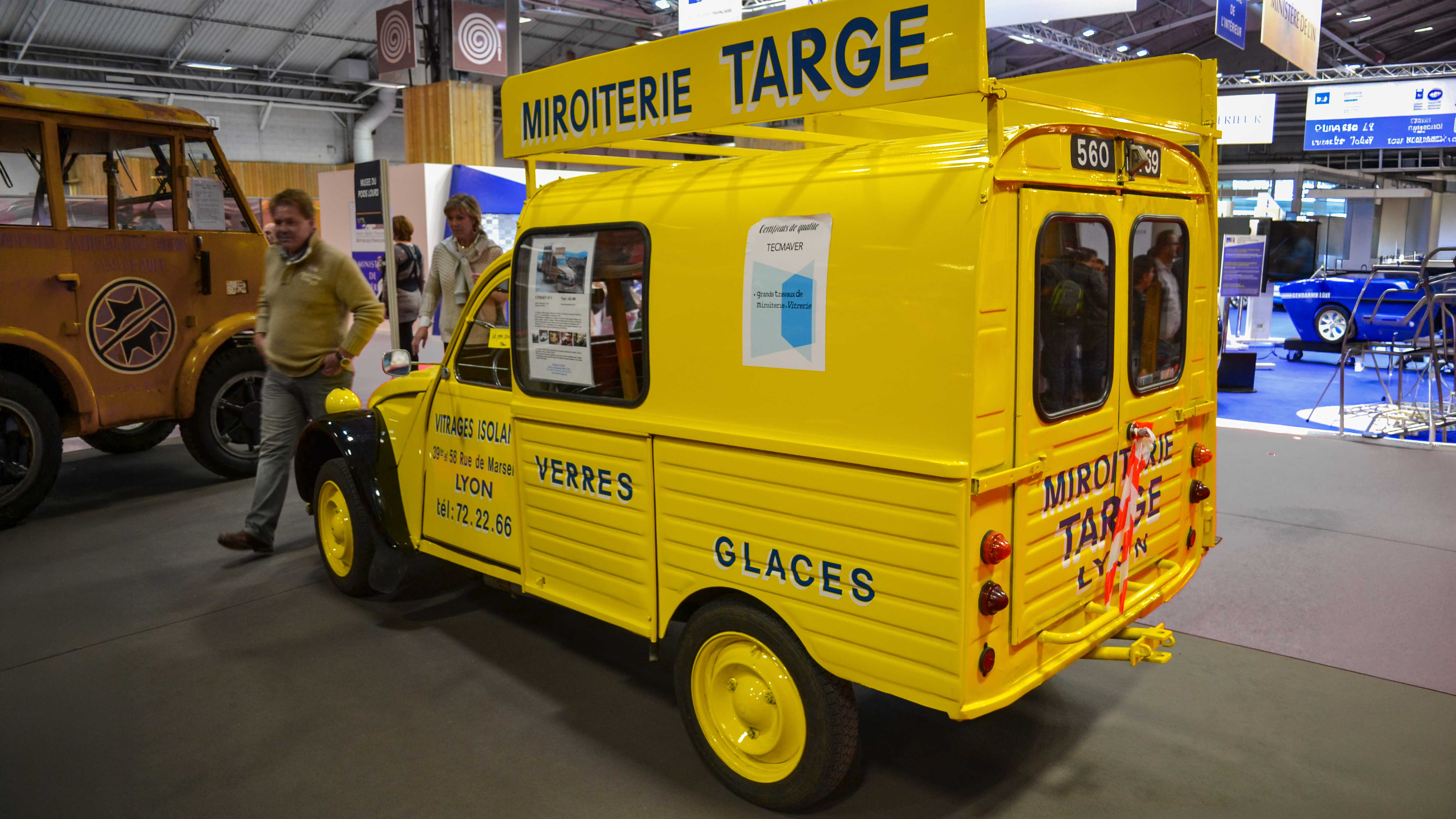
The 2CV (1948–1990) became one of Europe’s most iconic economy cars. As a result, its air-cooled flat-twin engines from 375 to 602 cc focused on simplicity, low running costs, and unmatched ride comfort.
C1
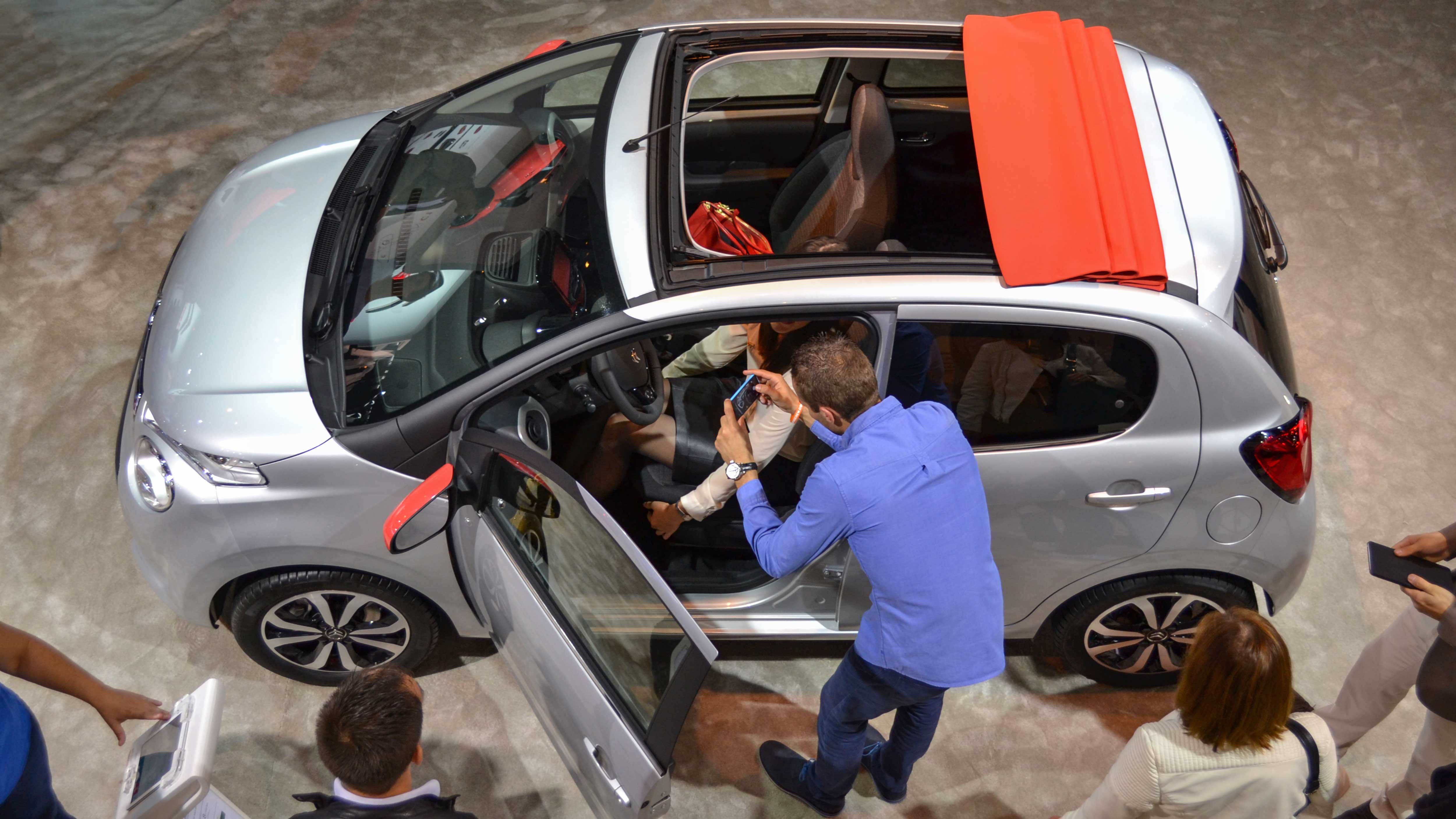
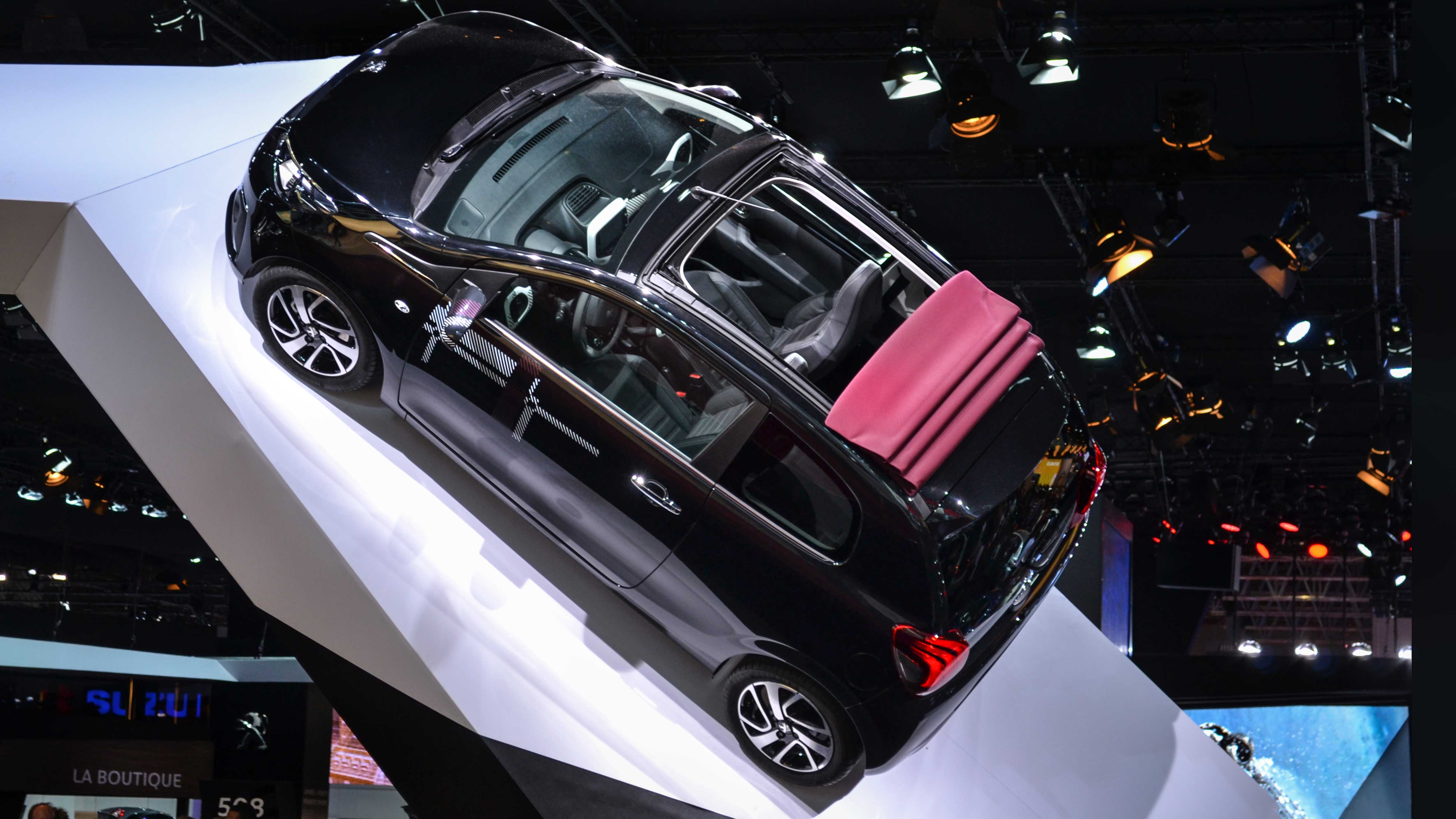
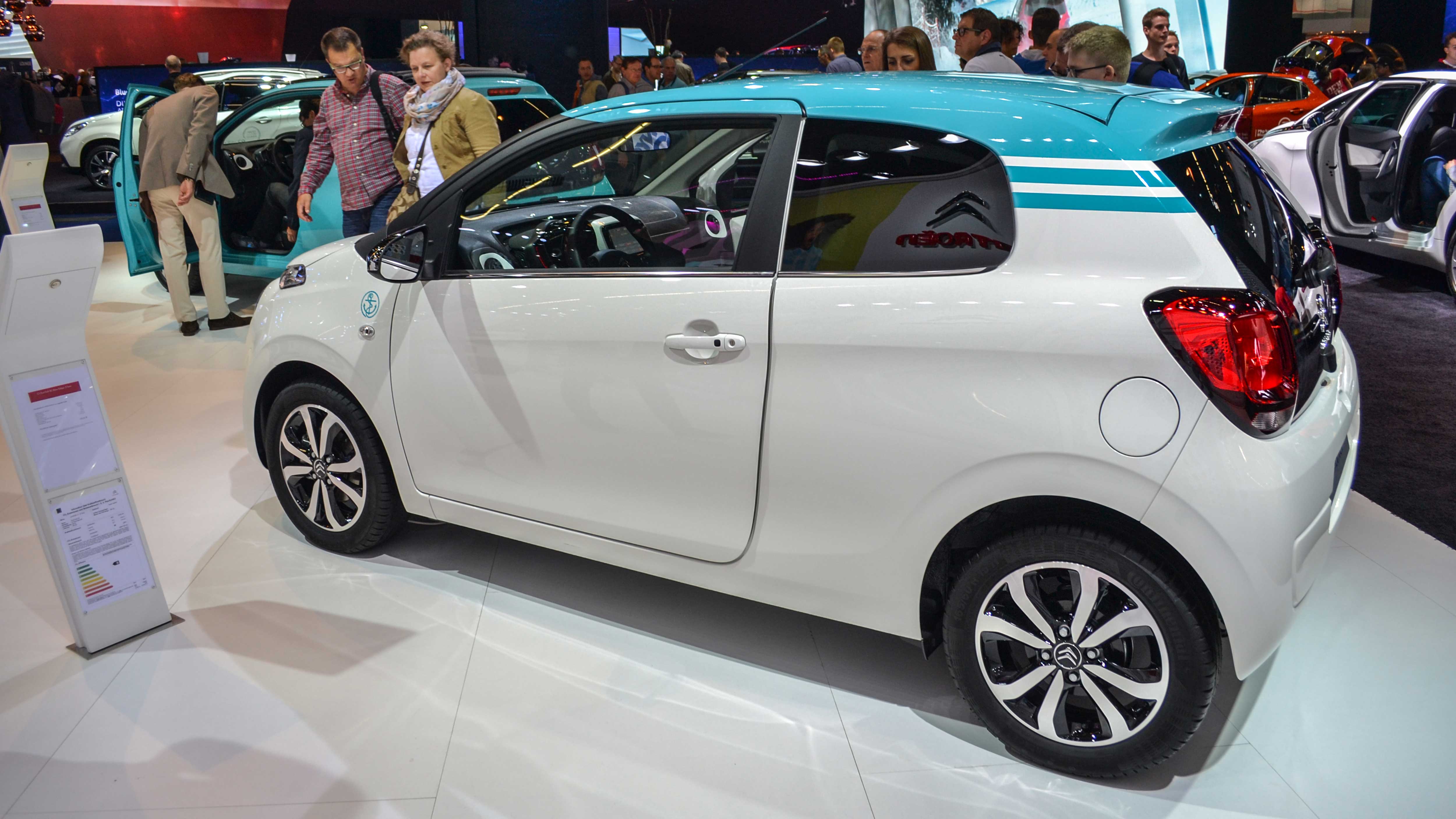
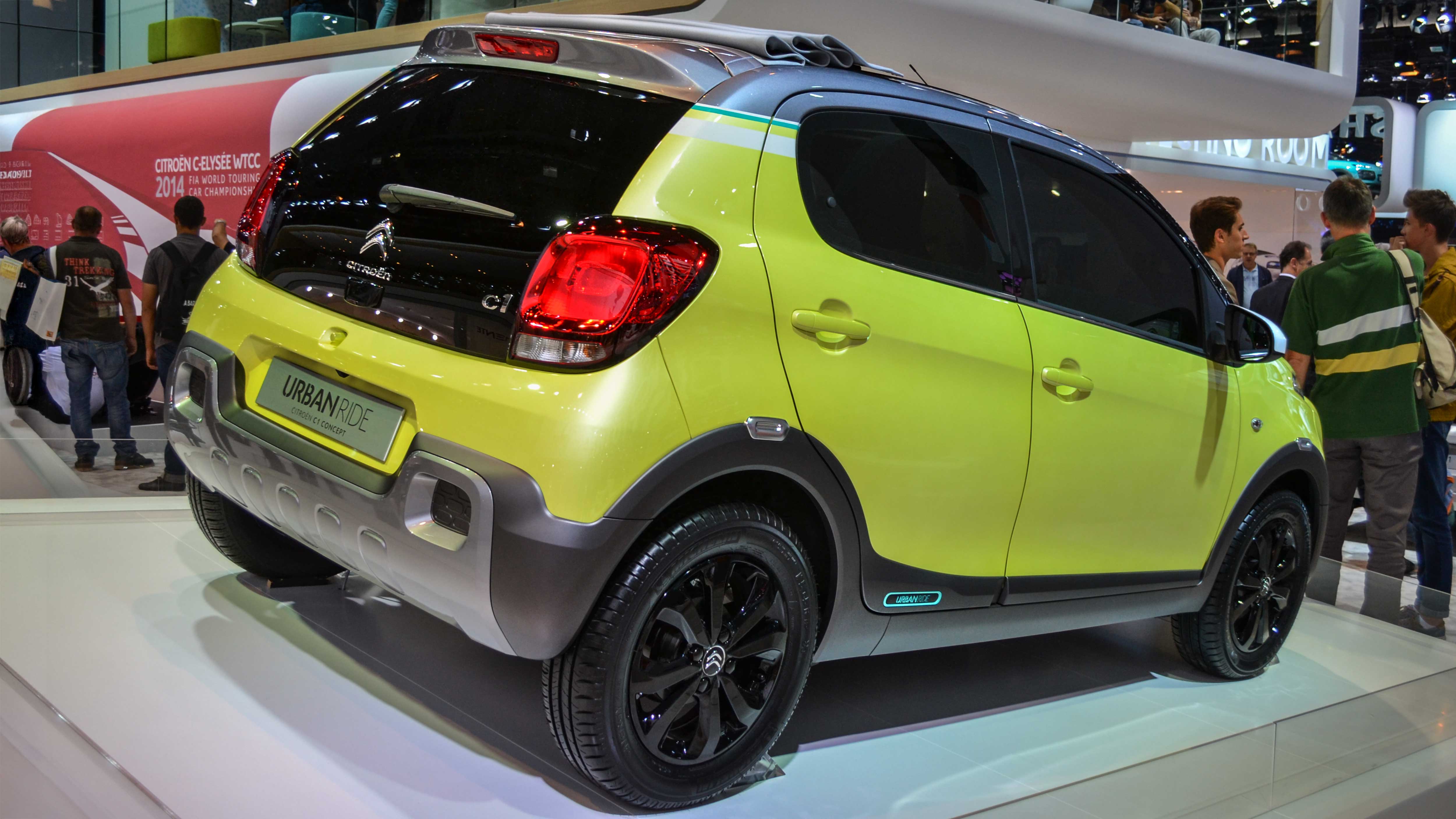
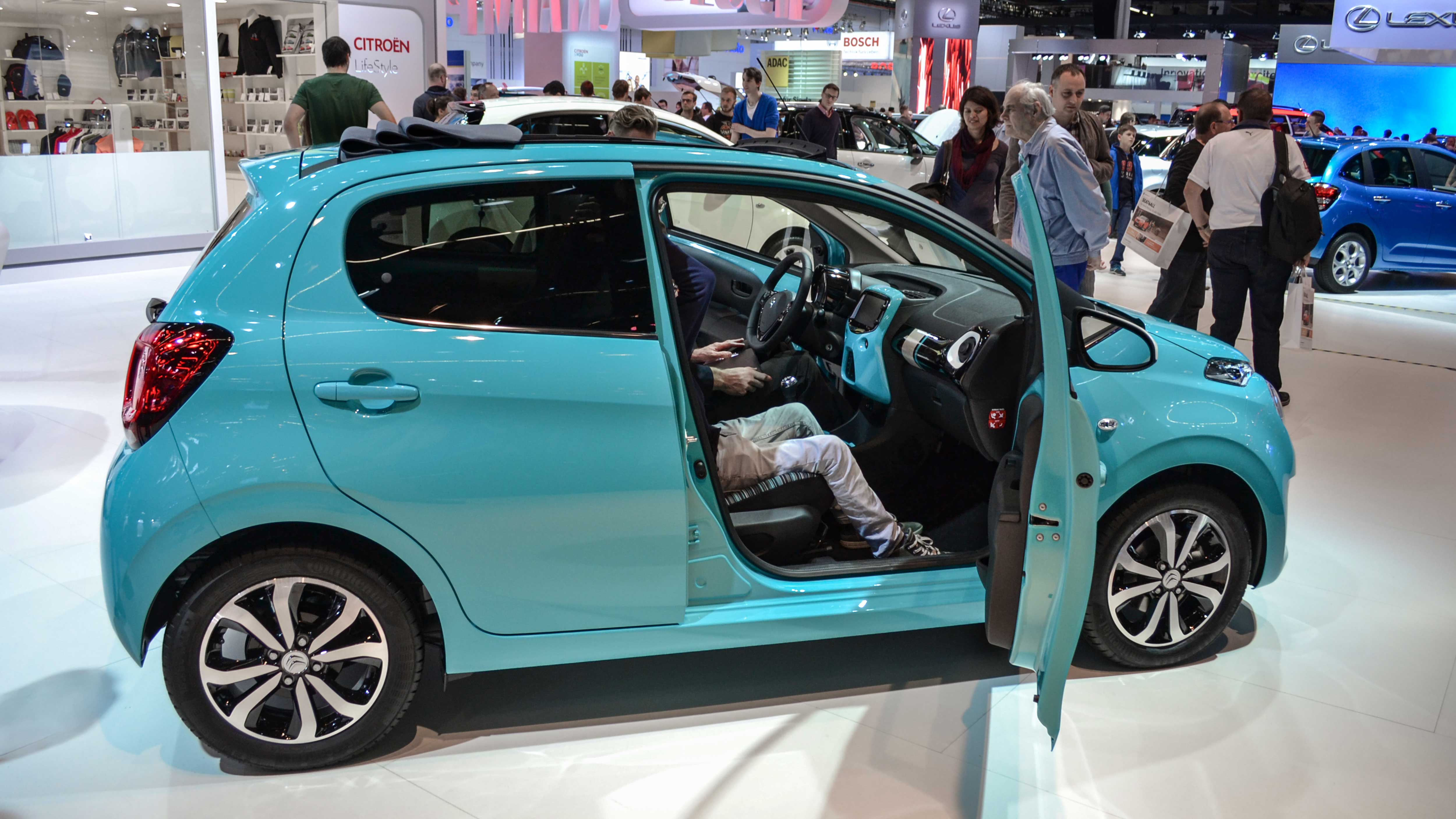
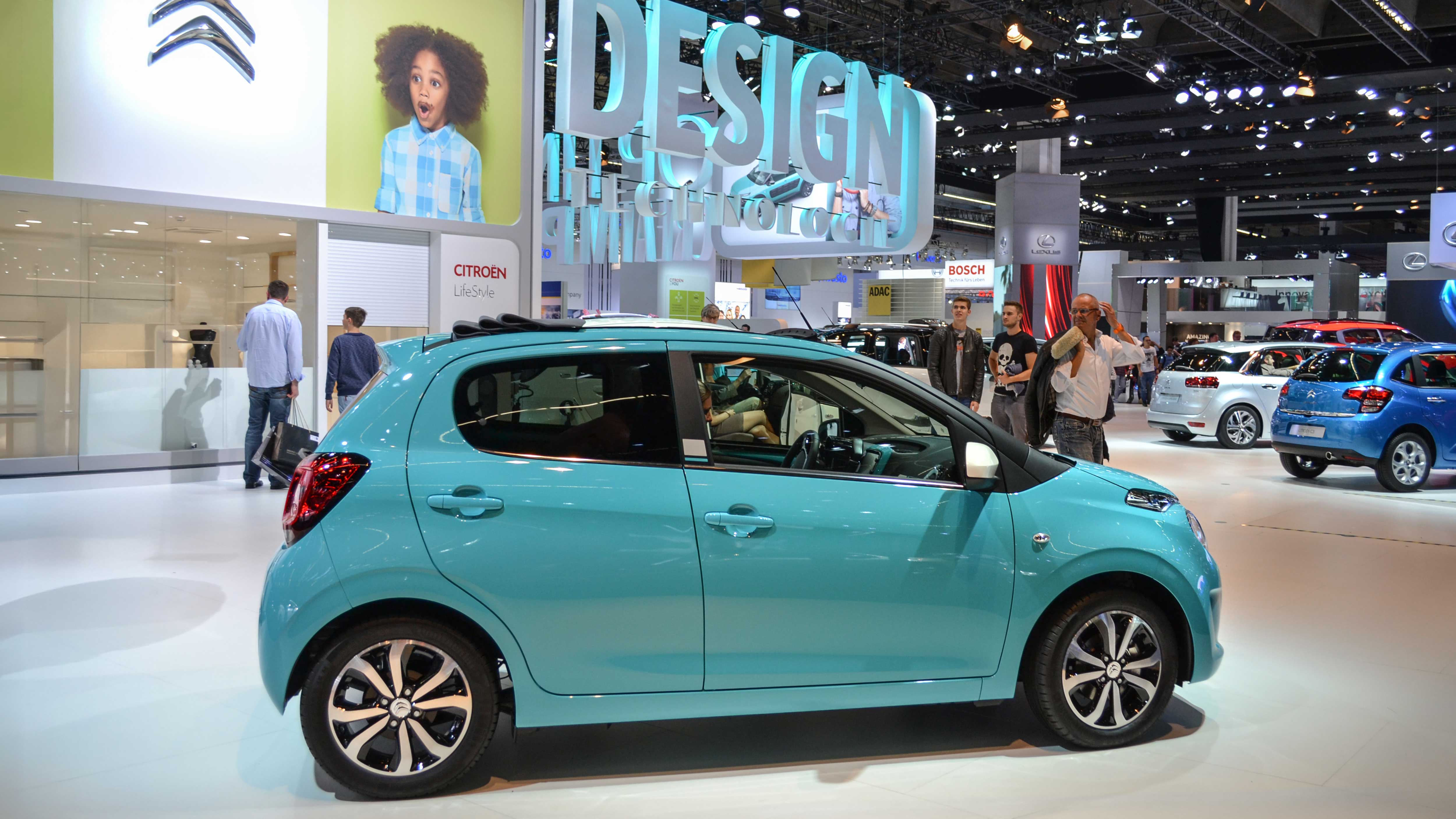
The C1 (2005–2022) served as a city-focused hatchback with low weight and simple engineering. As a result, petrol engines from 1.0 to 1.2 liters delivered up to 82 hp, prioritizing easy driving, efficiency, and compact dimensions.
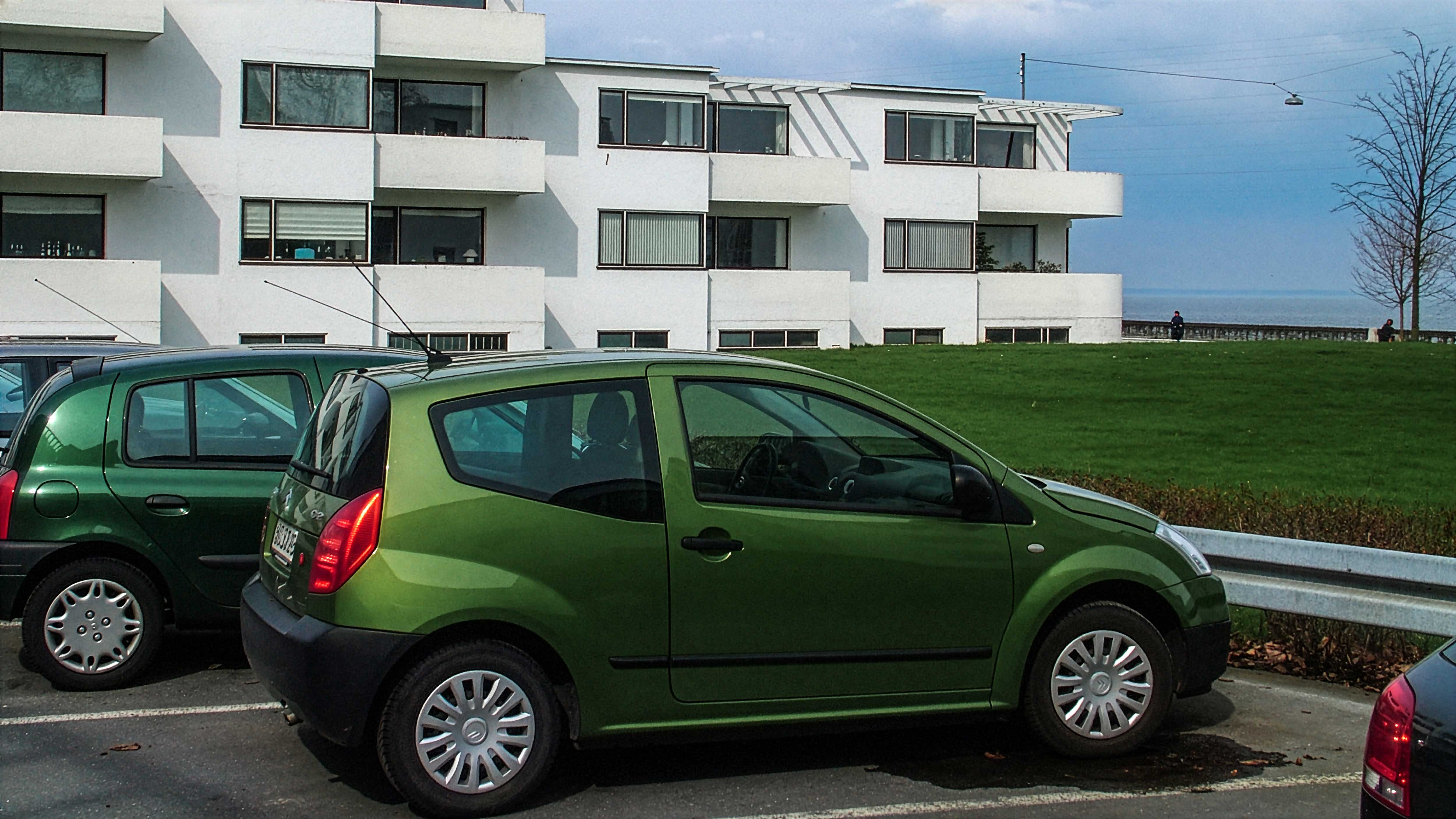
C2
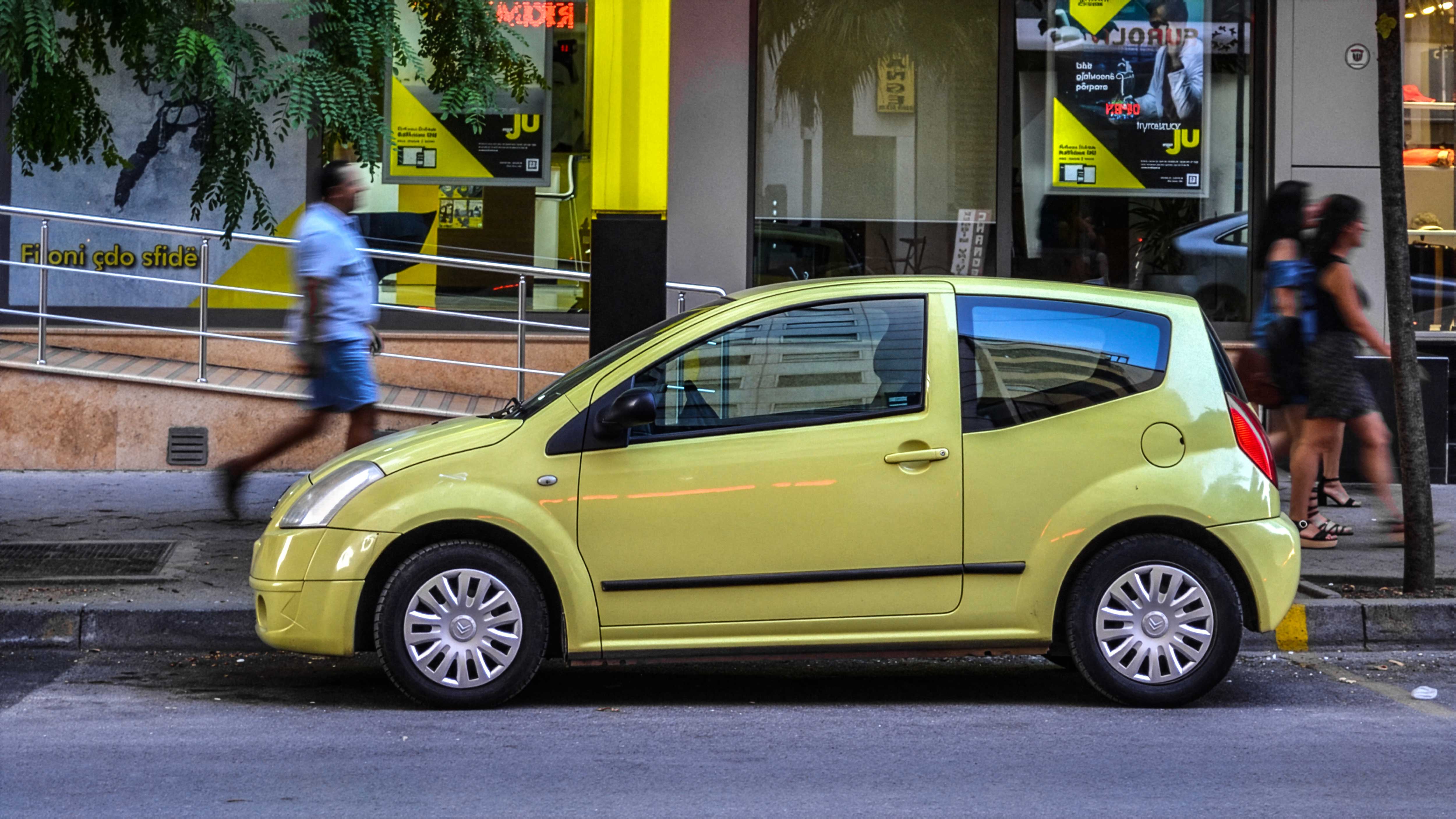
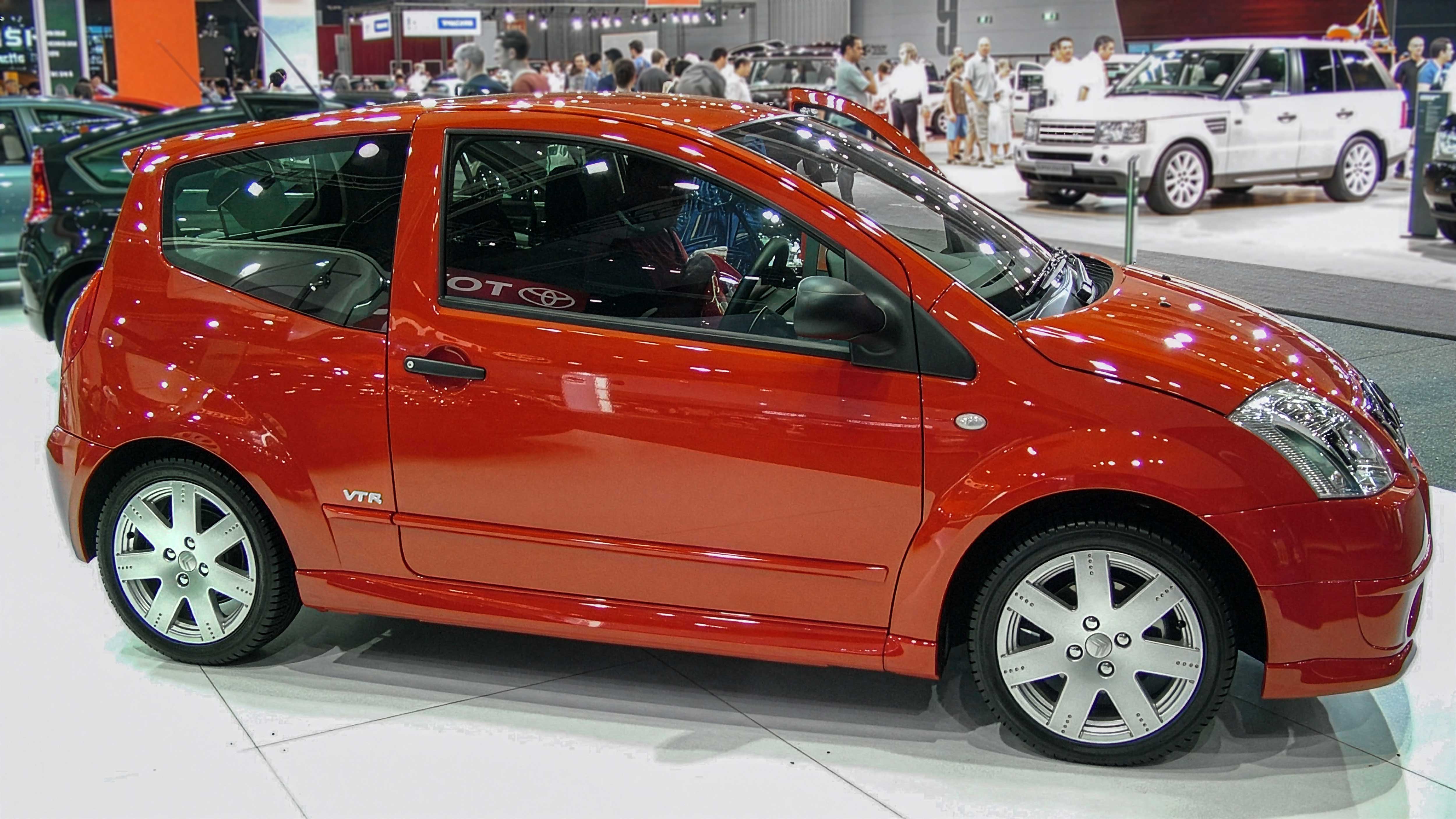
The Citroën C2 (2003–2009) served as a compact three-door hatchback with a sporty edge. As a result, engines up to the 1.6 VTS with about 125 hp delivered low weight, quick response, and agile city handling.
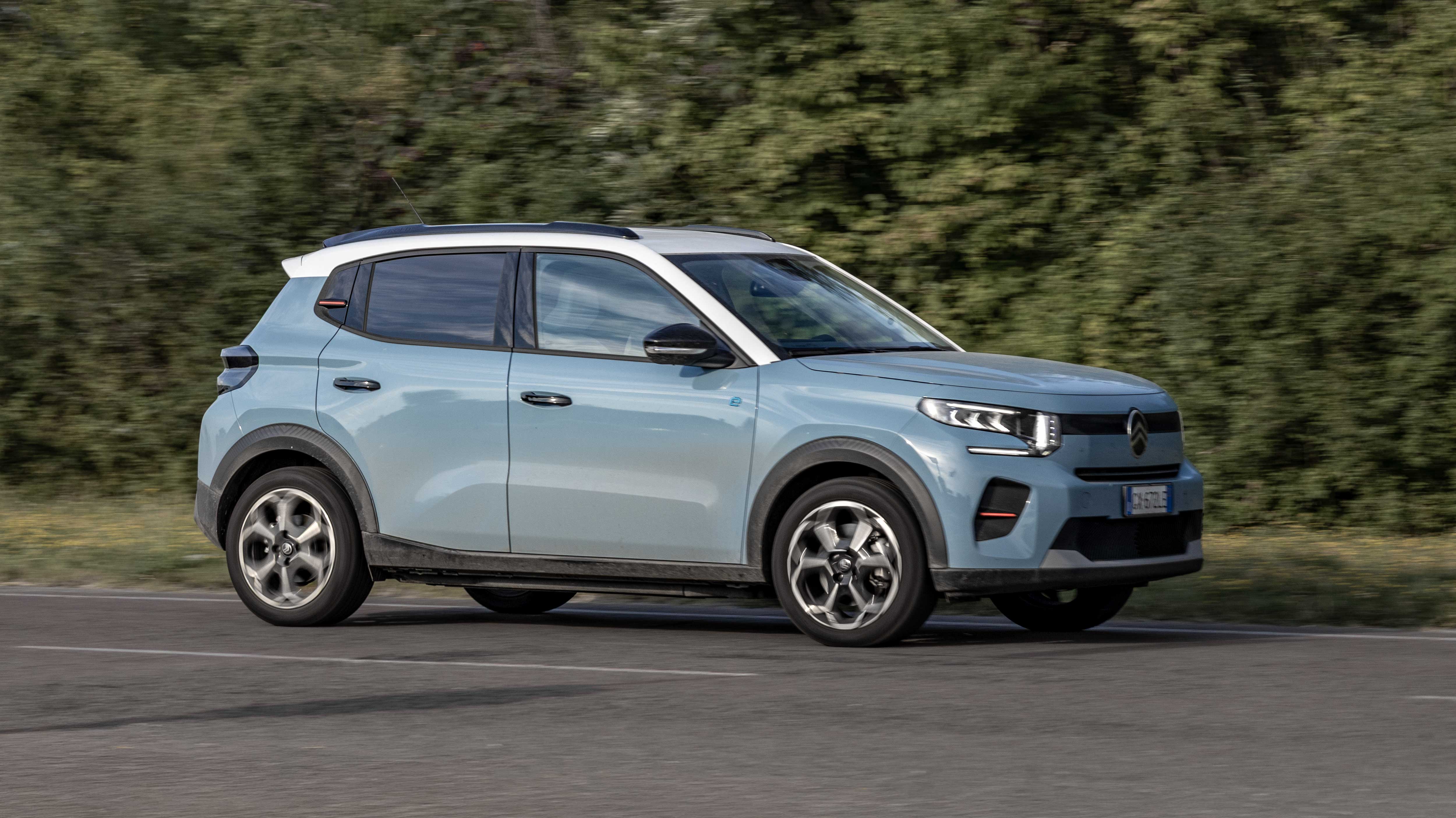
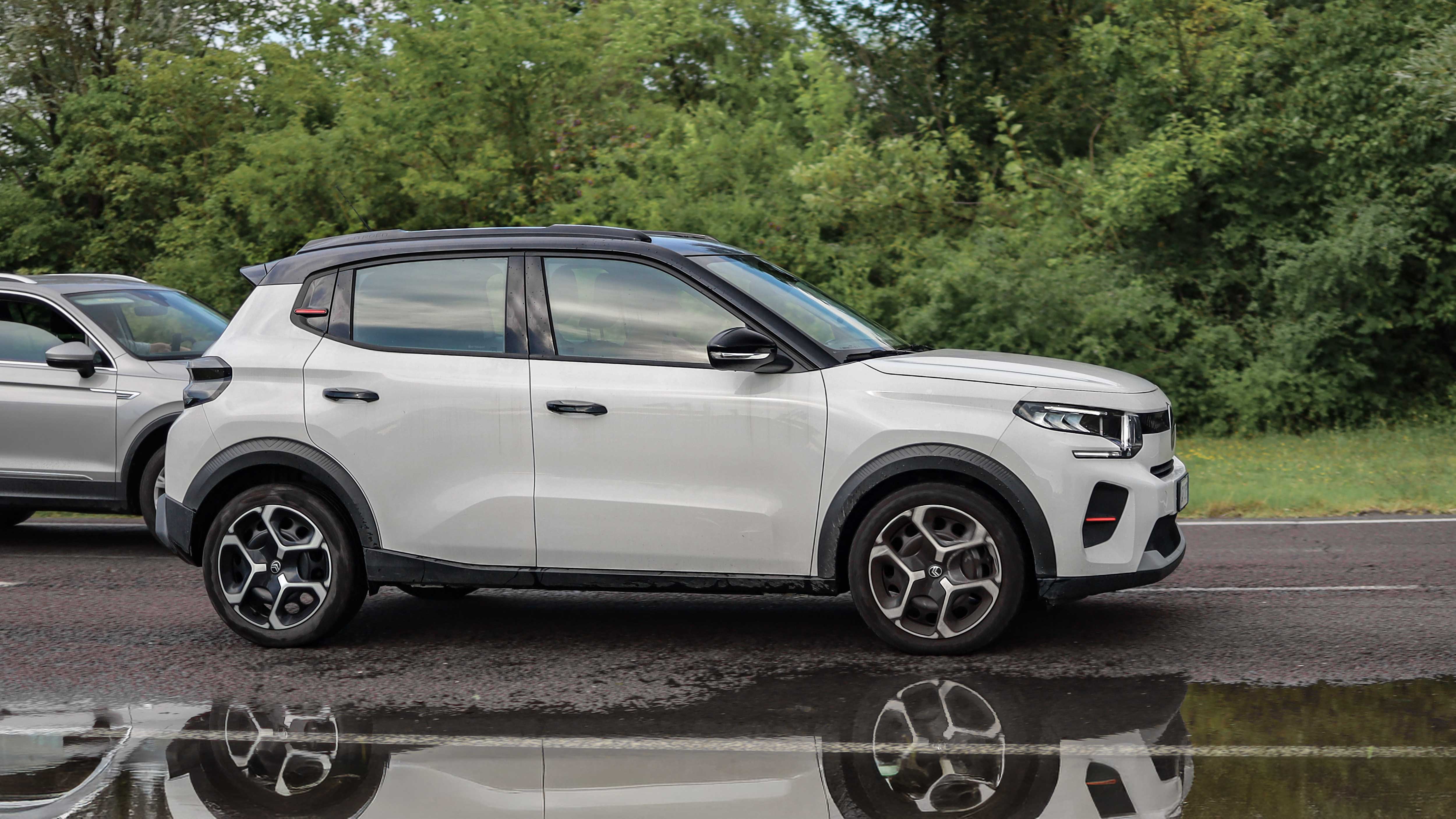
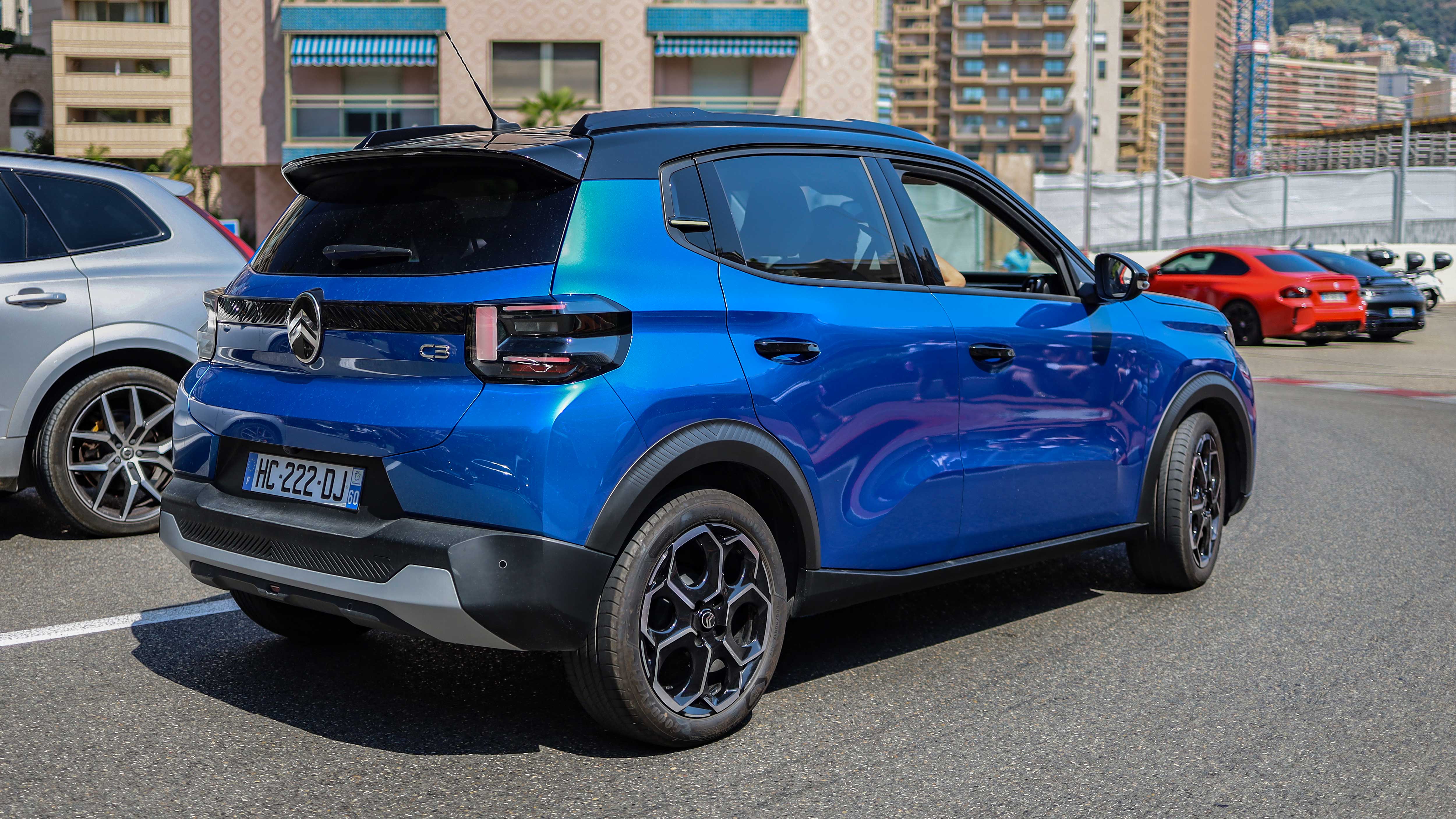
C3
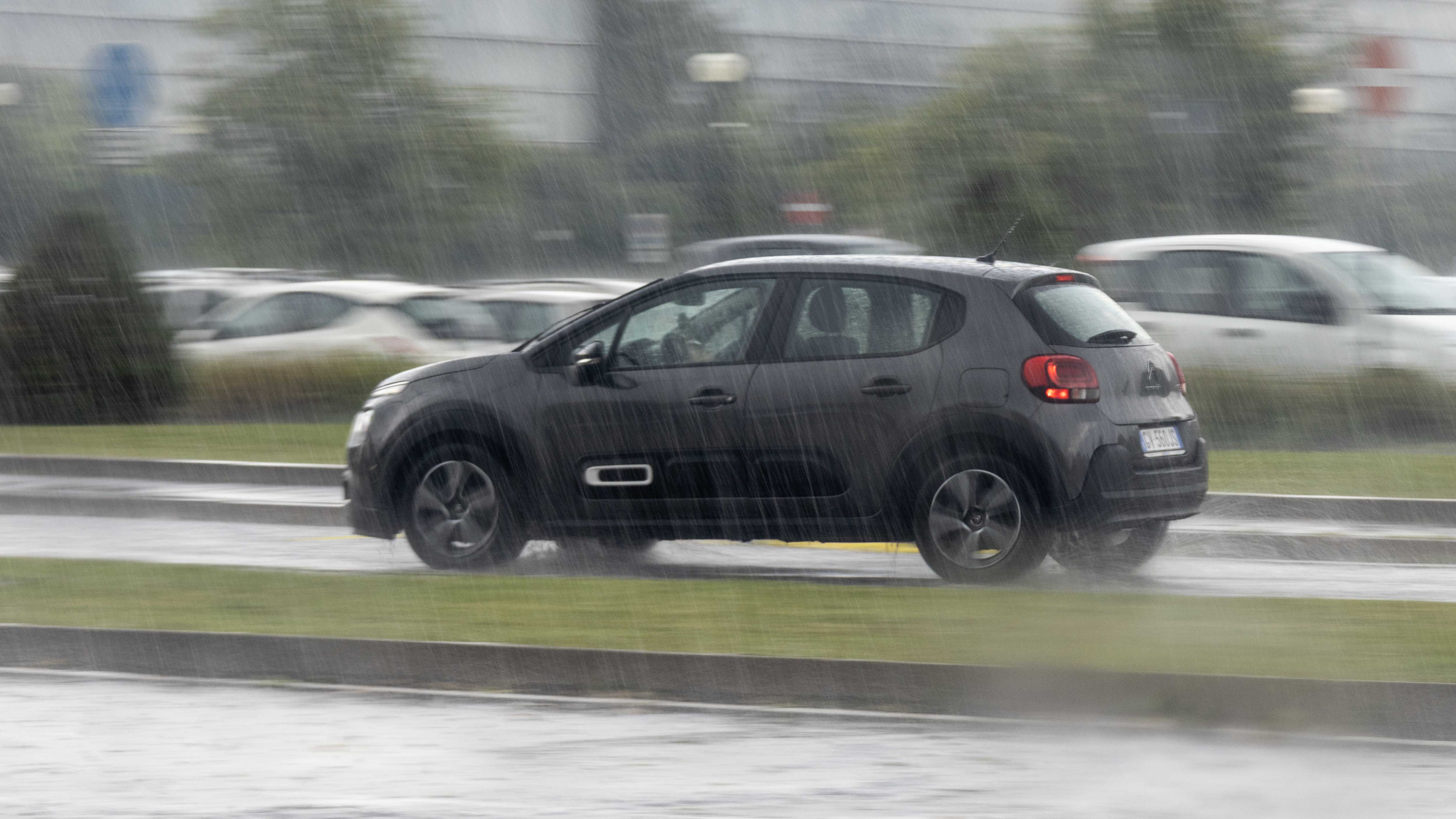
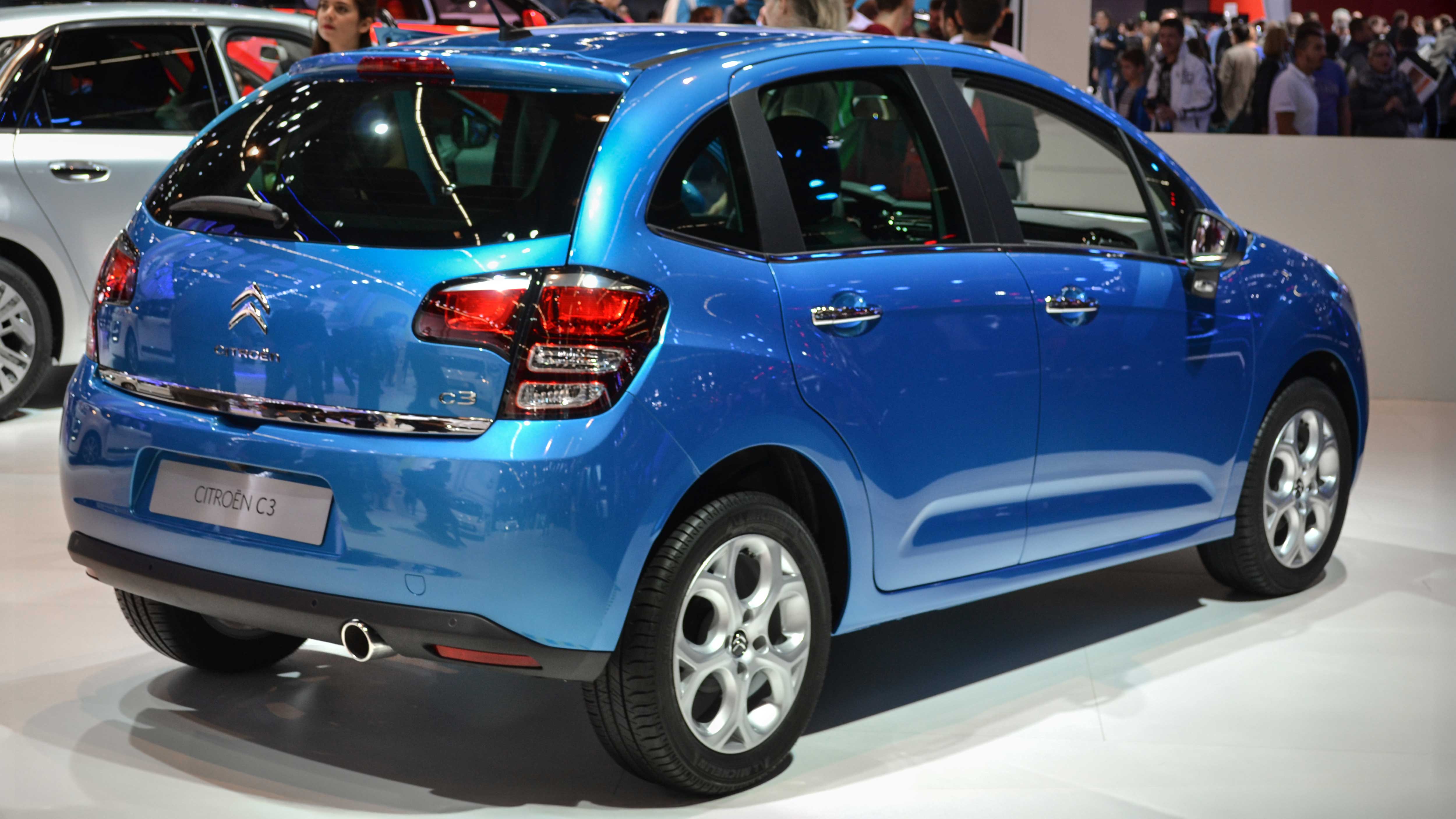
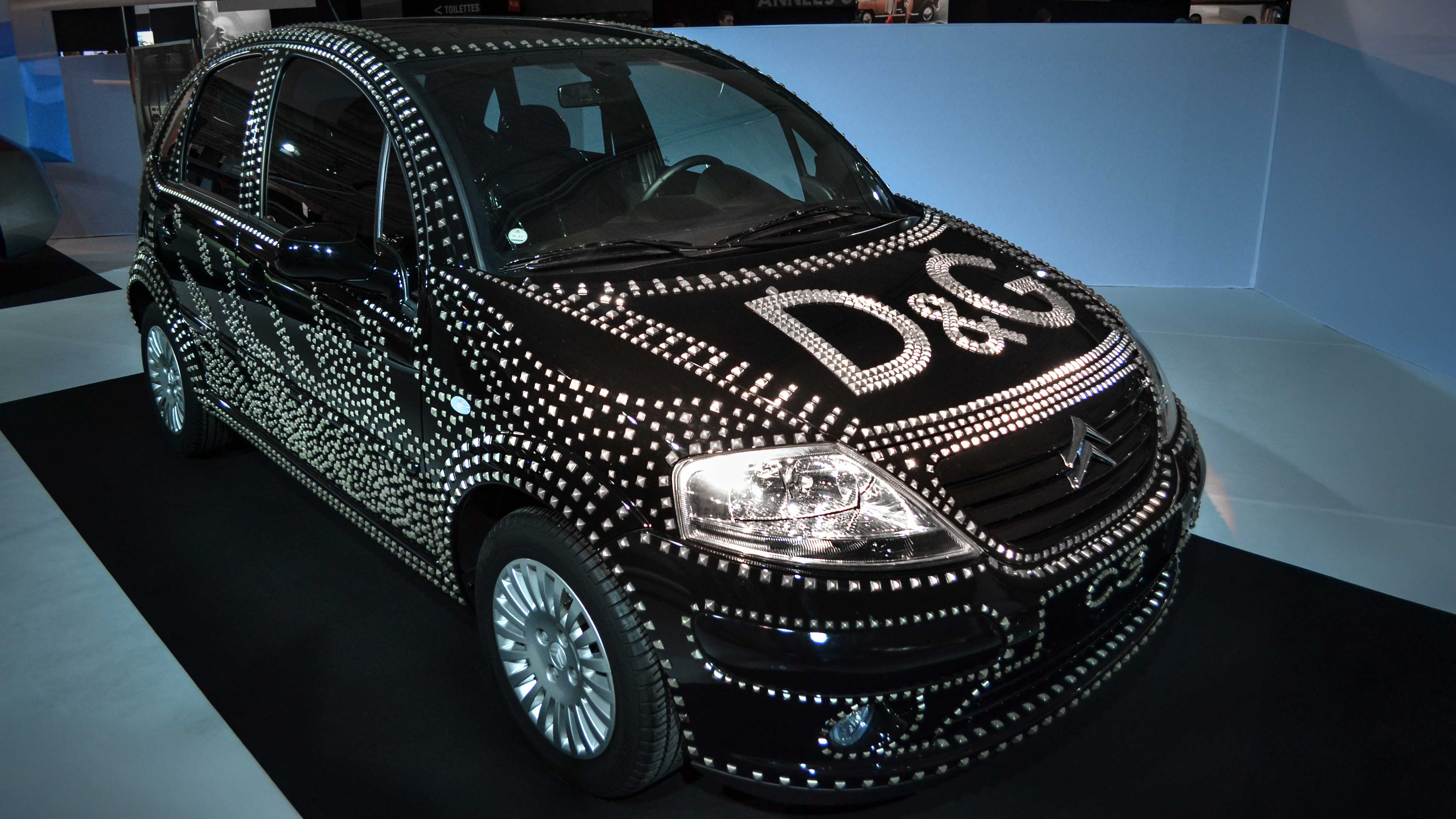
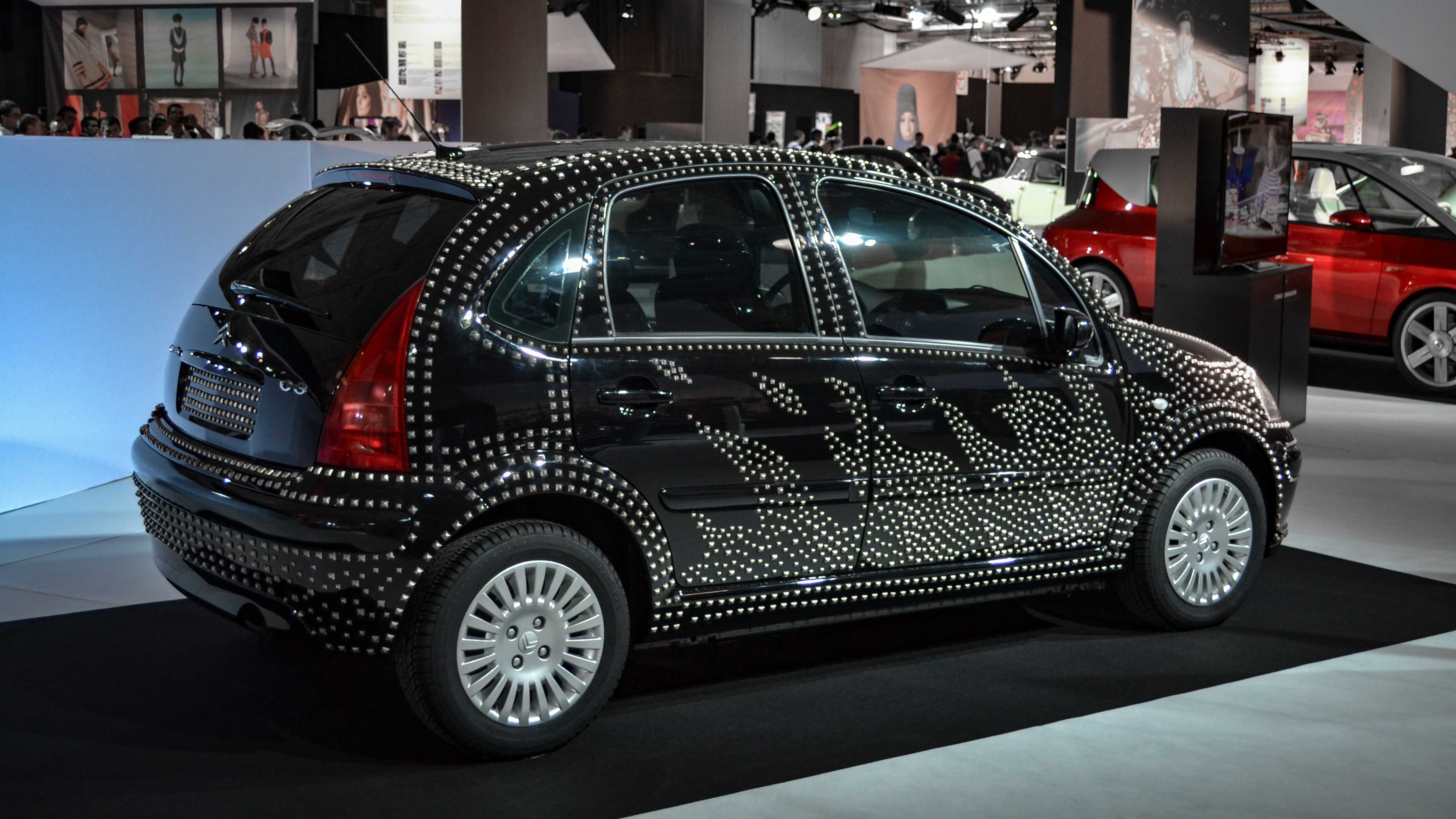
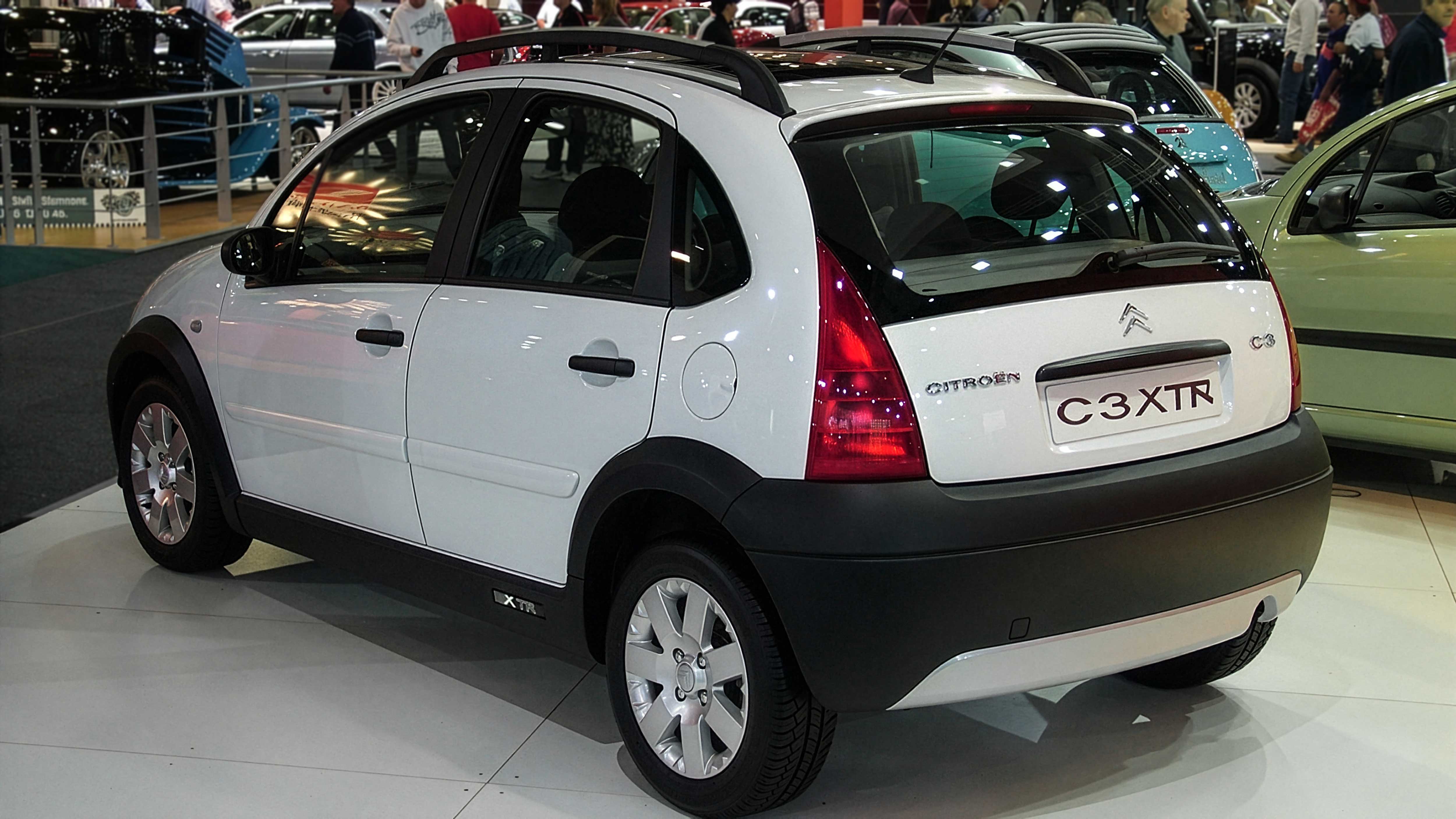
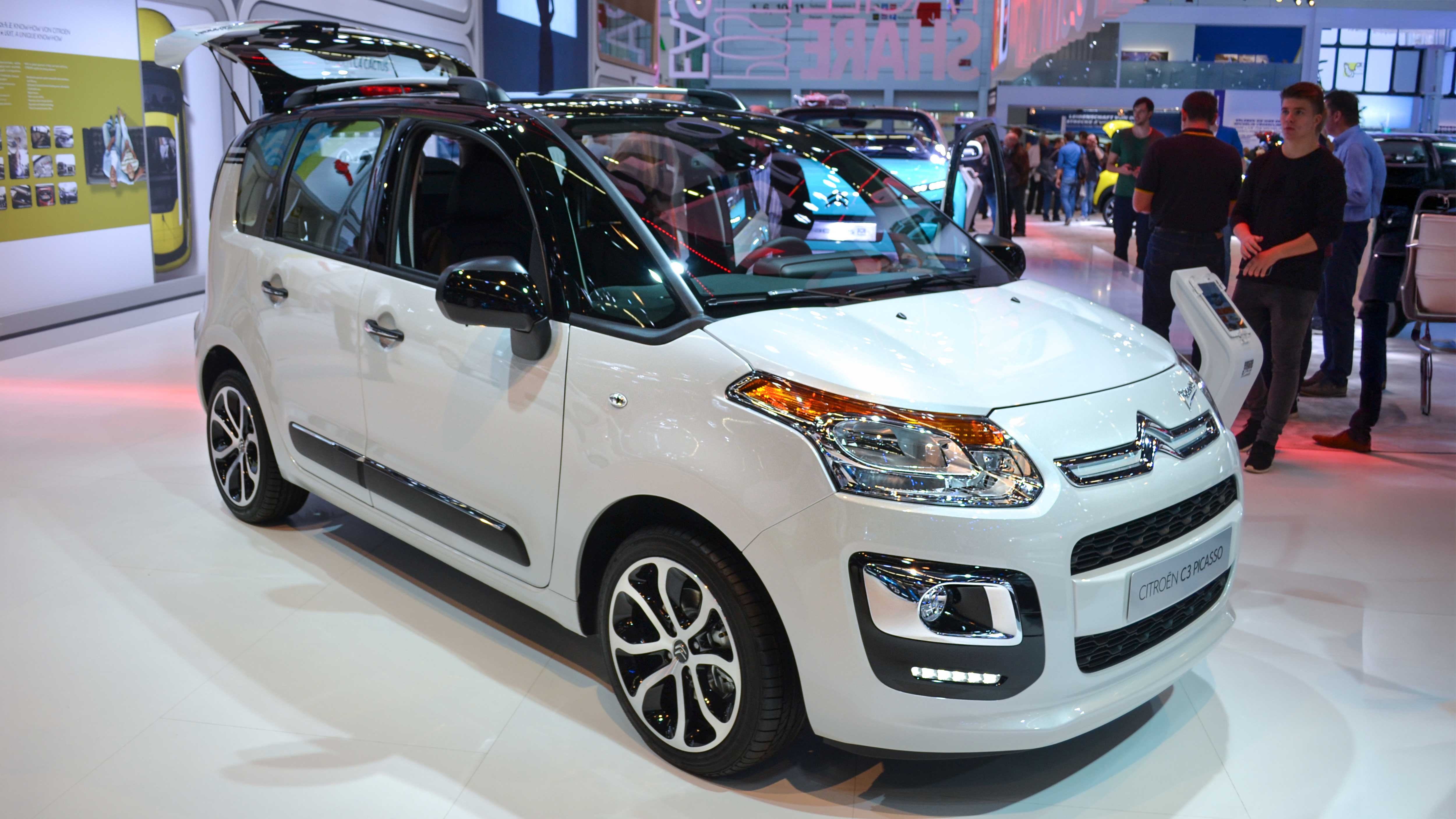
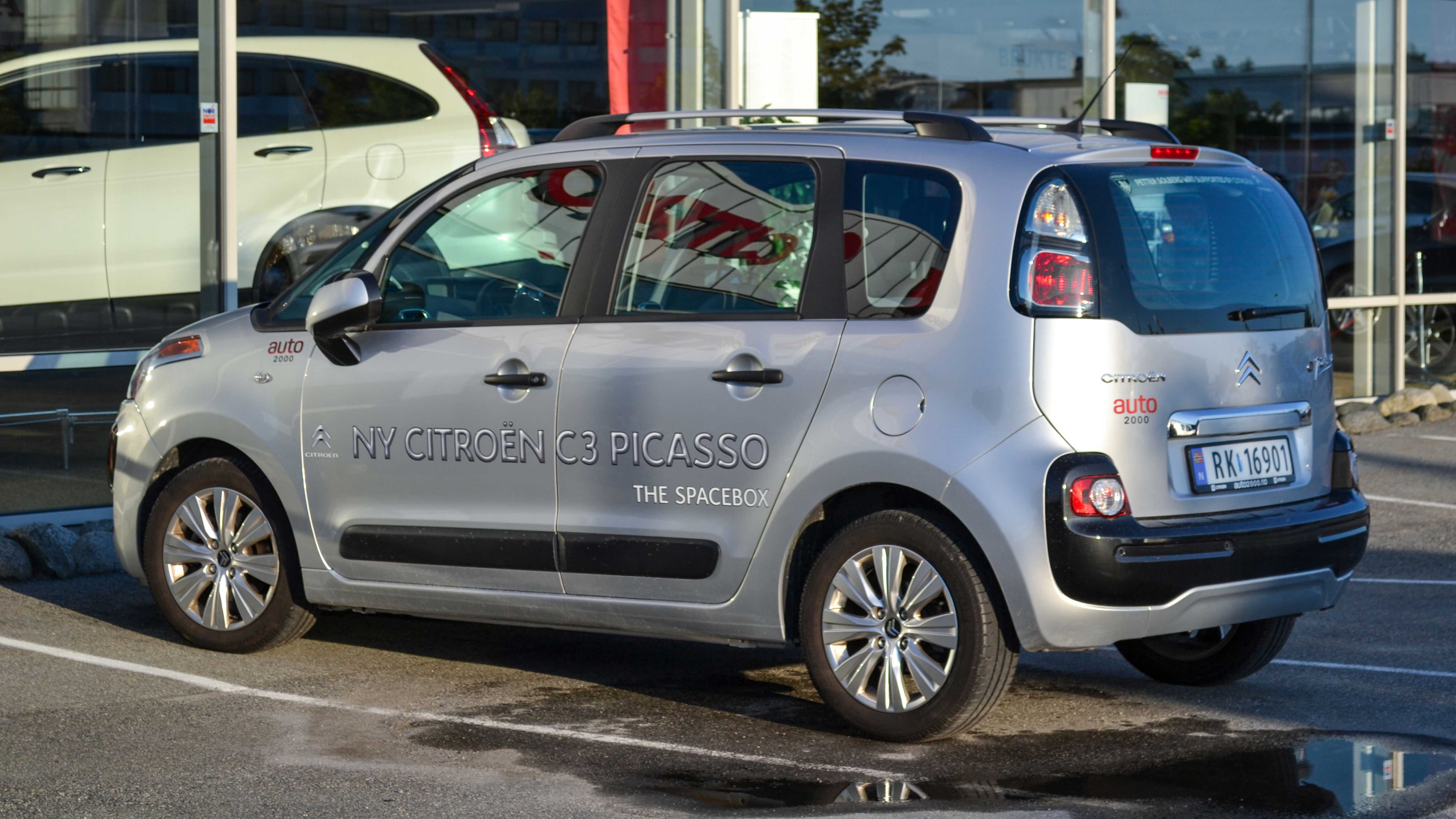
The C3 (2002–today) serves as a compact hatchback focused on comfort and everyday usability. As a result, petrol, diesel, and mild-hybrid engines up to about 110 hp pair light steering with a soft ride and distinctive design.

C4
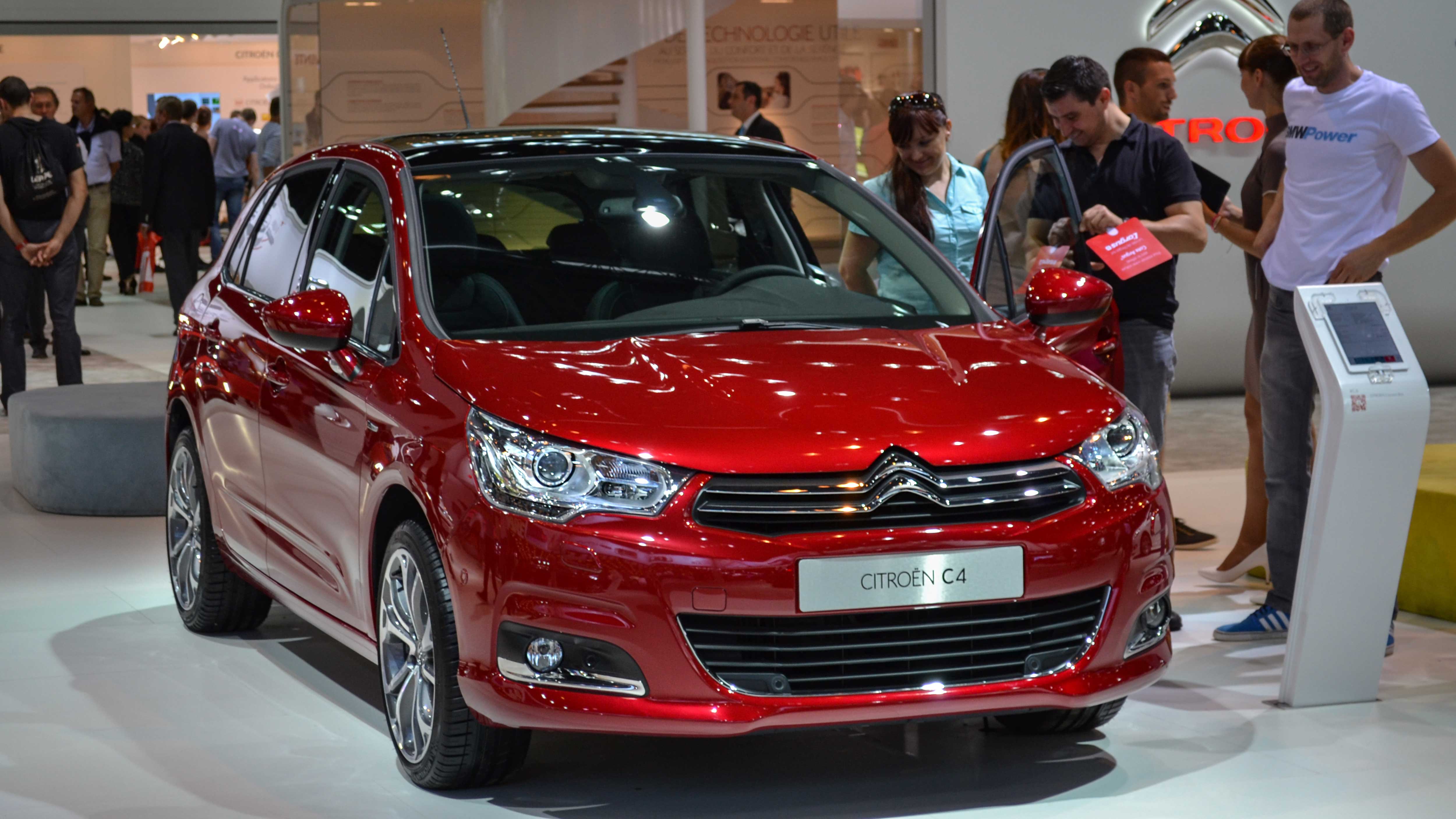
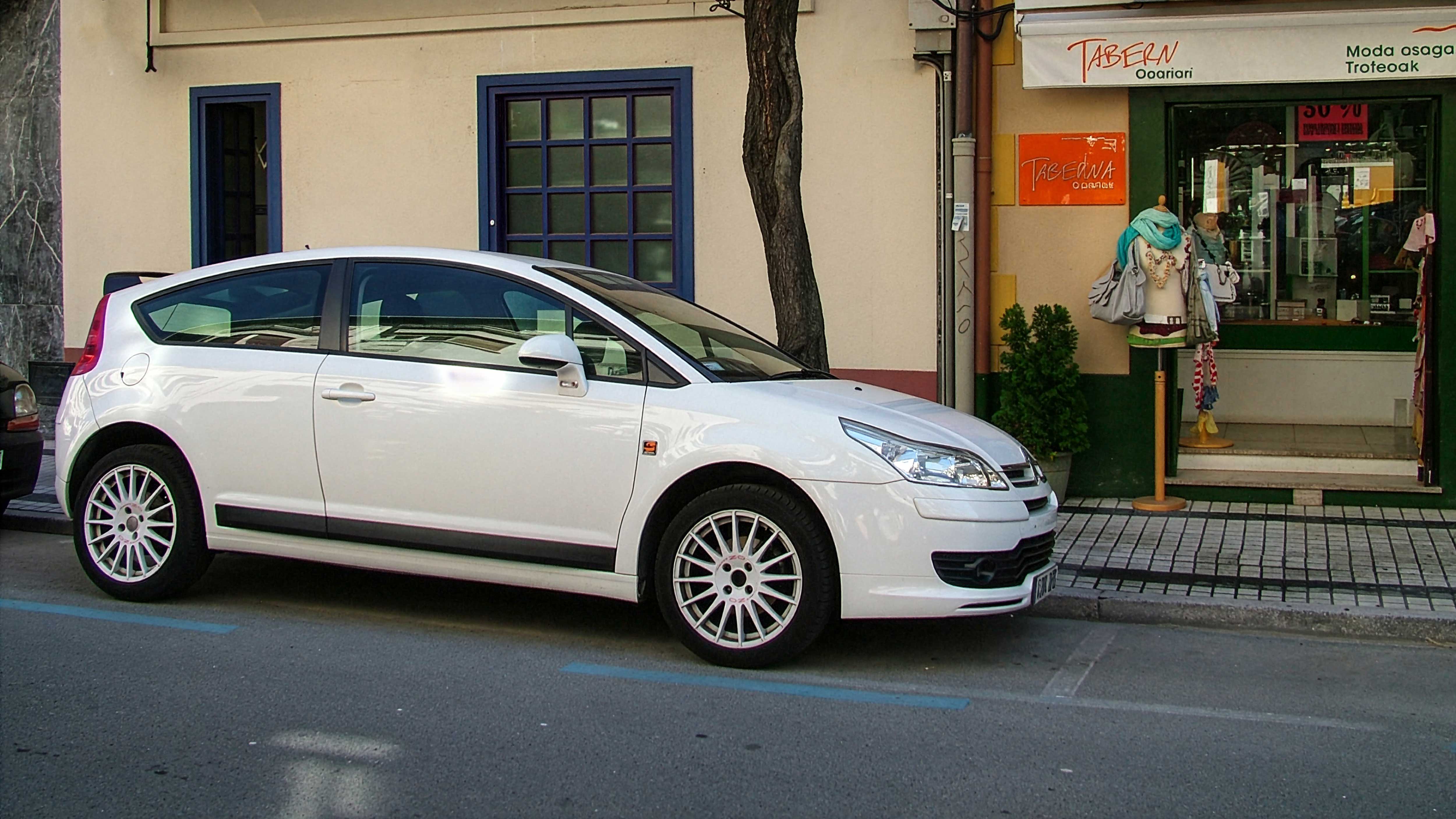
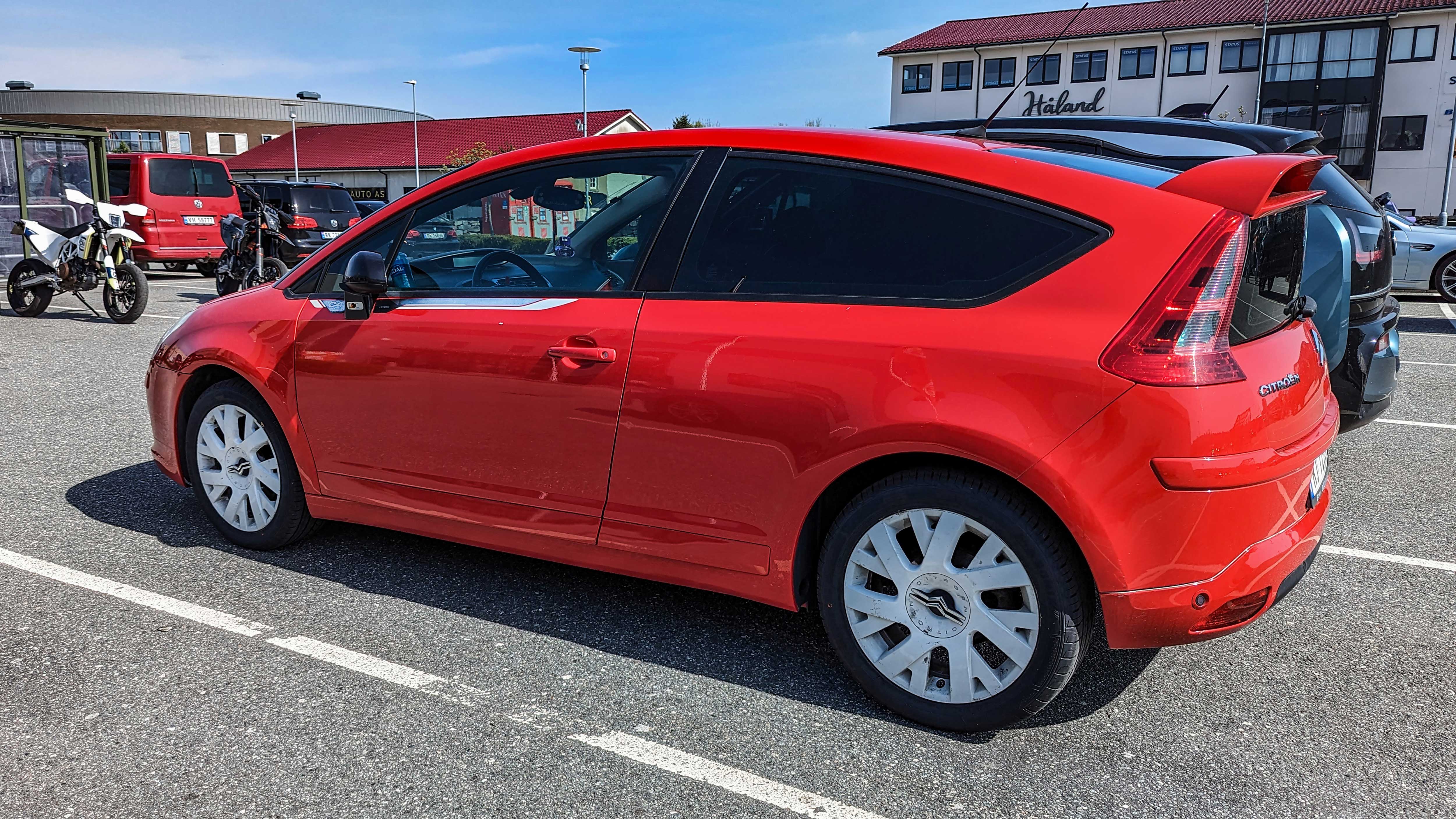
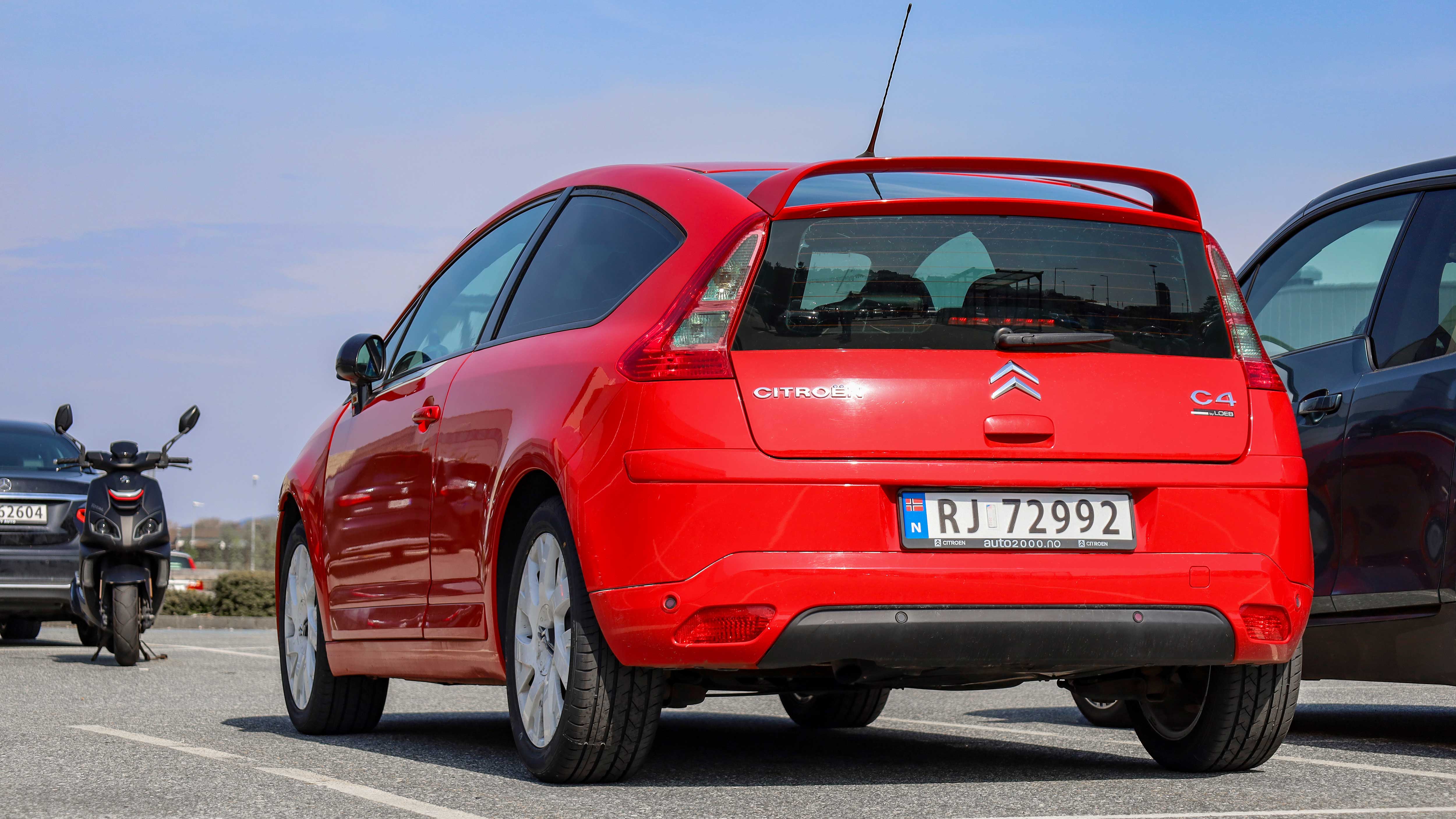
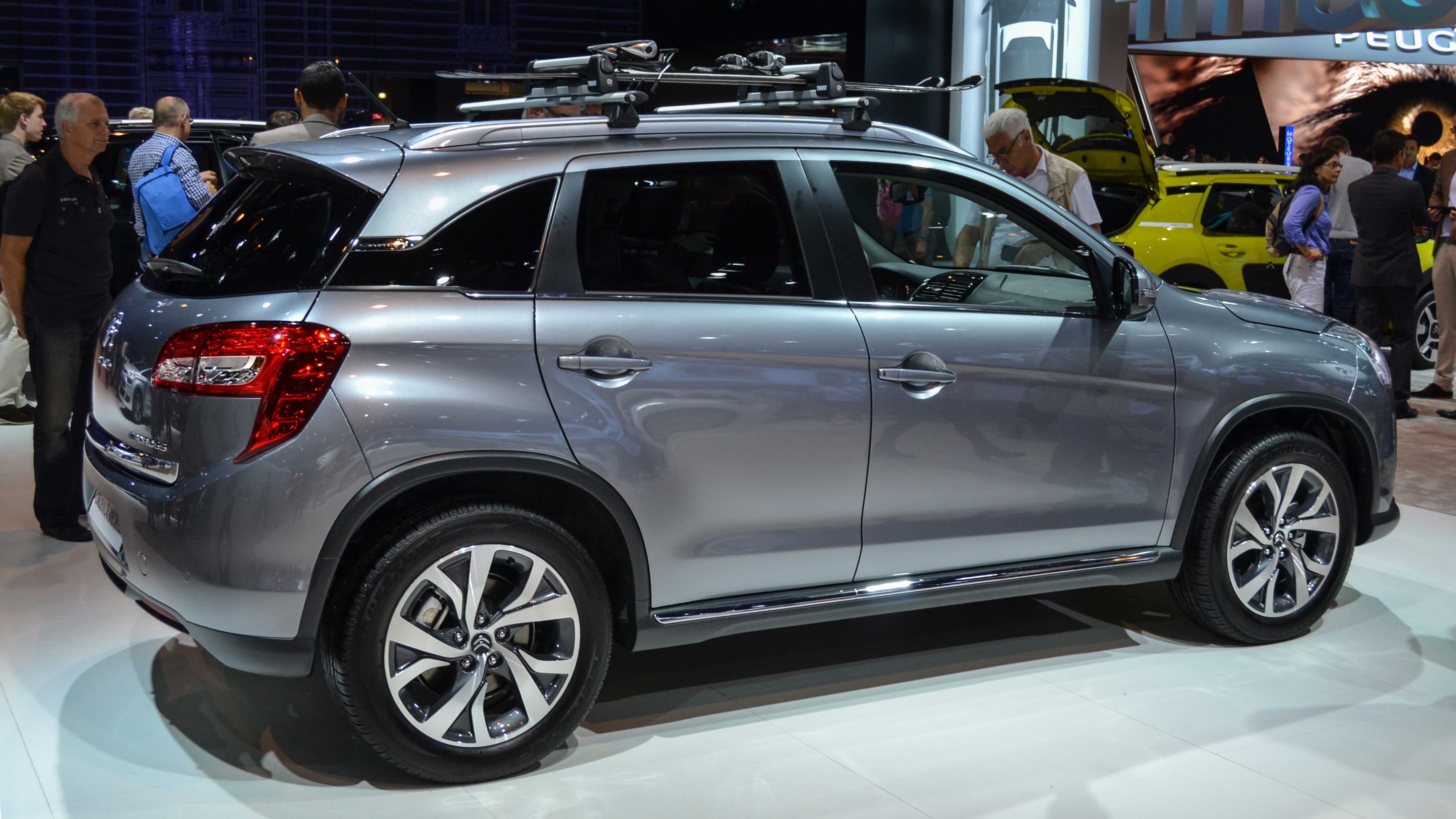
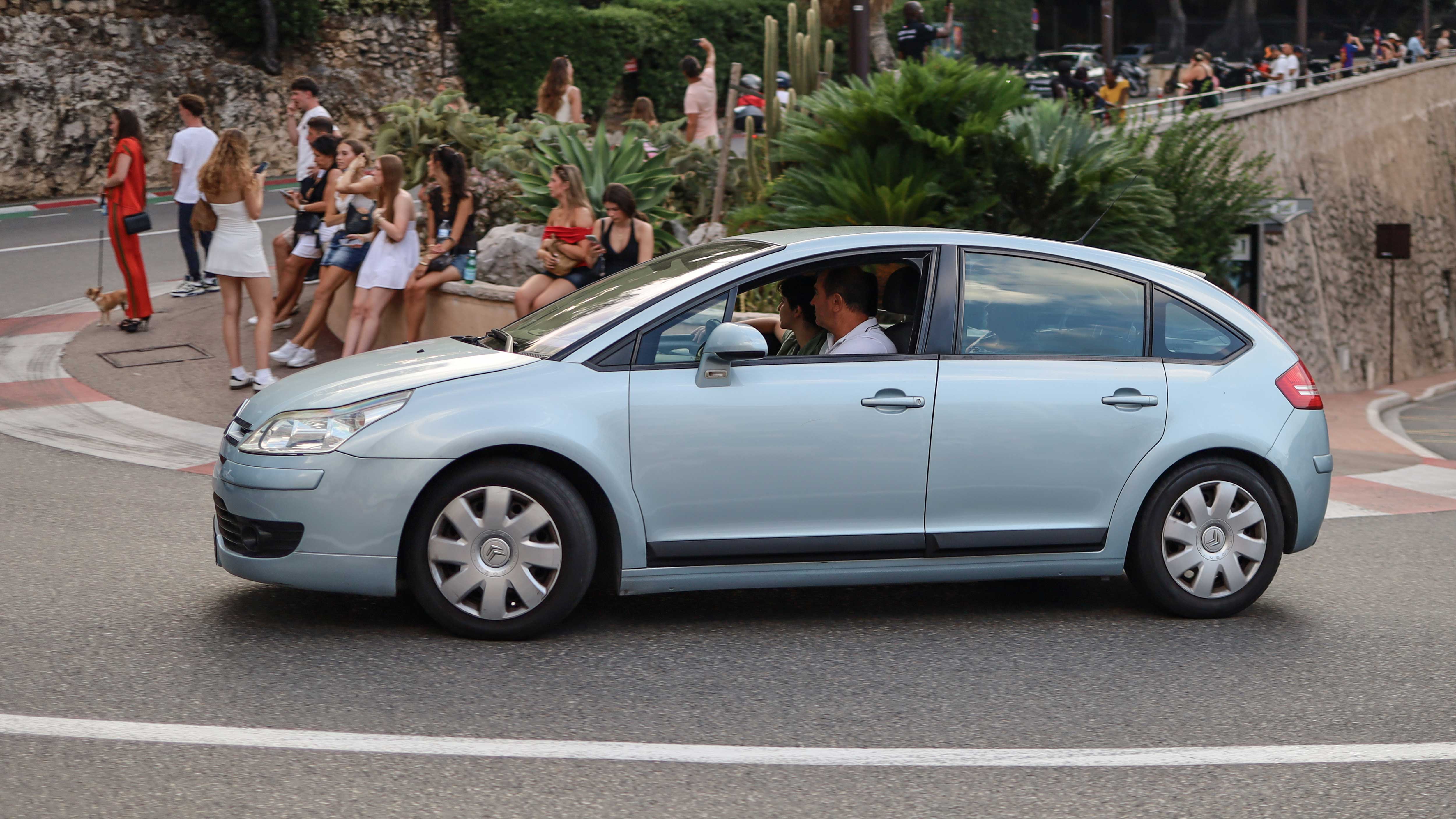
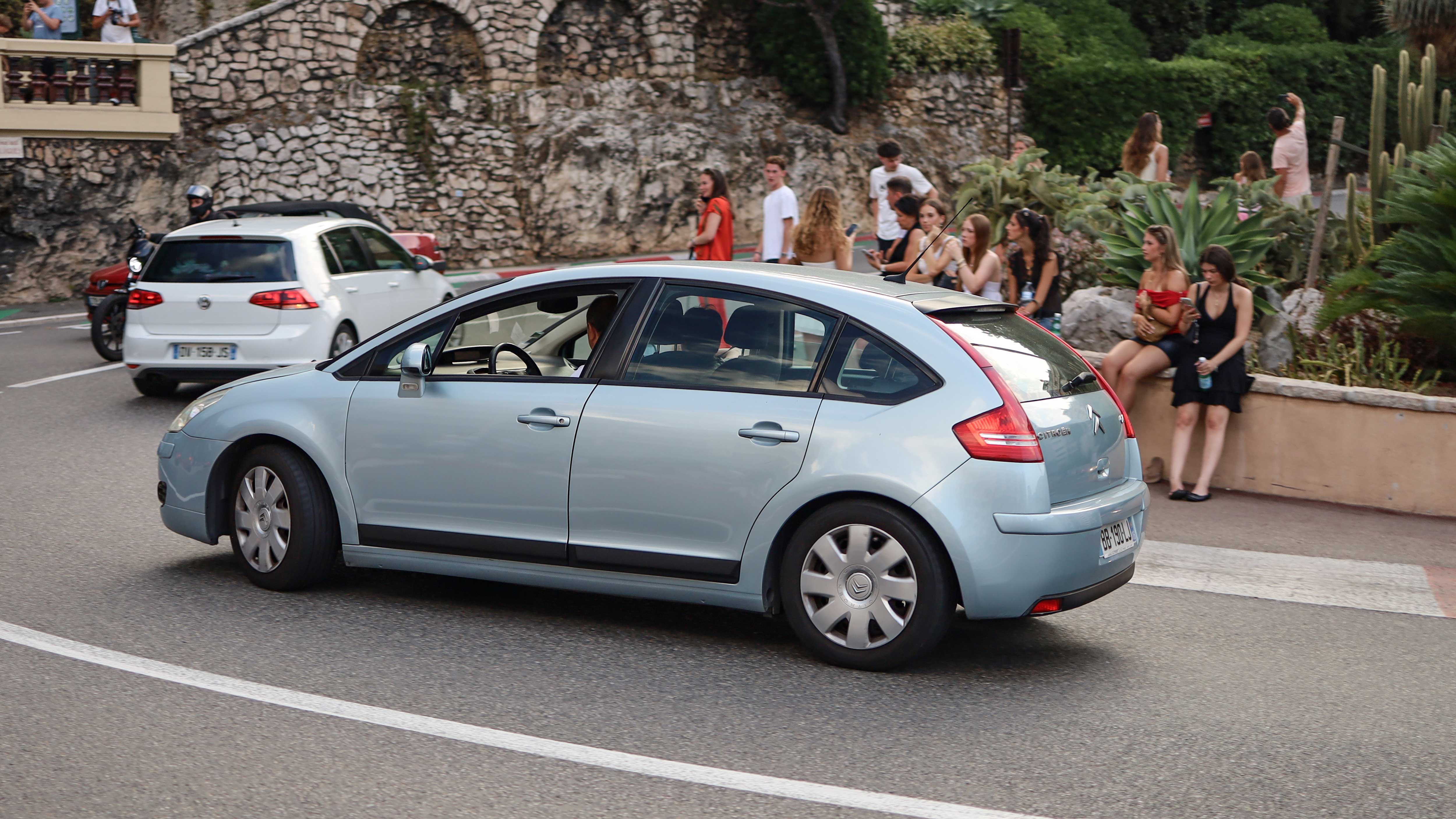
The C4 hatchback (2004–today) focuses on comfort and distinctive design in the compact class. As a result, petrol and diesel engines range up to about 180 hp in performance versions, pairing soft suspension with everyday usability.
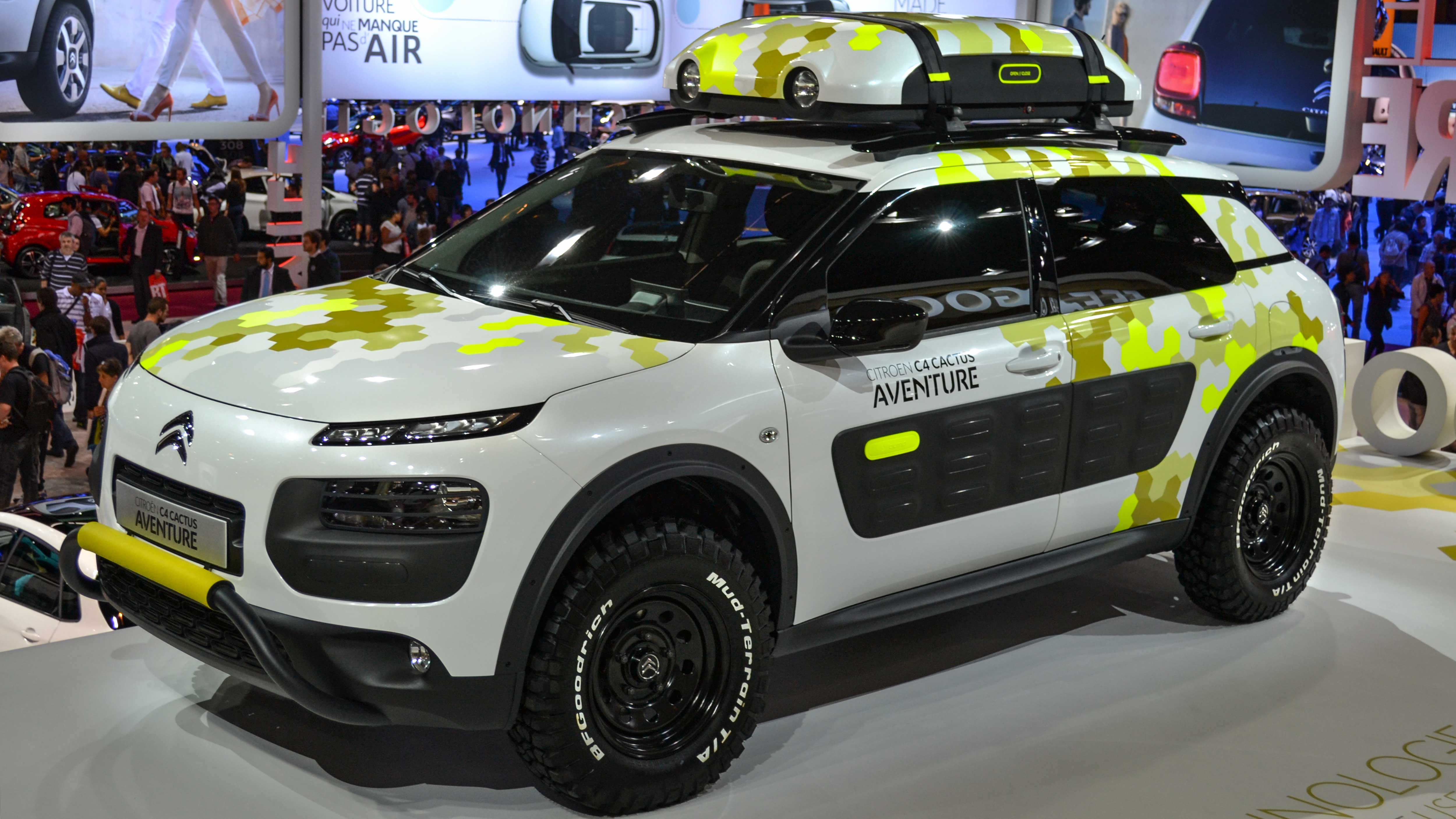
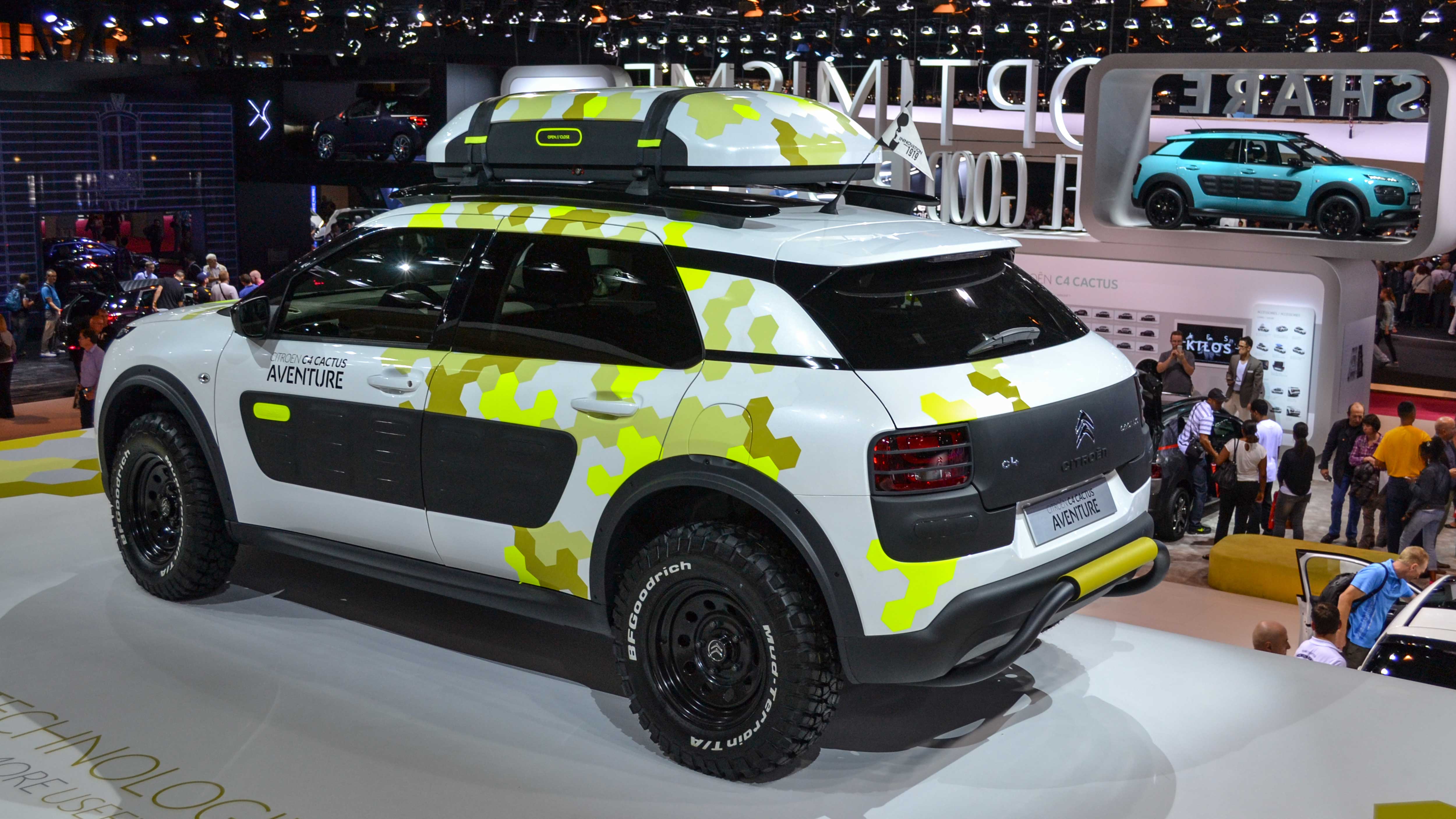
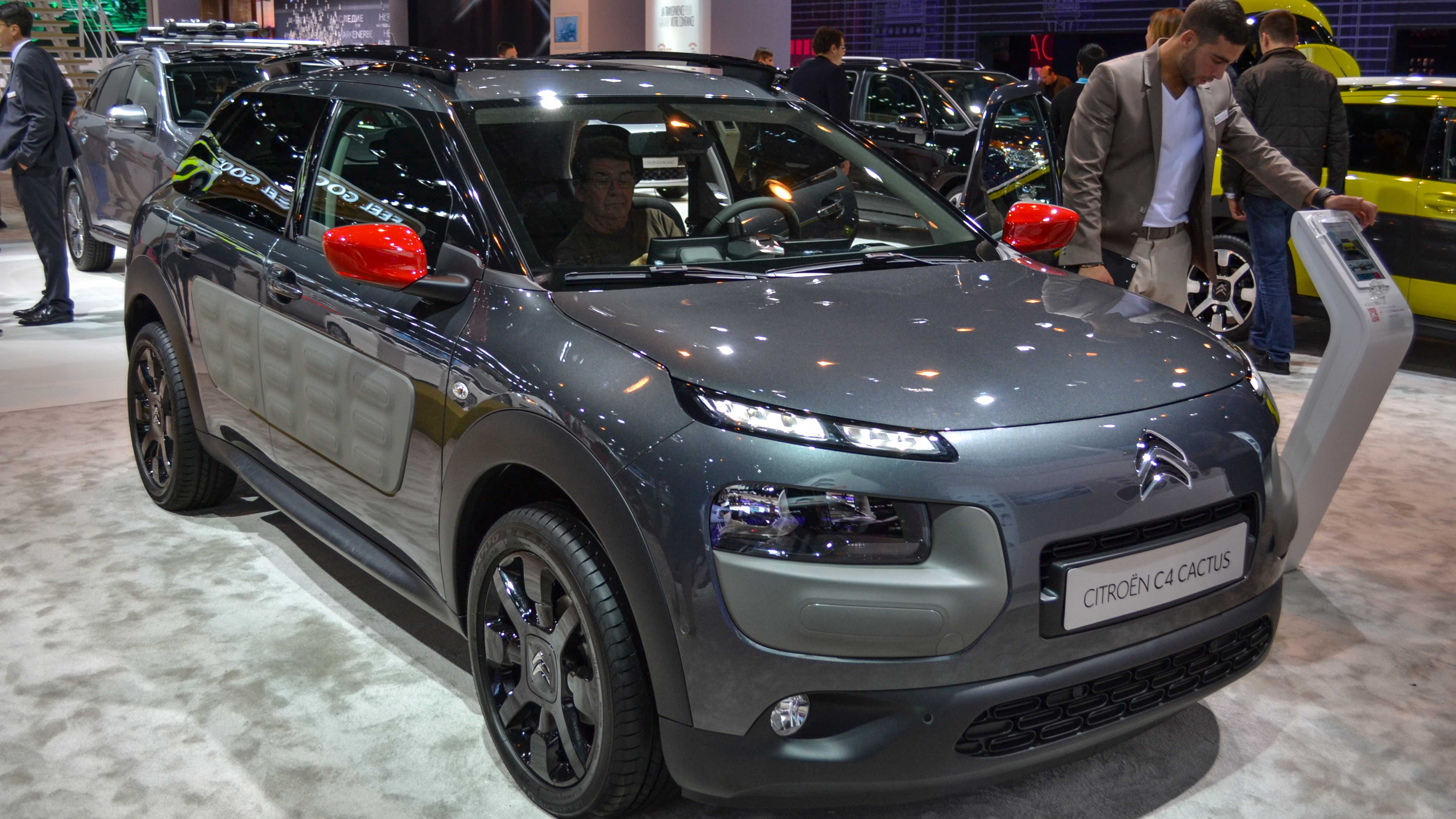
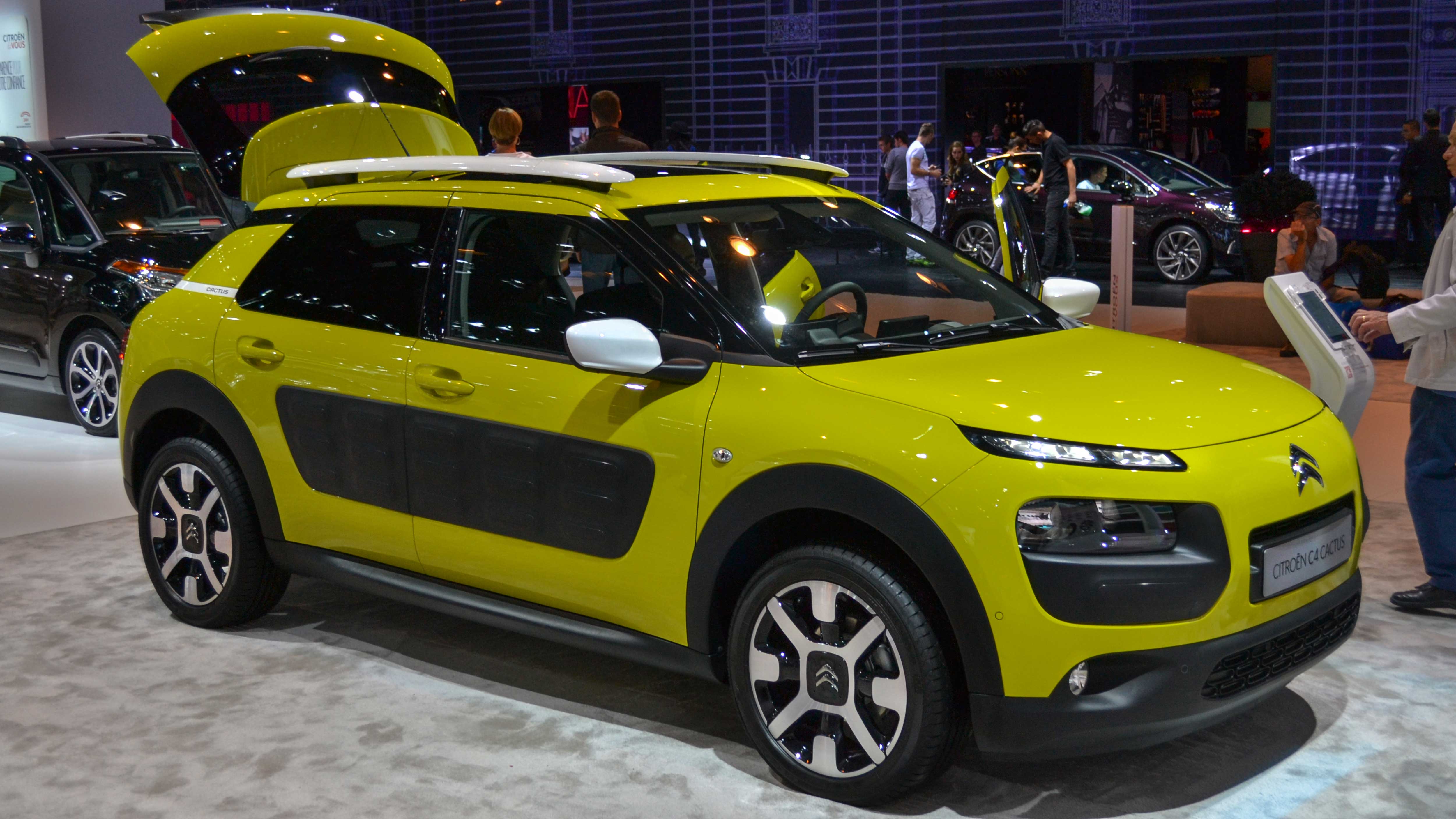
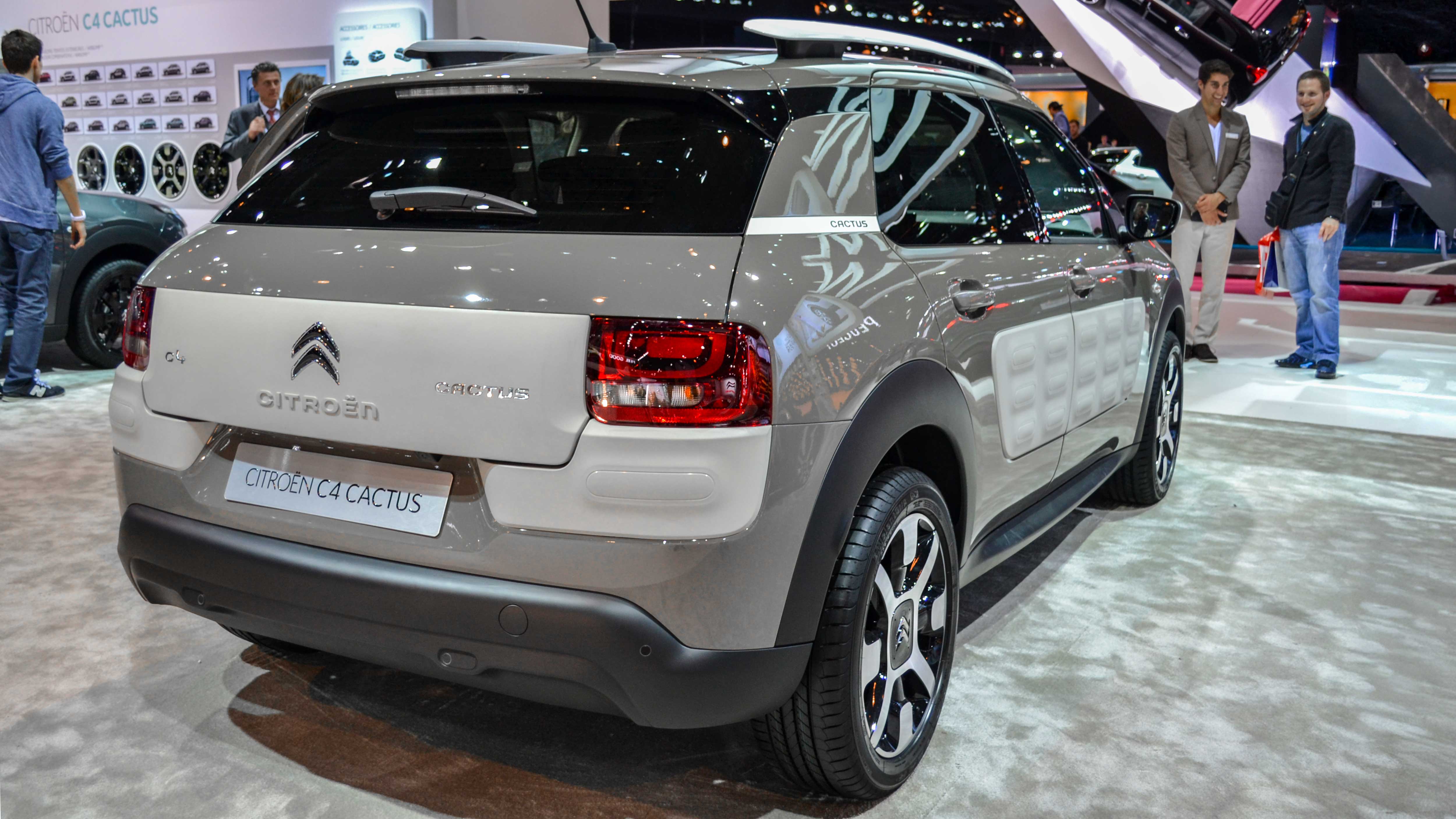
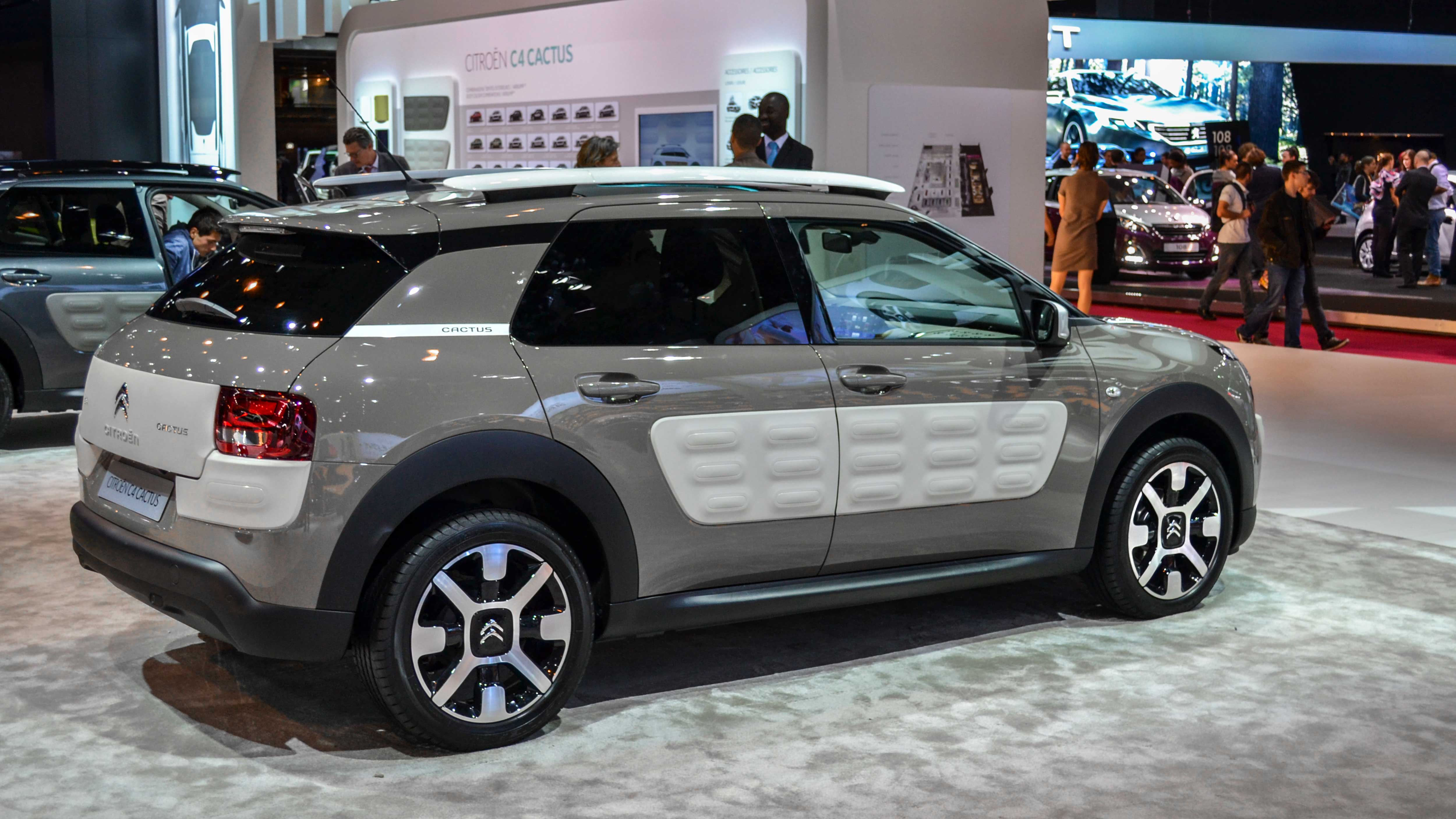
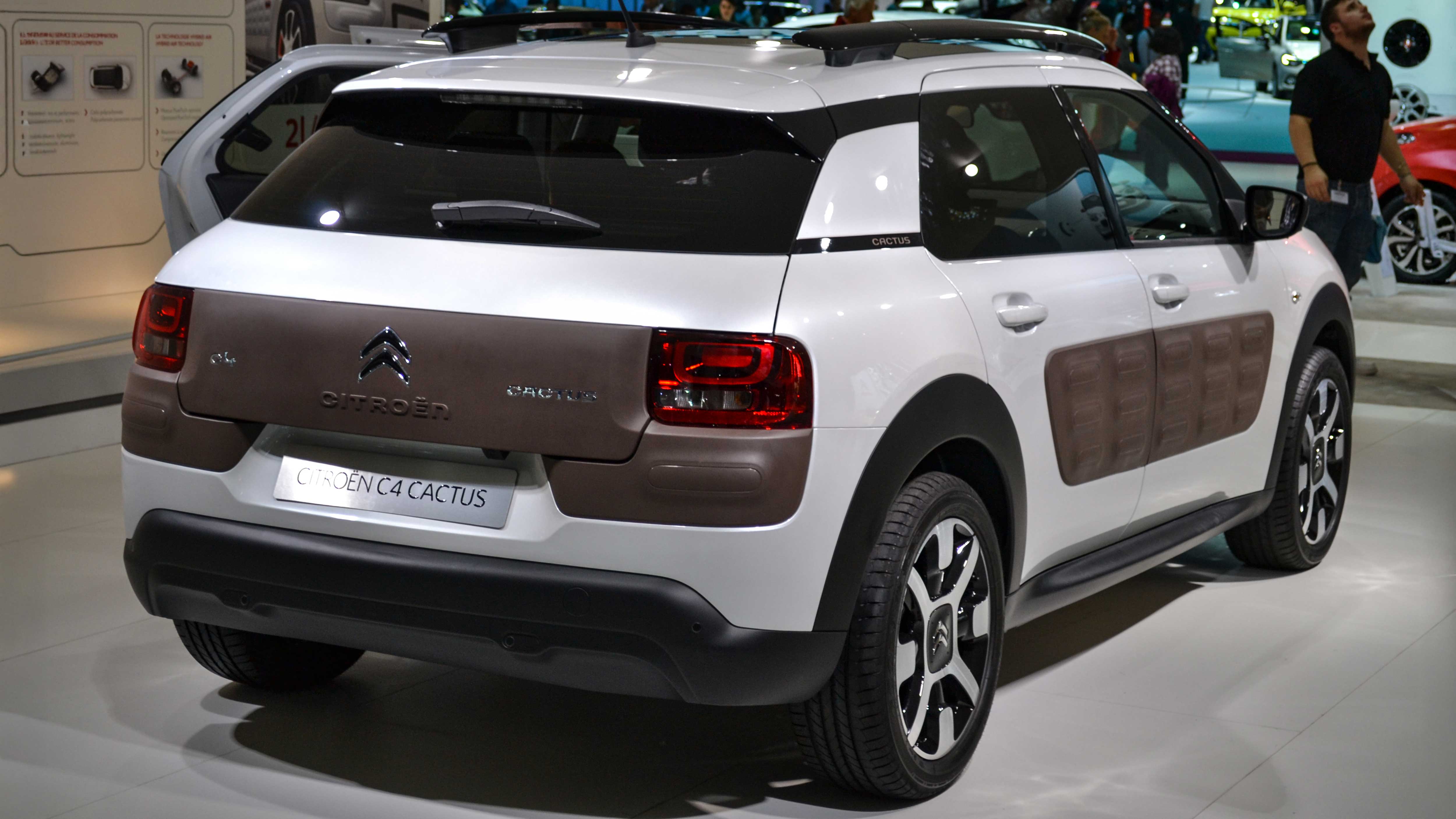
C4 Cactus
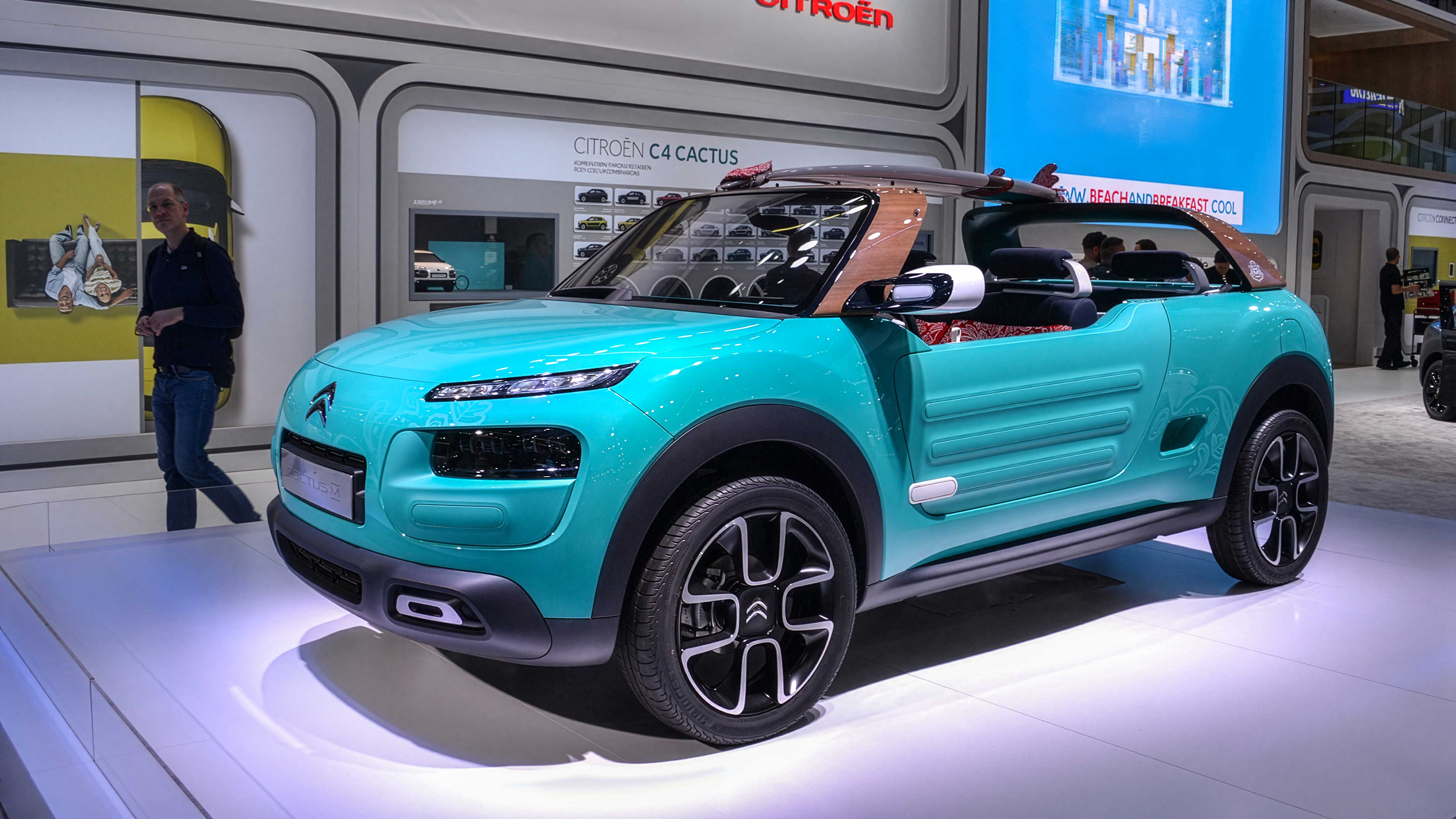
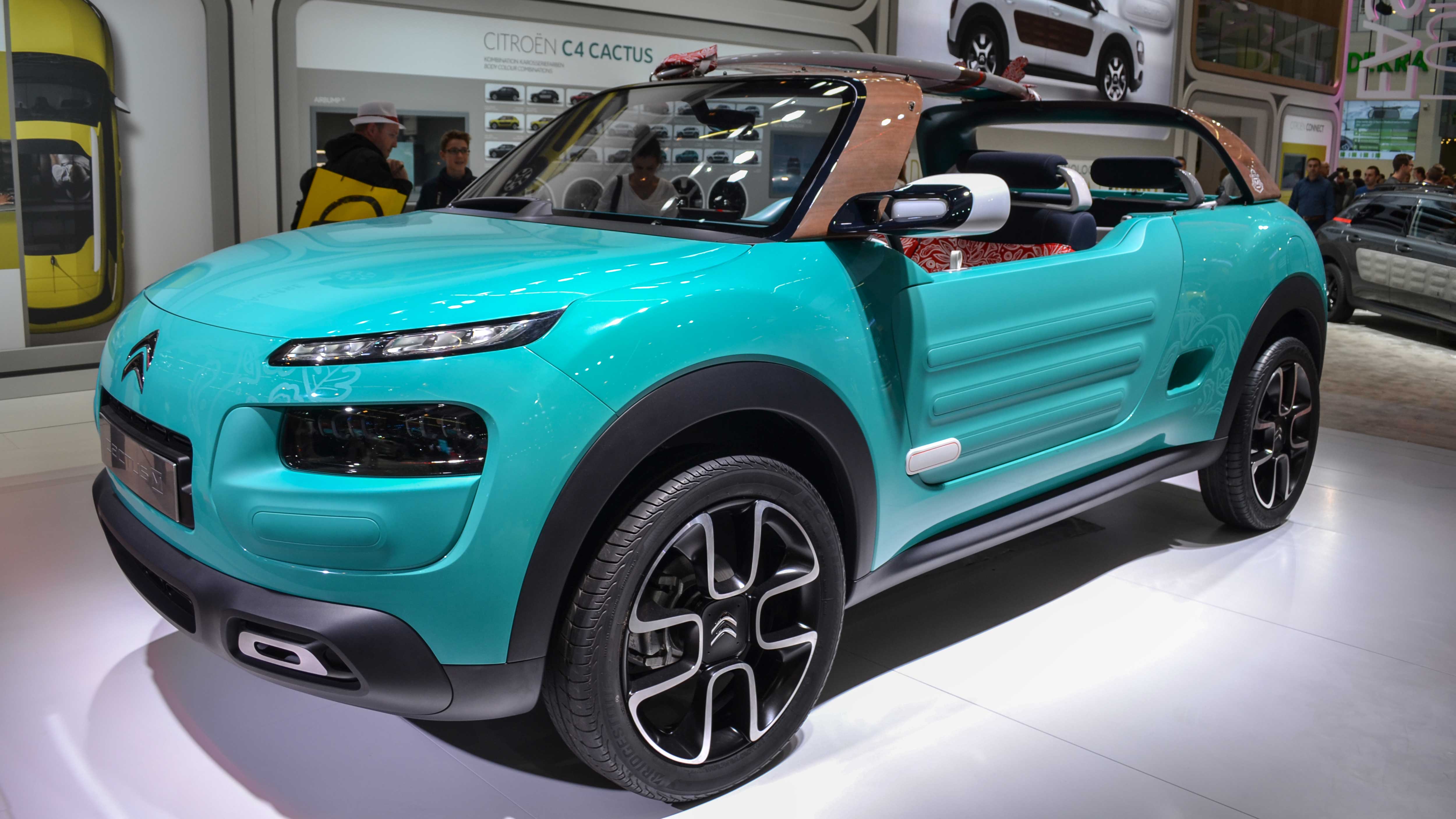
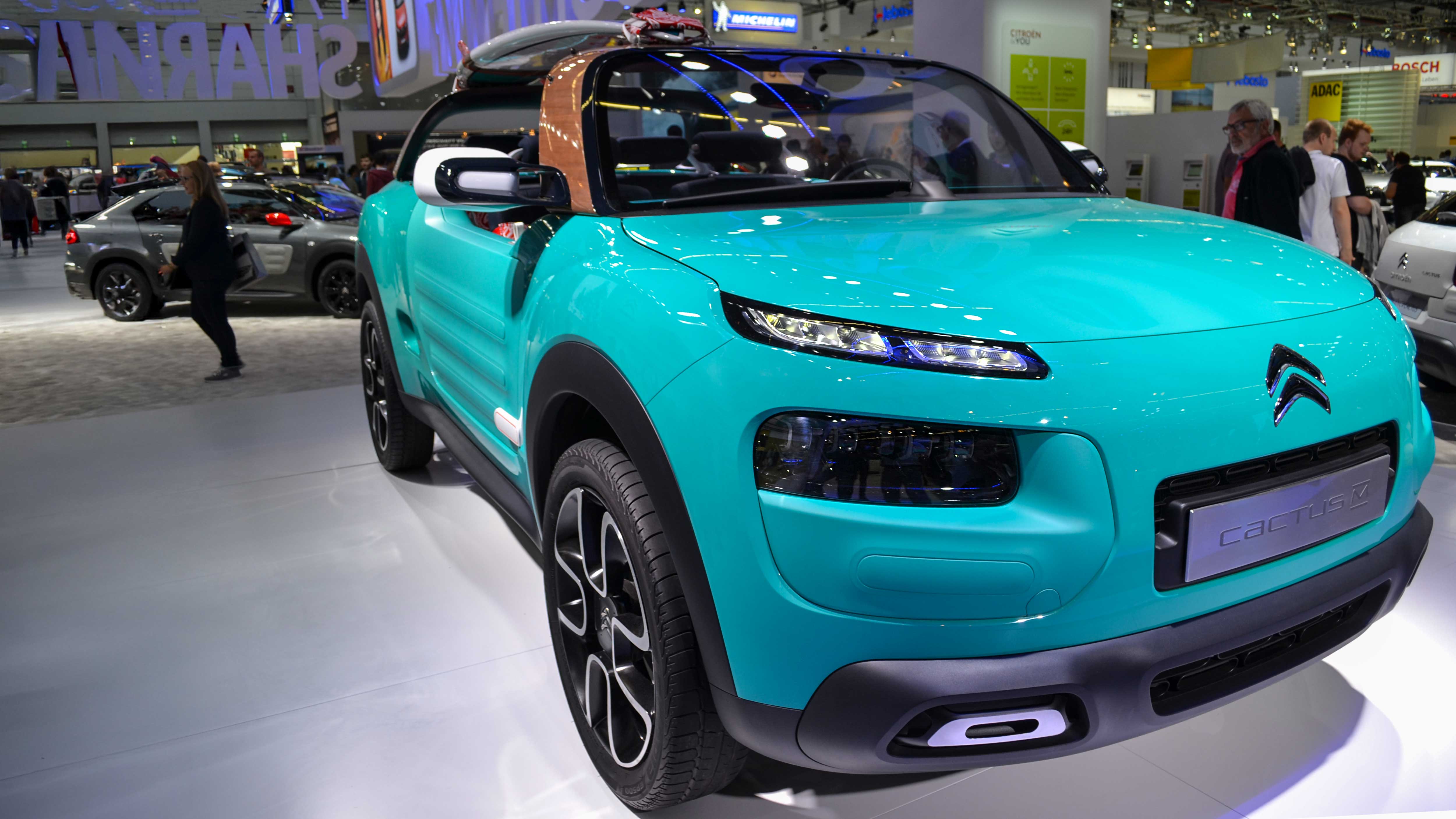
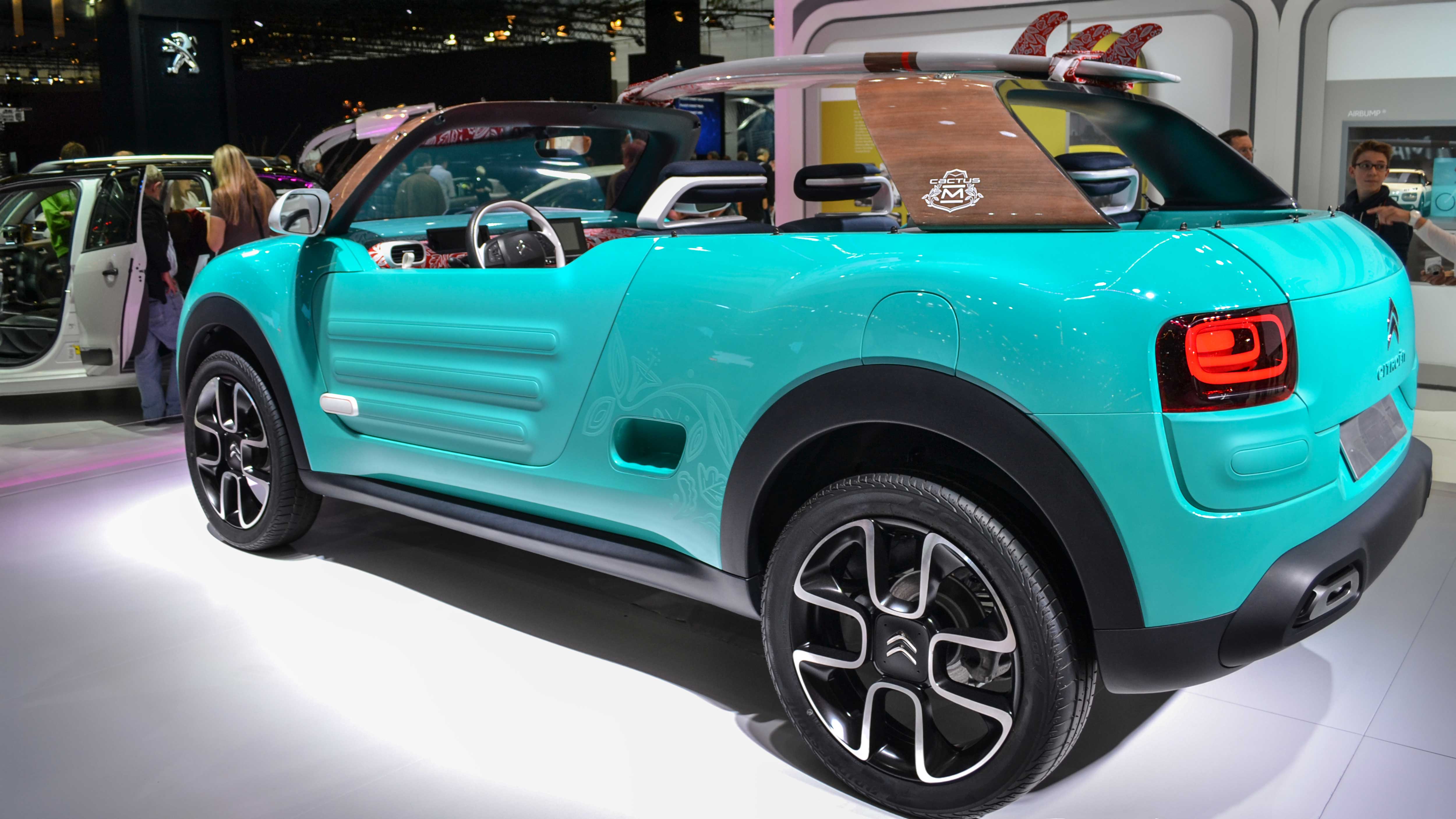
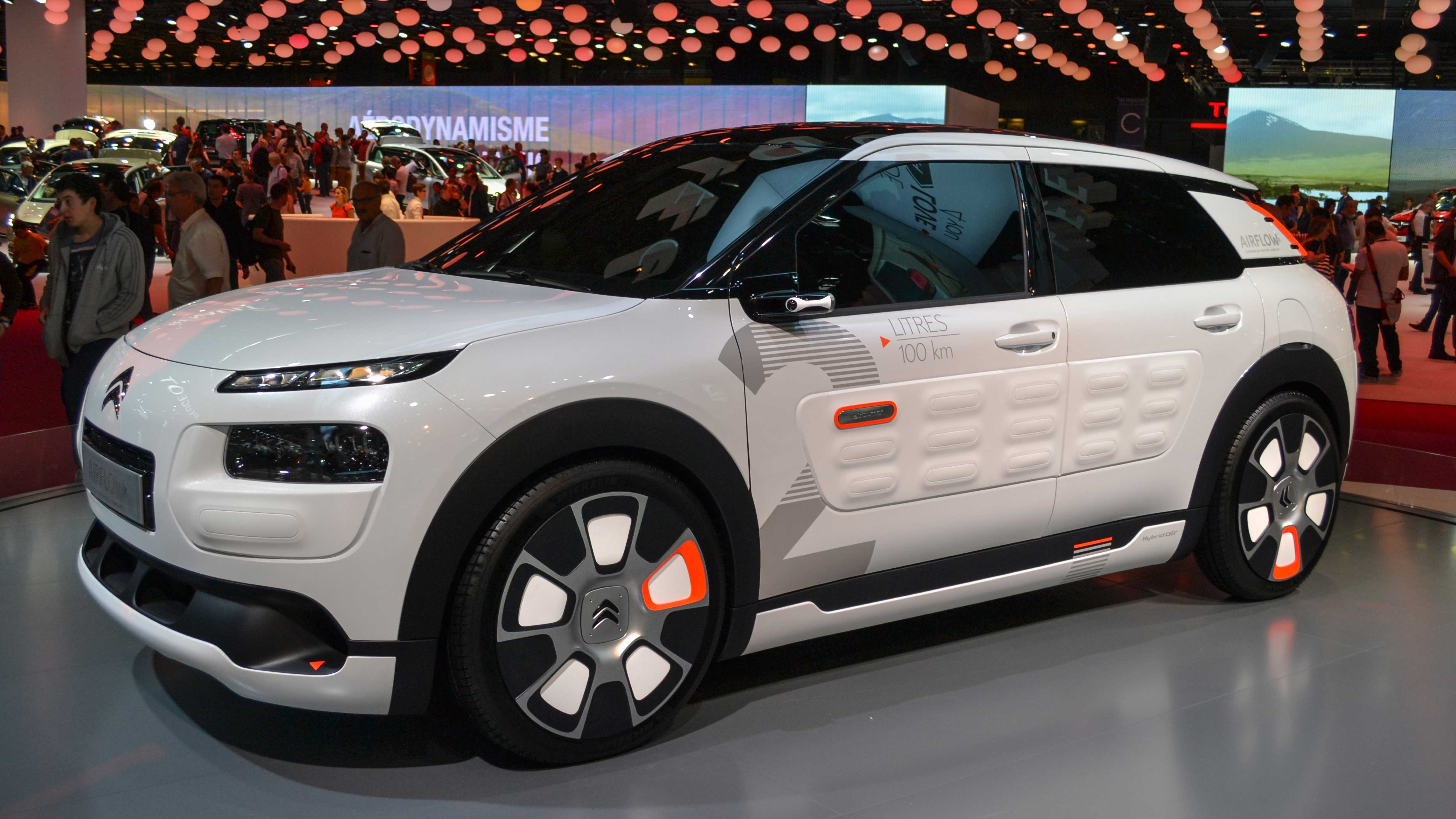
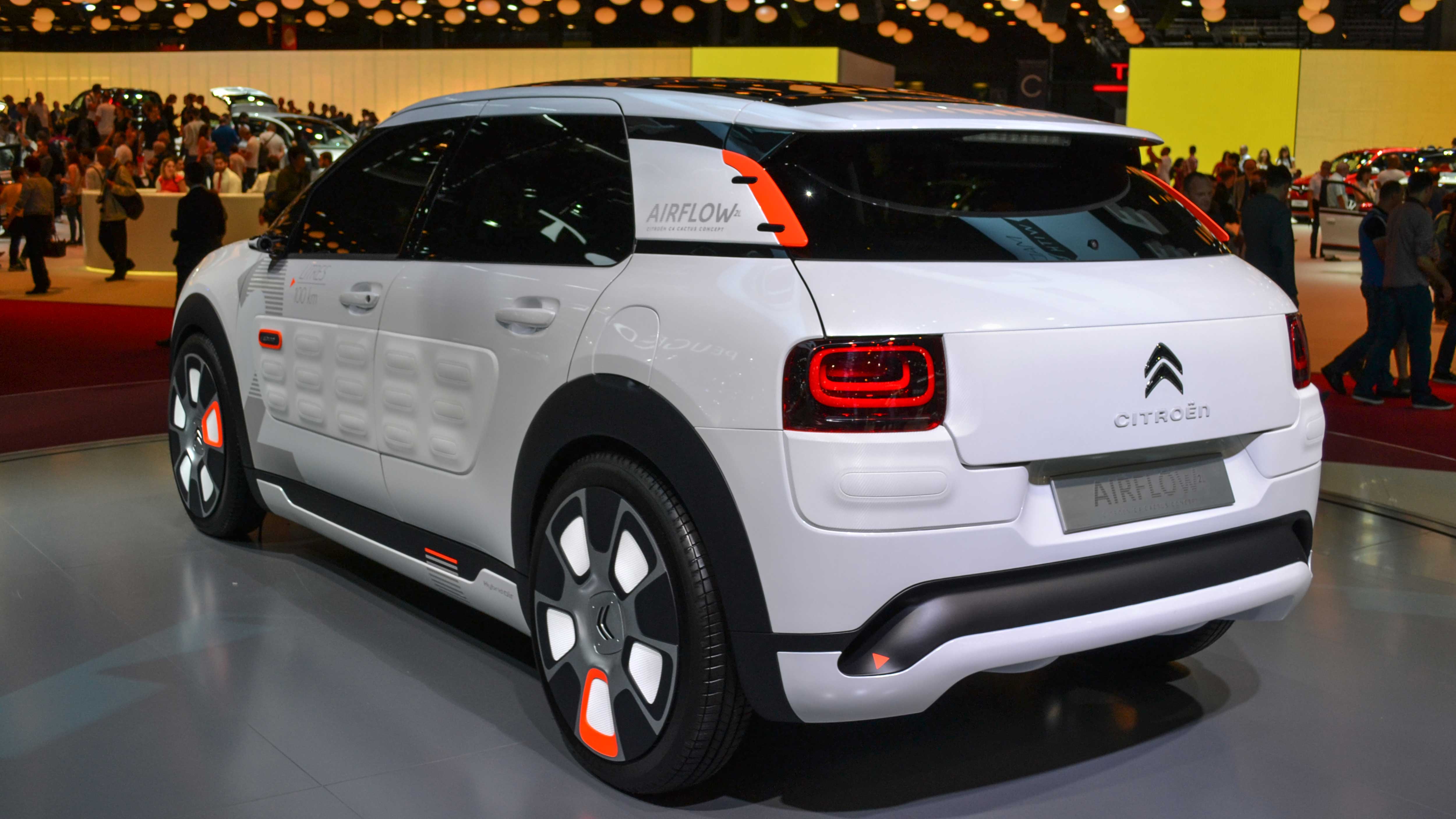
The C4 Cactus (2014–2020) redefined the compact hatchback with a focus on comfort and low weight. As a result, petrol and diesel engines up to about 130 hp paired soft suspension with a minimalist, distinctive design.
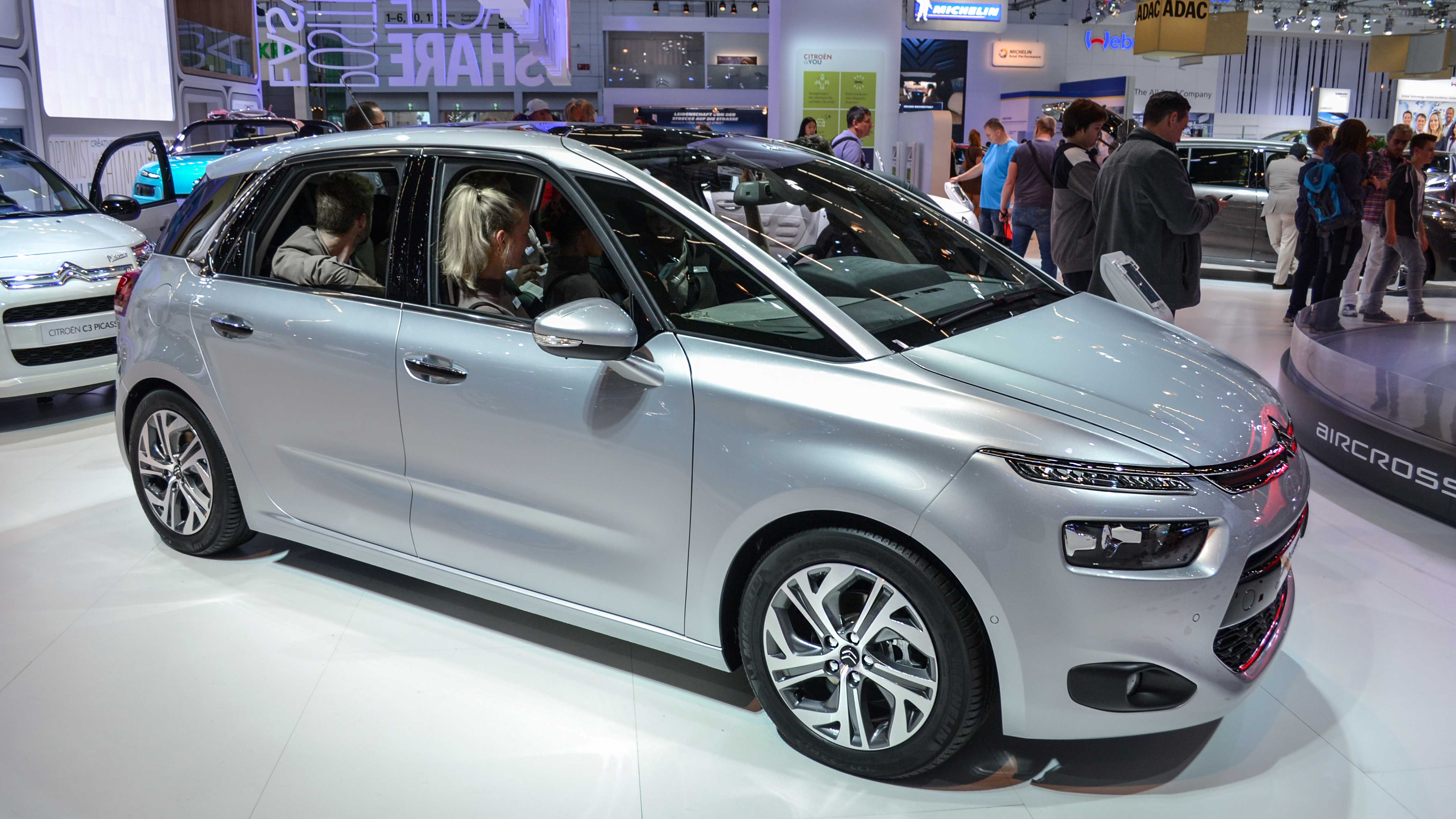
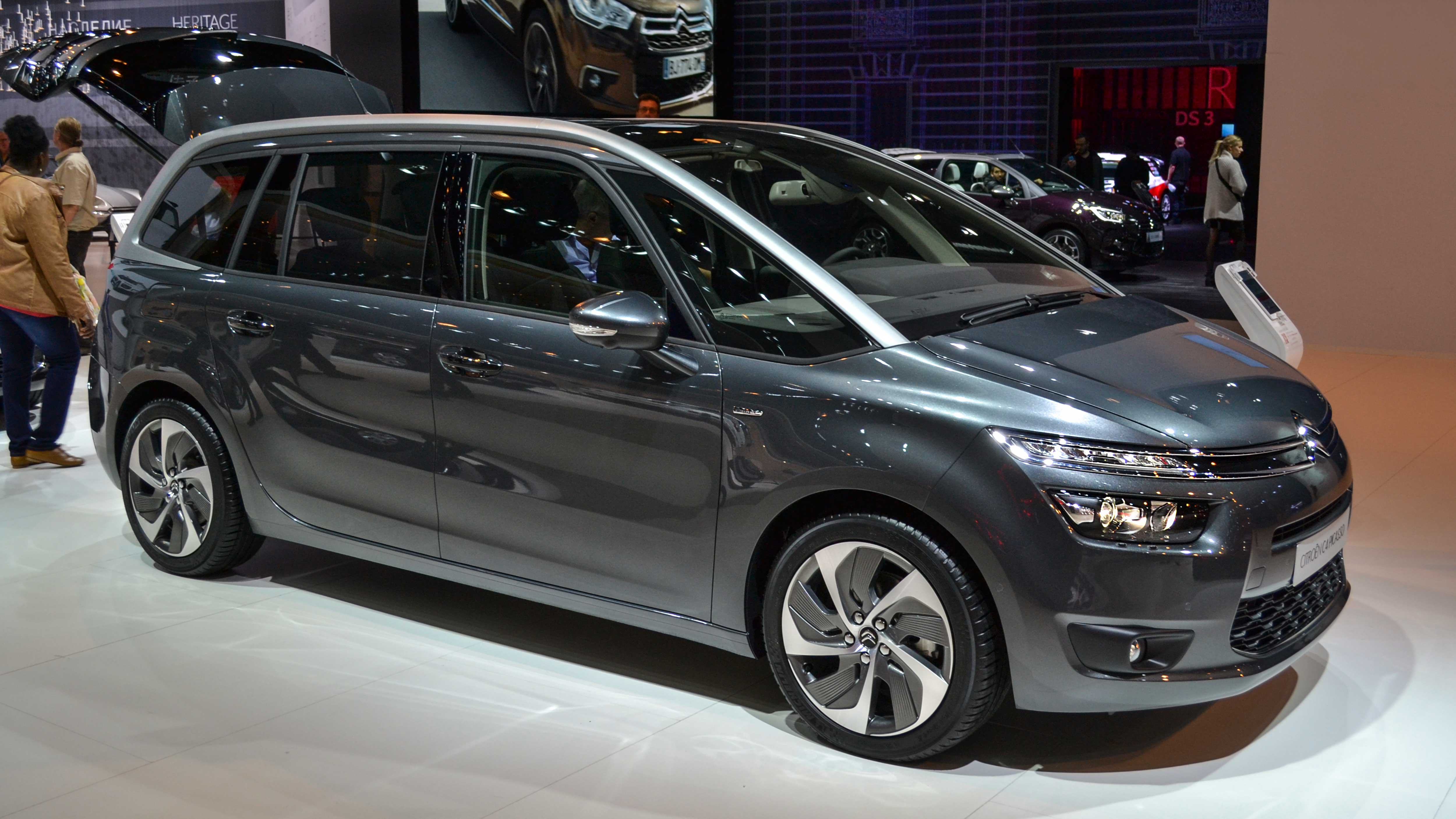
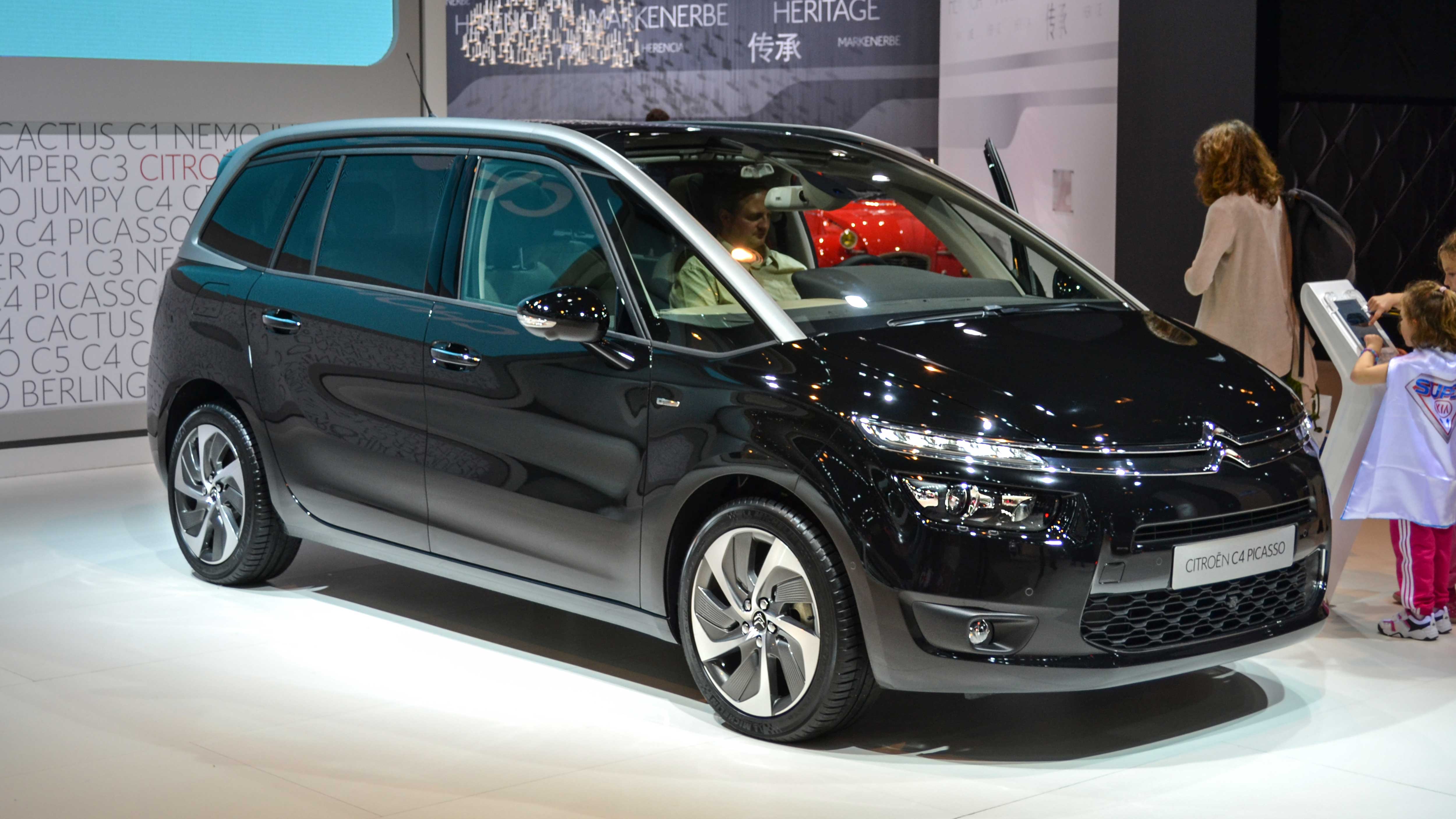
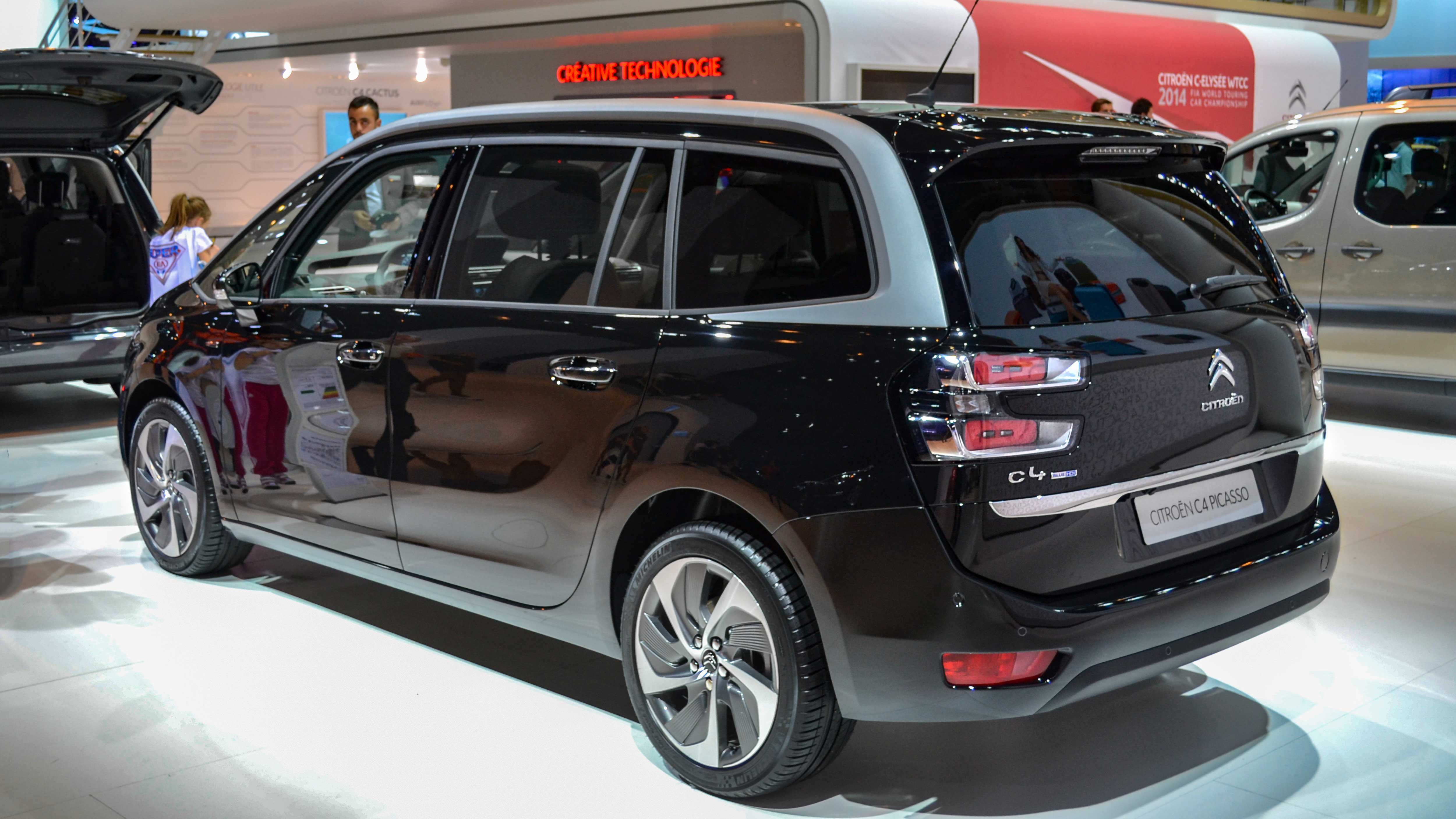
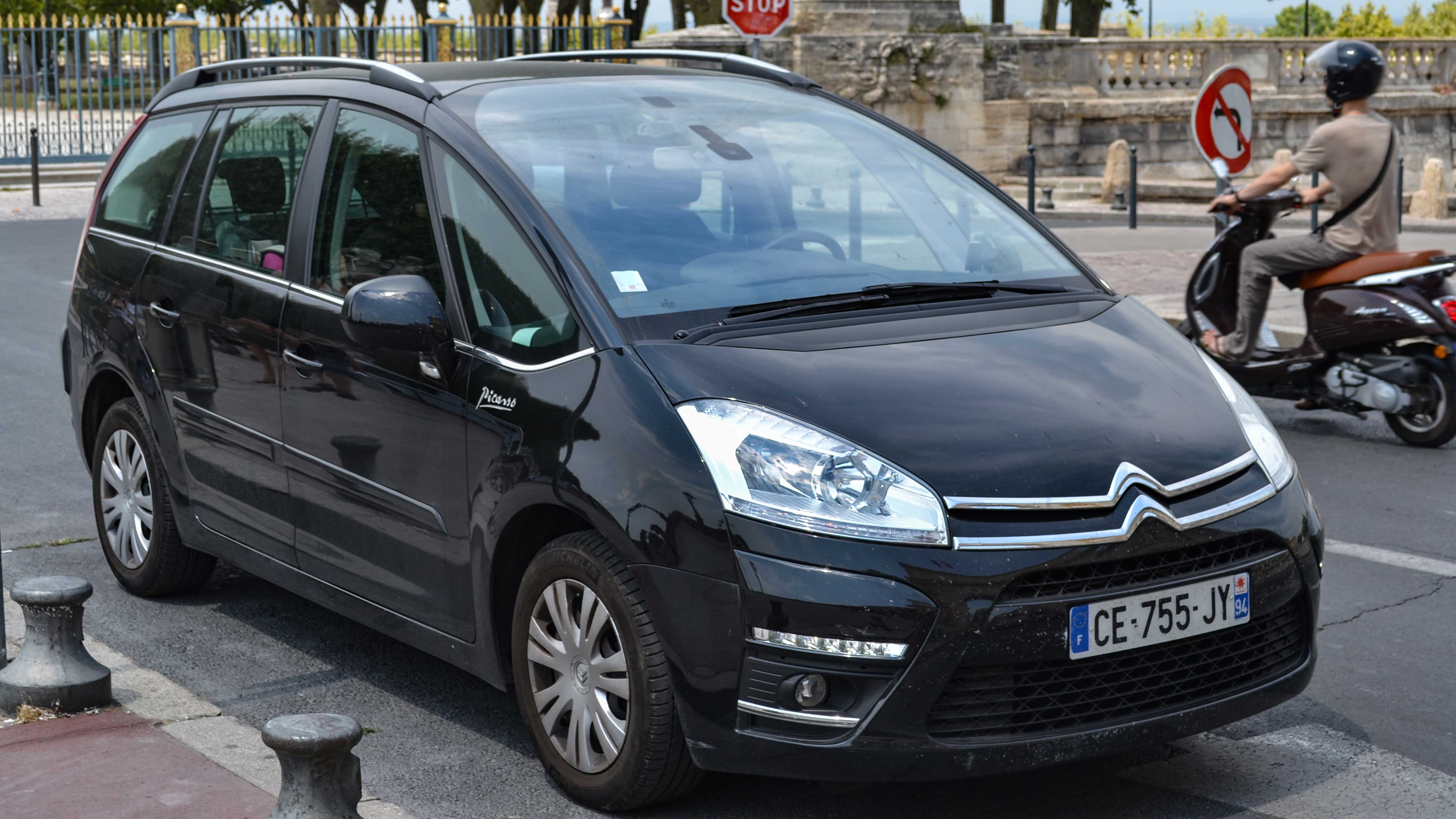
C4 Picasso
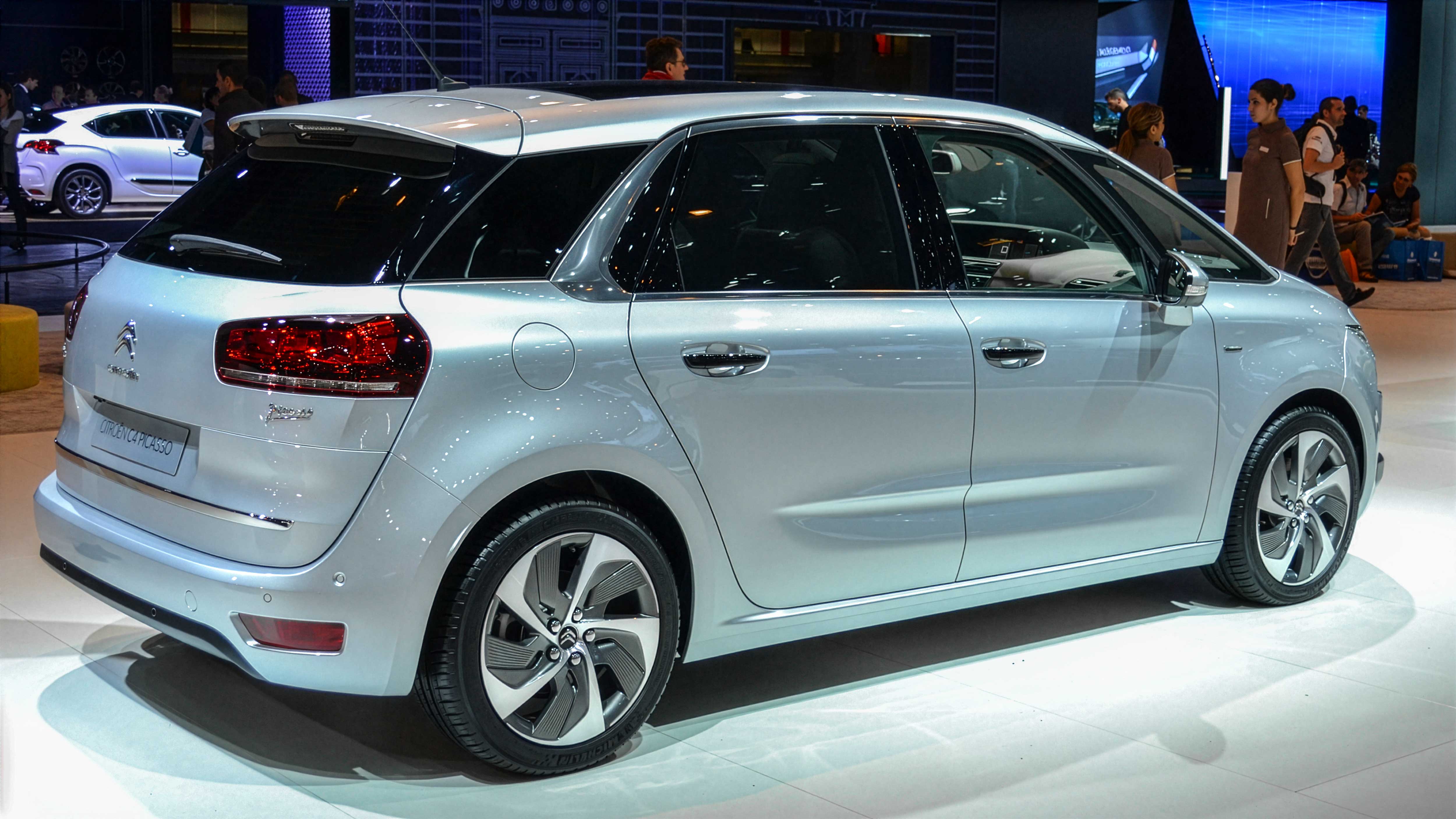
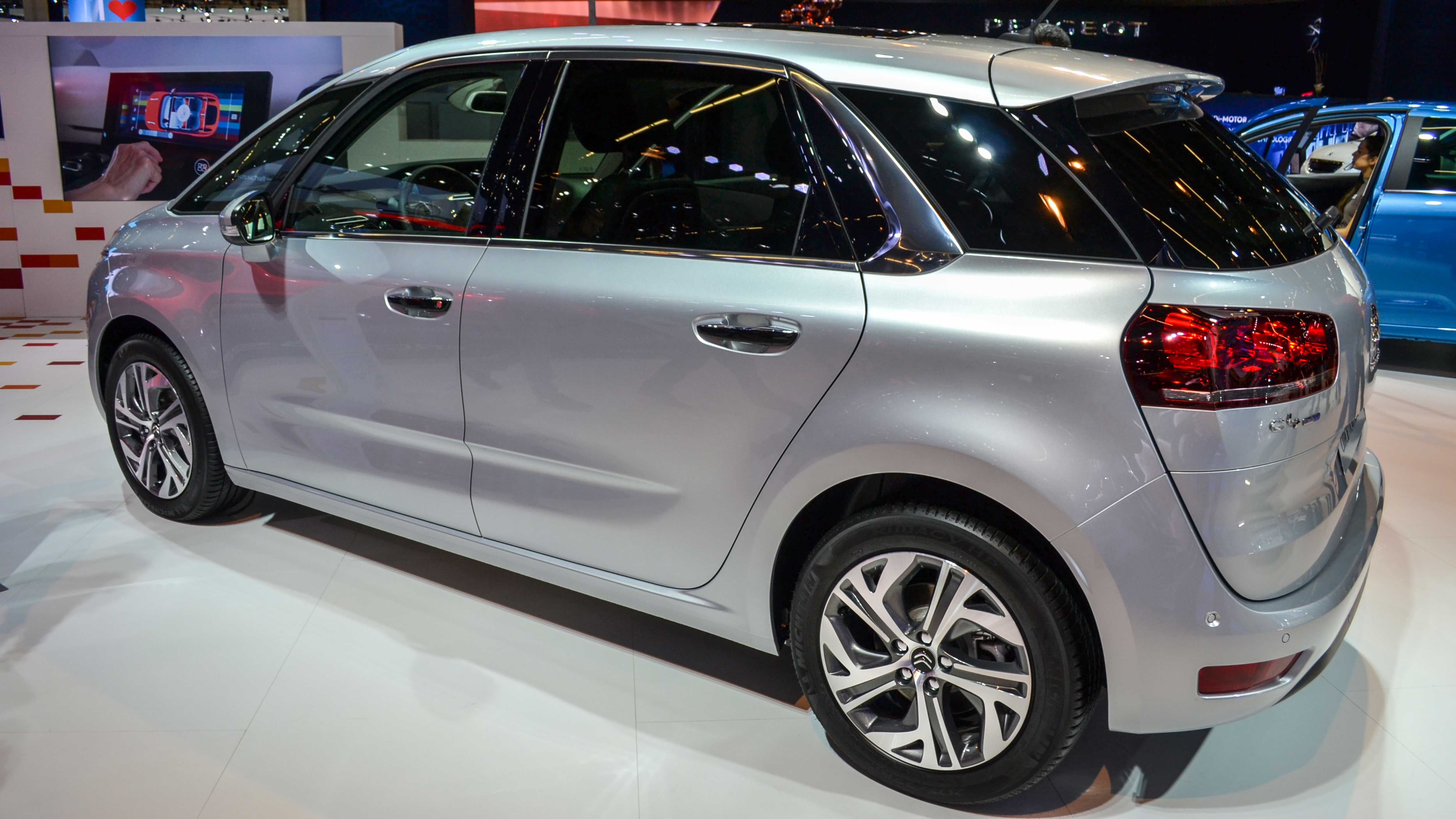
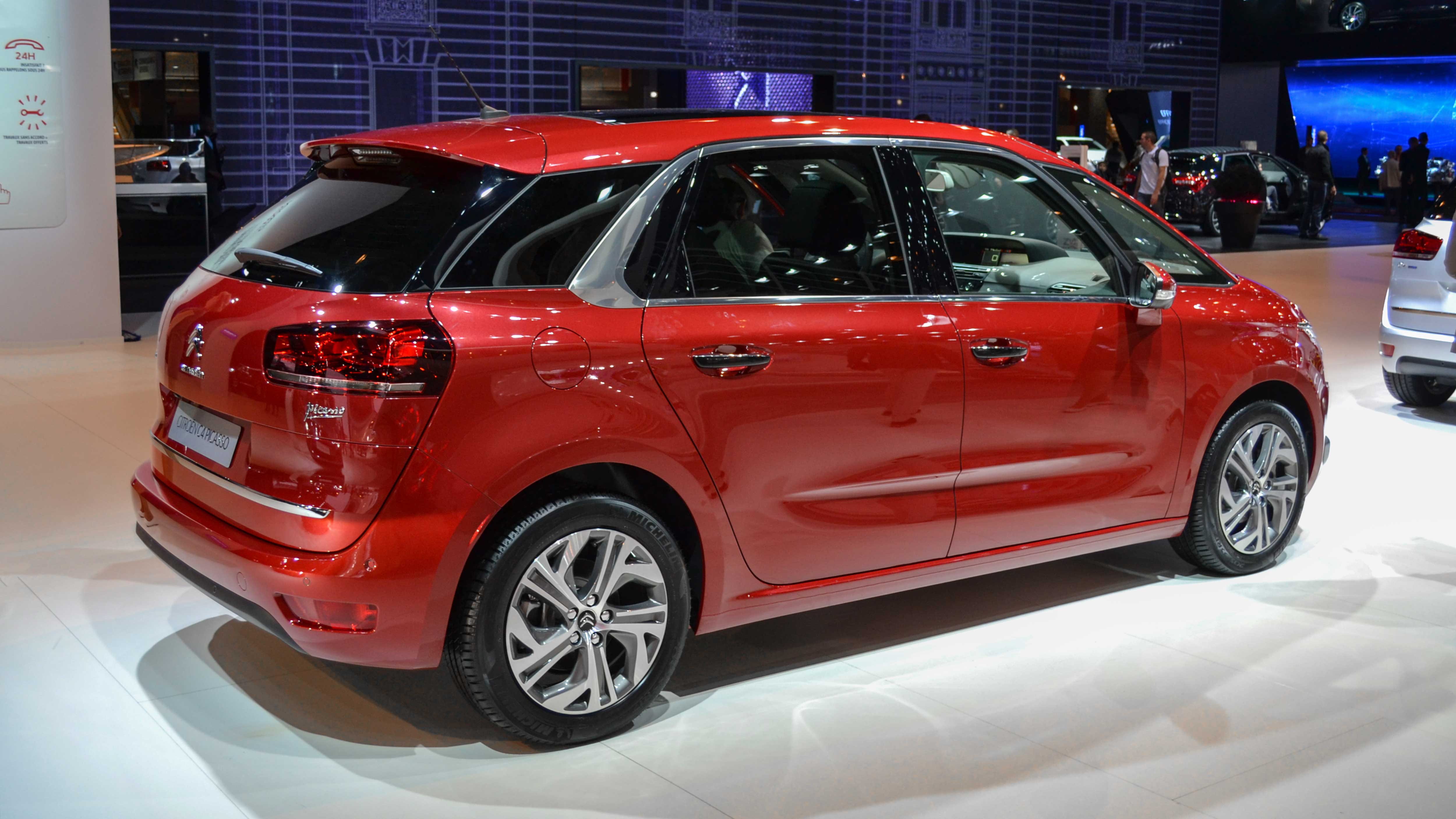
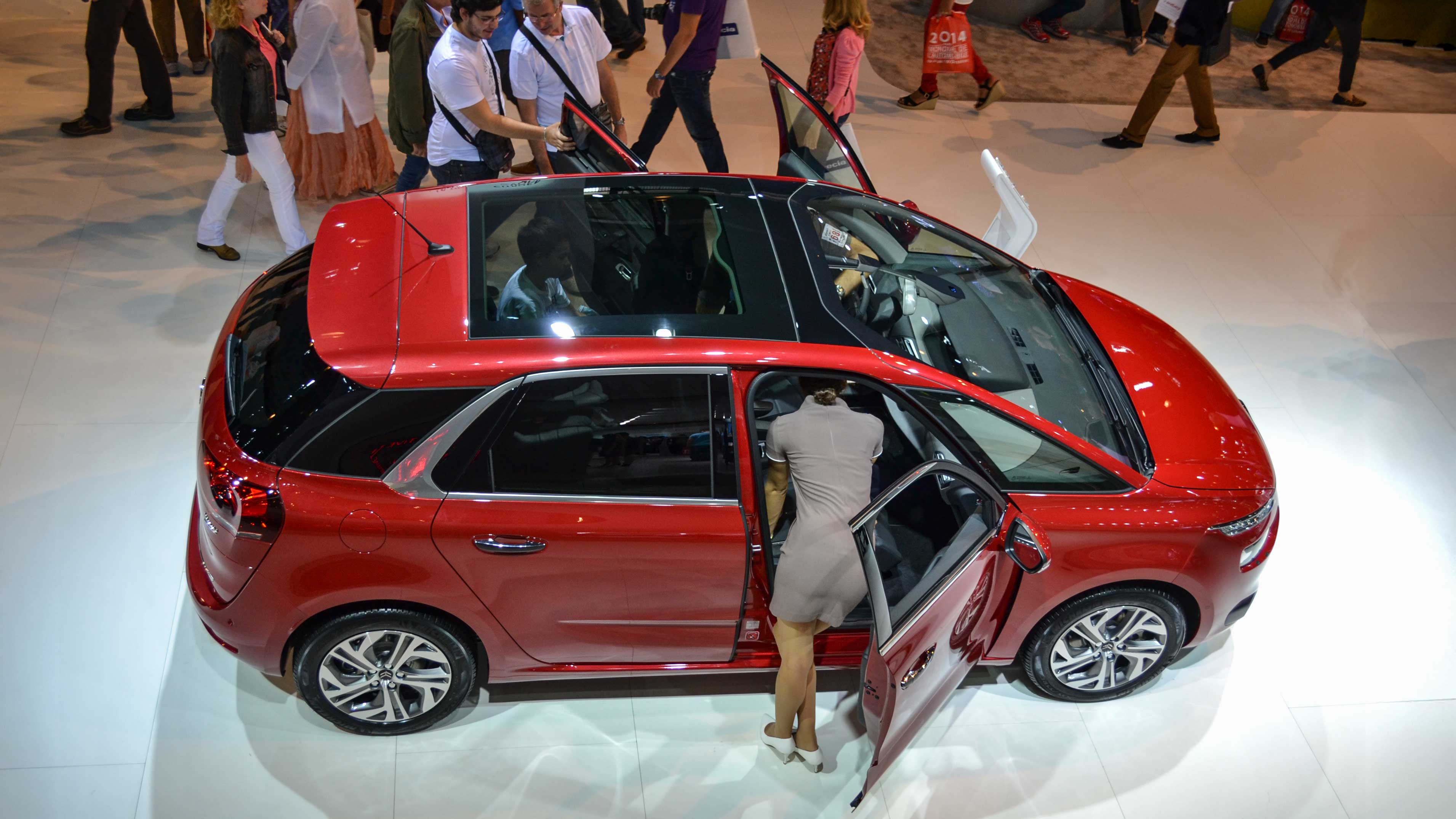
The C4 Picasso (2006–2022) served as a compact MPV focused on space and comfort. As a result, petrol and diesel engines up to about 165 hp paired flexible seating with a soft ride and strong everyday practicality.
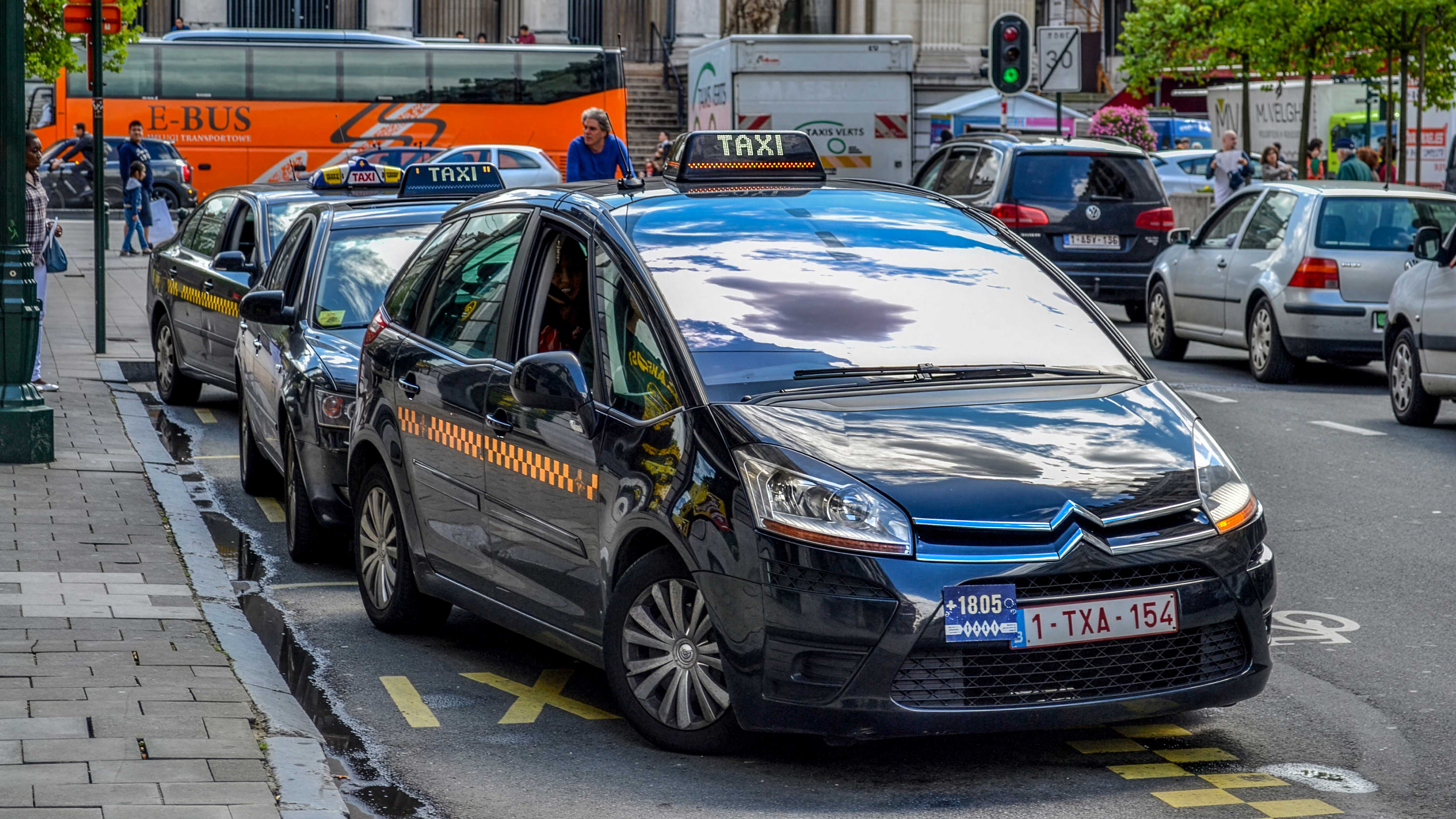
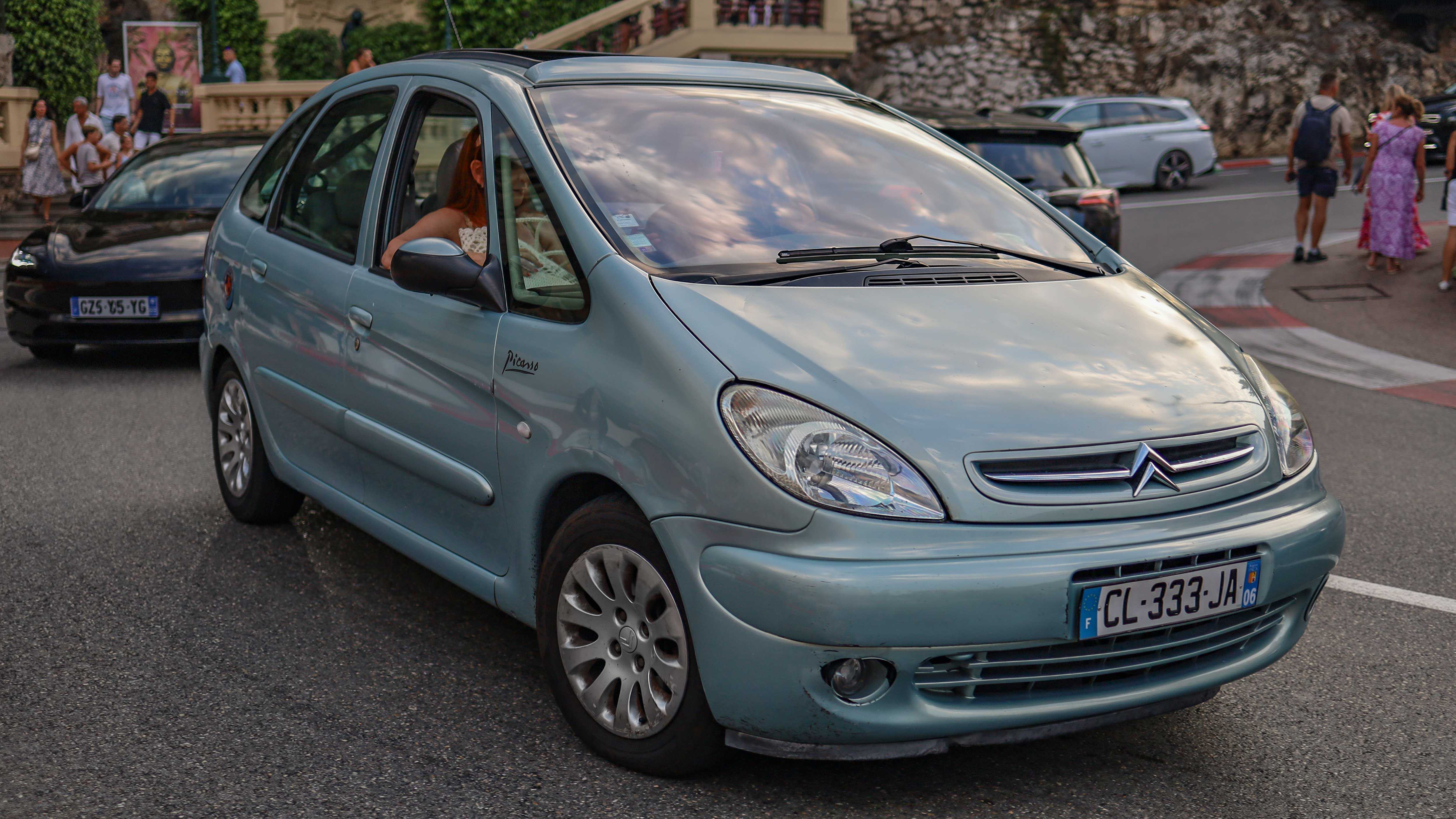
C5
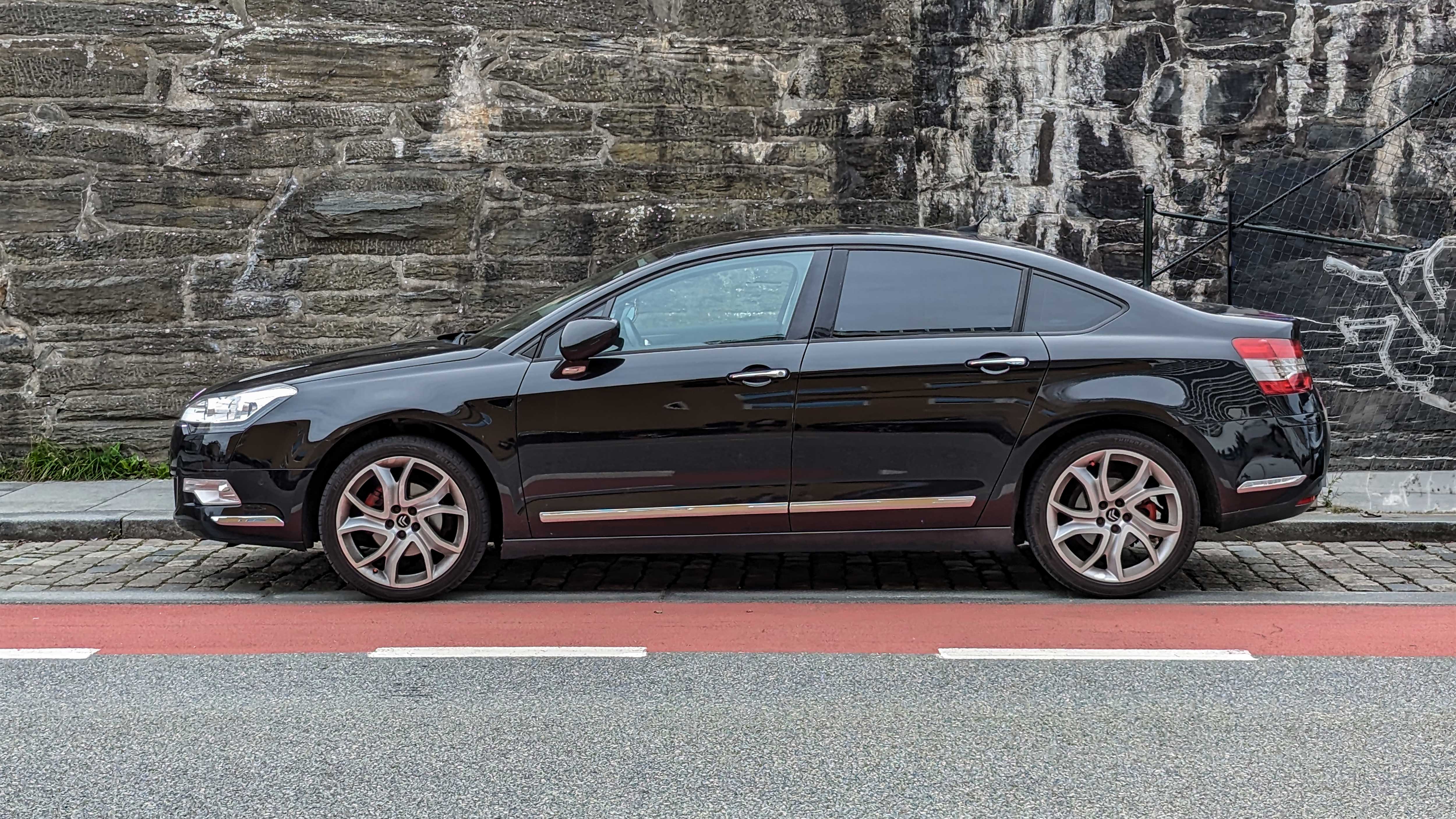
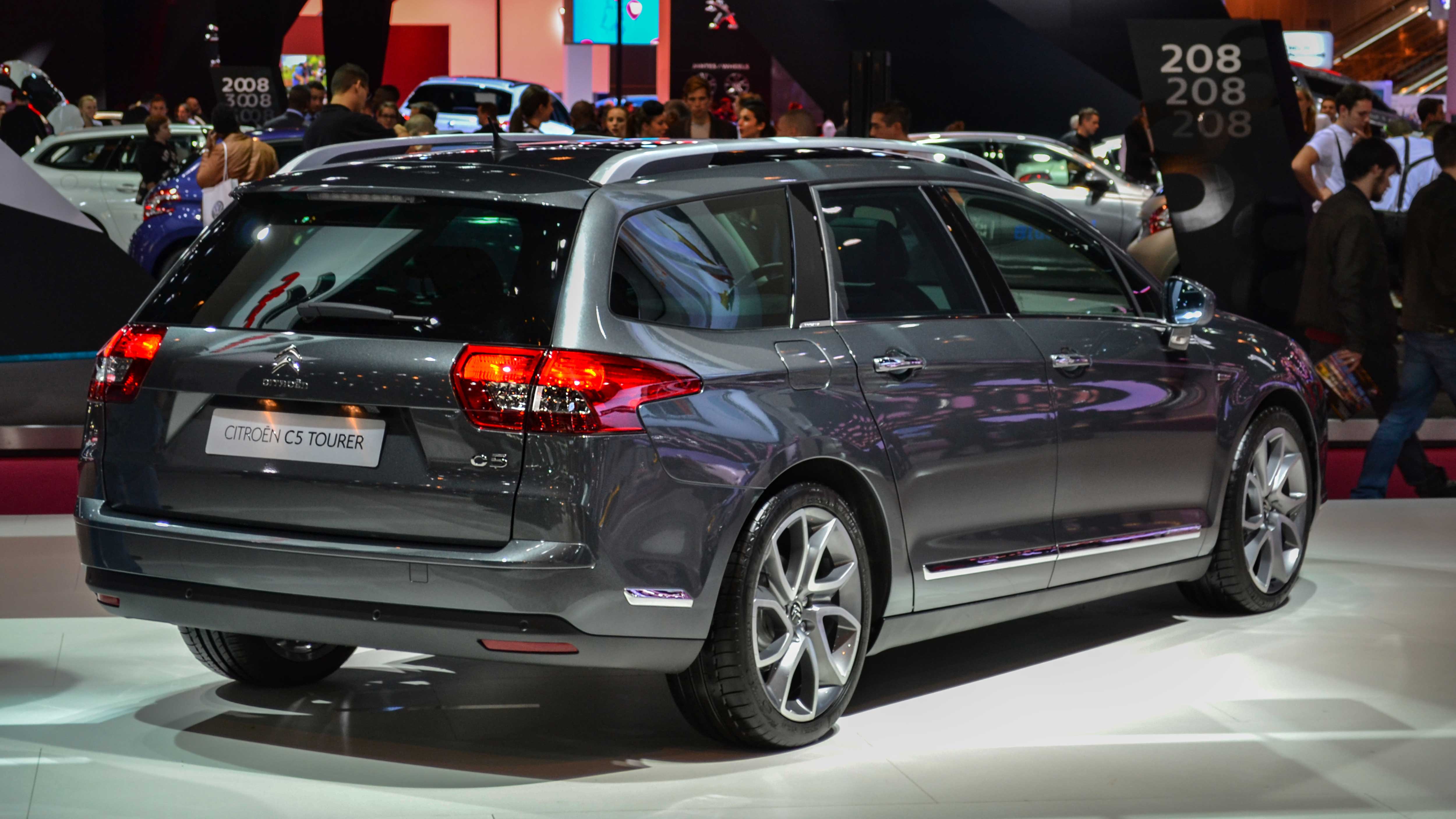
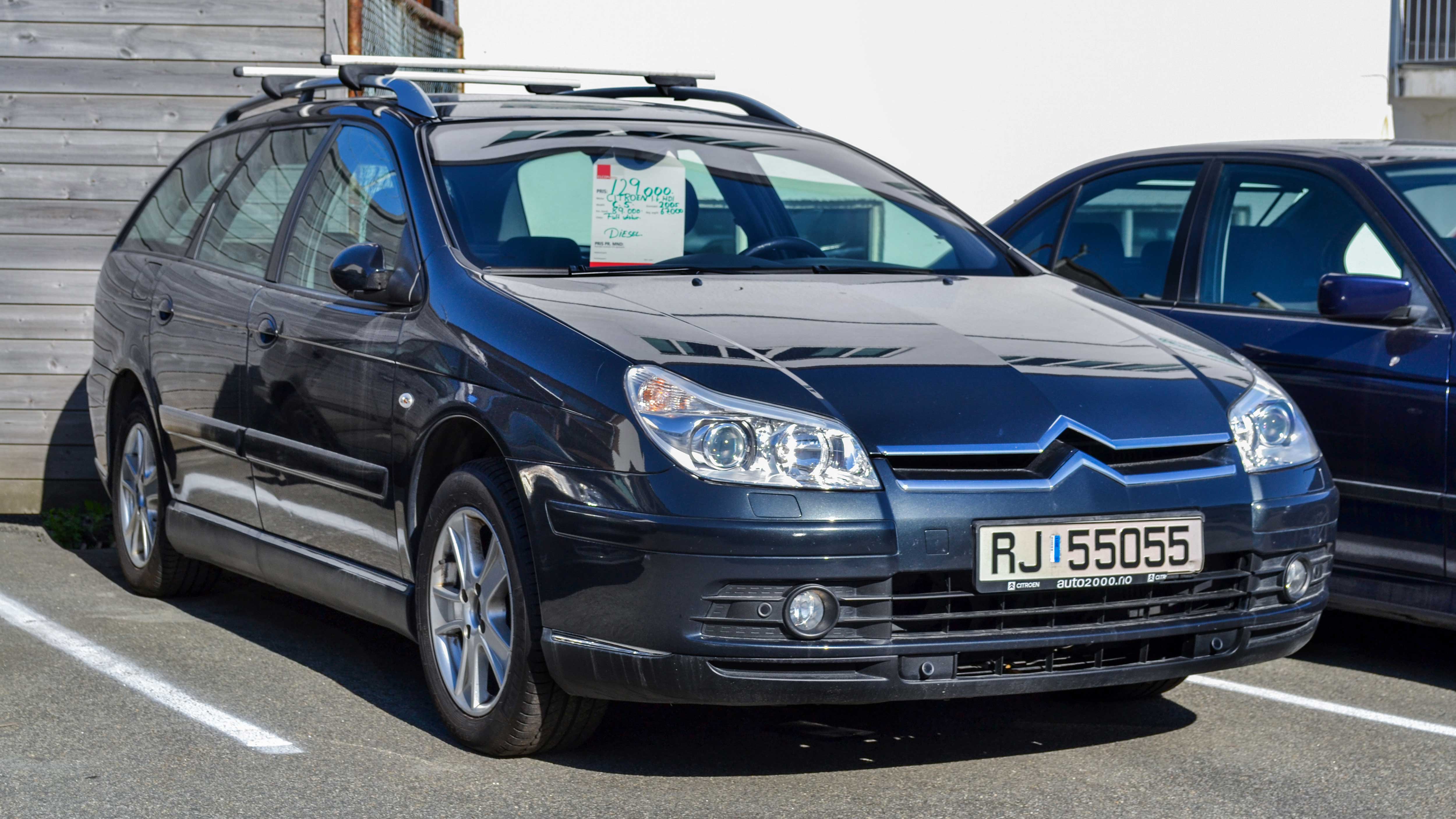
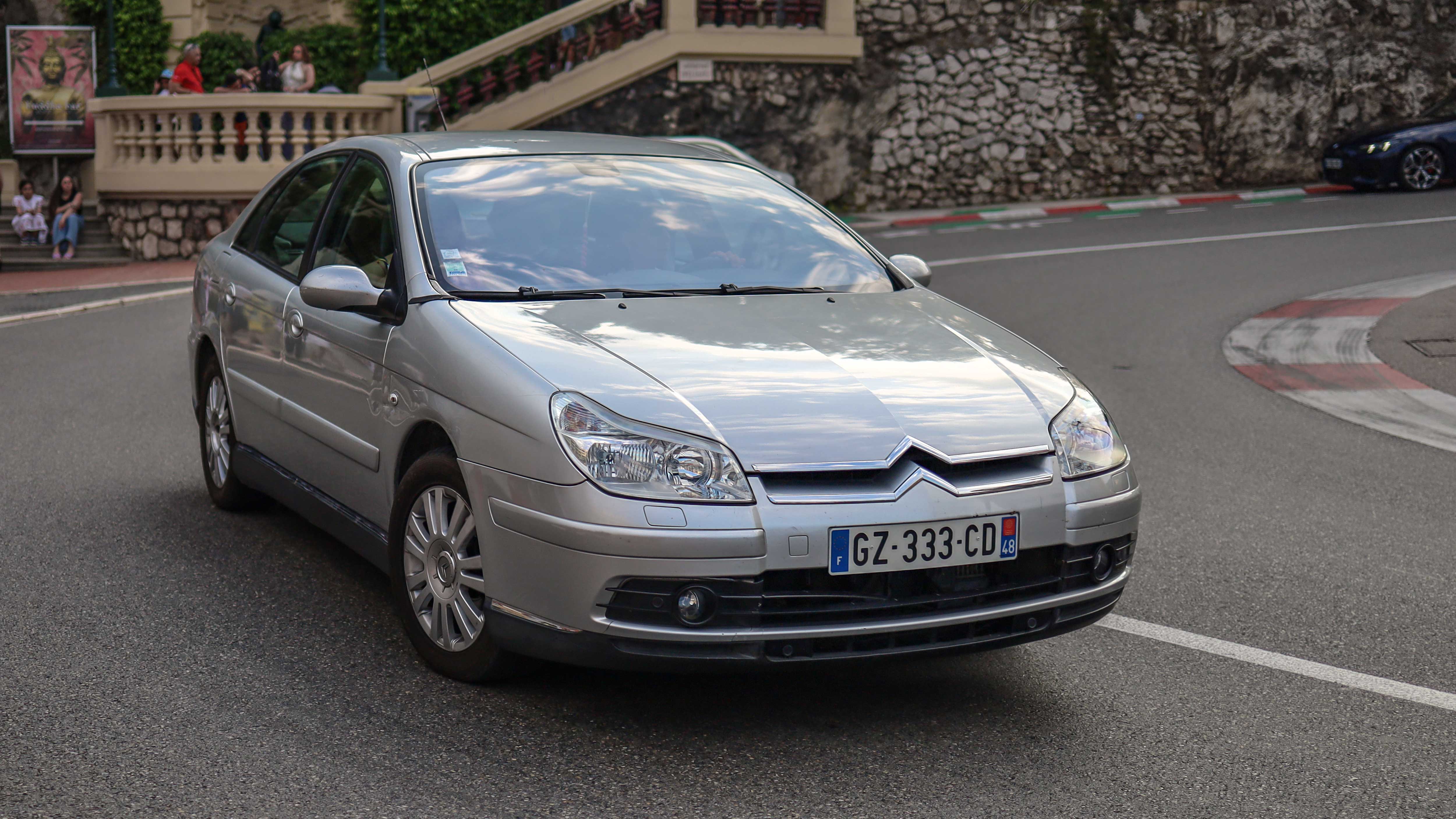
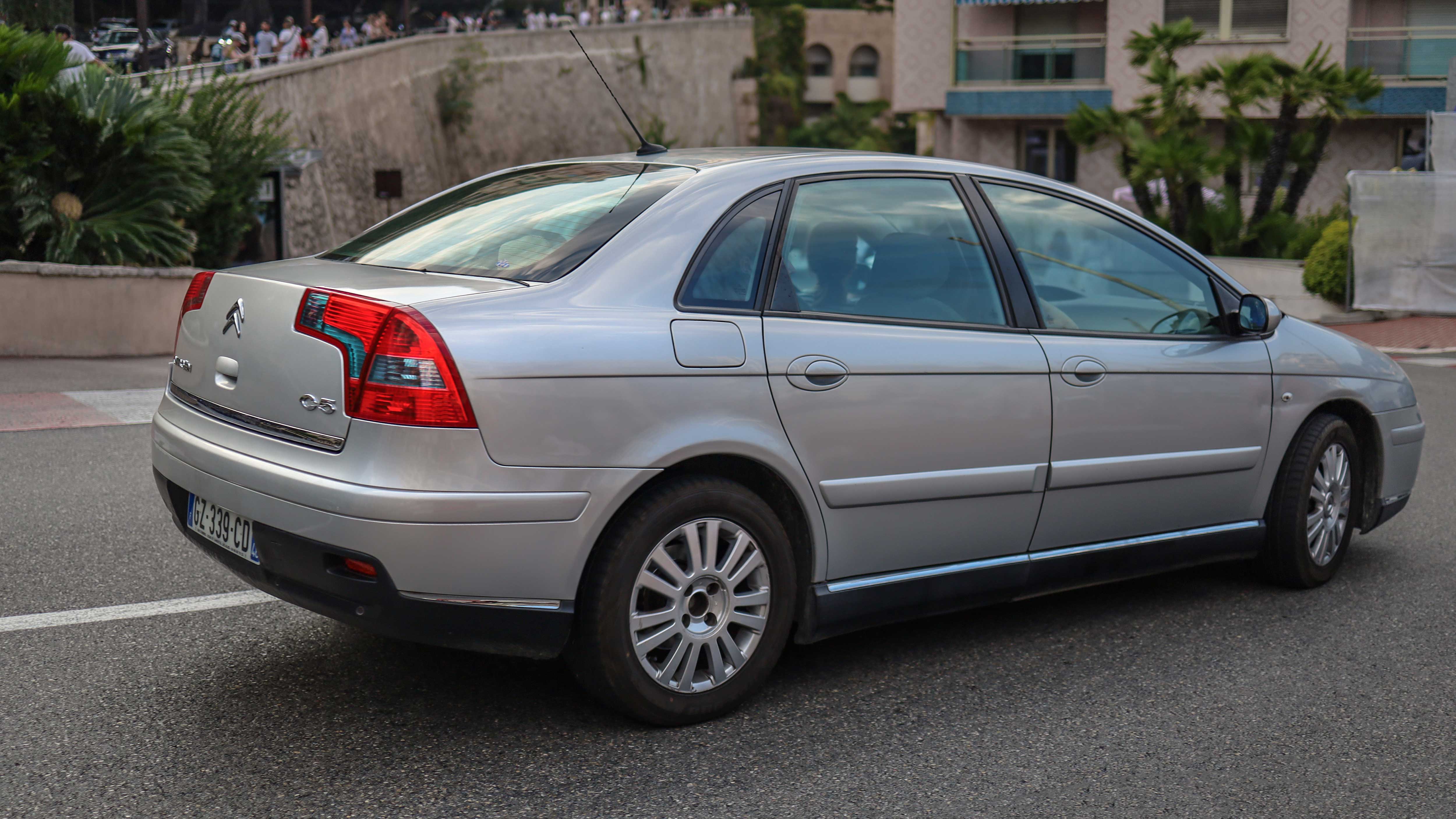
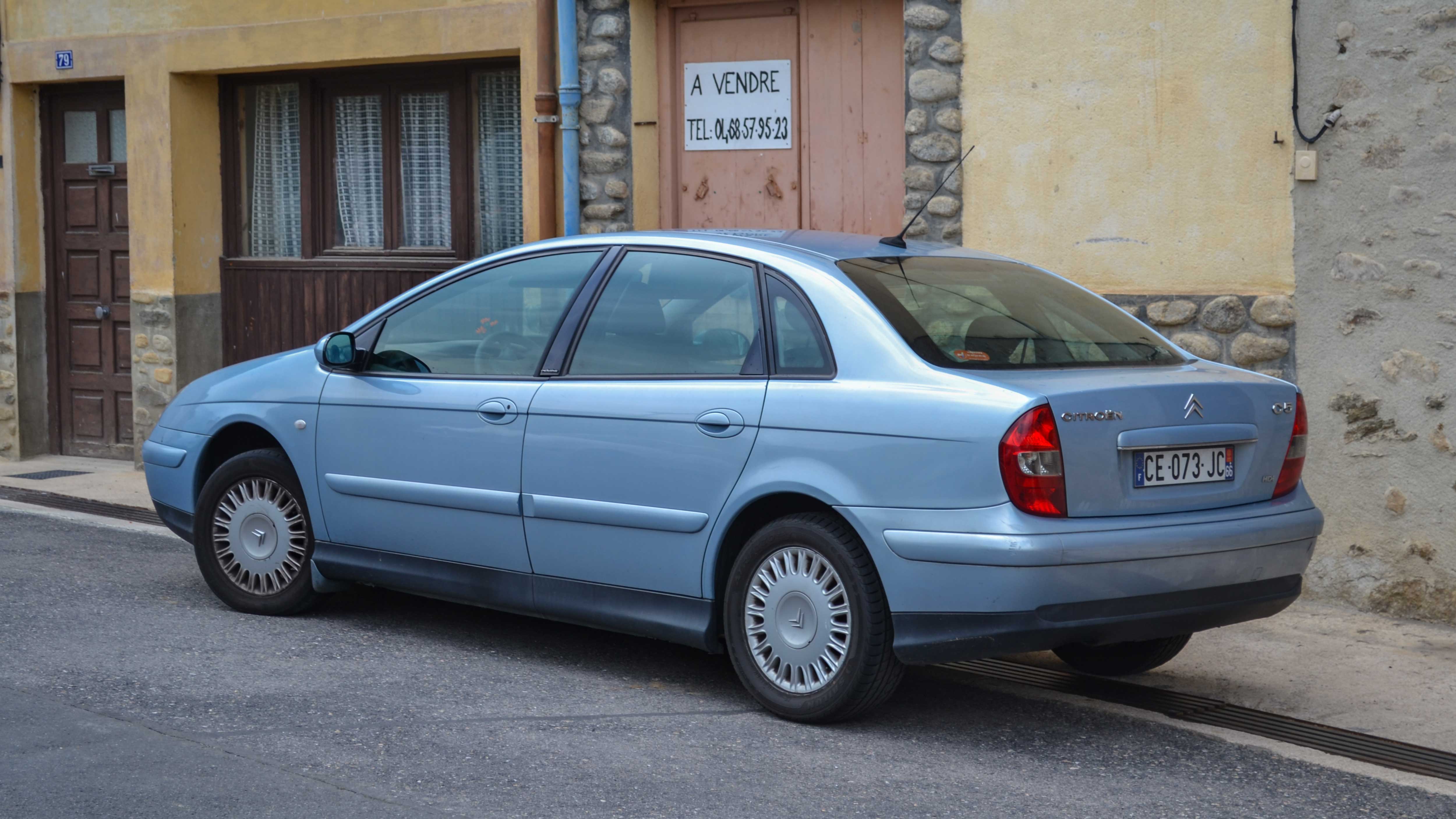
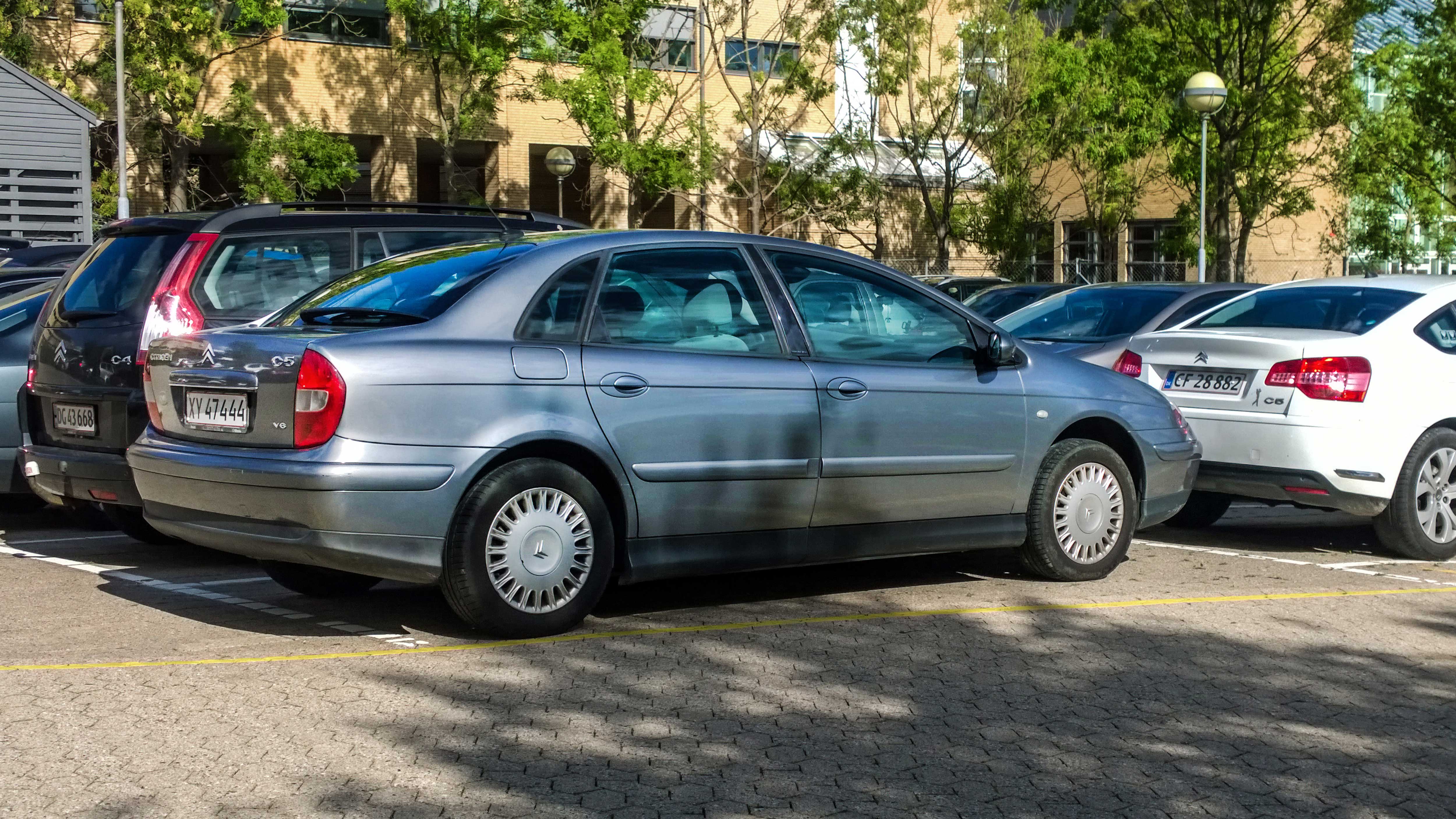
The C5 and C5 X (2001–today) focus on comfort and long-distance refinement. As a result, petrol, diesel, and plug-in hybrid options up to about 225 hp pair advanced suspension with a smooth, relaxed driving character.
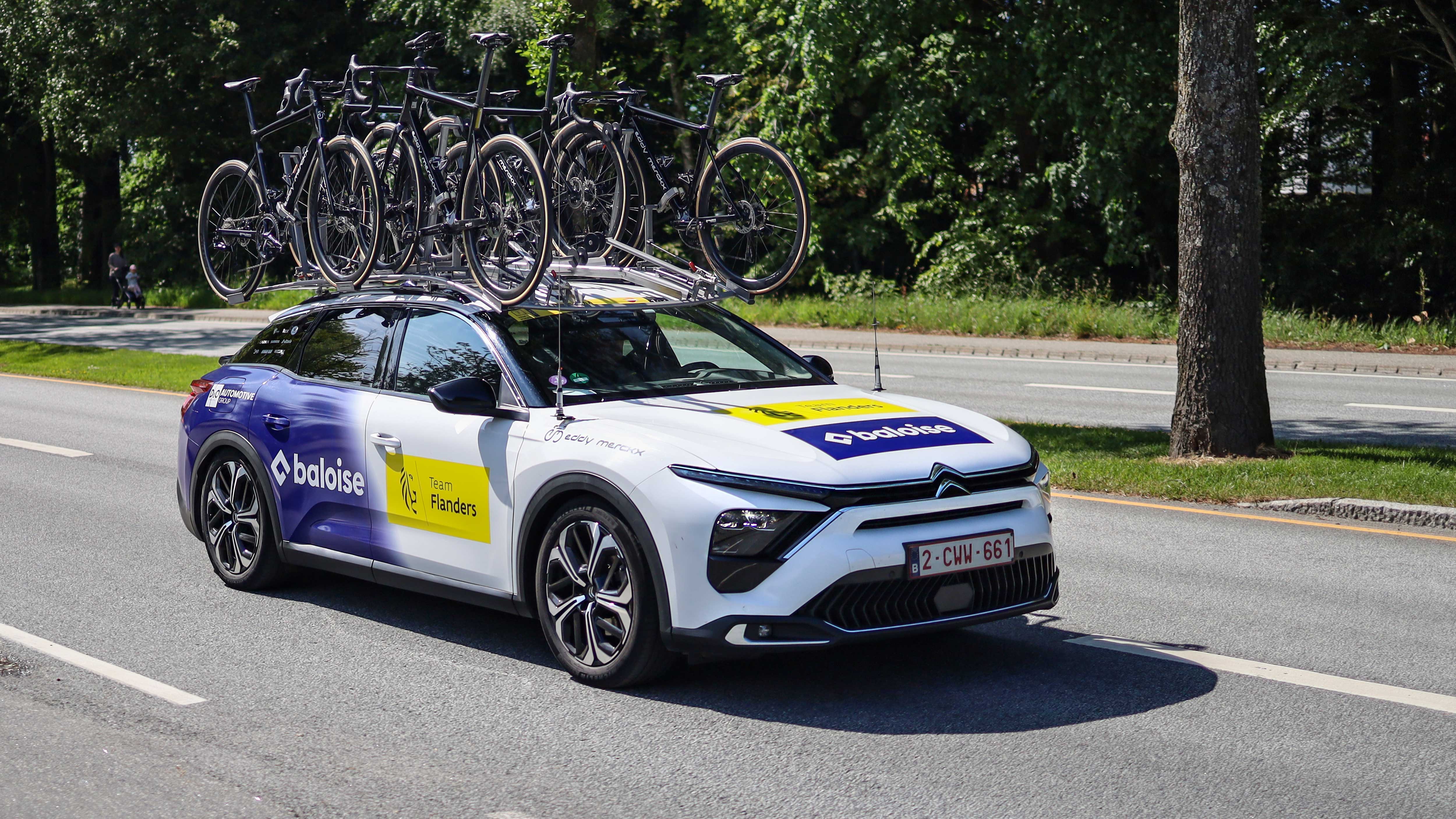
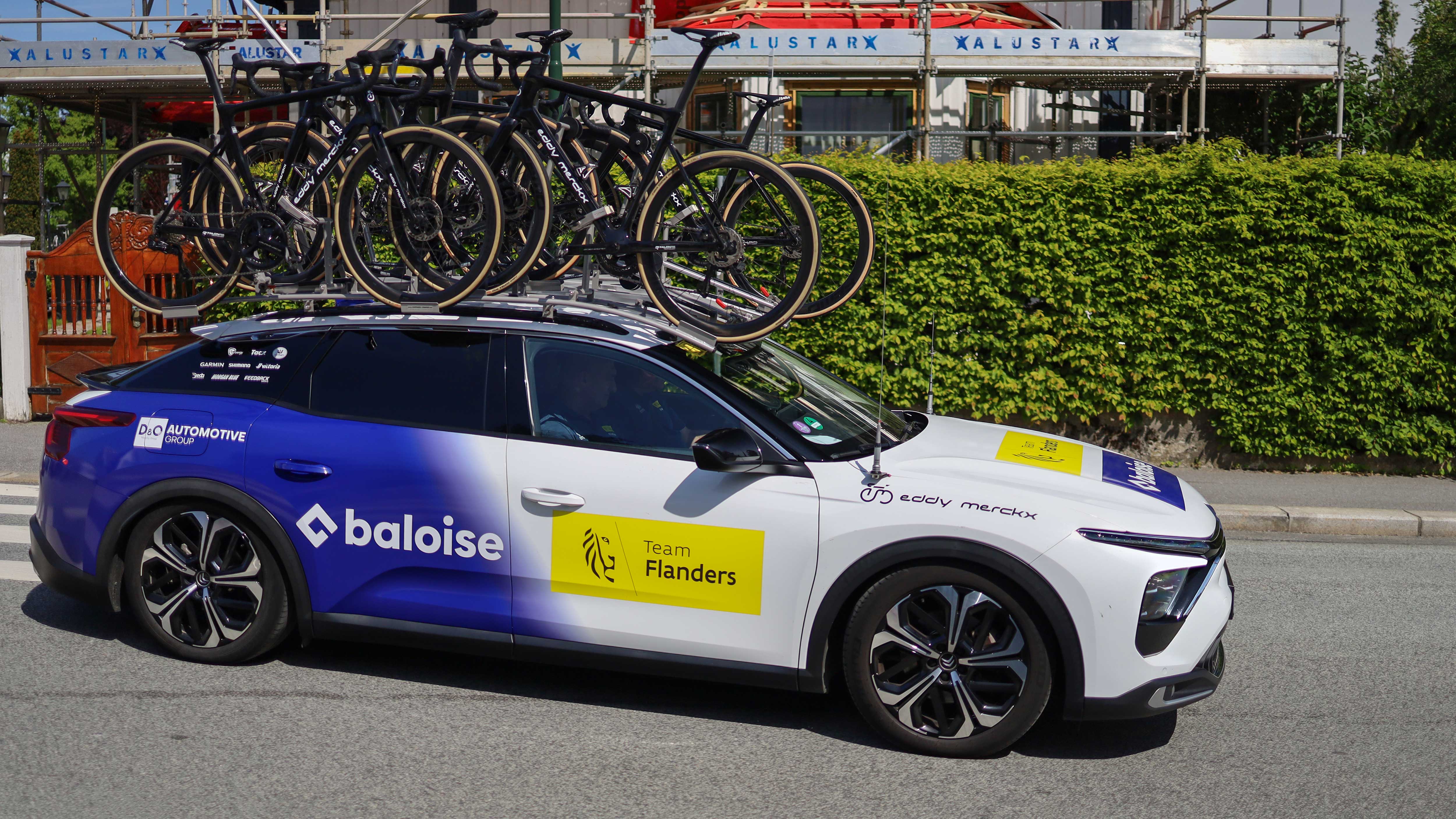
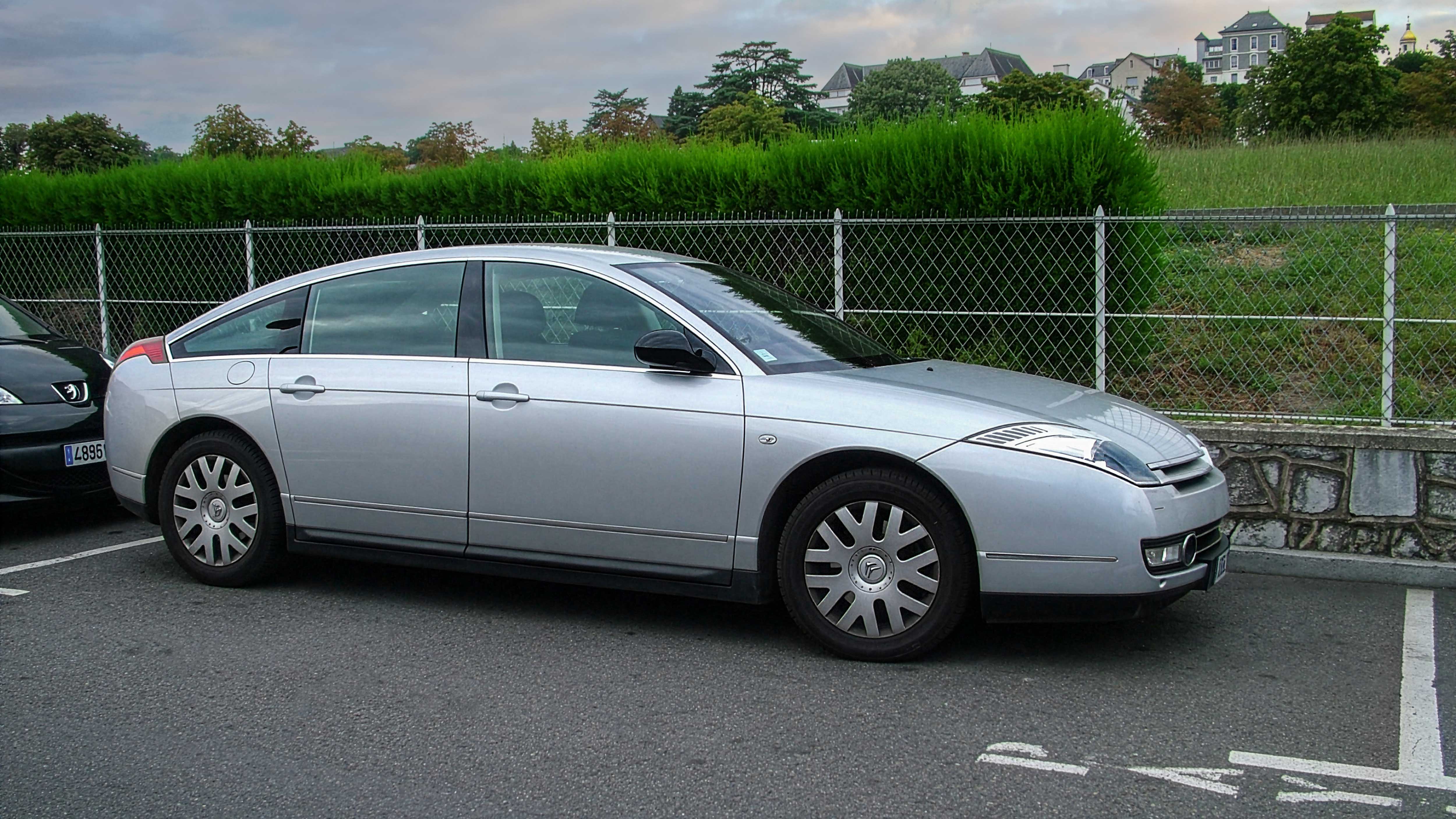
C6
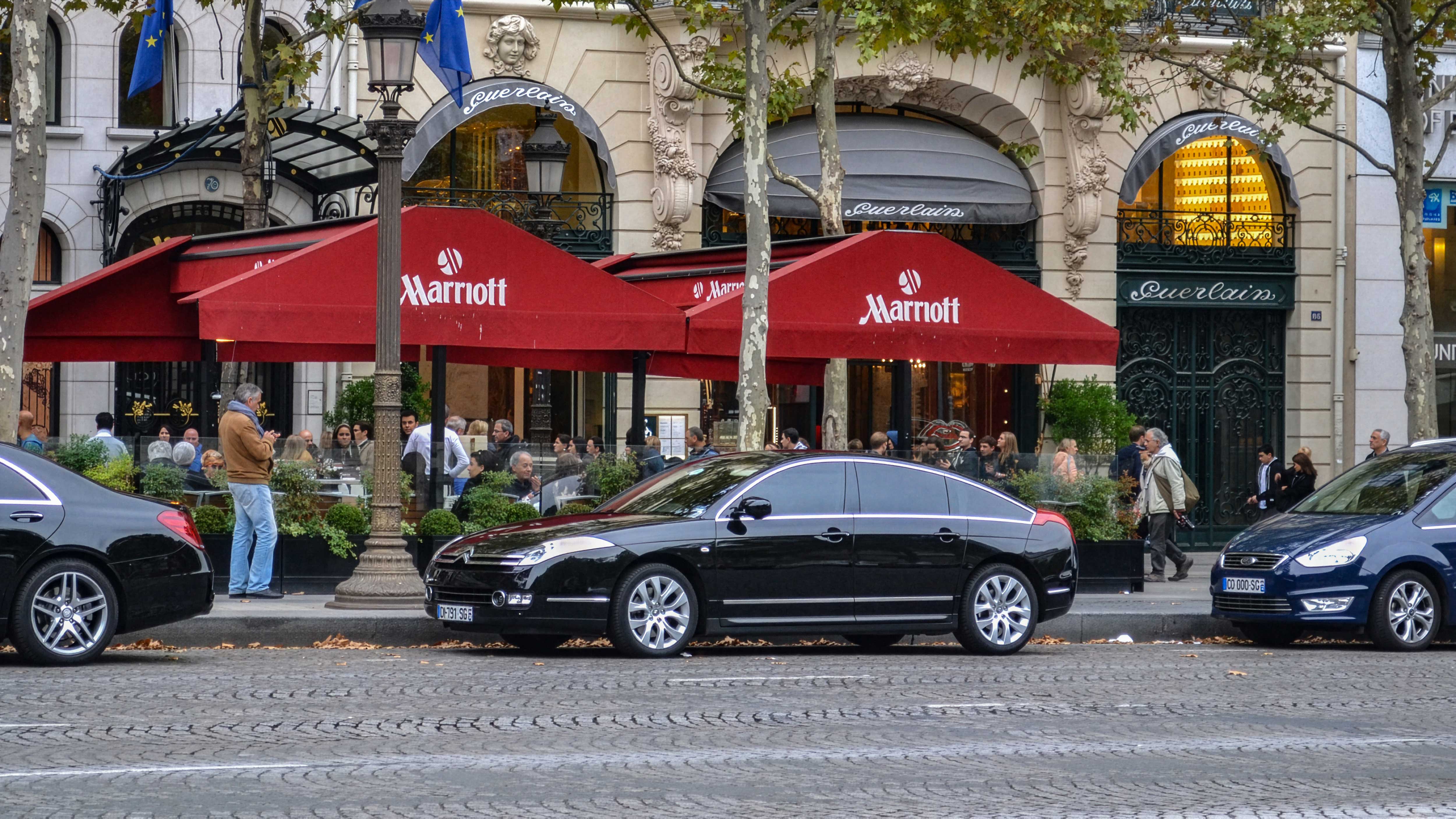
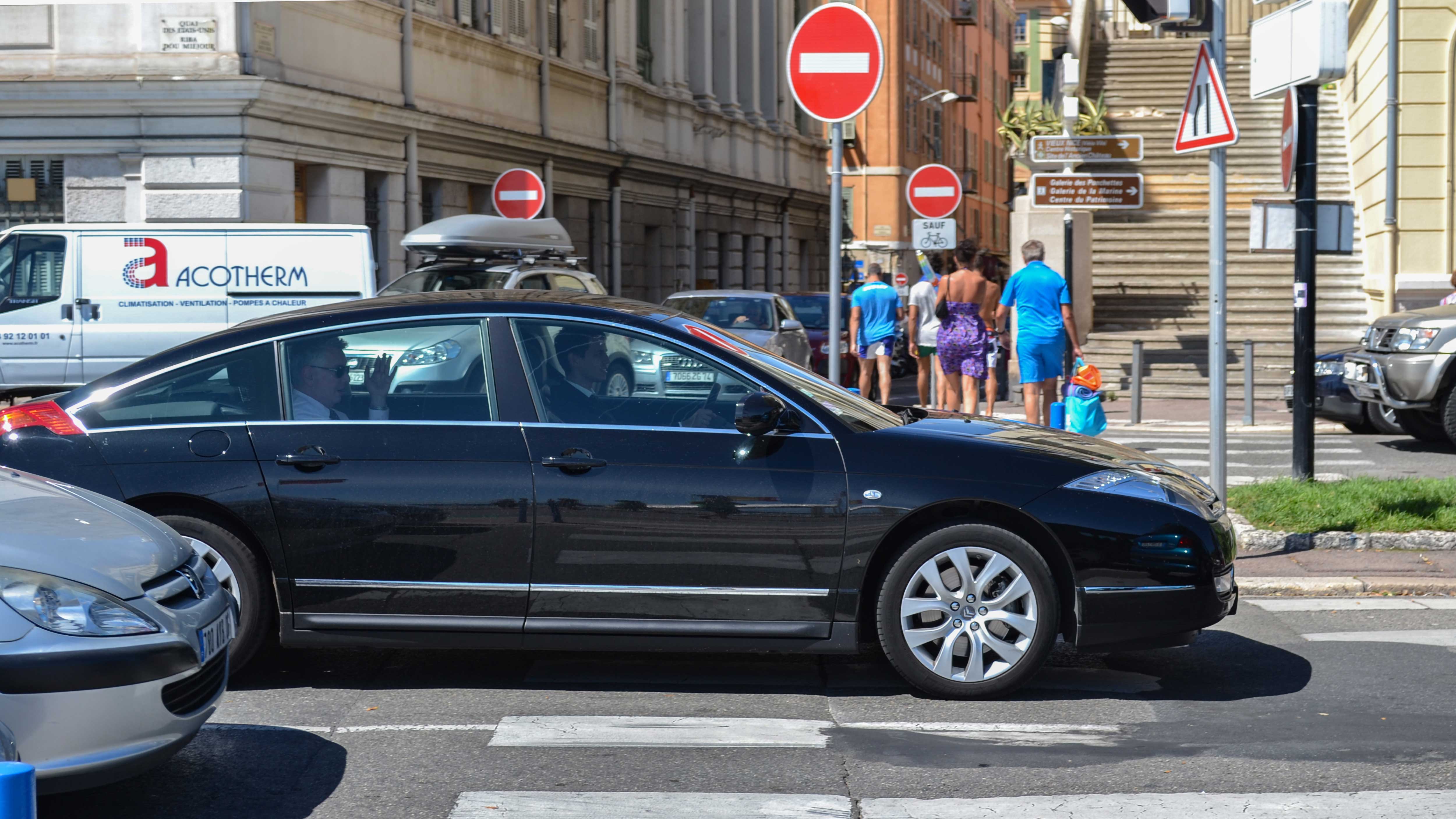
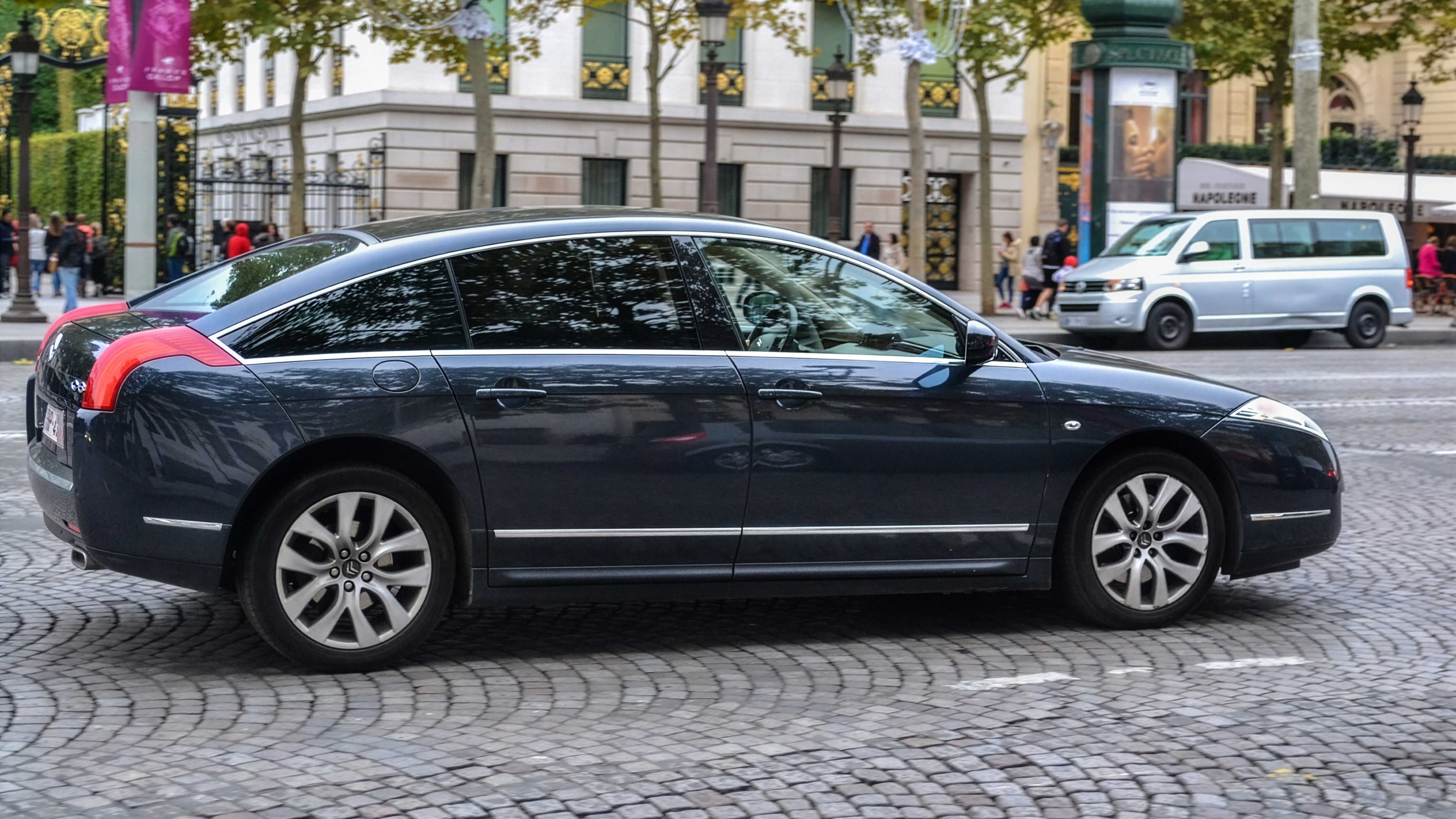
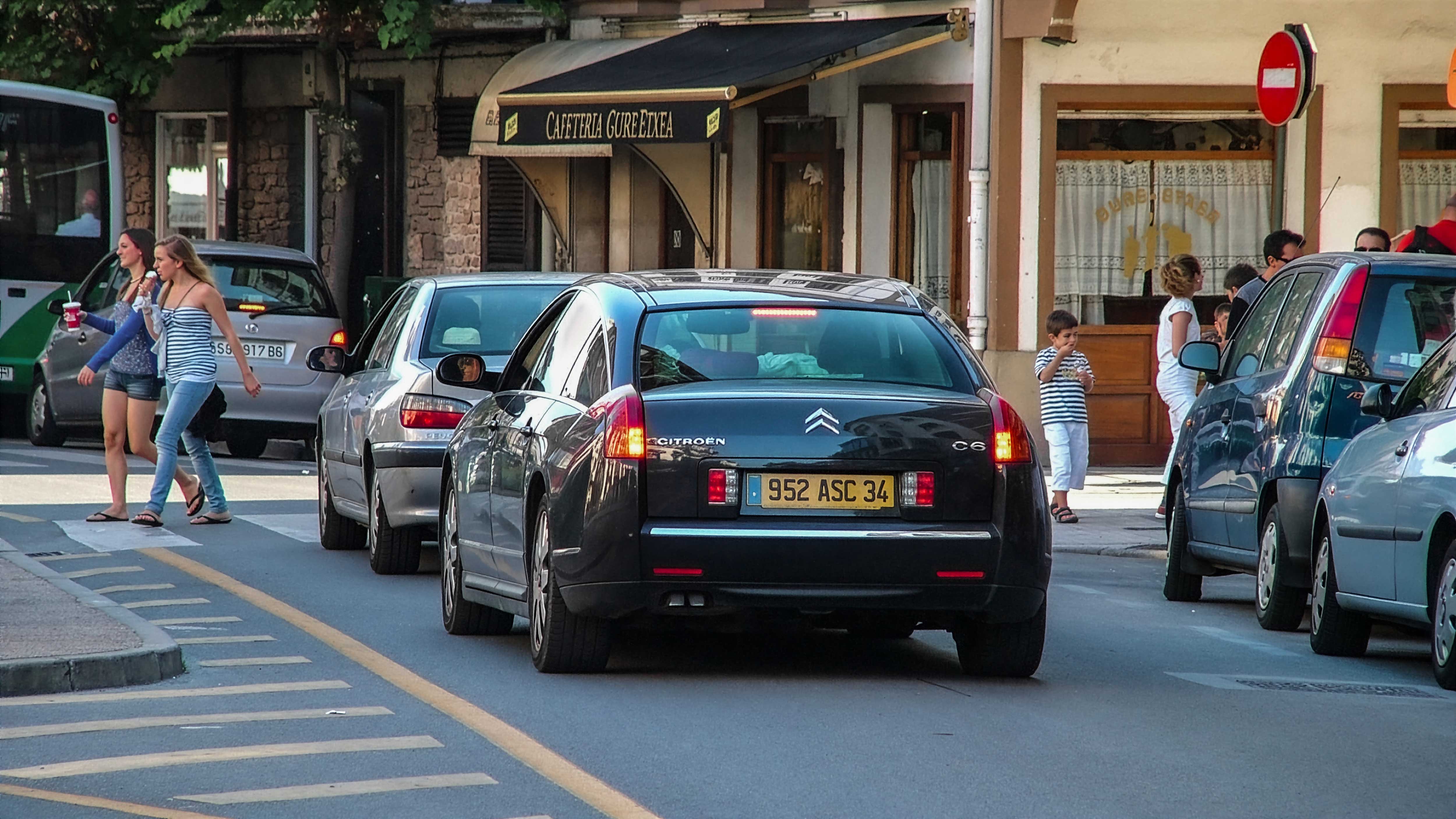
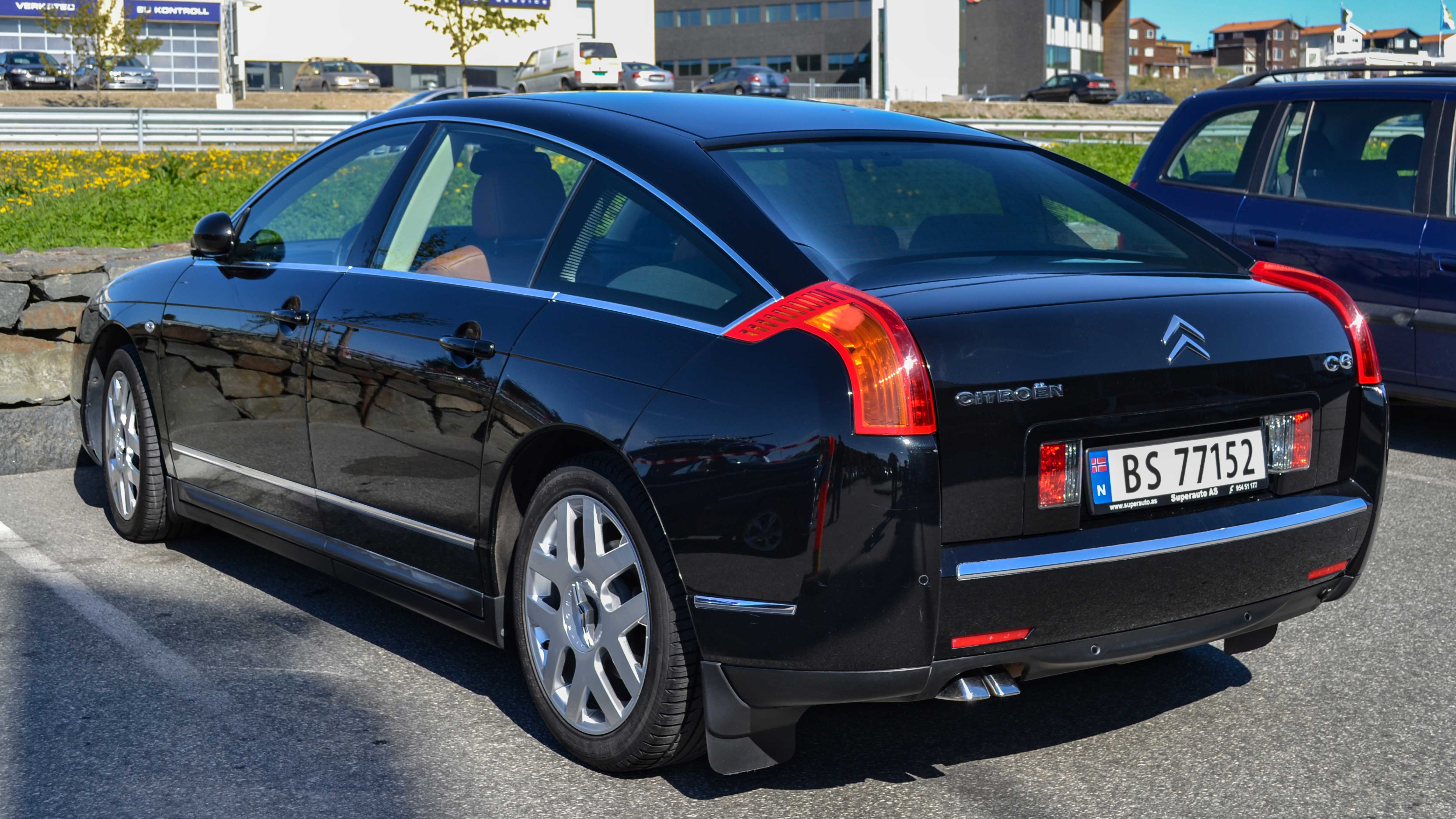
The C6 (2005–2012) served as Citroën’s flagship executive sedan with a extreme focus on comfort. As a result, hydropneumatic suspension and V6 petrol and diesel engines delivered a smooth ride and distinctive French design.
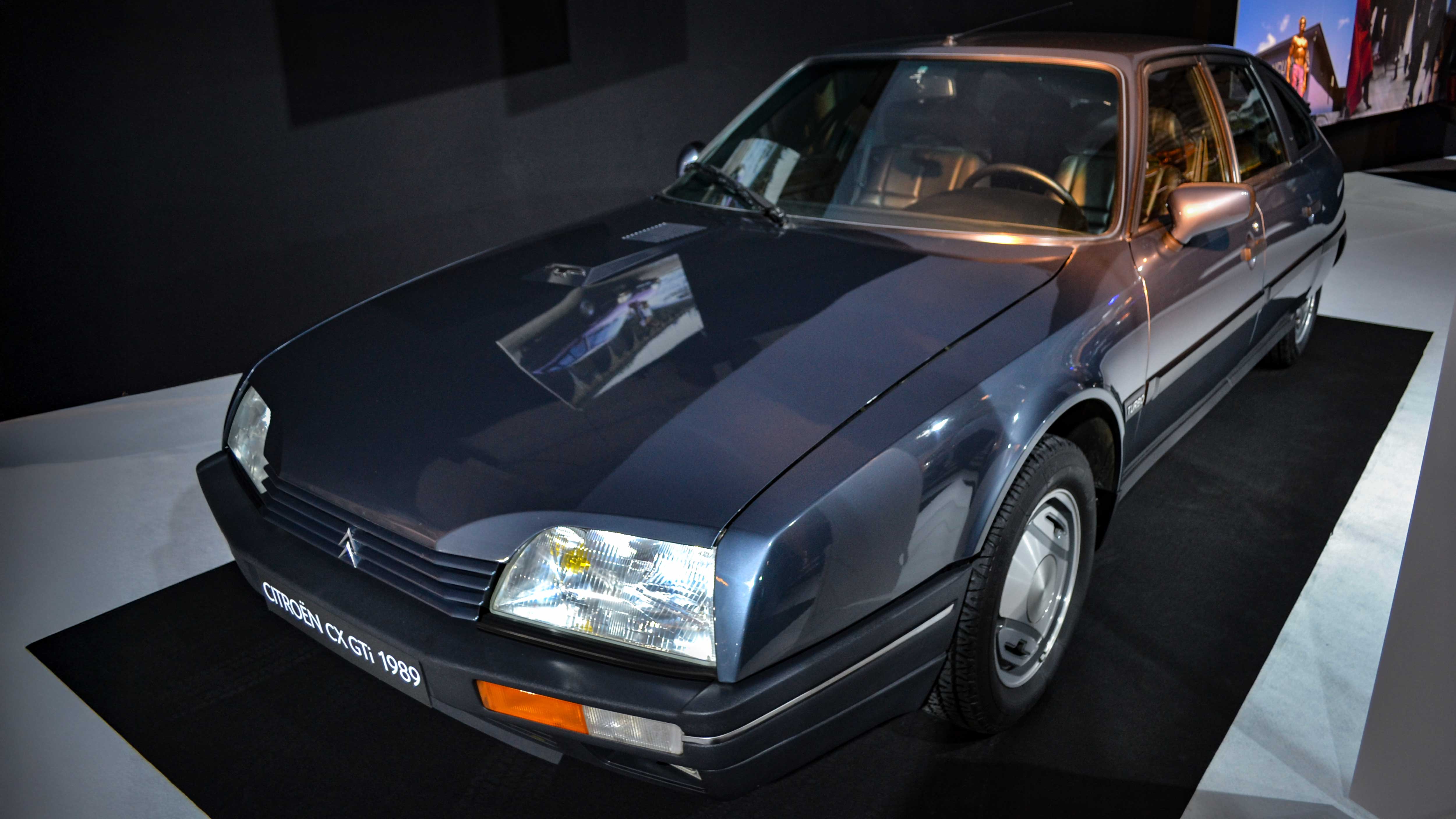
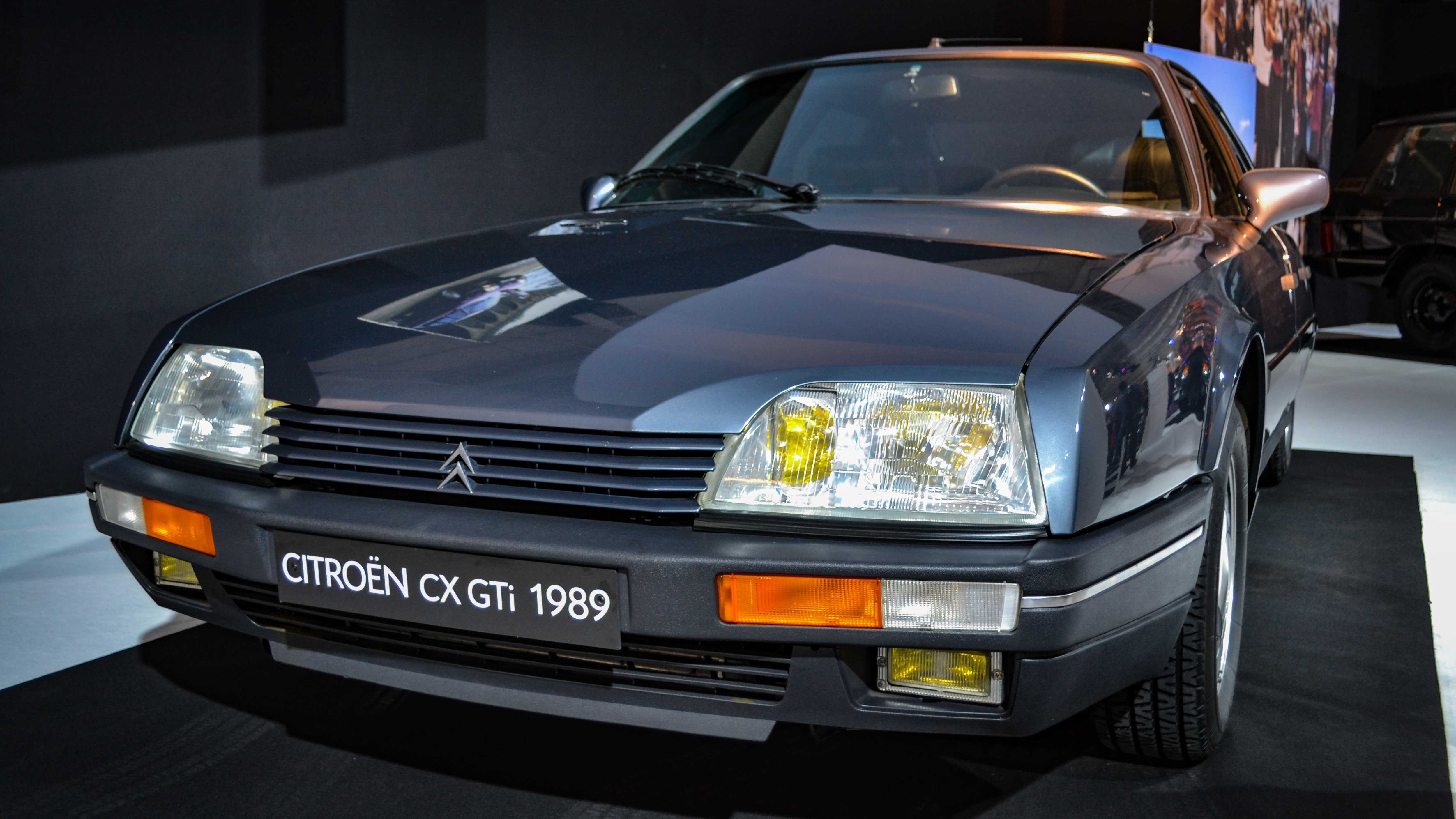
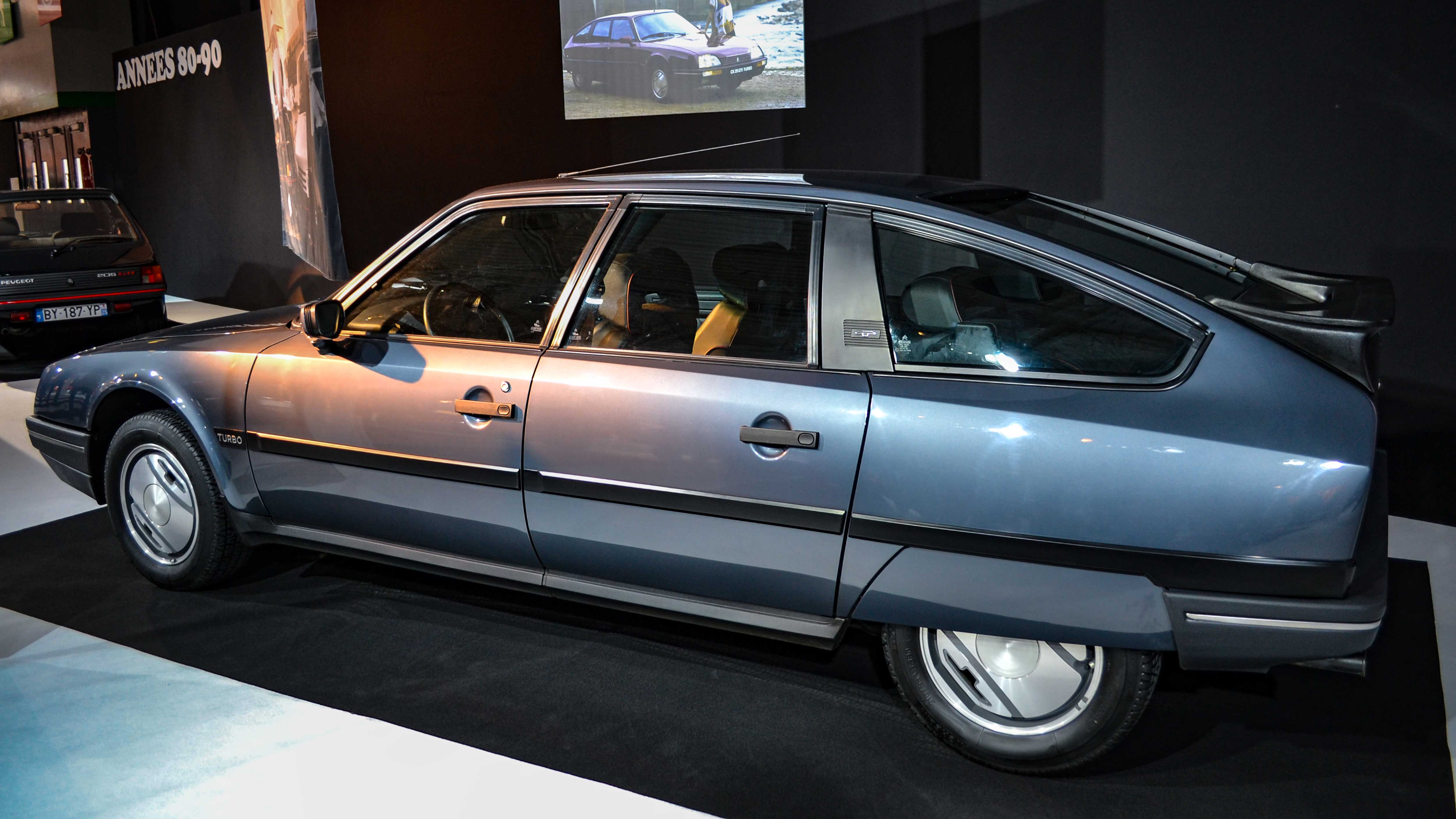
CX
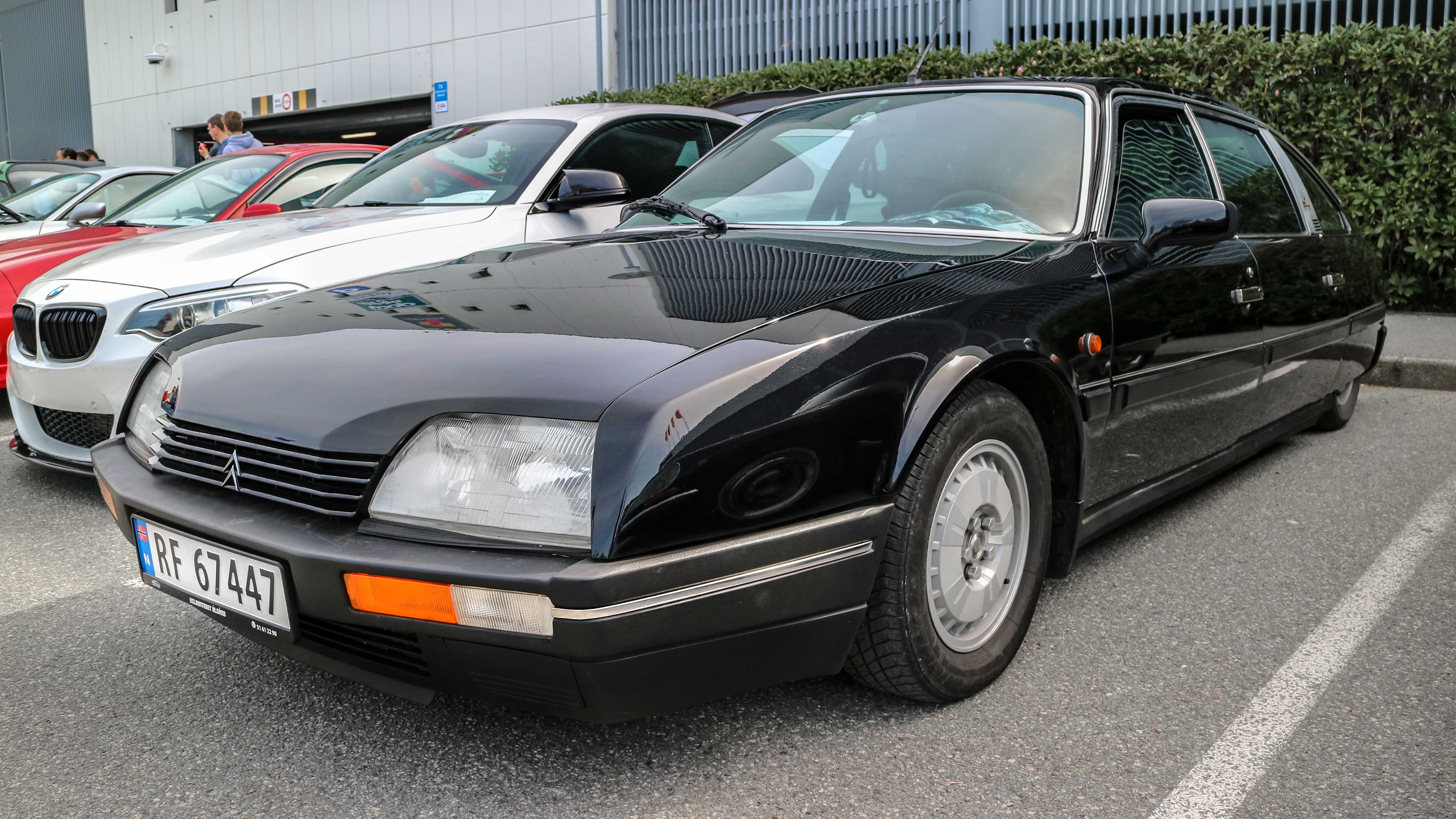
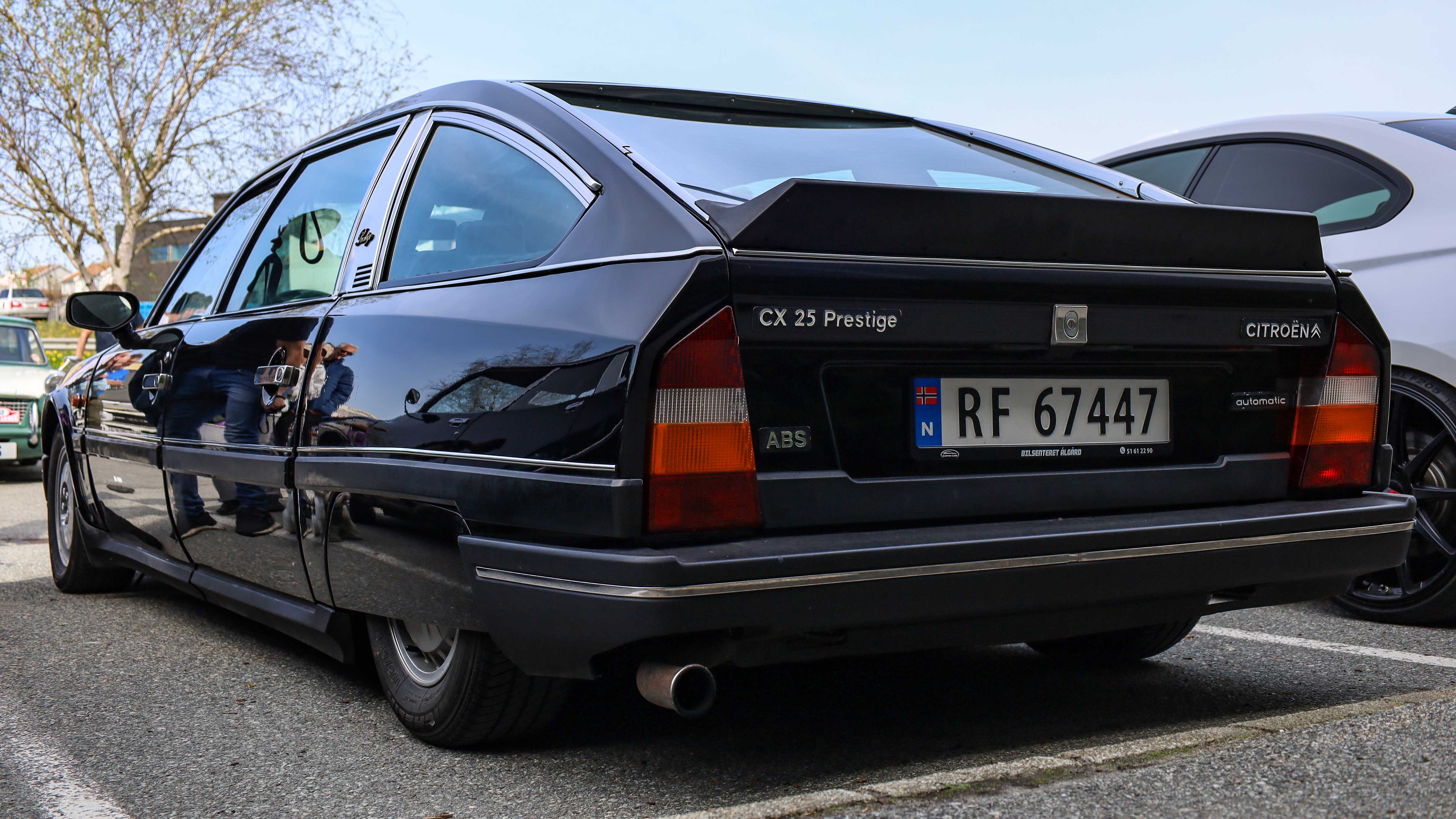
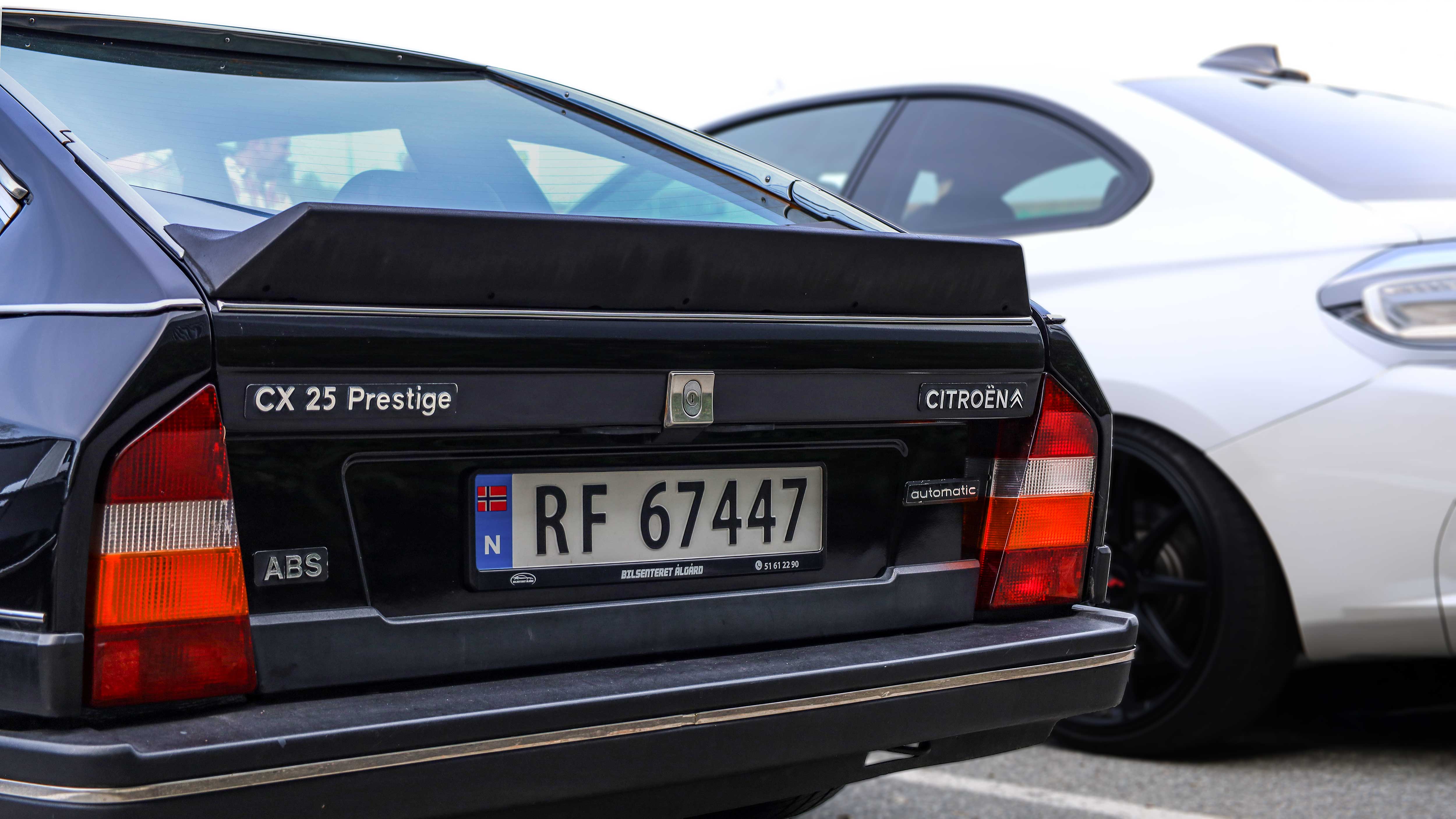
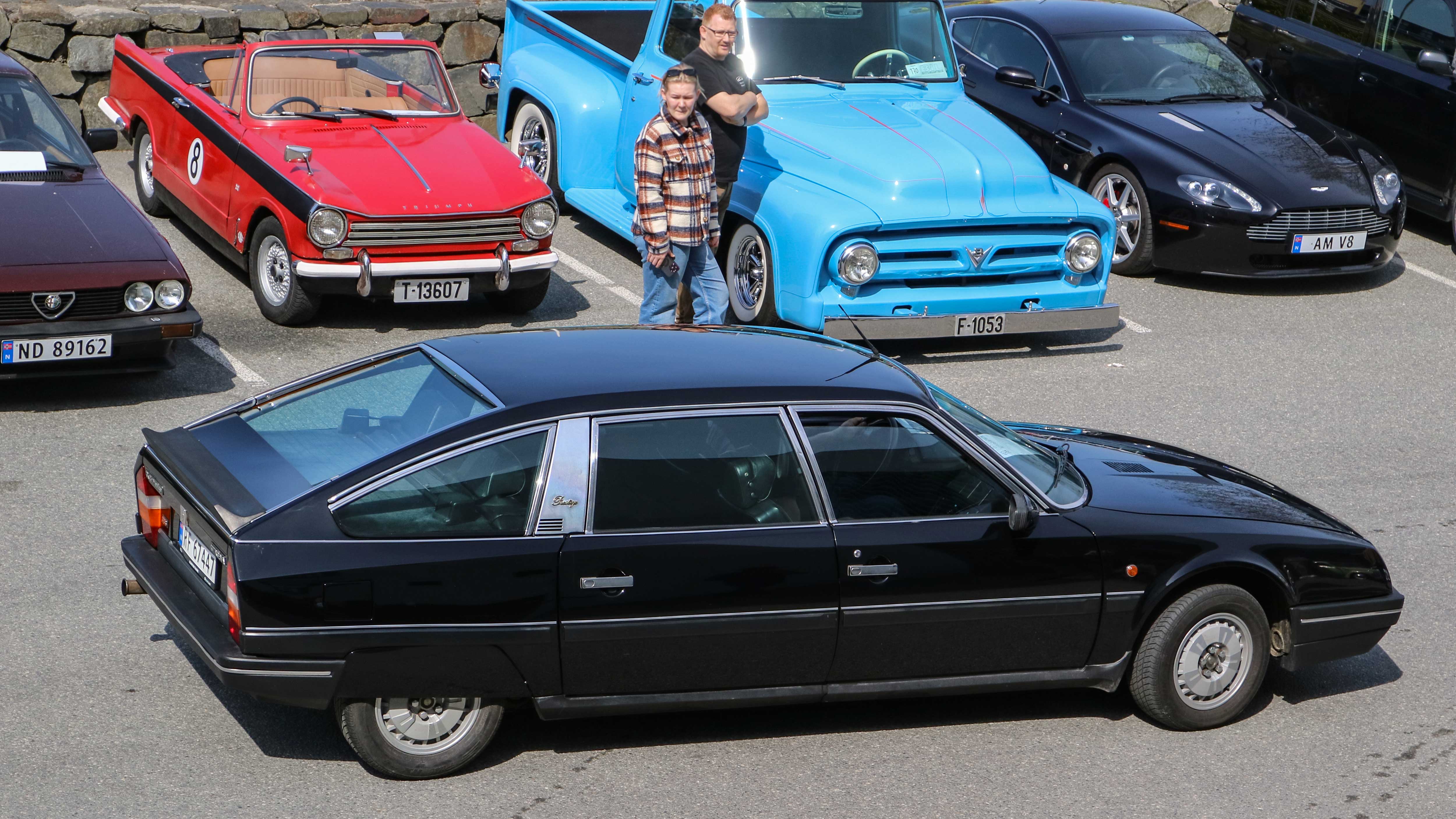
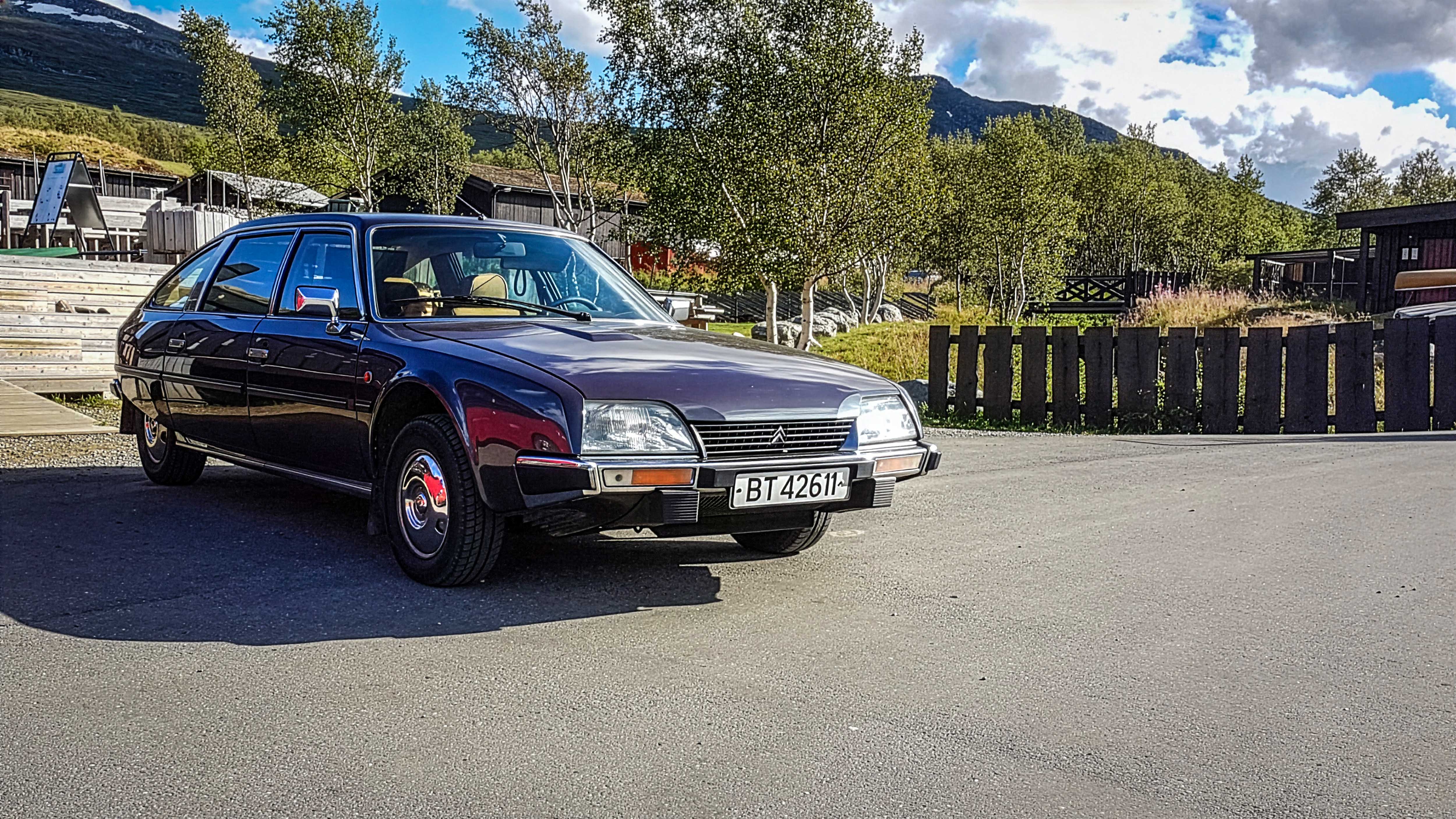
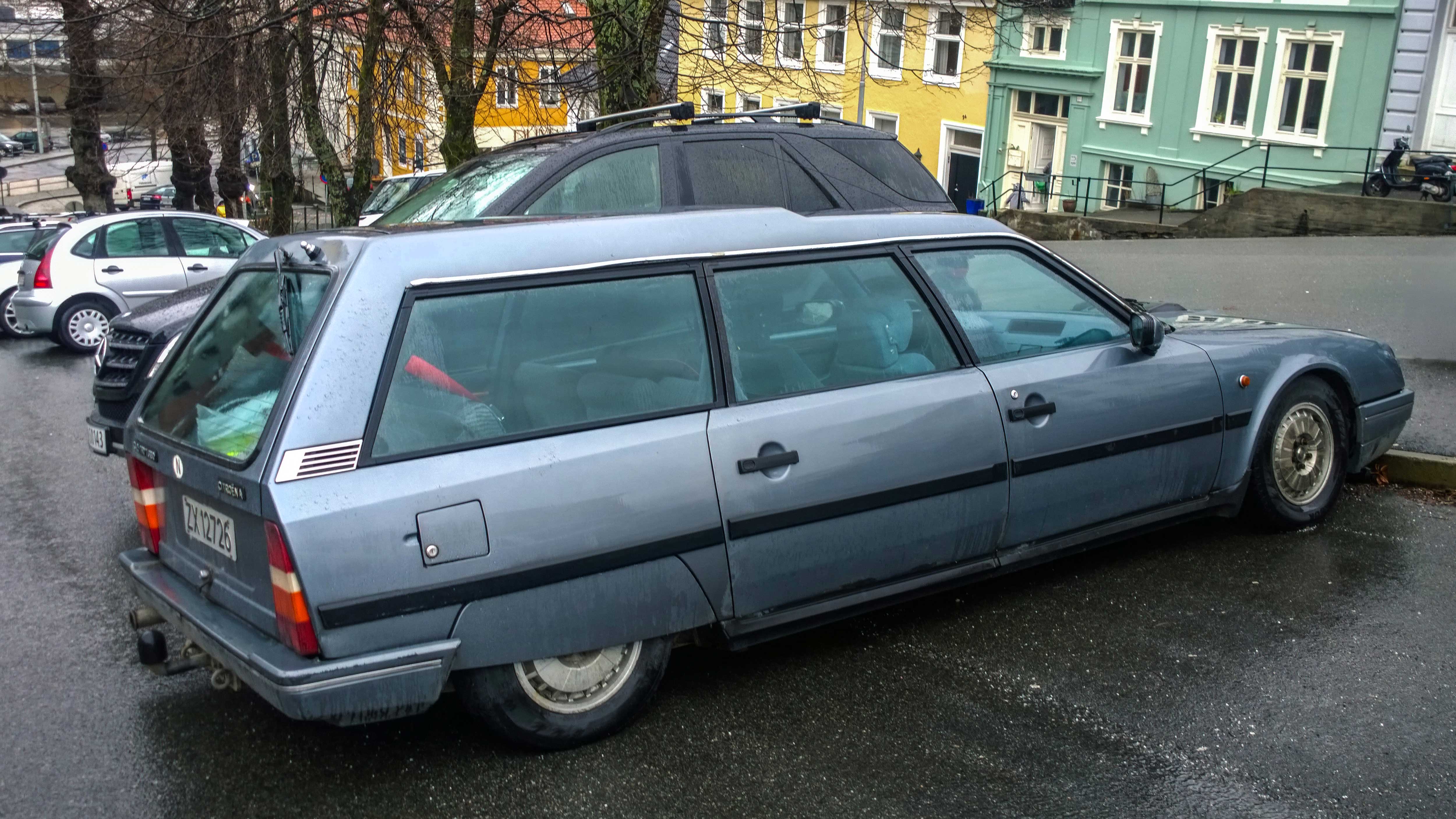
The CX (1974–1991) replaced the DS as Citroën’s large executive car with a strong focus on comfort. As a result, hydropneumatic suspension delivered a smooth ride, high-speed stability, and distinctive aerodynamic design.
DS and ID
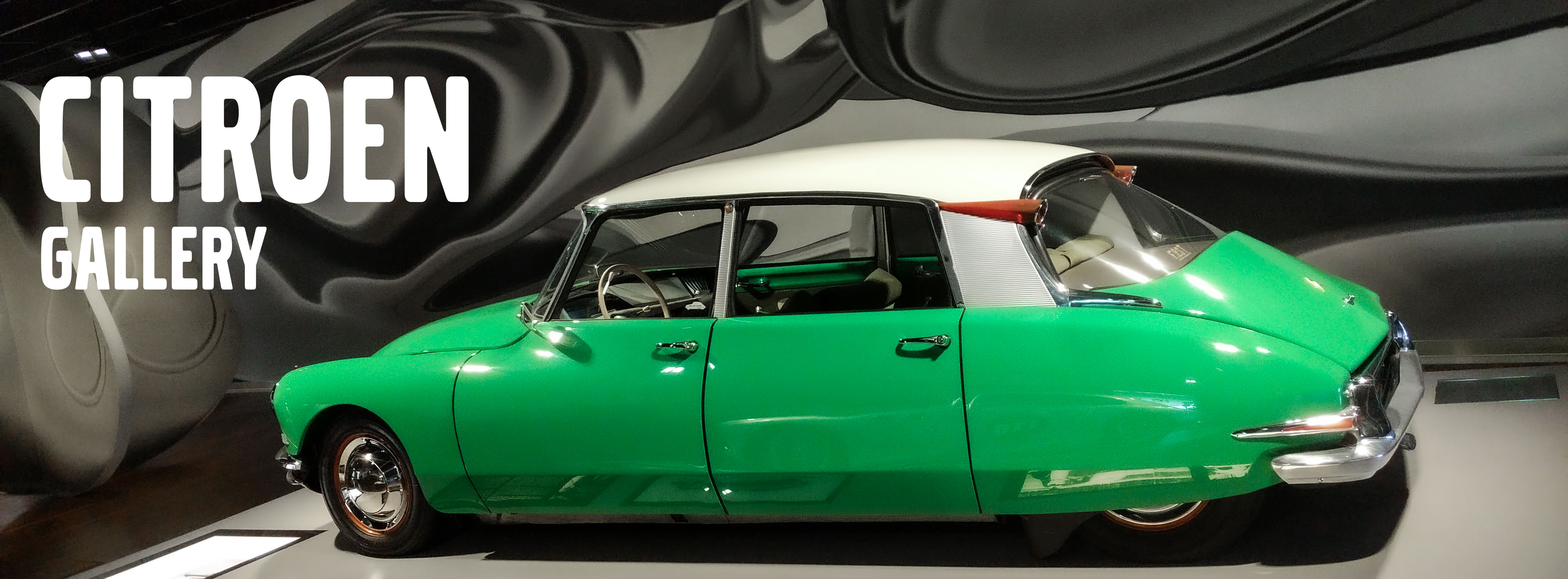
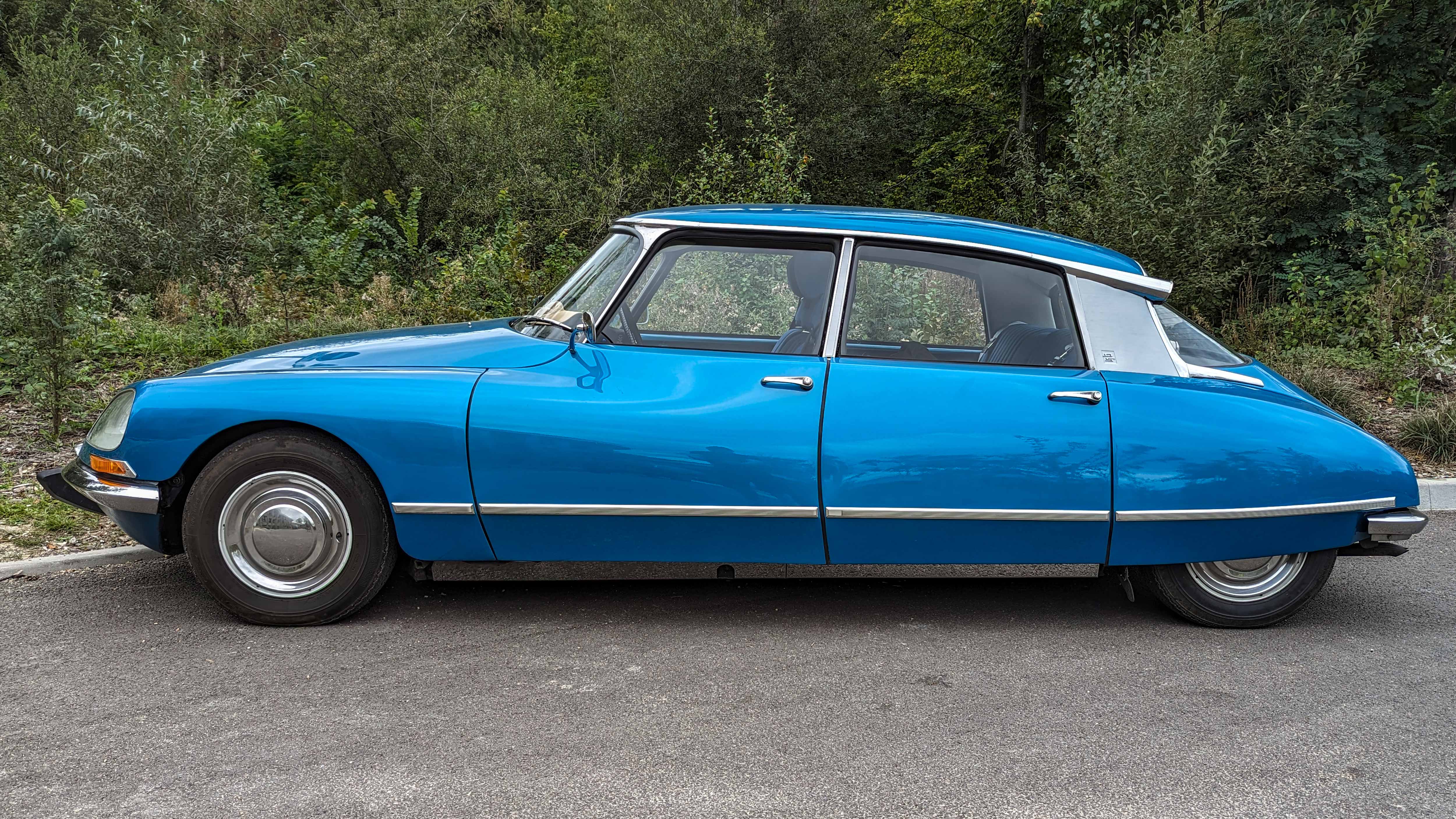
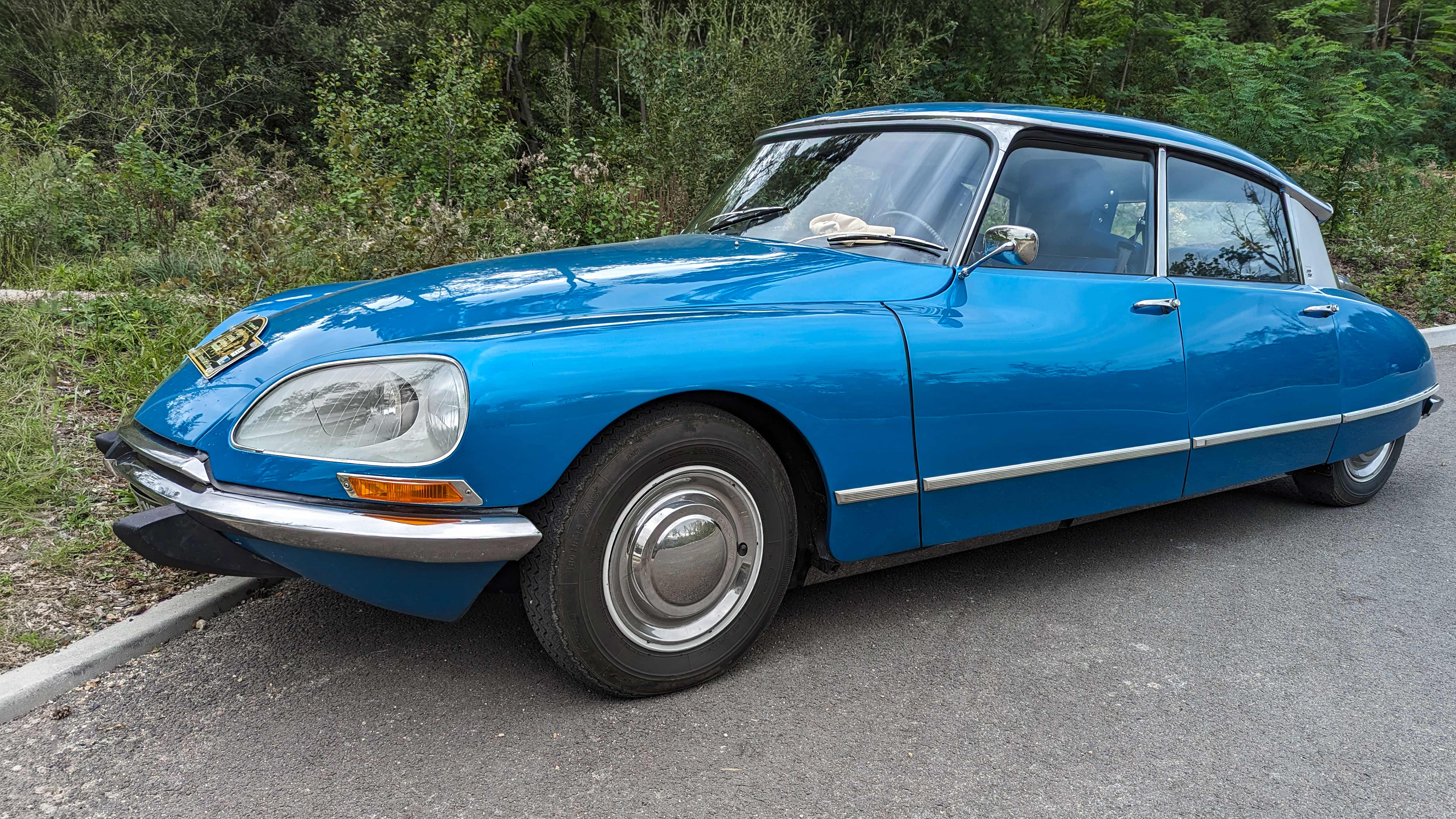
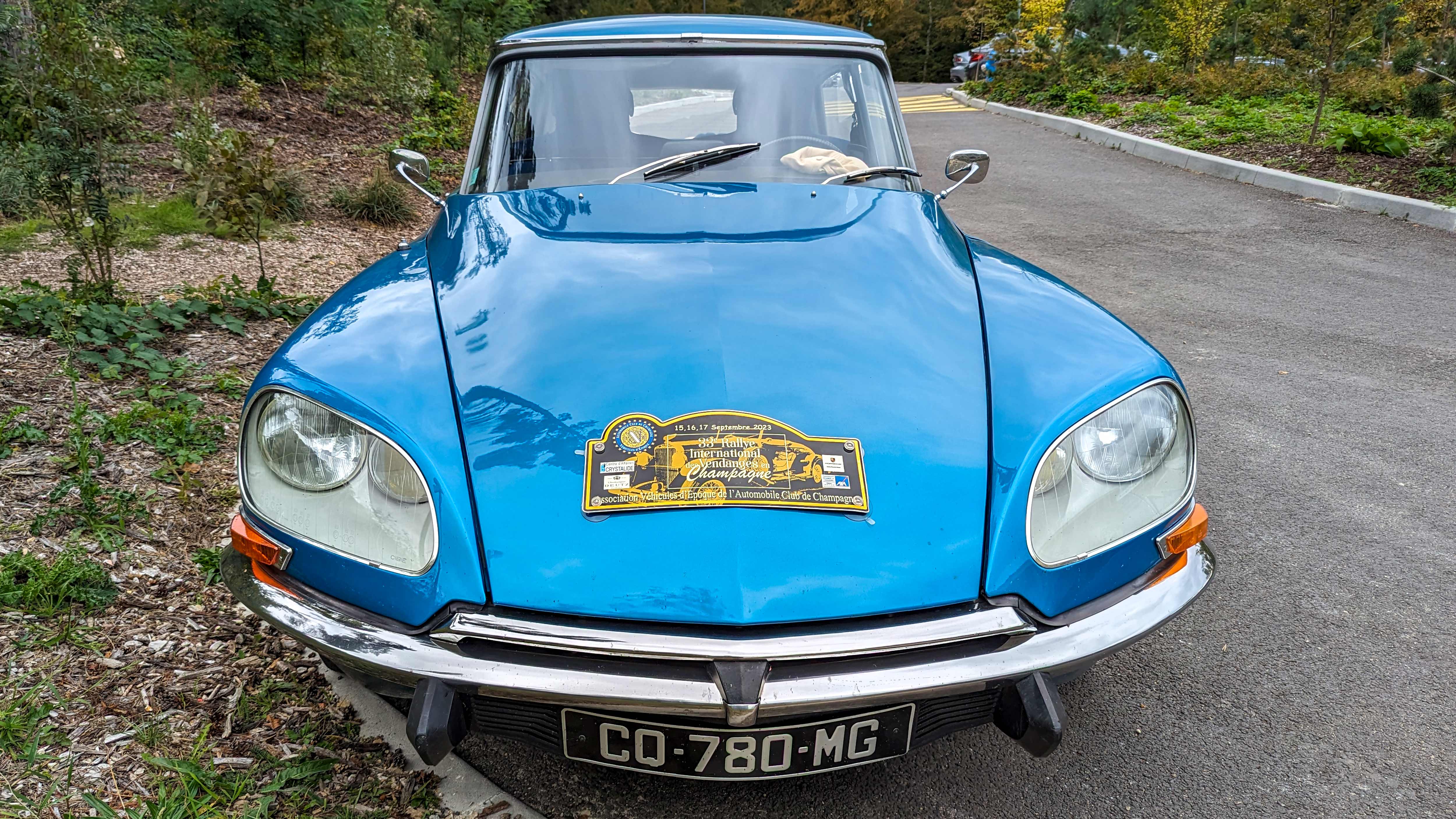
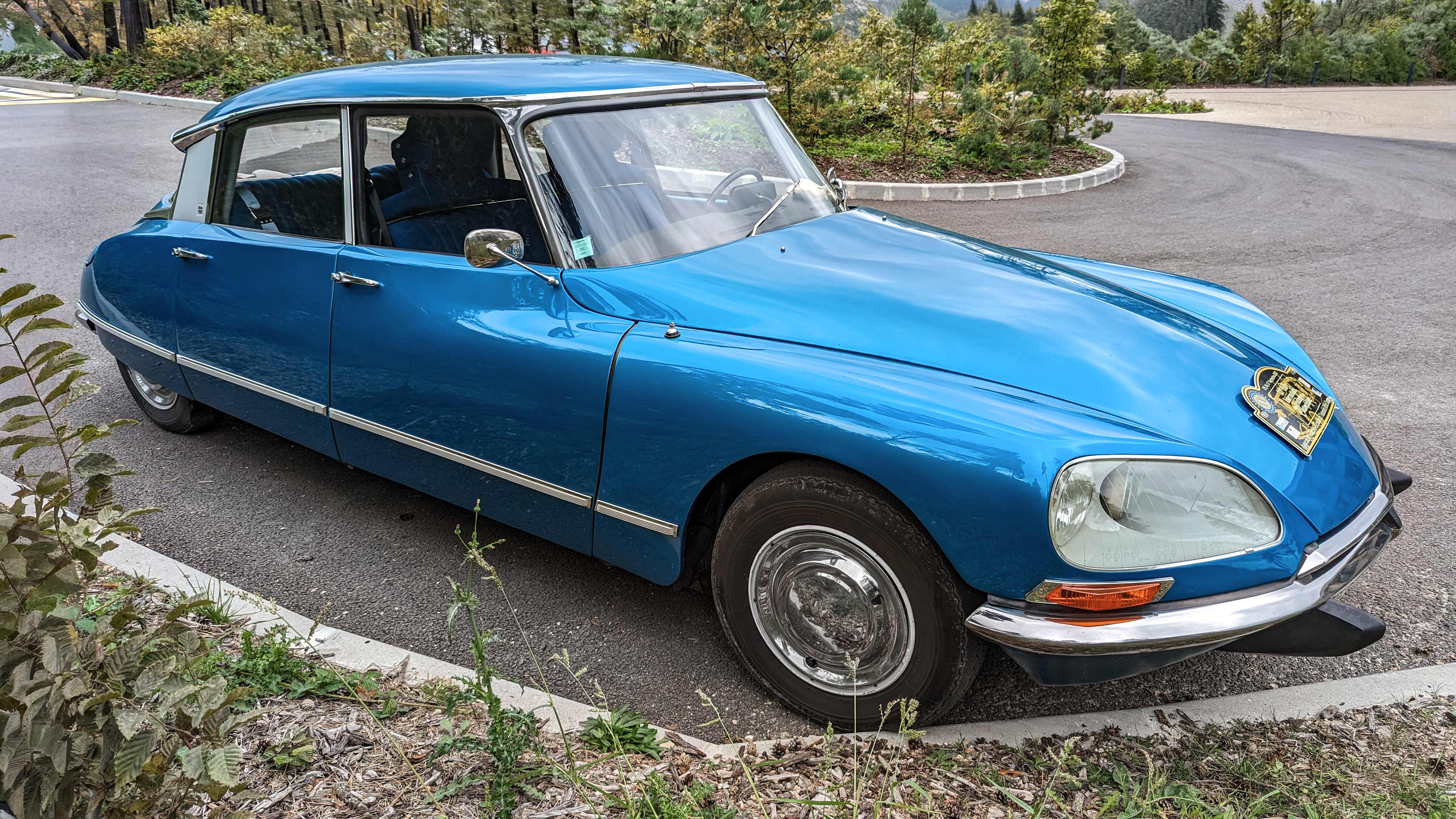
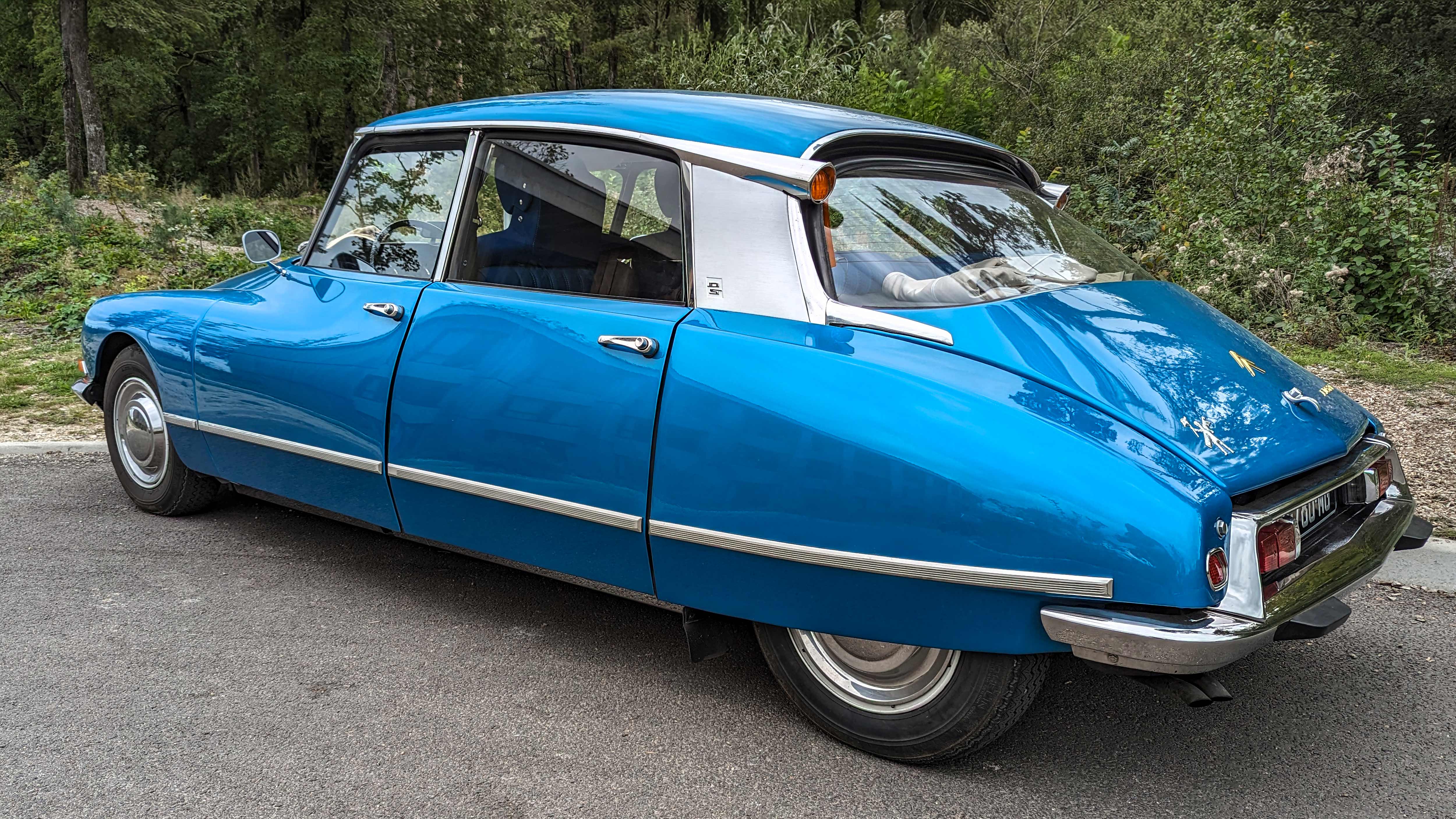
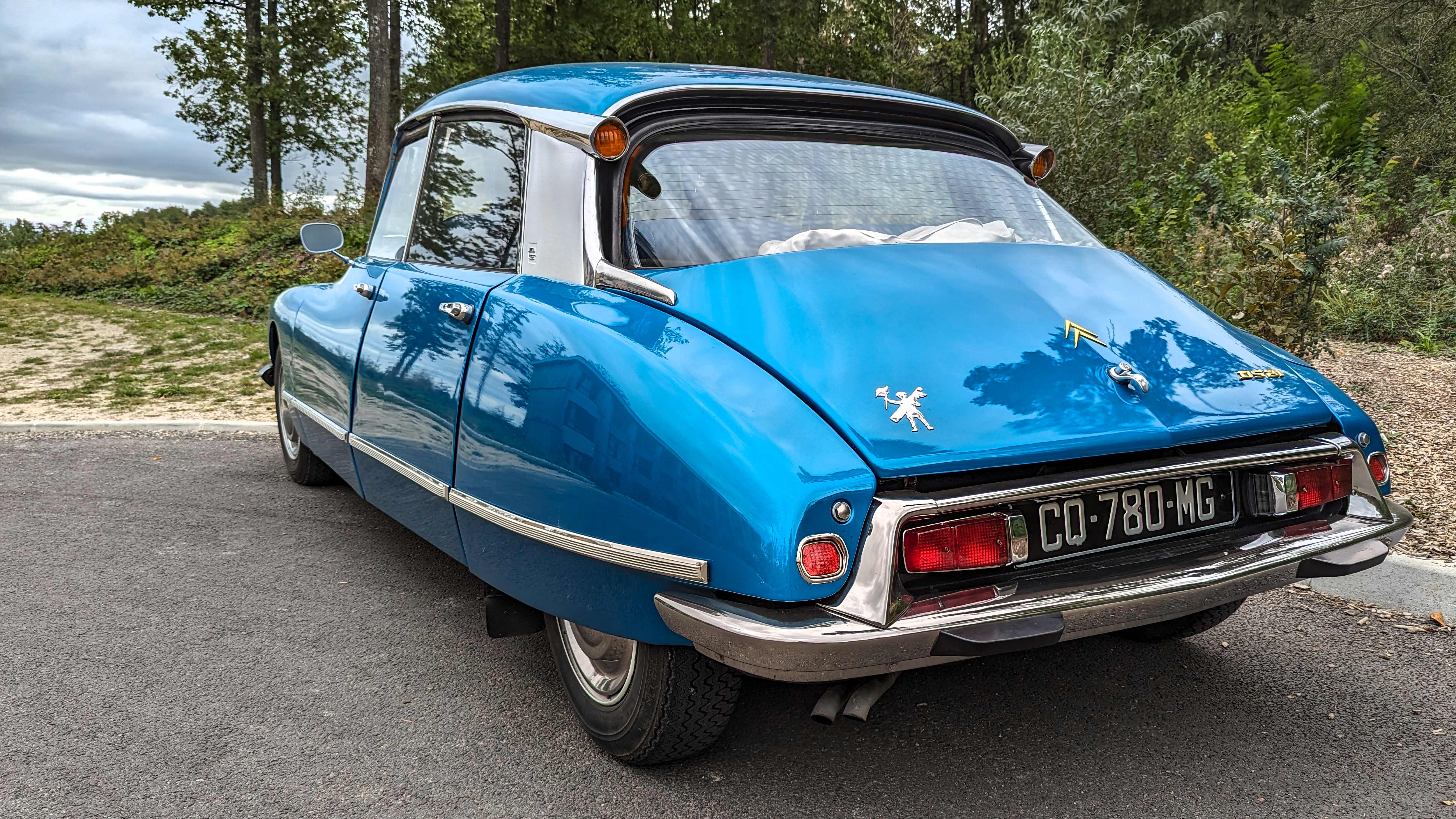
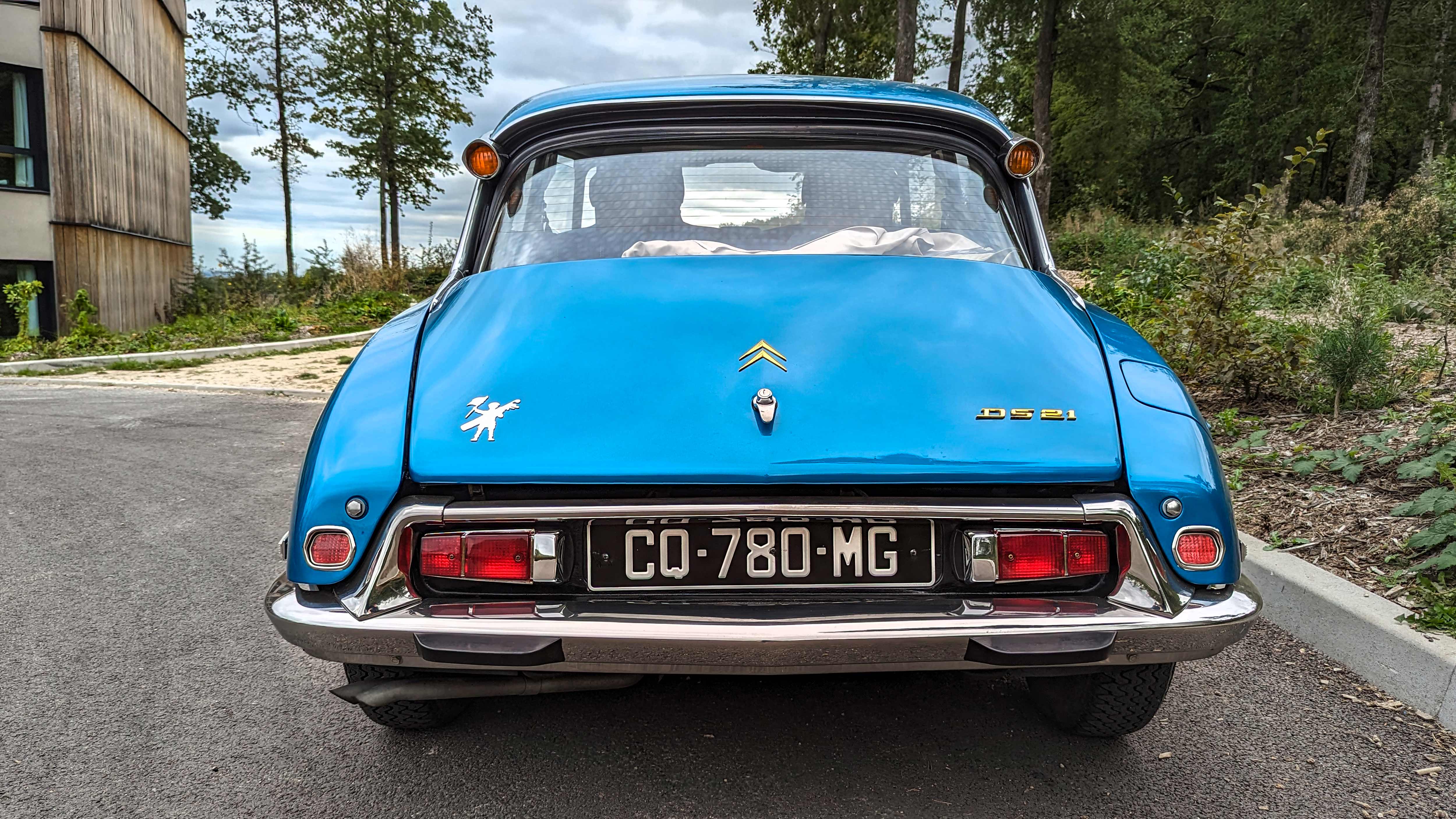
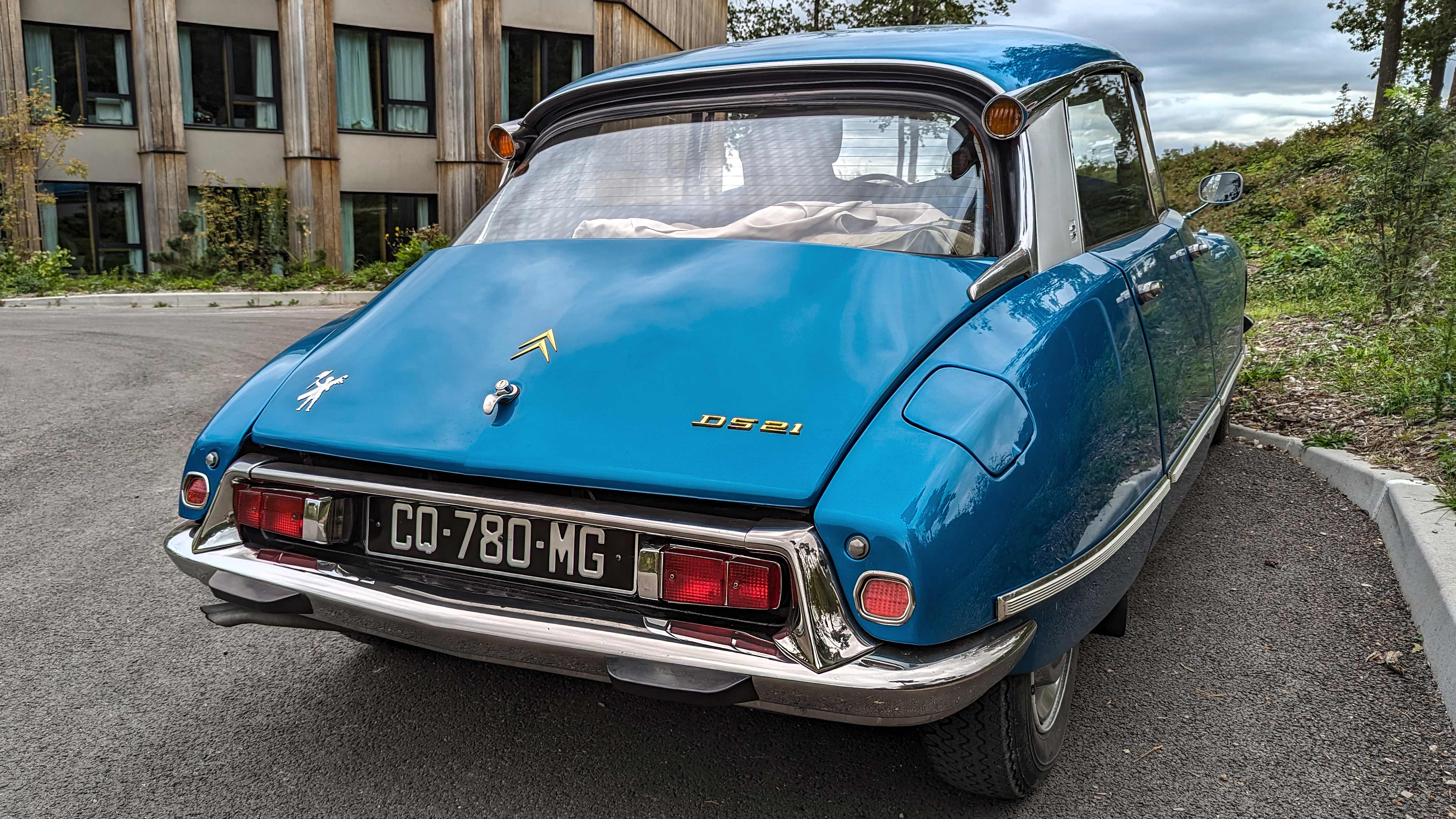
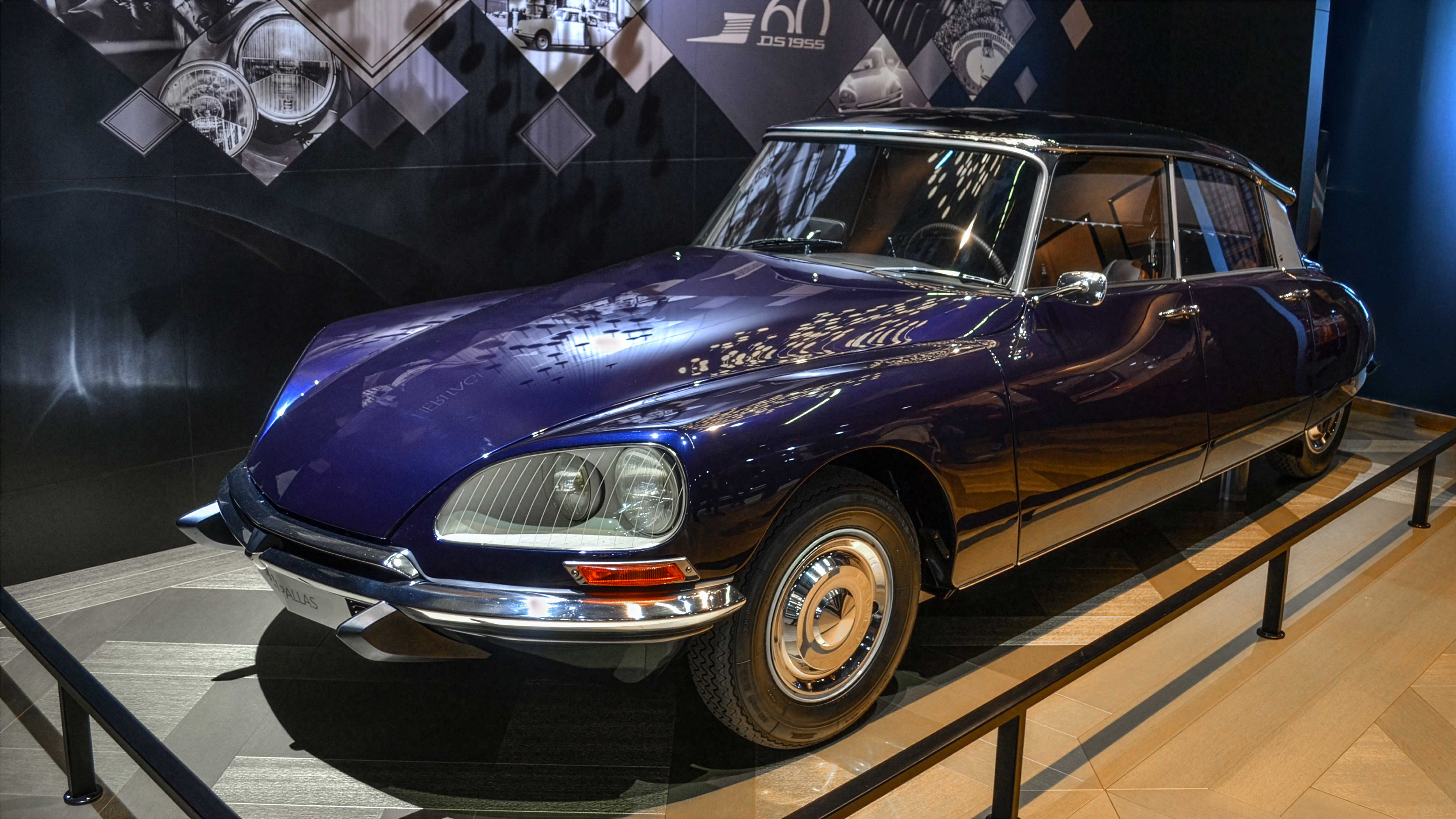
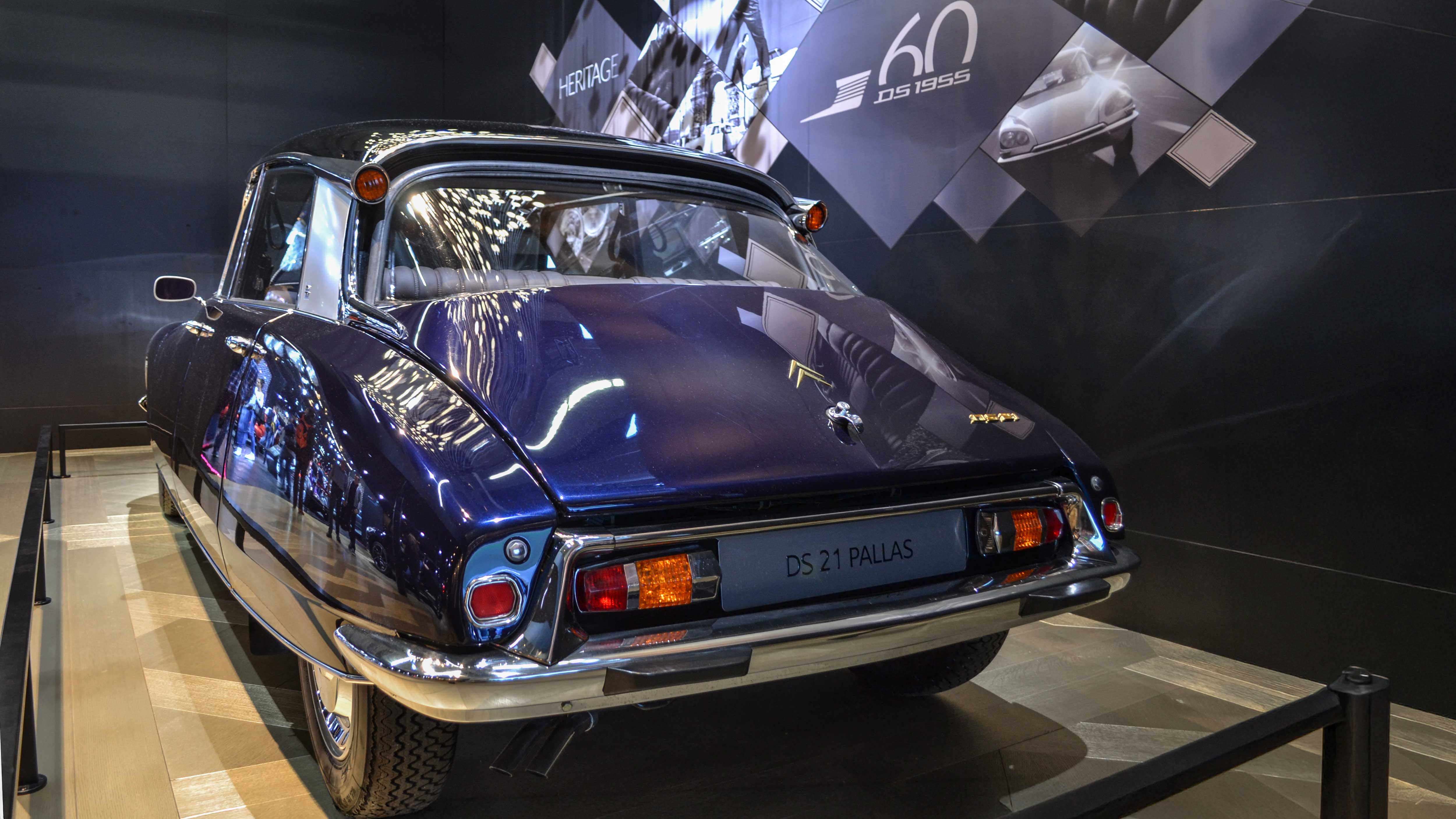
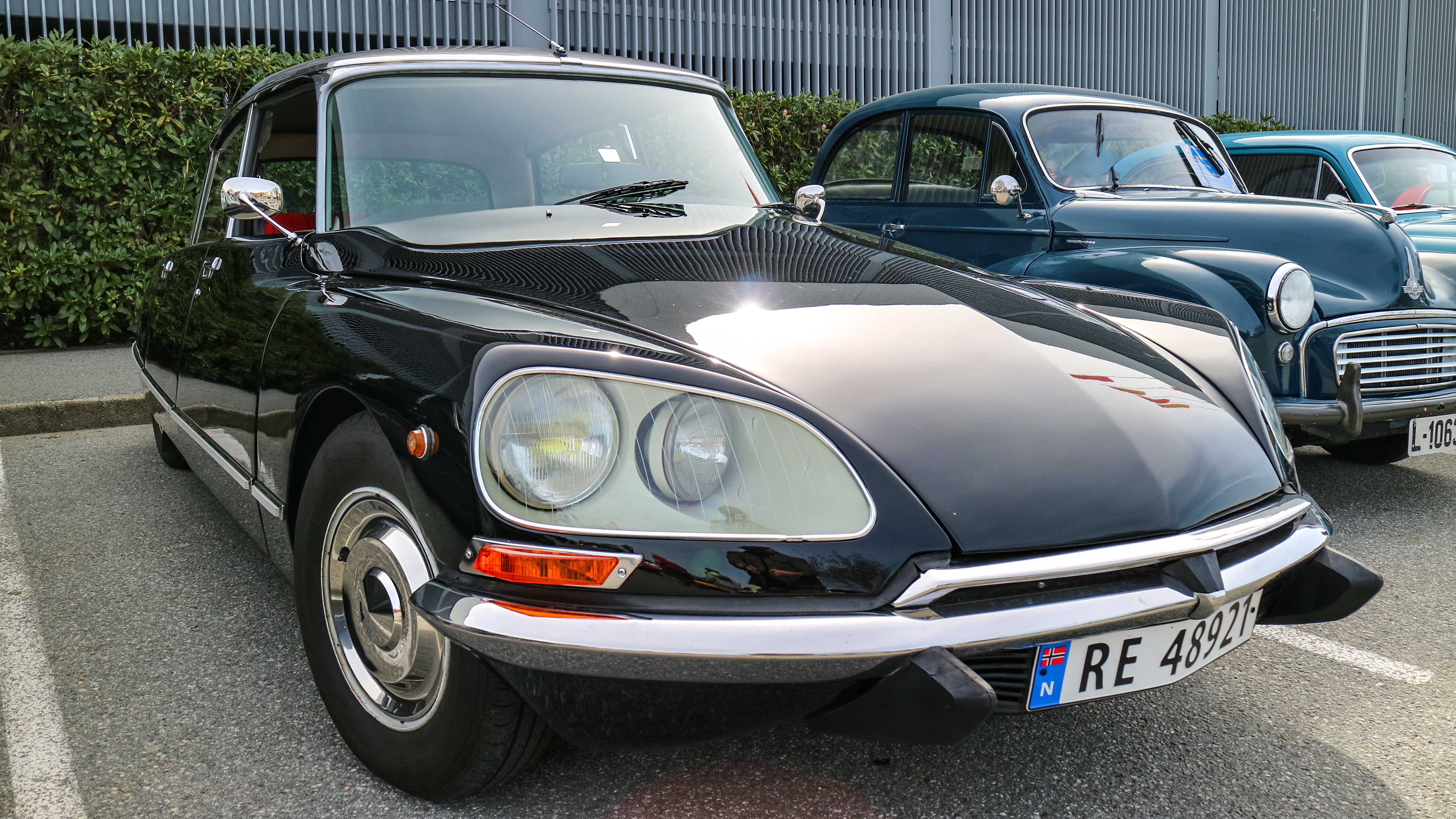
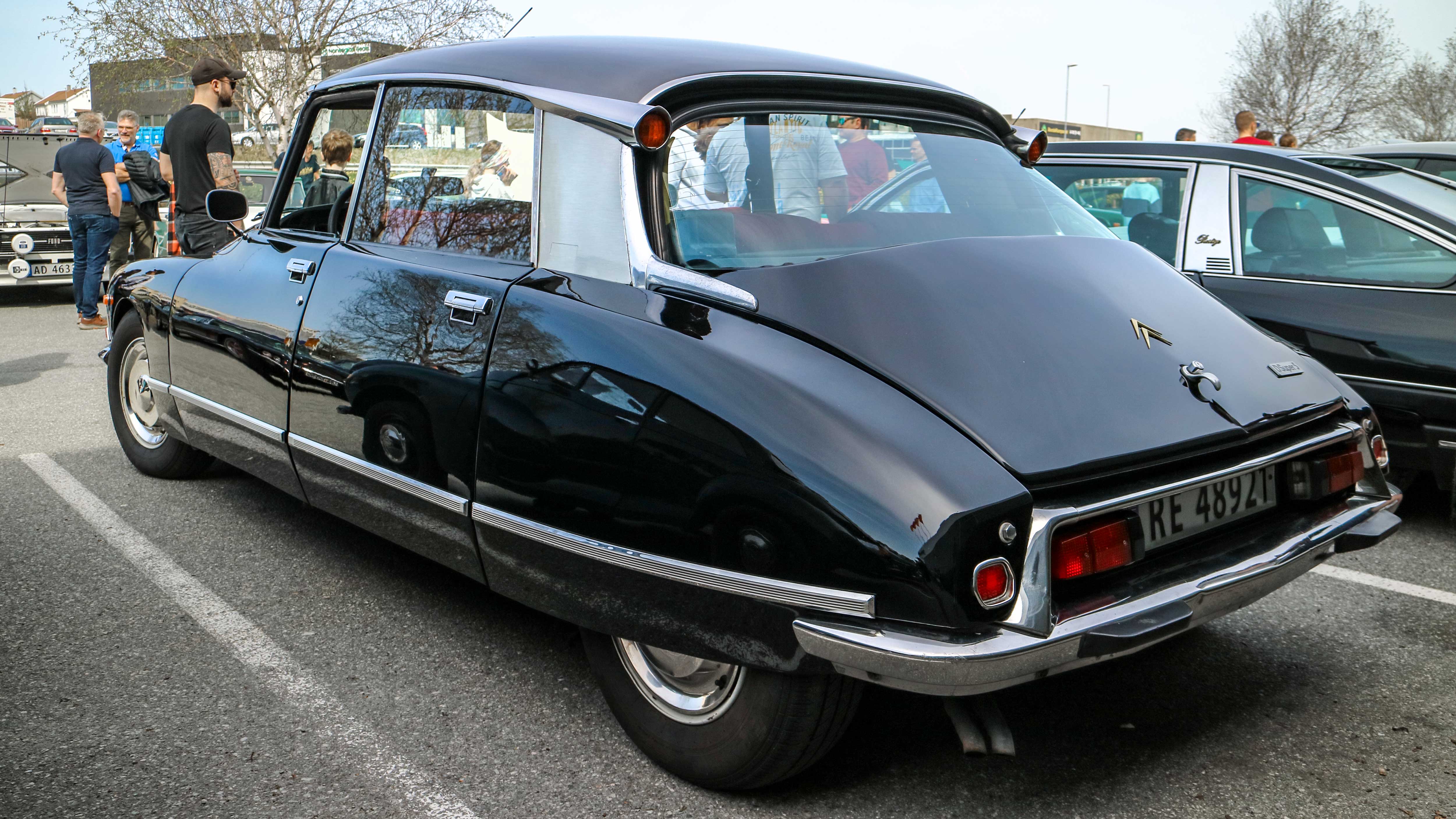
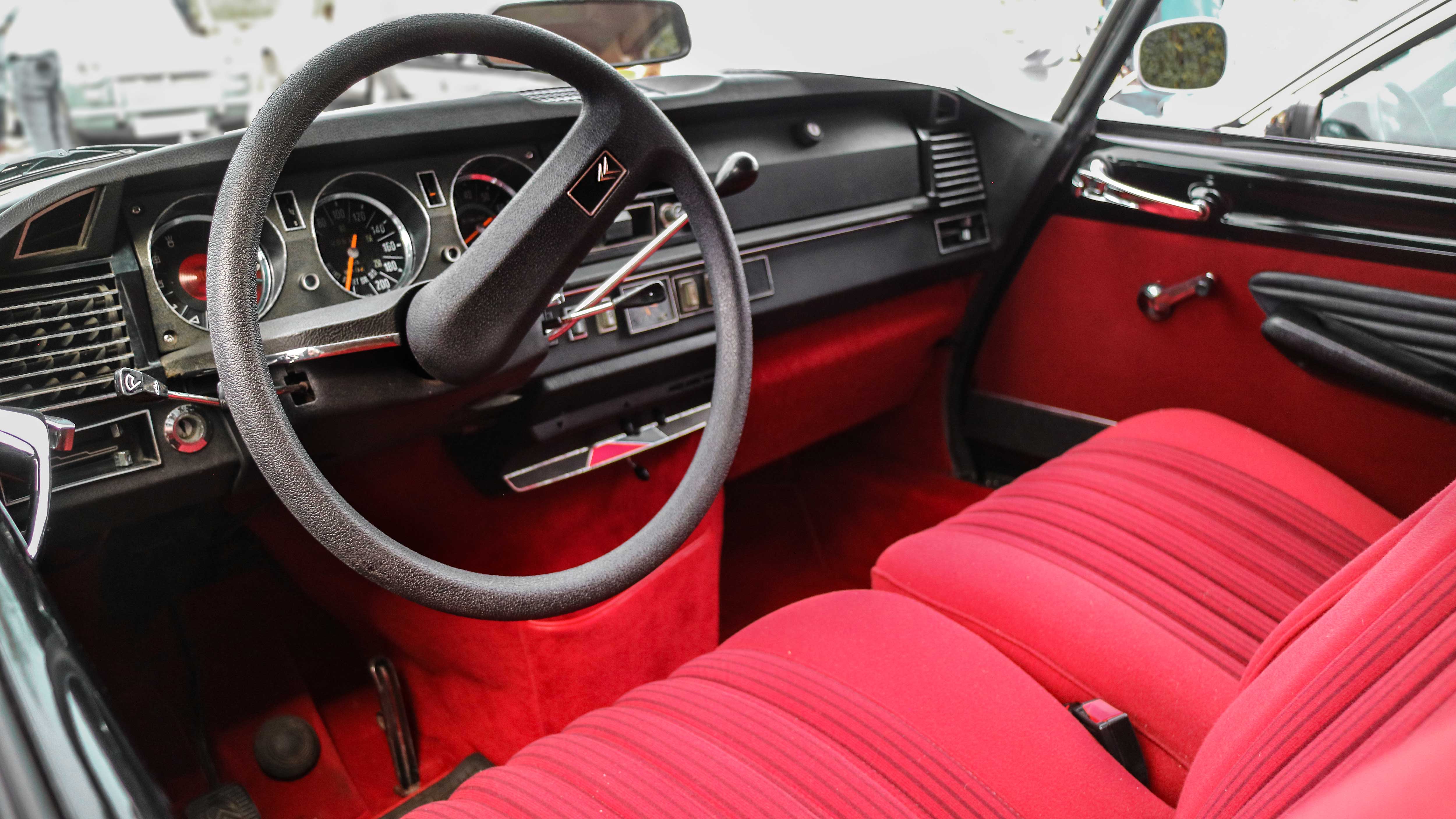
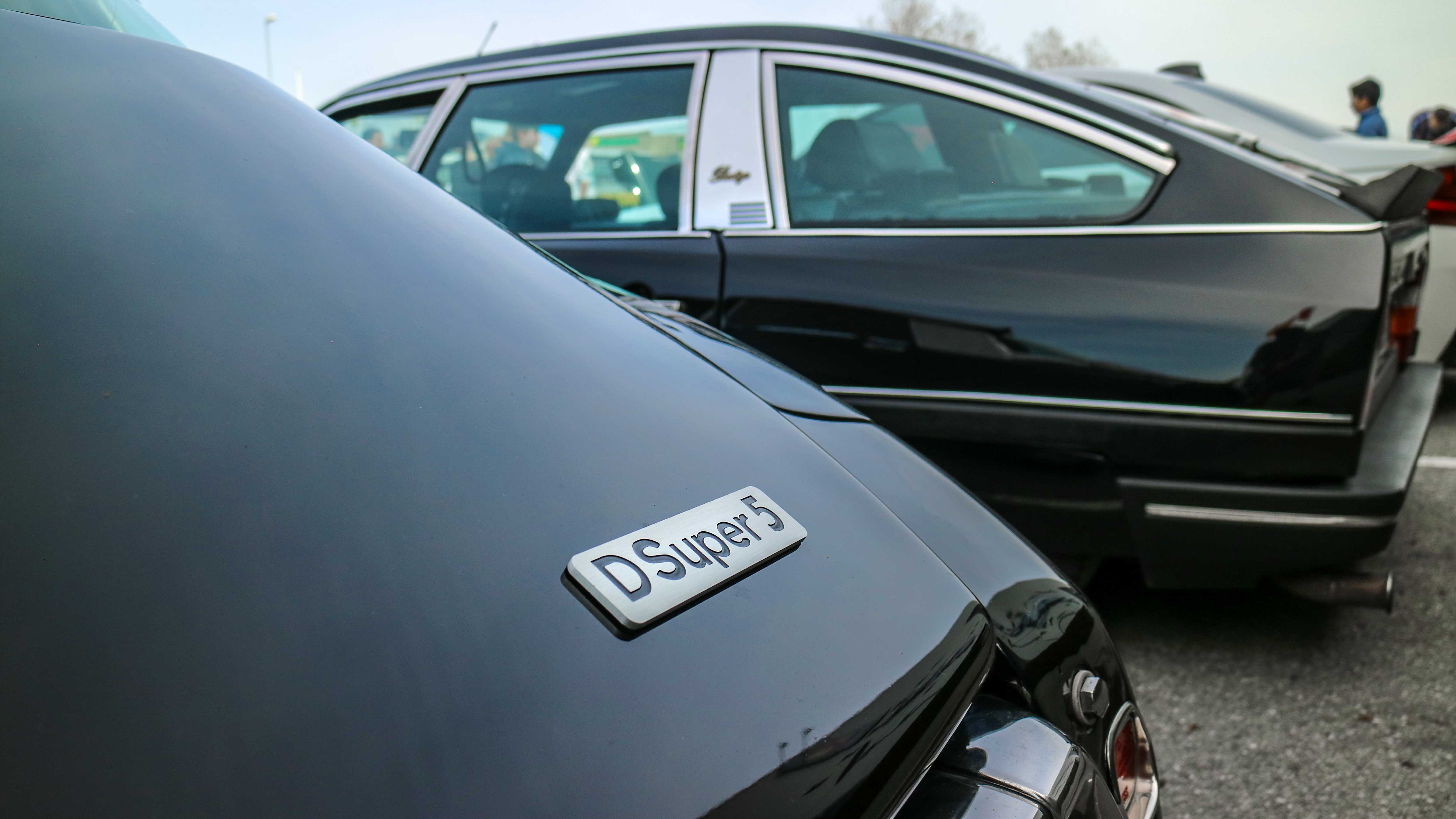
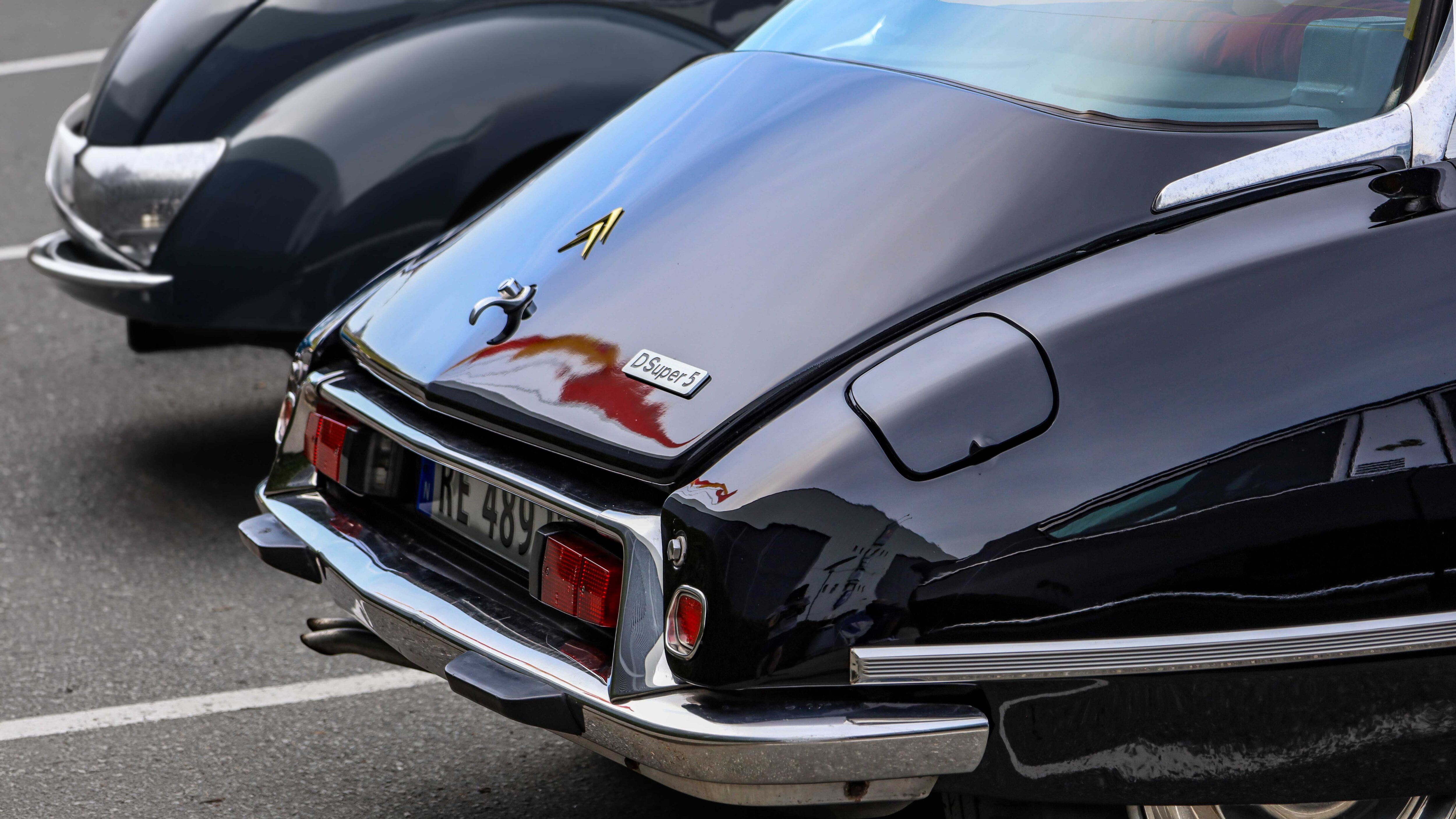
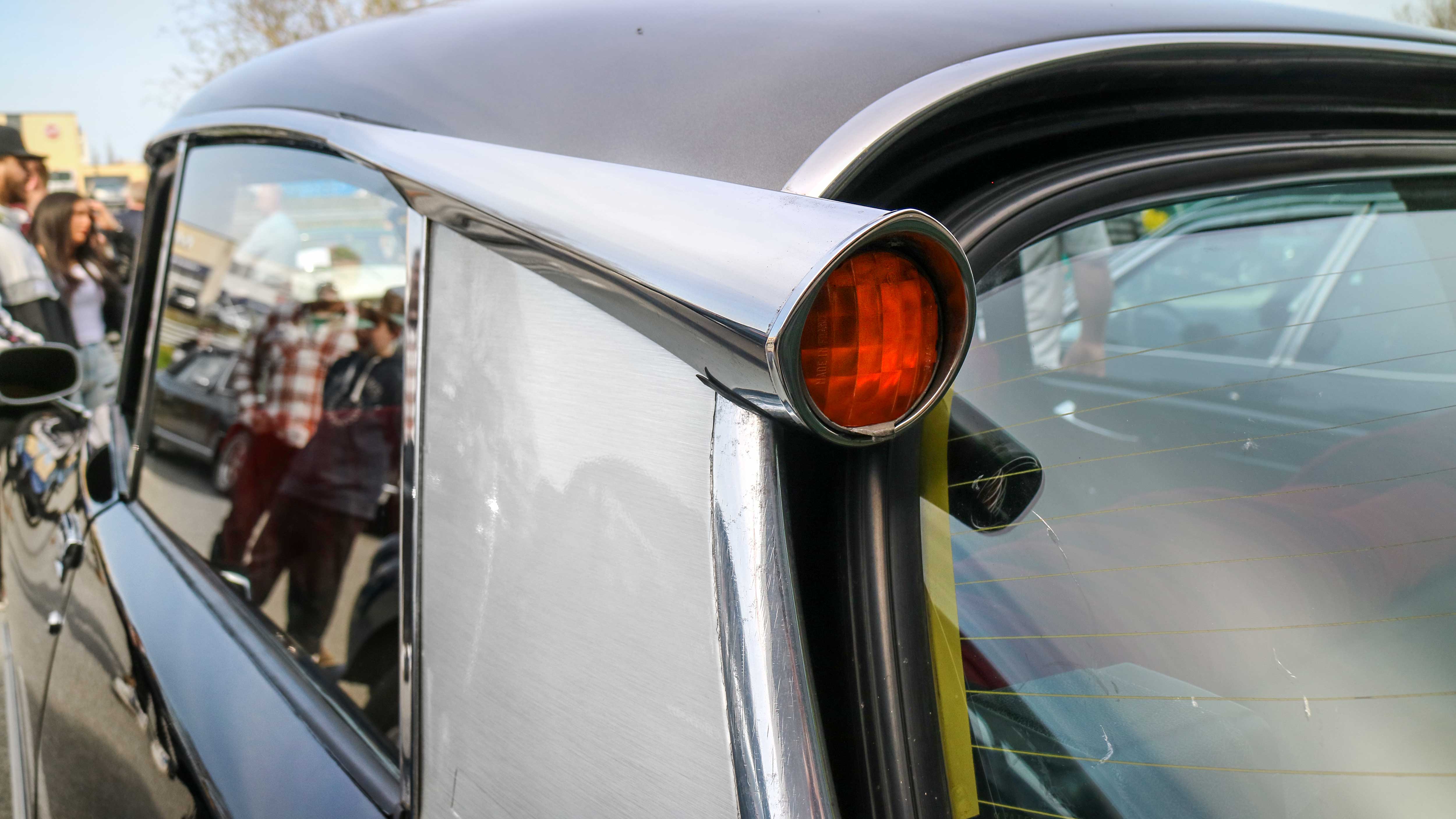
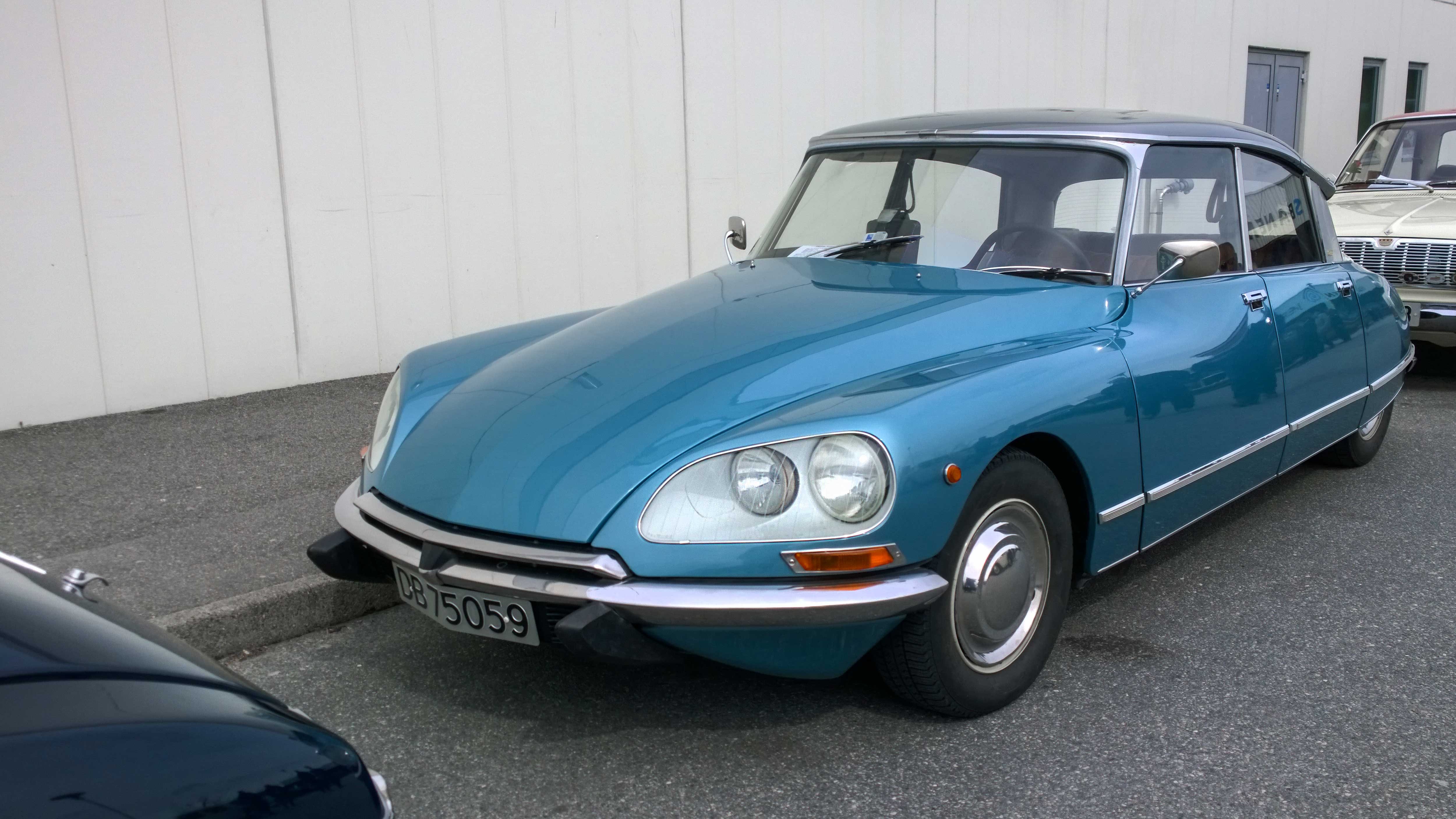
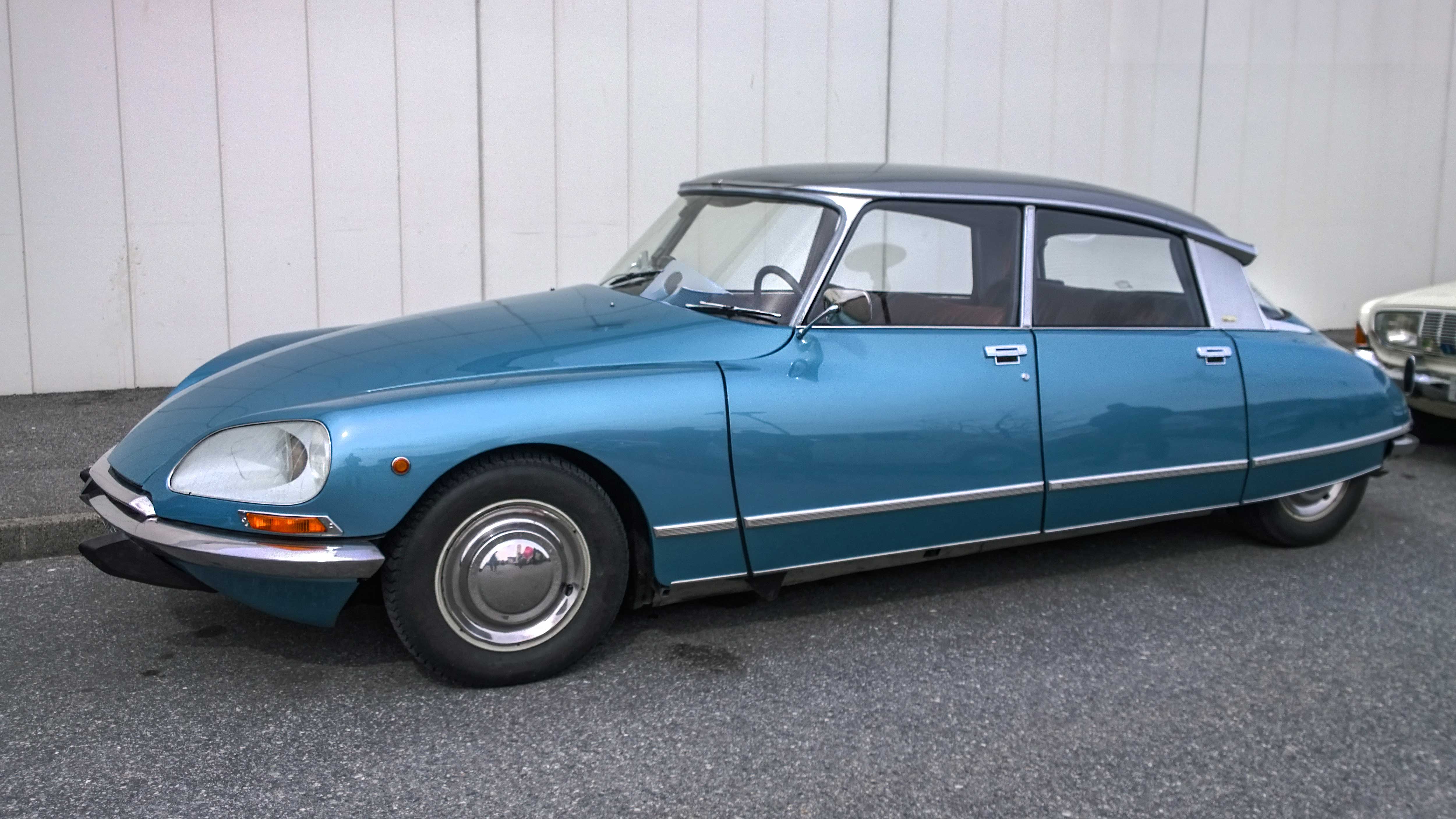
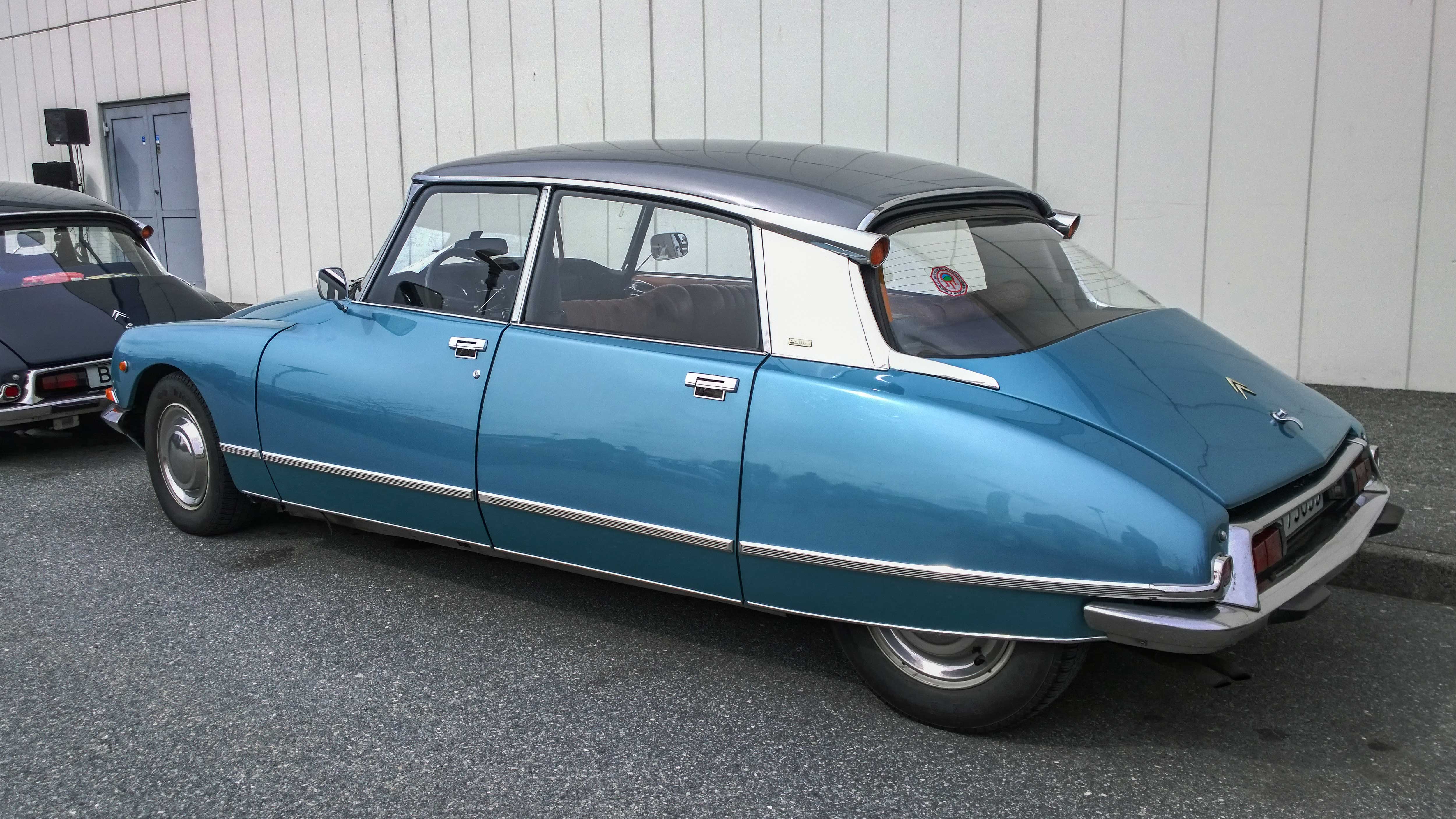
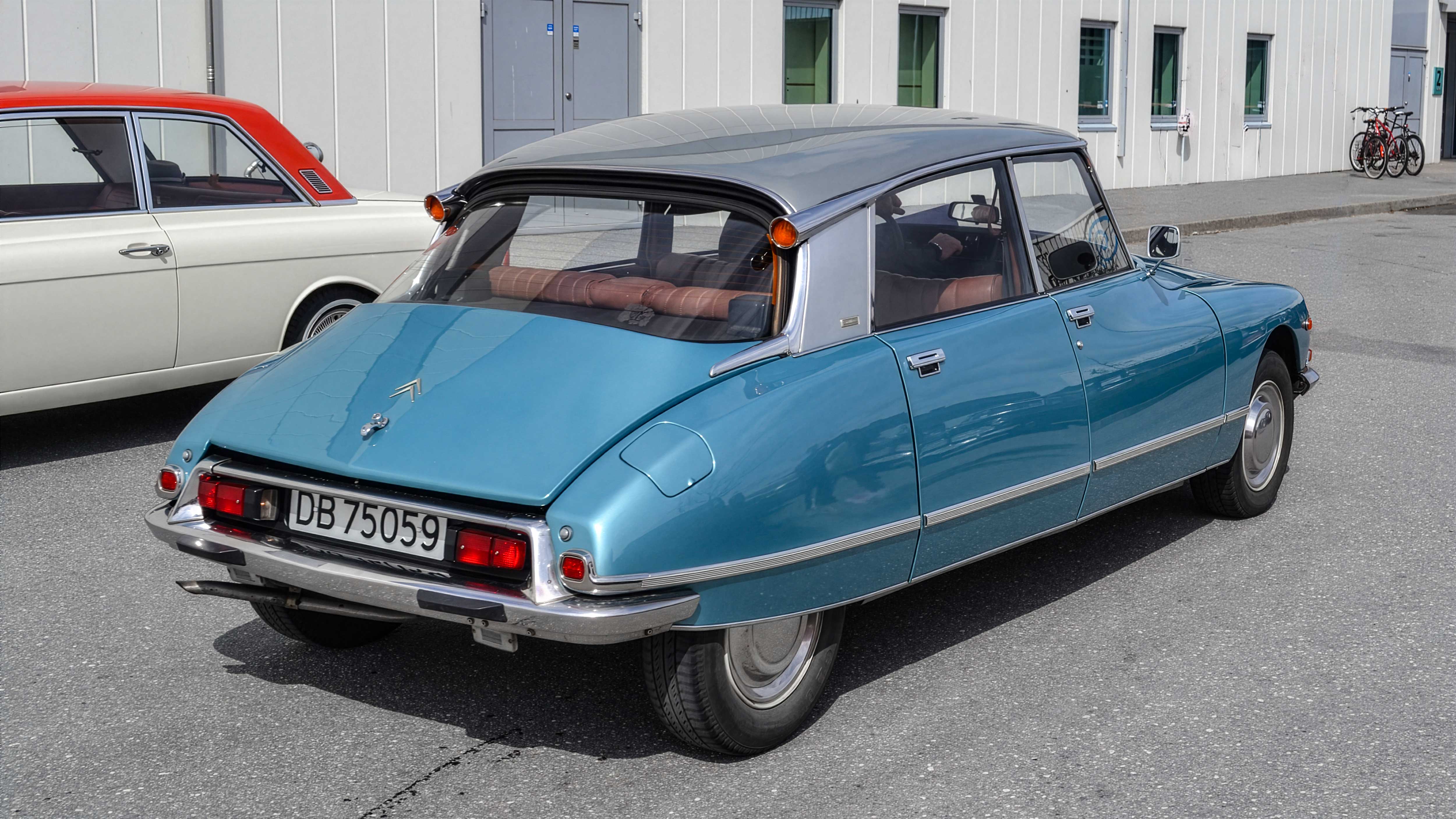
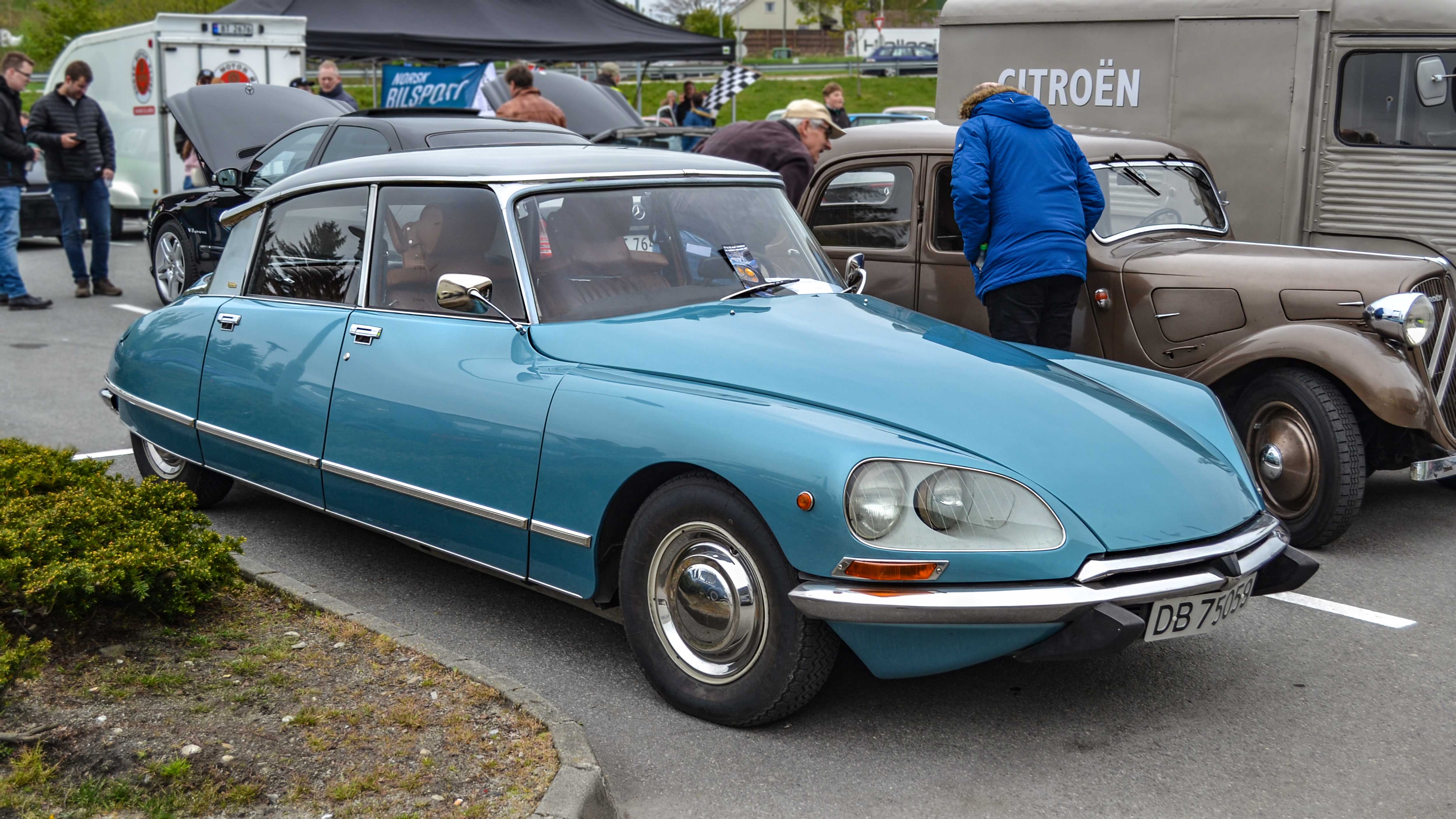
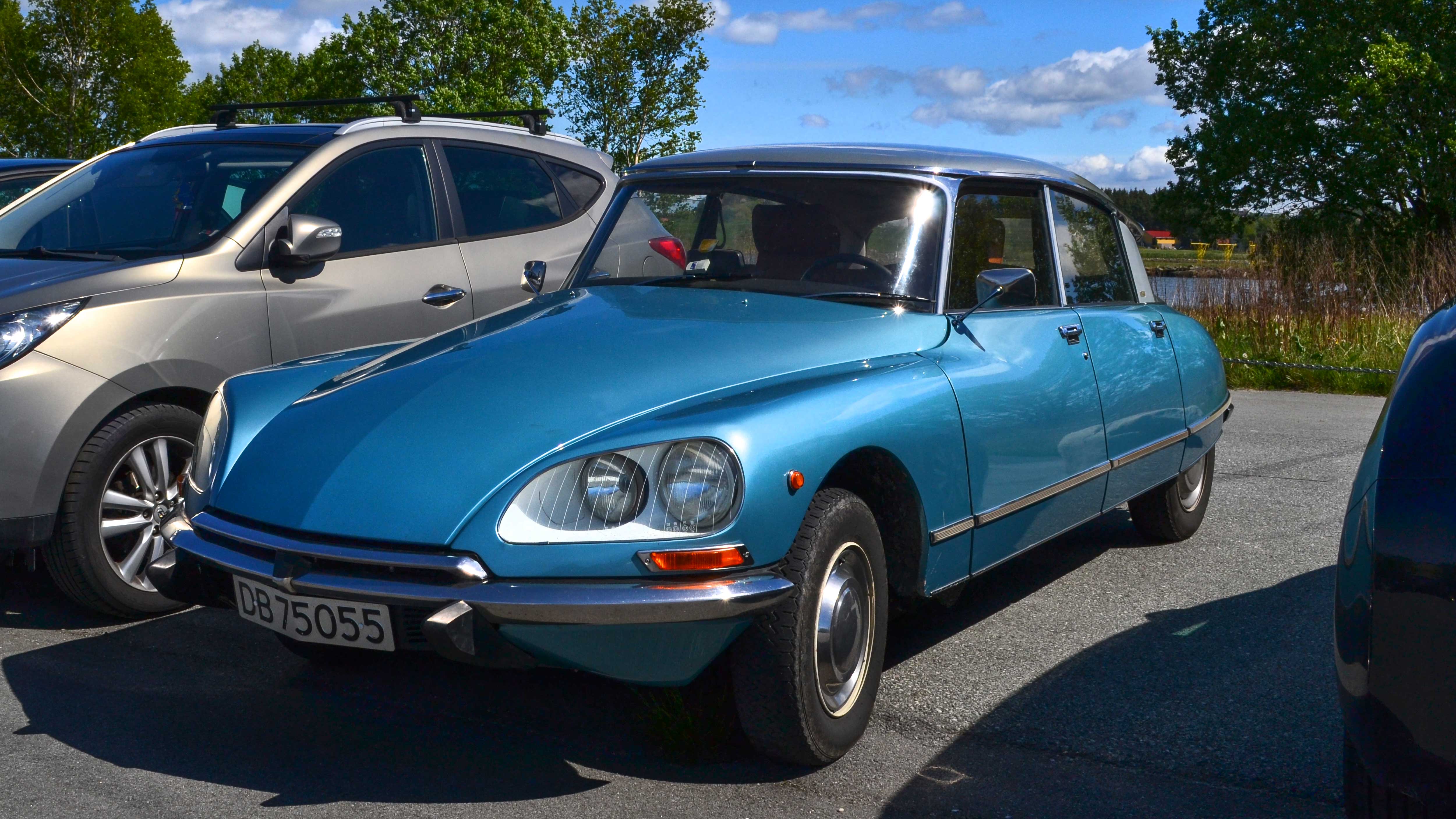
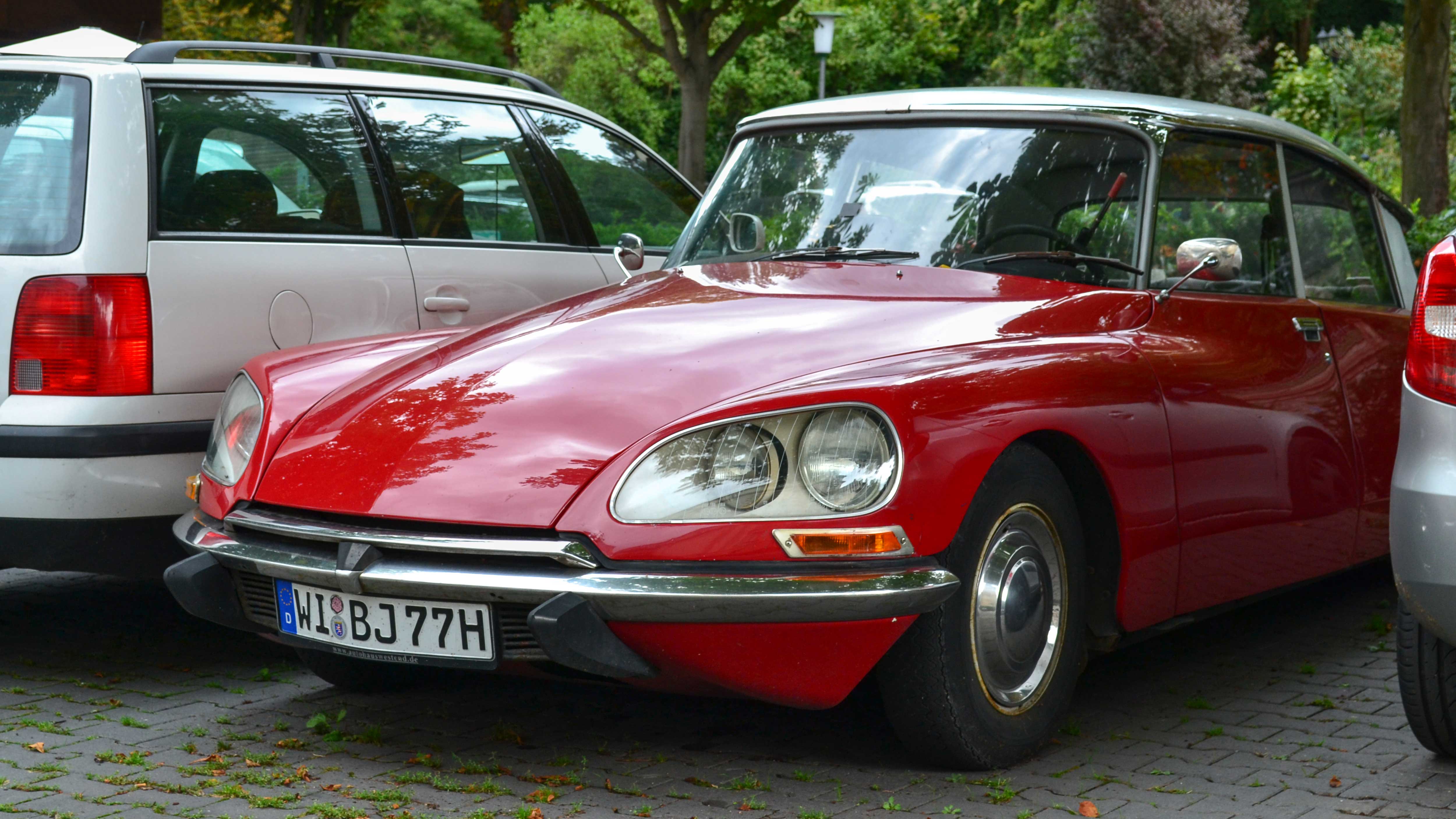
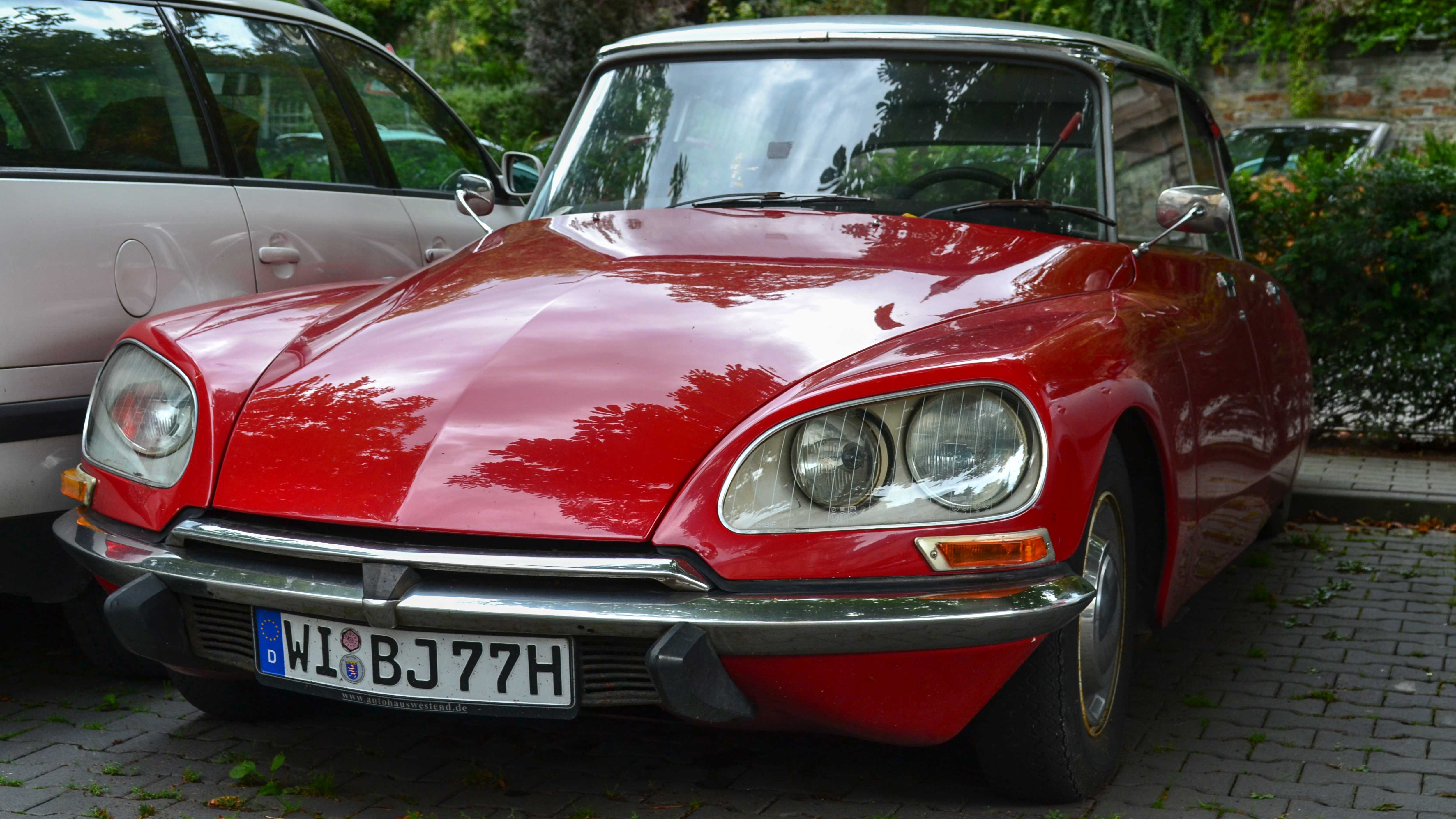
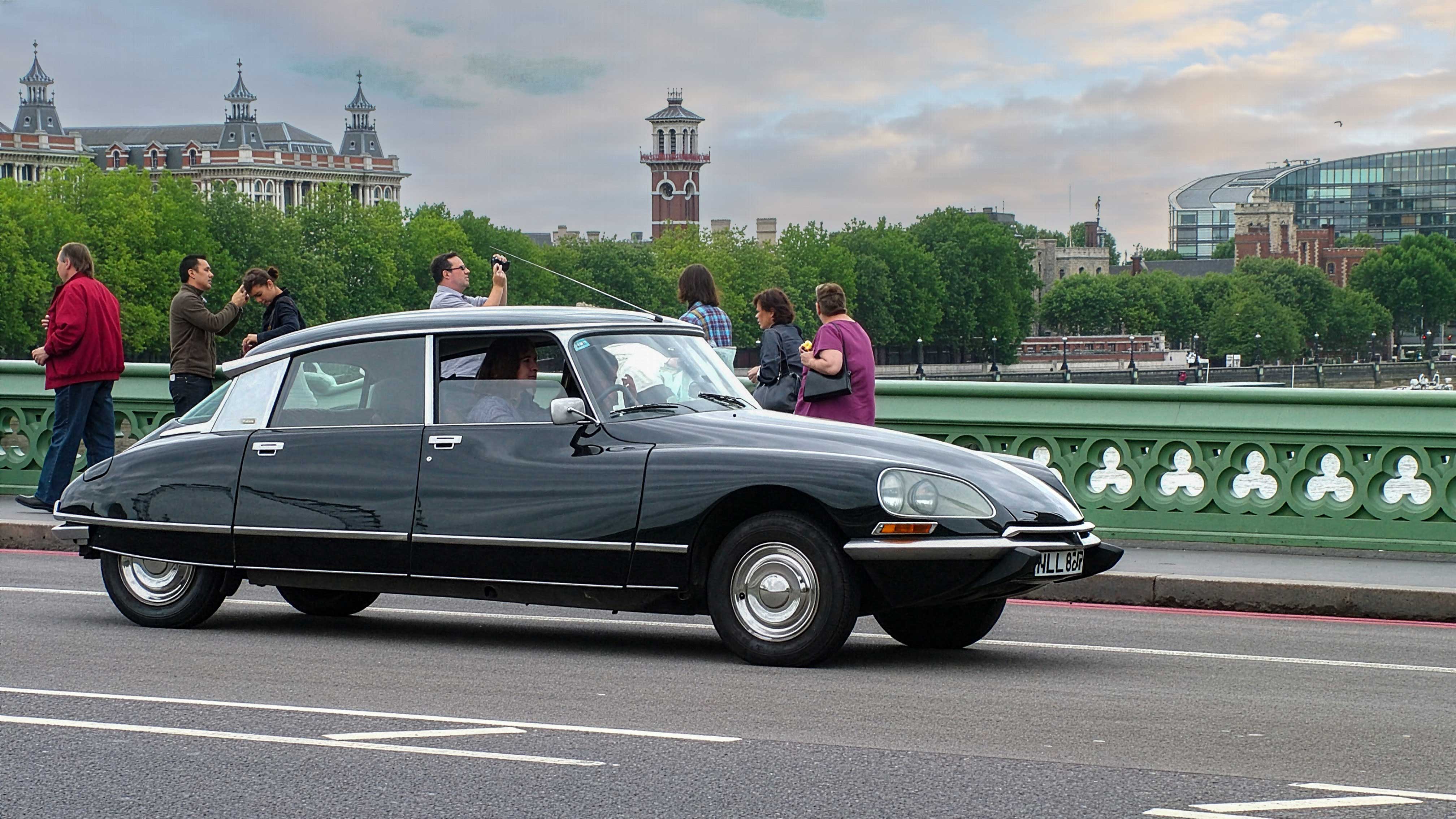
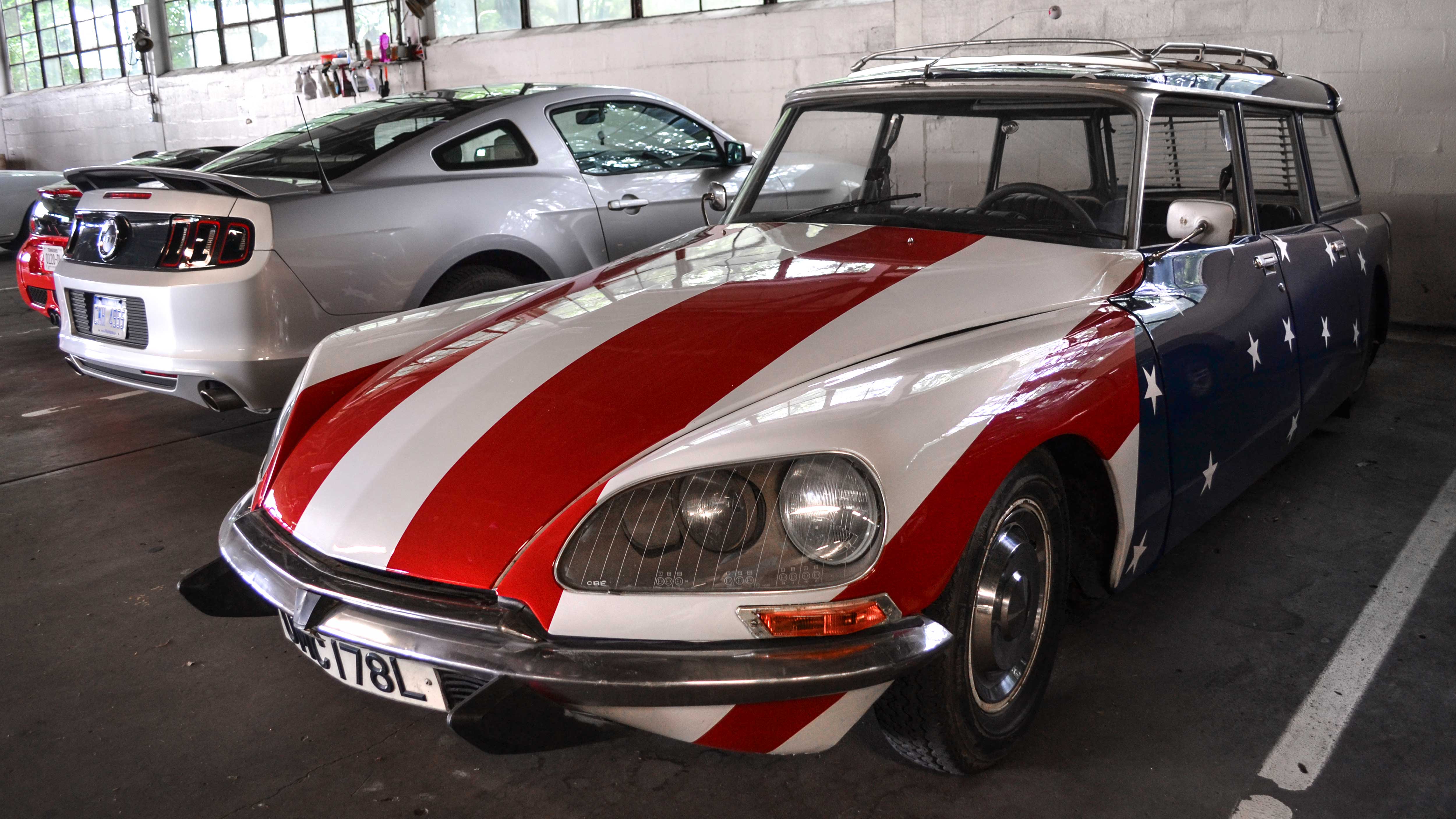
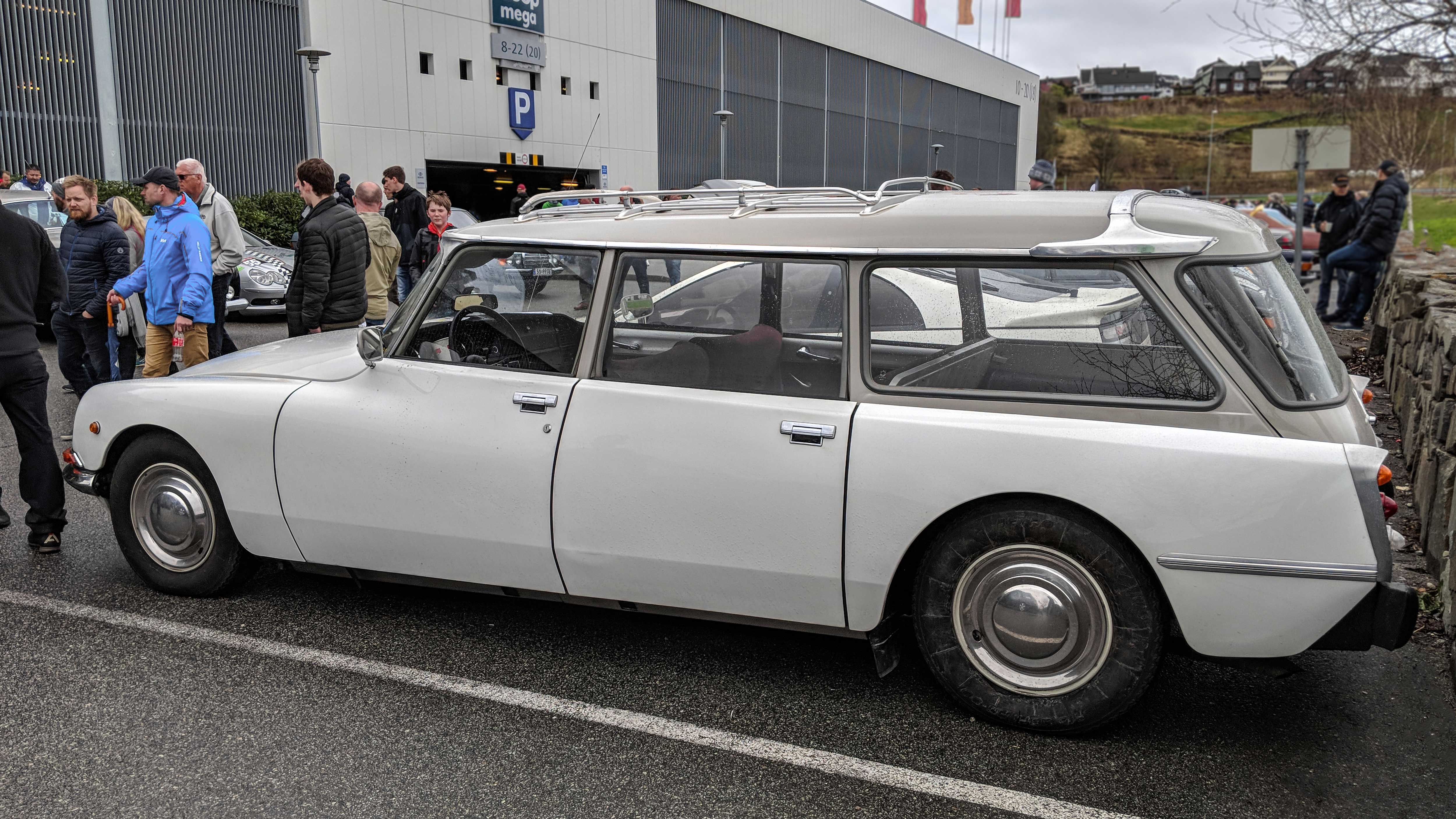
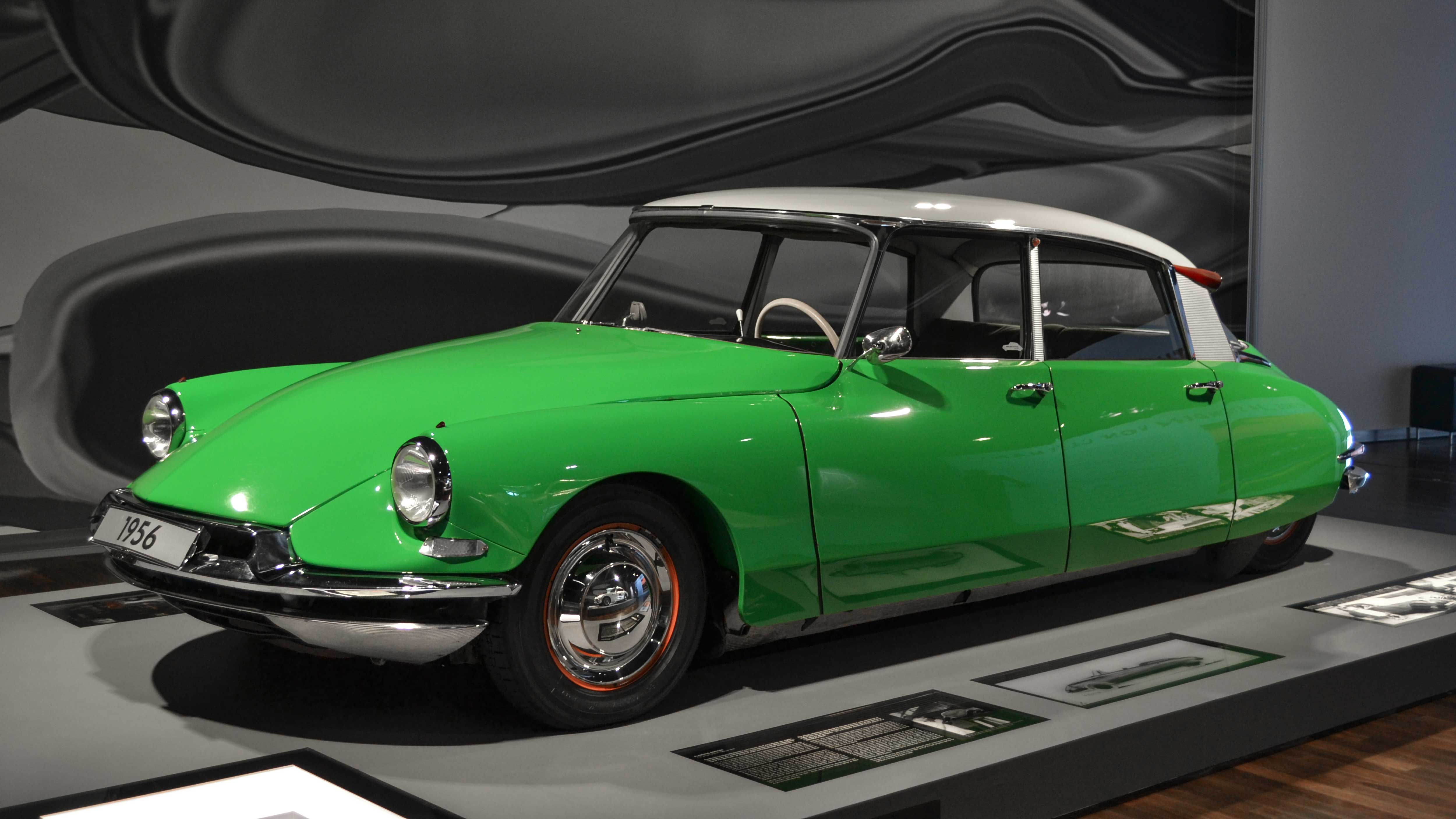
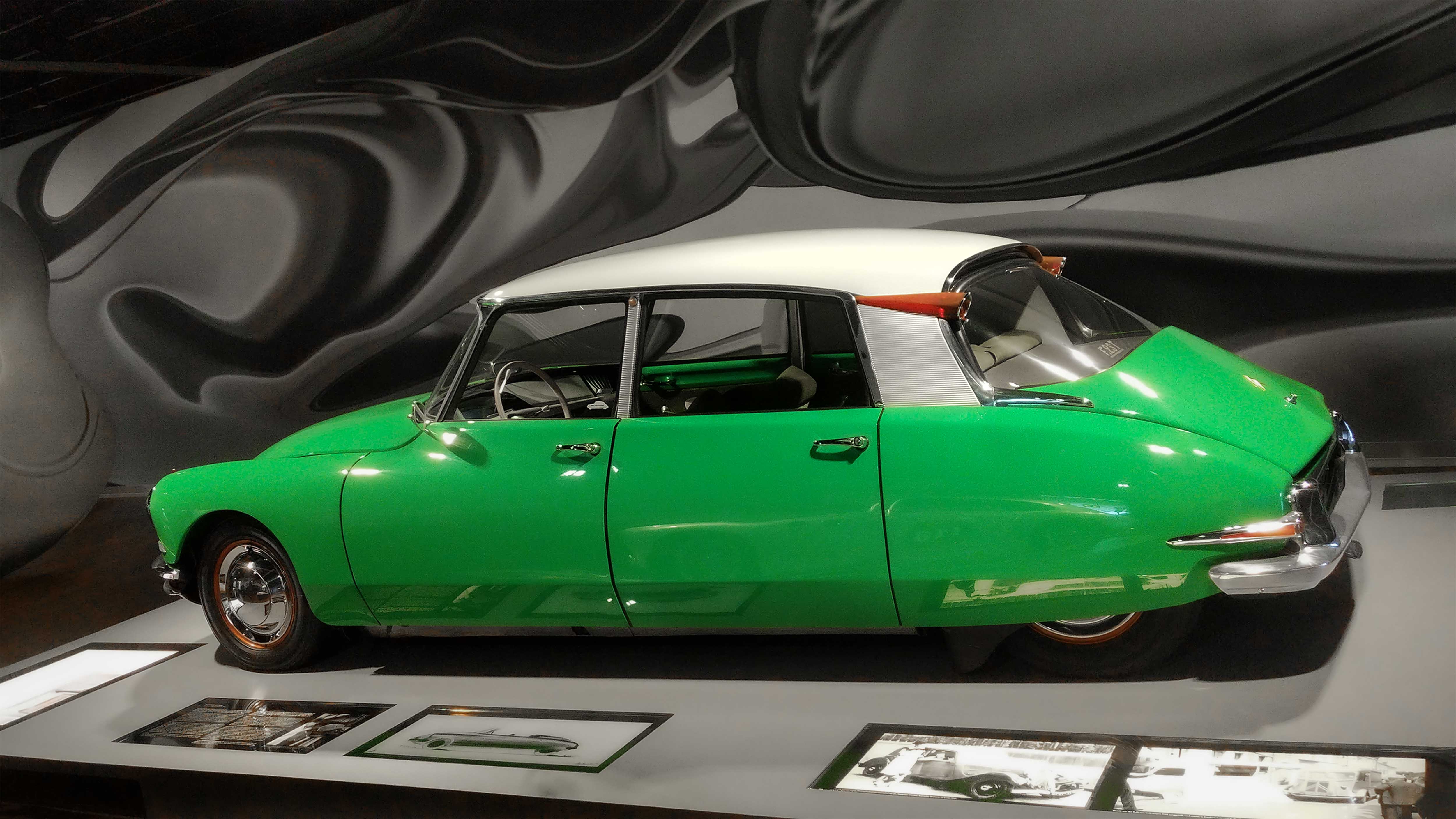
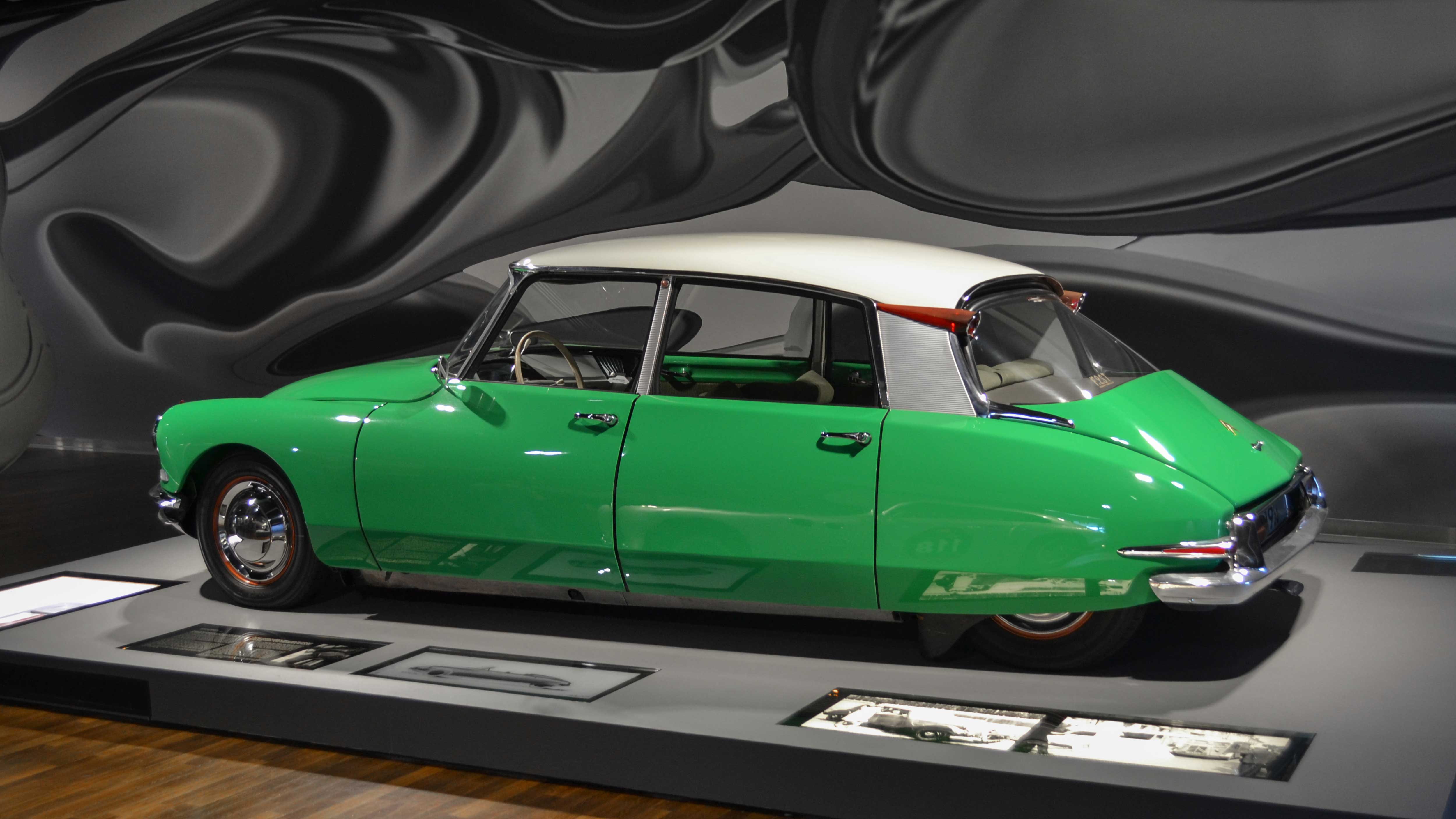
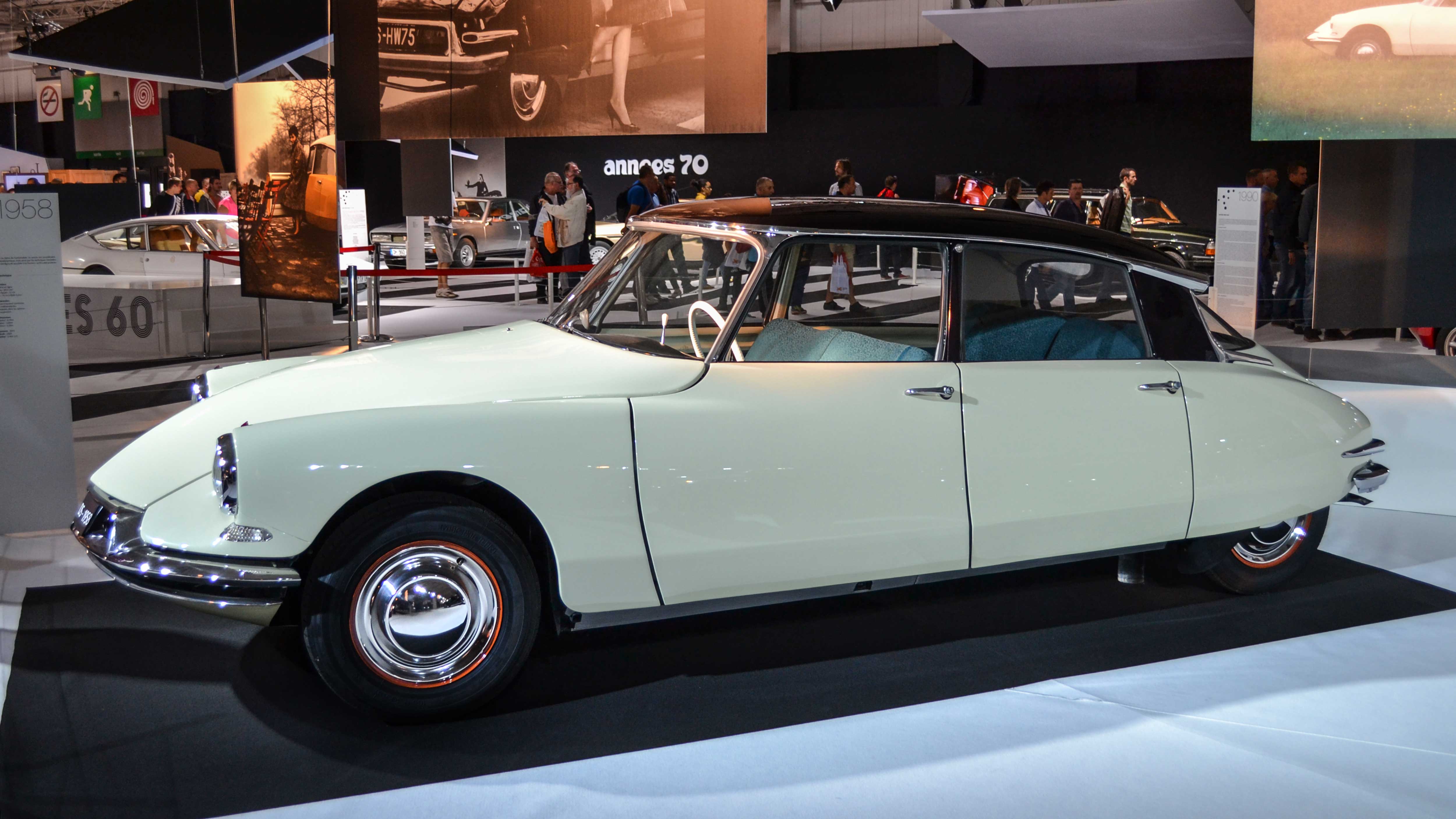
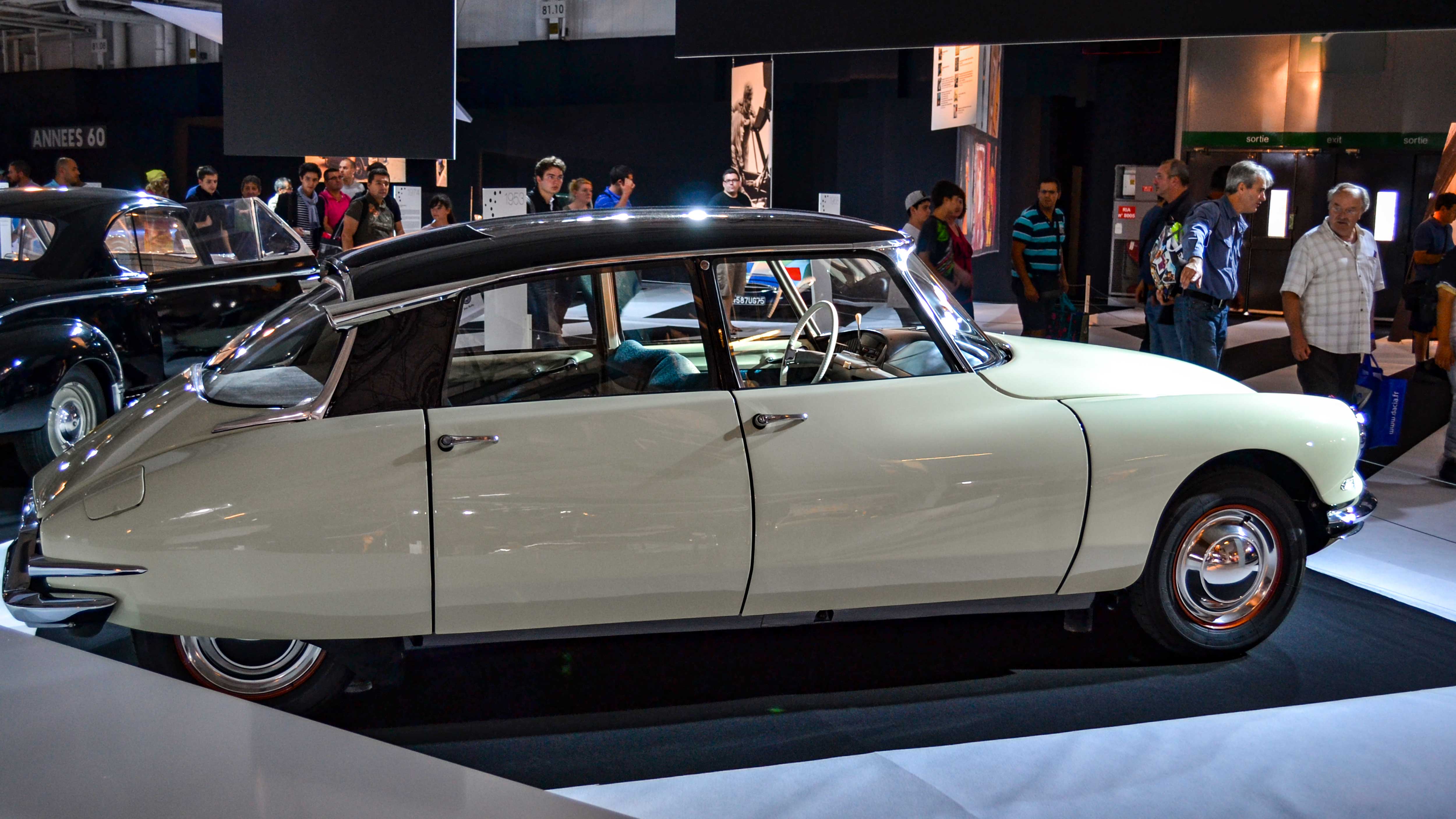
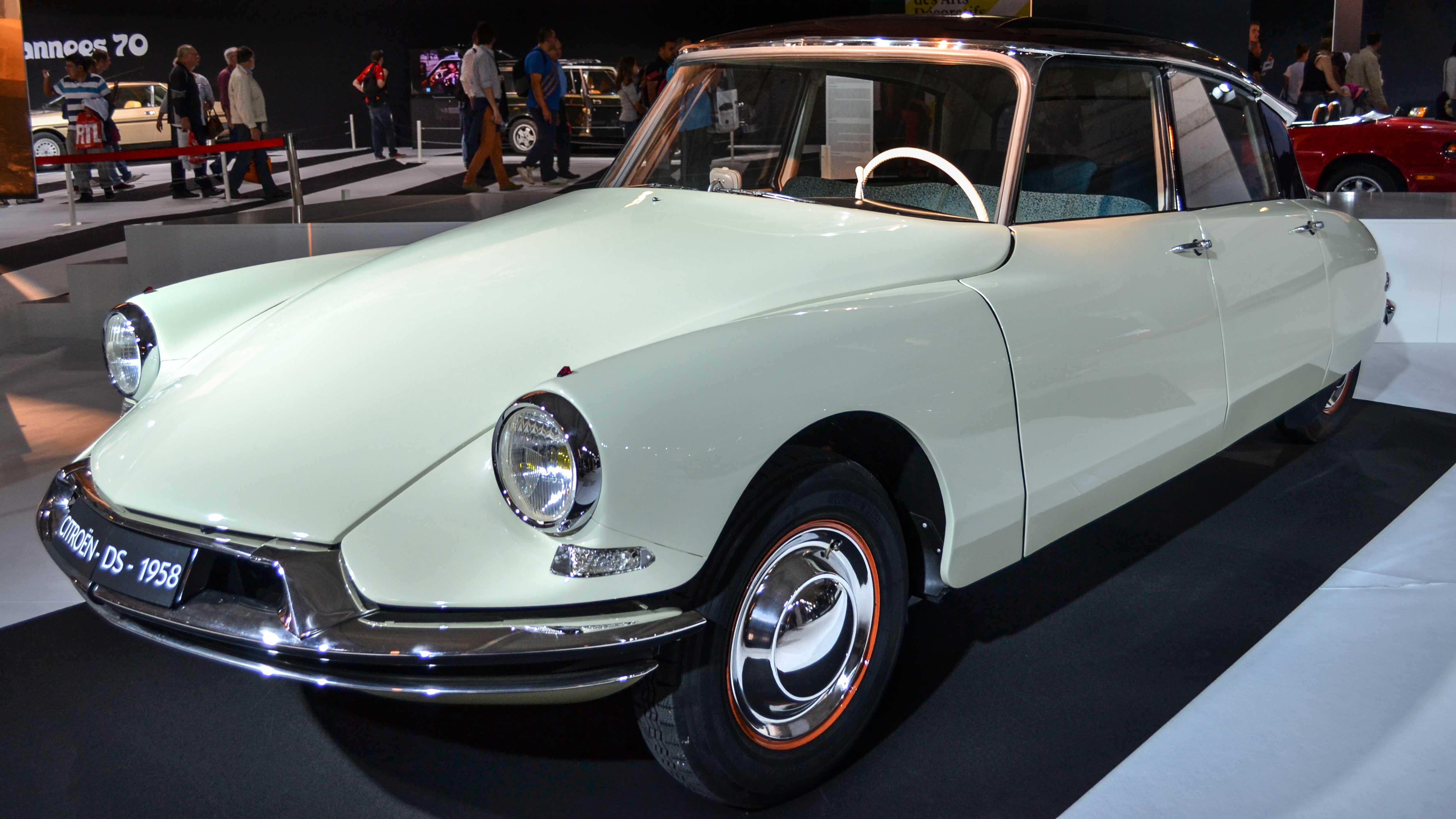
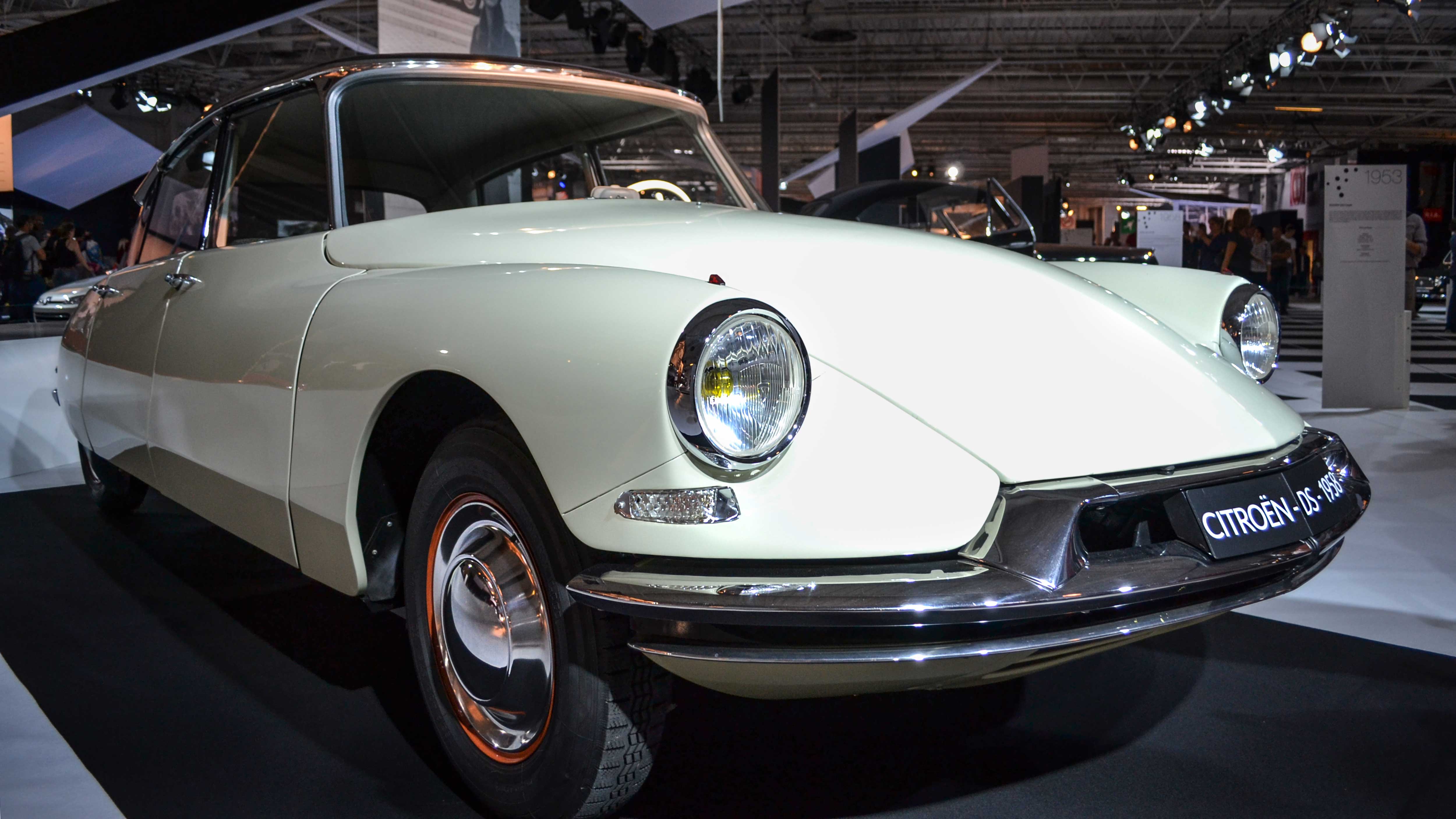
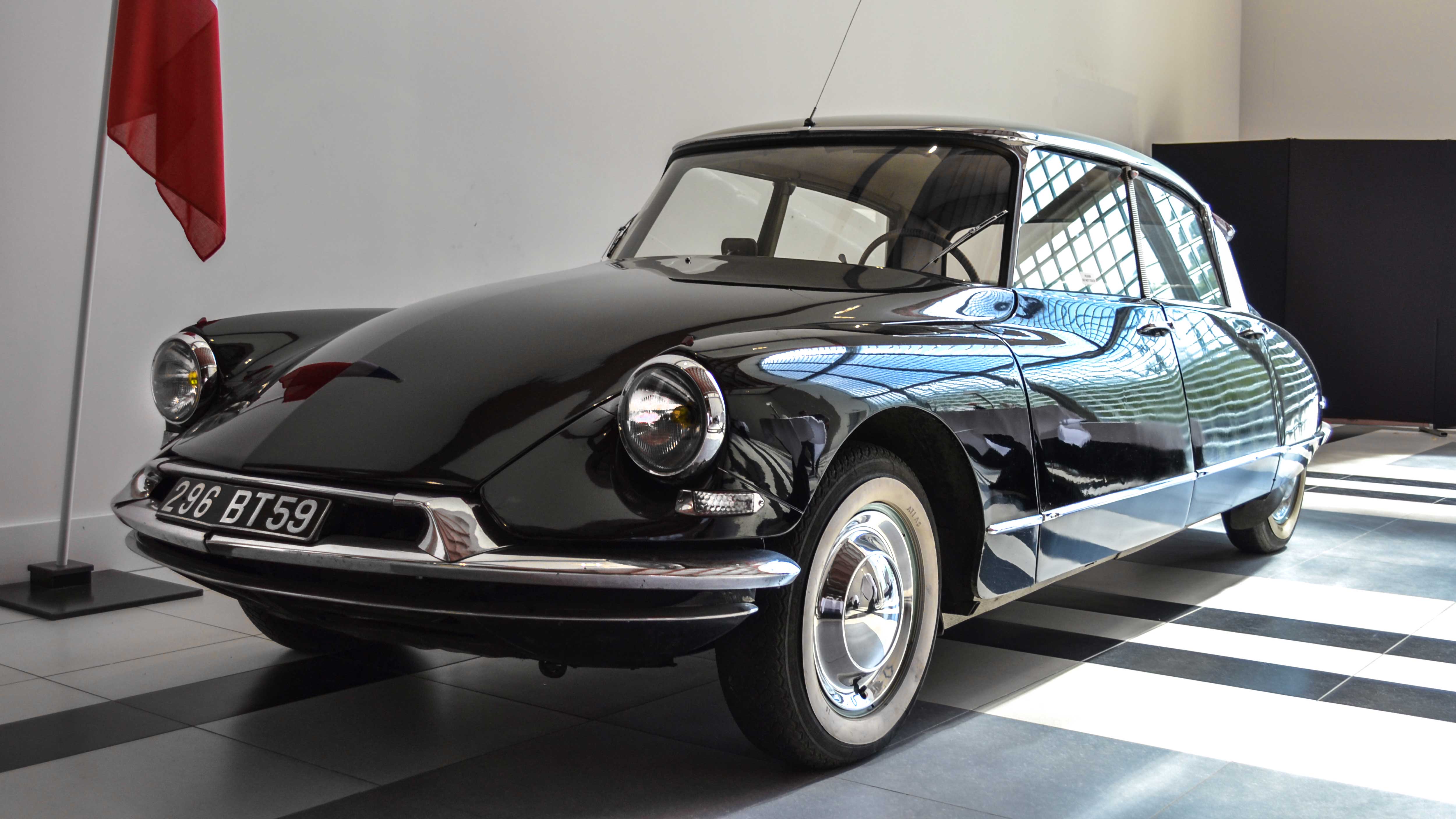
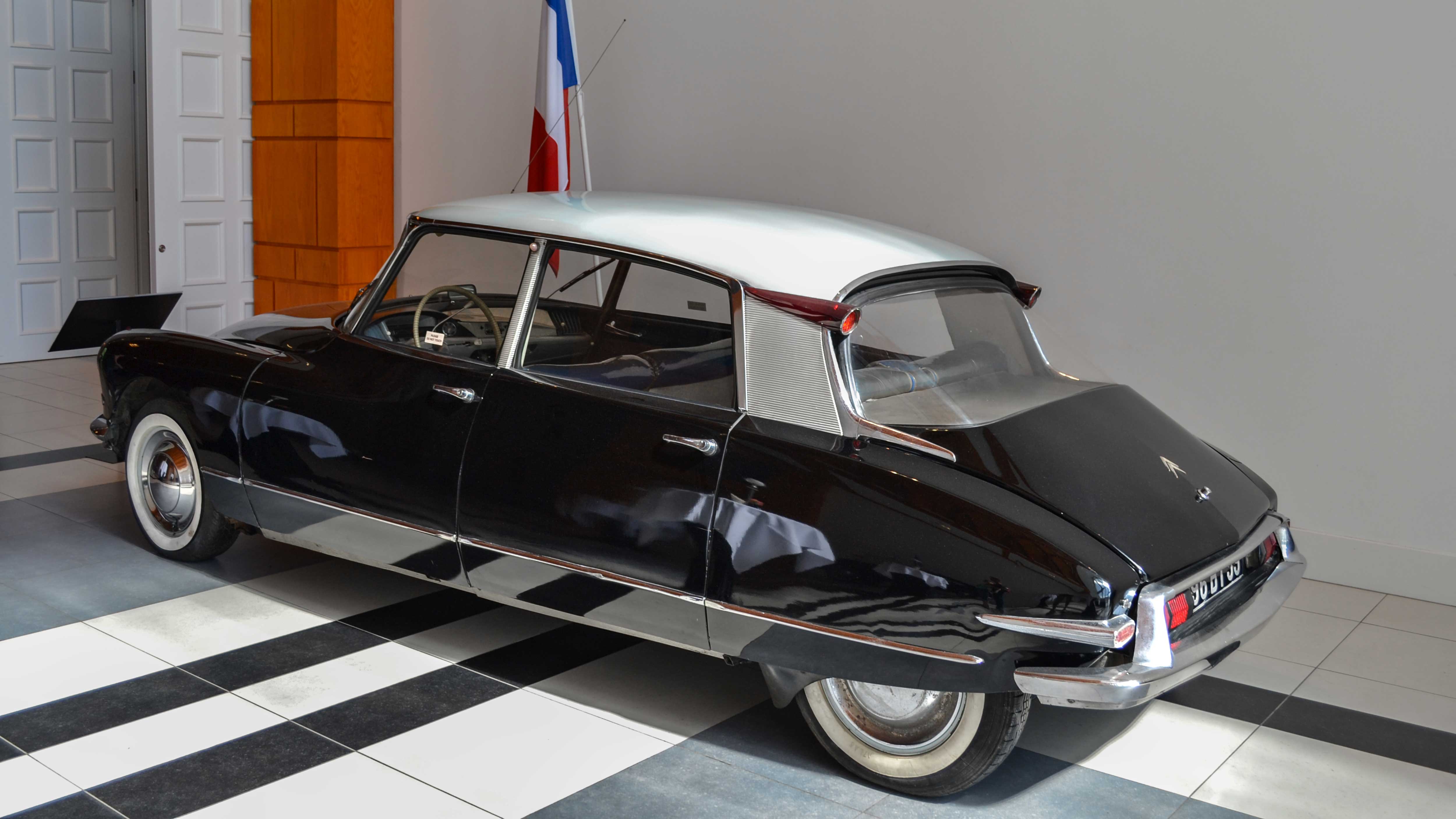
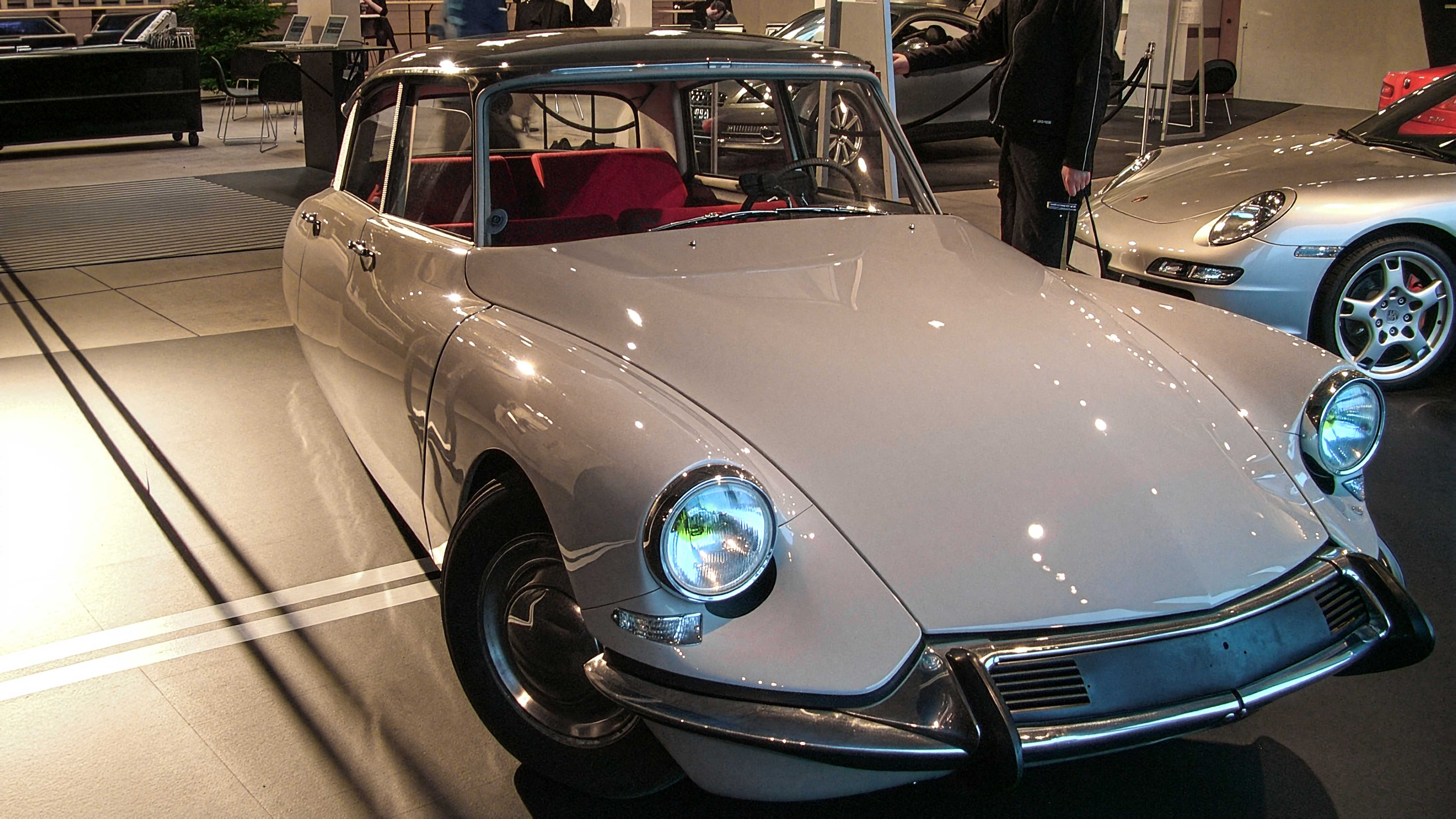
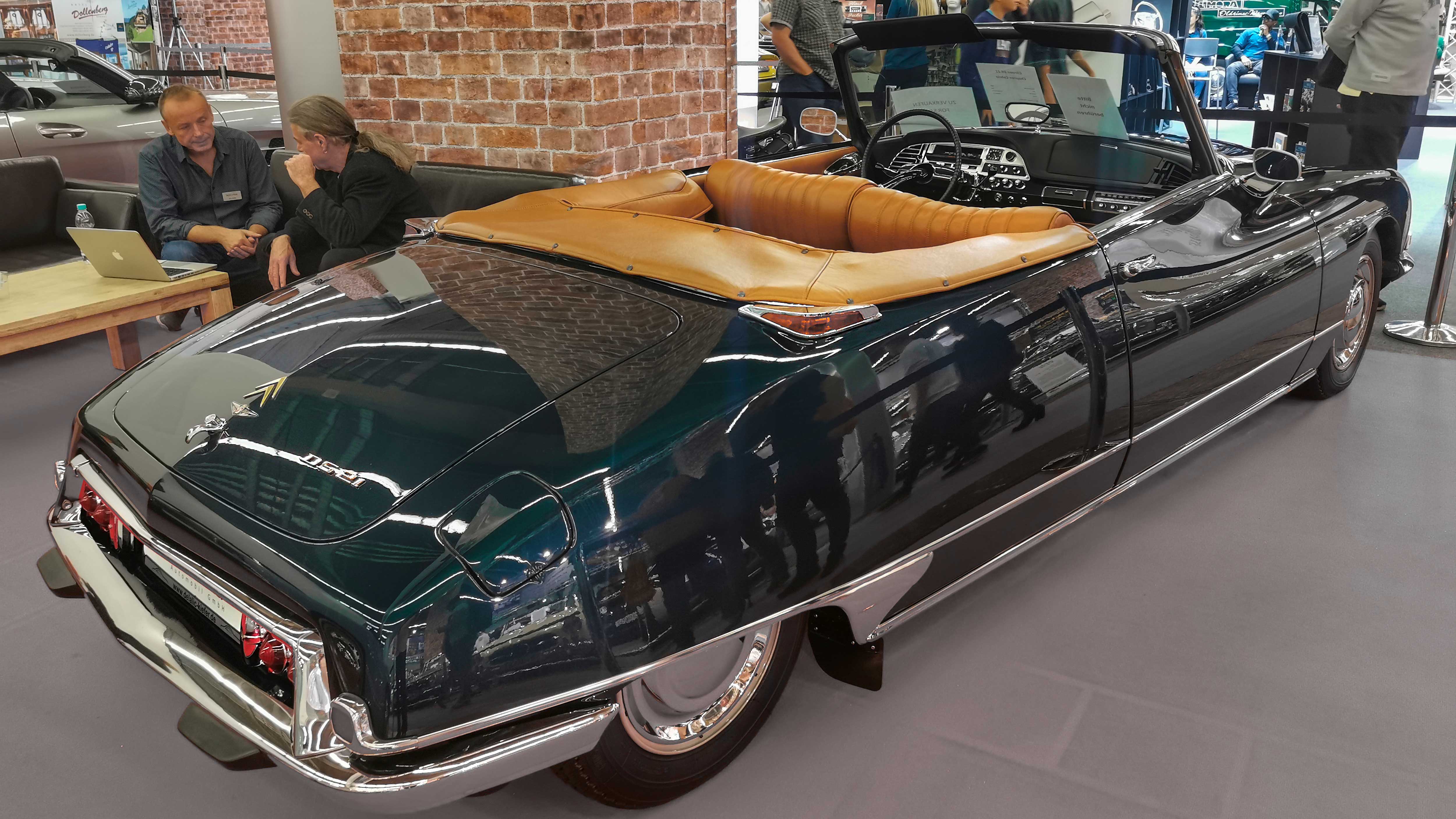
The Citroën DS and ID (1955–1975) redefined automotive engineering and comfort. As a result, hydropneumatic suspension, front-wheel drive, and engines up to about 141 hp delivered unmatched ride quality and futuristic design.
Traction Avant
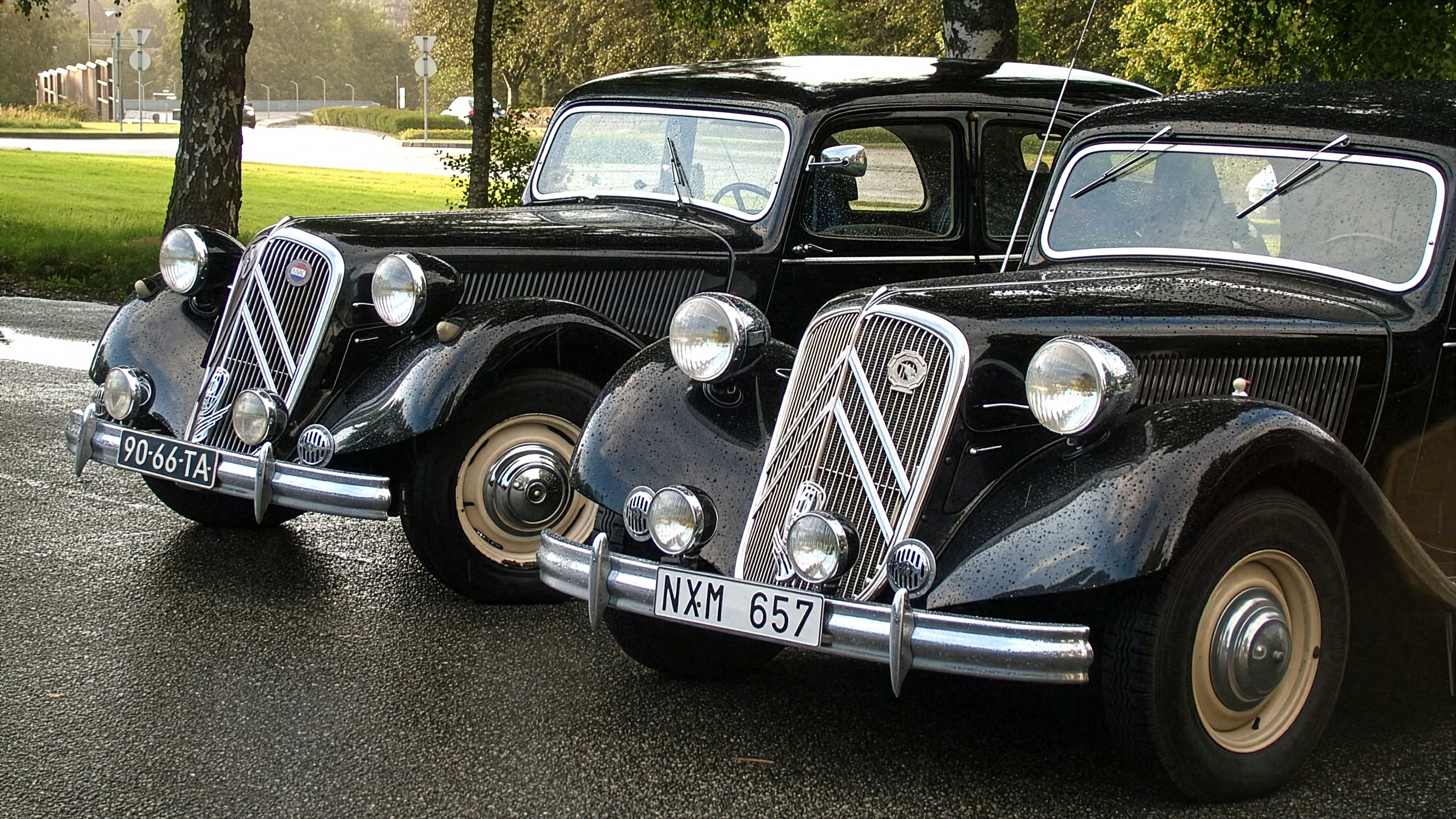
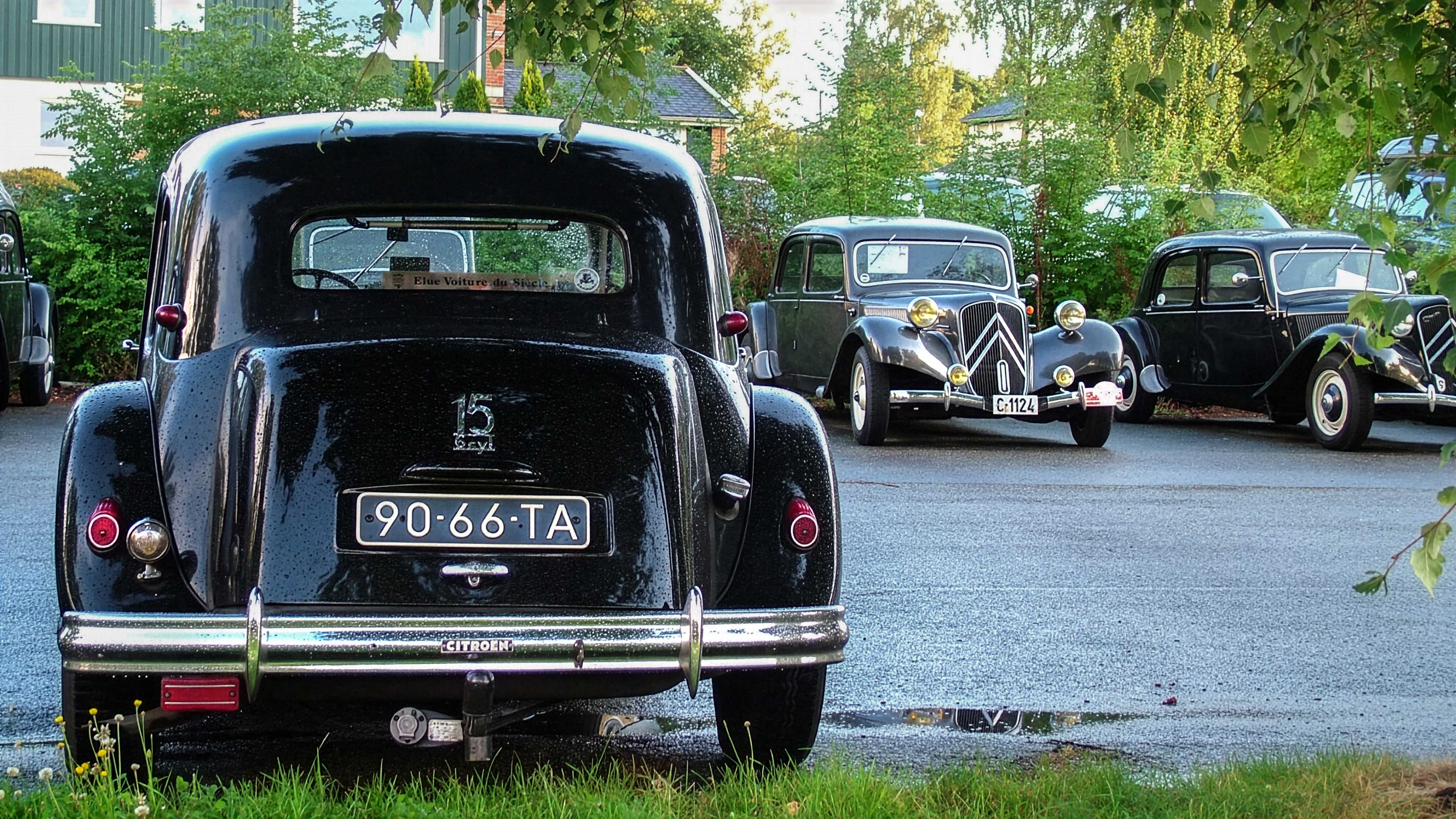
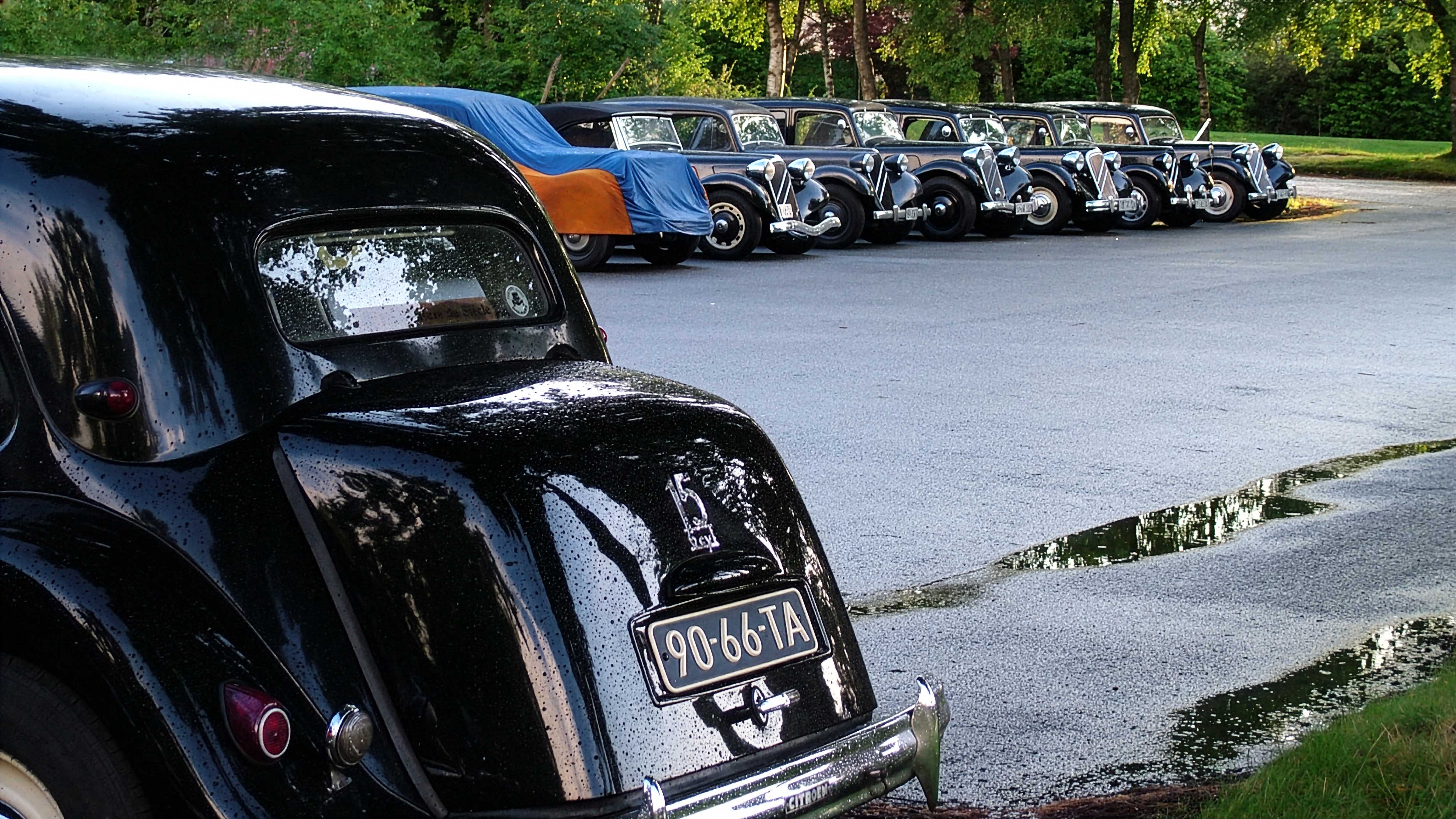
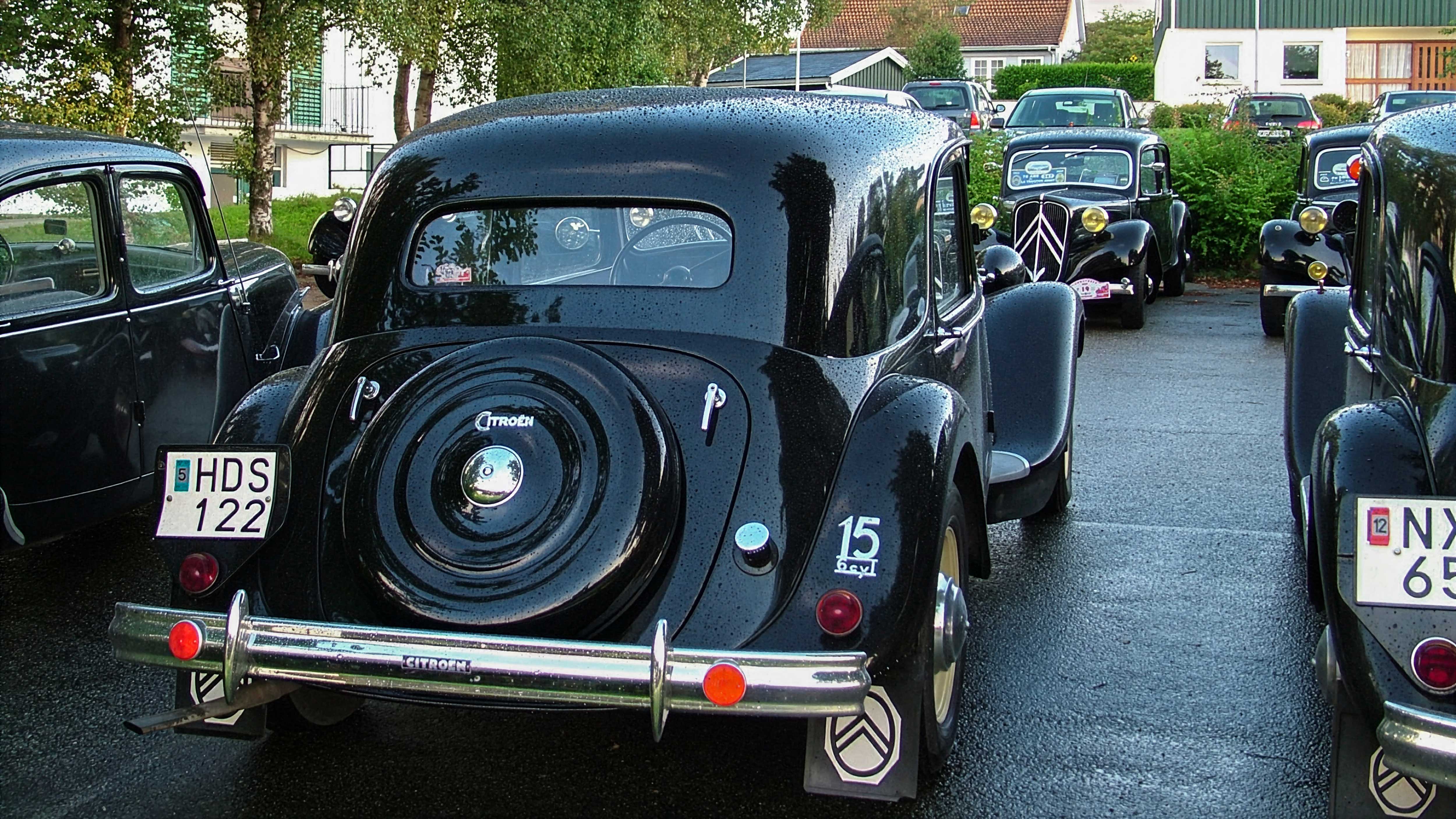
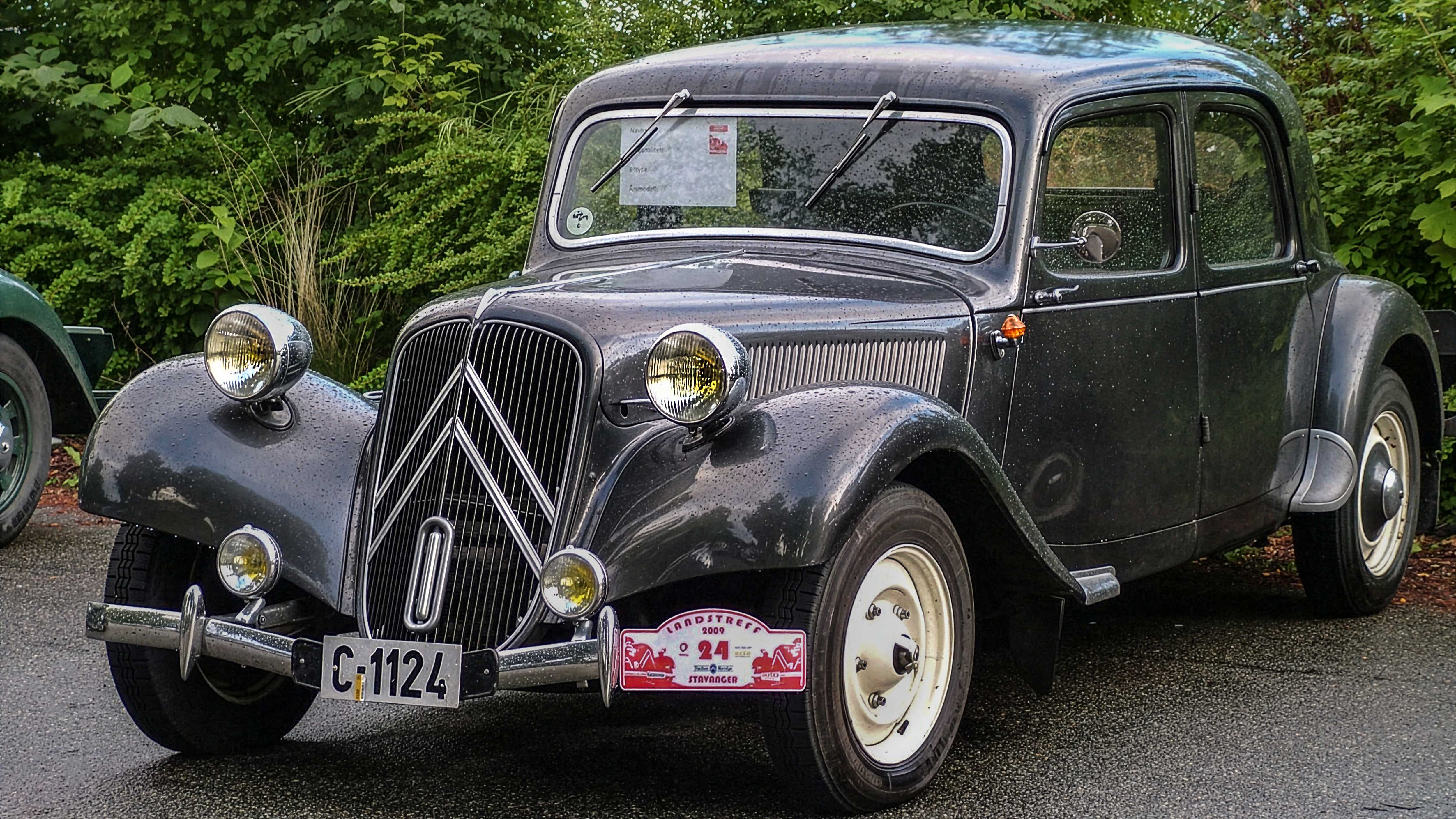
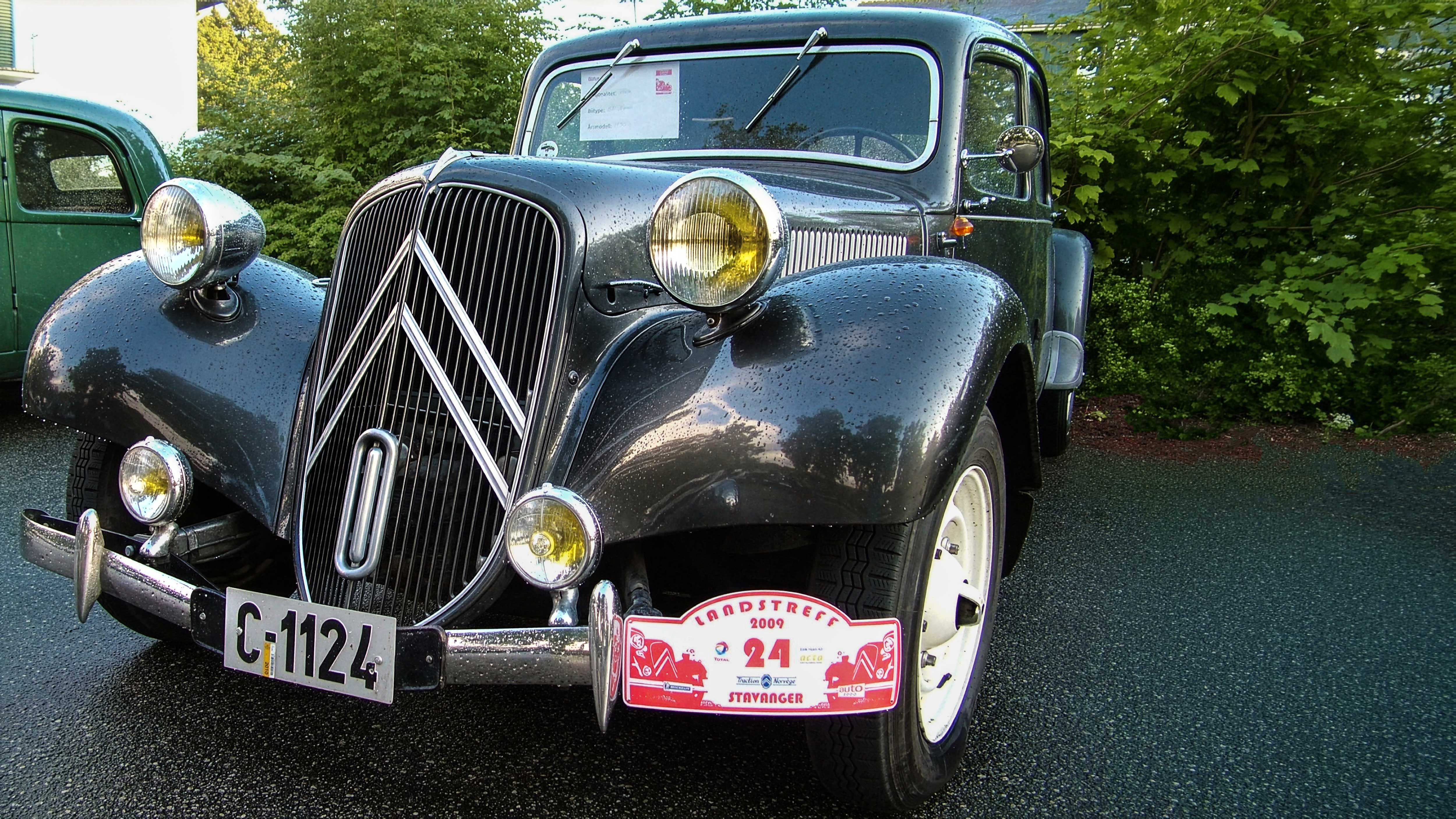
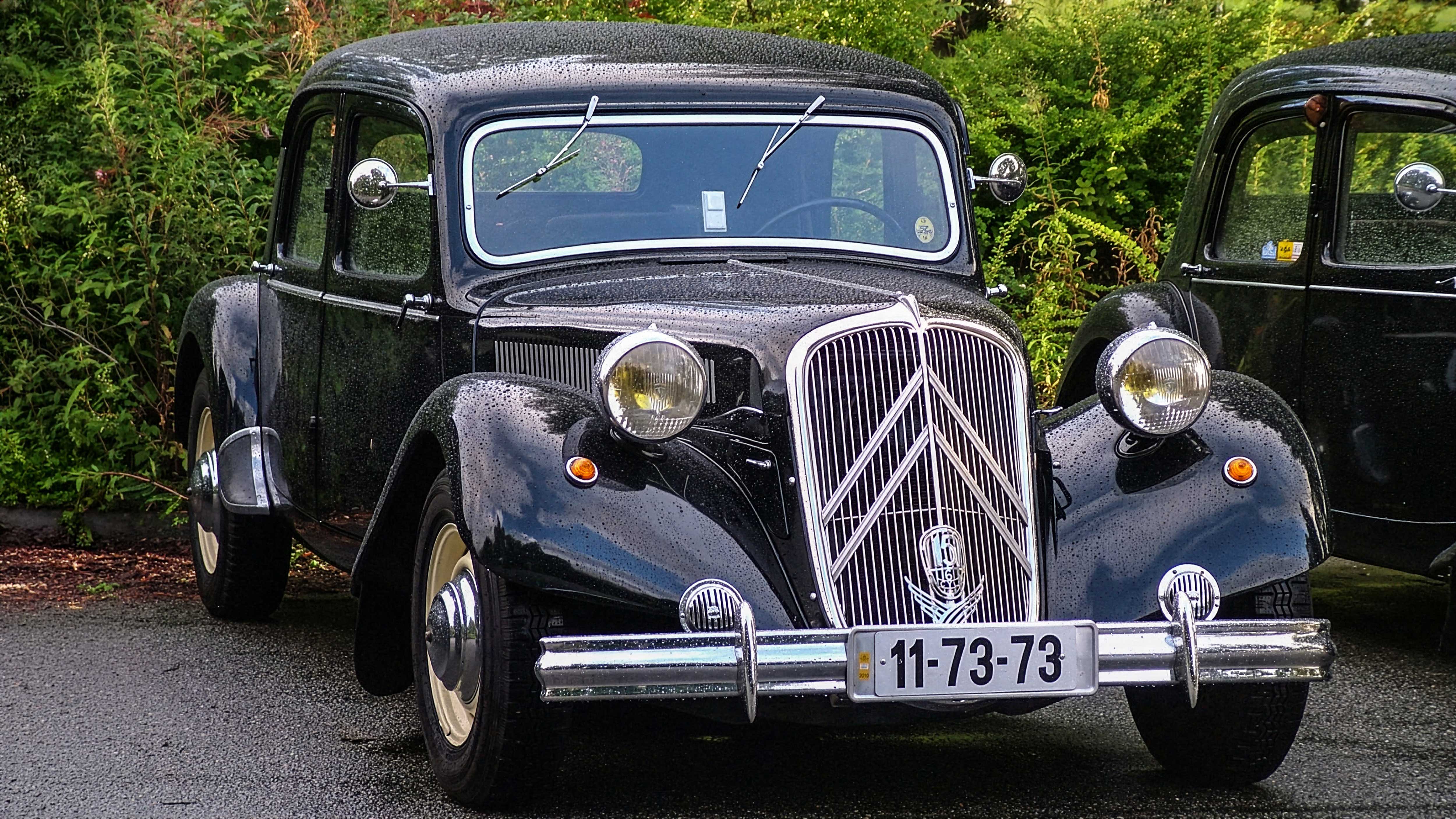
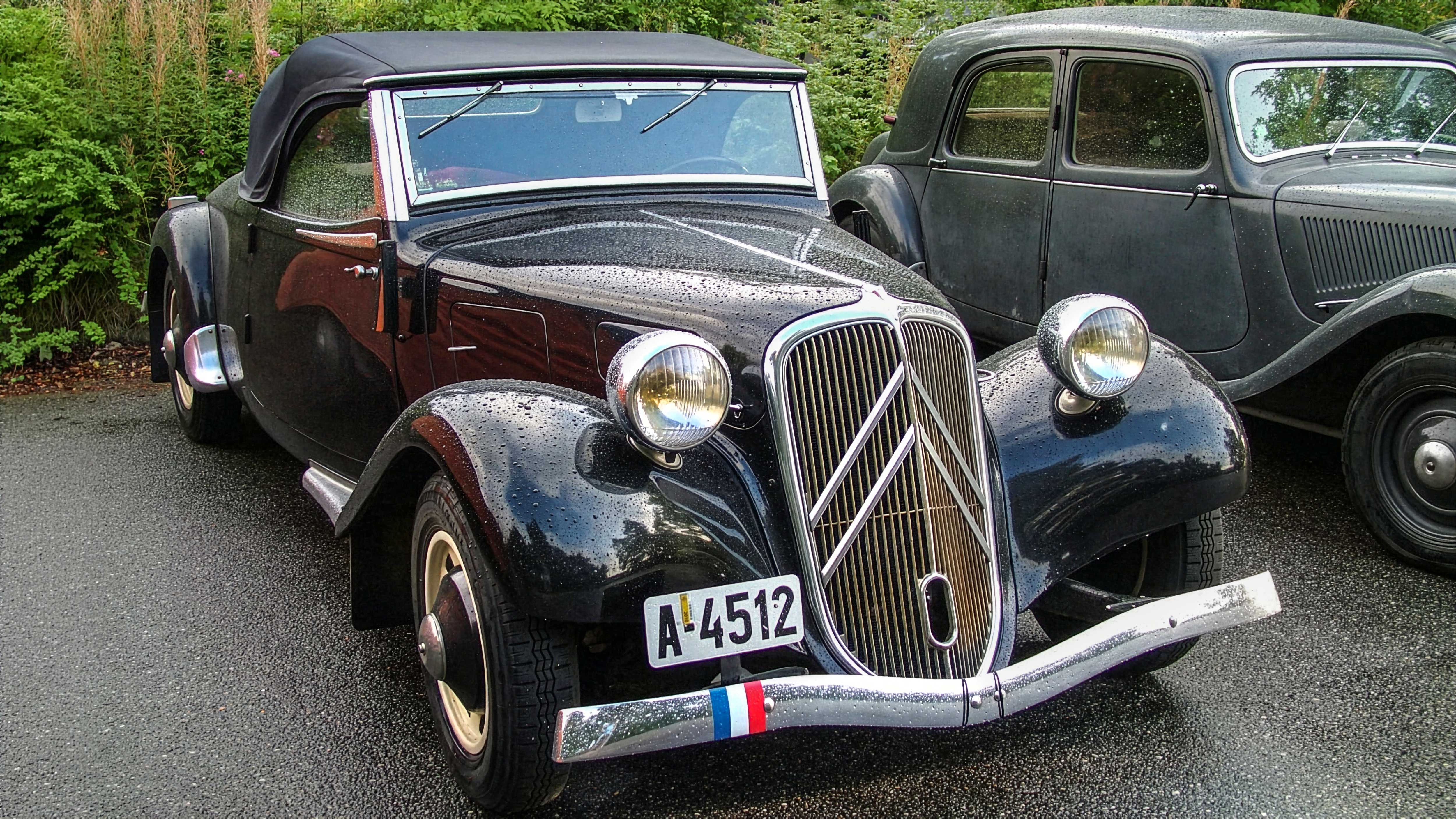
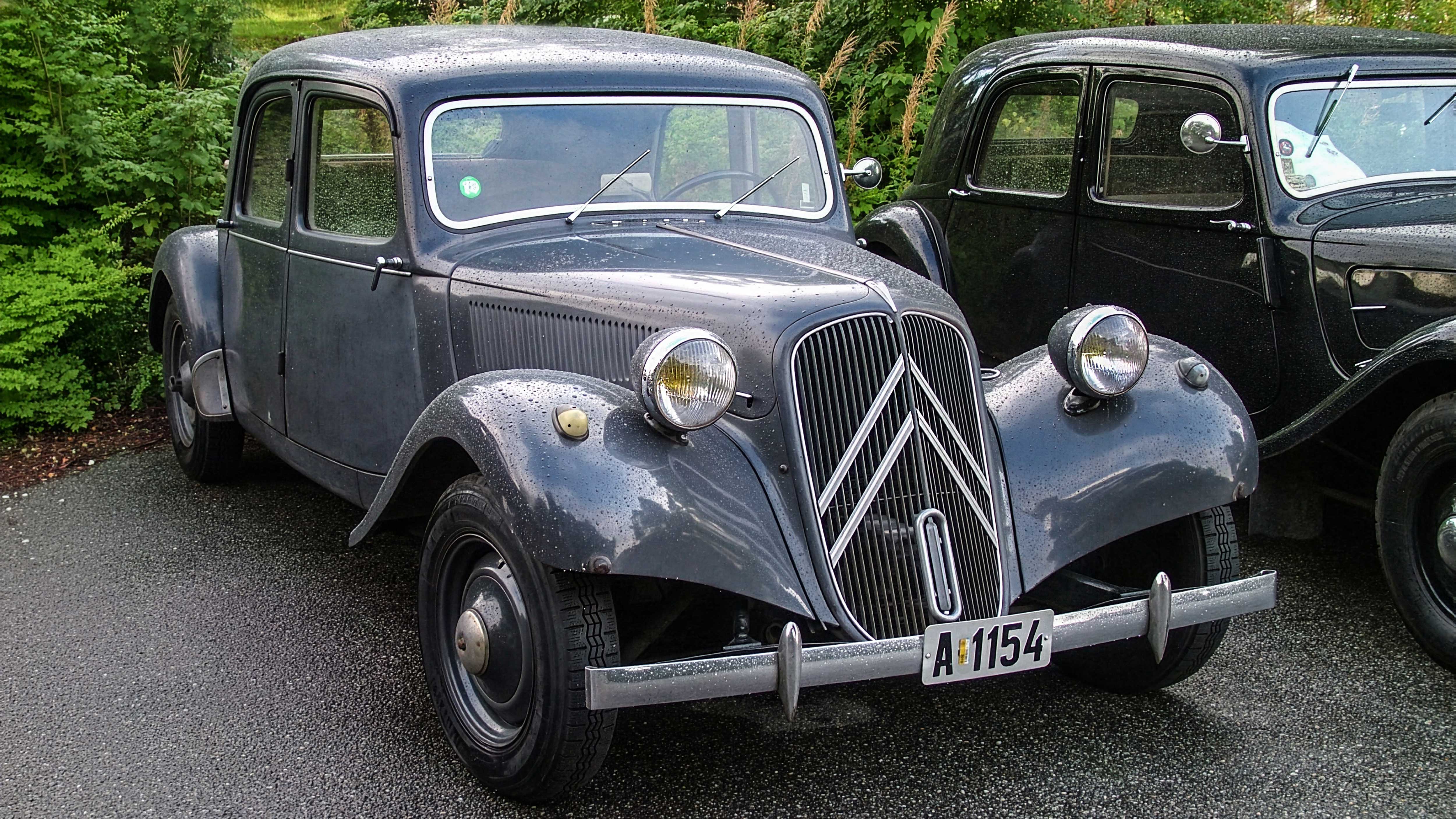
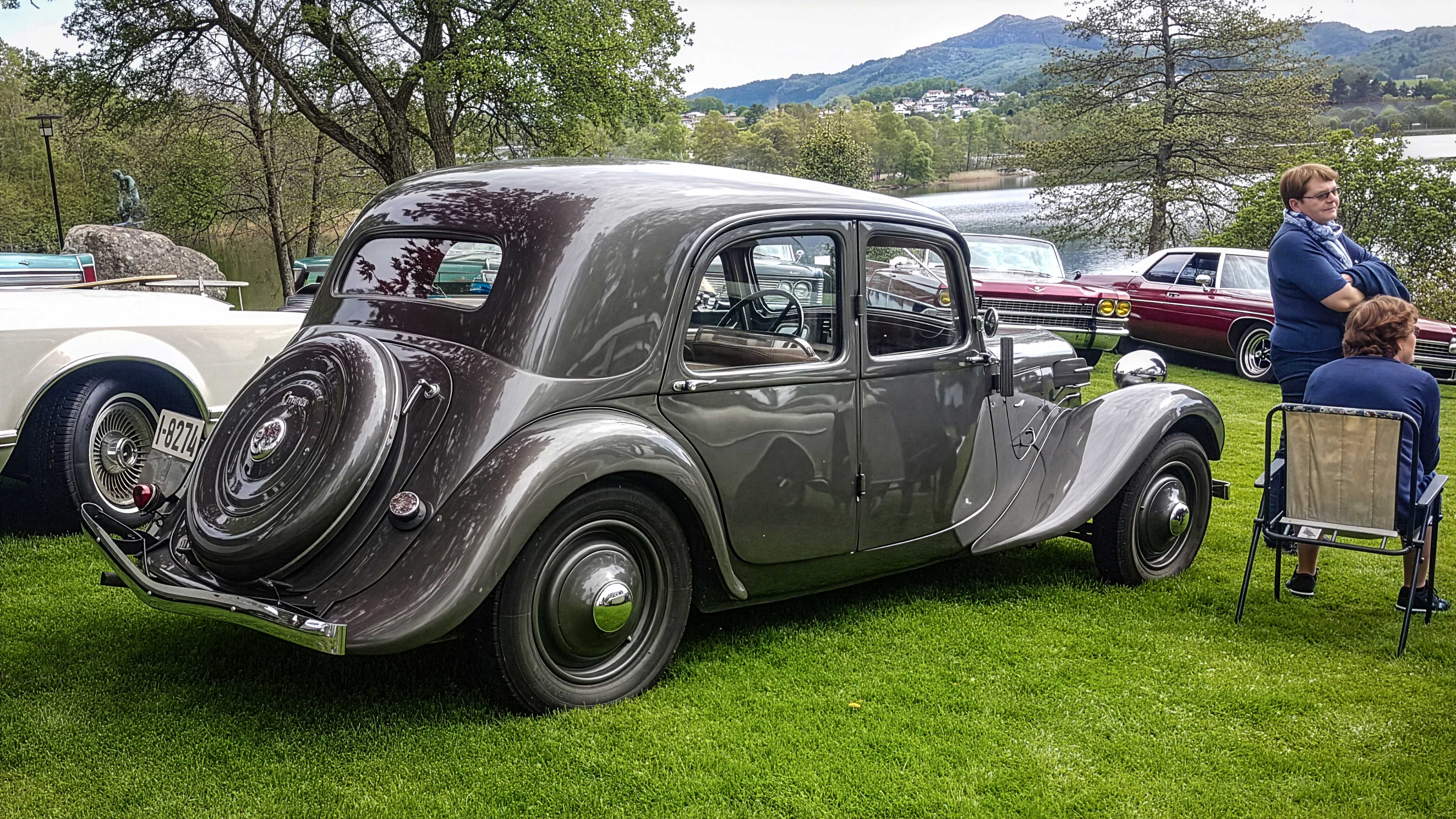
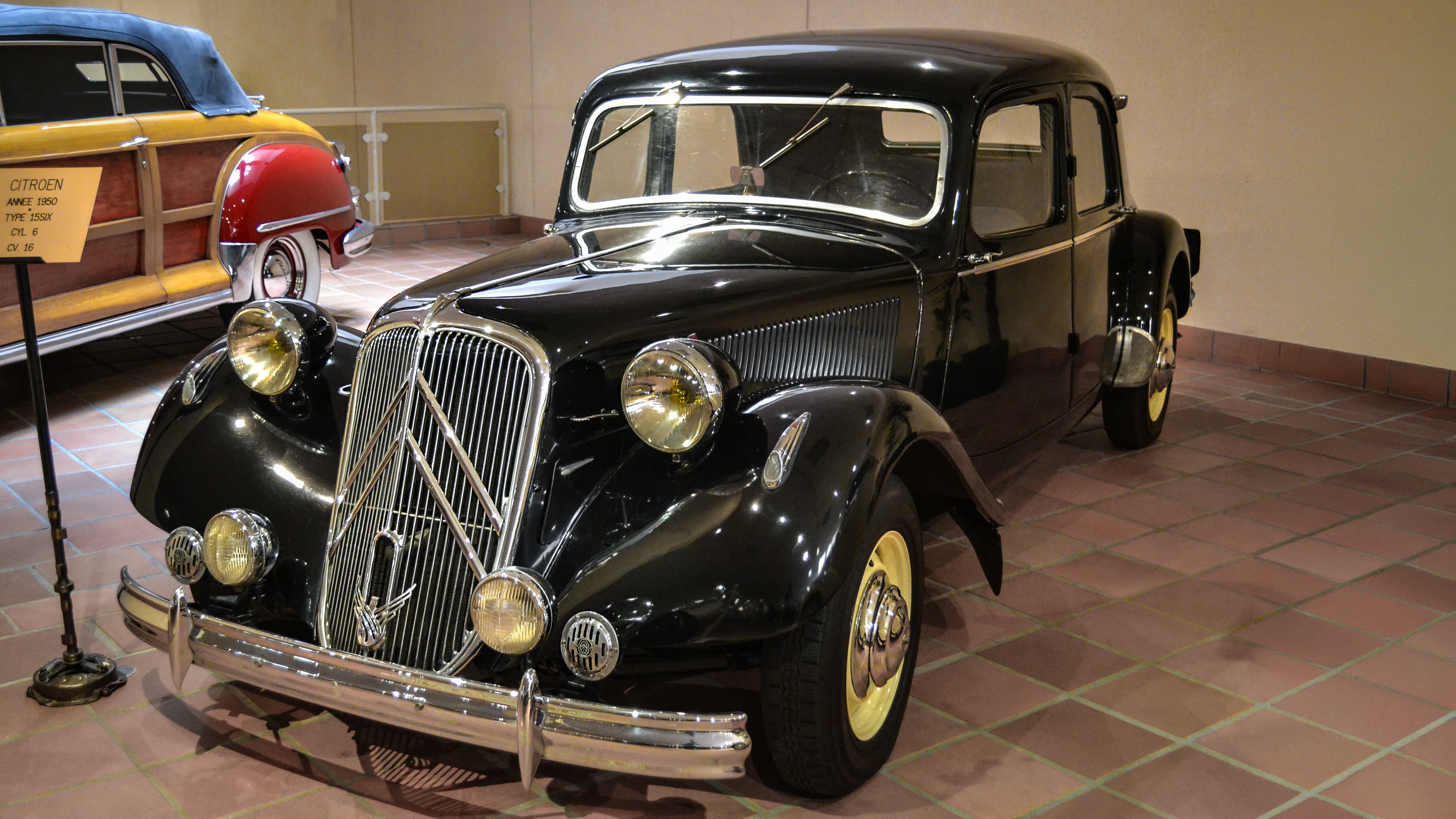
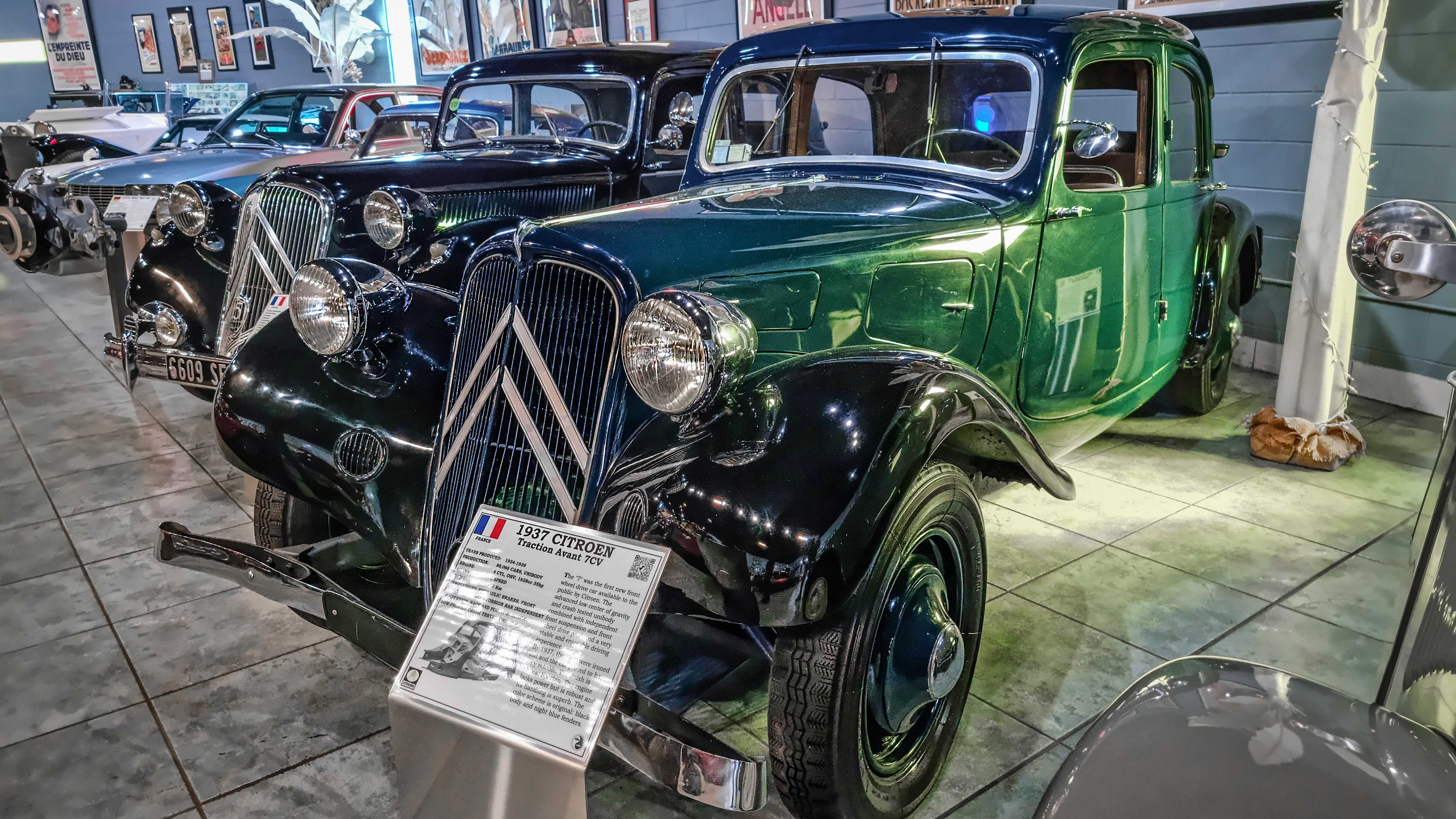
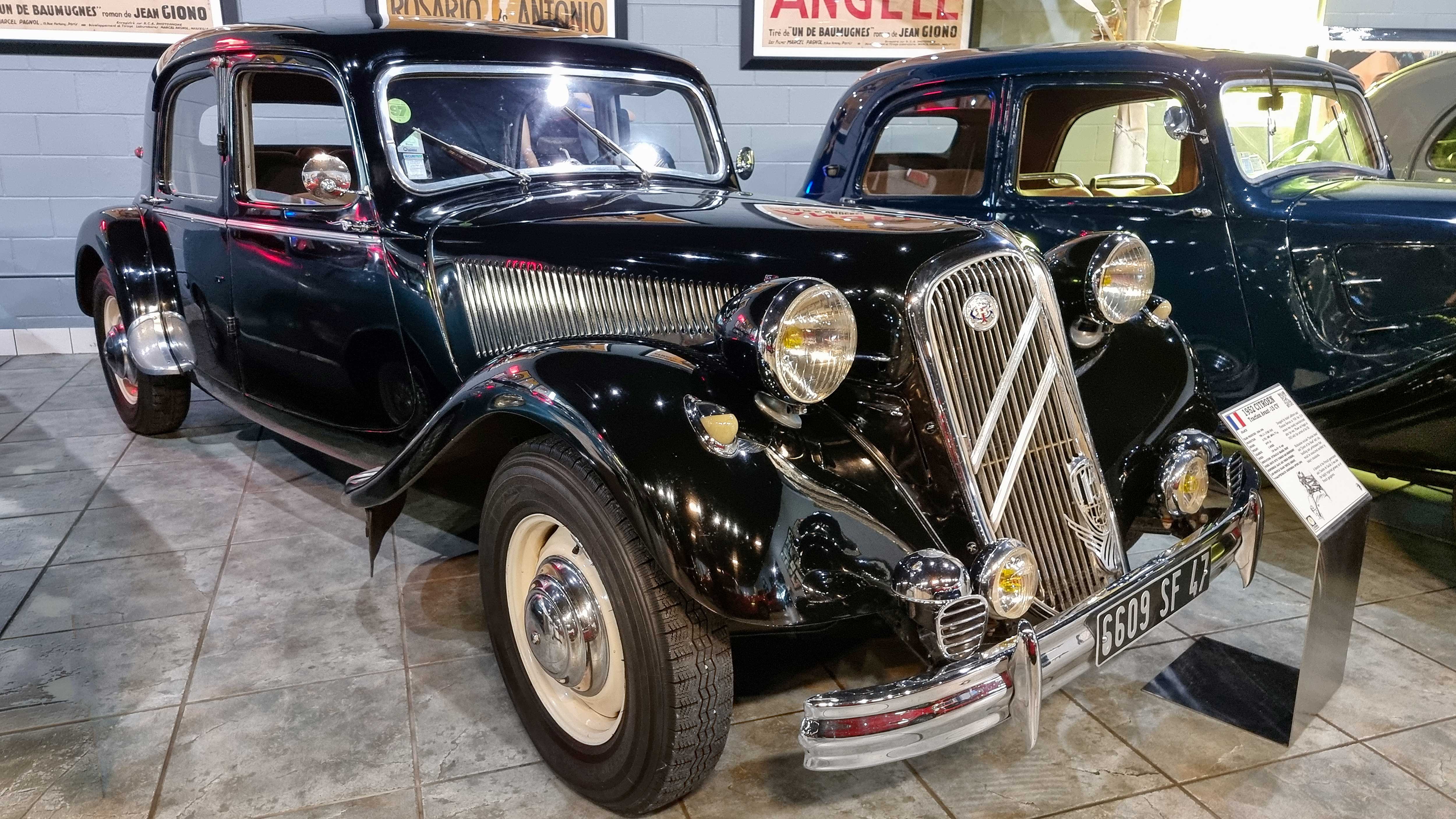
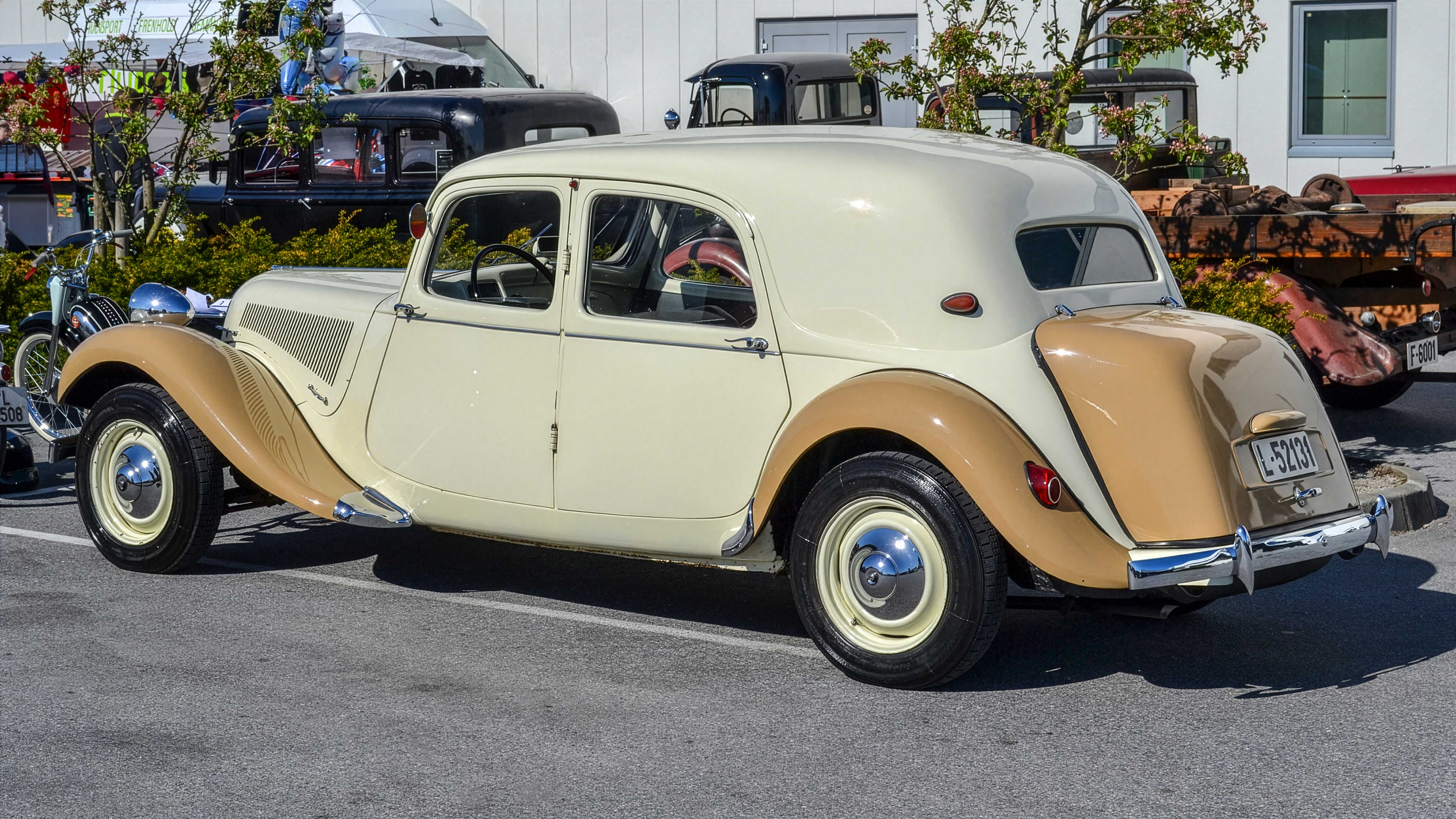
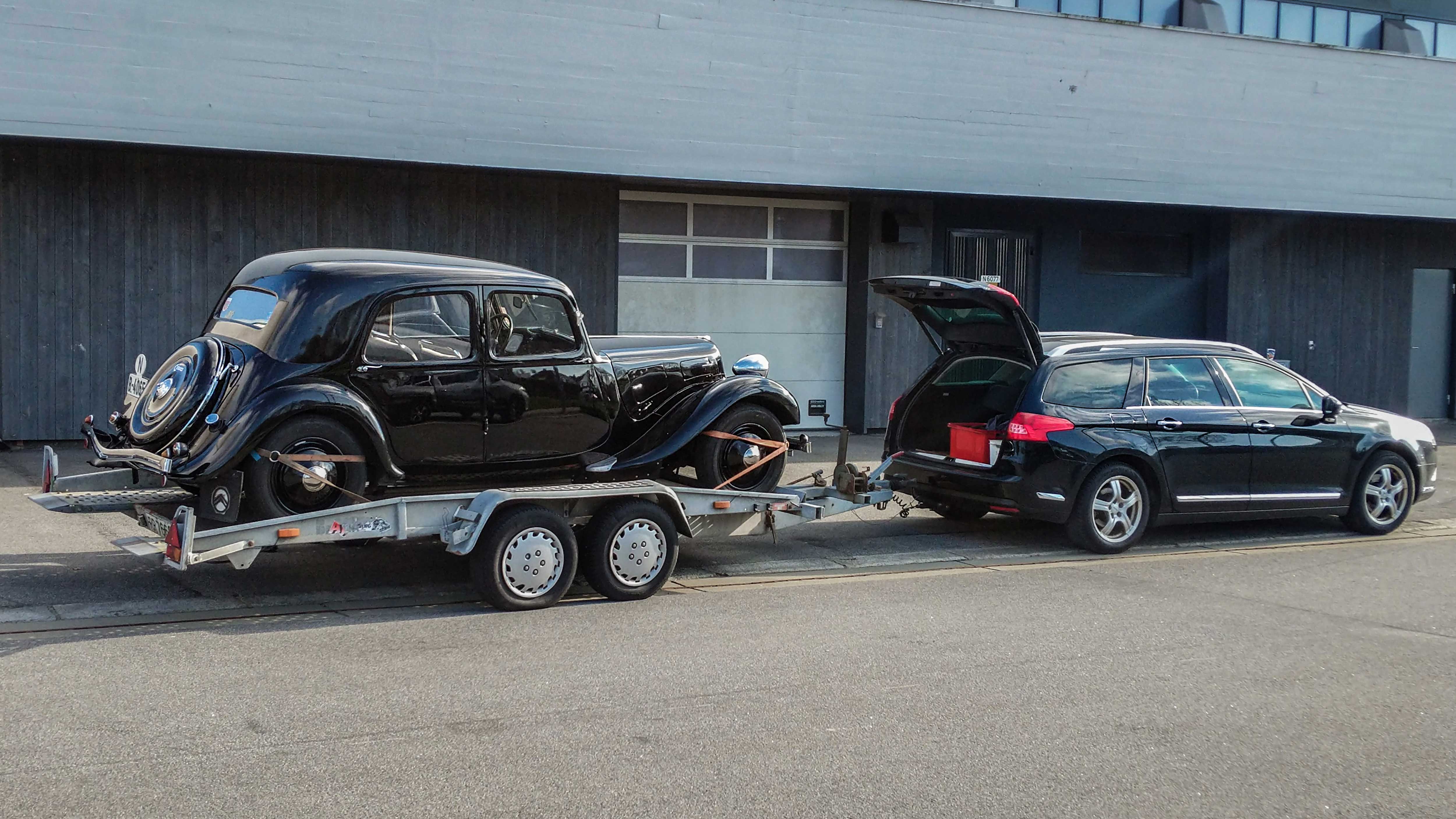
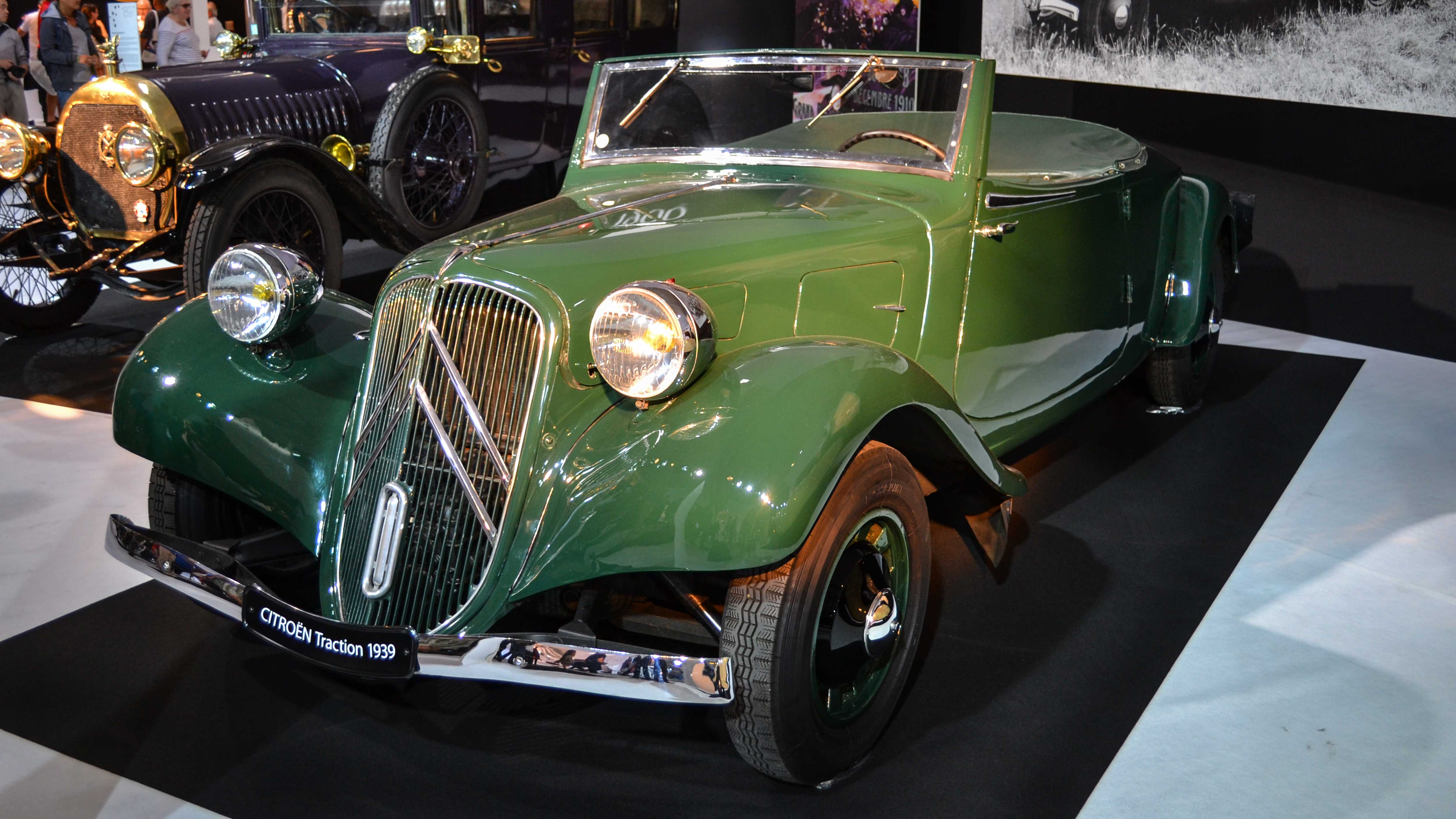
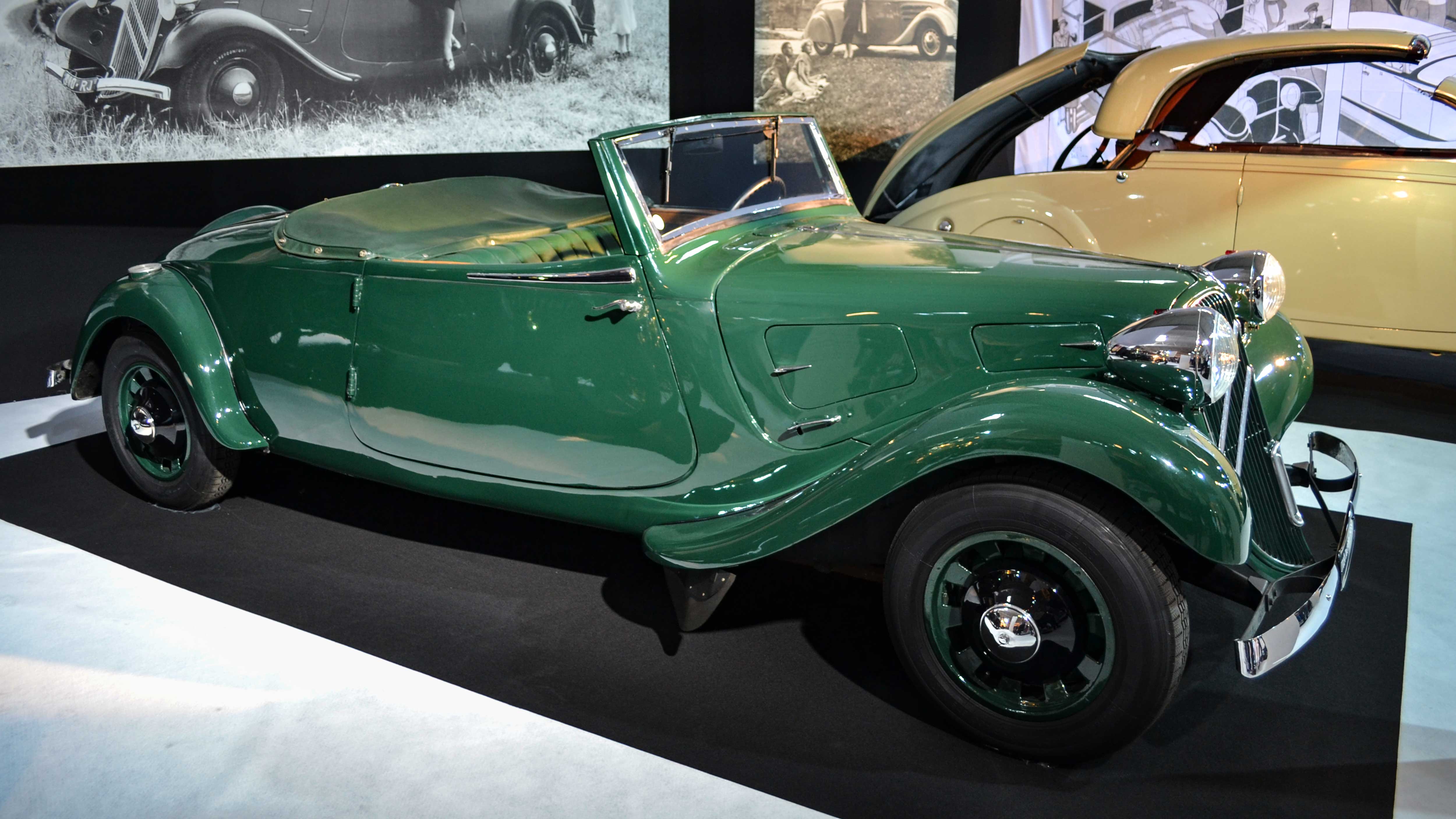
The Traction Avant (1934–1957) revolutionized car design with front-wheel drive and a monocoque body. As a result, engines from 1.3 to 2.9 liters delivered stable handling, low center of gravity, and strong road holding for its era.
SM
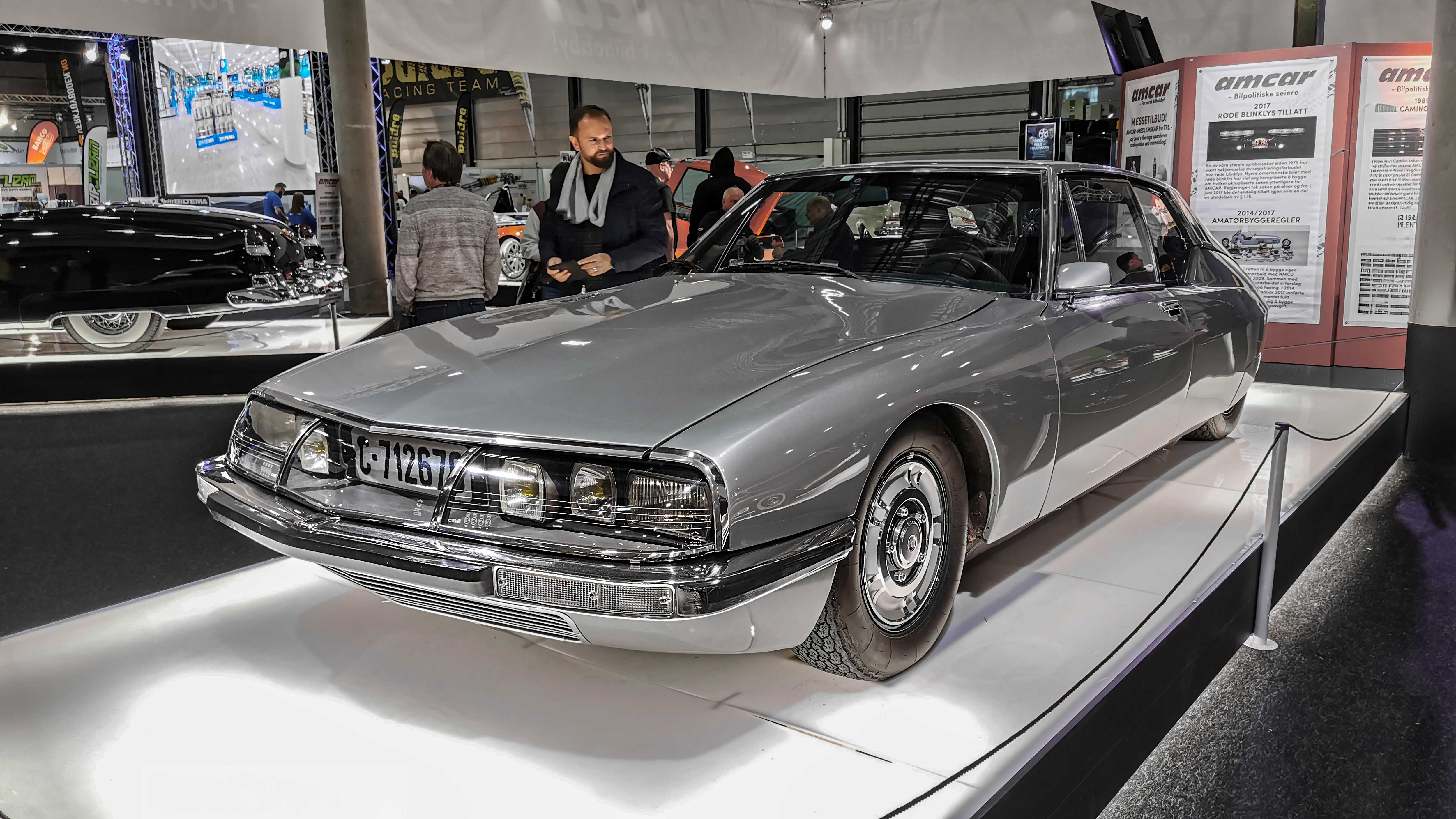
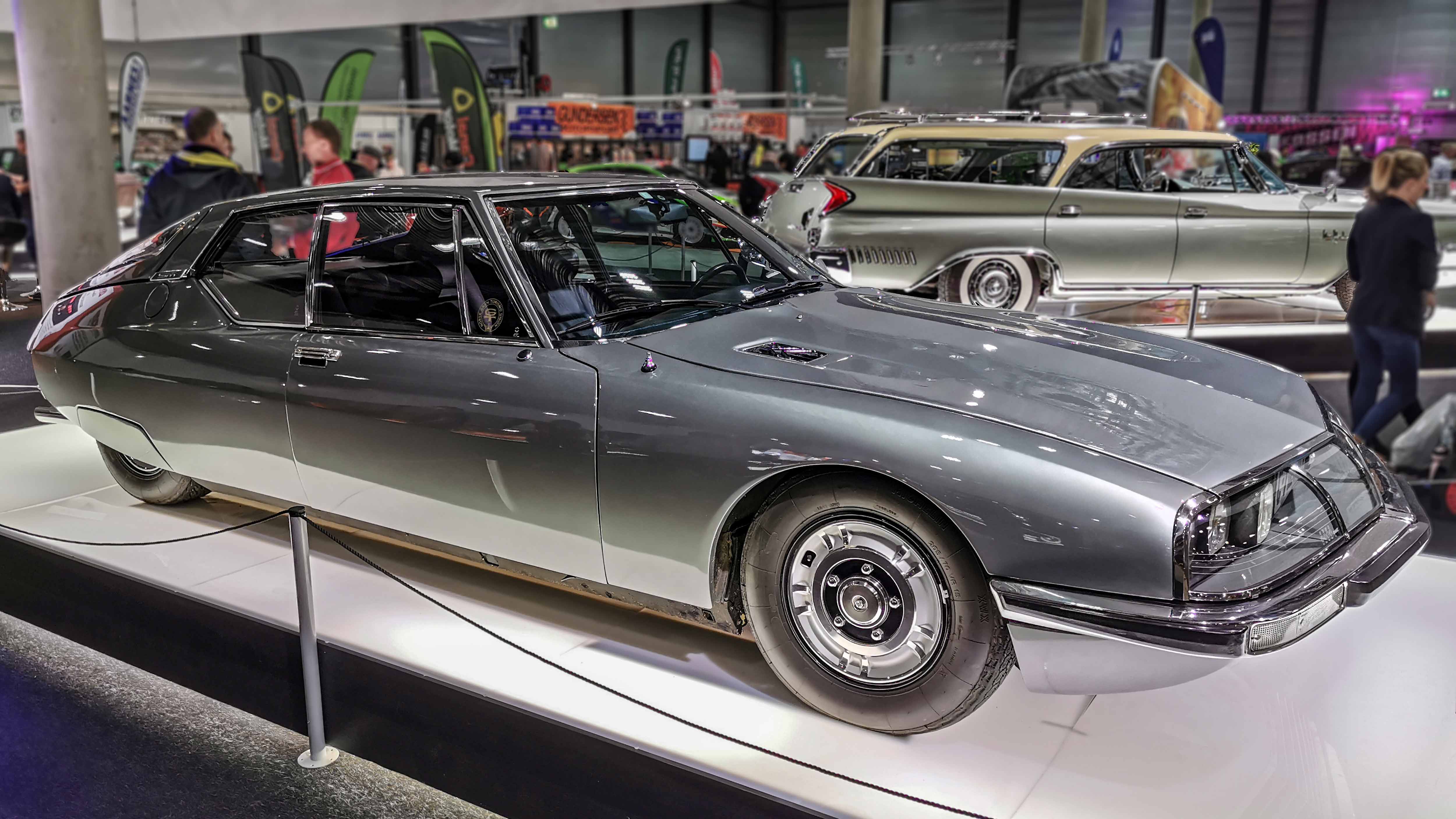
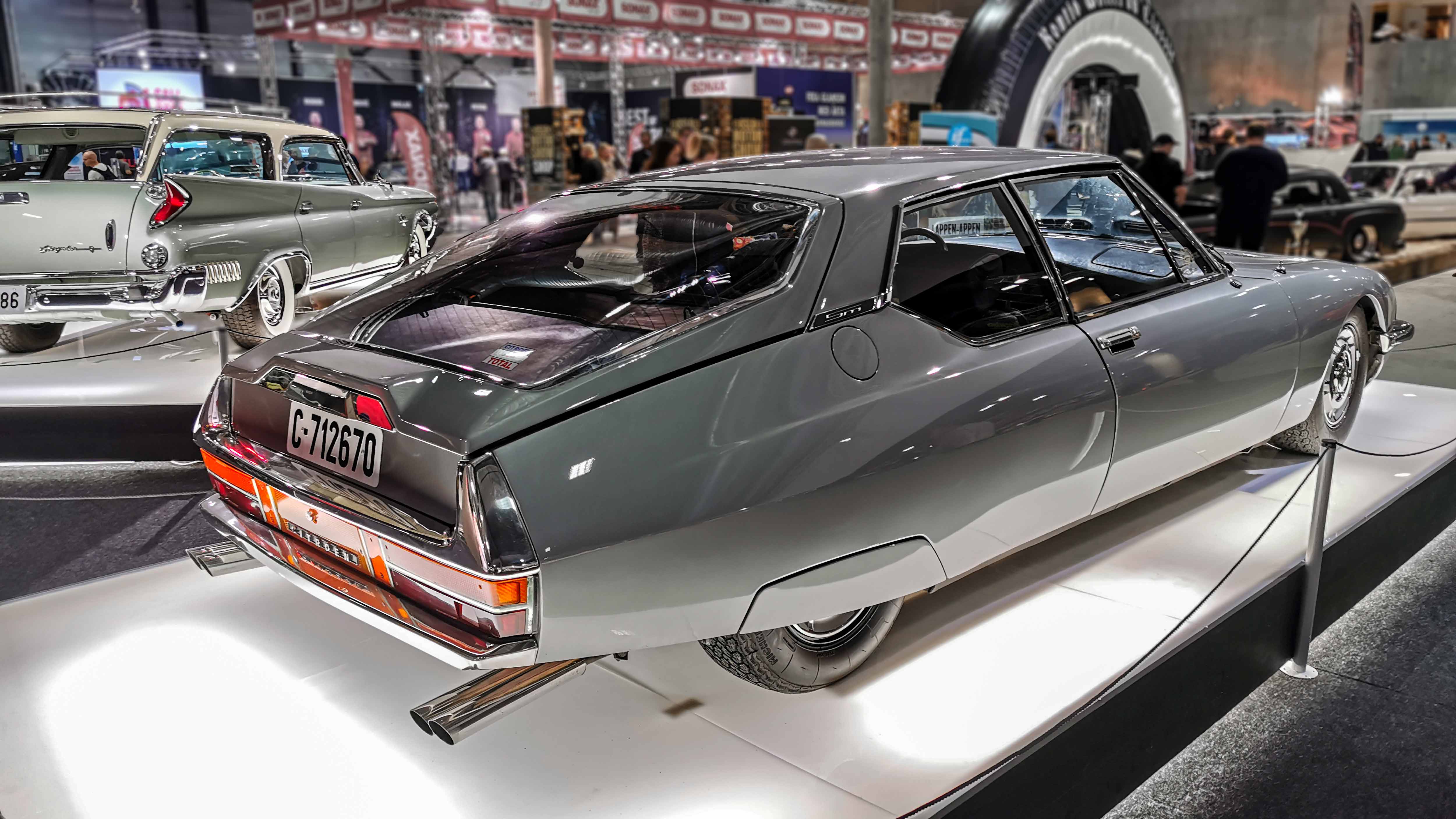
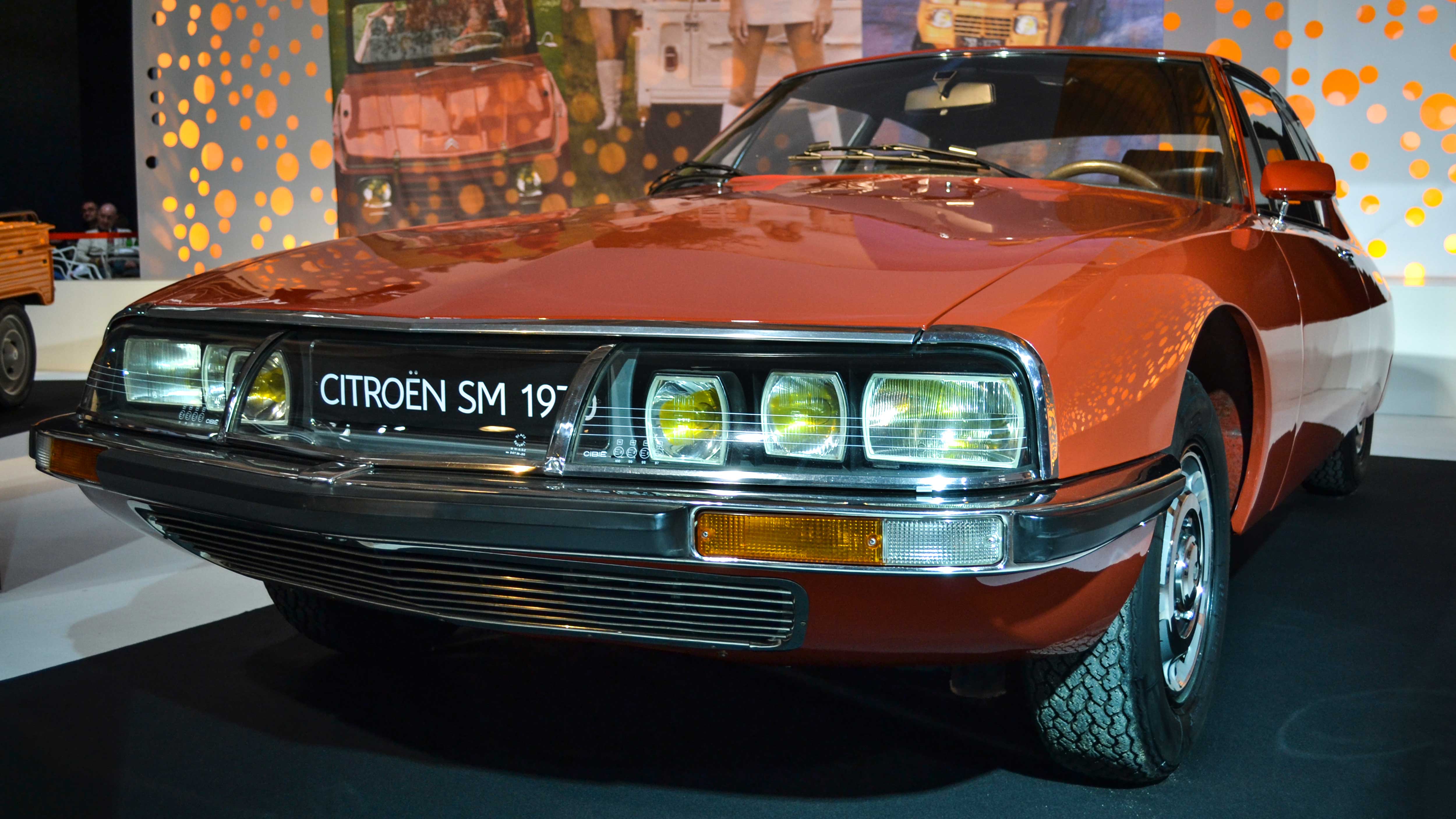
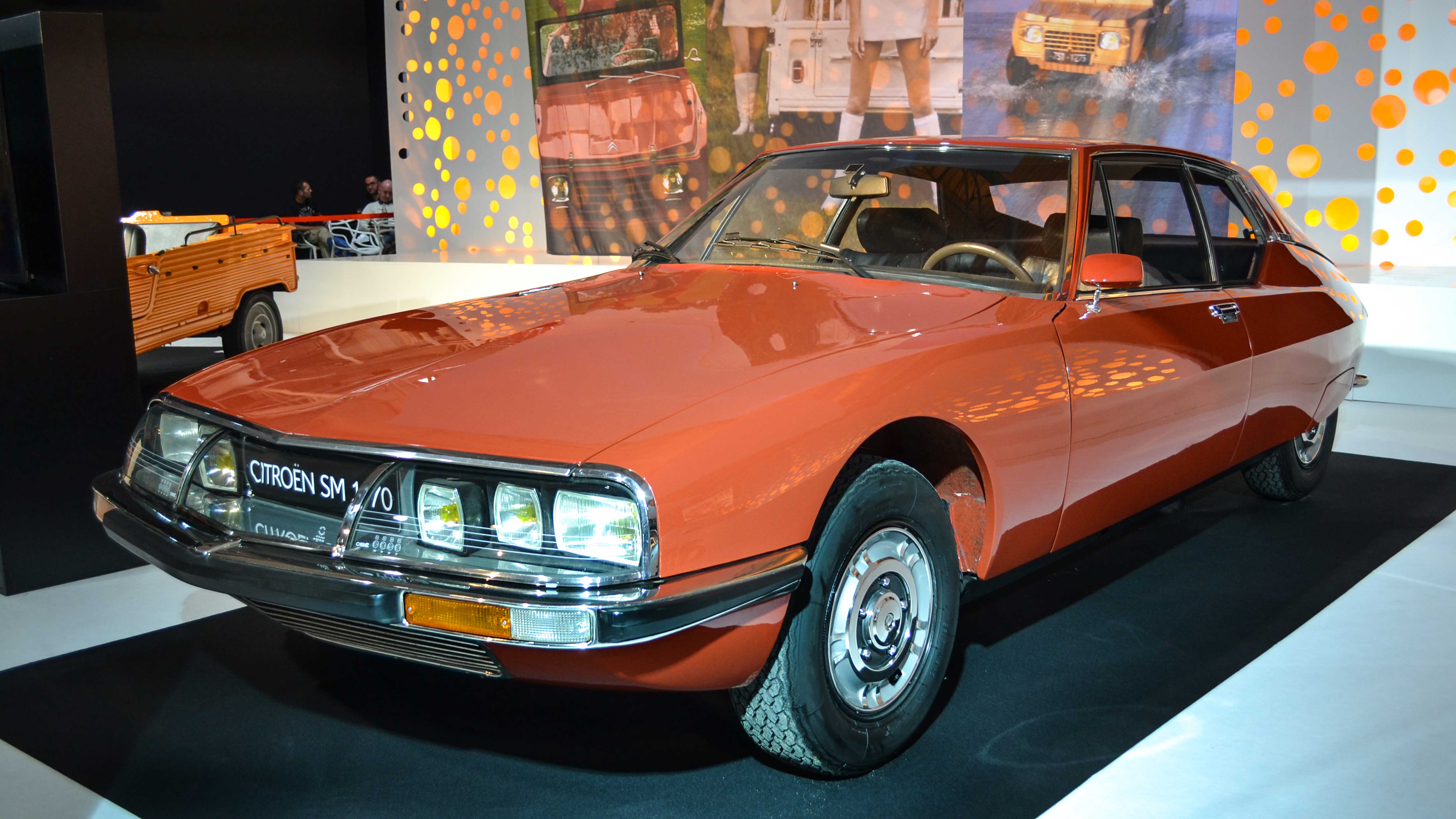
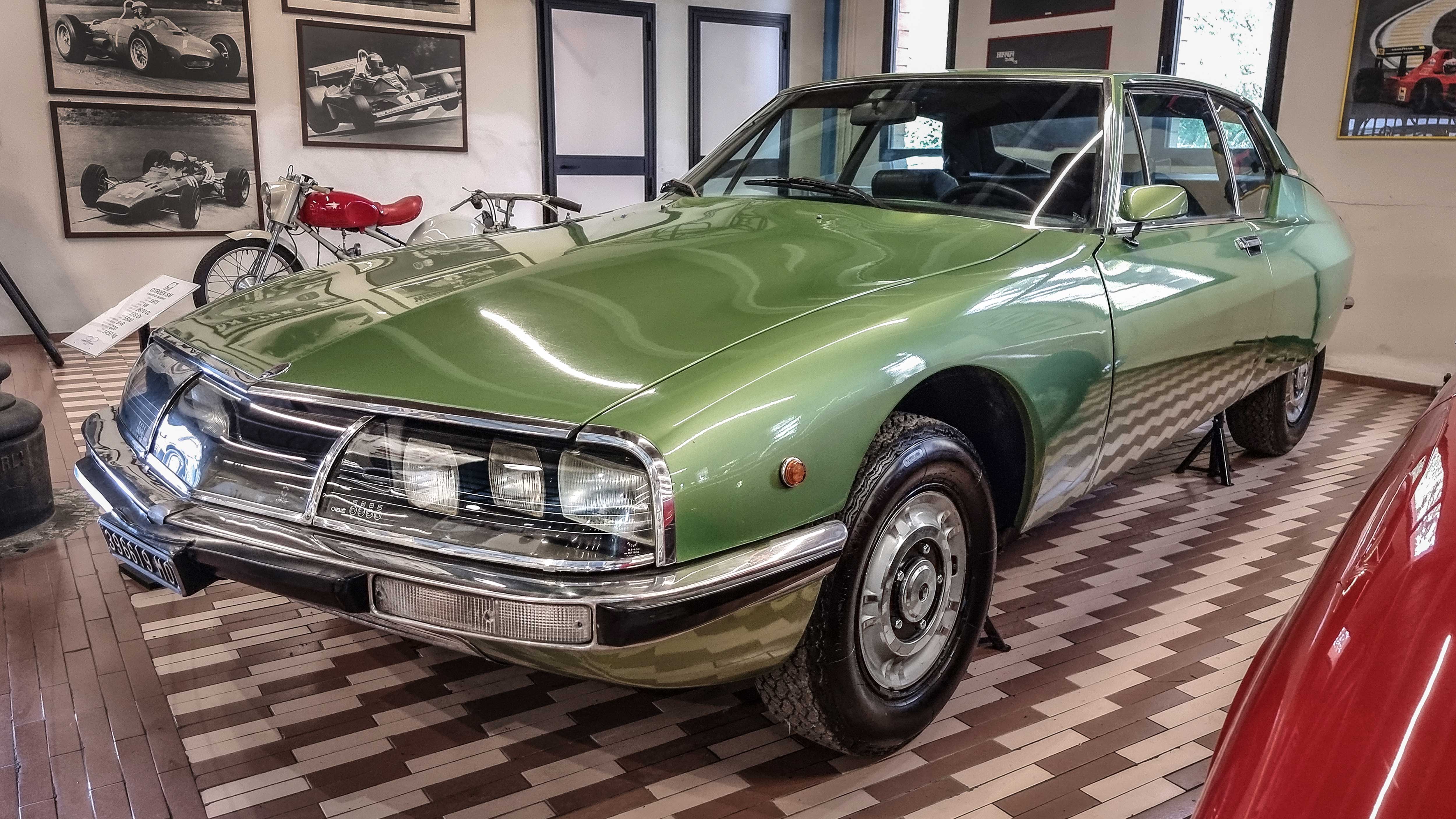
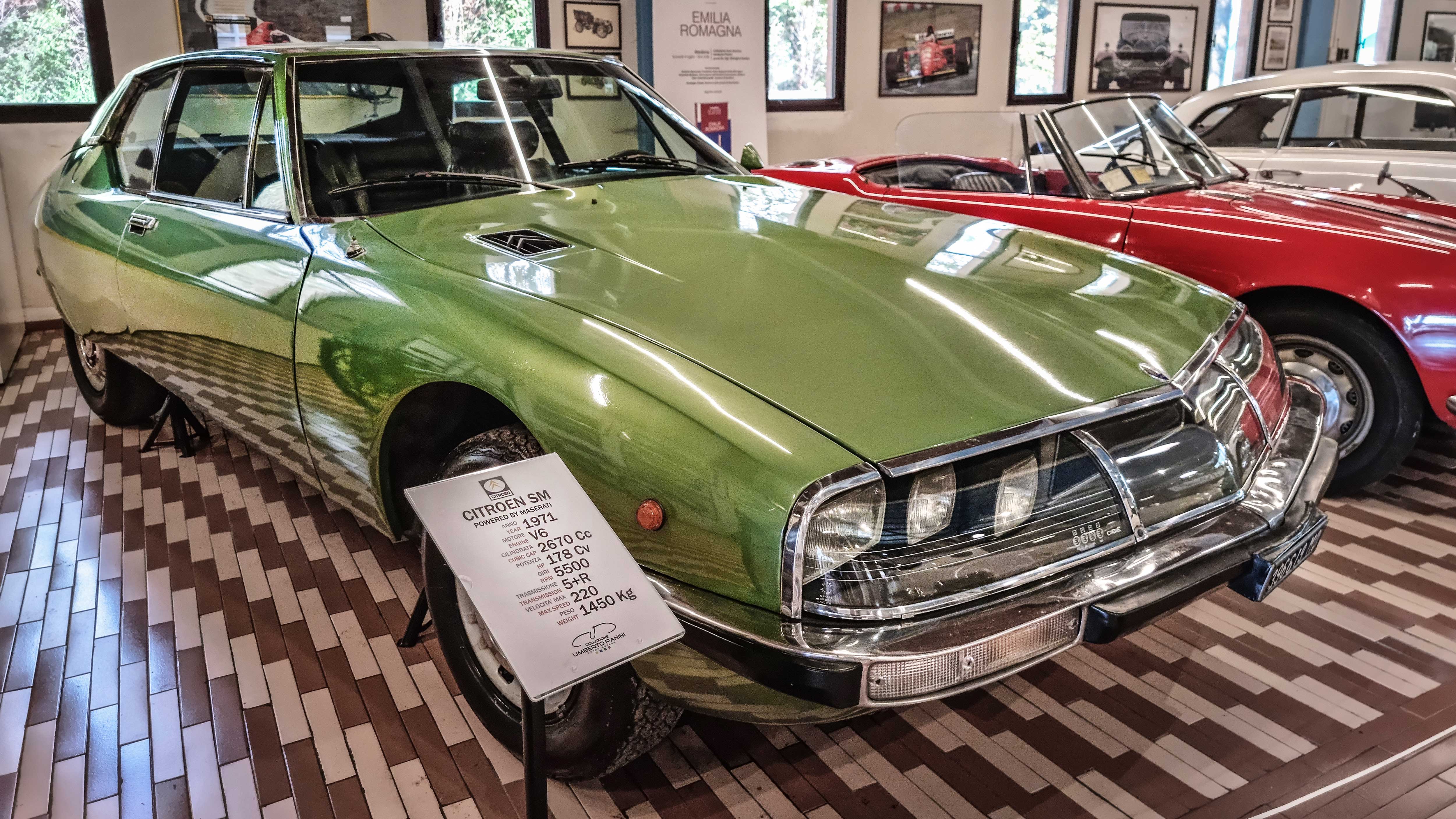
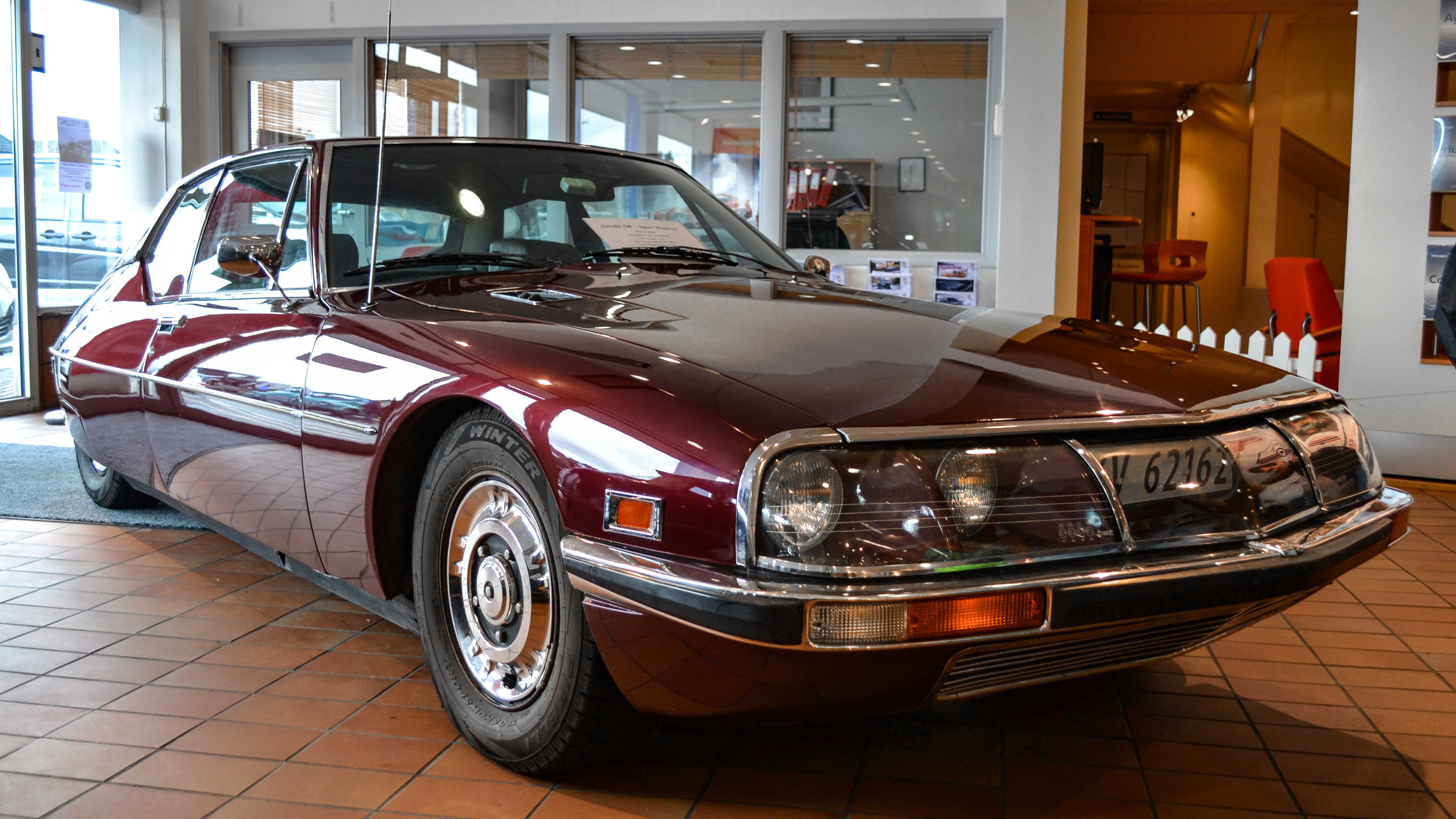
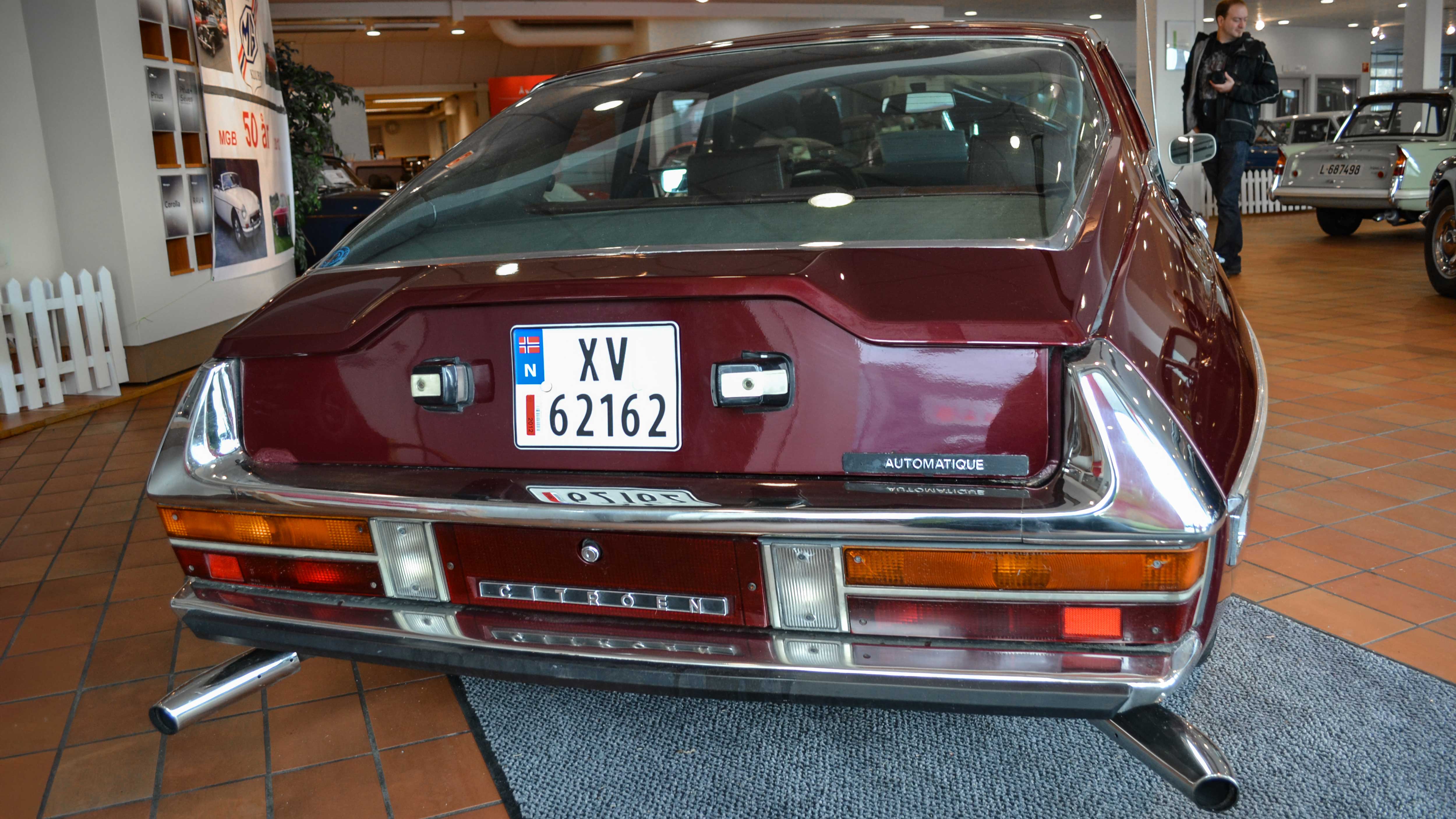
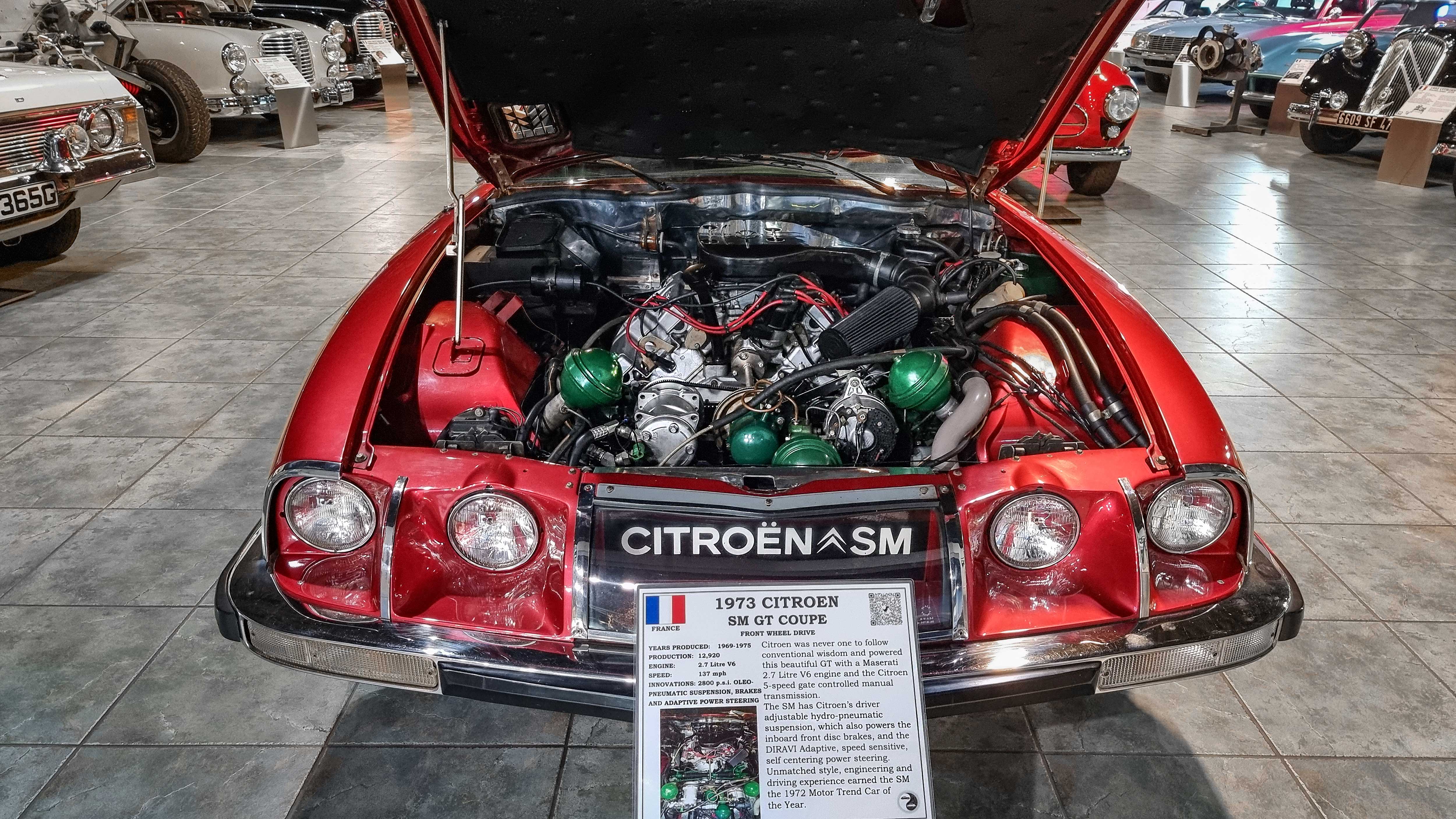
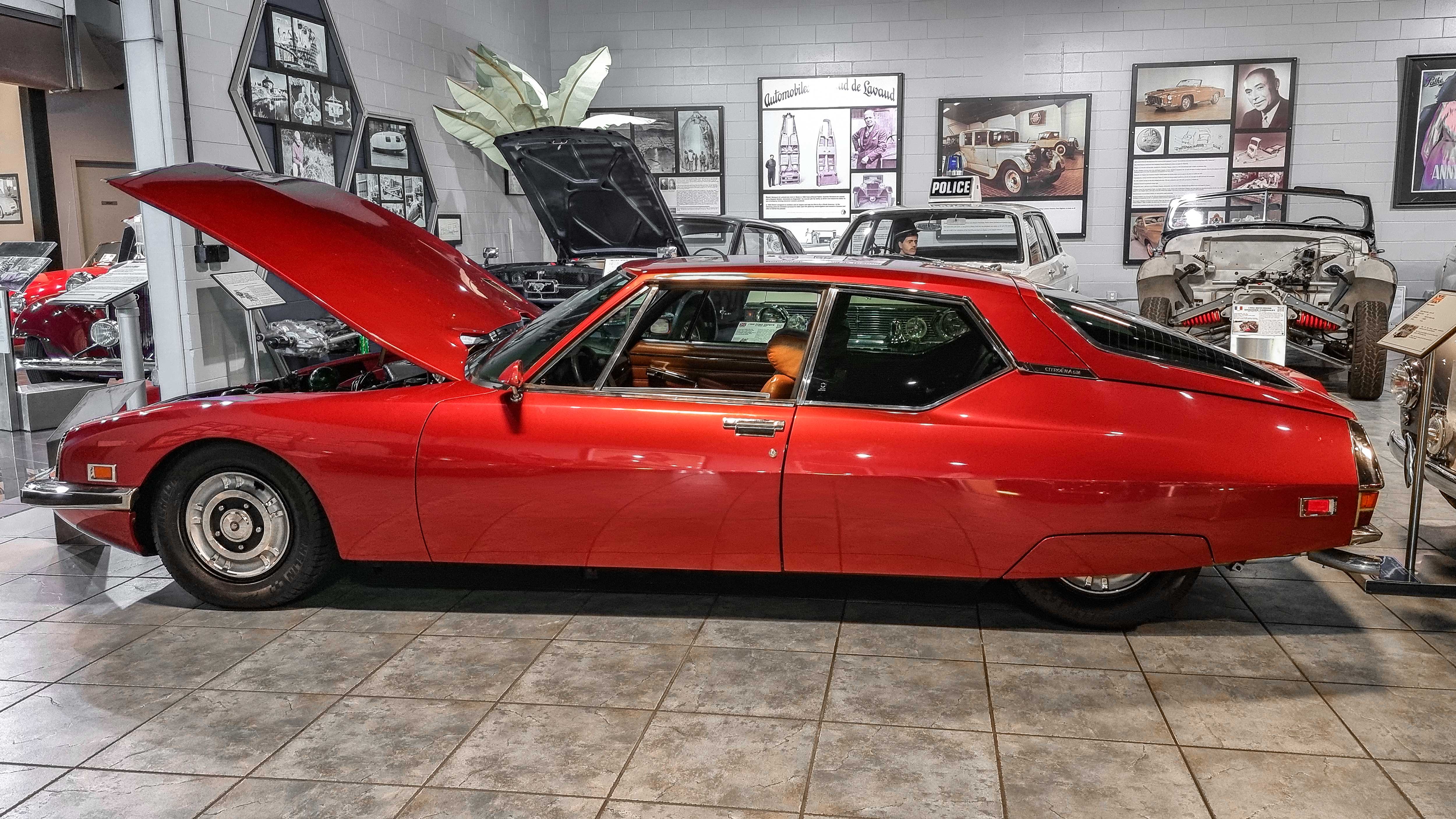
The SM (1970–1975) combined advanced Citroën comfort with Maserati V6 power. As a result, its hydropneumatic suspension and 2.7 to 3.0 V6 engines up to about 180 hp delivered high-speed stability and refined grand touring performance.
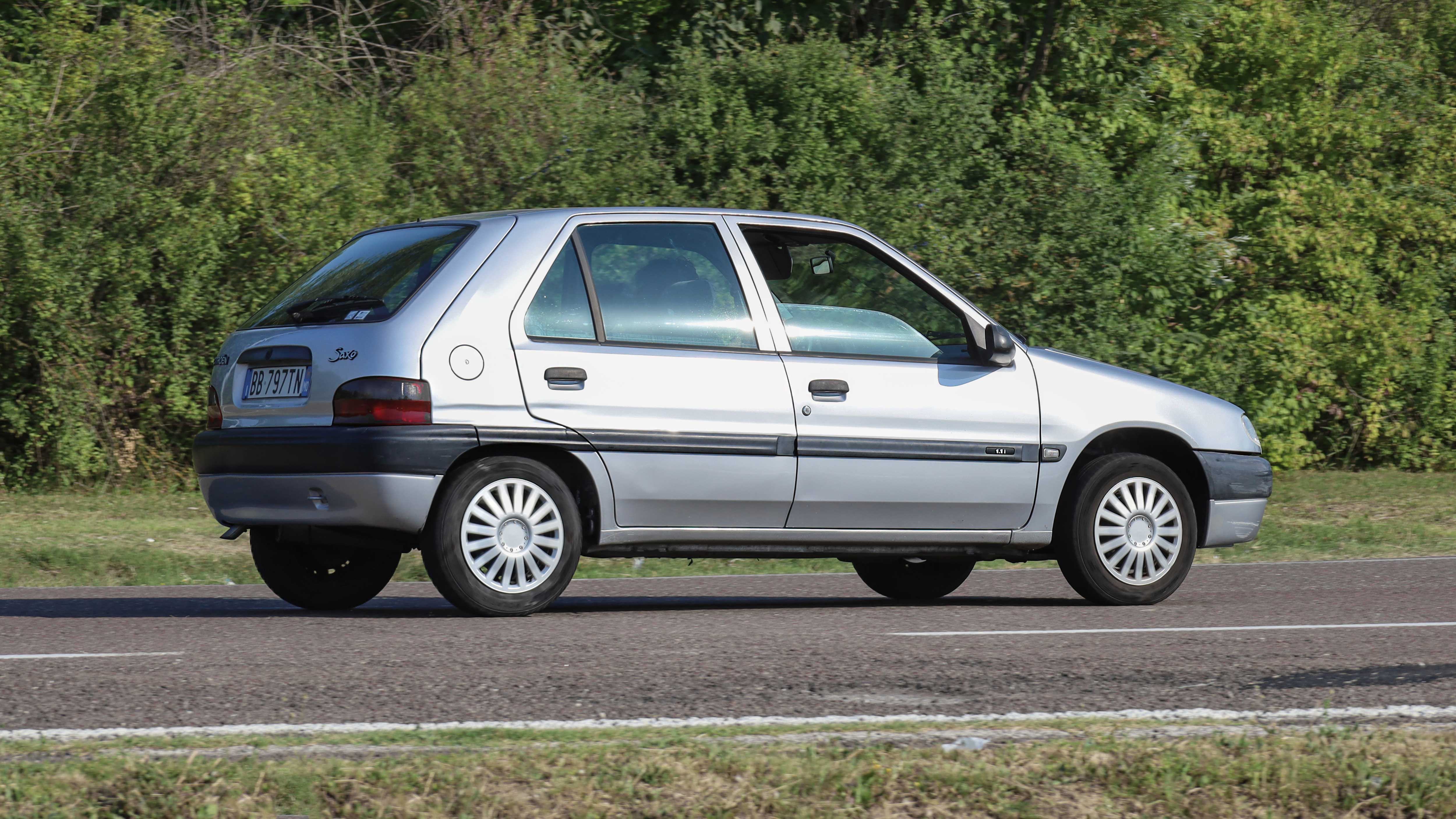
Saxo
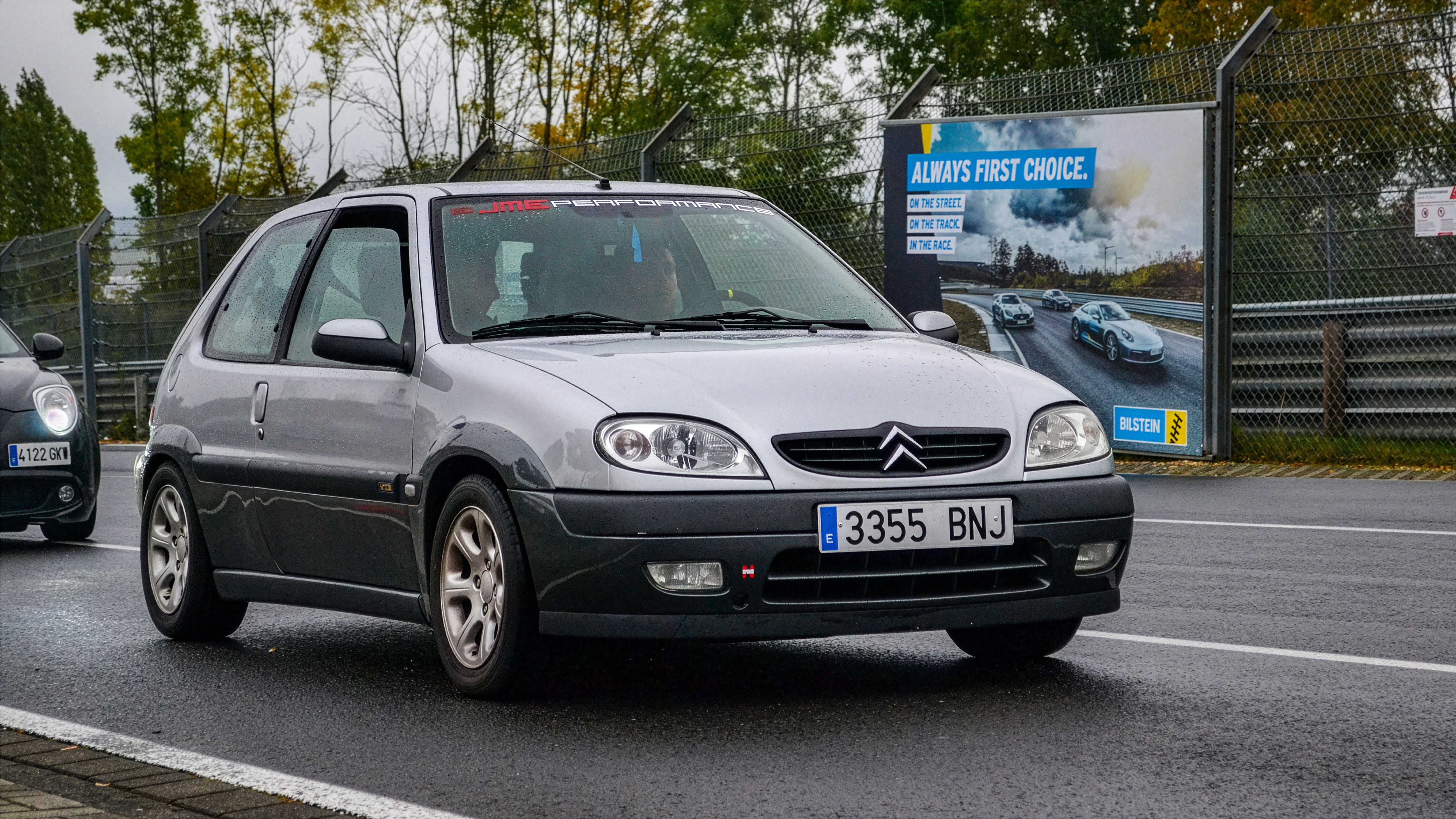
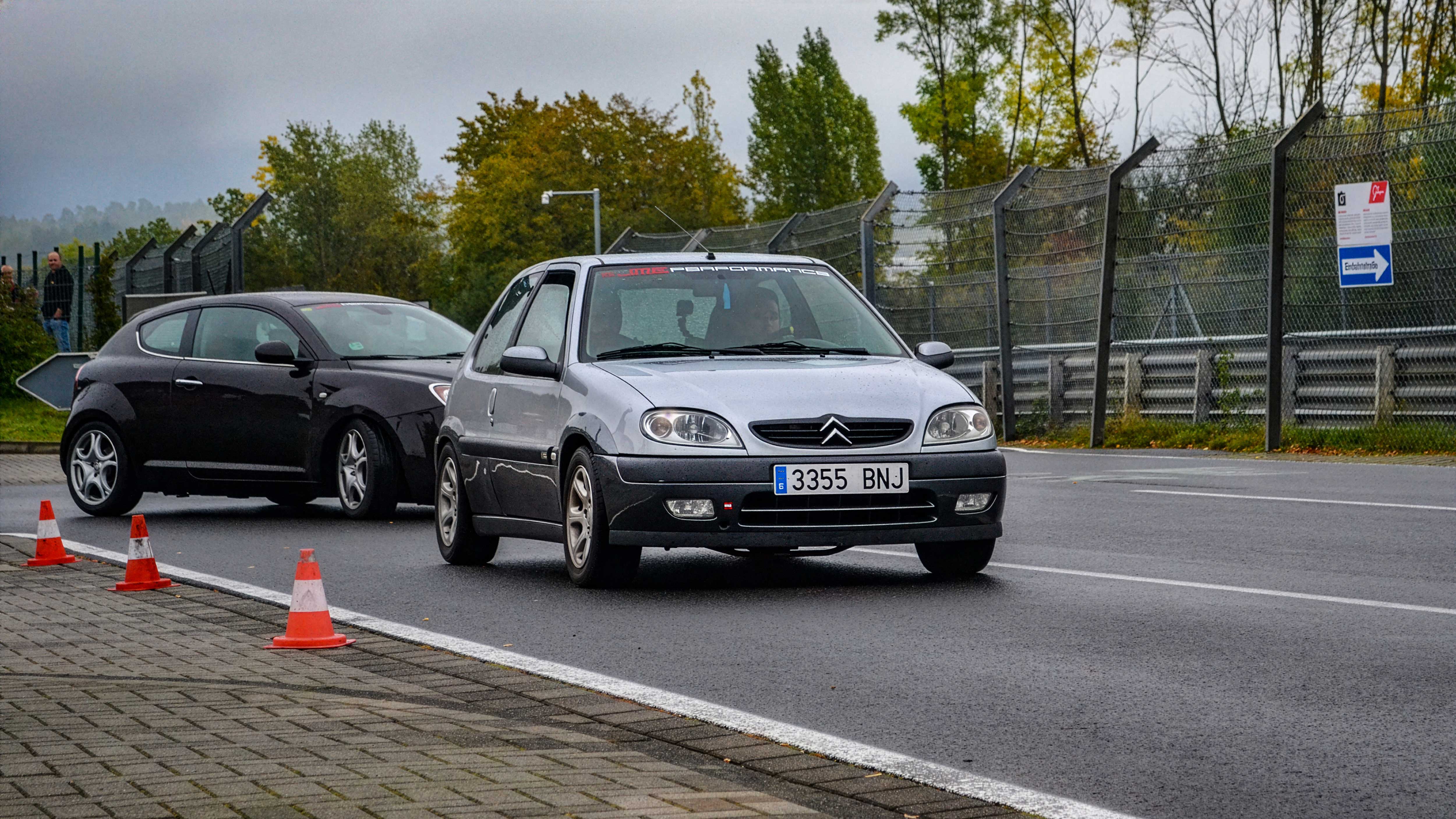
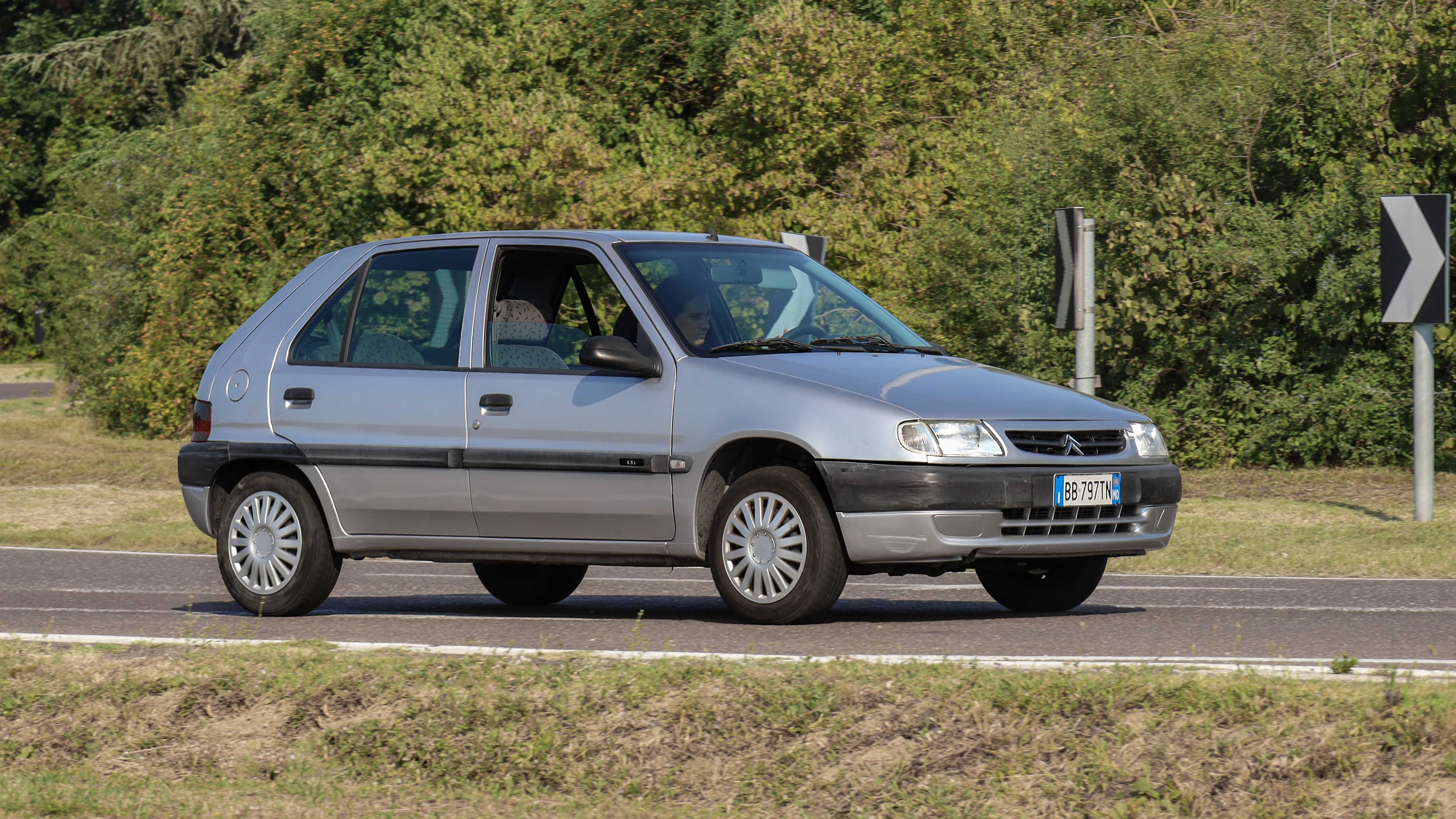
The Saxo (1996–2003) served as a lightweight supermini with simple mechanics and low running costs. As a result, petrol engines up to 1.6 liters and the Saxo VTS at about 120 hp delivered agile handling and strong enthusiast appeal.
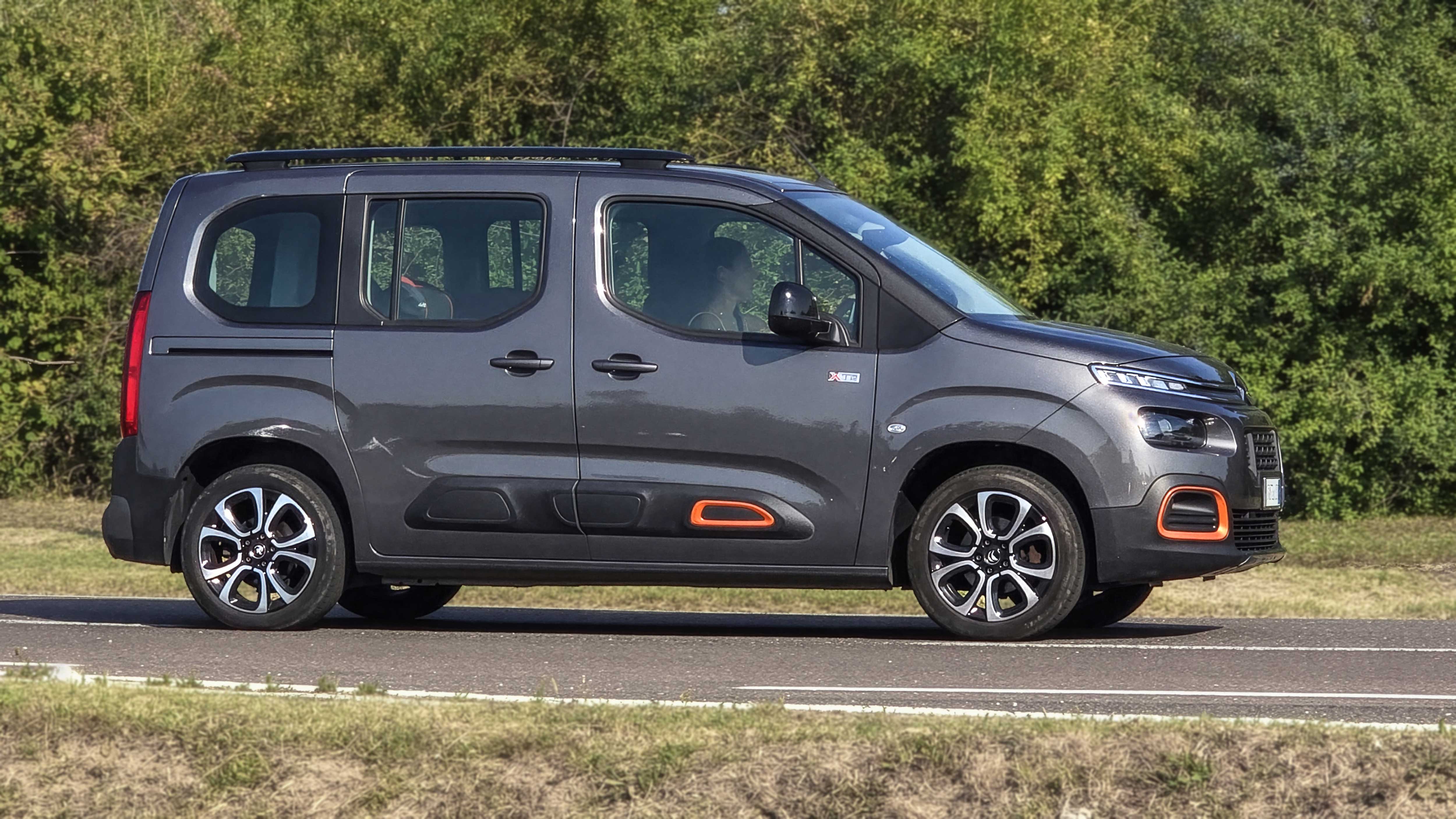
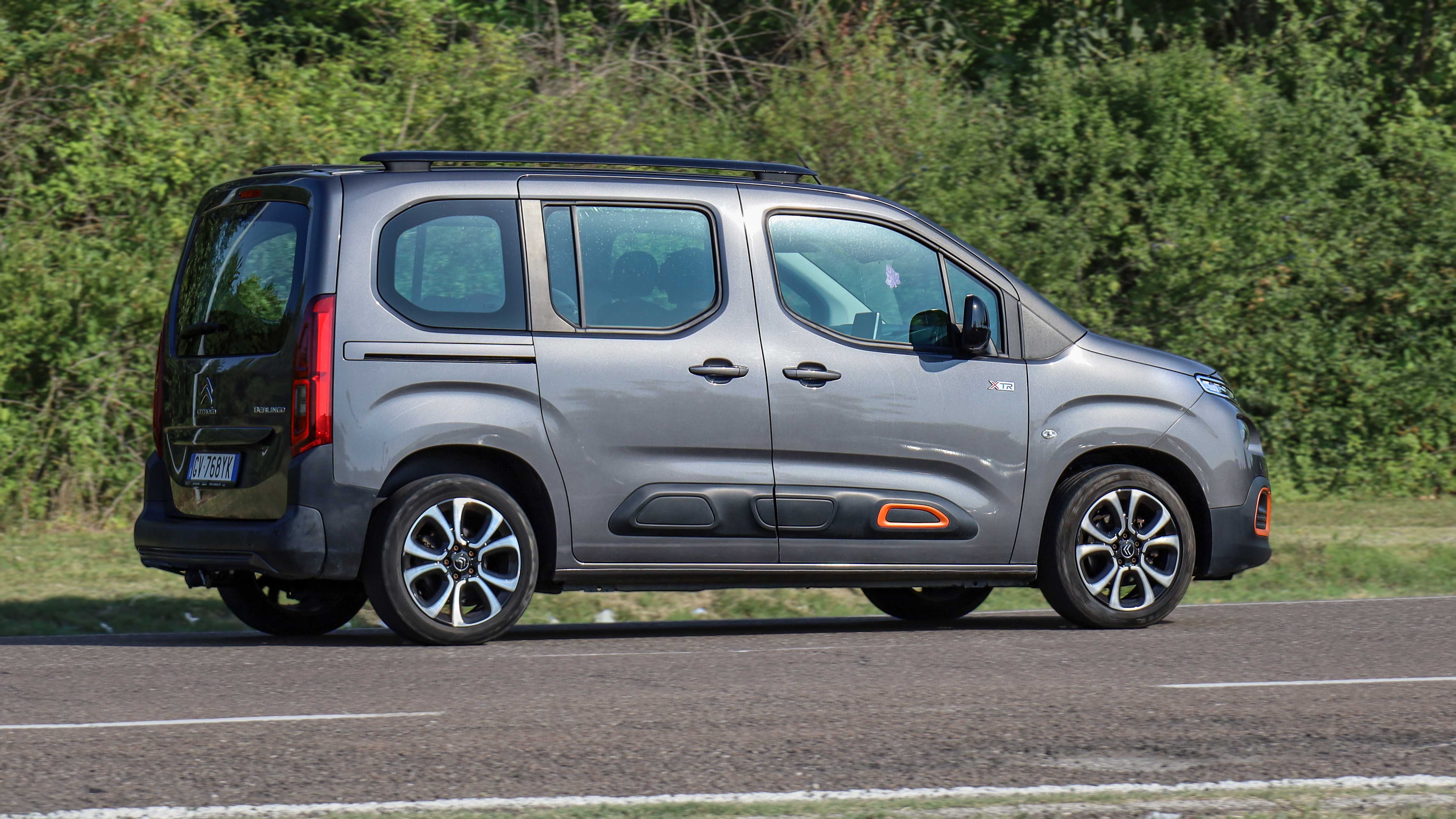
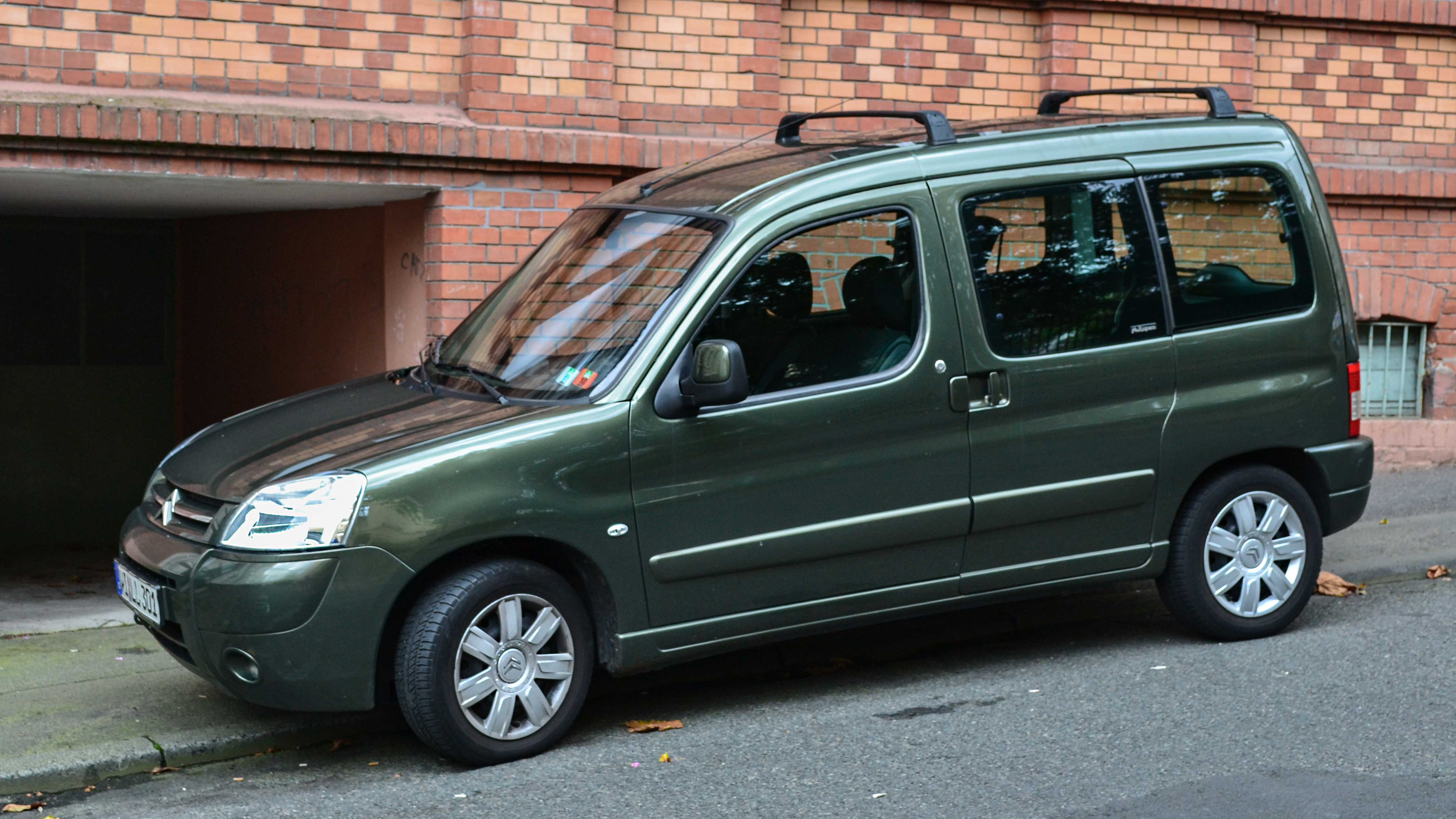
Berlingo
The Berlingo (1996–today) blends compact van practicality with passenger comfort. As a result, petrol, diesel, and electric options up to about 136 hp deliver flexible seating, strong cargo space, and everyday usability.
GS
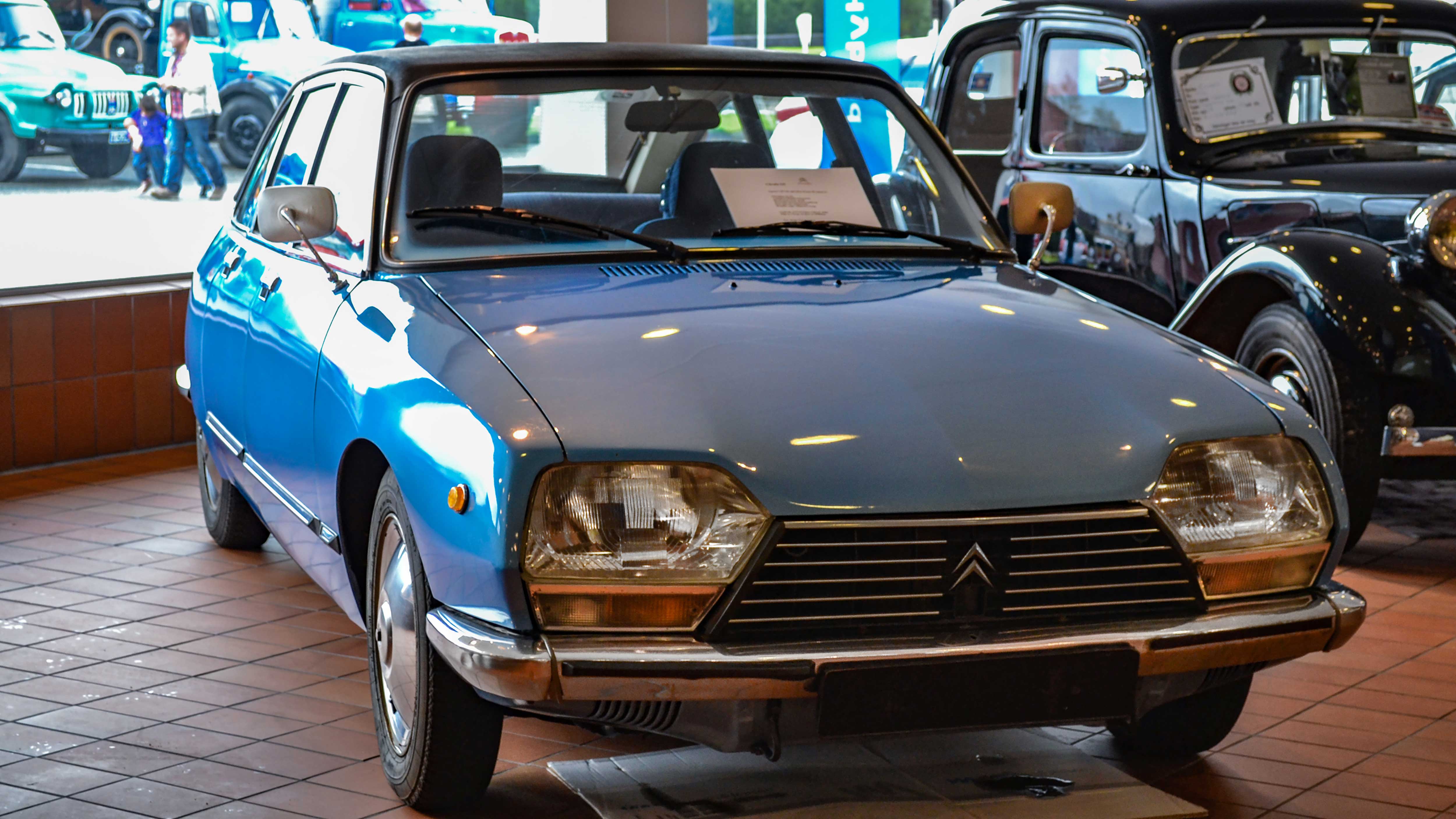
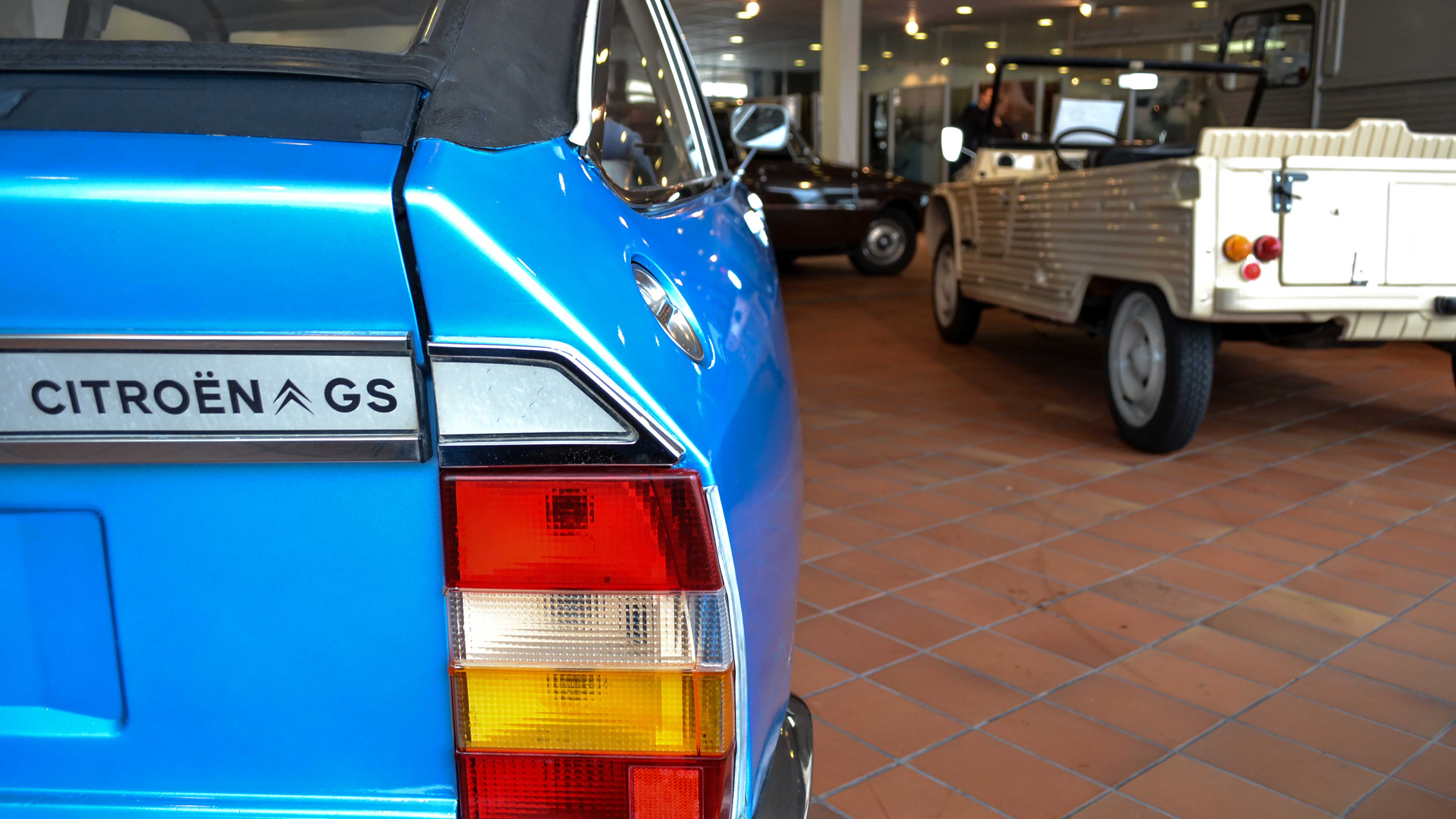
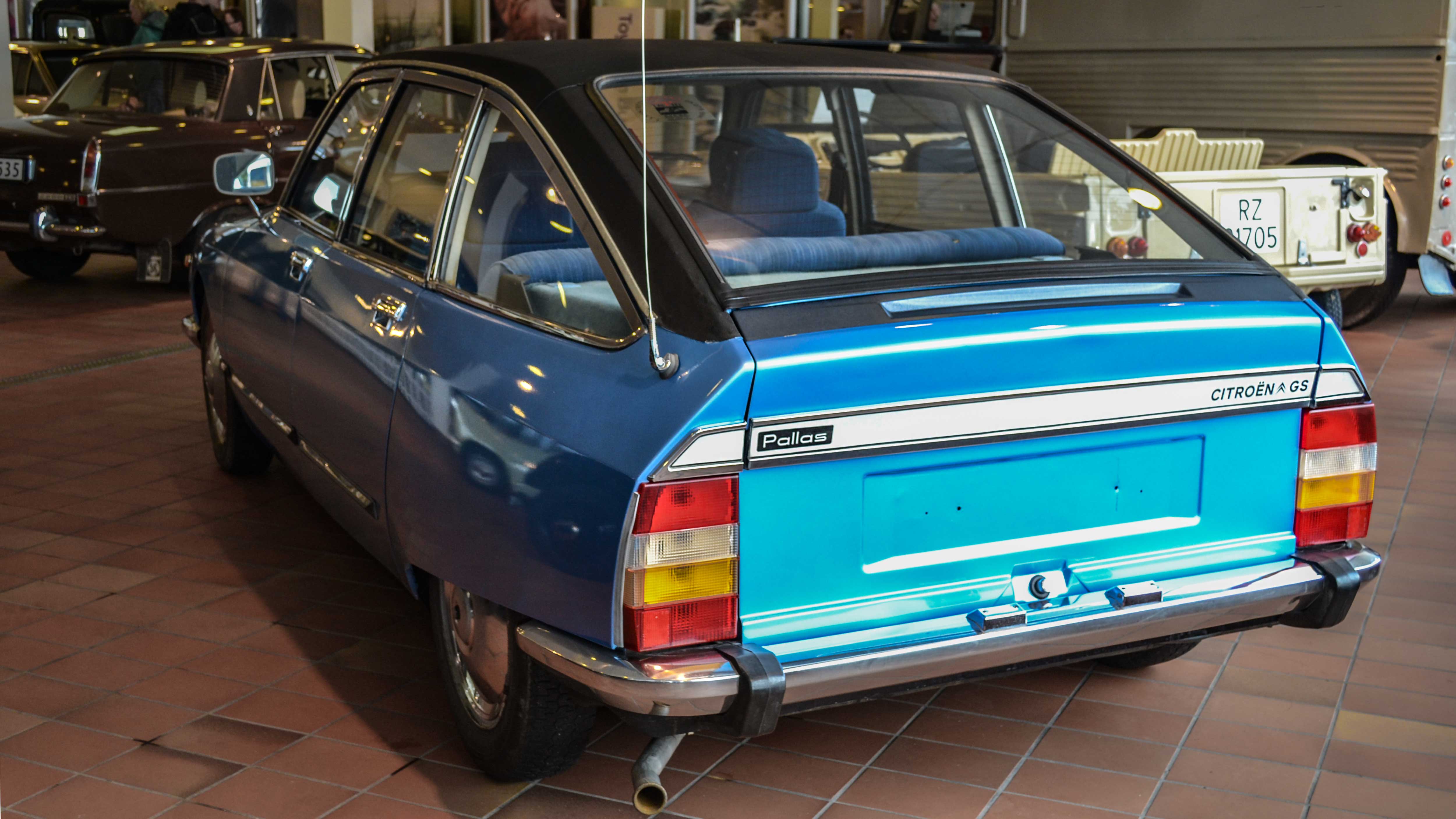
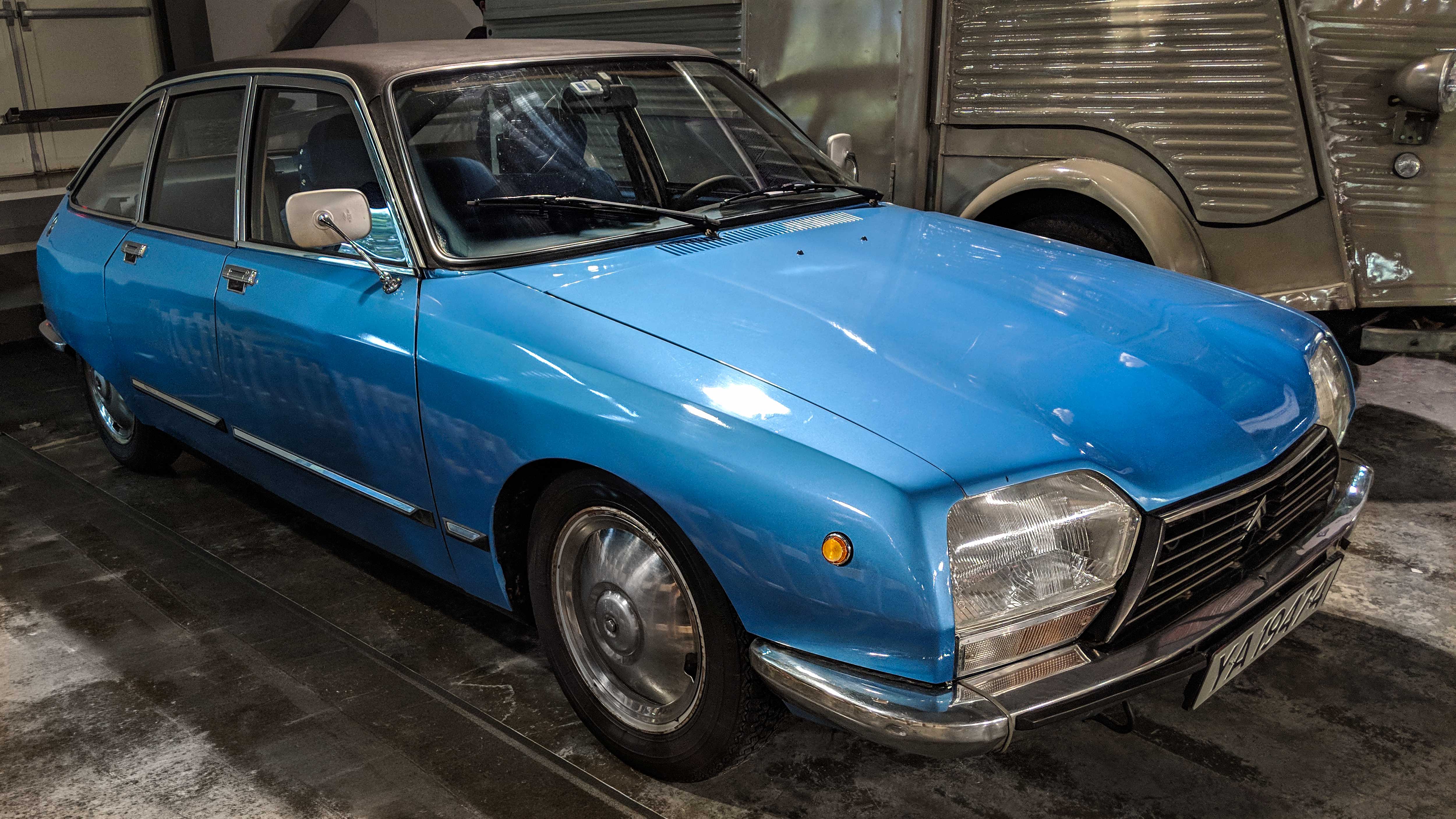
The GS (1970–1986) bridged the gap between small cars and executive models with a strong focus on comfort. As a result, its hydropneumatic suspension and flat-four engines up to about 65 hp delivered a smooth ride and advanced aerodynamics.
Visa
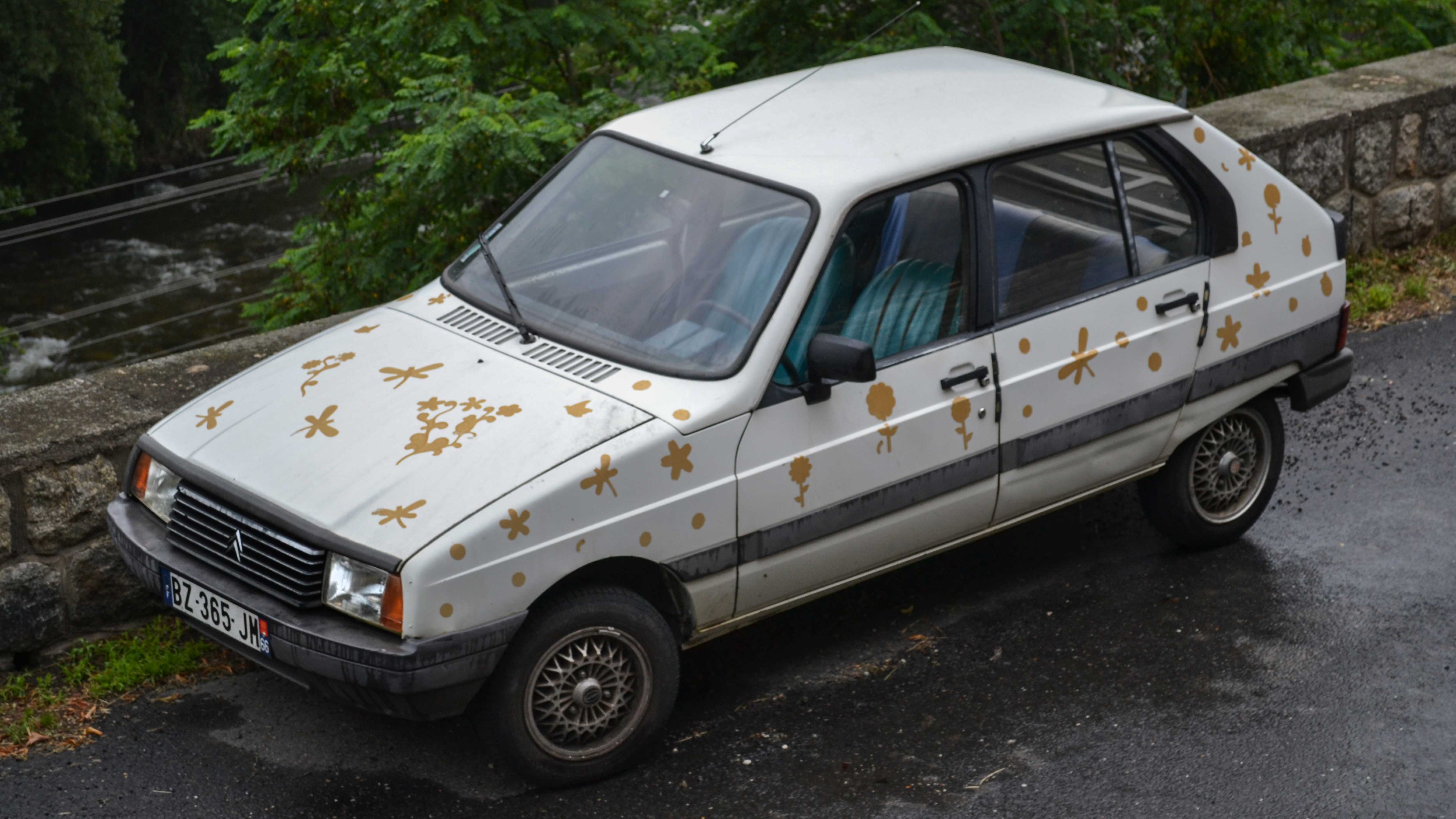
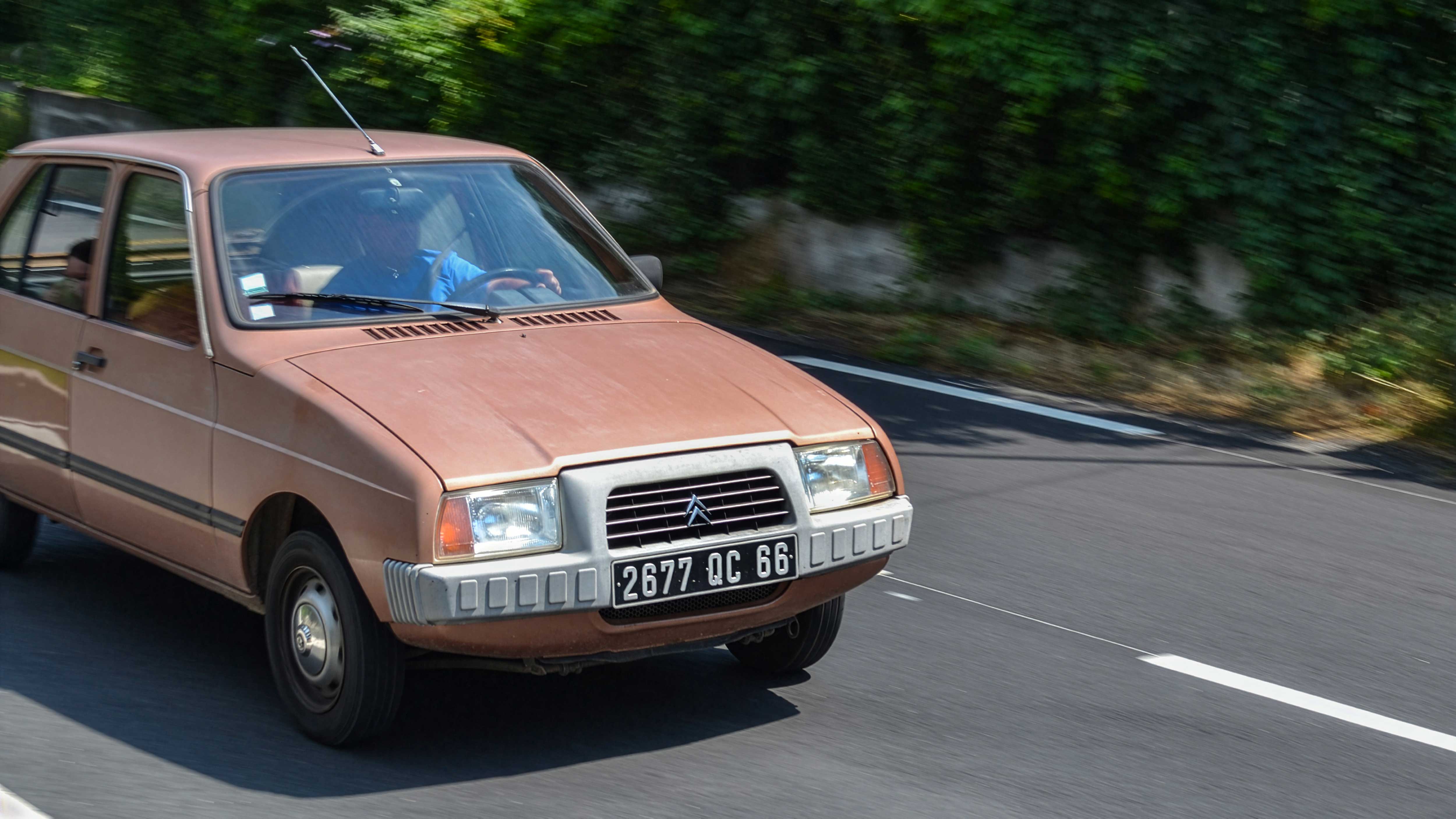
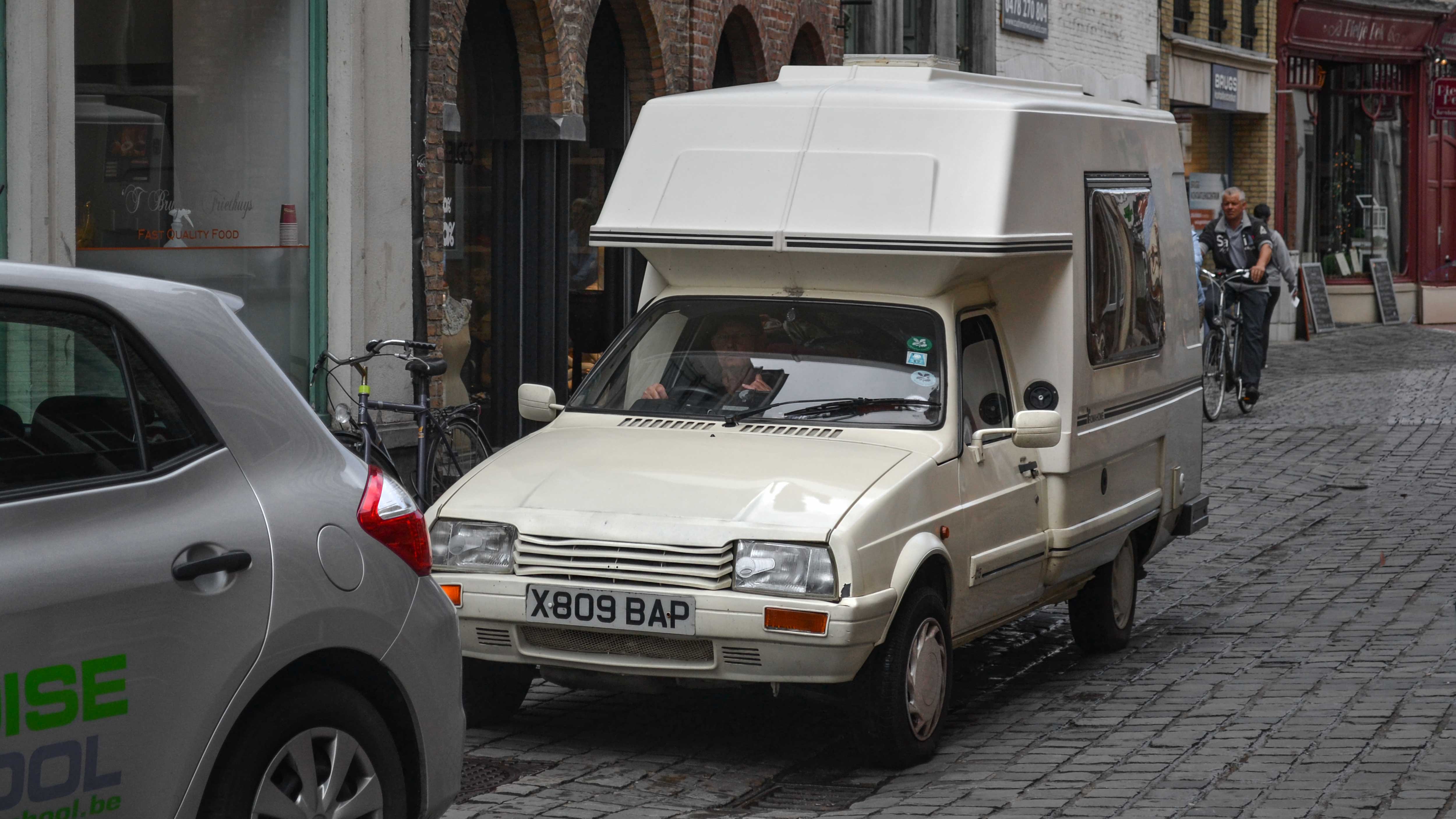
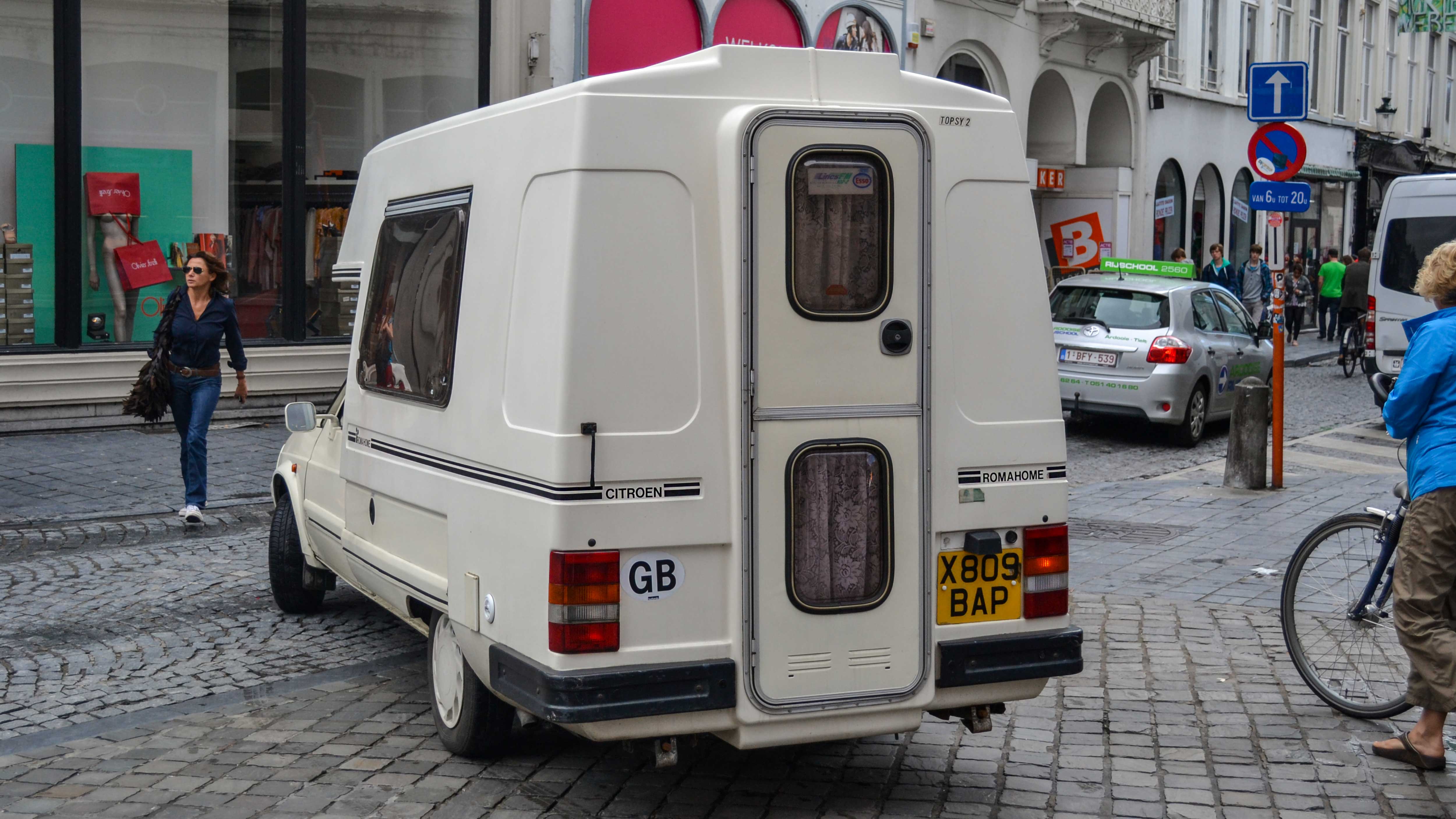
The Visa (1978–1988) replaced the Ami with a focus on comfort and efficiency. As a result, engines ranged from small air-cooled twins to 1.6-liter petrol units, while the Visa GTI delivered about 115 hp with low weight and sharp handling.
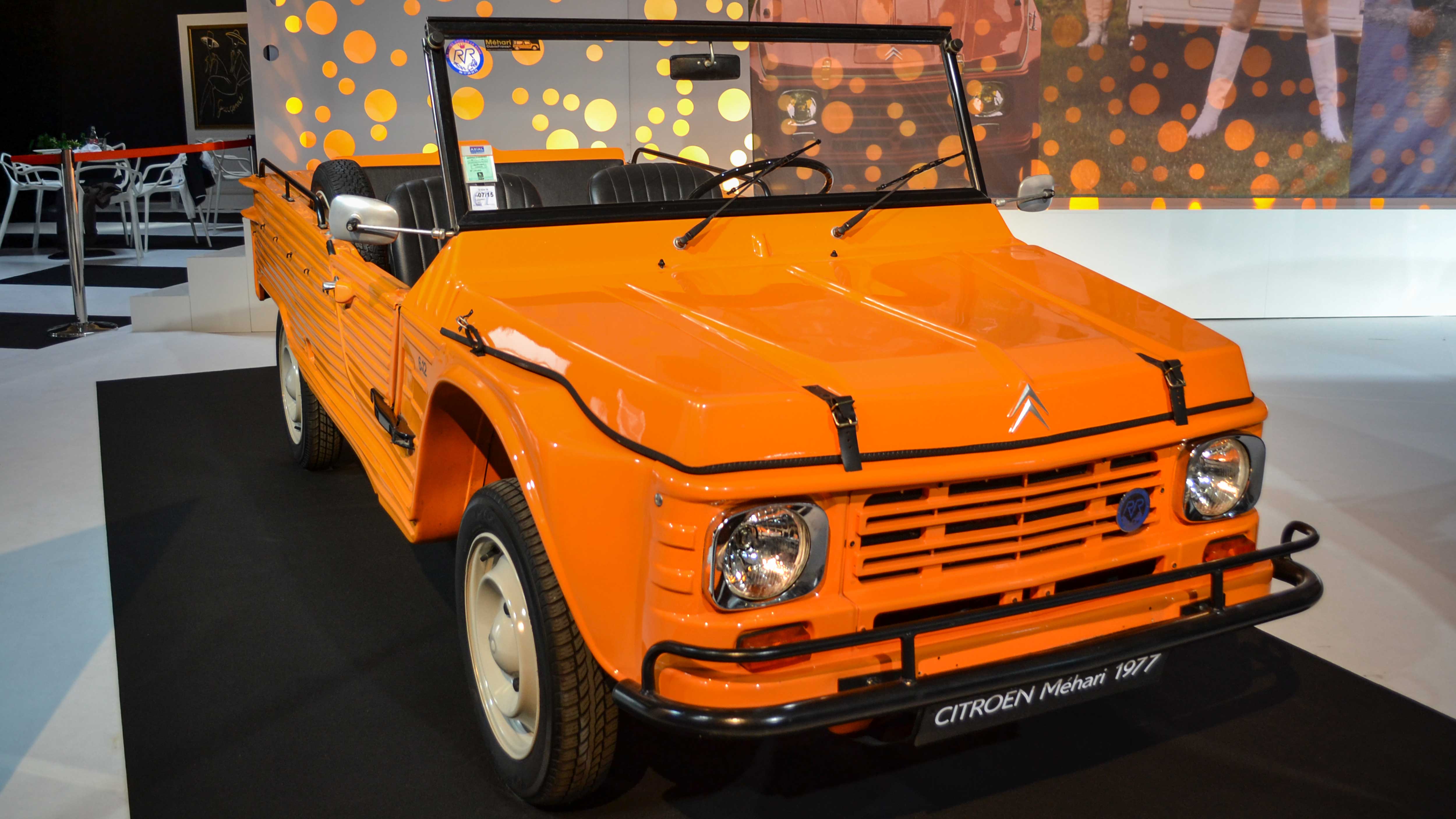
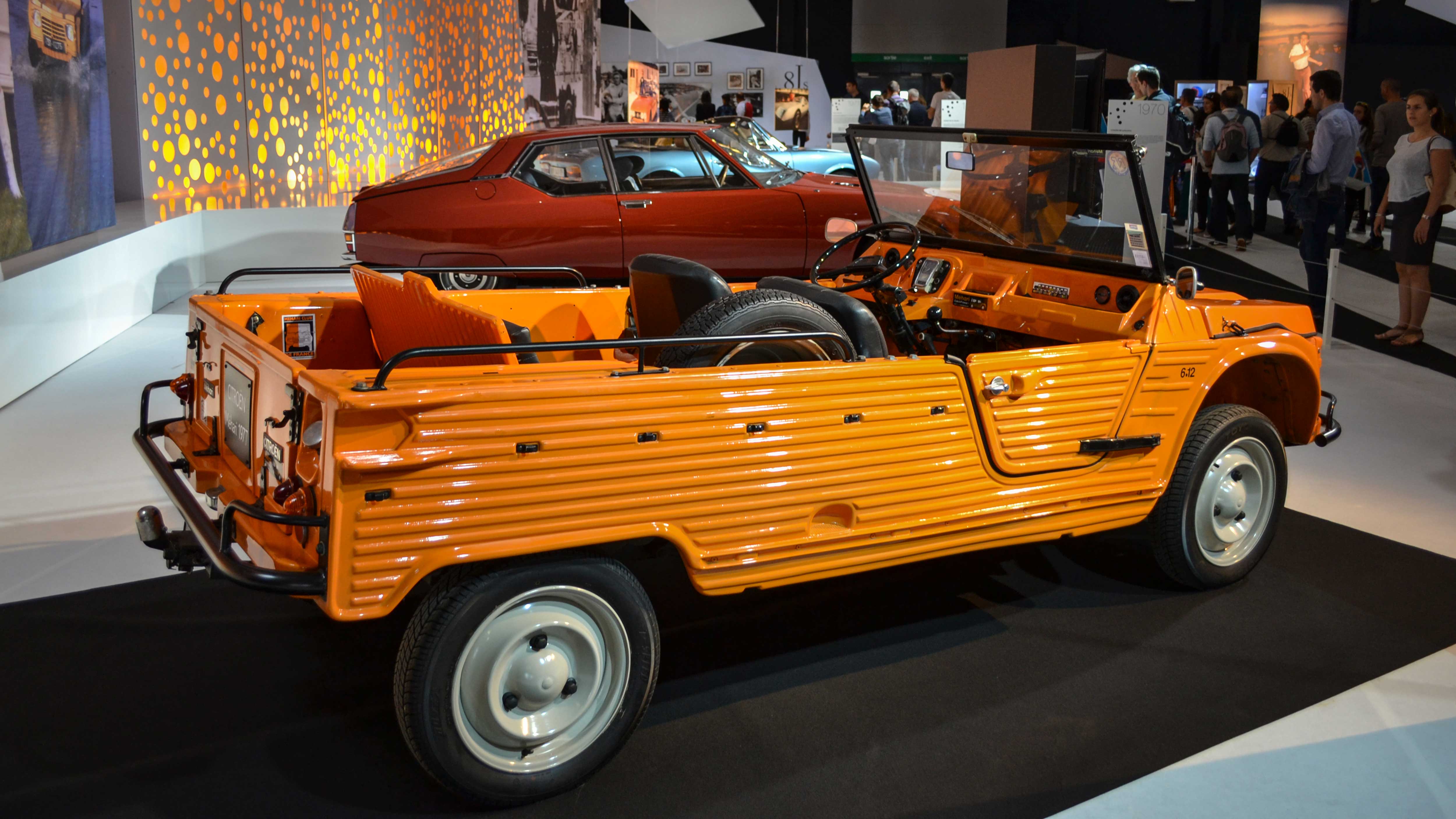
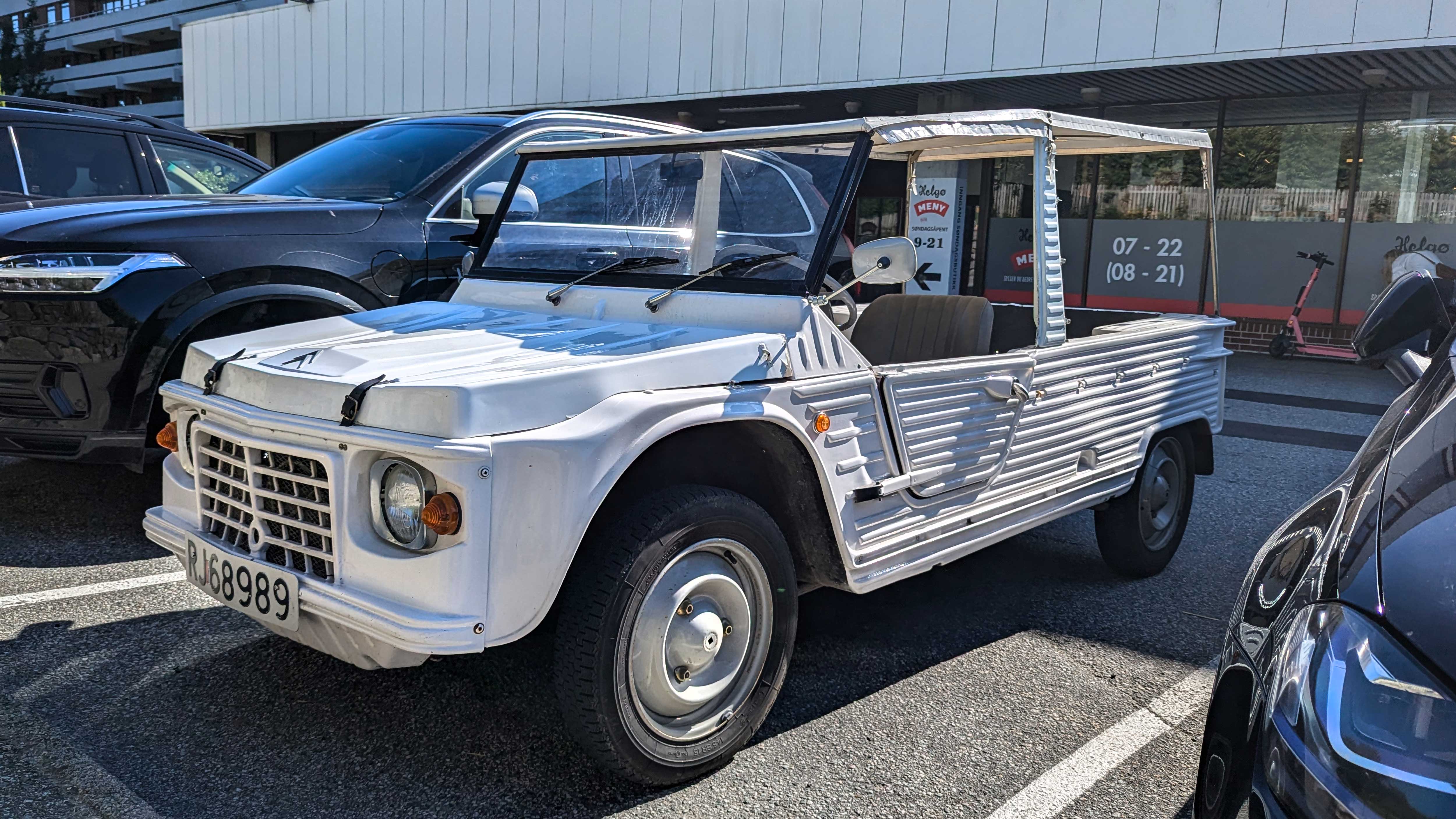
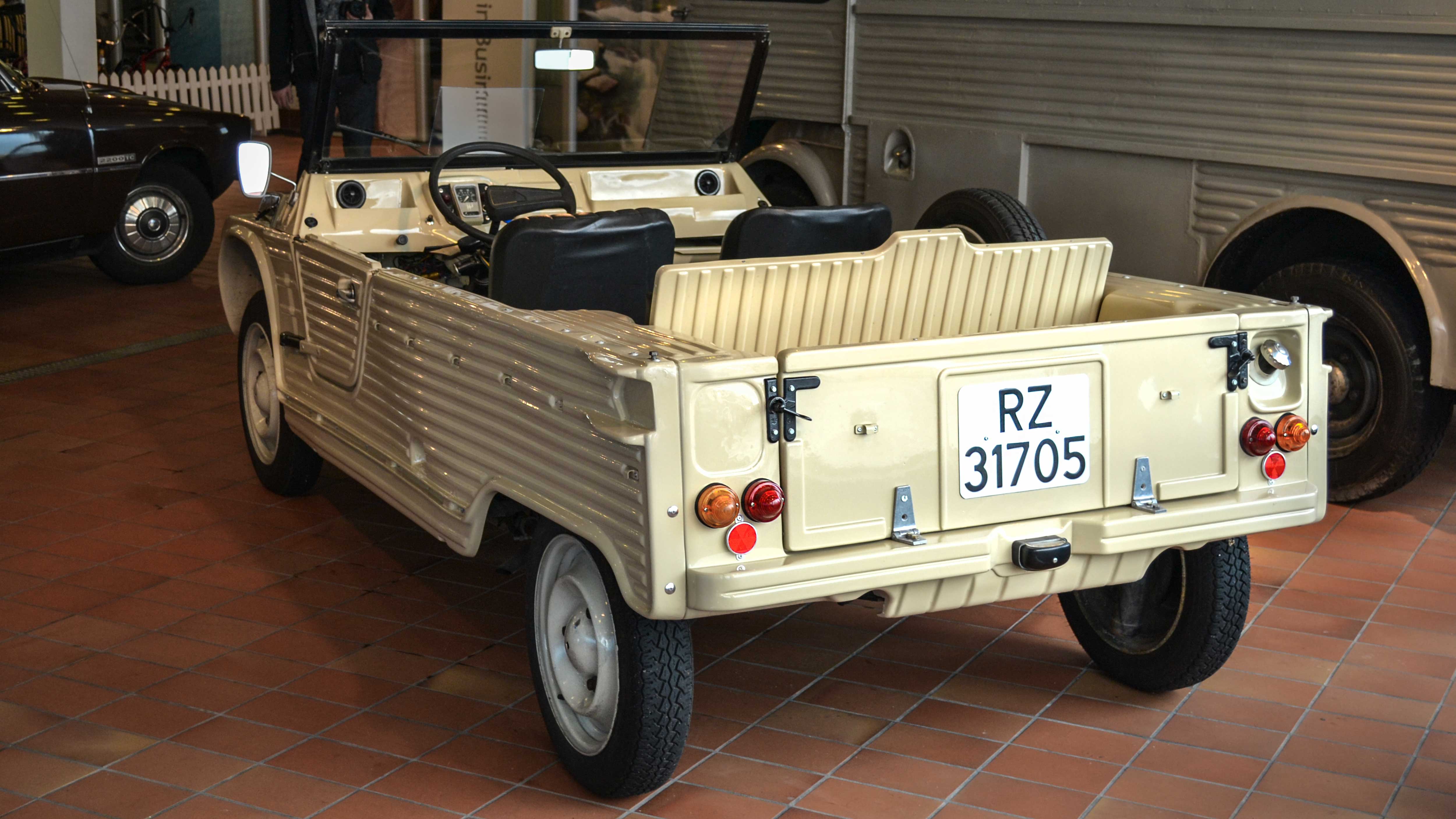
Mehari
The Méhari (1968–1987) was a lightweight leisure vehicle built for simplicity and off-road use. As a result, its air-cooled flat-twin engine up to 602 cc focused on low weight, easy maintenance, and open-air versatility.
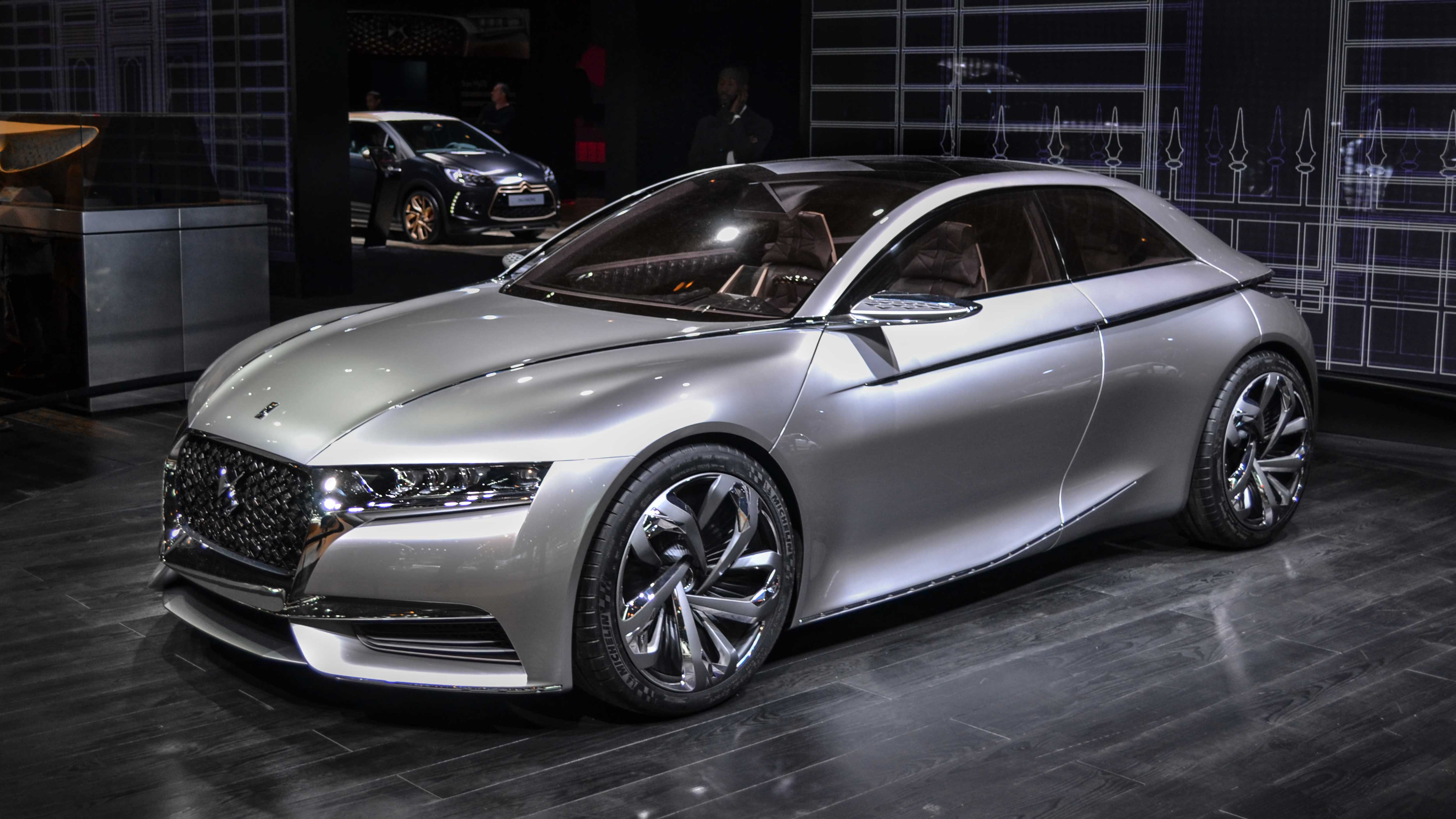
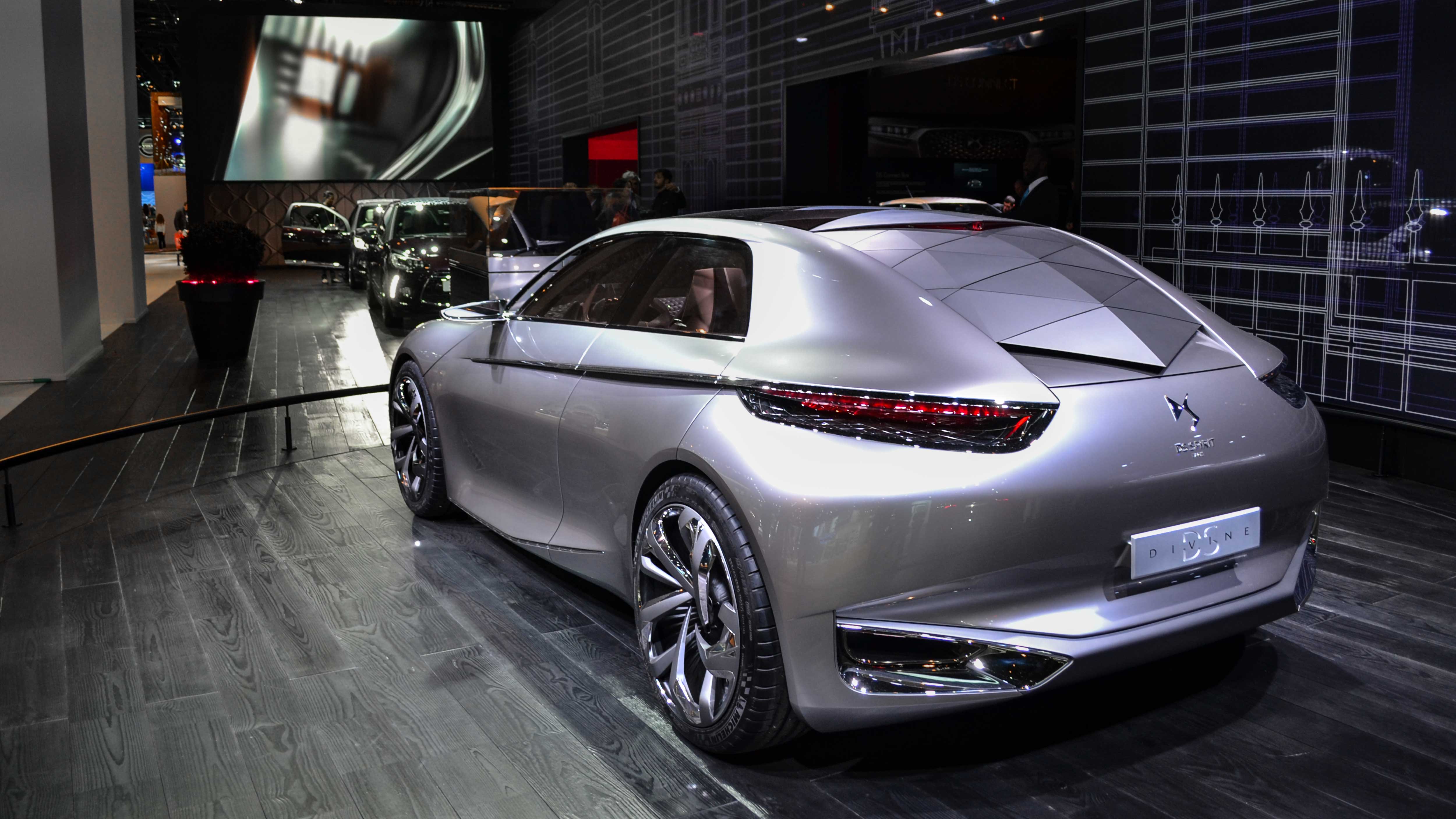
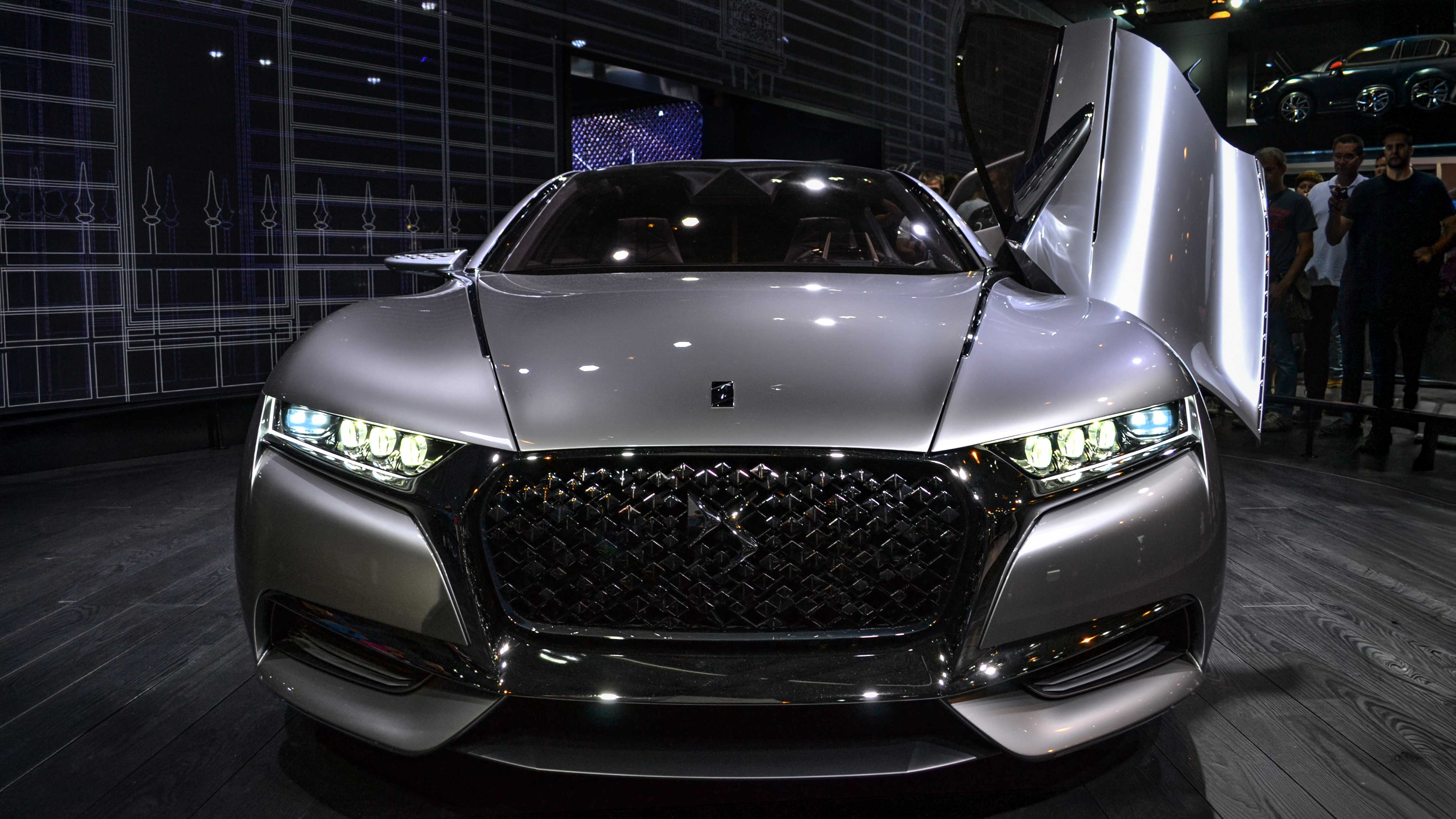
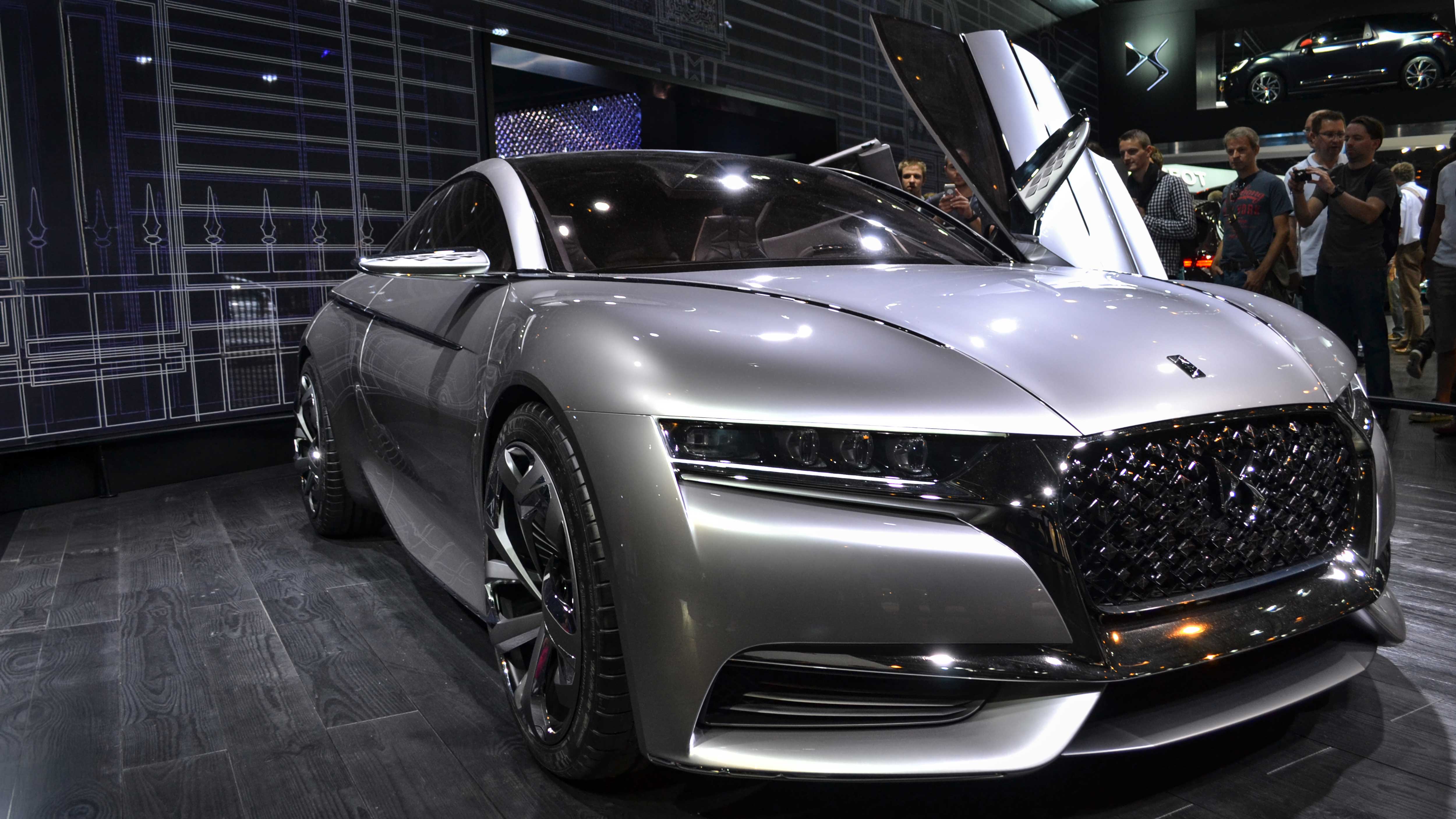
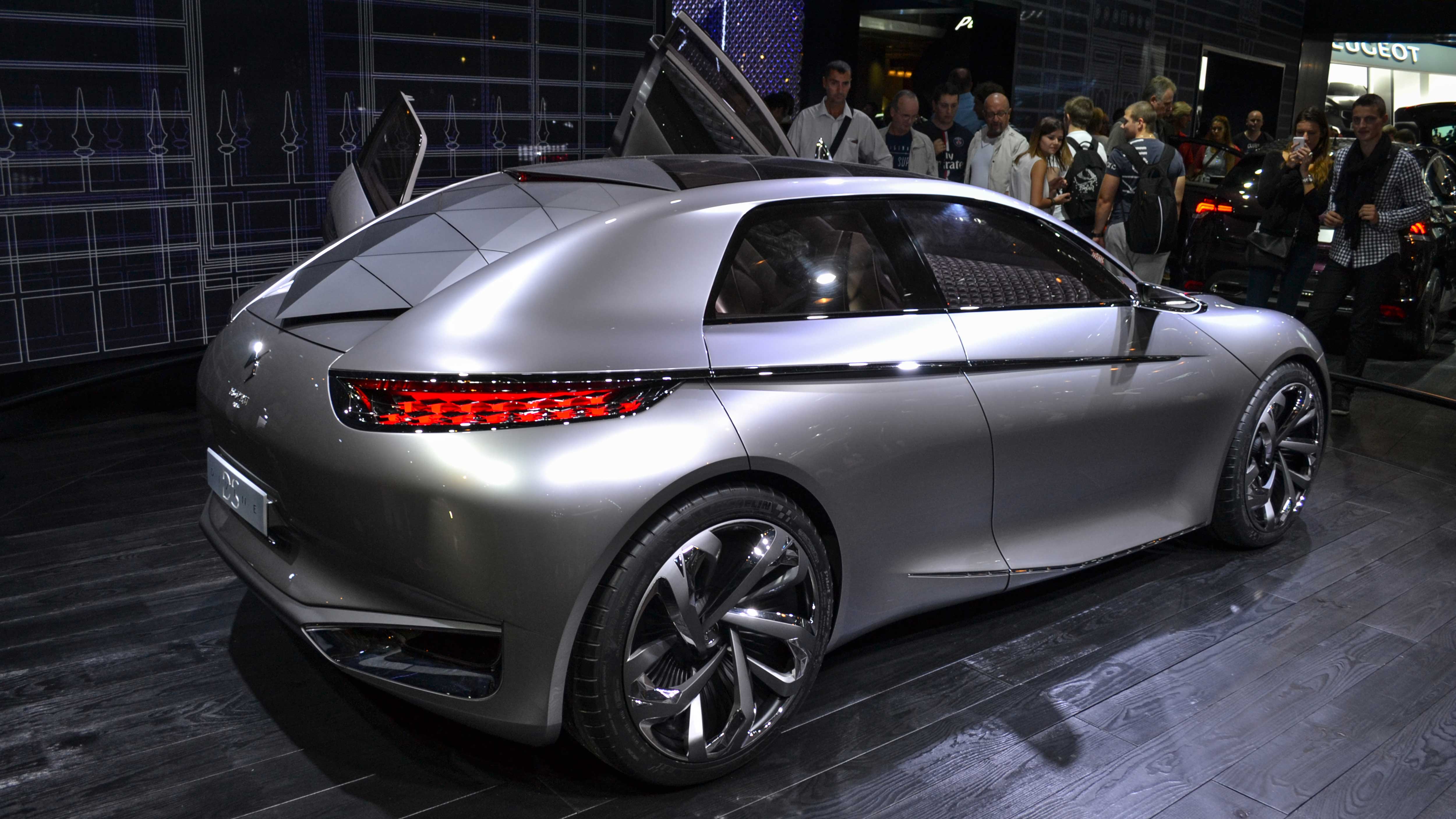
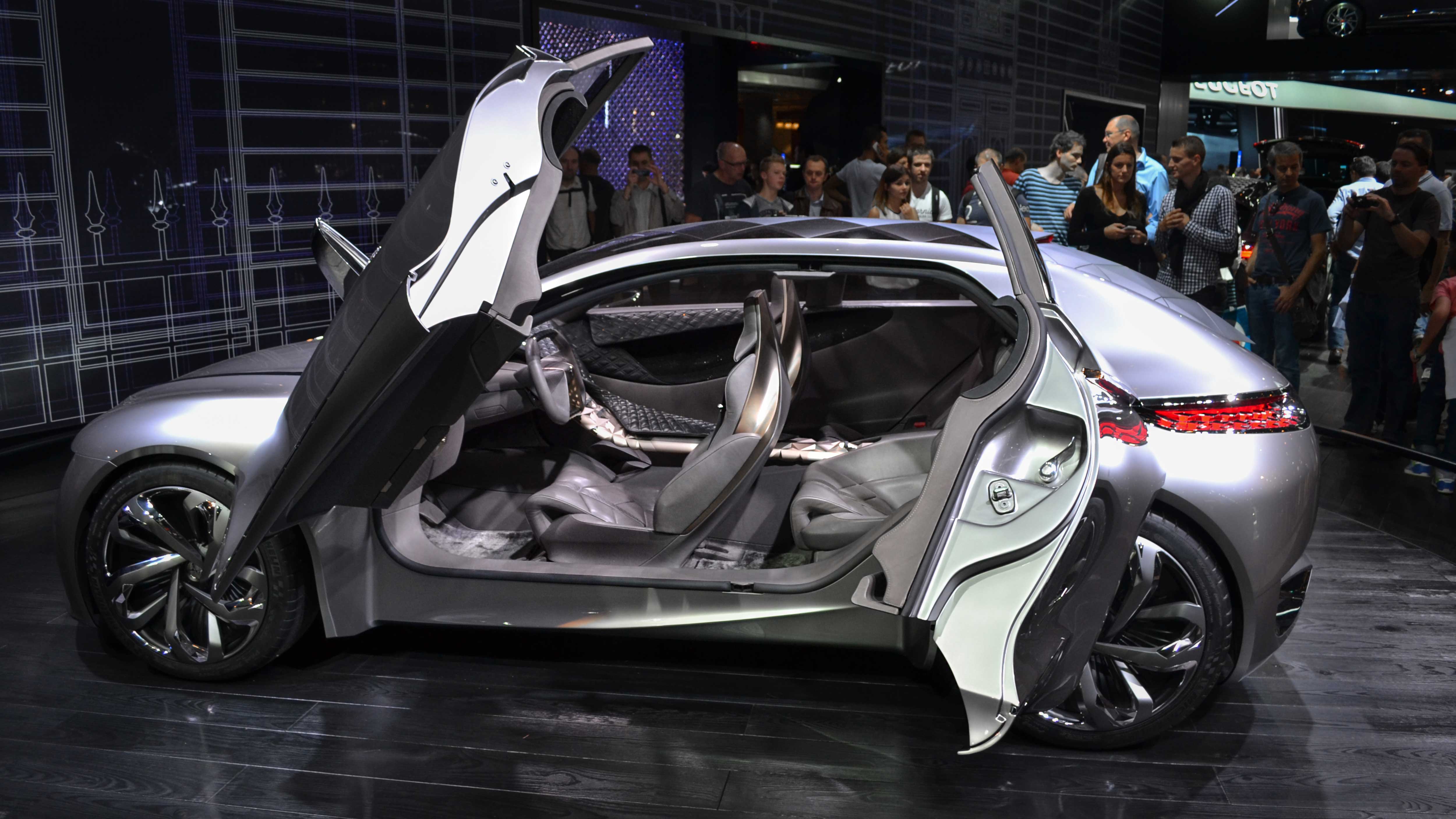
Devine DS Concept
The Divine DS Concept (2014) previewed DS design and technology for future models. As a result, its compact proportions, hybrid-ready layout, and interior materials highlighted personalization, efficiency, and modern premium direction.
Aircross Concept
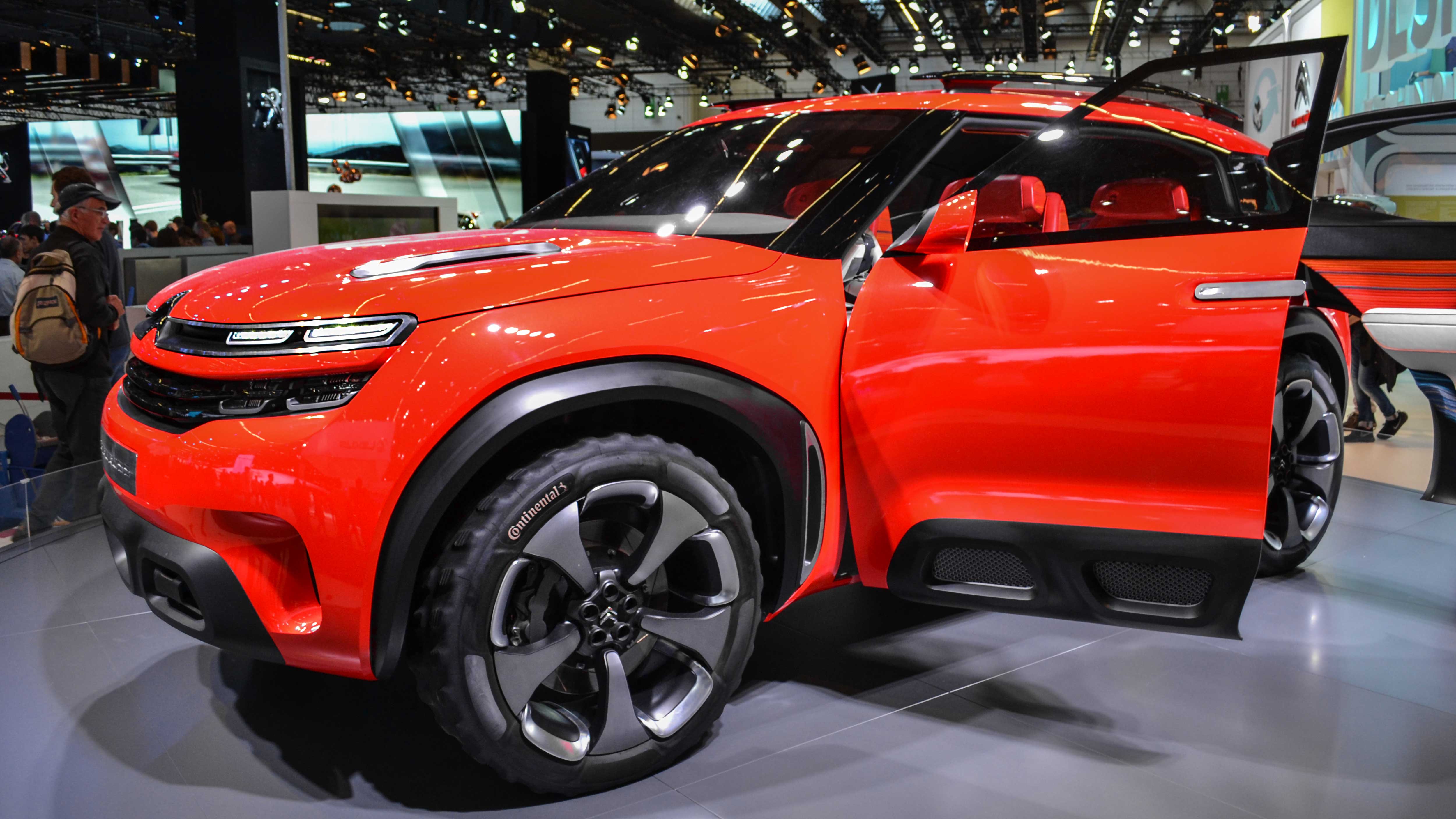
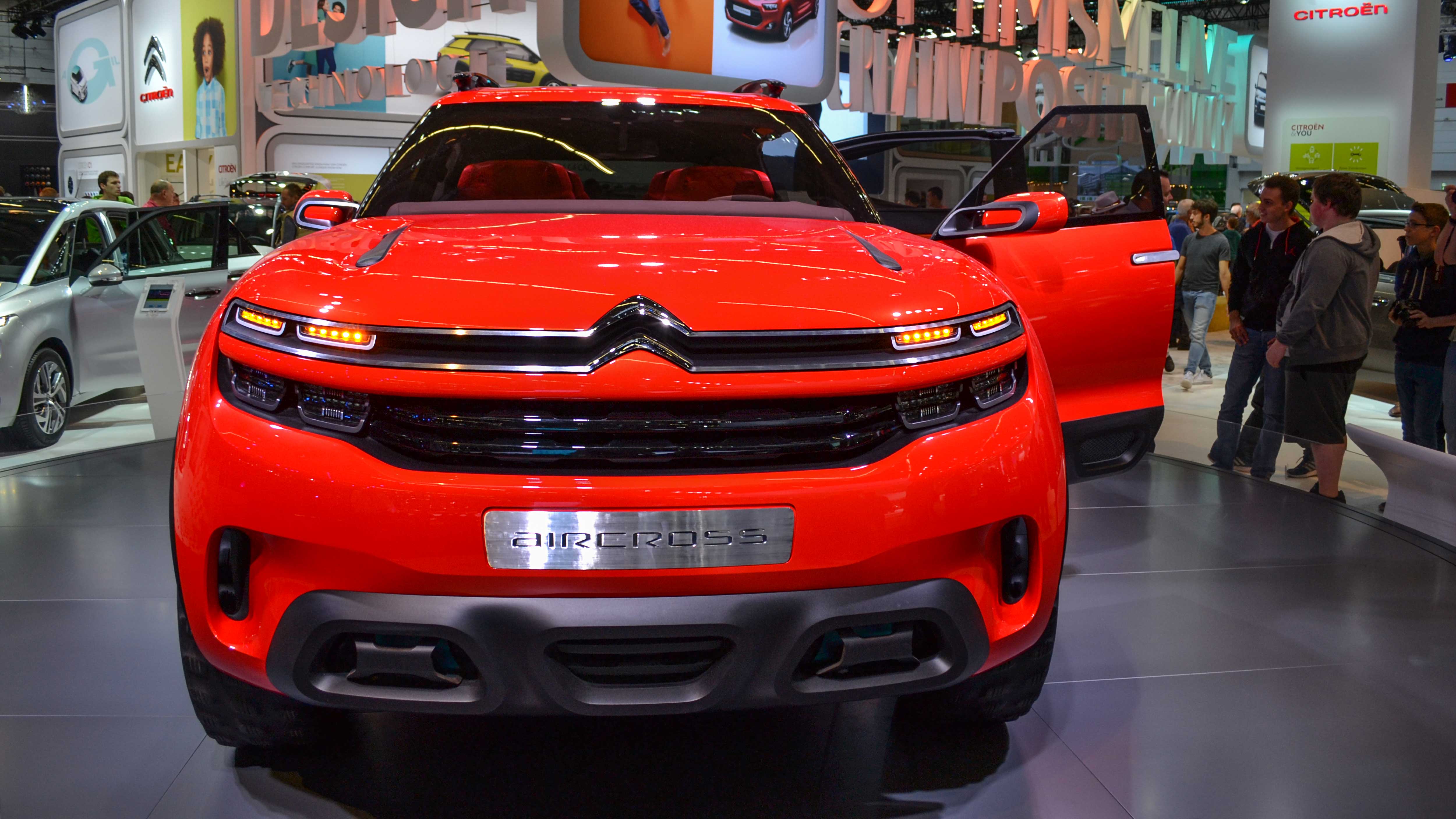
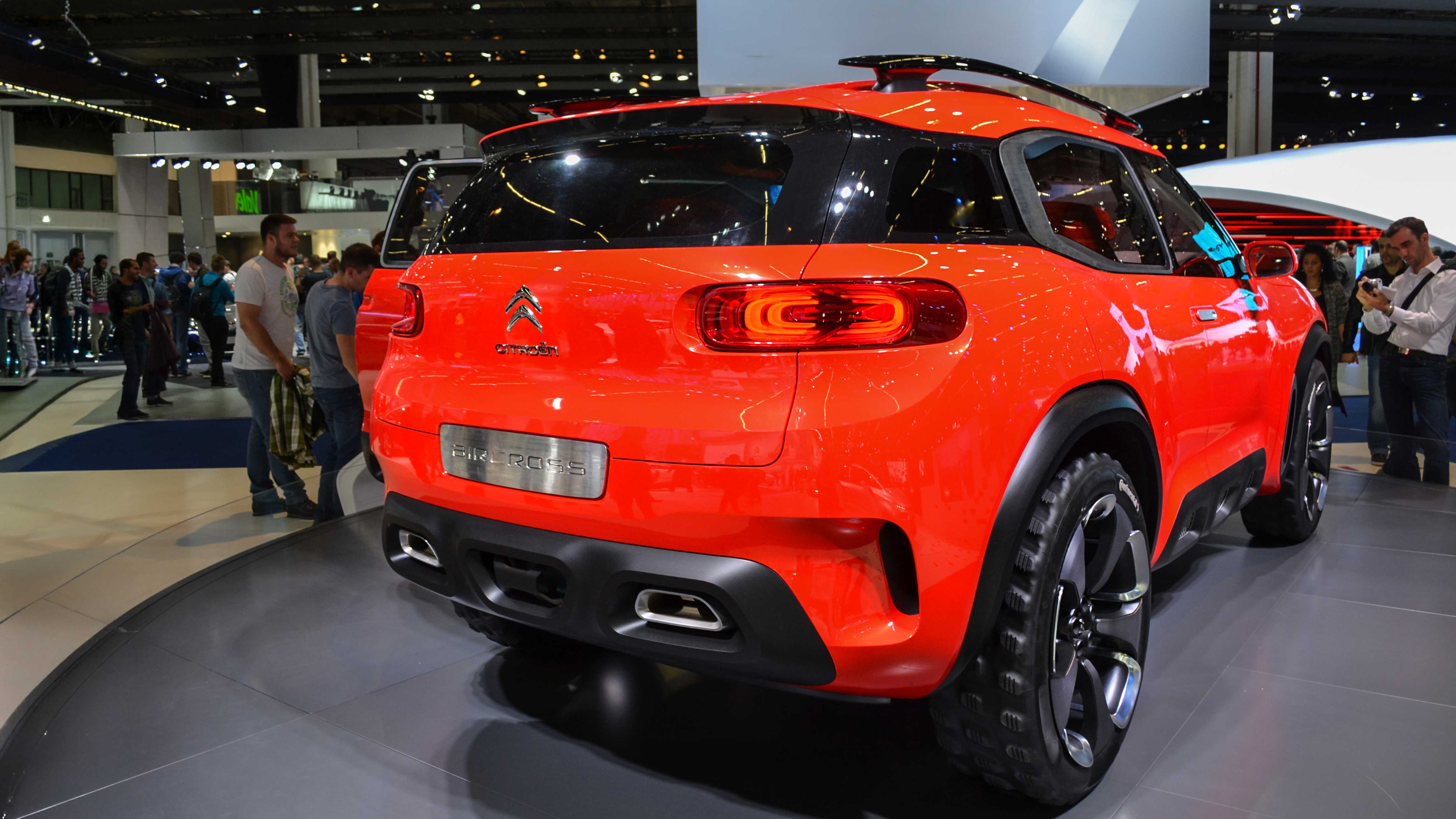
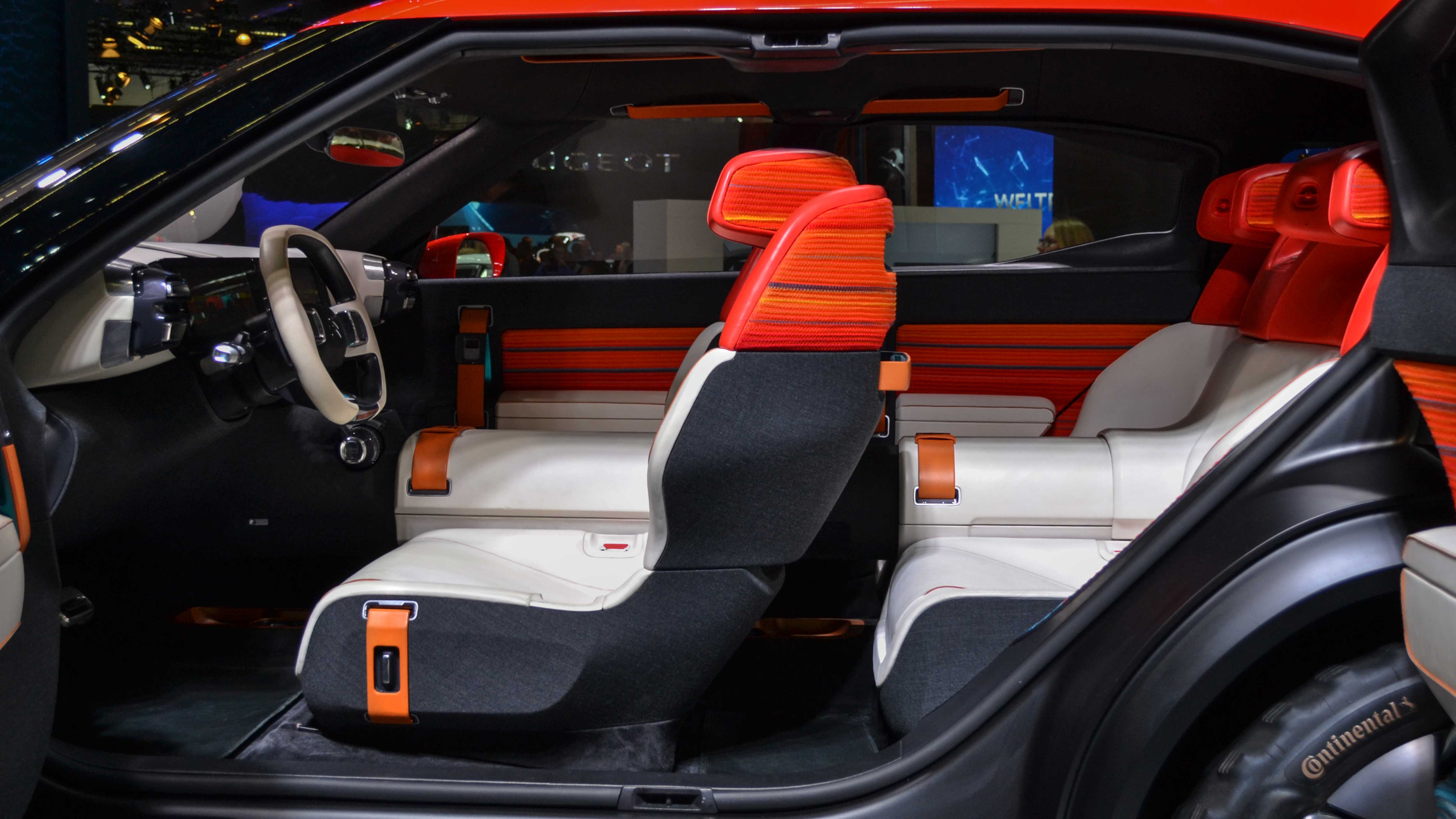
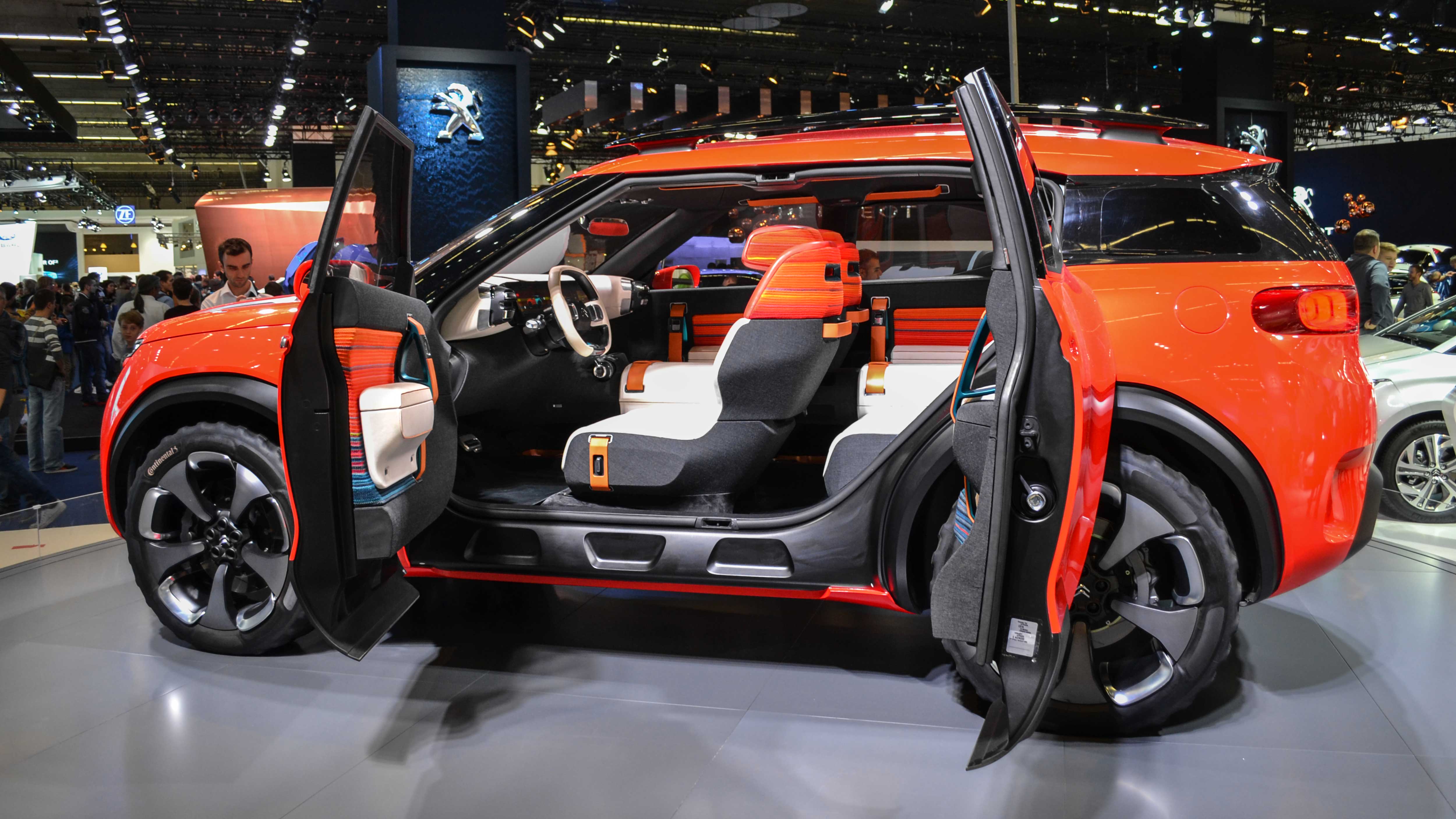
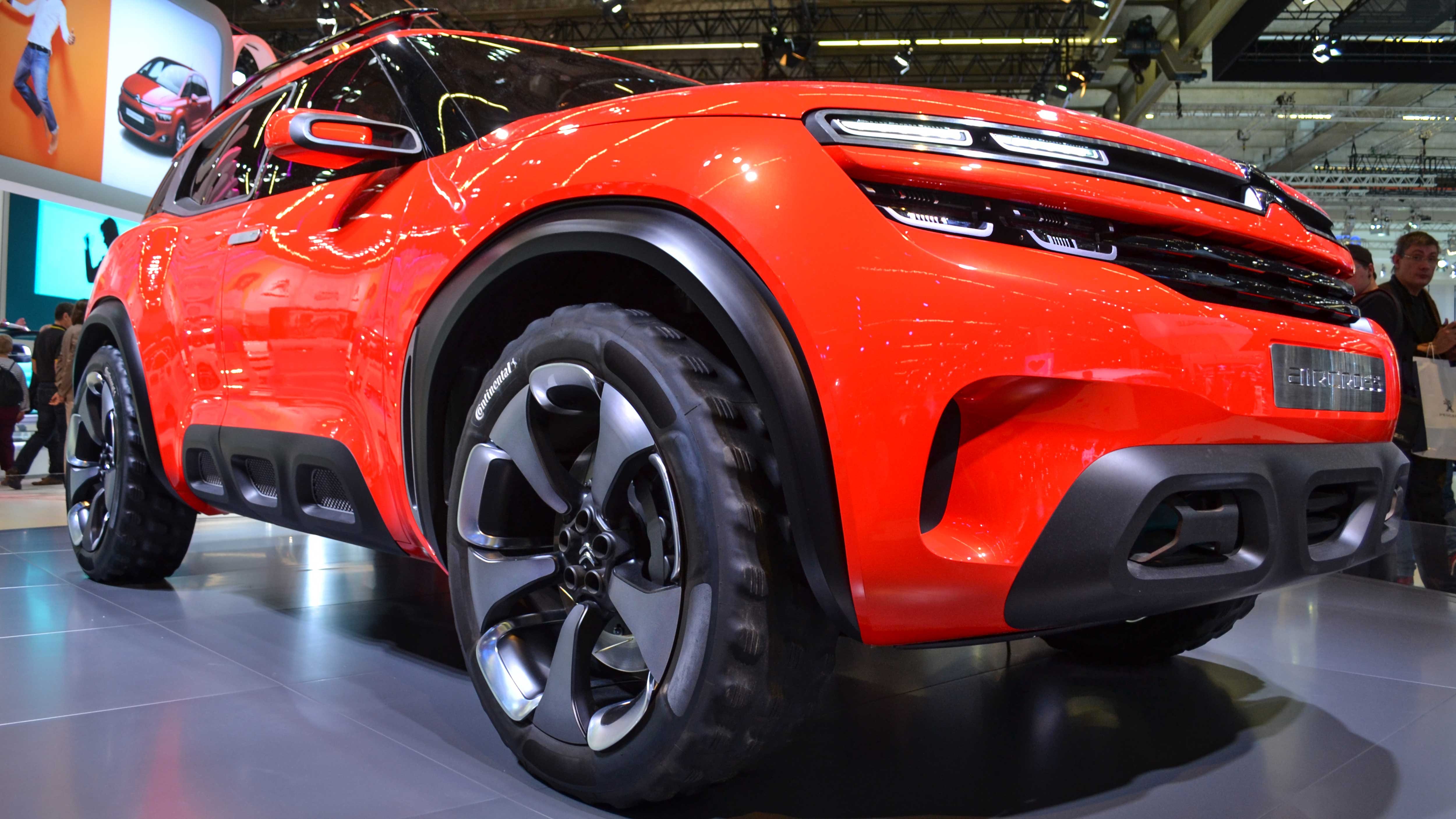
The Aircross Concept (2015) previewed Citroën’s future compact SUV direction. As a result, its lightweight platform, hybrid-ready layout, and bold styling signaled a focus on comfort, efficiency, and modular design.